
Roof Repairin National City, CA
Roof repair in National City must use at least Class B roofing, because the City amended its building code so Class B is the minimum on every roof, whatever the construction type. Replace more than 50 percent of a roof within one year and the whole roof must be Class B. A re-roof with tear-off needs a permit.
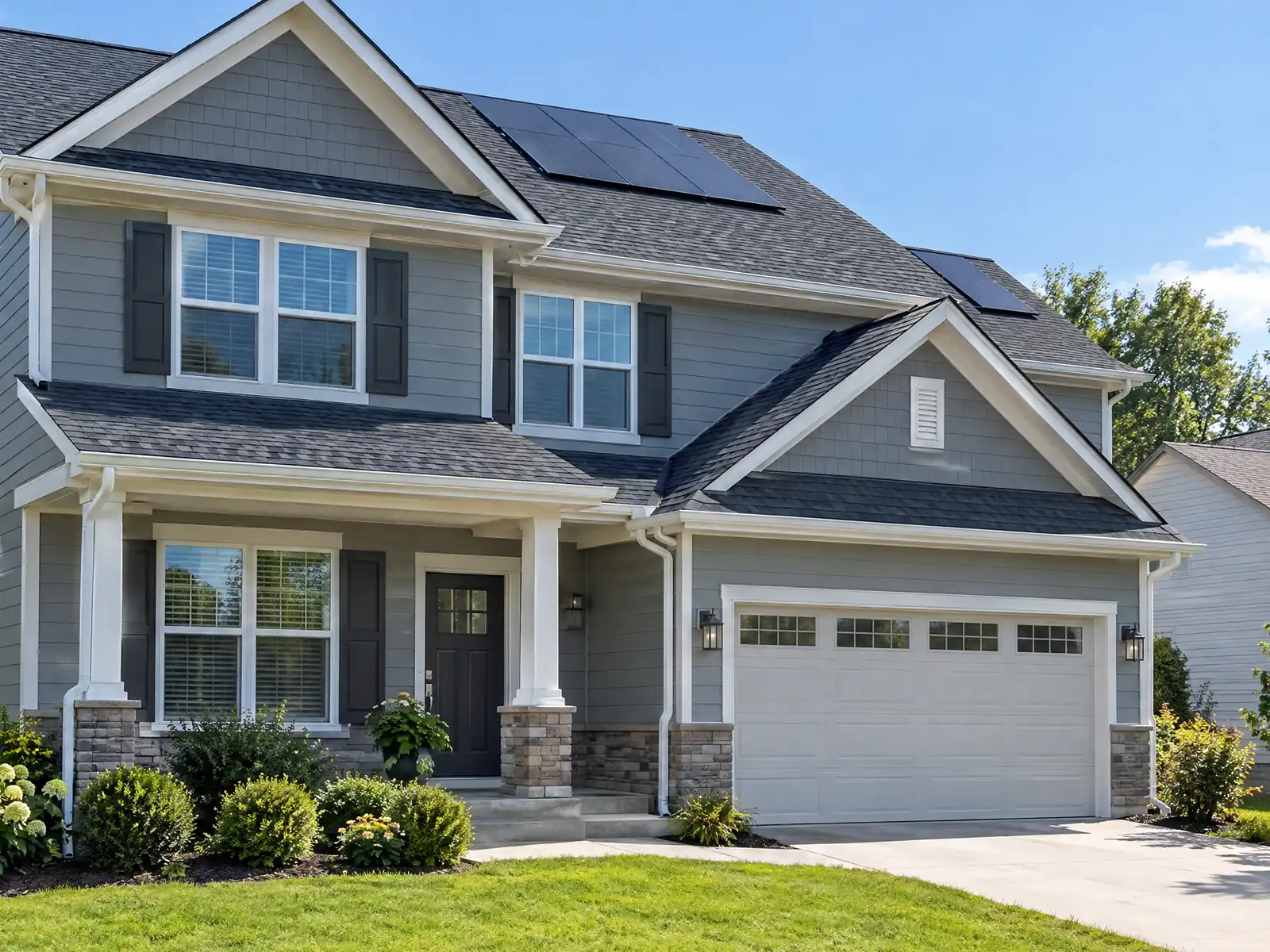
National City is a compact bayfront city of 19,414 housing units, and its roofs are older than most in the county. The Census Bureau's ACS 2024 five-year estimates put 70.1 percent of units before 1980 and 65.3 percent of occupied units in renter hands, so a good share of re-roofing is ordered by a landlord for a duplex or a small apartment building rather than by an owner living under the roof. The median owner-occupied home is worth $612,200.
On a roofing job, MDG Builders (CSLB #1040337) writes the scope, asks the Building Division what it wants to see and keeps the schedule, while a licensed C-39 roofing subcontractor strips and lays the covering. Our roofing page holds the sourced prices, the National City overview lists every trade we manage here, and the guides for Chula Vista, La Mesa and Imperial Beach show how neighbors set their own roof rules. The City's Building Division issues the permits. Its website refused our automated requests, so we read Internet Archive copies of City pages and a third-party mirror of the municipal code, and we say so wherever it matters.
What National City's amended codes and Building Division handouts say about roofs
Where roofing permits come from in National City: City of National City Community Development Department, Building Division.
- National City amended Table 1505.1 of the 2025 California Building Code so that the minimum roof covering classification is Class B for every construction type (IA through VB), citing its climate and geography (Ordinance 2025-2551, GoCodebook mirror). Class B is the citywide minimum, not Class A and not Class C.
- National City's amended Residential Code section R902.1.3 requires a fire-retardant roof covering of at least Class B on the entire roof of every new structure, on the entire roof of an existing structure when more than 50 percent of the roof area is replaced within any one-year period, and on any roof covering applied in the alteration, repair or replacement of the roof of an existing structure (Ordinance 2025-2552, GoCodebook mirror).
- The City's Info Guide lists 're-roofing involving tear-off of original roof' among the work that needs a building permit. The guide does not say what applies to a re-cover without tear-off, so ask the Building Division at (619) 336-4210 before assuming it is exempt.
- Under the amended Residential Code definition (Ordinance 2025-2552, GoCodebook mirror), if more than 50 percent of a structural roof or more than 50 percent of all exterior walls are removed in a project, the building is no longer an 'existing building', so a large roof-framing replacement can pull the whole building under new-construction rules.
- Roof coatings in San Diego County must meet APCD Rule 67.0.1 Table 1: 50 grams of VOC per liter for roof coatings and bituminous roof coatings, 100 g/L for aluminum roof coatings and 350 g/L for bituminous roof primers.
- The Land Use Code lets photovoltaic systems on single-family homes extend up to five feet above the zoning height limit, except in the coastal zone, and says solar collectors are not 'reflective roofing materials' (Section 18.30.300, GoCodebook mirror).

What roof class does National City require, and when does the 50 percent rule apply?
Class B or better, on every roof. Ordinance 2025-2551 amended Table 1505.1 of the 2025 California Building Code so the minimum roof covering is Class B for every construction type from IA through VB, and the Council cited the city's dry climate and geography. That makes Class B the citywide floor, and the floor is Class B, not Class A.
The Residential Code amendment, Ordinance 2025-2552, section R902.1.3, adds the trigger. A new structure needs a Class B roof over the entire building. An existing building needs a Class B roof over the entire roof when more than 50 percent of the roof area is replaced within any one-year period. Any covering applied while altering, repairing or replacing the roof of an existing building must also be at least Class B. A small patch therefore still uses rated material, and a second repair later in the year counts toward the half.
Ask the roofer for the fire rating of the whole assembly, not just the shingle.
Is National City in a fire hazard severity zone?
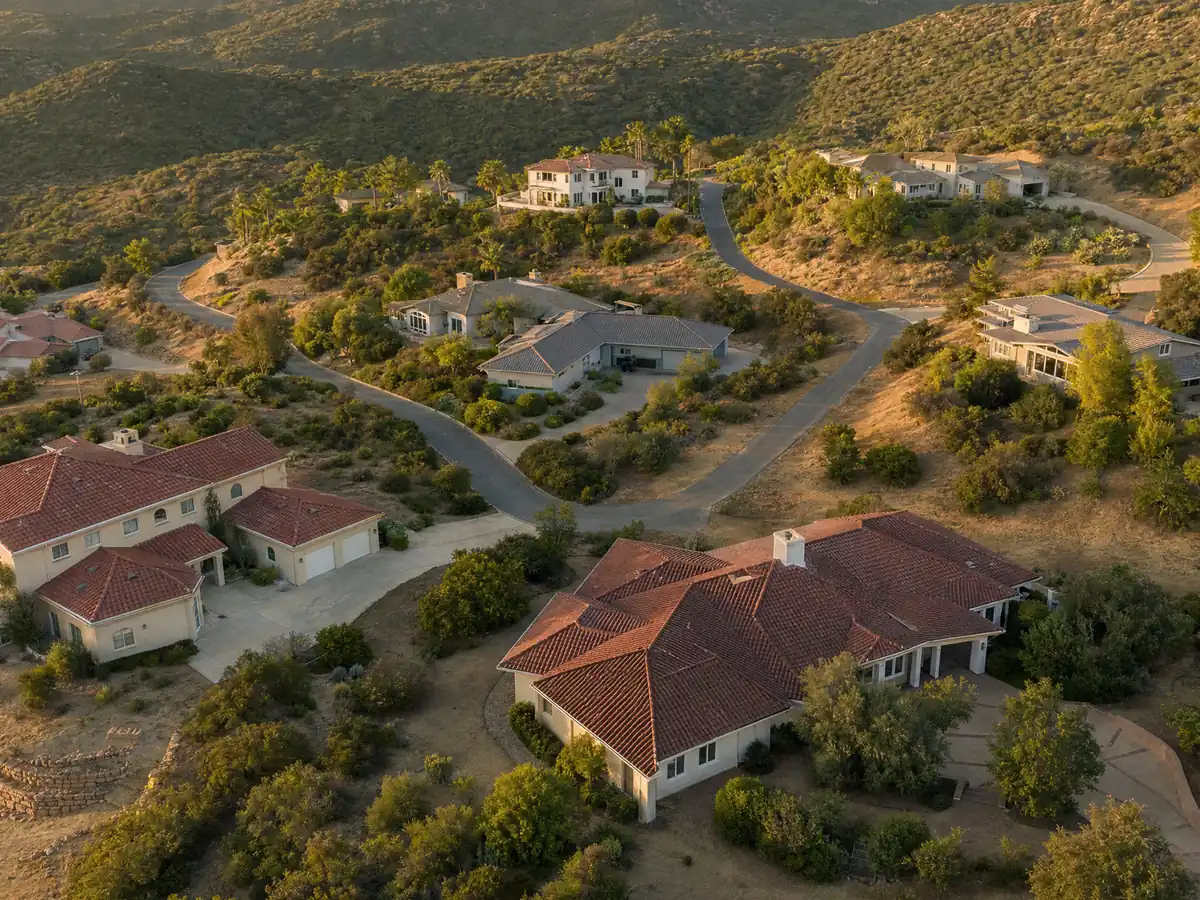
We cannot place your lot on a CAL FIRE map, because we did not open one. The City's draft Safety Element, which the City itself labels an administrative draft dated April 2023, calls the planning area urban unzoned and says it does not pose a severe wildfire threat. The greatest wildfire risk it names lies east of the city near Bonita.
What the draft stresses instead is structure fire in old buildings: about 92 percent of homes are over 30 years old and 52 percent are over 50, figures from older census years. The Fire Code ordinance, 2026-2560, cites the age and concentration of structures and the risk that fire spreads from one building to the next, and the Class B rule grows out of the same reasoning. The Fire Marshal's line is (619) 336-4550, and the Fire Code is enforced by the Fire Department's Community Risk Reduction Bureau.
Ask the Fire Marshal whether any hazard map applies to your street before you choose a material.
Does a National City roof replacement need a building permit?
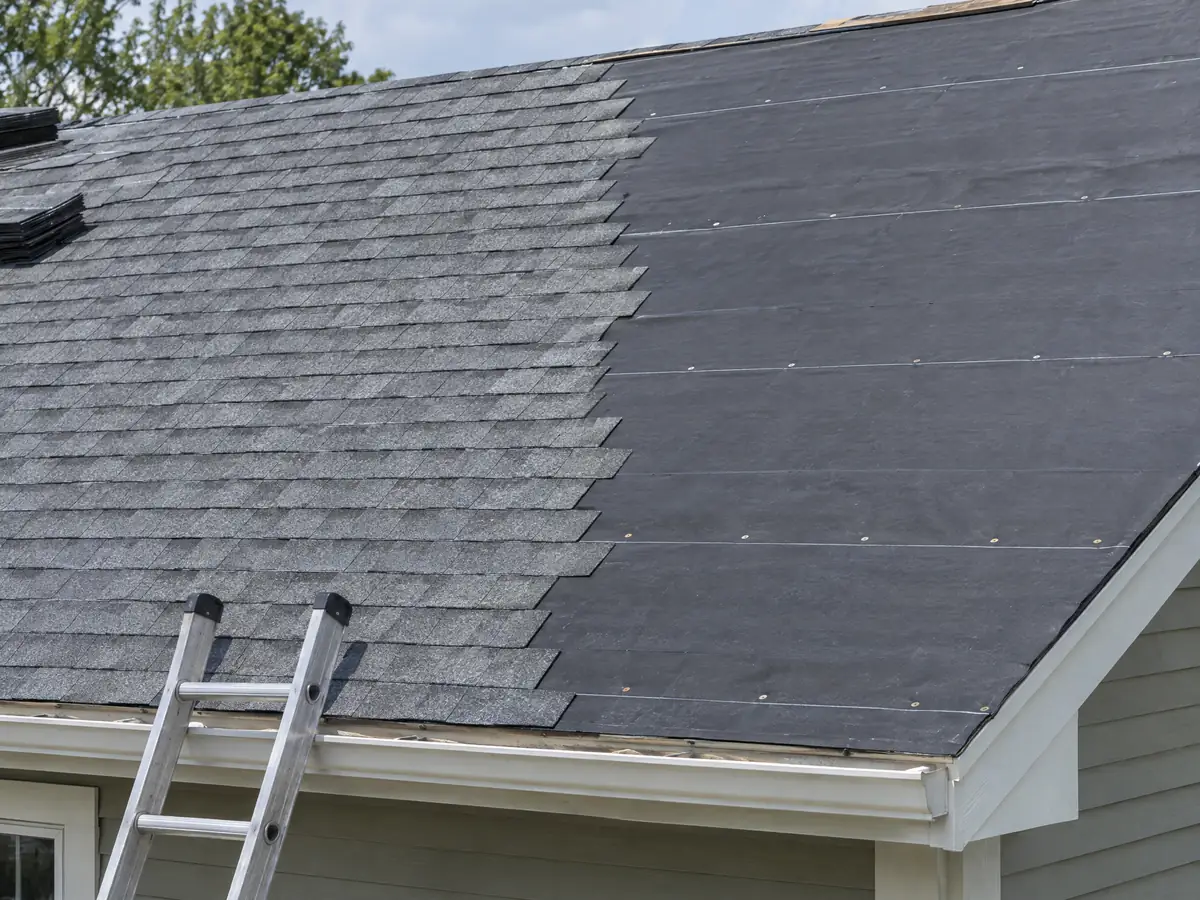
A re-roof with tear-off does. The Building Division's Info Guide, dated July 2023, lists re-roofing involving tear-off of the original roof among work that needs a permit, and says nothing about a re-cover laid over the old layer. Call (619) 336-4210 before assuming that case is exempt. The Building Department fee schedule effective August 11, 2025 has its own line for a re-roof, including tile or shake, but the PDF columns would not extract, so we print no dollar figure.
The permit goes to a licensed contractor with a National City business license, or to an owner who lives in the home and does the work personally or through family. Under CSLB bulletin 24-07, the unlicensed minor-work limit is $1,000 and it does not apply once a permit is required. Inspections are booked online at least 24 hours ahead for a morning or afternoon slot, and none run on Fridays. Inspectors do not carry ladders, so the crew provides roof access. Rooftop solar is a separate path: residential solar and storage permits go through the Symbium portal.
Keep the permit card and approved plans on site, since inspectors ask for both.
How long does a National City roofing permit last before it expires?
Under the adopted code, 12 months to start, 6 months of stalled work, and 3 years from issue in all. A permit expires if work is not commenced within twelve calendar months, if work stops for six calendar months, or if work runs past three calendar years. Work counts as started, or not stopped, only when an inspection approval is on record within the first twelve months and within each six-month stretch afterward.
The City's own pages disagree. Its Building Permits page says a permit is void if work does not start within one year or is suspended or abandoned for one year, with an extension of up to 180 days, and it cites section 15.24.045. The newer adopted text we used is Ordinance 2025-2551, read on a third-party mirror, and an extension costs half of a new permit fee, or a quarter when only the final inspection remains. A renewal still ends three years after the original issue date, and an unexpired permit can be stretched up to six months for causes beyond your control.
Ask which clock the Building Division applies, and ask in writing if the job may stall.
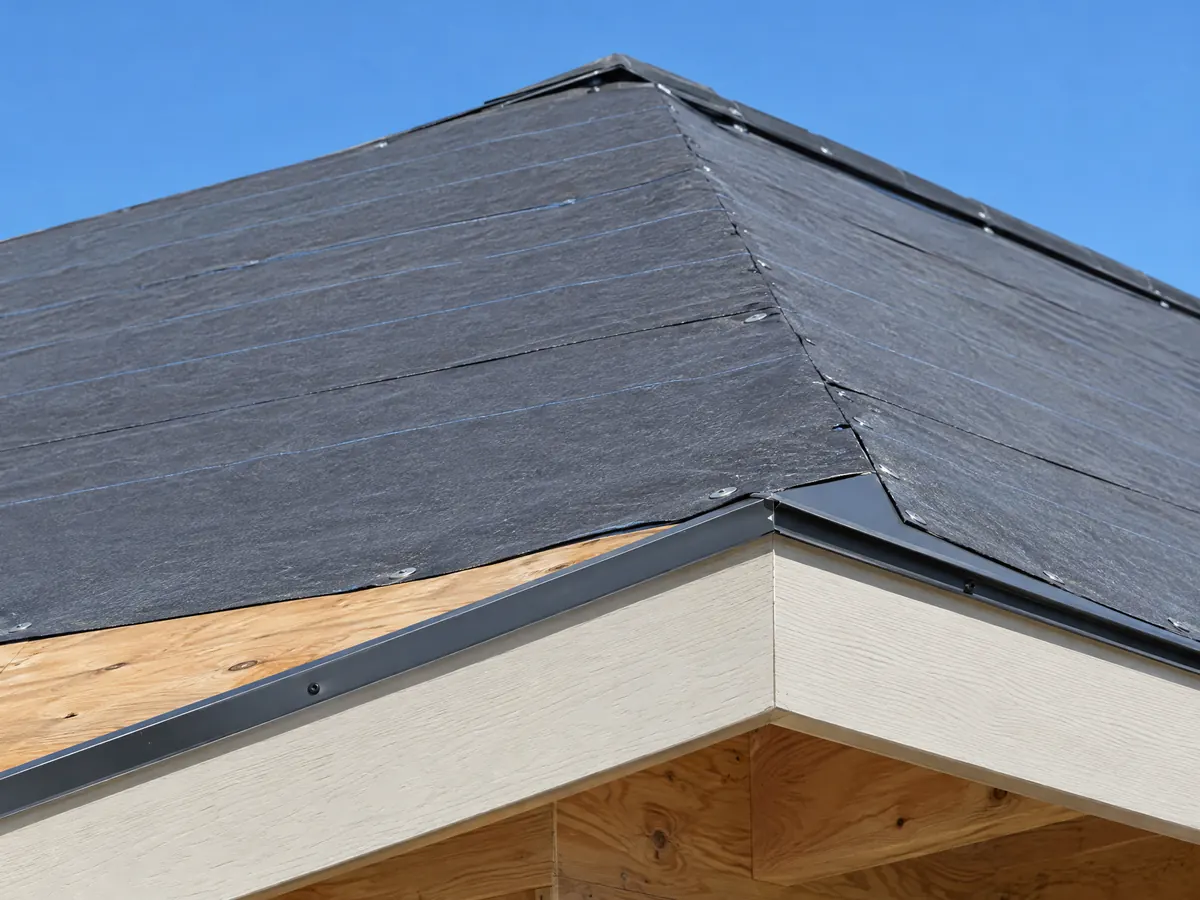
How old are National City roofs, and when is the dry window to replace one?
The city's own pages date it to 1868, when Frank Kimball and his brothers bought the 26,000 acre El Rancho de la Nacion, and to incorporation on September 17, 1887, which makes it San Diego County's second-oldest city. Wikipedia's census table, a third-party source, counts 10,344 people in 1940 and 21,199 in 1950, then 43,184 in 1970. ACS 2024 matches that surge: 6,526 units date from the 1950s and 1960s, 3,561 from the 1970s, and 8.0 percent are from 1939 or earlier. The Westside, also called Old Town, still holds single-family homes from around the turn of the century.
We found no National City roof survey, so we print no lifespan in years. A permit history and a look at the deck tell you more. NOAA's 1991 to 2020 normals for the Chula Vista station show 9.20 inches of rain a year, 7.12 of them from December through March, and 0.06 and 0.01 inch in July and August. Only 4.9 days a year reach 90 F.
- Brown stains or sagging on ceilings under the roof
- Lifted, cracked or missing shingles and tiles
- Flashing pulled away from walls, vents and chimneys
- Granules collecting in gutters
Have the crew photograph the deck after the old covering comes off.
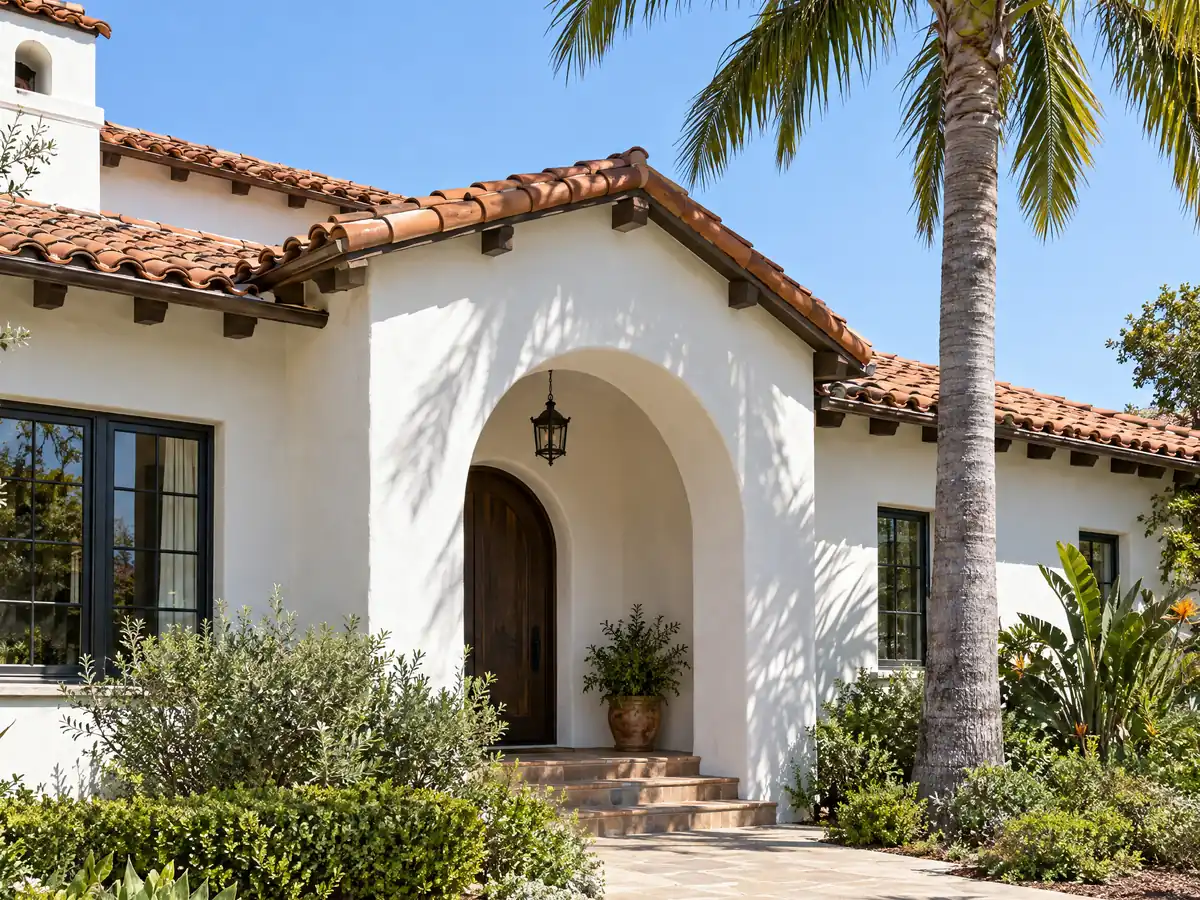
Does a roof near the bay, in a flood overlay or on a historic building need extra approval?
Possibly, and the map decides. A CZ symbol on the zoning map means the Local Coastal Program applies on top of the zone, and the Land Use Element puts the coastal zone west of Interstate 5 plus a small area east of it south of 30th Street. We did not read the program's rules, so ask Planning at (619) 336-4310 whether a like-for-like re-roof is exempt. Flood overlays, shown as -FW, -FF-1 and -FF-2 and based on FEMA's 1988 study, require a development permit before any building permit, and a rebuild or addition costing half the structure's value counts as a substantial improvement. If more than half the roof framing is removed, the Residential Code stops treating the building as existing.
No historic overlay zone exists in the zoning code, and the letter H on a zoning map is a height limit, not a historic mark. The City lists four National Register properties, among them Brick Row, built by Kimball in 1887, and 56 locally designated buildings. We found no roof design review text, so ask before changing a roof's material on any of them.
Ask Planning to confirm the zone symbols on your parcel in writing.
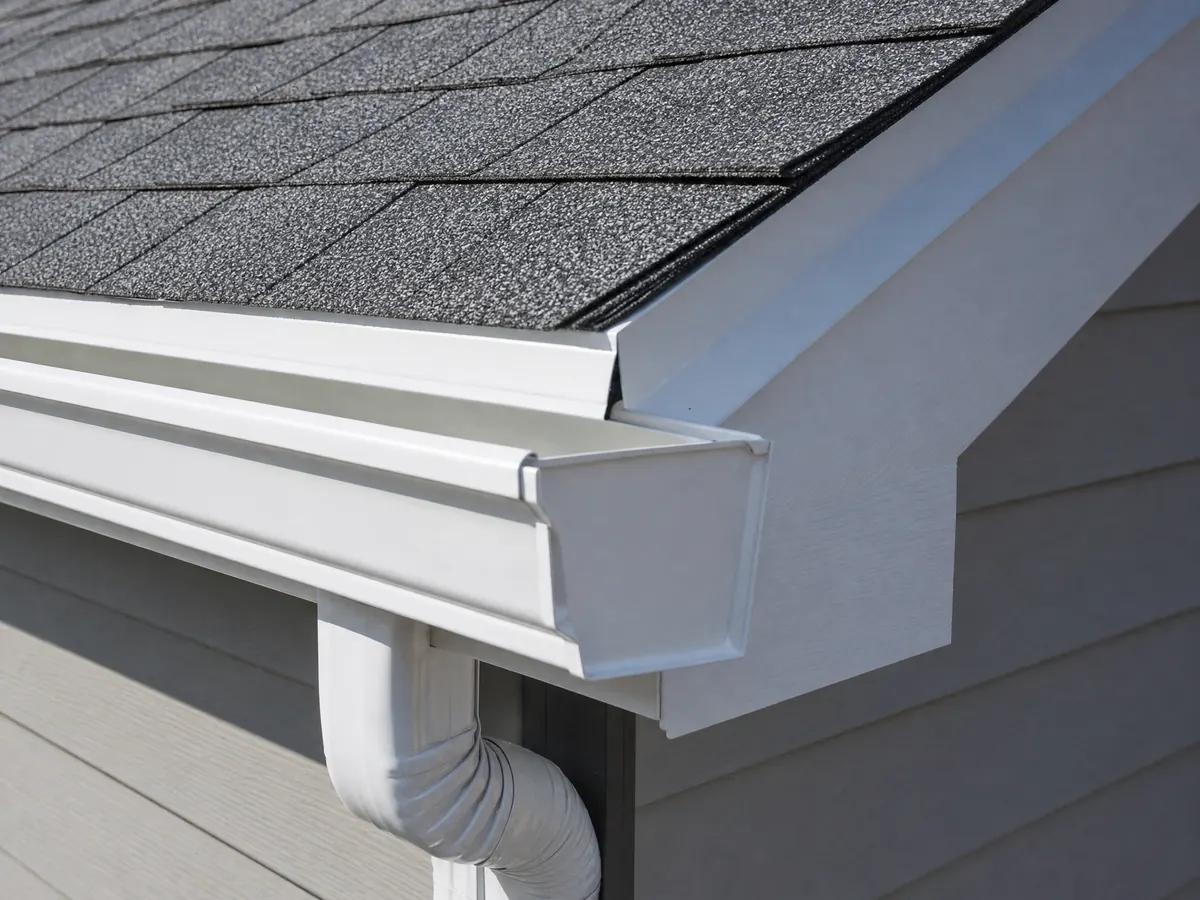
How much does roof replacement cost in National City, and how do I choose a roofer?
We found no National City price survey, so the figures below come from Los Angeles, and a local bid may land elsewhere. Angi's Los Angeles guide, updated July 31, 2026, gives asphalt at $4 to $12 a square foot, tile at $7 to $15 and metal at $7 to $16, with tear-off adding $1,000 to $3,000 and detaching and resetting solar panels $500 to $1,000. Remodeling magazine's Cost vs. Value 2025 report prices a Los Angeles asphalt roof at $36,417 and a metal roof at $62,069, without stating the roof size. For planning we use roughly $10,000 to $25,000 for an asphalt roof, $15,000 to $37,000 for tile and a floor near $20,000 for metal.
Roof coatings fall under San Diego County APCD Rule 67.0.1, which caps roof coatings at 50 grams of VOC per liter and aluminum roof coatings at 100. Roofing is CSLB class C-39, and Business and Professions Code 7159 limits a down payment to $1,000 or 10 percent, whichever is less. Read the California roofing cost guide, check a license with our contractor license guide and see how general contractors use subcontractors.
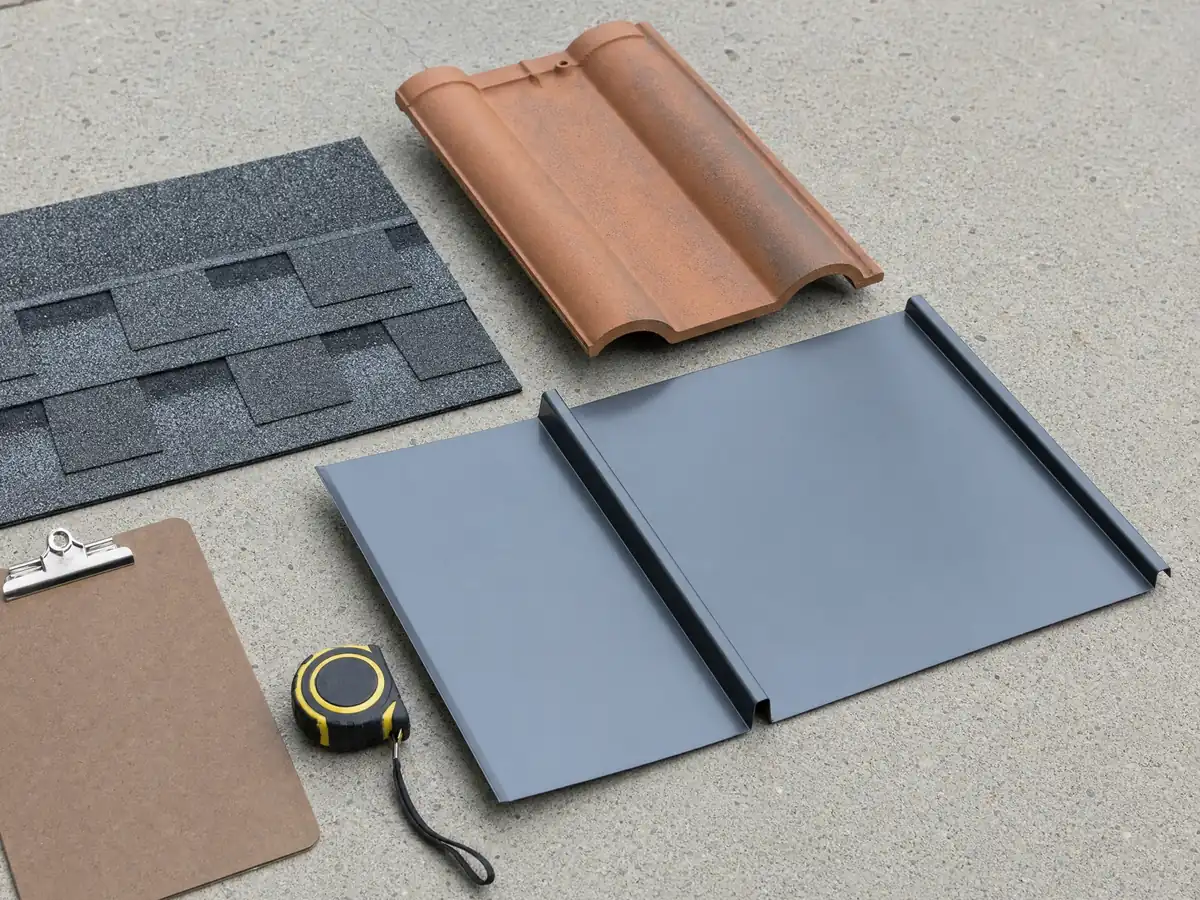
Roofing photos from National City and nearby communities
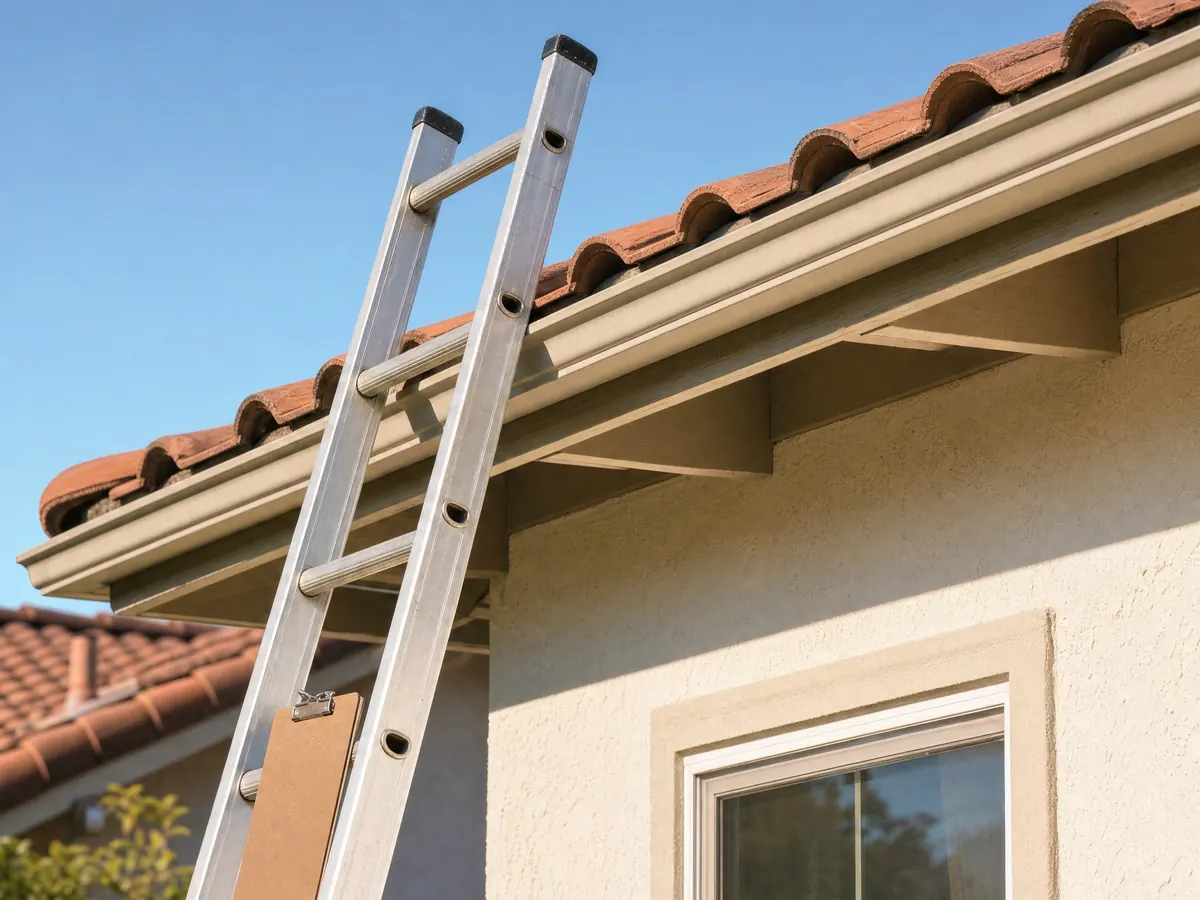
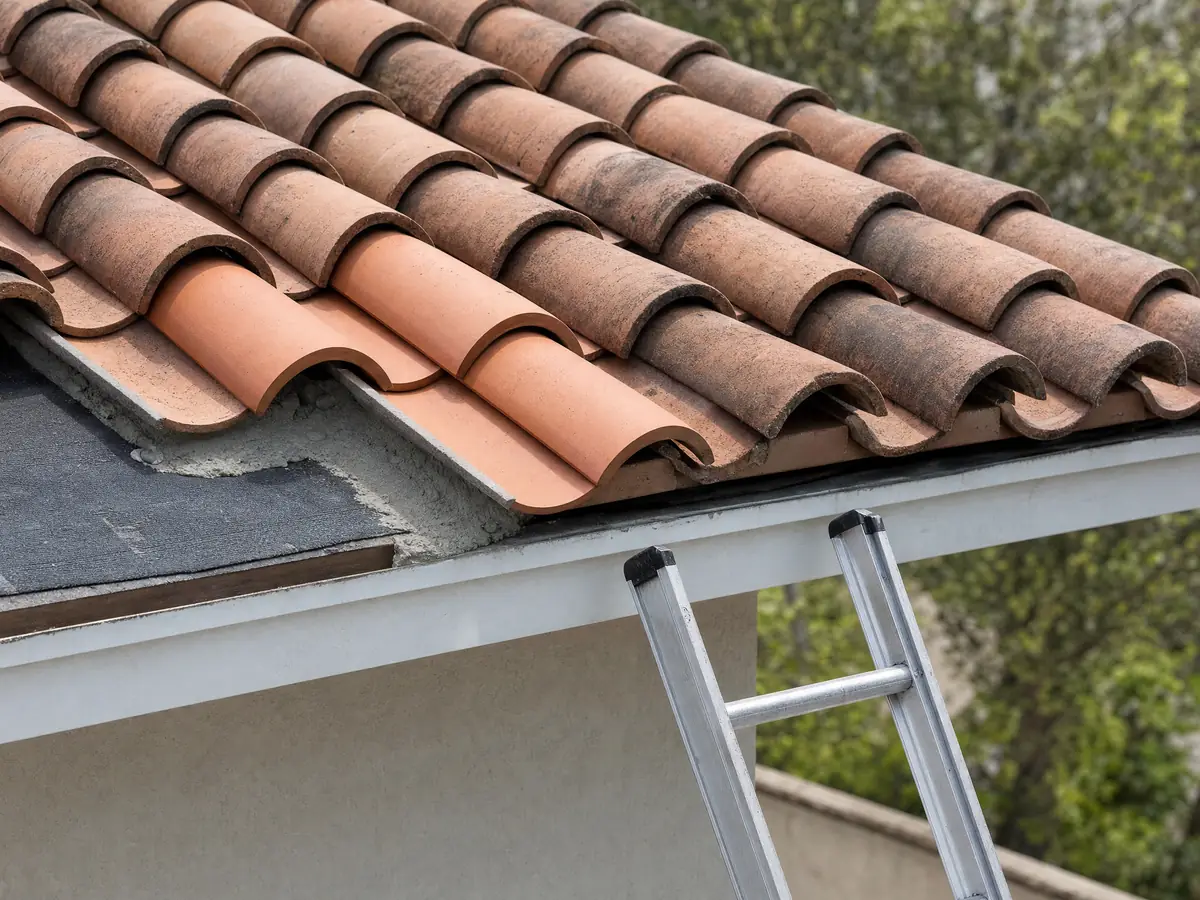
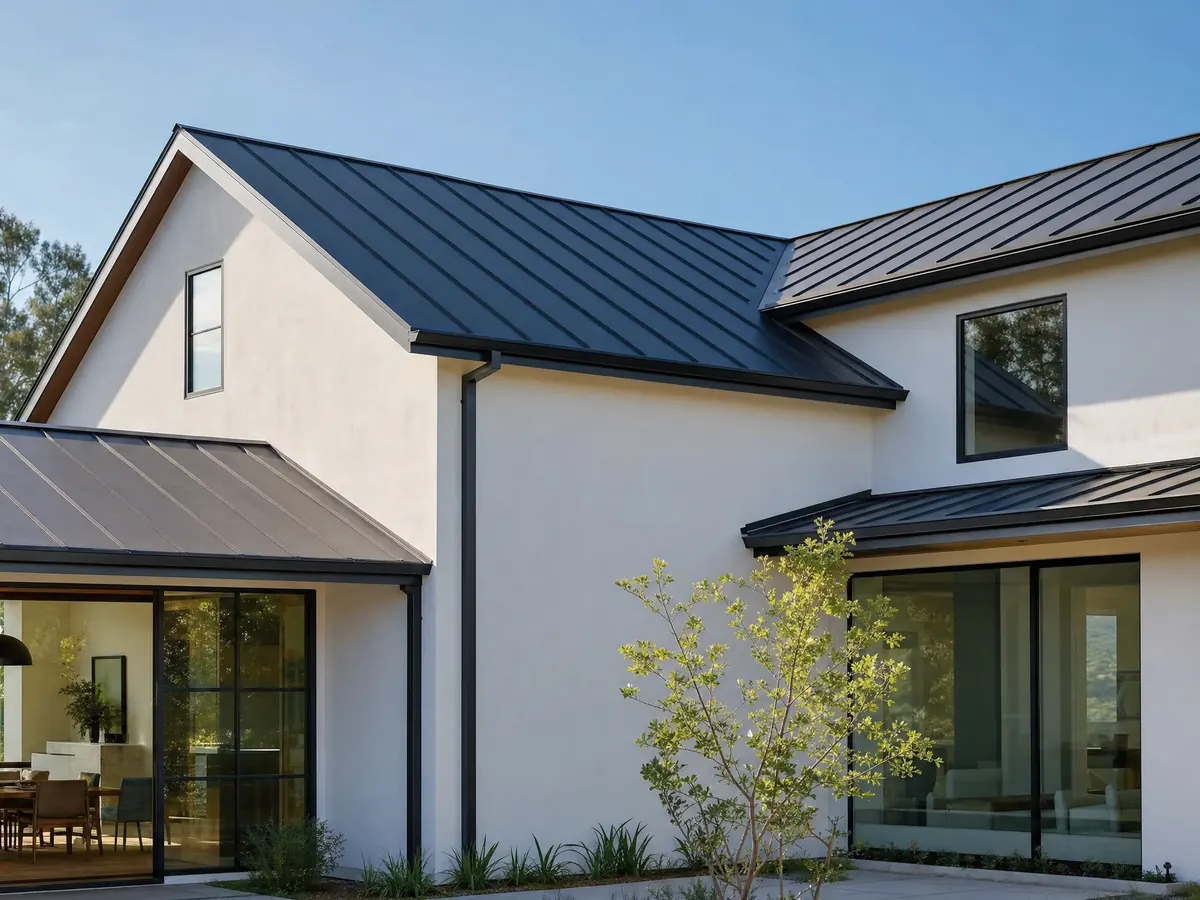
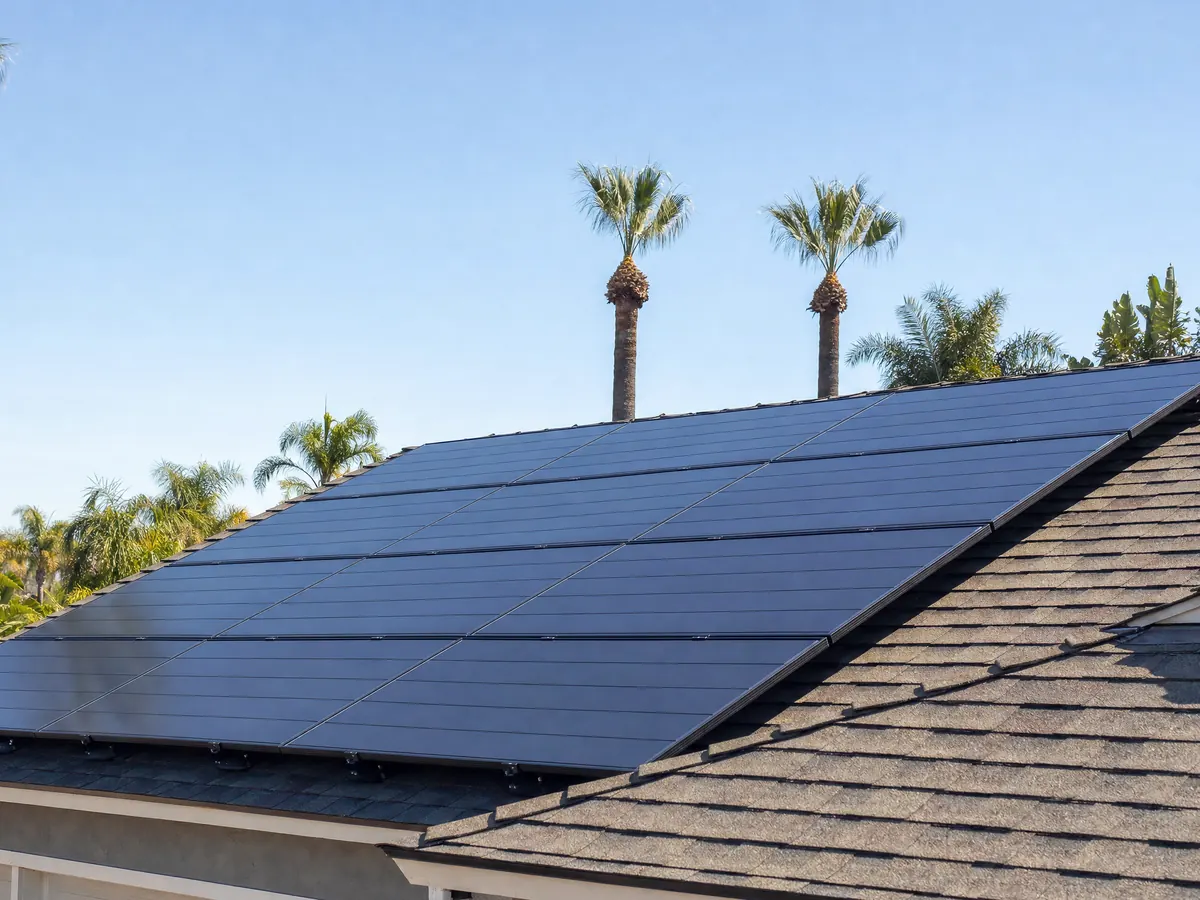
Roofing scenes tied to National City places such as Old Town, Paradise Valley, Las Palmas and Olivewood, and to nearby communities like Chula Vista, Coronado, Imperial Beach and Lemon Grove, from tear-offs and tile repair to finished shingle roofs.
Where these National City roof figures come from
Our roofing page lists every roofing price with its source and date. Roof work seldom travels alone, and the National City rules for the jobs around it are on the fencing page, the painting page and the kitchen remodeling page. For a city to the north that reads fire maps differently, see the guide for San Diego.
| What it covers | Typical range |
|---|---|
| Asphalt shingle, typical single-family roof | $10,000 to $25,000 |
| Concrete or clay tile | $7 to $15 per sq ft |
| Metal | $7 to $16 per sq ft |
| Remodeling Cost vs. Value 2025, Los Angeles | Asphalt $36,417. metal $62,069. |
| Extras | Tear-off $1,000 to $3,000. solar detach and reset $500 to $1,000. |
Other work we manage in National City
National City roofing questions, answered
Do I need a permit to replace my roof in National City?
Yes when the old roof is torn off, because the Building Division's Info Guide lists re-roofing with tear-off as permit work. The guide does not say what applies to a re-cover over the old layer, so call (619) 336-4210 first. The guide is dated July 2023 and predates the 2025 codes.
What is the 25% rule for roofing?
National City does not use 25 percent. Its Residential Code amendment sets the line at more than 50 percent of the roof area replaced within any one-year period, and then the entire roof must be Class B. Other cities pick different numbers, so a figure quoted online is not a rule here.
What is a Class B roof, and does National City require one?
Class B is a moderate fire rating for a whole roof assembly, tested under standards such as ASTM E108 or UL 790. National City requires at least Class B on every roof, because it amended Table 1505.1 for all construction types. Ask the roofer for the listing of the full assembly.
Is National City in a fire hazard zone?
We cannot say, because we did not open the CAL FIRE map. The City's draft Safety Element calls the planning area urban unzoned and puts the main wildfire risk east of the city near Bonita. It stresses structure fire in old buildings. Class B applies on every lot regardless.
How long does a roofing permit last in National City?
The adopted code gives 12 months to begin, a 6 month limit on stopped work and 3 years in total, and an inspection approval is what proves work started. The Building Permits page words it as one year and 180 days instead. Confirm the clock with the Building Division when it matters.
How much should a 2000 sq ft roof cost?
Using Angi's Los Angeles per square foot figures on 2,000 square feet of roof, asphalt runs about $8,000 to $24,000, tile $14,000 to $30,000 and metal $14,000 to $32,000, before tear-off and deck repair. Roof area is not floor area. A measured written proposal is the real price.
Do I need a coastal permit to re-roof near the bay?
We could not confirm. A CZ symbol on the zoning map means the Local Coastal Program applies, and the coastal zone covers land west of Interstate 5. We did not read the program's exemption rules. Ask Planning at (619) 336-4310 whether a like-for-like re-roof on your parcel is exempt.
Can I use a roof coating instead of replacing the roof?
Sometimes, but the coating must meet County APCD Rule 67.0.1, which caps roof coatings at 50 grams of VOC per liter. Whether a coating counts as a repair under National City's Class B rule is not stated in the documents we read, so ask the Building Division and the roofer before you pay.
What is the best time of year to replace a roof?
Late spring through early fall is the driest stretch. NOAA normals for the Chula Vista station show 7.12 of 9.20 yearly inches falling from December through March, and only 0.01 inch in August. The City defines its rainy season as October 1 through April 30, so ask how the crew protects an open deck.
How do I check a roofing contractor's license in California?
Look up the license number on the Contractors State License Board site, confirm the C-39 roofing classification is active and match the name on the card to your contract. National City also requires a City business license to pull a permit. Our license guide walks through each step.
Ask for a roof inspection in National City
Give us your neighborhood, the roofing material, the approximate year the house was built and where water shows up inside. We check the Class B rule, the half-roof trigger and any coastal or flood symbol before we call you back.