
General Contractor in National City, CA
A general contractor in National City deals with a City that issues its own permits, requires at least Class B roofing on every building and lets a permit lapse after six stalled months. Flood and coastal overlays sit on top, and most homes predate 1980. MDG Builders (CSLB #1040337) coordinates all eleven trades through licensed specialty subcontractors.
Eleven trades, each matched to what the Building Division exempts or requires
Choose the job you are weighing. Each guide cites the Info Guide line or code section behind its answer, flags where we read an archived or third-party copy, and treats every dollar range as regional planning data rather than a bid for your lot.

Kitchen Remodeling in National City
Cabinets and flooring exempt, separate electrical, plumbing and mechanical permits, a geotechnical report for additions of 500 sq ft and a 70.1 percent pre-1980 housing stock.
See National City kitchen remodeling →
Bathroom Remodeling in National City
National City's plumbing permit line, a permit clock the City words two ways, shower pan inspections, 1950s homes and renter-heavy buildings.
See National City bathroom remodeling →
ADU Construction in National City
National City's 60-day ADU review, 15-foot front and 4-foot side setbacks, no parking, impact fees waived under 750 square feet, JADUs and coastal and flood lots.
See National City ADU construction →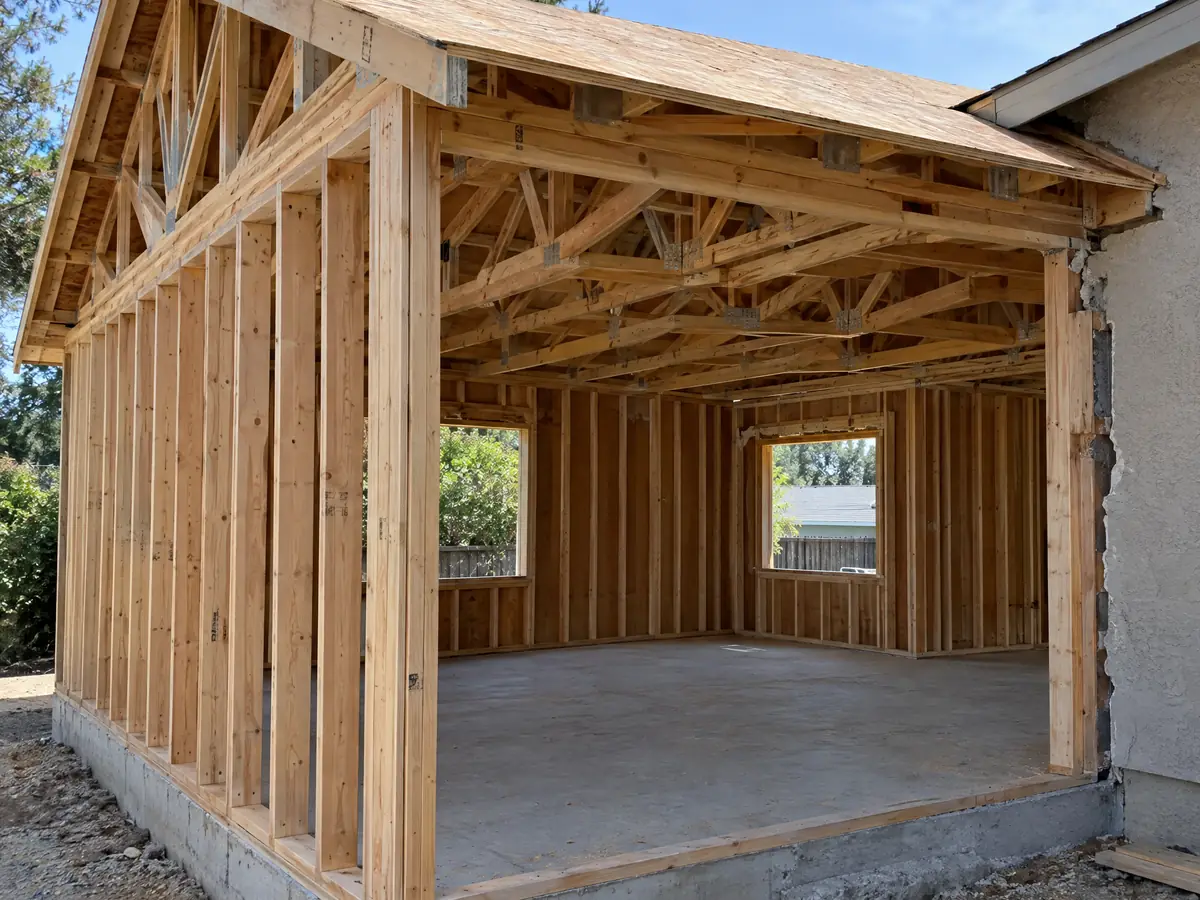
Room Additions in National City
National City's geotechnical report at 500 square feet, setbacks by zone, parking past 2,500 square feet, the three-year permit limit and Old Town houses.
See National City room additions →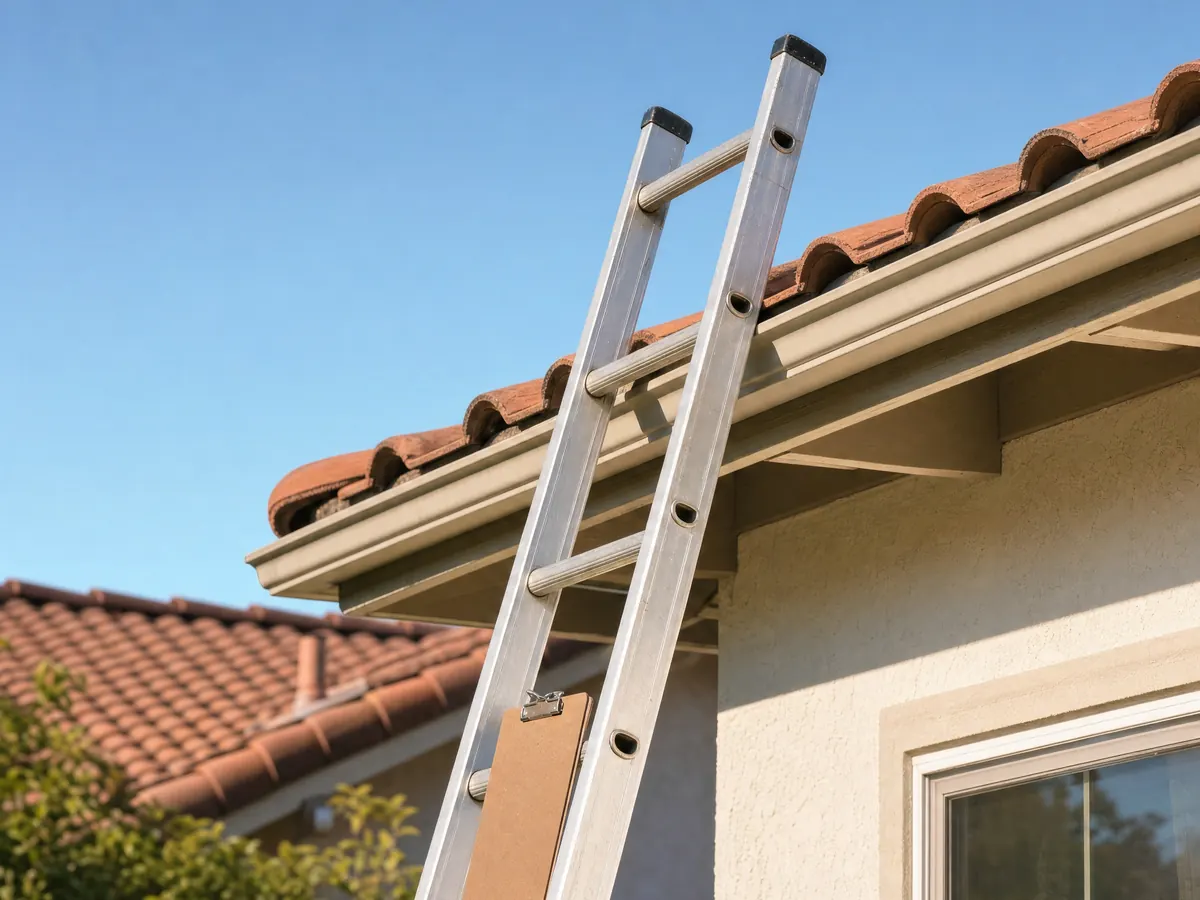
Roofing in National City
Class B on every roof, a half-roof rule, a permit that dies after 12 idle months and a 3 year cap, in a city where 70.1 percent of homes predate 1980.
See National City roofing →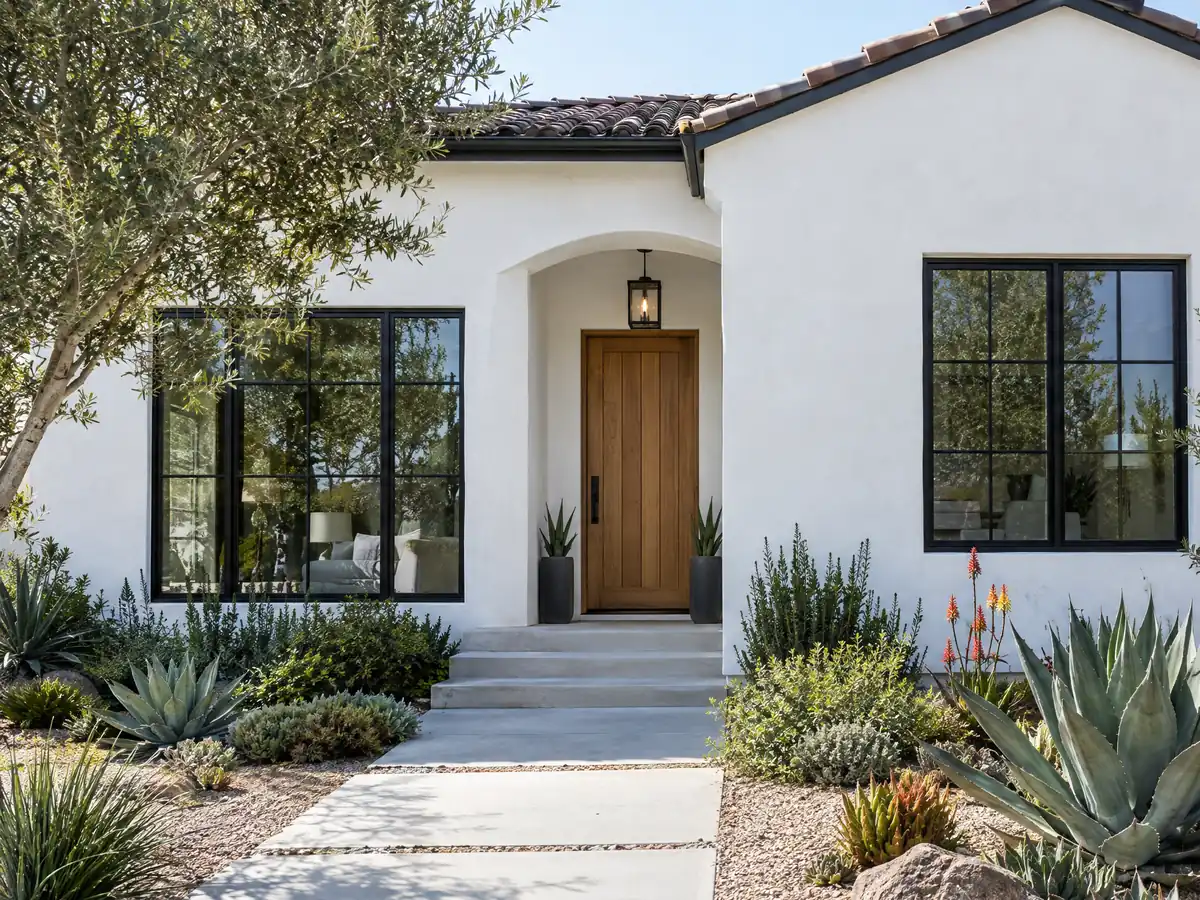
Windows in National City
National City lists all window replacements as permit work, with lead-safe rules for pre-1978 homes, energy paperwork, bay window limits and Old Town houses.
See National City window replacement →
Flooring in National City
Permit-exempt floor covering, 1950s and 1960s slabs, renter and owner rules, Old Town hardwood, slab moisture, epoxy limits and costs in National City.
See National City flooring →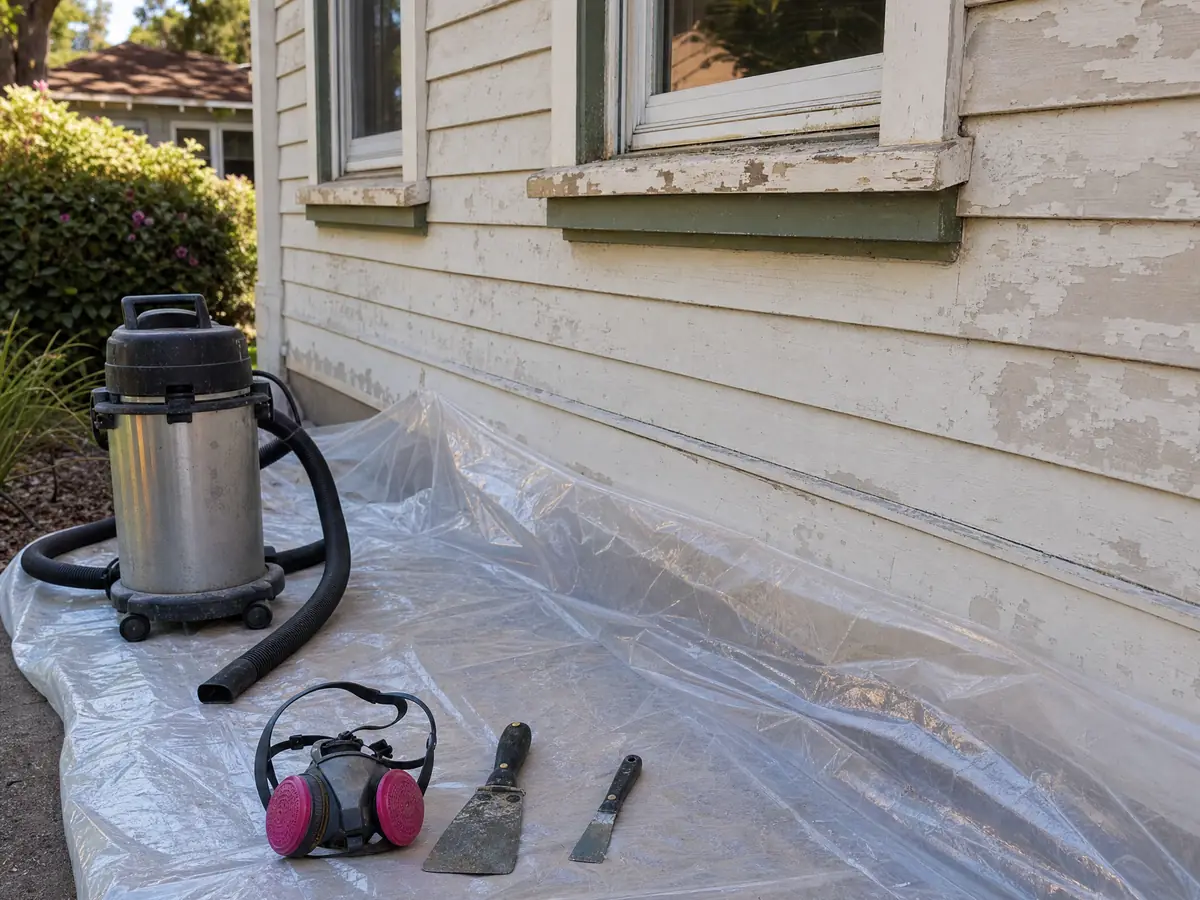
Painting in National City
No permit to repaint, a permit for new stucco, lead-safe rules for the 70.1 percent of homes built before 1980 and the County's 50 g/L paint limit in National City.
See National City painting →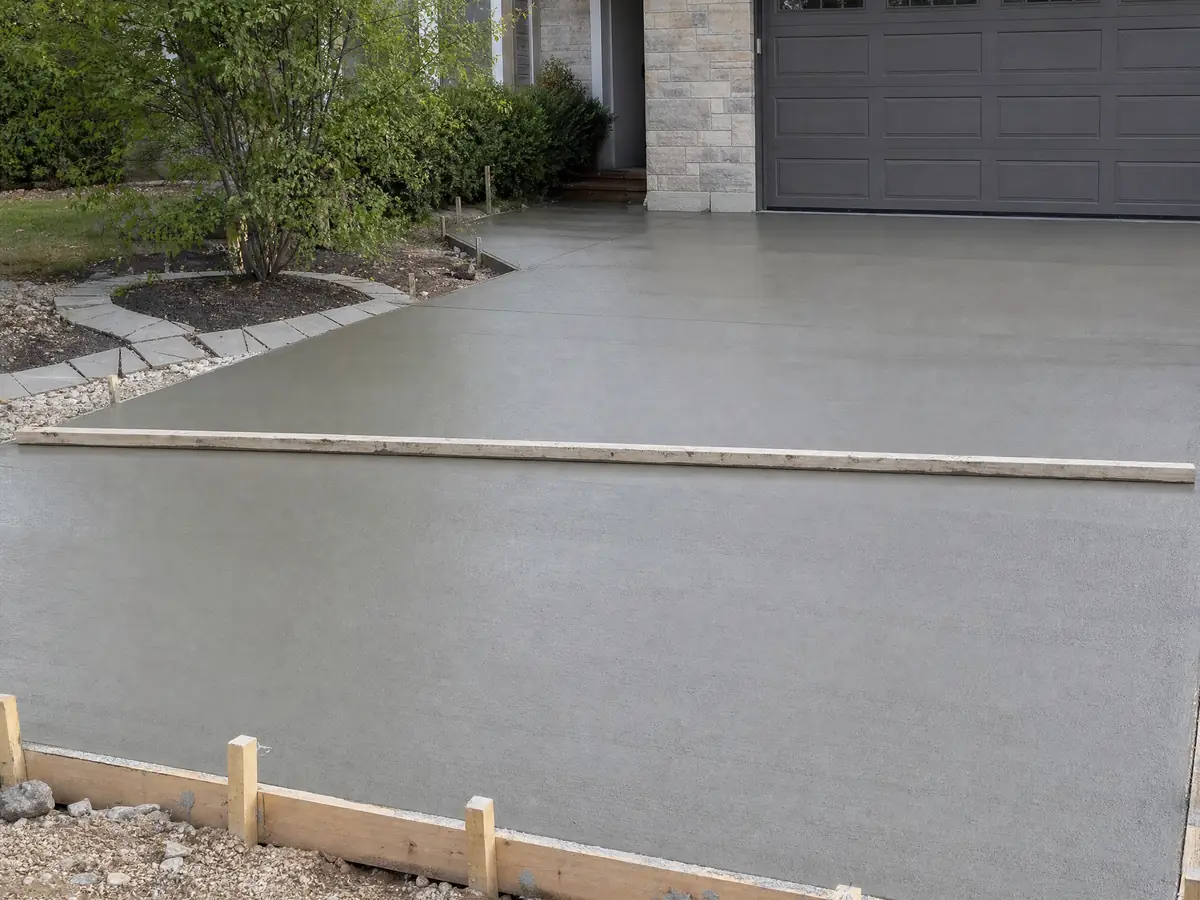
Concrete in National City
Exempt private paving, the block wall permit conflict, retaining walls, soils reports, flood and coastal overlays, rain and pour costs in National City.
See National City concrete work →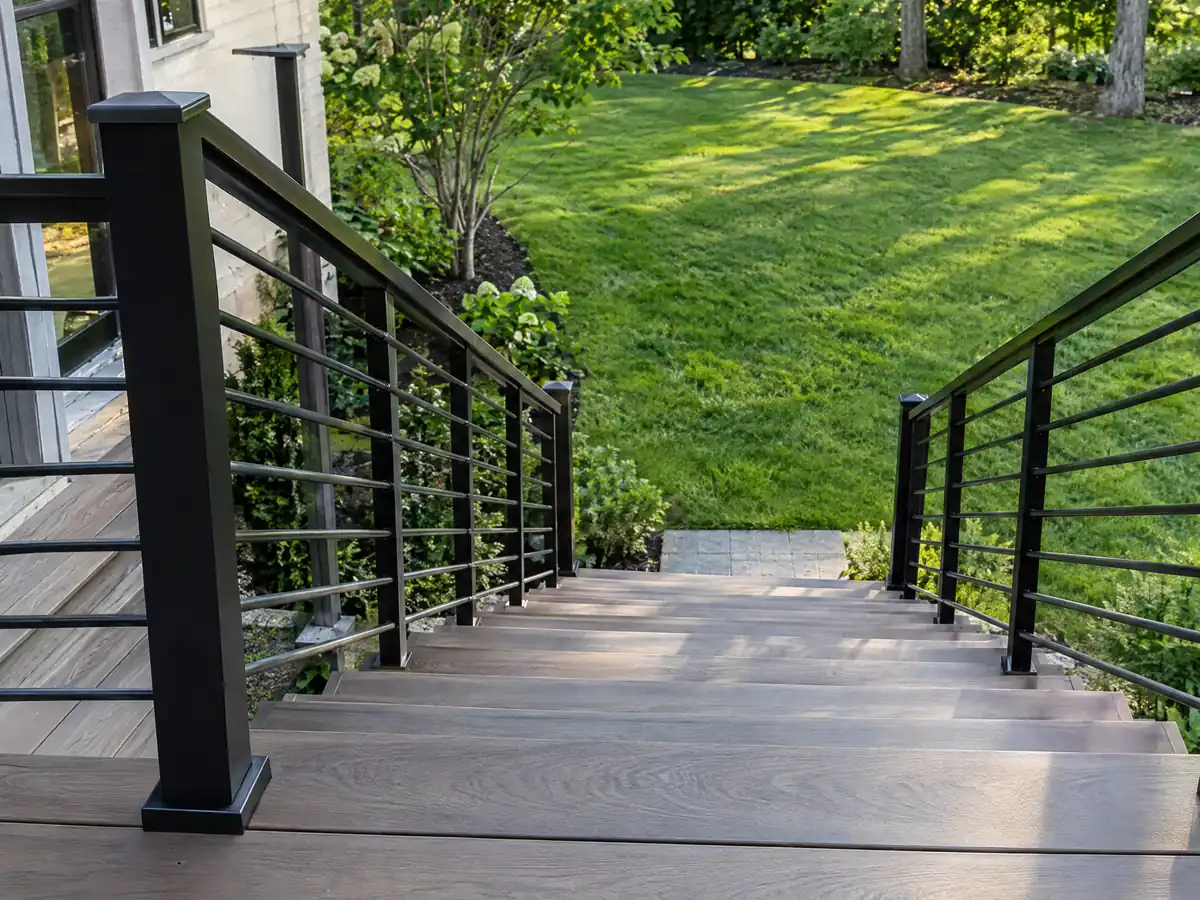
Decks in National City
Why decks are permit items, setback projections, patio cover limits, flood and coastal overlays, deck repair, rails and wood versus composite cost in National City.
See National City deck building →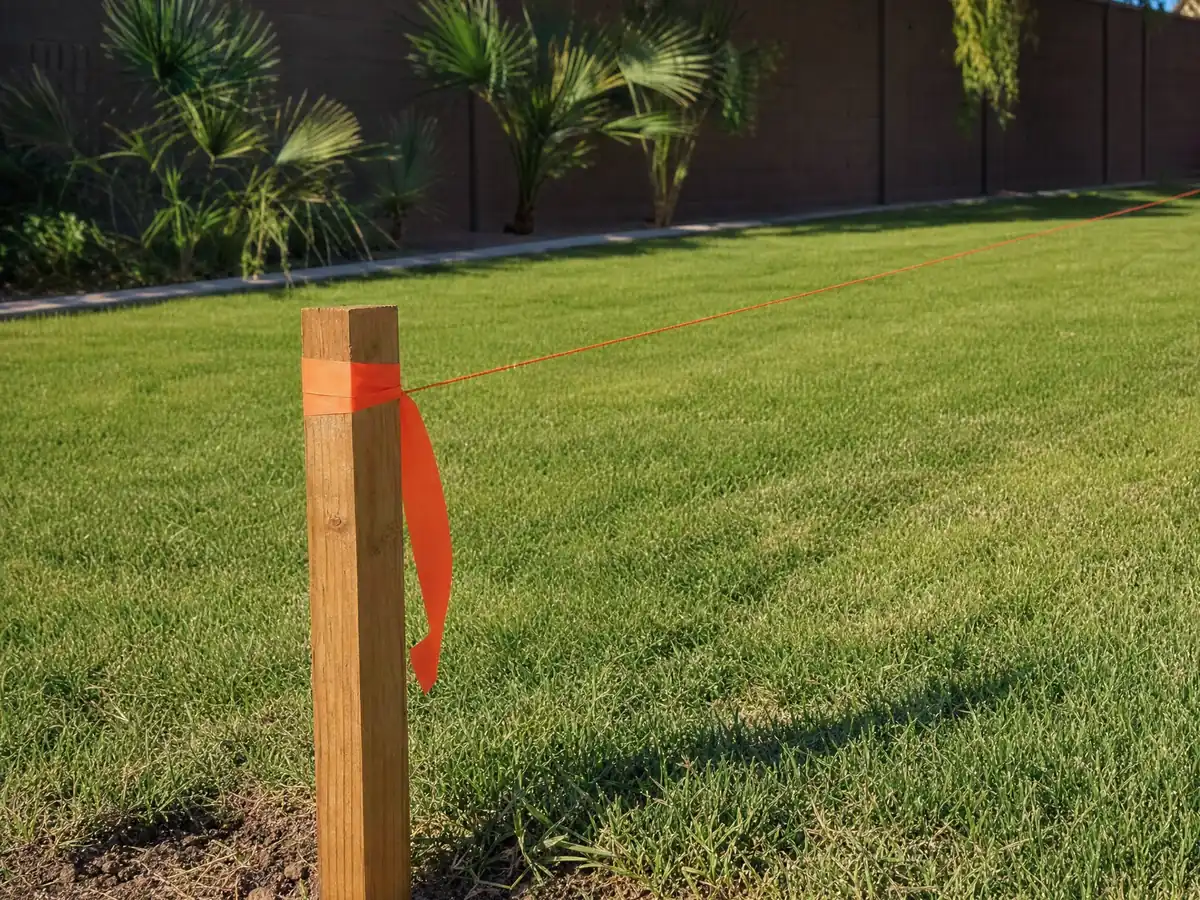
Fencing in National City
4 foot front and corner limits, an 8 foot cap, no chain link in Old Town, a permit for every masonry wall and a conflict over low block walls in National City.
See National City fencing →How do the bayfront, an 1887 incorporation and a mostly pre-1980 renter city change what a general contractor does in National City?
The City's own pages trace National City to 1868, when Frank Kimball and his brothers Warren and Levi bought the 26,000 acre El Rancho de la Nacion, and to incorporation on September 17, 1887, which makes it San Diego County's second-oldest city. The Santa Fe depot dates to 1882, the first train left on November 14, 1885, and the Kimballs cleared land, cut roads and built the first wharf. Wikipedia's census table shows 7,301 residents in 1930, 21,199 in 1950, 32,771 in 1960 and 43,184 in 1970, before growth slowed to 56,173 in 2020. The housing counts follow that curve. The Census Bureau's 2024 five-year estimates (the city is too small for a one-year table) show 19,414 housing units, with 70.1 percent built before 1980, 51.7 percent before 1970 and 34.8 percent before 1960. The 1950s and 1960s account for 6,526 units, the 1970s for 3,561, and only 12.3 percent date from 2000 or later. Renters occupy 65.3 percent of occupied units, 40.4 percent of all units are detached houses, 37.6 percent sit in buildings of five or more units, and the median owner-occupied value is $612,200. The Westside, also called Old Town, still has single-family homes from around the turn of the century beside auto shops and warehouses, and the city is organized into three communities named for parks: El Toyon, Kimball and Las Palmas. For owners and landlords alike, old wiring, old plumbing and lead paint are routine questions, and the City's administrative draft Safety Element says about 53 percent of structures predate 1970, against 31 percent countywide.
The permit counter belongs to the City, not the county. The Building Division sits inside Community Development at 1243 National City Blvd., shares that address with Planning, Engineering and the Fire Marshal, and answers at (619) 336-4210. It is open Monday to Thursday, 7:00 am to 6:00 pm, and closed every Friday, and no inspections run on Fridays either. Inspections are requested online at least 24 hours ahead for a morning or afternoon slot, and the approved plans and inspection card must stay on site. The City's website returned an access error to our tools, so we read its pages and handouts through Internet Archive copies dated April to October 2026, and we read the adopted code on GoCodebook, a third-party mirror, not a City publication. The Building Division says the City uses the 2025 California codes, adopted locally as Ordinance 2025-2551, yet its Info Guide still describes the 2022 set, so older handouts can lag. Permit life is worded two ways. The adopted code says a permit expires if work does not start within twelve months, stops for six months or runs past three years, while the City's permit page says one year with a 180 day extension. We use the adopted text and tell you to confirm the clock. CSLB's bulletin 24-07 sets the unlicensed minor-work limit at $1,000 and removes it once any building permit is involved, so a permitted job needs a licensed contractor or a live-in owner-builder. We print no permit fees, because the fee schedule's columns would not extract reliably.
What the counter wants depends on the trade. A roof repair or replacement needs at least Class B roofing under the amended code, and replacing more than half the roof within a year puts the entire roof under that rule. Window replacement appears on the Info Guide's permit list, and pre-1978 homes bring EPA's lead-safe rule whatever the size of the job. A kitchen remodel or bathroom remodel can swap cabinets, tile and countertops without a building permit, but electrical, plumbing and mechanical work are permitted separately, and a shower pan is tested under water pressure before it is covered. A room addition needs plans, and one of 500 square feet or more also needs a geotechnical investigation. The ADU ordinance is Section 18.30.380 of the Land Use Code, and staff must act on a complete ADU application within sixty days. House painting and flooring installation count as exempt maintenance repairs, though new stucco work and subfloor framing do not. A fence up to 7 feet is exempt in the Info Guide, yet the zoning code says every masonry wall needs a permit, and the two documents disagree about low block walls, so treat any block wall as a permit item. Concrete work lists outside paving on private property as exempt, while anything touching the public right-of-way goes to Engineering. A deck is simply not named on the exempt list, so ask before you build one.
Several layers sit above the permit. The CZ symbol on the zoning map means the Local Coastal Program applies on top of the base zone, and the Land Use Element places the coastal zone west of Interstate 5 plus a small area east of it south of 30th Street. We did not read the Program itself, so confirm whether your lot is covered. Flood overlays (-FW, -FF-1 and -FF-2) follow FEMA's 1988 study, call for a flood development permit before any building or grading permit and treat a rebuild or addition costing 50 percent or more of a structure's value as a substantial improvement. The administrative draft Safety Element names the La Nacion Fault Zone as the main earthquake threat, rates landslide risk low and treats older unreinforced masonry as the compounding factor. It also calls the area urban unzoned for wildfire; we never opened a CAL FIRE map, so ask the Fire Marshal before assuming anything about a parcel. The zoning code has no historic overlay, because an H followed by a number there is a height cap, yet the City lists four National Register properties, including Brick Row, and 56 locally designated buildings. The Westside Specific Plan area bans chain link fencing outright. The climate is mild and dry, with about 9.2 inches of rain a year at NOAA's Chula Vista station and 4.9 days at or above 90 degrees, so exterior work is planned around the October to April rainy season that the City's grading chapter defines. Paint and floor coatings follow San Diego County Air Pollution Control District Rule 67.0.1, capped at 50 grams of VOC per liter, not the South Coast rules. Each neighbor writes its own code, so answers from Chula Vista, San Diego, Lemon Grove, La Mesa, Imperial Beach or Coronado should not cross the line. MDG Builders, CSLB #1040337, is the licensed general contractor on a job: we draw the plan, apply for the permit, schedule specialty subcontractors who hold their own licenses and check the finished work with you. Read how contractors use subcontractors and how to check a contractor's license before you sign anything.
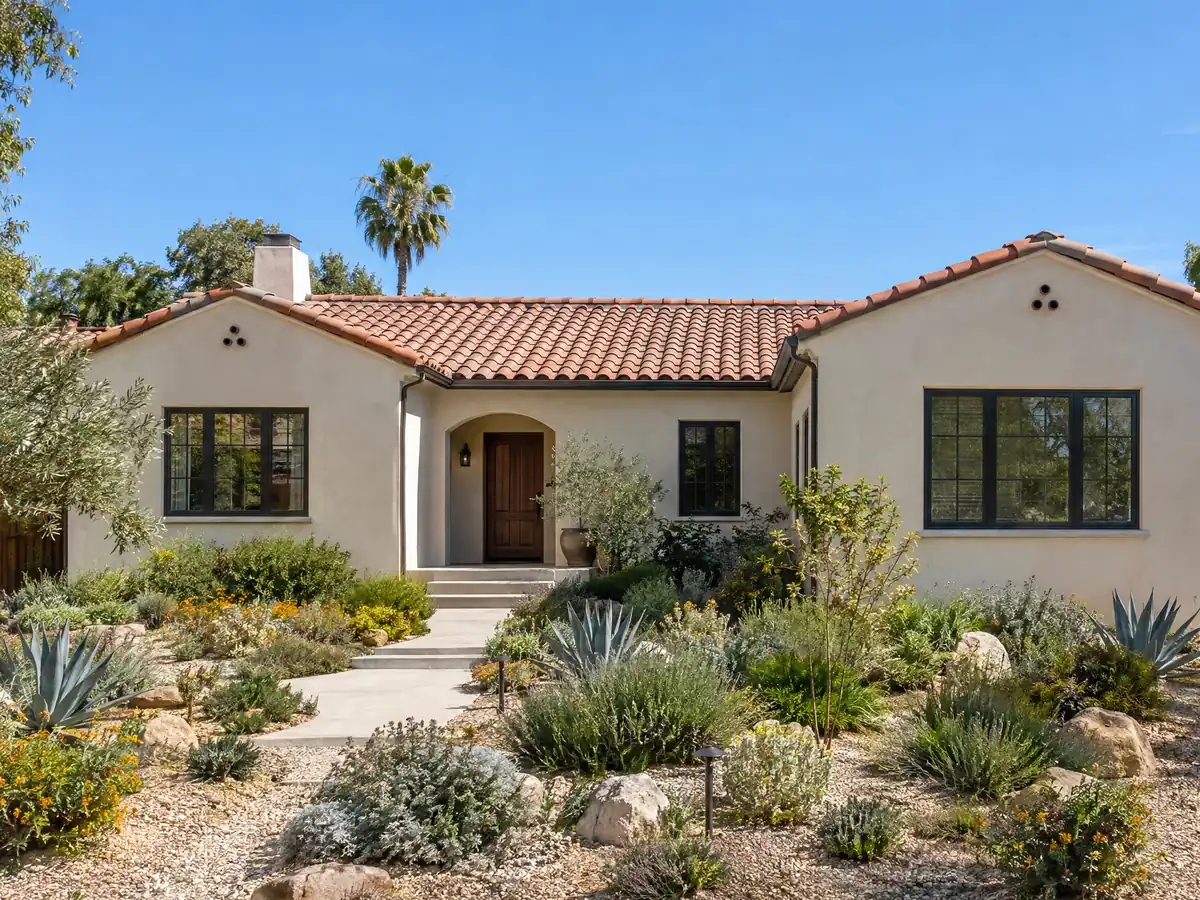
- National City issues its own permits through a Building Division that is open Monday to Thursday and closed every Friday, with no inspections on Fridays.
- About 70.1 percent of the city's 19,414 housing units were built before 1980, and 65.3 percent of occupied units are rented (ACS 2024 five-year).
- The amended building code makes Class B the minimum roof covering on every building, including a roof where more than half is replaced within a year.
- A permit ends after twelve months without a start, six months without an approved inspection or three years from issue, though the City's permit page words it differently.
- Any addition of 500 square feet or more needs a geotechnical investigation filed with the building permit application.
- Paint and floor coatings must meet San Diego County Rule 67.0.1, capped at 50 grams of VOC per liter, and no South Coast rule applies.
Cities near National City we also build in
Questions National City homeowners ask before signing a contract
Does National City issue its own building permits?
Yes, the Building Division inside the City's Community Development Department issues and inspects them, with no county office involved. It sits at 1243 National City Blvd., answers at (619) 336-4210, and is closed on Fridays. Request inspections online at least 24 hours ahead, and keep the approved plans and inspection card on site.
Which building codes apply to my National City project?
The City says it uses the 2025 California codes, adopted locally as Ordinance 2025-2551. Its Building Division Info Guide dates from July 2023 and still describes the 2022 set, so older handouts can be out of date. Ask the counter which edition governs your application date before ordering materials.
When does a National City building permit expire?
Under the adopted code, a permit expires if work does not begin within twelve months, stops for six months or runs beyond three calendar years. The City's permit page words it differently, as one year with a 180 day extension. We rely on the adopted text, so confirm the clock with the Building Division before a job pauses.
What roof class does National City require?
Class B is the minimum for every building in the city, because the City amended the state table for all construction types. The Residential Code applies Class B to the whole roof when more than 50 percent is replaced within one year. Ask the Building Division whether a re-cover without tear-off needs a permit.
Does National City have a coastal zone or a historic district?
It has a coastal zone but no historic overlay. The CZ symbol on the zoning map means the Local Coastal Program applies, and that zone covers land west of Interstate 5. The zoning code's H overlay is a height limit. The City still lists four National Register properties and 56 local significant buildings, so ask Planning.
How old are National City homes, and does lead paint matter?
Most are old: 70.1 percent of housing units were built before 1980 and 51.7 percent before 1970, according to 2024 five-year census estimates. Pre-1978 paint means EPA's lead-safe renovation rule can apply to paid repaint and demolition work, and window replacement is always covered. Ask any firm for its lead-safe certification.
Do fences and block walls need permits in National City?
A fence up to 7 feet is exempt in the City's Info Guide, but the zoning code says every masonry wall needs a building permit. The two documents disagree about block walls under 4 feet, so treat any block wall as a permit item. Old Town also bans chain link, and front yard fences stop at 4 feet.
What does a general contractor do on a National City job?
A general contractor takes responsibility for the whole job: scope, permit application, scheduling and inspections. MDG Builders, CSLB #1040337, hands field work to licensed specialty subcontractors and reviews the finished work with you. Look up each firm on the state license lookup and request its certificate of insurance.
Describe your National City project
Name your neighborhood, the approximate age of the building and each job you are considering, whether a single fence or a full remodel. We look up the overlay symbols and the permit route first, then reply with what the Building Division is likely to ask for.