
General Contractor in La Mesa, CA
A general contractor in La Mesa works with a City that issues its own permits through MaintStar, then with overlay zones that change setbacks, roofs, trees and grading from one street to the next. Painting is exempt, while re-roofs, additions and ADUs need permits. MDG Builders, CSLB #1040337, manages all eleven trades with licensed subcontractors.
Eleven trades, sorted by what the La Mesa counter asks of each
Pick the job you are weighing. Each guide names the City page or code section behind its answer, says when we read the code on a third-party mirror, and keeps every dollar range labeled as a regional planning number, never a quote for your house.
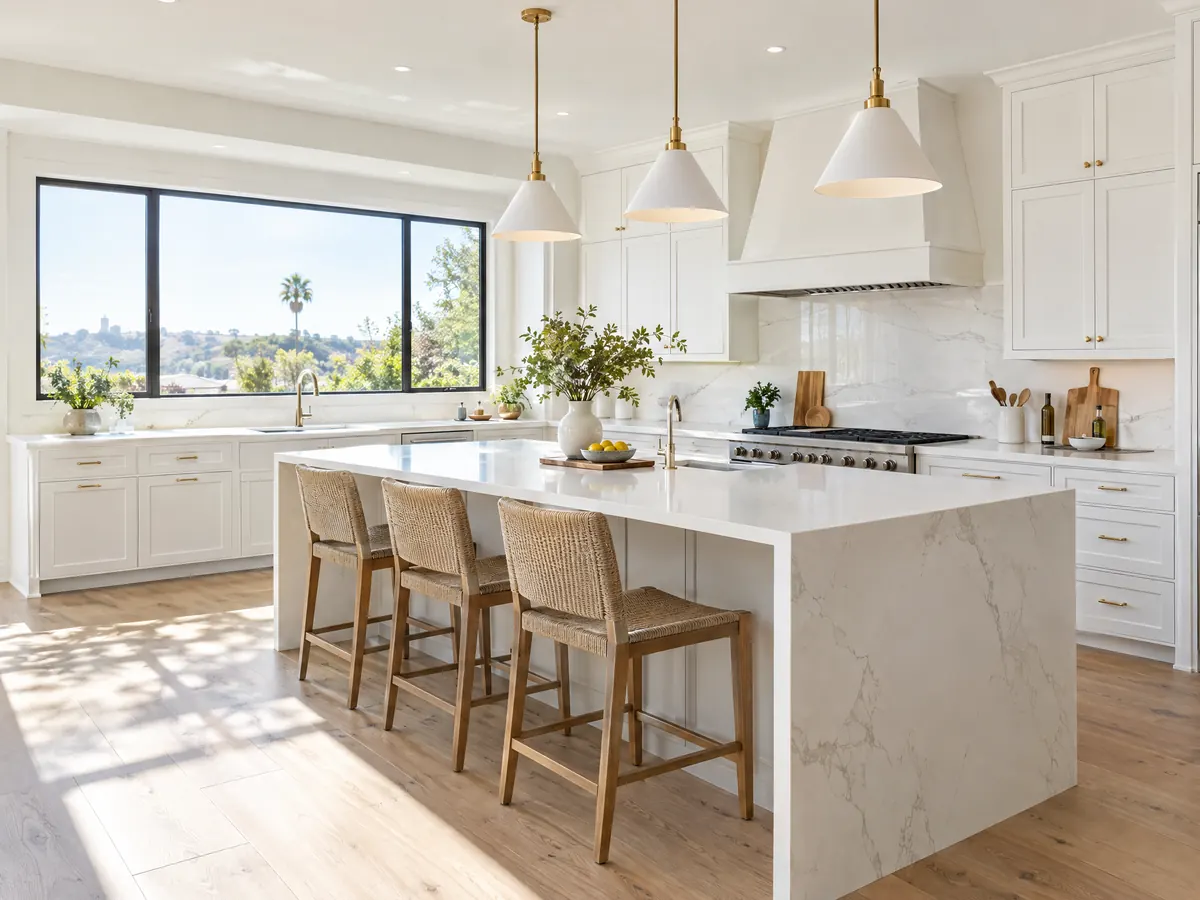
Kitchen Remodeling in La Mesa
Permits for moved plumbing and circuits, MaintStar inspections, 1950s and 1970s houses, a Date Avenue historic question and hillside overlays in La Mesa.
See La Mesa kitchen remodeling →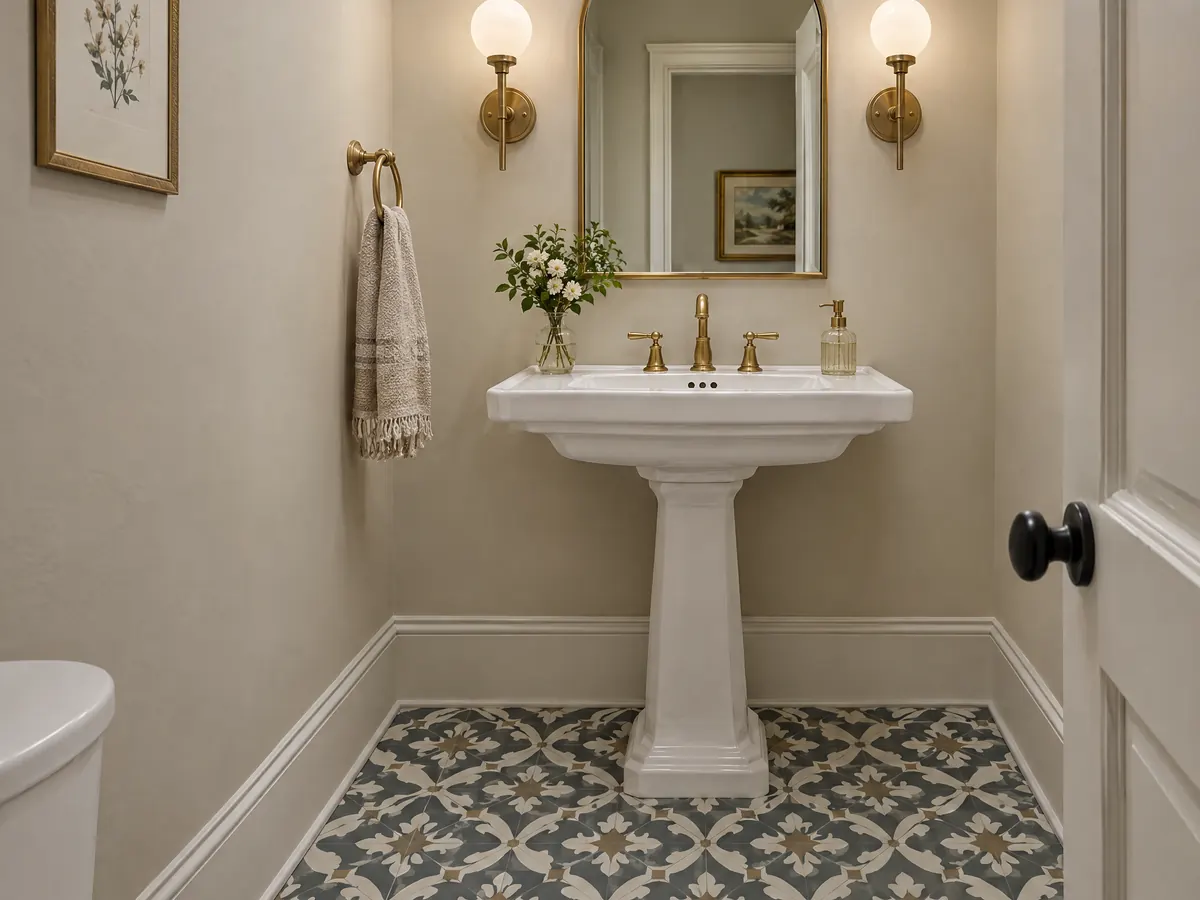
Bathroom Remodeling in La Mesa
La Mesa's permit line for baths, lead-safe rules for the many pre-1980 homes, rentals, Redding clay and historic review near Date Avenue.
See La Mesa bathroom remodeling →
ADU Construction in La Mesa
La Mesa's five pre-approved ADU plans, state law first, garage conversions, hillside overlay lots, apartment lots and historic inventory limits.
See La Mesa ADU construction →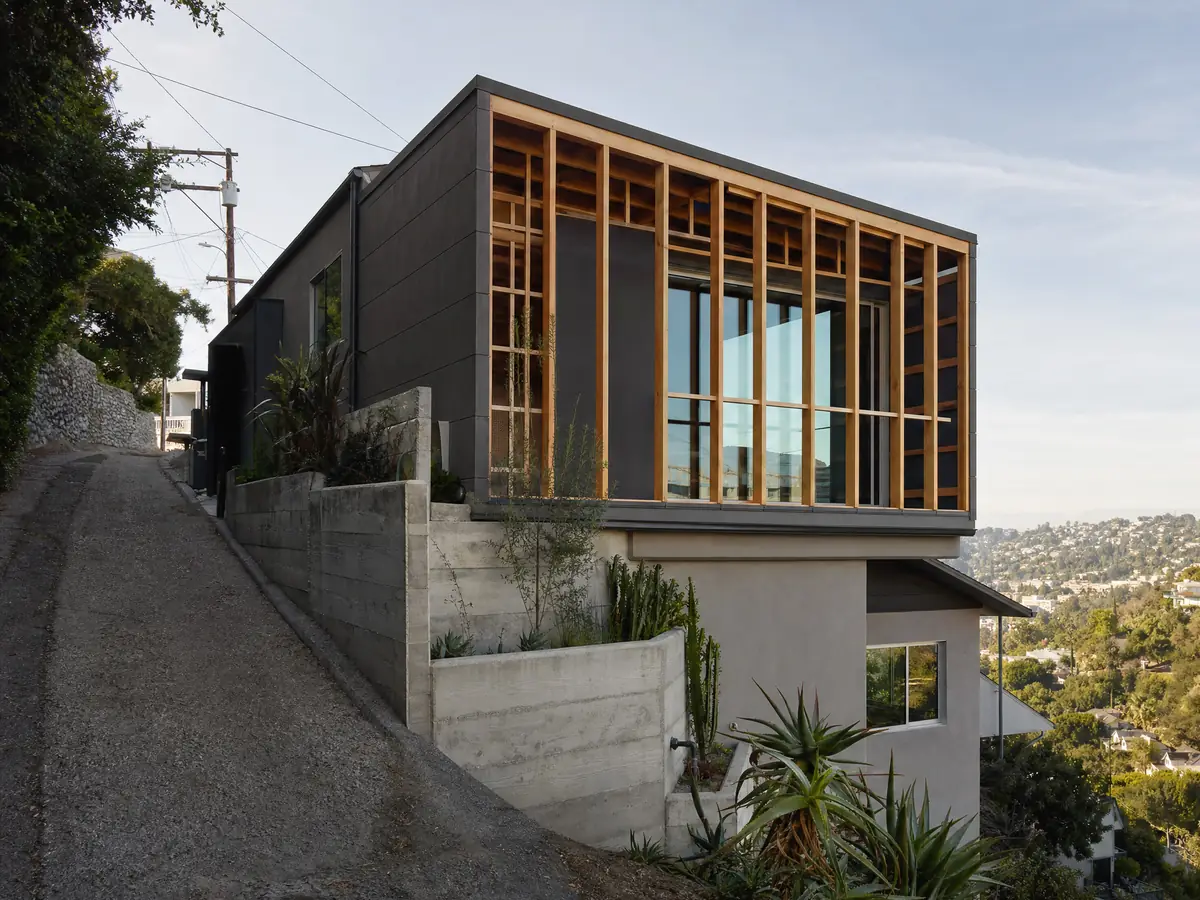
Room Additions in La Mesa
La Mesa's overlay rulebooks by hillside and street, setbacks and height, Redding clay and creek rules, Date Avenue review and the plan check path.
See La Mesa room additions →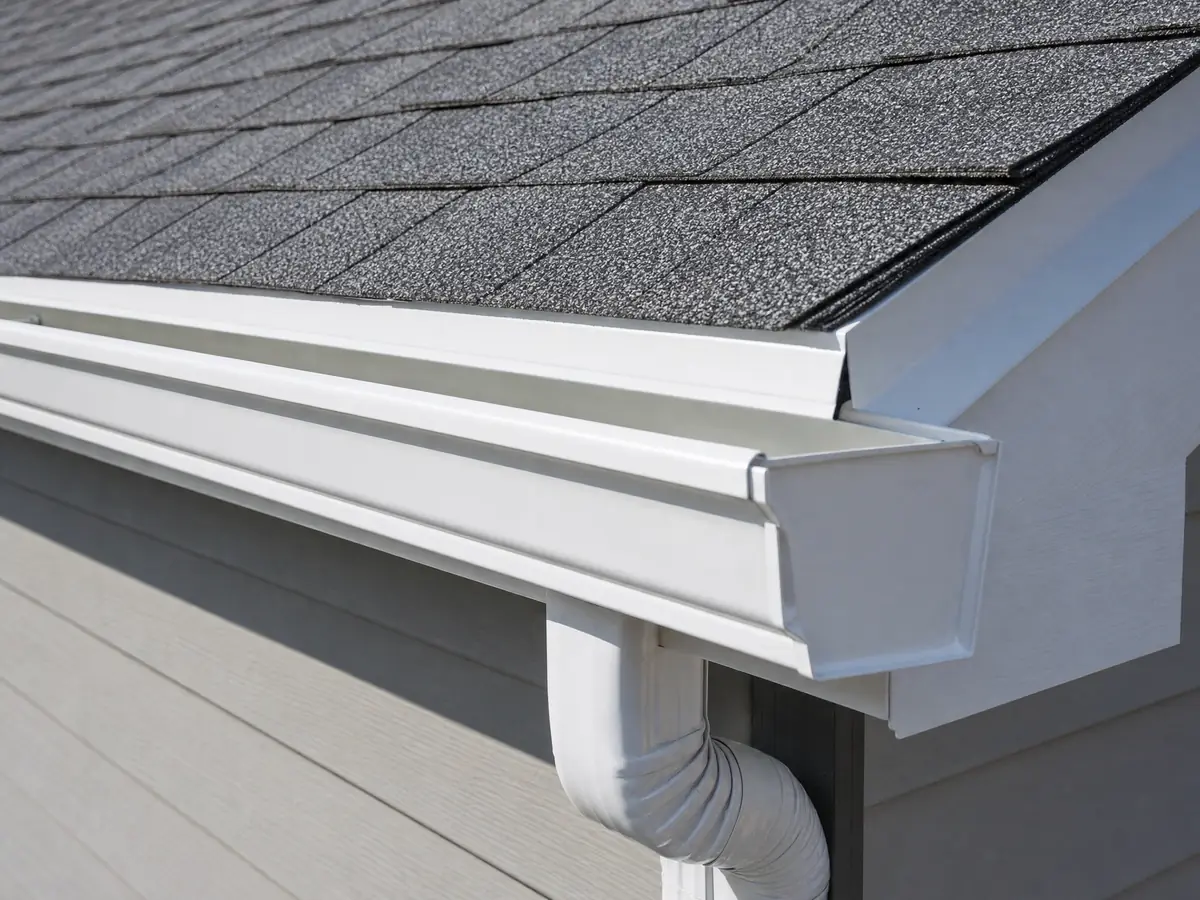
Roofing in La Mesa
Class B roofs in the Eastridge overlay, a debris deposit on every tear-off, a 30 day historic hold and a permit on every re-roof in La Mesa.
See La Mesa roofing →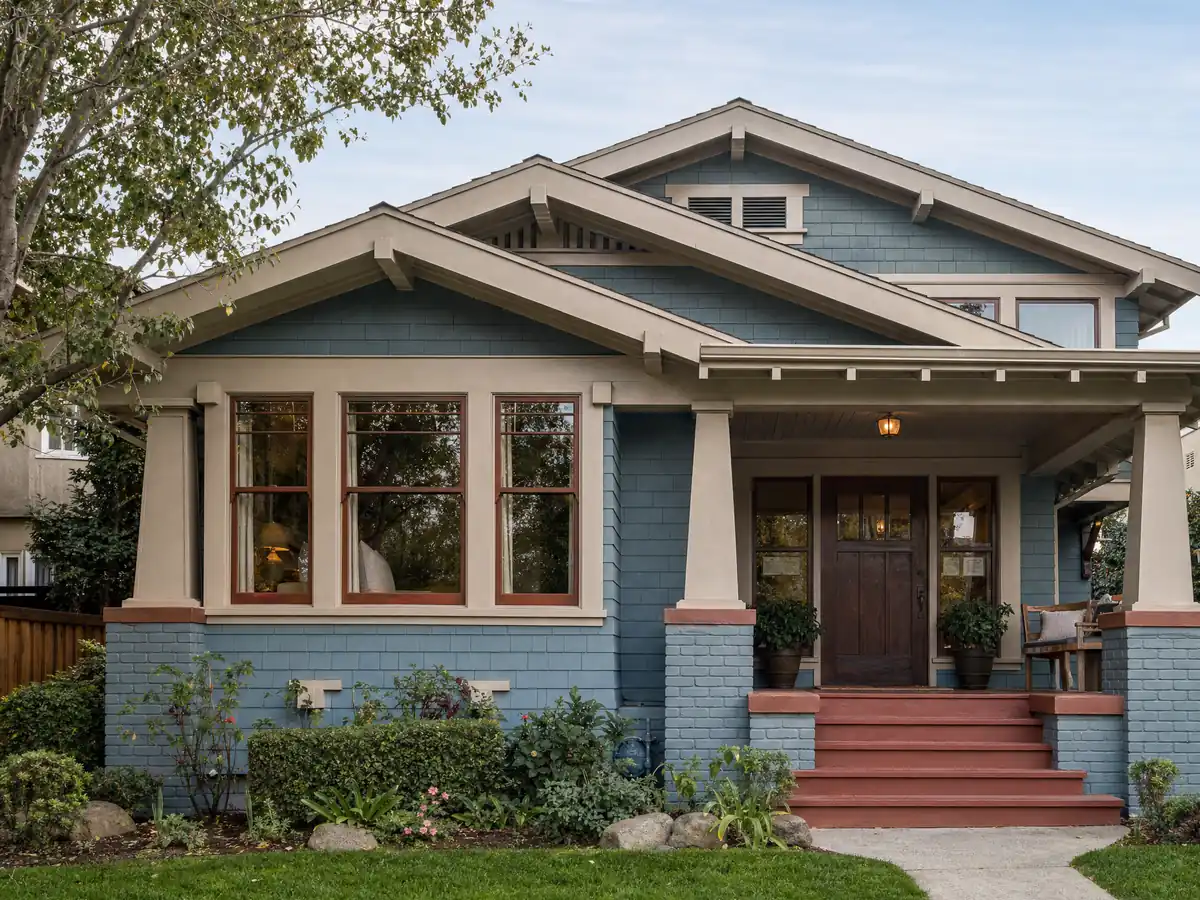
Windows in La Mesa
La Mesa's 'in many cases' window permit rule, lead-safe work for pre-1978 homes, Date Avenue review, fire pockets and inland summer heat.
See La Mesa window replacement →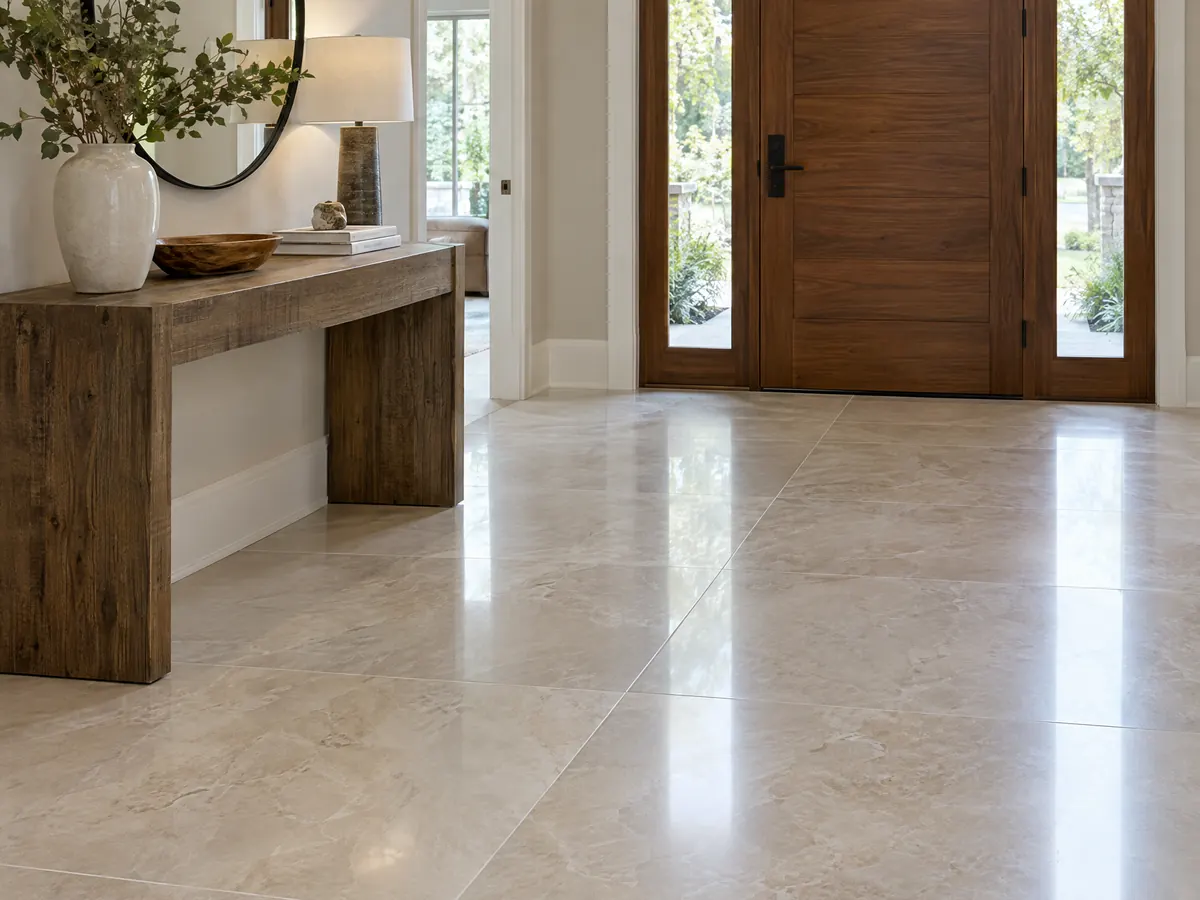
Flooring in La Mesa
Slabs on Redding clay, 1950s and 1970s subfloors, rentals, the finish-work permit line, garage conversions, historic review and flooring costs in La Mesa.
See La Mesa flooring →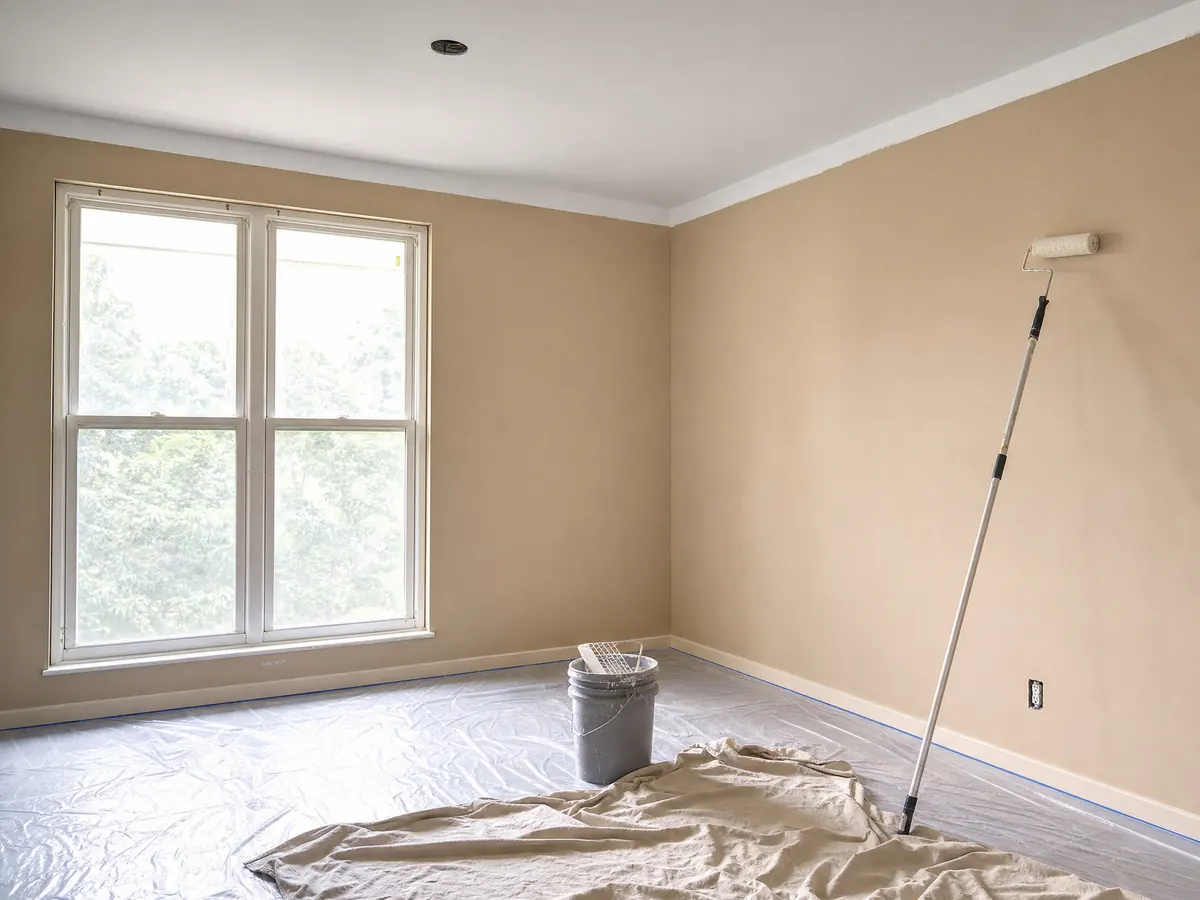
Painting in La Mesa
No building permit for painting, the County's 50 g/L paint rule, lead-safe work in older homes and a Date Avenue historic question in La Mesa.
See La Mesa painting →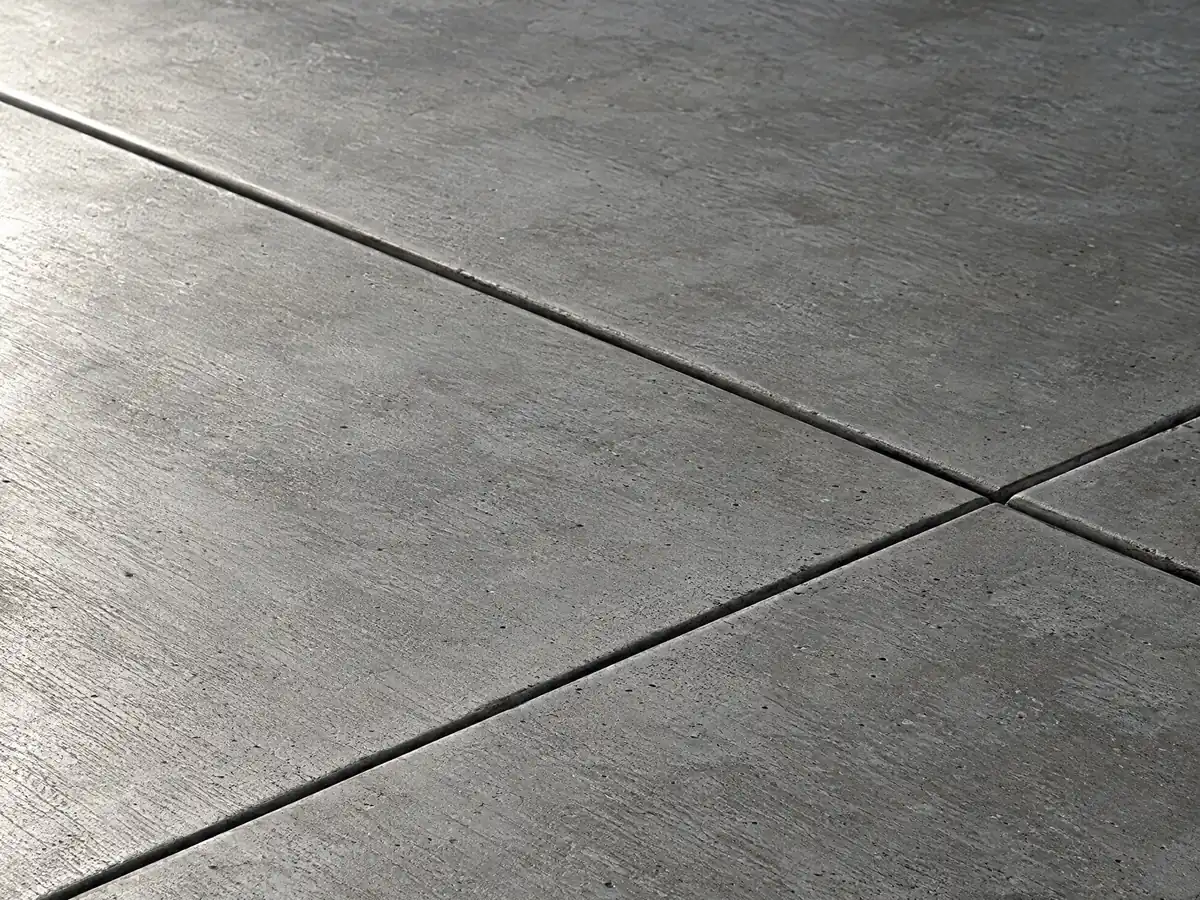
Concrete in La Mesa
Slabs and footings on Redding clay, the 30 inch flatwork line, front yard paving limits, retaining walls, hillside overlays and pour costs in La Mesa.
See La Mesa concrete work →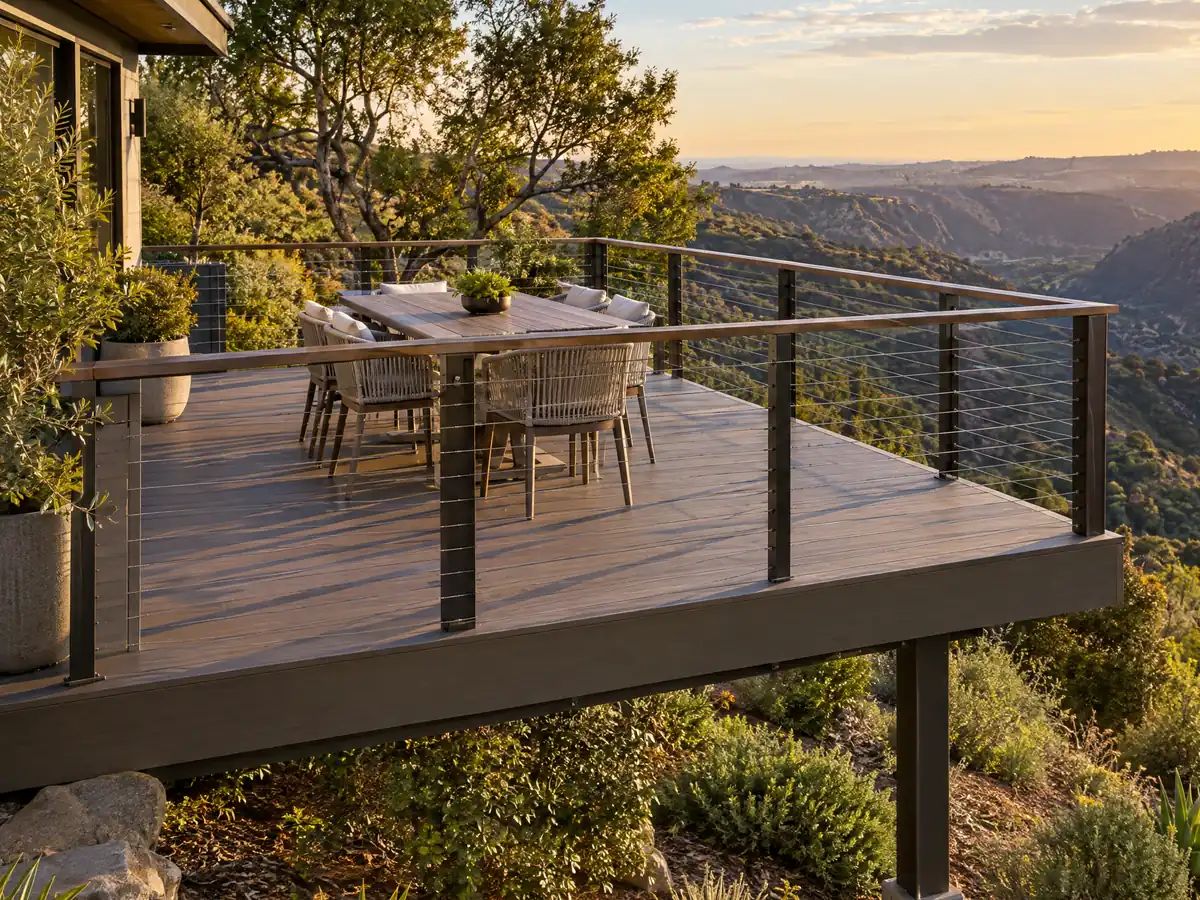
Decks in La Mesa
Footings on Redding clay, the 30 inch permit line, hillside overlays, setbacks, patio covers, old deck repair, fire map questions and deck costs in La Mesa.
See La Mesa deck building →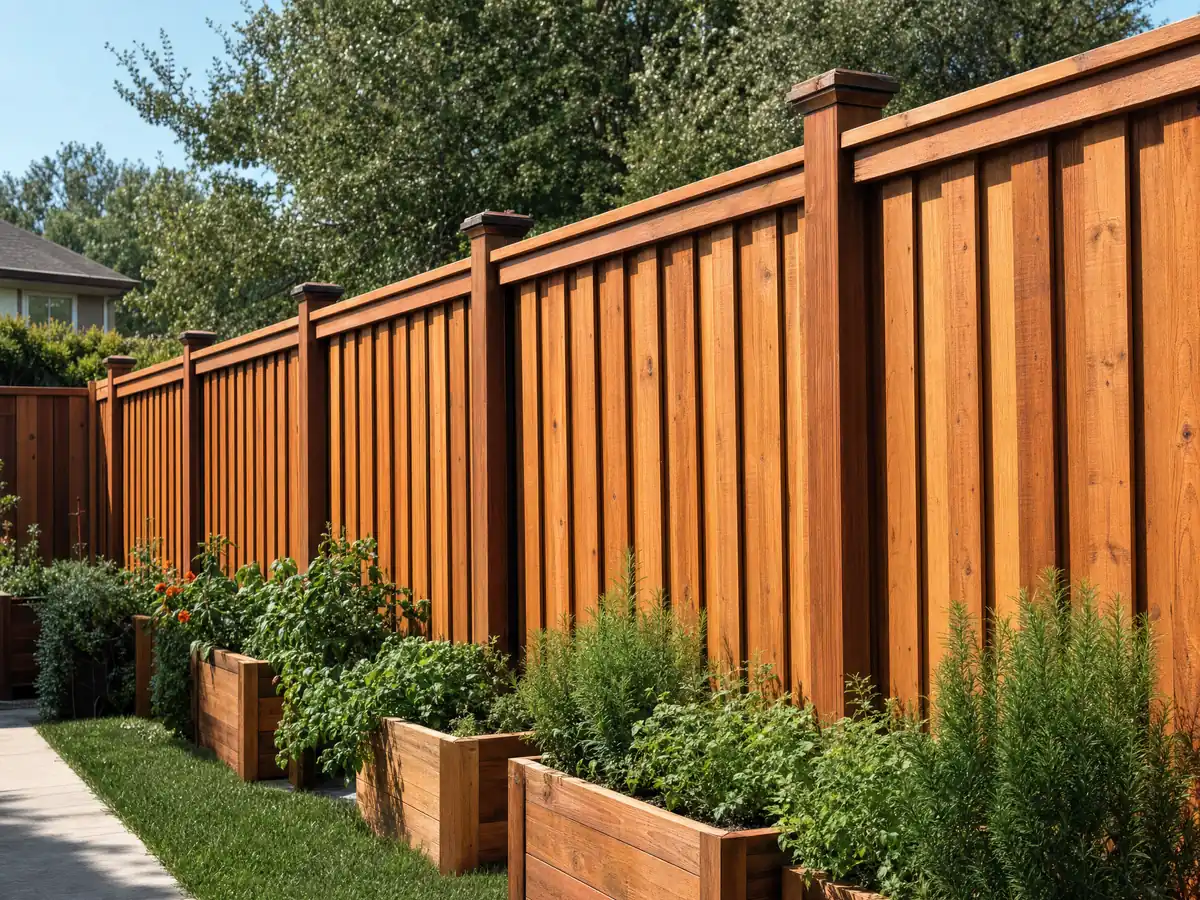
Fencing in La Mesa
A 4 foot limit in the front setback, 6 feet elsewhere, a 36 inch sight triangle, hillside overlay rules and pool barrier specs in La Mesa.
See La Mesa fencing →What makes hiring a general contractor in La Mesa different once the overlay map, the clay and the age of the homes are counted?
According to the Historic Preservation Element of the General Plan, the area was part of Rancho Mission San Diego de Alcala, Robert Allison settled the springs about 1868 for sheep and cattle, and La Mesa was founded in 1869 and incorporated in 1912 with roughly 700 residents. The San Diego Flume Company and the San Diego, Cuyamaca and Eastern Railroad arrived next, but the 1940 population was still just 3,912. Growth came after World War II: the Land Use Element gives about 11,000 residents for 1950 and more than 30,000 by 1960, while Ranch style tracts including Fletcher Hills, Rasonia, Rolando Knolls and Vista La Mesa spread over the slopes and custom mid-century houses went up around Grossmont and Mount Helix. The Census Bureau's 2024 five-year estimates count 26,212 housing units. Roughly 73 percent of them predate 1980 and about 33 percent predate 1960; the 1970s (24.8 percent) and 1950s (21.1 percent) were the biggest building decades, and only about 4 percent go back to 1939 or earlier. Renter households make up 52.3 percent of occupied units, buildings of five or more units hold 36.0 percent of all units, and the median owner-occupied home is valued at $812,000. For an owner, that mix means roofs, windows, baths and kitchens that are often past the fifty year mark, original paint that may carry lead, and a large share of jobs ordered by landlords. The City also cautions that infrastructure under its oldest neighborhoods may be undersized or worn out.
The permit counter belongs to the City, not the county. The Building Division sits inside Community Development, takes applications, plans, invoices and inspection requests through the MaintStar portal, and answers at 619.667.1176. Planning and Zoning, at 619.667.1177, should review the plans before a building permit application goes in. Under Municipal Code 14.04 and 14.12 the City applies the 2025 California Building and Residential Codes, and the Building Division's notice said complete submittals received by December 18, 2025 were reviewed under the 2022 codes, with later ones falling under the 2025 set. Once a permit is issued, a person named on it books each inspection in MaintStar, and a request in by 4 p.m. can be scheduled for the following business day. A permit lapses if work or a first progress inspection does not happen within a year, if six months pass without an inspection, or if the job runs past three calendar years, and an expired permit can mean paying every fee again. Fire inspections go to Heartland Fire & Rescue, a joint powers agency shared with El Cajon and Lemon Grove, by appointment at 619.667.1355. Municode, the City's official host for the code, returned an access error to our tools, so section numbers here come from the GoCodebook mirror and are worth confirming at the counter.
The answer to "do I need a permit" changes with the trade. Re-roofing, whether a roof repair or replacement, is permit work, and a tear-off has to post a construction debris diversion deposit before the permit is issued. A kitchen remodel or bathroom remodel needs one once an outlet moves or the plumbing, mechanical or electrical work changes, while a faucet or switch swap normally does not. A room addition always does, and an ADU does too. La Mesa offers five pre-approved ADU plans, ranging from a 224 square foot studio up to a three bedroom of 1,199 square feet, and its development matrix reads as allowing up to three ADUs and one junior ADU on a single-family lot without added parking. Window replacement sits in a gray area: the City's homeowner page says only that fixtures such as windows may need a permit in many cases, with no checklist, so ask before ordering. The City's exempt list names painting, and surface flooring generally reads as the same kind of finish work, though converting a garage to living space meets a parking test. A fence six feet or lower that does not enclose a pool needs no building permit, yet zoning caps it at 4 feet inside the front setback of the main building and 6 feet elsewhere. A concrete job or deck 30 inches or lower over grade, and not over a basement, is exempt too, but retaining walls, grading past 3 feet deep or 100 cubic yards and paving over half of a front yard bring review. Coatings fall under the San Diego County air district, whose Rule 67.0.1 limits flat and nonflat paint to 50 grams per liter.
Beyond the permit sits a second set of rules that La Mesa ties to specific streets and hillsides. Brier Tract requires four trees on every lot and six parking spaces per house. Murray Hill ties each lot to a fixed grading plan, so re-grading needs a revised plan, and its front setback is 15 feet. Eastridge's Hillside Overlay H sends each house through the Planning Commission for view protection and requires Class B roofs, the only roof class we found in the code pages we read, because we found no citywide roof class rule. The Scenic overlay needs Planning Commission approval before an earth bank over 3 feet is cut, and every new building near Grossmont Hospital and Grossmont Center needs a site development plan approval. Historic review adds a separate path: the Date Avenue Historic District, the Historic Resources Inventory and the Potential Landmark Registry can pause an exterior permit for 30 days, and landmark or district homes need a Certificate of Appropriateness for outside changes. The City's Interactive Zoning Map shows which overlay covers a given lot, and we have not looked up any parcel for this page. The ground matters as much as the map. Underfoot, shrink-swell Redding clay covers most of the city, sedimentary rock prone to slope failure underlies large parts of it, three creeks (Alvarado, Chollas and Spring Valley) run through and around it, and the City's code table gives the area a Very Heavy termite rating. For fire, the State Fire Marshal's map dated March 24, 2025, as we overlaid it on the city boundary, puts roughly 94.5 percent of La Mesa in NonWildland and 4.3 percent in High, with no Very High land, and the General Plan lists Keeney Street Canyon, the open space of Eastridge and Mount Helix as the wildland pockets. The City adopted the California Wildland-Urban Interface Code, and whether it also adopted the 2025 map by ordinance is something we did not find. Neighboring El Cajon and San Diego have their own pages here, Lemon Grove, Santee and National City are close by as well, and a permit answer from one of them does not carry over to another. As the general contractor, MDG Builders, CSLB #1040337, writes the scope, files the permit and schedules licensed specialty subcontractors, then walks the completed work with you. Read how contractors use subcontractors and how to check a contractor's license before you sign any contract.
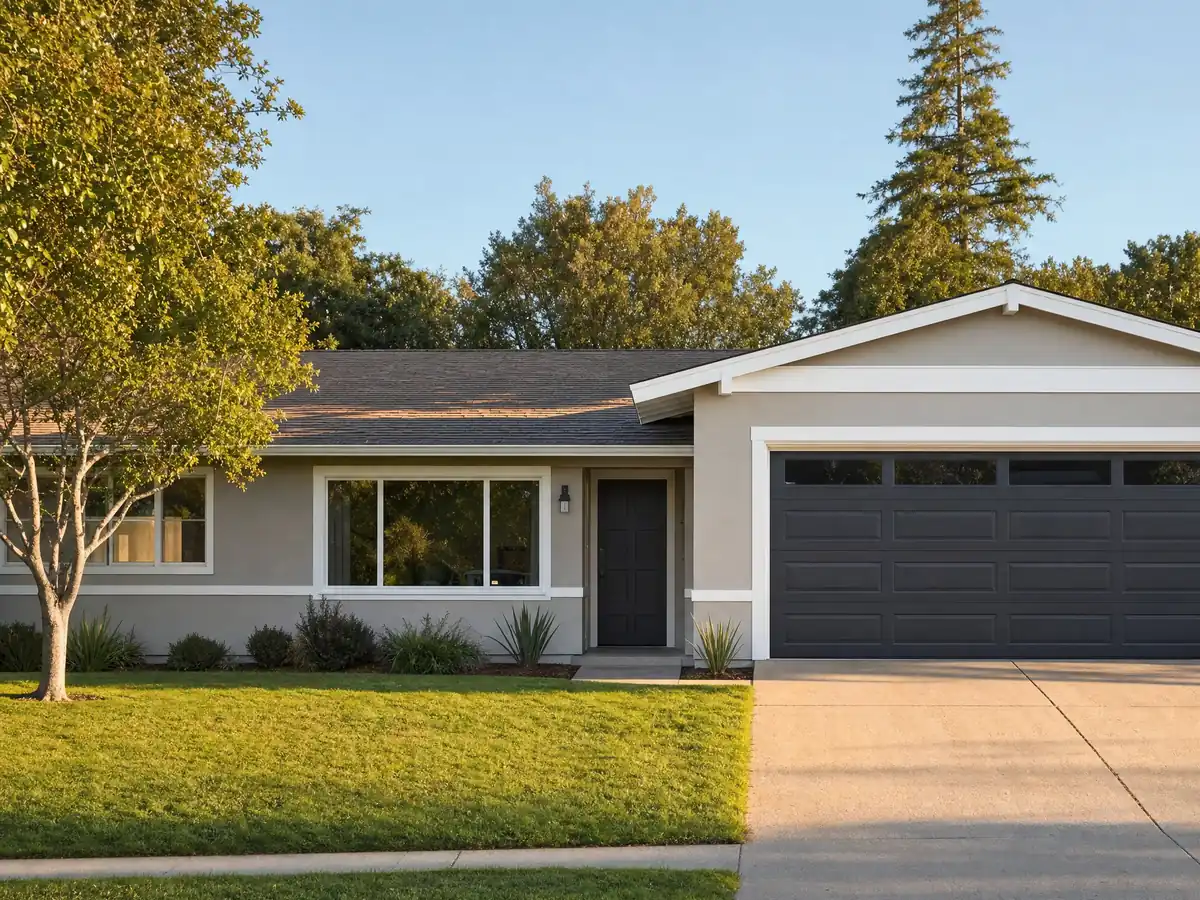
- La Mesa issues its own permits, so the Building Division at 619.667.1176 is the one counter for a building permit.
- The City's homeowner page lists painting and fences six feet or lower, not enclosing a pool, as work that needs no building permit, while re-roofs, additions and decks over 30 inches are permit projects.
- Roughly 73 percent of La Mesa's 26,212 housing units predate 1980, led by the 1970s and the 1950s.
- Class B roofing is required in the Eastridge Hillside Overlay H, and we found no citywide roof class rule.
- Municipal Code Chapter 14.27 ties roofing tear-offs to a debris diversion program with a refundable deposit.
- By our own overlay of the State's March 2025 fire map, roughly 94.5 percent of La Mesa lies outside every wildland category.
Cities near La Mesa we also build in
La Mesa questions we hear before a contract is signed
Does La Mesa issue its own building permits?
Yes. La Mesa's Building Division, part of Community Development, issues permits itself and runs applications, invoices and inspection requests through the MaintStar portal. Planning should look at your plans before you file. Call 619.667.1176 for Building or 619.667.1177 for Planning to confirm your job's path before ordering materials.
What work in La Mesa does not need a building permit?
The City's homeowner page exempts painting, wallpapering and similar finish work, fences six feet or lower that do not enclose a pool, and decks, platforms and walks no higher than 30 inches over grade and not over a basement. Re-roofs, additions and plumbing, electrical or mechanical changes still need permits. Zoning limits apply to exempt work too.
Does La Mesa require a Class A or Class B roof?
It depends on the street. We found no citywide roof class rule in the code pages we read, but the Eastridge Hillside Overlay H requires Class B roofs on every building. A re-roof is permit work and a tear-off posts a debris diversion deposit. Ask the Building Division what applies to your address.
Do La Mesa's overlay zones change a remodel or addition?
They can. Brier Tract, Murray Hill, Eastridge, the Scenic overlay and the Grossmont Specific Plan area each set their own setbacks, grading, tree, roof or review rules, and the Date Avenue district adds historic review. Which one covers a lot is shown on the City's Interactive Zoning Map, so check it before a design is drawn.
How old are La Mesa homes, and does lead paint matter?
Most are older. About 73 percent of units were built before 1980 and about 33 percent before 1960. The Census table cannot isolate 1978, but EPA's lead-safe rule covers paid work that disturbs paint in houses built before that year, and window replacement is always covered. Ask any firm for its EPA lead-safe certification.
Is my La Mesa home in a fire hazard zone?
Probably not, but check the parcel. By our own overlay of the State's March 2025 map, about 94.5 percent of the city is NonWildland, about 4.3 percent High and about 1.2 percent Moderate. Whether the City adopted that map by ordinance is unverified, so ask Heartland Fire & Rescue about your project.
Does a Date Avenue or historic inventory home need extra approval?
Yes, usually. For a building on the Historic Resources Inventory or the Potential Landmark Registry, the Building Division passes the permit to Planning, which can send inconsistent work to the Historic Preservation Commission and hold it 30 days. Designated landmarks and district homes also need a Certificate of Appropriateness before exterior changes.
What does a general contractor do on a La Mesa job?
A general contractor is the firm that signs the contract with you, defines the work, applies for the permit and sequences the trades. MDG Builders, CSLB #1040337, hands field work to licensed specialty subcontractors, requests City inspections and does a closing walkthrough. Look up each firm's license on the CSLB site and request its insurance certificate.
Tell us what your La Mesa home needs
Tell us the neighborhood, the approximate year the house was built and the jobs on your list, whether that is one window or a full addition. Ahead of our call we check the permit route, which overlay the City's map shows for the area and the fire hazard maps.