
General Contractor in El Cajon, CA
A general contractor in El Cajon deals with a City that wrote its own wildfire map, roof ban, fence limits and repaint rule into local code. Most homes are 45 to 75 years old and more than half are rented. MDG Builders, CSLB #1040337, scopes, permits and runs all eleven trades for El Cajon owners and landlords.
Eleven trades, each read against El Cajon's old homes, fire map and hillside rules
Pick the job you are weighing. Each guide says which El Cajon rules we could confirm and which we could not, and dollar ranges on them are regional planning figures, not a bid for your street.
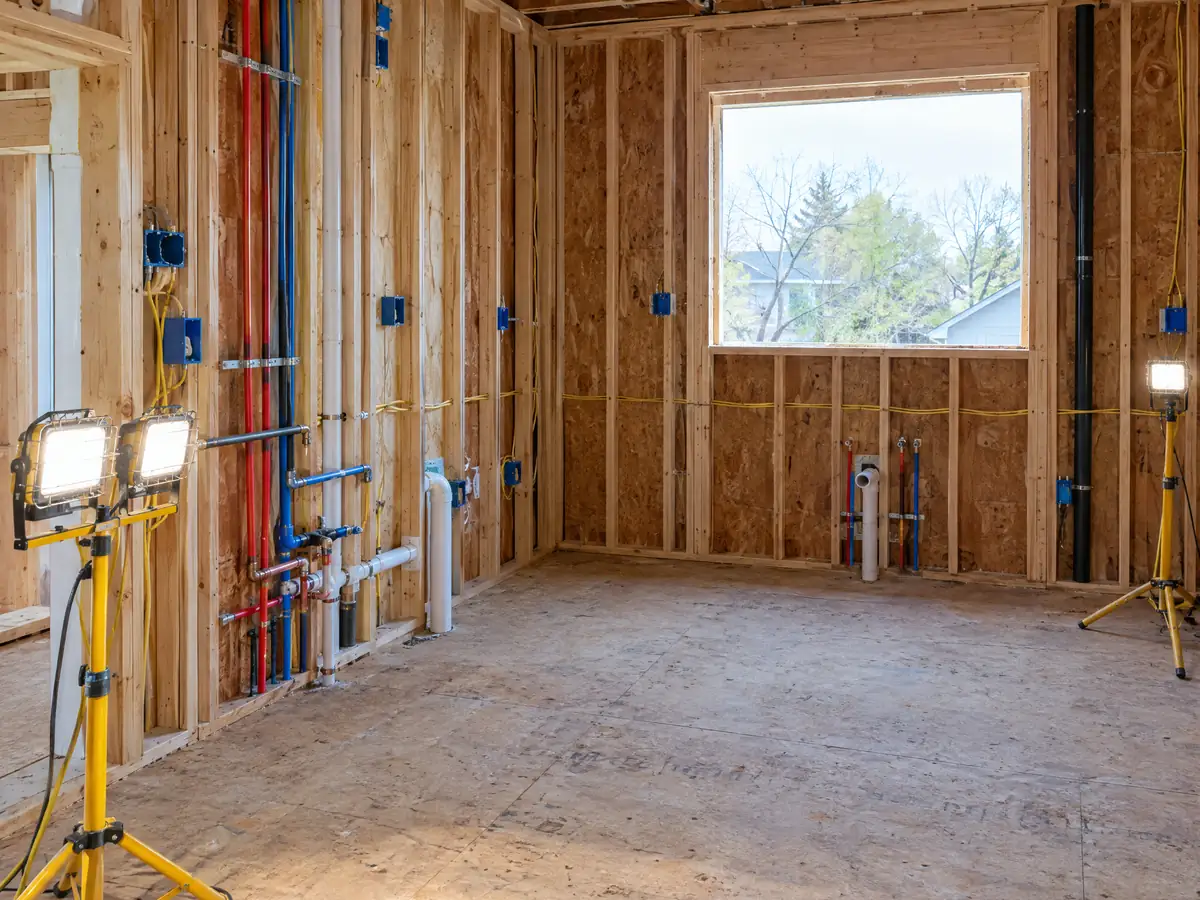
Kitchen Remodeling in El Cajon
Older 1950s to 1970s kitchens, electrical and plumbing permits, bump-out setbacks, the second-kitchen ADU question and range hood rules in El Cajon.
See El Cajon kitchen remodeling →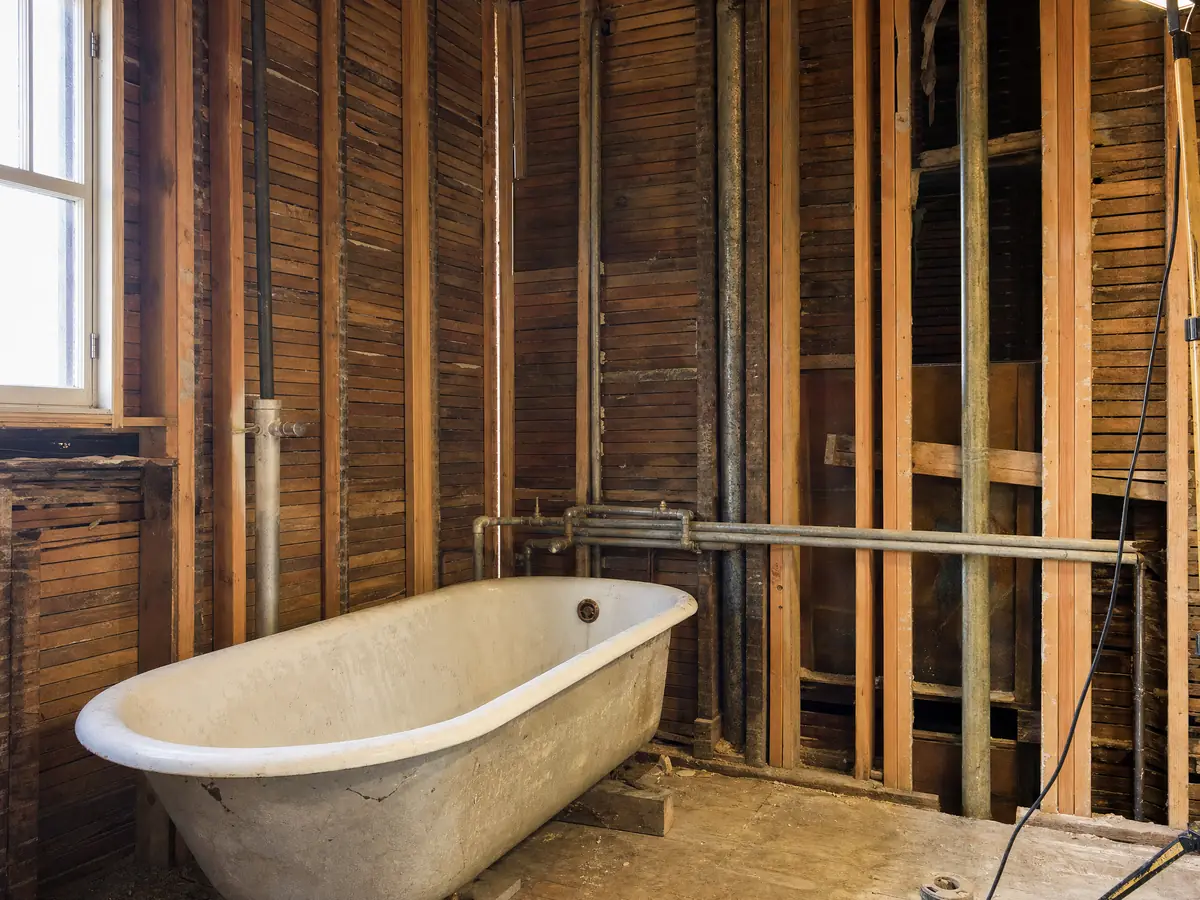
Bathroom Remodeling in El Cajon
El Cajon's permit line for bath work, 1950s to 1970s plumbing, rental and dry rot enforcement, heat, fans and lead-safe rules.
See El Cajon bathroom remodeling →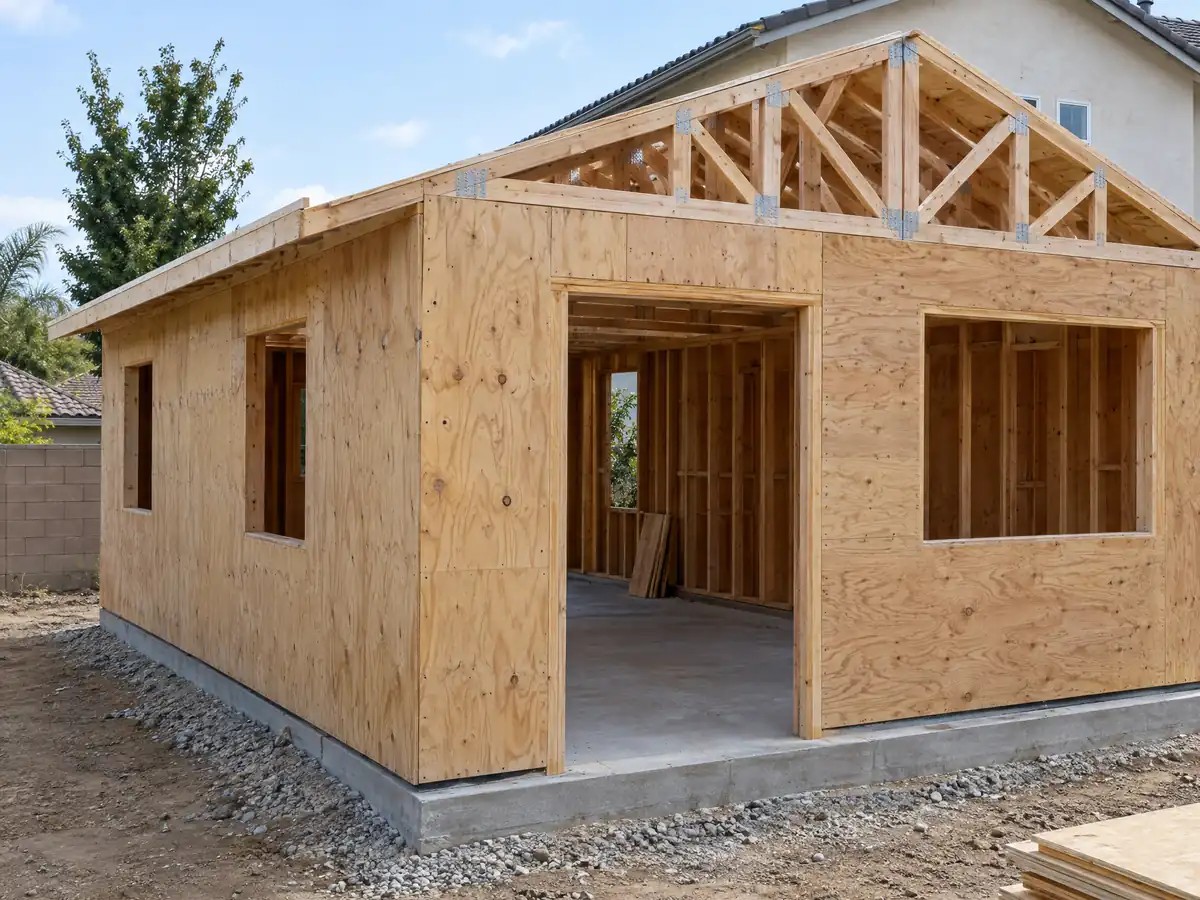
ADU Construction in El Cajon
El Cajon's ADU route: state law first, HCD's ten findings on the City ordinance, garage conversions, hillside and fire rules, and fees.
See El Cajon ADU construction →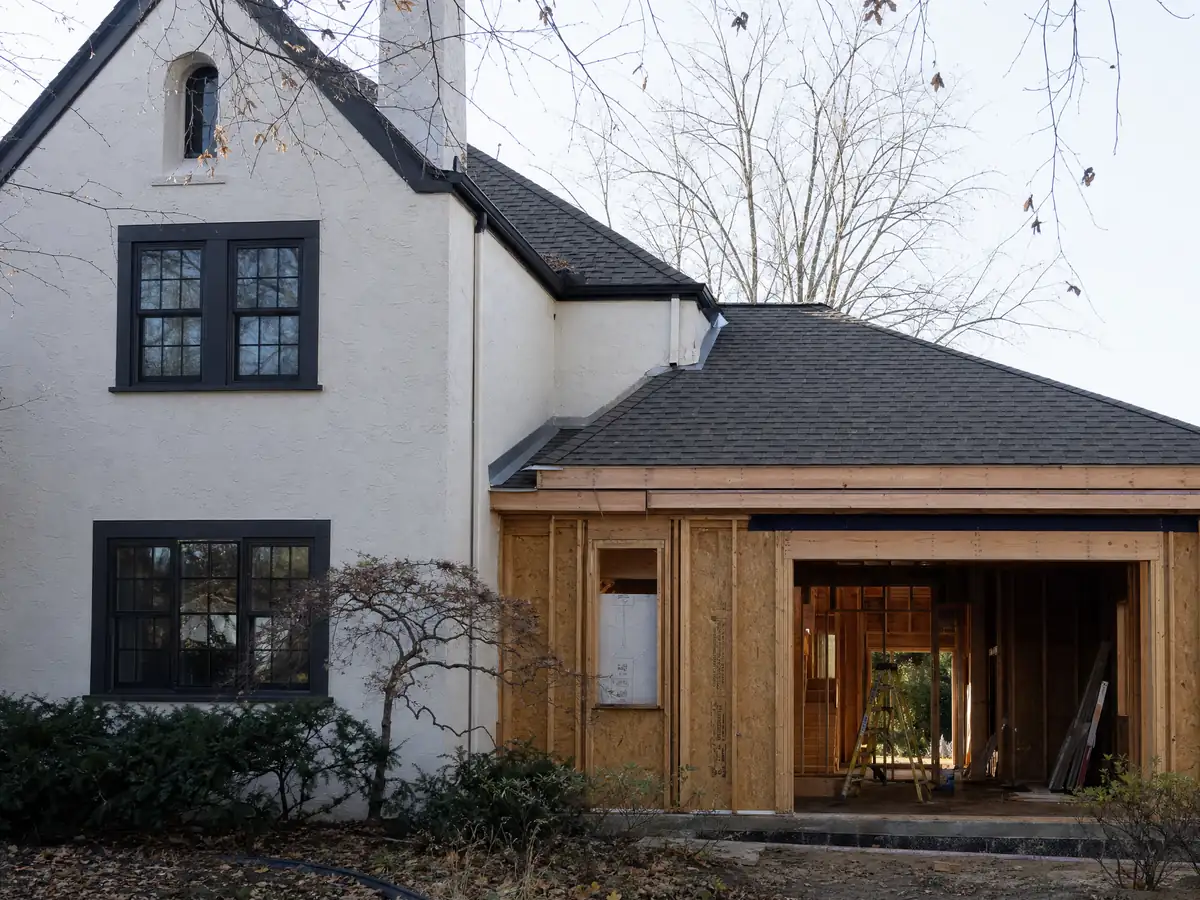
Room Additions in El Cajon
El Cajon's 40 percent coverage cap, hillside geotechnical reports, flood and fire rules, matching an older house and construction logistics.
See El Cajon room additions →
Roofing in El Cajon
A citywide wood shake ban, Class A roofs in Very High fire zones, eave rules, solar permits and valley heat on 1950s to 1970s homes in El Cajon.
See El Cajon roofing →
Windows in El Cajon
Lead-safe rules for older El Cajon homes, an open permit question, heat, fire-zone glass, broken-window rules and install day.
See El Cajon window replacement →
Flooring in El Cajon
Rental repair rules, asbestos and lead checks, slab moisture, garage floor dimensions, the permit question and costs for flooring in El Cajon.
See El Cajon flooring →
Painting in El Cajon
A ten year repaint rule, dry rot and unpainted building notices, lead-safe work in older homes and San Diego County's 50 gram paint limit.
See El Cajon painting →
Concrete in El Cajon
The 2 inch asphalt driveway rule, the half-setback paving cap, hillside grading, retaining walls and pour costs for concrete work in El Cajon.
See El Cajon concrete work →
Decks in El Cajon
Deck repair and the dry rot rule, the 200 square foot permit line, yard projections, Very High fire zone boards and hillside lots in El Cajon.
See El Cajon deck building →
Fencing in El Cajon
A 42 inch limit on any lot, 6 feet behind the front yard line, corner triangles, banned materials and hillside retaining wall rules in El Cajon.
See El Cajon fencing →What makes a project in El Cajon different from the same job in San Diego or La Mesa?
El Cajon sits in a flat valley at about 433 feet, and its housing tells the story of a farm town that became a suburb in one decade. Governor Pio Pico granted roughly 48,800 acres of the valley to Maria Antonio Estudillo in 1845, and Isaac Lankershim bought most of Rancho El Cajon in 1868. By 1878 about 25 families lived there, the railway arrived in the 1880s, and the city incorporated on November 12, 1912, with grapes, avocados and citrus as the main business. Then came the war. Census counts show 1,471 people in 1940, 5,600 in 1950 and 37,618 in 1960, a jump of 571.8 percent. By 1980 the city held 73,892 residents. The Census Bureau's 2024 estimates count 33,340 housing units, and about 69.6 percent of them were built before 1980. Roughly 64 percent went up between 1950 and 1979, and only about 11.2 percent date from 2000 or later. The median owner-occupied value is $772,200. Detached houses make up 44.9 percent of units, 38.3 percent sit in buildings of five or more units, and 5.1 percent are mobile homes. Neighborhoods such as Bostonia, Hillsdale, Cajon Heights and Fletcher Hills mostly carry that postwar vintage, so the typical job here involves a 1950s to 1970s building with its original wiring runs, old pipes, tired roof and layers of lead-era paint.
The first filter is who owns the work. About 55.5 percent of occupied homes are rented, and the City's Chapter 15.16 lets the building official cite substandard property by notice, hearing and lien. It lists peeling paint and dry rot, expects a building to be painted at least once every ten years, and says fences must be kept in good condition. Owners, landlords and property managers therefore end up hiring for a house painting job, a fence or a deck because a notice arrived, not because they planned it. A notice that goes uncorrected for six months can be forwarded to the State Franchise Tax Board. Because so many units predate 1980, the EPA lead-safe renovation rule is likely to reach a repaint, a window replacement or siding repair, and that rule treats window replacement in pre-1978 housing as covered no matter how much paint is disturbed. Behind all of it is the Building and Fire Safety Division, which enforces the 2025 California residential, building, plumbing, existing building, green, fire and wildland-urban interface codes adopted in October and November 2025. Fire plan questions go to Heartland Fire & Rescue, the agency El Cajon, La Mesa and Lemon Grove have run together since January 1, 2010. We read the City's code text on a third-party code mirror, so each point on these pages is worth confirming with the City before you rely on it.
The second filter is land and weather. The City adopted a Fire Hazard Severity Zone map dated March 25, 2025 by Ordinance 5167, and Ordinance 5166 applies the 2025 Wildland-Urban Interface Code to parcels the map marks Very High. That decides how a roof repair or replacement is built, with a Class A covering and protected eaves and soffits, and the City's own code bans wood shake and shingle roofs except for repairs of one roofing square or less. Check the parcel on the City's fire hazard map page rather than guessing. The valley floor is hot and dry: the NOAA station nearby averages 11.63 inches of rain a year, 56.8 days at or above 90 F and 6.9 days at or above 100 F, so sun wears roofs, paint, flooring near glass and exposed slabs. Hillside lots under the H overlay need compaction, slope limits and a geotechnical report, which shapes any room addition or concrete job on a slope. Mapped flood areas ask for a development permit and a floor one foot above base flood elevation. Zoning also reaches the driveway and the garage: paving may cover only part of the front setback, and an enclosed two-car garage keeps its 20 by 20 foot interior, which matters for a garage flooring job.
Inside the house, the permit line follows the plumbing and wiring, not the surface. A kitchen remodel or bathroom remodel that only swaps cabinets or counters falls on the state's exempt list, while new circuits need an electrical permit under Chapter 15.24 and moved pipes need a plumbing permit. For an ADU, a state review letter dated February 6, 2025 found that the City's ordinance conflicted with state law in ten respects, and the City has amended it several times since, so state law controls where they disagree. We found no permit fees or review times in the code text, and the Division's own re-roof and window handouts could not be read, so we do not quote either. Licensed subcontractors do the field work. MDG writes the scope, handles the paperwork and walks the finished job with you, and you can look up each firm on the state's license page. Before signing anything, read how contractors use subcontractors and how to check a license. Neighbors include La Mesa, Santee, Lemon Grove and San Diego, each with its own counter and rules.

- Ordinance 5167 adopted a City fire hazard map dated March 25, 2025, and Very High parcels follow the 2025 wildland-urban interface code.
- Wood shake and shingle roofs are banned citywide except for repairs of one roofing square or less.
- The Census Bureau's 2024 estimates put about 69.6 percent of El Cajon's 33,340 housing units before 1980.
- About 55.5 percent of occupied homes are rented, and the City's property maintenance chapter reaches landlords as well as owners.
- Fences stop at 42 inches in front yards and 6 feet behind the front yard line, with barbed wire, tarps and corrugated metal banned.
- The city incorporated on November 12, 1912, after Rancho El Cajon passed to Isaac Lankershim in 1868.
Cities near El Cajon we also build in
Questions El Cajon homeowners ask before hiring
Do I need a general contractor for a project in El Cajon?
Yes, whenever the work needs any permit, because California's unlicensed work limit of $1,000 does not apply to permitted jobs. A licensed general contractor can run several trades under one contract. Small unpermitted tasks have their own limits, so check the job against the state's rules before you hire anyone.
Is my El Cajon home in a Very High fire hazard zone?
Possibly, because the City adopted its own fire map on October 28, 2025 and marks some parcels Very High. We cannot tell you a lot's status from here. Ask the Building and Fire Safety Division or check the City's map page, since roof class, eaves and vents depend on the answer.
Can I put a wood shake roof on my house in El Cajon?
No, except for a repair of one roofing square or less. The City's code bans wood shake and shingle roofs citywide, and a Very High fire zone adds the state wildland code, which calls for at least Class A covering on replacement. Confirm the exact wording with the Building and Fire Safety Division.
How tall can a fence be in El Cajon?
A fence can be 42 inches anywhere on a lot, including the front yard, and 6 feet behind the required front yard line. Corner lots keep a 42 inch visibility triangle with 15 foot legs. A taller fence needs an administrative zoning permit and ten days' written notice to neighbors.
Does El Cajon require me to repaint my house?
The City's property maintenance chapter says buildings must be painted at least once every ten years, and unpainted buildings or those with dry rot are treated as substandard. The City enforces it by notice, hearing and lien. Check your own notice for deadlines, because we did not find a fee schedule.
Do older El Cajon homes have lead paint?
Many do, since about 70 percent of the city's housing units were built before 1980. EPA's lead-safe renovation rule applies to pre-1978 housing, and window replacement in that housing is always covered. A contractor who disturbs paint should be certified under that rule, and you can ask to see it.
Can I build an ADU in El Cajon?
Yes, state law allows ADUs and the City's code requires a building permit for each one, with limits on size and setbacks. A February 2025 state letter found the City's ordinance out of step with state law, and the City has amended it since. Confirm the current numbers with Planning.
Who handles fire reviews for a project in El Cajon?
Heartland Fire & Rescue, a joint agency of El Cajon, La Mesa and Lemon Grove, has handled fire and emergency medical service for all three cities since January 1, 2010. Fire permit fees follow the City's miscellaneous fee schedule, which we did not read, so ask the Division for current amounts.
Tell us about your El Cajon project
Tell us the neighborhood, the year the house was built, whether it sits on a hill and whether you own it or rent it out. We check the fire map, the overlays and the permit route first, so the first call is about what your scope will meet.