
General Contractor in Imperial Beach, CA
A general contractor in Imperial Beach works with a City-run permit counter, a Coastal Zone covering 87 percent of the city, FEMA flood rules and a water table that can sit 8 feet down. Most homes predate 1980. MDG Builders, CSLB #1040337, is the general contractor and puts licensed specialty subcontractors in the field.
Eleven trades, each read against the coast, the flood map and the soil
Start with the job on your list. The guides below cite the City handout or code section behind each answer, note where the code text came from a third-party mirror, and present prices only as regional planning figures, never as a bid on your house.

Kitchen Remodeling in Imperial Beach
Exempt cabinets, cabinets counted in the 50 percent flood test, a June 2026 wall policy, soil reports and coastal limits in Imperial Beach.
See Imperial Beach kitchen remodeling →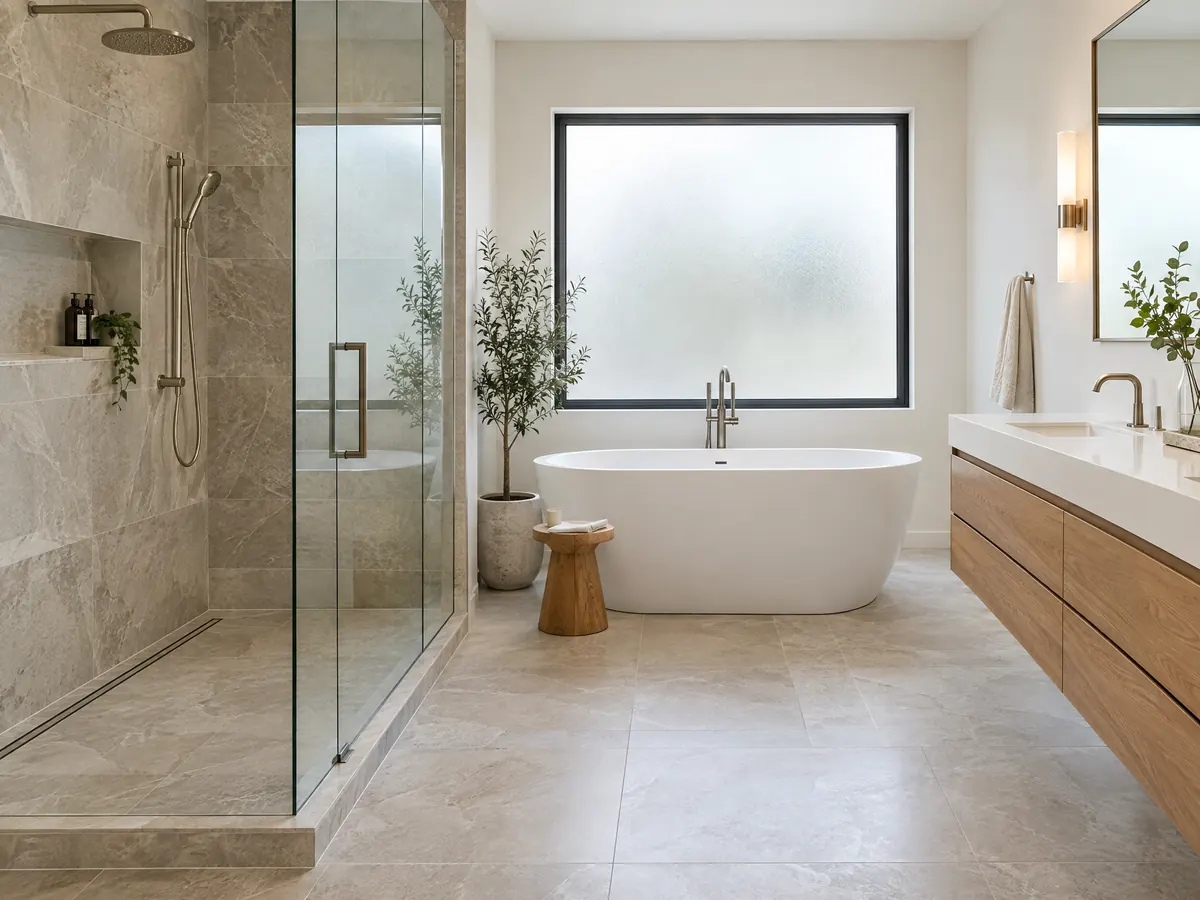
Bathroom Remodeling in Imperial Beach
Imperial Beach's tile-shower permit line, the 50 percent flood test, 1950s cottages, salt air, and rental or condo approvals.
See Imperial Beach bathroom remodeling →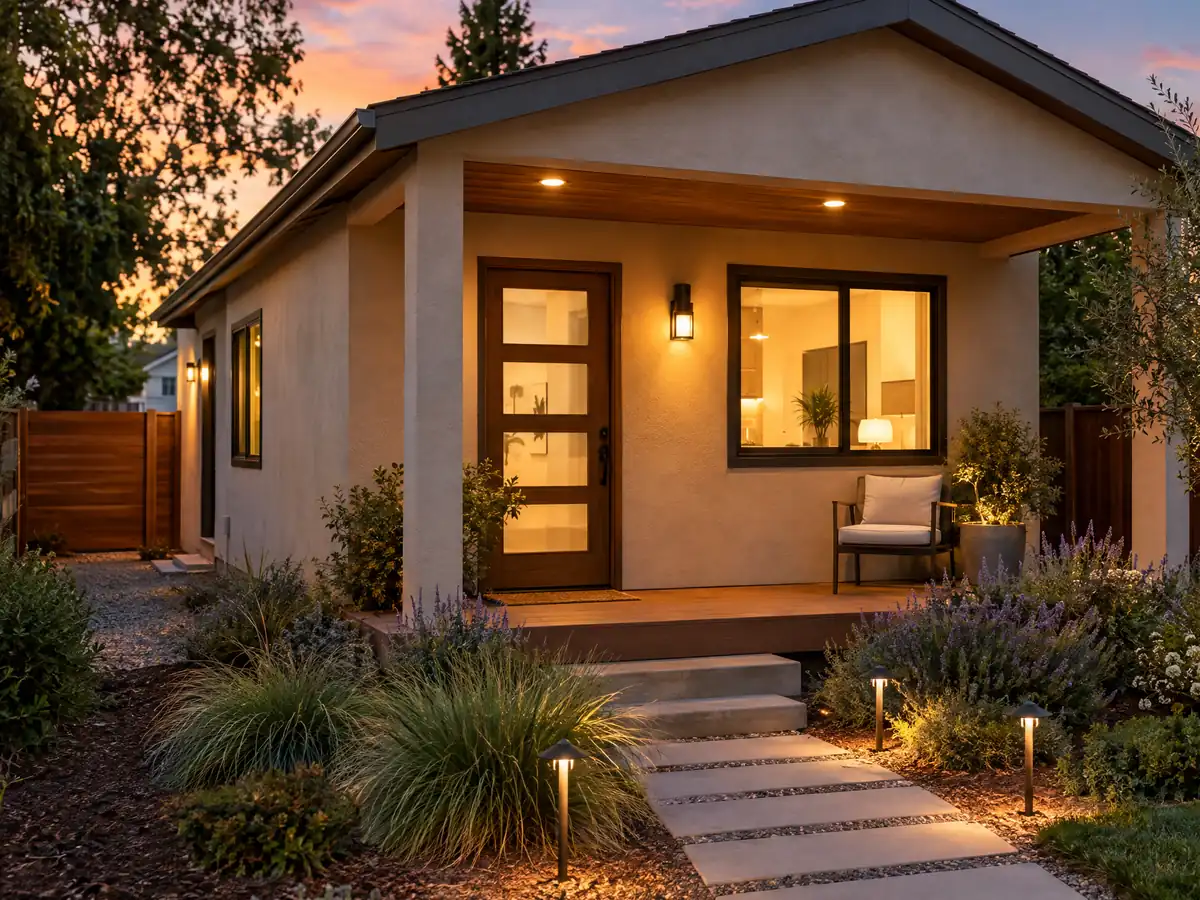
ADU Construction in Imperial Beach
Imperial Beach's $1,000 Coastal Permit, lot types, soils report waiver, flood and fire maps, garage conversions and SB 9.
See Imperial Beach ADU construction →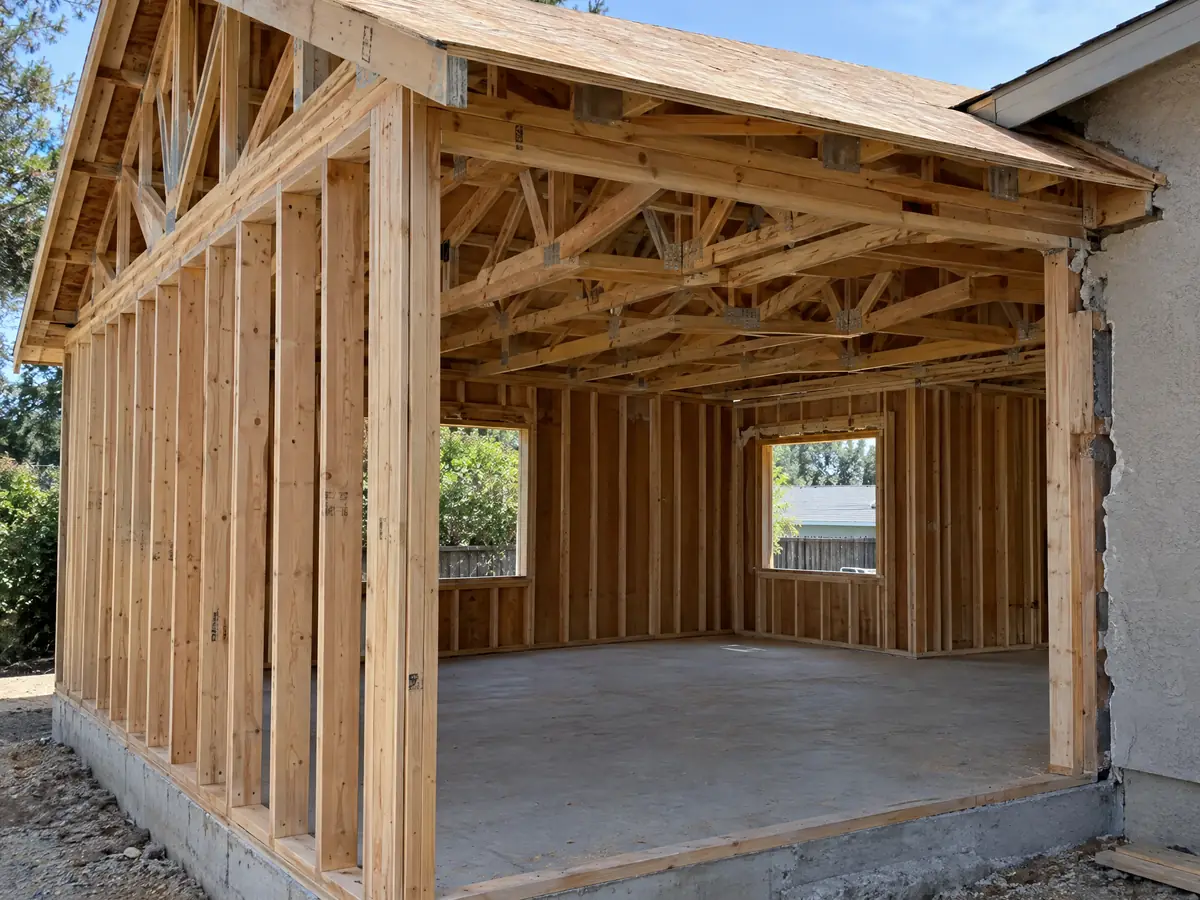
Room Additions in Imperial Beach
Imperial Beach's yard and height limits, the 10 percent coastal test, soils waiver under 750 square feet, flood freeboard and the June 2026 policy.
See Imperial Beach room additions →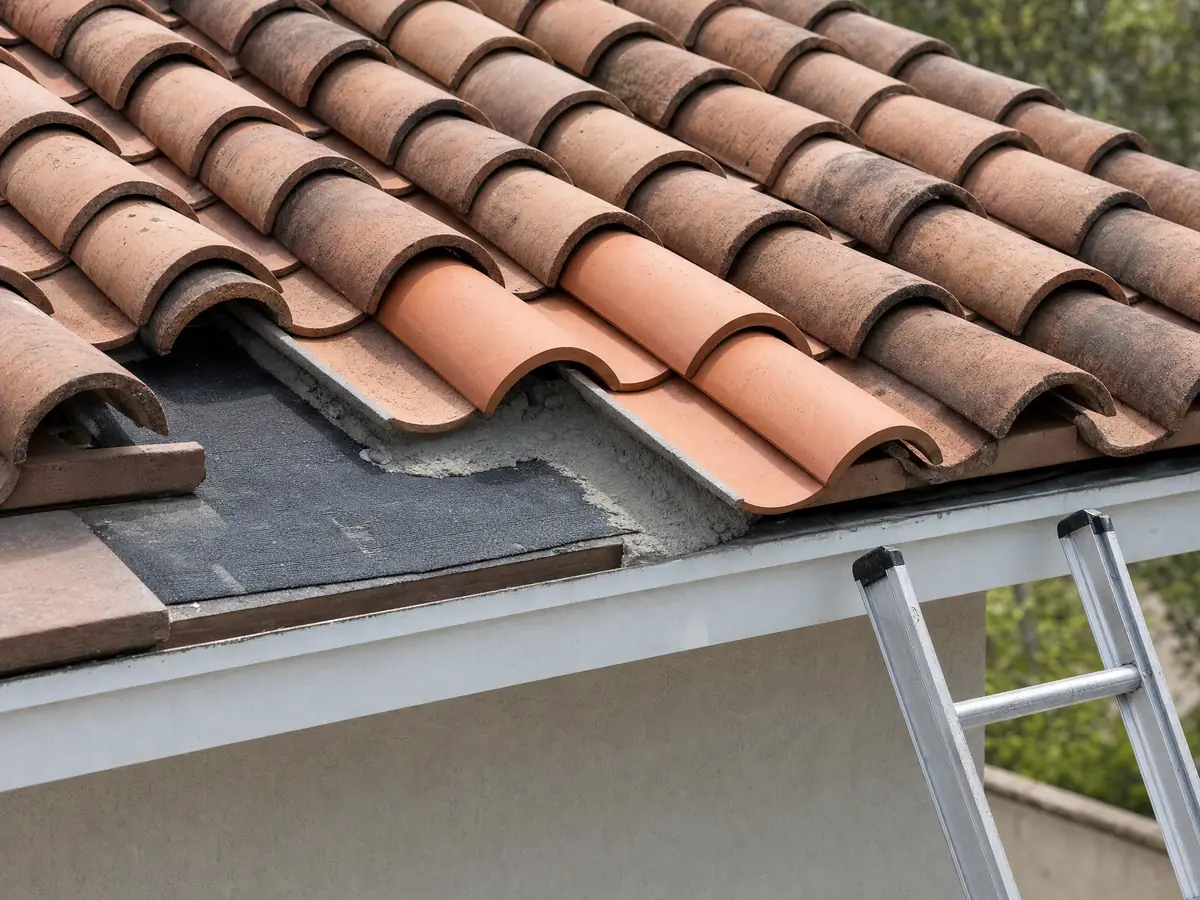
Roofing in Imperial Beach
Class C minimum, self-certified re-roofs, a 50 percent new construction policy, flood counting and a first-time fire map in Imperial Beach.
See Imperial Beach roofing →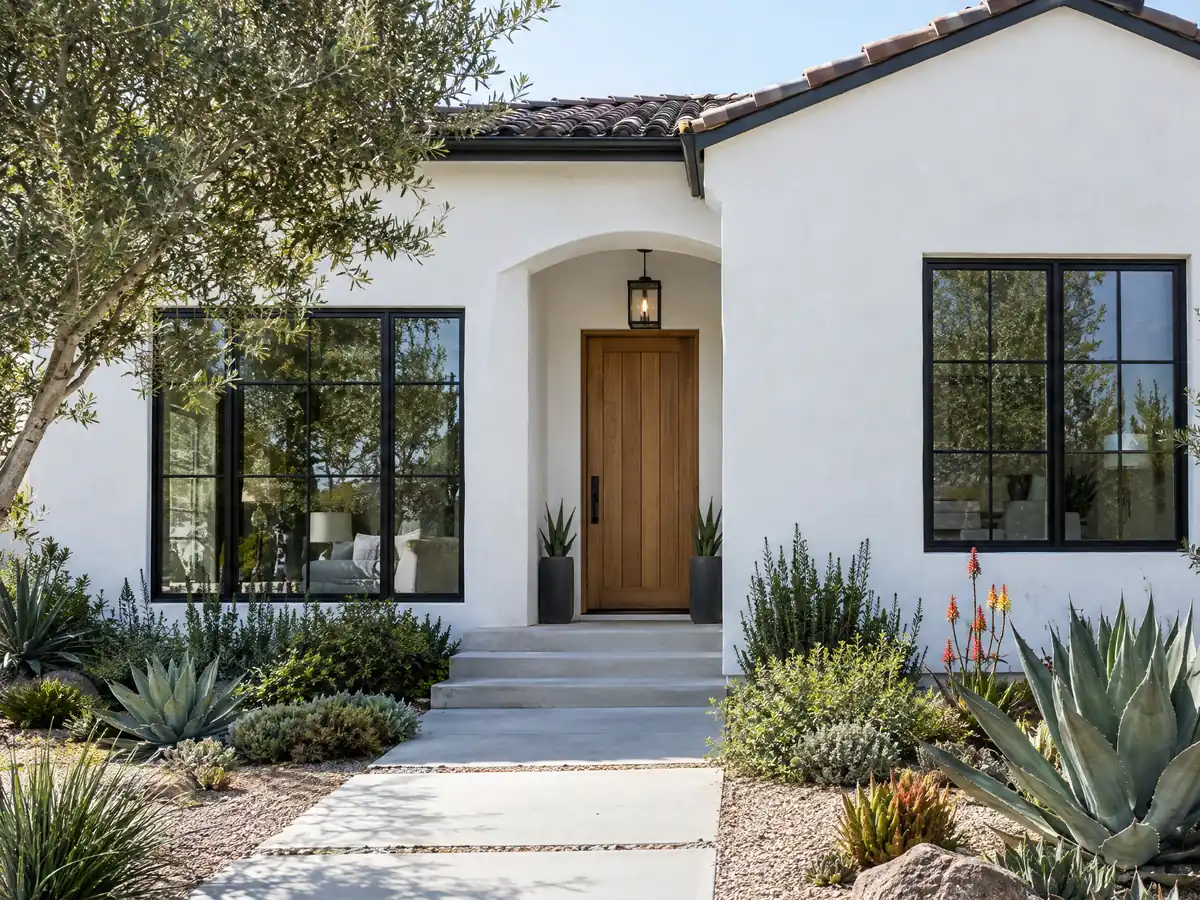
Windows in Imperial Beach
Imperial Beach's same-opening permit rule, rental egress checks, lead-safe work in old cottages, the flood tally and salt air.
See Imperial Beach window replacement →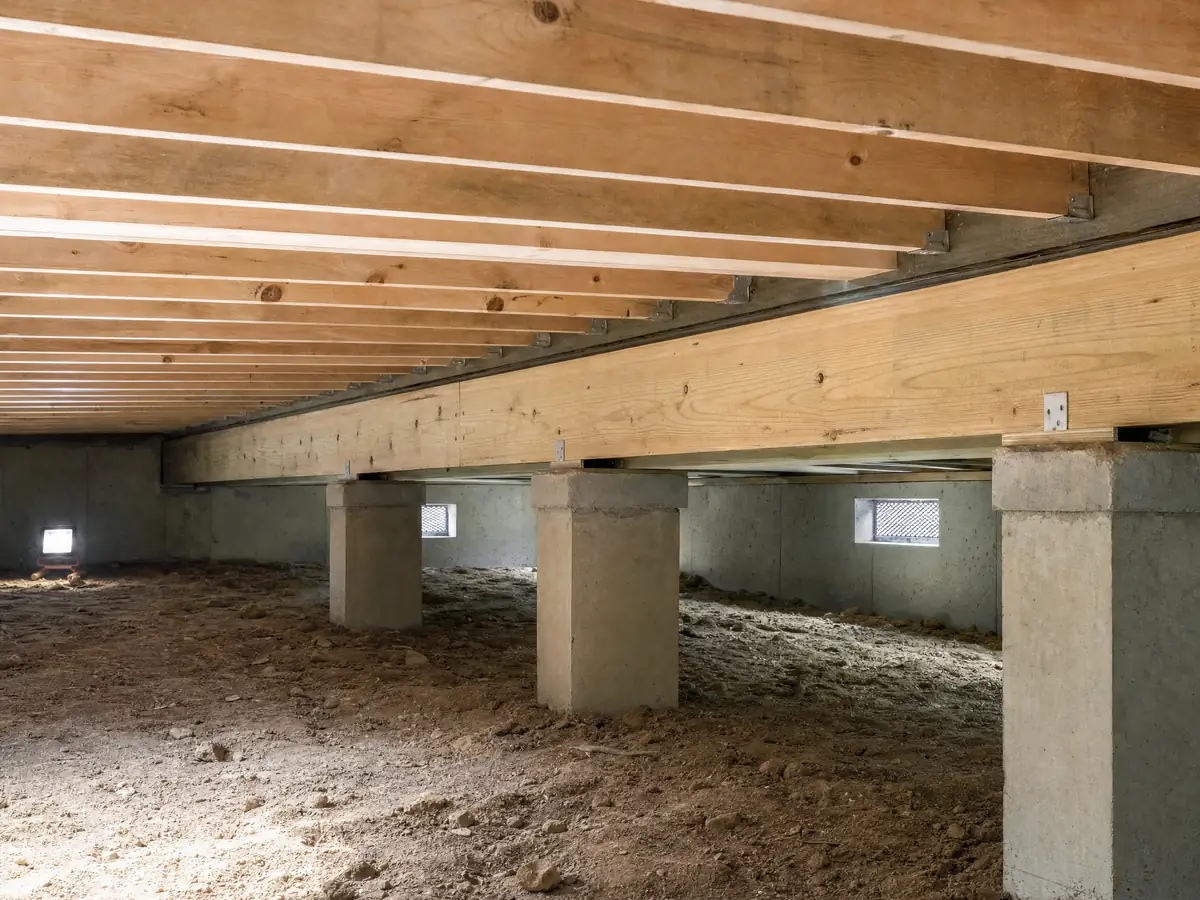
Flooring in Imperial Beach
Flood-zone cost counting, a slab retarder conflict, 1950s cottages, rental and condo limits and what flooring costs in Imperial Beach.
See Imperial Beach flooring →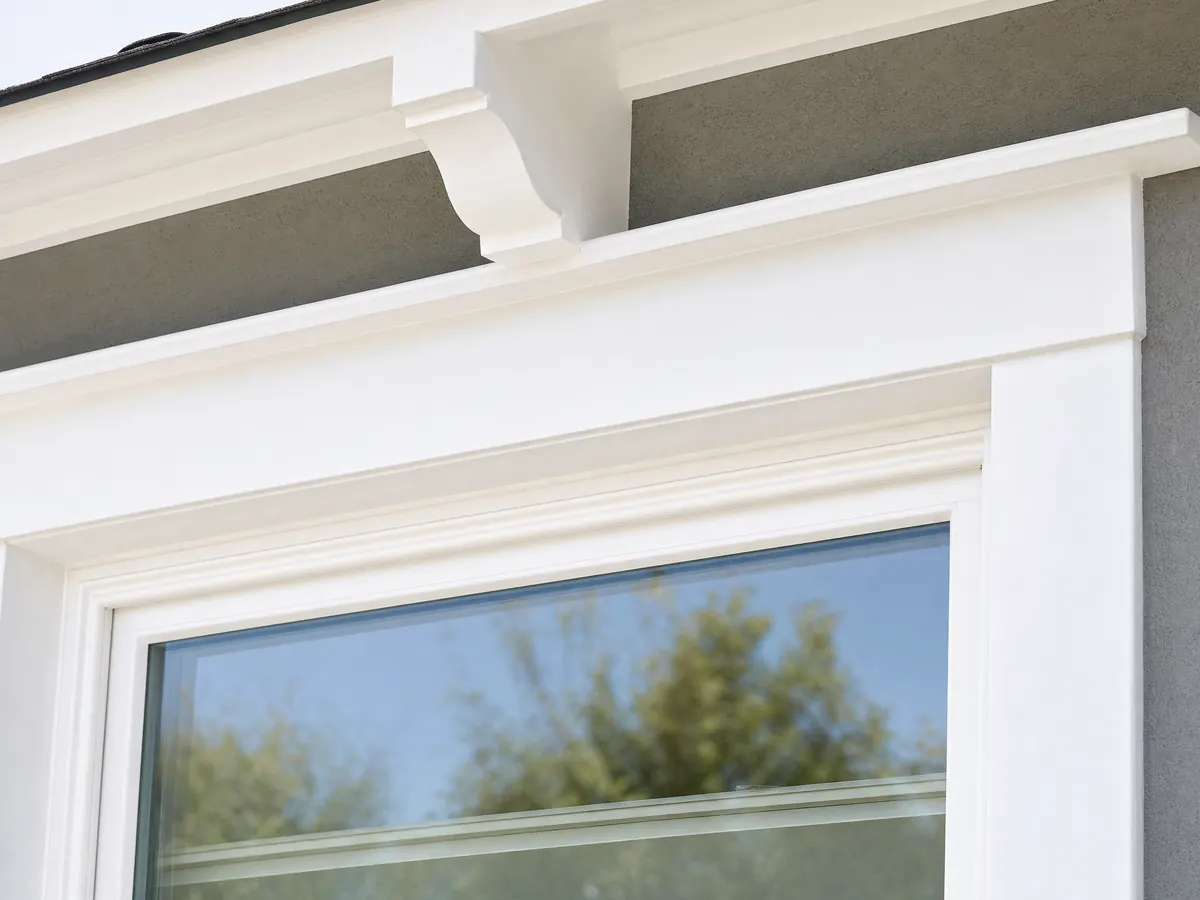
Painting in Imperial Beach
EPA lead rule for 67 percent of homes, San Diego County Rule 67.0.1 paint limits, no permit for paint and salt air in Imperial Beach.
See Imperial Beach painting →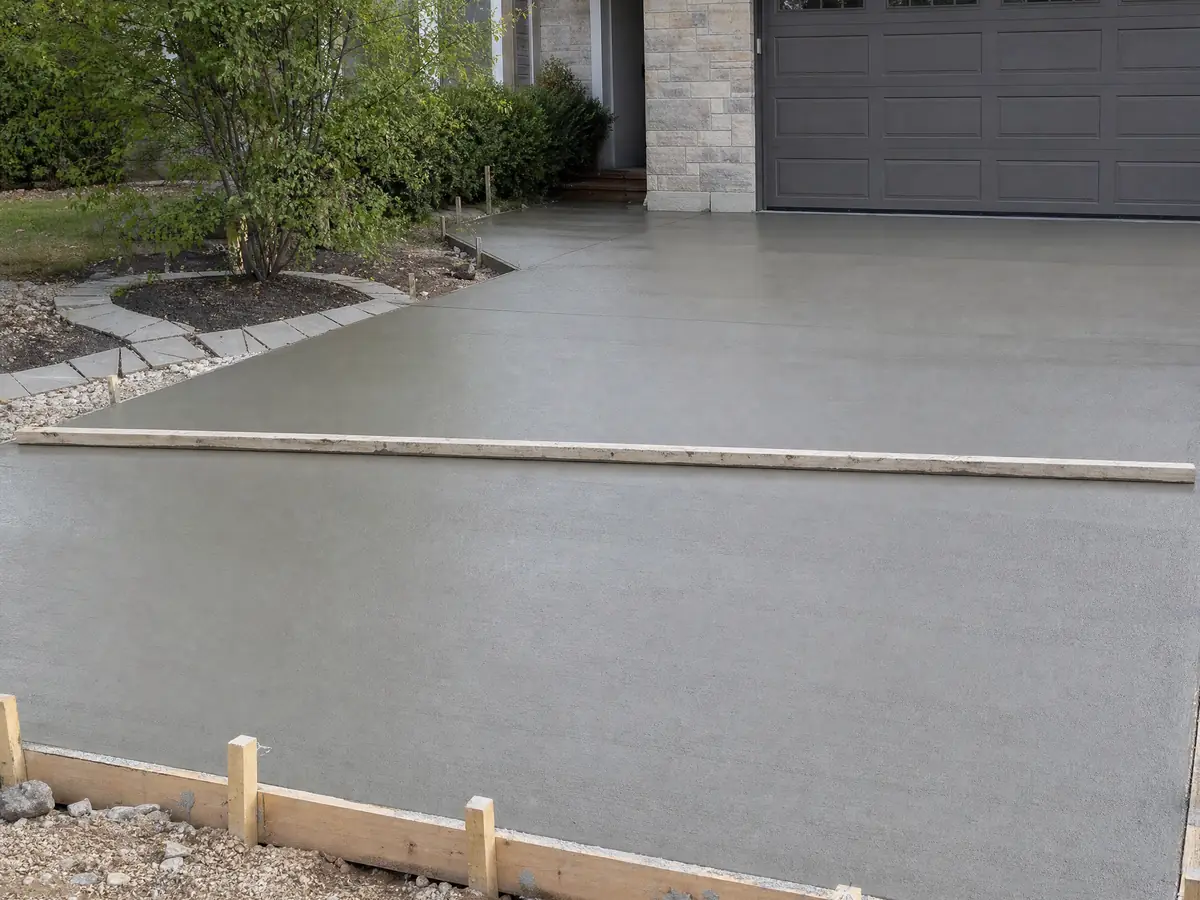
Concrete in Imperial Beach
Exempt flatwork, the 4 foot wall line, Coastal Zone and flood permits, soils reports and pour costs for concrete work in Imperial Beach.
See Imperial Beach concrete work →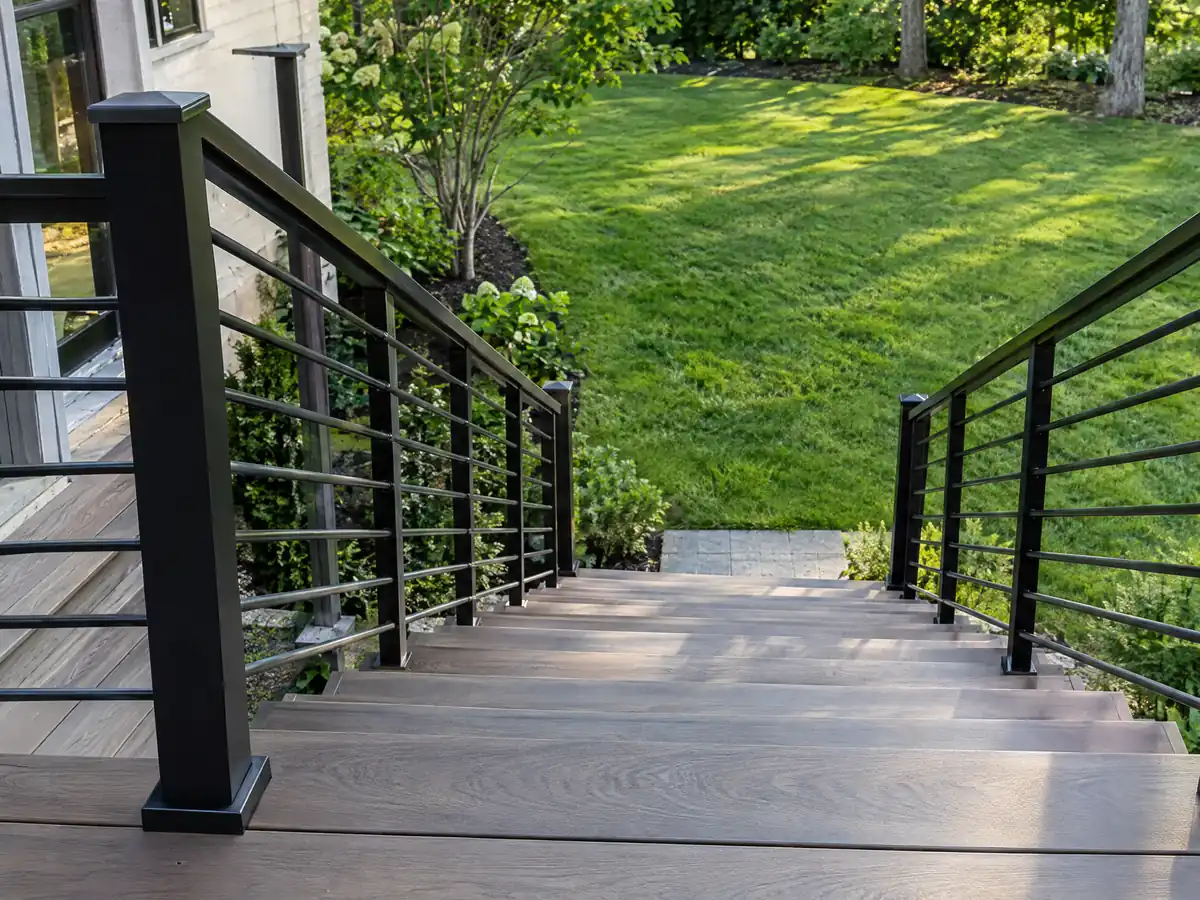
Decks in Imperial Beach
The 200 square foot permit line, coastal and flood rules, setbacks, salt air, termites, deck repair and wood versus composite cost in Imperial Beach.
See Imperial Beach deck building →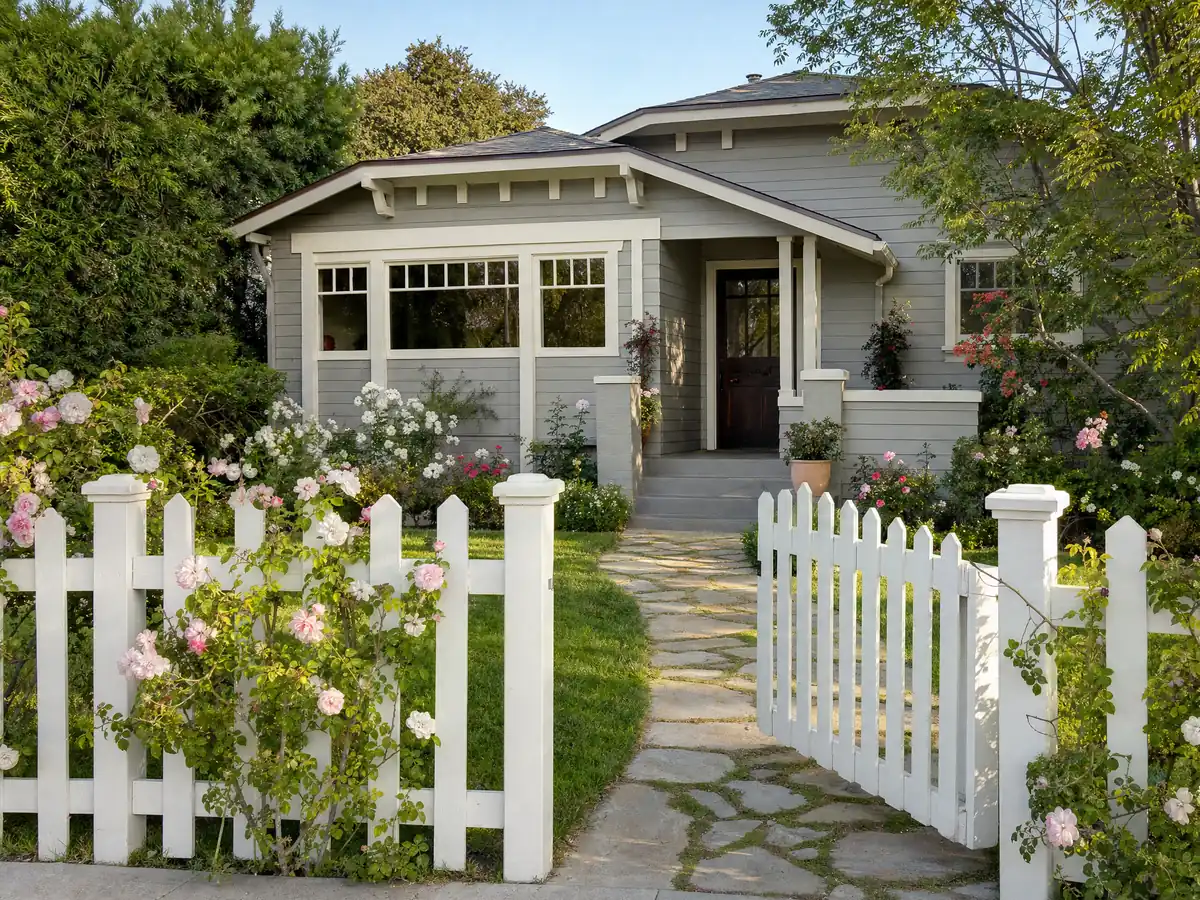
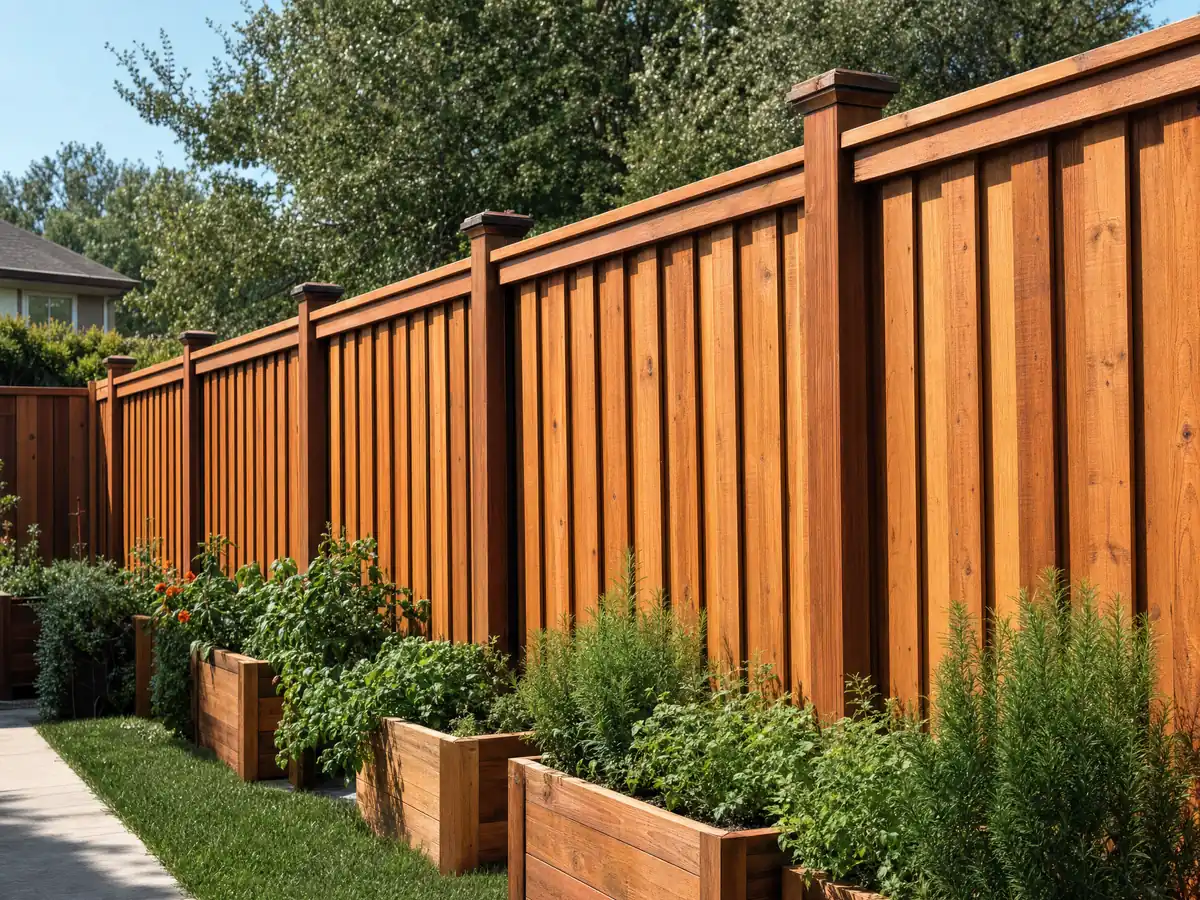
Fencing in Imperial Beach
A 6 foot zoning cap, a 7 foot permit conflict, beach-area coastal limits, 5 foot pool fences and shallow groundwater in Imperial Beach.
See Imperial Beach fencing →How do the coastal zone, the flood map and wet ground change hiring a general contractor in Imperial Beach?
Imperial Beach began as a beach retreat. The City's General Plan and Local Coastal Plan (adopted October 19, 1994, with a June 2024 circulation update) dates the first settlers to the 1880s and the first subdivision, South San Diego, to 1887, filed as a summer beach retreat for Imperial Valley residents. A pier went up in 1909 and a 1948 storm destroyed it, and the 1916 Tijuana River flood and Otay Dam failure wiped out the railroad and slowed growth. In the 1930s the Michigan Investment Company moved cottages from Coronado's Tent City onto local lots, some stacked as shotgun pairs and remodeled many times since. Defense work around San Diego then sent a wartime rush into an unincorporated area with no building regulations, and the town incorporated on July 18, 1956. The 1994 plan calls the city almost entirely built out and puts most of the urbanized area under 30 feet above sea level, so a typical job is a remodel or small addition on an older, flat, coastal lot. The Census Bureau's 2020 to 2024 five-year estimates count 10,299 housing units (margin of error plus or minus 350). About 67 percent predate 1980, about 48 percent predate 1970 and only about 9 percent predate 1950, while the 1950s alone built about 23 percent. Renters occupy 68.7 percent of occupied homes, buildings of five or more units hold 34.3 percent of all units, detached houses make up 41.8 percent, and the median owner-occupied value is $857,000. Many roofs, windows, baths and kitchens are original to a house built between 1950 and 1979, and plenty of jobs are ordered by landlords.
Permits come from the City itself. The Community Development Department's Building Division reviews and inspects building work, and every applicant first opens a Citizen Self-Service account because permit, plan check and payment all happen online. Counter help runs Monday through Thursday, 7:30 to 9:00 a.m. and 3:30 to 5:00 p.m., or by appointment. Inspections are held Monday through Thursday only and are requested on the hotline at 619-628-1360, through the portal or by email. The City's own pages disagree on the inspection window, 9 a.m. to 3:30 p.m. on one and 9 a.m. to 2:00 p.m. on another, so confirm the cutoff when you book. The City adopted the 2025 California codes by Ordinance 2025-1256 on October 1, 2025, and its local administrative amendments apply to applications completed on or after January 1, 2026. The City's code host would not open for our tools, so the section numbers cited here were read on the third-party GoCodebook mirror and should be confirmed with Community Development. Two local policies shape how a job is scoped. A Building Official policy effective June 9, 2026 counts a remodel as new construction once more than 50 percent of the exterior wall framing above the sill plate and 50 percent of the roof have been removed or replaced in a year. Going the other way, the Building Self-Certification Program lets a licensed B or C contractor, architect or engineer self-certify inspections on select minor permits for existing single-family homes, among them window replacement, non-structural re-roofs and exterior plastering. What needs a permit then depends on the trade. The amended code exempts painting, papering, carpeting, cabinets, countertops and similar finish work, so house painting and most flooring installation need none, yet tile shower enclosures are carved out of that exemption and tile floors are not named, which makes a tiled bathroom remodel a permit question and a kitchen remodel one as soon as plumbing, circuits or walls change. Window replacement skips a permit only when the rough opening and exterior weatherproofing stay put and the new unit matches the old style or opening area. Every roof repair or replacement needs a covering rated Class C or better. A detached deck of 200 square feet or less, 30 inches or lower and not serving the exit door is exempt, as is concrete work such as a driveway or sidewalk up to 30 inches above grade and a retaining wall of 4 feet or less without a surcharge. A fence is exempt from a building permit up to 7 feet, but zoning allows 4 feet in a front yard and 6 feet elsewhere, so treat 7 feet as a permit line, not a height you can build. Paints and floor coatings must also meet San Diego County Air Pollution Control District Rule 67.0.1, which sets 50 grams per liter for flat and nonflat coatings.
The shoreline and the ground add their own layers. By the City's own code, 87 percent of the city sits in the Coastal Zone, under a Local Coastal Program Land Use Plan certified in 1984, so development needs a Coastal Development Permit unless it is exempt. Municipal Code 19.87.040 exempts most improvements to existing single-family homes, but not work within 50 feet of a bluff edge or, close to the beach, larger additions and significant detached structures. A new ADU, a conversion or a garage to JADU conversion inside the zone needs an Administrative Coastal Permit, a $1,000 City fee and 30 days of review, and the City's parcel viewer colors each parcel green for City review, red for City review that can be appealed and blue for the Coastal Commission. A room addition meets the same coastal test, plus yard and height limits. FEMA flood maps bring in Chapter 15.50: new construction and substantial improvements must raise the lowest floor one foot above base flood elevation, and the City counts roofing, windows, finishes, floor finishes, cabinets and attached decks toward the 50 percent of market value test, which is how a run of small jobs can add up to a full flood rebuild. Beneath the slab, the General Plan puts the water table under 25 feet in the urban area and about 8 feet near Ninth Street and Imperial Beach Boulevard, describes much of the ground as poorly consolidated silt, sand and gravel, and calls liquefaction the largest seismic threat. The City therefore requires a geotechnical report on every development project, and the Building Official may waive it only for small additions and one-story accessory structures under 750 square feet that sit outside flood zones. The City's 2016 Sea Level Rise Assessment modeled 1.6, 3.3 and 6.5 feet of rise, its Community Resilience Plan was approved August 7, 2024, and it says it is updating the General Plan and Local Coastal Program, so ask for the current text before you rely on any figure here.
Three more items attach to particular parcels. CAL FIRE's March 24, 2025 recommended zones list Imperial Beach for the first time, with 67 acres moderate, 62 acres high and 84 acres very high, and the City's Fire-Rescue page links the parcel map. The City's construction specifications name the 2025 California Wildland-Urban Interface Code, but we did not confirm that the City adopted the map by ordinance, so look up each address. Any project next to Seacoast Drive, Palm Avenue, Highway 75, Silver Strand Boulevard, Rainbow Drive, Imperial Beach Boulevard, 9th Street or 13th Street goes before the Design Review Board. The General Plan adds that Ream Field helicopter activity affects the South Seacoast, Tijuana Estuary, Seaside Point and Oneonta neighborhoods, which matters for bedroom glazing and new rooms. Nearby Chula Vista and San Diego have their own pages here, Coronado, National City and Lemon Grove sit close by as well, and each city runs its own counter, so a permit answer from one does not carry to another. MDG Builders, CSLB #1040337, signs the contract as your general contractor: it writes the scope, files the City application, schedules licensed specialty subcontractors, requests the inspections and walks the finished work with you. Before signing anything, read how general contractors use subcontractors and how to check a contractor license.
- Imperial Beach issues its own permits, and applications, plan check and payment all run through the Citizen Self-Service portal.
- The City's own code says 87 percent of the city lies in the Coastal Zone, under a Local Coastal Program certified in 1984.
- In a FEMA flood area, the City counts floor finishes, cabinets, windows, roofing and attached decks toward its 50 percent substantial improvement test.
- About 67 percent of the 10,299 housing units predate 1980, and 68.7 percent of occupied units are rented.
- A geotechnical report is required on development projects, with a waiver only for small additions and one-story accessory buildings under 750 square feet outside flood zones.
- CAL FIRE's March 2025 recommended map lists Imperial Beach for the first time, and we did not confirm that the City adopted it by ordinance.
Cities near Imperial Beach we also build in
Imperial Beach questions to settle before a contract
Does Imperial Beach issue its own building permits?
Yes. The Community Development Department's Building Division issues permits and runs inspections. Applicants first create a Citizen Self-Service account, because permit, plan check and payment are entirely online. Inspections happen Monday through Thursday only, so plan trade schedules around that, and ask staff whether your job needs a permit before you start.
Do I need a Coastal Development Permit for work on my Imperial Beach house?
Often not for an existing house, but check the parcel. Municipal Code 19.87.040 exempts most improvements to existing single-family homes, yet 87 percent of the city is in the Coastal Zone. New ADUs and conversions need an Administrative Coastal Permit, and work near a bluff or the beach can lose the exemption. Ask Planning to classify your lot.
What is the 50 percent flood rule in Imperial Beach?
It is the substantial improvement test for FEMA flood areas. When repairs, remodels or additions cost 50 percent or more of a building's market value, the whole building must meet new construction flood rules, including a lowest floor one foot above base flood elevation. Roofing, windows, floor finishes, cabinets and attached decks all count toward the total.
Do I need a soils report for a remodel or addition in Imperial Beach?
Usually yes for development projects. The City requires a geotechnical report because of expansive, compressible soils and a high water table. The Building Official may waive it for small attached additions and one-story detached structures under 750 square feet, but not where the project is in or attached to a structure in a flood zone.
Do Imperial Beach homes have lead paint?
Many could. About 67 percent of the city's housing units were built before 1980, and the Census table cannot separate 1978, the cutoff for EPA's lead-safe renovation rule. The rule reaches any paid job that disturbs paint in older housing, and a window swap always falls under it. Request the firm's EPA lead-safe certification up front.
Is my Imperial Beach home in a CAL FIRE hazard zone?
Possibly, so check the parcel. CAL FIRE's March 24, 2025 recommended map lists Imperial Beach for the first time, with 67 acres moderate, 62 acres high and 84 acres very high. The City's Fire-Rescue page links the parcel map. We could not confirm that the City adopted the map by ordinance, so ask Fire-Rescue about your project.
Which Imperial Beach projects need no building permit?
Finish work such as painting, papering, carpeting, cabinets and countertops is exempt, but tile shower enclosures are not. Detached decks of 200 square feet or less and 30 inches or lower are exempt, as are fences up to 7 feet, though zoning stops at 6. Exemptions never waive coastal, flood or zoning rules.
What does a general contractor do on an Imperial Beach project?
A general contractor holds the contract and carries the job from scope to finish: pricing the work, filing the City application, hiring licensed trades and booking inspections. MDG Builders, CSLB #1040337, brings in licensed specialty subcontractors for the field work. Check any firm's license on the CSLB website and request its certificate of insurance.
Planning work on an Imperial Beach house?
Tell us which part of town you are in, when the house went up and what you want done, from one window to a second story. Before we call back we look up the permit path, whether the lot sits in the coastal or flood area, and the CAL FIRE map.