
Fence Companyin Imperial Beach, CA
A fence company in Imperial Beach builds to a 6 foot zoning cap outside the front yard and 4 feet elsewhere, yet the building code exempts fences up to 7 feet from a permit, and the self-certification program speaks of fences over 6 feet. Treat 7 feet as a permit line only, and ask Planning before building near the beach.
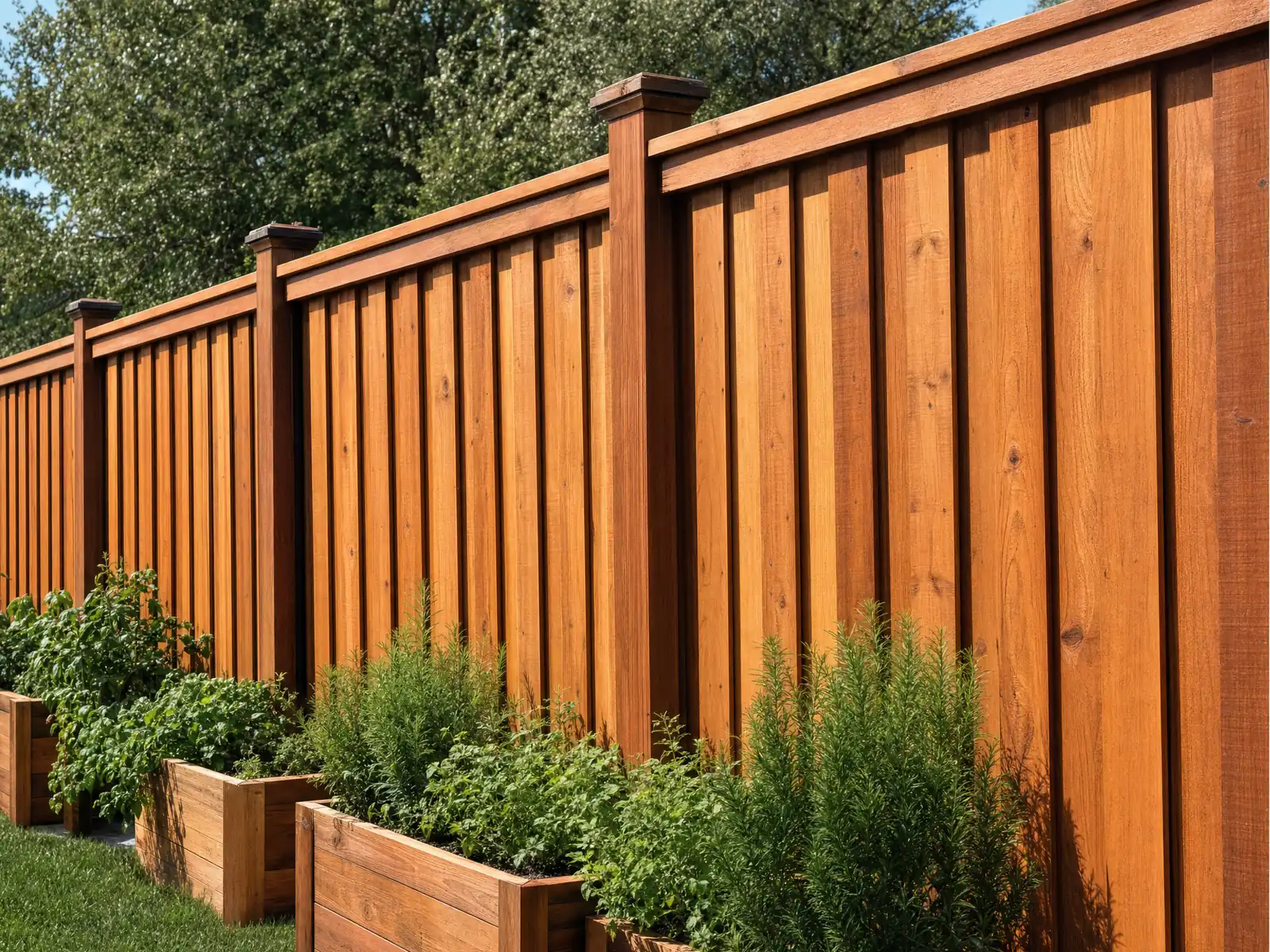
Fences in Imperial Beach go up between close neighbors. The Census Bureau's ACS 2020 to 2024 5-year estimates count 10,299 housing units, 41.8 percent single-family detached and 11.6 percent attached, while 34.3 percent are in buildings of five or more. Renters occupy 68.7 percent of the 9,340 occupied units, so a fence request often passes through a landlord first, and about 67 percent of units predate 1980, which means many fence lines were drawn by the first owners of a 1950s lot.
On a fence job, MDG Builders (CSLB #1040337) reads the height rules, files any permit and holds the schedule, while a licensed C-13 fencing subcontractor, or a masonry specialist for a block wall, does the building. Our fencing page holds the sourced prices, the Imperial Beach overview lists every trade we handle here, and the guides for Chula Vista and San Diego show how the neighbors to the north set heights. Coronado, National City and Lemon Grove keep their own counters. The City's Building Division and Planning Division split the questions, and we read the fence chapters on a third-party code mirror, so confirm each section with the City.
What Imperial Beach's fence chapter, permit exemptions and coastal code say about fences
Where fencing permits come from in Imperial Beach: City of Imperial Beach Community Development Department, Building Division.
- Imperial Beach Municipal Code 19.46.020 allows any fence up to 4 feet high on any part of a lot and up to 6 feet anywhere except the front yard of every lot or the street side yard of a reversed corner lot. Sharp, pointed, barbed or electrically charged fences are prohibited; fences and retaining walls must use new or suitable used material and be kept in repair; temporary materials are not allowed; fences are barred from the street or alley right of way without an encroachment agreement; and solid or sight-obstructing fences and landscaping over 2.5 feet are not allowed in the 25 foot corner clear zone at street intersections (10 feet at a street and alley), where open fencing up to 4 feet may be approved (19.46.030) (third-party GoCodebook mirror, text as of 2026-10-04).
- The City's building code amendment (item 2 and item 3 of Section 105.2 in Municipal Code 15.06.020) exempts fences not over 7 feet and masonry block fences not over 3 feet above grade from a building permit, says fence heights must still comply with Chapter 19.46, and exempts retaining walls 4 feet or less measured from the bottom of the footing to the top of the wall unless they carry a surcharge (third-party GoCodebook mirror, text as of 2026-10-04).
- Municipal Code 19.70 requires a pool, spa or hot tub to be enclosed by a wall or fence at least 5 feet high with no opening wider than 4 inches and no ladder-like access; gates must also be 5 feet high, self-closing and self-latching with the latch at least 4.5 feet above grade; pools and equipment must sit at least 5 feet from property lines and a pool cannot be in the front yard setback (third-party GoCodebook mirror, text as of 2026-10-04).
- California Civil Code 841: adjoining owners are presumed to share equally in the reasonable cost of building, maintaining or replacing a dividing fence unless they agree otherwise in writing; an owner who plans to spend money on it must give each affected neighbor 30 days' written notice covering the presumption, the problem, the proposed fix, estimated costs, the cost-sharing proposal and the timeline, and a neighbor may rebut the presumption by showing equal sharing would be unjust.
- CSLB defines the C-13 Fencing classification as a contractor who constructs, erects, alters or repairs all types of fences, corrals, runs, railings, cribs, game court enclosures, guard rails and barriers, playground game equipment, backstops, posts, flagpoles and gates, excluding masonry walls.
- Municipal Code 19.87.040 lists fences at a home among exempt structures normally associated with residences, but the exception in 19.87.040 A names a significant non-attached structure such as a fence as not exempt on property between the sea and the first public road or within 300 feet of a beach or the mean high tide line; the code text is dense, so confirm a parcel's category with Planning before building near the shoreline (third-party GoCodebook mirror, text as of 2026-10-04).
Sources for these rules
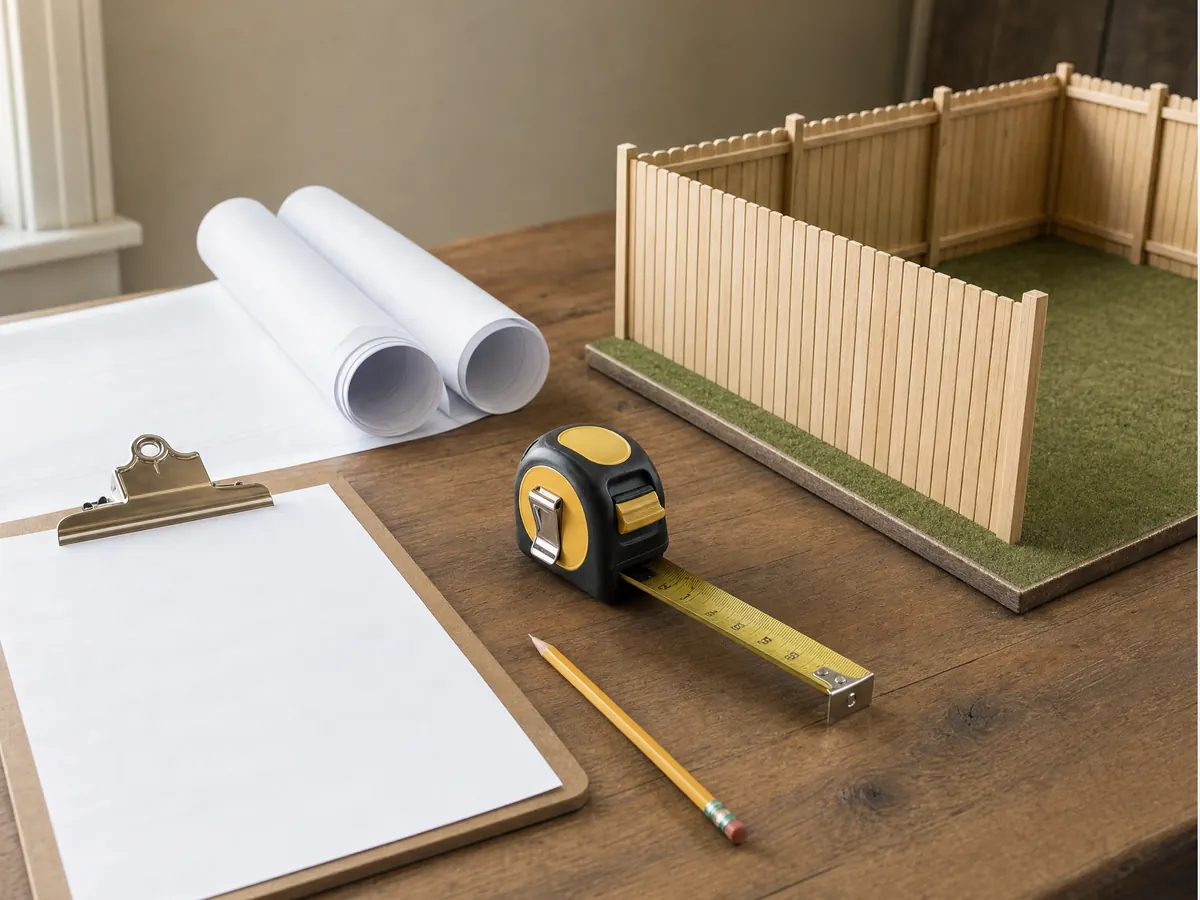
How tall can a fence be in Imperial Beach, and what is the 7 foot conflict?
Six feet is the zoning ceiling outside the front yard. Municipal Code 19.46.020 allows a fence up to 4 feet high on any part of a lot, and up to 6 feet anywhere except the front yard of every lot or the street side yard of a reversed corner lot. Sharp, pointed, barbed or electrically charged fences are prohibited, temporary materials are not allowed, and a fence must be kept in repair.
Three City sources then disagree. The building code amendment in Section 105.2 exempts fences not over 7 feet and masonry fences not over 3 feet from a building permit, while the Building Self-Certification Program lists fencing over 6 feet that meets setbacks, with 3 feet for masonry. Neither one raises the zoning cap, and we found no rule that allows 7 feet. Read 7 feet as the point where a permit is not required, not as a height you may build, and ask Planning before you design above 6.
Ask Planning to confirm the allowed height for your yard in writing.
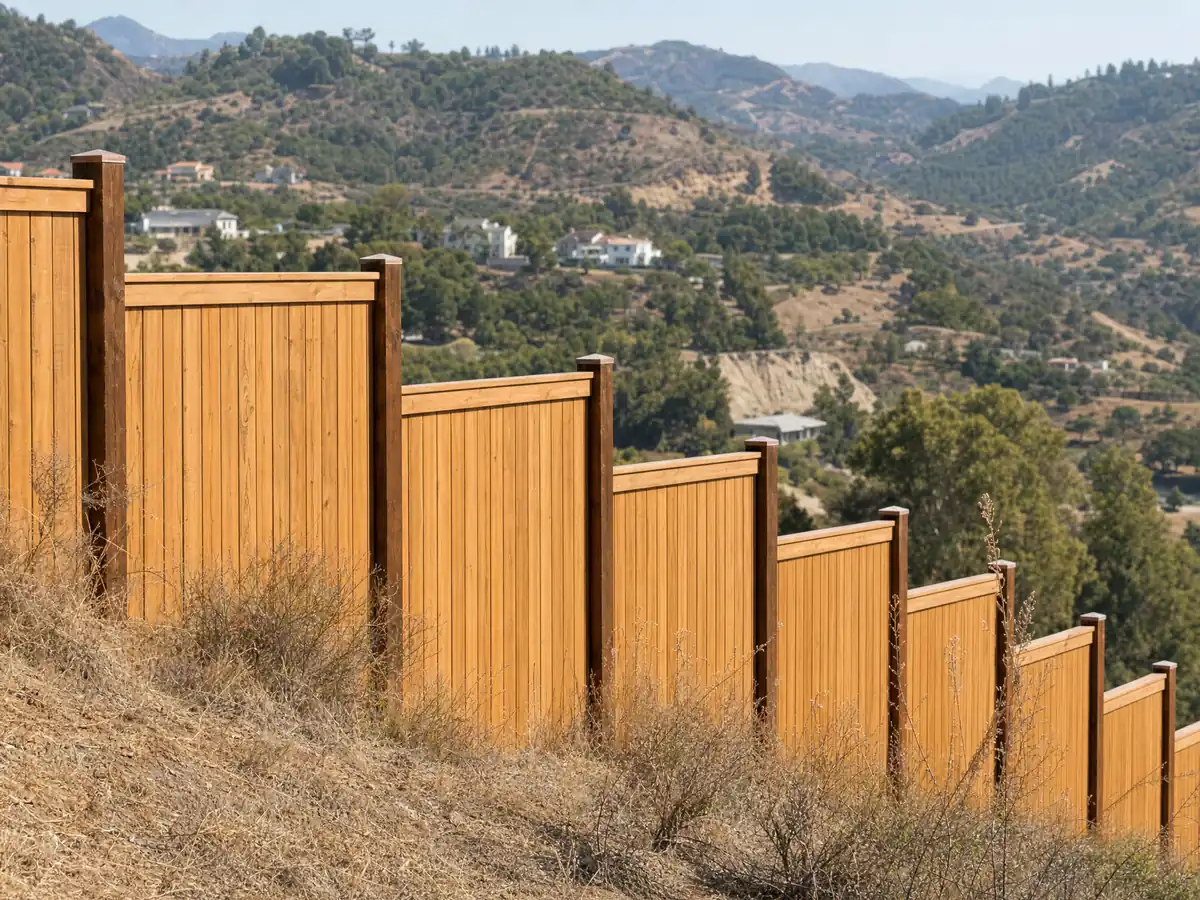
What are the front yard and corner lot fence limits, and what is the 25 foot clear zone?
The front yard is the tightest spot. Code 19.46.020 puts a 4 foot cap on the front yard of every lot and on the street side yard of a reversed corner lot. At a street intersection, Code 19.46.030 keeps solid or sight-obstructing fences and landscaping over 2.5 feet out of the 25 foot corner clear zone, or 10 feet where a street meets an alley, and open fencing up to 4 feet may be approved instead.
Nothing may sit in the public right of way without an encroachment agreement, and a temporary encroachment permit is needed for work in a City easement. We did not read the front yard rules for the R-1-3800 zone or other zones, so measure from the property line, not the sidewalk, and ask Planning which zone applies. A fence on the Design Review Board streets, which include Palm Avenue, Imperial Beach Boulevard, Seacoast Drive and 9th Street, matters only if the project needs a building permit, so ask whether yours does.
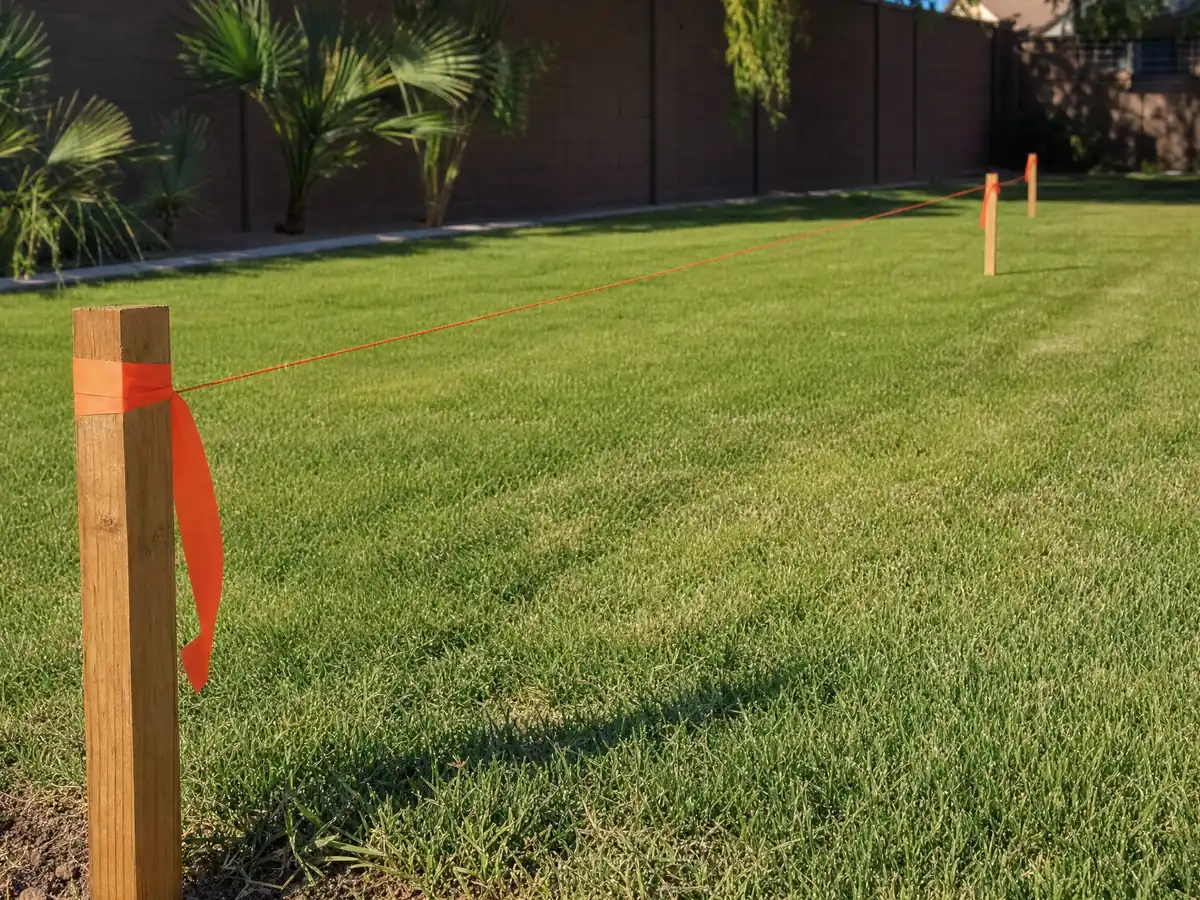
Ask the fence crew to stake the line from a survey, not a guess.
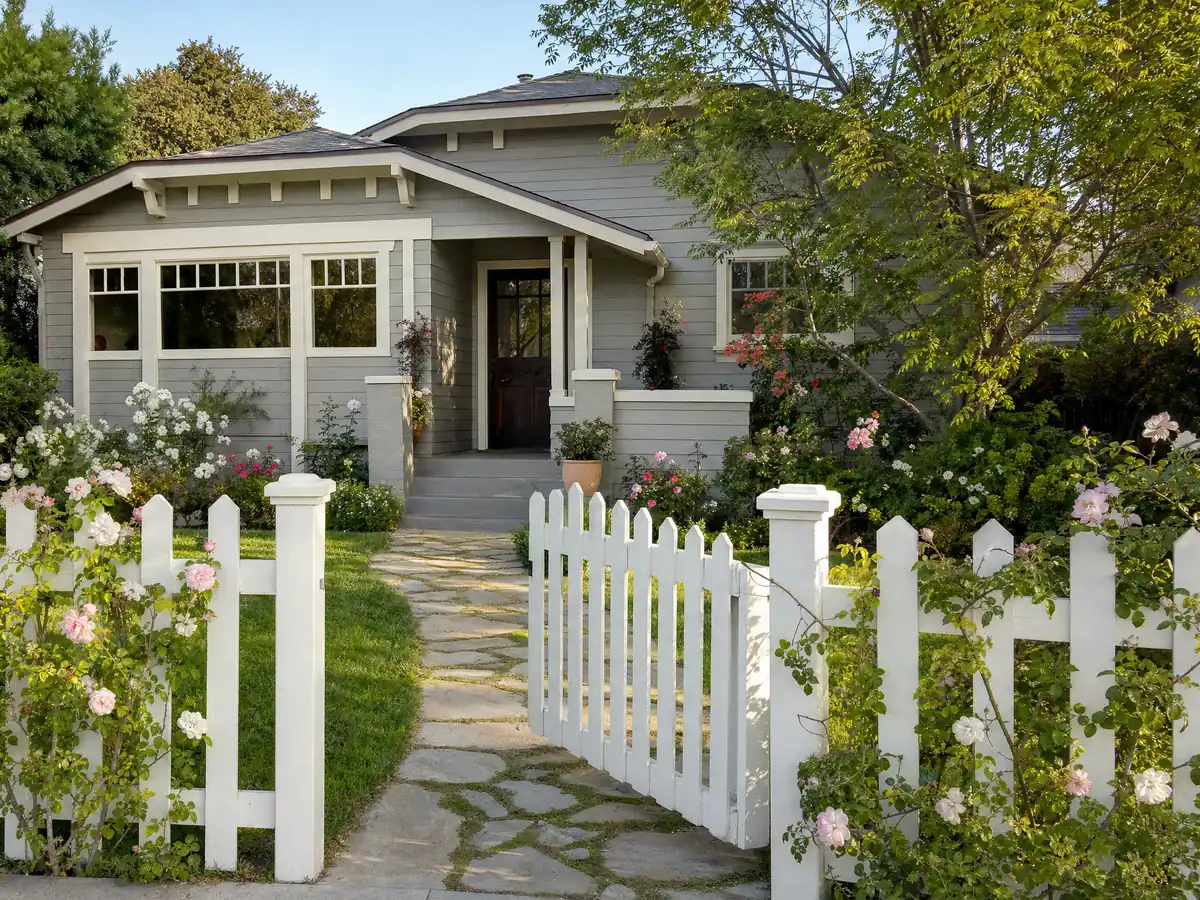
Does a fence near the beach in Imperial Beach need a coastal development permit?
Maybe, and the code text pulls two ways. The City's own code says 87 percent of Imperial Beach is in the Coastal Zone, and Municipal Code 19.87.040 lists directly attached fences, decks, garages and sheds among exempt improvements to a single-family home. The same section names a significant non-attached structure such as a fence as not exempt on property between the sea and the first public road, or within 300 feet of a beach or the mean high tide line.
So a backyard fence attached to the house may be exempt, while a long freestanding run near the shore may not. Planning's FAQ says to confirm whether the parcel is in the coastal zone first, and a work item is classified at filing as exempt, categorically excluded, nonappealable or appealable. A written challenge within five working days can send the question to the Coastal Commission. This is dense text on a third-party mirror, so ask Planning to classify the specific fence before you order materials.
Ask Planning for the exemption decision on your parcel in an email.
What fence does an Imperial Beach pool or spa need?
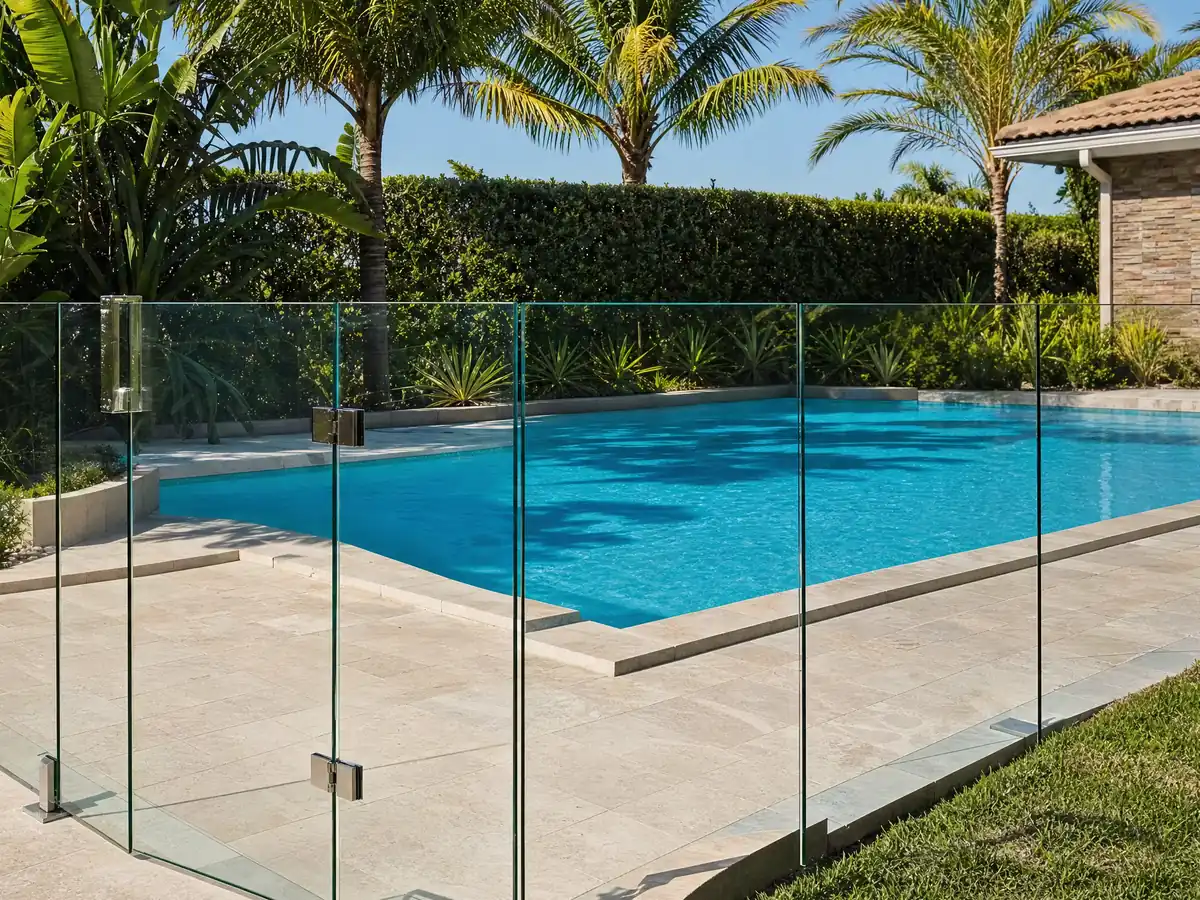
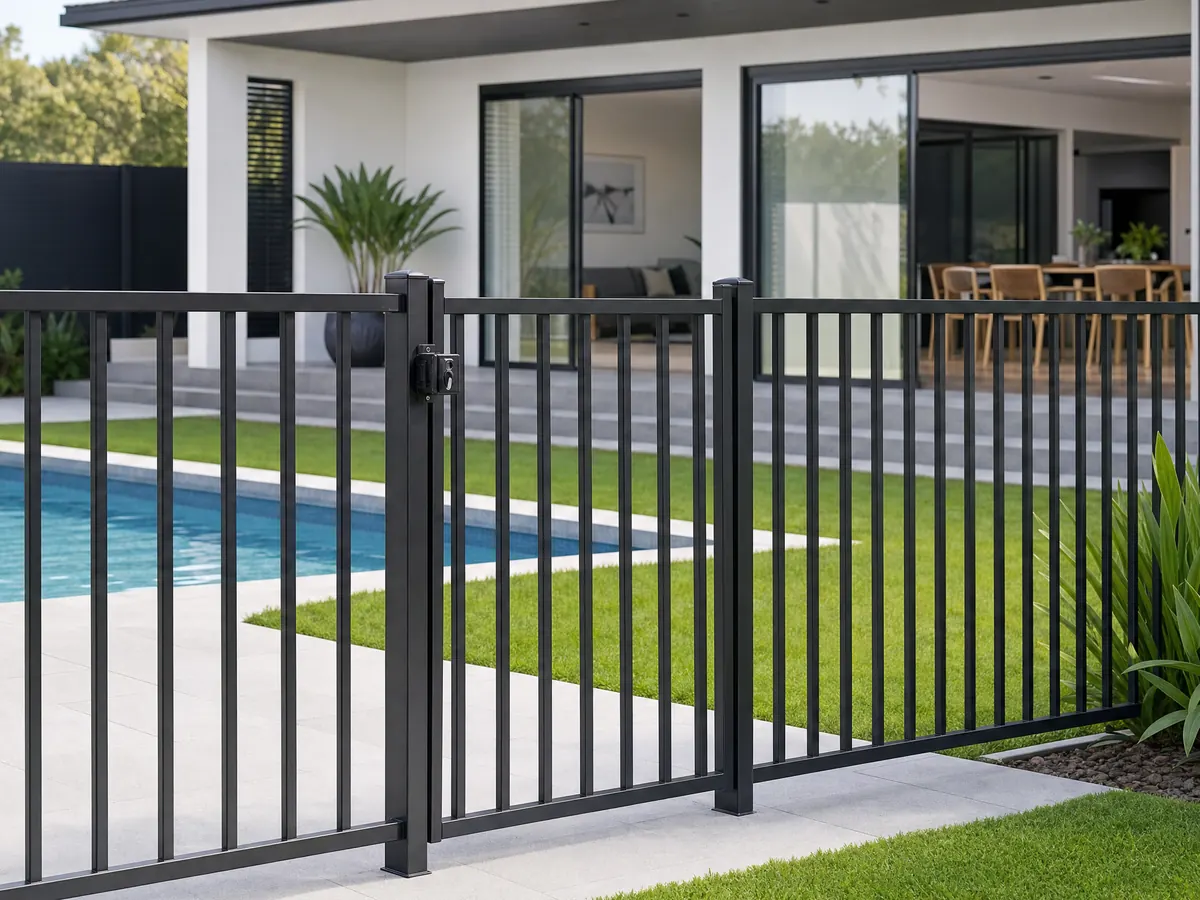
A barrier at least 5 feet high. Municipal Code 19.70 requires a pool, spa or hot tub to be enclosed by a wall or fence at least 5 feet high, with no opening wider than 4 inches and no ladder-like access. Gates must also be 5 feet high, self-closing and self-latching, with the latch at least 4.5 feet above grade. Pools and equipment must sit at least 5 feet from property lines, and a pool cannot be in the front yard setback.
The 5 foot barrier is taller than the 4 foot front cap, so a pool fence has to be placed where zoning allows it. The City also adopted CRC Appendix CI, the Swimming Pool Safety Act, in its amended residential code table. The City's pool barrier handout is a scanned image we could not read, so confirm details with the Building Division. A glass panel pool fence is a structural product, and the Building Division's guardrail handout asks for calculations on glass guards, so ask the supplier for a listing.
Who pays for a shared fence in Imperial Beach, and why do old lot lines matter?
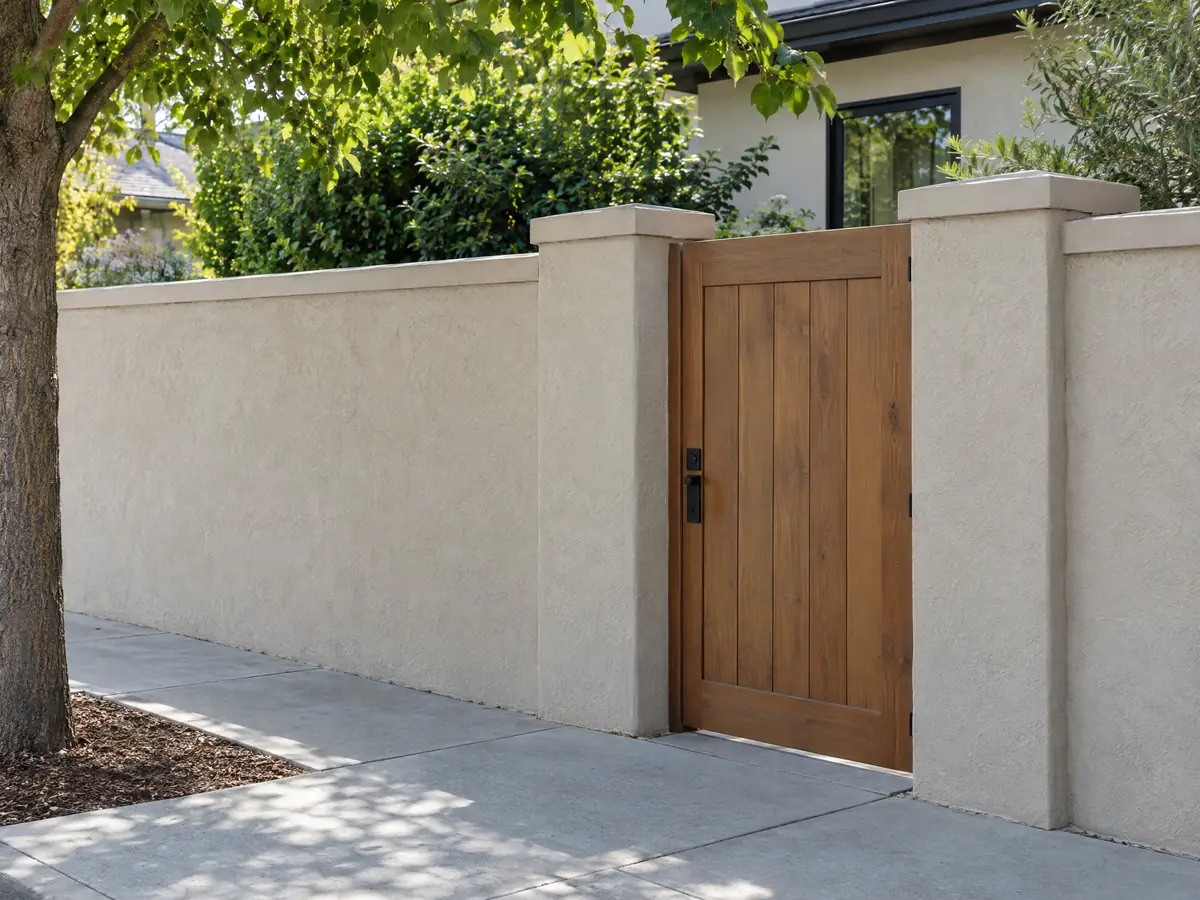
Usually both owners, by presumption. California Civil Code 841 presumes adjoining owners share the reasonable cost of building, maintaining or replacing a dividing fence equally unless they agree otherwise in writing. An owner who plans to spend money gives each affected neighbor 30 days' written notice that covers the problem, the proposed fix, estimated costs, the sharing proposal and the timeline, and a neighbor can rebut the presumption by showing equal sharing would be unjust.
Old lines raise the odds of a surprise. The City's General Plan dates the first subdivision, South San Diego, to 1887, and 1930s cottages were moved onto lots and remodeled repeatedly, so a fence may stand a few inches from the recorded line. Renters hold 68.7 percent of occupied units here, so the person on the other side of the fence may be a tenant, and the notice may have to reach the owner. A survey is cheaper than a boundary argument.
Send the 841 notice by a method that proves delivery.
How do shallow groundwater, salt air and termites change fence posts in Imperial Beach?
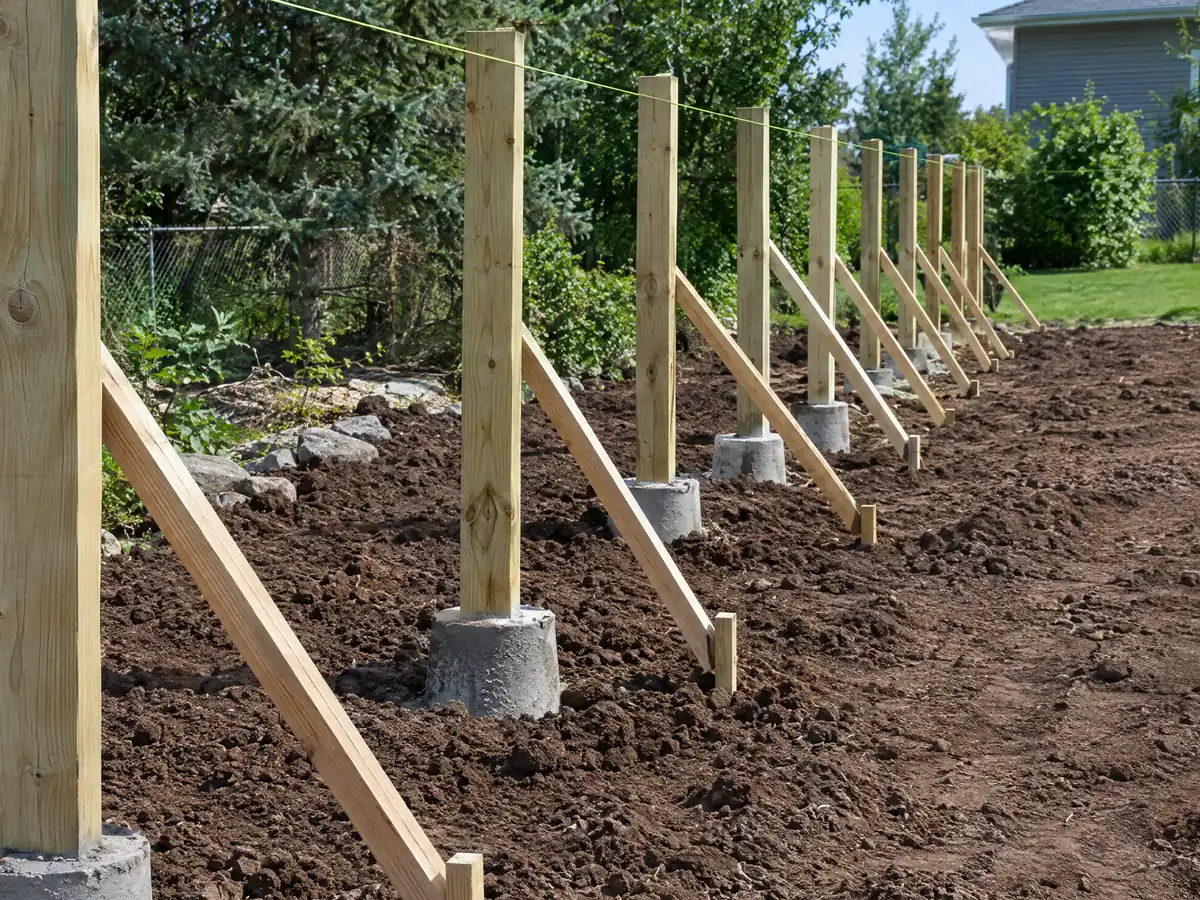
They change the post, not the fence. The General Plan says the water table is under 25 feet in the urban area and about 8 feet at Ninth Street and Imperial Beach Boulevard, and that much of the city sits on poorly consolidated silt, sand and gravel. The City's amended table lists a 12 inch frost line, a 95 mph wind speed and moderate termite damage. Ask for a footing detail that states diameter and depth, and for galvanized or stainless hardware in the salt air.
Retaining walls follow another path. The building code exempts walls of 4 feet or less measured from the bottom of the footing, unless they carry a surcharge. Grading rules also apply to excavation or fill deeper than 18 inches, and a drainage plan is required even when no grading permit is. We did not read whether post holes count toward that line, so ask. A fence on a wall adds the heights together, which can pass the zoning cap.
Ask the crew whether the posts are set in concrete and how deep.
How much does fence installation cost near Imperial Beach, and what does C-13 cover?
We found no Imperial Beach or county price survey, so these numbers come from Los Angeles and a local bid may differ. Angi's Los Angeles fence guide, updated August 4, 2026, shows a typical project at $1,734 to $4,422 and $15 to $60 a linear foot, with 100 feet near $2,100 to $2,350. A federal wage survey puts fence erectors in the Los Angeles area at a mean $28.00 an hour for May 2025. We plan on $25 to $55 a foot for a wood or vinyl privacy fence, $12 to $30 for chain-link and $35 to $85 for aluminum or iron.
CSLB class C-13 covers fences, railings and gates but excludes masonry walls, which go to a masonry specialist. Business and Professions Code 7159 limits a home improvement down payment to $1,000 or 10 percent of the price, whichever is less. See our contractor license guide and how general contractors use subcontractors to see who answers for the crew.
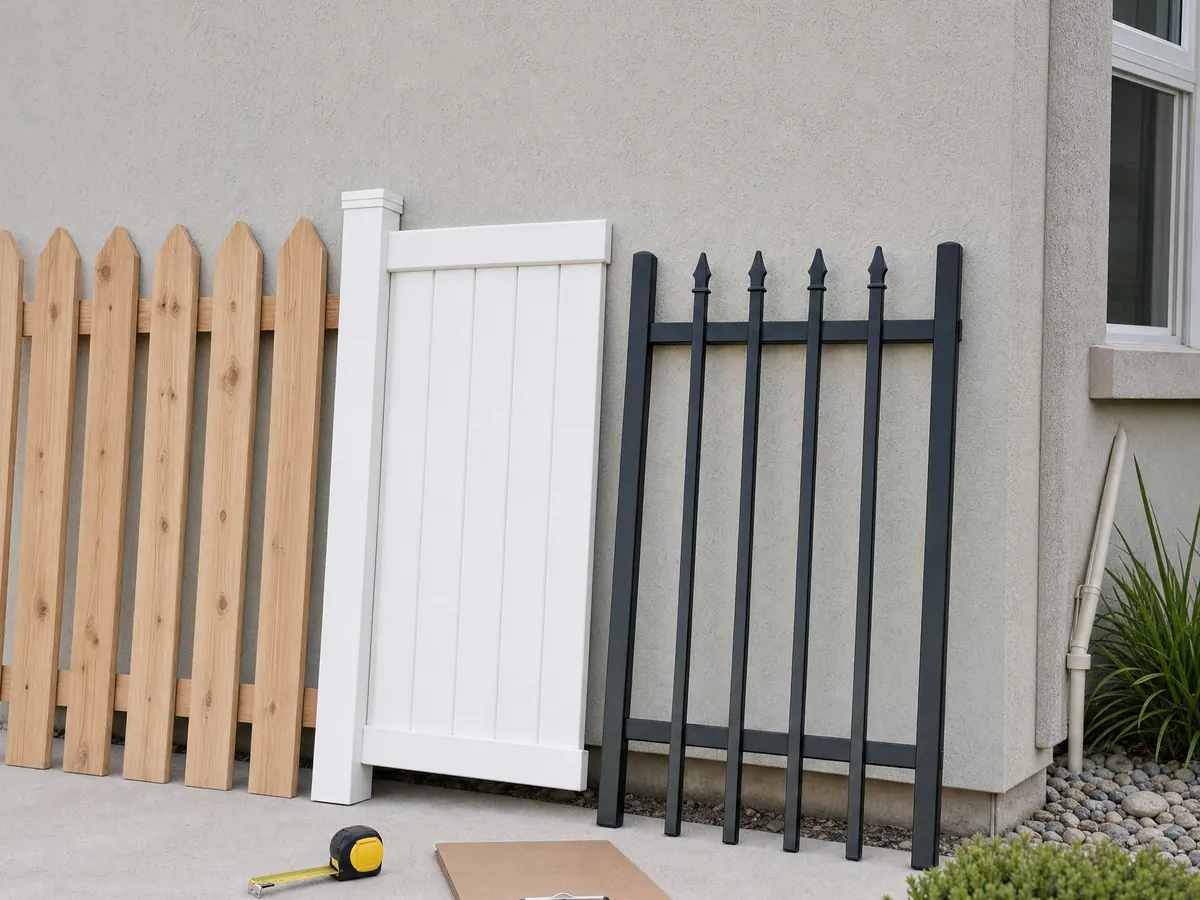
Fence photos from Imperial Beach and nearby communities
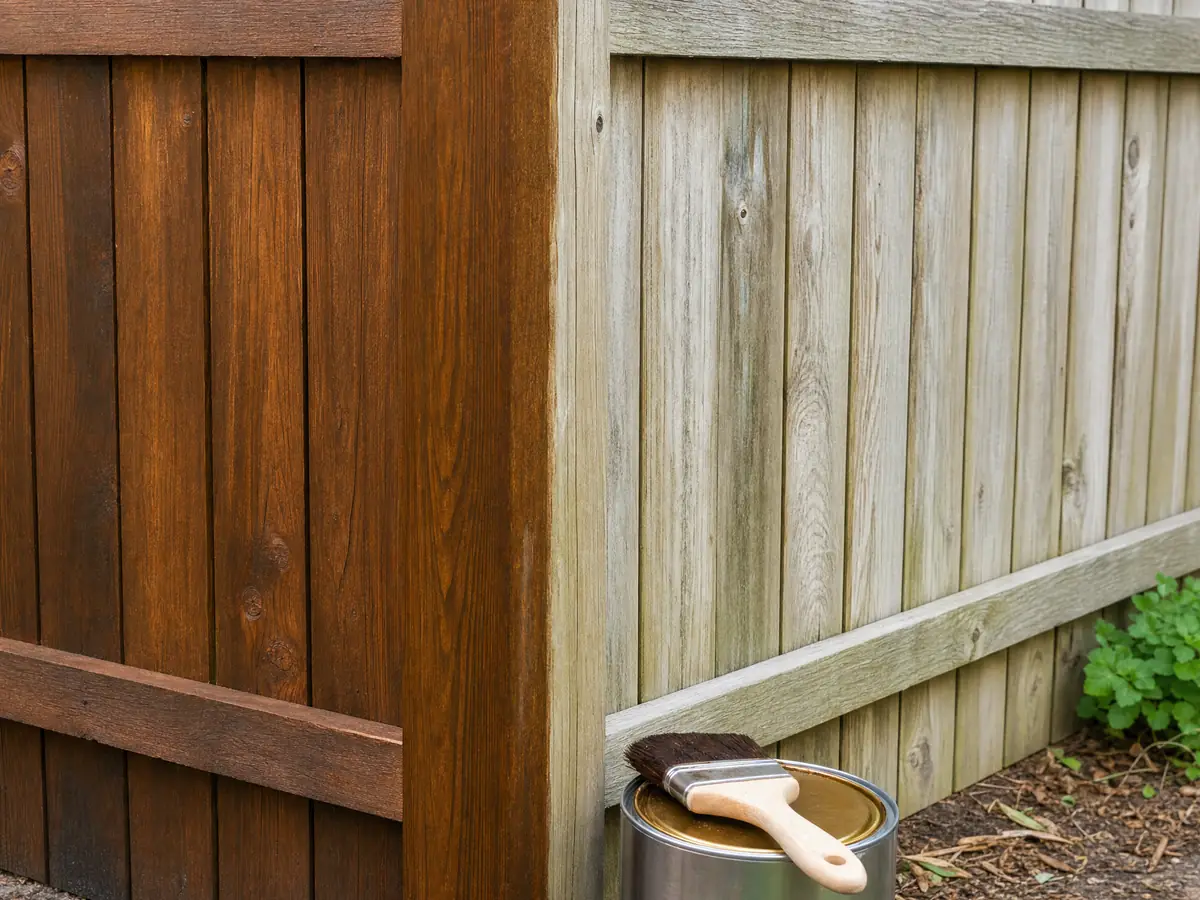
Fence scenes tied to Imperial Beach places such as the Seacoast, Seaview, Bayview and Oneonta areas, and to nearby communities like Nestor, Palm City, Chula Vista and Silver Strand, from picket fronts to pool barriers and block walls.

Where these Imperial Beach fence figures come from
Every fence price, with its source and date, sits in the table on the fencing page. A new fence often comes with other outside work, and the Imperial Beach rules for it are on the roofing page, the painting page and the kitchen remodeling page. For a San Diego County city with different height lines, read the guide for El Cajon, and see the overview for Chula Vista and San Diego for their other trades.
| What it covers | Typical range |
|---|---|
| Wood or vinyl privacy fence, 6 feet | $25 to $55 per linear foot |
| Chain-link | $12 to $30 per linear foot |
| Aluminum or ornamental iron | $35 to $85 per linear foot |
| Typical 100-foot backyard run | $2,500 to $5,500 total |
| Block walls, horizontal slat fences, gates and openers, hillside lots | Set by the written proposal |
Other work we manage in Imperial Beach
Imperial Beach fence questions, answered
Do I need a permit to build a fence in Imperial Beach?
Not for most fences. The City's building code amendment exempts fences not over 7 feet and masonry block fences not over 3 feet, but fence heights must still meet zoning, and the coastal zone adds its own review. Pool barriers and retaining walls over 4 feet follow other rules. Ask the Building Division about your plan.
What is the maximum height for a backyard fence in Imperial Beach?
Six feet outside the front yard and the street side yard of a reversed corner lot, under Municipal Code 19.46.020. Four feet is allowed anywhere on a lot. We read the code on a third-party mirror and did not read every zone's yard rules, so ask Planning to confirm the number for your zone.
Can I put up a 7ft fence?
Not under the zoning text we read. Seven feet is the building permit exemption in Section 105.2, and the self-certification program mentions fences over 6 feet, but Municipal Code 19.46.020 allows 6 feet outside the front yard. Ask Planning whether a variance or another route exists before you design a 7 foot fence.
Does your neighbor have to pay for half the fence in California?
Usually, by presumption. Civil Code 841 presumes adjoining owners share the reasonable cost of a dividing fence equally unless they agree otherwise in writing, and it asks the owner to give 30 days' written notice before spending money. A neighbor who thinks an equal split is unjust may argue the point.
What is the maximum height of a retaining wall without a permit?
Four feet or less, measured from the bottom of the footing to the top of the wall, unless the wall carries a surcharge. That is the exemption in the City's amended Section 105.2. A fence on top adds to the height, and drainage and grading rules still apply, so ask the Building Division.
Does a pool fence need a permit in Imperial Beach?
Plan on it. Municipal Code 19.70 requires a barrier at least 5 feet high with openings no wider than 4 inches and self-closing, self-latching gates, and pool barriers are a safety item. We could not read the City's scanned pool barrier handout, so ask the Building Division what to file.
Does fence installation near the beach need a coastal development permit?
Possibly. Municipal Code 19.87.040 exempts directly attached fences at a single-family home, but it treats a significant non-attached fence as not exempt between the sea and the first public road or within 300 feet of a beach. Ask Planning to classify the exact parcel in writing.
How much does fence installation cost for 100 feet?
Angi's Los Angeles guide shows 100 feet at about $2,100 to $2,350, and our planning range is $25 to $55 a foot for wood or vinyl privacy fencing, so roughly $2,500 to $5,500. We found no Imperial Beach survey. Gates, old fence removal and sloped ground add cost, so a written, measured proposal sets the price.
Is it cheaper to install a wood or vinyl fence?
Wood is usually the lower starting price. The sources we read overlap on wood and vinyl privacy fencing at about $25 to $55 a foot installed in Los Angeles, with wood often starting lower and vinyl asking more. Salt air and termites affect both, so compare posts, hardware and coating, not only the panel.
Can I replace my fence without my neighbor's permission in California?
Yes on your own land, but a shared dividing fence is different. Civil Code 841 asks you to give written notice 30 days before spending money on it, and cost sharing is presumed equal. If the fence is on the line, a survey tells you whose it is.
Describe your Imperial Beach fence
Tell us your neighborhood or street, whether the fence faces the street, a corner, the beach or a pool, and roughly how many feet it runs. We check the height cap, the exemptions and the coastal question before we phone you.