
Flooring Installationin Imperial Beach, CA
Flooring installation in Imperial Beach usually needs no building permit for carpet and similar finish work, but tile floors are not named on the City's amended exempt list, so ask. In a FEMA flood zone, floor finishes count toward the 50 percent substantial improvement test, and about 67 percent of homes predate 1980.
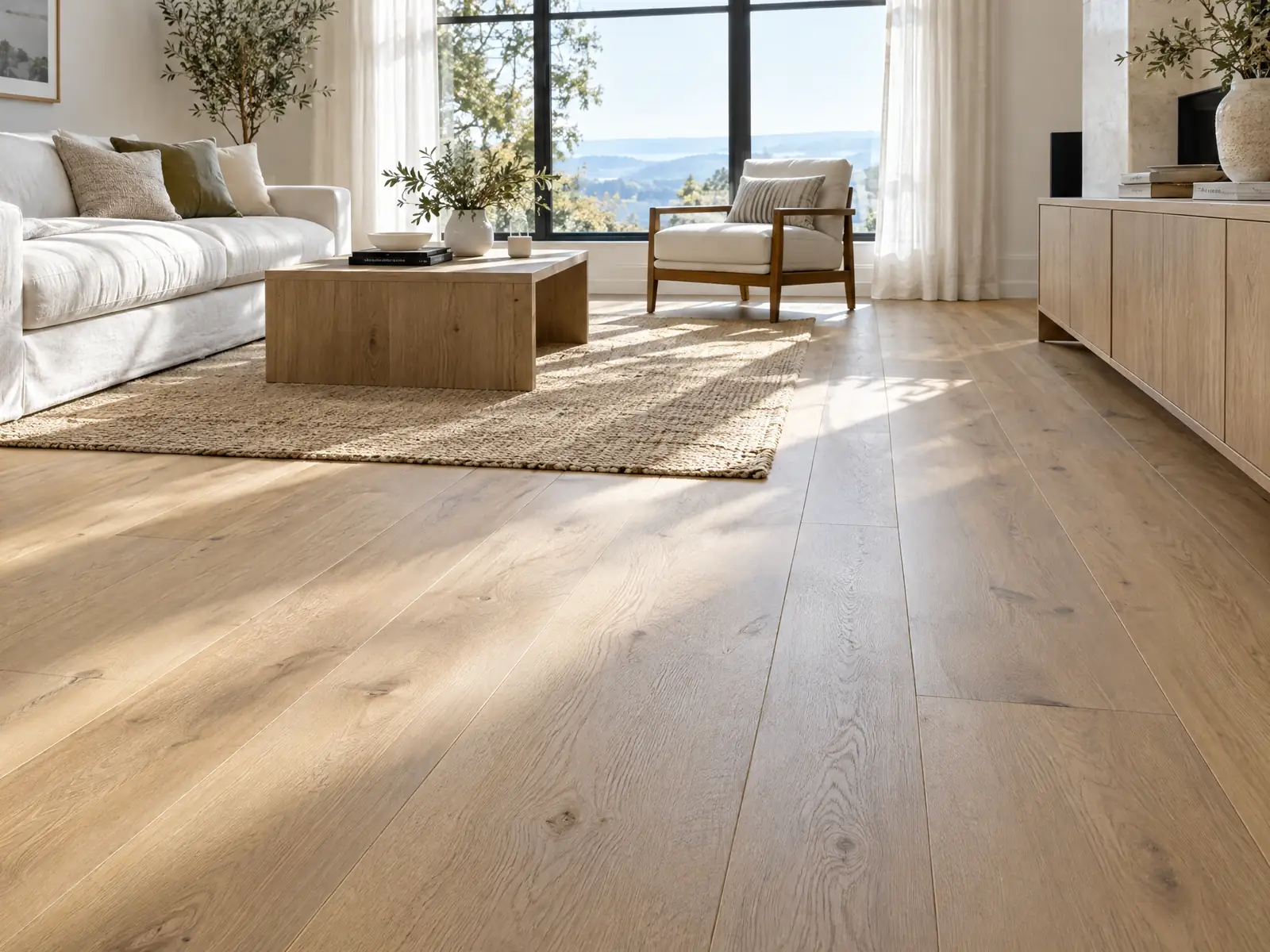
Imperial Beach began in 1887 as a summer beach retreat, and the floors in its houses carry that history. The City's General Plan says the Michigan Investment Company moved cottages from Coronado's Tent City onto local lots in the 1930s, some stacked as shotgun pairs and remodeled repeatedly, and the town incorporated on July 18, 1956. Census estimates for 2020 to 2024 count 10,299 homes, 23 percent of them from the 1950s, and 87 percent of the city lies in the Coastal Zone under its own Local Coastal Program.
MDG Builders (CSLB #1040337) is a general contractor in Tarzana. On a floor here we write the scope, put the permit and flood questions to the City's Building Division and keep the schedule, while licensed flooring and tile subcontractors lay the material. The flooring page covers products, and the Imperial Beach overview lists the other trades we manage in town.
What Imperial Beach's Building Division, its flood and coastal rules and state law say about flooring work
Where flooring permits come from in Imperial Beach: City of Imperial Beach Community Development Department, Building Division.
- Municipal Code 15.50.160 A.2 requires materials resistant to flood damage for everything below one foot above base flood elevation in new construction and substantial improvements in a Special Flood Hazard Area (third-party GoCodebook mirror, text as of 2026-10-04).
- The City's substantial improvement cost list counts floor finishes (hardwood, ceramic, vinyl, linoleum, stone and wall-to-wall carpet over subflooring), interior and exterior finishes, windows, roofing, built-in cabinets and attached decks toward the 50 percent threshold in a Special Flood Hazard Area.
- The amended permit exemption list (Section 105.2 in Municipal Code 15.06.020) names painting, papering, carpeting, cabinets, counter tops and similar finish work and excludes tile shower enclosures, with no item for tile floors, so ask Community Development whether a tile floor needs a permit (third-party GoCodebook mirror, text as of 2026-10-04).
- The City's Minimum Construction Specifications (REV 02/25/2026) require a 10 mil polyethylene vapor retarder with 6 inch lapped joints between a slab-on-grade and the base course (CRC 506.2.3) and CalGreen low-VOC and Green Label Plus carpet and adhesive limits.
- CSLB defines the C-15 Flooring and Floor Covering classification as a contractor who prepares any surface for installation of flooring and floor coverings and installs carpet, resilient sheet goods, resilient tile and wood floors (including finishing and repair) and other flooring, except ceramic tile.
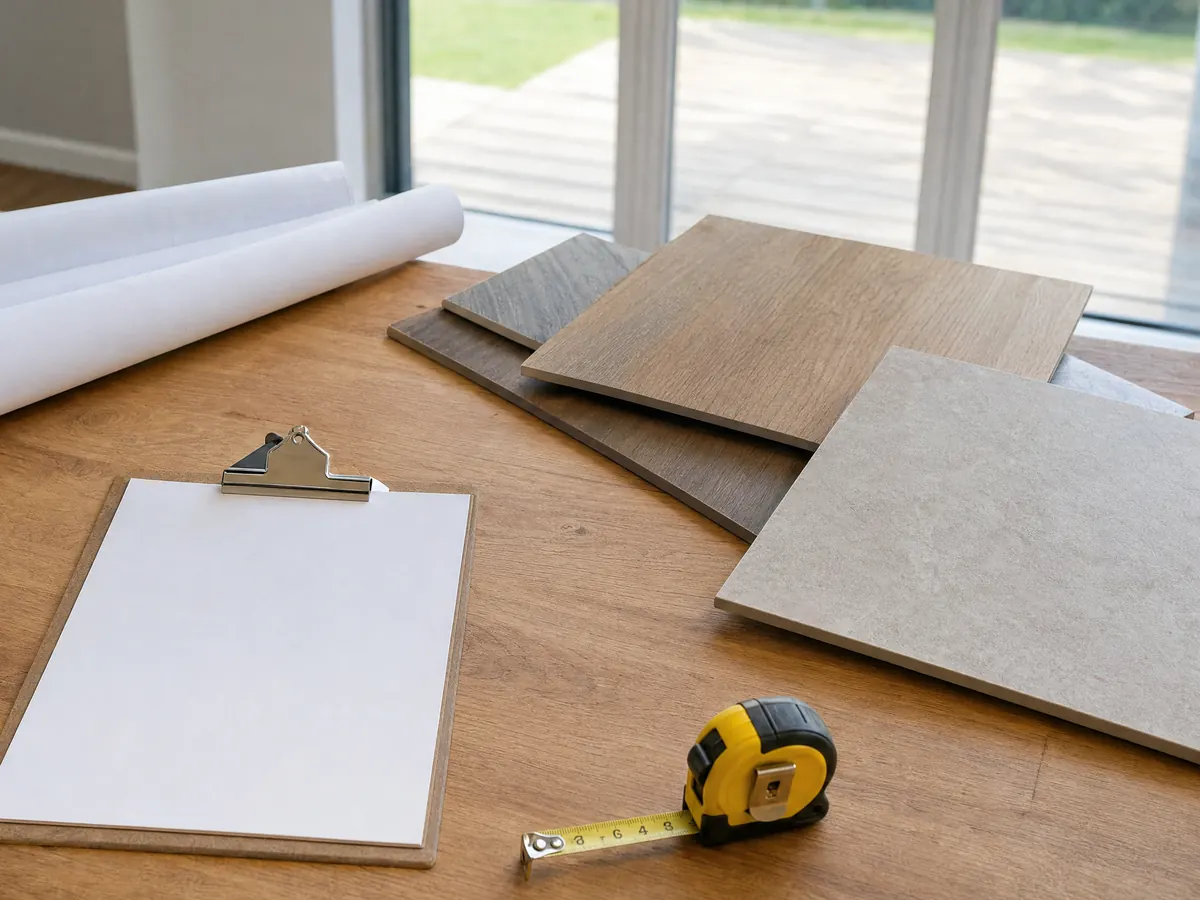
Do Imperial Beach's flood zone and Coastal Zone change what floor goes in?
They can. In a FEMA Special Flood Hazard Area the City counts floor finishes toward its 50 percent substantial improvement test: hardwood, ceramic, vinyl, linoleum, stone and wall-to-wall carpet over subflooring, alongside windows, roofing, cabinets and attached decks. Reaching the line means bringing the whole building up to new-construction flood rules, and the City's notice asks for a labor and materials estimate that includes the contractor's overhead and profit.
Section 15.50.160 of the Municipal Code, read on the third-party GoCodebook mirror, calls for flood-damage-resistant materials below one foot above base flood elevation in new construction and substantial improvements. Ask which product the maker rates for wetting and whether the adhesive carries the same rating. The notice also says the count starts at the first alteration of a wall, ceiling, floor or structural part, so ask Community Development how earlier work at the same address is treated.
Which parcels sit in zone AE, AO or VE, and which FIRM panel applies, we could not confirm, so that answer comes from the City's GIS or Community Development. On the coastal side, work in the Coastal Zone needs a Coastal Development Permit unless it is exempt, and the exemption text we read names improvements to existing single-family homes but not interior floors. Planning can say in one call.
- Is the address inside a Special Flood Hazard Area?
- What has earlier work at this address already cost?
- Does the maker rate the floor and adhesive for wetting?
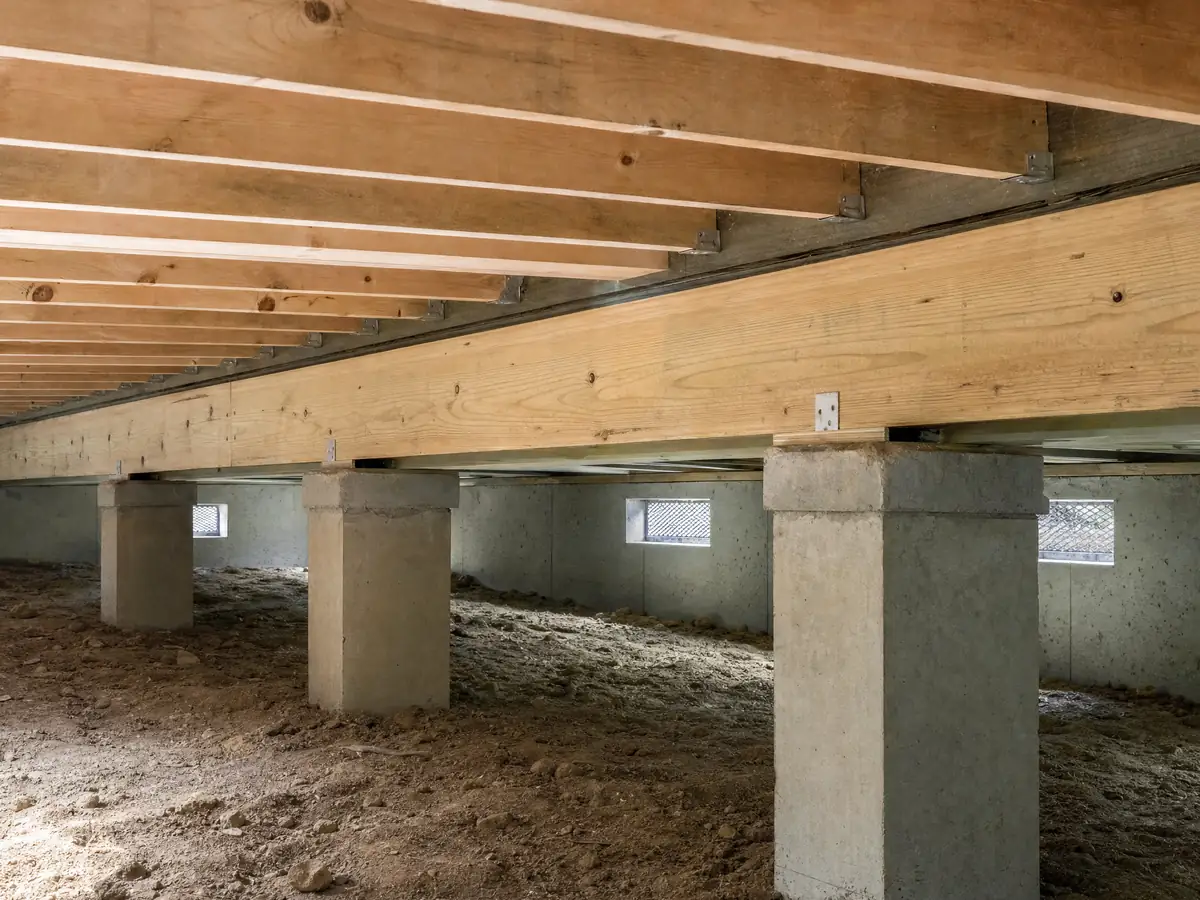
Do you need a permit to replace flooring in Imperial Beach?
For carpet and similar finish work, usually not, but tile is the open question. The City's amended permit exemption list, Section 105.2 in Municipal Code 15.06.020 (third-party mirror), names painting, papering, carpeting, cabinets, counter tops and similar finish work and carves out tile shower enclosures. No line mentions a tile floor. The City's older generic handout lists tiling as exempt, so the two documents do not agree and Community Development should settle it.
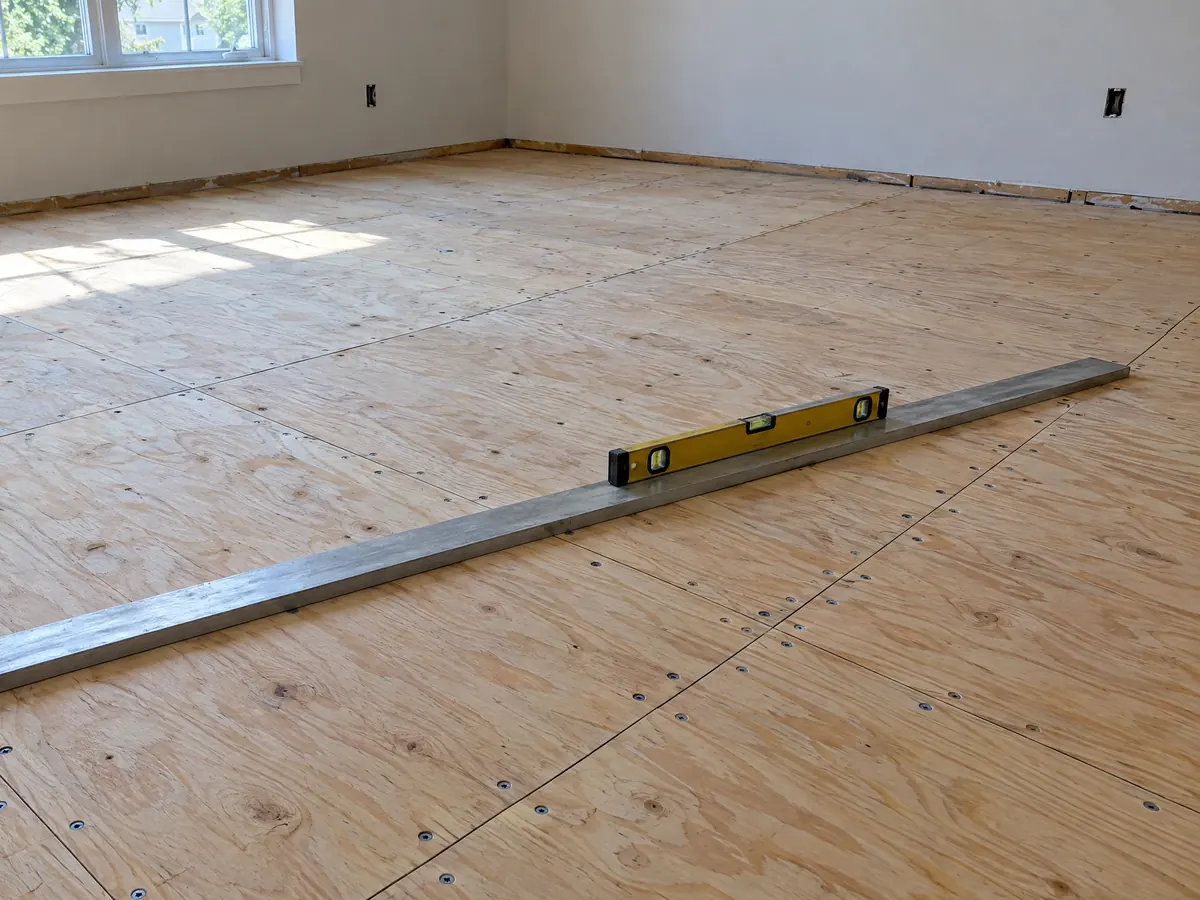
What lies under the floor is a different matter. The City says most repairs and alterations need a permit, and its handout calls replacing concealed defective drain, water, waste or vent pipe new work with its own permit and inspection. A crew that lifts a floor and finds a failed drain has left the exempt list.
Permit applications, plan check and payment run entirely online through the Citizen Self-Service portal. The Building Division's number is (619) 628-1357, and inspections run Monday through Thursday with none on Fridays. California's $1,000 limit on unlicensed minor work stops applying the moment any permit is needed.
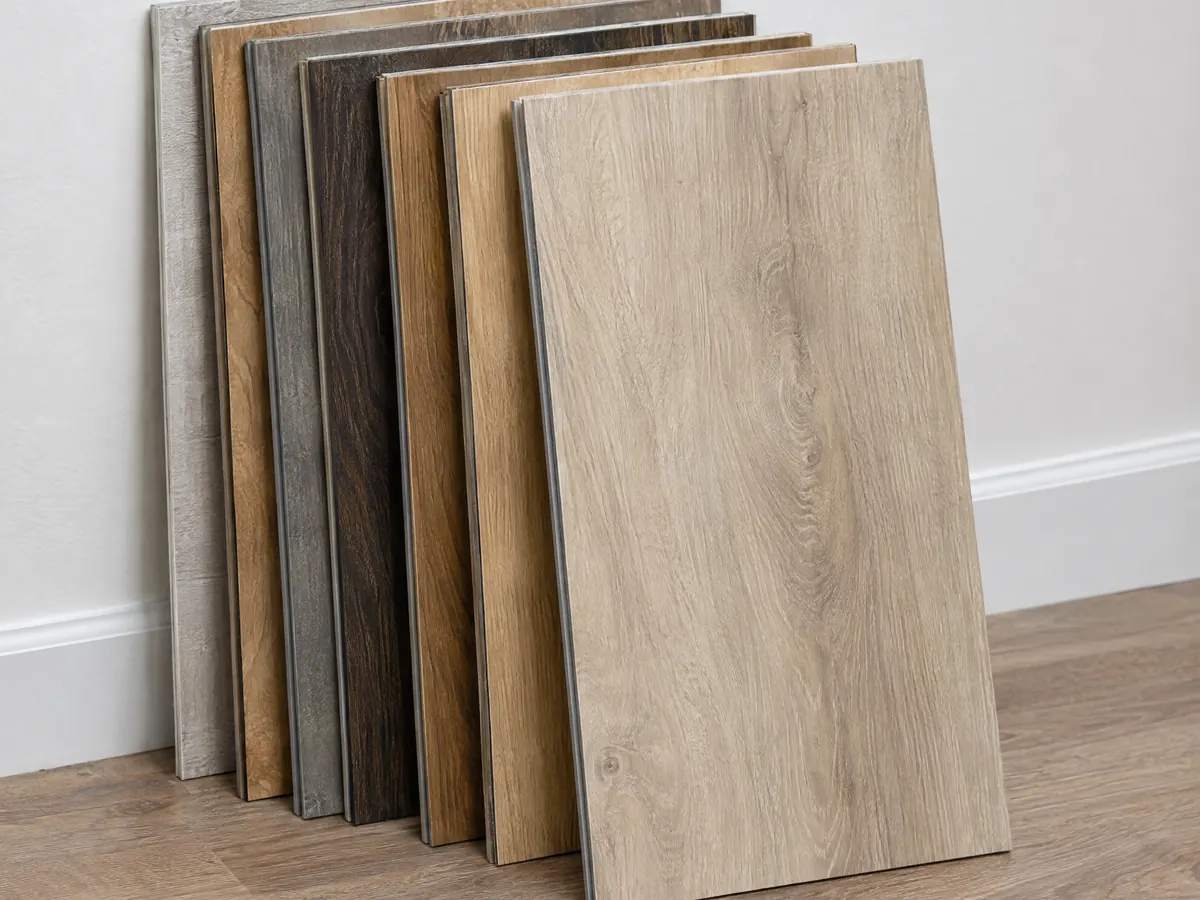
Which vapor retarder sits under an Imperial Beach slab, 10 mil or 6 mil?
The City's own papers disagree. Its Minimum Construction Specifications, revised 02/25/2026, call for a 10 mil polyethylene retarder with 6 inch lapped joints under a slab on grade, while its soils-report waiver sheet, which still cites the 2019 code, describes a 4 inch base under a slab with a 6 mil retarder. That is a conflict between sources, and we will not pick a side. A new slab goes to the plan checker, and an old slab's retarder is already buried.
Moisture is a local worry. The General Plan puts the water table under 25 feet across the urban area and about 8 feet at Ninth Street and Imperial Beach Boulevard, on ground it calls poorly consolidated silt, sand and gravel. NOAA's 1991 to 2020 normals for the Chula Vista station show 9.20 inches of rain a year, 7.12 of them from December through March, and August highs at the Ream Field station average 75.2 F, so a slab can be damp in a mild July.
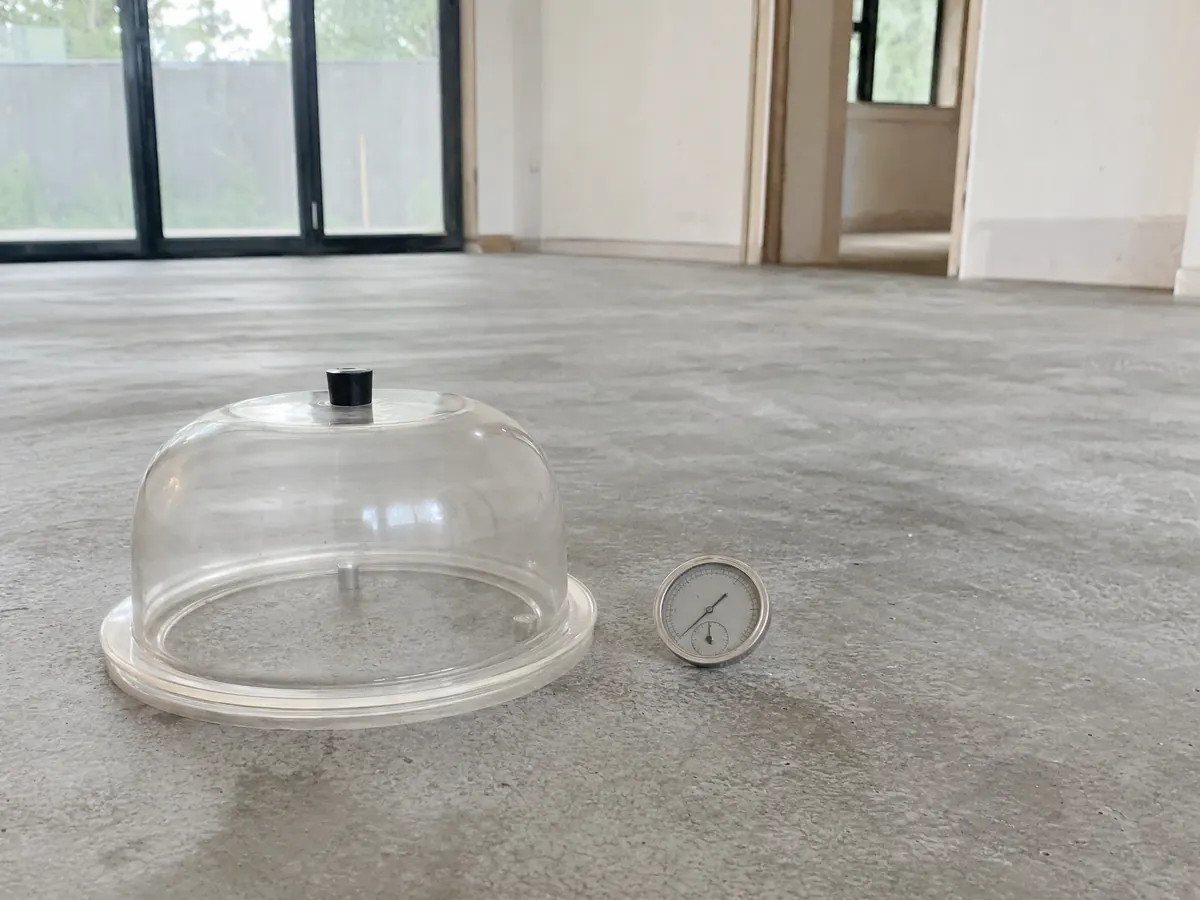
Test before gluing anything. ASTM F2170 sets humidity probes in drilled holes and ASTM F1869 weighs vapor under a calcium chloride dish, and neither has a pass mark because the flooring or adhesive maker sets the limit. The National Wood Flooring Association's concrete subfloor guide strongly recommends a retarder at or below 0.13 perms under wood, with 6-mil polyethylene as its example.
What is under the floor of a 1950s Imperial Beach house or a 1930s cottage?
Usually more than one layer. The 1950s are the biggest building decade at 23 percent of homes (2,368), about 58 percent went up from 1950 through 1979 and only 9 percent before 1950, so carpet, vinyl and tile have often been laid over earlier floors. The remodeled cottages from the 1930s are the rarer find. Ask the crew to photograph each layer as it comes up and before any sanding.
About 67 percent of homes (6,895) predate 1980, and EPA's lead-safe renovation rule covers paid work that disturbs paint in housing built before 1978, with an indoor minor-repair exemption at 6 square feet per room. Pulling painted baseboard disturbs paint. The Census table cannot separate 1978 from 1979, so the exact share of local homes reached by the rule is unknown.
Old resilient tile and the black mastic under it can contain asbestos in houses of this age, and no one can tell by eye. We read no local asbestos rule, so have a lab test a sample before anything is sanded or ripped, and have the proposal say who removes a positive layer and who pays.
Can you install hard flooring in an Imperial Beach condo, apartment or rental?
Only with written approval and a plan for sound. ACS estimates show 68.7 percent of the 9,340 occupied homes are rented (6,412), and 34.3 percent of all units (3,528) sit in buildings of five or more. That is many floors with a neighbor below, and we found no City sound rating for a replacement floor, so the building's governing documents decide.
A tenant needs the owner's written consent before anything is removed. Under Civil Code section 4765, an association owes an owner a written decision once an architectural request is filed, so ask management for the underlayment specification in writing.
The City adds a step for new rentals. Under amendment 102.6.5, when a residential structure becomes a rental the owner must contact the Fire Marshal for an inspection of egress windows, alarms, heating appliances, fire-rated assemblies and pool safety, and a permit is needed to fix anything that fails. A floor job in a house about to be rented is a good moment to ask about that inspection.
What does a flooring contractor charge in Imperial Beach, and who needs which license?
No Imperial Beach price study turned up, so the anchor is Angi's flooring pages for Los Angeles, updated July 8, 2026, which show no method and which we rate medium to low in confidence. Labor there runs $3 to $9 a square foot, engineered hardwood $10 to $18 installed, solid hardwood $12 to $22 and refinishing $4 to $8. Angi's laminate page from September 15, 2026 puts old-floor removal at $455 to $685 per 200 square feet, and Los Angeles-area floor layers averaged $33.48 an hour in May 2025, a wage and not a billing rate.
Have the proposal break out demolition, moisture testing, leveling, stairs and transitions. Business and Professions Code 7159.5 caps a home improvement down payment at $1,000 or 10 percent of the price, whichever is less. On permitted work the City's specifications apply CalGreen low-VOC and Green Label Plus limits to carpet and adhesives, so ask for the data sheets.
A flooring contractor needs a current license, usually C-15 for carpet, resilient flooring and wood, with ceramic and stone tile under C-54. Our license check guide shows how to read a CSLB record before anyone signs.
Flooring photos from Imperial Beach and nearby communities
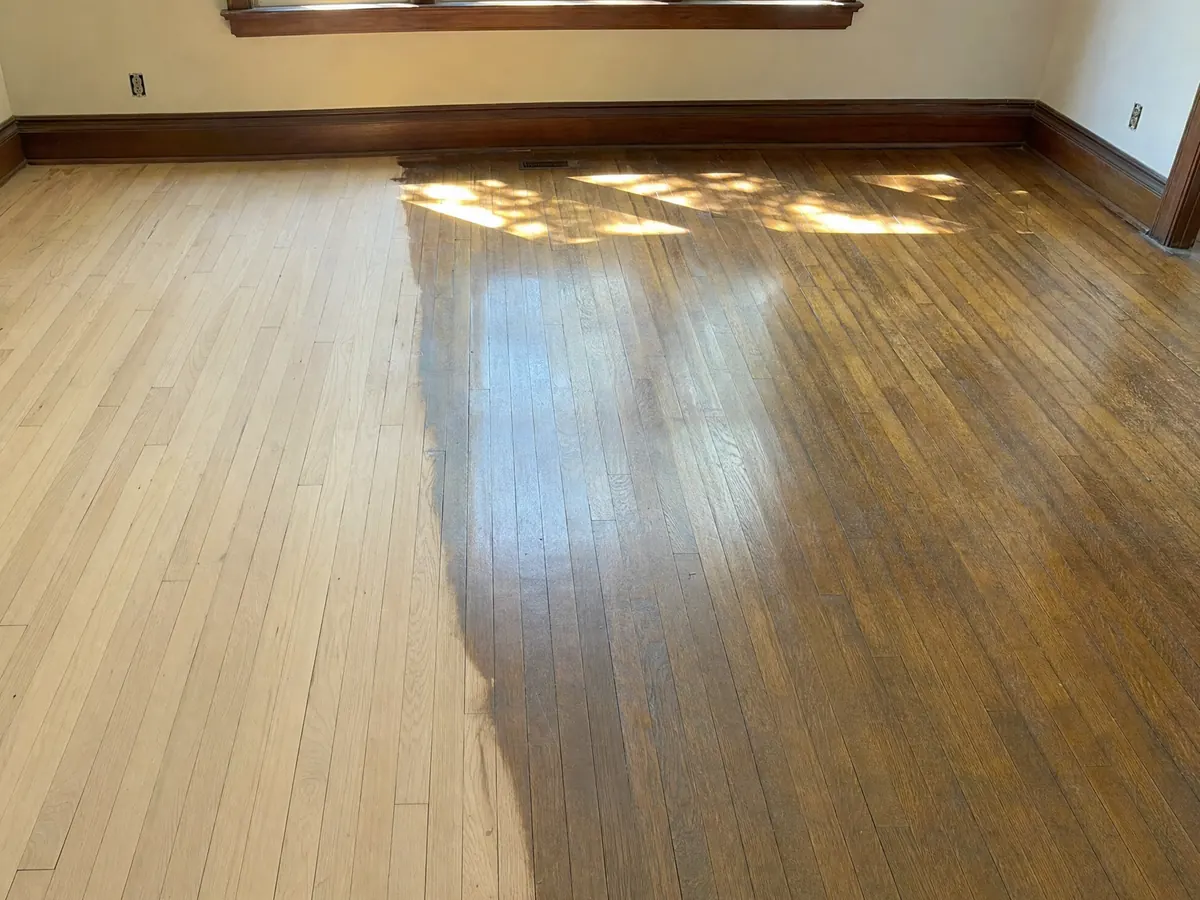
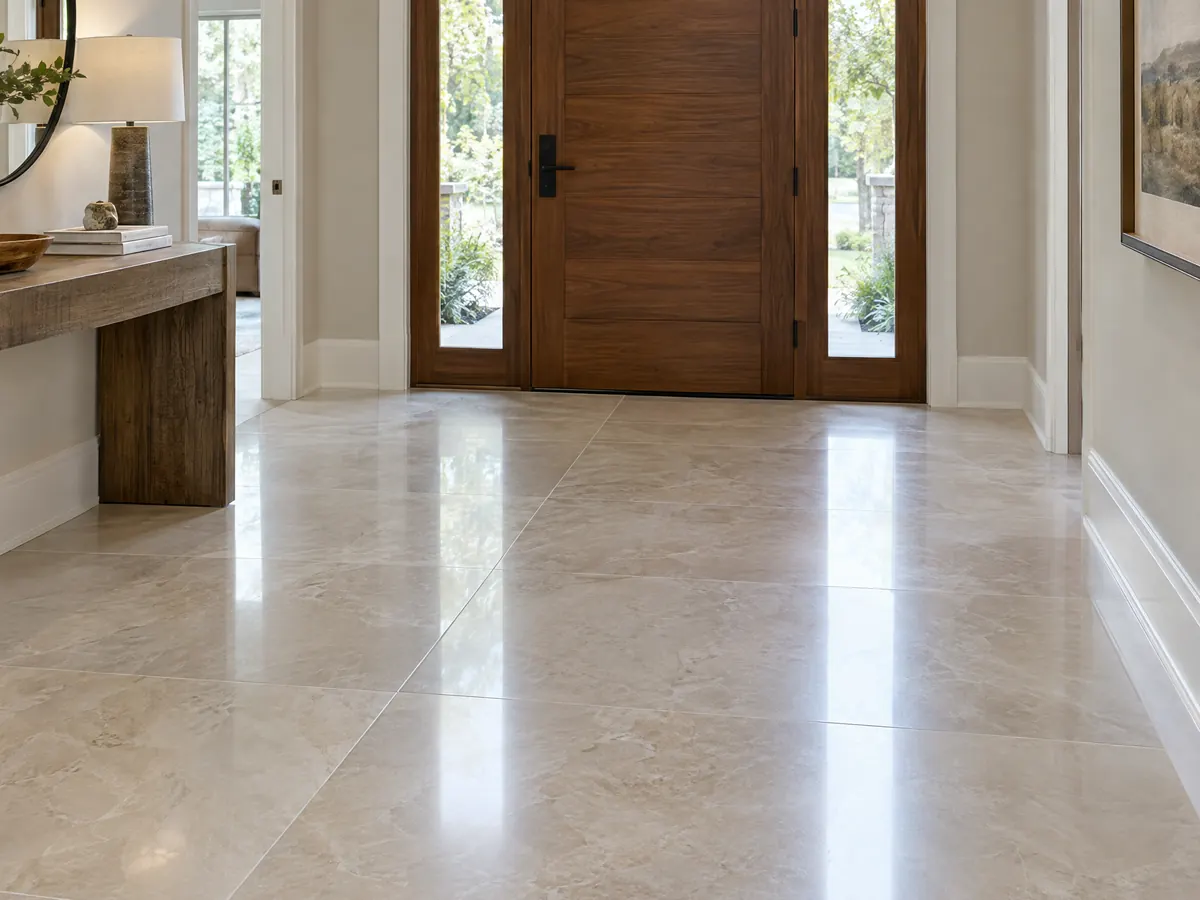
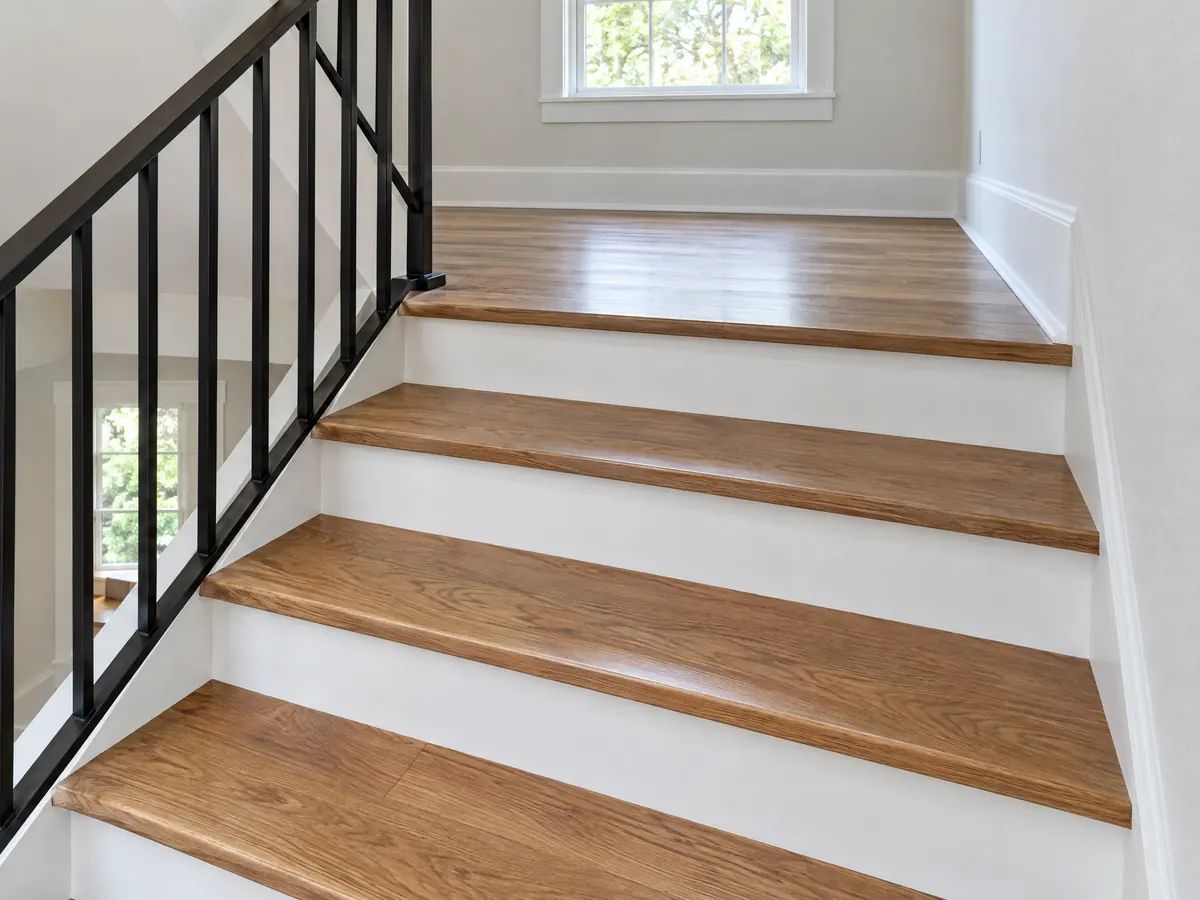
Plank samples, slab moisture tests, tile and finished rooms from Imperial Beach and the neighborhoods around it, shown at the steps where the decisions get made. Tap any photo to enlarge it.
What flooring costs around Imperial Beach
Dollar figures here are Los Angeles planning ranges from our flooring page, not an Imperial Beach bid, and the proposal should price demolition, drying, testing and subfloor repair on their own lines. The same lot may need concrete work in Imperial Beach or decks in Imperial Beach. For neighboring cities, read flooring in Chula Vista and flooring in San Diego, with flooring in Los Angeles as the big-city benchmark. The flooring cost guide weighs refinishing against new boards, and the subcontractor guide names who lays what.
| What it covers | Typical range |
|---|---|
| Installation labor only | $3 to $9 per sq ft |
| Solid hardwood, installed | $12 to $22 per sq ft |
| Engineered hardwood, installed | $10 to $18 per sq ft |
| Refinishing existing hardwood | $4 to $8 per sq ft |
| Laminate, whole project | $2,000 to $5,500 |
| Hardwood, whole project | $3,153 to $8,496 |
| Removing the old floor | $455 to $685 per 200 sq ft |
| Tile | No sourced Los Angeles range |
Other work we manage in Imperial Beach
Imperial Beach flooring questions, answered
Do I need a permit to replace flooring in Imperial Beach?
Usually not for carpet and similar finish work, which the City's amended exemption list names, but a tile floor is not named, so ask Community Development. Work on drains or framing under the floor does need a permit, and no permit is exempt from zoning or flood rules. The Building Division's number is (619) 628-1357.
How much does it cost to have flooring professionally installed?
Installers charge $3 to $9 a square foot for labor on Angi's July 2026 Los Angeles pages, with engineered hardwood at $10 to $18 installed and solid hardwood at $12 to $22. No Imperial Beach study turned up and Angi shows no method, so confidence is medium to low. Demolition, leveling and stairs are extra lines.
How much to refloor a 2000 sq. ft house?
Labor alone at $3 to $9 a square foot is $6,000 to $18,000 across 2,000 square feet, engineered hardwood at $10 to $18 installed is $20,000 to $36,000 and solid hardwood at $12 to $22 is $24,000 to $44,000. These are Los Angeles ranges, not an Imperial Beach bid, and stairs or subfloor repair move the total.
Can you put flooring over concrete?
Yes, once the slab has been tested and prepared. The flooring or adhesive maker sets the moisture limit, so the installer should read ASTM F2170 probes or set an F1869 calcium chloride dish first. Imperial Beach's water table is as shallow as 8 feet in places, so a reading beats a guess.
Why does moisture come through a concrete floor?
Water vapor rises from the soil under the slab, and in Imperial Beach that soil sits over a high water table, about 8 feet down at Ninth Street and Imperial Beach Boulevard. Winter rain, irrigation and downspouts keep it damp. A slab test gives the real number, and a dry July says little.
Should I put plastic under my concrete slab?
Yes, a polyethylene vapor retarder goes under a slab on grade, but the City's papers disagree on thickness: the Minimum Construction Specifications say 10 mil with 6 inch laps, and the soils waiver sheet says 6 mil. We do not pick one. For a new slab, the plan checker decides which governs.
Does a flood zone change flooring work in Imperial Beach?
It can. In a FEMA Special Flood Hazard Area the City counts floor finishes toward the 50 percent substantial improvement test, and flood-damage-resistant materials are required below one foot above base flood elevation in new construction and substantial improvements. We did not check any parcel, so ask whether your address is mapped.
Is there asbestos under old vinyl flooring in Imperial Beach homes built before 1980?
Possibly, and it cannot be seen. Old resilient tile, sheet vinyl and mastic are the usual suspects, and about 67 percent of Imperial Beach homes date before 1980. A lab sample should come back before any layer is sanded or ripped, and the proposal should say who removes and pays for a positive layer.
Can I install hardwood flooring in an Imperial Beach condo or rental?
Only with written approval, and the sound requirement is the one that counts. About 68.7 percent of occupied Imperial Beach homes are rented and 34.3 percent of units sit in buildings of five or more. We found no City sound rating, so get the underlayment specification from management and keep the approval on file.
What license does a flooring contractor need in Imperial Beach?
A flooring contractor needs a current California license, usually C-15 for carpet, resilient flooring and wood and C-54 for ceramic and stone tile. Look up the number on CSLB's site and ask each subcontractor for a license number and certificate of insurance. A job that needs a permit can never use the $1,000 unlicensed-work exception.
Tell us the home type, the rooms and what is under the floor now
Say whether it is a house, a condo, a rental or an older cottage, which rooms you want done and what the floor is today. The flood-zone, slab and old-adhesive questions go along to the first visit.