
Flooring Installationin Lemon Grove, CA
Flooring installation in Lemon Grove usually needs no building permit when only the floor covering changes, because state code exempts tiling, carpeting and similar finish work, but the City's own pages say nothing on flooring, so confirm with the Building Division. About 72 percent of homes predate 1980, so test slabs and old adhesives first.
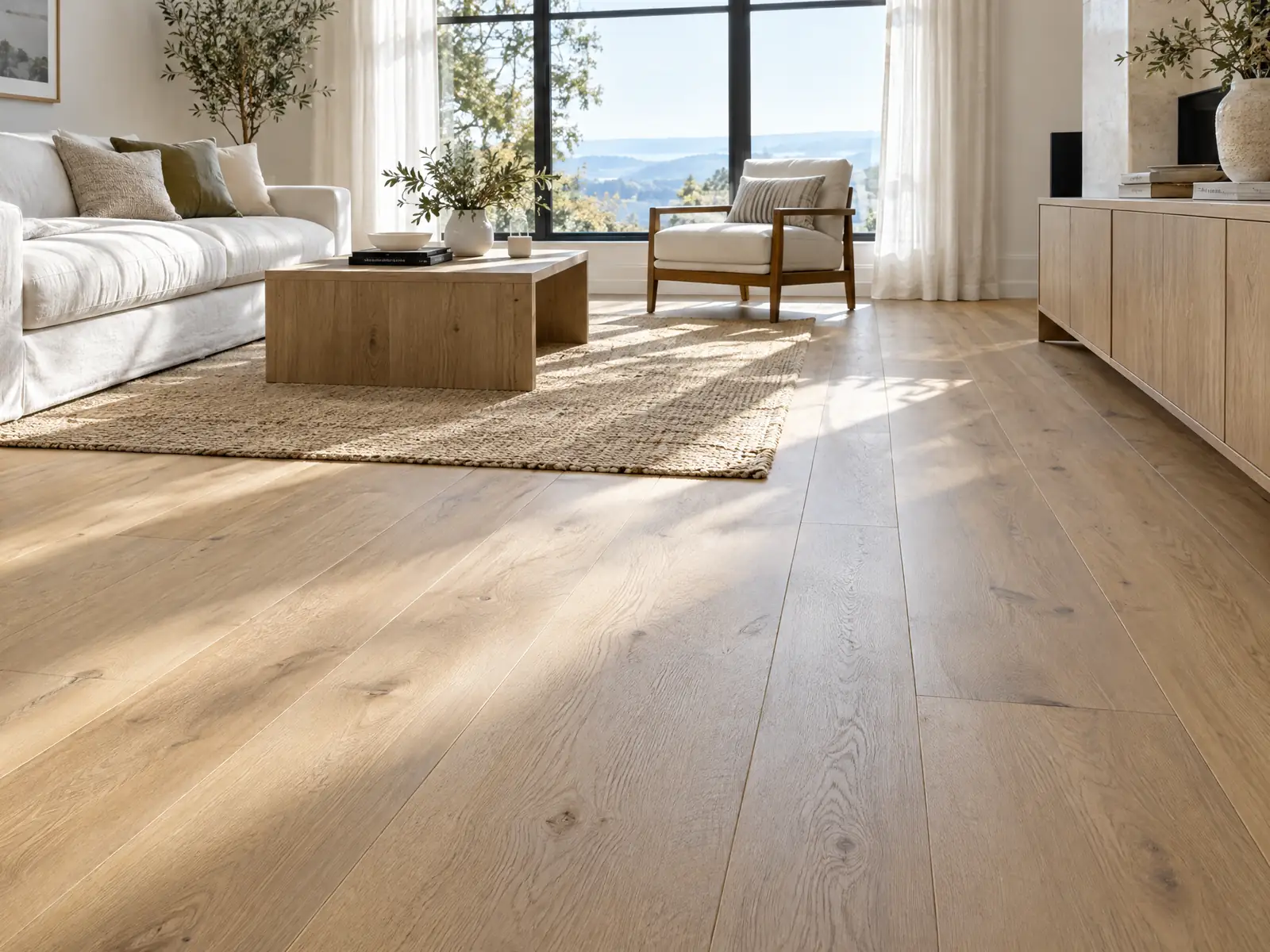
Lemon Grove started as citrus country. The City's 1996 General Plan dates the town to 1869, when Robert Allison bought part of Rancho Mission San Diego, and says a rail line arrived in 1890, the first subdivision came in 1892 and the town had reached about 500 people and five citrus packing plants by 1912. The floors people stand on today come from the postwar orchard boom: the Census Bureau's 2024 estimates put 26.4 percent of the city's 9,391 homes in the 1950s, 12.0 percent in the 1960s and 20.6 percent in the 1970s.
MDG Builders (CSLB #1040337) is a general contractor based in Tarzana, not a flooring crew. For a Lemon Grove floor we write the scope, take the permit questions to the City's Building Division and hold the schedule together, and a licensed flooring or tile subcontractor lays the material. The flooring page covers products, and the Lemon Grove overview lists the other trades we manage here.
What Lemon Grove's Building Division, its municipal code and state law say about flooring work
Where flooring permits come from in Lemon Grove: City of Lemon Grove Community Development Department, Building Division.
- CSLB defines the C-15 Flooring and Floor Covering classification as preparing any surface for flooring and installing carpet, resilient sheet goods, resilient tile, wood floors and other flooring materials except ceramic tile, which falls under C-54.
- The state residential code lists tiling, carpeting and similar finish work as exempt from a permit (R105.2); the City pages I read have no flooring-specific permit rule, so a floor-covering job is exempt unless it comes with structural, plumbing or electrical work.
- The residential zones require two garaged parking spaces per dwelling unit in RL and RLM, so a garage is expected to stay a parking garage in those zones.
- The General Plan says almost all soils in the City have high clay content with high shrink-swell potential, which can shift and crack foundations.
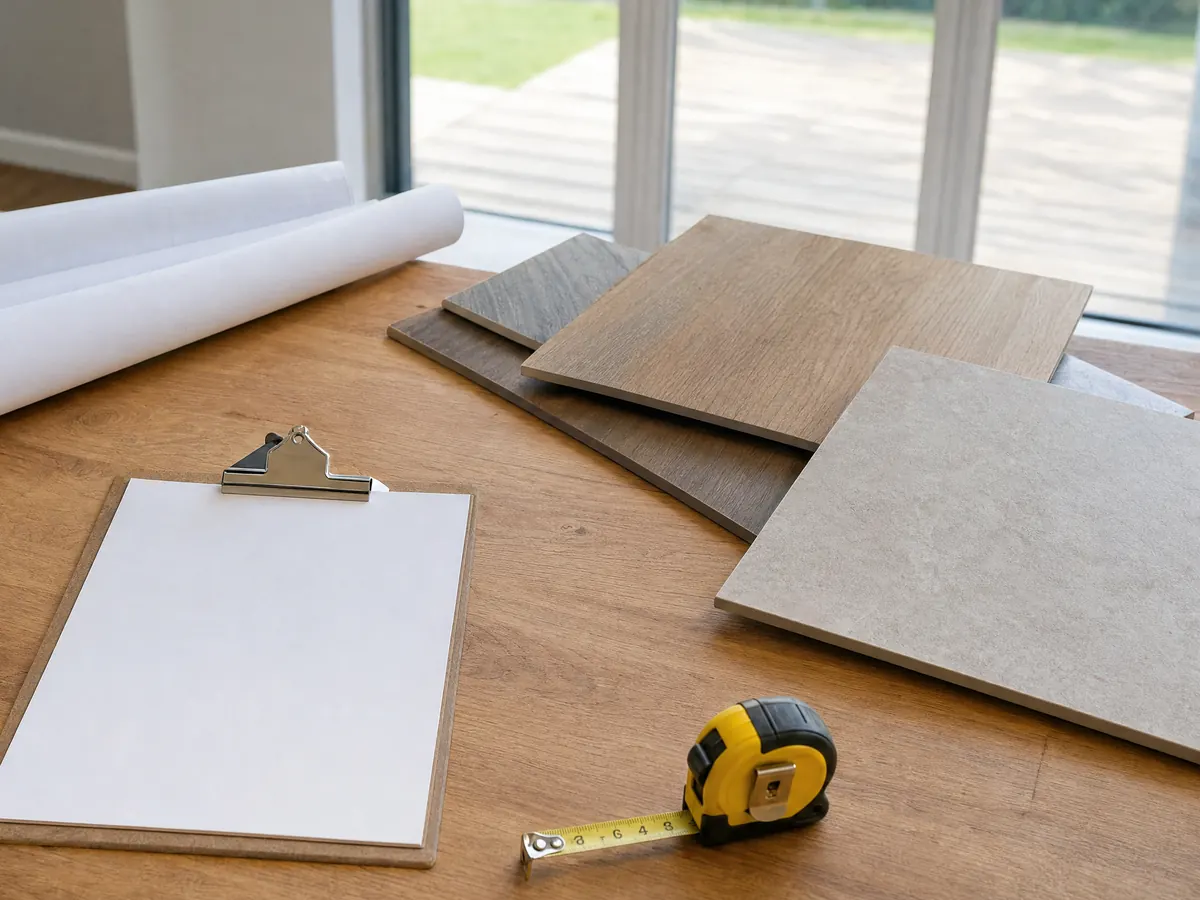
What is under the floor of a Lemon Grove house built in the 1950s or 1960s?
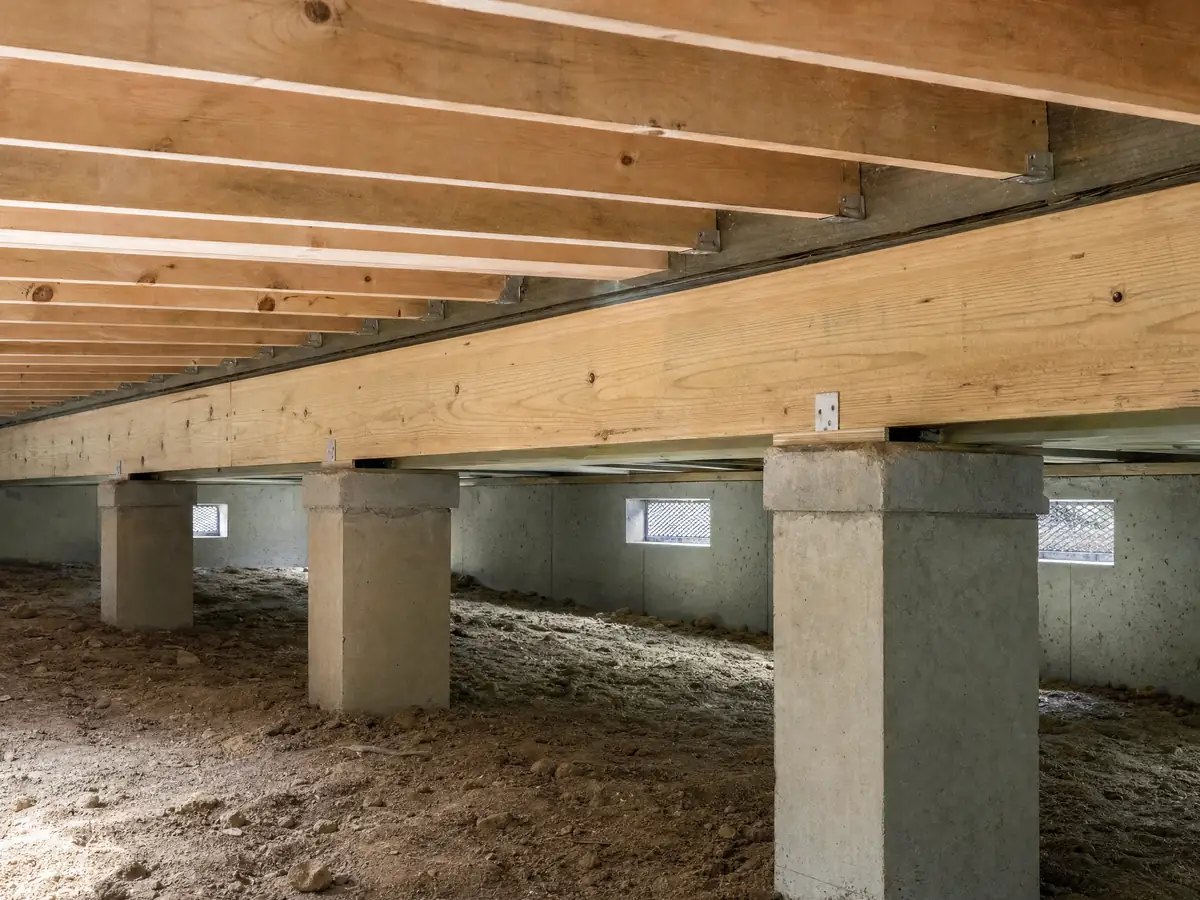
Often one or two earlier coverings over either a slab or a raised wood floor, and which one it is should be settled on the first walk-through. About 51 percent of the city's homes (4,810) predate 1970 and only 2.7 percent (249) date from 1939 or earlier, so most floors here were first laid in the tract-house era and have been covered, patched or replaced since. Ask the crew to photograph each layer as it comes up and to stop when something looks unlike the rest.
Lead travels with the trim. About 72 percent of Lemon Grove's homes (6,747) were built before 1980, and EPA's lead-safe renovation rule covers paid work that disturbs paint in housing built before 1978. Pulled baseboards and door casings count, and indoor minor repair is exempt only at 6 square feet or less of paint per room. The Census table cannot separate 1978 from 1979, so we cannot state how many local homes the rule reaches.
Old resilient tile, sheet goods and the black adhesive beneath them are the other unknown. Nobody can identify them by eye in a house of that age, so a sample goes to a lab before anything is sanded or torn out, and the proposal should say who removes a layer that tests positive and who pays for it.
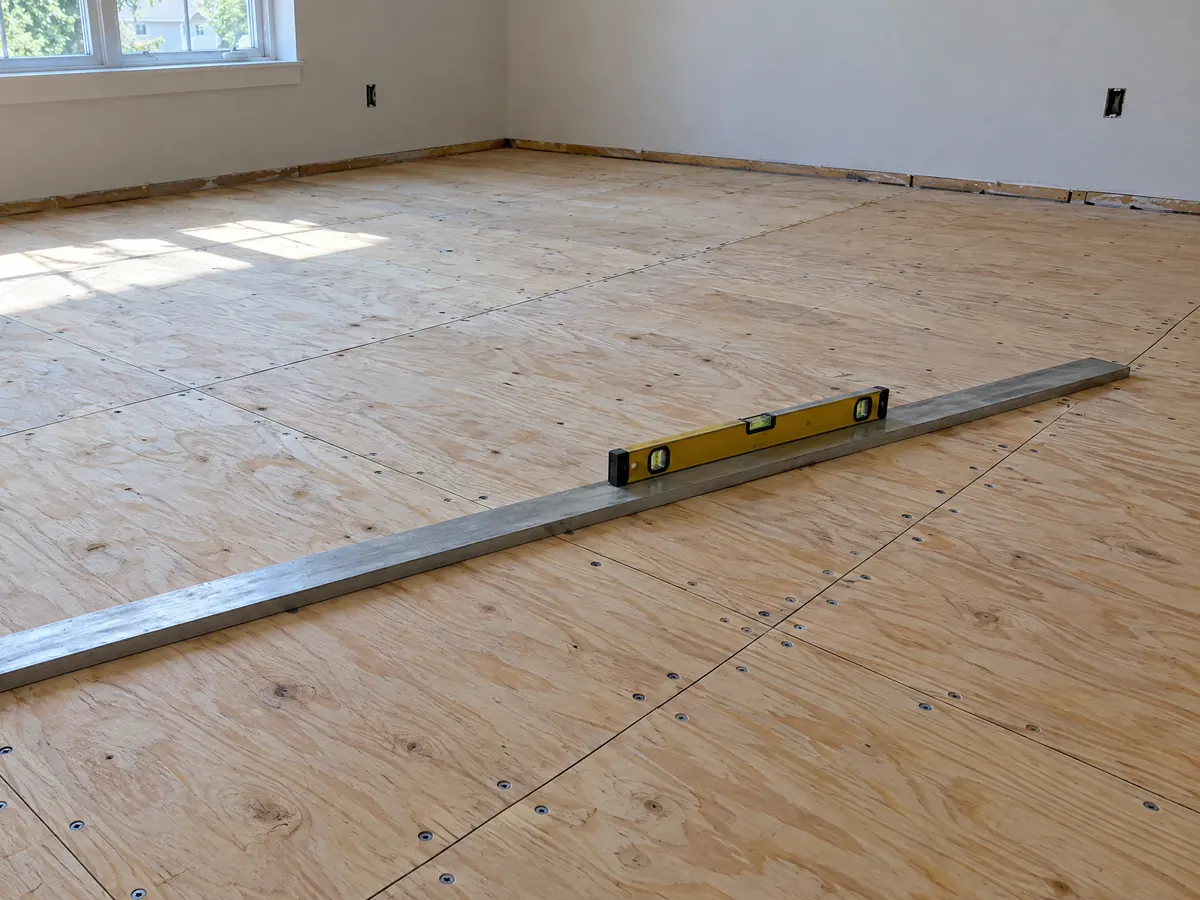
Do you need a permit to install flooring in Lemon Grove?
Probably not for the floor covering alone, though no City page we read says so directly. The state residential code (R105.2) lists tiling, carpeting, cabinets, counter tops and similar finish work as exempt, and the Lemon Grove amendments we saw leave that line alone. We read the municipal code through GoCodebook, a third-party mirror, because the City's official code site blocked automated access, so ask the Building Division to confirm before anything unusual.
If a permit is needed, the process is unlike a neighboring city's. The Building Division accepts applications only in person with hard-copy plans, the counter is open Monday to Thursday from 7:30 a.m. to noon and closed Fridays, Planning at (619) 825-3805 is the first call, and the City says each review cycle takes 30 days at minimum. The signed inspection card serves as the certificate of occupancy.
Garage floors are floors too. The RL and RLM zones expect two garaged parking spaces per home, so tile or a coating there is a floor job, while turning the garage into a room is a conversion question for Planning. Rotted joists or plumbing under the floor are permit work either way.
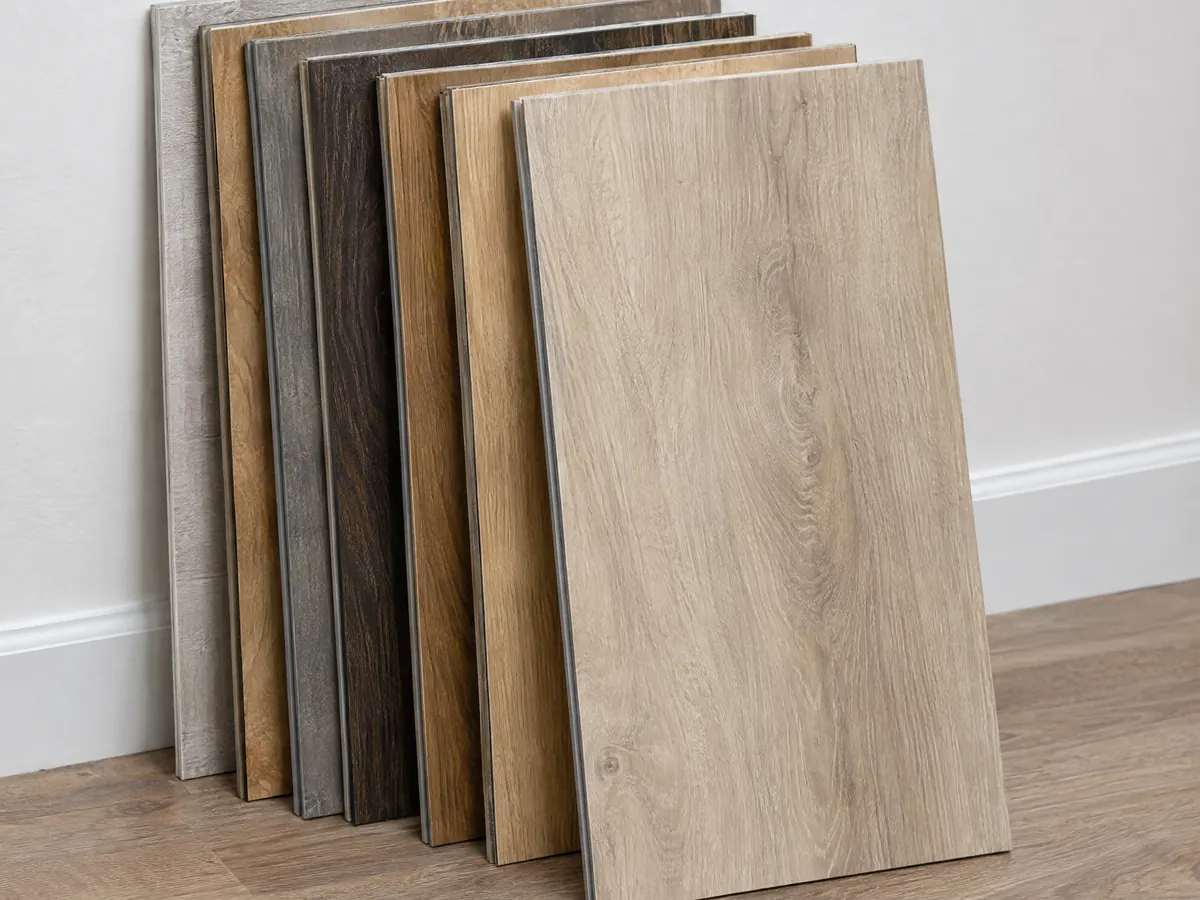
Can new floors push a Lemon Grove remodel past the street frontage trigger?
They can add to the number, which is the part few owners expect. When Lemon Grove incorporated on July 1, 1977 it inherited narrow streets without sidewalks, curbs, gutters or street lights, and Municipal Code 12.10, amended by Ordinance 467 on April 1, 2025, now asks for half-street dedication at $85,000 of building permit valuation and half-street improvements at $100,000. Both figures are adjusted every year from 2026 by the California Construction Cost Index.
Valuation is set by the building official and counts finish work, painting, roofing, electrical, plumbing and air conditioning along with the structure, not just the framing. A floor laid by itself usually needs no permit and so adds nothing. A whole-house remodel on a street-facing lot that carries new floors in its permit does, and the valuations of non-exempt permits on one property within five years are added together.
The rule has exits: roofing, decks and patio covers, pools, sheds, garages and carports, solar and ADUs are exempt, and homes in the RL and RLM zones are exempt from the improvement requirement unless they build a new house. As we read it, that exemption does not cover dedication. Before the scope is final, ask Planning how the valuation will be set and whether your lot touches a public street.
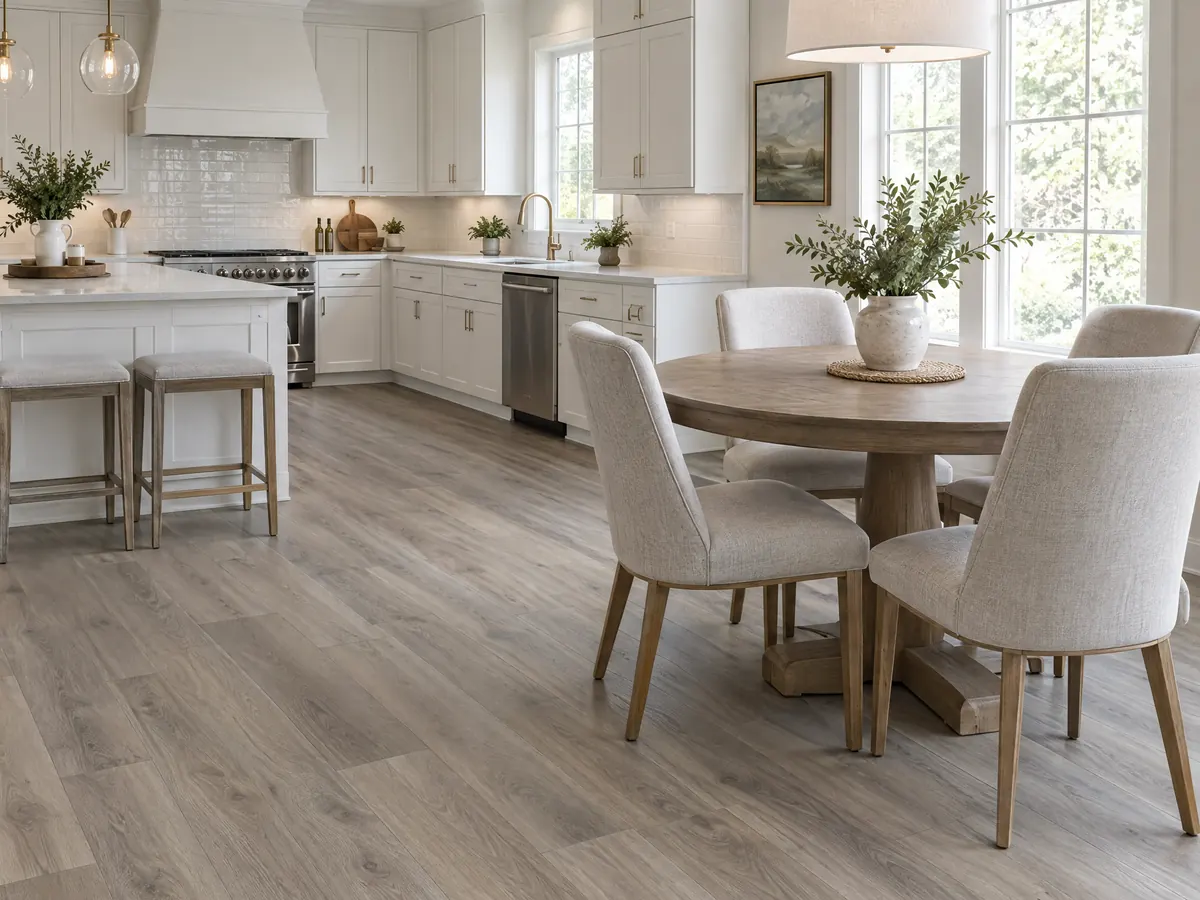
Does clay soil or winter rain push moisture and cracks through a Lemon Grove slab?
It can do both. The General Plan says nearly all soils here, except those in the east Broadway area, are high in clay with high shrink-swell potential, which can shift and crack foundations. A slab that has moved leaves cracks and uneven spots that thin vinyl and click-lock plank will show, so patching and leveling belong in the scope before material is ordered.
Rain supplies the moisture. The nearest rainfall normals, from the La Mesa 0.9 SW station about 1.9 miles north, show 11.96 inches a year, 9.14 of them from December through March and 0.41 from June through September. A dry summer hides the problem, because vapor still rises from soil that winter rain and irrigation have wetted. The General Plan also says the primary flood zone follows Federal Boulevard, where significant flooding occurs nearly every year, so a ground-floor room near it deserves a reading rather than a guess.
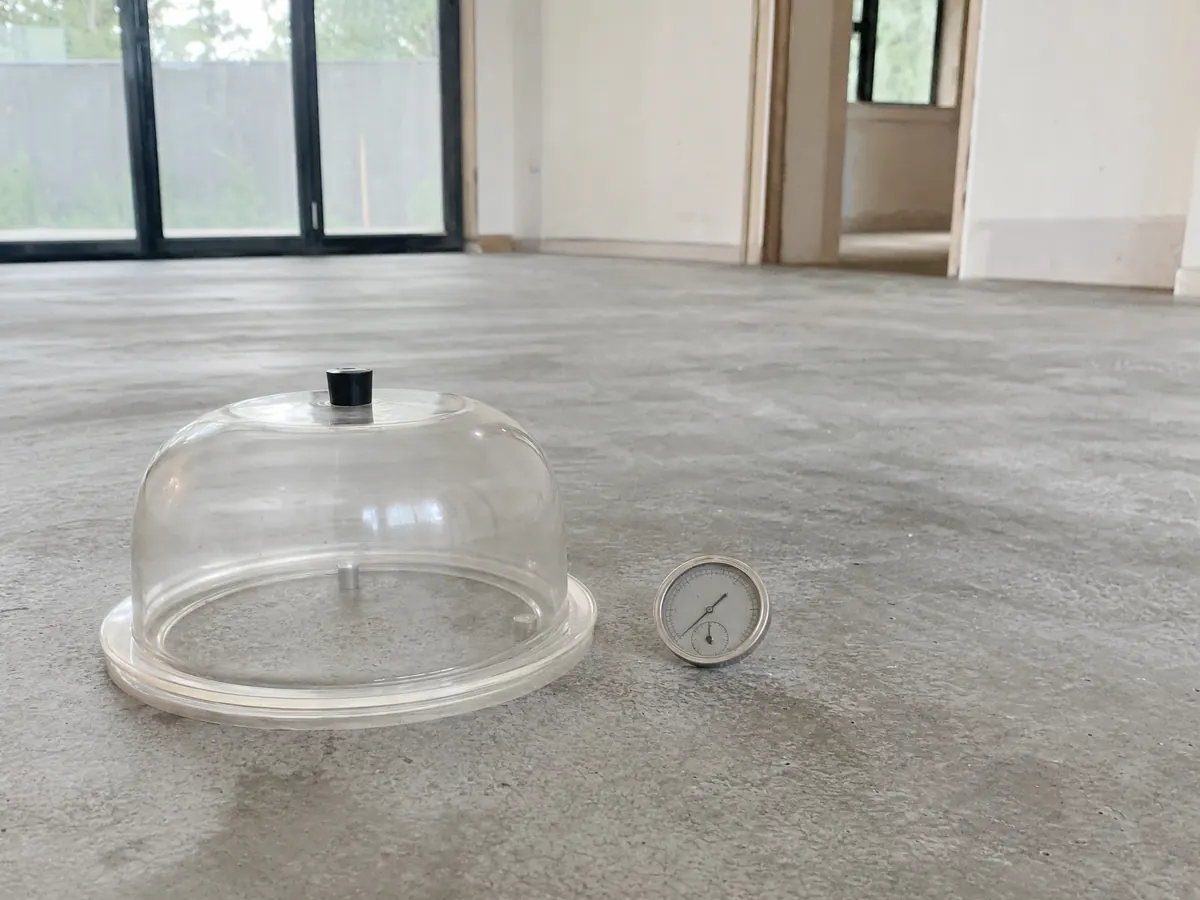
ASTM F2170 sets humidity probes into drilled holes and ASTM F1869 traps vapor under a calcium chloride dish, and both give readings. Neither standard publishes a pass mark, since each flooring or adhesive maker sets its own limit. For wood, the National Wood Flooring Association's concrete subfloor guide strongly recommends a vapor retarder rated 0.13 perms or less, such as 6-mil polyethylene, over a slab.
Can you put new hard flooring in a Lemon Grove condo, duplex or rental?
Only if the association or owner approves it and the maker's installation sheet allows it. The ACS 2024 estimates show 47.5 percent of the city's 9,051 occupied homes rented (4,301), 20.9 percent of all homes (1,961) in buildings of five or more units and 9.0 percent (843) in buildings of two to four. The General Plan puts most condominiums and apartments within a block or two of Broadway and along other major roads, so the neighbor-below question comes up in only part of town.
We found no City sound rating for a replacement floor, so the association's governing documents decide. Under Civil Code section 4765 an association owes an owner a written decision once an architectural request is filed, and the underlayment specification should come from management in writing.
A tenant needs the owner's written consent before any layer is removed. In a duplex or fourplex owned by one person, the same consent can be a short letter, and a photo of the finished subfloor is worth keeping with it.
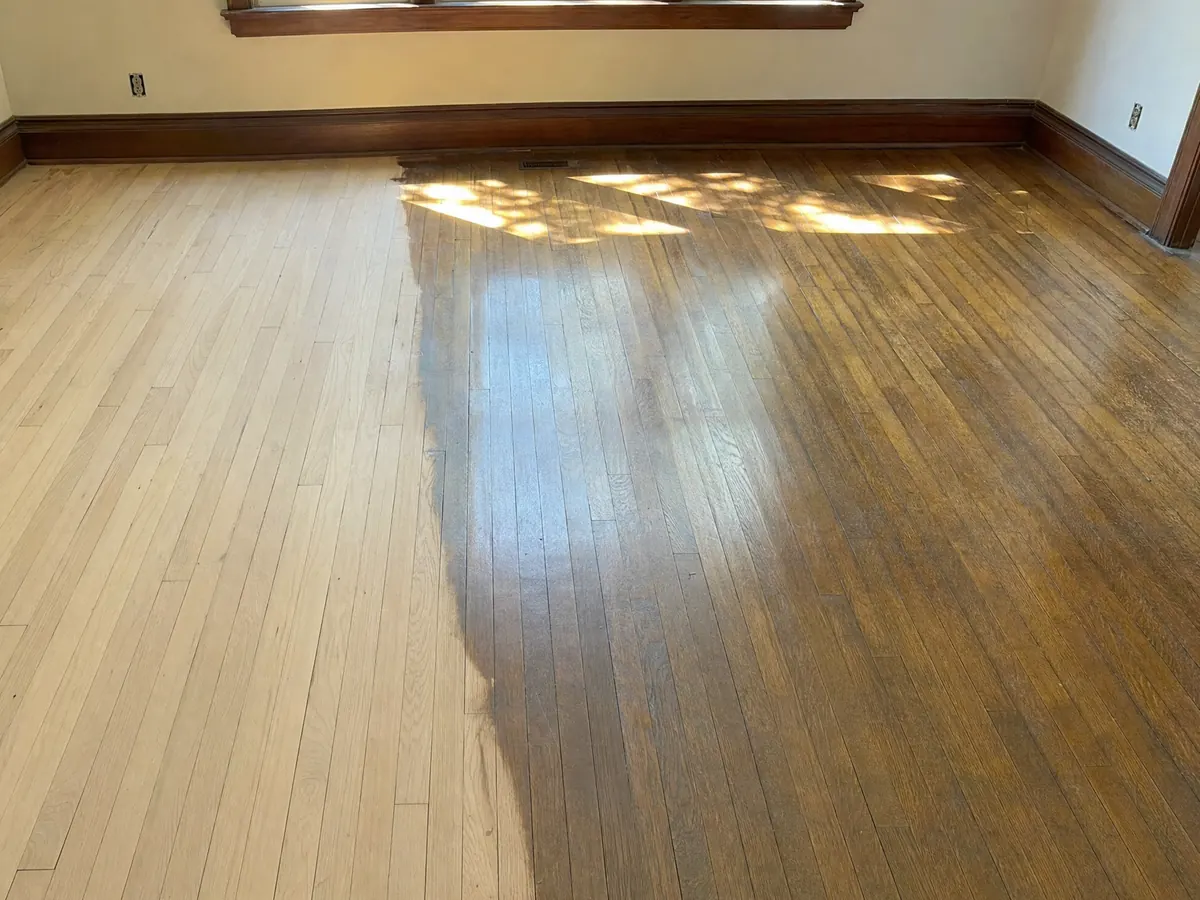
Can you refinish old wood floors on Main Street or inside the Downtown Specific Plan area?
Probably, but ask Planning first. The City says its Council adopted the Downtown Specific Plan on November 3, 2026, replacing the 2005 Downtown Village plan and widening the area to about 245 acres. We read the final draft dated October 28, 2026, not the adopted text. Its Historic Overlay sends minor alterations to historic properties, those that keep the existing roof, siding, windows and style, through a Zoning Clearance and Lemon Grove Historical Society review, and major ones need a Planned Development Permit.
Whether sanding interior boards counts as an alteration is not stated in what we read. The 1996 General Plan lists historic properties on Main Street, Broadway, Golden Avenue and other streets and proposed a survey and a possible preservation ordinance, and we did not find whether that ordinance was adopted. Only 2.7 percent of the city's homes date from 1939 or earlier, so original boards under later layers are the exception, not the rule.
Check the wear layer at a floor register before anyone prices a refinish against a replacement. Angi's Los Angeles pages put refinishing at $4 to $8 per square foot, well under the cost of new solid hardwood.
- Is the house inside the Downtown Specific Plan area or on a historic list?
- How thick is the wear layer on the existing boards?
- Do any thresholds or exterior doors change?
What does a flooring contractor charge in Lemon Grove, and who needs which license?
We found no price study for Lemon Grove or San Diego County that shows its method, so the anchor is Angi's Los Angeles flooring pages, updated July 8, 2026, which we rate medium to low in confidence and which may not match local bids. They list labor at $3 to $9 per square foot, engineered hardwood at $10 to $18 installed, solid hardwood at $12 to $22 and refinishing at $4 to $8. Angi's laminate page of September 15, 2026 prices taking out an old floor at $455 to $685 per 200 square feet. We print no City fees because the fee schedule we could read is from 2022.
Have the proposal break out demolition, moisture testing, leveling, stairs and transitions as separate lines. Business and Professions Code 7159.5 caps a home improvement down payment at $1,000 or 10 percent of the contract price, whichever is lower, so a bigger deposit request is a flag.
CSLB's C-15 class covers preparing a surface for carpet, resilient flooring and wood, and ceramic tile falls under C-54. A job that needs a permit needs a licensed contractor even below $1,000, and our license check guide shows how to read a CSLB record.
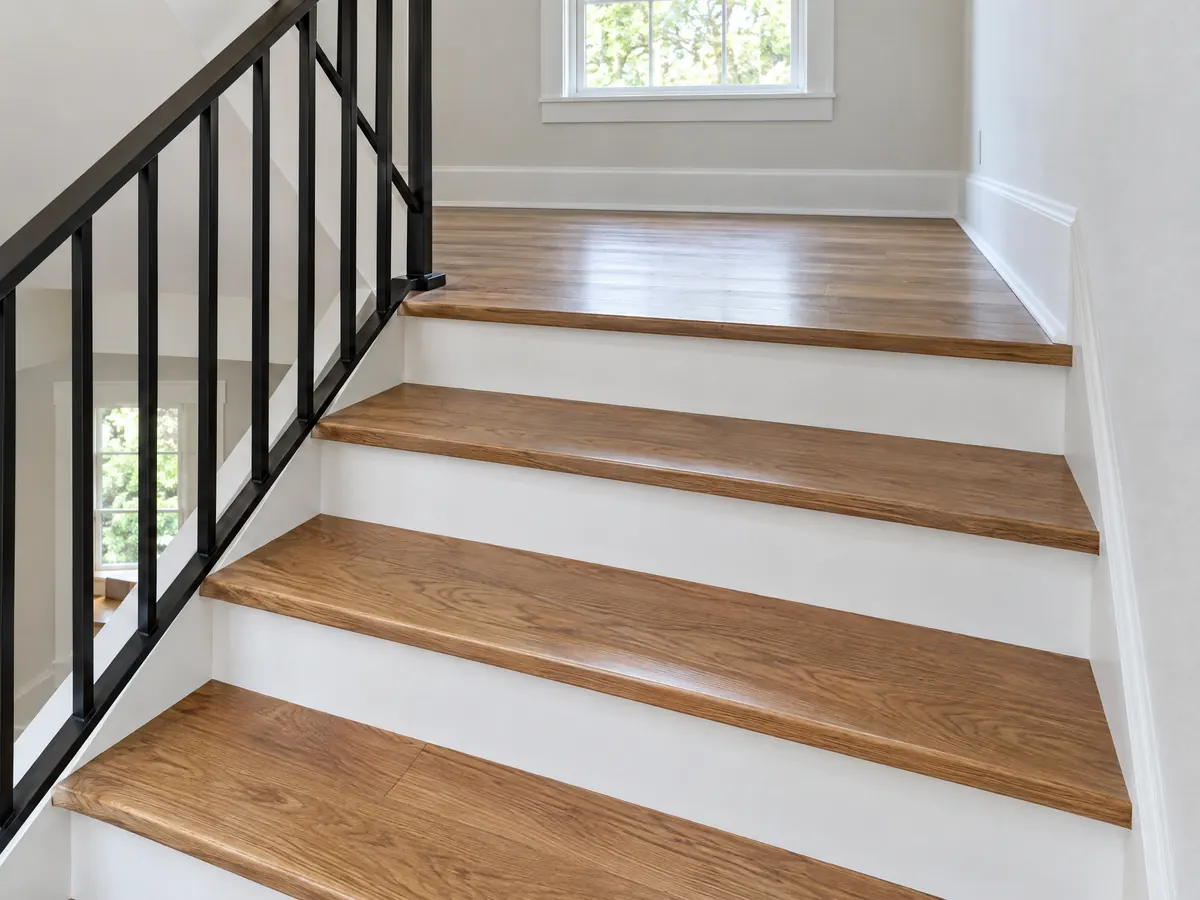
Flooring photos from Lemon Grove and nearby communities
Plank samples, subfloor prep, moisture tests, tile and finished rooms from Lemon Grove and the neighborhoods around it, shown at the steps where the decisions get made. Tap any photo to enlarge it.
What flooring costs around Lemon Grove
Dollar figures here are Los Angeles planning ranges from our flooring page, not a Lemon Grove bid, and the written proposal should price demolition, drying, testing and subfloor repair on their own lines. The same property may need concrete work in Lemon Grove or decks in Lemon Grove. Nearby, read flooring in La Mesa, flooring in San Diego, flooring in El Cajon and flooring in Chula Vista, plus flooring in Los Angeles for the large-city benchmark. For the refinish versus replace math, read our flooring cost guide, and for who does which part of the job, the subcontractor guide.
| What it covers | Typical range |
|---|---|
| Installation labor only | $3 to $9 per sq ft |
| Solid hardwood, installed | $12 to $22 per sq ft |
| Engineered hardwood, installed | $10 to $18 per sq ft |
| Refinishing existing hardwood | $4 to $8 per sq ft |
| Laminate, whole project | $2,000 to $5,500 |
| Hardwood, whole project | $3,153 to $8,496 |
| Removing the old floor | $455 to $685 per 200 sq ft |
| Tile | No sourced Los Angeles range |
Other work we manage in Lemon Grove
Lemon Grove flooring questions, answered
Do you need a permit for flooring in Lemon Grove?
Probably not when only the covering changes, because the state residential code exempts tiling, carpeting and similar finish work. The City's pages we read have no flooring rule, so ask the Building Division to confirm. Rotted framing, moved plumbing or new circuits under the floor are permit work, and so is a remodel permit that includes floors.
How much does it cost to have flooring professionally installed?
Angi's July 2026 pages for Los Angeles list labor at $3 to $9 per square foot, engineered hardwood at $10 to $18 installed and solid hardwood at $12 to $22. We found no Lemon Grove study with a stated method, so treat these as medium to low confidence. Demolition, leveling and stairs are extra lines.
How much does it cost to install 1000 sq. ft of hardwood flooring?
On Angi's Los Angeles ranges, a thousand square feet runs $10,000 to $18,000 in engineered hardwood and $12,000 to $22,000 in solid hardwood, installed. These are Los Angeles figures, not a Lemon Grove bid. Stairs, a slab moisture barrier and subfloor repair change the total, so the number comes from a site visit.
Can you put flooring over concrete?
Yes, once the slab has been tested and prepared. Lemon Grove's high-clay soil can move a slab, so cracks and low spots are patched and leveled first, and the flooring maker's moisture limit decides whether a vapor barrier is needed. About 72 percent of homes predate 1980, so old adhesive may need a lab check as well.
Why does moisture come through a concrete floor?
Water vapor rises from the soil under the slab, which winter rain and irrigation keep damp. The nearest rain station shows 11.96 inches a year with 9.14 of them from December through March, so a dry summer says little. An ASTM F2170 probe test or an F1869 calcium chloride test gives the real reading.
Do flooring contractors need a license in California?
Yes, a flooring contractor needs a current California license, usually C-15 for carpet, resilient flooring and wood, or C-54 for ceramic and stone tile. Jobs under $1,000 are the narrow exception, and it ends once any permit is needed. Check the number on the CSLB site and ask each subcontractor for a license number and certificate of insurance.
Is refinishing hardwood floors worth it?
Often, if the boards have enough wear layer left for one more sanding, which a register opening or a cut edge will show. Angi's Los Angeles pages put refinishing at $4 to $8 per square foot versus $12 to $22 for new solid hardwood. Original boards are uncommon here, because only 2.7 percent of homes date from 1939 or earlier.
Is there lead or asbestos under the floor of a 1950s Lemon Grove house?
Possibly, and neither can be seen. About 72 percent of Lemon Grove homes predate 1980, and EPA's lead-safe rule covers paid work that disturbs paint in housing built before 1978, including pulled baseboards. Old resilient tile and adhesive should go to a lab before they are sanded or ripped, and the proposal should name who handles a positive result.
Can I install hardwood flooring in a Lemon Grove condo or apartment?
Only with the association's or owner's written approval, and its sound requirement is the one that counts. About 20.9 percent of Lemon Grove homes are in buildings of five or more units. We found no City sound rating for replacement floors, so ask management for the underlayment specification and keep the approval on file.
Tell us the home type, the rooms and what is under the floor now
Say whether it is a house, a condo, a rental or a downtown property, which rooms you want done, the year it was built and what the floor is today. Slab testing, old adhesive and street-frontage questions get settled at the first visit.