
Roof Repairin Dana Point, CA
Roof repair in Dana Point needs a building permit, and the City's amended code requires a Class A roof on the entire roof once 10 percent or more of it is reroofed in a year, citywide and not only in fire zones. A smaller reroof must match the existing class and be at least Class B.
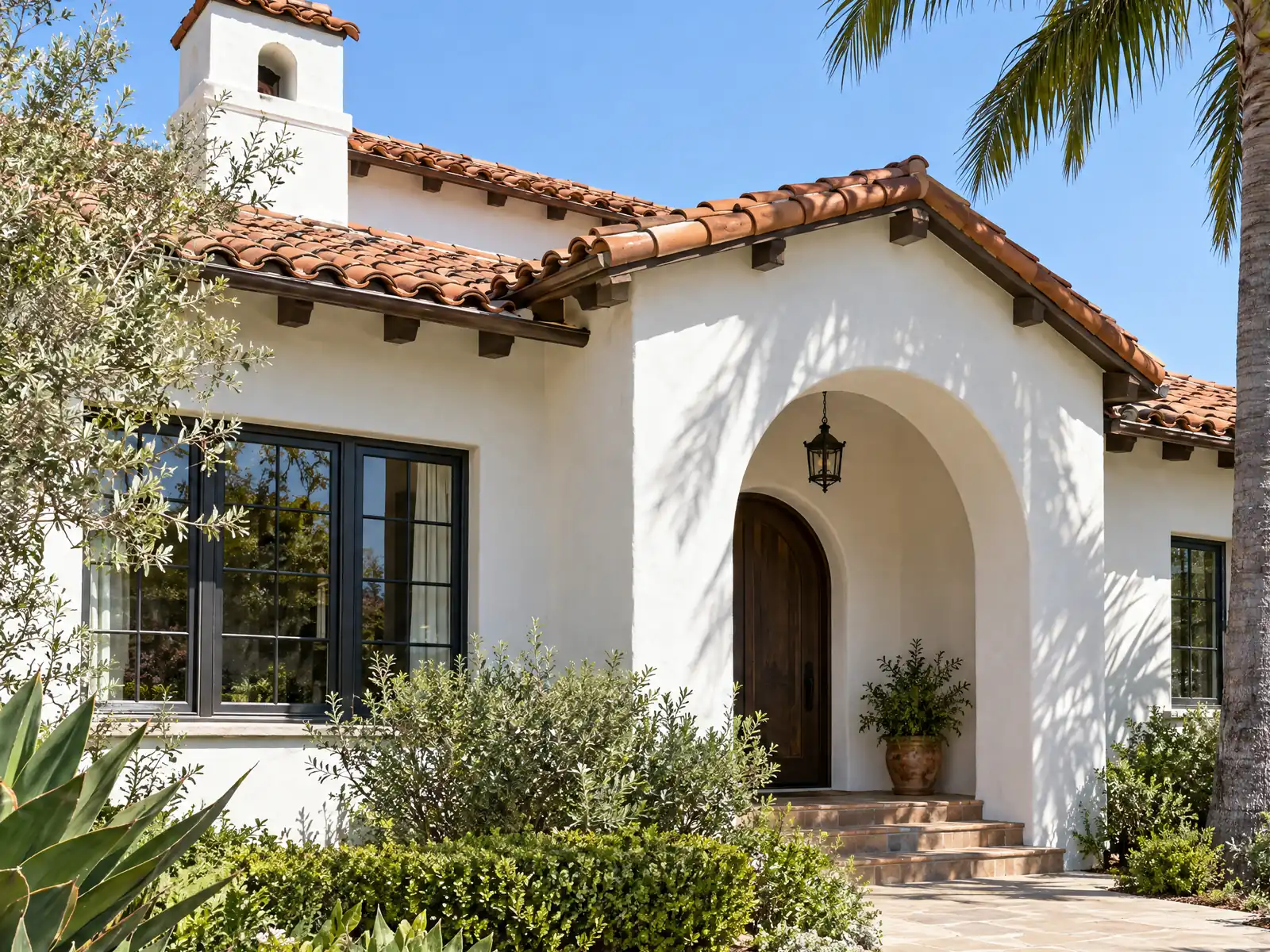
Dana Point's roofs follow a short, layered history. The Acjachemen village of Toovannga stood near today's harbor, and Richard Henry Dana Jr. visited in 1835 aboard the brig Pilgrim. Wikipedia, a third-party source, reports that a syndicate formed by S. H. Woodruff bought the land behind the Lantern District in 1926, that the Doheny family's Capistrano Beach Company built Spanish style houses with red tile roofs around 1928 and 1929, that the harbor was dedicated on July 31, 1971 and that the city incorporated on January 1, 1989. The Census Bureau's ACS 2024 five-year estimates count 16,484 housing units with a median year built of 1979: 53.1 percent were built before 1980, 21.5 percent before 1970 and 15.7 percent in 1990 or later. The margins are wide for a city this size, so read the counts as approximate.
On a roofing job, MDG Builders (CSLB #1040337) handles the scope, the eTRAKIT permit filing, the fire-class paperwork and the schedule, while a licensed C-39 roofing subcontractor does the tear-off and installation. Our roofing page holds the sourced prices, the Dana Point overview lists every trade we manage here, and the guides for San Clemente, Laguna Niguel and San Juan Capistrano show how neighbors route the same work. Laguna Beach is close too, so call each counter before assuming a rule carries over. The City's Building and Safety page lists the Permit Center. The official municipal code returned a Cloudflare challenge to our tools, so all code text here comes from GoCodebook, a third-party mirror dated October 4, 2026; confirm what you rely on with the City.
What Dana Point's code, handouts and coastal pages say about roofs
Where roofing permits come from in Dana Point: City of Dana Point Community Development Department, Building and Safety Division.
- Dana Point amends the Residential Code (R902.1.1) and Building Code (1505.1.1) so the roof covering on any new structure must be at least Class A fire retardant (a noncombustible covering installed to the manufacturer's requirements may be used instead), and wood roofing is prohibited unless pressure treated and approved as Class A. For an existing building, a reroof of 10 percent or more of the roof area in any one year requires Class A over the entire roof, and a reroof of less than 10 percent must be at least the existing roof's class and not less than Class B. Mirror text as of 2026-10-04 (GoCodebook, a third-party copy).
- The same local amendment (R902.1.2 and 1505.1.2) says the contractor or owner must give the building inspector a certificate of the roof assembly classification on request before final approval, and the amended R902.2 allows only Class A or B fire-retardant-treated wood shakes and shingles. Mirror text as of 2026-10-04 (GoCodebook, a third-party copy).
- Dana Point's amended R903.4 and 1503.4 require roof water to be drained and conveyed through gutters, leaders, piping or other non-erodible surface devices to a storm drain, street gutter or other location approved in writing by the Building Official, and the Official may exempt minor or small roofs in writing. Mirror text as of 2026-10-04 (GoCodebook, a third-party copy).
- The City's list of work exempt from building permits (Dana Point's amended CBC and CRC 105.2, also on the 2025-cycle B107 handout effective 01/01/2026) has no roofing item, and the Help for Homeowners page says the City requires permits for almost all construction, so a reroof needs a permit. Dana Point's grading code (8.01.090) lists roofing among building categories that do not also need a grading permit, unless they alter a watercourse.
- Dana Point's Roofing Construction and Demolition Waste Reduction and Recycling Plan form (from Public Works) requires a security deposit equal to 5 percent of the permit valuation or $500, whichever is greater, an estimate of tear-off and new material tonnage, and use of a City certified C&D processing facility. The deposit is refunded only after the project receives a final from the Building Inspector, and weight receipts marked as from Dana Point must be submitted within 60 days or the deposit can be forfeited.
- The City's separate Roofing Construction and Demolition Exemption Form (to Public Works) lists two reasons for exemption: there is no market for a built-up hot asphalt rock roof, or the roofing tile will be reused. It also asks for the permit number and the project address.
- Dana Point's residential building height depends on roof pitch (Zoning Code 9.05.110(a)(6)): 28 feet with a pitch of 6/12 or greater, 26 feet for 3/12 up to 6/12 and 24 feet below 3/12. Lots with a hillside condition (20 percent slope or more) get 33, 31 and 29 feet for the same pitches. Screened mechanical towers, chimneys and cupolas on no more than 5 percent of the roof area may exceed the limit by three feet, and rooftop mechanical equipment must be architecturally screened from view (9.05.140). Mirror text as of 2026-10-04 (GoCodebook, a third-party copy).
- The City's Solar Permit page offers instant online review through Symbium under state SB 379 for residential solar or storage no larger than 38.4 kilowatts AC applied for by a licensed A, B, C-10 or C-46 contractor, followed by the permit in eTRAKIT and an inspection requested at (949) 248-3590 by 4:00 p.m. the prior business day. Projects that do not qualify use the normal eTRAKIT process.
Sources for these rules

Does a Dana Point reroof have to be Class A, even outside a mapped fire zone?
Yes, once the job is big enough. Dana Point amends the Residential Code (R902.1.1) and the Building Code (1505.1.1) so every new structure gets at least a Class A fire retardant roof covering, and a noncombustible covering installed to the manufacturer's requirements may be used instead. For an existing building the line is 10 percent: reroof 10 percent or more of the roof area in any one year and the entire roof must be Class A. Reroof less than 10 percent and the new covering must at least match the existing roof's class and be no lower than Class B.
The rule is citywide, so it does not wait for a fire map. Wood roofing is banned unless it is pressure treated and approved as Class A, and the amended R902.2 allows only Class A or B fire-retardant-treated shakes and shingles. The contractor or owner must hand the building inspector a certificate of the roof assembly classification on request before final approval, so ask for the product listing before anything is ordered. We could not find how the City measures the 10 percent, so ask the counter whether repeated small repairs in one year add up.
Put the Class A listing and the percent of roof being replaced on the written proposal.
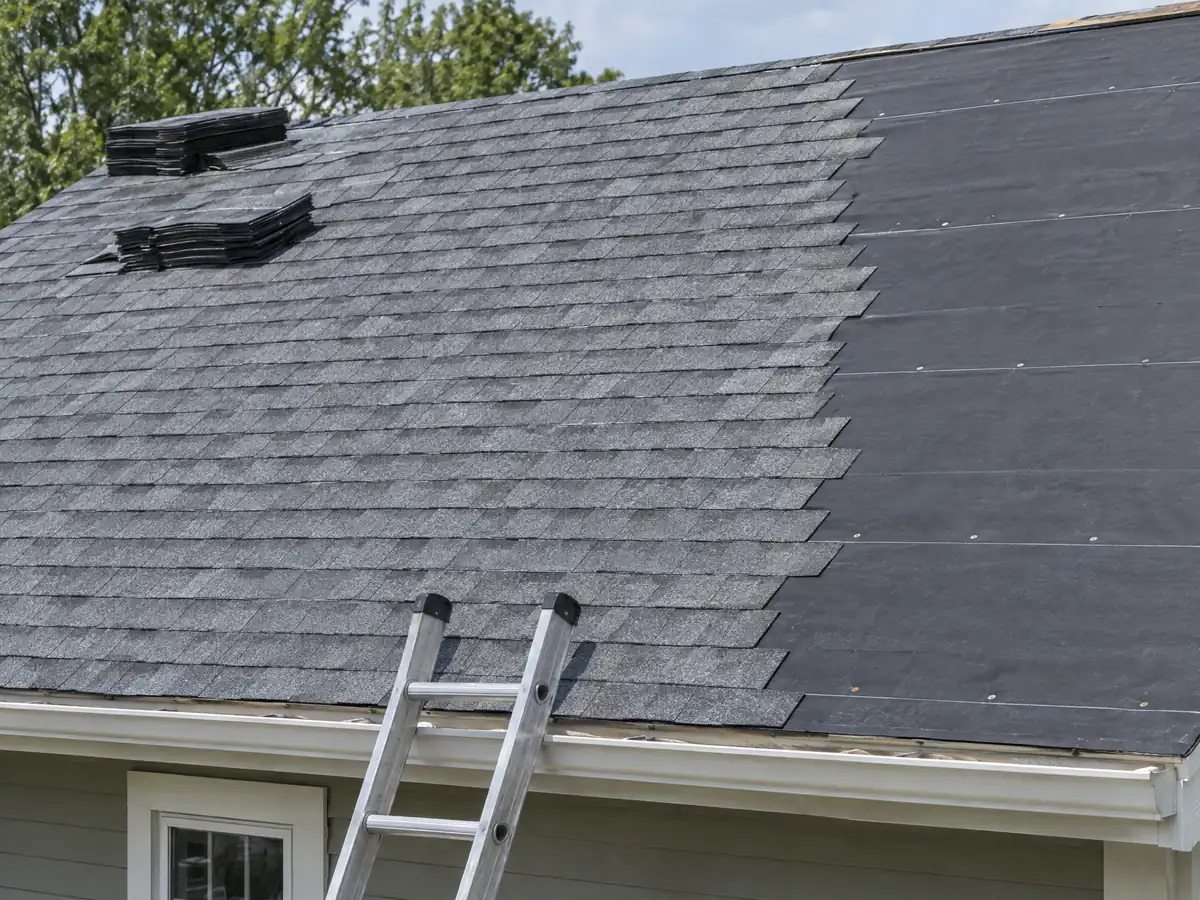
What should I check on a Lantern District cottage roof or a 1970s Dana Point house?
Start with the building's age, because it tells you which roof you are probably looking at. ACS 2024 counts 3,547 units built before 1970, only 572 before 1950 and 425 of those in 1939 or earlier. The big block is 1970 to 1989, which is 62.8 percent of all units, with 31.6 percent in the 1970s and 31.2 percent in the 1980s. No source we read dates Monarch Beach, Niguel Shores or Sea Terrace, so we tie the count to no neighborhood. Wikipedia reports that 34 of the original 35 Woodruff houses are still occupied, so a Lantern District cottage and a tract house a few miles away can need very different roof work.
We found no Dana Point roof survey and no sourced lifespan for a local roof, so we print no number of years. Condition decides. Local damage over a sound deck points to repair, while failure across whole slopes, leaks that keep moving or deck boards that flex underfoot point to replacement. On a tile roof, ask whether the tile can be lifted and reset over new underlayment and how the roofer will match any broken pieces. Seasonal use matters too: 10.6 percent of units are held for seasonal or occasional use, so a leak in a second home can run for weeks before anyone sees it.
- Stains or damp insulation under the deck
- Slipped or cracked tile, or bare patches on shingle slopes
- Failed flashing at chimneys, walls and vents
- Soft or sagging deck boards
Have any deck repair priced per sheet on its own line.
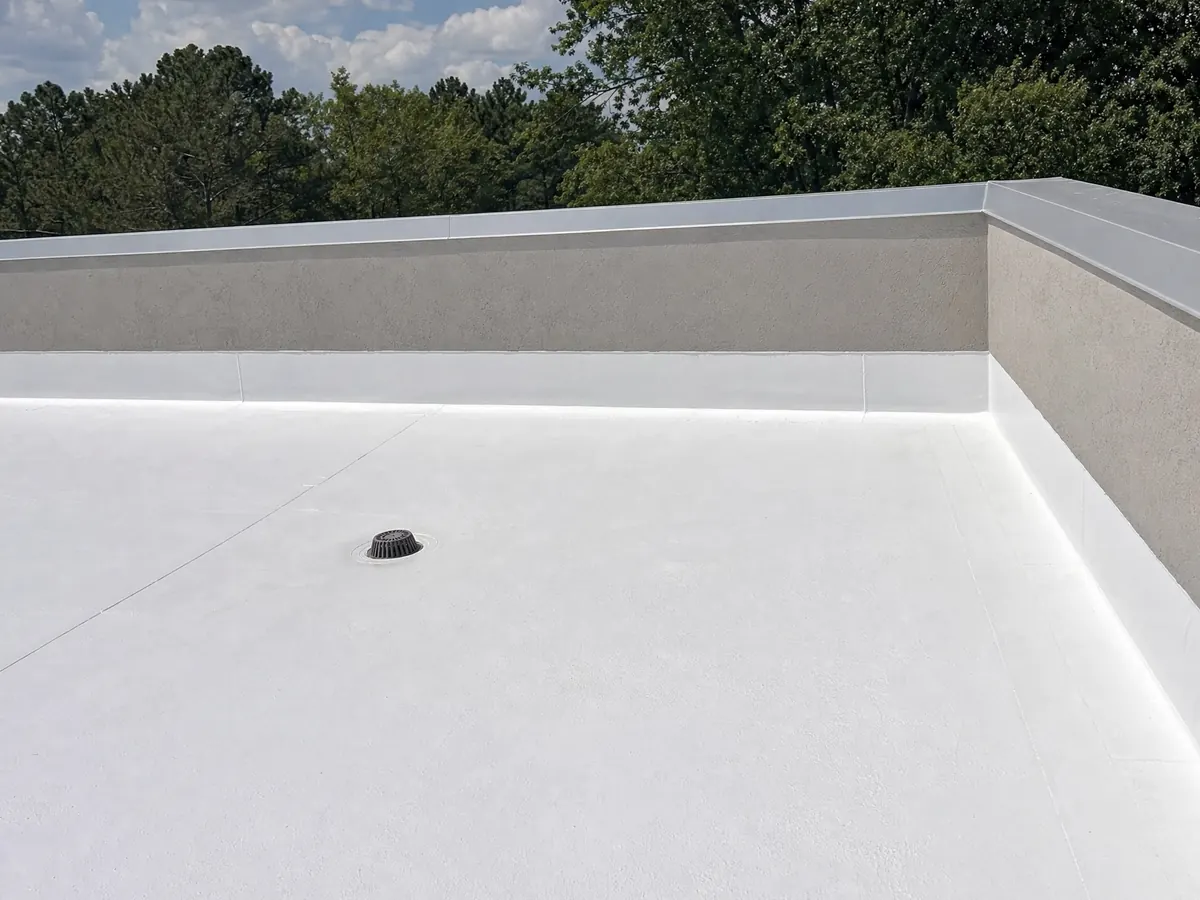
Does roof replacement need a permit in Dana Point, and what is the recycling deposit?
Yes. The City's list of permit-exempt work, in its amended section 105.2 and repeated on the B107 handout effective January 1, 2026, has no roofing item, and its Help for Homeowners page says permits are required for almost all construction. Every application goes through the eTRAKIT online portal, because the Plan Review page says paper is not accepted. Over-the-counter review is for minor projects that need 15 minutes or less, and it is handled online too. Building and Safety answers at (949) 248-3564.
Roofing carries a recycling step. The City's Roofing Construction and Demolition Waste Reduction and Recycling Plan asks for a refundable deposit of 5 percent of the permit valuation or $500, whichever is greater, an estimate of tear-off and new material tonnage and a City certified processing facility. The deposit comes back after the Building Inspector's final, and weight receipts marked as from Dana Point must be submitted within 60 days or it can be forfeited. A separate form exempts a roof with no market for built-up hot asphalt rock or one that reuses its tile. The City's fee schedule is a 2020 PDF we did not open, so we print no permit fee.
Ask the roofer who files the recycling plan and who collects the weight receipts.
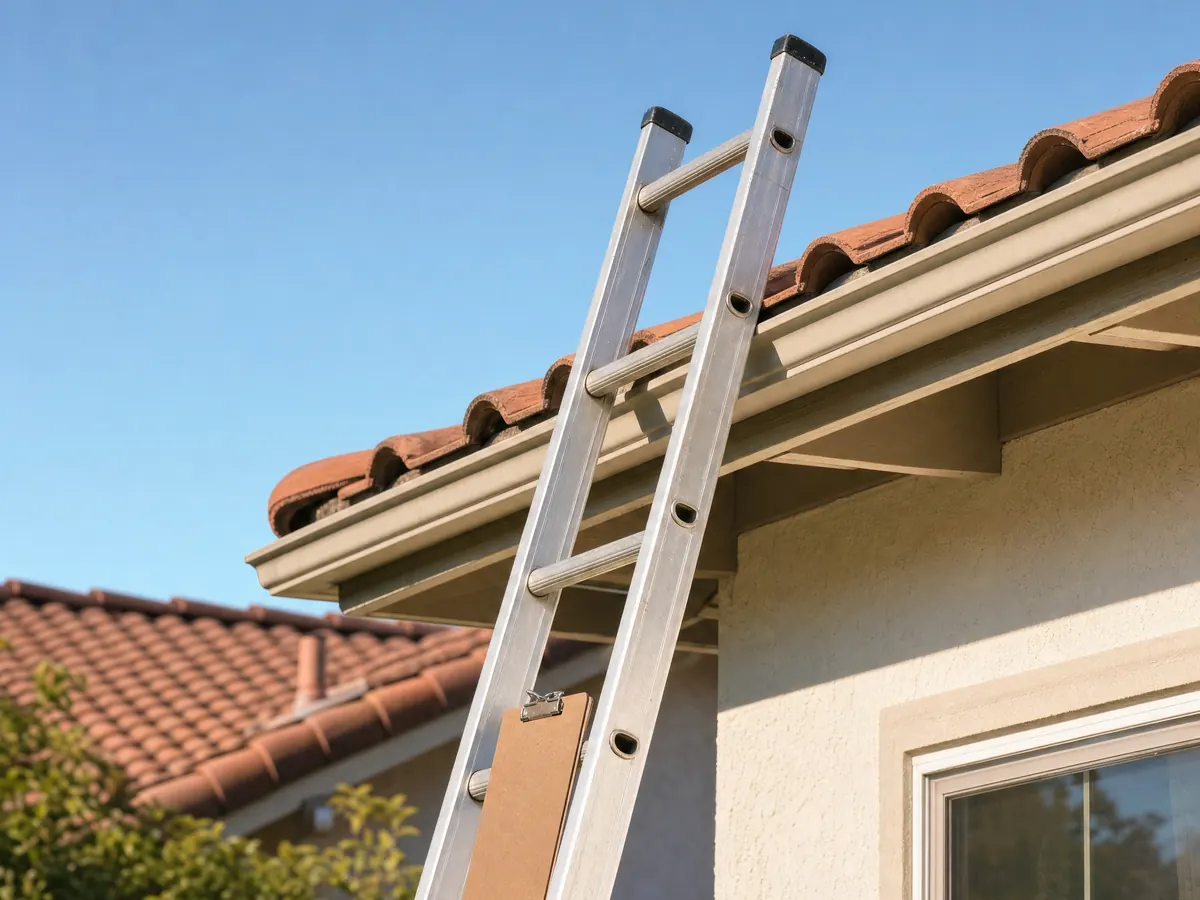
Does my roof pitch change how tall my Dana Point house can be?
Yes, because the zoning code ties the height limit to the roof. Under section 9.05.110(a)(6), residential height is 28 feet with a pitch of 6/12 or greater, 26 feet for 3/12 up to 6/12 and 24 feet below 3/12. A lot with a hillside condition, meaning a slope of 20 percent or more, gets 33, 31 and 29 feet for the same pitches. A like-for-like reroof keeps the pitch and never touches those numbers. Changing the pitch or raising a ridge can, so ask Planning at (949) 248-3568 before any design that steepens or flattens a roof.
Two smaller rules sit beside it. Screened mechanical towers, chimneys and cupolas on no more than 5 percent of the roof area may exceed the limit by three feet, and rooftop mechanical equipment must be architecturally screened from view under section 9.05.140. Roof water must also be carried by gutters, leaders, piping or other non-erodible devices to a storm drain, street gutter or another place the Building Official approves in writing, though the Official may exempt small roofs in writing. Ask where each downspout will discharge.
Ask the roofer to state the existing pitch on the proposal so nobody changes it by accident.
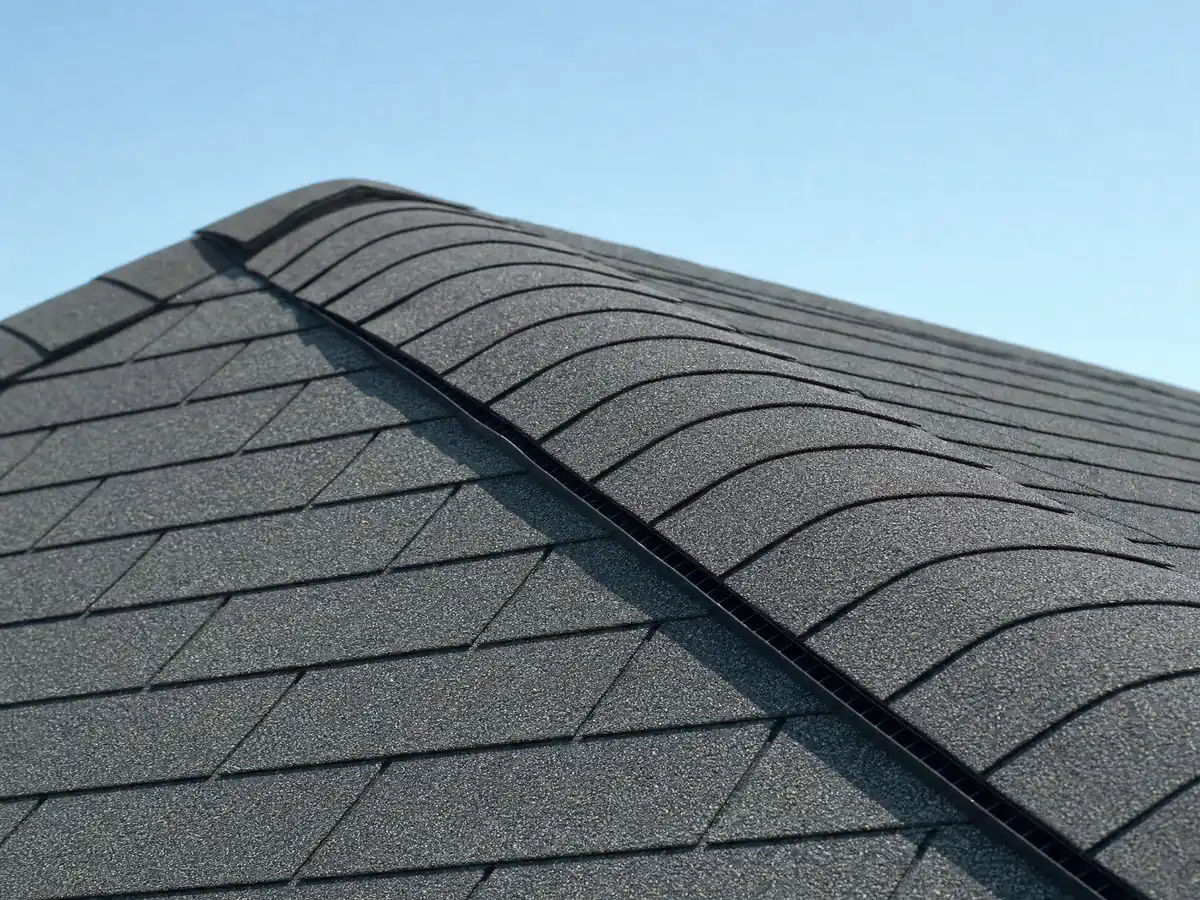
Does a Dana Point reroof need a coastal development permit, and what has Hurricane Marie changed on Beach Road?
Often not for a roof on an existing single-family house, but the exemptions have edges. The Coastal Overlay District covers every zoning district inside the Coastal Zone, and the code exempts improvements to an existing single-family house from a coastal development permit, except on a beach, seaward of the mean high tide line or within 50 feet of a bluff edge. Between the sea and the first public road, or within 300 feet of a beach, the exemption also ends when work adds 10 percent or more floor area, a story, more than 10 percent of height or a detached structure. A like-for-like roof adds none of those, but the City's coastal map is an image we could not read, so ask Planning whether your lot is in the Coastal Zone.
Beach Road is the time-sensitive case. As of the City's update dated October 8, 2026, Hurricane Marie's high tides had destroyed decks and undermined slabs along the private community, a local emergency was proclaimed on September 9, 2026, and the count stood at seven red-tagged homes, two former red-tagged homes already demolished, 12 yellow-tagged and four green-tagged. The lots sit in the FP-3 coastal flood district, and the Coastal Commission, not the City, issues the emergency revetment permits. We read no rule on reroofing a tagged home, so call Building and Safety, which also takes requests for a safety inspection, and check the City's page for later updates.
On any lot near the water, get Planning's answer in writing before a roofer is scheduled.
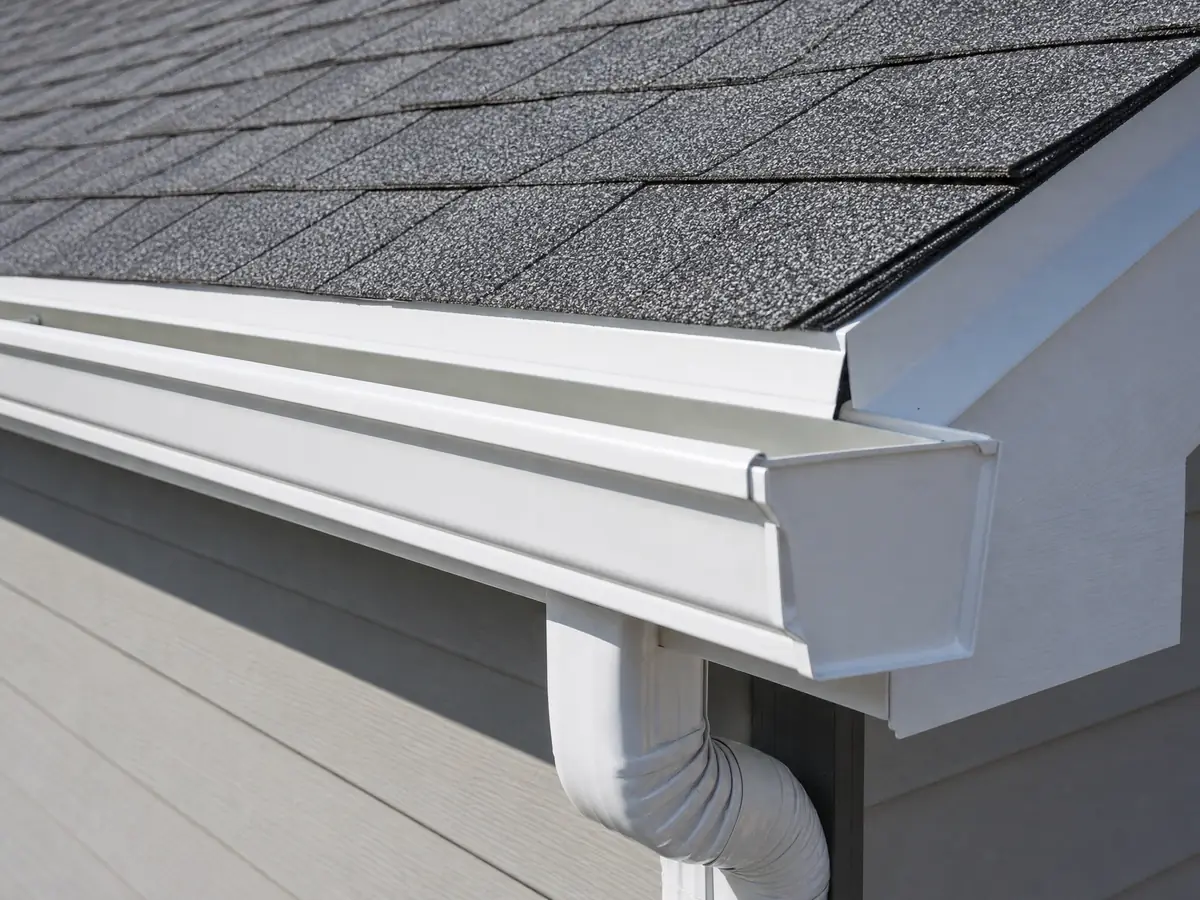
Is my Dana Point roof in a fire hazard zone, and which wind speed and code edition apply?
We cannot say for your street, and we will not guess. The State Fire Marshal's recommended map of March 24, 2025 lists Dana Point at 78 acres of Moderate, 74 of High and 193 of Very High hazard, against 180 acres of Very High in the 2011 recommendation. The City designates its zones in Municipal Code 8.42 (Ordinance 25-08, May 6, 2025), but the map is an image and the code's Exhibit A was not readable to us, so we cannot show the two match. The City says qualifying remodels in a mapped zone must meet Wildland-Urban Interface standards for roofing, walls, windows and vents, and the Orange County Fire Authority enforces the Fire Code. Ask Building and Safety whether your lot is mapped before vents and flashing are chosen.
Two City sources also disagree on engineering numbers. The Plan Review Services page still lists the 2022 California codes and a 110 mph ultimate design wind speed, while the 2026 handouts and the code mirror show the 2025 codes and the amended Residential Code table lists 95 mph. We cannot tell you which governs your design, so ask which edition and wind speed the plan checker will use before fasteners are sized.
Copy the zone answer and the wind speed the counter gives you onto the proposal.
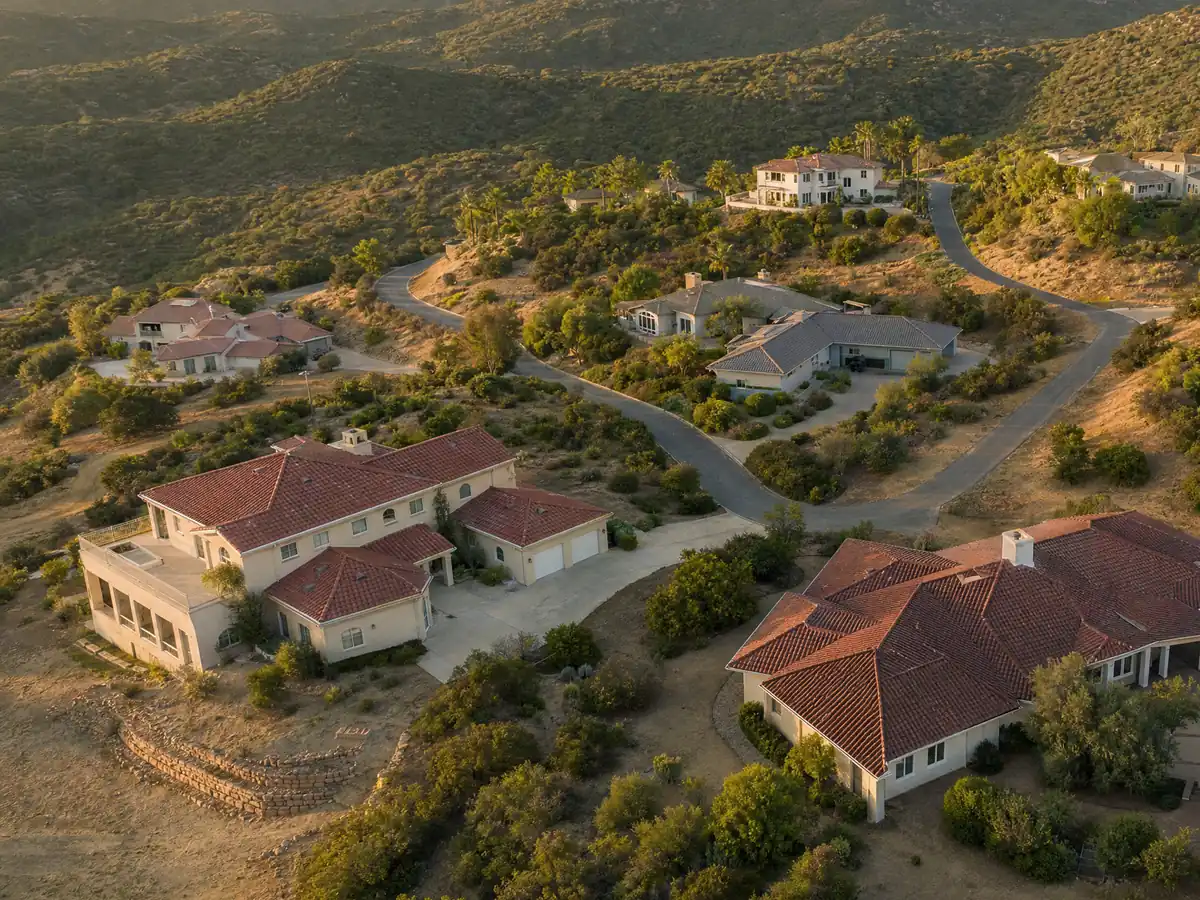
How much does a roof cost in Dana Point, and how do I hire a roofing company?
We found no Dana Point price survey, so these are Los Angeles numbers and an Orange County proposal will differ. Angi's Los Angeles guide, updated July 31, 2026, averages $17,271 with a typical range of $10,256 to $24,963, or about $8.60 a square foot. It puts asphalt at $4 to $12 a square foot, tile at $7 to $15 and metal at $7 to $16, tear-off at $1,000 to $3,000 and removing and reinstalling solar panels at $500 to $1,000. Remodeling magazine's Cost vs. Value 2025 report lists $36,417 for a reference Los Angeles asphalt roof and $62,069 for metal, without the roof size behind them. We plan around $10,000 to $25,000 for a typical asphalt roof, $15,000 to $37,000 for tile and from about $20,000 for metal.
Solar can speed the paperwork. For residential solar or storage up to 38.4 kilowatts AC, filed by a licensed A, B, C-10 or C-46 contractor, the City offers instant online review through Symbium under state law SB 379, then the permit in eTRAKIT. Roofing itself is CSLB class C-39. Business and Professions Code 7159 requires a signed written contract with a down payment of no more than $1,000 or 10 percent, whichever is less, and a permitted job cannot use the state's $1,000 minor-work exemption, which is why the City checks the license and workers' compensation before it issues a permit. To confirm a license, follow our contractor license guide, and see how general contractors use subcontractors for who answers for what.
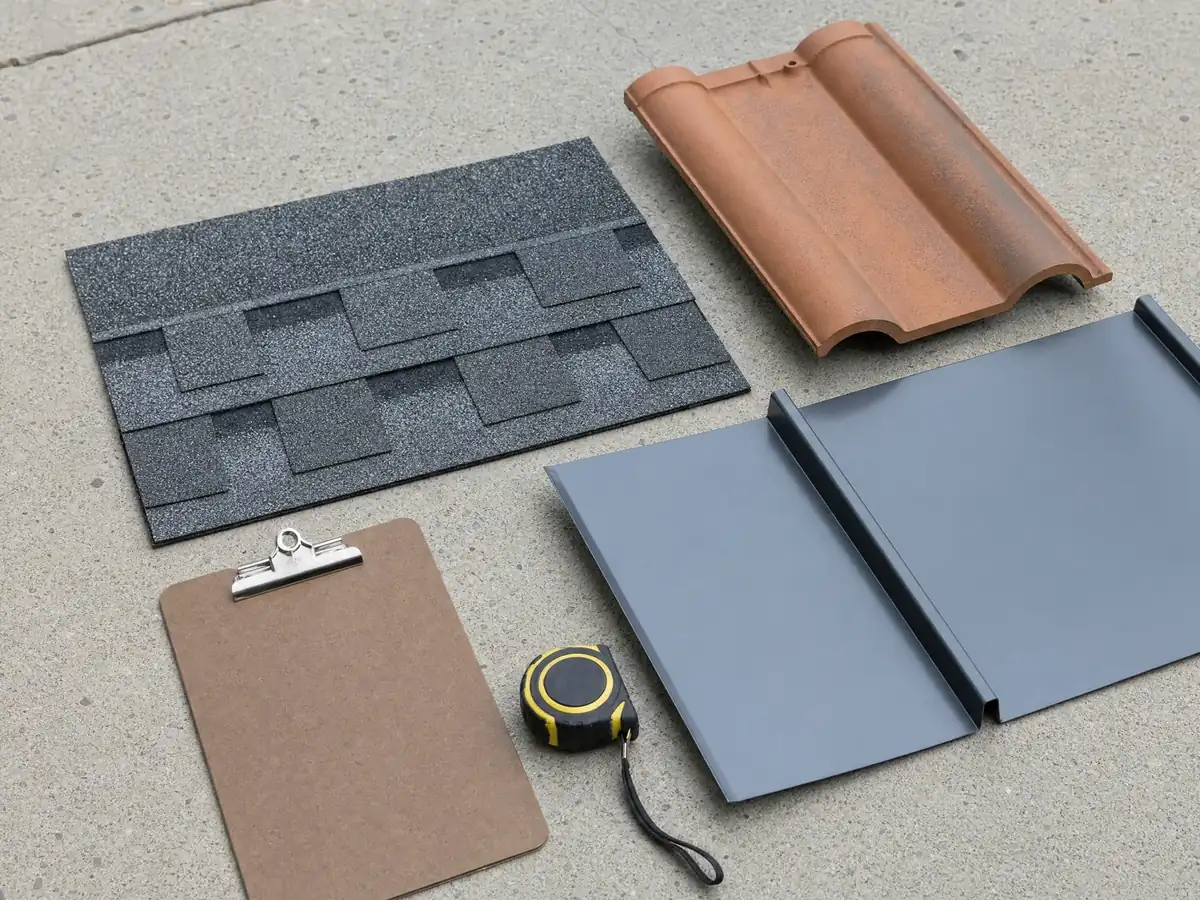
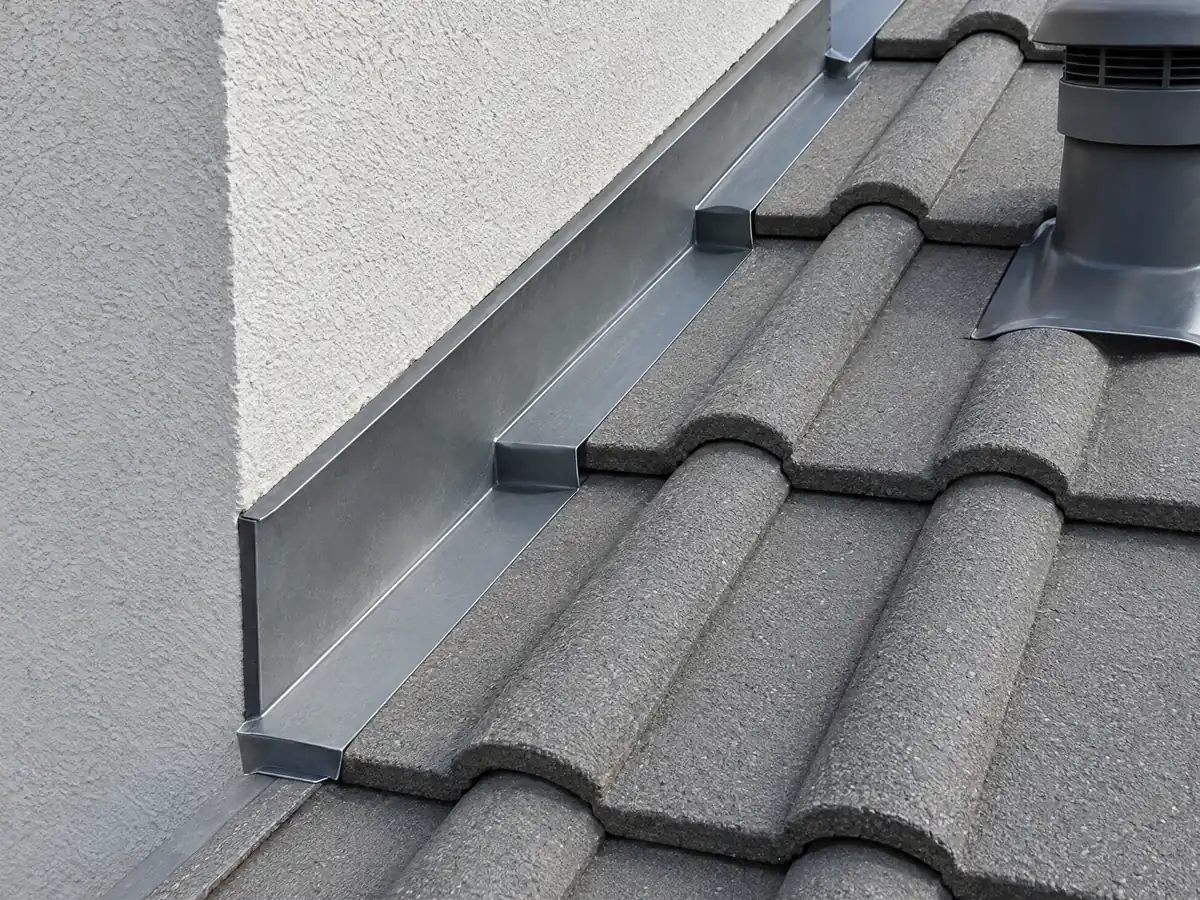
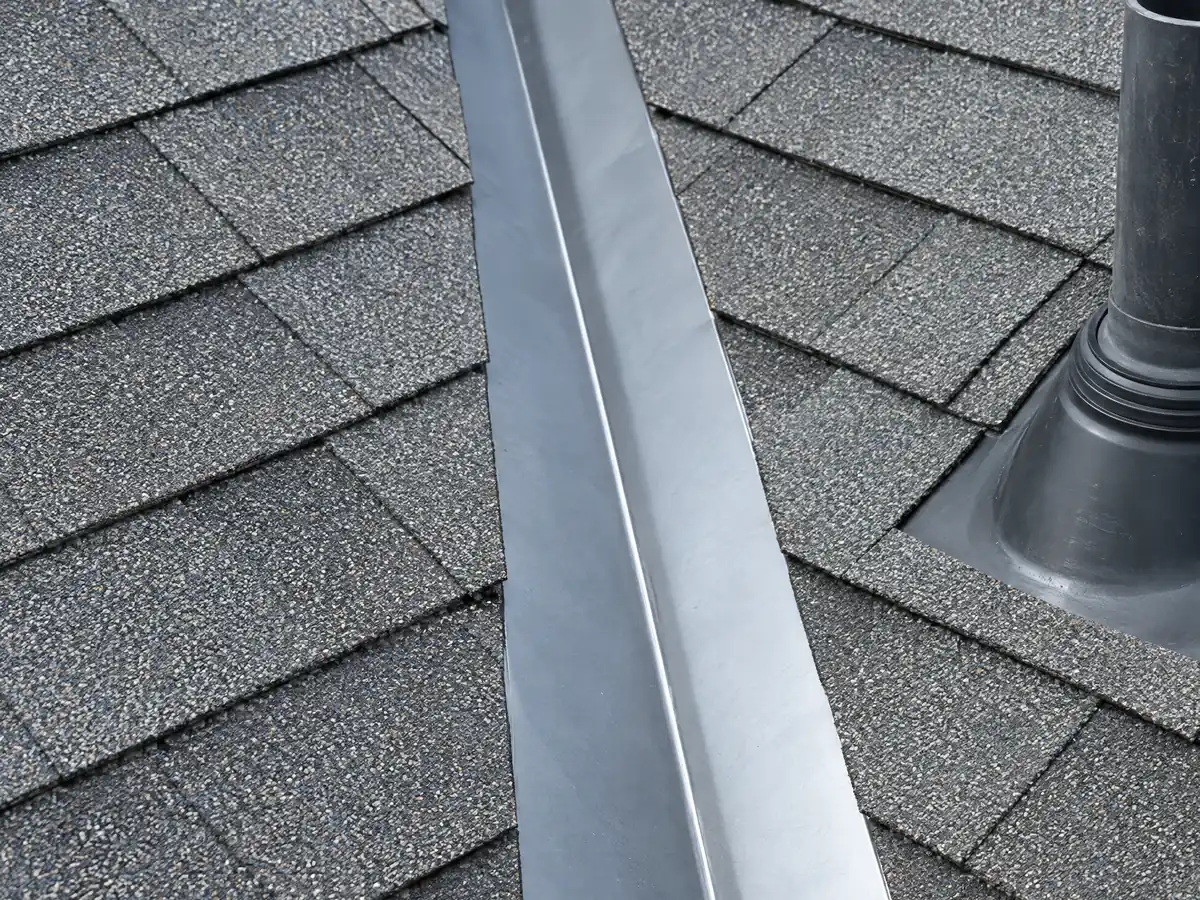
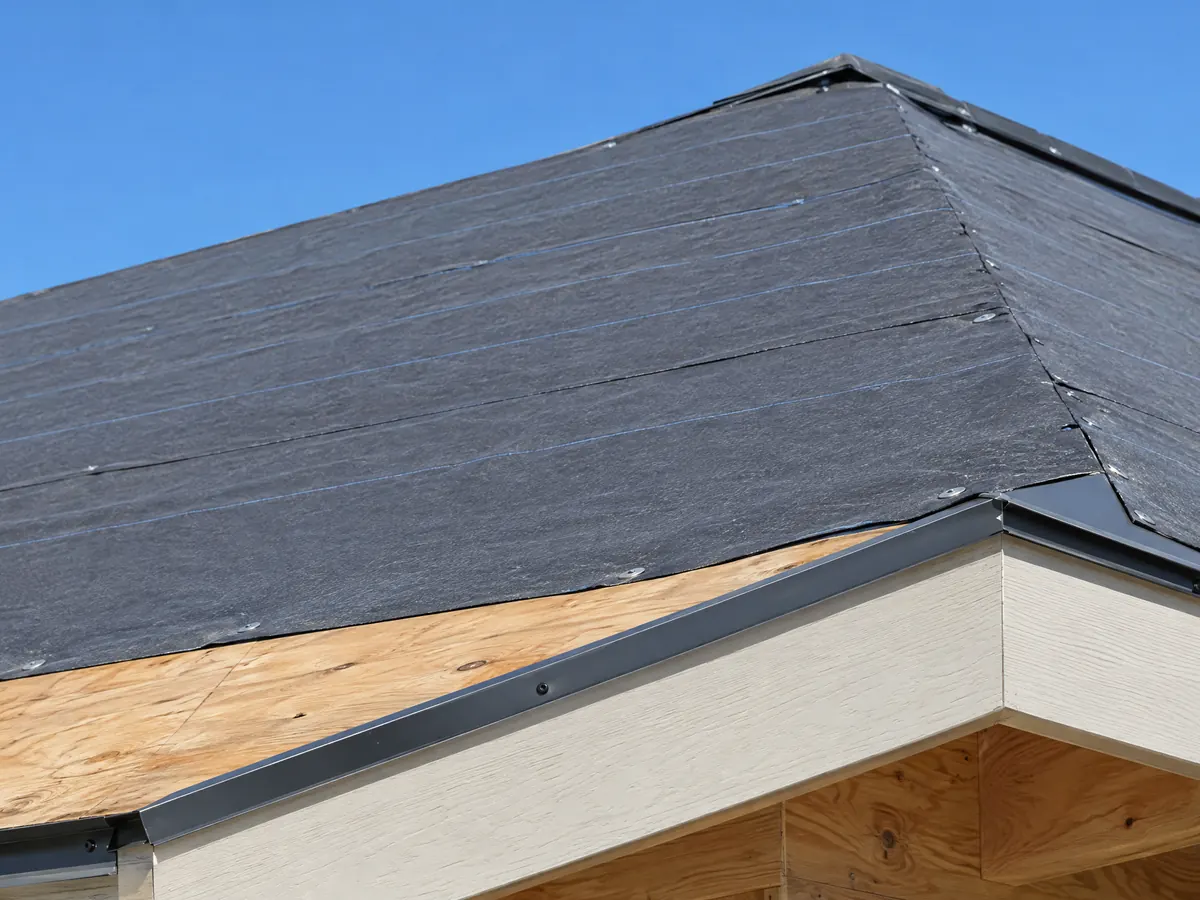
Roofing photos from Dana Point and nearby communities
Roofing scenes tied to Dana Point places such as the Lantern District, Monarch Beach and Capistrano Beach, and to nearby communities, from tile repair near the harbor to shingle tear-offs on hillside streets.
Where these Dana Point roof figures come from
The table on our roofing page lists each roofing price with its source and date, and the California roofing cost guide shows why two surveys can land far apart. Roof work seldom travels alone, and the Dana Point rules for the jobs that follow it are on the fencing page, the painting page and the kitchen remodeling page. Dana Point has no county layer on top of its own code, so the roofing guides for Glendale and Pasadena make a useful contrast.
| What it covers | Typical range |
|---|---|
| Asphalt shingle, typical single-family roof | $10,000 to $25,000 |
| Concrete or clay tile | $7 to $15 per sq ft |
| Metal | $7 to $16 per sq ft |
| Remodeling Cost vs. Value 2025, Los Angeles | Asphalt $36,417. metal $62,069. |
| Extras | Tear-off $1,000 to $3,000. solar detach and reset $500 to $1,000. |
Other work we manage in Dana Point
Dana Point roofing questions, answered
Do I need a permit to replace my roof in Dana Point?
Yes. The City's exempt list has no roofing item and its Help for Homeowners page says permits are required for almost all construction, so a reroof needs one, filed online through eTRAKIT. A refundable recycling deposit of 5 percent of the permit valuation or $500, whichever is greater, applies too. Ask Building and Safety at (949) 248-3564 about your exact scope.
What fire class does a Dana Point roof have to be?
Class A for the entire roof once 10 percent or more of it is reroofed in one year, and for every new structure. A smaller reroof must at least match the existing roof's class and be no lower than Class B. The rule is citywide, not limited to fire zones, and wood roofing is banned unless pressure treated and approved as Class A.
What is a Class A roof in California?
Class A is the top rating for a roof assembly's fire resistance, tested under ASTM E108 or UL 790. In Dana Point it is the required rating for new roofs and for any reroof of 10 percent or more of a roof in a year, and the code lets a noncombustible covering installed to the maker's requirements stand in. Ask for the product listing.
How much does it cost to replace a roof in Dana Point?
Price it by roof area, not house size. Angi's Los Angeles guide shows asphalt at $4 to $12 a square foot, tile at $7 to $15 and metal at $7 to $16, and Cost vs. Value 2025 lists $36,417 for a reference Los Angeles asphalt roof. We found no Dana Point survey, so a measured written proposal is the real price.
What is the 25% rule for roofing?
We found no Dana Point or state code section by that name, and the sites that quote it rarely cite one. Dana Point's own percentage is 10 percent: reroofing 10 percent or more of a roof in one year puts the entire roof under the Class A requirement. Ask the counter how it measures that percentage.
Is my Dana Point roof in a fire hazard zone?
Possibly, and we cannot say for your lot. The State Fire Marshal's recommended map of March 24, 2025 lists 78 acres of Moderate, 74 of High and 193 of Very High hazard in the city, but the City's map is an image and we could not read street boundaries. Ask Building and Safety, and put the answer in your contract.
Does roof replacement in Dana Point need a coastal development permit?
Usually not for an existing single-family house, because the code exempts improvements to one. The exemption fails on a beach, seaward of the mean high tide line or within 50 feet of a bluff edge, and it ends between the sea and the first public road when work adds floor area, a story, height or a detached structure. Ask Planning at (949) 248-3568.
Can you stay in your house while the roof is being replaced?
Usually yes, since the work happens on the roof, though it is loud. Dana Point's noise code allows construction noise from 7 a.m. to 8 p.m. Monday through Saturday, and bars it on Sundays and federal holidays. Ask the roofer for a daily schedule and for which days the crew expects to be on site.
What is the best time of year to replace a roof?
Late spring through early fall is the driest window. NOAA normals for the Laguna Beach station, the nearest coastal station with published normals, show 9.66 of the year's 12.68 inches of rain from December through March, and 0.02 inch in August. Those normals rest on only 14 to 16 years of data, so treat them as a guide.
How do I check a roofing contractor's license in California?
Search the license number on the Contractors State License Board site, check that C-39 roofing is listed and active, and confirm the name on the card matches the contract. Our contractor license guide explains each step, including questions to put to a general contractor about its roofing subcontractor.
Ask for a roof inspection in Dana Point
Tell us your neighborhood, the year the house was built, the roof type and any leaks you have seen. We check the Class A rule, the permit path and any coastal or HOA step before we phone you.