
Fence Companyin Dana Point, CA
A fence company in Dana Point works to a 6 foot permit line: fences up to 6 feet and masonry up to 36 inches are exempt, except on a coastal bluff, in a floodplain overlay or where Planning has a discretionary approval. Front yards are capped at 42 inches, and pool barriers always need a permit.
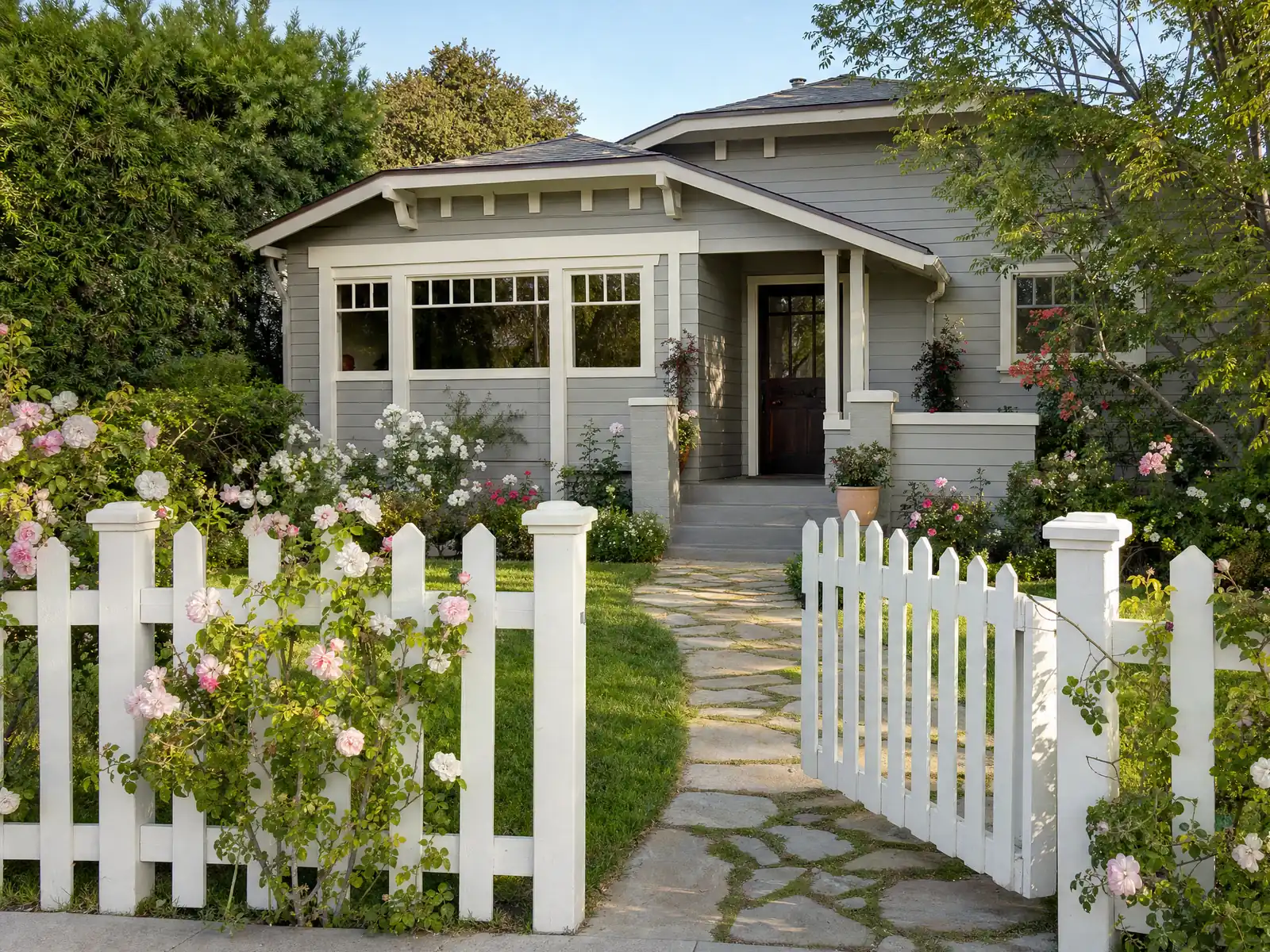
Fences here follow how the land was cut up. Wikipedia, a third-party source, reports that in 1926 a syndicate formed by S. H. Woodruff, Harry Chandler and M. H. Sherman bought 1,388 acres, and that Woodruff built about three dozen homes in what is now the Lantern District, on lantern-named streets. Capistrano Beach, the harbor, Monarch Beach and the Strands lots, offered in fall 2006, added later layers. ACS 2024 five-year estimates count 16,484 housing units: 51.9 percent single-family detached, 13.5 percent attached, 17.6 percent in two to four unit buildings and 16.4 percent in buildings of five or more. Another 10.6 percent of all units are held for seasonal or occasional use, so a fence often stands between a full-time neighbor, a second home and an association.
On a fence job, MDG Builders (CSLB #1040337) confirms the height and permit questions with the City, writes the scope and runs the schedule, while a licensed fencing subcontractor builds it, with any block wall going to a masonry license because C-13 excludes masonry. Our fencing page holds the sourced prices, the Dana Point overview lists every trade we manage here, and the guides for San Clemente, Laguna Niguel and Mission Viejo show how nearby cities handle it. Height questions go to the City's Planning Division page. Heights and permit lines below rest on GoCodebook, a third-party mirror dated October 4, 2026, because the official code returned a Cloudflare challenge to our tools; confirm each point with the City.
What Dana Point's permit list, zoning code and wall standards say about fences
Where fencing permits come from in Dana Point: City of Dana Point Community Development Department, Building and Safety Division.
- Dana Point's amended permit exemption (CBC and CRC 105.2, repeated on the City's B107 handout) exempts masonry or concrete fences not over 36 inches above lowest adjacent grade and all other fences not over 6 feet, but fences or walls under 6 feet that are required as a condition of project approval, a guard system or a pool barrier need permits. None of the exemptions apply on a coastal bluff, in a Flood Plain Overlay District, in an environmentally sensitive area or where Planning has a discretionary approval.
- Dana Point's zoning code (9.05.120) limits fences, walls and hedges in required side and rear yards to 6 feet on the side facing an adjacent property and 8 feet on the side facing the subject property, measured from finished grade at the base. In required front yards the limit is 42 inches, with pilaster and wrought iron fences allowed higher if pilasters are no more than 18 inches wide and 36 inches high and spaced at least 8 feet on center, wrought iron inserts reach no more than 48 inches, and open-face material is no more than 2 inches wide and spaced at least 6 inches apart. Mirror text as of 2026-10-04 (GoCodebook, a third-party copy).
- Dana Point's fence code also keeps a front yard retaining wall to 30 inches and the combined wall and fence to 42 inches, applies the sight visibility area to fence placement, allows temporary construction fencing up to 6 feet in the front yard, and requires a gate or opening at least 30 inches wide to reach primary or accessory structures (9.05.120(b) to (e)). Mirror text as of 2026-10-04 (GoCodebook, a third-party copy).
- A request to exceed Dana Point's fence, wall or hedge height limits needs a Minor Site Development Permit decided by Planning staff at an administrative hearing, with a listed fee of $392, notice to owners within 500 feet and occupants within 100 feet, and appeal to the Planning Commission for $250 (single-family). Staff must find no traffic hazard and no objectionable or incompatible effect. The FAQ page is undated, so confirm the fee.
- The City's block wall standard (B050, 2022 code cycle) covers garden walls, site walls and block fences over 3 feet and under 6 feet: 6 by 8 by 16 inch block, bond beam and vertical rebar at 24 inches, footing depths of 28, 32 and 36 inches for 3 to 4, 5 and 6 foot walls (footing A), a sub-drain behind the wall, 4,500 psi Type V concrete, and a foundation inspection first. It cannot be used for retaining walls, walls on or above a coastal bluff, walls in an area with slope failure history, or walls within or adjacent to a Floodplain Overlay, and walls on a common property line need a signed Common Wall Agreement or a licensed property line survey.
- The City's retaining wall standard (B051) covers retaining walls and block fences over 3 feet and under 6 feet (measured from the bottom of the footing), says a permit is required if height exceeds 36 inches or the wall supports a surcharge, cannot be used on or above a coastal bluff, over a back slope, or in or adjacent to a floodplain overlay, and requires a party wall agreement recorded by the Orange County Recorder for walls on or adjacent to the property line.
- Dana Point's zoning code (9.05.120(d)) permits retaining walls under 30 inches, requires a Minor Site Development Permit above 30 inches unless the wall was on an approved grading plan, allows walls from 30 to 72 inches that create no fill condition and are not visible from a public right-of-way without a Site Development Permit if the Director agrees, allows stepped walls up to 72 inches total if each is no more than 30 inches and the horizontal gap is more than twice the lower wall's height, and requires a landscaped strip of at least 2 feet at the base of walls over 30 inches that face public areas. Mirror text as of 2026-10-04 (GoCodebook, a third-party copy).
- Dana Point's amended pool barrier rules (CBC 3109.2) require an enclosure at least 60 inches high measured from the adjacent property grade, vertical members no more than 4 inches apart, horizontal members at least 45 inches apart to prevent climbing, and decorative embellishments limited to 3/4 inch projection. A new or remodeled single-family pool needs a second drowning-prevention safety feature, or two more when the dwelling forms part of the enclosure. Mirror text as of 2026-10-04 (GoCodebook, a third-party copy).

Does fence installation in Dana Point need a building permit?
Often not, but the exemptions come with a long list of exceptions. Dana Point's amended permit exemption, repeated on the City's B107 handout, exempts masonry or concrete fences not over 36 inches above the lowest adjacent grade and all other fences not over 6 feet. A fence or wall under 6 feet that is required as a condition of project approval, a guard system or a pool barrier still needs a permit.
None of the exemptions apply on a coastal bluff, in a Flood Plain Overlay District, in an environmentally sensitive area or where Planning has a discretionary approval on the property. So a 6 foot cedar fence between two ordinary backyards needs no building permit, the same fence on a bluff-top lot may need one, and a 4 foot block wall needs one almost anywhere because it passes 36 inches. An exemption from the building permit is not an exemption from zoning, so the heights below still apply. The City says it requires permits for almost all construction and does not approve work started without one over the counter, so settle the question first.
Have the contractor write down whether the job is exempt and which exception was ruled out.
How tall can a fence be in a Dana Point front yard, side yard or backyard?
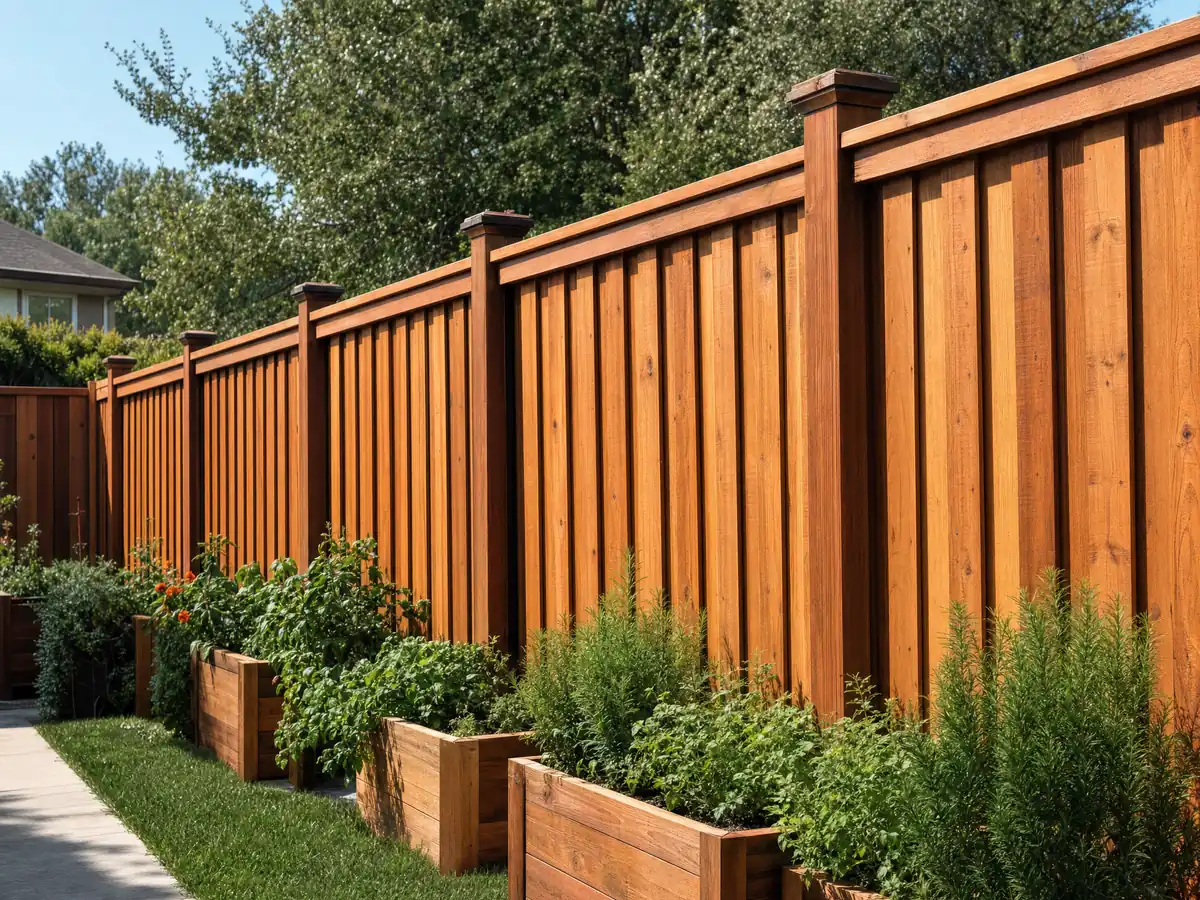
Section 9.05.120 limits fences, walls and hedges in required side and rear yards to 6 feet on the side facing an adjacent property and 8 feet on the side facing the subject property, measured from finished grade at the base. Required front yards are held to 42 inches. A pilaster and wrought iron design may go higher if the pilasters are no more than 18 inches wide and 36 inches high and at least 8 feet apart on center, the wrought iron inserts stop at 48 inches and any open-face material is no more than 2 inches wide and at least 6 inches apart.
The same section keeps a front yard retaining wall to 30 inches, caps the combined wall and fence at 42 inches, applies the sight visibility area to where a fence may stand and allows temporary construction fencing up to 6 feet in the front yard. A gate or opening at least 30 inches wide must reach primary or accessory structures. To exceed a height limit, apply for a Minor Site Development Permit, which Planning staff decide at an administrative hearing with notice to owners within 500 feet and occupants within 100 feet. The City's FAQ page is undated, so confirm the process.
What does Dana Point require for a block wall or retaining wall?
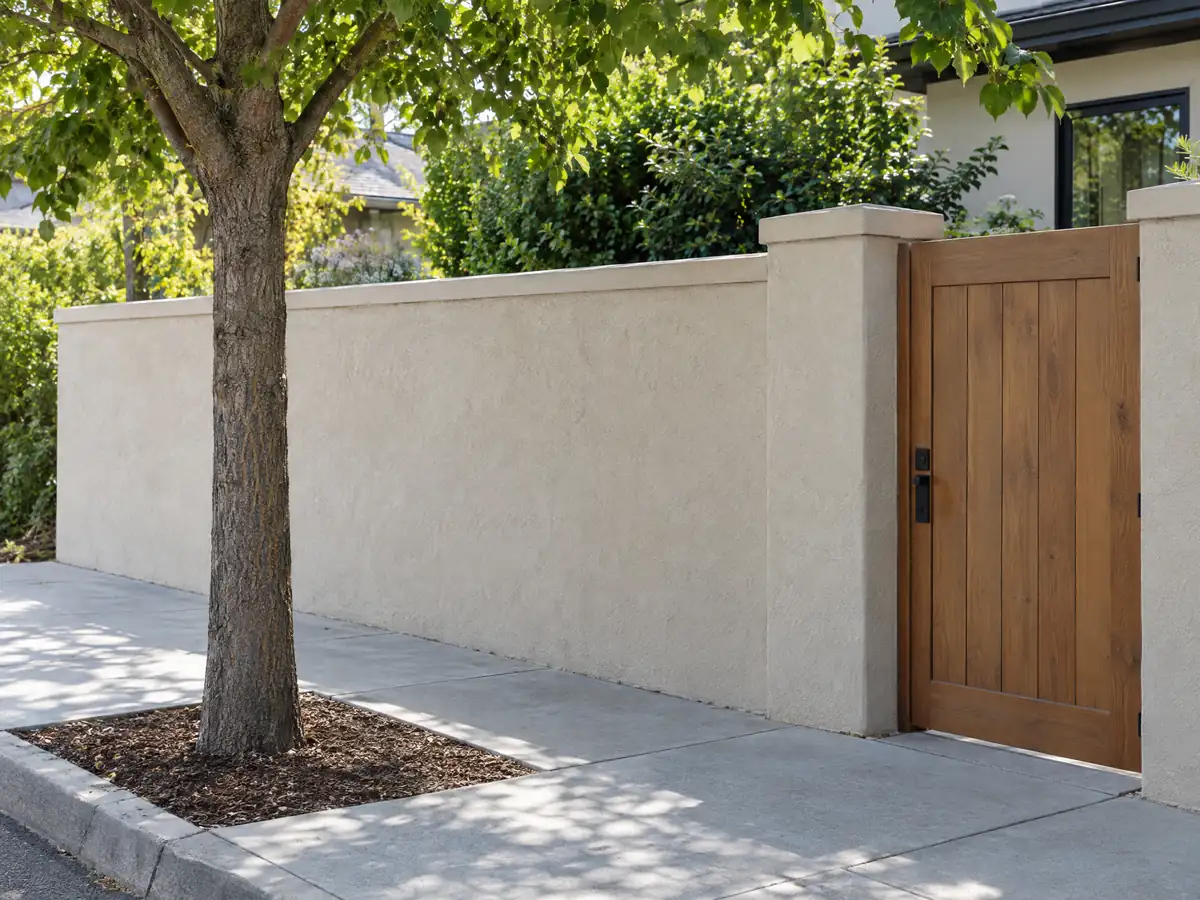
The City publishes standard plans for the common cases. Its B050 sheet covers garden walls, site walls and block fences over 3 feet and under 6 feet: 6 by 8 by 16 inch block, a bond beam, vertical rebar at 24 inches and footings 28, 32 and 36 inches deep for walls 3 to 4, 5 and 6 feet high, with a sub-drain behind the wall and 4,500 psi Type V concrete. A foundation inspection comes first. The sheet is from the 2022 code cycle, so confirm it is still current. It cannot be used for retaining walls, walls on or above a coastal bluff, walls in an area with slope failure history or walls in or beside a floodplain overlay.
Retaining walls have their own sheet, B051, and their own zoning rule. A permit is required if the wall is over 36 inches or supports a surcharge, and a wall on or beside the property line needs a party wall agreement recorded with the Orange County Recorder. Zoning allows retaining walls under 30 inches, requires a Minor Site Development Permit above 30 inches unless an approved grading plan shows the wall, and asks for a landscaped strip of at least 2 feet at the base of walls over 30 inches that face public areas. A block wall on a common property line needs a signed Common Wall Agreement or a licensed property line survey.
Ask for the wall type, footing depth and inspection stops in the written scope.
What are the fence rules on a Dana Point coastal bluff, in a flood zone or on Beach Road?
On a bluff the fence is one of the few things the code still lets you build. Inside a coastal bluff setback area, section 9.27.030(c)(5) allows only minor development limited to retaining and non-retaining walls, fences and drought-tolerant landscaping, and it prohibits swimming pools and sunken spas there. The setback is never less than 25 feet or the distance that allows for 50 years of erosion, whichever is more restrictive. The City's soils handout also asks for a soils report for any retaining wall over 3 feet high that supports a surcharge.
Flood rules add a second overlay. The floodplain chapter creates FP-1 for floodways, FP-2 for the 100-year flood and FP-3 for coastal wave action, and in FP-3 it prohibits fill under structures or decks. The City's block and retaining wall sheets exclude walls in or beside any floodplain overlay, so a wall there cannot use the standard plan. Beach Road is the time-sensitive case: as of the City's October 8, 2026 update, Hurricane Marie had left seven homes red-tagged, two already demolished, 12 yellow-tagged and four green-tagged, and the Coastal Commission, not the City, issues the emergency revetment permits. The City's Coastal Zone map is an image we could not read.
Ask Planning in writing whether your lot is on a bluff, in a floodplain overlay or in the Coastal Zone.
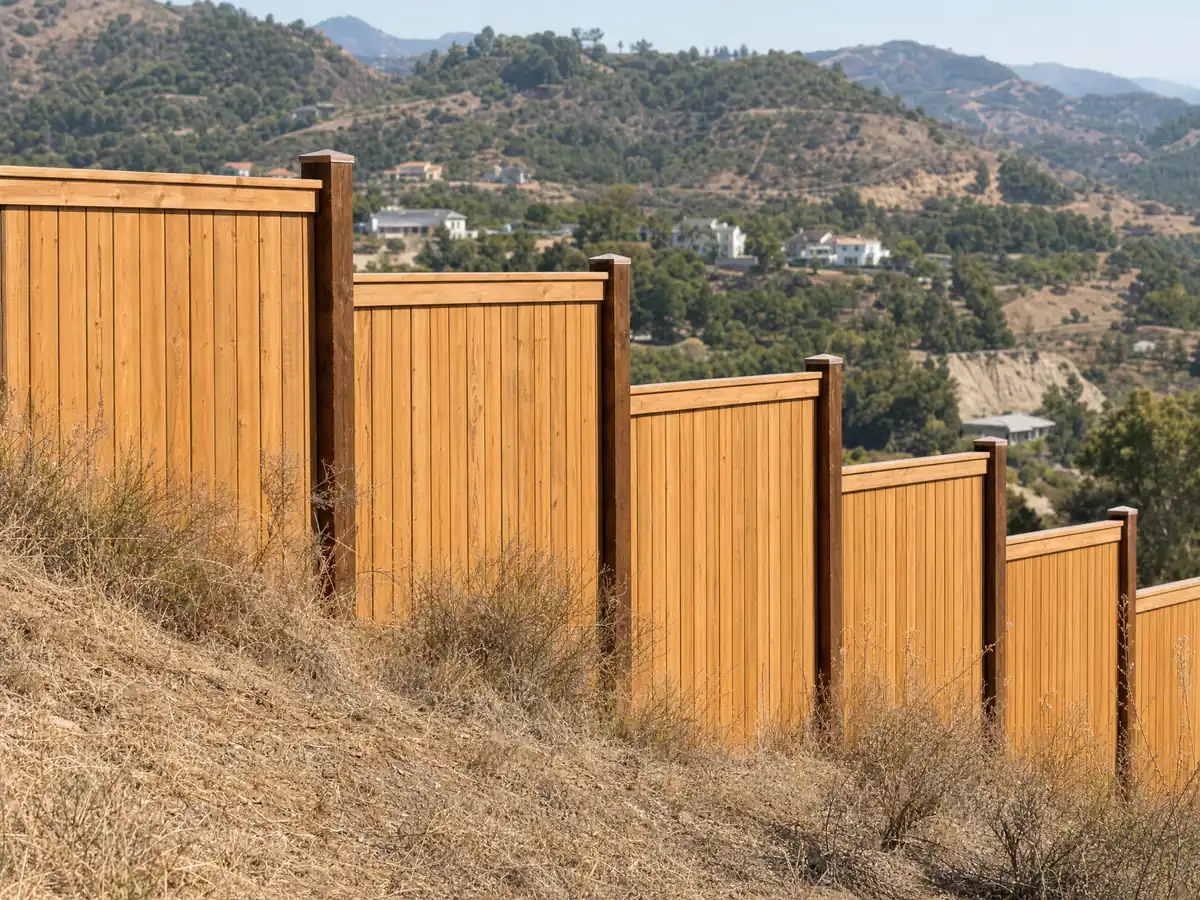
What fence does a Dana Point pool or spa need?
A fence that serves as a pool barrier always needs a permit here, and the amended building code is specific. The enclosure must be at least 60 inches high measured from the adjacent property grade, vertical members may be no more than 4 inches apart, horizontal members must be at least 45 inches apart so a child cannot climb them, and decorative embellishments may project no more than 3/4 inch. The City's amendment also asks a new or remodeled single-family pool for a second drowning-prevention safety feature, or two more when the dwelling forms part of the enclosure.
Equipment adds a neighbor rule. Filters, heaters and pumps serving a pool or spa must be enclosed and soundproofed, or covered by an acoustical report showing compliance with the noise chapter. Inside a bluff setback pools are prohibited, a pool on an ungraded lot, in a floodplain or on a bluff top needs a soils report, and in FP-3 pools and spas below base flood elevation are prohibited. We did not read the gate and latch rules, so ask the installer which inspection covers them.
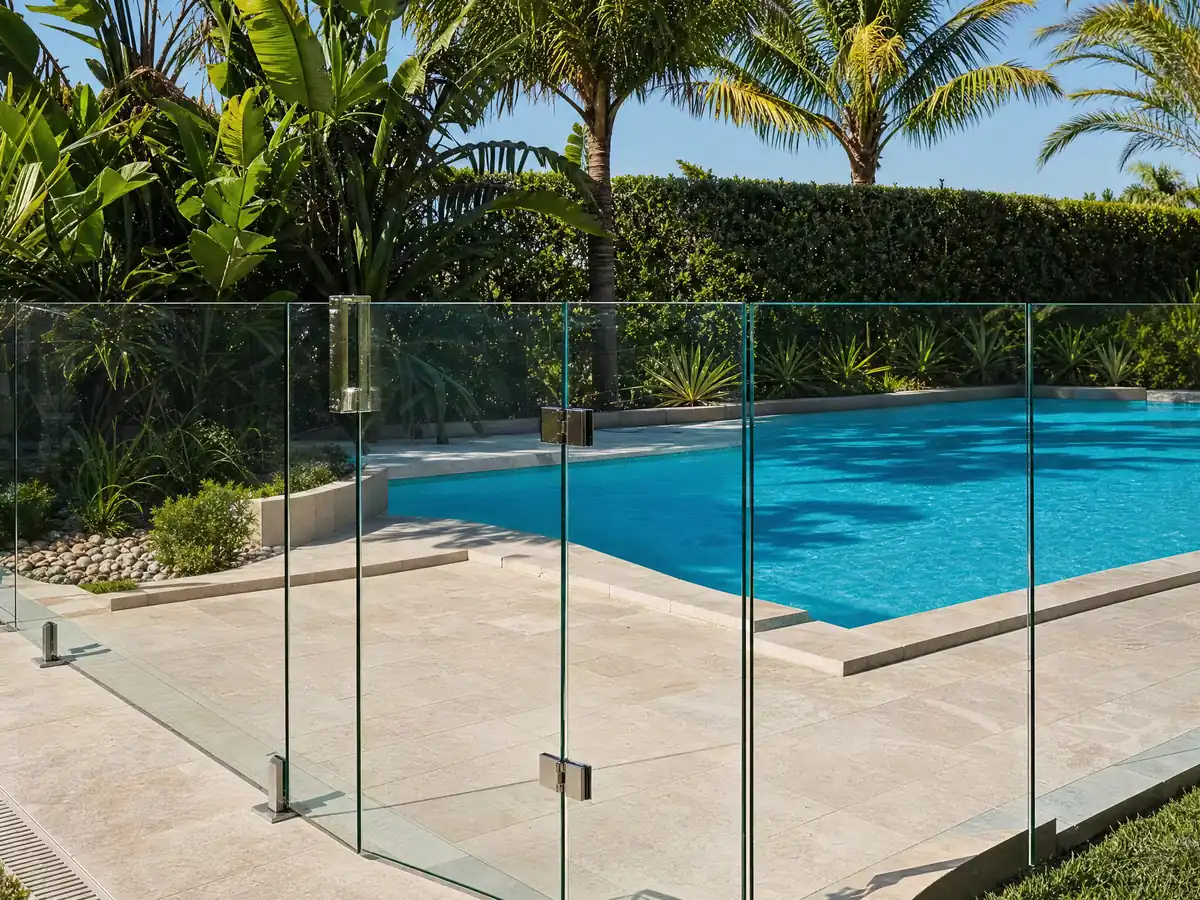
Who pays for a shared fence in Dana Point, and what if my community has an HOA?
We do not quote cost-sharing law on this page. Settle a shared fence with the neighbor in writing before work starts, and ask an attorney what the legal default is. The City's own paperwork shows where lines matter: a block wall on a common property line needs a signed Common Wall Agreement or a licensed survey, and a retaining wall there needs a recorded party wall agreement. A survey settles where the line sits before a post is set.
Associations add a second approval. The City's window, deck and ADU handouts require HOA approval before the City application, but we did not verify which association governs a given lot and read no association's fence rules. ACS 2024 counts 16.4 percent of units in buildings of five or more and 37.6 percent of occupied units rented, so many fences stand on common ground or on a tenant's side of a lease. Ask the board for its written process, and ask a landlord before a tenant orders anything. On a permitted job, materials must be stored in the rear yard or inside the construction perimeter, and front yard storage is limited to 30 days unless the Building Official waives it in writing.
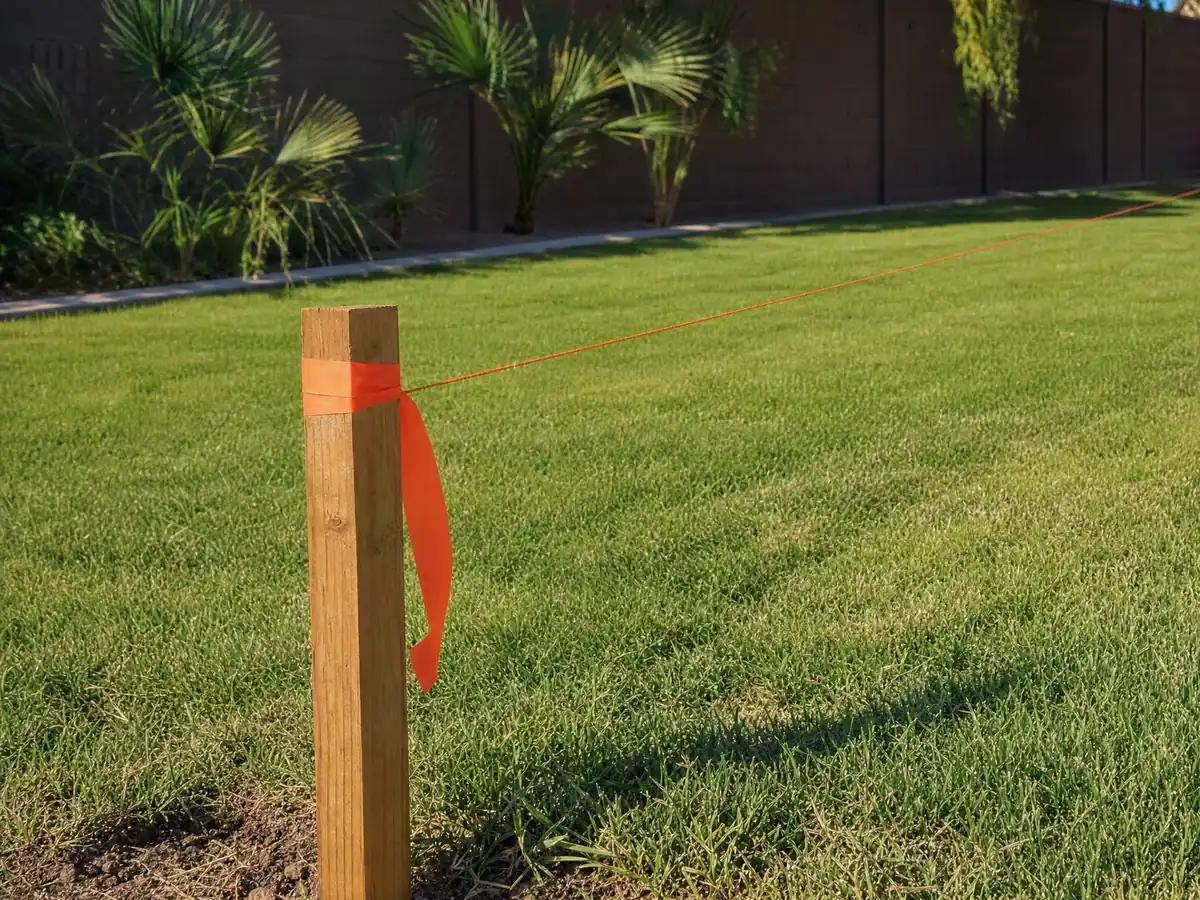
How much does fence installation cost in Dana Point, and how do I hire a fence company?
We found no Dana Point fence survey, so these are Los Angeles and national numbers. Angi's Los Angeles page (updated August 4, 2026) averages $3,051 a job, typically $1,734 to $4,422, or $15 to $60 a foot. HomeGuide's February 2026 page lists wood at $20 to $50 a foot and vinyl at $30 to $60, while Thumbtack's national page, updated July 1, 2026, shows $23 to $57. In May 2025 the federal wage survey put mean pay for fence erectors in the Los Angeles-Long Beach-Anaheim area at $28.00 an hour. We plan around $25 to $55 per linear foot for wood or vinyl privacy, $12 to $30 for chain-link and $35 to $85 for aluminum or iron. We found no independent per-foot price for a reinforced block wall, so we print none.
Fencing is CSLB class C-13, and block walls fall under masonry, class C-29. Business and Professions Code 7159 requires a written, signed contract and limits the down payment to $1,000 or 10 percent of the price, whichever is smaller. Dana Point issues permits only to a licensed contractor, a proxy with its form or a qualifying owner-builder who lives in the house and does not sell it. Check the license through our contractor license guide and see how general contractors use subcontractors for who answers for what.
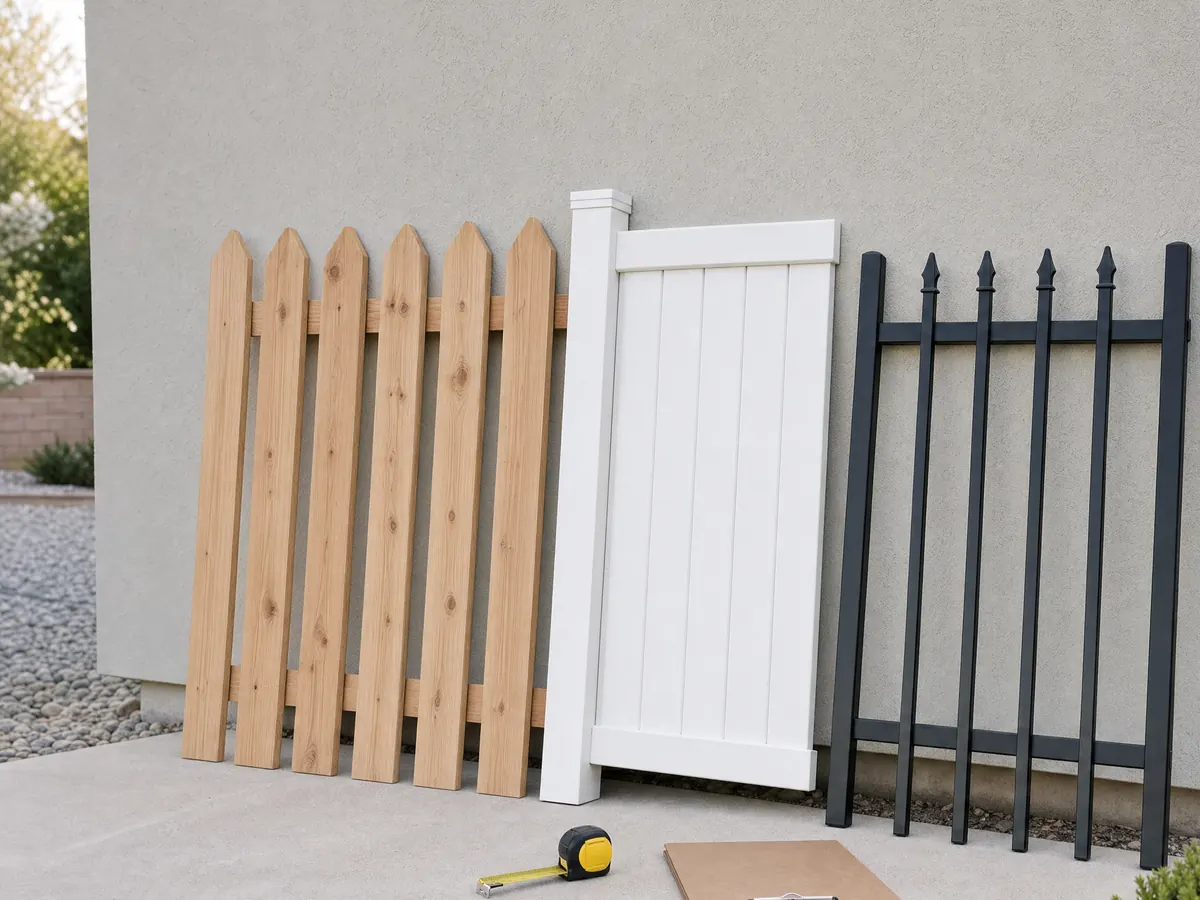
Fence photos from Dana Point and nearby communities
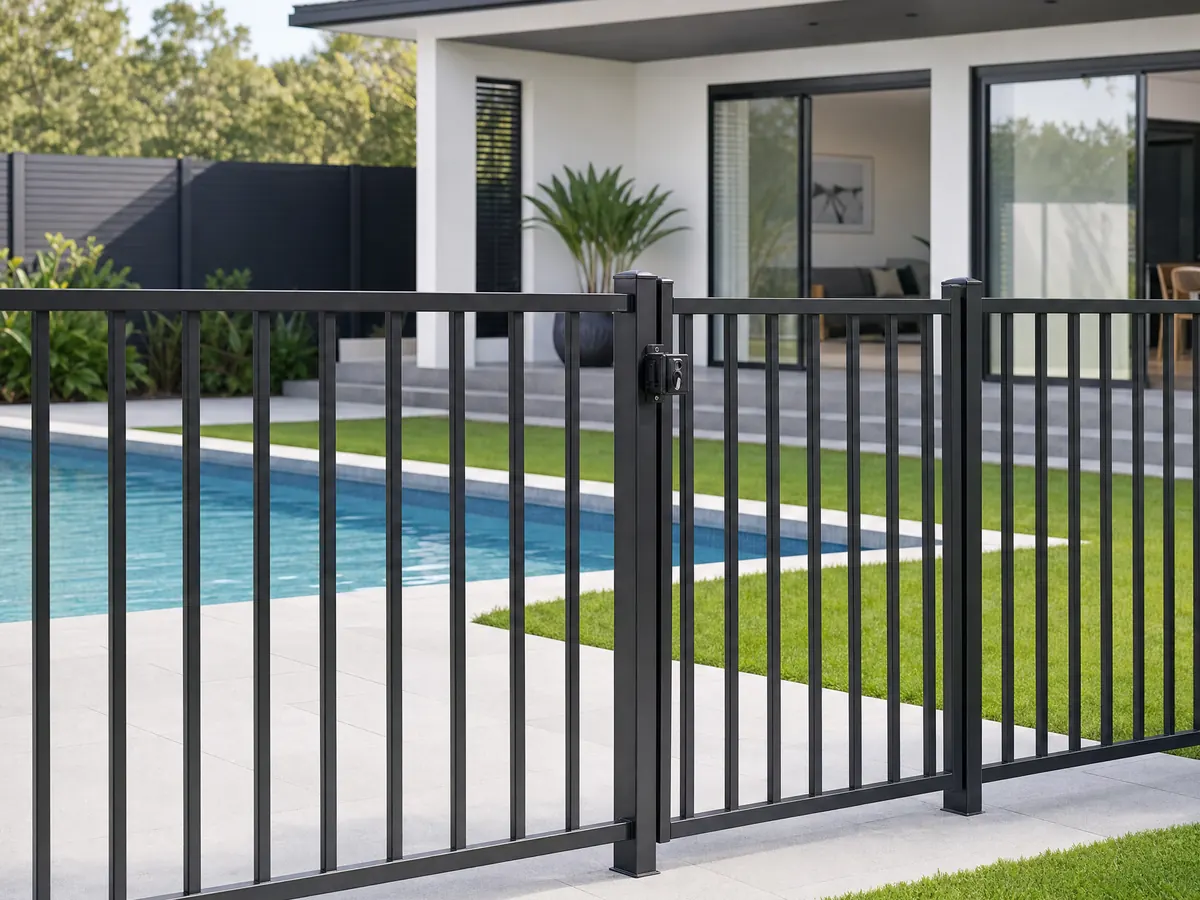
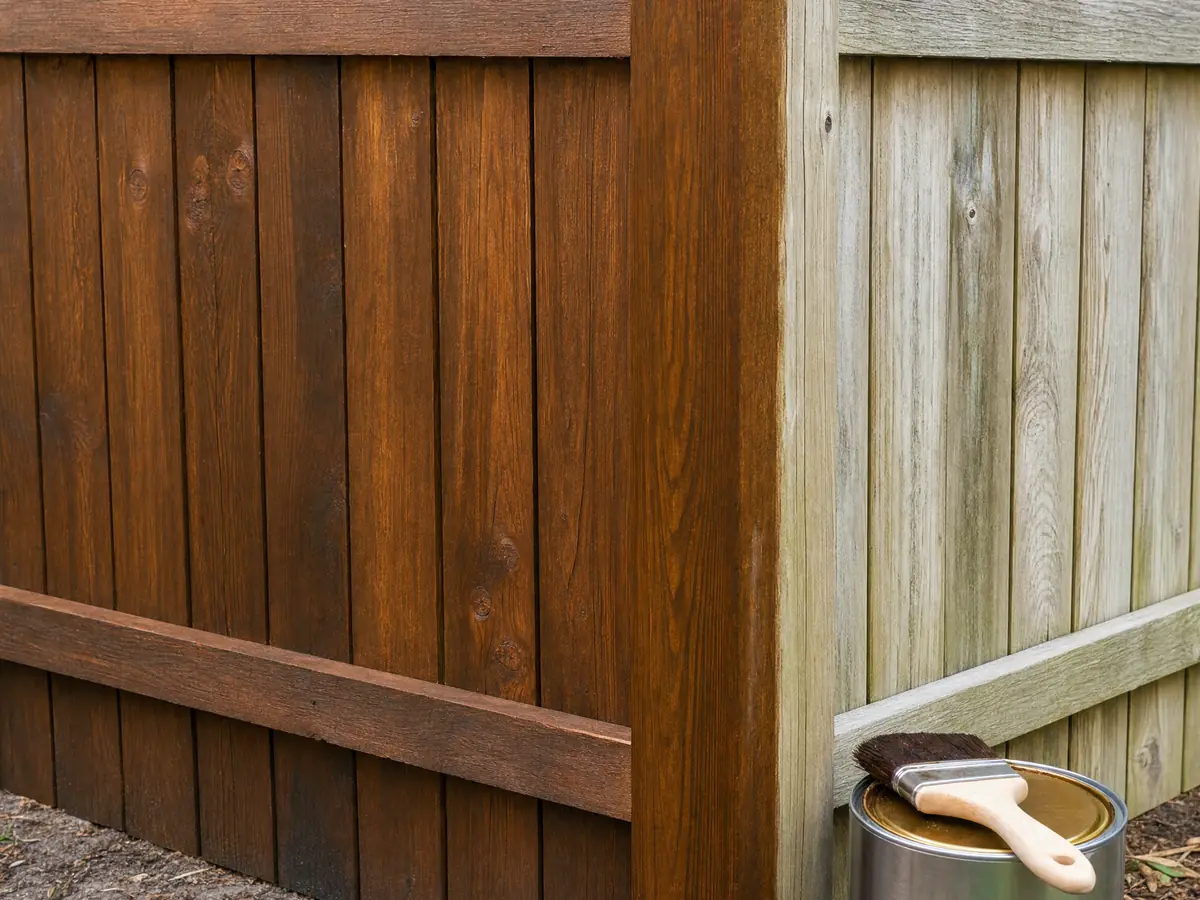
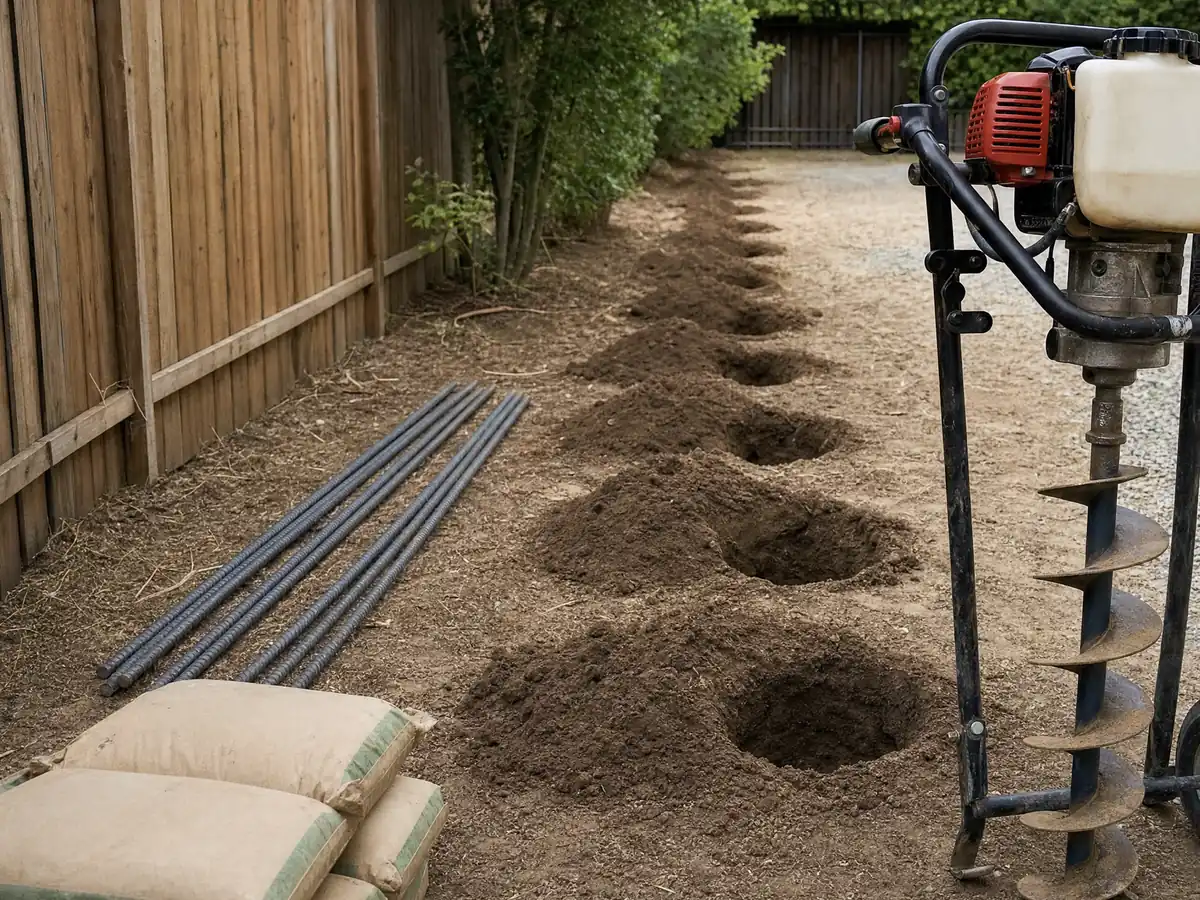
Fence scenes tied to Dana Point places such as Monarch Beach, Niguel Shores and Capistrano Beach, and to nearby communities, from picket fences on small lots to glass pool barriers and hillside runs.
Where these Dana Point fence figures come from
Our fencing page carries the full fence price table with sources and dates. Gates, new paint and a reroof often follow a fence, and the local rules for them are on the roofing page, the painting page and the kitchen remodeling page. To see how Los Angeles County cities treat fences, compare the guides for Glendale and Pasadena.
| What it covers | Typical range |
|---|---|
| Wood or vinyl privacy fence, 6 feet | $25 to $55 per linear foot |
| Chain-link | $12 to $30 per linear foot |
| Aluminum or ornamental iron | $35 to $85 per linear foot |
| Typical 100-foot backyard run | $2,500 to $5,500 total |
| Block walls, horizontal slat fences, gates and openers, hillside lots | Set by the written proposal |
Other work we manage in Dana Point
Dana Point fence questions, answered
Do I need a permit to build a fence in Dana Point?
Often not. Fences up to 6 feet and masonry or concrete fences up to 36 inches are exempt, but pool barriers, guard systems and fences required by a project approval need permits, and no exemption applies on a coastal bluff, in a floodplain overlay, in an environmentally sensitive area or with a discretionary Planning approval. Zoning heights apply either way.
What is the maximum height for a backyard fence in Dana Point?
Under section 9.05.120, a fence in a required side or rear yard may be 6 feet on the side facing an adjacent property and 8 feet on the side facing the subject property, measured from finished grade at the base. Front yards are held to 42 inches. Taller fences need a Minor Site Development Permit decided by Planning staff.
Can I put up a 7 foot fence?
In a Dana Point side or rear yard, the zoning code allows up to 6 feet on the side facing a neighbor and 8 feet on the side facing your own property, but a fence over 6 feet is not permit-exempt. Ask Planning at (949) 248-3568 how your lot's two sides are measured before choosing a height.
How tall can a front yard fence be in Dana Point?
Forty-two inches in a required front yard. A pilaster and wrought iron design may rise higher if the pilasters are no more than 18 inches wide and 36 inches high and at least 8 feet apart on center, the wrought iron inserts stop at 48 inches and open-face material is no more than 2 inches wide and at least 6 inches apart.
How much do fencing contractors cost?
Angi's Los Angeles page averages $3,051 per job, with $1,734 to $4,422 typical and $15 to $60 a foot. We found no Dana Point survey, so treat that as a Los Angeles guide. Labor, grade changes, gates and old fence removal all move the number, and only a measured written proposal gives the price.
How much does 200 feet of fencing cost?
Using our planning range of $25 to $55 per linear foot for wood or vinyl privacy, 200 feet runs about $5,000 to $11,000 before gates, old fence removal and grade changes. Aluminum or iron at $35 to $85 a foot would come to roughly $7,000 to $17,000, and we found no Dana Point survey.
Can I install my own backyard fence?
Often yes, when the fence stays at 6 feet or less, qualifies for the permit exemption and meets the zoning heights. Once a permit is needed, Dana Point issues it to an owner-builder only if the owner lives in the one or two family house as a principal residence, does not sell it and has not worked on more than two buildings or structures in three years.
Do you need a permit to build a block wall?
Yes once it passes 36 inches above the lowest adjacent grade, and on a coastal bluff, in a floodplain overlay or in an environmentally sensitive area at any height. The City's B050 sheet gives a standard plan for walls over 3 and under 6 feet, but it cannot be used on a bluff or beside a floodplain overlay.
Does a pool fence need a permit in Dana Point?
Yes. A fence that serves as a pool barrier is never permit-exempt, and the amended code asks for an enclosure at least 60 inches high with vertical members no more than 4 inches apart and horizontal members at least 45 inches apart. A new or remodeled pool also needs a second drowning-prevention safety feature.
Does fence installation near the water need a coastal development permit?
Fences on an existing single-family lot are generally exempt, but not on a beach, seaward of the mean high tide line or within 50 feet of a bluff edge. Between the sea and the first public road, or within 300 feet of a beach, a new detached structure such as a fence is not exempt. Ask Planning before ordering materials.
Describe your Dana Point fence
Tell us your neighborhood or street, whether the fence faces the street, a bluff or a neighbor and roughly how many feet it runs. We check the permit exceptions and the height cap before we call back.