
Fence Companyin Newport Beach, CA
A fence company in Newport Beach works to height caps that depend on the setback: 42 inches in front setbacks and along the bay, 6 feet in rear and interior side setbacks. Fences of 6 feet or less need no building permit unless they are pool barriers, but masonry over 3.5 feet or near the line does.
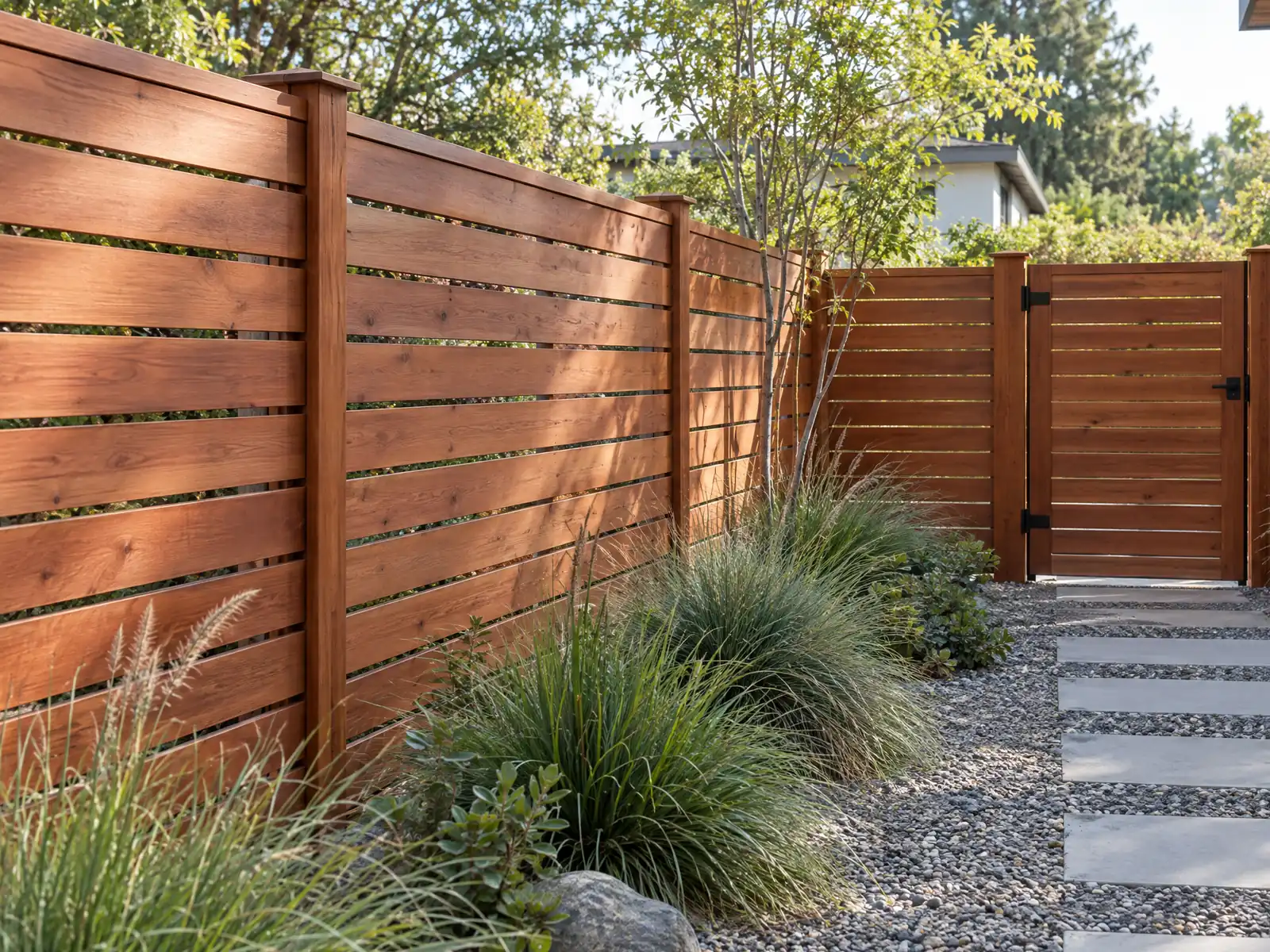
Fences here follow how the lots were cut. Most of the bay islands other than Bay Island are man-made fill built on dredged mudflats, and between 1902 and 1907 the peninsula, Balboa Island and Corona del Mar were subdivided, mostly as vacation cottages on small lots. ACS 2024 counts 44,042 housing units, 45.5 percent of them single-family detached and 15.5 percent single-family attached, and 47.9 percent of occupied homes are rented, so a fence often stands between neighbors, tenants and an association. The median owner-occupied home value sits at the Census table's ceiling, so read it as about $2 million or more.
MDG Builders (CSLB #1040337) acts as the general contractor on a fence: we confirm the height and permit rules with the City, write the scope and run the schedule, and a licensed fencing subcontractor builds it, with any masonry wall going to a masonry license because C-13 excludes masonry. Our fencing page holds the sourced prices, the Newport Beach overview lists every trade we manage in the city, and the guides for Irvine, Huntington Beach and Santa Ana show how neighbors handle it. The City's Planning Division page is where height and setback questions go. Heights and permit lines below rest on GoCodebook, a third-party copy of the code, because the official code host and the City's zoning page returned a Cloudflare block to our tools; confirm each point with the City.
What Newport Beach's building code, zoning table and coastal rules say about fences
Where fencing permits come from in Newport Beach: City of Newport Beach Community Development Department, Building Division (Permit Center).
- NBMC 21.52.035 lists a significant non-attached structure such as a fence among the improvements that need a coastal development permit when the property is between the sea and the first public road (or within 300 feet of a beach), while fences on other existing single-unit lots are exempt. The Planning Director can waive a permit as de minimis. Ask Planning whether a lot is in that band before ordering materials. Mirror text as of 2026-10-22 (GoCodebook, a third-party copy).
- NBMC 15.04.020 and 15.02.080 amend the permit exemption for fences: masonry or concrete fences not over 3.5 feet high above lowest adjacent grade and not within 3 feet of the property line, and all other fences not over 6 feet, need no building permit, except when used as a pool barrier. The Planning FAQ says most walls 3 1/2 feet or taller need a building permit. Mirror text as of 2026-10-22 (GoCodebook, a third-party copy).
- NBMC 20.30.040 (Table 3-1) caps fences, hedges and walls at 42 inches in front setback areas, 6 feet in rear and interior side setback areas in residential and commercial districts, and 42 inches in setback areas abutting Newport Bay, the Pacific shoreline, the Old Channel of the Santa Ana River or the West Newport channels. Height is measured from the existing grade before construction. Mirror text as of 2026-10-22 (GoCodebook, a third-party copy).
- In front setbacks on the Balboa Peninsula, Balboa Island, Corona del Mar, West Newport, East Bay Front on Little Balboa Island, and North and South Bay Front on Balboa Island, a fence or wall may reach 5 feet if everything above 2 feet is at least 40 percent open grillwork, wrought iron, latticework, pickets or Plexiglas (NBMC 20.30.040.B). Hedges in the front setback along stradas on Lido Isle may reach 5 feet. Mirror text as of 2026-10-22 (GoCodebook, a third-party copy).
- NBMC 20.30.040 also allows 8 foot fences, walls or hedges in required side yards where a residential lot adjoins non-residential zoning or a commercial alley, and, where the lot's top of slab must be raised to 9.0 NAVD88 and the grade raised, side and rear fences up to 6 feet from the new grade and 9 feet from the existing grade (the part above 6 feet at least 60 percent open). Decorative finials, lights and pots may rise 12 inches above the limit, one per 6 lineal feet. Barbed wire, electric fences and razor wire are banned in residential districts. Mirror text as of 2026-10-22 (GoCodebook, a third-party copy).
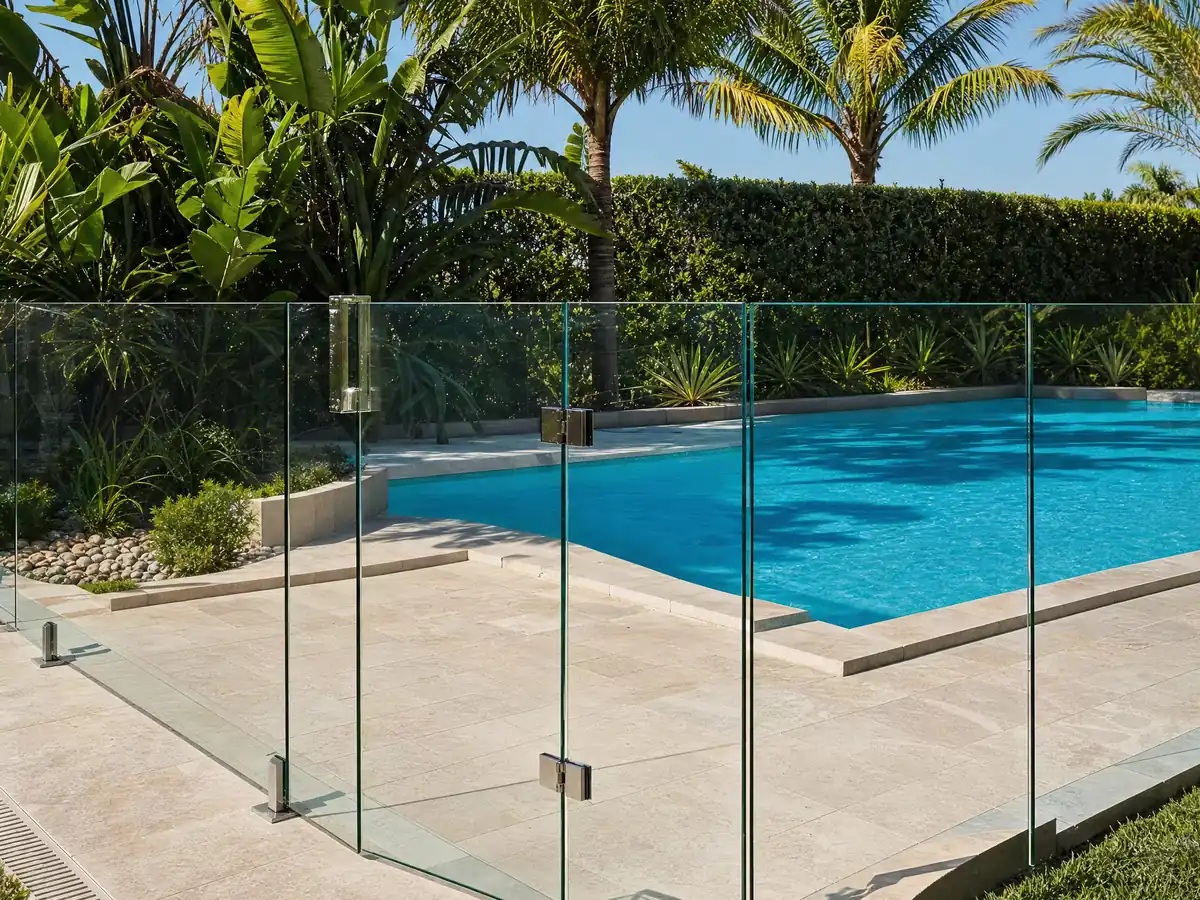
- NBMC 20.30.040 lets pool and spa fencing in a front setback, or in side and rear setbacks regulated as front setbacks on 42 inch lots, exceed the height limit if it is at least 40 percent open (or glass or Plexiglas) and no taller than Title 15 requires. Pool fencing must follow Title 15, and a fence used as a pool barrier is not permit-exempt under NBMC 15.04.020. Mirror text as of 2026-10-22 (GoCodebook, a third-party copy).
- Under California Civil Code 841, adjoining owners are presumed to share equally in the reasonable cost of building, maintaining or replacing a dividing fence unless they agree otherwise in writing, and an owner who plans to spend money on it must give each affected neighbor 30 days' prior written notice stating the presumption, the problem, the proposed fix, estimated costs, cost-sharing proposal and timeline.
- CSLB defines the C-13 Fencing classification as constructing, erecting, altering or repairing all types of fences, corrals, runs, railings, guard rails, barriers, posts and gates, excluding masonry walls.

How tall can a fence be in a Newport Beach front yard, side yard or bayfront setback?
The zoning table in section 20.30.040 caps fences, hedges and walls at 42 inches in front setback areas and 6 feet in rear and interior side setback areas, in residential and commercial districts alike. It also holds them to 42 inches in setback areas that abut Newport Bay, the Pacific shoreline, the Old Channel of the Santa Ana River or the West Newport channels. Height is measured from the existing grade before construction, so fill brought in later does not buy extra inches.
Older beach districts get a trade. In front setbacks on the Balboa Peninsula, Balboa Island, Corona del Mar, West Newport, East Bay Front on Little Balboa Island and North and South Bay Front on Balboa Island, a fence or wall may reach 5 feet if everything above 2 feet is at least 40 percent open: grillwork, wrought iron, latticework, pickets or Plexiglas. Hedges in the front setback along the stradas on Lido Isle may also reach 5 feet. Finials, lights and pots may rise 12 inches above the limit, one per 6 lineal feet. Confirm your lot with a City planner at (949) 644-3204.
Ask Planning for your lot's zoning and setbacks in writing before the fence is priced.
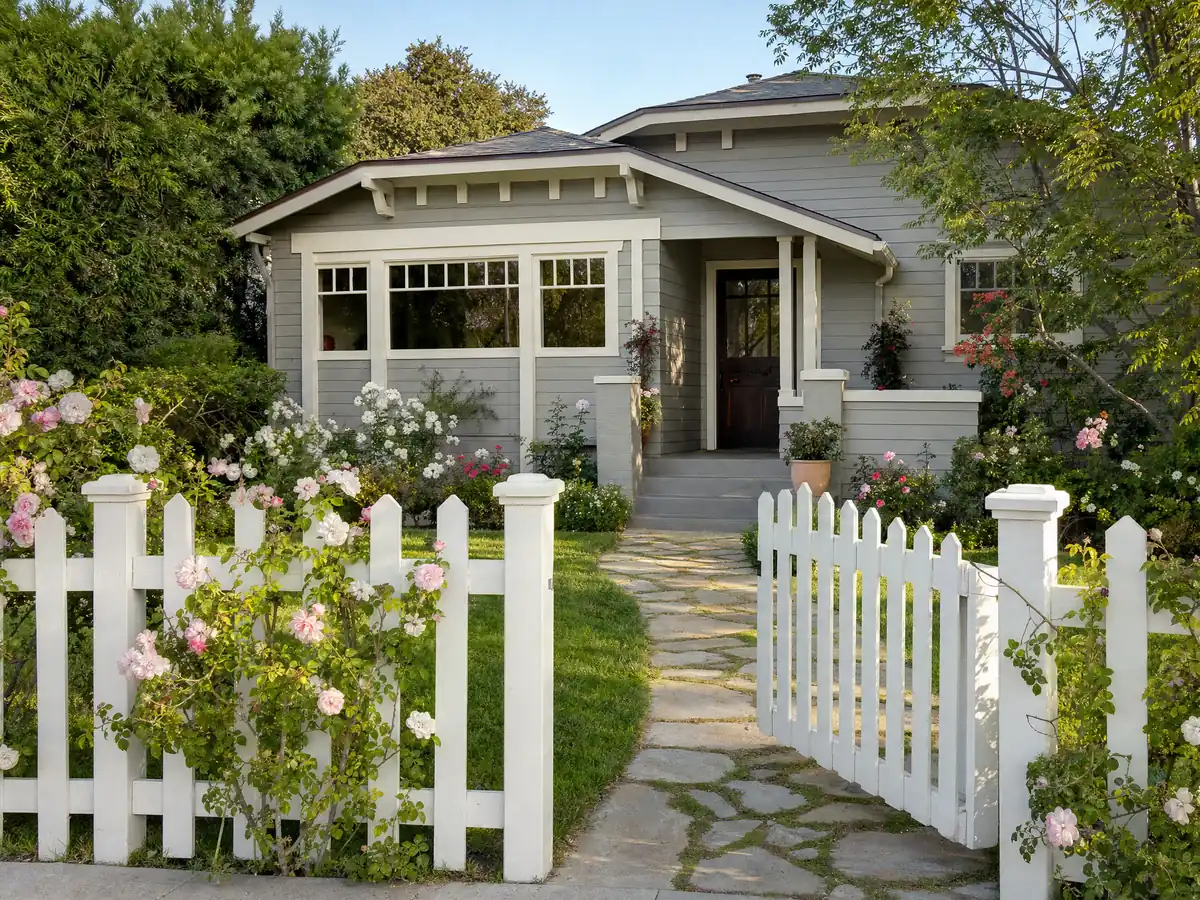
Does fence installation in Newport Beach need a building permit?
Sometimes. The City amended the state's exempt list for fences: masonry or concrete fences not over 3.5 feet above the lowest adjacent grade and not within 3 feet of the property line need no building permit, and neither do all other fences not over 6 feet, except when a fence serves as a pool barrier. The Planning Division's FAQ says it plainly for owners: most walls 3 1/2 feet or taller need a building permit.
So a 6 foot cedar fence between two backyards needs none, while a 5 foot block wall does, and so does a block wall of any height built within 3 feet of the line. An exemption from the building permit is not an exemption from zoning. The heights above still apply, barbed wire, electric fences and razor wire are banned in residential districts, and an 8 foot fence is allowed in a required side yard only where the lot adjoins non-residential zoning or a commercial alley. A wood fence over 6 feet is not exempt, so an 8 foot wood fence goes to the counter.
Have the contractor state in writing whether the job is permit-exempt and why.
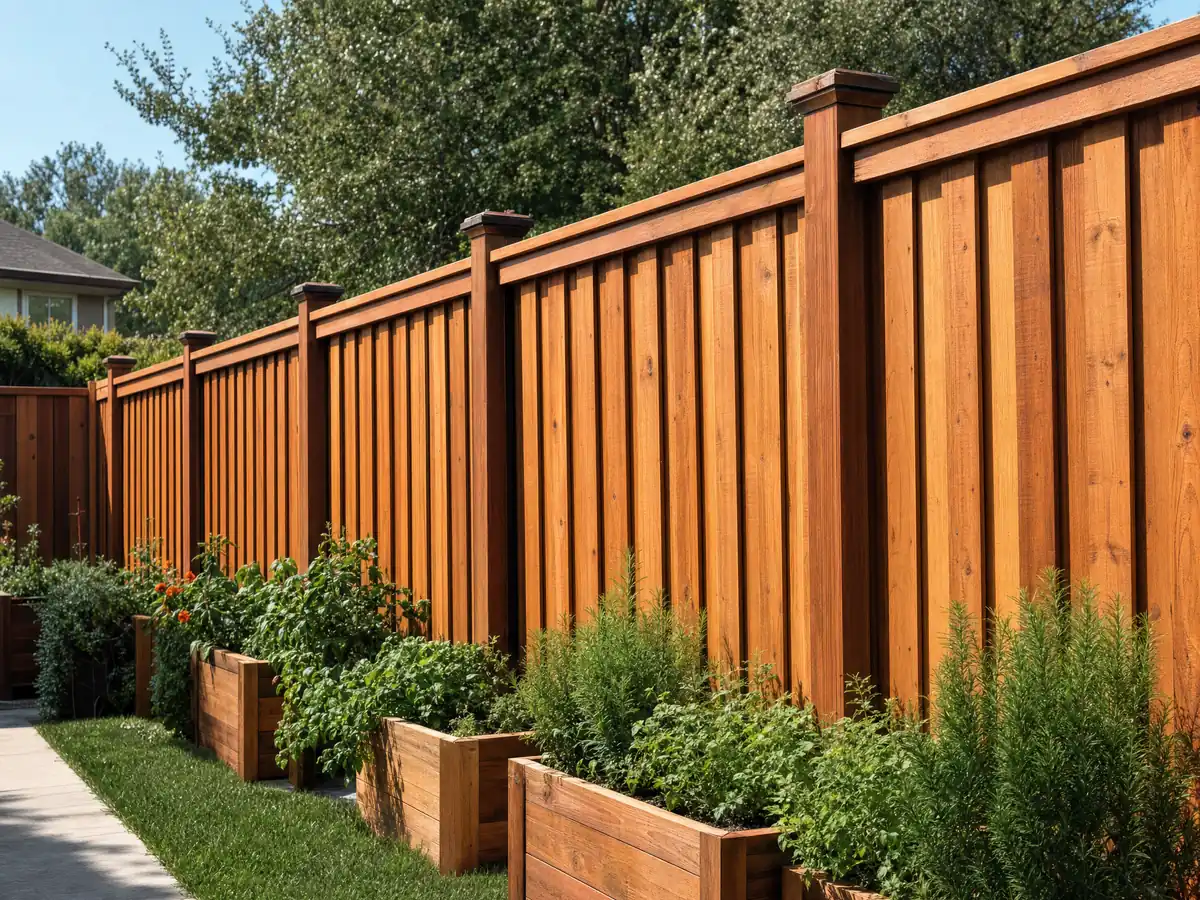
Does a fence near the water need a coastal development permit, and what do the king tides change?
Newport Beach has a certified Local Coastal Program, and development in the coastal zone needs a coastal development permit unless it is exempt. Improvements to an existing single-unit house, fences included, are generally exempt, but not on a beach, in a wetland, within 50 feet of a bluff edge, or where a fence counts as a significant non-attached structure between the sea and the first public road or within 300 feet of a beach. The Planning Director can waive a permit as de minimis. We could not verify the zone, appeal area or first public road boundaries, so ask Planning whether your lot falls in that band before ordering materials.
As of the City's November 4, 2026 release, October set a record high tide of 8.4 feet and king tides are expected November 23 to 27 and December 22 to 26, with water 12 inches or more higher. Balboa Island, Newport Island, the Balboa Peninsula, the Finley Tract and West Newport are named as most exposed, and many harbor seawalls are privately owned. A fence cannot hold back water. The City asks owners to contact it before installing permanent seawall elevations, to learn which approvals apply.
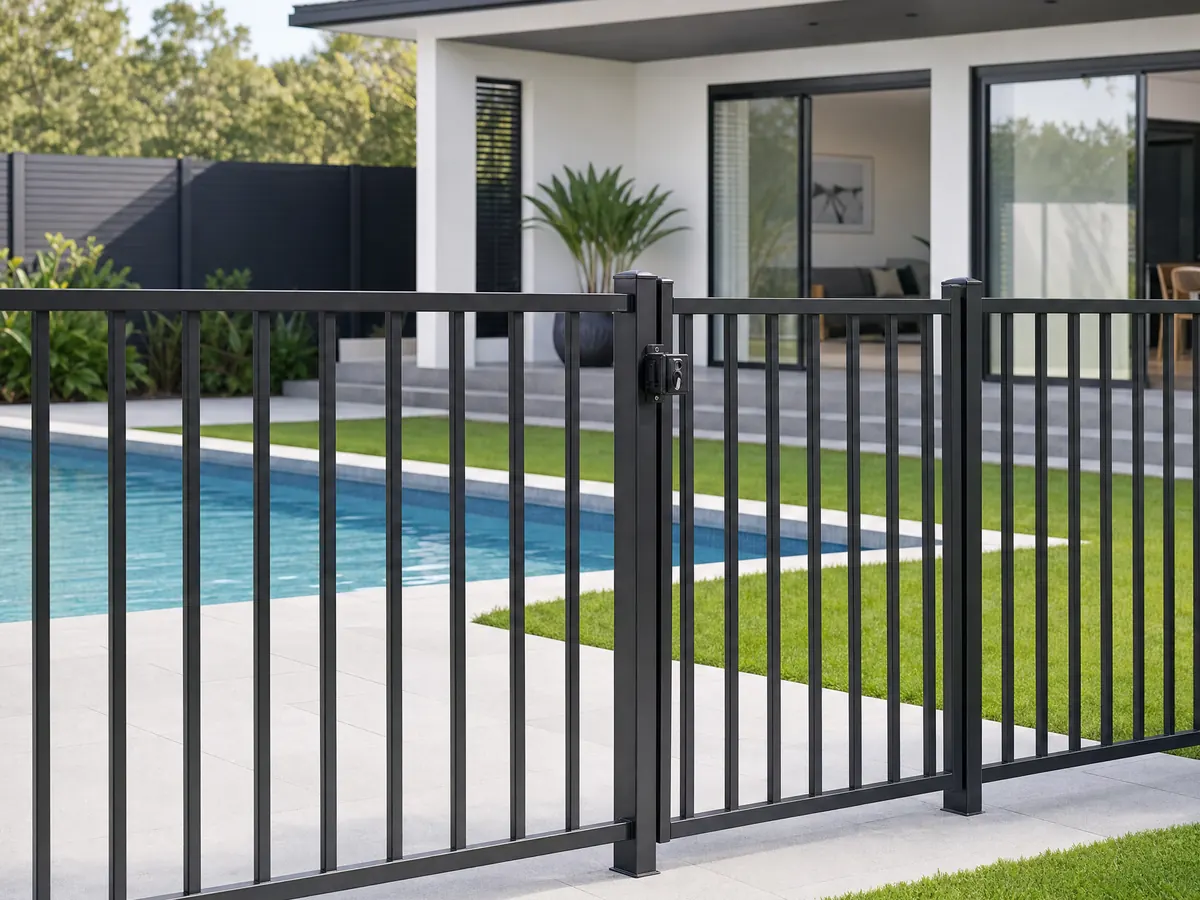
What kind of fence does a Newport Beach pool or spa need?
A fence that serves as a pool barrier is never permit-exempt under the City's amendment, and pool fencing must follow Title 15, the building code. The zoning table gives pool and spa fencing one allowance. In a front setback, or in side and rear setbacks regulated as front setbacks on 42 inch lots, the fence may exceed the height limit if it is at least 40 percent open, or made of glass or Plexiglas, and no taller than Title 15 requires.
We did not read the Title 15 barrier height, latch or gate rules, so we print no figure for them. Get the barrier requirements from the Permit Counter at (949) 718-1888 before choosing a style. Glass panels and steel pickets both suit water-view lots, and the open-percentage rule is what lets either stand taller than a solid fence could. Ask the installer which inspection covers the gate and the latch.
What changes for fences and retaining walls on a sloped lot or a lot raised to the 9.00 foot slab line?
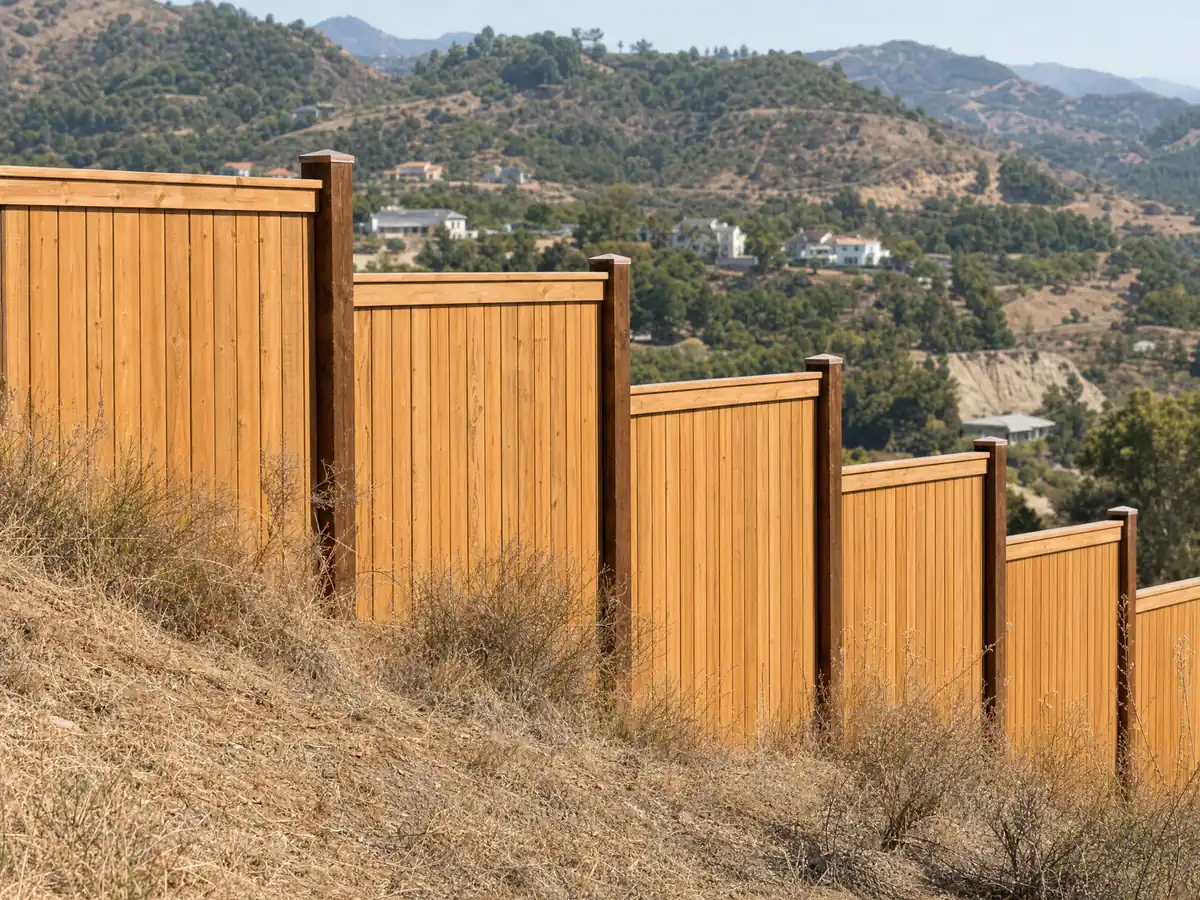
Where a new building's top of slab must be raised to 9.00 feet NAVD 88 and the grade is raised with it, the zoning table allows side and rear fences up to 6 feet from the new grade and up to 9 feet from the existing grade, with the part above 6 feet at least 60 percent open. Elsewhere the existing grade sets the height.
Retaining walls follow their own list. The state exempts retaining walls up to 4 feet, measured from the bottom of the footing, unless they carry a surcharge, and Newport Beach did not change that item. The City still lists retaining walls as a plan check row on its review matrix and caps them at 8 feet from finish grade at the base, not counting required guardrails. A geotechnical report is required for retaining walls over 6 feet of cut or level fill, for walls carrying a surcharge, and for sites on slopes steeper than 1 to 3 or in liquefaction zones. We found no written rule on how a fence on top of a wall is measured, so ask Planning.
Ask for the combined height of any fence-on-wall design in writing.
Who pays for a shared fence in Newport Beach, and what if my building has an association?
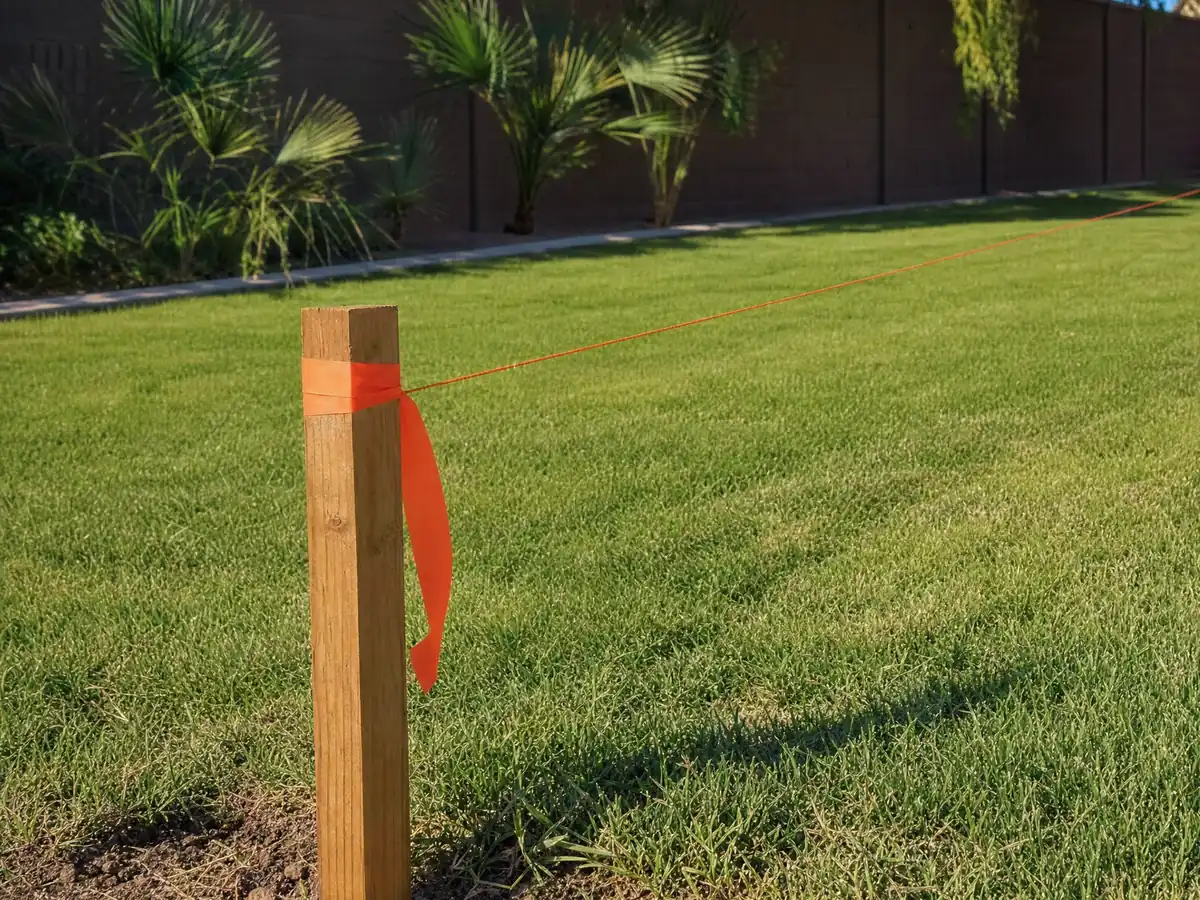
We do not quote cost-sharing law on this page. A shared fence is something to settle with the neighbor in writing before work starts, and an attorney can explain the legal default. In practice, walk the line together, agree on the fence type and who pays what, and sign it. A survey settles where the line sits: the City's addition submittal list asks for a wet-stamped boundary survey when construction comes within 1 foot of a setback line, a sign of how tight lots can get.
Associations add a second approval. ACS 2024 counts 29.2 percent of units in buildings of five or more and 9.2 percent in buildings of two to four, so many fences stand on common ground or on a tenant's side of a lease. We found no Newport Beach list of association fence rules, so ask the board for its written process, and ask a landlord before a tenant orders anything.
How much does fence installation cost in Newport Beach, and how do I hire a fence company?
We found no Newport Beach fence survey, so these are Los Angeles and national numbers. Angi's Los Angeles page, updated August 4, 2026, shows an average job of $3,051 with a typical range of $1,734 to $4,422 and $15 to $60 a foot. Angi's national guide, updated October 13, 2026, lists aluminum at $17 to $90 a foot, wrought iron at $25 to $55, block at $10 to $30 and gates at $150 to $2,000, and we treat the block figure as low for a reinforced wall. Thumbtack's national page, updated July 1, 2026, shows $23 to $57 a foot. Federal wage data put fence erectors in the Los Angeles-Long Beach-Anaheim area at a mean $28.00 an hour in May 2025. We plan around $25 to $55 per linear foot for wood or vinyl privacy and $35 to $85 for aluminum or iron.
Fencing is CSLB class C-13, which excludes masonry walls. Under Business and Professions Code 7159 the contract must be written and signed, and the down payment may not top $1,000 or 10 percent of the price, whichever is smaller. Check the license through our contractor license guide, and see how general contractors use subcontractors for who answers for what.
Fence photos from Newport Beach and nearby communities
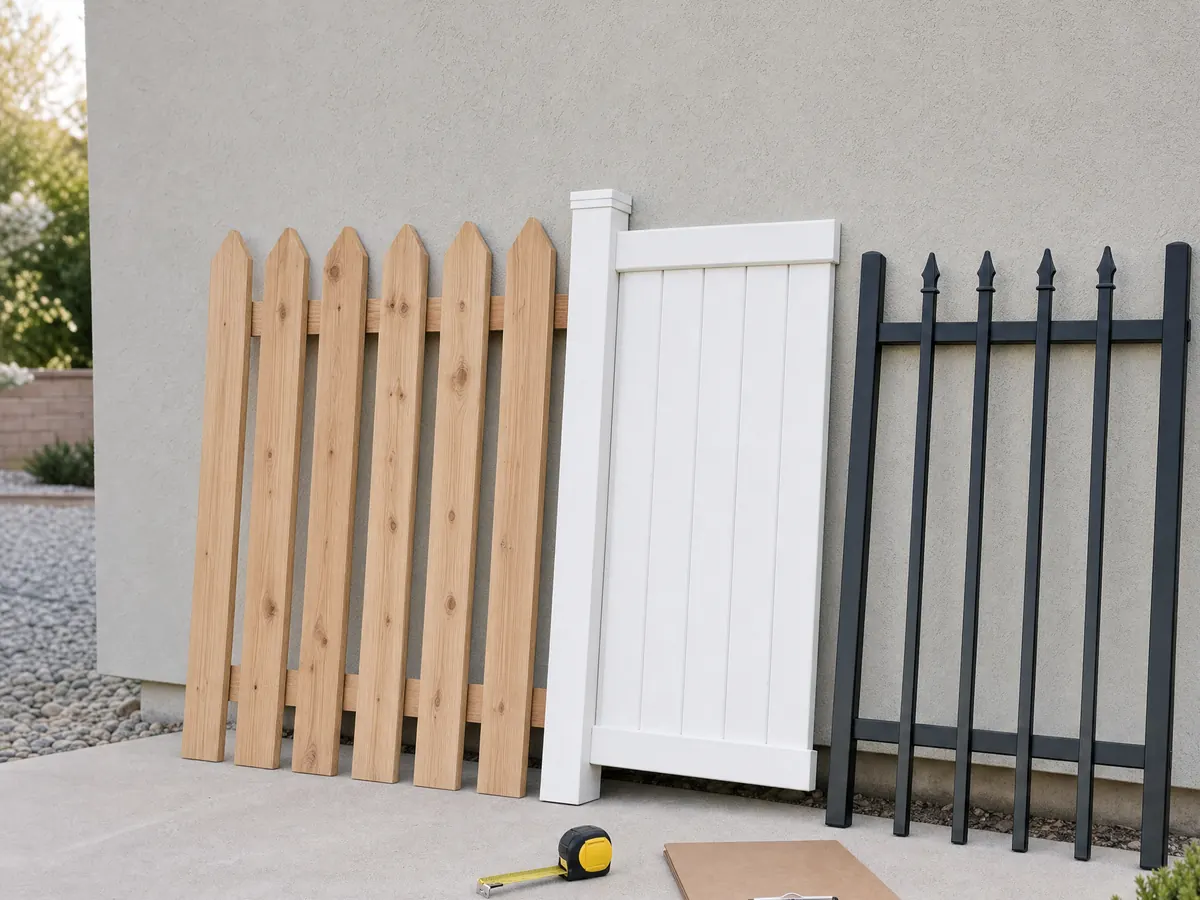
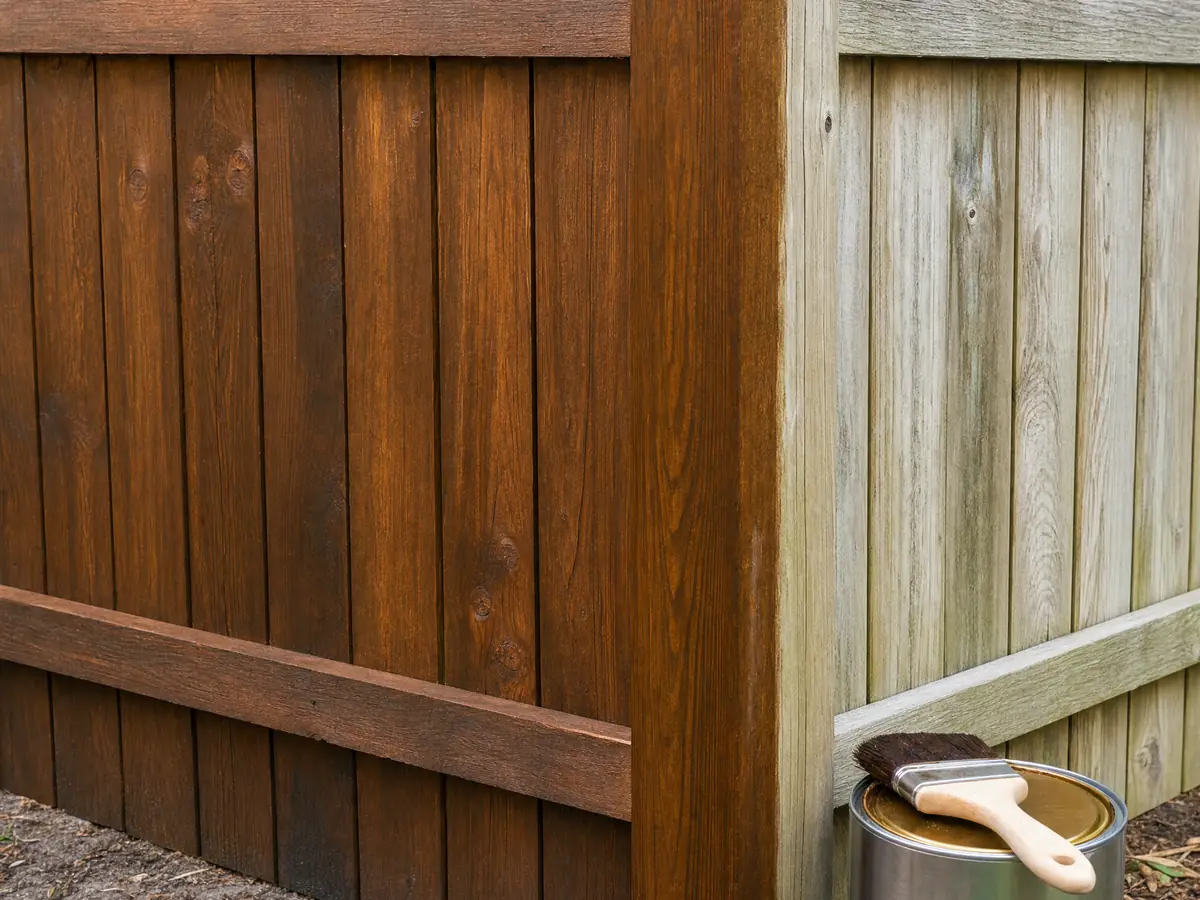
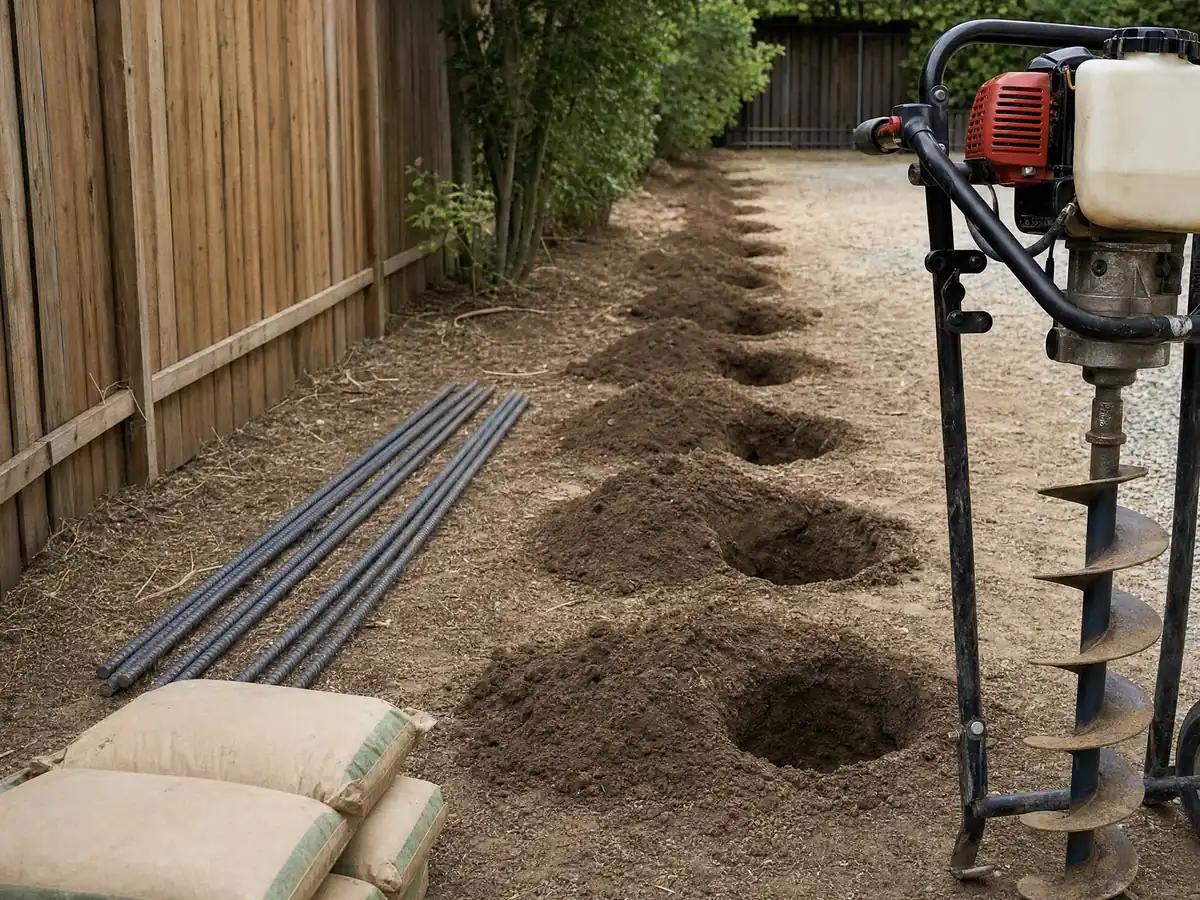
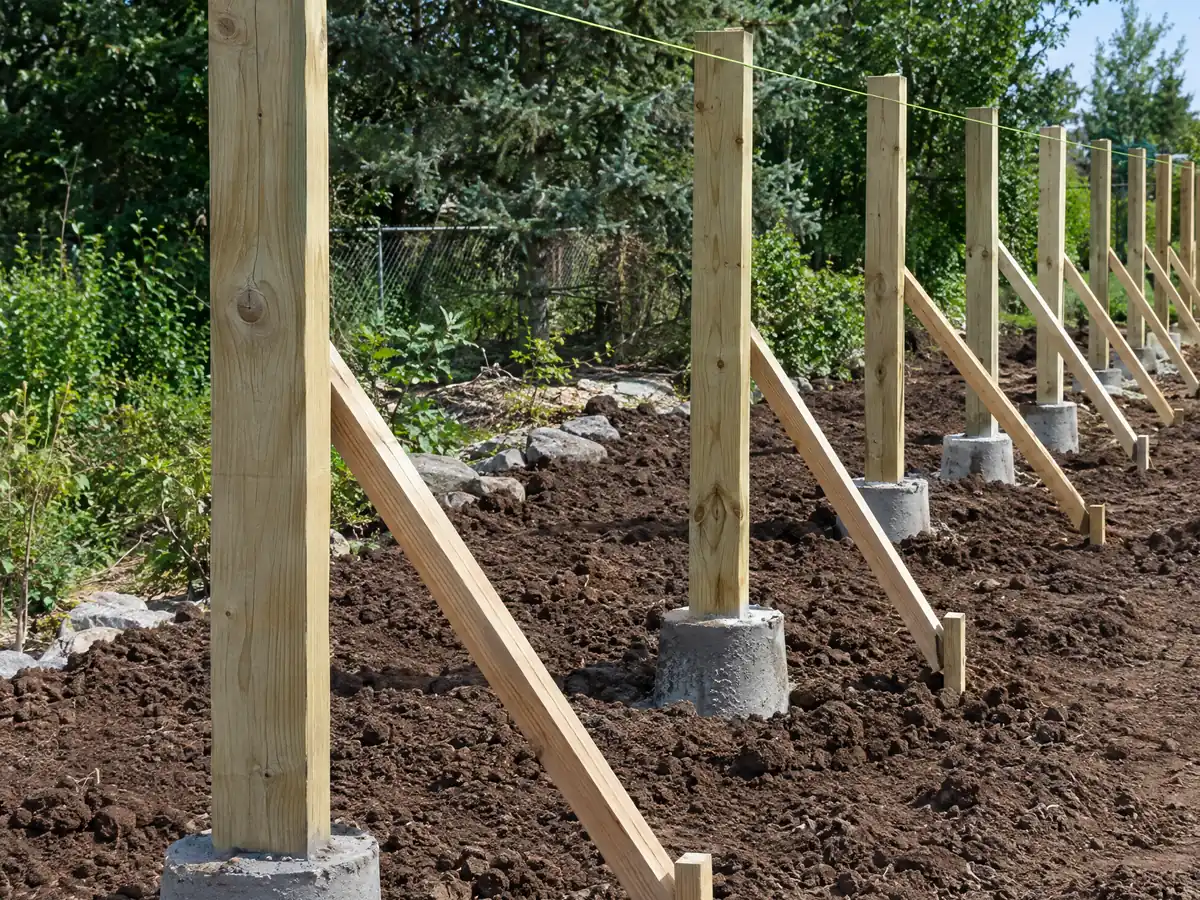
Fence scenes tied to Newport Beach places such as Balboa Island, Corona del Mar and Eastbluff, and to nearby communities, from picket fences on small lots to glass pool barriers and hillside runs.
Where these Newport Beach fence figures come from
Fence prices, with each source and date, sit in the table on our fencing price page. A fence job here often travels with other work, and the local rules for it are on the roofing page, the painting page and the kitchen remodeling page. For county-based cities to compare, see the fencing guides for Glendale and Pasadena.
| What it covers | Typical range |
|---|---|
| Wood or vinyl privacy fence, 6 feet | $25 to $55 per linear foot |
| Chain-link | $12 to $30 per linear foot |
| Aluminum or ornamental iron | $35 to $85 per linear foot |
| Typical 100-foot backyard run | $2,500 to $5,500 total |
| Block walls, horizontal slat fences, gates and openers, hillside lots | Set by the written proposal |
Other work we manage in Newport Beach
Newport Beach fence questions, answered
Do I need a permit to build a fence in Newport Beach?
Often not. Fences of 6 feet or less need no building permit unless they serve as a pool barrier, and masonry or concrete fences are exempt only up to 3.5 feet and at least 3 feet from the property line. Zoning heights apply either way, and coastal lots near the water can need a coastal permit. Ask Planning at (949) 644-3204.
What is the maximum height for a backyard fence in Newport Beach?
Six feet in a rear or interior side setback area, measured from the existing grade, under the zoning table in section 20.30.040. Front setbacks and setbacks along the bay or shoreline are held to 42 inches. An 8 foot fence is allowed in a required side yard only where the lot adjoins non-residential zoning or a commercial alley.
Can I put up a 7 foot fence in Newport Beach?
Generally not in a rear or interior side setback, where the cap is 6 feet. The exceptions we found are 8 feet beside non-residential zoning or a commercial alley, and 9 feet from existing grade on lots raised to the 9.00 foot slab line, with the part above 6 feet at least 60 percent open. Confirm your lot's rule with Planning first.
How tall can a front yard fence be in Newport Beach?
Forty-two inches in most front setbacks. On the Balboa Peninsula, Balboa Island, Corona del Mar, West Newport and parts of Little Balboa Island, a front fence or wall may reach 5 feet if everything above 2 feet is at least 40 percent open grillwork, wrought iron, latticework, pickets or Plexiglas.
How much do fencing contractors cost?
Angi's Los Angeles page puts an average job at $3,051, with a typical range of $1,734 to $4,422 and $15 to $60 a foot. We found no Newport Beach survey, so treat that as a Los Angeles guide. Labor, grade changes, gates and removing an old fence move the number, and a measured written proposal is the real price.
How much does 200 feet of fencing cost?
At our planning range of $25 to $55 per linear foot for wood or vinyl privacy, 200 feet comes to about $5,000 to $11,000 before gates, old fence removal and grade changes. Aluminum or iron, at $35 to $85 a foot in our range, would run about $7,000 to $17,000. We found no Newport Beach survey.
Can I install my own backyard fence?
Often yes for a permit-exempt fence of 6 feet or less that meets zoning heights. Once a permit is needed, the City will not issue an owner-builder permit until the owner signs the Owner-Builder Acknowledgment form, and an agent cannot sign it without prior approval. The form warns that an unlicensed worker's injuries may not be covered by homeowner's insurance.
Does a pool fence need a permit in Newport Beach?
Yes. A fence used as a pool barrier is not permit-exempt under the City's amendment, and pool fencing must follow Title 15. Zoning lets a pool fence in a front setback exceed the height limit if it is at least 40 percent open or glass. We did not read the barrier height rule, so get it from the Permit Counter.
Does a fence near the water need a coastal development permit?
It can. Fences on existing single-unit lots are generally exempt, but a fence counts as a significant non-attached structure that needs a permit between the sea and the first public road or within 300 feet of a beach, unless the Planning Director waives it. We could not verify those boundaries, so ask Planning before ordering materials.
Describe your Newport Beach fence
Tell us your neighborhood or street, whether the fence faces the street, the bay or a neighbor and roughly how many feet it runs. We check the height cap, the permit line and any coastal question first.