
Concrete Companyin Newport Beach, CA
A concrete company in Newport Beach checks the lot's coastal and flood status first. Walks and driveways up to 30 inches above grade are on the state exempt list, retaining walls of 4 feet or less skip a permit unless they carry a surcharge, and new flood-zone living areas need a slab top of 9.00 feet NAVD 88.
Much of Newport Beach stands on made ground. Most of the bay islands other than Bay Island are fill placed on dredged mudflats, the harbor was dredged and the jetties built from 1934 to 1936, and the 1950s pushed new housing from the waterfront up onto the hills and mesas. Census estimates for 2024 count 44,042 homes, 45.5 percent of them single-family detached, with a median year built of 1979, so the slabs, walks and walls here run from early cottage footings to pads poured after 2000.
MDG Builders, CSLB #1040337, is a Tarzana general contractor that plans the pour, takes the coastal and setback questions to the Building Division and the Planning Division, and books a licensed concrete subcontractor for the forms, the pour and the finish. Finishes and ranges are on the concrete page, and the Newport Beach overview covers the other trades we manage here.
What Newport Beach's Building Division, Public Works rules, coastal permits and state law say about concrete work
Where concrete permits come from in Newport Beach: City of Newport Beach Community Development Department, Building Division (Permit Center).
- NBMC 20.30.060 requires the top of slab for interior living areas of all new structures in flood hazard areas to be at least 9.00 feet (NAVD 88), regardless of the FIRM elevation, and measures the principal building's height from that top of slab. When a new principal building must be built at 9.00 NAVD88 and the surrounding grade is raised, accessory structure height is measured from the proposed finished grade. Mirror text as of 2026-10-22 (GoCodebook, a third-party copy).
- Newport Beach's residential code amendment R405.1 adds an exception from foundation drainage where the foundation is on well-drained soils (Unified Soil Classification Group I), and bars a foundation drainage system for basement walls that extend below the high tide level of Newport Bay. Mirror text as of 2026-10-22 (GoCodebook, a third-party copy).
- NBMC 15.55 creates methane gas mitigation districts at five named sites: Channel Park, the alley bounded by Marcus Avenue, 35th Street, Lake Avenue and 36th Street, the parcel by Superior Avenue, Villa Balboa, Newport Boulevard and West Coast Highway, the City Corporation Yard, and part of the Newport Townhomes community on Pacific Coast Highway. A project there (which includes construction that adds 300 square feet or more of impervious surface) must test soil for methane, install a continuous gas-impermeable barrier beneath new foundations and floors at ground level, and get a certificate of compliance before a permit issues. Mirror text as of 2026-10-22 (GoCodebook, a third-party copy).
- NBMC 13.06 requires a Public Works Director permit to construct, reconstruct, repair, alter or grade any sidewalk, curb, curb cut, roadway pavement or driveway that gives access to a public street. The Director may require a bond of half the estimated cost and a one year guarantee, and Community Development will not give final approval for building work until curb cuts no longer needed for access are altered or removed. Owners must replace unused driveway approaches on notice under NBMC 13.07. Mirror text as of 2026-10-22 (GoCodebook, a third-party copy).
- The City's geotechnical investigation policy (Building Code Policy CBC 1803.5, last revised 03/18/2014) requires a geotechnical report for new construction, for retaining walls or temporary shoring over 6 feet of cut or level fill or carrying a surcharge, for alterations that need a deepened foundation, for pools whose excavation falls within a 1 to 1 plane from a property line or neighboring foundation, for residential additions as set by a table, and for sites in landslide areas, on slopes steeper than 1 vertical to 3 horizontal, or in liquefaction zones. Interior alterations alone do not need a report. A grading threshold of about 50 cubic yards also appears, but the comparison symbol was garbled in the PDF text.
- The City's Coastal Development Permit supplemental checklist (rev. 09-05-2023) requires a Water Quality Management Plan for projects within 200 feet of coastal waters or sensitive habitat that add 2,500 square feet or more of impervious surface, and a Construction Pollution Prevention Plan for work that clears or grades ground, builds or demolishes a structure, or creates or replaces impervious surfaces.
- The state list of permit-exempt work (CBC 105.2, as excerpted by the City of Albany from the 2025 code) exempts sidewalks and driveways not more than 30 inches above grade and retaining walls not over 4 feet measured from the bottom of the footing, unless they support a surcharge. Newport Beach's amendments to 105.2 (NBMC 15.02.080) change only the fence item and the pool item, so no Newport change to the sidewalk, driveway or retaining wall items was found. Newport Beach still lists retaining walls as a plan check item, and Chapter 20.30 caps retaining walls at 8 feet.
- Newport Beach's retaining wall limit is 8 feet measured from finish grade at the base of the wall, not including required guardrails, with a horizontal separation between stacked walls equal to the tallest wall's height (never more than 6 feet). The limit does not apply to retaining walls that are part of a principal structure, and a Modification Permit can request more height (NBMC 20.30.040). Mirror text as of 2026-10-22 (GoCodebook, a third-party copy).
Sources for these rules
- gocodebook.com: chapter 20.30 property development standards
- gocodebook.com: chapter 15.05 residential code
- gocodebook.com: chapter 15.55 methane overlay zone
- gocodebook.com: chapter 13.06 curb cuts and other alterations to public stre
- newportbeachca.gov: showdocument
- newportbeachca.gov: 637805210162500000
- albanyca.gov: work exempt from permit 2025 cbc

Does concrete work near the water in Newport Beach need a coastal development permit?
It can, depending on where the lot sits. Under NBMC 21.52.015, development in the coastal zone needs a coastal development permit unless it is exempt or excluded, and NBMC 21.52.035 exempts improvements to an existing single-unit house, including garages, pools, fences, sheds and landscaping. That exemption stops at a beach, a wetland or stream, land seaward of the mean high tide line, habitat or highly scenic areas, and anything within 50 feet of a coastal bluff edge.
Between the sea and the first public road, or within 300 feet of a beach's inland extent, the rules tighten: a significant non-attached structure such as a garage, a fence, shoreline protective works or a dock needs a permit, and so does work that adds 10 percent or more floor area. We did not map the coastal zone or its appeal areas, so treat coastal-zone work as something that may need coastal review and ask Planning at (949) 644-3204 whether your lot is inside.
Water quality adds paperwork. The City's coastal permit checklist asks for a Water Quality Management Plan within 200 feet of coastal waters or sensitive habitat when a project adds 2,500 square feet or more of impervious surface, and a Construction Pollution Prevention Plan for work that clears or grades ground or creates or replaces impervious surfaces.
Can you raise a concrete seawall or bulkhead in Newport Beach after the record tide?
Yes, under the Coastal Flood Recovery program, with limits. A concrete bulkhead or seawall can be raised an additional 18 inches using the City's Standard Bulkhead Detail with same-day in-person permitting, and a taller wall or a non-concrete bulkhead needs a detail from a California licensed civil or structural engineer. The City says eligible seawall extension work tied to flood recovery needs no coastal development permit.
The long-term rules are tougher. The Harbor Design Criteria, revised January 25, 2022, include a table of bulkhead elevations that rise with the year a structure is permitted, based on the State's 2018 sea level rise guidance, and they say structures must be built so they can be raised later without replacement. The table read garbled in our copy, so we print no figure. The coastal permit checklist asks for a Bulkhead Conditions Report for every property with a bulkhead.
Ownership is the catch. The City's El Nino page says many Newport Harbor seawalls are privately owned and asks owners to call the City before installing permanent elevations, and a City Council study session on flood protection was set for November 10, 2026 at 4 p.m., so rules may move.
How high must a new slab be in a Newport Beach flood zone, and what are methane districts?
For interior living areas of a new structure in a flood hazard area, NBMC 20.30.060 sets the top of slab at 9.00 feet NAVD 88 or higher whatever the FEMA map says, and the principal building's height is measured from that slab. Where grade is raised to meet it, accessory structure height is measured from the new finished grade. Remodels are another question: ask whether your work counts as a substantial improvement, which starts at 50 percent of market value over 10 years.
Methane is a rarer layer. NBMC 15.55 names five small districts: Channel Park, the alley bounded by Marcus Avenue, 35th Street, Lake Avenue and 36th Street, a parcel near Superior Avenue and Villa Balboa, the City Corporation Yard and part of the Newport Townhomes community. A project there that adds 300 square feet or more of impervious surface must test the soil, place a continuous gas-impermeable barrier beneath new foundations and ground-level floors and get a certificate of compliance before a permit issues.
Drainage has its own wrinkle. Residential code amendment R405.1 waives foundation drainage on well-drained soils and bars it for basement walls that extend below the bay's high tide level.
Do you need a permit to pour a driveway, walkway or patio in Newport Beach?
For the slab itself, often not, and the street edge is a separate matter. The state exempt list, which Newport Beach amends only for fences and pools, exempts sidewalks and driveways not more than 30 inches above grade. We found no printed Newport Beach list, so confirm at the Permit Center, and remember that zoning and coastal review apply whether or not a building permit does. Setbacks vary by zone, the Planning Division asks owners to call (949) 644-3204, and we could not verify setback or lot coverage numbers for any zone.
A driveway that meets a public street is Public Works territory. NBMC 13.06 requires a Public Works Director permit to construct, repair, alter or grade any sidewalk, curb, curb cut, roadway pavement or driveway that gives access to a street, and the Director may require a bond of half the estimated cost and a one year guarantee. Owners must replace unused driveway approaches on notice under NBMC 13.07, and final approval of building work waits until curb cuts no longer needed are altered or removed.
Starting before a required permit costs an investigation fee equal to the permit fee under NBMC 15.02.110.
- Is the surface 30 inches or lower above grade?
- Does any of it touch the sidewalk, curb or approach?
- Is the lot inside the coastal zone?
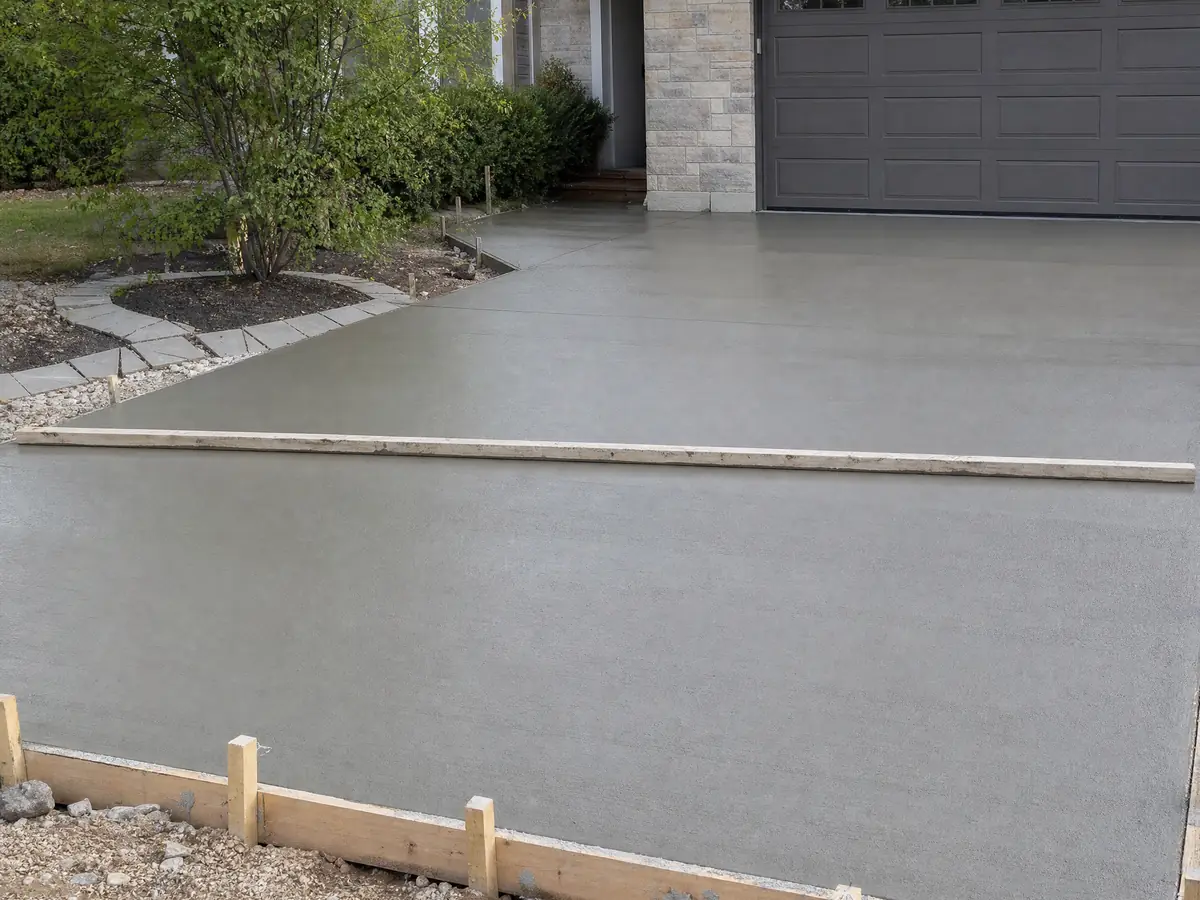
How tall can a retaining wall be in Newport Beach, and when is a soils report required?
Four feet is the permit line for the wall alone, and eight feet is the zoning cap. The state exempt list excuses retaining walls not over 4 feet from the bottom of the footing unless they support a surcharge, and Newport Beach still lists retaining walls as a plan check item. NBMC 20.30.040 limits them to 8 feet from finish grade at the base, not counting guardrails, with stacked walls separated by the tallest wall's height, never more than 6 feet, and a Modification Permit can ask for more.
A soils report comes sooner. The City's geotechnical policy, last revised March 18, 2014, calls for a report for new construction, for retaining walls or shoring over 6 feet of cut or level fill or carrying a surcharge, for alterations that need a deepened foundation, and for sites in landslide areas, on slopes steeper than 1 to 3 or in liquefaction zones. Bluff and canyon overlays add a geologic stability report.
Block walls follow the fence caps: 42 inches in setback areas abutting the bay or shoreline, and 5 feet in some front setbacks on Balboa Island and the Peninsula if the part above 2 feet is at least 40 percent open.
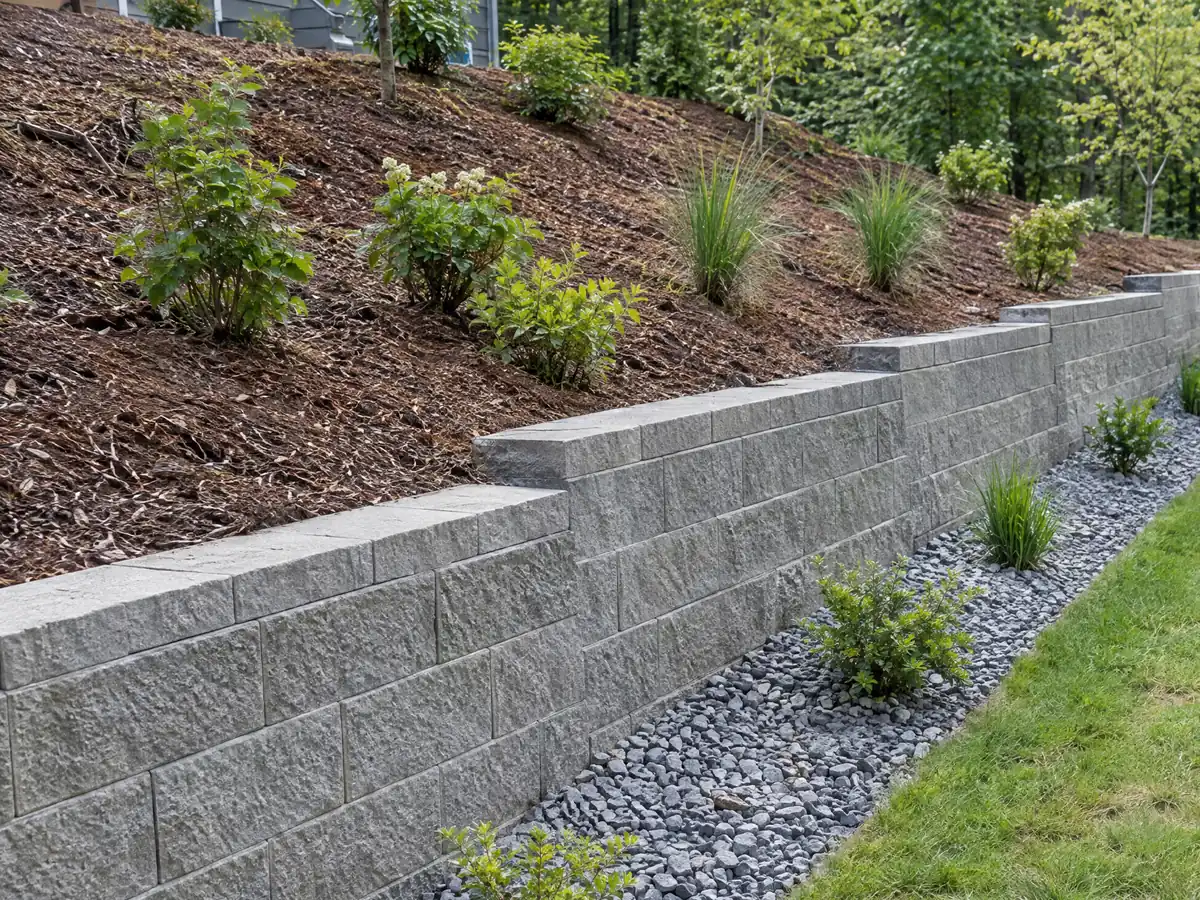
What does concrete work cost in Newport Beach, and what license should the crew hold?
No Newport Beach concrete price study turned up, so the figures come from Angi's 2026 Los Angeles pages, which draw on customer surveys and pro data, and Orange County pricing may differ. Angi shows plain patios at $4 to $13 per square foot (average $5,248, or $1,600 to $5,200 for 20 by 20 feet), stamped work at $15 to $30 and driveways at $8 to $20, averaging $7,270. A retaining wall averages $7,140 across $2,674 to $11,842, and we print no per-foot wall price because height and drainage drive it.
Our own planning range for a flat slab of 300 square feet or more is $8 to $14 per square foot, decorative finishes $15 to $30 and driveway replacement $9 to $20 with demolition, medium confidence for plain flatwork and lower for the rest. Cement masons in the Los Angeles-Long Beach-Anaheim metro area averaged $33.67 an hour in May 2025, a wage and not a billing rate. Seawall and bulkhead work is engineered and priced after a site visit.
A concrete company should hold CSLB's C-8 class, which covers forming, pouring, placing and finishing mass, pavement and flat concrete. Block walls sit under C-29 masonry, so a wall may be a separate crew, as our subcontractor guide explains, and our guide to checking a license shows the lookup.
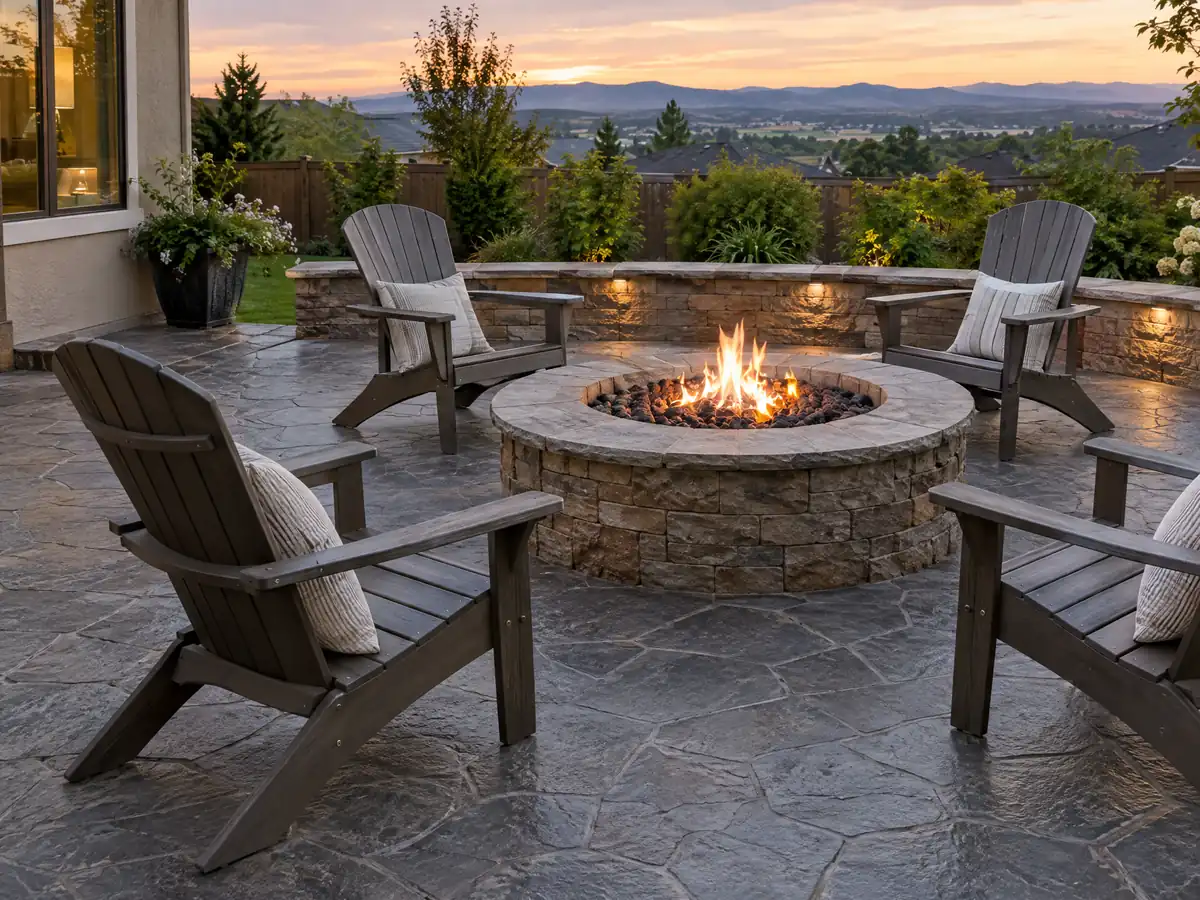
When can you pour concrete in Newport Beach given the rain, heat and work-hour rules?
Hours come first. NBMC 10.28.040 allows construction on weekdays from 7:00 a.m. to 6:30 p.m. and on Saturdays from 8:00 a.m. to 6:00 p.m. outside high density areas, with no weekend work inside them and none on Sundays or federal holidays, and owners and contractors are both responsible. The code names demolition, digging and grading among the covered work, so tell neighbors the pour date.
Weather is mild but not absent. NOAA's 1991 to 2020 normals for the Newport Beach Harbor station show 9.43 inches of rain a year, 7.54 of them from December through March, with 0.6 days a year at or above 90 F, while John Wayne Airport, 3.7 miles north, logs 12.8 days at or above 90 F. Winter rain is the likelier pour risk at the water and heat is likelier inland. We found no Newport Beach curing source, so ask the crew how it handles a forecast.
Some jobs run on a clock. NBMC 15.02.095 gives one and two unit dwelling projects three years from the first permit, so a slab that starts an addition starts that clock too. Nesting season runs February 1 through August 15, and the City says construction within 300 feet of an active nest should wait until the nest is no longer active.
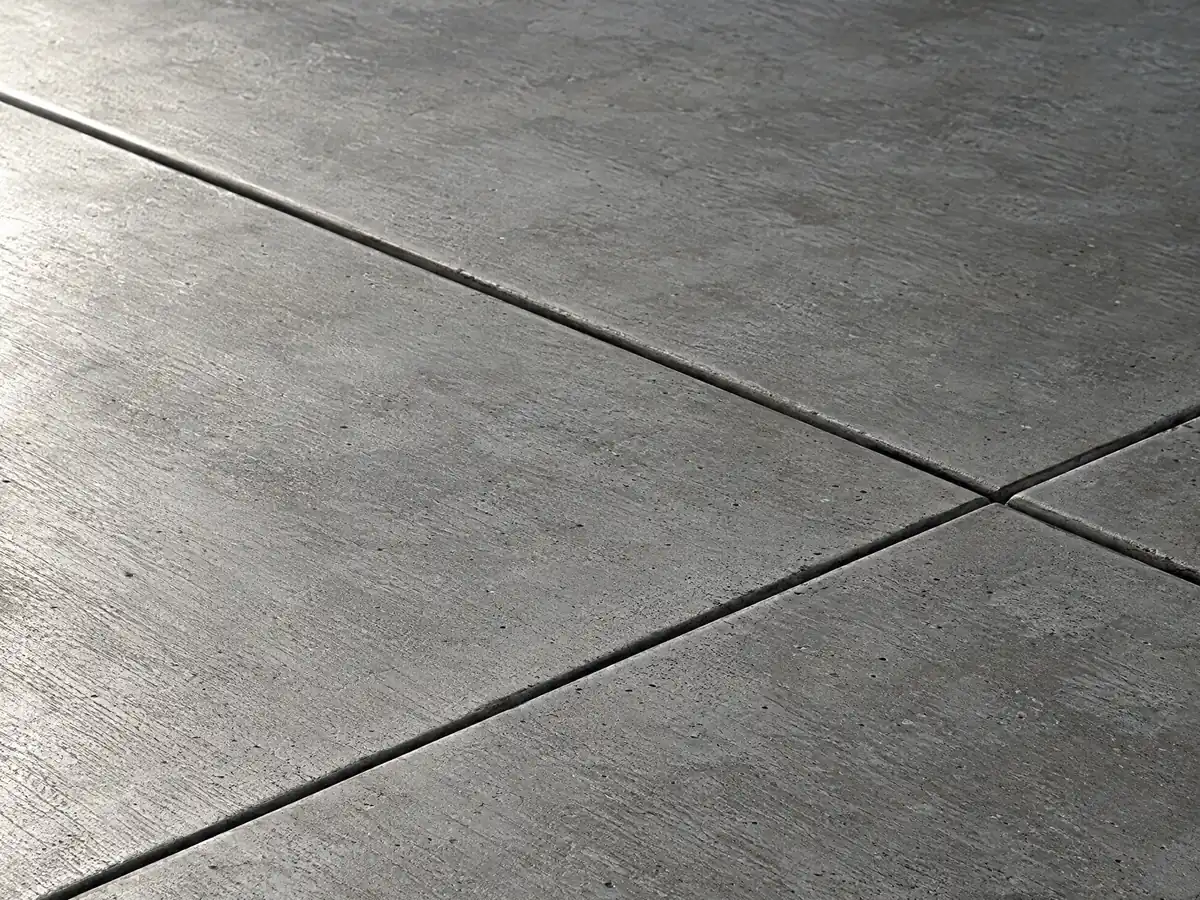
Concrete photos from Newport Beach and nearby communities
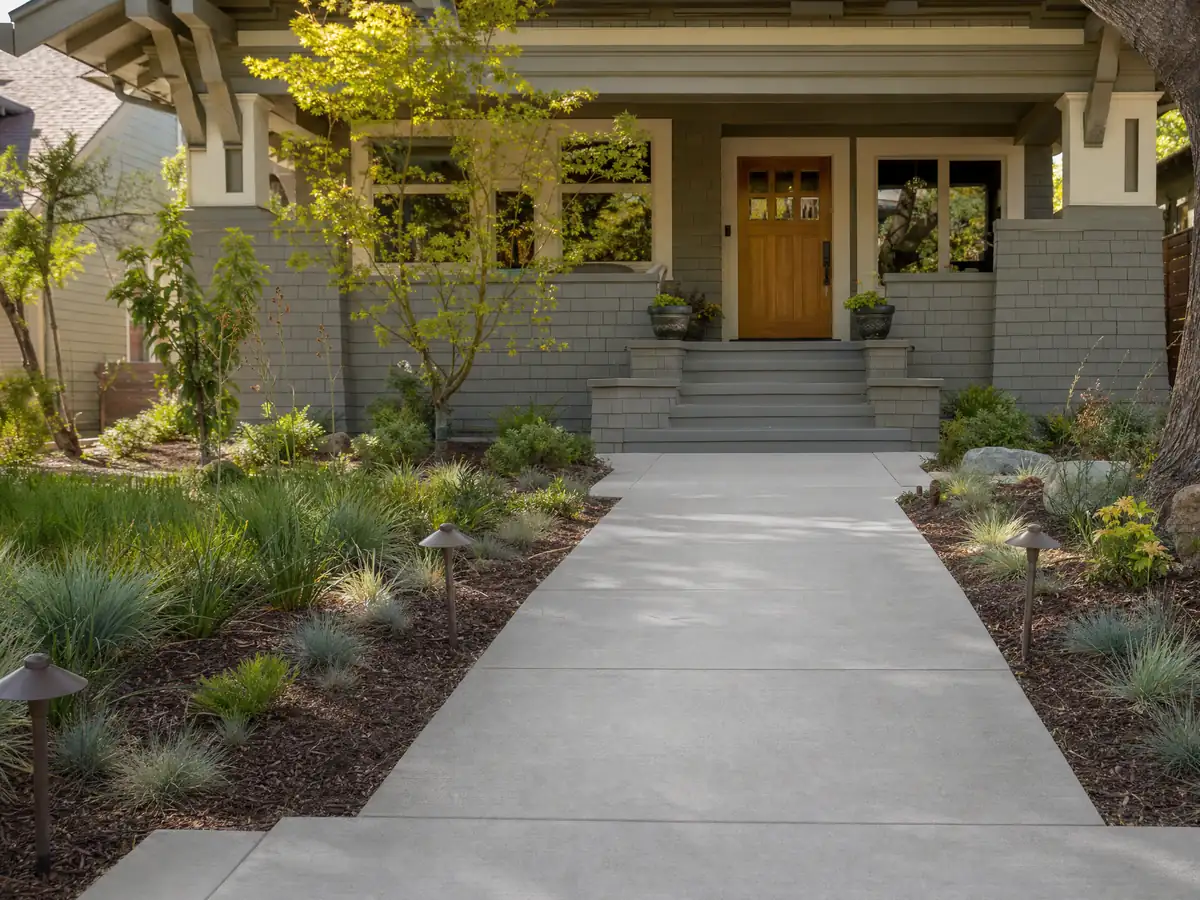
Forms, rebar, finished flatwork and block walls from Newport Beach and the towns around it, shown at the steps where the rules matter. Tap any photo to enlarge it.
What concrete costs around Newport Beach
Dollar figures here are Los Angeles planning ranges from our concrete page, not a Newport Beach bid, and the proposal should show demolition, base, rebar, any engineering and any City review on separate lines. For the same property, see flooring in Newport Beach and decks in Newport Beach. For Orange County comparisons, read concrete work in Irvine, concrete in Huntington Beach and concrete in Santa Ana, and for Los Angeles County see concrete work in Long Beach and concrete in Los Angeles.
| What it covers | Typical range |
|---|---|
| Patio, walkway or slab, broom finish, 300 sq ft or more | $8 to $14 per square foot |
| Decorative: stained, stamped or exposed aggregate | $15 to $30 per square foot |
| Driveway replacement, with demolition of the old slab | $9 to $20 per square foot |
| 20 by 20 foot plain patio (400 sq ft) | About $3,200 to $5,600 |
| 20 by 20 foot decorative patio (400 sq ft) | About $6,000 to $12,000 |
| Small jobs under 300 sq ft | Usually above the per-foot range |
| Retaining walls | Set by the written proposal |
Other work we manage in Newport Beach
Newport Beach concrete questions, answered
Can I pour a concrete patio without a permit?
In Newport Beach the slab itself often needs no building permit, since the state exempt list the City follows covers walks and driveways up to 30 inches above grade. We found no printed Newport Beach list, so confirm with the Permit Center, and check zoning, setbacks and coastal status, which apply even when a building permit does not.
Can I replace my driveway without a permit in Newport Beach?
The slab may be exempt, but the part that meets the street is not. NBMC 13.06 requires a Public Works Director permit for any driveway, curb cut, sidewalk or curb that gives access to a public street, and the Director may require a bond. Ask Public Works before the old approach comes out.
What is the maximum height of a retaining wall without a permit?
In Newport Beach, four feet measured from the bottom of the footing, and only if the wall carries no surcharge such as a slope, a building or a driveway. The City still lists retaining walls as a plan check item, and NBMC 20.30.040 caps them at 8 feet from finish grade, so ask the Building Division before you build.
How much should a 20x20 concrete patio cost?
In Newport Beach a 20 by 20 foot patio, 400 square feet, would run $1,600 to $5,200 on Angi's 2026 Los Angeles page, within a general $4 to $13 per square foot. No Newport Beach study turned up. Demolition, base work and decorative finishes move the total, so the real price follows a site visit.
How much does a concrete driveway cost in Newport Beach?
On Angi's 2026 Los Angeles page a driveway runs $8 to $20 per square foot and averages $7,270, with a range of $3,067 to $16,472. Our planning range with demolition is $9 to $20. Apron work, grading and any Public Works permit change the figure, and we found no Newport Beach price study.
How much does a stamped concrete patio cost in Newport Beach?
Stamped work is $15 to $30 per square foot on Angi's 2026 Los Angeles page, averaging $5,948, though we trust it less than the plain flatwork range. Pattern, color and sealer vary widely, so put each in writing so bids compare. Coastal wind and water exposure are worth raising with the finisher.
Does concrete work near the bay in Newport Beach need a coastal permit?
It can. Coastal-zone work may need coastal review, and between the sea and the first public road a garage, fence or shoreline protective works needs a coastal development permit under NBMC 21.52.035. We could not confirm zone boundaries, so ask Planning at (949) 644-3204 whether your lot is inside.
Can I raise my seawall in Newport Beach?
A concrete seawall can be raised 18 inches with the City's Standard Bulkhead Detail and same-day in-person permitting under the Coastal Flood Recovery program, and higher needs an engineer's detail. Many harbor seawalls are privately owned, so call the City first. The program is tied to the 2026 to 2027 emergency proclamations.
How high does a new concrete slab have to be in a Newport Beach flood zone?
At least 9.00 feet NAVD 88 at the top of slab for interior living areas of new structures in flood hazard areas, under NBMC 20.30.060, regardless of the FEMA map. Remodels are judged differently, through the substantial improvement rule of 50 percent of market value over 10 years, so ask before you pour.
What license does a concrete company need in Newport Beach?
CSLB's C-8 Concrete class covers forming, pouring, placing and finishing flat and other concrete work, and block walls fall under C-29. A permitted job cannot use the $1,000 unlicensed-work exception. Look the number up on the CSLB site, and ask for each subcontractor's license and certificate of insurance.
Send the lot type, what you want poured and how close the water is
Describe what you want poured, the rough size and whether the lot is on the bay, on a bluff or inland. The coastal, flood and setback questions come with us to the first visit.