
Concrete Companyin Santa Ana, CA
A concrete company in Santa Ana checks height, location and who owns the ground. Sidewalks and driveways up to 30 inches above grade need no building permit, but curb, gutter and sidewalk work in the public right of way needs a Public Works encroachment permit, and residential driveways have width limits set by zoning.
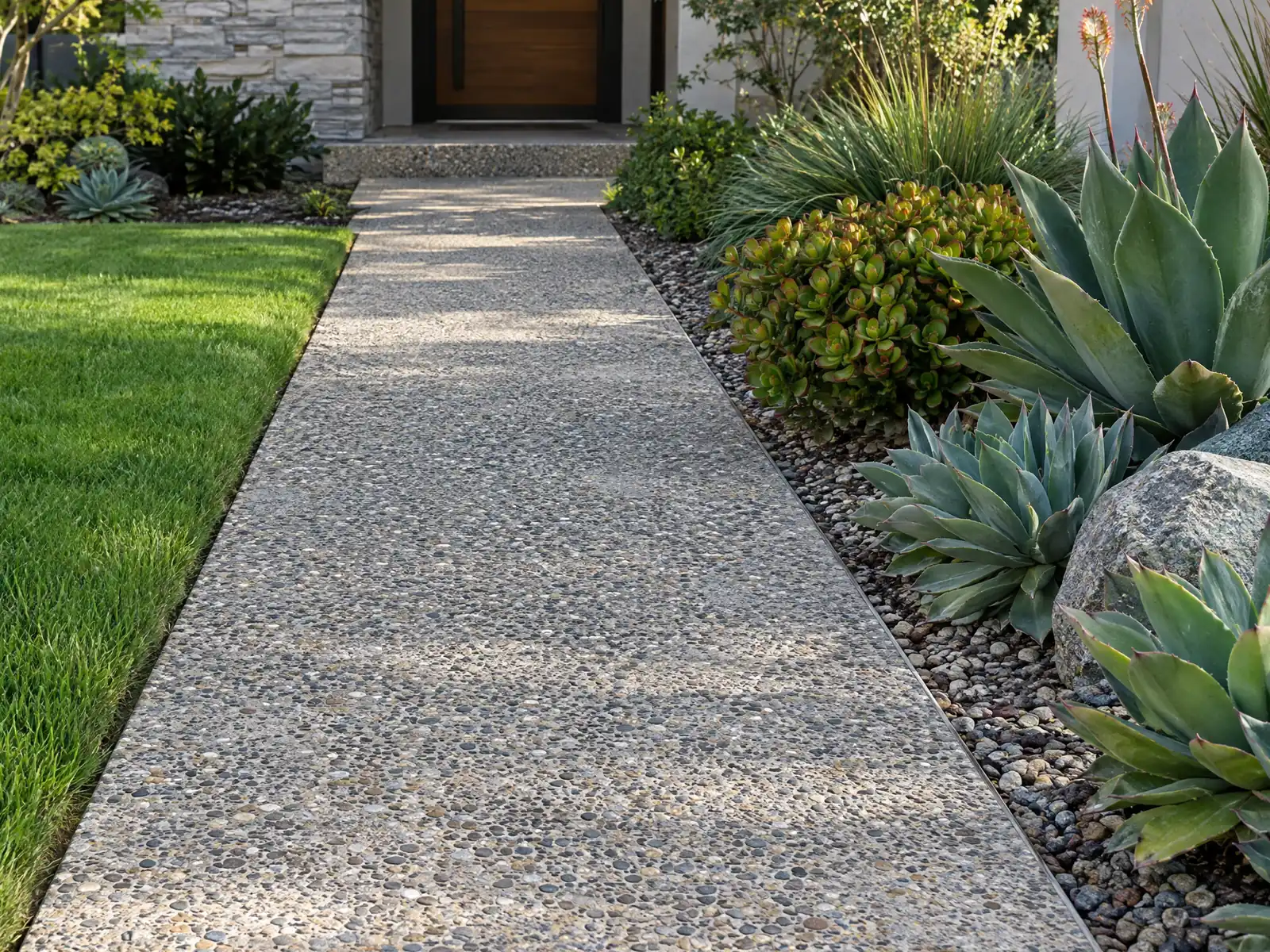
Concrete in Santa Ana ages in layers. The city sits on a flat plain, the Southern Pacific reached it in 1877 and the Pacific Electric ran along Fourth Street from 1905 to 1958, and the postwar boom filled the grid with tract homes. Census estimates for 2024 count 87,405 homes, about 69 percent built before 1980, so many driveways, walks and patio slabs are now 45 years old or more, and the questions on a 1950s lot differ from those on a newer one.
MDG Builders, CSLB #1040337, is a general contractor in Tarzana that plans the job, raises the setback and right of way questions with Santa Ana's Building Safety Division and Planning counter and brings in a licensed concrete subcontractor for the forms, the pour and the finish. Finishes and ranges are on the concrete page, and the Santa Ana overview shows the other trades we manage here.
What Santa Ana's Building Safety Division, Planning counter and Public Works say about concrete work
Where concrete permits come from in Santa Ana: City of Santa Ana Planning and Building Agency, Building Safety Division (Permit Counter).
- Sidewalks, driveways and decks not more than 30 inches above adjacent grade, not over a basement or story below and not part of an accessible route do not need a building permit (Section 8-94 amends item 6 of the code's exemption list), but Handout BLD-01 tells owners to contact the Planning Counter at (714) 647-5804. (This section was read on the GoCodebook mirror, since the City code host blocks automated tools; ask Planning to confirm the current wording.)
- R1 driveways must lead to a garage and be no wider than the garage or 50 percent of the lot width at the street, whichever is less. Street-facing garages may take up no more than 50 percent of the lot width, front and street-side yards must be landscaped except approved driveways and sidewalks, and no vehicles may park in the front yard except on the driveway (Section 41-239). (Read on the GoCodebook mirror, as the City code host refuses automated access; the current section should be confirmed with Planning.)
- Work in the public right of way, such as curb, gutter or sidewalk repair, goes through a Public Works encroachment permit taken out by a licensed contractor with a City business license, certificate of insurance and approved plans. Work in the StreetCar designated area also needs OCTA approval first.
- Handout BLD-05 says no grading may be done without a grading permit unless an exemption applies: under 50 cubic yards in an isolated, self-contained area with no danger to the public, excavation for a permitted structure, utility trenches, or an excavation under 50 cubic yards that is less than 2 feet deep or has no cut slope over 5 feet steeper than 2:1. Planning authorization is required before grading permit submittal, and all new buildings, including new single-family homes, need a grading permit.
- The adopted ICC alternate foundation policy sets slab-on-grade details for small additions and accessory structures: scarify the top 12 inches or recompact 4 feet of overexcavation with a 90 percent compaction report, a 5 inch slab with #4 bars at 18 inches each way over 4 inches of base with a 10 mil vapor retarder, and concrete of at least 4,500 psi with Type V cement and a 0.45 maximum water-cement ratio.
- Table R301.2 lists a frost line depth of 12 to 24 inches, negligible weathering and very heavy termite damage for Santa Ana. (Taken from the GoCodebook mirror because the City code host blocks automated access; confirm it with Planning before relying on it.)
- Retaining walls of 4 feet or less without surcharge are exempt from a building permit but reviewed by Planning, and walls retaining 6 feet or less of level grade without surcharge are exempt from a soils report.
- CSLB defines the C-8 Concrete classification as forming, pouring, placing, finishing and installing mass, pavement, flat and other concrete work.
Sources for these rules
- gocodebook.com: division 2 amendments
- gocodebook.com: division 3 r1 single family residence
- santa-ana.gov: encroachment permits
- storage.googleapis.com: BLD 05 Grading Permit 0
- storage.googleapis.com: 534f2830 pcc 06 soils report exemptions 2026
- gocodebook.com: division 2 amendments
- cslb.ca.gov: Licensing Classifications Detail
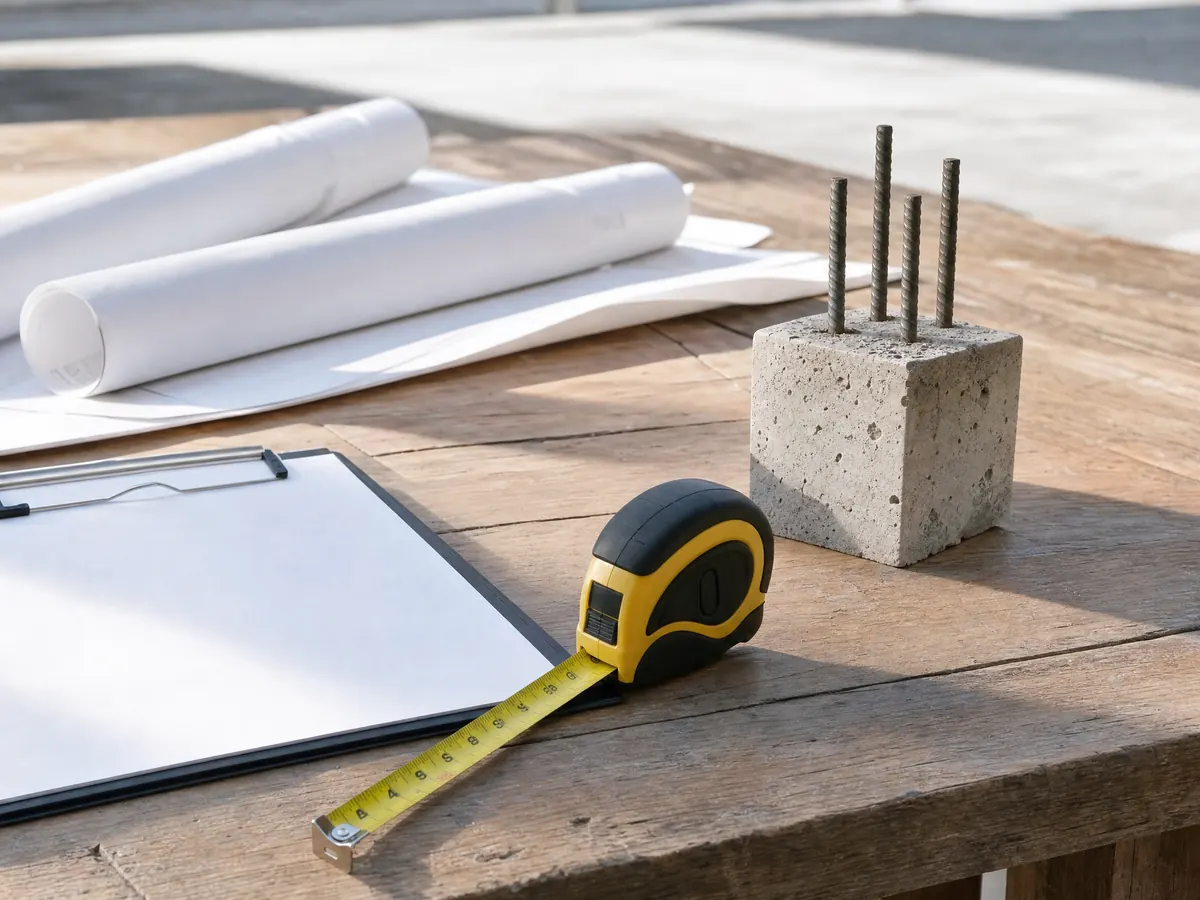
Do you need a permit to pour a concrete patio, driveway or sidewalk in Santa Ana?
Often not for a driveway or walk, with limits. Section 8-94 of the municipal code, as it reads on the GoCodebook mirror because the City's code host blocked our tools, exempts sidewalks and driveways not more than 30 inches above adjacent grade, not over a basement or story below and not part of an accessible route. Confirm the current text with Planning.
A ground-level patio slab is not named. Section 8-94 names sidewalks, driveways and decks, and the City's permit FAQ lists no patio slab, so we cannot promise that a new patio is exempt. Handout BLD-01 tells owners with exempt work to call the Planning counter at (714) 647-5804, and an exemption from a building permit never lifts a zoning rule.
Public property is a separate permit. A driveway apron, curb or sidewalk lies in the City's right of way, covered in the next section, so check where your property line sits before the old slab comes out.
- Is the surface 30 inches or lower above grade?
- Is any part of it in the right of way?
- Does the slab change what zoning allows on the lot?
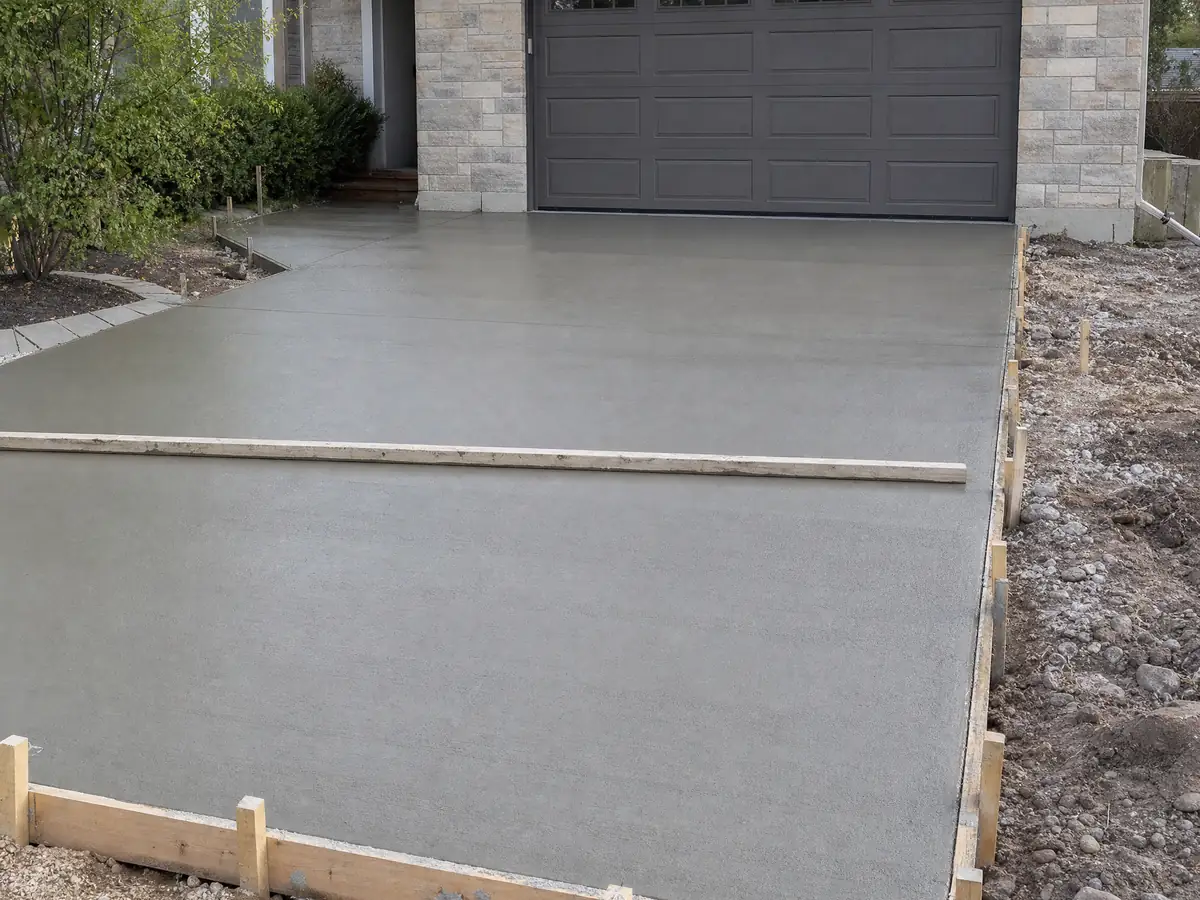
Does a curb, gutter or sidewalk repair in Santa Ana need a Public Works permit?
Yes, and the permit is taken out by a licensed contractor. Under the Public Works rules, an encroachment permit covers work in the street or public right of way, including curb, gutter and sidewalk improvement or repair. The contractor must provide a City of Santa Ana business license, a certificate of insurance, a contractor's license in an approved classification and three sets of approved plans with unexpired plan check approval.
That rule shapes who you hire. A homeowner cannot pull the encroachment permit personally, so a cracked sidewalk panel or a widened driveway apron needs a contractor ready to file it. Public Works answers questions at (714) 647-5039.
Streetcar corridors have another step. Work in the StreetCar designated area also needs approval from OCTA first, per the City's encroachment page. Ask your contractor to name the permit, the inspection and who schedules each before demolition starts, and read our subcontractor guide for how the pieces fit together.
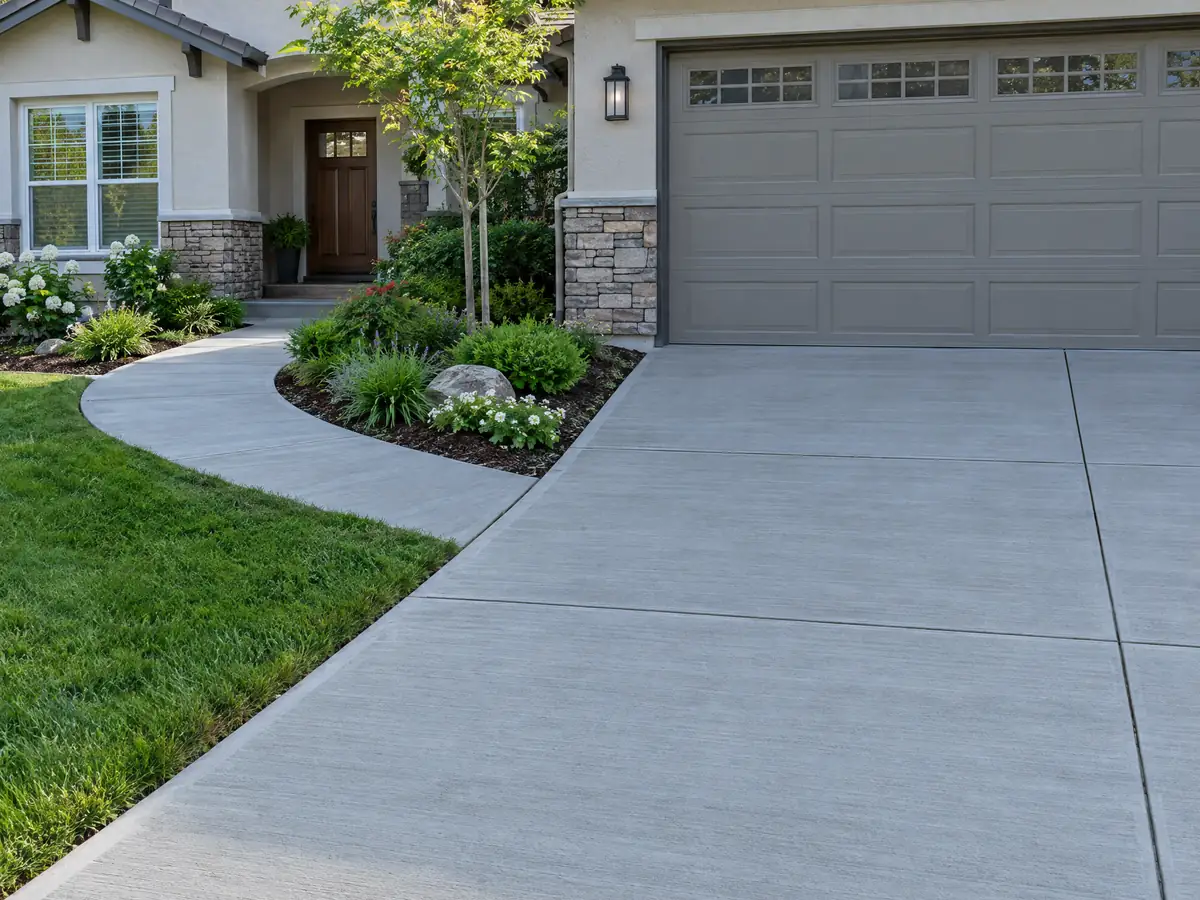
How wide can a driveway be, and can you expand one without a permit in Santa Ana?
Zoning sets the width, not the permit exemption. In the R1 single-family zone a driveway must lead to a garage and be no wider than the garage or 50 percent of the lot width at the street, whichever is less, and a street-facing garage may take up no more than half the lot width. That text is Section 41-239 as it reads on the GoCodebook mirror, so confirm it with Planning before widening.
Front yards have their own rules. Front and street-side yards must be landscaped except for approved driveways and sidewalks, and no vehicle may park in the front yard except on the driveway. Extra paving for a second car beside the drive would collide with both lines.
Older neighborhoods add review. French Park, Floral Park and Downtown are National Register Districts, Heninger Park has its own protection, and exterior alterations in historic districts need a Certificate of Appropriateness. We read no City sentence saying whether a driveway counts, so ask Planning first. The City also notes its Zoning Code dates to the 1960s and a draft replacement was released on July 23, 2026, so these numbers may change.
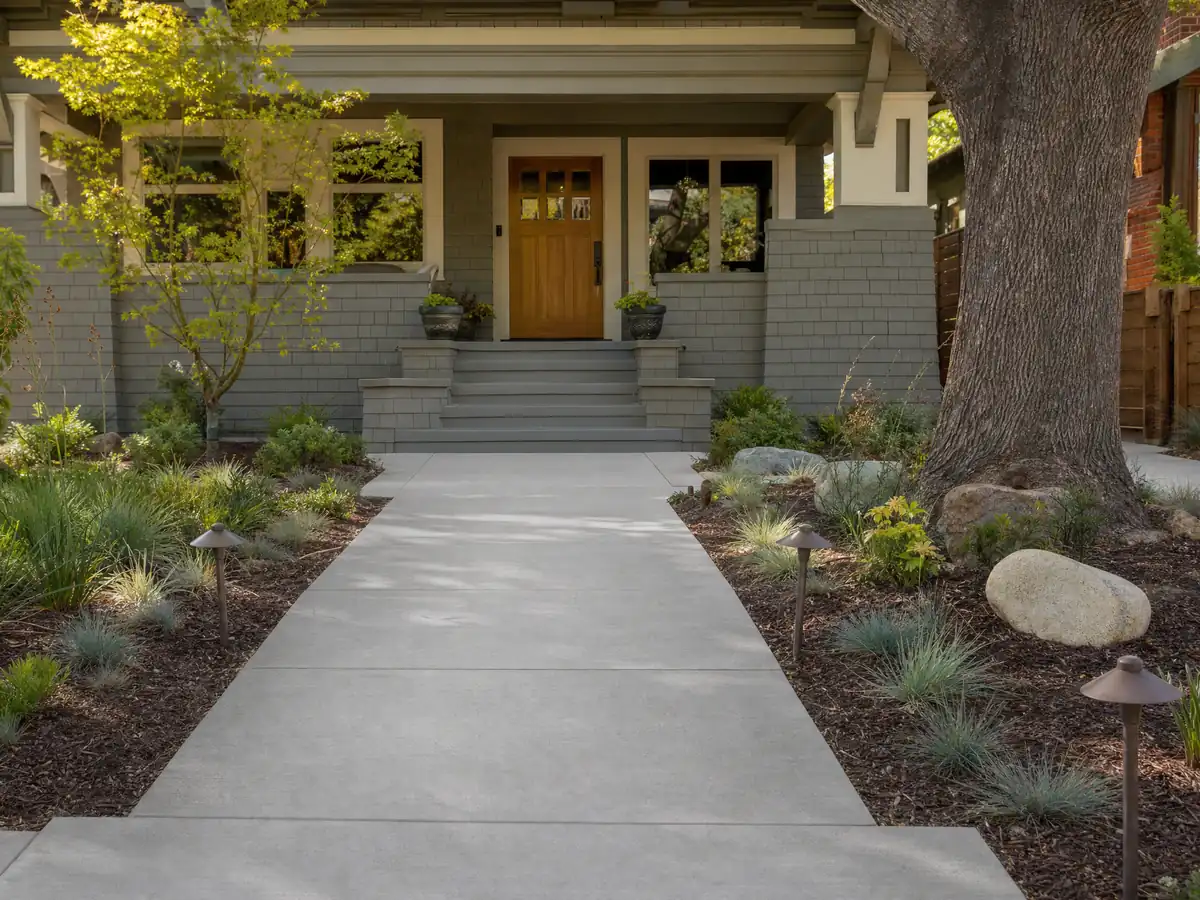
What grading and soil rules apply to a new slab in Santa Ana?
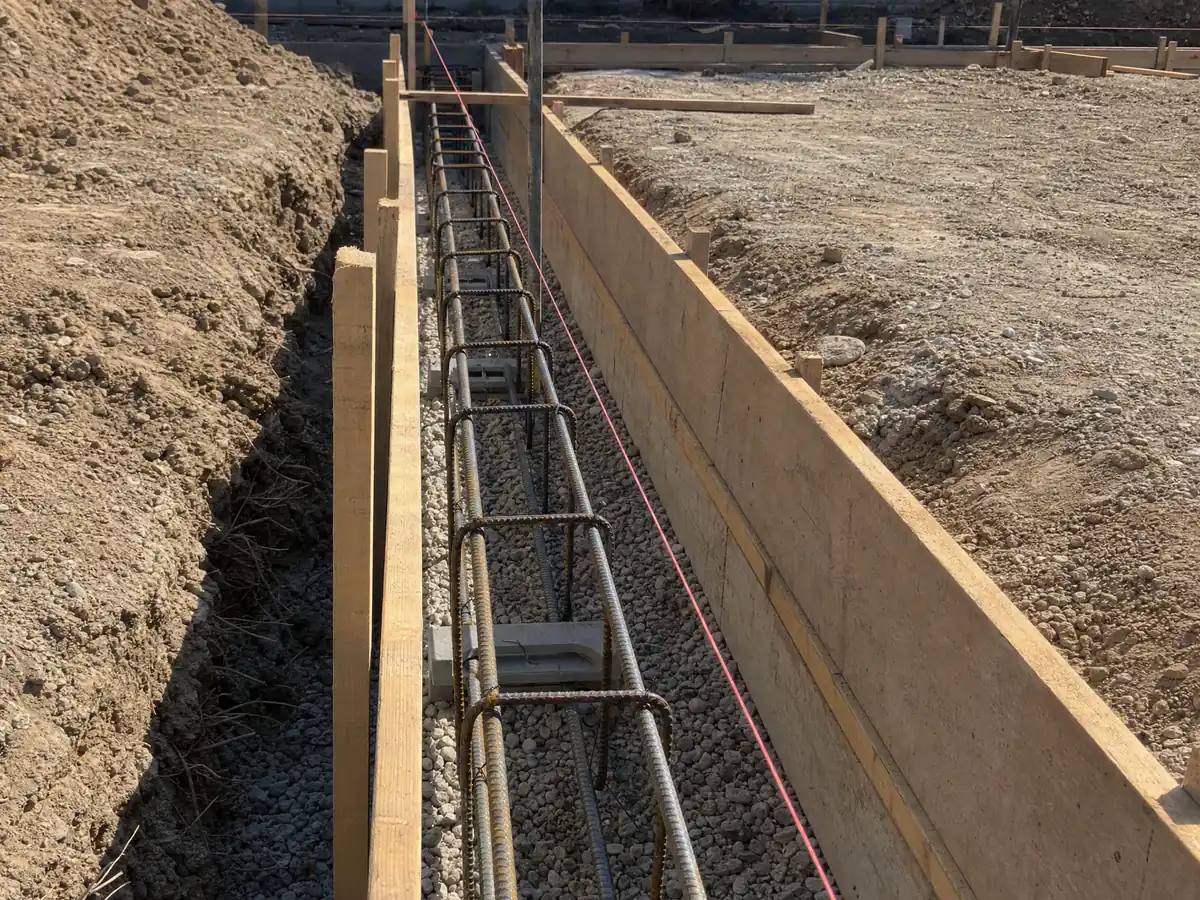
Grading permits have exemptions, and they are narrow. City Handout BLD-05 says no grading may happen without a permit unless an exemption applies, such as under 50 cubic yards in an isolated, self-contained area, a utility trench, or an excavation under 50 cubic yards that is less than 2 feet deep or has no cut slope steeper than 2:1 over 5 feet. Planning authorization comes before a grading permit submittal.
The City's soils handout sets slab details for small additions and accessory structures: a 5 inch slab with #4 bars at 18 inches each way over 4 inches of base and a 10 mil vapor retarder, concrete of at least 4,500 psi with Type V cement and a 0.45 maximum water-cement ratio. The handout also separates liquefaction areas, where 4 feet of overexcavation applies to larger additions and accessory buildings. We found no sentence applying these to a plain patio, so ask Building Safety.
Floodplain parcels need care. The City keeps FEMA Flood Zone A and AE parcels out of over-the-counter plan check, and a project costing 50 percent or more of a structure's value counts as a substantial improvement under Chapter 7, per the GoCodebook mirror.
What is the maximum height of a retaining wall or block wall without a permit in Santa Ana?
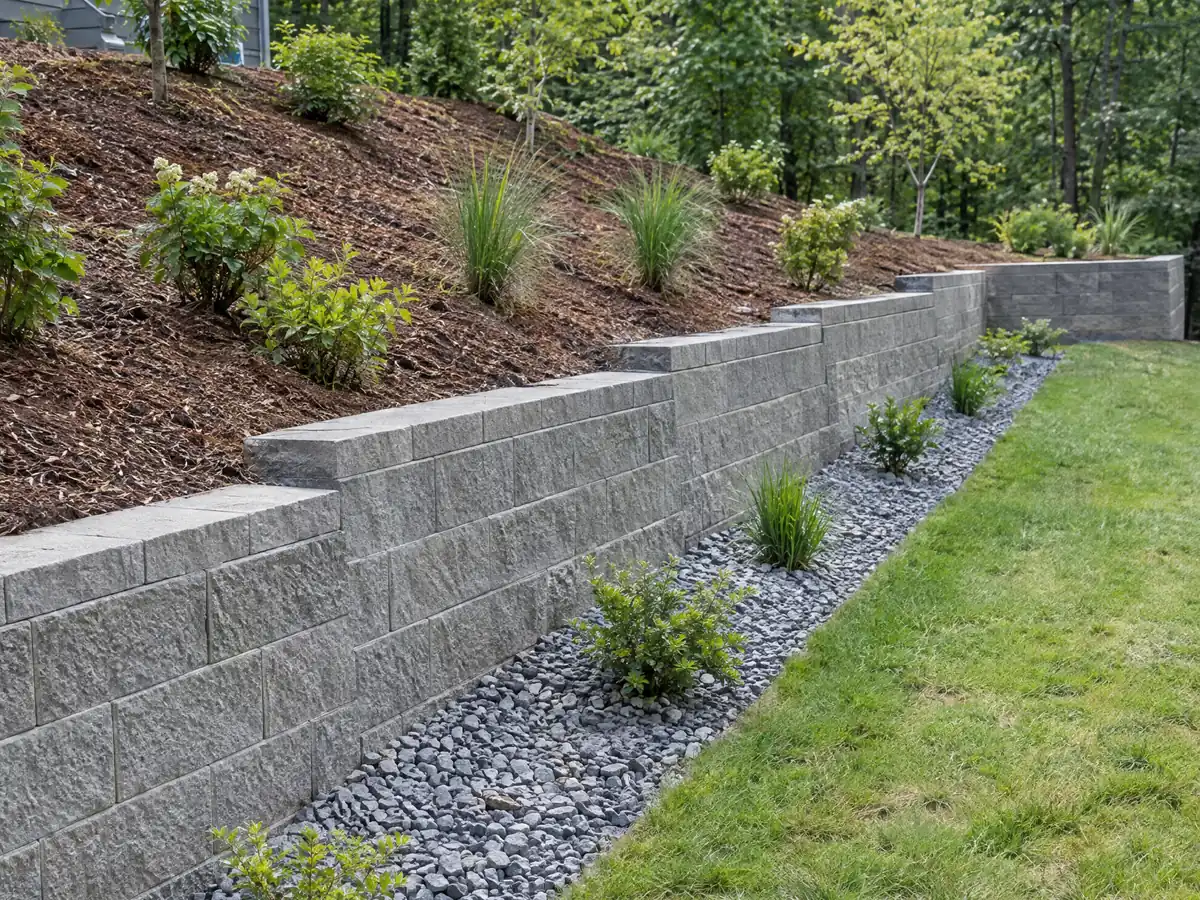
A retaining wall of 4 feet or less, measured from the bottom of the footing to the top of the wall, needs no building permit unless it supports a surcharge. Handout BLD-01 still sends the owner to Planning for review, and the soils handout exempts walls retaining 6 feet or less of level grade without a surcharge from a geotechnical report, though the building official can still ask for one where soil conditions are questionable.
Fences and block walls follow zoning. In the front yard of RE and R1 to R4 zones a fence is capped at 3 feet, or 4 feet on arterial streets, and anything over 18 inches needs a Planning permit. Decorative block such as slump stone or split-face is on the City's list of allowed materials, elements above 18 inches must be visually open, and other walls and fences can reach 8 feet.
Block walls belong to another license. CSLB's C-29 masonry class covers concrete block for walls and fences, so a finished block wall may be a different crew than the one pouring your slab.
Can you pour concrete in Santa Ana's summer heat or winter rain?
Yes, with a plan for each. NOAA's normals for the Santa Ana Fire Station show 30.0 days a year at or above 90 F and 2.2 at or above 100 F, with August highs averaging 84.6 F. On a hot afternoon ask how the crew will keep the surface damp and cured, and who is on site to finish it before it stiffens.
Rain is a winter matter. The station averages 12.54 inches a year, 9.91 of them from December through March, and almost none in July or August. A pour in those months needs a way to cover the slab and a fallback date.
The City treats heat as a local concern. It runs cool pavement projects and publishes a heat map for the urban heat island, and John Wayne Airport, about 4 miles south, runs cooler near the coast with an August average high of 80.4 F. We read no rule requiring a lighter finish on a private slab, but ask which broom or trowel finish and which sealer the crew proposes for a sunny driveway.
What does concrete work cost in Santa Ana, and what license should the crew hold?
We found no Santa Ana price study, so these are Los Angeles figures from Angi's 2026 pages, built from customer surveys and pro data, and Orange County pricing may differ. A patio runs $4 to $13 per square foot and averages $5,248, a 20 by 20 foot patio is $1,600 to $5,200, stamped work is $15 to $30 per square foot, and a driveway is $8 to $20, averaging $7,270. A retaining wall averages $7,140 within $2,674 to $11,842, and we print no per-foot wall price because height and drainage drive it.
The Los Angeles-Long Beach-Anaheim metro area covers Orange County, and its cement masons averaged $33.67 an hour in the federal May 2025 survey. That figure is a wage, not a billing rate, and demolition, base, rebar and haul-off belong on separate proposal lines.
A concrete company should hold CSLB's C-8 class for forming, pouring and finishing. Our license check guide shows how to look a number up, and the CSLB bulletin on AB 2622 explains why the $1,000 unlicensed limit does not cover work that needs a permit.
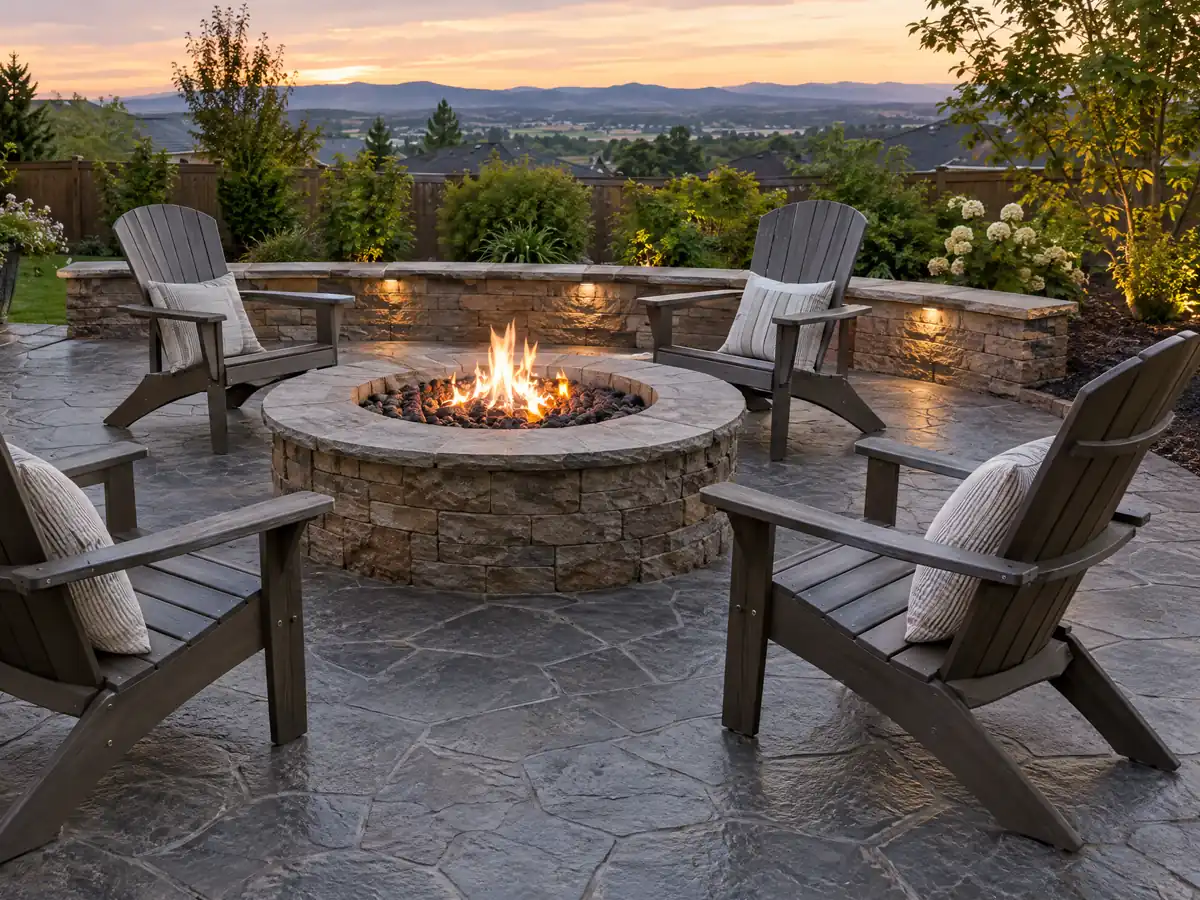
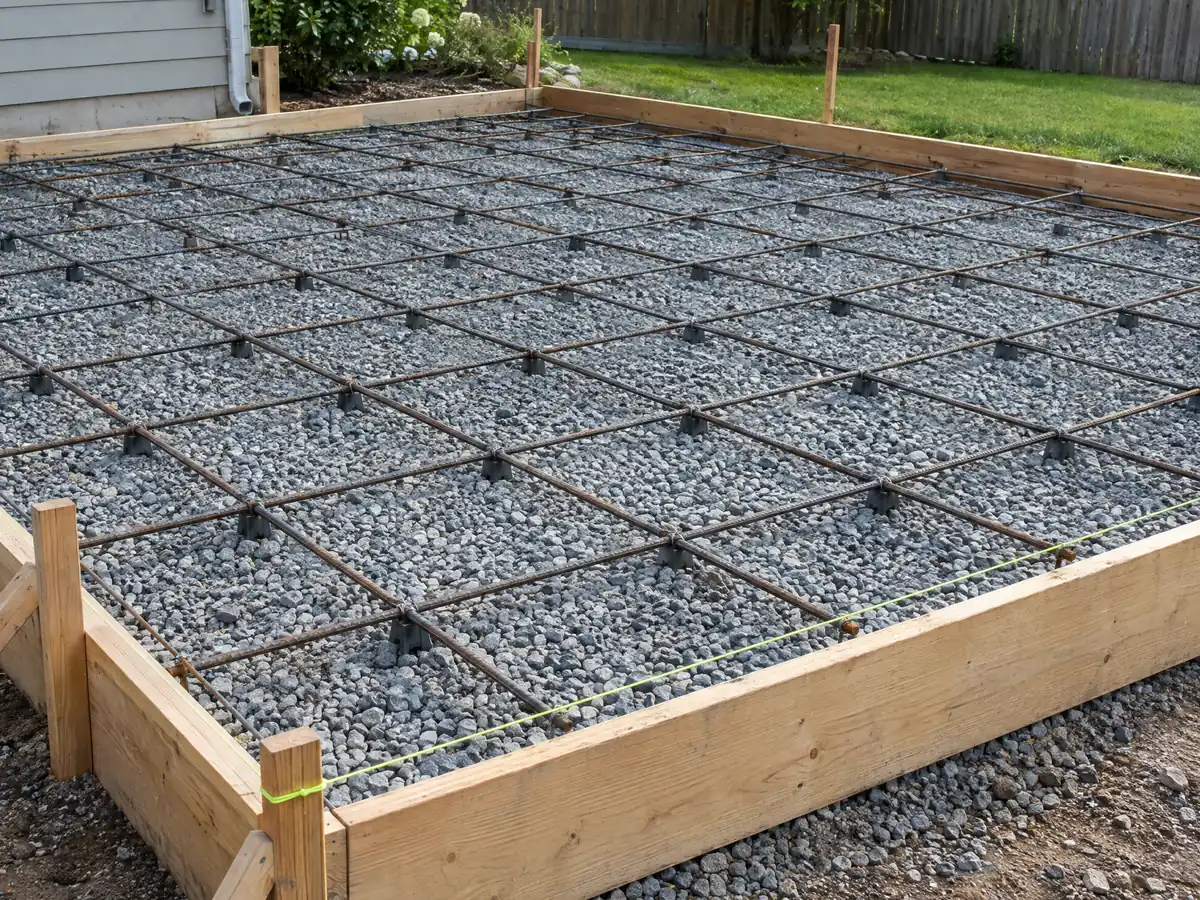
Concrete photos from Santa Ana and nearby communities
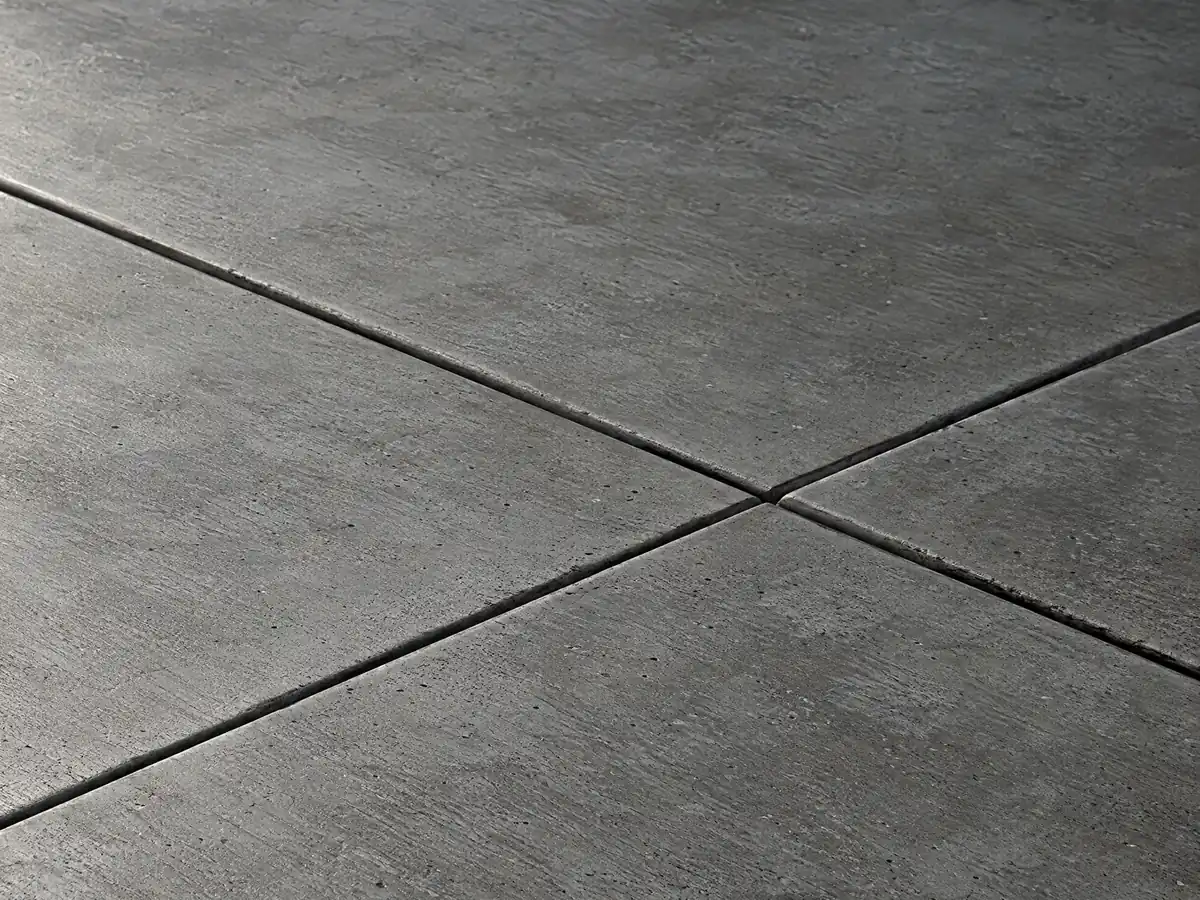
Forms, rebar, finished flatwork and block walls from Santa Ana and nearby towns, shown at the steps that matter. Tap any photo to enlarge it.
What concrete costs around Santa Ana
Dollar figures on this page are Los Angeles planning ranges from our concrete page, not a Santa Ana bid, and the proposal should show demolition, base, rebar and any City review on separate lines. For the same property, see flooring in Santa Ana and decks in Santa Ana. Nearby, compare concrete in Anaheim, concrete in Garden Grove and concrete in Irvine, or concrete in Los Angeles.
| What it covers | Typical range |
|---|---|
| Patio, walkway or slab, broom finish, 300 sq ft or more | $8 to $14 per square foot |
| Decorative: stained, stamped or exposed aggregate | $15 to $30 per square foot |
| Driveway replacement, with demolition of the old slab | $9 to $20 per square foot |
| 20 by 20 foot plain patio (400 sq ft) | About $3,200 to $5,600 |
| 20 by 20 foot decorative patio (400 sq ft) | About $6,000 to $12,000 |
| Small jobs under 300 sq ft | Usually above the per-foot range |
| Retaining walls | Set by the written proposal |
Santa Ana concrete questions, answered
Can I pour a concrete patio without a permit in Santa Ana?
Possibly, but we cannot confirm it from a City sentence. The municipal code exempts sidewalks and driveways up to 30 inches above grade and does not name a patio slab. Call the Planning counter at (714) 647-5804 with the size and the distance to each property line.
Can I expand my driveway without a permit in Santa Ana?
Widening is a zoning question first. In the R1 zone a driveway can be no wider than the garage or 50 percent of the lot width at the street, whichever is less, and the front yard must stay landscaped around it. Ask Planning before pouring, and in a historic district ask about review.
Who can replace a sidewalk or curb in front of my Santa Ana house?
A licensed contractor, under a Public Works encroachment permit. The contractor must show a City business license, a certificate of insurance and approved plans. A homeowner cannot take that permit out personally, so ask the contractor to name the permit and the inspection before work starts.
How much should a 20x20 concrete patio cost in Santa Ana?
For a 400 square foot slab, Angi's 2026 Los Angeles page gives $1,600 to $5,200 within its general $4 to $13 per square foot. We found no Santa Ana study. Old slab removal, base rock and any decorative finish move the total, so the price comes after a site visit.
How much does a concrete driveway cost in Santa Ana?
On Angi's 2026 Los Angeles page a driveway runs $8 to $20 per square foot, averaging $7,270 within a $3,067 to $16,472 range. Removing the old slab, base work and the apron change that, and apron work needs a Public Works permit, so ask who files what.
How much does a stamped concrete patio cost in Santa Ana?
Angi's 2026 Los Angeles page prices stamped concrete at $15 to $30 per square foot, with a $5,948 average. Pattern, color and sealer choices swing the total, so that range deserves less trust than plain flatwork. Write the pattern, color and sealer into each bid so quotes compare.
What is the maximum height of a retaining wall without a permit in Santa Ana?
Four feet or less, counted from the footing bottom to the wall top, as long as it carries no surcharge. Planning still reviews it, and a front yard fence is capped at 3 feet, or 4 on arterial streets. Ask Planning before you dig.
Is 4 inches of concrete thick enough for a driveway in Santa Ana?
Four inches is common practice for walks and patios, but no City sentence we read sets a driveway thickness. The City's soils handout calls for a 5 inch slab with #4 bars for small additions. Ask the crew to state thickness, base, reinforcing and joints in the proposal.
Can you pour concrete in the rain in Santa Ana?
Rain from December through March is the risk, since that span brings 9.91 of the city's 12.54 inches a year. A crew needs a way to cover fresh concrete and a fallback date. Summer heat needs a curing plan instead, because 30 days a year reach 90 F.
What license does a concrete company need in Santa Ana?
A concrete company should hold CSLB's C-8 class for flatwork and foundations, and block walls fall under C-29. Curb, gutter and sidewalk work in the street also needs a City business license and a certificate of insurance for the encroachment permit. Look the license up on the CSLB site.
Send the address, a photo and a rough size
Describe what you want poured, the rough size and whether any of it touches the sidewalk or the street. The permit, setback and right of way questions come with us to the first visit.