
Concrete Companyin Orange, CA
A concrete company in Orange, CA starts with the front yard: no more than 60 percent of the area between the house and the street may be paved. The state exempt list covers low walks and driveways and retaining walls up to 4 feet, but public street work and Old Towne walkways follow their own rules.
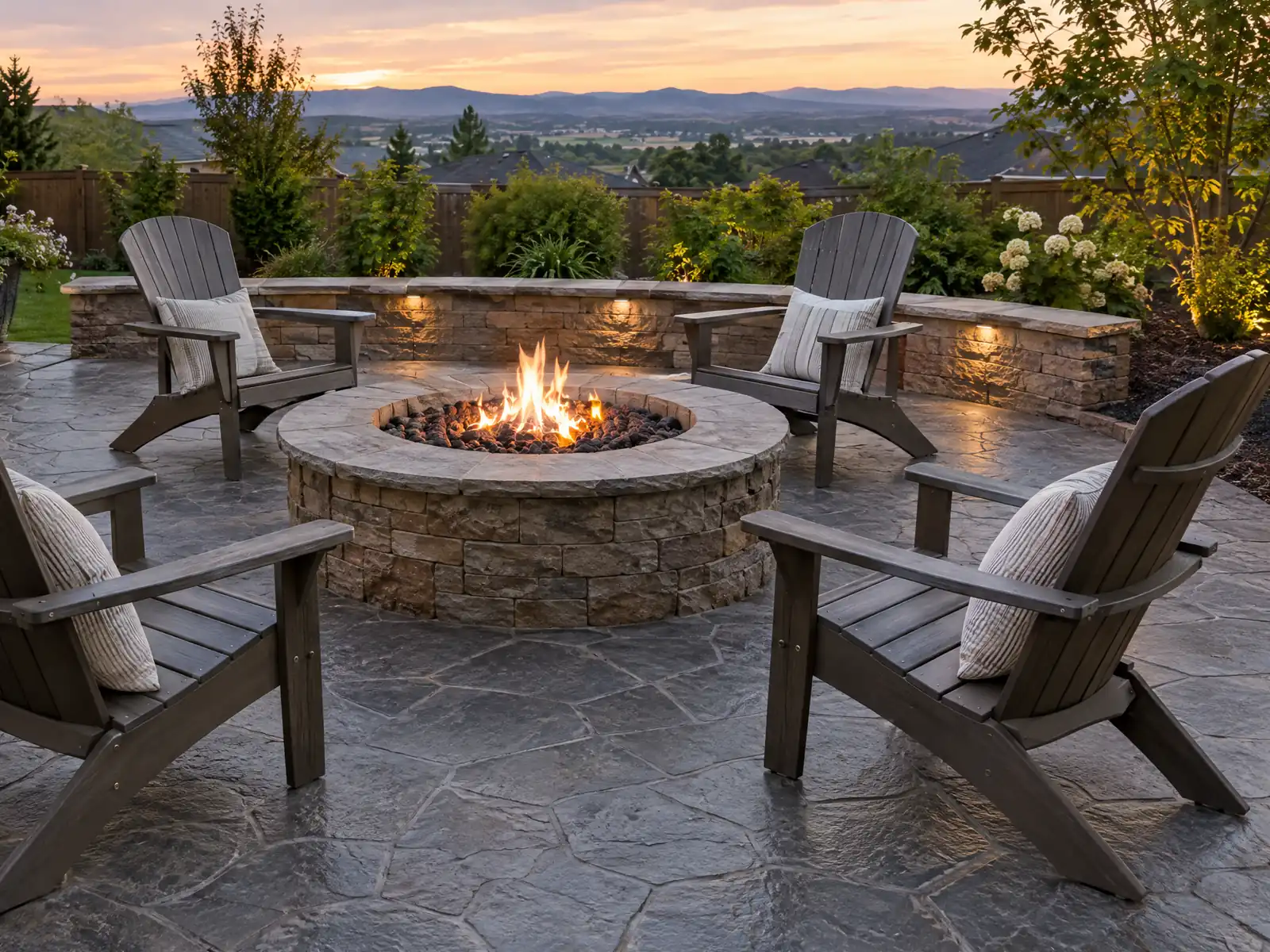
Orange's concrete tells its age. A driveway or patio slab poured with a 1960s tract house is now about 60 years old, and Census estimates for 2024 put 59.2 percent of the city's 46,126 homes in the 1950 through 1979 window, with the 1960s alone at 26.2 percent. In Old Towne, where most of the 1,300 vintage buildings date from about 1874 to 1940, the front walks and steps are part of the historic fabric.
MDG Builders, CSLB #1040337, is a general contractor in Tarzana: we plan the pour, take the zoning and right-of-way questions to Orange's Building and Safety Services Division and hire a licensed concrete subcontractor for the forms, placement and finish. The City's own website would not open for our research tools, and the municipal code text here comes from a third-party mirror, so every section number needs a call to the City. Finishes and ranges are on the concrete page, and the Orange overview lists our other trades here.
What Orange's Building and Safety Services Division, Public Works rules and Old Towne standards say about concrete work
Where concrete permits come from in Orange: City of Orange Community Development Department, Building and Safety Services Division.
- Orange limits paving in the front yard of a residential property to 60 percent of the area between the house and the street right-of-way (Municipal Code 17.14.090.E), counting concrete, asphalt, brick and pavers, and all required setbacks that abut a public right-of-way must be permanently landscaped. A variance goes to the Zoning Administrator.
- The state exempt list (as excerpted by the City of Albany) exempts sidewalks and driveways not more than 30 inches (the sheet's wording ends there) and retaining walls not over 4 feet from the footing bottom to the top unless they carry a surcharge. Orange adds only TV dishes and flagpoles to that list, so zoning limits like the 60 percent front yard cap and public-right-of-way rules still apply to a flatwork job.
- Orange requires a written certificate and deposit from the Department of Public Works before anyone excavates in or under a public street, alley, sidewalk or other public place (Municipal Code 12.20.010).
- Orange requires a permit to plant or remove any tree, shrub, stake or tree guard in a public street or right-of-way (12.28.020), and bars filling the ground around a street tree, including with a concrete or brick sidewalk, so as to shut off light, air or water from its roots (12.28.090).
- Orange's Grading Ordinance (Chapter 16.40) incorporates the City of Orange Manual of Grading and the Guidelines for Landform Grading and Planting by reference, covers erosion, water quality, excavation, cuts and fills, and lets the City Engineer add requirements; the specific permit thresholds are in the Manual, which was not readable.
- Orange's Flood Plain overlays (FP-1 floodway and FP-2 flood plain) require drainage studies and grading plans showing finished grade and design flood elevations for any development in the overlay, and the Flood Damage Prevention chapter requires a development permit before construction in a special flood hazard area.
- A single-family home in Orange must provide two enclosed garage spaces up to four bedrooms reached by a driveway at least 12 feet wide and 20 feet long, and the zoning code limits parking and storage of passenger vehicles in the front yard to the paved driveway or surface leading to the required parking, so flatwork that widens or reshapes a driveway is read against both rules.
- CSLB defines the C-8 Concrete classification as forming, pouring, placing, finishing and installing mass, pavement, flat and other concrete work, excluding contractors whose sole business is plaster coatings or placing reinforcing steel.
Sources for these rules
- gocodebook.com: chapter 17.14 residential districts
- albanyca.gov: work exempt from permit 2025 cbc
- gocodebook.com: chapter 12.20 street excavation
- gocodebook.com: chapter 12.28 street trees
- gocodebook.com: chapter 16.40 grading requirements
- gocodebook.com: chapter 17.28 overlay districts
- gocodebook.com: chapter 17.34 off street parking and loading
- cslb.ca.gov: Licensing Classifications Detail
How much of an Orange front yard can be paved, and how wide does the driveway need to be?
Sixty percent is the ceiling. Municipal Code 17.14.090.E limits paving in a residential front yard to 60 percent of the area between the house and the street right-of-way, and it counts concrete, asphalt, brick and pavers alike. Required setbacks that touch a public right-of-way must be permanently landscaped, and a variance request goes to the Zoning Administrator.
Parking sets a floor beneath that ceiling. A single-family home needs two enclosed garage spaces up to four bedrooms, reached by a driveway at least 12 feet wide and 20 feet long, and the code limits parking and storage of passenger vehicles in the front yard to the paved driveway or surface leading to the required parking. A job that widens or reshapes a driveway is read against both rules, so draw the whole front yard with percentages before the forms go in.
- What share of the front yard is paved today?
- Does the new layout keep a 12 by 20 foot driveway?
- Are pavers or brick being added to the count?
Can you replace a front walk or steps at an Old Towne Orange house?
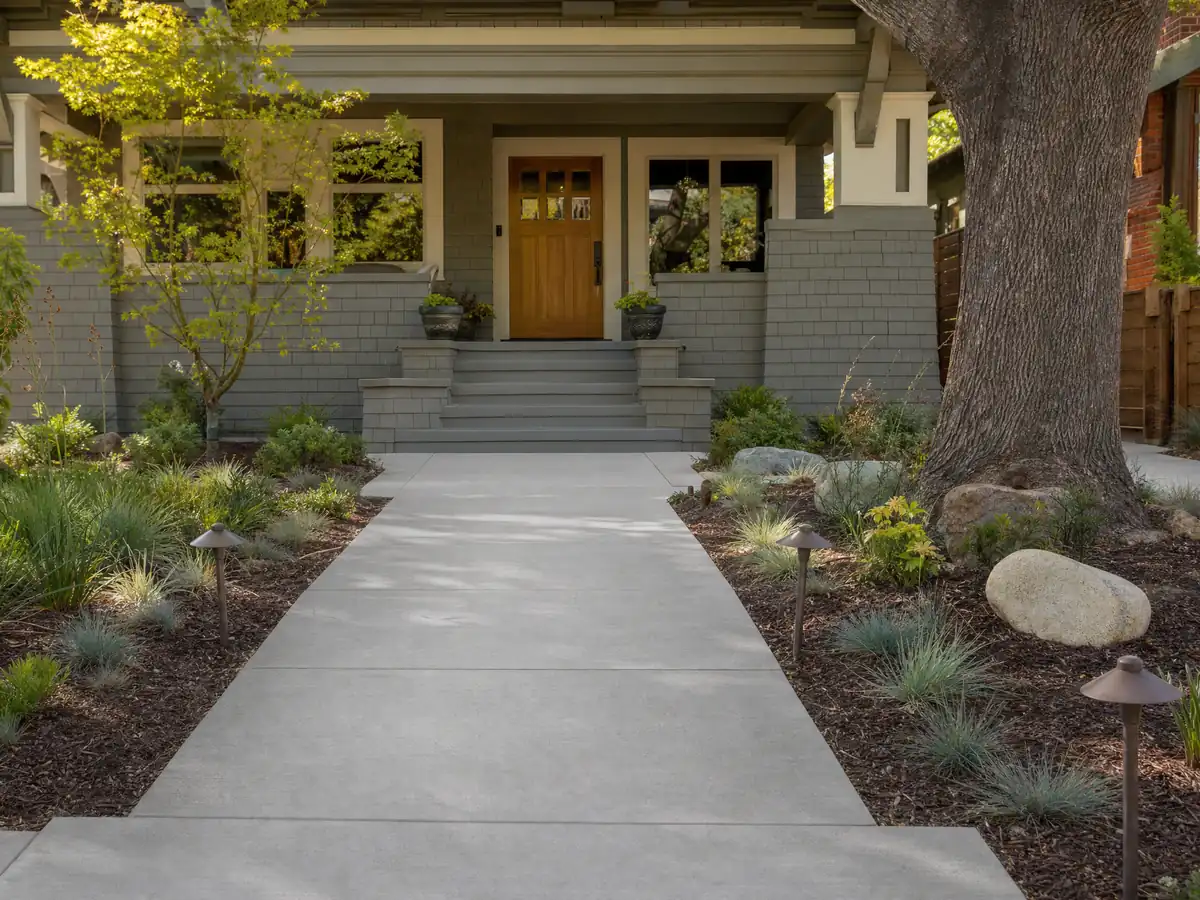
Not as a routine swap. Old Towne is a one square mile National Register district, listed on July 11, 1997, and the city requires design review for all projects there unless an adopted design standard exempts them. The Old Towne Preservation Association, a nonprofit, says the violations it reports most often involve removal or inappropriate replacement of historic fabric such as walkways, rafter tails, window and door trim, exterior doors, chimneys and stairs.
The consequences are real. The same group says violations can bring fines, orders to remove the work and withheld building permits. We could not read the design standards that say which flatwork is exempt, so we cannot tell you whether a like-for-like walk skips review. Photograph the existing pattern, scoring and edge before demolition, and ask Planning what the Design Review Committee would want matched.
The three Eichler tracts form a second review area. Their standards review exterior changes visible from the street, which could reach a new entry walk or driveway apron, and we found no sentence naming flatwork, so ask Planning there as well.
Who handles a sidewalk, curb or driveway apron in Orange, and what about street trees?
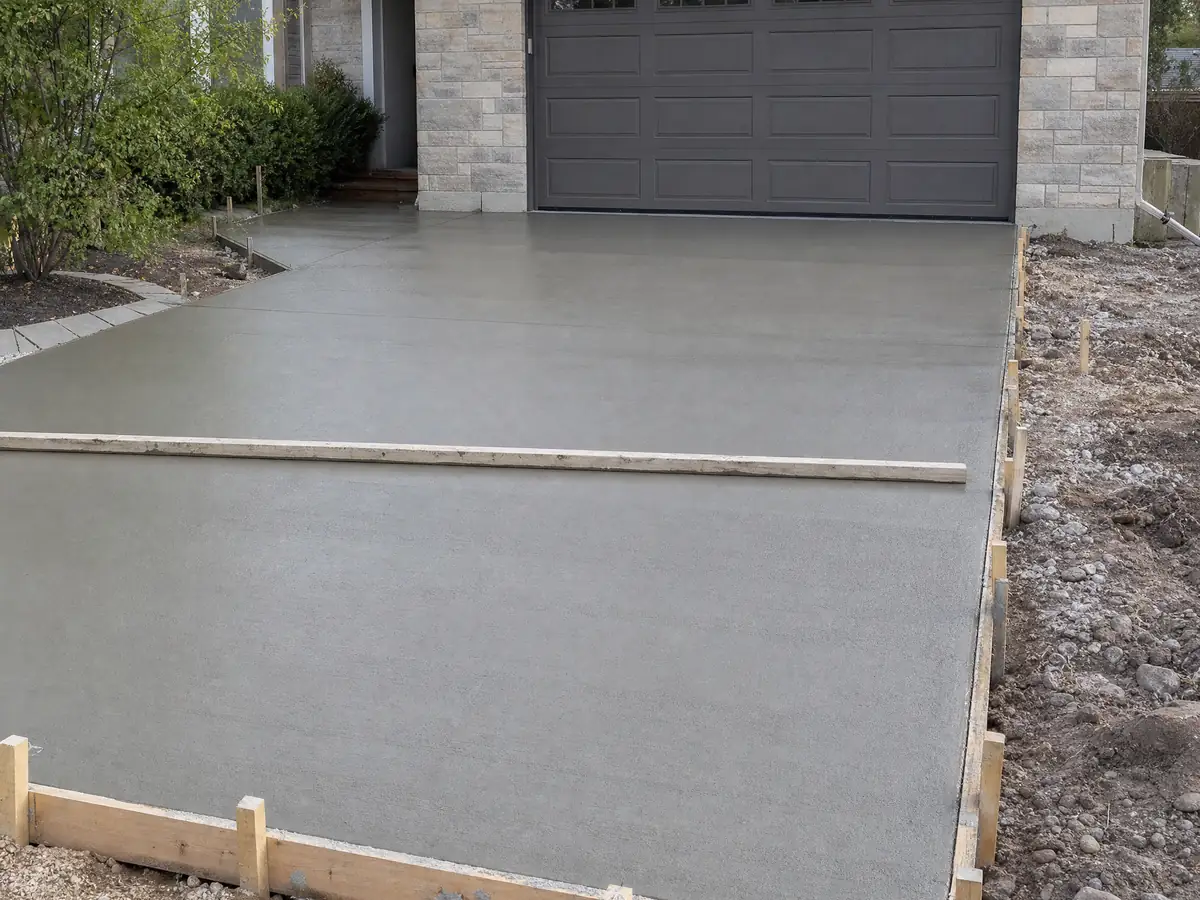
Public Works comes first for anything in the public strip. Municipal Code 12.20.010 requires a written certificate and a deposit from the Department of Public Works before anyone excavates in or under a public street, alley, sidewalk or other public place, so an apron or a sidewalk panel is not covered by a private building permit. We did not read the City's sidewalk repair policy, so ask who pays for a lifted panel.
Street trees have their own protection. Section 12.28.020 requires a permit to plant or remove any tree, shrub, stake or tree guard in a public street or right-of-way, and section 12.28.090 bars filling the ground around a street tree, a concrete or brick sidewalk included, in a way that shuts off light, air or water from its roots. A heaved panel beside a mature street tree is therefore a question for the City before it is a job for a crew.
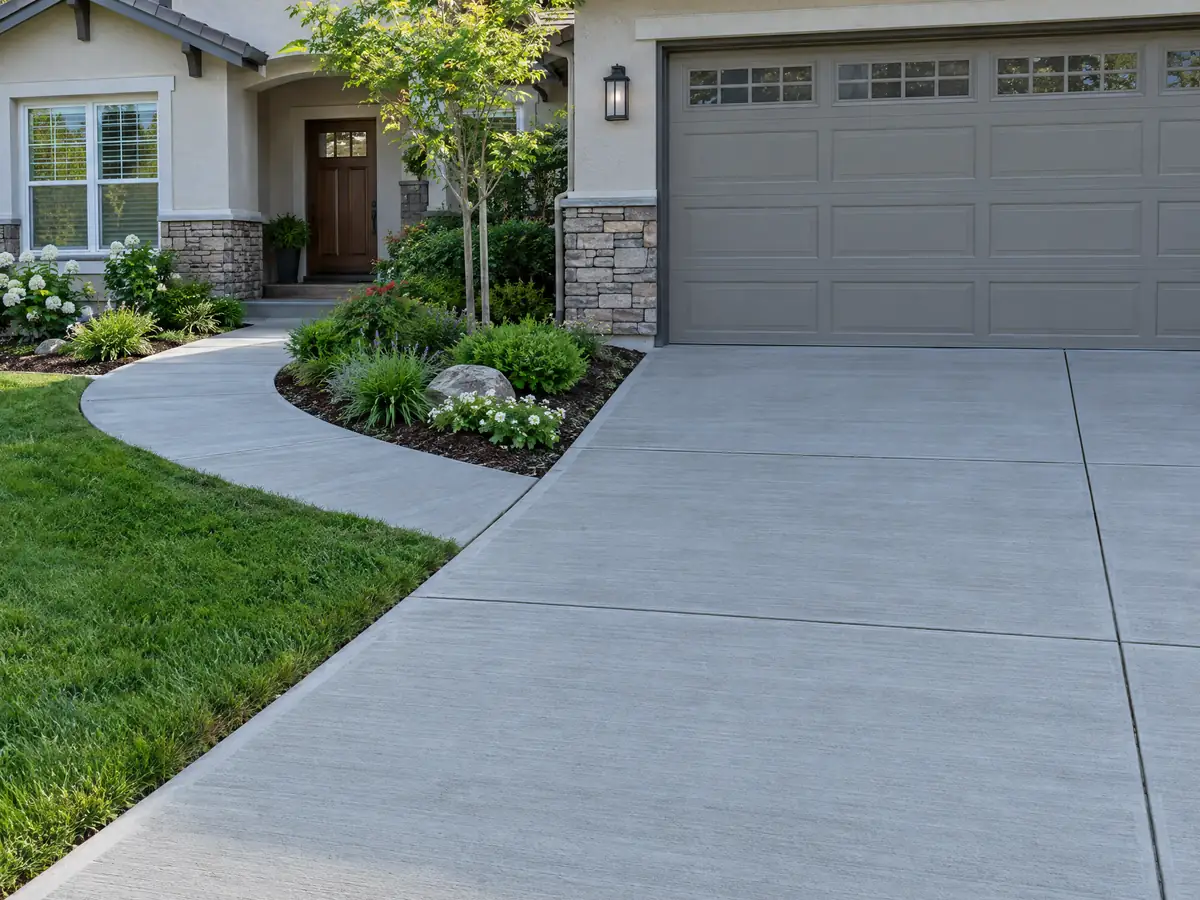
Do you need a permit to pour a patio, walkway or driveway slab in Orange, CA?
Often the slab itself is exempt, with limits. The state permit-exempt list, as the City of Albany excerpts it from the 2025 California Building Code, covers sidewalks and driveways of not more than 30 inches (the copy we read stops mid-sentence there) and retaining walls up to 4 feet from the bottom of the footing unless they carry a surcharge. Orange adds only TV dishes and flagpoles, so the zoning limits above still govern a flatwork job.
Grading and flood are the traps. Chapter 16.40 incorporates the City's Manual of Grading, which holds the thresholds and which we could not read, so we print no cubic yard number. Parcels in the FP-1 floodway or FP-2 flood plain overlays need drainage studies and grading plans showing design flood elevations, and chapter 15.60 requires a development permit before construction in a special flood hazard area. The residential code table says the city has no flood zones, which conflicts with those chapters, so ask the City which applies to your lot.
Demolition is regulated too. Chapter 8.31 requires at least 65 percent of project debris to be diverted from the landfill, and covered projects need an approved waste management plan before a building permit issues.
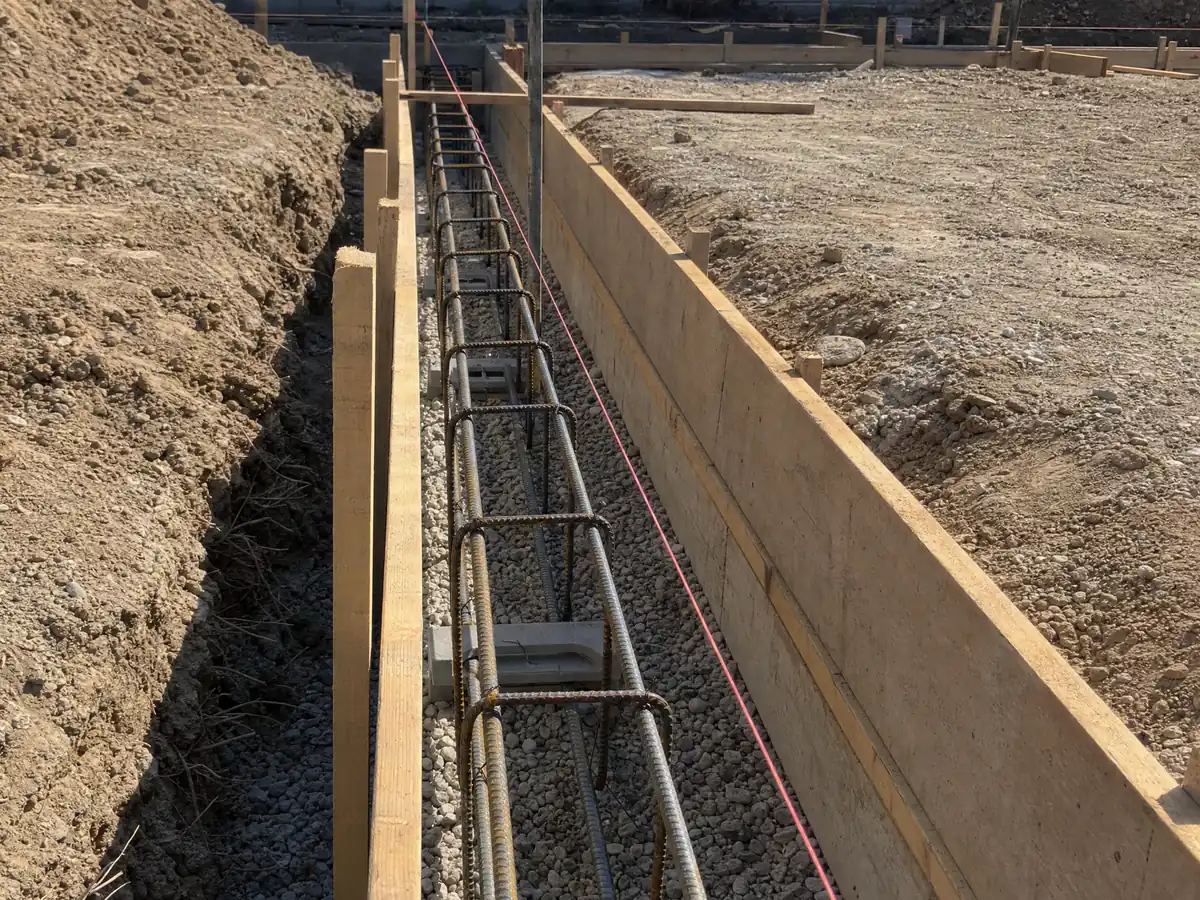
How tall can a retaining wall, block wall or tract fence be in Orange?
Four feet is the building permit line for a retaining wall alone, measured from the bottom of the footing, unless it supports a surcharge. Zoning is a separate test. Fences and walls in the required front yard stop at 3.5 feet, side and rear yard walls on a standard lot go to 6 feet from the highest adjacent ground and 10 feet from the lowest, and latticework or a topper added above counts toward the height.
Materials and tract rules matter. Chain link is banned in residential zones. A wall along a public street around a residential tract is kept up by the homeowners' association, or by each owner where there is none, repaired to match the original design and repainted or replastered along the entire contiguous wall, parts beyond your lot included. CSLB's C-29 masonry class covers concrete block walls and fences, so a block wall may be a different crew than the slab, as our subcontractor guide explains.
Near a freeway the numbers change. Orange allows a side or rear sound wall up to 8 feet, or 10 feet from the lowest ground, within 300 feet of a freeway or railroad inside the noise contours, and the Zoning Administrator can approve two more feet by administrative adjustment.
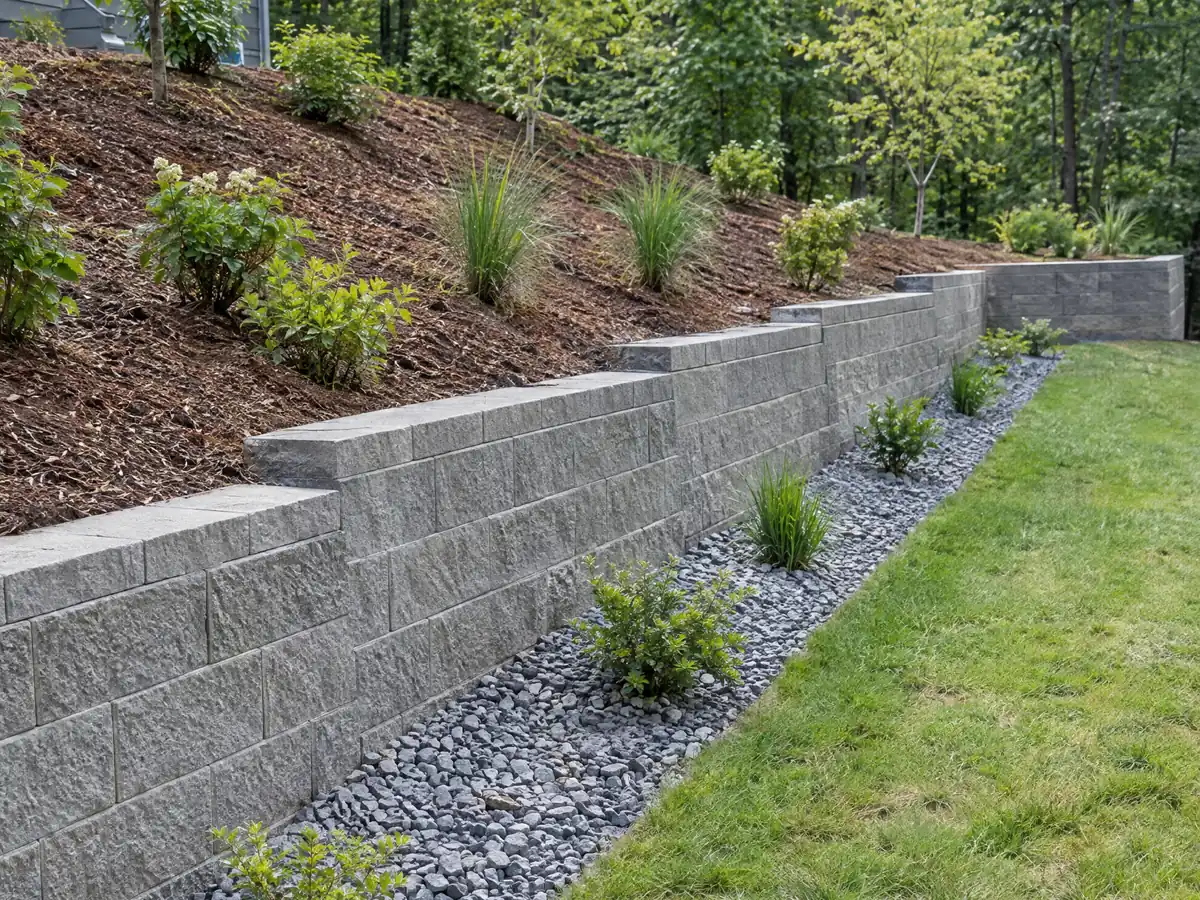
Is it a bad idea to pour concrete in Orange in summer heat or winter rain?
Heat depends on which side of the 25.8 square mile city you are on. The Santa Ana Fire Station normals show an August average high of 84.6 F and 30.0 days a year at or above 90 F, while the Anaheim station 5.5 miles north records 88.8 F in August, 47.3 days at or above 90 F and 5.0 at or above 100 F. On a hot afternoon, ask how the crew will keep the slab damp and who will be on site to finish it before it stiffens.
Rain is a winter matter. The Santa Ana station averages 12.54 inches a year, 9.91 of them from December through March, with 0.03 inch in July and none in August. A winter pour wants a cover plan and a backup date on paper, and a summer pour wants the curing plan.
Orange's amended residential code table also lists Seismic Design Category D 2 or E, a 110 mph basic wind speed and a frost line of 12 to 24 inches, so footing depth and wall reinforcement should come from plans and not from habit.
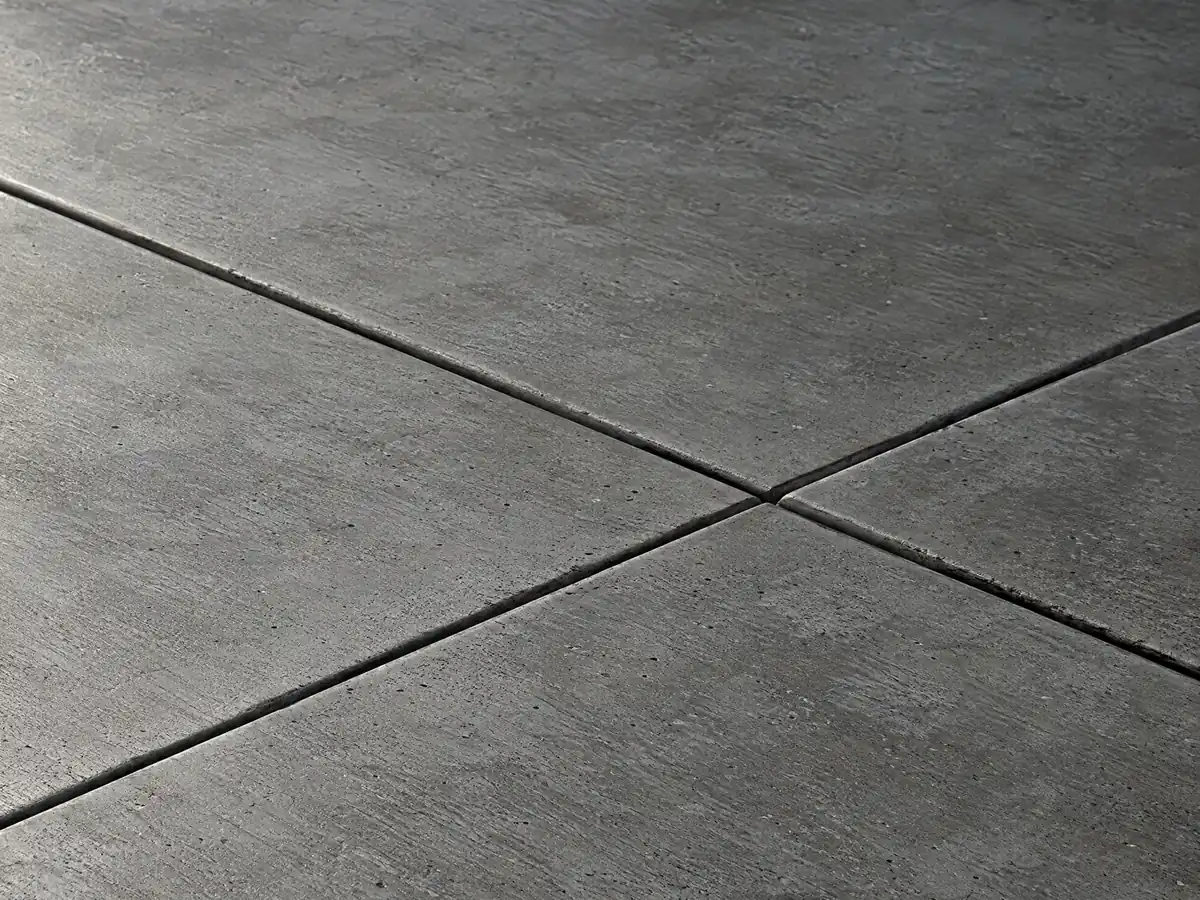
What does concrete work cost in Orange, CA, and which license should the crew hold?
No Orange price study turned up, so these are Los Angeles figures from Angi's 2026 pages, built from customer surveys and pro data, and Orange County prices can differ. Plain patios run $4 to $13 per square foot with a $5,248 average project, stamped work $15 to $30, and driveways $8 to $20 with a $7,270 average; a 20 by 20 foot patio spans $1,600 to $5,200. A retaining wall averages $7,140, and we print no per-foot wall price because height and drainage decide it.
In the Bureau of Labor Statistics' May 2025 survey of the Los Angeles-Long Beach-Anaheim area, which includes Orange County, cement masons average $33.67 an hour. That is a wage and not a billing rate. Demolition, base, rebar and haul-off belong on separate lines, and under the 65 percent diversion rule the disposal tickets matter.
A concrete company should hold CSLB's C-8 class, which covers forming, pouring, placing and finishing flat and other concrete work. Our license check guide shows how to look one up.
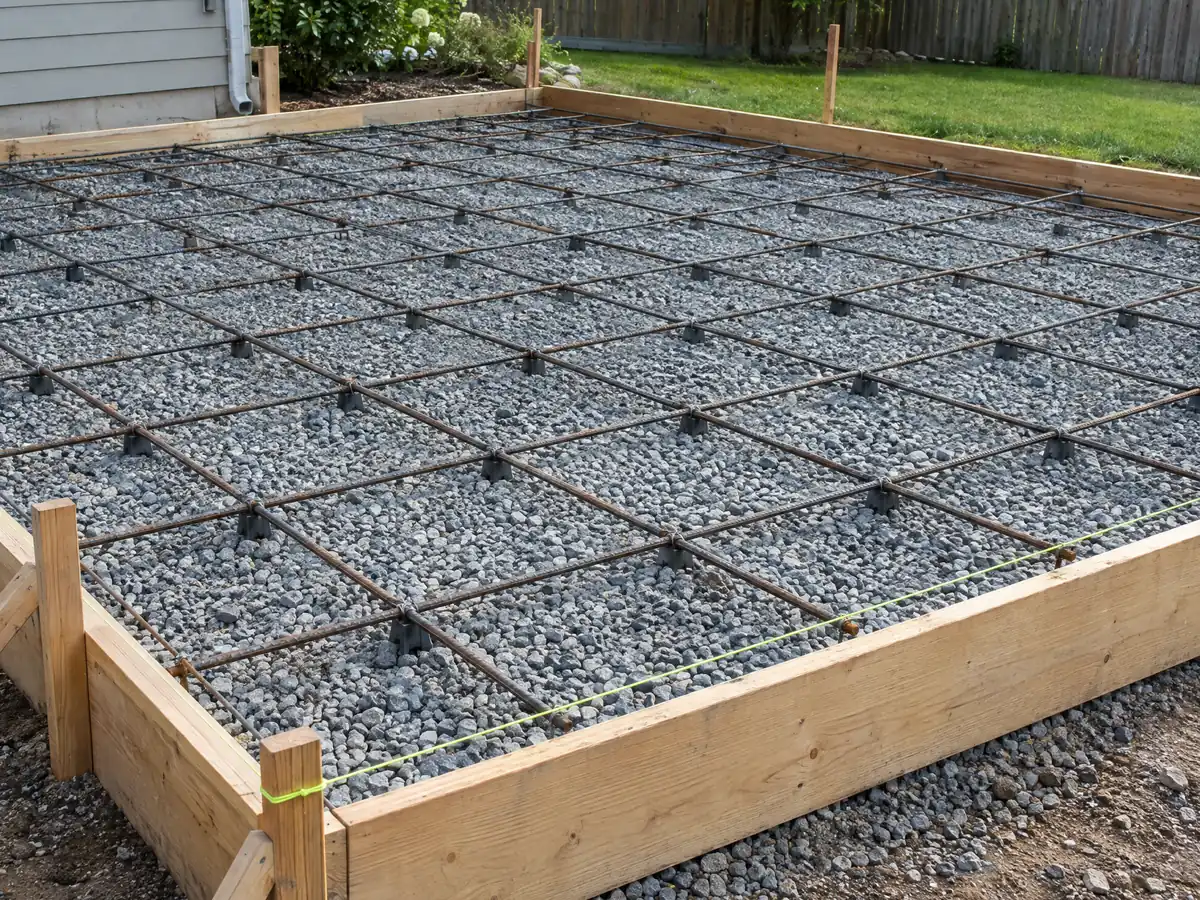
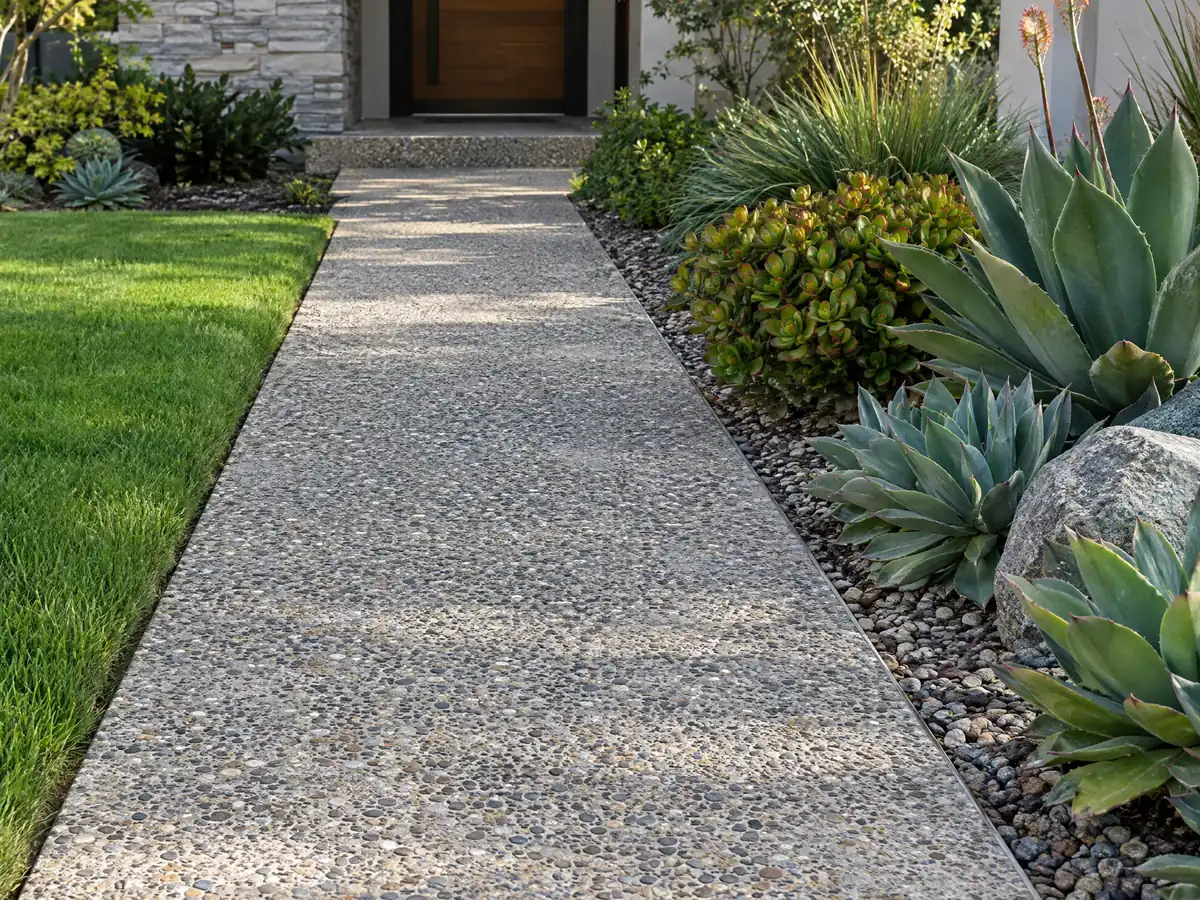
Concrete photos from Orange and nearby communities
Forms, rebar, finished flatwork and block walls from the city of Orange and nearby towns, shown at the steps that matter. Tap any photo to enlarge it.
What concrete costs around Orange
Dollar figures on this page are Los Angeles planning ranges from our concrete page, not an Orange bid, and any public-right-of-way work, demolition and haul-off should sit on their own lines of a proposal. For the same property, see flooring in Orange and decks in Orange. Nearby comparisons: concrete in Anaheim, concrete work in Garden Grove, concrete in Irvine and concrete in Los Angeles. Our subcontractor guide and ADU garage conversion guide touch driveways and slabs, and the Anaheim overview covers the neighboring city.
| What it covers | Typical range |
|---|---|
| Patio, walkway or slab, broom finish, 300 sq ft or more | $8 to $14 per square foot |
| Decorative: stained, stamped or exposed aggregate | $15 to $30 per square foot |
| Driveway replacement, with demolition of the old slab | $9 to $20 per square foot |
| 20 by 20 foot plain patio (400 sq ft) | About $3,200 to $5,600 |
| 20 by 20 foot decorative patio (400 sq ft) | About $6,000 to $12,000 |
| Small jobs under 300 sq ft | Usually above the per-foot range |
| Retaining walls | Set by the written proposal |
Orange, CA concrete questions, answered
Can I pour a concrete patio without a permit in Orange, CA?
Possibly, but we cannot confirm it from a City page. The state exempt list covers low sidewalks and driveways, and a patio slab is not named on it. Orange's zoning limits still apply, and the City's handout could not be read, so ask Building and Safety Services with the size and the distance to each property line.
How much of my front yard can be concrete in Orange?
No more than 60 percent of the area between the house and the street right-of-way may be paved, counting concrete, asphalt, brick and pavers. The setback next to the right-of-way must stay landscaped. A variance request goes to the Zoning Administrator, so measure the whole front yard first.
Can I replace my driveway without a permit in Orange?
The slab may be exempt, since the state list covers low driveways, but the apron and sidewalk sit in the public strip. Digging there requires a certificate and deposit from Public Works, and the 60 percent front yard cap and 12 by 20 foot driveway rule still apply.
Can I replace the front walk at my Old Towne Orange house?
Ask Planning first. Orange requires design review for all Old Towne projects unless an adopted design standard exempts them, and a nonprofit preservation group lists inappropriate walkway replacement among the most common violations. We could not read the standards, so we cannot say a like-for-like walk is exempt.
What is the maximum height of a retaining wall without a permit in Orange?
Four feet, measured from the bottom of the footing to the top of the wall, unless it supports a surcharge. Zoning heights are separate: 3.5 feet in the required front yard and 6 feet on side and rear yards of a standard lot, measured from the highest adjacent ground.
How much should a 20x20 concrete patio cost in Orange?
On Angi's 2026 Los Angeles page a 20 by 20 foot patio, 400 square feet, runs $1,600 to $5,200, inside a general $4 to $13 per square foot. We found no Orange study. Tear-out, base work and decorative finishes move the total, so the price comes after a site visit.
How much does concrete work for a driveway cost in Orange?
Angi's 2026 Los Angeles page shows $8 to $20 per square foot for a driveway, averaging $7,270. Removing the old slab, grading and apron work change that, and the 60 percent front yard cap can limit the size. We found no Orange study, so a visit sets the price.
Does a street tree stop me from replacing a sidewalk panel in Orange?
It can. Orange requires a permit to remove or plant street trees, and its code bars filling the ground around one, including with a concrete or brick sidewalk, in a way that cuts off light, air or water. Call the City before cutting a panel near a mature tree.
What license does a concrete company need in Orange, CA?
A concrete company should hold CSLB's C-8 class for flatwork and foundations, and concrete block walls fall under C-29 masonry. Look the license up on the CSLB site before accepting a bid. Work in the public right-of-way also needs the City's certificate from Public Works.
Send the address, a photo and what the front yard looks like now
Describe what you want poured, the rough size and whether the house is in Old Towne or an Eichler tract. The paving percentage and right-of-way questions go with us to the first visit.