
Flooring Installationin Oxnard, CA
Flooring installation in Oxnard usually needs no building permit for tile or carpet, which the City lists as exempt, but hardwood and plank are not named, so confirm with the counter. The harder questions sit below the floor: high groundwater under a coastal plain slab, flood zone rules and homes built before 1980.
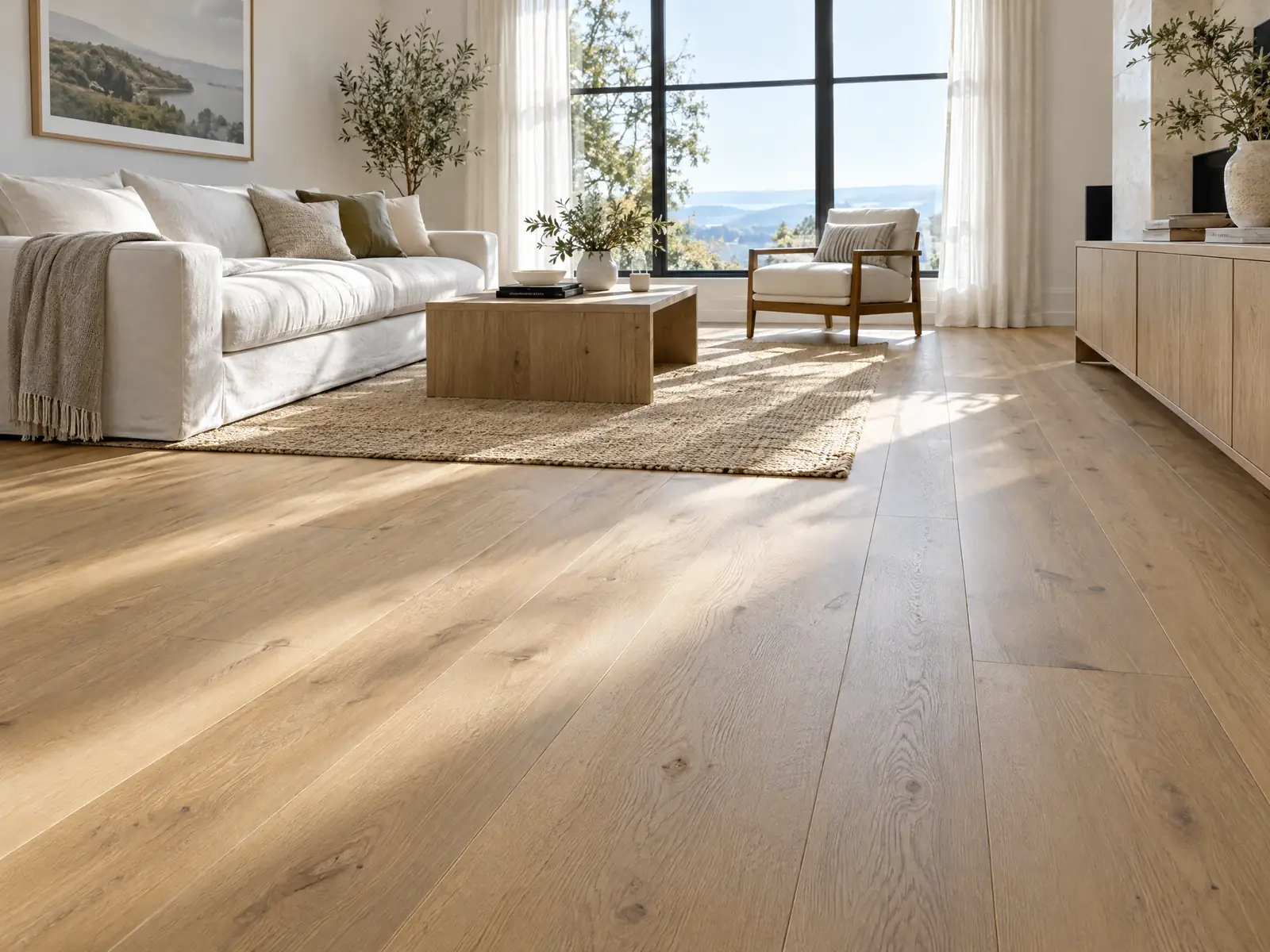
Oxnard grew around a sugar beet factory. A town formed after the 1897 beet campaign, the factory ran from August 19, 1899 to October 26, 1959, and the city incorporated on June 30, 1903. Census counts then jumped from 8,519 in 1940 to 21,567 in 1950 and 108,195 by 1980, so most of the floors in town were laid over slabs and subfloors from the postwar subdivisions. The ACS 2024 estimates show 56.2 percent of the city's roughly 59,503 homes were built before 1980.
MDG Builders, CSLB #1040337, is a general contractor in Tarzana that plans, prices and schedules a job, then hires a flooring subcontractor holding the right license to lay it. Before signing, ask for that firm's license number and certificate of insurance, and see how general contractors use subcontractors if the model is new to you. Materials are covered on our flooring page, and the Oxnard overview lists everything else we manage in the city. Neighbors such as Port Hueneme, Camarillo, Ventura and Santa Paula take their permit questions to their own offices.
What Oxnard's Building & Engineering Division says about floors and finish work
Where flooring permits come from in Oxnard: City of Oxnard Community Development Department, Building & Engineering Division.
- The City lists tiling and carpeting as work that does not need a building permit for single-family homes, while drywall work over 50 square feet or next to a fire-rated assembly (garage walls, shared walls) does.
- Zoning Sec. 16-317 lets a garage or carport be used for storage, laundry facilities and tools and work areas, but not inside the dimensions that Sec. 16-638 requires for a garage or carport. A garage converted to living space is covered as an ADU conversion under Ordinance 3072.
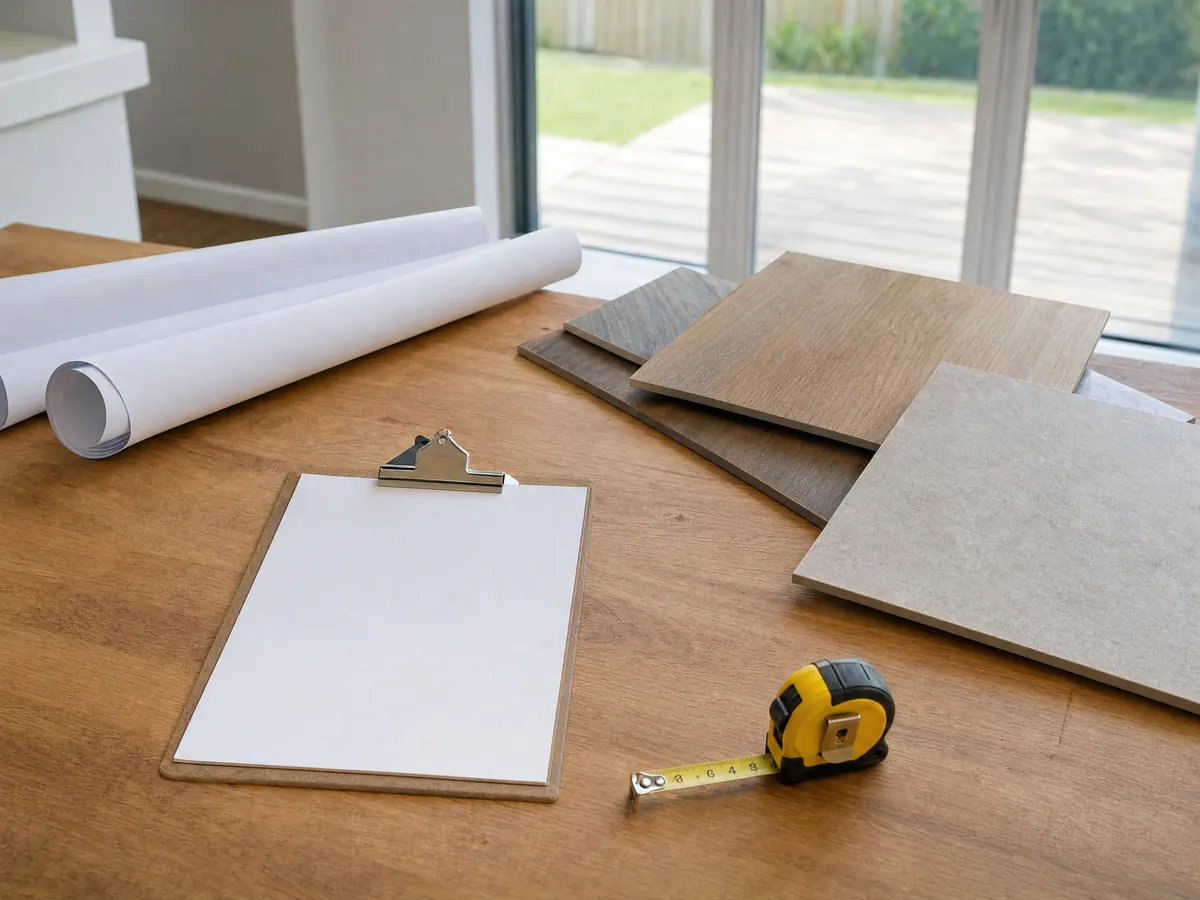
What should an Oxnard flooring contractor test first on a coastal plain slab?
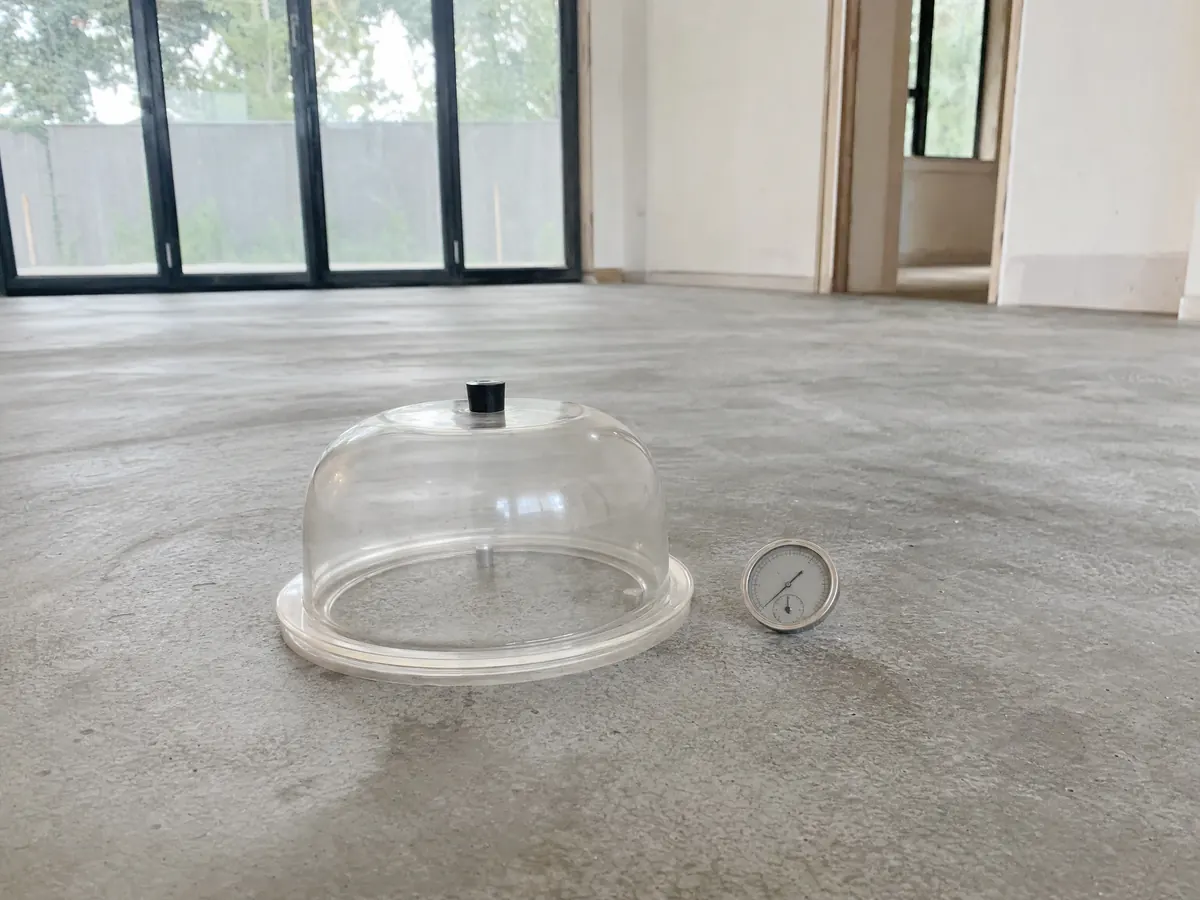
Moisture, before anything is glued or floated. The City's 2009 General Plan draft environmental report describes thick alluvial deposits and high groundwater across most of the planning area. It is an old draft, so we use it as background, but it is a good reason to ask for numbers on any slab here. NOAA's 1991 to 2020 normals for the Oxnard airport station, 11 feet above sea level, show 12.93 inches of rain a year, about 82 percent of it from December through March.
Two tests are standard: ASTM F2170, which reads relative humidity in probe holes, and F1869, which uses calcium chloride. Neither test sets a pass mark. The flooring and adhesive maker does. Trade guidance from the National Wood Flooring Association, in its concrete subfloor paper, says to follow those limits and strongly recommends a vapor retarder rated 0.13 perms or less, such as 6-mil polyethylene.
Ask where the probes will go. Readings beside exterior walls, planters, a water heater closet and any past leak tell more than one reading in the middle of the room, and the results should come to you on paper before material is ordered.
- Which test is being used, and which maker's limit does it get compared with?
- How many readings, and where in the room?
- What happens to the schedule and price if the slab fails?
Does a flood zone or the beach construction code change a floor job in Oxnard?
Rarely for a plain floor swap, but yes once the scope grows. Chapter 18 of the City Code applies inside FEMA special flood hazard areas. It treats any reconstruction, rehabilitation or addition costing 50 percent or more of the structure's market value as a substantial improvement that must meet new-building flood rules, and a whole-house remodel that includes floors can reach that line faster than a floor alone.
We checked a 55-point grid of land across the city against FEMA's flood hazard layer: 29 points were Zone X minimal hazard, 15 were Zone X at 0.2 percent annual chance, 3 were levee-protected Zone X, 4 were Zone AE and 4 were Zone VE. That is a sample, not a parcel map, so ask the City floodplain administrator about the address.
On the beach side, Sec. 14-76 of the City Code covers land between the ocean and the first public street inland. We read no line that touches interior floor finishes, but it does require pilings, a 2 foot clearance under the first floor and hot-dip galvanized exposed fasteners for buildings. The code text came from the GoCodebook mirror stamped 2026-10-31, which is third-party, so the City confirms it.
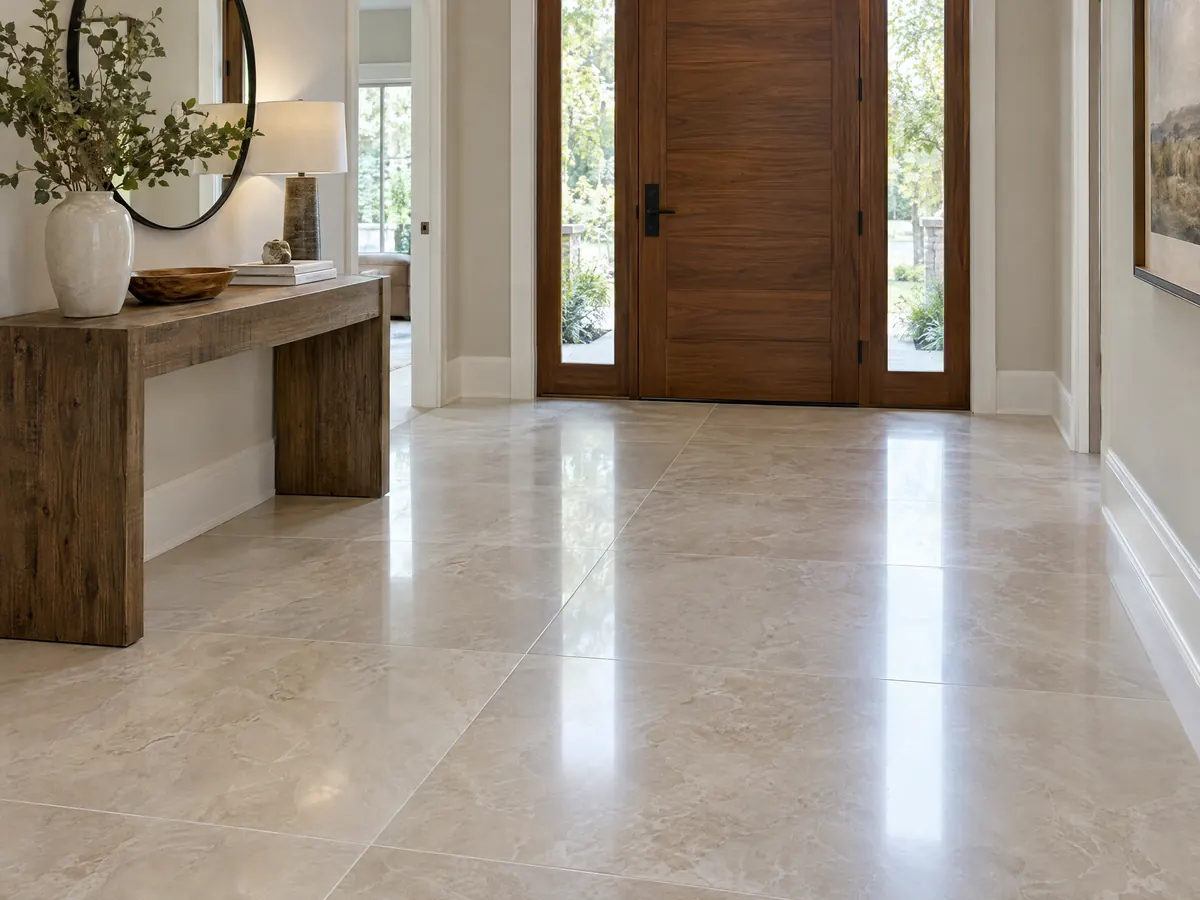
Can liquefaction or subsidence leave an Oxnard subfloor out of level?
Ground movement is possible, though we cannot say it has happened at your address. The same 2009 draft report says the whole planning area sits in a California Geological Survey seismic hazard area for liquefaction, that no Alquist-Priolo fault zone crosses it and that the area near Hueneme Road and Rice Avenue has subsided up to 12 feet. We found no current parcel map and no source describing the housing there, so none of it proves anything about one floor.
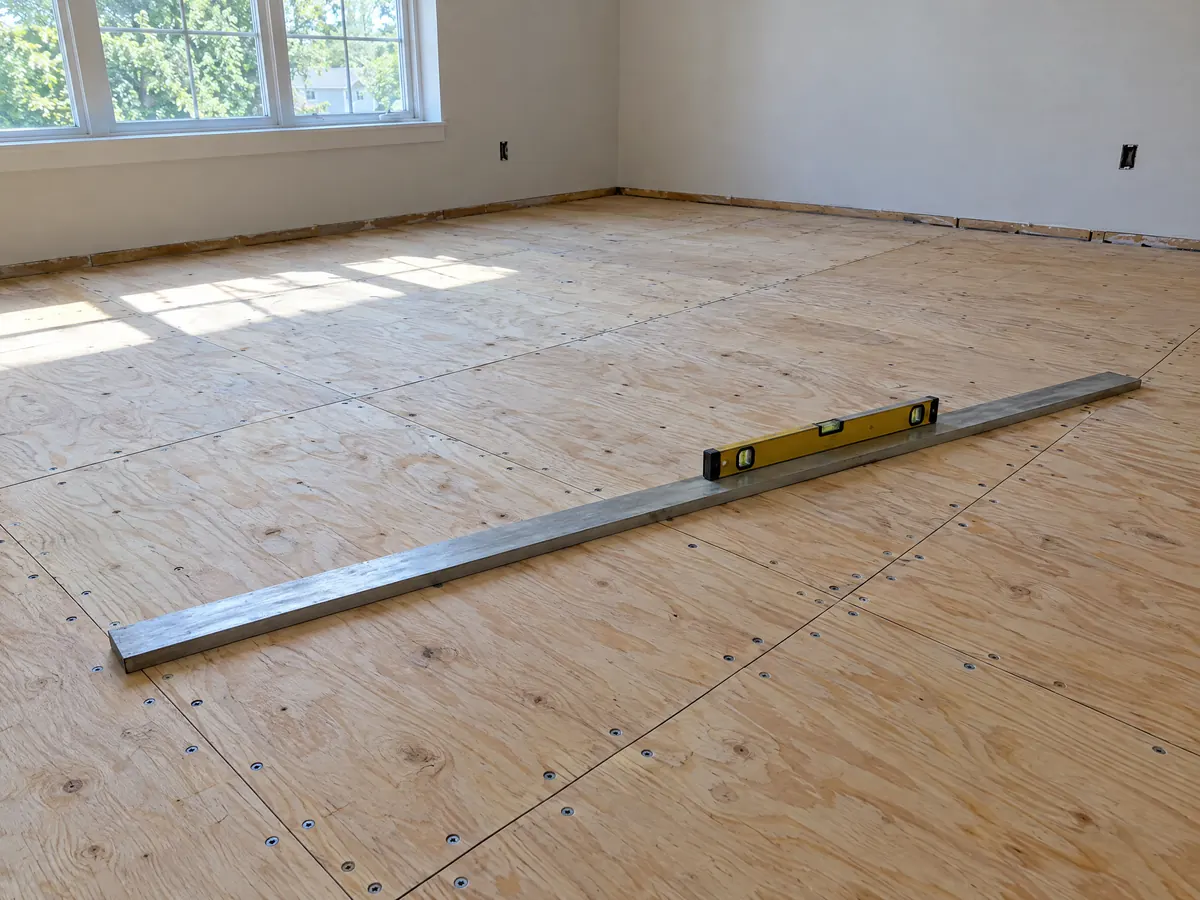
What it does justify is a flatness check before a hard floor goes down. We run a straightedge across each room, map the cracks and note whether they are old or moving. Correcting a dip means a leveling compound or a patch, and that work is its own line in the proposal.
Amended Section 1803.2 of the California Building Code lets the Building Official require a special geological, hydrological or soil report where unusual soil is found. That sits in the foundation chapter, and we saw no City guidance tying it to floor coverings, so we ask the Building & Engineering Division rather than guess.
What is under the floor of an Oxnard house built before 1980, and does the historic district matter?
Layers of earlier choices. The census breakdown puts 21.3 percent of homes in the 1970s, 19.9 percent in the 1960s, 9.7 percent in the 1950s and 5.3 percent in 1949 or earlier. The City's Housing Element divides Oxnard into 75 residential neighborhoods and names 1920s wood-frame bungalows, small postwar stucco homes, 1960s ranches and 1970s split-foyer houses, and it says Code Compliance deals with an unknown number of unpermitted garage conversions and subdivided homes.
That mix makes an old vinyl layer or black adhesive a normal find. The EPA's asbestos page lists vinyl floor tiles, sheet backing and adhesives as possible sources and says the risk comes when the material is disturbed. We do not sand or scrape a suspect layer on a guess. It is identified, tested if there is doubt, and removed by a qualified firm, with each step priced on its own line.
The Henry T. Oxnard Historic District, on F and G Streets between Palm and 5th, holds 139 contributing houses, 72 of them Bungalow or Craftsman. The City's certificate of appropriateness process was not something we could read, so for a porch floor, steps or anything visible from outside, ask Planning before pricing.
Does flooring installation need an Oxnard permit, and which flooring contractor can do it?
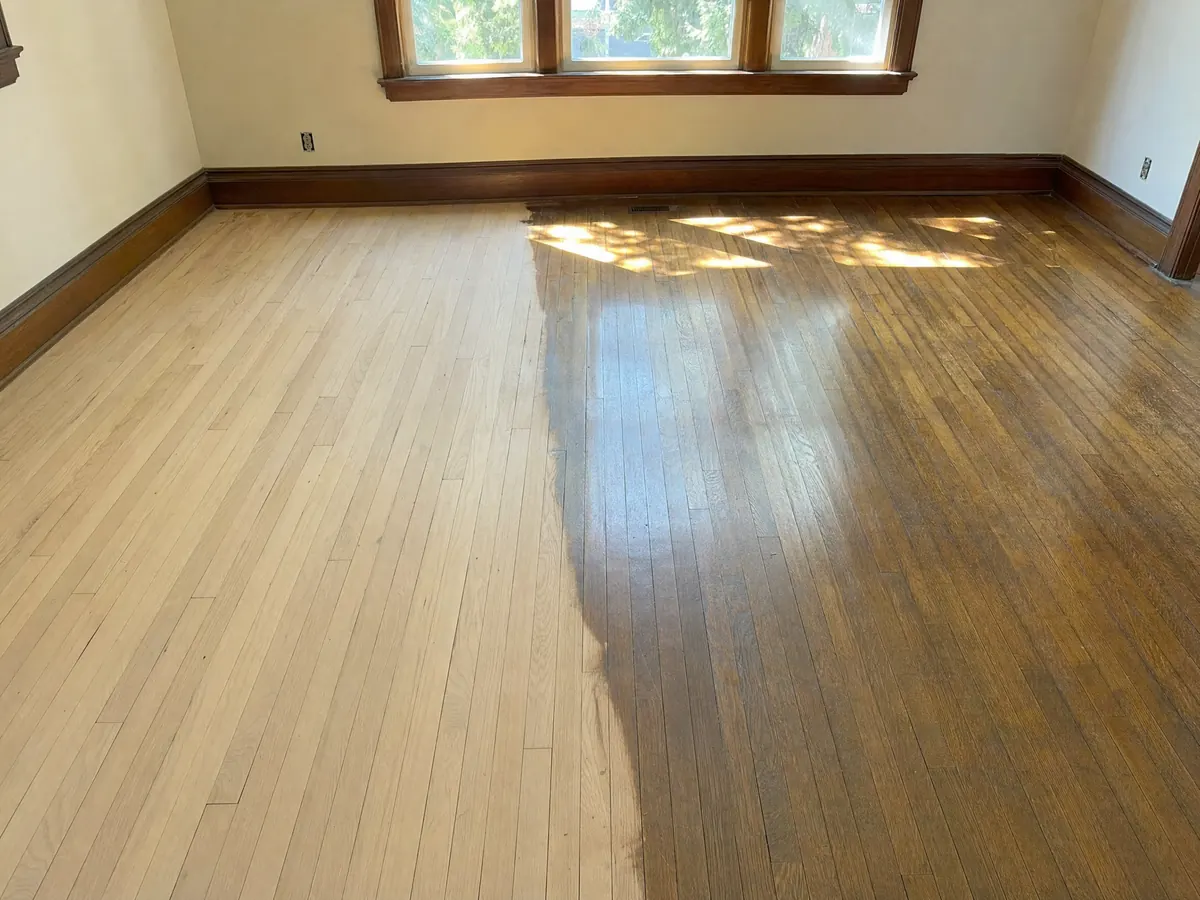
Often not. The City's single-family list of work that needs no building permit names tiling and carpeting, and says it is not a complete list. Hardwood, engineered plank and vinyl plank are not named on the pages we read, so the Building & Engineering Division decides. Drywall over 50 square feet, or beside a fire-rated wall such as a garage wall, does need a permit, and so does plumbing or electrical fixture replacement. The office is at 214 South C Street, (805) 385-7925, and its counter hours have been reduced, so confirm them before you drive over.
A permit, once issued, must be started within 180 days, and each approved inspection buys another 180. On licensing, CSLB's C-15 class covers surface preparation and installing carpet, resilient flooring and wood floors, while tile belongs to a separate class. Contracts above $500 must meet Business and Professions Code 7159, and the license check guide shows the CSLB lookup step by step.
Work hours matter too. The City's sound regulation exempts construction noise from 7:00 a.m. to 6:00 p.m. on weekdays and Saturday, and Sunday is not covered. That governs saws, grinders and demolition of the old floor.
Garage floors, rentals and condos: what applies to hard flooring in Oxnard?
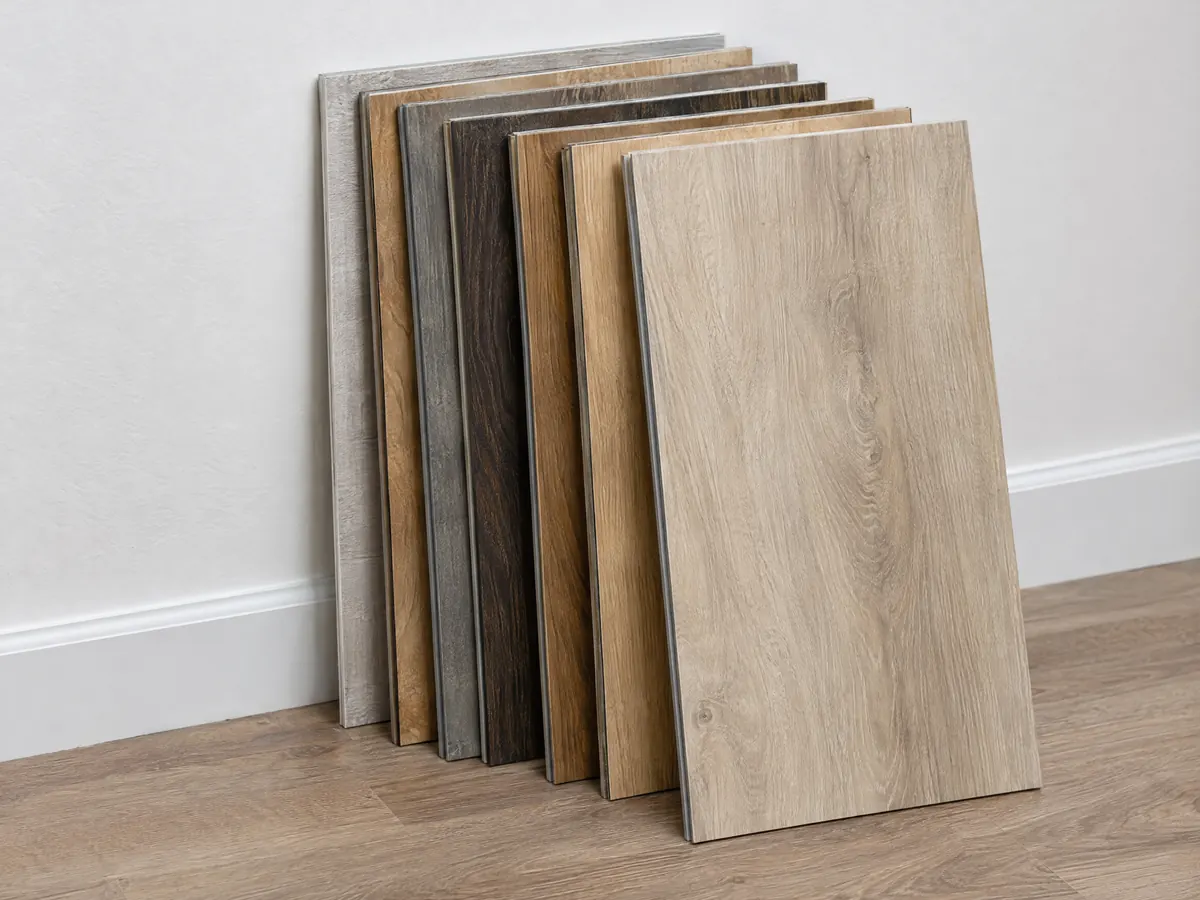
Approval often starts with someone other than the City. In the ACS 2024 data 42.5 percent of Oxnard's 55,749 occupied homes are rented and 24.3 percent of units sit in buildings of five or more. A landlord decides what goes into a rental, and an association's recorded rules decide what may be laid above another owner's ceiling. The Davis-Stirling guide to hardwood floors says the documents and a field sound test control, so ask for the rule in writing.
Garages are their own case. Zoning Sec. 16-317 allows storage, laundry and work areas in a garage, but not inside the dimensions Sec. 16-638 requires for parking, and a garage turned into living space is handled as an ADU conversion under Ordinance 3072. A floor coating there is also a coating question. Ventura County APCD Rule 74.2 caps VOC content, listing flat coatings at 50 grams per liter and floor coatings at 100 in the current column, though the table extracted badly, so confirm the category on the rule itself.
Compare how neighbors outside Ventura County handle it in flooring in Los Angeles, flooring in Long Beach and flooring in Glendale.
Floor details from Oxnard and nearby homes
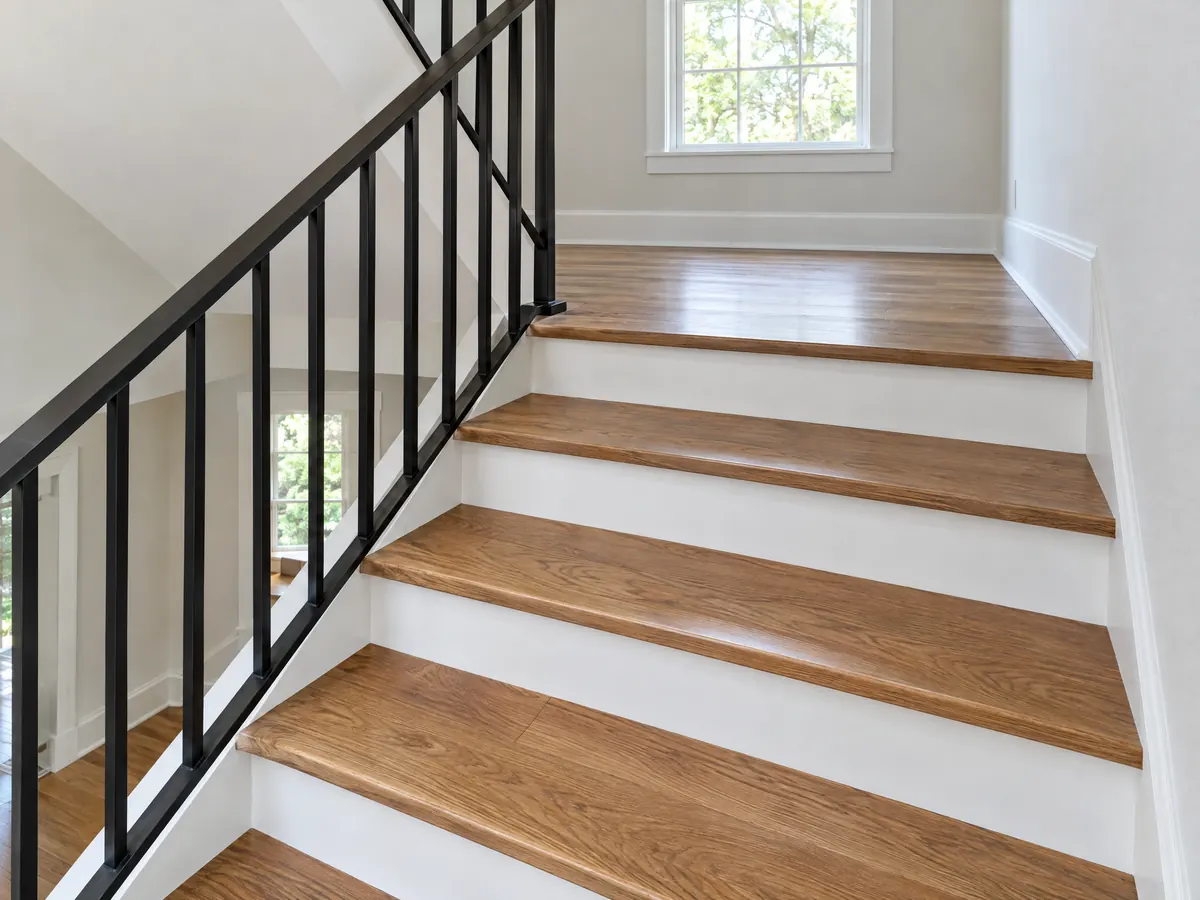
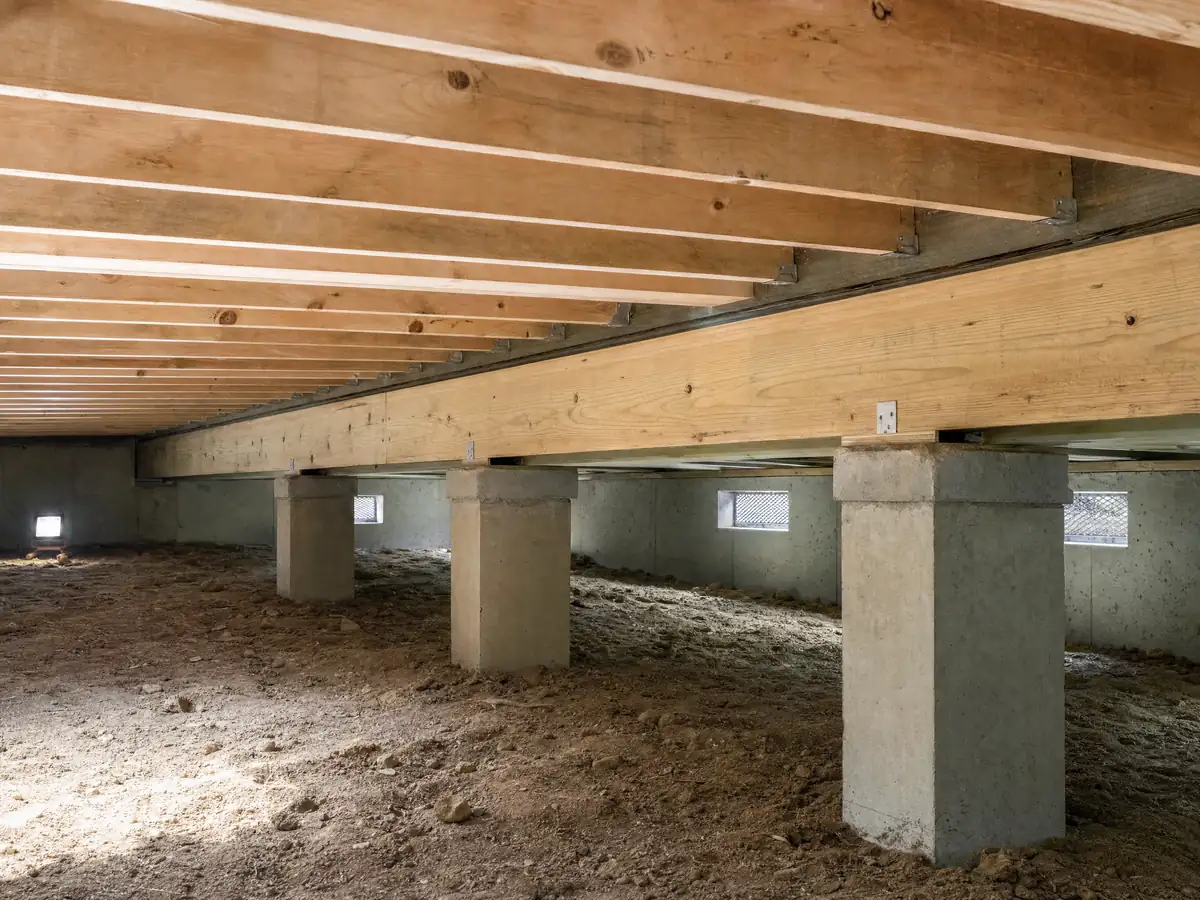
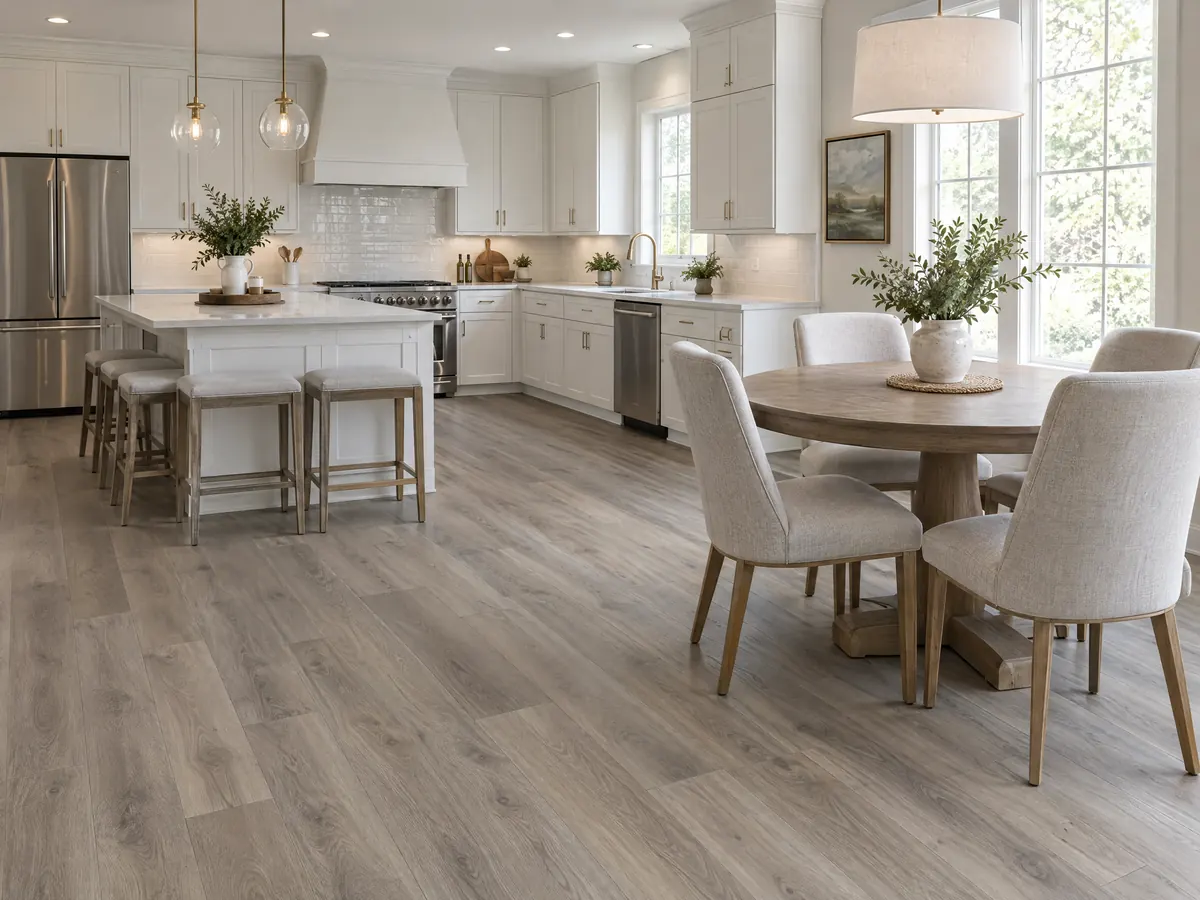
Six views of subfloors, planks and slab tests from Oxnard and the towns around it. Tap a photo to enlarge it.
What flooring costs around Oxnard
Prices on our flooring page come from Angi's 2026 Los Angeles pages: labor of about $3 to $9 per square foot, $10 to $18 installed for engineered hardwood and $12 to $22 for solid. Angi gives no collection method, and we found no Oxnard study with one, so confidence is medium to low. Moisture testing, leveling, asbestos work and removal are separate lines. Related reading: concrete in Oxnard, decks in Oxnard, kitchen remodeling in Los Angeles, flooring in Pasadena and our flooring cost guide.
| What it covers | Typical range |
|---|---|
| Installation labor only | $3 to $9 per sq ft |
| Solid hardwood, installed | $12 to $22 per sq ft |
| Engineered hardwood, installed | $10 to $18 per sq ft |
| Refinishing existing hardwood | $4 to $8 per sq ft |
| Laminate, whole project | $2,000 to $5,500 |
| Hardwood, whole project | $3,153 to $8,496 |
| Removing the old floor | $455 to $685 per 200 sq ft |
| Tile | No sourced Los Angeles range |
Oxnard flooring questions, answered
How much does it cost to have flooring professionally installed in Oxnard?
Plan on about $3 to $9 per square foot for labor, and $10 to $18 installed for engineered hardwood or $12 to $22 for solid, using Angi's 2026 Los Angeles pages as the nearest published source. Angi states no method, so we call it medium to low confidence. Old floor removal, slab moisture work and leveling come on top.
How much does 1,000 square feet of hardwood flooring cost to install in Oxnard?
Roughly $12,000 to $22,000 for solid hardwood and $10,000 to $18,000 for engineered, found by multiplying Angi's Los Angeles per square foot ranges by 1,000. Removing the old floor adds about $455 to $685 per 200 square feet on Angi's laminate page. The written proposal sets the real figure.
How much does it cost to replace the flooring in a 2,000 square foot Oxnard house?
Engineered hardwood would run about $20,000 to $36,000 and solid about $24,000 to $44,000, from the same Los Angeles ranges applied to 2,000 square feet. Laminate is far lower, since Angi's Los Angeles laminate projects span $2,000 to $5,500. Stairs, closets and transitions are extra.
Can you put wood or vinyl flooring over a concrete slab, and how do you stop moisture?
Yes, after the slab is tested. Installers take ASTM F2170 or F1869 readings and compare them with the flooring maker's limit, and the NWFA recommends a vapor retarder of 0.13 perms or less. Oxnard's coastal plain has high groundwater in the City's 2009 draft report, so ask for the readings in writing.
Do I need a permit to replace flooring in Oxnard?
Usually not for tile or carpet, which the City lists as exempt for single-family homes. Hardwood and plank are not named, and the list is not complete, so the Building & Engineering Division decides. Drywall over 50 square feet, plumbing fixture changes and a flood zone remodel at 50 percent of value or more change the answer. Call (805) 385-7925.
How do I choose a flooring contractor in Oxnard?
Start with the license. CSLB's C-15 class covers installing wood, carpet and resilient flooring, and tile is a separate class. Ask for the license number and certificate of insurance, compare itemized proposals instead of hourly rates, and confirm any contract over $500 follows section 7159. Verify the number yourself on CSLB's site.
Is there asbestos under old vinyl flooring in an Oxnard home?
It is possible. The EPA lists vinyl floor tiles, sheet backing and adhesives as places asbestos may be found, and 56.2 percent of Oxnard homes were built before 1980. Do not sand or scrape a suspect layer. Have it identified and tested first, and expect testing and removal to appear as separate lines.
Does a flood zone affect flooring work in Oxnard?
Only when the whole project is large. In FEMA flood hazard areas, Chapter 18 counts work costing 50 percent or more of the home's market value as a substantial improvement that must meet new-building rules. A floor swap alone seldom gets near that. Ask the City floodplain administrator whether your address is in an AE or VE zone.
Should I refinish or replace the hardwood floors in my Oxnard house?
Sand and refinish when the boards still have wood to give, which a look at a floor vent or a cut edge will show. Angi's 2026 Los Angeles pages list refinishing at $4 to $8 per square foot and new solid hardwood at $12 to $22, with no stated method, so both ranges sit at medium to low confidence.
Can I install hard flooring in an Oxnard condo or apartment?
Only with approval from the owner or association. A landlord decides for a rental, and a condo's recorded rules govern what goes above another unit. Sound limits vary and published numbers conflict, so get the association's flooring rule and any underlayment requirement in writing before ordering planks.
Tell us the rooms, the slab and the year the house was built
List the rooms, say whether the floor is a slab or raised, give the build year and the association name if it is a condo. We look up the flood and historic maps before we call you back.