
Roof Repairin Beaumont, CA
Roof repair and replacement in Beaumont need a building permit, and the City publishes no square-foot exemption for re-roofing. Because the wildland-urban interface code applies in Moderate fire zones too, ask the Fire Marshal about roof class and Zone 0 rules before ordering material. Pass winds and a 50 year historic trigger add two more questions.
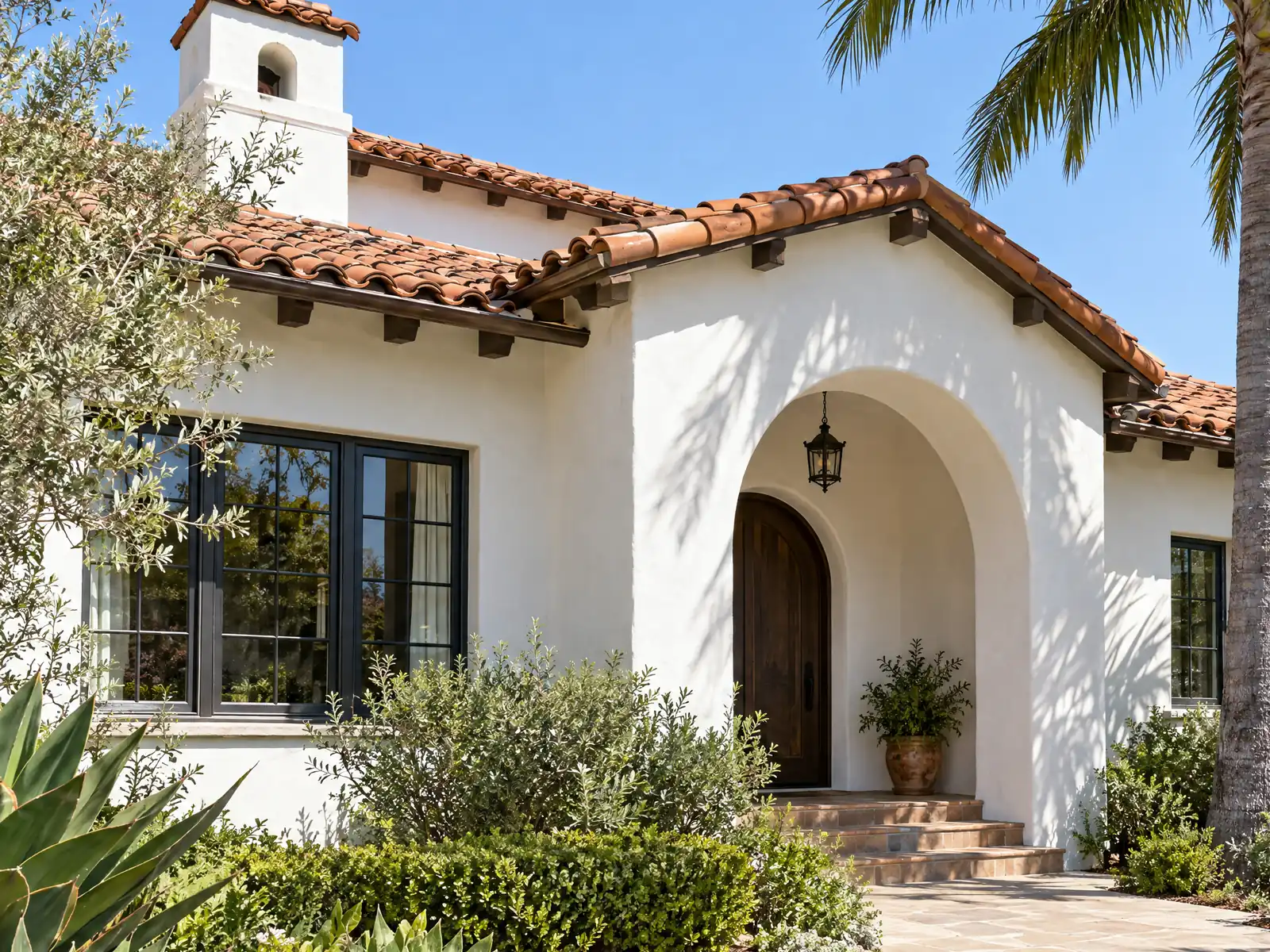
Beaumont's roof story starts at a railroad summit. The City's 2016 Existing Conditions Report says a post office named San Gorgonio opened on August 21, 1879 at the Southern Pacific's Summit station, a 320-acre town site was platted in 1884, the name Beaumont arrived in November 1887 and the city incorporated on November 18, 1912. The roofs over most heads here are far younger. Census Bureau ACS 2020-2024 five-year estimates count 18,044 housing units (margin of error plus or minus 621), about 75.8 percent of them built in 2000 or later and 16.7 percent (3,020 units) before 1980, and the median owner-occupied home is worth $503,500.
For a re-roof, MDG Builders (CSLB #1040337) is the general contractor on paper and on site: we set the scope, ask the counter which rules reach the address and hold the schedule, while a licensed C-39 roofing subcontractor does the tear-off and the new covering. The roofing page holds our sourced prices, the Beaumont overview lists every trade we manage here, and the guides for Hemet and Moreno Valley show how two Inland Empire neighbors treat roofs. The City's Building & Safety division issues permits. The City's own site answered our requests and was read directly on November 7, 2026, but Municode returned an error, so the Municipal Code text below comes from GoCodebook, a third-party copy dated October 24, 2026, and the City should confirm each section.
What Beaumont's building code, fire amendments and Pass wind record say about roofs
Where roofing permits come from in Beaumont: City of Beaumont Building & Safety.
- Permit: the City's exempt list does not include roofing, and the Citywide Fee Schedule has a line 'Re-roof single family dwelling' with no plan review fee and a $164.00 inspection fee (multifamily or commercial up to 25,000 sq ft is $268.00 plus $44.00 for each additional 25,000 sq ft). The City page does not publish a square-foot threshold for re-roofing, so ask the counter. (City page, read directly on 2026-11-07)
- Fire zones: because the WUI Code applies in Moderate, High and Very High zones in Beaumont, new construction and renovations there follow the 2025 WUI Code with the City's Zone 0 rules. For roofs: gutters and roofs of existing buildings must be kept free of leaves, needles and other vegetative debris; trees and vegetation must stay at least 3 feet above any roof of an existing building (and 3 feet to the side and below any eave); tree canopies are prohibited within 10 feet of new buildings or additions; landscaped roofs are prohibited on new buildings (Municipal Code 15.20.020, Sections 501.1, 604.8.2.2 and 604.8.2.3.1) (read in GoCodebook's verbatim copy of the Beaumont Municipal Code, a third-party mirror whose pages read 'Text as of 2026-10-24', because library.municode.com returned HTTP 403)
- Municipal Code 8.08.015 (all lots, not just fire zones) requires roofs to be kept free of leaves and needles and every chimney and stovepipe outlet to have a non-flammable screen with openings of no more than half an inch (read in GoCodebook's verbatim copy of the Beaumont Municipal Code, a third-party mirror whose pages read 'Text as of 2026-10-24', because library.municode.com returned HTTP 403)
- New single-family homes (Municipal Code 17.C.10.210.C): allowed roof forms are hipped, gabled, shed or flat with parapets, pitched roofs must be 3:12 to 5:12, eaves may not exceed 24 inches (or what the Fire Code Chapter 7 allows) and subdivisions of more than 20 units need at least three roof forms. These standards do not make existing homes nonconforming (read in GoCodebook's verbatim copy of the Beaumont Municipal Code, a third-party mirror whose pages read 'Text as of 2026-10-24', because library.municode.com returned HTTP 403)
- Historic homes: roofing work with minimal change in roof structure and exterior appearance is on the list of work that does not need a Certificate of Appropriateness (Municipal Code 17.D.04.100.B.2), but any structure over 50 years old counts as a potential historic resource, so a re-roof that changes pitch, form or visible material should be checked with Planning first (read in GoCodebook's verbatim copy of the Beaumont Municipal Code, a third-party mirror whose pages read 'Text as of 2026-10-24', because library.municode.com returned HTTP 403)
- Example PV fees (Citywide Fee Schedule): roof-mounted residential solar under 15 kW is $136.00 plan review plus $240.00 inspection, and $7.50 plus $7.50 for each additional 15 kW; the City also takes 'Roof Mounted Solar' and 'Solar APP+' permits in the CSS portal and offers its expedited solar and storage path described in the general rules. (City page, read directly on 2026-11-07)
- Wind: the City's Existing Conditions Report (prepared in 2016 for the General Plan update) says high winds are common in the San Gorgonio Pass area and can damage roofs, trees and power lines, and notes the City is at the pass summit at about 2,500 to 3,000 feet; the City's design criteria page gives wind speed only through the ASCE 7 Hazard Tool, so use the tool for the roof design wind speed. (City page, read directly on 2026-11-07)
Sources for these rules
- beaumontca.gov: Development Fee Schedule Planning Public Works Building Fire
- gocodebook.com: chapter 15.20 california wildland urban interface code 12
- gocodebook.com: chapter 8.08 weeds and waste matter
- gocodebook.com: chapter 17 c.10 specific to uses
- gocodebook.com: chapter 17 d.04 permits and approvals
- beaumontca.gov: City of Beaumont Existing Conditions Final

How do San Gorgonio Pass winds change a Beaumont roof repair or replacement?
Wind is the first thing to ask a roofer about here. The City's 2016 Existing Conditions Report calls the Pass one of the windiest places in southern California, with prevailing west winds in spring, summer and early fall and sometimes southeast winds ahead of summer thunderstorms. Among the harm it lists are damaged roofs, falling trees and limbs, downed power lines and blowing sand and dust.
The City prints no design wind speed. Its plan-check criteria send the reader to the ASCE 7 Hazard Tool, a line labeled Window Exposure reads C, and two lines still cite 2019 code editions, so we state no number and the counter or the roofer's engineer must supply one for the address. Ask how ridge, rake and eave edges are fastened and flashed, and what the underlayment is nailed with.
- Which wind speed the contractor used and where it came from
- How edges, ridge and hips are fastened
- Whether old courses show lift or slippage
- Where loose branches sit above the roof
Put the design wind speed and its source on the written proposal.
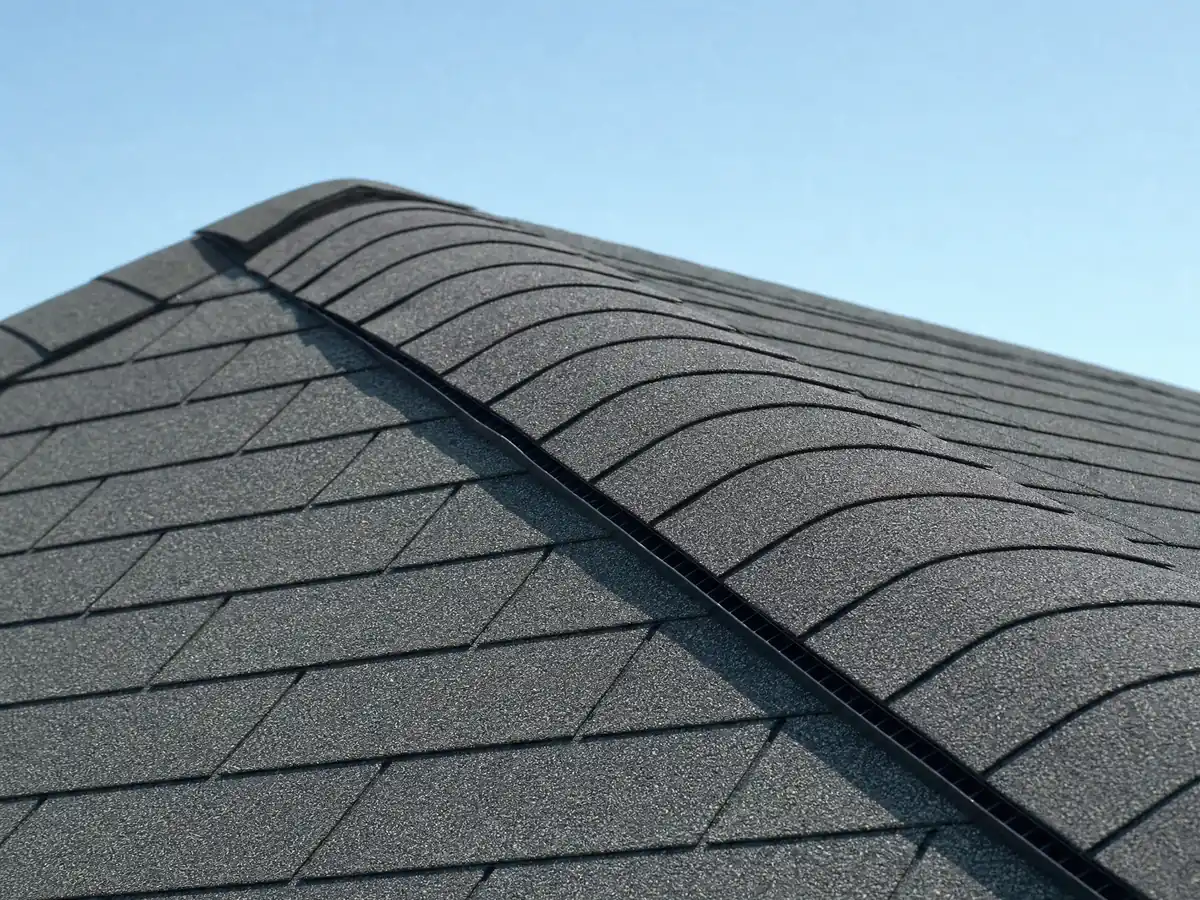
Does Beaumont's new Zone 0 and wildland-urban interface code apply to my roof even in a Moderate fire zone?
Often yes, because the City applies the interface code to Moderate zones too, not only High and Very High. Ordinance No. 1190, adopted November 4, 2025, kept Beaumont's own amendments to the 2025 Wildland-Urban Interface Code, and Section 501.1 as amended reaches areas designated Moderate, High and Very High. The State Fire Marshal issued recommended Local Responsibility Area maps for the city on March 24, 2025, and the Council adopted the maps under Ordinance No. 1185.
We cannot tell you which zone your lot sits in. The County Fire map is an embedded viewer that would not load as text, so we read no street-by-street list, and the 2016 report says only that most High and Very High land lies near open space in the north toward the San Bernardino Mountains and in the south near State Route 79. Roof class is the unverified piece: the code text we read adopts the state interface code without a printed Class A sentence.
The roof-adjacent rules are printed. Roofs and gutters must be kept clear of leaves and needles, vegetation must stay 3 feet above an existing roof and 3 feet to the side of and below any eave, tree canopies are barred within 10 feet of new buildings or additions and landscaped roofs are barred on new buildings. Section 8.08.015 adds a 30 foot firebreak around every structure and a screen with openings of no more than half an inch over each chimney outlet.
Get the zone, the roof class and the Zone 0 answer in writing from the Fire Marshal's office.
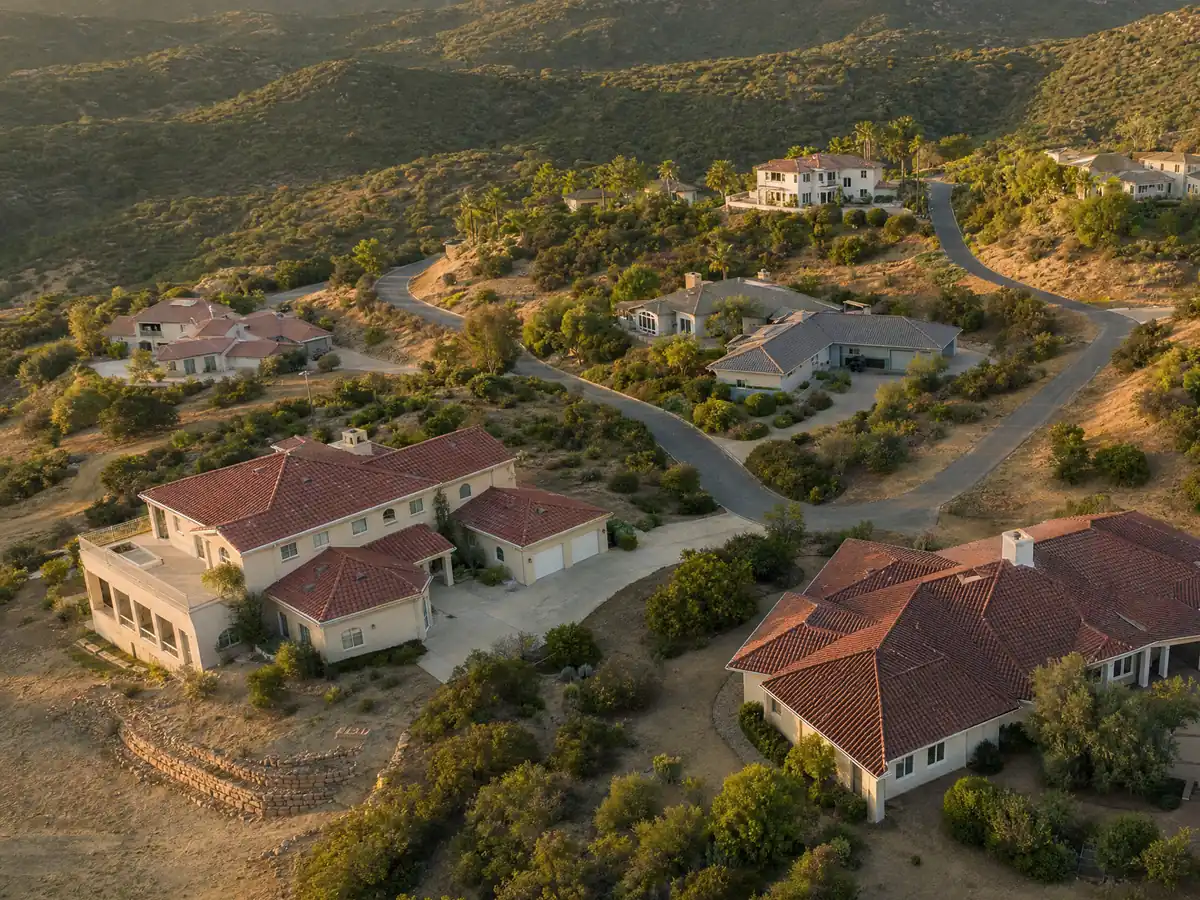
How old are Beaumont roofs, and does a home over 50 years old need review before a re-roof?
Most roofs here belong to the building boom. ACS puts 7,478 units in the 2000s, 5,447 in the 2010s and 752 since 2020, so a roof original to a 2000s home is between 17 and 26 years old now, and the City's 2016 report, using ACS 2011-2015 data, counts 8,232 units built from 2000 to 2009. We found no Beaumont roof survey, no tile share and no local roof lifespan, so we print no lifespan years.
The older core is small: 1,382 units were built before 1960, including 485 in 1939 or earlier, and 3,020 before 1980. The oldest streets lie between Orange Street and Veile and 5th to 8th Streets, and the Housing Element names El Barrio, Town Center and Downtown as where older housing clusters. Municipal Code 17.D.04.100 treats any structure over 50 years old as a potential historic resource needing a Certificate of Appropriateness for exterior changes, though roofing with minimal change in structure and appearance is on its exempt list. The census table cannot separate 1975 from 1976, so we cannot count homes at the 50 year line.
A like-for-like tear-off needs no review, but a change in pitch, roof form or visible material on an older house is a question for Planning first.
- Stains or soft spots on a ceiling below the roof
- Cracked, curling or missing shingles
- Slipped tile or loose ridge caps
- Daylight or damp insulation in the attic
Ask for any damaged decking as its own priced line before the tear-off.
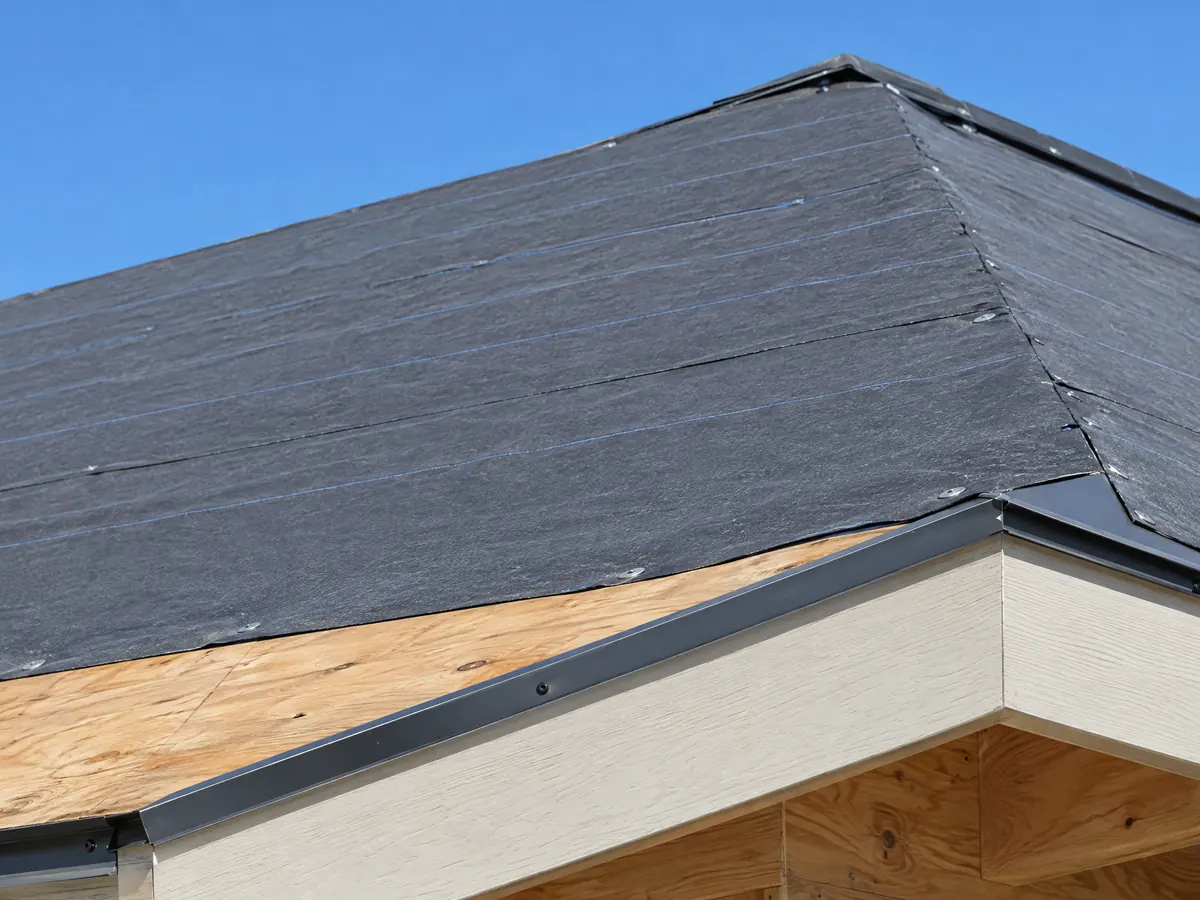
What does a roof replacement cost in Beaumont, and what should the roofer's contract say?
No Beaumont price survey turned up, so the figures below are Los Angeles numbers, and an Inland Empire bid can differ. Angi's Los Angeles guide, updated July 31, 2026, gives $10,256 to $24,963 as the typical total, $17,271 as the average and $8.60 a square foot, with asphalt at $4 to $12, tile at $7 to $15 and metal at $7 to $16, and it adds $1,000 to $3,000 for tear-off. Remodeling magazine's Cost vs. Value report of September 18, 2025 prices a fixed reference roof at $36,417 in asphalt shingle and $62,069 in metal, which is why a reference roof and a survey of real jobs can sit far apart. For planning we use roughly $10,000 to $25,000 for a typical asphalt roof, $15,000 to $37,000 for tile and $20,000 and more for metal.
Roofing is CSLB class C-39. Business and Professions Code 7159 requires a signed written contract, caps the down payment at $1,000 or 10 percent of the price, whichever is less, and includes a box stating whether subcontractors will be used. Beaumont's fee schedule is a separate matter: its single-family re-roof line is a flat $164.00 inspection fee with no plan review fee, and we did not total any other agency's charges.
The City's hiring page tells owners to check the license at 800-321-CSLB, confirm the bond, a current Beaumont business license and workers' compensation, and make sure a bid covers plan check and permit issuance. Our license guide shows the steps and how general contractors use subcontractors explains who answers to whom on site.
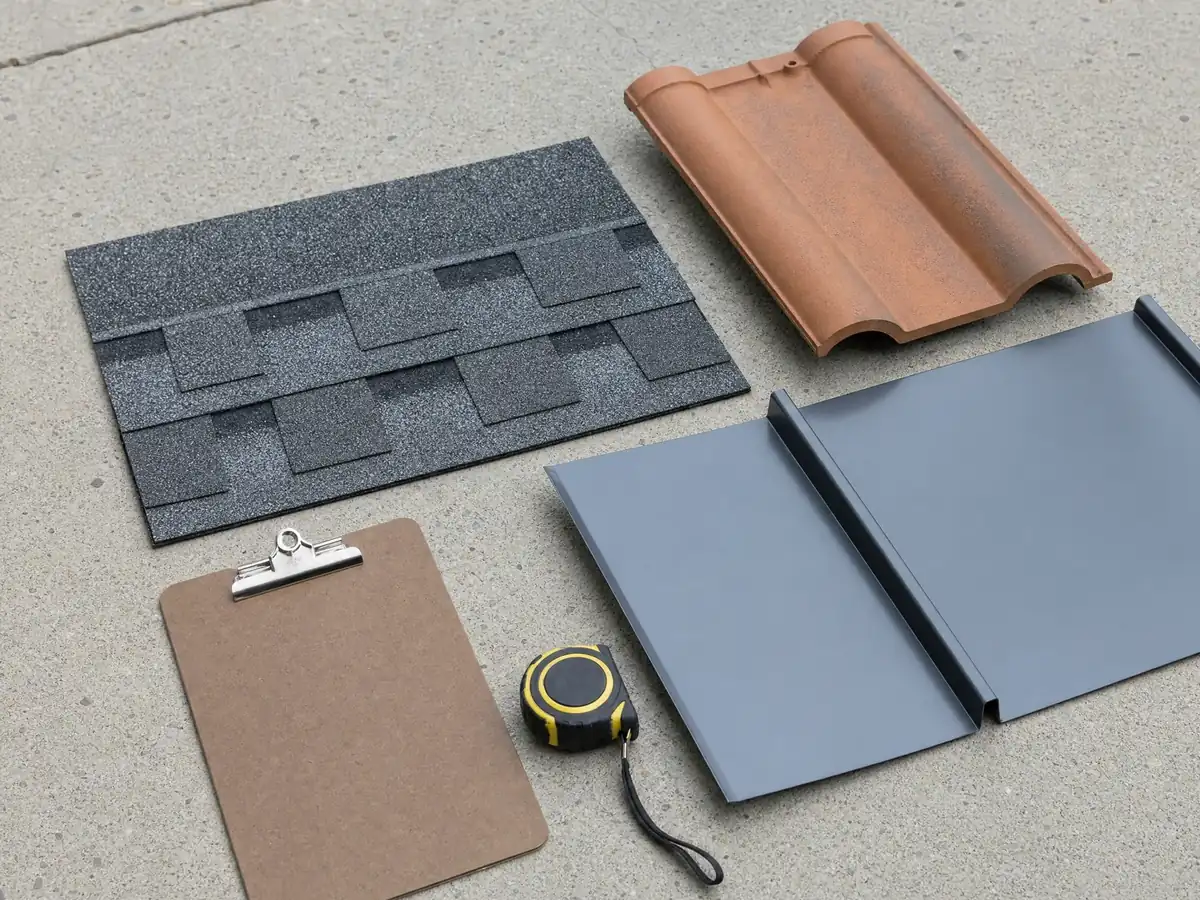
Does roof replacement in Beaumont need a permit, and which of the four review clocks applies?
Yes, re-roofing needs one. The City's exempt list covers fences, walkways, painting and a run of small items but not roofing. No square-foot threshold for a small repair is published, so call Building & Safety at 951-769-8529 before treating a patch as exempt. A like-for-like re-roof also needs no plot plan from Planning under Municipal Code 17.D.04.020. Filing is digital only: re-roofs are not on the short list the CSS portal takes directly, so the application goes to permits@beaumontca.gov as a named PDF, and inspections are booked in the portal by 3:00 p.m. for the next business day.
The clocks conflict. The Apply page gives departments 15 business days for a first review and 7 days for each resubmittal, the ADU standard-plan page says about 15 calendar days and about 5 business days, the ADU FAQ says 15 business days and 5 days, and Municipal Code 17.C.10.030.E sets 60 days, or 30 with City pre-approved plans. The first is the general rule and the other three are written for ADUs, so we found no time posted for a re-roof.
Only people listed as contacts on the permit can book inspections, so ask the counter to add both the owner and the roofer. A permit lapses if work does not start within 12 months or stops for 365 days, and work begun without one draws an investigation fee equal to the permit fee.
Ask the counter which clock applies to a roof-only permit and write the answer in the contract.
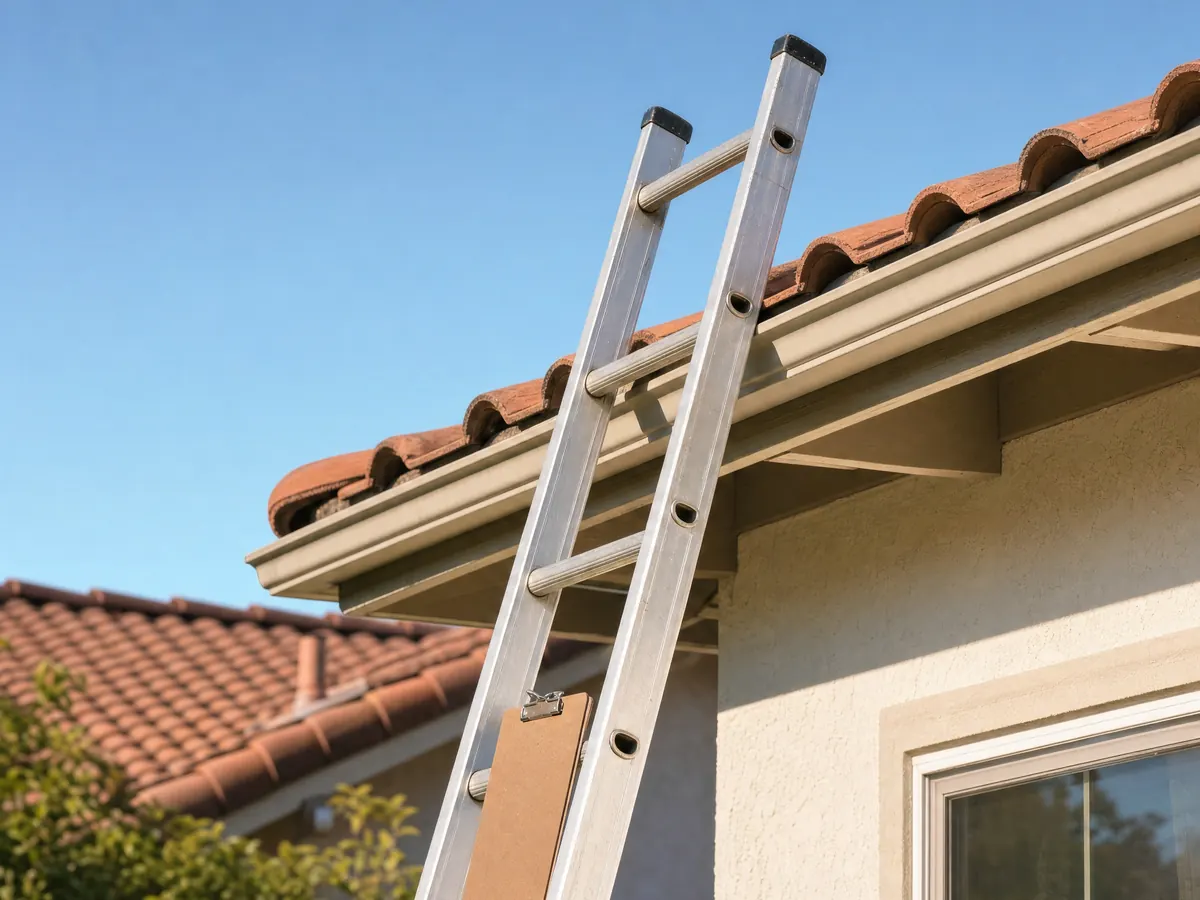
Can the solar panels go back on after a Beaumont re-roof, and how fast is the permit?
Yes, and the City has a quick path. Residential solar and battery systems up to 38.4 kW AC can use an expedited automated permit when the contractor holds an A, B, C-10 or C-46 license, a Beaumont business license and a CSS account, and the City says its own plan review for these typically finishes in 24 to 48 hours. The automated platform charges a fee of its own on top of City fees, and a battery system over 20 kW needs a fire prevention inspection first.
Municipal Code 15.46 adds a 30 day non-discretionary review and a single inspection for small rooftop systems of 10 kW AC or less. The fee schedule lists roof-mounted solar under 15 kW at $136.00 plan review plus $240.00 inspection. Angi's Los Angeles guide puts detaching and reinstalling panels around a re-roof at $500 to $1,000, so the harder question is sequence: the array comes off before the tear-off and goes back after the new covering is down.
Ask who pulls the solar permit and who pays for the detach and reset.
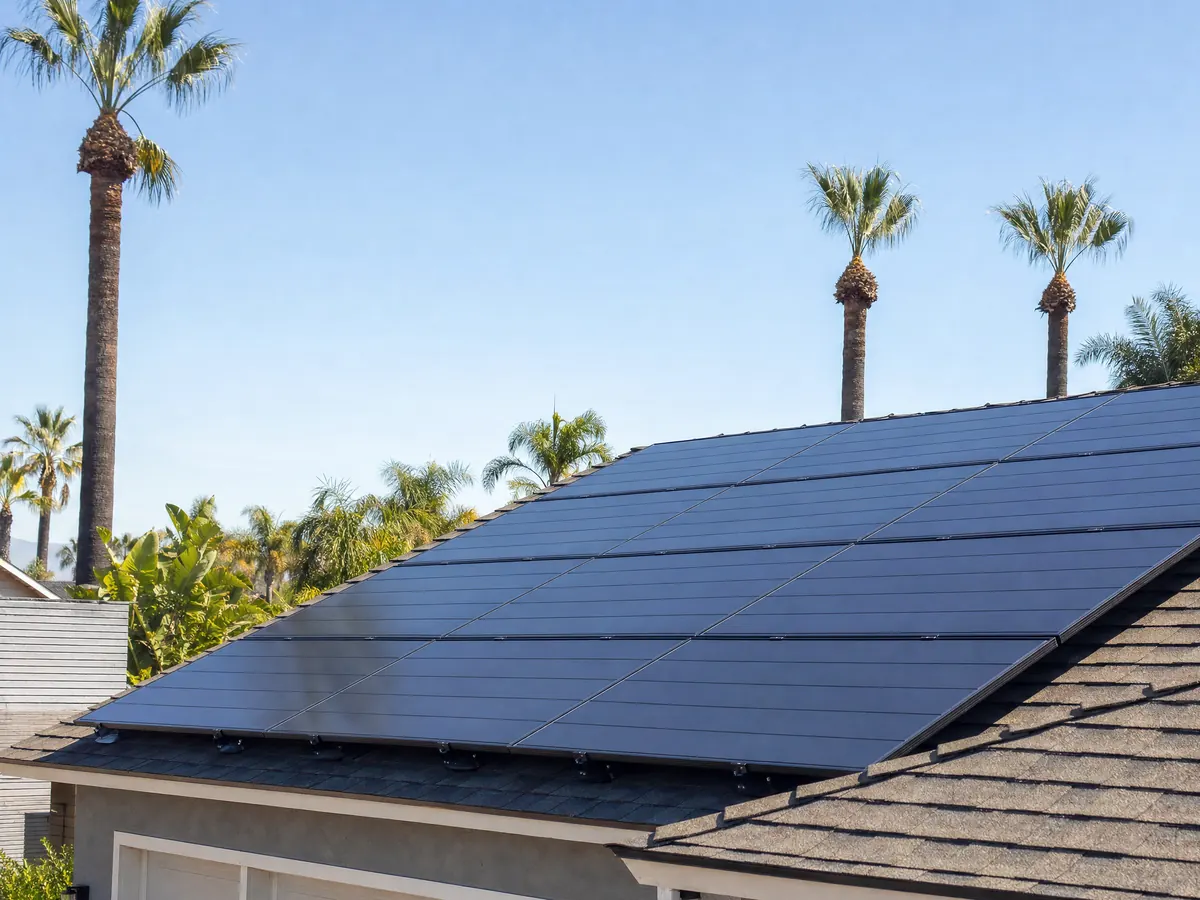
When is the best time of year to replace a roof in Beaumont, and what work-hour limits apply?
Dry months are the safe window, and they are also the hot ones. The BEAUMONT 2.5 NW gauge, a precipitation-only station about 6.3 miles from the city center point, sums to 14.85 inches a year, 10.92 inches of it from December through March and only 0.22 inch in July and 0.27 in August (NOAA 1991 to 2020 normals). The nearest full station, San Jacinto, sits about 1,000 feet lower and shows 96.5 F average highs in August and about 119.9 days a year at or above 90 F, while the City's 2016 report puts summer averages at the summit at up to 95 F.
Work hours are limited. Municipal Code 9.02.110.F lets construction noise exceed the normal limits only between 7:00 a.m. and 6:00 p.m., and when a site is within a quarter mile of an occupied home it bars work between 6:00 p.m. and 6:00 a.m. from June through September, or between 6:00 p.m. and 7:00 a.m. from October through May, without the Building Official's written consent. Debris has a rule too: a contractor may haul its own construction waste to a CalRecycle-permitted facility under CALGreen disposal standards, a hired hauler must hold a City franchise, and the City lists a waste management plan as Form 1 and a diversion report as Form 2.
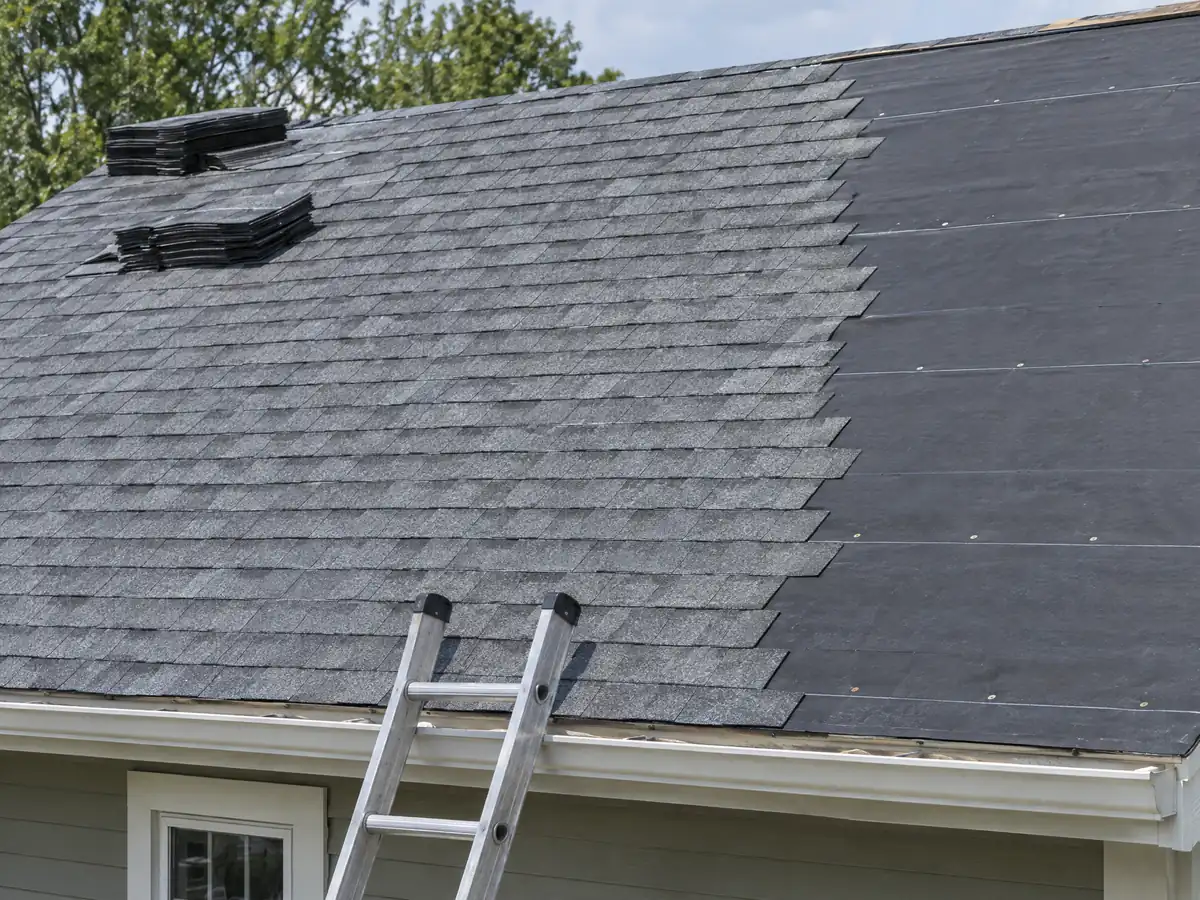
Roofing photos from Beaumont and nearby communities
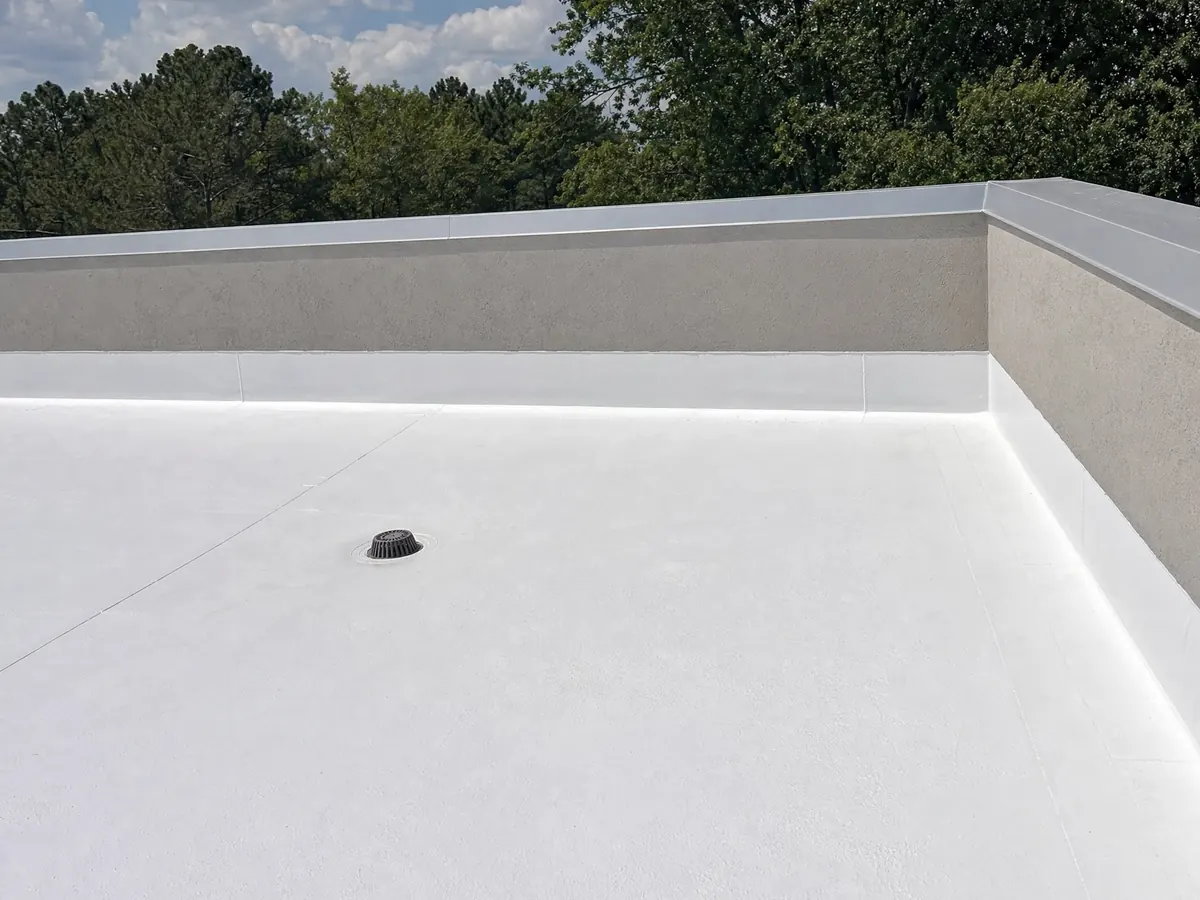
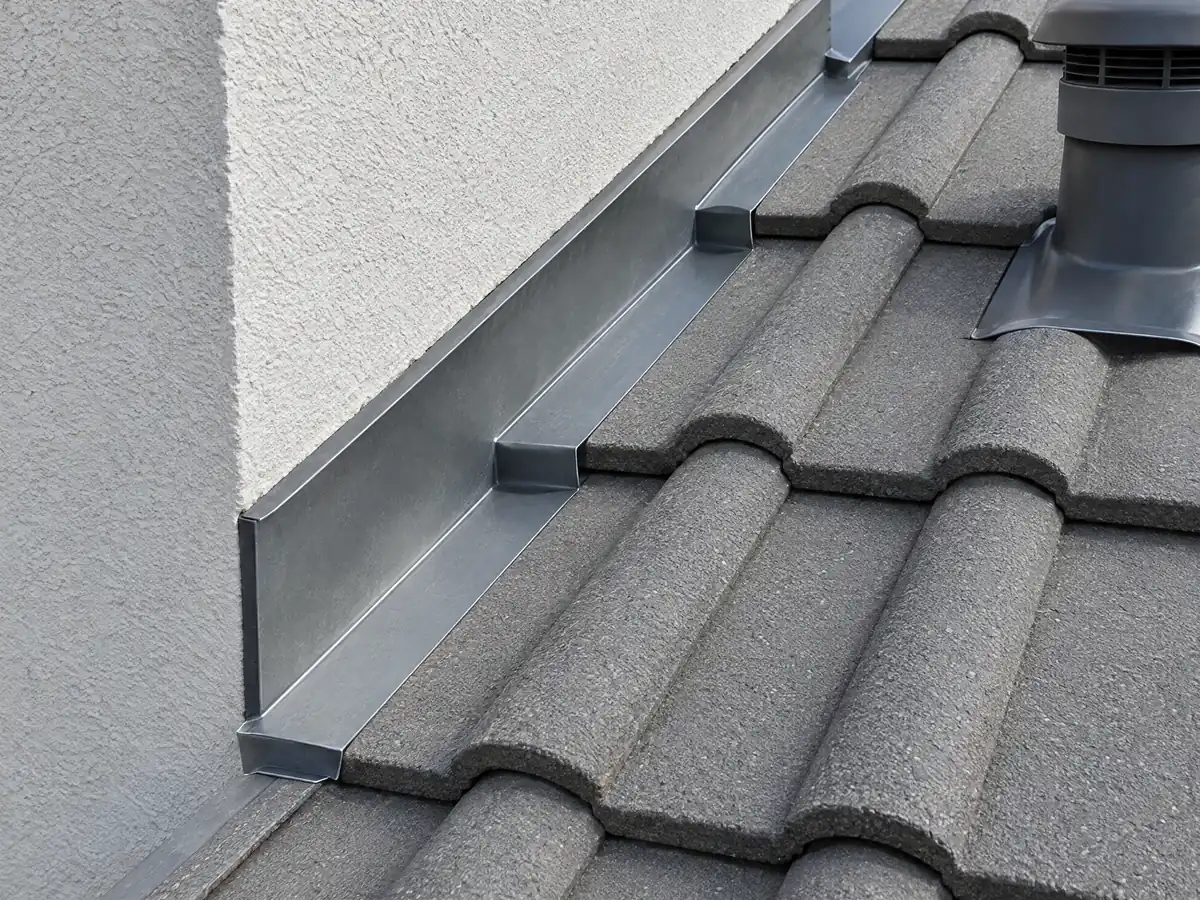
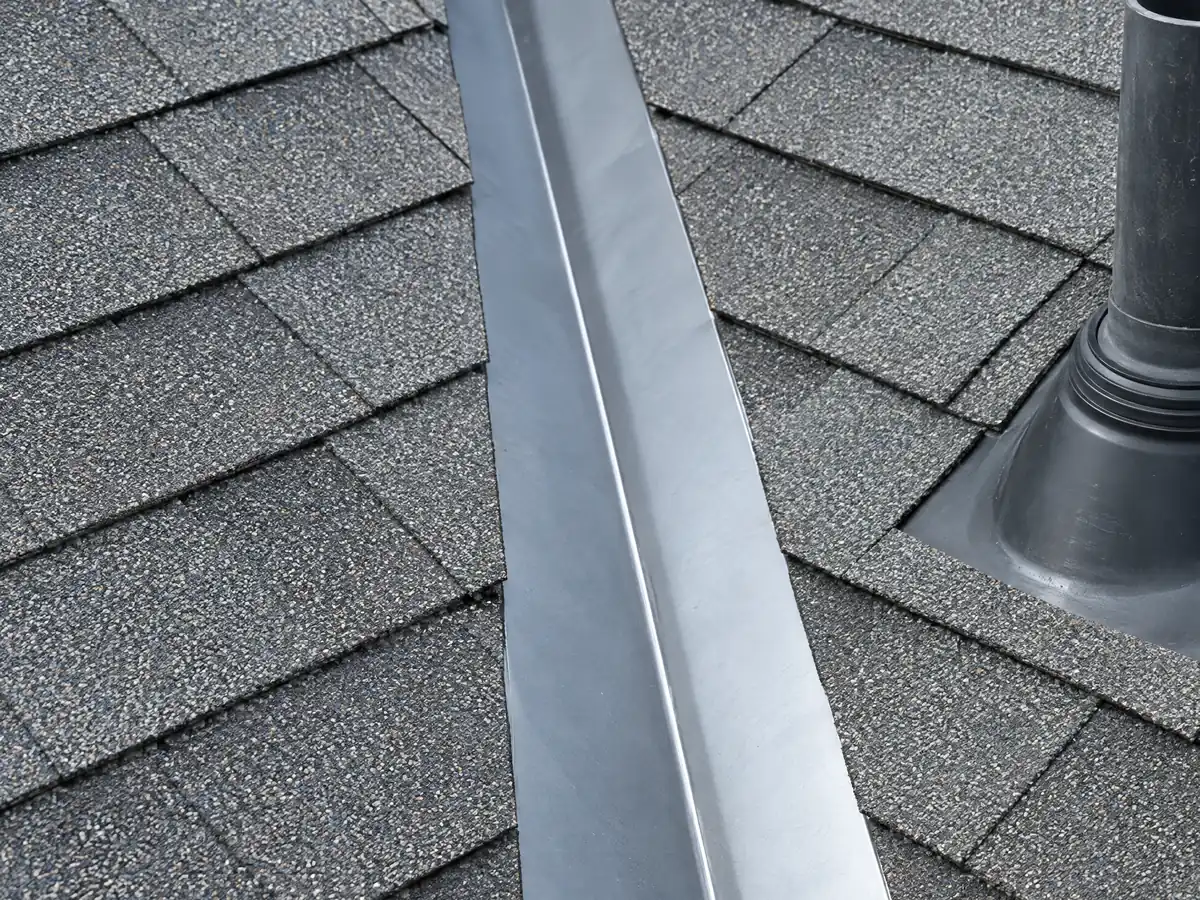
Roofing scenes tied to Beaumont places such as Downtown Beaumont, Oak Valley, Sundance and Seneca Springs, and to nearby communities such as Banning, San Jacinto, Cherry Valley and Hemet, from tear-offs and underlayment to tile repair and ridge work.
Where these Beaumont roof figures come from
The table on the roofing page lists every roofing price with its source and date, and the California roofing cost guide explains why the two Los Angeles studies differ so much. Roof work often leads to other exterior jobs, and the Beaumont rules for them are on the fencing page, the painting page and the kitchen remodeling page. For another Riverside County city to set beside Beaumont, read the roofing guide for Riverside.
| What it covers | Typical range |
|---|---|
| Asphalt shingle, typical single-family roof | $10,000 to $25,000 |
| Concrete or clay tile | $7 to $15 per sq ft |
| Metal | $7 to $16 per sq ft |
| Remodeling Cost vs. Value 2025, Los Angeles | Asphalt $36,417. metal $62,069. |
| Extras | Tear-off $1,000 to $3,000. solar detach and reset $500 to $1,000. |
Beaumont roofing questions, answered
Do I need a permit to replace my roof in Beaumont?
Yes. The City's exempt list does not include roofing, and its fee schedule has a line for a single-family re-roof at a $164.00 inspection fee with no plan review fee. No square-foot exemption for small repairs is published, so call Building & Safety at 951-769-8529 before treating a patch as exempt. Applications go by email to permits@beaumontca.gov.
What is the 25 percent rule for roof repairs?
We found no 25 percent rule in the Beaumont code text or City pages we read, so we treat it as an unsourced claim. The only roofing line we can point to is the permit fee schedule, which prices a single-family re-roof without any percentage. Ask the counter in writing how a partial replacement is classified before accepting a roofer's version of the rule.
Does Beaumont require a Class A roof?
We could not confirm it. Beaumont applies the 2025 Wildland-Urban Interface Code in Moderate, High and Very High zones, but the code text we read adopts the state interface code without a printed Class A sentence. Class A is the stricter rating, so it is a safe ask, and the Fire Marshal can say what your address needs.
Is my Beaumont roof in a fire hazard severity zone?
We cannot say for your lot. The State Fire Marshal issued recommended Local Responsibility Area maps for Beaumont on March 24, 2025, with Moderate, High and Very High classes, but the County Fire map is an embedded viewer that gave us no parcel list. Because the City's interface code covers Moderate zones too, ask the Fire Marshal for your zone and keep the answer with the contract.
How much does a new roof cost in Southern California?
Los Angeles figures from Angi put a typical roof at $10,256 to $24,963, priced per square foot at $4 to $12 for asphalt, $7 to $15 for tile and $7 to $16 for metal. Remodeling magazine's reference roof costs far more. We found no Beaumont survey, so a measured written proposal is the only real price here.
Should I repair or replace my roof?
Repair when the damage is local and the decking underneath is sound, and replace when the covering is failing across several roof planes or water has reached the deck. In Beaumont, add wind to the test: lifted or slipped courses on the windward side are worth showing the roofer. Ask for both options priced on one proposal.
How long does it take to get a roofing permit in Beaumont?
No re-roof review time is posted. The Apply page gives departments 15 business days for a first review and 7 days for resubmittals, while the ADU pages and Municipal Code 17.C.10.030.E give three other clocks for ADUs. Inspections requested in the portal by 3:00 p.m. are scheduled for the next business day, so ask the counter what a roof-only permit takes.
Can I put solar panels back on a new Beaumont roof?
Yes. The City has an expedited automated permit for residential solar and battery systems up to 38.4 kW AC for A, B, C-10 or C-46 contractors with a Beaumont business license, and its own plan review typically takes 24 to 48 hours. Angi's Los Angeles guide puts detaching and reinstalling panels at $500 to $1,000, so ask who handles it.
How do I check a roofing contractor's license in California?
Search the license number on the Contractors State License Board website, confirm that class C-39 roofing shows as active and match the business name to your contract. Beaumont also asks owners to verify the bond, a current City business license and workers' compensation. Ask for the roofing subcontractor's license number too.
What is the best time of year to replace your roof in Beaumont?
Summer is driest, with 0.22 inch of rain in July and 0.27 in August at the Beaumont gauge, but San Jacinto records about 39.3 days a year at or above 100 F. Late spring and early fall trade a little rain risk for milder work. Ask the crew how it schedules heat and what happens when a west wind comes up.
Ask for a roof inspection in Beaumont
Tell us the community, the roof covering, the year the home was built and where water or wind damage shows. Before we call back we check the fire zone and roof class question, the 50 year review line and the source of the design wind speed.