
Roof Repairin San Marcos, CA
Roof repair in San Marcos follows a municipal code that makes Class B the minimum roof assembly citywide and Class A the minimum in hillside areas, including re-roofing. Repairs up to 50 percent of the roof may reuse the same materials. The roofing contractor posts a certificate at final, and mobile home roofs are State permits.
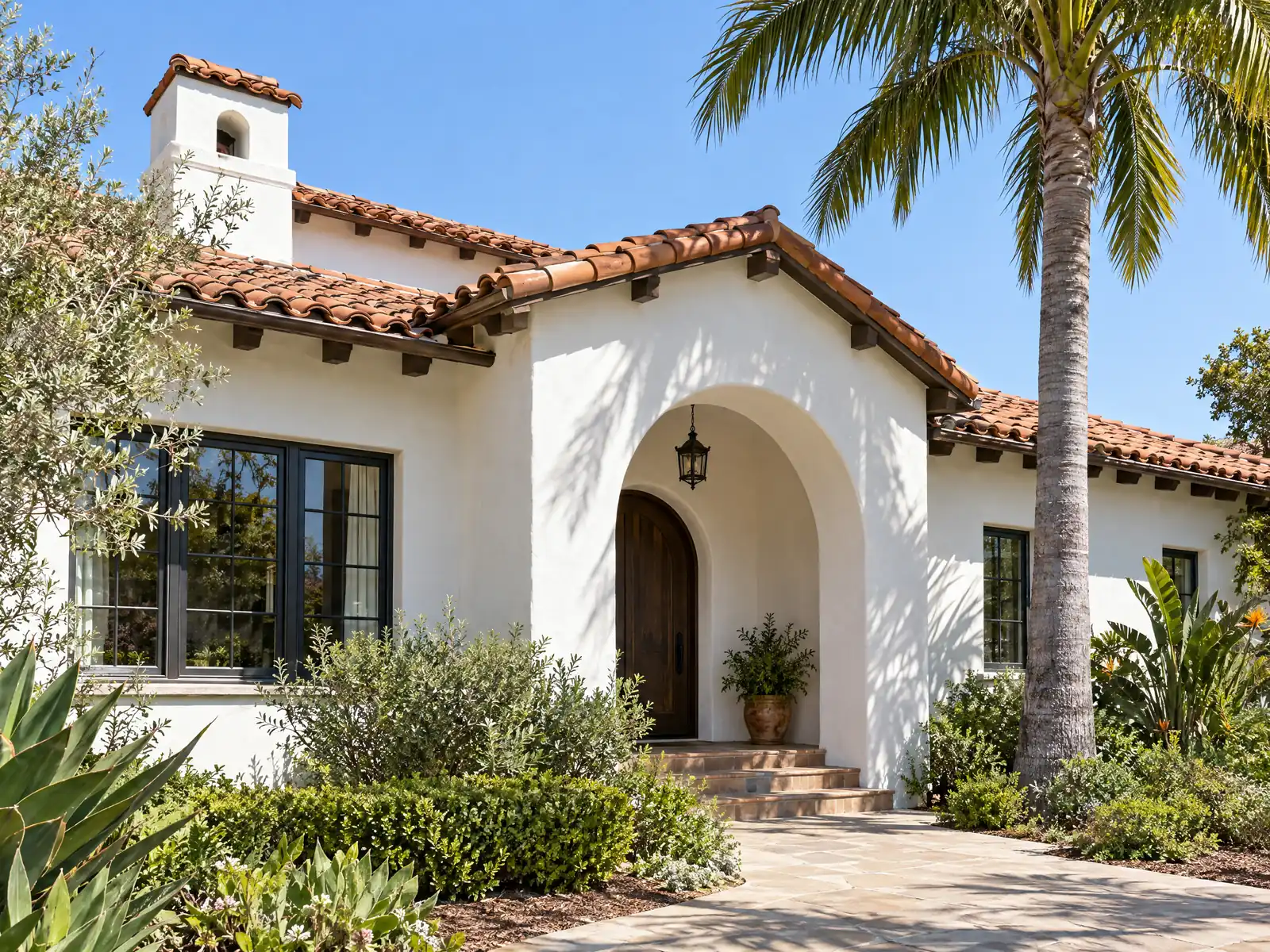
San Marcos moved before it grew. Wikipedia, a secondary source, says John Barham laid out a town in 1883 near today's Rancho Santa Fe Road and San Marcos Boulevard, and that the town shifted to Mission Road and Pico Avenue in 1903 after the Santa Fe Railroad passed a mile away. The first Colorado River water arrived in 1956, the city incorporated on January 28, 1963, and the census table on the same page counts 3,896 people in 1970, 38,974 in 1990 and 94,833 in 2020. The Census Bureau's ACS 2024 one-year estimates count 31,911 housing units, with the 2000s the largest decade at 9,305 units and about 46.8 percent of all units built since 2000. Counts for a city this size carry margins of error, so read them as approximate.
On a roofing job, MDG Builders (CSLB #1040337) writes the scope, files the permit and the roof certificate, and keeps the schedule, while a licensed C-39 roofing subcontractor does the tear-off and installation. Our roofing page holds the sourced prices and the San Marcos overview lists every trade we manage here. Neighbors apply different rules, so compare the guides for Escondido, Carlsbad and Oceanside. The City's Building Division page lists the permit contacts. The City's code page and the usual code hosts returned errors to our tools, so the code text below comes from GoCodebook, a labeled third-party mirror dated October 4, 2026, and the City should confirm anything you rely on.
What San Marcos's building code, fire pages and permit forms say about roofs
Where roofing permits come from in San Marcos: City of San Marcos Development Services, Building Division.
- Chapter 17.08, Section 17.08.130 (GoCodebook mirror), amends the building code so a Class A roofing assembly is the minimum, including re-roofing, on any building in a hillside or mountainous area of San Marcos and a Class B assembly is the minimum on any building in the city. Exceptions: repairs that do not exceed 50 percent of the existing roof area may use the same materials, additions not exceeding 50 percent of the roof area may match the existing roof, and patio covers with a 50 percent roofing opening uniformly distributed are exempt.
- San Marcos's Reroof Inspection Certification (a form on the Building Documents page) must be completed by the roofing contractor and posted with the inspection record card at the final inspection; it records the manufacturer, listing agency number, roof type, slope and fire rating class, and certifies that a pre-roofing inspection was made and that the material meets the Energy Code through a registered cool-roof product (with labels attached) or a CF-1R exception. The form still cites 2016 code editions, so the edition references are out of date.
- The City's fee schedule has a Re-Roofing category with separate lines for a residential overlay, a residential overlay with sheathing and commercial overlays, so a roof overlay and a full tear-off with sheathing are priced as different permit items. (Fee amounts are not stated here because the table columns did not extract cleanly.)
- The City's wildfire page advises roofing or re-roofing with non-combustible materials such as composition, metal or tile, ember-resistant vents, non-combustible eaves and soffits, and clearing leaves and debris from roofs, gutters and under solar panels; it is guidance on that page, not a permit rule.
- San Marcos's Building Design Criteria sheet sets a basic wind speed of 110 mph (3-second gust), 16 psf at Exposure C for most areas, and a design rainfall of 3 inches per hour for roof drains, which applies to roof structure, drains and edge details on new work.
- For homes in the city's mobile home parks, the City's Mobile Home Permit Information sheet lists reroof and roof alteration, shingle roof and other inside-the-home work as State permits (California HCD, 951-782-4420), while outside items such as awnings, carports, porches and decks are City permits that need park manager approval first.
- San Marcos's Solar Permits page says a small rooftop system (10 kW or less) on a single-family home can use the City's standard central or micro inverter plan and the "Roof Mounted Solar PV Expedited" option with an estimated 1 to 3 business days, while contractors can self-issue through SolarAPP+ after getting a City business license and attaching the permit declaration form; systems that do not qualify take an estimated 5 to 10 business days.
- The City's fire requirements for a new single-family home say spark arrestors (screen mesh) are required on all chimneys to reduce flying ember ignition, and that a home in a Very High Fire Hazard Severity Zone must use State Fire Marshal fire resistive construction features under Chapter 7A.
Sources for these rules
- gocodebook.com: chapter 17.08 california building code
- sanmarcosca.gov: reroof inspection certificate
- sanmarcosca.gov: development service fees effective 332025
- sanmarcosca.gov: Community Wildfire Mitigation
- sanmarcosca.gov: building design criteria 04172026
- sanmarcosca.gov: mobile home permit information
- sanmarcosca.gov: Solar Permits
- sanmarcosca.gov: smfd new single family dwelling construction requirements

Why does San Marcos set roof rules stricter than the state?
Because the City Council wrote the reason into the code. Chapter 17.08 says San Marcos has large hillsides covered with extensive vegetation, that Santa Ana winds and low humidity make those hillsides prone to extreme fire hazard, and that this calls for more fire resistive construction than the 2025 California Building Code provides. Wikipedia describes the Cocos Fire of May 14, 2014 as starting in the hills south of Cal State San Marcos, burning 1,995 acres, destroying more than 40 buildings and closing every San Marcos Unified school for two days.
The City's wildfire page advises composition, metal or tile roofing, ember-resistant vents, non-combustible eaves and soffits, and clearing leaves and debris from roofs and gutters. That page is guidance and not a permit rule, so use it as a pricing checklist and ask whether the proposal names the vents, eaves and gutters. For new homes the City's fire requirements also call for spark arrestor screens on every chimney, a detail worth checking whenever an older house with a fireplace gets a new roof.
Ask for the vent, eave and gutter products by name on the proposal, not as a change order after tear-off.
Is a Class A roof required in San Marcos, or is Class B enough?
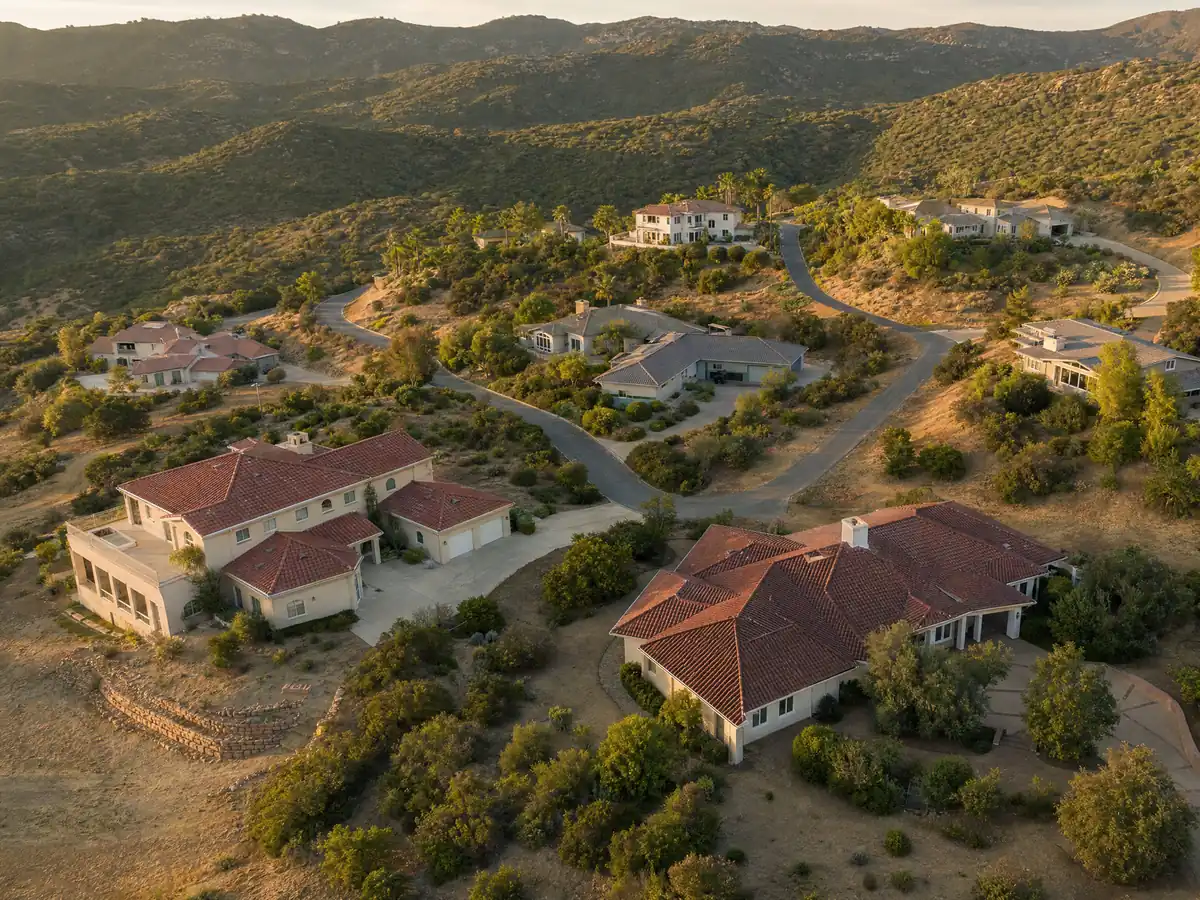
Class B is the floor for any building in the city, and Class A is the floor for a building in a hillside or mountainous area. Section 17.08.130 applies both minimums to re-roofing as well as new roofs. Two exceptions matter on repair jobs: repairs that do not exceed 50 percent of the existing roof area may use the same materials, and additions that do not exceed 50 percent of the roof area may match the existing roof.
Read literally, a repair that passes half the roof is where the minimum class comes into play, but we did not find how the City counts that area, so ask the plan checker before you split a job into stages. We also could not find which streets count as hillside, and we could not read the City's parcel fire-zone tiers or confirm whether CAL FIRE's 2025 update applies. A quote that promises Class A everywhere, or Class B everywhere, is a guess until Building answers for your address, so ask for that answer and have the roofer show the product listing.
Do not accept Class A everywhere or Class B is fine until Building has answered for your parcel.
Do I need a permit to replace a roof in San Marcos, and what gets posted at final?
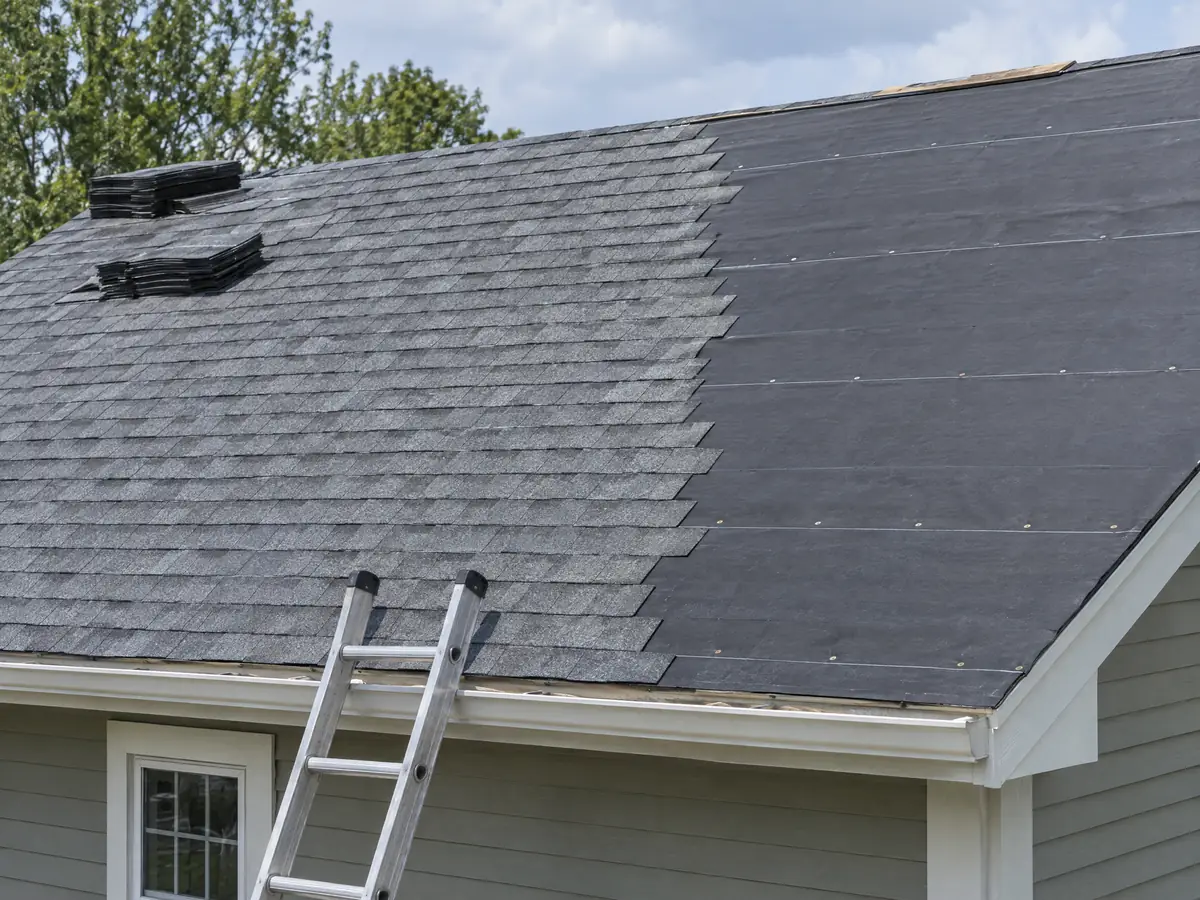
Plan on one for a replacement. The City's fee schedule carries a Re-Roofing category with separate lines for a residential overlay and an overlay with sheathing, and the City keeps a Reroof Inspection Certification for the roofing contractor to complete and post with the inspection record card at final. We found no plain statement about a small patch, so ask Building at 760-744-1050, extension 3244, whether your scope needs a permit. Fee amounts are not printed here because the City's table would not extract in a reliable layout.
The certification records the manufacturer, the listing agency number, roof type, slope and fire class, states that a pre-roofing inspection was made, and says the material meets the Energy Code through a registered cool-roof product with labels attached or a CF-1R exception. The form still cites 2016 code editions, even though the City applies the 2025 codes to applications submitted on or after January 1, 2026, so ask which edition governs your job.
Plan review typically runs about 15 business days, with corrections returned in writing, and once fees are paid you must begin construction and schedule the first inspection within 12 months. Work under a building permit is limited to Monday through Friday from 7 a.m. to 6 p.m. and Saturday from 8 a.m. to 5 p.m., never Sundays or City holidays.
Ask who completes the certification and who books the final inspection.
Who permits a roof on a San Marcos mobile home, the City or the State?
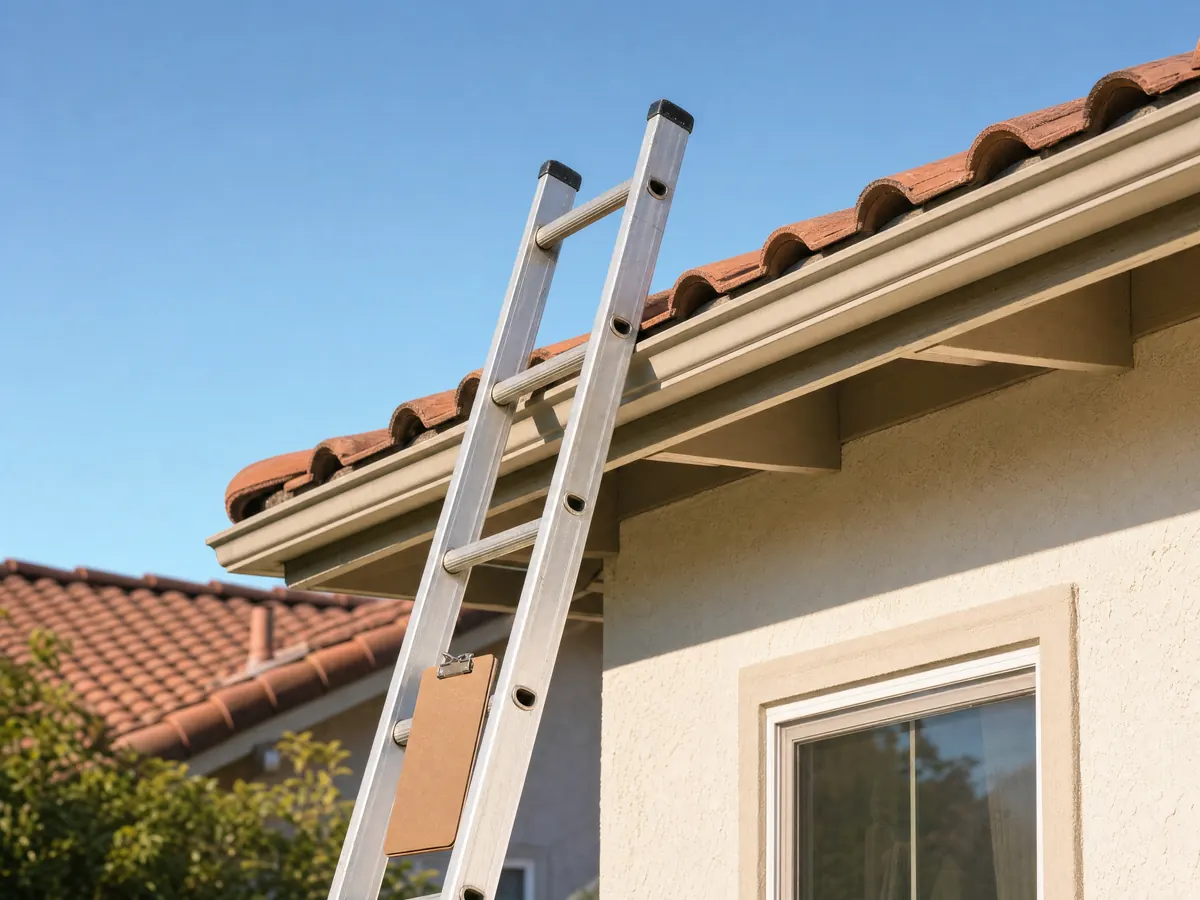
The State does. The City's Mobile Home Permit Information sheet lists reroof and roof alteration, shingle roofs and other work inside the home as State permits through California HCD at 951-782-4420, while outside items such as awnings, carports, porches and decks are City permits that need park manager approval first. The City lists 18 mobile home parks, and ACS 2024 counts 3,126 mobile homes, about 9.8 percent of all units.
That split can put two agencies on one project, for example a roof from HCD and a carport from the City. The Class B and Class A minimums in Chapter 17.08 are City code, and we did not read how they apply to a manufactured home permitted by the State, so ask HCD and the park manager before you choose a material. The park's own rules are a third layer that the City's sheet does not cover.
Get the park manager's approval in writing before any permit is filed.
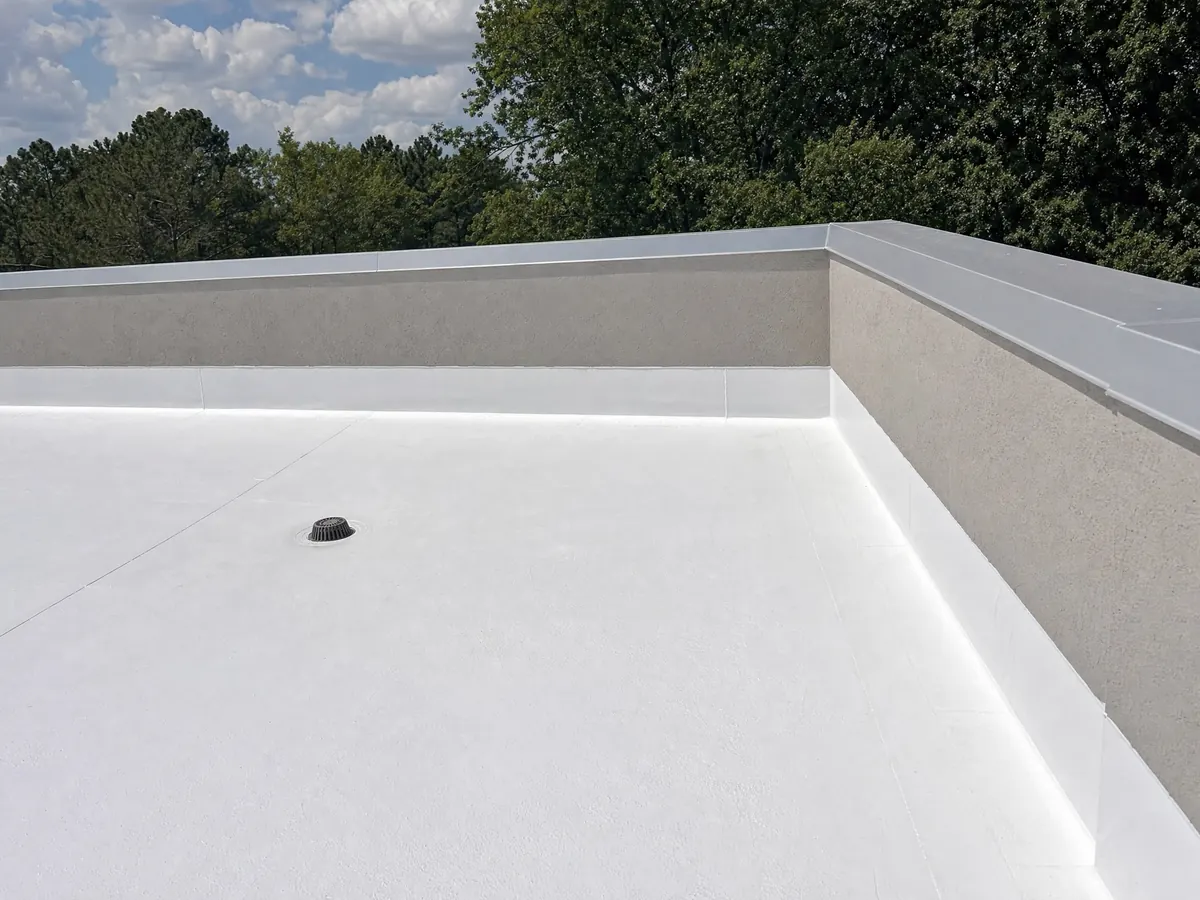
Can I replace the roof and keep my solar panels?
Yes, if the schedule plans for it. The array comes off before tear-off and goes back after the new roof is dried in, and Angi's Los Angeles guide prices removing and reinstalling panels at $500 to $1,000. San Marcos's Solar Permits page says a rooftop system of 10 kilowatts or less on a single-family home can use the City's standard plan and a Roof Mounted Solar PV Expedited option, estimated at 1 to 3 business days, and that contractors can self-issue through SolarAPP+ once they hold a City business license.
Systems that do not qualify take an estimated 5 to 10 business days. The City's wildfire page also lists leaves and debris under solar panels as a fire item, so ask that the space under the array is cleared when it goes back. Settle who files the solar permit, who removes the panels and who signs the roof certificate before work starts, so the inspections do not wait on each other.
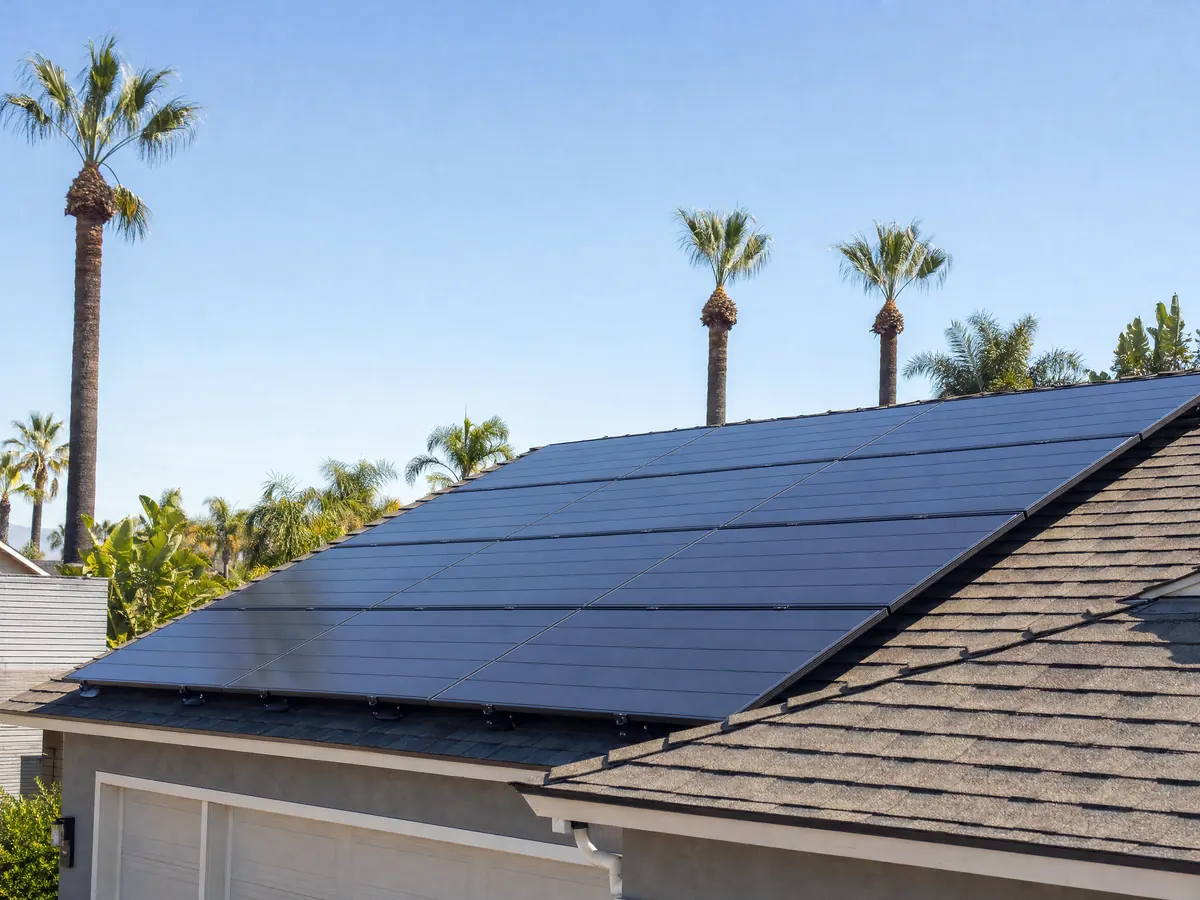
How old are San Marcos roofs, and what does the weather do to them?
Mostly young. ACS 2024 counts 9,305 homes from the 2000s, 4,687 from the 2010s and 955 from 2020 on, so about 14,947 units are 26 years old or less, against 6,353 from the 1970s and 3,470 from the 1980s. We found no local roof survey or sourced lifespan, so we print no replacement age. A roof on a 2005 tract home is about 21 years old, which is a reason to inspect it and not proof that it needs replacing.
Inland heat is the harder number. NOAA's 1991 to 2020 normals for Escondido #2, about 4.7 miles east of the city center point, show 53.9 days a year at 90 F or higher, 5.8 at 100 F and 14.52 inches of rain, 11.10 of it from December through March. Carlsbad Palomar Airport, 6.3 miles west, averages 3.0 days at 90 F, so an east side or hillside roof takes more heat than a west side one. The City's design criteria use a 110 mph basic wind speed and roof drains sized for 3 inches of rain an hour.
Ask the roofer to photograph the bare deck once the old roof is off, before anything new goes down.
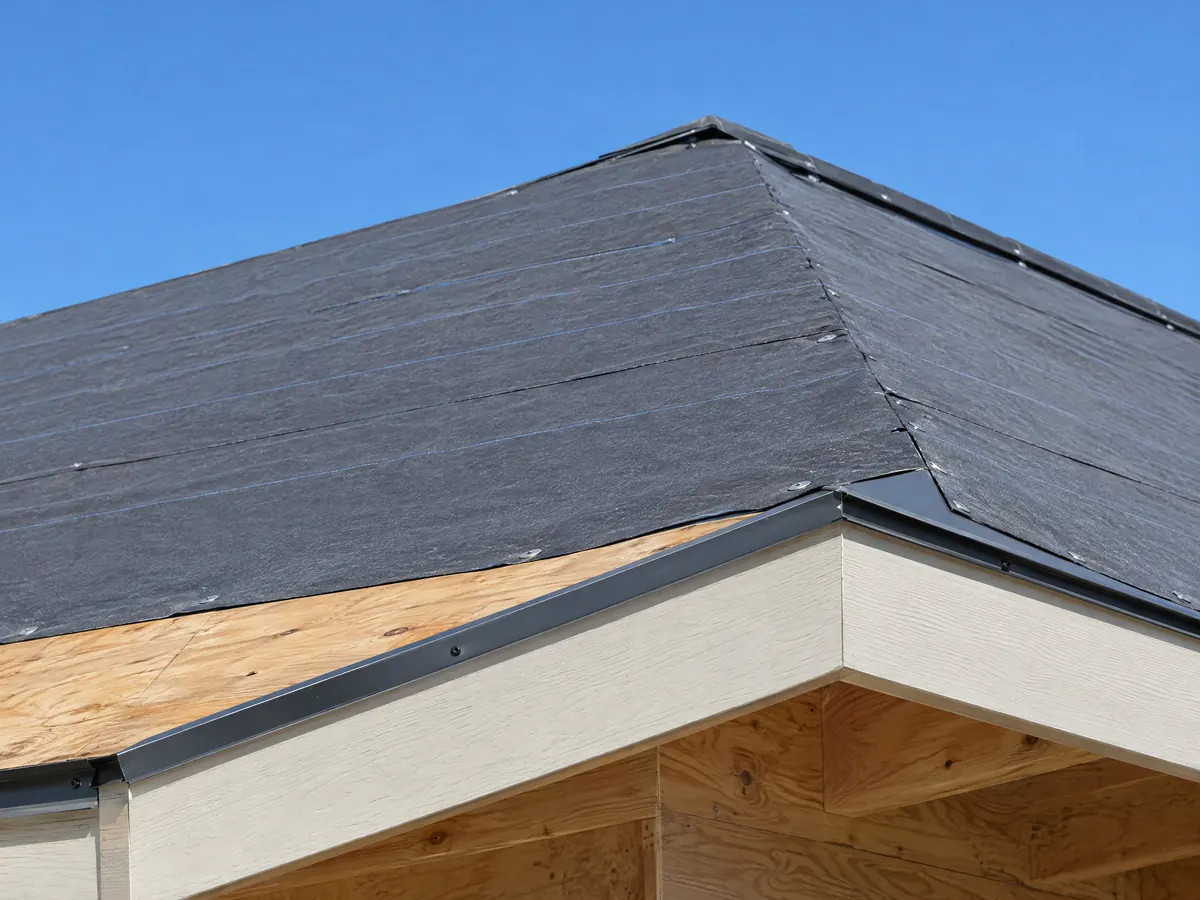
How much does roof replacement cost in San Marcos, and who does the work?
We found no San Marcos or San Diego County roof survey, so these figures come from Los Angeles and a local bid will differ. Remodeling magazine's 2025 Cost vs. Value report prices an asphalt shingle replacement in Los Angeles at $36,417 and a metal roof at $62,069. Angi's Los Angeles guide, updated July 31, 2026, averages $17,271, with typical jobs between $10,256 and $24,963. The gap exists because the report prices one fixed reference roof, while Angi averages real jobs of every size.
Angi's per square foot figures are $4 to $12 for asphalt, $7 to $15 for tile and $7 to $16 for metal, and it lists tear-off at $1,000 to $3,000. For planning we use about $10,000 to $25,000 for a typical asphalt roof and $15,000 to $37,000 for tile. Decking repairs and solar removal come on top.
Roofing is CSLB class C-39, which covers felt, urethane foam, metal systems, shakes, shingles, tile and slate. A permitted job cannot use the state's $1,000 unlicensed work limit, and a down payment is capped at $1,000 or 10 percent, whichever is less. Our roofing cost guide explains why surveys differ, and the contractor license guide shows how to check a license.
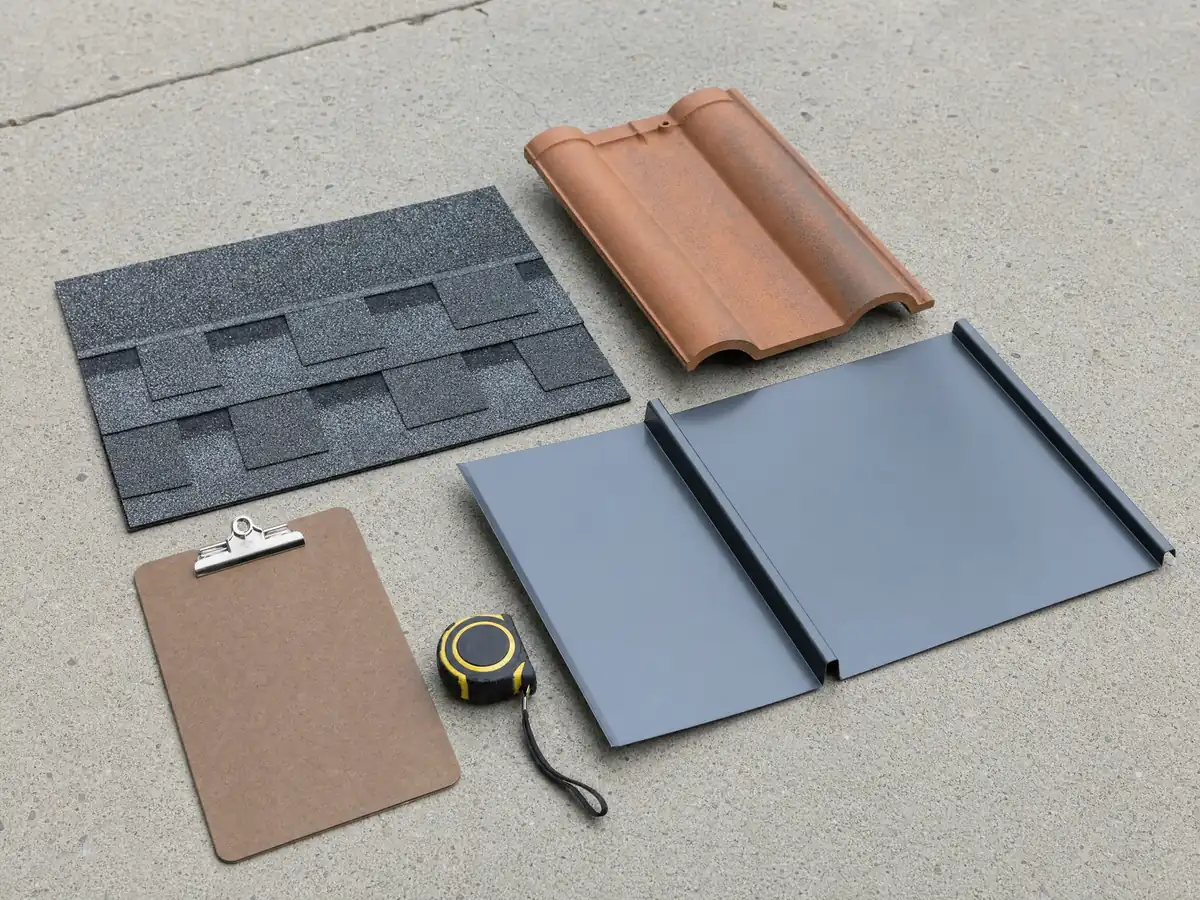
Roofing photos from San Marcos and nearby communities
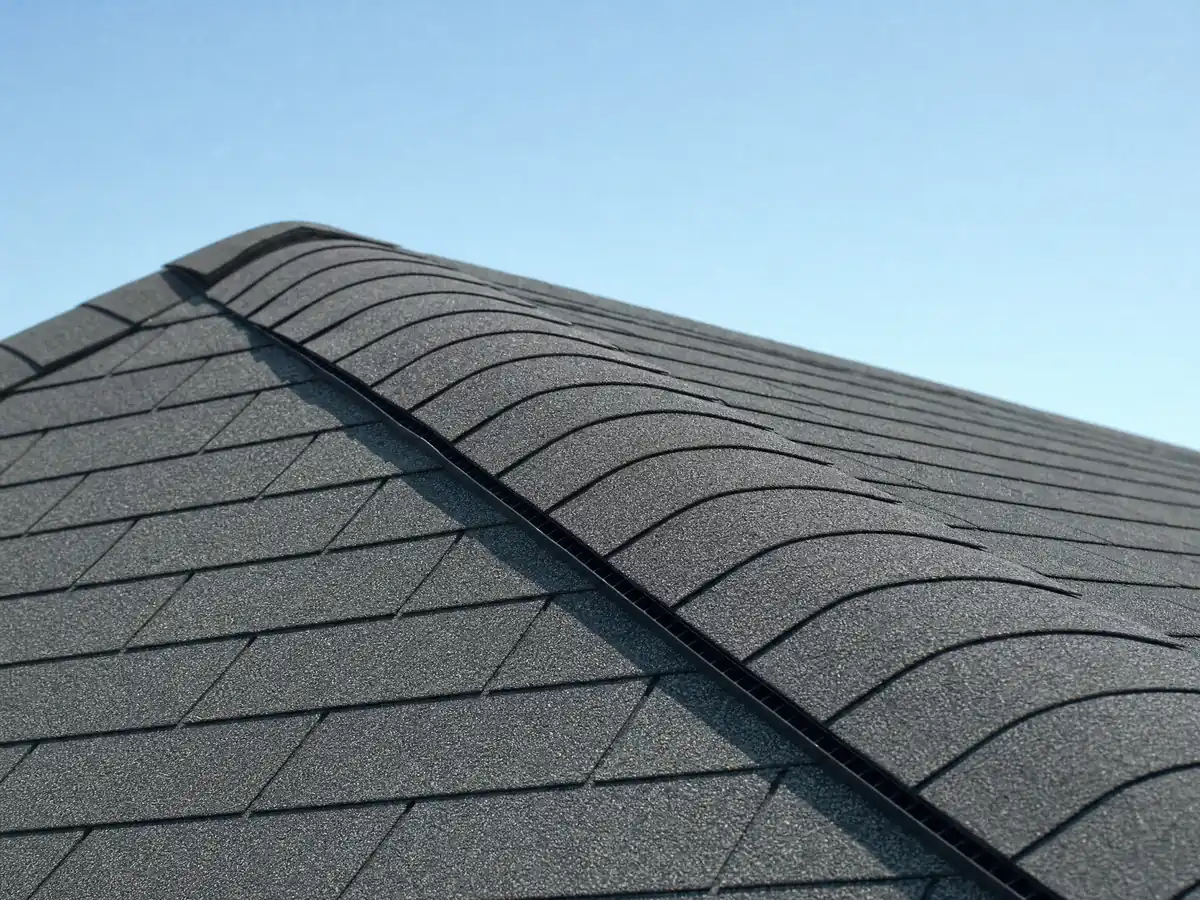
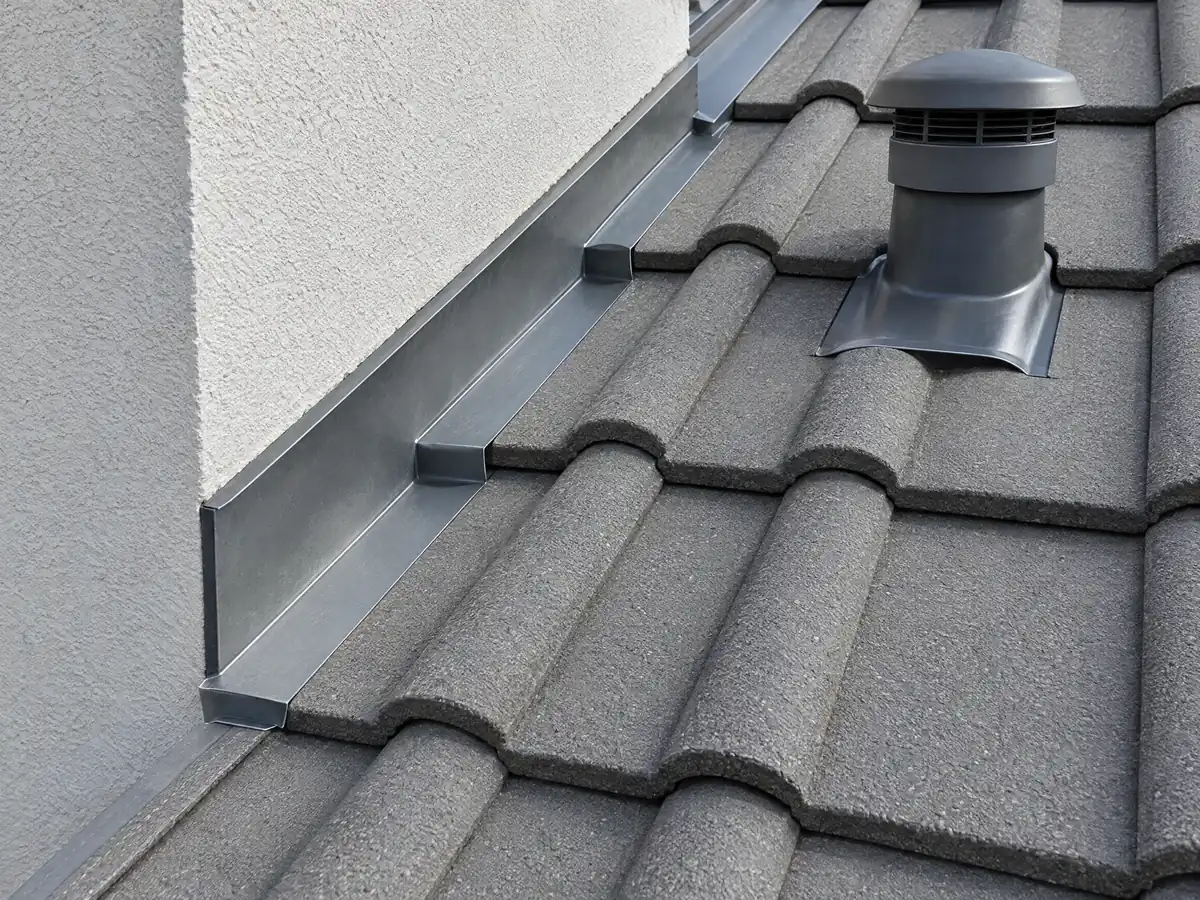
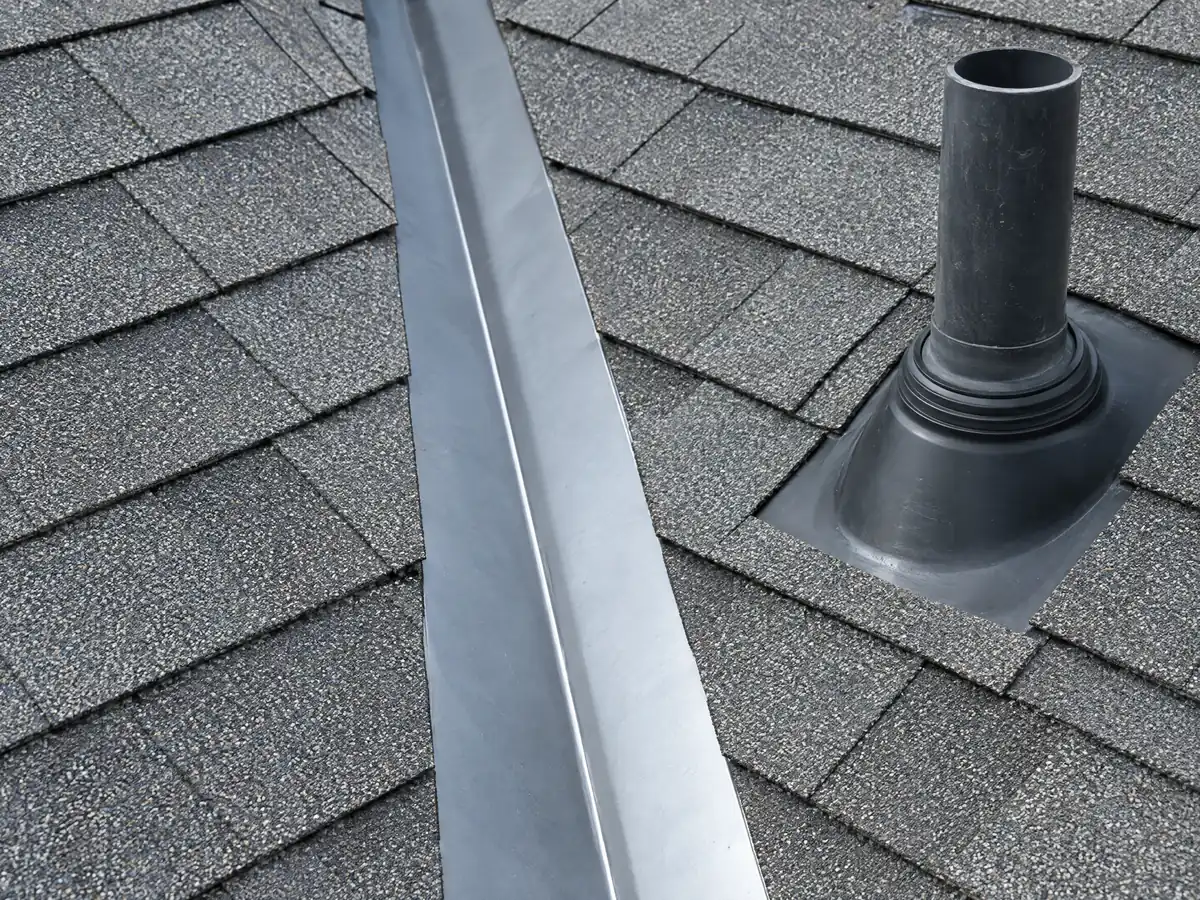
Roofing scenes tied to San Marcos places such as San Elijo Hills, Twin Oaks Valley, Woodland Park and Discovery Hills, and to nearby communities like Escondido, Vista and Carlsbad, from shingle tear-offs to flashing and eave details.
Where these San Marcos roof figures come from
The table on our roofing page lists every roofing price with its source and date. Roof work seldom travels alone, and the San Marcos rules for the jobs around it are on the fencing page, the painting page and the kitchen remodeling page. For who answers for the crew on your roof, read how general contractors use subcontractors.
| What it covers | Typical range |
|---|---|
| Asphalt shingle, typical single-family roof | $10,000 to $25,000 |
| Concrete or clay tile | $7 to $15 per sq ft |
| Metal | $7 to $16 per sq ft |
| Remodeling Cost vs. Value 2025, Los Angeles | Asphalt $36,417. metal $62,069. |
| Extras | Tear-off $1,000 to $3,000. solar detach and reset $500 to $1,000. |
Other work we manage in San Marcos
San Marcos roofing questions, answered
Do I need a permit to replace my roof myself in San Marcos?
Yes, plan on one. The City lists re-roofing as a permit item, and the roofing contractor completes a Reroof Inspection Certification posted at final. An owner doing the work personally must return the Owner-Builder Verification Form first, and paying anyone but immediate family $500 or more can create workers' compensation duties. Ask the Building Division, extension 3244, about small patches.
What is a Class A roof in California, and does San Marcos require one?
Class A is the highest fire rating for a roof assembly. San Marcos requires it as the minimum in hillside or mountainous areas and requires Class B as the minimum anywhere else in the city, including for re-roofing. We could not find a map of which streets count as hillside, so ask the Building Division about your address.
How much does it cost to replace a roof on a 2000 square foot house in San Marcos?
Price it by roof area, which is not the same as floor area. We found no San Marcos survey, so we use Los Angeles figures: Angi puts typical jobs at $10,256 to $24,963 and lists asphalt at $4 to $12 a square foot, tile at $7 to $15 and metal at $7 to $16. A measured written proposal is the real price.
What is the 25% rule for roofing?
We found no San Marcos rule by that name. The code does contain a 50 percent line: repairs and additions that do not exceed 50 percent of the existing roof area may use the same materials as the existing roof. Ask the Building Division how it measures that area before you plan a repair in stages.
Who issues a roof permit for a San Marcos mobile home?
California HCD does. The City's mobile home sheet lists reroof and roof alteration as State permits, issued through HCD at 951-782-4420, while awnings, carports, porches and decks are City permits. Either way, the park manager must approve work that needs a permit before the permit is requested.
Is it cheaper to put a metal roof or shingles on a house in San Marcos?
Shingles cost less up front. Remodeling magazine's 2025 Cost vs. Value report for Los Angeles prices asphalt shingles at $36,417 and metal at $62,069, and says the resale value recouped was 73.6 percent for asphalt and 48.7 percent for metal. Those are Los Angeles figures, so ask for a local bid.
What is the best month for roof replacement in San Marcos?
Late spring through early fall is the driest stretch. NOAA's gauge 2.5 miles east-northeast of the city center records 13.88 inches of rain a year, 8.09 of it from December through February and only 0.18 inch from June through August. Inland heat reaches 90 F on about 53.9 days a year, so ask for early starts.
Is my San Marcos home in a high fire hazard severity zone?
We cannot say for your street. The City's wildfire page links the CAL FIRE viewer for the Local Responsibility Area and says sellers in a high or very high zone must give a fire-hardening disclosure. We could not read the parcel tiers or confirm the 2025 update, so call the Fire Department at 760-744-1050, extension 2408.
Ask for a roof inspection in San Marcos
Tell us your street, the roof material, where water has come in and whether the home is in a mobile home park. Before we call back we check the roof class question for your address and the City's re-roof permit path.