
Roof Repairin Oceanside, CA
Roof repair in Oceanside needs a building permit unless it is a minor patch of 200 square feet or less. The City's re-roofing bulletin sets Class C as the minimum rating and Class A in high fire zones, and a re-roof is torn off to the deck. Heavy tile over a lighter roof needs engineer's calculations.
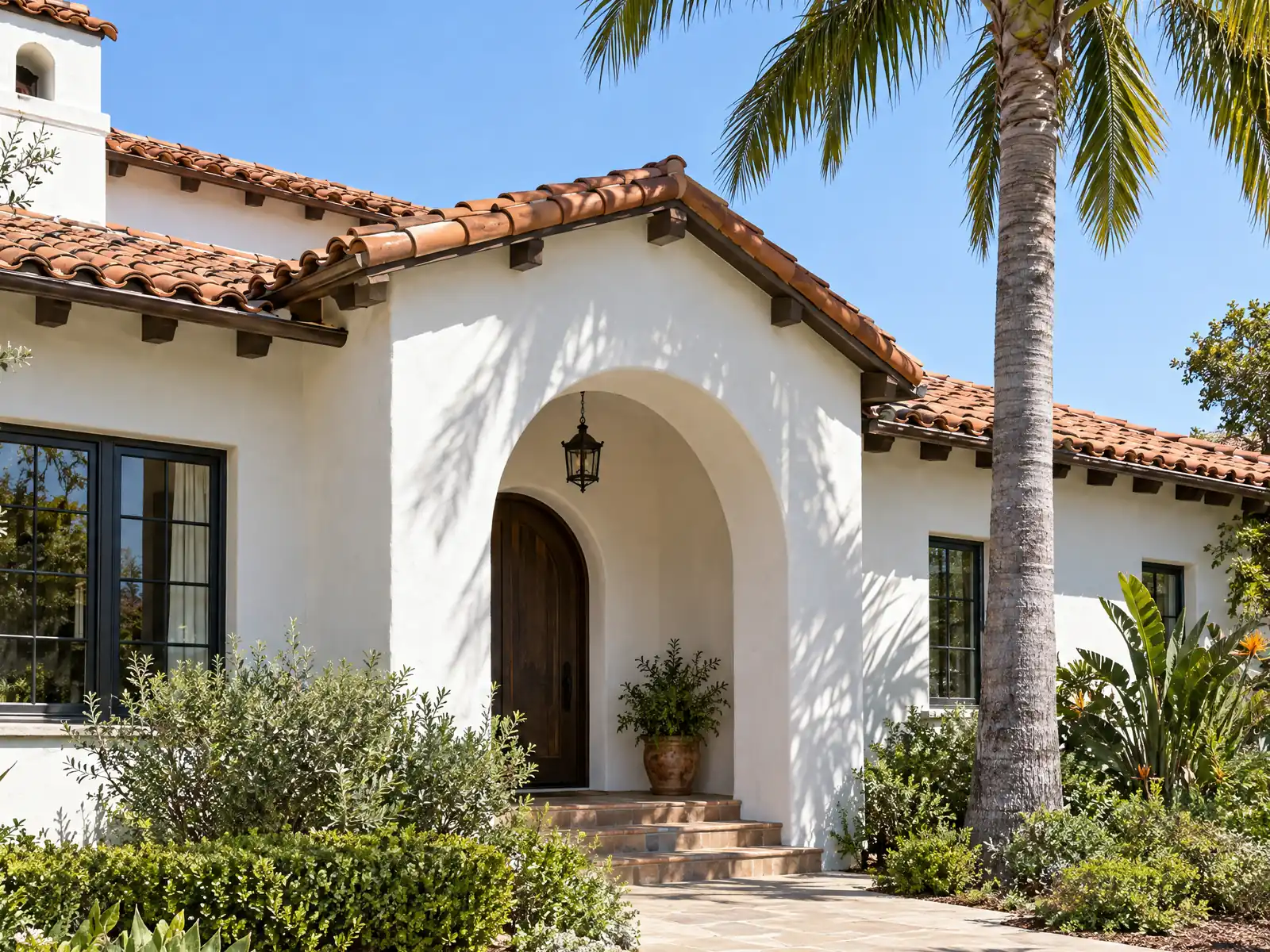
Oceanside grew in bursts, and its roofs show it. The City's own history page dates the town to the California Southern Railway, a Santa Fe branch finished in 1883, and to Andrew Jackson Meyers' 160 acre homestead; the city incorporated on July 3, 1888 with about 1,000 residents. Camp Pendleton rose on its border during World War II, and Wikipedia's census table, a third-party source, shows the population moving from 24,971 in 1960 to 40,494 in 1970, 76,698 in 1980 and 128,398 in 1990. The Census Bureau's ACS 2024 one-year estimates count 68,129 housing units, and about 47 percent of them, 32,259, went up in the 1970s and 1980s. One-year figures for a city this size carry wide margins, so read every count as approximate.
On a roofing job, MDG Builders (CSLB #1040337) writes the scope, coordinates the permit filing and the fire-rating paperwork and sequences the crews, while a licensed C-39 roofing subcontractor strips and installs the roof. Ask us for that subcontractor's license number and certificate of insurance before you sign. Our roofing page holds the sourced prices, the Oceanside overview lists every trade we manage here, and the guides for Carlsbad and Escondido show how nearby cities route the same work. Vista and San Marcos are close as well, so call each counter before assuming a rule carries over. The City's Building Division page is the front door for permits. The City's website blocked our tools, so we read its bulletins and zoning PDFs from Internet Archive copies dated April to September 2026; confirm anything you rely on at (760) 435-3950.
What Oceanside's bulletins, zoning pages and coastal program say about roofs
Where roofing permits come from in Oceanside: City of Oceanside Development Services Department, Building Division.
- Oceanside lists 'Residential Roof Replacement' and 'Residential Roof Recover' among the permit types contractors apply for through eTRAKiT, and IB 116 (permits required and exempt work, 2025 codes) exempts only 'minor roof repairs that do not exceed 200 square feet of roof area' and a skylight or similar penetration that needs no cutting of structural members other than sheathing (electrical work for a skylight is not exempt). A re-roof therefore needs a building permit.
- Information Bulletin 131 (re-roofing requirements, 2025 codes, effective 1/1/2025 to 12/31/2028) says re-roofing must comply with CBC Chapter 15 or, for a single family home, CRC Chapter 9, plus the Energy Code, and adds City rules: roofing assemblies must be at least Class C fire rated except where a higher rating is required by construction type or location in a high fire zone, and in high fire zones a minimum Class A roof is required.
- IB 131 allows a roof re-cover only under the exceptions in CBC 1512.3, and the first inspection of a re-cover is a pre-inspection to decide whether the existing roof can take it. For re-roofs or reinstalled tile roofs all roofing must be removed down to the roof deck, rotted or damaged wood must be replaced and an inspection called before the deck is covered, and existing flashings, edging, outlets and vents must be inspected and replaced where rusted, damaged or deteriorated.
- IB 131 requires structural calculations by a licensed engineer or architect where a tile roof weighing over 6 pounds per square foot replaces a lighter roofing, with a dimensioned roof plan showing the roofing elements and framing details, and lateral bracing calculations where tile or slate over 9 psf replaces a roof of 6 psf or less. For every roofing inspection the contractor or owner must provide an OSHA-compliant ladder tied off at the roof.
- IB 131 says roofs on buildings subject to the California Non-Residential Energy Standards need cool roofs under the Title 24 standards for Climate Zone 7 unless an exception applies. The bulletin does not state a residential cool roof rule, so confirm any residential energy requirement with the Building Division.
- On June 4, 2025 the Oceanside City Council unanimously approved a new CAL FIRE fire hazard severity zone map, the first update since 2007. The Coast News reports it sorts the city into moderate, high and very high tiers where the old map had only very high zones, that it generally adds parcels while removing some in the south, that new development in high and very high zones must use fire-resistant materials with real estate hazard disclosures, that very high zone homes must keep 100 feet of defensible space from wildland, and that the City cannot lower the ratings. The article is a news report, not the ordinance.
- The Building Division's solar notice says SolarAPP+ approves residential roof-mounted PV and battery storage, but a re-roof on the same job requires a separate permit and a main panel upgrade needs a separate permit or a non-SolarAPP+ application. Access to eTRAKiT requires registration as a licensed contractor.
- CSLB defines the C-39 Roofing classification as installing products and repairing surfaces that seal, waterproof and weatherproof structures, including shingles, roof tile, slate and metal roofing systems, and the state listing says the contractor examines or prepares surfaces and uses materials such as asphaltum, pitch, tar, felt, glass fabric and urethane foam.

Can a new roof go over the old one in Oceanside, or does the old roof come off?
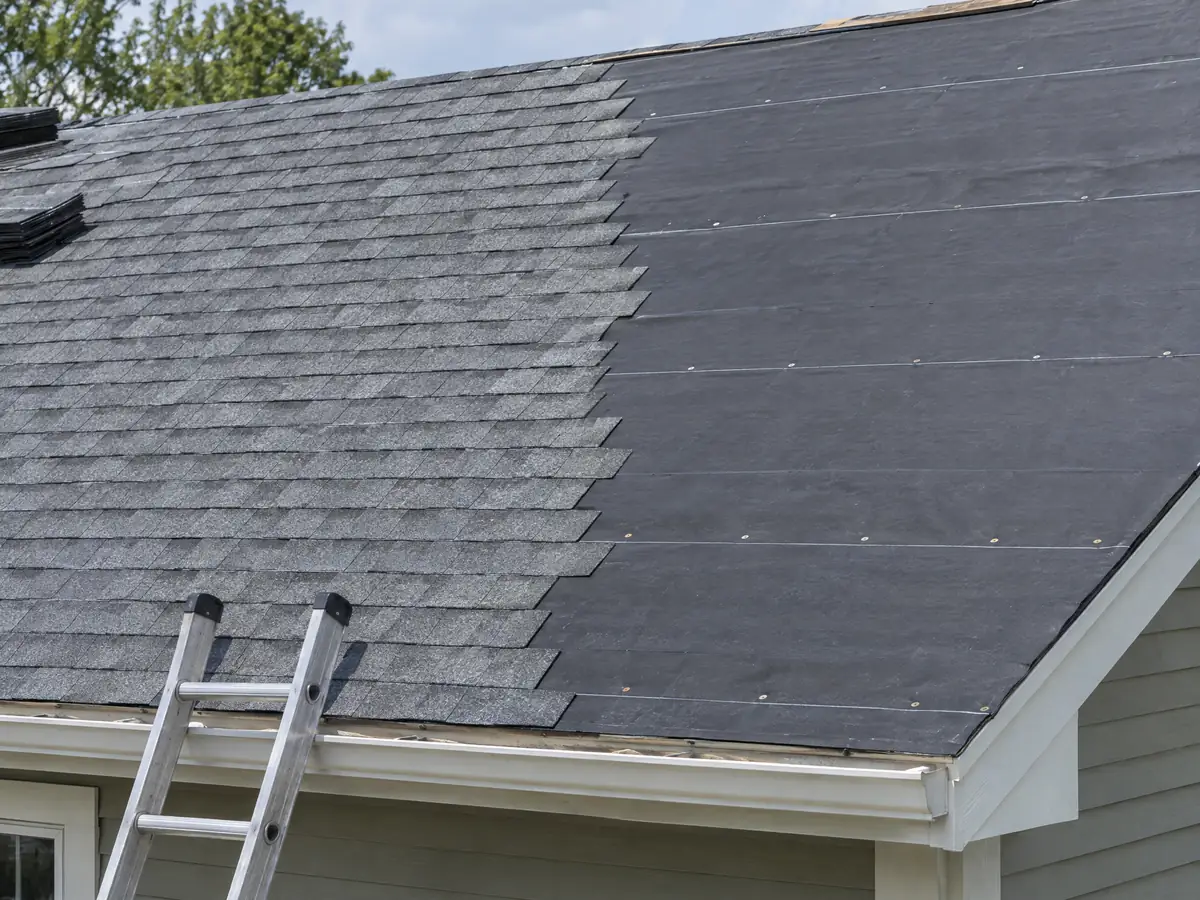
Usually it comes off. Bulletin IB 131 allows a re-cover, a new covering laid over the old, only under the exceptions in California Building Code section 1512.3, and the first inspection of a re-cover is a pre-inspection that decides whether the existing roof can carry another layer. For a re-roof, or for tile that is lifted and set back, every layer is removed down to the roof deck, rotted or damaged wood is replaced and an inspection is called before the deck is covered.
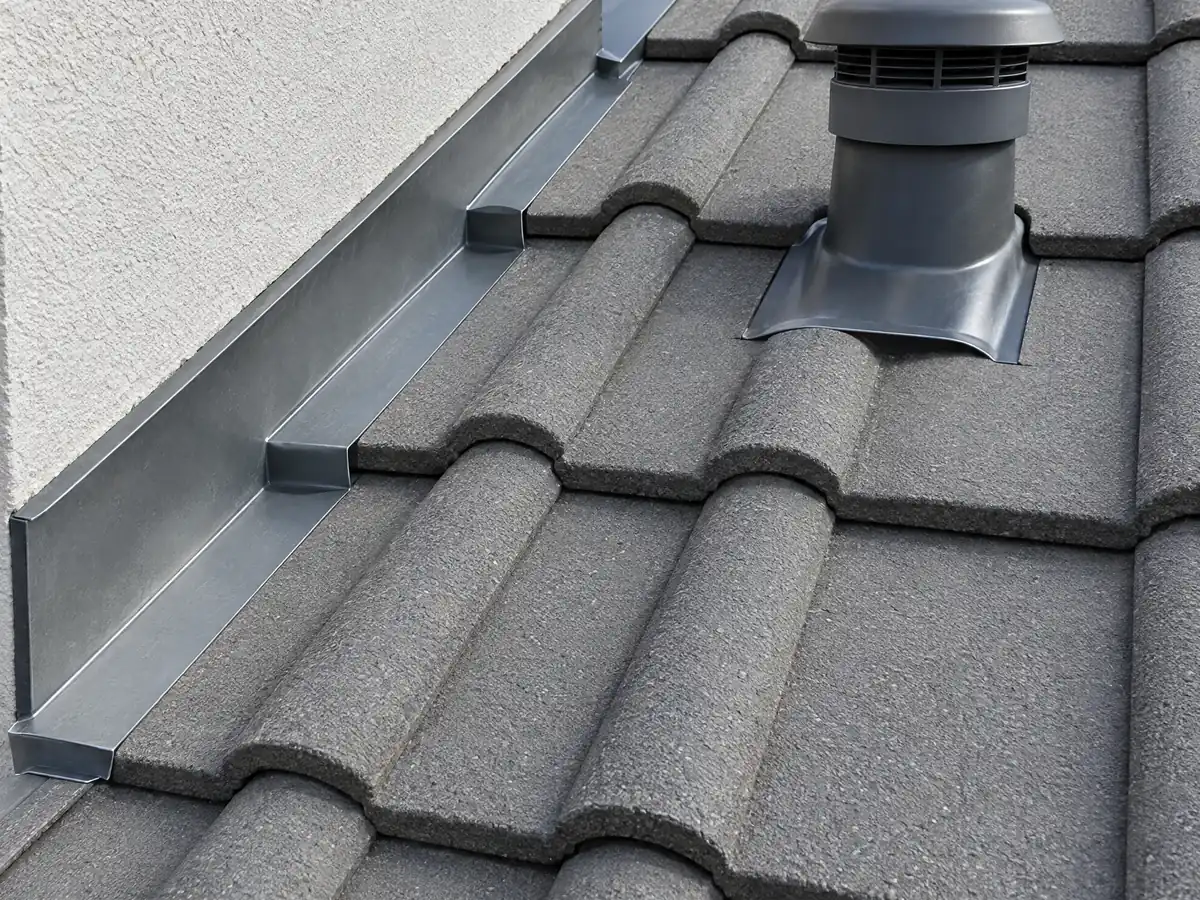
The bulletin also tells the contractor to look over the existing flashings, edging, outlets and vents and to replace any that are rusted, damaged or worn. That is where a repair quote and a replacement quote part ways: a repair that touches one flashing detail is small, while a tear-off exposes the whole deck. Ask for deck repair priced per sheet on its own line, and ask who calls the deck inspection.
- Re-cover only under the code's listed exceptions
- Pre-inspection before any re-cover
- Deck inspection before the new covering goes down
Put the tear-off depth and the deck repair price on the written proposal.
Does a small roof repair need a permit in Oceanside, and how is a re-roof filed?
Only a small one escapes. The City's list of exempt work, bulletin IB 116, covers minor roof repairs that do not exceed 200 square feet of roof area and a skylight or similar opening that needs no cutting of framing other than sheathing, though electrical work for a skylight is not exempt. Anything larger needs a building permit. Since January 2, 2025 paper plans are no longer accepted, and licensed contractors must file residential roof replacement and roof recover applications through the City's eTRAKiT portal, which requires registering as a licensed contractor.
The application asks for the state license number, a City business license and a current workers' compensation certificate. After a completeness check the City sends an invoice and an invitation to upload PDF plans, and the plan review clock does not start until the documents are in and the fees are paid. A permit lapses if the work is not finished within three calendar years, with one six month extension on request. Oceanside's Procedure A-1 adds that staff do not say by phone whether something needs a permit; an exemption counts only if it is approved in writing first.
Ask who files the permit and who holds the inspection dates before the contract is signed.
What does Oceanside require when a heavier tile roof replaces a lighter one?
Structural paperwork, and it starts at a weight line. IB 131 asks for calculations from a licensed engineer or architect when a tile roof heavier than 6 pounds per square foot goes over a lighter covering, together with a dimensioned roof plan that shows the roofing elements and the framing details. A second threshold applies when tile or slate over 9 pounds per square foot takes the place of a roof of 6 pounds or less: lateral bracing calculations are required as well.
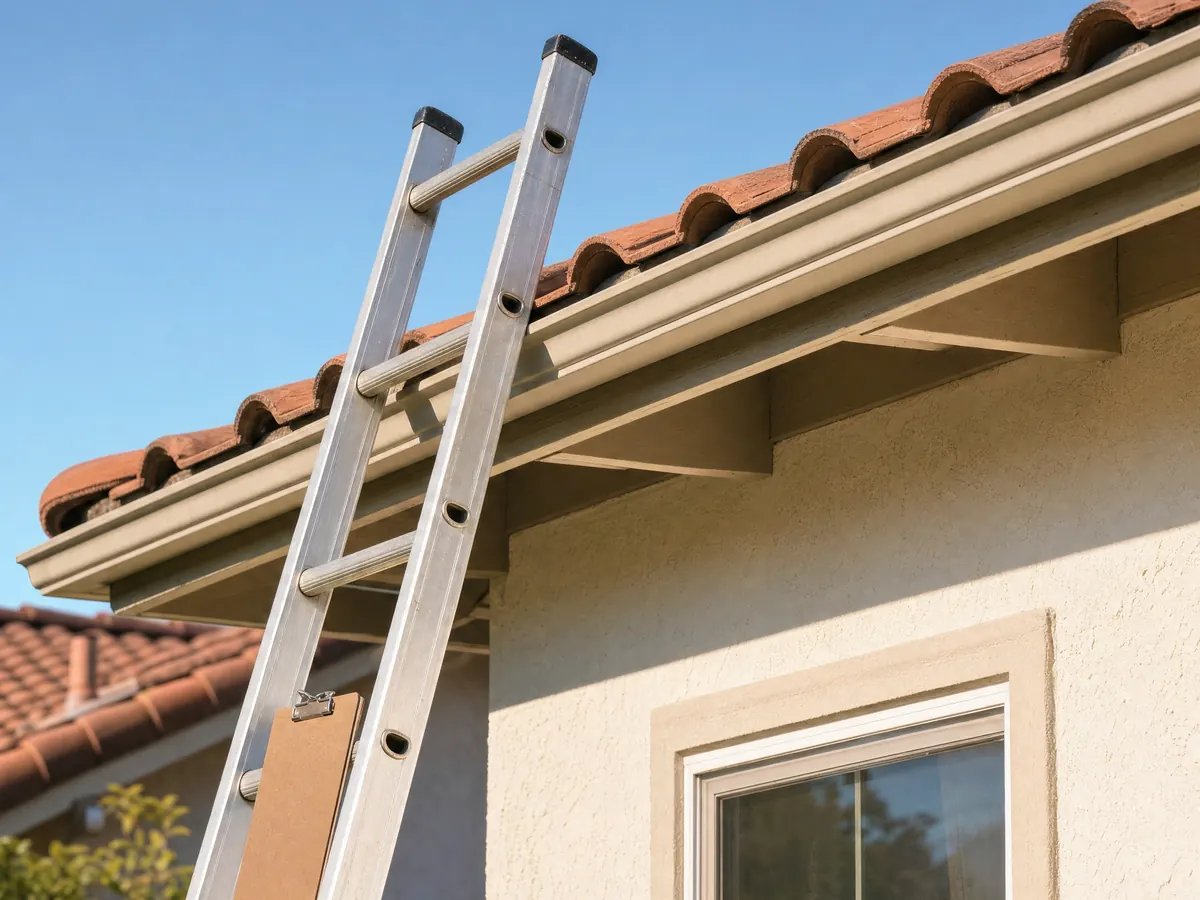
That matters on streets where composition shingles from the boom years carry a house and the owner wants a tile look. The bulletin states weight thresholds, not product weights, so ask the supplier for the installed weight per square foot of the exact tile and give that number to the engineer before anything is ordered. The same bulletin says the contractor or owner must provide an OSHA-compliant ladder tied off at the roof for every roofing inspection.
- Installed weight per square foot of the exact tile
- Engineer's calculations and a dimensioned roof plan
- A tied-off ladder for each roofing inspection
Get the tile's installed weight in writing before the engineer starts.
What fire rating does an Oceanside roof need, and is my street in a high fire zone?
Class C is the floor for every re-roof, and Class A applies in high fire zones. IB 131 says roofing assemblies must be at least Class C unless the building's construction type or a high fire zone location calls for more, and in a high fire zone the minimum is Class A. Oceanside has its own Fire Department, so there is no county fire authority to call about it.
Which streets are in a high zone is the hard part. The Coast News reported that on June 4, 2025 the City Council unanimously adopted CAL FIRE's updated map, the first since 2007, with moderate, high and very high tiers where the old map had only very high zones. The article adds that new development in high and very high zones must use fire-resistant materials, that very high zone homes must keep 100 feet of defensible space and that the City cannot lower the ratings. We read that news report, not the ordinance or the map, and we found no parcel list, so we place no named neighborhood in any tier. Ask the Fire Department or the Building Division for your address.
- Class C minimum on any re-roof
- Class A where the parcel is in a high fire zone
- Ask for the parcel's tier before a product is chosen
Write the zone answer and the assembly's fire rating on the proposal.
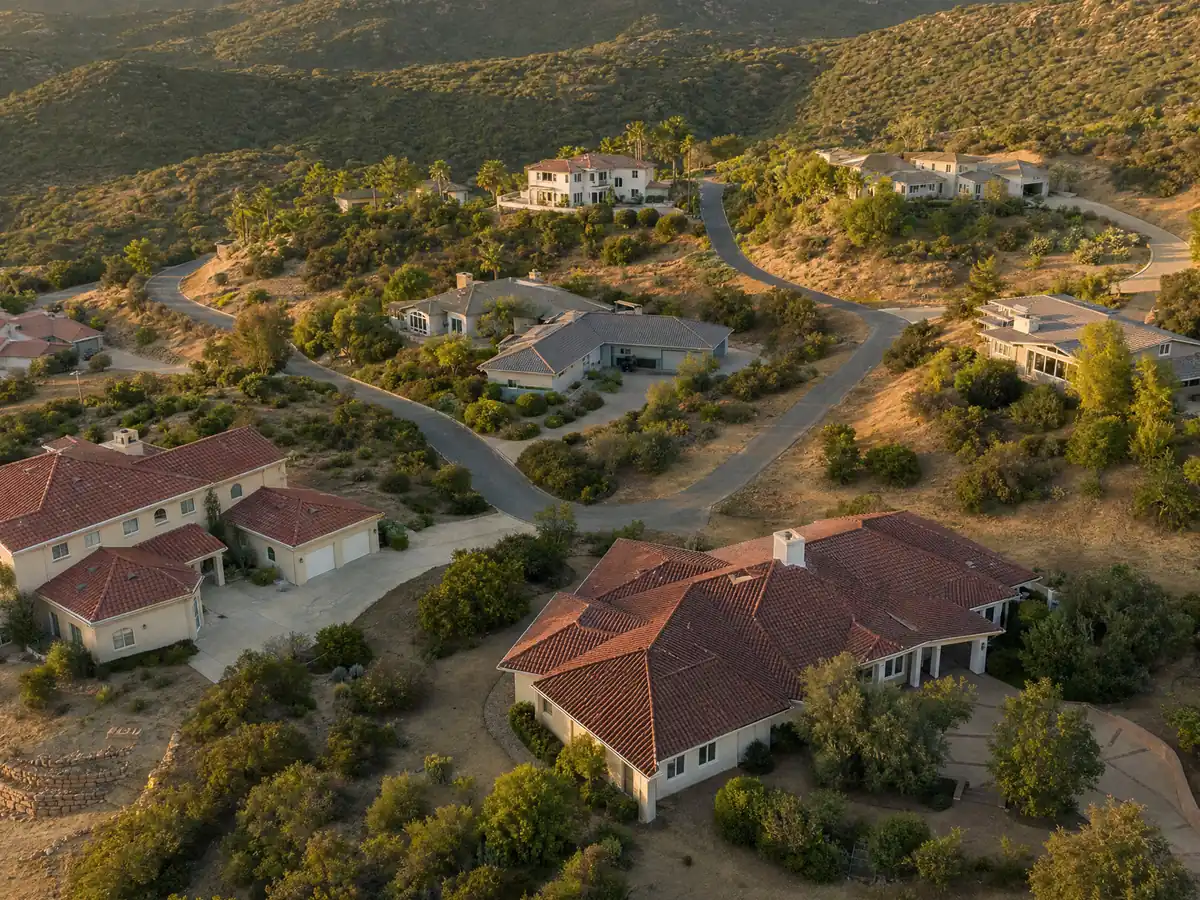
How old is the typical Oceanside roof, and what does my neighborhood suggest?
Start with the age of the house. ACS 2024 counts 1,495 units from 1939 or earlier, 11,930 before 1970, 27,364 before 1980 and 13,355 from 2000 on, which is roughly 2, 18, 40 and 20 percent of the stock. The count cannot be tied to a street, so a local-history blog, which is not an official source, helps: it describes Eastside homes from 1920 to 1940, North Oceanside Terrace built mostly in the early to mid 1950s for military families and Mesa Margarita planned from 1965 with about 275 Sproul homes on 62 acres.
We found no Oceanside roof survey and no sourced roof life, so we print no number of years. Condition decides: damage over a sound deck points to repair, while failure across whole slopes, leaks that wander or boards that flex underfoot point to replacement. On an older tile roof, ask whether the tile can be lifted and reset over new underlayment and how broken pieces will be matched.
- Stains on the ceiling or damp insulation under the deck
- Cracked or slipped tile, or bare patches on shingle slopes
- Failed flashing at chimneys, walls and vents
- Soft or sagging deck boards
Ask for photos of each problem area before and after the tear-off.
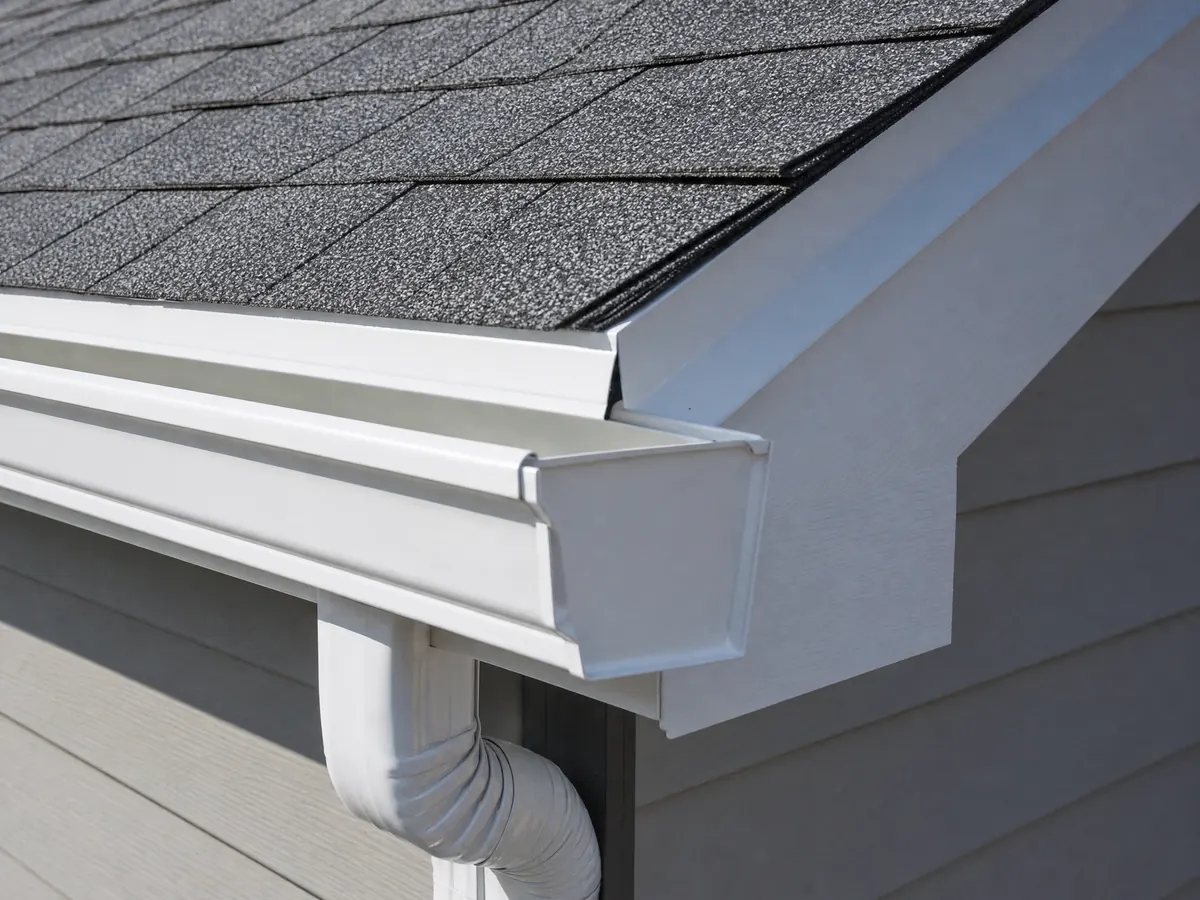
Does the coast, the heat or a historic overlay change a roof job in Oceanside?
The coast adds a permit layer. The City's Local Coastal Program covers the entire coastal zone, and each project there is exempt, categorically excluded, an Administrative Coastal Permit, a Regular Coastal Permit or a California Coastal Commission permit. The City's Coastal Permit Handbook came back to us as a scan with no readable text, so we state no exemption distance. Zoning Section 3003 also limits coastal residential exterior colors to earth tones with no white or light shades, and the City tells readers to ask Planning how that applies to roofs.
Climate splits the city too. NOAA's 1991 to 2020 normals put the August average high at 71.3 F and the yearly rain at 10.27 inches at the Oceanside Marina, against 80.7 F, 13.39 inches and 18.7 days a year at or above 90 F at the Vista station about 4.3 miles inland. Salt air and marine layer meet a coastal bluff roof, while eastern roofs see more heat and dry brush.
In a Historic Overlay District the Historic Preservation Advisory Commission weighs roof pitch, materials and colors before a permit issues, except for emergency work and ordinary repairs. The pages we read name no districts, so ask Planning at (760) 435-3520.
On any coastal or older lot, get Planning's answer in writing before a crew is booked.
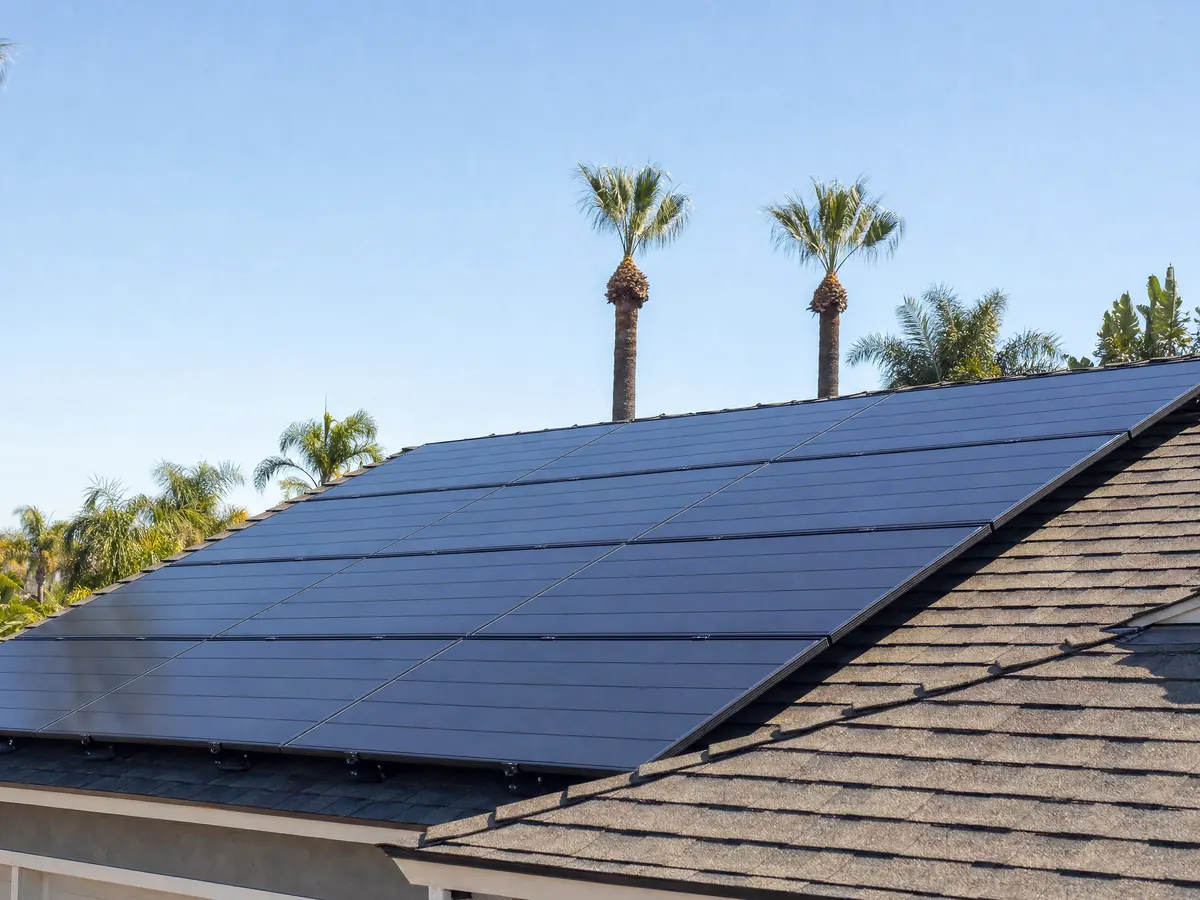
How much does roof replacement cost in Oceanside, and how do I hire a roofer?
No Oceanside or San Diego County roofing survey turned up in our research, so these are Los Angeles figures and an Oceanside proposal will differ. Angi's Los Angeles guide, updated July 31, 2026, quotes an average of $17,271 and about $8.60 a square foot, with asphalt at $4 to $12, tile at $7 to $15 and metal at $7 to $16. The same guide puts tear-off at $1,000 to $3,000, and lifting solar panels off and setting them back adds $500 to $1,000. Remodeling magazine's 2025 Cost vs. Value report prices a reference Los Angeles roof at $36,417 in asphalt and $62,069 in metal without stating the roof size, which is why it sits far above Angi's average. Our planning ranges are $10,000 to $25,000 for a typical asphalt roof, $15,000 to $37,000 for tile and from about $20,000 for metal.
Roofing is CSLB class C-39. Business and Professions Code 7159 caps a down payment at $1,000 or 10 percent, whichever is less, and the state's $1,000 unlicensed work limit does not cover a permitted job. Solar on the same house has its own path: the City's SolarAPP+ approves roof-mounted panels, but the re-roof needs a separate permit. IB 131 asks for cool roofs only on buildings under the non-residential energy standards, so confirm any residential energy requirement with the Building Division. Compare bids with the California roofing cost guide, and see how general contractors use subcontractors.
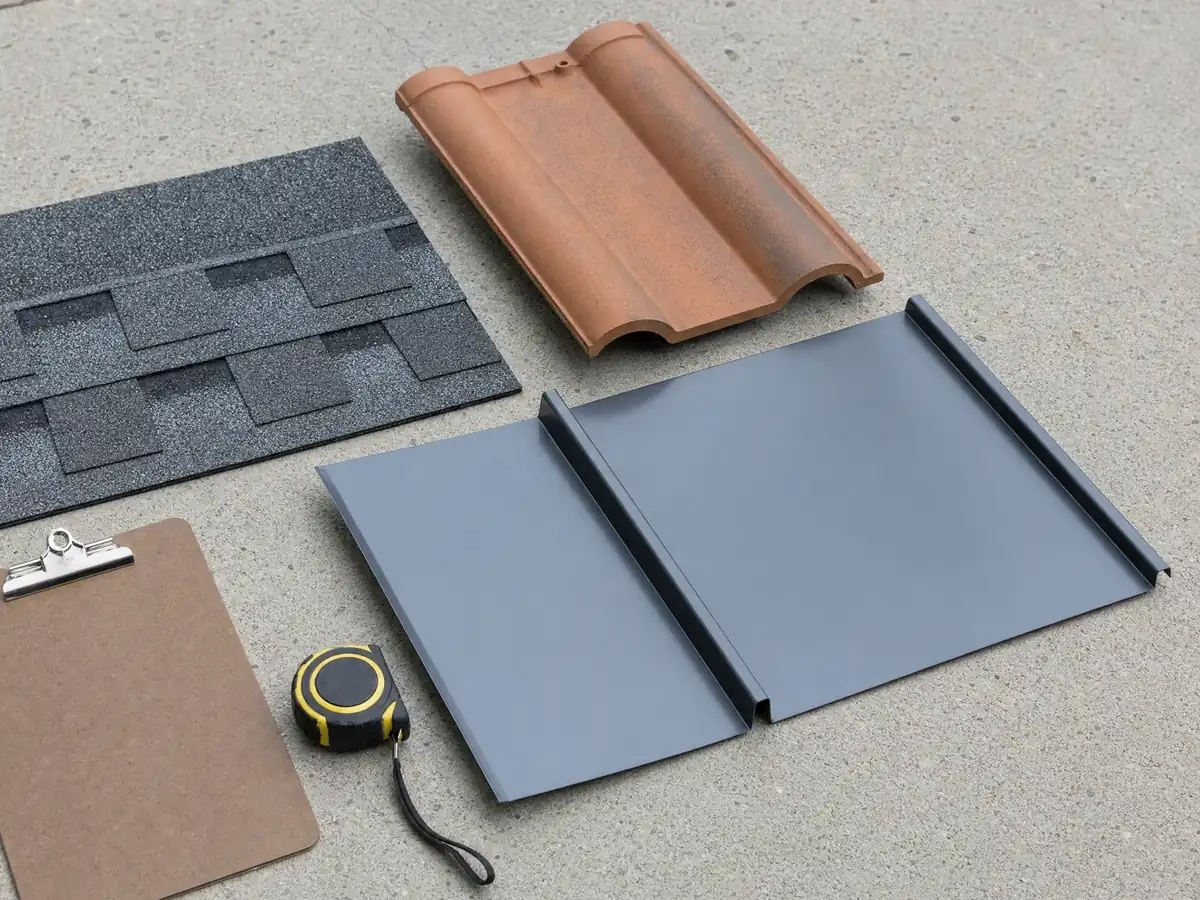
Roofing photos from Oceanside and nearby communities
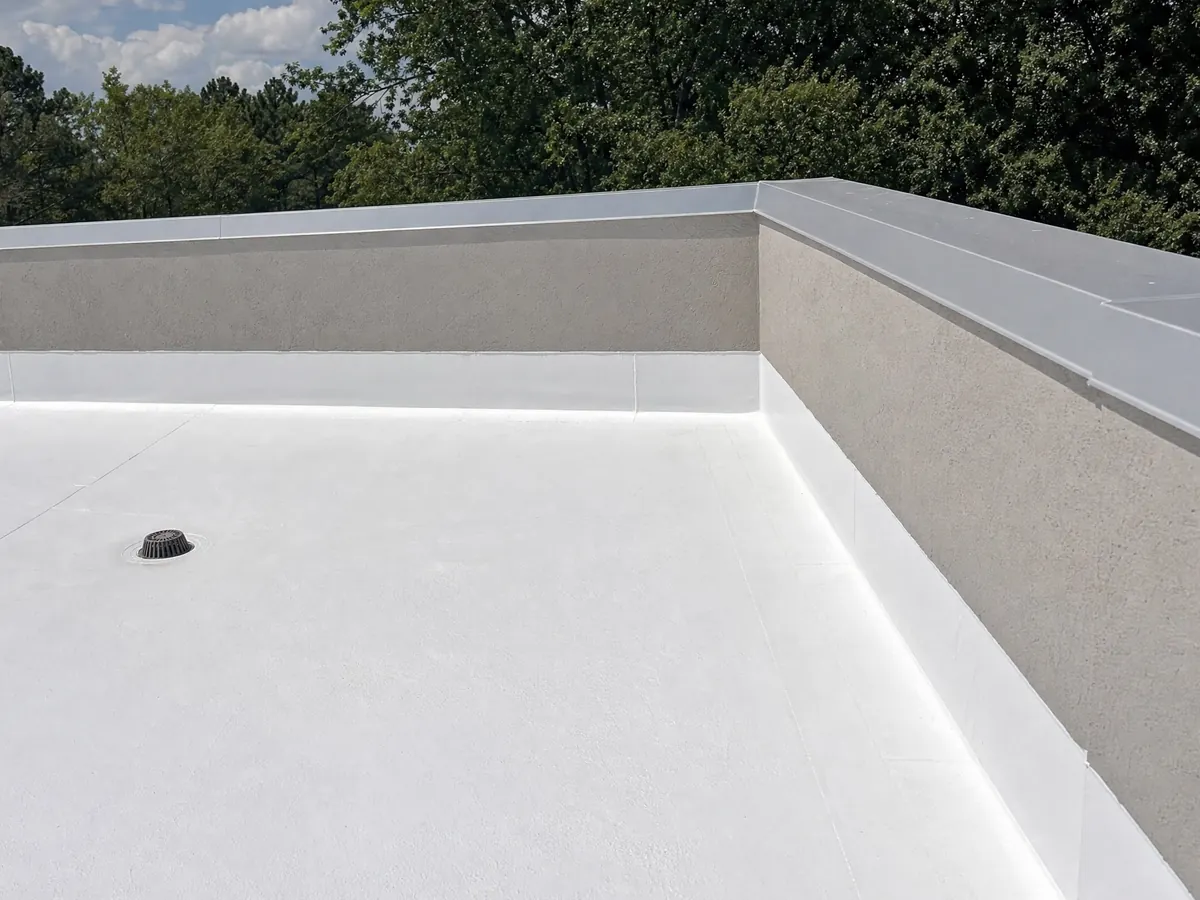
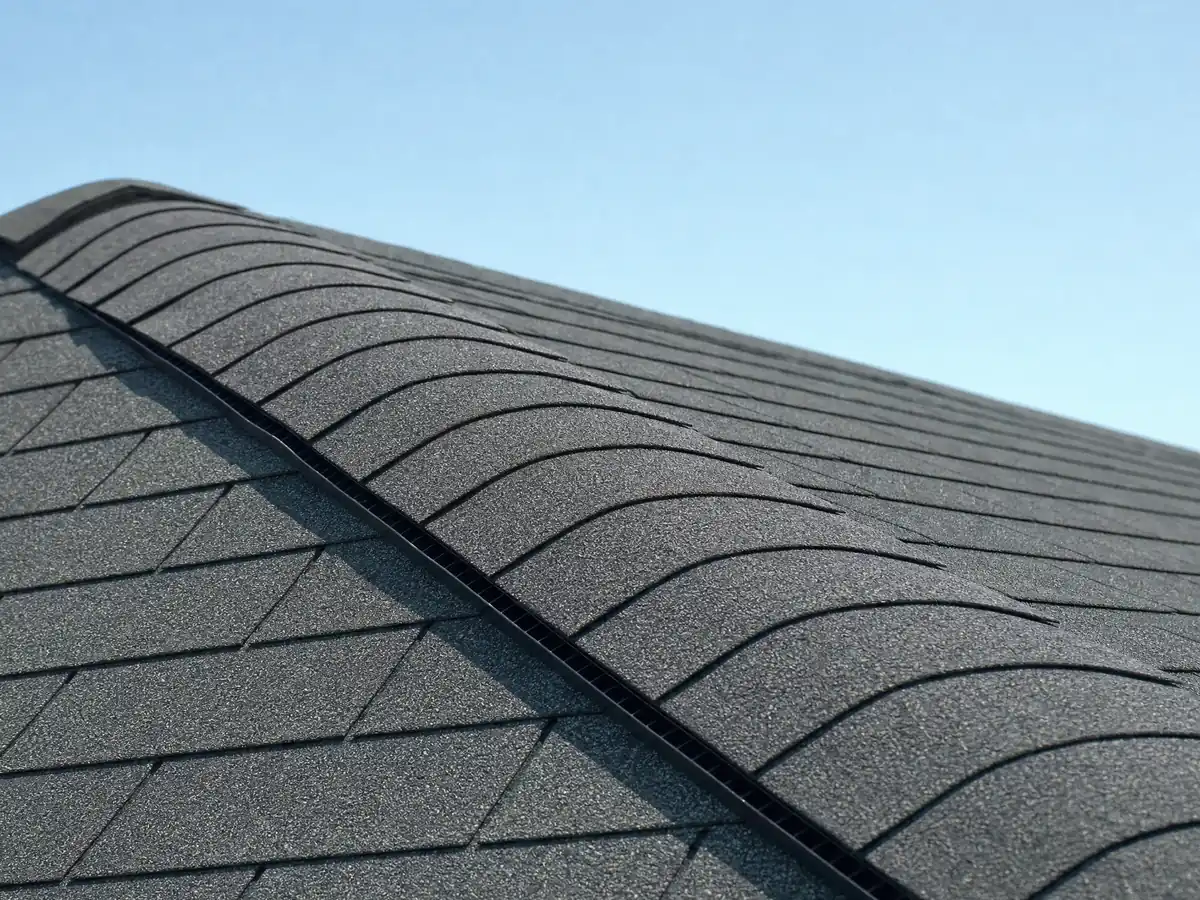
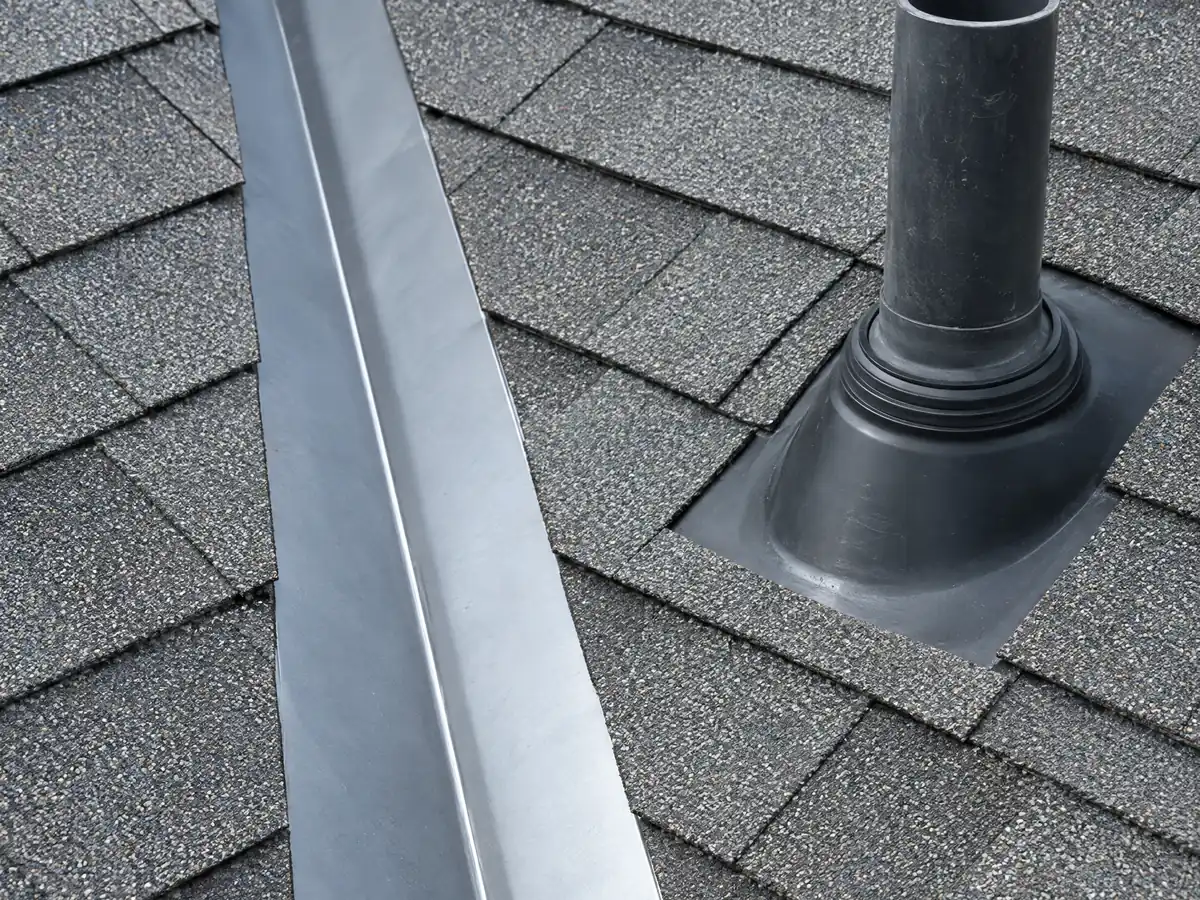
Roofing scenes tied to Oceanside places such as the pier, Mission San Luis Rey and the transit center, and to nearby Carlsbad and Vista, from tile flashing to shingle tear-offs.
Where these Oceanside roof figures come from
Our roofing page lists each roofing price with its source and date. Roof work seldom travels alone, and the Oceanside rules for the jobs around it are on the fencing page, the painting page and the kitchen remodeling page. San Diego County cities set their own roof rules, so read the guides for Carlsbad and Escondido, and for a Los Angeles County contrast try Pasadena.
| What it covers | Typical range |
|---|---|
| Asphalt shingle, typical single-family roof | $10,000 to $25,000 |
| Concrete or clay tile | $7 to $15 per sq ft |
| Metal | $7 to $16 per sq ft |
| Remodeling Cost vs. Value 2025, Los Angeles | Asphalt $36,417. metal $62,069. |
| Extras | Tear-off $1,000 to $3,000. solar detach and reset $500 to $1,000. |
Oceanside roofing questions, answered
Do I need a permit to replace my roof in Oceanside?
Yes. The City's exempt list covers only minor roof repairs of 200 square feet or less and a skylight that needs no structural cutting, so a re-roof or a re-cover needs a building permit. Licensed contractors file roof replacement and roof recover applications through the City's eTRAKiT portal. Ask the Building Division at (760) 435-3950 about your exact scope.
What fire rating does a roof need in Oceanside?
Class C is the minimum for any re-roof, and Class A is required in high fire zones. Those figures come from the City's re-roofing bulletin, IB 131, for the 2025 codes. A higher rating can also be required by the building's construction type, so put the rating of the specific roof assembly on the written proposal.
Is my Oceanside roof in a high fire hazard zone?
We cannot say for your parcel. The Coast News reported that the City Council adopted CAL FIRE's updated map on June 4, 2025, sorting the city into moderate, high and very high tiers. We read that news report, not the ordinance or the map, so ask the Fire Department or the Building Division which tier your address is in before a roofing product is chosen.
Can I put a new roof over my old roof in Oceanside?
Only in narrow cases. The City's re-roofing bulletin allows a re-cover only under the exceptions in California Building Code section 1512.3, and the first inspection is a pre-inspection to decide whether the old roof can take it. A true re-roof removes everything down to the deck, with a deck inspection before it is covered.
How much does roof replacement cost in Oceanside?
Price it by roof area, and expect a local proposal to differ from regional surveys. We found no Oceanside survey. Angi's Los Angeles guide, updated July 31, 2026, shows asphalt at $4 to $12 a square foot, tile at $7 to $15 and metal at $7 to $16, plus $1,000 to $3,000 for tear-off. A measured written proposal is the real price.
What is the 25% rule for roofing?
We found no Oceanside bulletin that uses that name, and the sites that repeat it rarely cite a section. The City's two relevant lines are different: minor repairs of 200 square feet or less are exempt from a permit, and a re-roof must meet IB 131. Ask the Building Division how it treats a repair that grows beyond a patch.
Can you stay in your house while the roof is being replaced?
Usually yes, because the work happens above the living space, though it is noisy and the crew needs yard and driveway access. Every roofing inspection also requires a tied-off ladder at the roof. We did not read the City's construction noise hours, so ask the roofer for a daily schedule and the days the crew plans to be on site.
What is the best time of year to replace a roof in Oceanside?
Late spring through early fall is the driest stretch. NOAA's 1991 to 2020 normals for Oceanside Municipal Airport show 8.93 of the year's 11.86 inches of rain falling from December through March, and only 0.05 inch in July and 0.04 inch in August. Ask the roofer how weather delays are scheduled and what is done to protect an open deck overnight.
Does a roof job near the coast or in a historic area need extra review in Oceanside?
Possibly. The City's Local Coastal Program covers the entire coastal zone, and a project there is exempt, categorically excluded or needs an Administrative, Regular or Coastal Commission permit. In a historic district the Historic Preservation Advisory Commission reviews roof pitch and materials unless the work is ordinary repair. Ask Planning at (760) 435-3520 whether your parcel is in either.
How do I check a roofing contractor's license in California?
Search the license number on the Contractors State License Board site and confirm that class C-39 Roofing is active and the name matches your contract. The steps, and the questions to put to a general contractor about its roofing subcontractor, are laid out in our contractor license guide.
Ask for a roof inspection in Oceanside
Send your street or neighborhood, roughly when the house went up, what the roof is made of and where it leaks. Before we phone you we look at the fire-rating line, the permit path and any coastal or historic question.