
Roof Repairin Santa Clarita, CA
Roof repair in Santa Clarita can skip a permit only when the damage covers less than 10 percent of the roof or 200 square feet, whichever is less, and the roof is restored to its prior condition. Anything larger, including every roof replacement, needs a re-roof permit and a pre-inspection, and wood shakes are not allowed on new roofs.
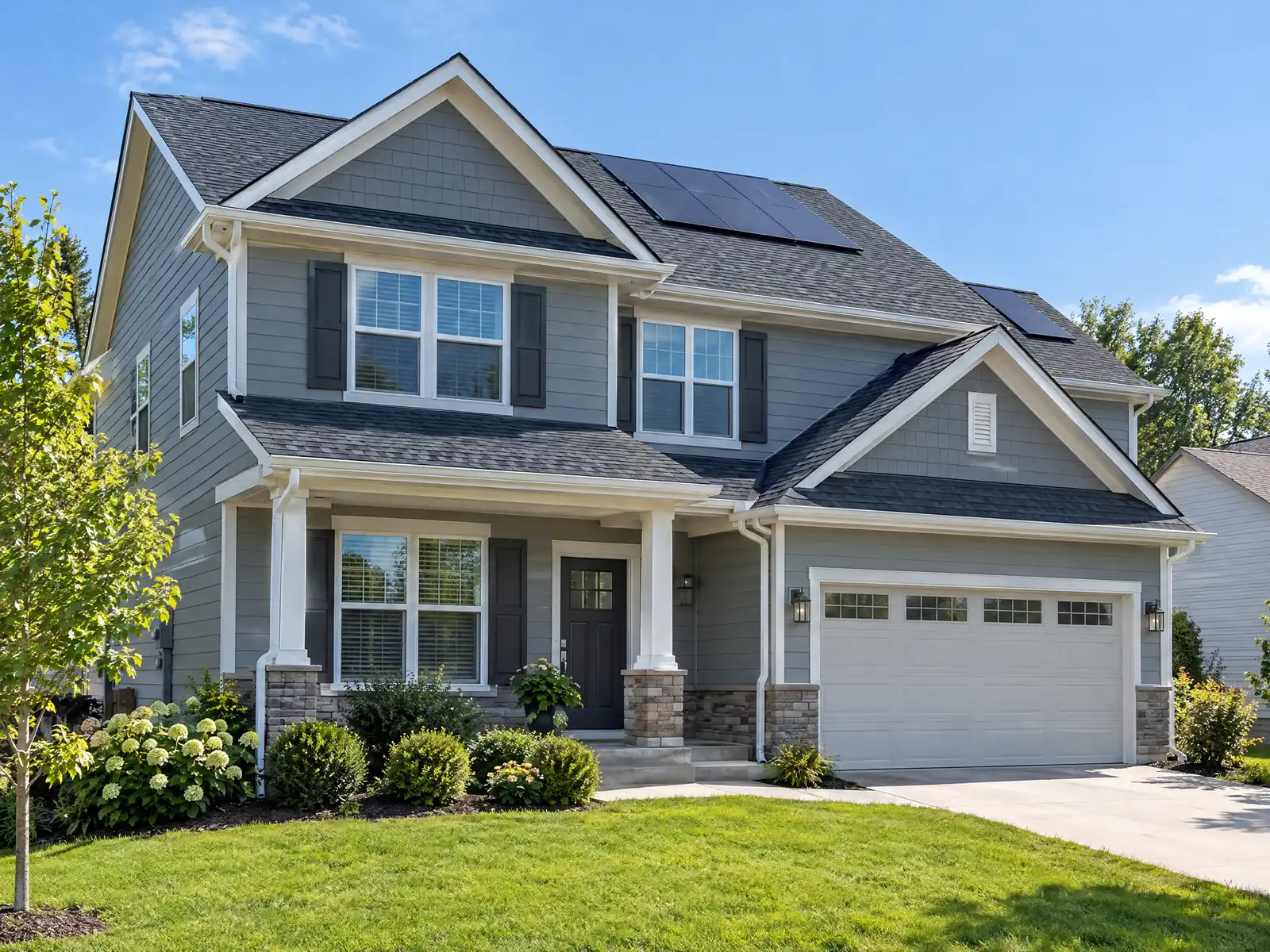
Santa Clarita roofs bake more than they drown. NOAA's 1991 to 2020 normals for the Newhall 5 NW station, about 5.5 miles west-southwest of central Santa Clarita, count 86.8 days a year at or above 90 degrees F and 20 days at or above 100, against 16.76 inches of rain. Of that rain, 14.16 inches fall from December through March and none in July or August. The station sits on the valley floor west of Newhall, so canyon and foothill streets can read differently.
The city was created on December 15, 1987, when Canyon Country, Newhall, Saugus and Valencia merged, and its houses are young for Los Angeles County. The Census Bureau's 2024 estimates put the median year built at 1988, with only about 29 percent of 76,758 housing units older than 1980. Valencia's first subdivision, Old Orchard I, opened in 1967, and Newhall Land's suburban tracts filled Canyon Country in the 1960s and 1970s. A house of median age is about 38 years old, so a roof original to it has taken close to four decades of valley sun. On a roof job, MDG Builders (CSLB #1040337) writes the scope, files the permit and books the inspections, and a licensed C-39 roofing subcontractor does the tear-off and installation. Our roofing page has the sourced price table, and the same questions are answered for Glendale, Pasadena and Los Angeles.
What Santa Clarita's code and re-roof sheet say about roofs
Where roofing permits come from in Santa Clarita: City of Santa Clarita Community Development, Building & Safety Division (Permit Center).
- A re-roof permit and an on-site pre-inspection are required before roofing work starts. Roof repairs of less than 10 percent of the roof area or 200 square feet, whichever is less, can be done without a permit if the damaged part is restored to its prior condition, and the City's code adds that those limits cannot be exceeded within any one-year period.
- Under the City's re-roof handout, work on more than 10 percent but less than 50 percent of the roof needs a permit and only the new portion must meet current code; work over 50 percent needs a permit and the entire roof must meet current code.
- Wood shakes and wood shingles, treated or untreated, are not allowed on new roofs in Santa Clarita. Inside the City's fire zone every roof covering needs at least a Class A fire rating; elsewhere the minimum is Class B. The handout is the 2020 revision written against the 2019 codes.
- The City's amended 2025 code (SCMC 18.03.020) requires at least a Class B roof covering outside Fire Hazard Severity Zones and Wildland-Urban Interface areas whenever more than 50 percent of the roof area is replaced within any one-year period, and Section 118.3.2 sends roof repair or replacement inside a Fire Hazard Zone to Chapter 15 as amended.
- New roofing may not go over old when the old roof is water soaked or too deteriorated, is wood shake, wood shingle, slate, clay, cement or asbestos-cement tile, or already has two or more roof coverings. Composition shingles are limited to two layers in total and tile to one layer; an engineer or architect may be needed when new roofing exceeds 7 pounds per square foot or outweighs what came off.
- Where spaced board decking is exposed, the City requires new solid wood structural panel sheathing (15/32 inch or 7/16 inch CDX plywood or exterior OSB, nailed 10d at 6/6/12 inches over 1x decking and 16d over 2x decking) before the new roofing goes on. The code section is SCMC 18.03.030, Section 1512.2.1.
- Re-roof inspections: a pre-inspection once all old layers are off (or before new roofing goes over old), after any damaged deck or framing has been repaired; a sheathing nail inspection when new panel sheathing or framing goes in; and a final. The job card must be posted where the street can see it, 4-inch address numbers must be visible, and a ladder rated at least 300 pounds (Type IA) that reaches 2 feet above the roofline must be on site.
- New single-family primary roofs must slope at 2:12 or steeper, and additions that change the roofline of an existing home need sloped roofs where consistent with the house and neighborhood; open patio covers are excluded and a flatter roof needs an adjustment.
Sources for these rules

Does roof repair in Santa Clarita need a permit?
Sometimes not. The City's re-roof handout says repairs of less than 10 percent of the roof area or 200 square feet, whichever is less, can be done without a permit if the damaged part is restored to its prior condition. The City's code adds that you cannot exceed those limits within any one-year period, so a leak patched in March and another in October add together.
Past that line the rules step up. Work on more than 10 percent but less than 50 percent of the roof needs a permit, and only the new portion must meet current code. Work over 50 percent needs a permit, and the entire roof must meet current code. The handout is the 2020 revision, written against the 2019 codes, while the 2025 codes apply to projects submitted on or after January 1, 2026, so ask the Building & Safety Permit Center for the current sheet before you lean on these numbers.
Put the repaired area in square feet on the proposal, because the 10 percent and 200 square foot lines only work when someone measures.
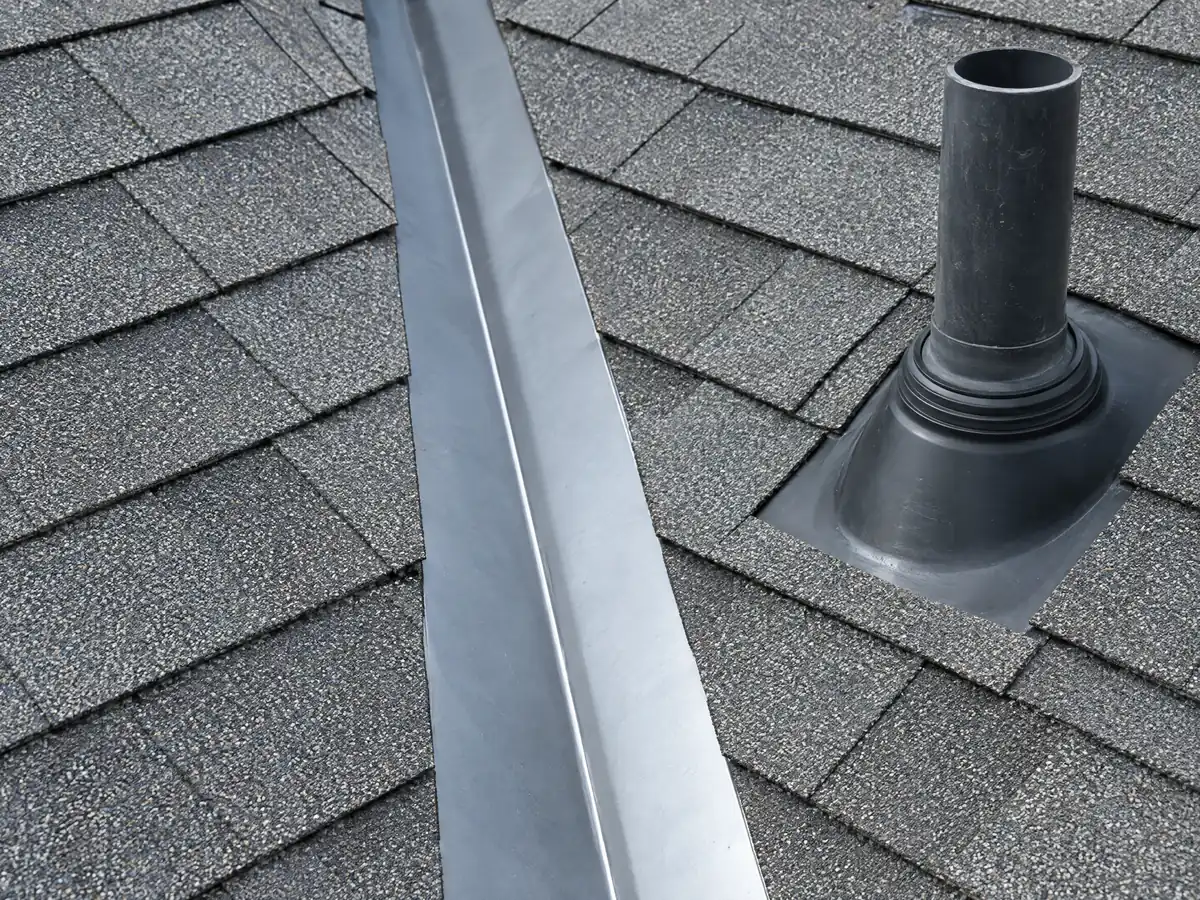
Which roofing materials can a Santa Clarita roof replacement use?
Wood shakes and wood shingles, treated or untreated, are not allowed on new roofs, according to the City's handout. Inside the City's fire zone every roof covering needs at least a Class A rating, and elsewhere the handout sets Class B as the floor. The amended 2025 code, SCMC 18.03.020, separately asks for at least Class B outside fire zones whenever more than 50 percent of the roof area is replaced within any one-year period.
Layers are limited too. New roofing may not go over old when the old roof is water soaked or too deteriorated, is wood shake, wood shingle, slate, clay, cement or asbestos-cement tile, or already carries two or more coverings. Composition shingles top out at two layers in total and tile at one. An engineer or architect may be required when the new roofing exceeds 7 pounds per square foot or outweighs what came off, which is the usual flag when a shingle roof becomes tile.
The Class A line comes from the 2020 handout, so ask Building & Safety to confirm it for your address.
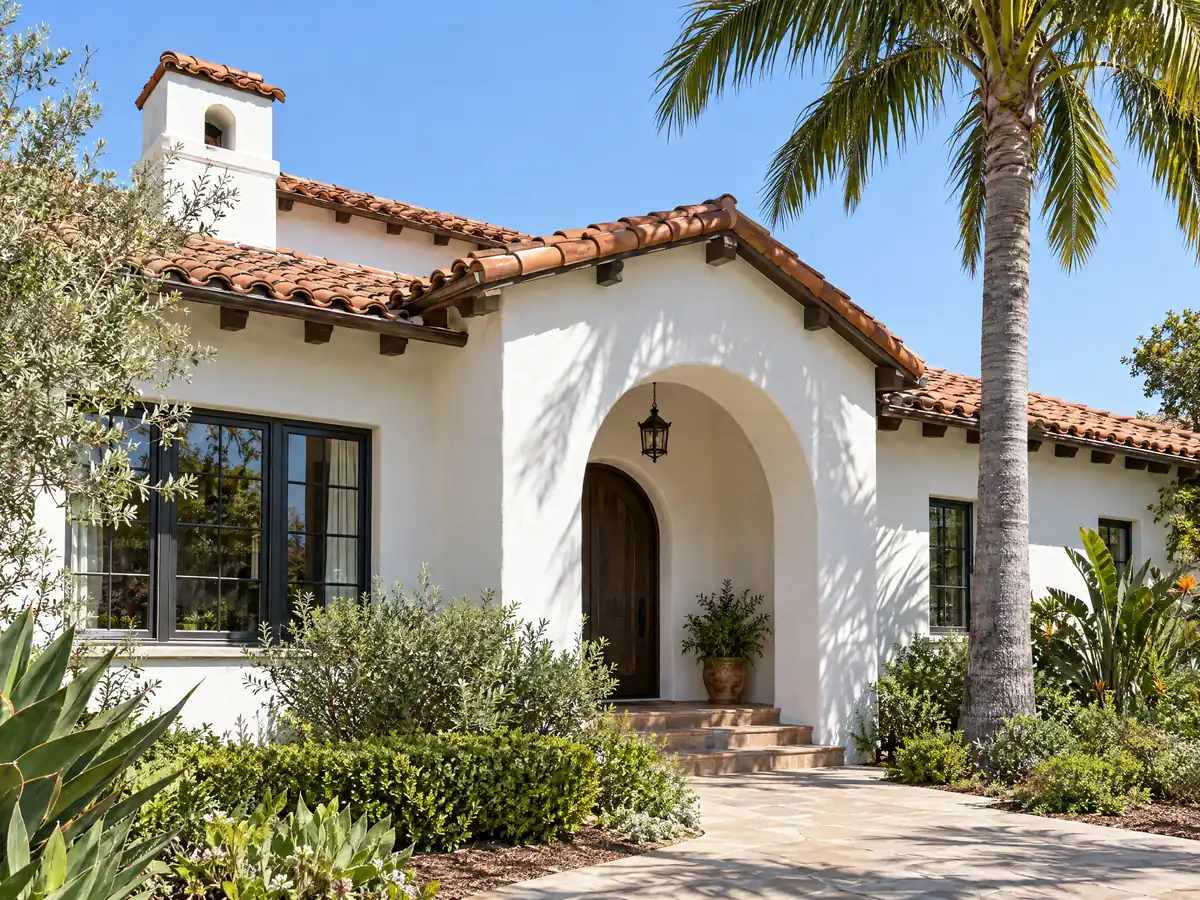
Is my Santa Clarita house in a fire zone, and what changes on the roof?
SCMC section 118 defines the City's Fire Hazard Zones as the areas CAL FIRE has designated, shown on the City's GIS layer labeled Fire Zone. Work in a zone must meet the Wildland-Urban Interface Code, which the City adopted by Ordinance 25-5 on November 25, 2025, for building permit applications received on or after January 1, 2026. If more than half of the exterior wall covering is replaced in a year, new and existing covering both have to comply, so a roof job that adds new stucco or siding can pull the walls in.
CAL FIRE published new Los Angeles County maps on March 24, 2025, and Los Angeles County Fire's Maria Grycan told The Signal that Santa Clarita saw a significant increase in fire zone areas. We could not confirm that the City has adopted the 2025 map, so do not assume the answer from your last re-roof still holds. Check the GIS layer, or ask Building & Safety, before a quote names a covering.
The valley has reasons to be careful: according to Wikipedia, the 2016 Sand Fire burned nearly 42,000 acres around Canyon Country and the 2007 Buckweed Fire nearly 38,000 acres.
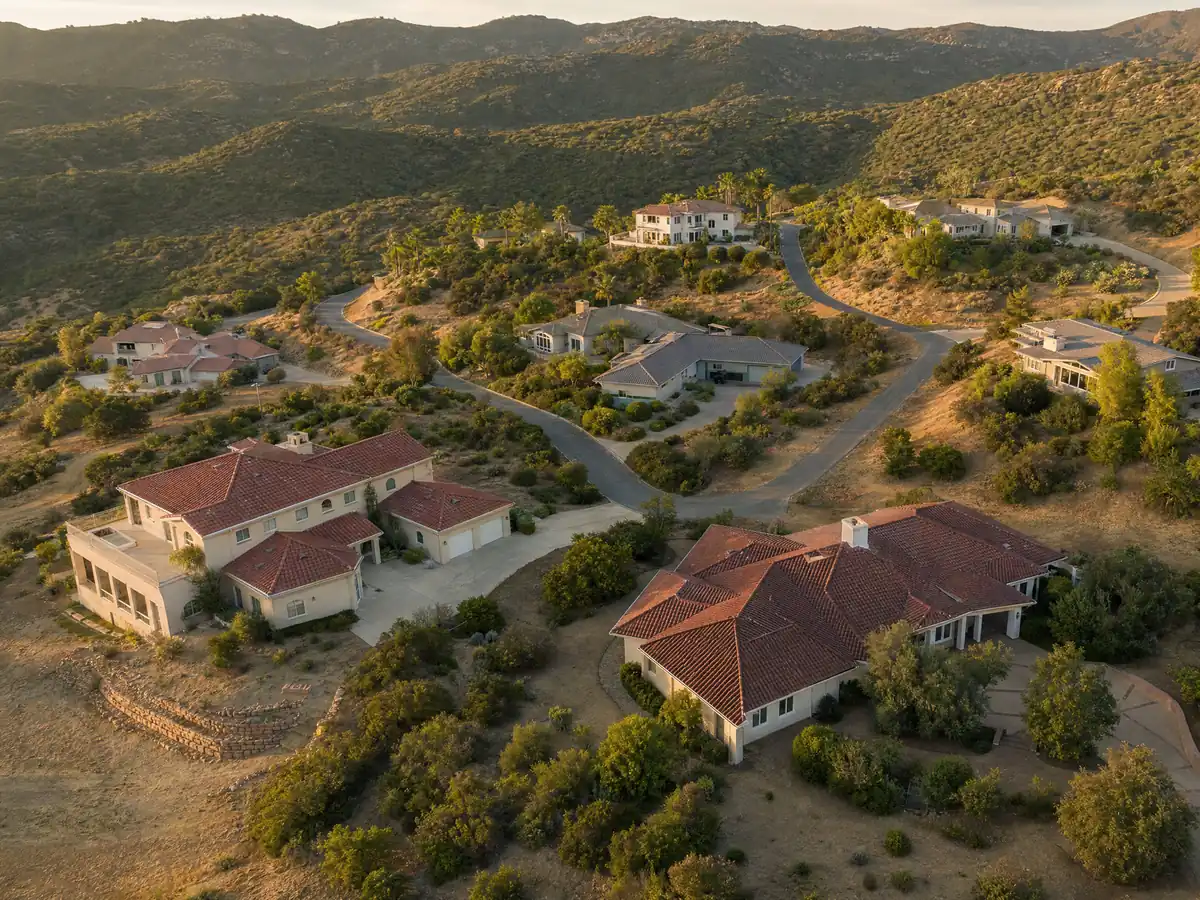
What does a Santa Clarita re-roof inspection check?
The first check is the deck. Where spaced board decking is exposed, the City requires new solid sheathing before roofing goes on: 15/32 inch or 7/16 inch CDX plywood or exterior OSB, nailed with 10d nails at 6, 6 and 12 inches over 1x decking and 16d nails over 2x decking. The section is SCMC 18.03.030, Section 1512.2.1.
Then come three inspections. A pre-inspection happens once all old layers are off, after any damaged deck or framing is repaired, or before new roofing goes over old. A sheathing nail inspection follows when new panel sheathing or framing goes in, and a final closes the permit. The job card has to be posted where the street can see it, 4-inch address numbers must be visible, and a ladder rated at least 300 pounds (Type IA) that reaches 2 feet above the roofline must be on site.
If the plan includes ridge vents, call Building & Safety before they go in, because extra detailing or engineering may be required.
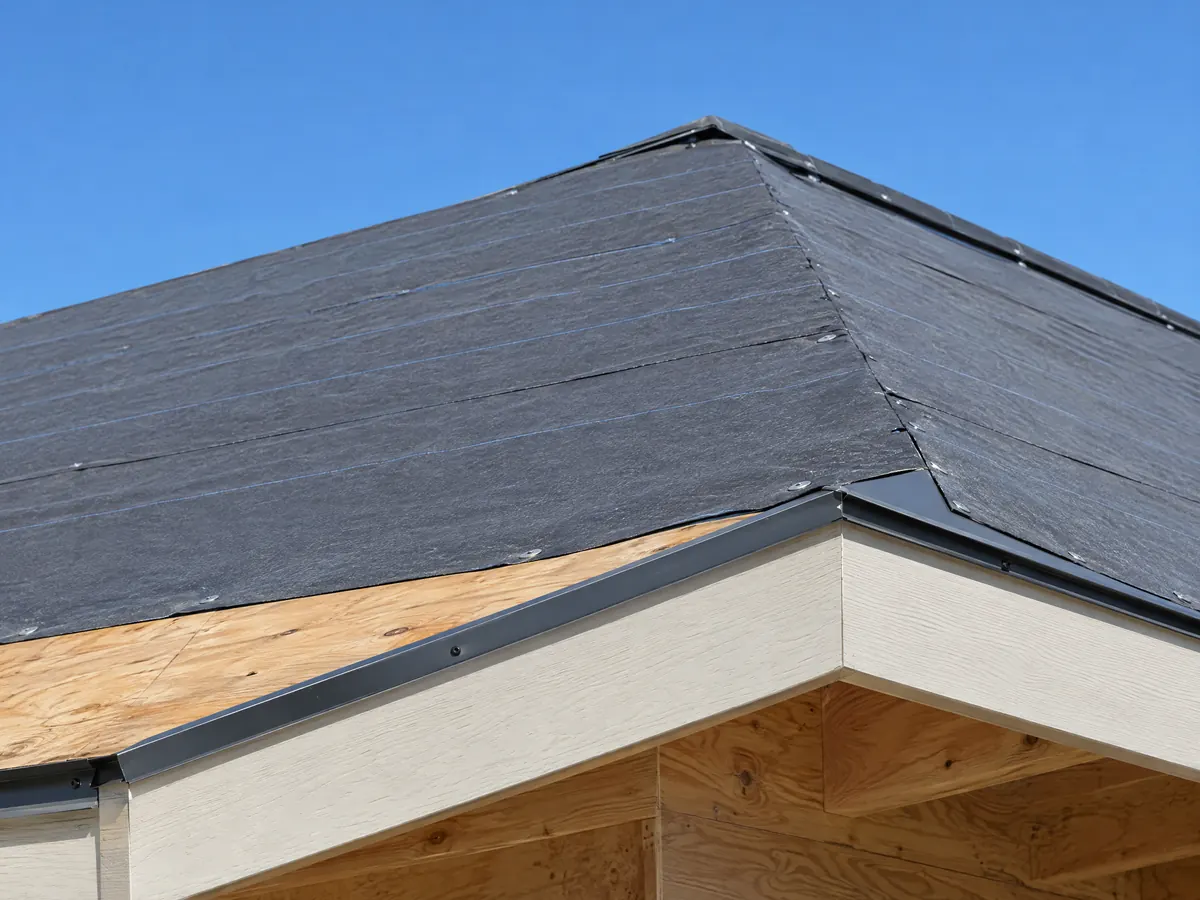
Can roofers work under an oak tree in Santa Clarita?
Every oak of the genus Quercus is protected on public and private land, whatever its size, under SCMC 17.51.040. The protected zone runs from 5 feet outside the dripline in to the trunk and is never less than 15 feet from the trunk. No one may cut, prune, remove, damage or encroach into it without an oak tree permit.
A roof does not obviously sit in that zone, but the support work can: a dumpster, a boom truck, a trench for a new downspout drain, or limbs cut back from the eaves. The code exempts pruning limbs under 6 inches in circumference at the cut, and pruning on single-family lots by an arborist the Director has approved. We found no City ruling on staging equipment under a canopy, so ask Planning before a crew parks there. The Urban Forestry Office answers at (661) 290-2200, and the City was reworking the oak ordinance in March 2026, so details may have moved.
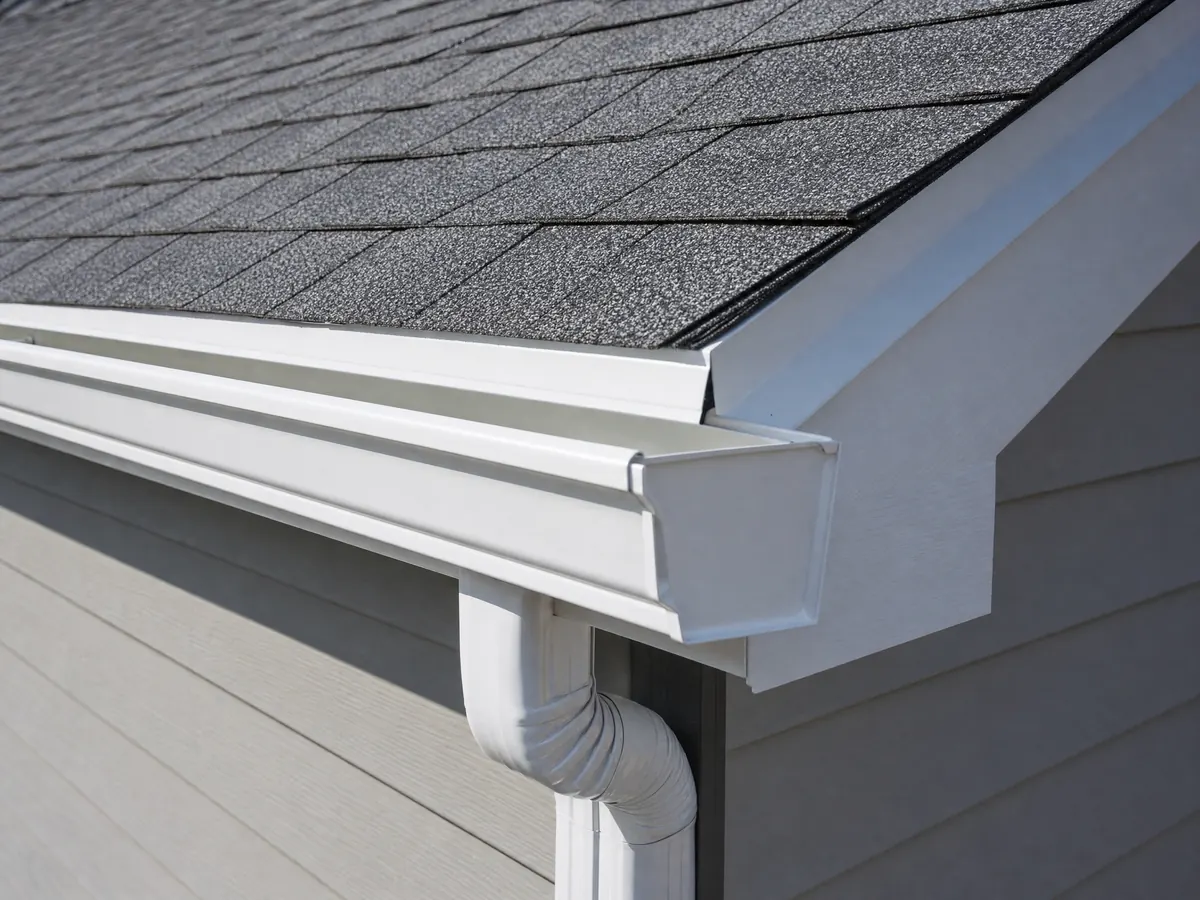
Roof replacement in Santa Clarita: what does it cost, and what about solar panels?
We found no Santa Clarita roof price survey. The pages that show Santa Clarita numbers are calculators that publish no method, and one of them contradicts its own per-foot figure, so this page prints no Santa Clarita price. The nearest independent data is Los Angeles. Angi's July 2026 page puts a typical asphalt shingle roof at $10,000 to $25,000, with tile at $7 to $15 per square foot and metal at $7 to $16. Remodeling magazine's 2025 Cost vs. Value report prices its Los Angeles reference roof at $36,417 in asphalt and $62,069 in metal, and does not publish the roof's size.
Extras sit outside those figures. Angi lists tear-off at $1,000 to $3,000 and detaching and resetting solar panels at $500 to $1,000. Santa Clarita keeps a Solar Energy System Re-roofing Policy among its information bulletins, and its Instant Online Permits cover rooftop solar but not a re-roof, so ask whether panel work and roofing need separate permits. Agree a price per sheet for rotted decking in writing before the tear-off starts.
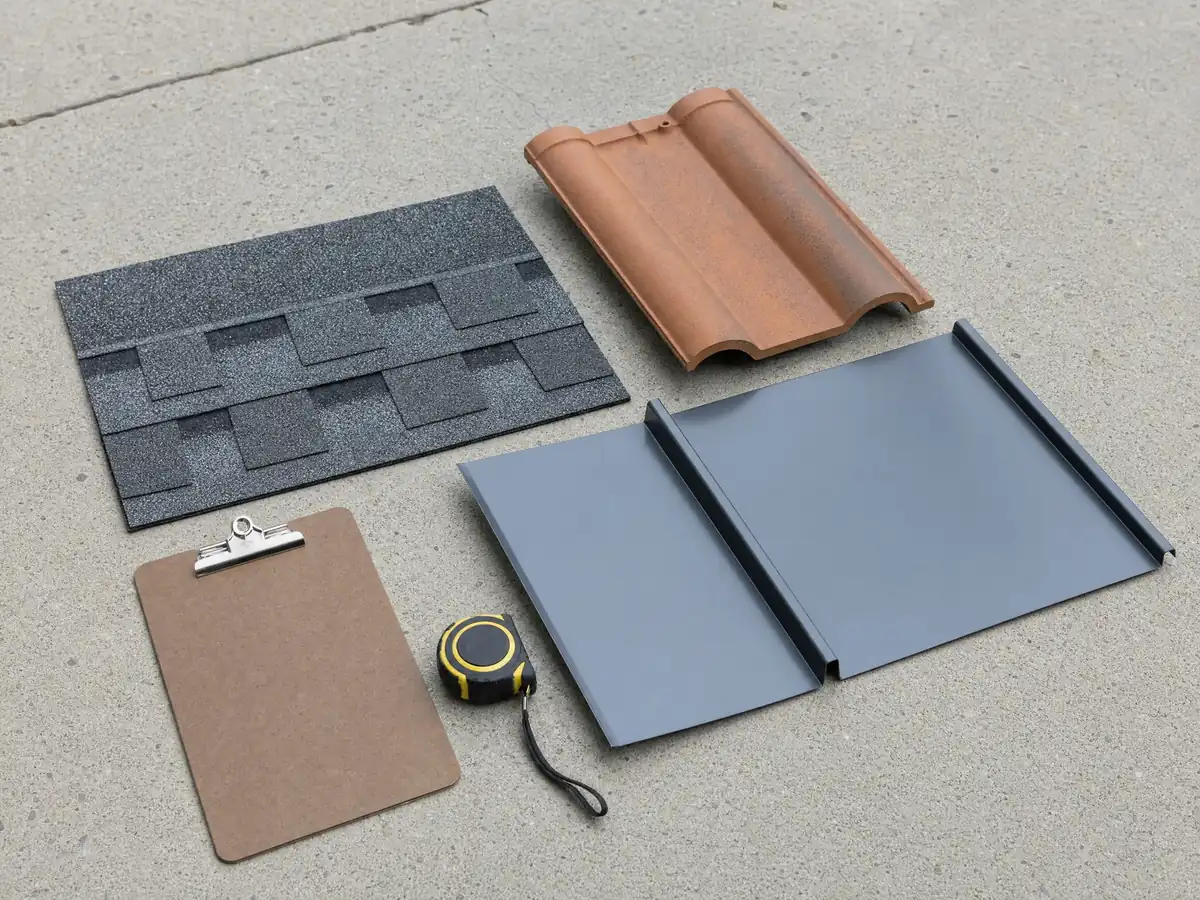
How do you pick a roofing company in Santa Clarita for repair or replacement?
Roofing is CSLB class C-39, which covers installing and repairing the surfaces that seal and weatherproof a structure: shingles, roof tile, slate and metal roofing. Look up the license number on the CSLB site and read our guide to checking a contractor's license before you compare prices. A permitted re-roof is never unlicensed work, because the $1,000 minor-work exemption does not apply when a permit is required.
Read the contract as closely as the license. Business and Professions Code 7159 asks for a signed written contract before work starts and limits a down payment to the lesser of $1,000 or 10 percent. Payments must follow completed work, and you get three business days to cancel, five if you are 65 or older. On an MDG job you can ask for the roofing subcontractor's license number and certificate of insurance before signing, and our article on how general contractors use subcontractors explains who answers for what.
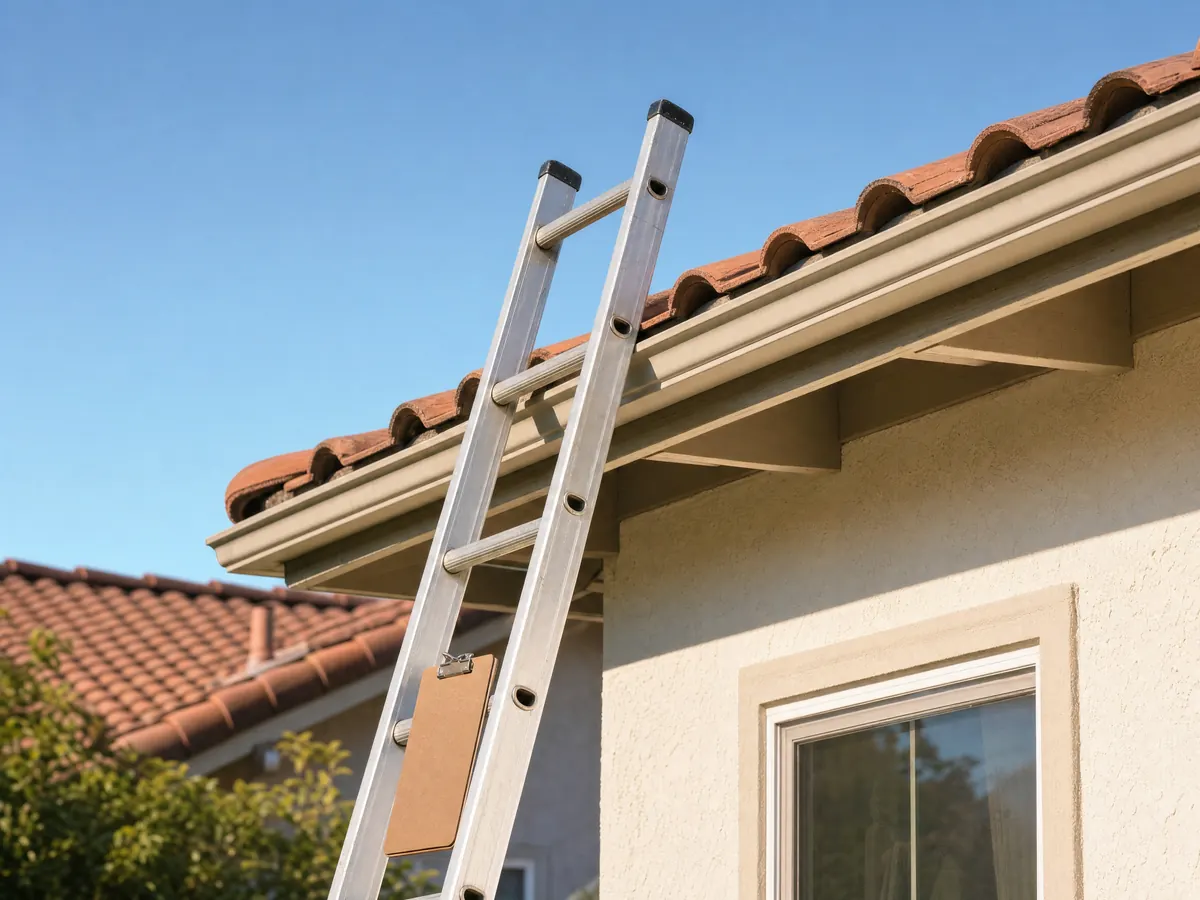
Roofing photos from Santa Clarita and nearby communities
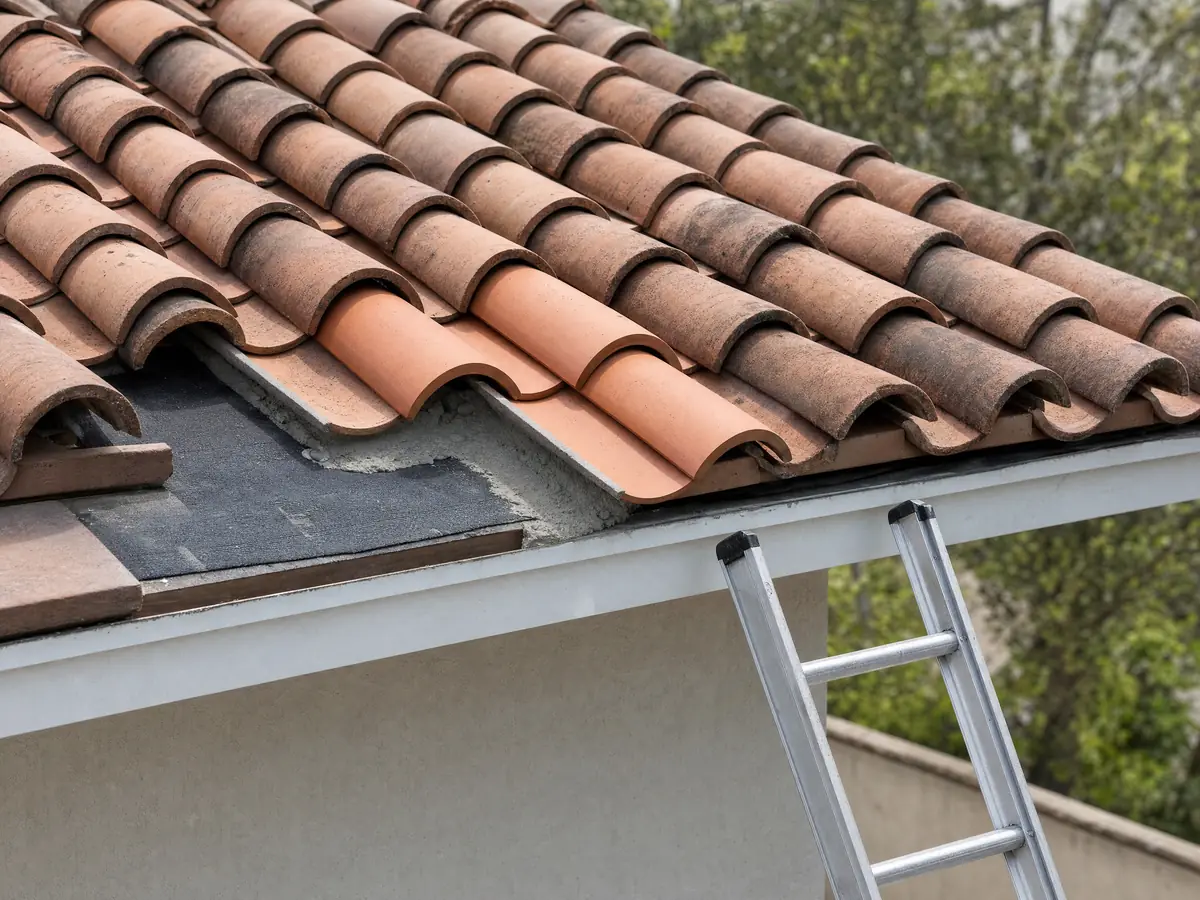
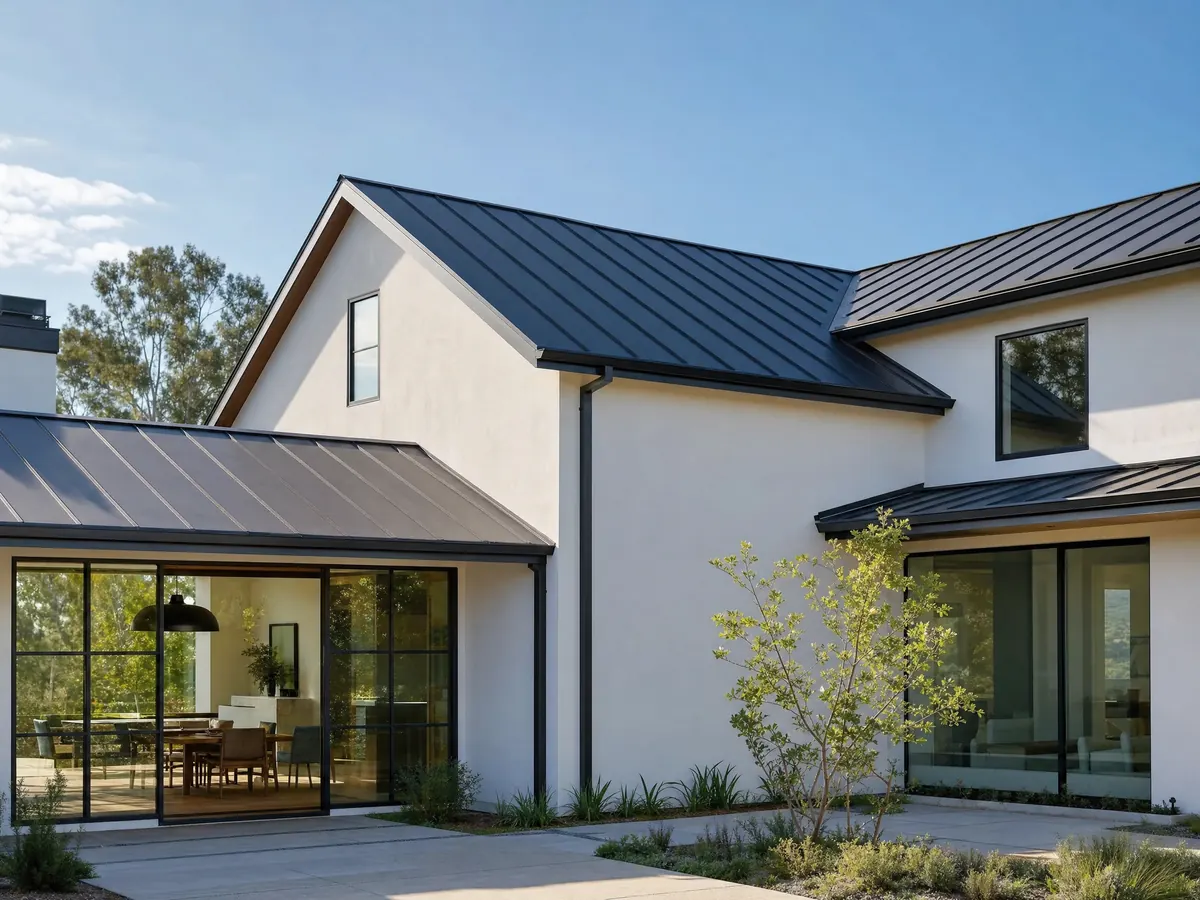
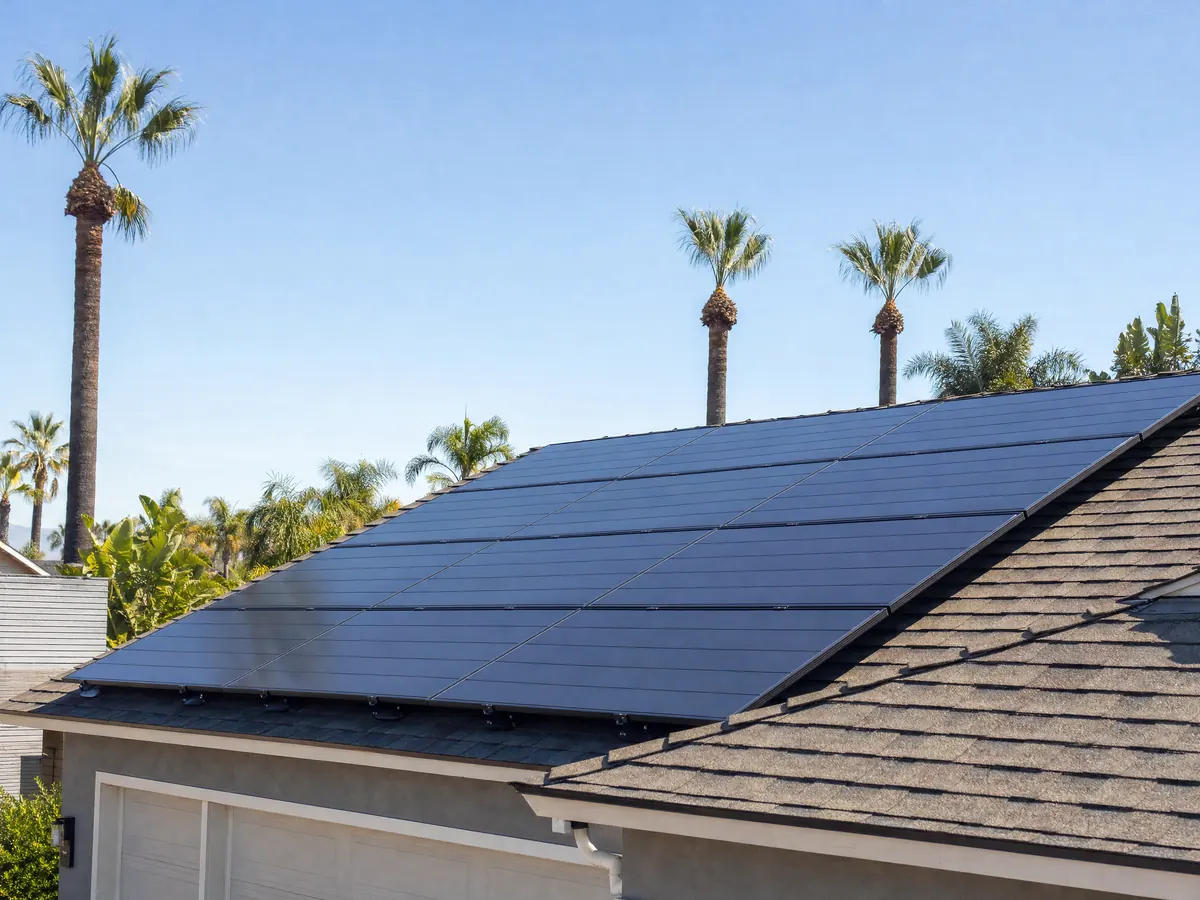
Six roofing scenes tied to Santa Clarita neighborhoods such as Valencia and Saugus and to nearby communities such as Stevenson Ranch and Castaic, with tile, shingle and flashing work shown in valley sun.
Where the roof numbers come from
The closest independent data for Santa Clarita is Los Angeles pricing, and every figure with its source sits in the table on our roofing price page. The California roof replacement cost guide explains why Angi and Cost vs. Value differ by about two to one. A new roof often comes with a new fence or fresh paint, and the Santa Clarita rules for those are on the fence page and the house painting page, while window replacement in Los Angeles shows how a larger city handles exterior openings. Every trade we do in the city is listed on the Santa Clarita overview.
| What it covers | Typical range |
|---|---|
| Asphalt shingle, typical single-family roof | $10,000 to $25,000 |
| Concrete or clay tile | $7 to $15 per sq ft |
| Metal | $7 to $16 per sq ft |
| Remodeling Cost vs. Value 2025, Los Angeles | Asphalt $36,417. metal $62,069. |
| Extras | Tear-off $1,000 to $3,000. solar detach and reset $500 to $1,000. |
Other work we manage in Santa Clarita
Santa Clarita roofing questions, answered
How much should a 2000 sq ft roof cost?
Roof area and material set the price, and house size only hints at roof size. For a 2,000 square foot roof, Angi's July 2026 Los Angeles rates of $4 to $12 per square foot for asphalt work out to about $8,000 to $24,000, and its $7 to $15 for tile to $14,000 to $30,000. Those multiplications are ours. Tear-off and deck repair are extra.
What is the 25% rule for roofing?
No Santa Clarita or California code section we read uses that name. The City's re-roof handout draws its lines at 10 percent and 50 percent of the roof area: repairs under 10 percent or 200 square feet need no permit, work above 10 percent needs one, and work above 50 percent brings the entire roof up to current code. Ask your insurer separately about its own terms.
Do I need a permit for roof repair or roof replacement in Santa Clarita?
For a replacement, yes. The City requires a re-roof permit and an on-site pre-inspection before roofing starts. A repair of less than 10 percent of the roof or 200 square feet, whichever is less, can skip the permit if the damaged part is restored to its prior condition, and the one-year cap applies. The Instant Online Permit list does not include a re-roof.
Does a Santa Clarita roof have to be Class A?
Inside the City's fire zone, yes. The re-roof handout calls for at least Class A there and Class B elsewhere, and the 2025 code repeats Class B outside fire zones once more than half the roof is replaced in a year. The handout dates from 2020, so confirm both the rule and your address's zone with Building & Safety.
Should a 20-year-old roof get repair or replacement?
Condition decides, not age. A 20-year-old roof with sound flashing and deck may need only repairs under the 10 percent line, while one with soft decking may not. Ask a roofer to photograph valleys, flashing and underlayment. We found no sourced lifespan for Santa Clarita roofs, and repairs that pass 50 percent of the roof in a year become a full roof under the code.
What is the cheapest month to replace a roof?
We found no sourced price pattern by month. NOAA's normals show 14.16 of Santa Clarita's 16.76 inches of rain falling from December through March and none in July or August, while August highs average 95.8 degrees F. A tear-off needs dry days, so spring and fall are a planning guess, not a proven discount.
Can you negotiate roof pricing?
Yes, but compare scope before price. Get at least two written proposals that list roof area, fire class, deck repair and extras on separate lines. Business and Professions Code 7159 limits a down payment to $1,000 or 10 percent of the contract, whichever is less, so a request for a large deposit is a red flag, not a bargaining chip.
What is the most expensive part of replacing a roof?
Usually the covering itself. Remodeling magazine's 2025 report prices one Los Angeles reference roof at $36,417 in asphalt and $62,069 in metal. After material, Angi lists tear-off at $1,000 to $3,000, and Santa Clarita's spaced-board rule can add new plywood sheathing before the roofing goes on.
Can I put a new roof over my old roof in Santa Clarita?
Only in limited cases. The City's handout bars it over a roof that is water soaked, too deteriorated, wood shake, wood shingle, slate, clay, cement or asbestos-cement tile, or already two coverings deep. Composition shingles are limited to two layers and tile to one, so a second layer is at best a one-time option.
How do I choose a roofing contractor in Santa Clarita?
Start with the CSLB license: roofing is class C-39, and the lookup shows status, bond and workers' compensation. Then ask for the written contract that Business and Professions Code 7159 requires, proof of insurance and the permit plan, since the City requires a re-roof permit and inspections. Compare at least two proposals on the same lines.
Ask for a roof inspection in Santa Clarita
Share the address, when the house was built and any ceiling stains or gutter damage you have spotted. We check the fire zone, oak canopy and deck questions on the parcel before we call back.