
General Contractor in Apple Valley, CA
Hiring a general contractor in Apple Valley means a Town permit counter, an independent fire protection district and the Mojave Desert air district, with none of South Coast's rules. Large desert lots, Joshua tree approval on every parcel and Class A roofing shape many jobs. MDG Builders, CSLB #1040337, covers all eleven of its trades here.
Eleven trades, each written for estate lots, Joshua trees and a separate fire district
Start with the job on your list. Each guide names the Apple Valley rule behind its answer, flags any rule we could only read in a third-party mirror or an archived copy, and presents prices as regional planning ranges.
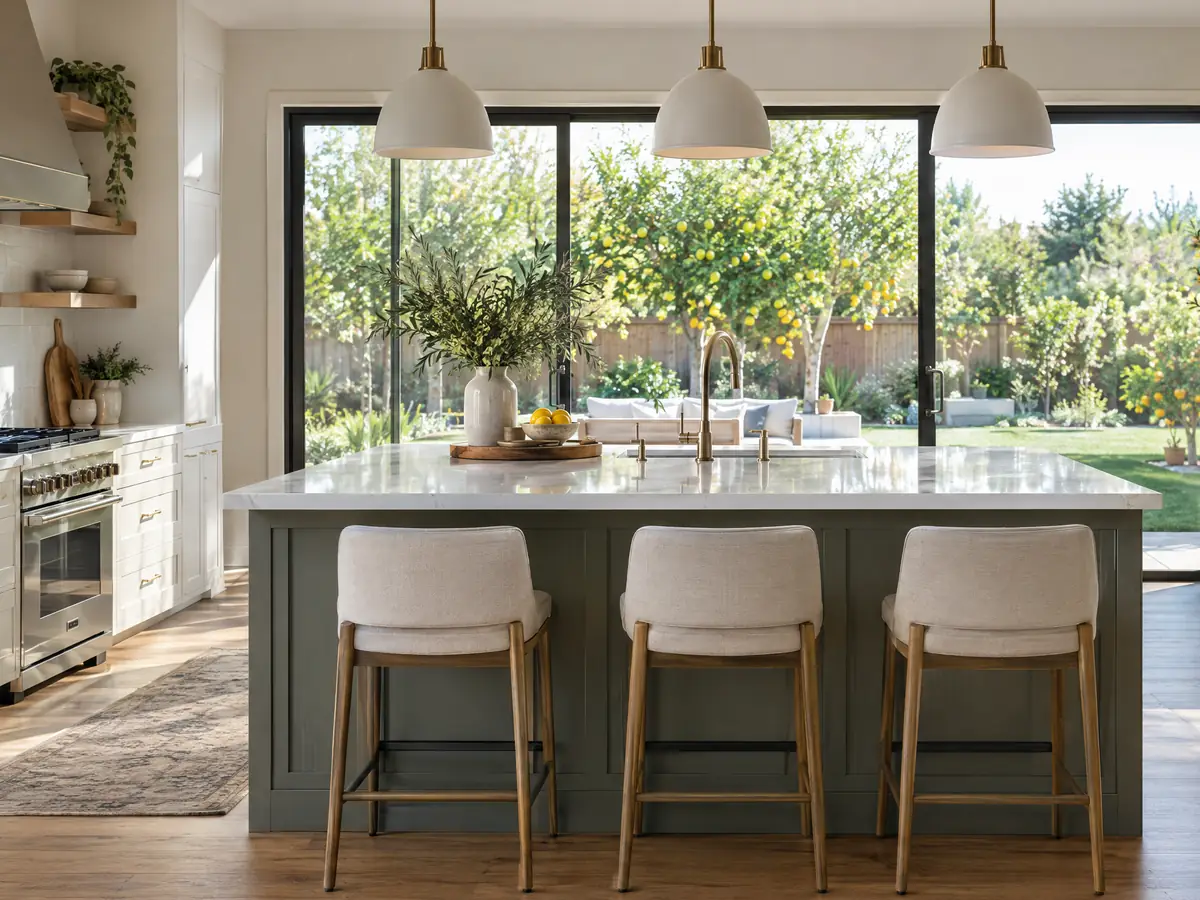
Kitchen Remodeling in Apple Valley
The Town counts outlets, fixtures and vent fans on its permit worksheet, added fixtures can trigger septic-to-sewer rules, and the median home was built in 1988.
See Apple Valley kitchen remodeling →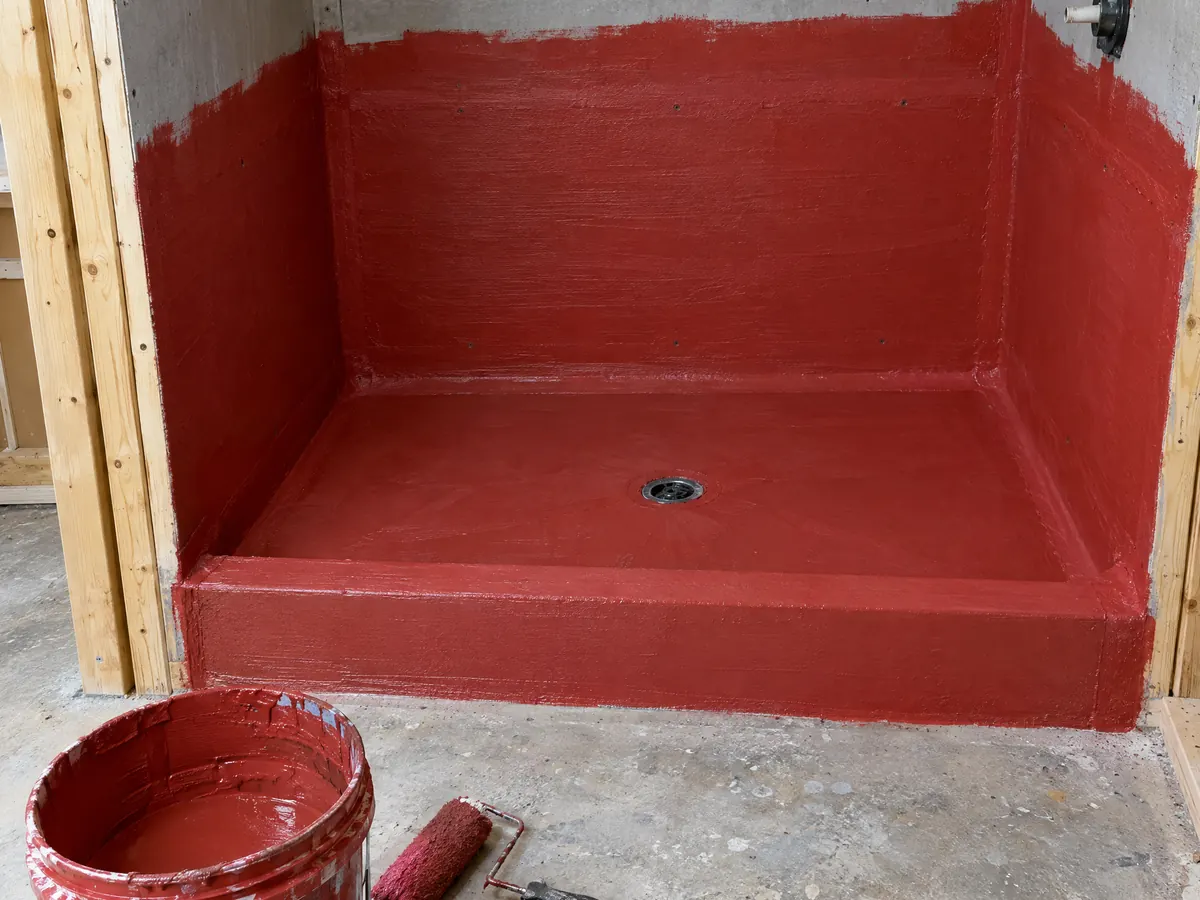
Bathroom Remodeling in Apple Valley
Apple Valley's septic and sewer triggers, a Town permit worksheet that counts fixtures, 1980s baths and a 0 percent repair loan.
See Apple Valley bathroom remodeling →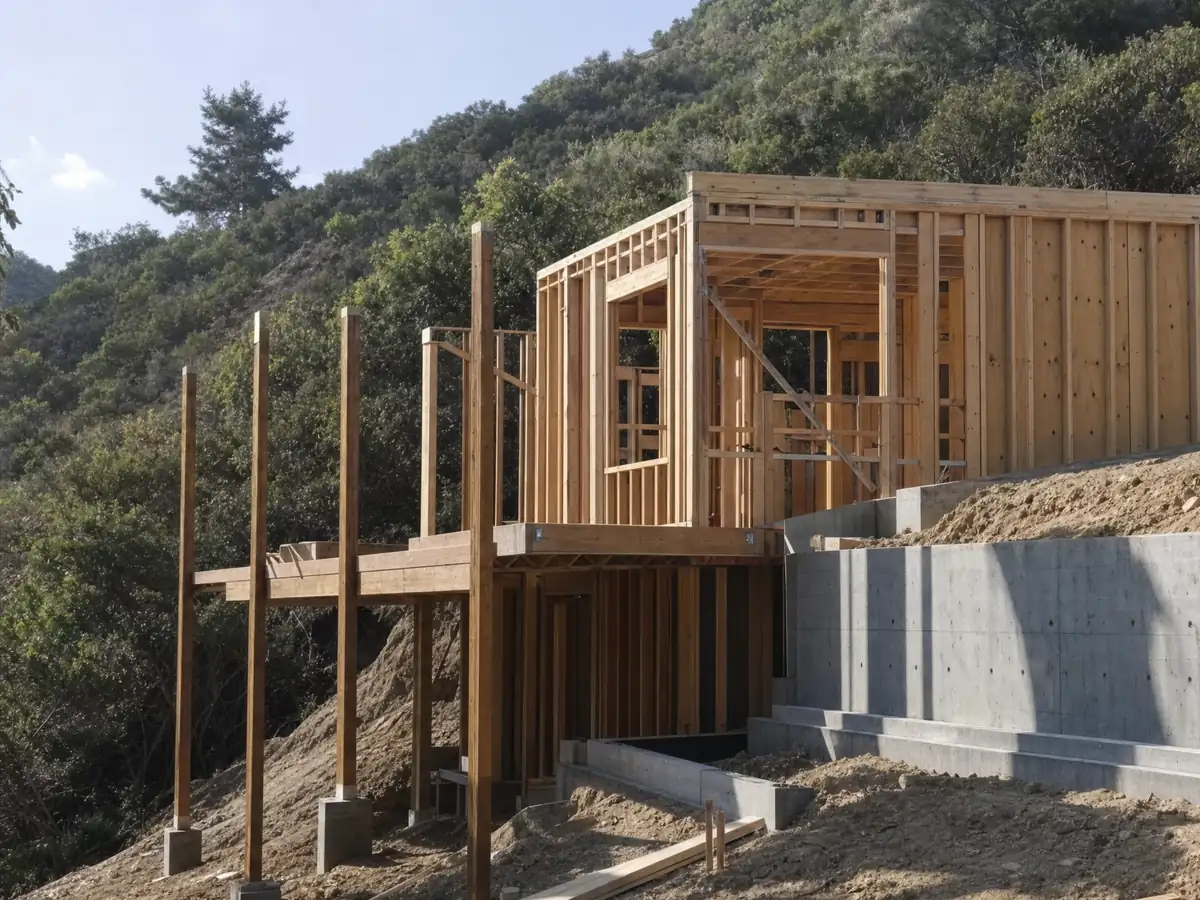
ADU Construction in Apple Valley
State ADU law first, then the Town's code text, septic limits under one acre, Joshua trees, a Class A roof and the Dry Lake overlay.
See Apple Valley ADU construction →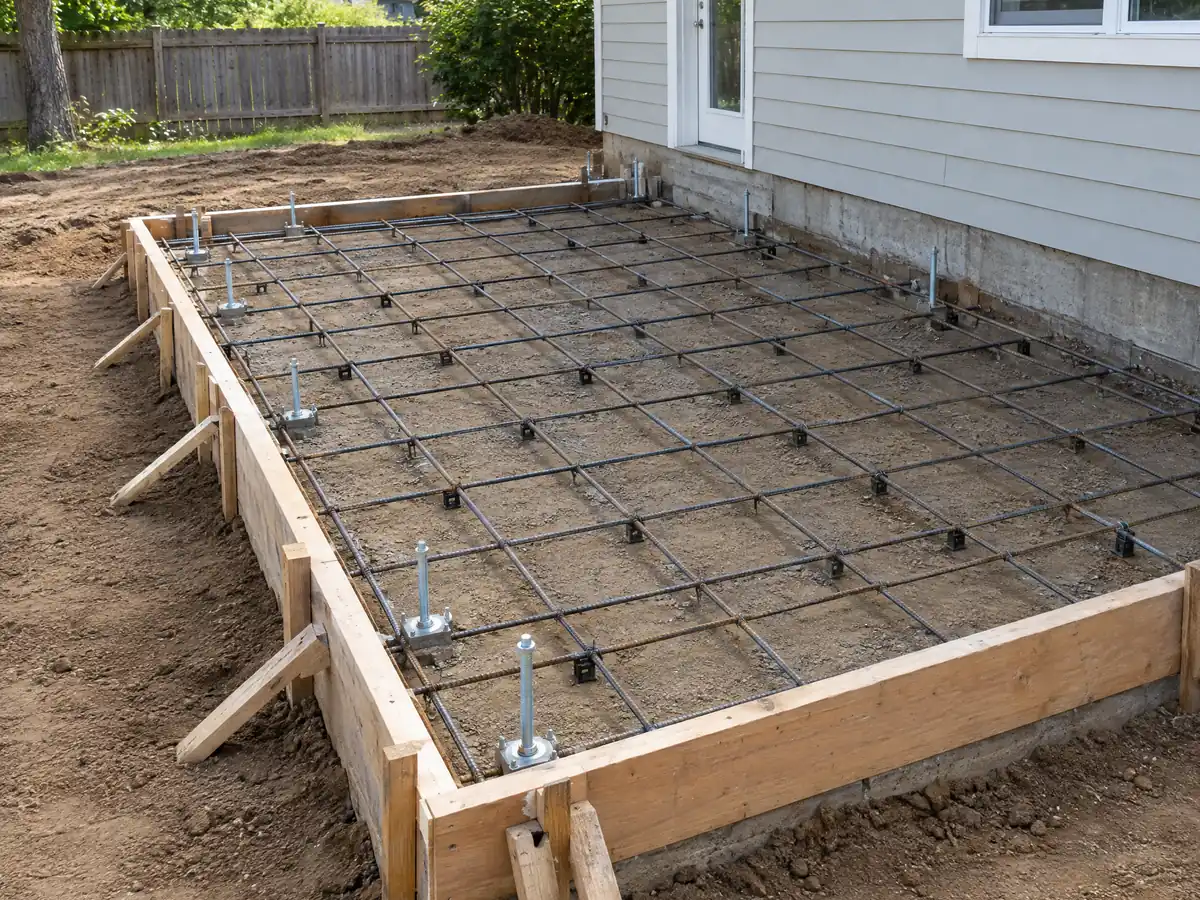
Room Additions in Apple Valley
Apple Valley's Class A roof rule, 25 to 40 percent lot coverage, Ranchos tract setbacks, Joshua trees and Dry Lake flood limits.
See Apple Valley room additions →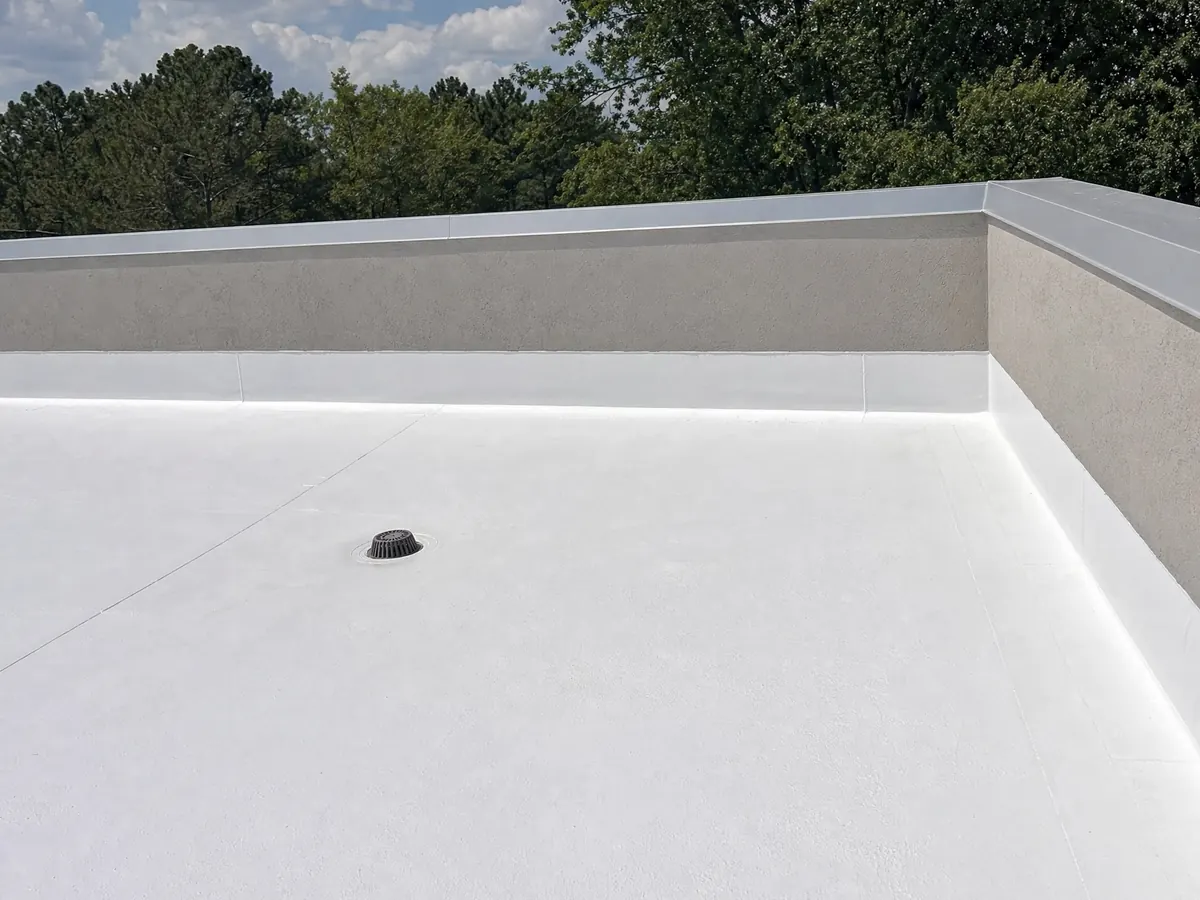
Roofing in Apple Valley
Class A roofs are required except for repairs of 25 percent or less, the Mojave Desert air district sets coating limits and the Apple Valley Fire Protection District handles fire review.
See Apple Valley roofing →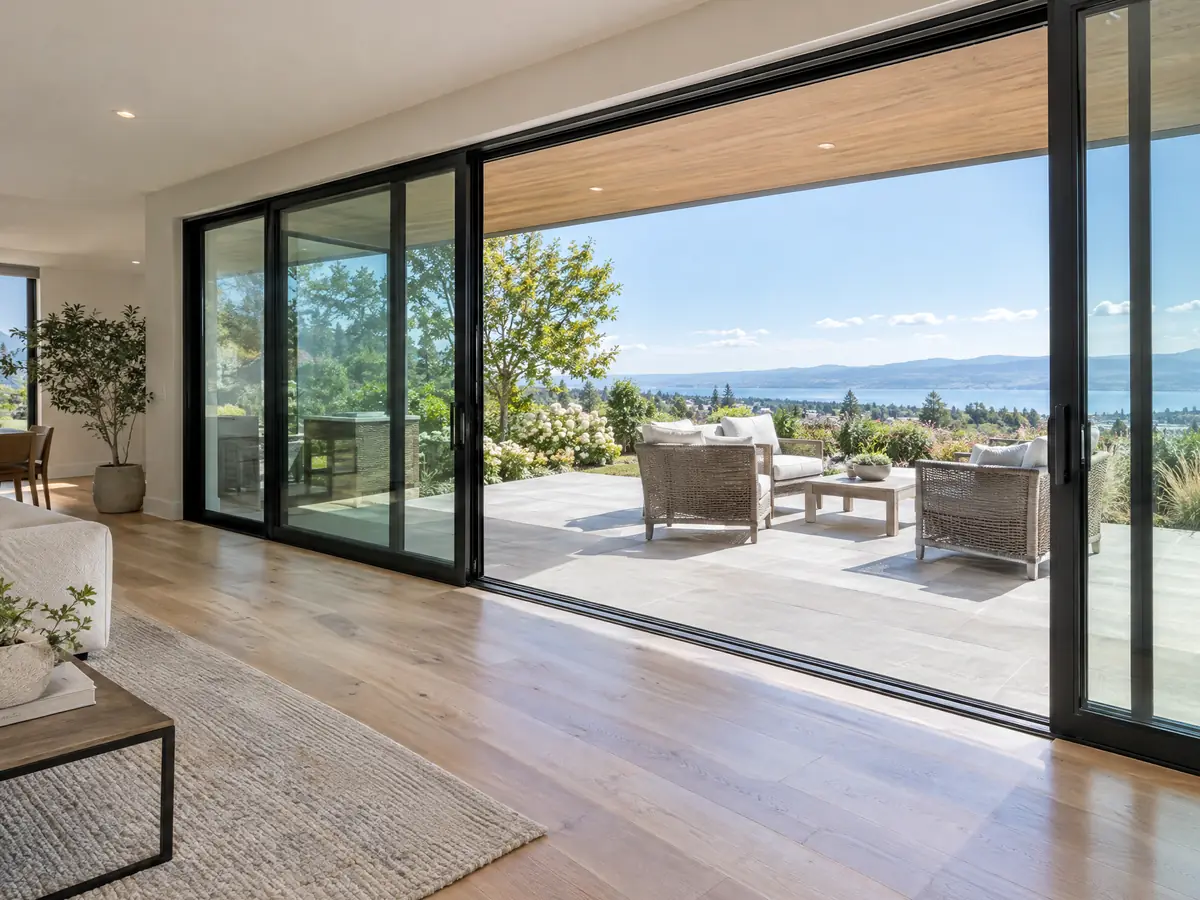
Windows in Apple Valley
Apple Valley's missing window permit line, 42 days over 100 F, Cajon Pass wind and sand, and the fire district map.
See Apple Valley window replacement →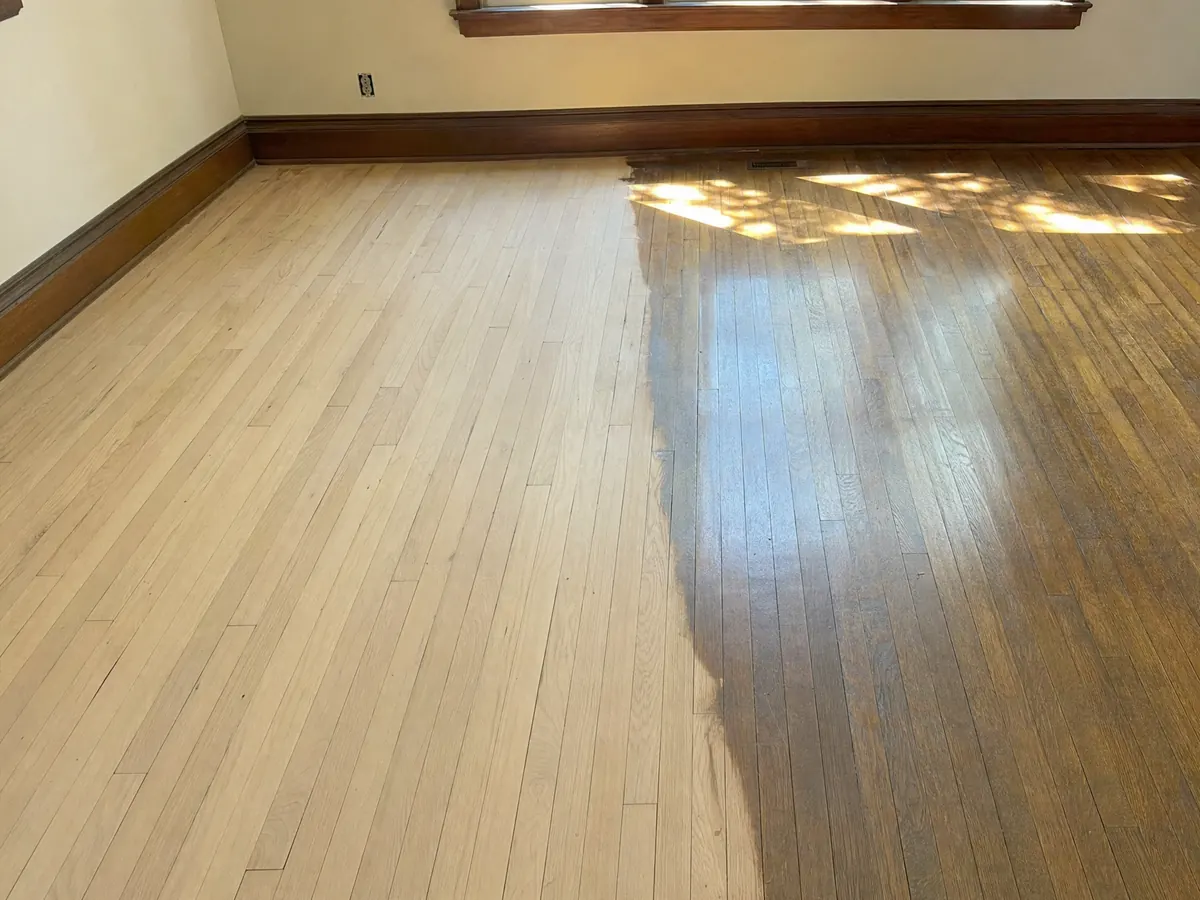
Flooring in Apple Valley
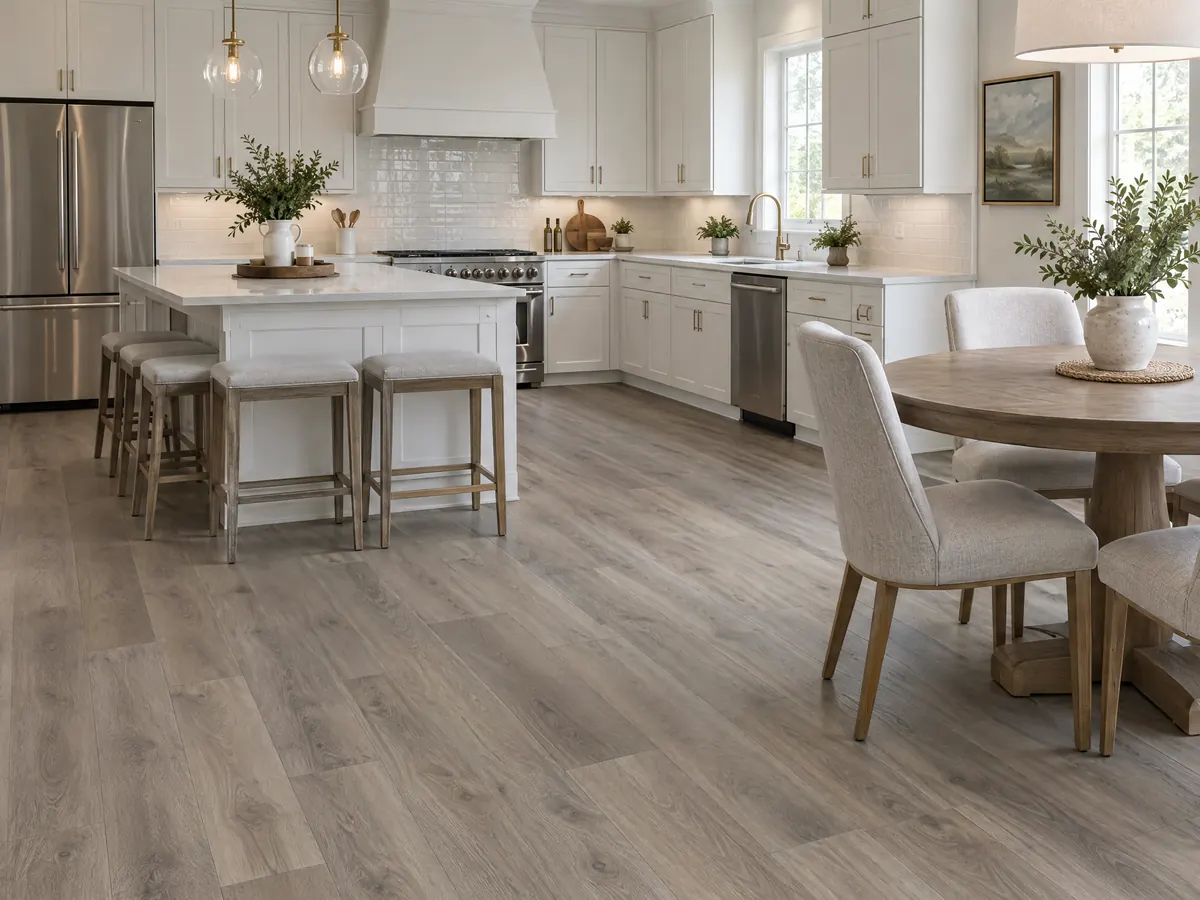
Desert heat and wind, slab moisture, Dry Lake floor heights, Mojave Desert garage coating limits, permit questions and flooring costs in Apple Valley.
See Apple Valley flooring →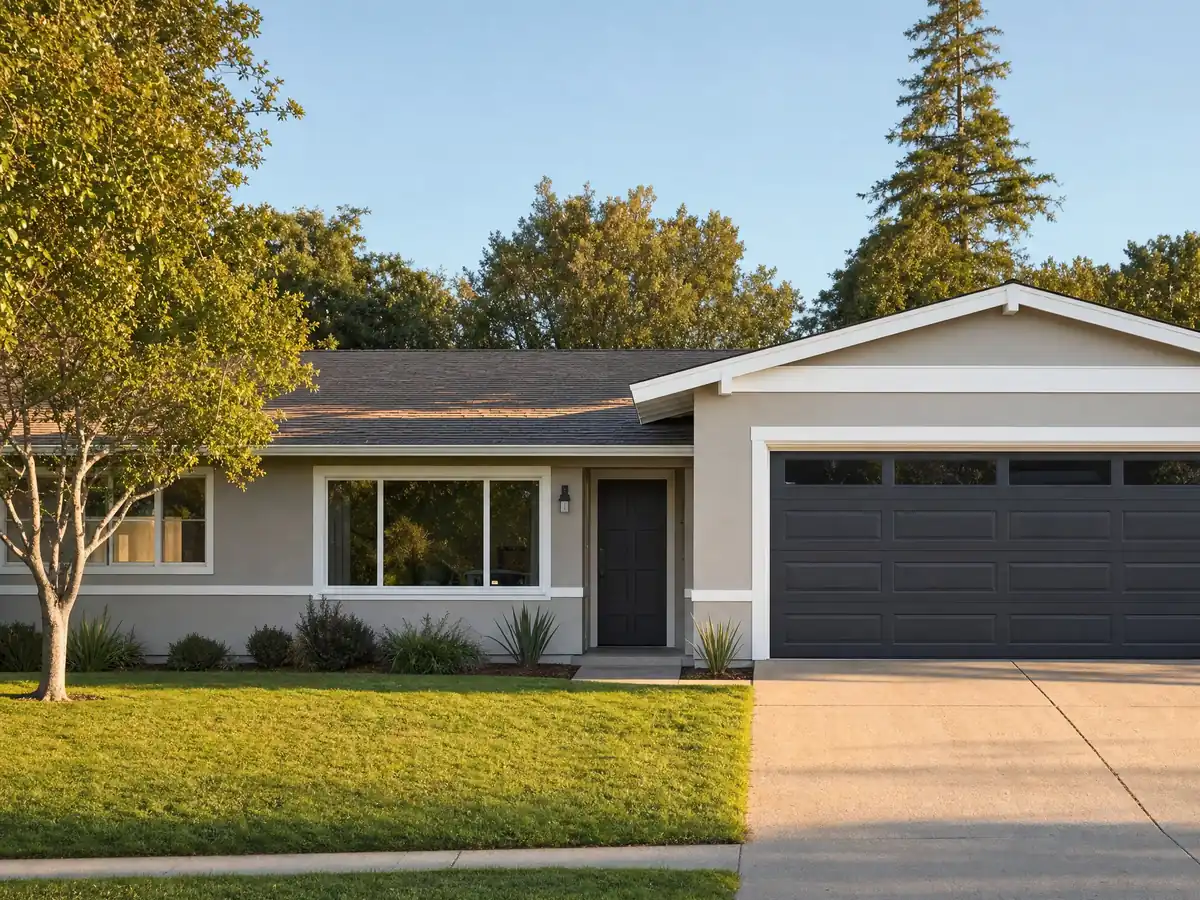
Painting in Apple Valley
No Town paint permit rule turned up, infill homes cannot repeat a floor plan and color scheme next door, and the Mojave Desert air district caps flat paint at 50 grams per liter.
See Apple Valley painting →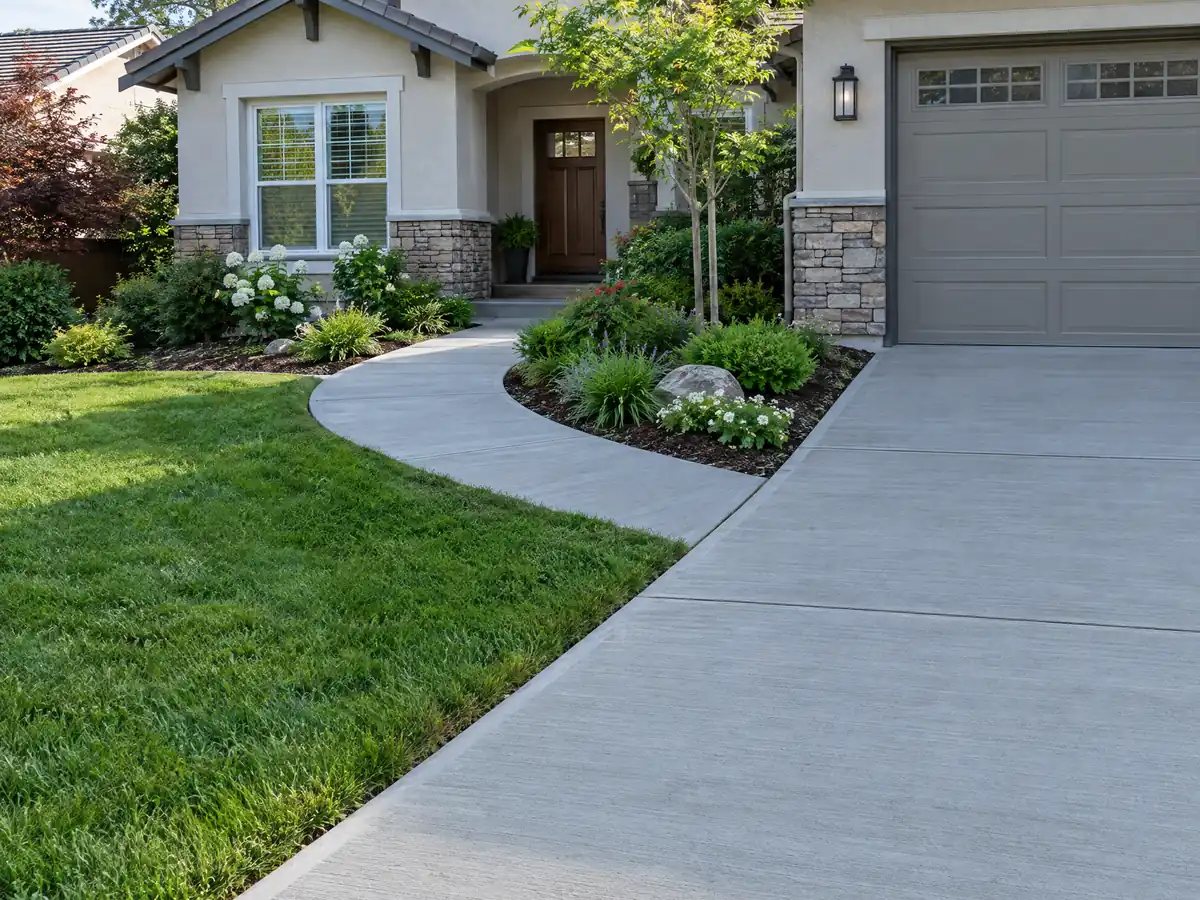
Concrete in Apple Valley
Lot coverage, wind erosion plans, Joshua tree and clearing rules, the Dry Lake flood overlay, block walls and concrete costs in Apple Valley.
See Apple Valley concrete work →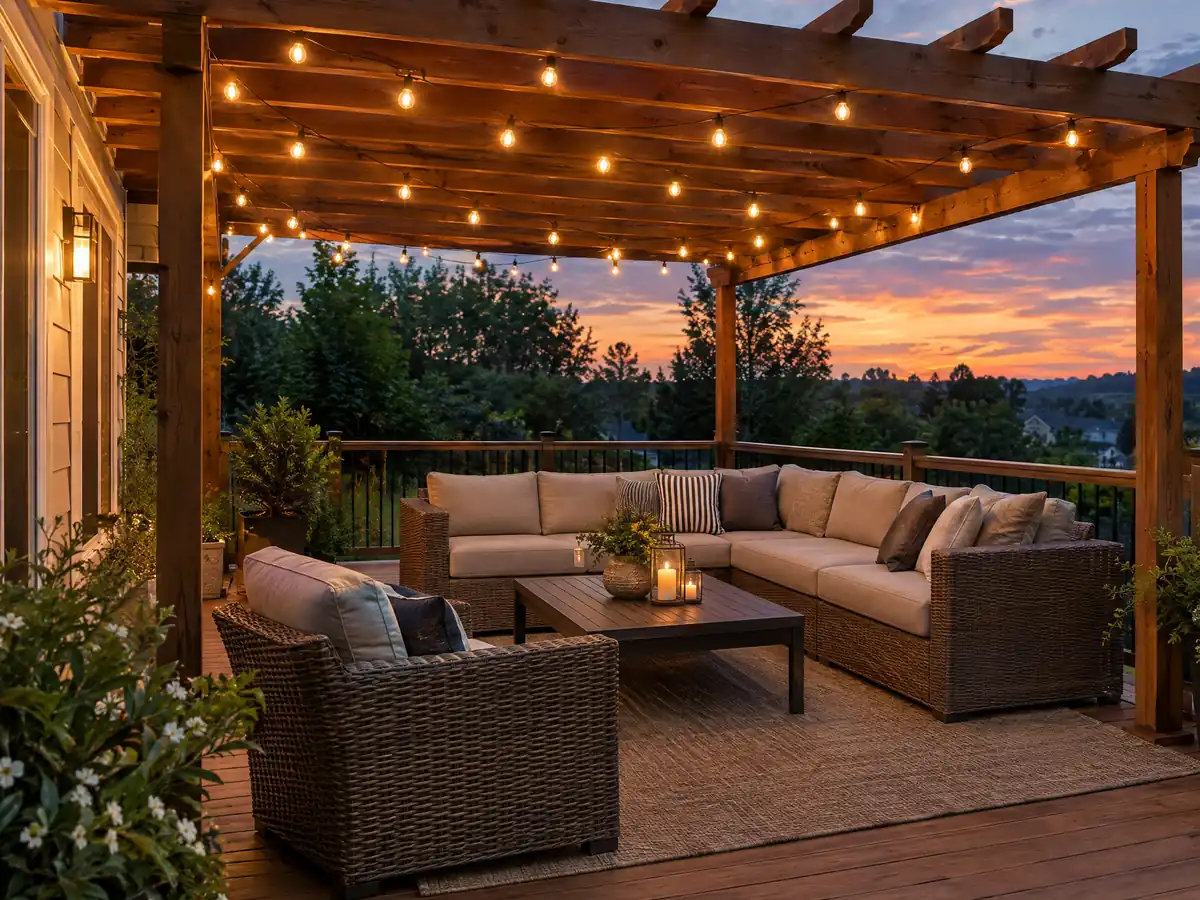
Decks in Apple Valley
Lot coverage, Ranchos setbacks, patio covers, Joshua trees, the fire protection district and deck costs on Apple Valley's large desert lots.
See Apple Valley deck building →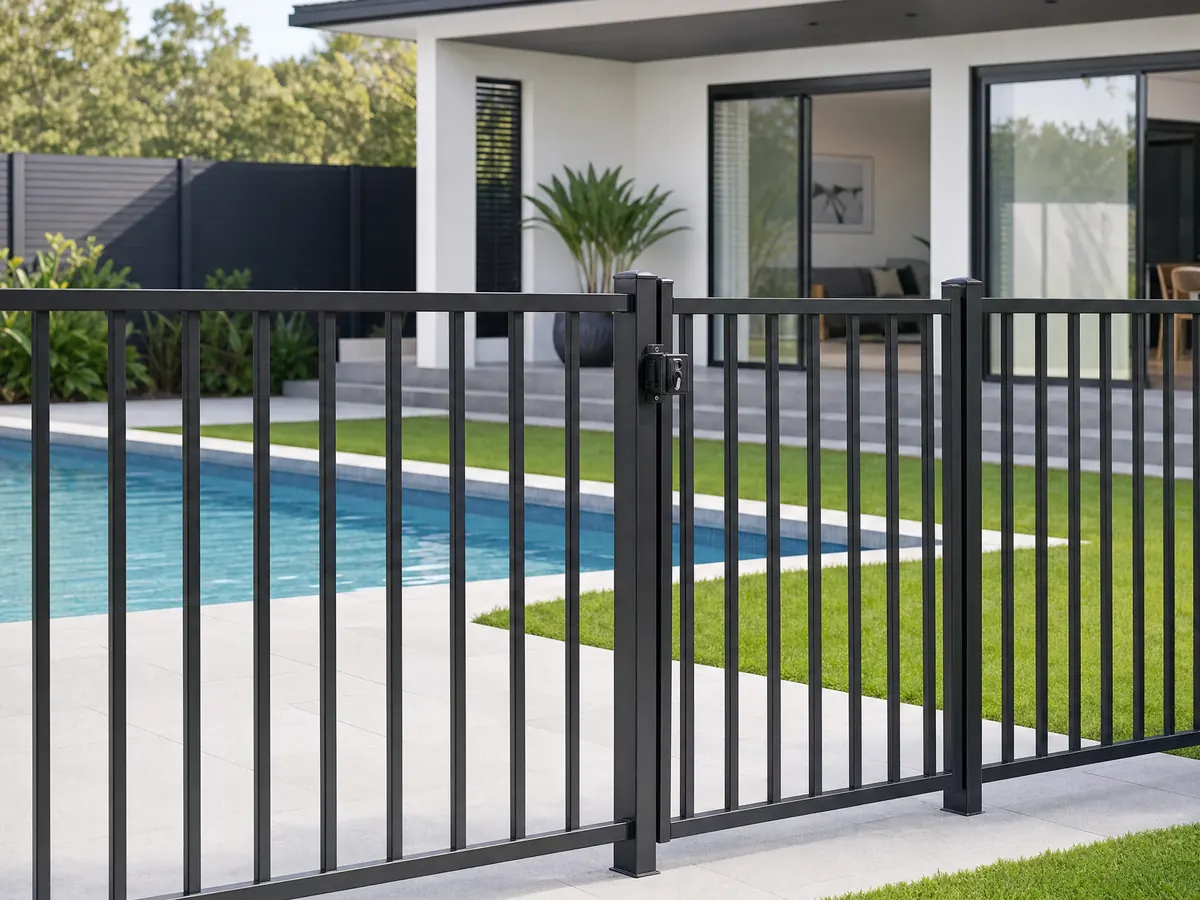
Fencing in Apple Valley
Solid front-yard walls stop at 48 inches near the street, Town approval is needed before any Joshua tree is touched and horse buildings sit 65 feet from neighbors' homes.
See Apple Valley fencing →What should an Apple Valley owner know about Town permits, a fire district of its own and rural-lot rules of the High Desert before choosing a general contractor?
Serrano camps lined the Mojave River long before Father Garces passed through in 1776, and Silas Cox built the first cabin in 1860. By 1920 the valley shipped apples by the ton, but the Depression and the cost of pumping water ended the orchards in the 1930s. Two developers formed the Apple Valley Ranchos Land Co. in 1946 and sold the first town lot that February 22, on Navajo Road. The Town incorporated after voters passed Measure K on November 8, 1988, by 10,683 votes to 2,117. Census Bureau estimates for 2024 (one-year ACS, read through the Census Reporter API) count 27,627 housing units, give or take 2,058. About 78.9 percent are single-family detached, 7.5 percent are mobile homes (a wide margin of error applies) and the median build year is 1988. The 1980s alone account for 32.8 percent of homes and the 2000s for 25.0 percent, while 24.4 percent predate 1980. So the usual job here is updating a house from the 1980s or 2000s on a big desert lot, and a smaller group of Ranchos-era homes sits near Navajo Road and Highway 18. Renters occupy 26.4 percent of homes, and Town code requires an unexpired property maintenance certificate before any non-owner-occupied rental is lived in. The Town also lends up to $75,000 at 0 percent, deferred, to eligible owners earning under 80 percent of area median income. We did not research the build year of any single street.
Permits are the Town's job, not San Bernardino County's. The Permit Center, part of Building and Safety, sits at Town Hall on Dale Evans Parkway and answers at (760) 240-7000. Its posted hours are 7:30 a.m. to 5:30 p.m. Monday through Thursday and 7:30 a.m. to 4:30 p.m. on Fridays, with every other Friday closed. Owners and contractors request permits by downloading a form or by using the Online Permit Center. Planning says most projects take 30 to 60 days, and no plan-check time for ordinary building permits was posted where we looked. We also did not find the Town's list of work that needs no permit, so a call settles any doubtful job. Municode blocked our requests, so we read the code in a third-party GoCodebook mirror, and any section number should be confirmed with the counter. Each trade has its own page. ADU construction runs under Development Code 9.29.120 with 60-day ministerial approval, but a lot under one acre cannot get a new septic system for the unit. A room addition meets lot coverage of 25 to 40 percent. The Permit Worksheet counts outlets, fixtures and vent fans, which is how a kitchen or bathroom job gets priced. A roof must be Class A unless the work touches 25 percent or less of it. Fences stop at 48 inches in the front setback, and any wall over 3 feet goes to Planning. Concrete and a deck both count toward lot coverage. Window replacement has no Town handout we could find. Painting and flooring installation meet a District coatings rule rather than a counter, and each permit application carries a Waste Management Plan that commits the builder to recycle 65 percent of debris.
This is a Town of estate lots, and the ground matters as much as the paperwork. Residential minimums run from 18,000 square feet in the single-family and equestrian districts up to 5 acres in the very low density district, and 10,000 square foot lots are allowed only in Mountain Vista. Ranchos tracts keep setbacks fixed by recorded tract rather than the standard ones, so a neighbor's number may not be yours. A barn or horse shelter must sit behind the house and 65 feet from any off-site home. Town approval is needed before any Joshua tree on any lot is disturbed, moved or removed, and the state Western Joshua Tree Conservation Act adds its own authorization. We could not verify whether the state has delegated that permitting to the Town, or whether its July 2021 interim policy still stands. Clearing a developed lot over one half acre takes a clearing permit, and grading calls for a written wind erosion control plan. The Mojave River floodplain forms the western edge, where liquefaction is likely, and Bell Mountain Wash drains to it. Inside the Apple Valley Dry Lake the base flood elevation is 2,909 feet, floors must sit 2 feet above it and clays are expected to swell. A sewer connection is required within 200 feet of a public line, otherwise septic is allowed, and an Airport overlay caps heights at 35 or 50 feet where it applies.
Weather and agencies finish the picture. Apple Valley's own weather station has no 1991 to 2020 normals file, so the closest published numbers come from the NOAA station at Victorville, 4.7 miles west-southwest: 5.57 inches of rain a year, roughly 42 hot days over 100 F and roughly 54 nights down to 32 F or lower. Strong winds linked to the Cajon Pass meet sandy soil here. The Mojave Desert AQMD, and not South Coast, writes the dust and coatings rules. Under its Rule 403, visible dust may not drift past the lot line except in high winds, defined as gusts over 25 mph, and the full District dust plan starts at 10 acres of residential disturbance. The District's website refused to show us live pages, so we read Wayback copies stamped February 2025. The Town's own code still demands no measurable dust beyond the parcel. Fire protection, plan review and the yearly hazard abatement program, over 25,000 parcels, belong to the independent Apple Valley Fire Protection District, not the Town. CAL FIRE's March 24, 2025 maps added Moderate, High and Very High zones, and we do not state a zone for any address. We found no Town source for snow load, frost depth, design wind speed or seismic design category, so those come from the plan checker. On an Apple Valley job, MDG Builders (CSLB #1040337) holds the contract: we draft the scope, file at the Permit Center, bring in licensed trade firms for the physical work and do the final walkthrough with you. Victorville is next door, with its own rules on the Victorville page, and so is Hesperia, while Adelanto and Barstow are the other High Desert neighbors. Before you sign with any firm, two short guides help: one on looking up a license on the state board's site and one on the way general contractors hire subcontractors.
- Permits come from the Town's own Permit Center, and a Waste Management Plan promising 65 percent debris recycling goes in with every application.
- The 2024 ACS gives a median build year of 1988 for roughly 27,600 homes, with 32.8 percent from the 1980s and 25.0 percent from the 2000s.
- Residential lots run from 18,000 square feet to 5 acres with lot coverage capped at 25 to 40 percent, and Ranchos tracts keep their own setbacks.
- Town approval is required before any Joshua tree on any lot is touched, and developed lots over one half acre also need a clearing permit.
- The Mojave Desert AQMD governs dust and coatings through Rules 403 and 1113, and the Apple Valley Fire Protection District handles fire plan review.
- The Apple Valley Dry Lake has a base flood elevation of 2,909 feet, and floors there must sit 2 feet higher.
Cities near Apple Valley we also build in
Apple Valley questions to settle before you hire a contractor
Does Apple Valley issue its own building permits?
Yes. The Town of Apple Valley issues building, electrical, plumbing and mechanical permits through its Permit Center, so San Bernardino County is not the permitting agency. You can download a form or use the Online Permit Center, and the Planning Department at (760) 240-7000 extension 7100 helps with the Town's permit forms.
Is Apple Valley a city or a town?
It is a Town, not a city. Voters approved incorporation on November 8, 1988, through Measure K, by 10,683 votes to 2,117, which is 84 percent. Contracts, permits and paperwork should say the Town of Apple Valley, and the Town is separate from the fire district that protects it and from the County.
Which air district rules apply to a job in Apple Valley?
The Mojave Desert AQMD applies, not South Coast. Rule 403 keeps visible dust from leaving the lot unless winds are high, and Rule 1113 caps the VOC content of paints and floor coatings. The District's site blocked live requests, so we read both rules from Wayback copies stamped in February 2025.
Does a Joshua tree on my Apple Valley lot affect my project?
It can, on any lot. The Town requires review and approval before any Joshua tree is disturbed, moved, removed or destroyed, and violations are misdemeanors. The state conservation act separately requires authorization from the Department of Fish and Wildlife. We could not verify whether that agency has delegated permitting to the Town.
Who handles fire plan review in Apple Valley?
The Apple Valley Fire Protection District does, and it is an independent district, not part of the Town. It takes electronic plans at plans@avfpd.org and runs the annual hazard abatement program on over 25,000 parcels. It is not LA County Fire, and we cannot say which fire zone covers your address.
Can I build on any Apple Valley lot as big as I want?
No. Lot coverage is capped at 25 to 40 percent by zoning district, and Ranchos tracts follow setbacks fixed by recorded tract maps instead of the standard ones. Accessory buildings count toward coverage, and horse buildings must stay 65 feet from off-site homes. Ask Planning for your parcel's zoning district first.
Does the Town of Apple Valley offer help paying for home repairs?
It has a Residential Rehabilitation Loan Program with 0 percent interest, deferred loans of up to $75,000. Eligible owners live in a one to four unit home worth no more than $499,000 and earn under 80 percent of area median income. Terms change, so confirm current limits with the Town before planning around the loan.
What does a general contractor do on an Apple Valley project?
The general contractor signs the contract, applies for the permits and answers for the project from scope to walkthrough. At MDG Builders, CSLB #1040337, each trade on site is a separate licensed firm that we hire and schedule, and any of their license numbers or insurance certificates is yours on request. Plans go to the Town's Permit Center.
Tell us your Apple Valley lot and the jobs you are weighing
Tell us the neighborhood or tract, an approximate build year, your lot size, any horse use and the work you have in mind. We check the permit path, Joshua trees, dust and coating limits and the fire district before we reply.