
Bathroom Remodelingin Apple Valley, CA
Bathroom remodeling in Apple Valley needs a Town permit when plumbing, wiring or ventilation changes, and the Permit Center's worksheet counts fixtures, fans and sewer or septic connections. Tile and paint alone are not named anywhere we looked. Most homes are 1980s and 2000s houses, and a septic tank can limit added fixtures.
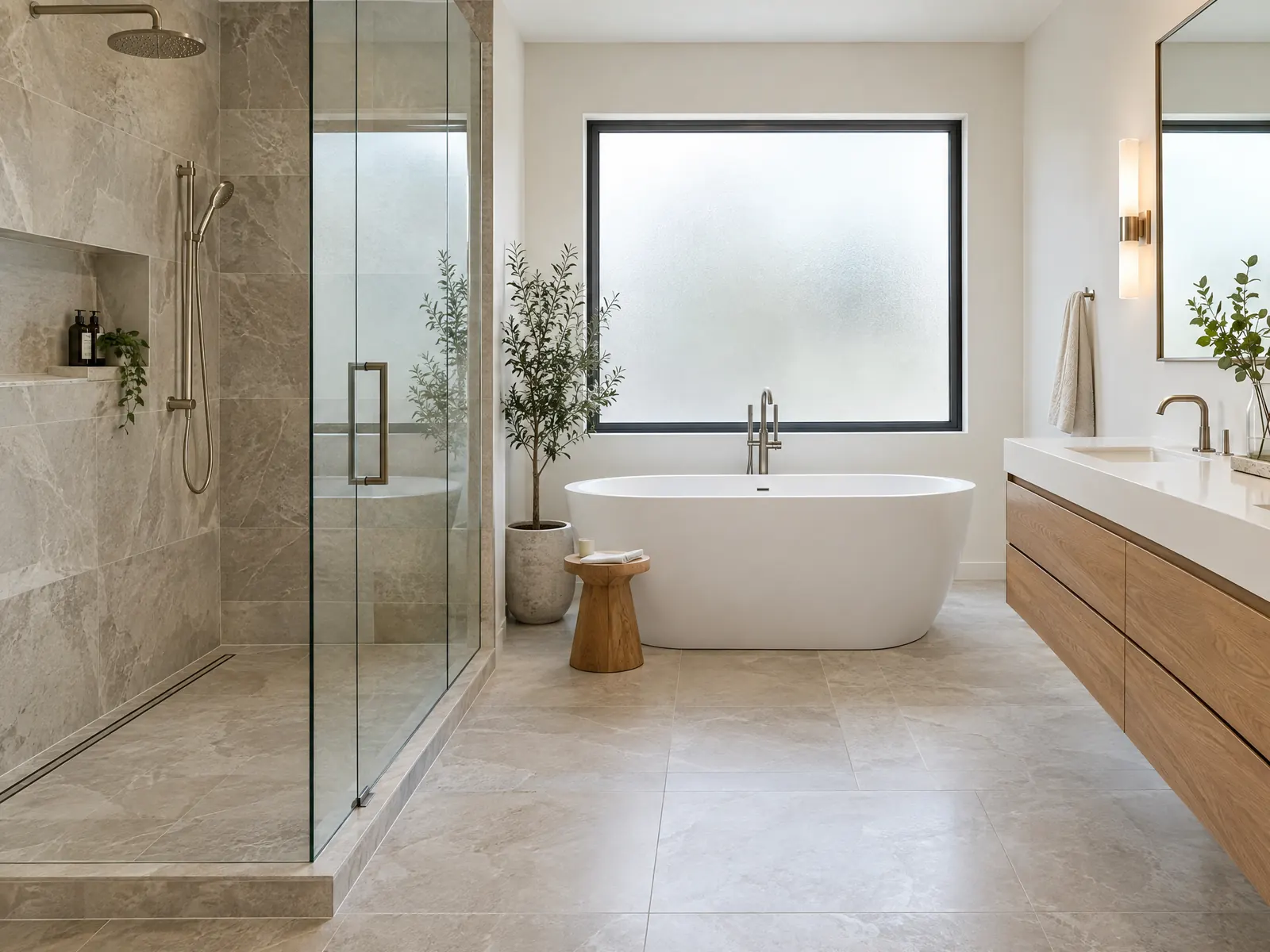
Apple Valley sold its first town lot on February 22, 1946, when Newton T. Bass and B.J. Westlund opened the Apple Valley Ranchos Land Co., and the Town itself incorporated only after the November 8, 1988 Measure K vote. That timeline shows up in the bathrooms. The Census Bureau's 2024 one-year estimates count 27,627 homes, plus or minus 2,058, with a median year built of 1988 and a median home value of $444,900, plus or minus $21,164. About 32.8 percent of homes date from the 1980s, so the typical bath here is close to 40 years old on a large desert lot, not a prewar original.
This page covers the permit line and the Town's worksheet, what a 1980s or 2000s bath hides, septic versus sewer, fixture and water rules, the desert climate, rentals, mobile homes and the repair loan, and the schedule. The Town's Municipal Code reached us only through GoCodebook, a third-party mirror, because Municode blocked our tools, so confirm each rule with the Permit Center. Price tiers and phases are on our bathroom remodeling page.
Town of Apple Valley Permit Center rules that apply to bathroom work
Where bathroom remodeling permits come from in Apple Valley: Town of Apple Valley Permit Center (Building and Safety Division).
Do you need a permit for a bathroom remodel in Apple Valley?
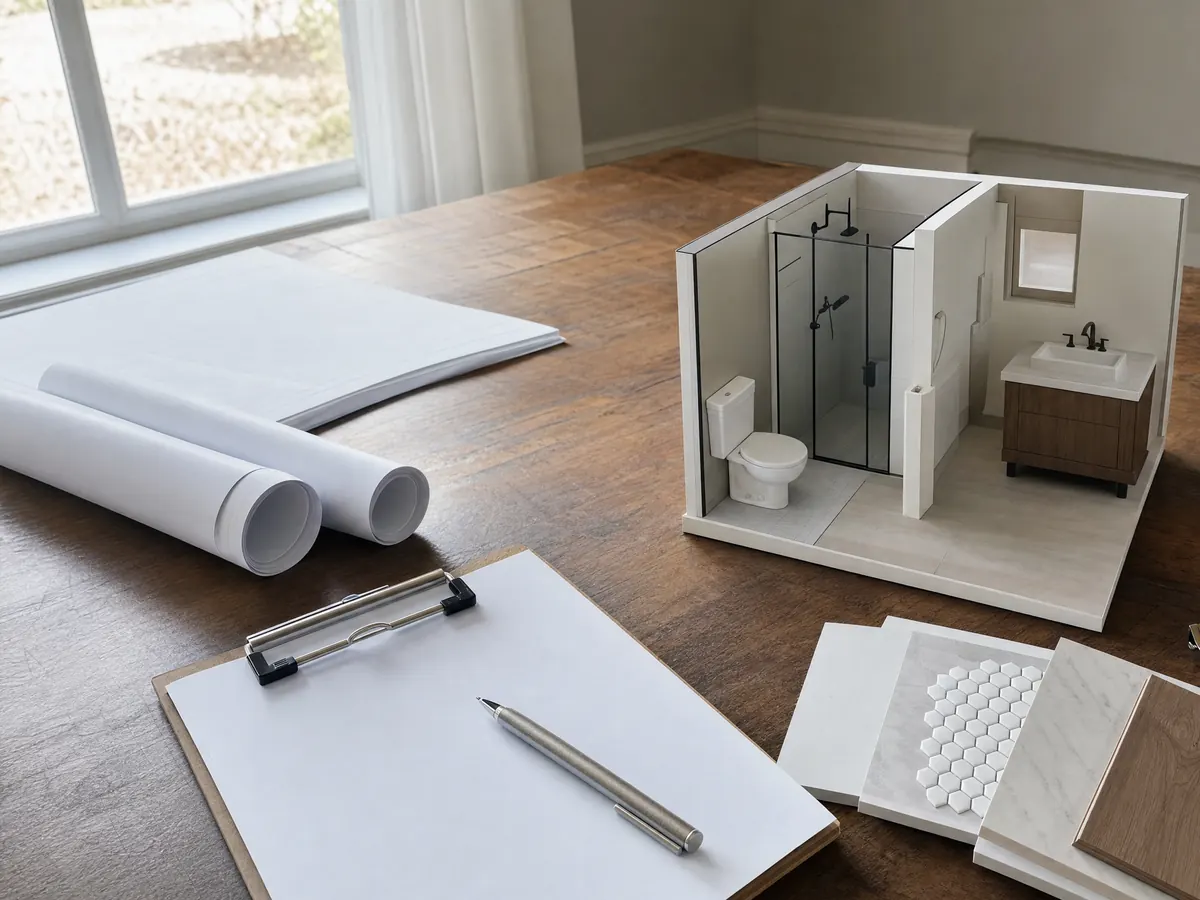
Yes, when the job reaches the systems behind the finishes. We found no Town handout or fee line written for bathrooms, so the best evidence is the Permit Worksheet. It asks for counts of plumbing fixtures, water piping, gas piping and sewer connections, electrical outlets and light fixtures, and mechanical items such as ventilation fans and evaporative coolers. Moving a drain, converting a tub to a shower, adding a circuit or running a new exhaust duct all land on that form. Tile, paint and a vanity swap are not named, so ask the Permit Center about them.
Permits are requested by downloadable form or through the Online Permit Center, and every building permit also needs a Waste Management Plan. The fee schedule adopted September 26, 2023 sets a minimum of $183.25 for any permit plus surcharges and a $121.29 issuance fee per application, with residential plan review at 50 percent of the permit fee. Amounts may have changed, and we found no stand-alone bathroom line, so a written proposal lists the Town's charges separately.
The counter is open Monday to Thursday 7:30 a.m. to 5:30 p.m. and Friday 7:30 a.m. to 4:30 p.m., closed every other Friday, and the main number is (760) 240-7000.
What does a bathroom renovation uncover in an Apple Valley home built in the 1980s or 2000s?
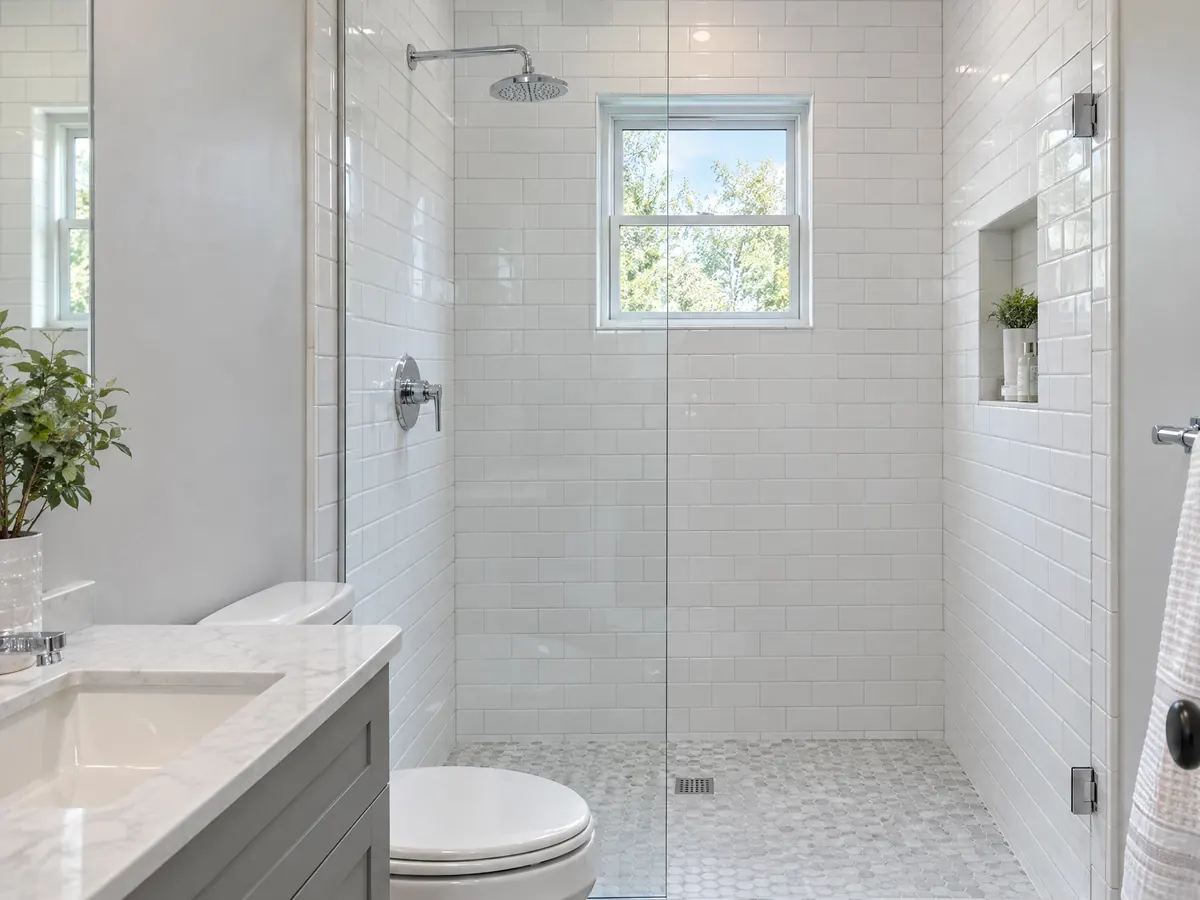
Probably a bath nobody has opened since it was framed. The Census counts 9,054 homes from the 1980s, 6,895 from the 2000s and 3,595 from the 1990s, and about 78.9 percent of units are single-family detached. We did not research which supply, drain or tile materials builders used here, so a camera on the drain and one opened wall answer the question better than a guess. Ask for that look before a layout is priced.
Age still decides some details. About 24.4 percent of units, 6,729, predate 1980, 12.9 percent predate 1970, and 4.4 percent, 1,227 homes with a wide margin of error, predate 1950. Ranchos-era houses from the 1940s and 1950s, roughly 2,087 units with wide margins of error, sit around Navajo Road and Highway 18, where the first lots sold in 1946. The Census cannot split 1978 from 1979, so your own build year decides whether EPA's lead rule reaches paid work that disturbs painted surfaces.
- Was the house built before 1978, and is the firm lead-safe certified?
- Who runs a camera down the drain before the floor is closed?
Can you add or move a bathroom if the house is on septic?
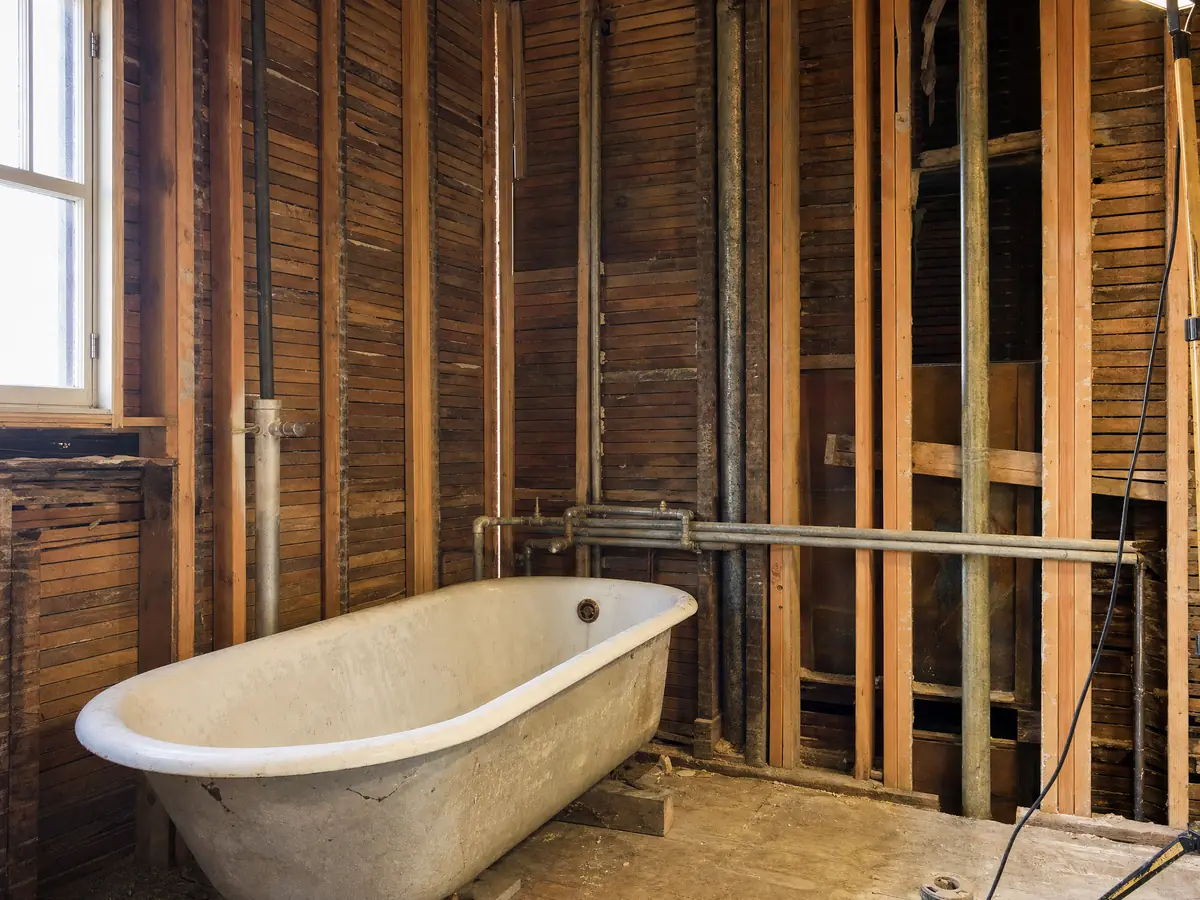
Often yes, but the tank comes first. Under Municipal Code 10.01.040 and 10.01.060, as the mirror shows them, new projects must connect to public sewer when they exceed 500 gallons per acre per day, exceed two equivalent dwelling units per acre or sit within 200 feet of a public sewer. An existing septic building must connect when its system fails with sewer within 200 feet, or when added fixtures push it into those triggers. Otherwise an onsite system is allowed under the State Water Board policy and the Town's local program, and the owner pays for all septic maintenance.
The General Plan's 2008 data put about 30 percent of development on sewer, so many Apple Valley baths drain to a tank. We found no current count or sewer map, so ask the Permit Center and Town engineering which line serves your parcel before a layout is drawn. A tank being retired for a sewer connection must be pumped, have its bottom broken and be inspected with the lids removed, a step that belongs in the budget whenever a connection is part of the job.
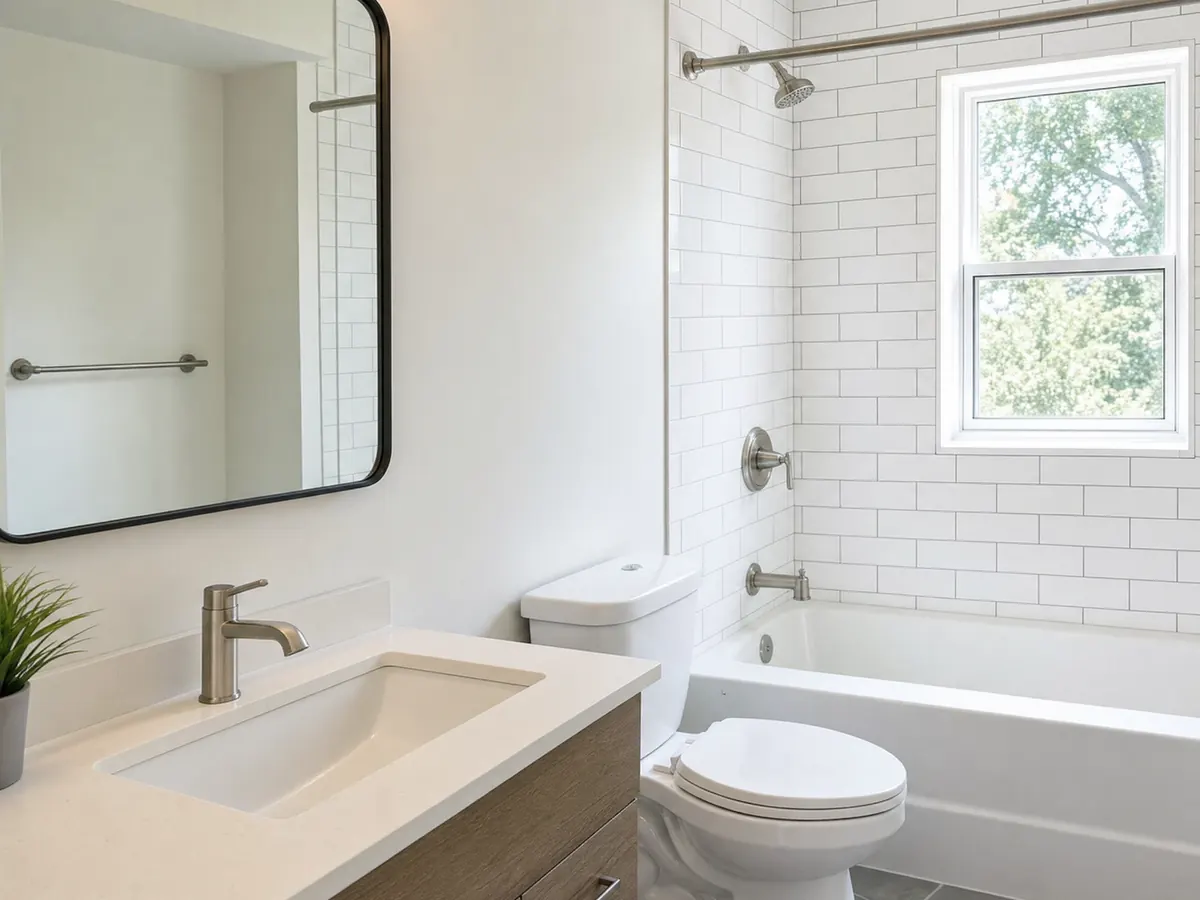
Do desert water and fixture laws change what goes into an Apple Valley bath?
Water here is groundwater. Apple Valley Ranchos Water Company, an investor-owned utility regulated by the California Public Utilities Commission, serves most of the Town from wells, and the Town's eminent domain case to acquire the system was returned to the Court of Appeal in August 2026, so ask who will serve your account. We found no Town rule on indoor fixtures, which leaves state law. Civil Code 1101.1 through 1101.8 asks for noncompliant toilets, showerheads and faucets to be replaced in homes built before 1994, and Los Angeles County's building guidance describes building departments checking it when a permit is pulled. We did not read how Apple Valley applies it.
With a median year built of 1988, and 57.1 percent of units older than 1990, more than half of local homes sit on the old side of that line. The Town adopts the 2025 California Energy Code in Chapter 8.22, and the state's summary of that code asks for a bath fan that runs continuously or on demand and a light on a vacancy sensor. We did not read how its alteration rules apply to a bath-only job, and the worksheet counts fans separately, so say early if a fan is moving.
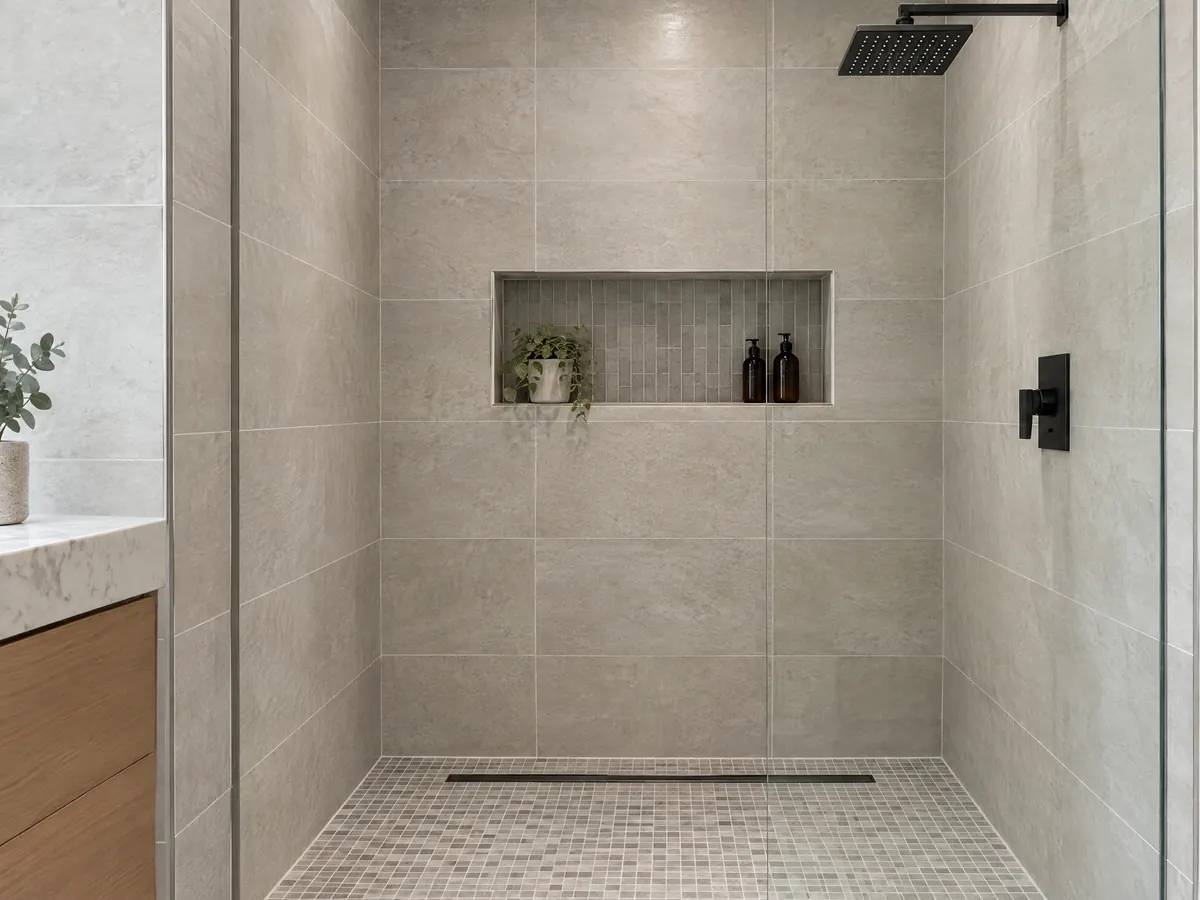
Do dry air, freezing nights and blowing dust matter for an Apple Valley bathroom?
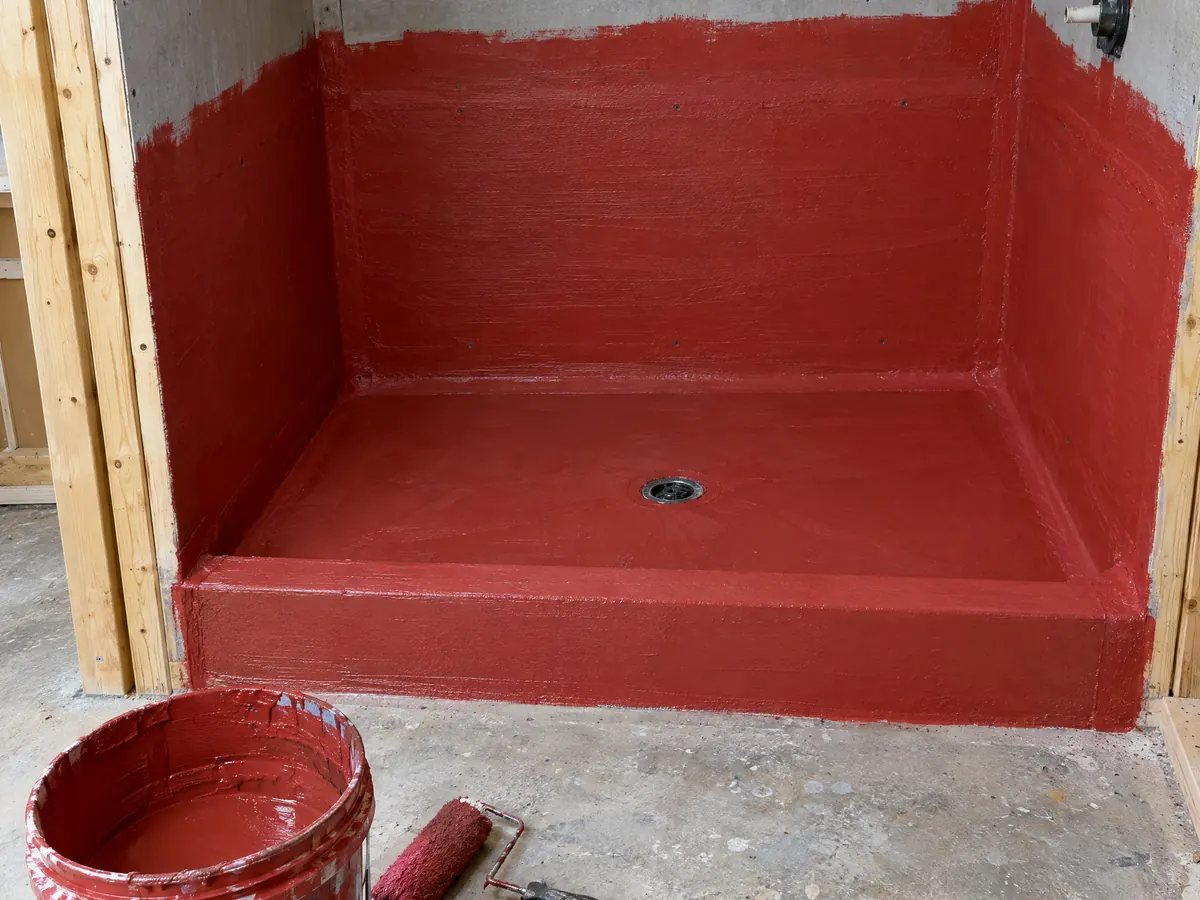
They matter less than the shower pan. The nearest NOAA station with 1991 to 2020 normals is Victorville, 4.7 miles west-southwest of Apple Valley's center, and it records only 5.57 inches of rain a year, so the moisture in a bath comes from the shower, not the weather. The same normals count about 53.7 nights a year at or below 32 F, so supply lines in an exterior wall deserve attention. A shower that lasts has a sloped pan, backer board and one membrane running over the curb and up the walls, and we ask for a flood test with photos before tile, which is our practice, not a Town rule.
Soils are a second-order question. The General Plan calls young alluvium collapsible when wetted, especially where heavy irrigation sits beside foundations, and clay-rich older fan soils moderately expansive. A leak near a foundation is a wetting event, which is one more reason the waterproofing step earns its own inspection photo. Parts of town sit higher than the Victorville station, from about 3,400 feet near the Fairview Mountains to 2,700 along the Mojave River, so nights can run colder than the station's numbers.
What changes for a bathroom in a rental, a mobile home or a Town loan project?
About 26.4 percent of occupied homes are rented, 6,999 households, and the Town's rental housing chapter requires an unexpired annual property maintenance certificate and an inspection fee to occupy any rental unit, including a single-family rental that is not owner-occupied. A certificate is revoked if a second inspection still shows noncompliance, so a failed fixture or a dead exhaust fan is worth fixing under a permit. Another 6.2 percent of units sit in buildings of two to four units, where a stack or wall may be shared, so the first question is who owns the pipe.
Mobile homes are 7.5 percent of units, about 2,061 with a wide margin of error, and the Housing Element says the Town has limited jurisdiction over mobile home parks, so ask the Permit Center and the park what a bath inside one requires. For owners who qualify, the Town's Residential Rehabilitation Loan Program offers 0 percent deferred loans of up to $75,000 for owner-occupied homes of one to four units, covering health, safety and code violations, accessibility and deferred maintenance, for households under 80 percent of area median income and homes valued at no more than $499,000. The Town decides eligibility. For a bath in a backyard unit see our Apple Valley ADU page, and for one in a new wing the Apple Valley room addition page.
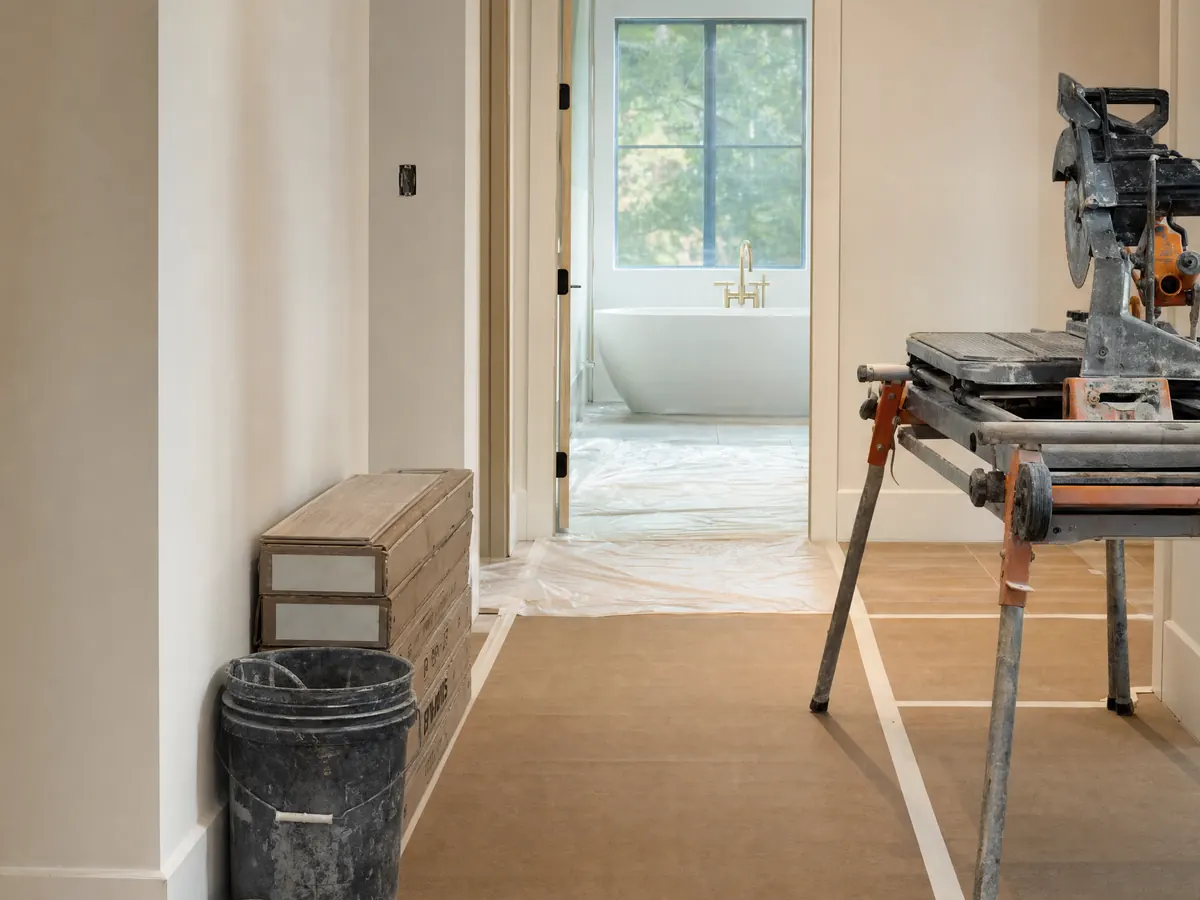
How long does a bathroom remodel take in Apple Valley, and who does the work?
Plan on 2 to 6 weeks of design and selections, our own planning estimate. The Town's plan review time for a bath is not published, since its site gives only 30 to 60 days for planning projects, so we cannot promise a date. After that come a few days of demolition and rough plumbing, 3 to 5 days of waterproofing and cure, 1 to 2 weeks of tile and fixtures and a few days for glass and the final inspection. A permit lapses if work has not started within 365 days of issue, if work stops for 365 days or if 180 days pass after the last required inspection, and one extension of up to 180 days can be requested in writing.
Noise that crosses a property line is barred from 7 p.m. to 7 a.m. on weekdays and at any time on weekends and holidays. The debris plan asks for at least 65 percent recycling, with receipts sent to the Town 24 hours before the final inspection.
MDG Builders, CSLB #1040337, works as the general contractor: it draws the layout, files the permit and books the trades, while a licensed plumber, tile setter and electrician do the field work. You can ask each one for a license number and a certificate of insurance. The license check guide shows how to confirm a license before any deposit, and how general contractors use subcontractors explains the arrangement.
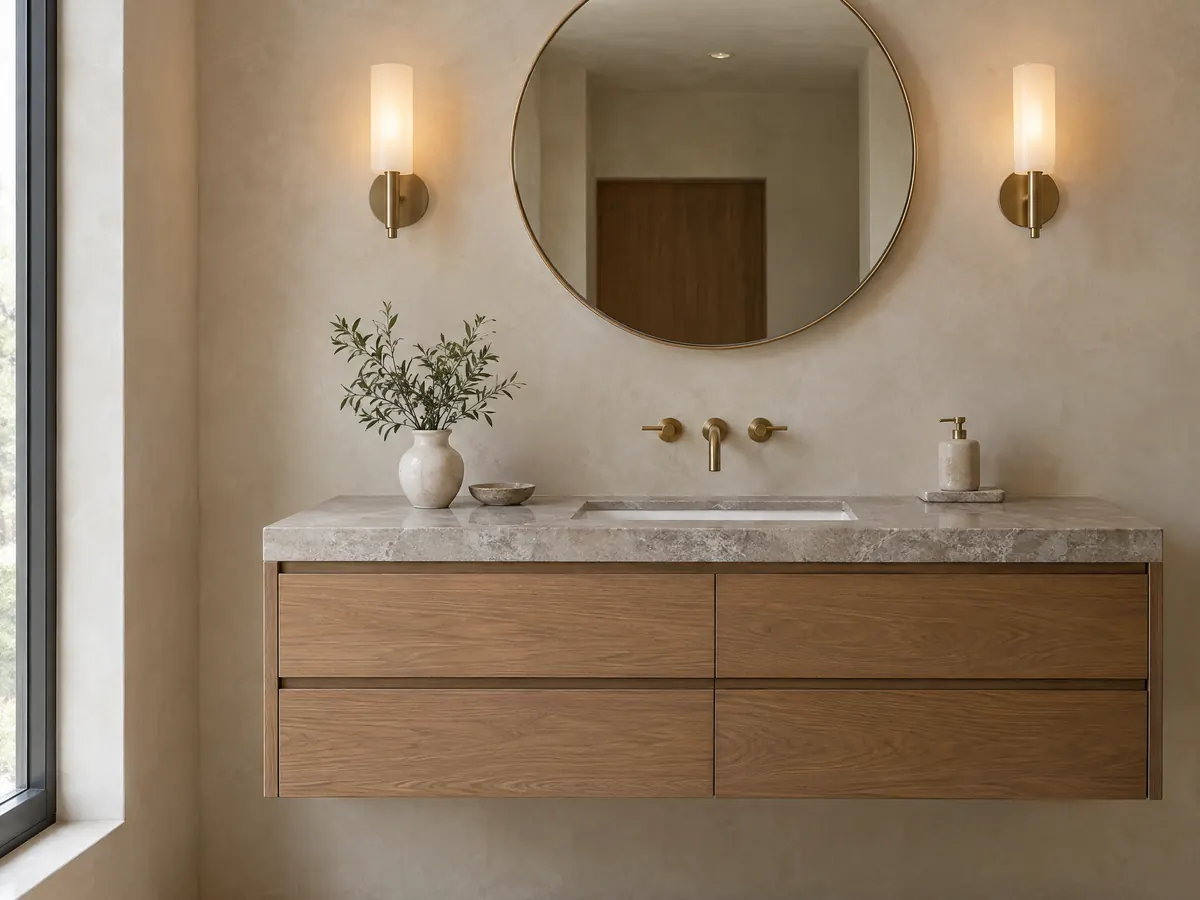
Bathroom photos from Apple Valley and nearby homes
Bathroom scenes tied to Apple Valley, from opened walls and waterproofing to finished tile, in the 1980s tract houses and large desert lots of the High Desert. Tap a photo to enlarge it.
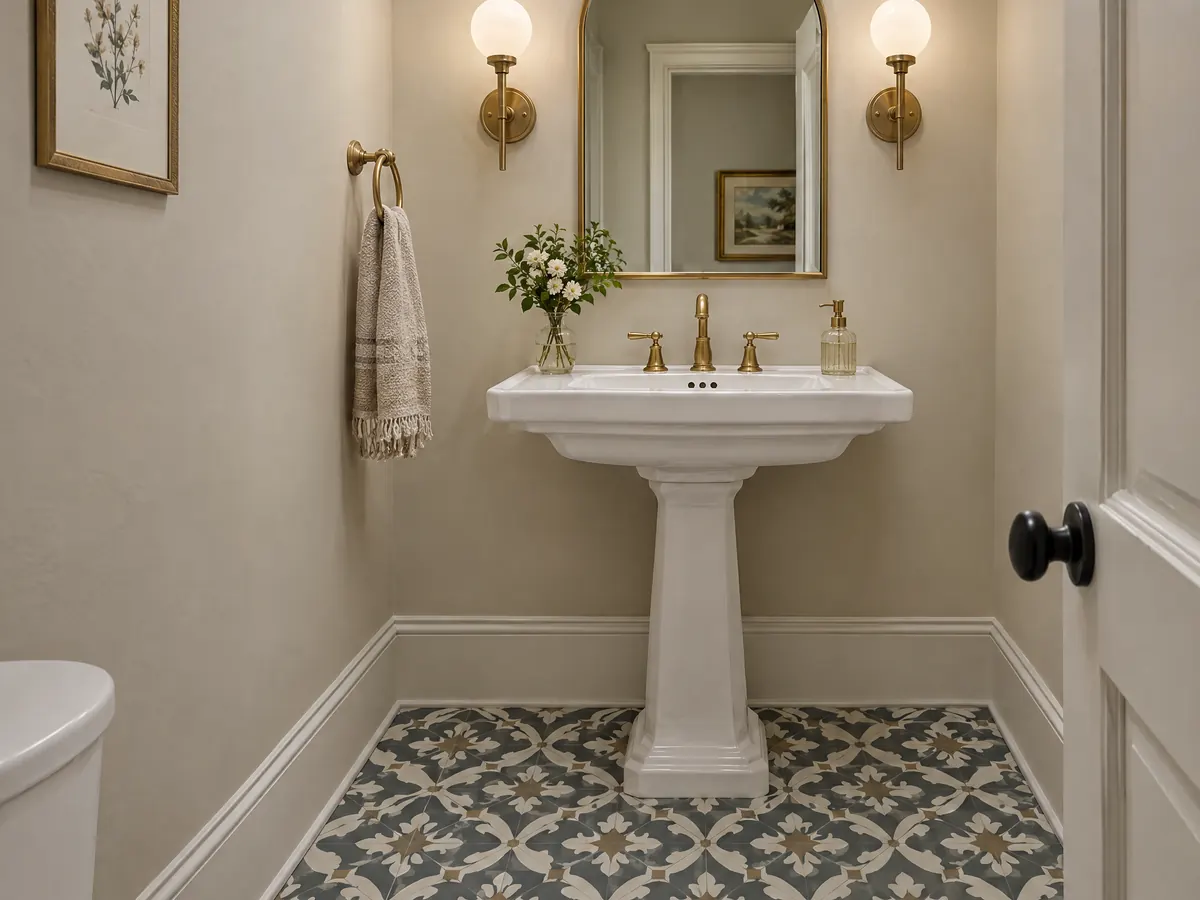
What bathroom remodeling costs around Apple Valley
Our bathroom remodeling page sizes every tier on a 35 square foot bath. A refresh runs roughly $9,000 to $18,000, a midrange remodel on the same footprint $25,000 to $40,000, a primary bath $50,000 to $85,000 and up, and a bathroom added from scratch $60,000 to $120,000. We found no Apple Valley survey, so the tiers lean on Los Angeles sources. In Los Angeles, Remodeling magazine's 2025 Cost vs. Value report puts a midrange bath at $27,143 and an upscale one at $85,055, while Thumbtack's July 2026 city page spans $8,495 to $26,582. The median Apple Valley home is worth $444,900, plus or minus $21,164, a rough check on how far a bath budget should stretch against the house. A septic tank, a sewer tie-in, an opened wall or a moved drain can each add a line that a regional tier misses, and the Town's permit charges arrive as separate lines in a written proposal, since we found no bathroom fee line. The bathroom cost guide explains what moves a bath between tiers. For nearby work see Victorville, Hesperia and Los Angeles. Bath windows are on the Apple Valley window page, and the Apple Valley area page lists every trade we cover in the Town.
| What it covers | Typical range |
|---|---|
| Refresh in the same layout: new vanity, toilet, fixtures, lighting, paint, limited tile | $9,000 to $18,000 |
| Mid-range full remodel in the same layout: new shower or tub, tile, vanity, fixtures, lighting and fan | $25,000 to $40,000 |
| Upscale or primary bath: stone, custom glass, freestanding tub, double vanity, heated floor | $50,000 to $85,000 and up |
| Adding a new bathroom | $60,000 to $120,000 |
Other work we manage in Apple Valley
Apple Valley bathroom remodel questions, answered
Do I need a permit for a bathroom remodel in Apple Valley?
Yes, when the work changes plumbing, wiring or ventilation. The Town's Permit Worksheet counts fixtures, outlets, light fixtures, ventilation fans and sewer connections, and we found no list that exempts bathrooms. Tile, paint and cabinets are not named either way, so ask the Permit Center at (760) 240-7000 before assuming a job is exempt.
How much does a bathroom remodel cost in California?
Expect about $9,000 to $18,000 for a refresh, $25,000 to $40,000 for a midrange remodel that keeps the layout, and $50,000 to $85,000 or more for a primary bath, all sized on a 35 square foot room. Those numbers come from Los Angeles sources, since no Apple Valley survey exists, so your own price comes from a written proposal after a site visit.
Can a handyman do a bathroom remodel?
Only for a small fix. Under California's AB 2622, the $1,000 exemption for unlicensed work is void when a permit is needed, and it does not stretch to hiring helpers. Moving a drain or converting a tub needs a permit here, so verify the license on the CSLB website and request a certificate of insurance before any deposit.
What is the difference between a bathroom remodel and a bathroom renovation?
Renovation usually means new fixtures and finishes in the old footprint, while remodel suggests walls, pipes or wiring move. The Town's worksheet ignores both labels and counts what you touch: a swapped vanity is finish work, but a relocated drain, a new circuit or a moved fan is permit work, and a septic house adds a tank question.
How long does a bathroom remodeling take?
Allow 2 to 6 weeks for design, a few days of demolition and rough plumbing, 3 to 5 days of waterproofing and cure, 1 to 2 weeks of tile and fixtures, and a few days for glass and the final inspection. The Town does not publish a plan review time for a bath, so we cannot promise a date, and ordering fixtures while review runs saves time.
Do I need a permit for a shower remodel?
Usually, because a new shower brings a valve, a drain and framing behind the tile. Re-tiling an unchanged shower is finish work that we found on no Town list. Converting a tub to a shower or moving the drain is permit work, and a paid job that disturbs paint in a house built before 1978 calls for a lead-safe certified firm.
Is remodeling a bathroom worth it?
Partly. In Los Angeles, Remodeling magazine's 2025 Cost vs. Value report shows a midrange bath returning about 89.6 percent of its cost at sale and an upscale bath about 42.3 percent. We found no Apple Valley resale study, so treat those figures as a regional guide, and expect the gap to grow as finishes climb.
Do bathroom remodels in older Apple Valley homes need lead-safe work?
Yes, when the house predates 1978 and a paid firm will disturb painted surfaces. About 24.4 percent of Apple Valley homes, 6,729 units, predate 1980, and the Census cannot separate 1978 from 1979, so check your own build year. Homeowners working on their own house are generally outside EPA's rule.
Can I add a bathroom to an Apple Valley house on septic?
Possibly, but the tank and sewer rules come first. The Town requires sewer connection when added fixtures push a septic building past its triggers, such as a public sewer within 200 feet, so confirm tank size and sewer distance before drawing a layout. We found no rule that bars a new bath outright, and the Permit Center can confirm your parcel.
Can I finance a bathroom remodel in Apple Valley?
Possibly, through the Town's Residential Rehabilitation Loan Program, which offers 0 percent deferred loans of up to $75,000 for eligible owner-occupied homes of one to four units, with a limit of 80 percent of area median income and a home value cap of $499,000. A bath tied to health, safety or accessibility needs may fit, but the Town decides eligibility.
Tell us about your Apple Valley bathroom
Share the neighborhood, roughly what year the house was built, whether it drains to sewer or a septic tank, and whether the shower, toilet or fan is moving, and the first visit starts with the permit questions and any lead-safe or fixture issue.