
Bathroom Remodelingin Brea, CA
Bathroom remodeling in Brea needs a permit once a pipe, fixture or circuit moves, and the City's Building and Safety Division issues it under the 2025 codes. Tile, cabinets and counter tops are exempt finish work. The median Brea home dates from 1978, so plan for old plumbing, lead-safe rules and the fixture swap on pre-1994 houses.
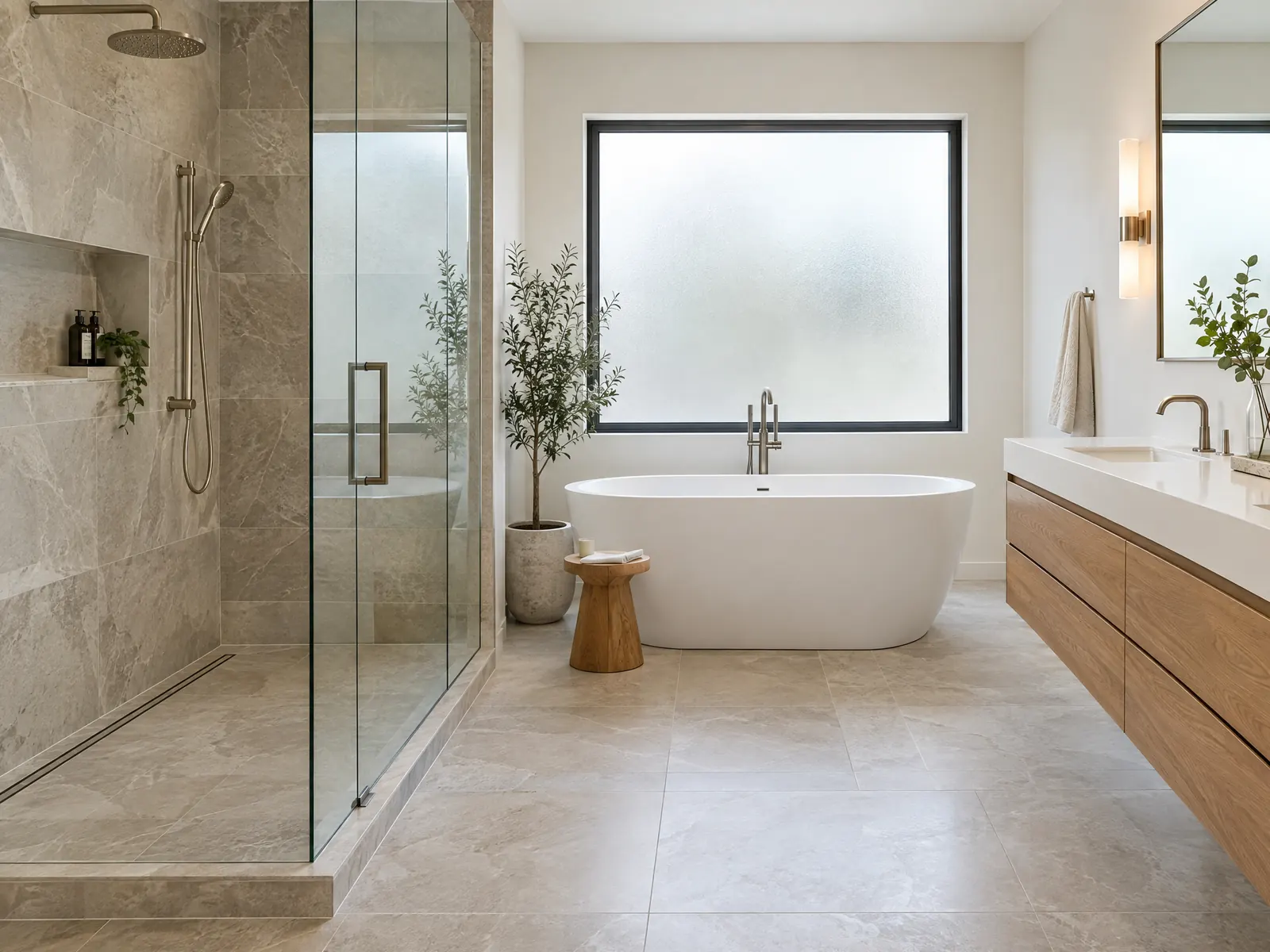
Brea began as Basque sheep ranching in the 1870s and turned into an oil town after drilling in the Brea-Olinda field started in 1896. Voters approved incorporation on February 15, 1917, by 245 to 45. The Census Bureau's 2020 to 2024 estimates count 17,373 housing units, a median year built of 1978, and 9,469 units, about 54.5 percent, from before 1980. Only 290 units date from 1939 or earlier, so the usual Brea bathroom is a 1960s to 1980s tract bath, with Union Oil's 1910s and 1920s houses near downtown at one end and the 2,697 units built since 2010 at the other.
The sections below cover what the City's own handout treats as permit work, the water-saving fixture rule for older houses, what an older bath can hide, the historic homes, condos and rentals, and how the counter schedule shapes a timeline. The City's official code host blocks automated readers, so Municipal Code text here comes from the GoCodebook mirror, and anything that matters should be confirmed with the Building and Safety Division. Tier prices and the phase list sit on our bathroom remodeling page.
Brea Building and Safety rules that apply to bathroom work
Where bathroom remodeling permits come from in Brea: City of Brea Community and Economic Development Department, Building and Safety Division.
- The City's SB 407 notice (Civil Code 1101.1 to 1101.8) applies to bath remodels in pre-1994 single-family homes that need a permit: noncompliant toilets, showerheads and interior faucets must be replaced before the permit can be finaled. For multifamily and commercial property it also requires replacement of all noncompliant fixtures in any room that gets permitted alterations.
- The City's Building Permits 101 handout allows clearing stoppages, repairing leaks, and removing and reinstalling water closets without a permit only if the work does not replace or rearrange valves, pipes or fixtures, and says upgrading or relocating plumbing fixtures needs a permit.
Sources for these rules
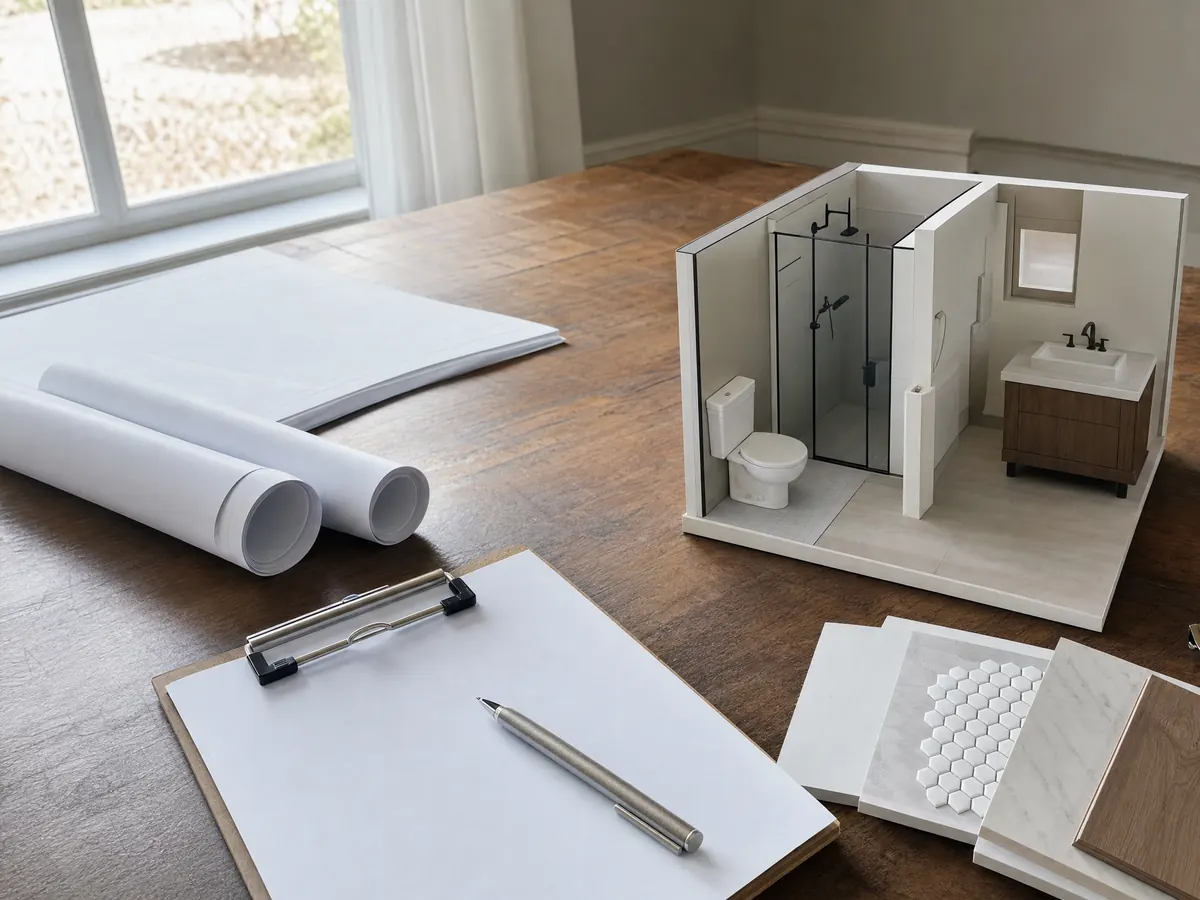
What is behind the tile in a Brea bathroom built around 1978?
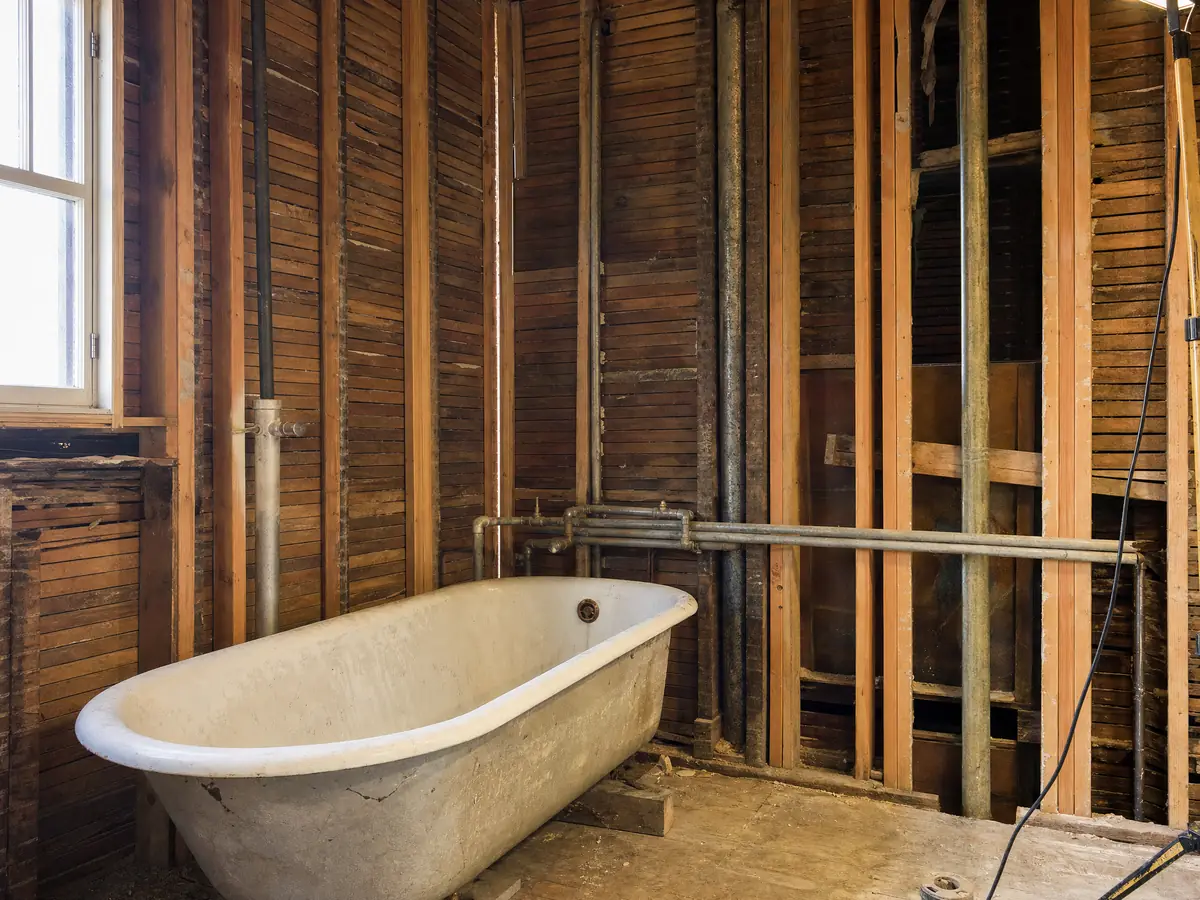
Nobody can say until the wall is open, so a quote should carry an allowance for whatever turns up. The Census Bureau puts Brea's median build year at 1978. By decade, 4,740 units date from the 1970s, 2,825 from the 1960s, 1,514 from the 1950s and 2,650 from the 1980s, which places most local baths between 1950 and 1990.
Houses from that stretch can hold original supply lines, early drain pipe, a steel or cast iron tub and framing that has absorbed years of shower spray. We found no Brea source on pipe materials, so we make no claim about what any one house contains. The plumber should scope the supply, drain and vent lines before the price is final.
Lead is the other known factor. EPA's lead-safe rule covers paid work that disturbs paint in housing built before 1978, and indoors it exempts only jobs of 6 square feet or less per room. The Census table cannot separate 1978 from 1979, so we cannot say what share of Brea falls under the rule, only that about 54.5 percent of units predate 1980. Treat a gutted bath in a 1970s house as covered until the paint is tested.
- Does the written scope name every supply line, drain, vent, circuit and fan the job touches?
- Is there a dollar allowance for rot or corroded pipe, and who approves its use?
- If the house predates 1978, will a lead-safe certified firm do the demolition?
Do you need a permit for a bathroom or shower remodel in Brea?
Yes, once the work moves a pipe, a fixture or a circuit. The City's Building Permits 101 handout, which carries no date, exempts painting, tiling, carpeting, cabinets and counter tops. It lists upgrading or relocating plumbing fixtures, new wiring, a panel upgrade, a water heater change and removing a load-bearing wall as permit work.
The handout lets an owner clear a stoppage, fix a leak or pull and reset a toilet without a permit only if no valves, pipes or fixtures are replaced or rearranged. Brea's Building Code amendment adds a trap: replacing a defective concealed drain, waste, vent or water pipe with new material counts as new work that needs a permit and an inspection. Opening a shower wall to renew the pipes behind it lands on the permit side, even though stopping a leak does not. That wording comes from the GoCodebook mirror, so confirm it with the City.
Applications go through the City's Online Permit Center, and after uploading, the applicant must also email building@cityofbrea.gov so review can start. The City warns that some portal functions fail on a phone, so file from a computer.
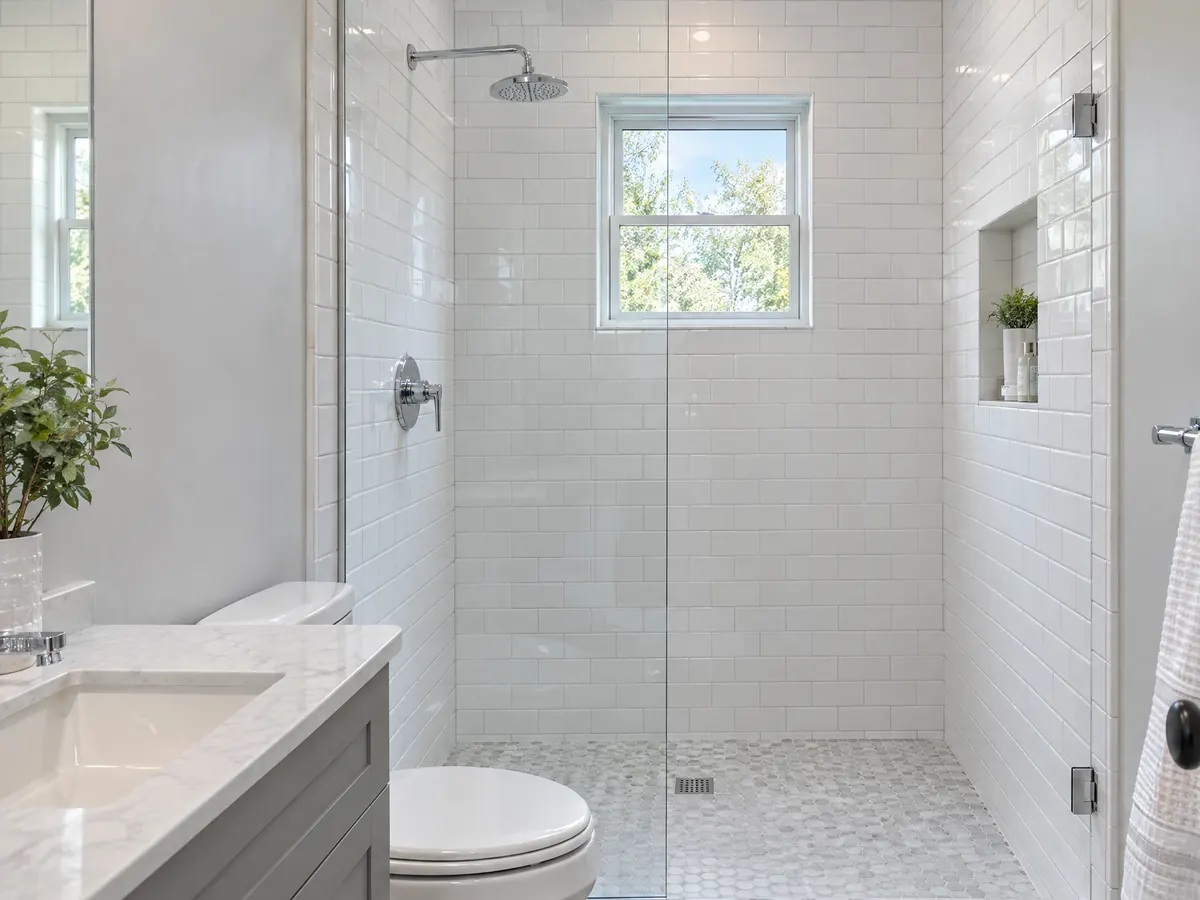
Which toilets, showerheads and faucets does Brea make you replace?
Brea's notice on SB 407 (Civil Code 1101.1 to 1101.8) says a permitted alteration to a single-family home built and available for use on or before January 1, 1994 must replace noncompliant fixtures before the permit is finaled. The limits are toilets above 1.6 gallons per flush, showerheads above 2.5 gallons per minute and interior faucets above 2.2 gallons per minute.
The notice names three exceptions: a registered historical site, a licensed plumber's certification that replacement is not technically feasible, and a permanently disconnected water service. For multifamily and commercial property it goes further and requires every noncompliant fixture in any room that receives a permitted alteration to be replaced.
With a median build year of 1978, many Brea bath permits will reach this rule. Put the fixtures on the plan set and in the proposal, so the final inspection holds no surprise. A new toilet priced at the start costs less than the same toilet added as a change order before the final.

Bathroom renovation in a Union Oil tract house near downtown Brea
In the early years Union Oil set aside streets near the city center for a neighborhood of efficient tract homes. The Brea Historic Resource Register lists 58 sites, mostly houses built from 1911 to 1938 on South Madrona, South Redwood and South Walnut Avenues, and the copy hosted by the Brea Museum was last updated on February 16, 2022. Baths in houses that age are a century old, and they are small.
A bath is interior work. The zoning section we read, 20.60.060, speaks of exterior alterations to a designated resource, which need plan review against the Secretary of the Interior's Standards. We found no rule sending interior bath work to that review, so ask whether your address is designated and whether the job touches the exterior, for example through a new bath window or a roof vent. The City's handout says a historic designation can lengthen plan check and add restrictions.
Section 20.60.070 offers the State Historic Building Code as a lower-cost alternative for designated structures, which is worth asking about when an original floor plan leaves little room. The City's fixture notice also exempts a registered historical site from the water-saving swap.
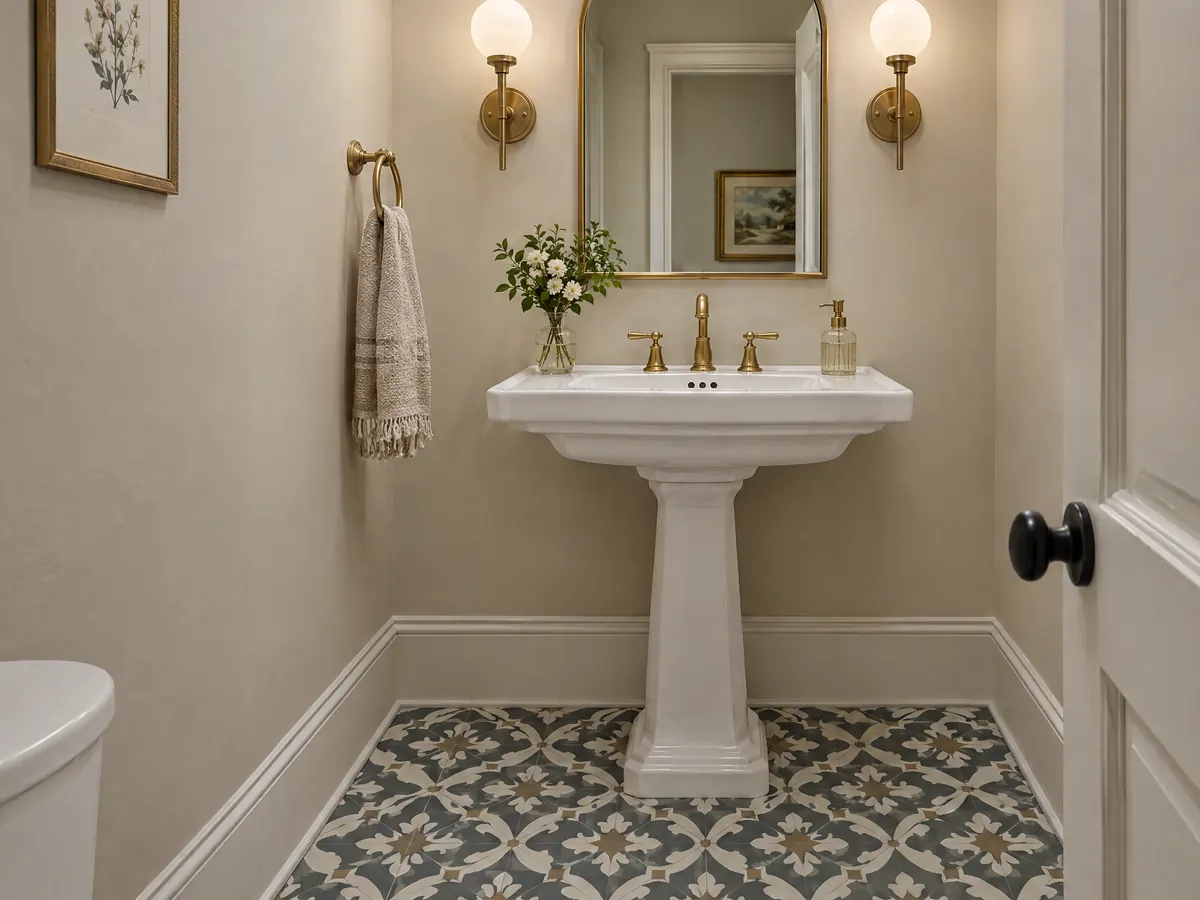
Shower waterproofing, exhaust fans and Brea's inland heat
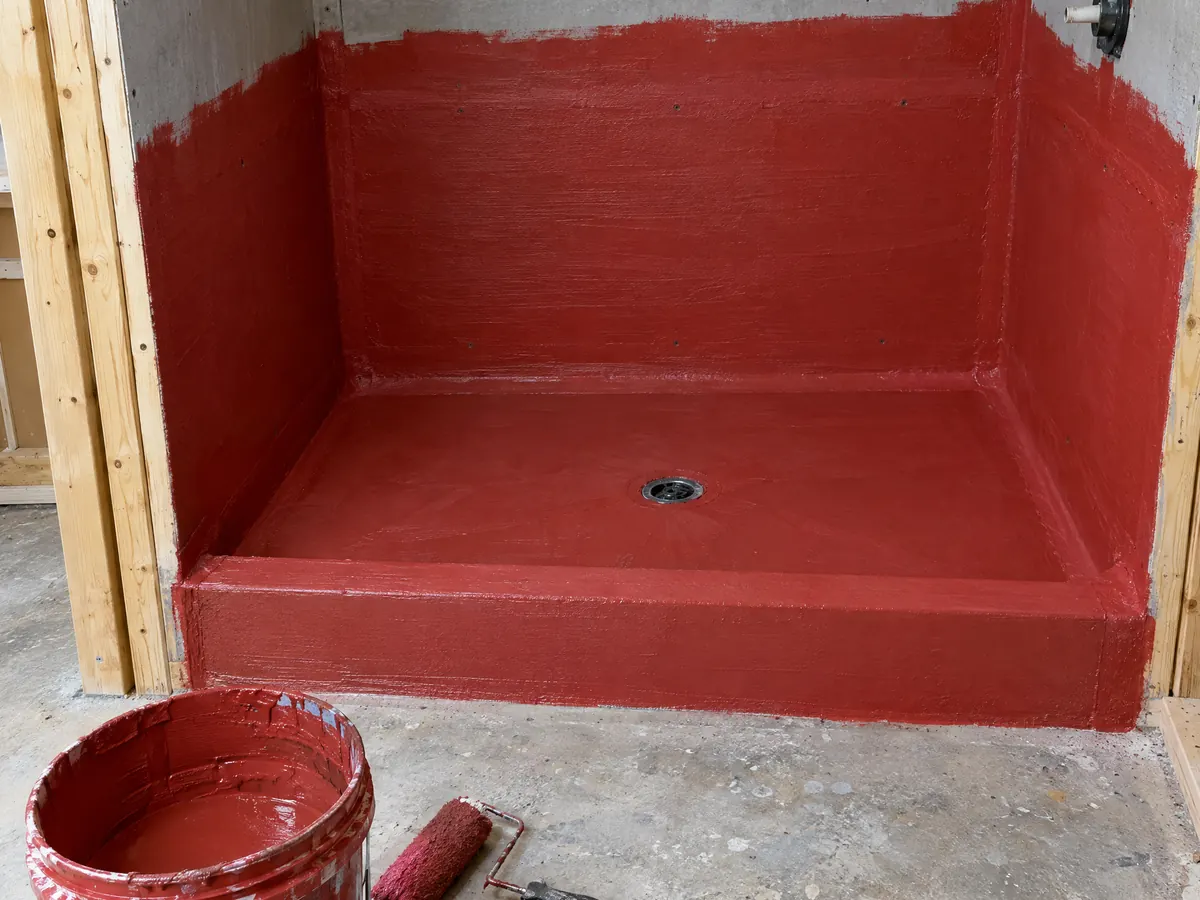
The shower is where bath failures start. Ask for a pan sloped to the drain, backer board and one continuous membrane up the walls and over the curb, then a flood test with a dated photo before any tile goes on.
Rain is not the threat in Brea. NOAA's 1991 to 2020 normals for the Anaheim station, about 4.4 miles south-southeast of the city center point in our data file, show 13.52 inches a year, 10.40 of it from December through March. That station also averages 47.3 days a year at or above 90 F and 5.0 at or above 100 F, and Fullerton's airport runs cooler, so Brea's inland and hillside lots can run hotter than the Fullerton numbers. Steam and a warm house are the daily load on a bathroom here.
Ask for a fan that ducts outdoors and appears on the plans. The California Energy Commission's summary of the 2025 Energy Code calls for local exhaust in bathrooms, run continuously or on demand, and for at least one bath light on an occupancy or vacancy sensor. Brea says the 2025 codes apply to plans submitted on or after January 1, 2026. We could not find the climate zone the City applies, so the plan set should name the zone and the code edition.
Bath remodels in Brea condos, apartments and rentals
Renters occupy 6,759 of Brea's 16,787 occupied homes, or 40.3 percent. About 26.5 percent of units, 4,610, sit in buildings of five or more, 2,651 of them in buildings of 50 or more, and 683 are mobile homes. These are five-year estimates with margins of error, and the median owner-occupied value is $922,300.
In a condo or apartment the permit still runs through the City, but the association or owner sets more: shut-off windows, working hours, floor protection and a certificate of insurance. We found no City rule that overrides private CC&Rs on bath work, so get the association's approval in writing before anything is ordered.
A one-bath unit needs a written schedule for the days the room is out of service, with water shut-off dates, a place to shower and one named person who tells the tenant when dates move. We did not research Brea's rental registration or inspection rules, so ask the City whether the building falls under any.
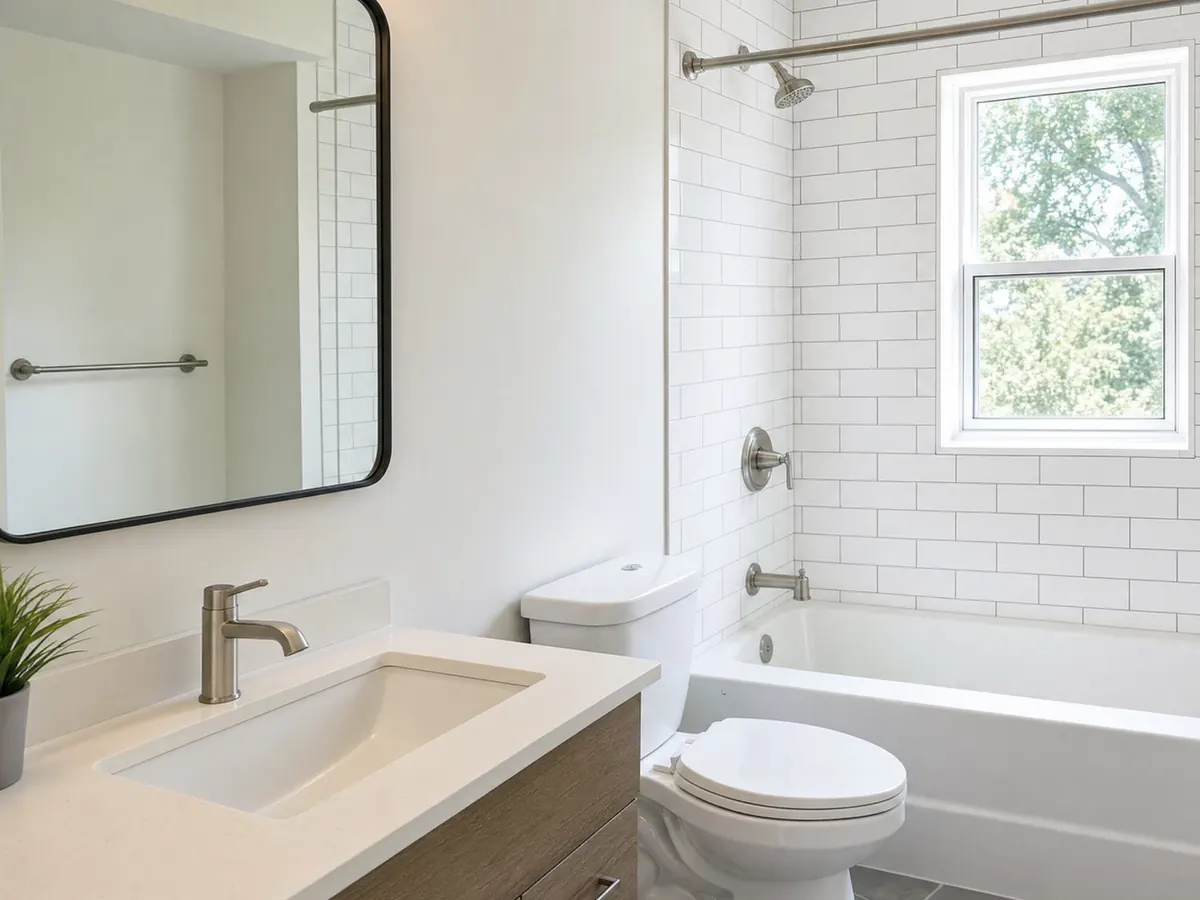
Counter hours, noise rules and the license tax: planning a Brea bath job
The Building and Safety counter is open 8 a.m. to 5 p.m. Monday to Thursday and on alternate Fridays, and City offices close every other Friday on a published 2026 calendar. The undated handout gives a plan check turnaround of 10 to 14 working days, so treat that as a planning figure and ask the Division for its current one.
Brea's noise chapter, read from the GoCodebook mirror, exempts construction noise only when the work stays out of the hours between 7:00 p.m. and 7:00 a.m. on weekdays and Saturdays, and out of Sundays and federal holidays. Demolition stops at 7 p.m., and nothing runs on a Sunday. The permit application also asks for the contractor's state license number and class, a Brea Business License number and workers' compensation details, and the City's Permits and Forms Center says a contractor who does not live in Brea owes an Out of City Contractor's Business License Tax.
MDG Builders, CSLB #1040337, is a general contractor based in Tarzana, so we expect that tax to apply and confirm it with the City before a permit is pulled. We draw the plan, pull the permit and run the schedule, and licensed plumbers, tile setters, electricians and glass installers work in the room. Ask each firm for its license number and certificate of insurance. To see how that split works on a job, read how general contractors use subcontractors.
Bathroom photos from Brea and nearby homes
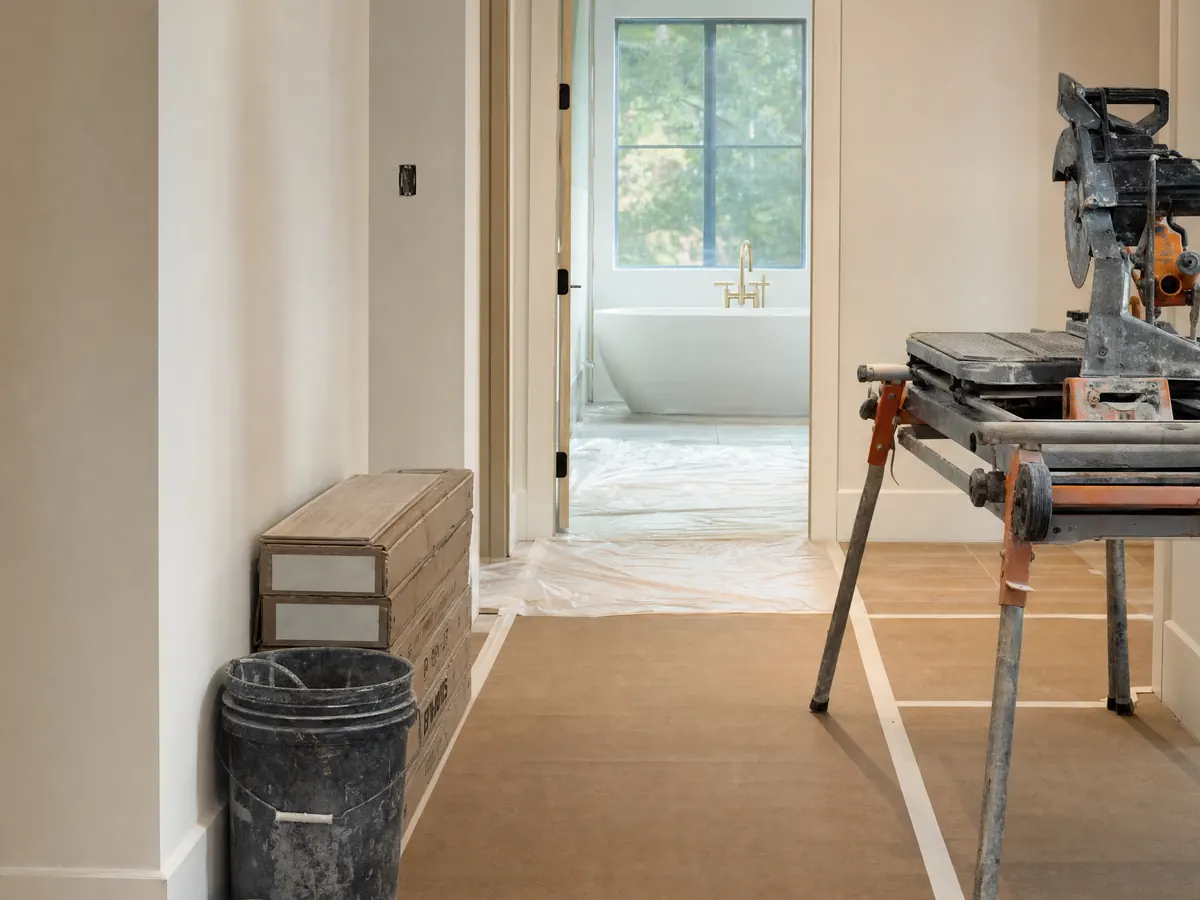
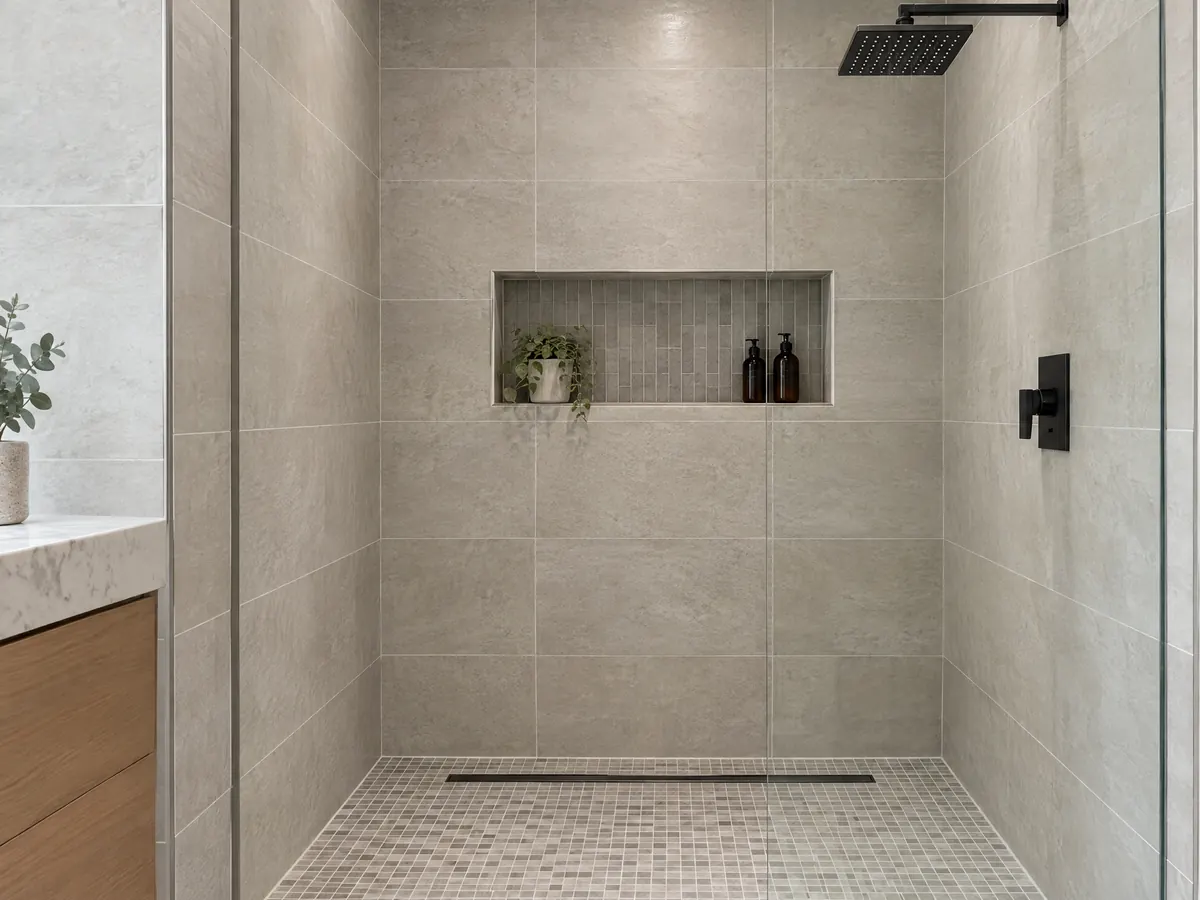
Bathroom scenes tied to Brea and the Orange County communities around it, from opened walls and waterproofing to finished tile. Tap a photo to enlarge it.
What bathroom remodeling costs around Brea
For a bath of about 35 square feet, the tiers on our bathroom remodeling page run roughly $9,000 to $18,000 for a refresh, $25,000 to $40,000 for a midrange job in the same layout, $50,000 to $85,000 and up for a primary bath and $60,000 to $120,000 to add one. They lean on the 2025 Cost vs. Value report in Remodeling magazine, which prices Los Angeles and not Orange County: a midrange bath at $27,143 recovered about 89.6 percent at resale, and an upscale bath at $85,055 recovered about 42.3 percent. We found no Brea price survey, and the $922,300 median owner-occupied value only gives those percentages a regional frame. The City's fee schedule was not summarized for this page, so permit and plan check charges appear as their own lines in a written proposal and never as a guess. The bathroom cost guide explains what moves a bath between tiers, and the license check guide shows how to verify any contractor on the CSLB site. For nearby Orange County work, compare bathroom remodeling in Fullerton, La Habra and Yorba Linda. A bath that adds floor area belongs on our Brea room addition page, a bath in a backyard unit on the Brea ADU page, a bath window on the Brea window page, and the Brea area page lists every trade we cover in the city.
| What it covers | Typical range |
|---|---|
| Refresh in the same layout: new vanity, toilet, fixtures, lighting, paint, limited tile | $9,000 to $18,000 |
| Mid-range full remodel in the same layout: new shower or tub, tile, vanity, fixtures, lighting and fan | $25,000 to $40,000 |
| Upscale or primary bath: stone, custom glass, freestanding tub, double vanity, heated floor | $50,000 to $85,000 and up |
| Adding a new bathroom | $60,000 to $120,000 |
Other work we manage in Brea
Brea bathroom remodel questions, answered
Do I need a permit for a bathroom remodel in Brea?
Yes, as soon as a pipe, fixture or circuit moves; tile, cabinets and counter tops alone are exempt finish work. Brea's handout lists relocating fixtures, new wiring and panel upgrades as permit work. Email the Building and Safety Division with your exact scope before you order materials, since the handout carries no date.
Do I need a permit for a shower remodel?
Usually, because a shower remodel reaches the valve, the drain or the wall behind the tile. Brea treats replacing concealed drain, waste, vent or water pipe as new work needing a permit and inspection. Re-grouting or recoating over untouched fixtures is different, so describe the scope to the City first.
How much does a bathroom remodel cost in California?
For about 35 square feet, our sourced tiers are roughly $9,000 to $18,000 for a refresh, $25,000 to $40,000 for a midrange remodel and $50,000 to $85,000 and up for a primary bath. They rest on 2025 Los Angeles data because no Brea survey turned up, and a written proposal sets the real price.
Can a handyman do a bathroom remodel?
Only for very small jobs. California's unlicensed work limit is $1,000 for labor and materials combined, and it does not apply when a building permit is needed or a worker is hired. Moving a fixture in Brea needs a permit, so check any contractor's license on the CSLB site before paying a deposit.
What is the difference between a bathroom remodel and a bathroom renovation?
A renovation refreshes finishes and fixtures in place, while a remodel changes the layout or the plumbing and wiring behind the wall. In Brea the difference decides the permit: new tile and a vanity on the same pipes are exempt, but moved fixtures, new circuits and fan ducts are permit work.
How long does a bathroom remodeling take?
Plan on 2 to 6 weeks for design and selections, then 3 to 7 days of demolition and rough plumbing, 3 to 5 days of waterproofing, 1 to 2 weeks of tile and fixtures and 1 to 2 weeks for glass and the final. Brea's handout puts plan check at 10 to 14 working days.
Where do you shower during a bathroom remodel?
Not at home, unless a second bath exists, and the gap runs from demolition to the final inspection. A gym pass or a relative's spare room beats improvising in week two. In a Brea rental, give the tenant the water shut-off dates in writing and say who pays for the alternative.
Should I replace my toilet during a bathroom remodel?
Yes, if the house was built on or before January 1, 1994 and the remodel needs a permit. Brea requires toilets over 1.6 gallons per flush, showerheads over 2.5 gallons per minute and faucets over 2.2 gallons per minute to be replaced before the permit is finaled.
Is remodeling a bathroom worth it in Brea?
The 2025 Los Angeles Cost vs. Value report shows a midrange bath recovering about 89.6 percent of its cost at resale and an upscale one about 42.3 percent. Brea's median owner-occupied value is $922,300, and no local resale study turned up, so treat the percentages as a regional guide.
Tell us about your Brea bathroom
Tell us which part of Brea you are in, about when the house was built, how many baths it has and whether you own or rent, and the first conversation starts from there.