
General Contractor in Brea, CA
A general contractor in Brea works under the City's own Building and Safety Division, a rule that makes the whole roof Class A once a third is replaced, a Fire Code that requires methane mitigation over the old oil field, and hillside permits on HR lots. MDG Builders, CSLB #1040337, covers every one of the eleven trades.
Eleven trade guides for an oil town that grew into the foothills
Each guide follows one trade through the Brea papers we managed to open and the Census housing counts, and says plainly what stayed unreadable. Prices are Los Angeles planning ranges from named sources, and we print no Brea quote and no permit fee.

Kitchen Remodeling in Brea
1970s wiring and pipes, SB 407 fixture swaps, permit triggers, bump-outs in methane areas and second-kitchen ADU rules for Brea.
See Brea kitchen remodeling →
Bathroom Remodeling in Brea
Brea bath permits, the 1994 fixture rule, 1970s tract plumbing, Union Oil homes near downtown, condos and what the counter schedule means for timing.
See Brea bathroom remodeling →
ADU Construction in Brea
Brea ADU rules, Chapter 20.52 sizes, the 60 day state clock, garage conversions, fuel modification zones and the oil-field soil gas check.
See Brea ADU construction →
Room Additions in Brea
Brea room addition rules: R-1 yards, soils report exceptions, sprinkler triggers, hillside permits, methane areas and tying into 1970s homes.
See Brea room additions →
Roofing in Brea
Class A on the whole roof past 33 percent, a Very High fire zone notice, Green Halo re-roof permits and solar removal rules for Brea.
See Brea roofing →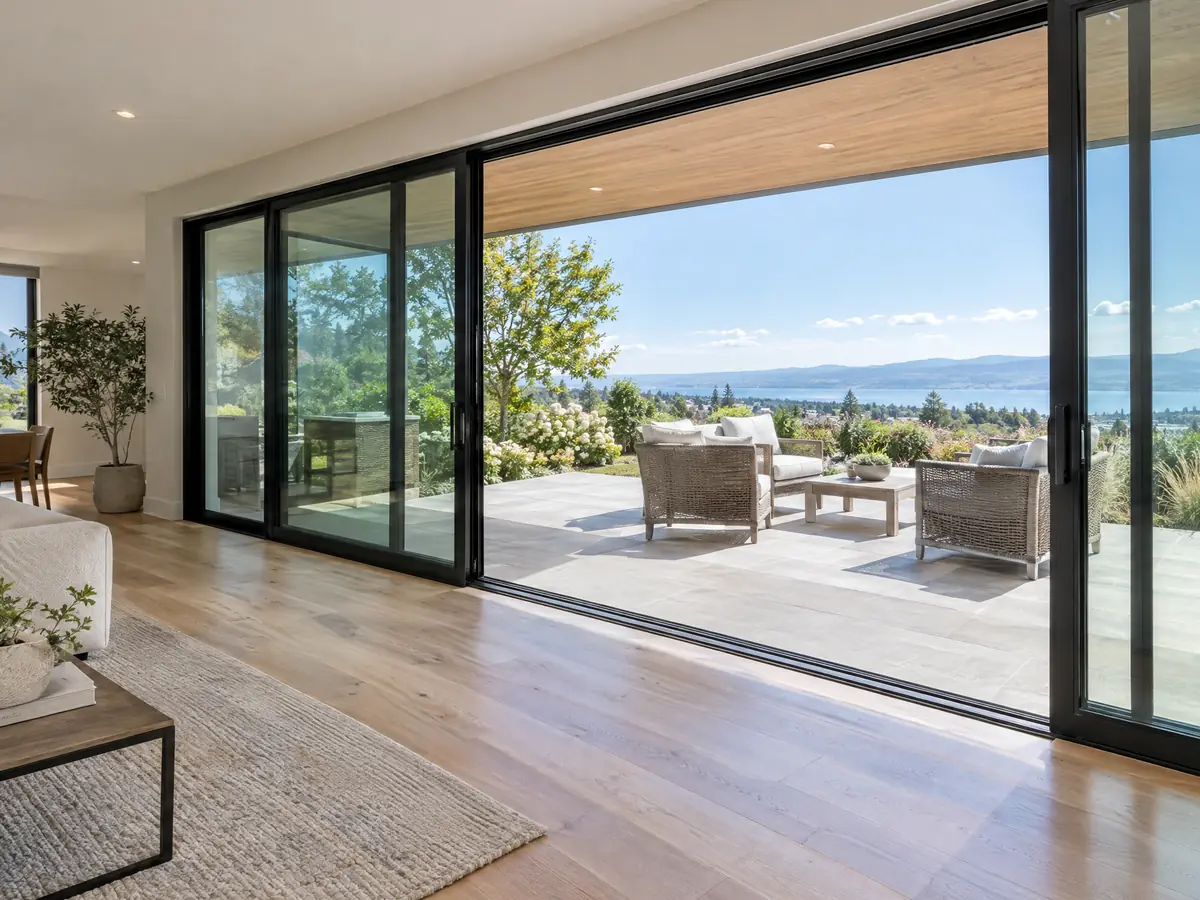
Windows in Brea
Brea window permits, lead-safe rules for pre-1978 homes, Historic Register houses, fire zone glass questions, bedroom escape sizes and 90 degree days.
See Brea window replacement →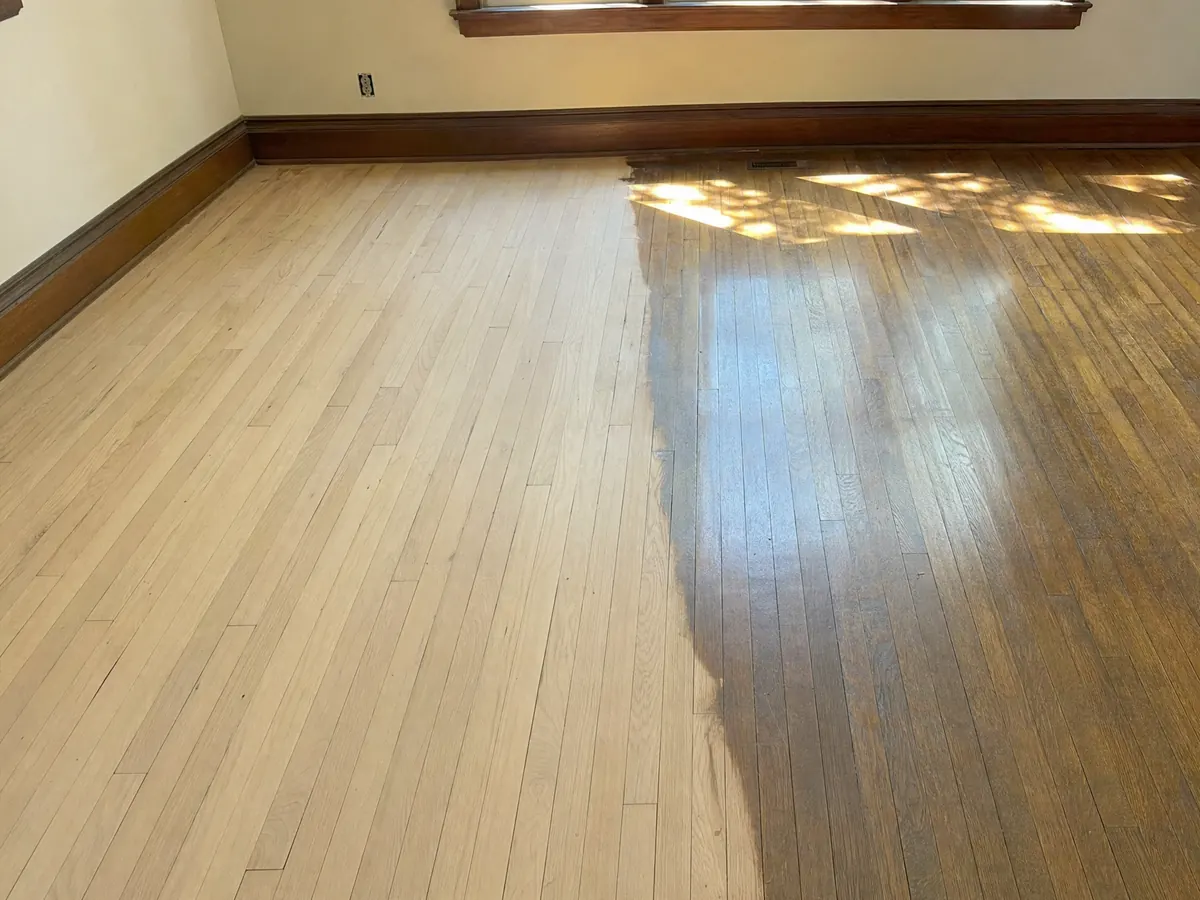
Flooring in Brea
Methane rules, asbestos in older homes, slab moisture, Union Oil bungalows, condo approval and costs for flooring in Brea.
See Brea flooring →
Painting in Brea
Lead-safe rules for a 1978 median home, permit-exempt repaints, HOA and CC&R color approval and a 58 site historic register.
See Brea painting →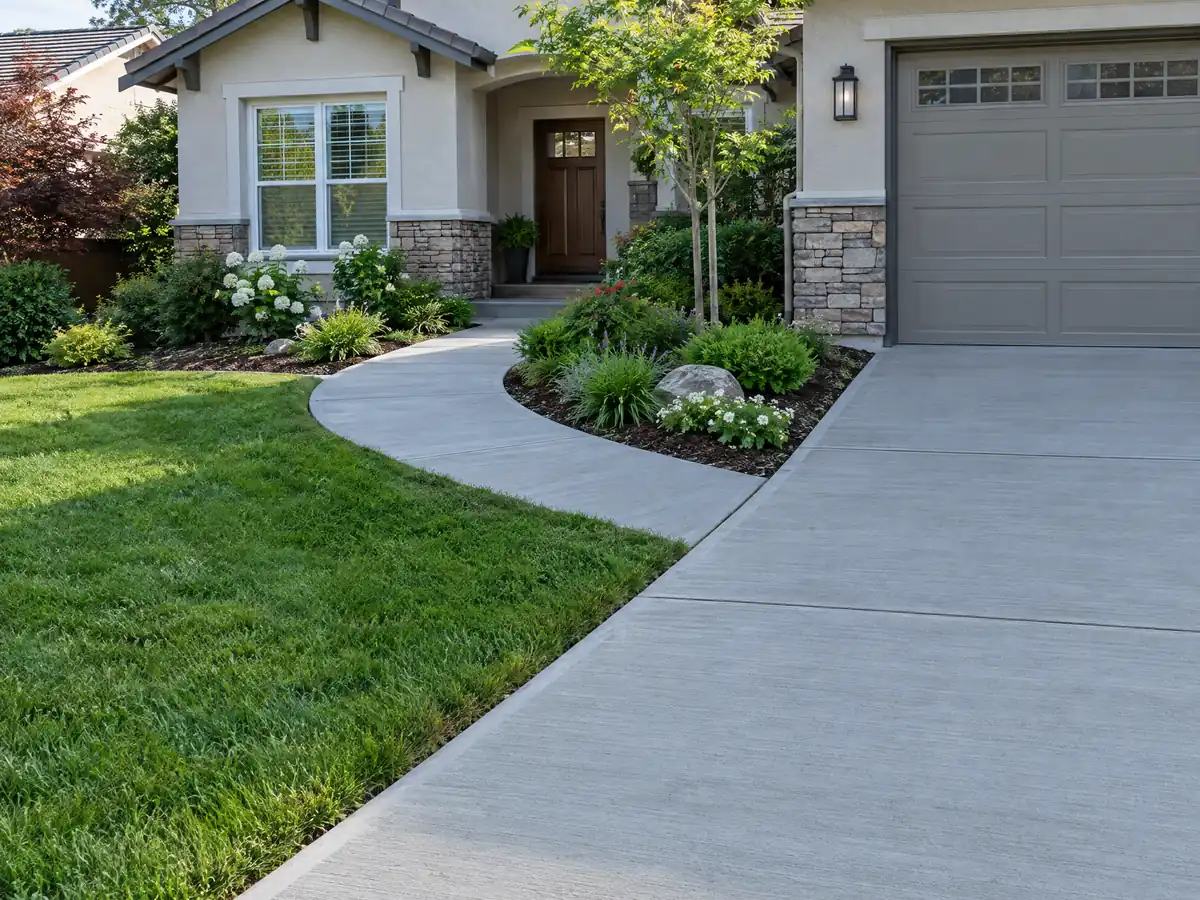
Concrete in Brea
The 55 percent front yard cap, wall permit conflicts, hillside HR rules, methane slabs and pour costs in Brea.
See Brea concrete work →
Decks in Brea
Very High Fire zone boards, defensible space, HR hillside pad rules, patio covers, deck repair and costs in Brea.
See Brea deck building →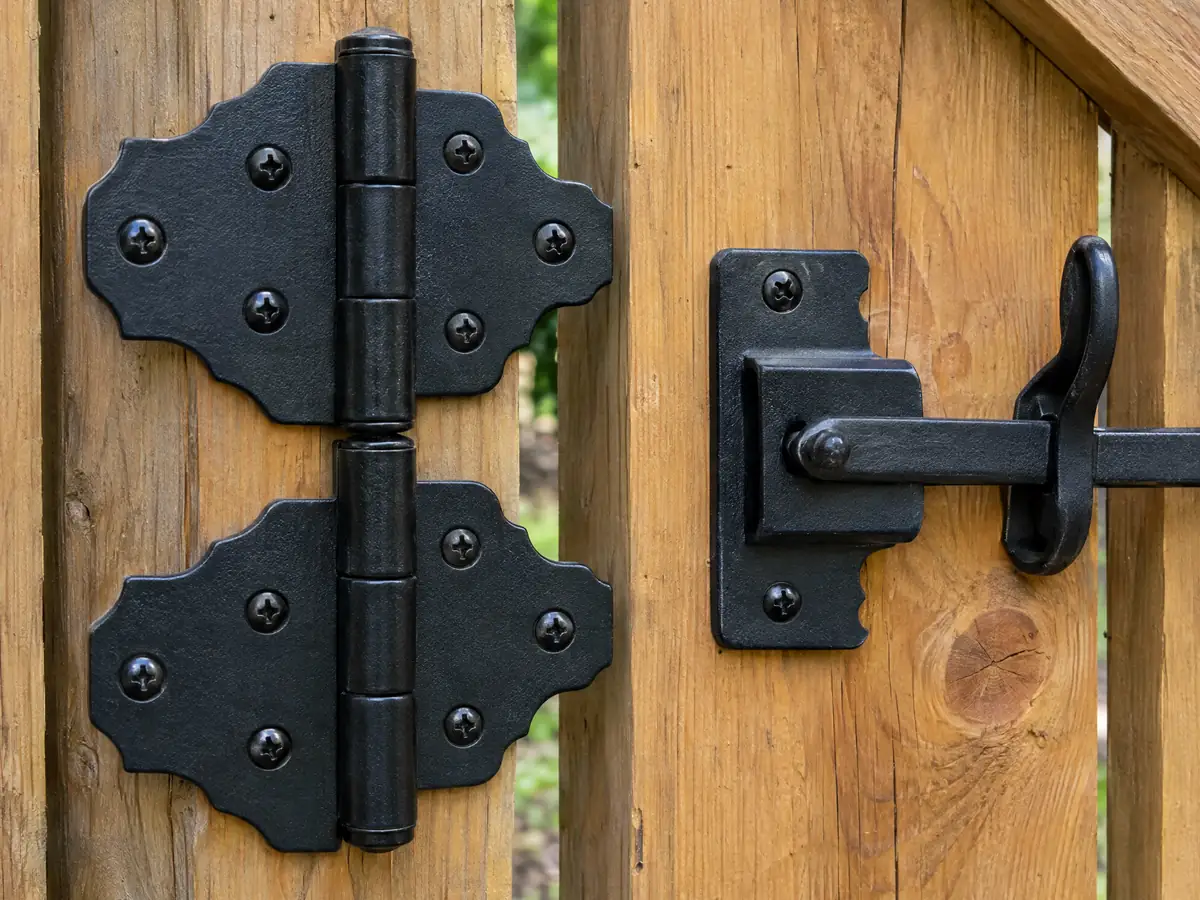
Fencing in Brea
36 inch solid fronts, tan slumpstone walls on arterials, hillside fence limits and City papers that give three different masonry permit heights.
See Brea fencing →Which layer decides your Brea project: the oil field, the fire hills or the old Union Oil blocks?
Brea began as sheep country. Basque ranchers grazed the hills in the 1870s, drillers started on the Brea-Olinda field in 1896, and a major strike in 1898 made the town an oil camp. A town map was refiled on January 19, 1911, and a February 15, 1917 ballot, 245 yes and 45 no, made Brea a city, the sixth in Orange County by the City's count. Union Oil set aside several streets near the center for tract homes, while the Brea Historic Resource Register keeps 58 numbered sites, mostly houses from 1911 to 1938 on Madrona, Redwood and Walnut Avenues. Orchards gave way to tracts from the 1950s, the SR-57 and Brea Mall added whole neighborhoods in the 1970s, and Downtown Brea was rebuilt in the 1990s. Census Bureau estimates for 2020 to 2024 count 17,373 housing units and a median build year of 1978. Nearly 9,500 of them, about 54.5 percent, were built before 1980, the 1970s supplied 27.3 percent, and 15.5 percent arrived after 2010. The median owner-occupied home is worth $922,300, and renters hold 40.3 percent of occupied units. Behind the wall of a typical 1970s kitchen or bathroom sit original supply lines and wiring, while old paint and flooring should be tested before house painting, window replacement or new flooring.
Brea issues its own permits, and the Building and Safety Division runs the counter. Applicants upload through the Online Permit Center, an Accela portal, and then email building@cityofbrea.gov so staff can begin review. Any plan set filed from January 1, 2026 forward falls under the 2025 state codes, which Council adopted with Brea amendments on September 16, 2025 through Ordinances 1264 and 1265, and the Brea Fire Department, not a county agency, enforces the fire code. The City's permit handout quotes 10 to 14 working days for a typical plan check and warns that a designated historic house can take longer. Its pages disagree on how long a permit lives: the older handout says six months to start, the newer plan check page says twelve, so ask which applies. Offices close on alternate Fridays, and the main line is 714-990-7600. The March 2026 permit form wants the state license number and class, a Brea business license and workers' compensation carrier details, and a firm based outside Brea also pays the City's out-of-city contractor tax. Noise rules end construction at 7 p.m. on weekdays and Saturdays and ban it on Sundays and federal holidays. One caution on sources: eCode360 and AmLegal both answered our tools with Cloudflare 403 errors, so every Municipal Code passage here was read on the GoCodebook mirror, which is unofficial. Confirm the wording with the City before you order materials.
The hills add the next layer. Brea's yearly Wildfire Safety Notice places the city inside a Very High fire severity zone, and the Wildland-Urban Interface amendment requires 200 feet of cleared and thinned ground around a structure in the High and Very High tiers. The only hazard map we could open is the City's own, created in November 2010, and whether Brea ever adopted the State Fire Marshal's 2025 map stays unverified, so the Fire Department has to name the tier for an address. Roofs follow a rule that ignores the map: once more than 33 percent of a roof is replaced within two years, the whole roof must be Class A, at every address in Brea, and only two layers are allowed, which governs every roof repair or replacement. Near a slope, a deck or patio cover within 50 feet of the house must be noncombustible or ignition-resistant. Oil adds a layer below grade. The Fire Code requires methane soil gas testing, mitigation and alarms where combustible gas is found, and an addition that enlarges the footprint in an identified methane area must add the mitigation, which matters to a room addition, an ADU or a new slab.
Hillside Residential (HR) lots need a hillside development permit before anyone grades or builds, with ridgeline setbacks, pad limits and a wall cap that we describe on the trade pages. Fences are a second trap. Brea's Building Code amendment exempts masonry fences only up to 3 feet, the block wall detail sheet starts the permit at 4 feet, and the handout speaks of 6 feet, so a fence company should call the Division before it digs a footing. The WD overlay also requires tan slumpstone along arterial streets. Several things stay unverified. The ADU figures come from the GoCodebook text, and whether the state housing department has reviewed Brea's ordinance is unverified. The County grading code, which Brea adopted, has thresholds we never opened. HOA rules and fees are unknown to us, and the dollar figures on the trade pages are Los Angeles planning ranges, not Brea quotes. Neighbors with their own hubs are Fullerton, La Habra, Yorba Linda, Placentia, Anaheim and Diamond Bar. Chino Hills has no hub yet. On Brea jobs MDG Builders, CSLB #1040337, plays the general contractor's part by drawing, permitting and sequencing, while licensed specialty subcontractors do the field trades and each can be asked for a license number and a certificate of insurance. Two posts explain the setup: checking a contractor license and how general contractors use subcontractors.
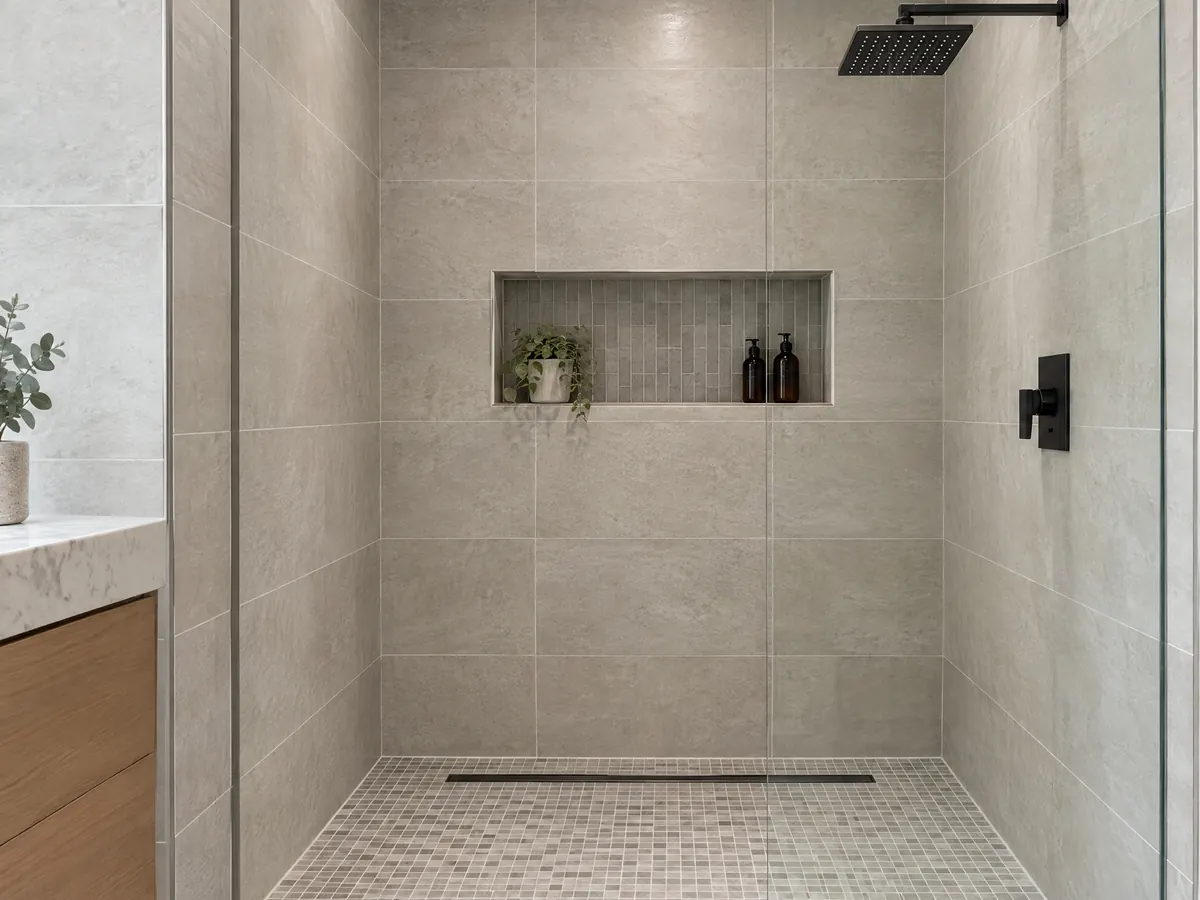
- Brea became a city on February 15, 1917, and the Census puts the median year built at 1978 across 17,373 housing units.
- About 54.5 percent of Brea homes predate 1980, so lead-safe and old-pipe questions reach a large share of jobs.
- Replacing more than 33 percent of a roof within two years makes the entire roof Class A, at every Brea address.
- The City's notice calls Brea a Very High fire zone, yet its own map dates from 2010 and the 2025 state map is unconfirmed.
- The Brea Fire Code requires methane soil gas testing and mitigation where combustible gas exists, and 58 register sites sit mostly on the Union Oil era streets.
- Our Municipal Code reading came from the GoCodebook mirror, because eCode360 and AmLegal returned Cloudflare 403 errors.
Cities near Brea we also build in
Brea permit, fire and contractor questions, answered
Who issues building permits in Brea?
Building and Safety, a division of the City's Community and Economic Development Department, issues them directly. Applicants file through the Online Permit Center and email building@cityofbrea.gov to start review. Filings from January 1, 2026 onward follow the 2025 state codes. Call 714-990-7600 to confirm current steps, since the City's pages print two division phone numbers.
Is my Brea home in a Very High Fire Hazard Severity Zone?
Possibly. The City's wildfire notice calls Brea a Very High zone and asks for 200 feet of defensible space in High and Very High areas. Its own map dates from 2010 and adoption of the 2025 State Fire Marshal map is unverified, so ask the Brea Fire Department about your parcel.
Is Class A roofing required on every Brea street or only near the hills?
Yes. Local amendments require Class A covering for the entire roof once more than 33 percent of its area is replaced within two years, for every address in Brea and not only in fire zones. Only two roofing layers are allowed. The amendments come from the GoCodebook mirror, so confirm them with Building and Safety.
What does Brea's methane rule mean for an addition or a new slab?
Where combustible soil gas exists, the Brea Fire Code requires testing, passive or active mitigation and gas alarms, and an addition that enlarges the footprint in an identified methane area must add mitigation. It is tied to the old oil field and does not cover every lot. Ask the Fire Department whether your address is mapped.
Do I need a hillside permit for work on an HR lot in Brea?
Usually yes. The Hillside Residential zone requires a hillside development permit before grading or building, with exceptions for small jobs such as additions under 500 square feet that need no grading permit. County grading thresholds were not opened, so ask the Division whether a pad, slab or wall needs one.
Do fences and block walls need a permit in Brea?
The answer turns on the material, and three City documents give three heights. The permit handout exempts non-masonry fences up to 6 feet, the Building Code amendment exempts masonry fences only to 3 feet, and the block wall detail sheet starts the permit above 4 feet. Ask Building and Safety before you build any block wall.
Can I build an ADU on a Brea lot?
Probably. The ordinance text on the GoCodebook mirror allows a conversion unit, a new unit and a junior unit on one single-family lot, and caps a detached unit at 1,200 square feet. State review of the ordinance is unverified, so confirm every size and setback with Planning.
Are the prices on the Brea trade pages quotes from MDG Builders?
No. They are Los Angeles planning ranges with sources named on each page, and none includes a Brea permit fee. Hillside, methane, fire zone and HOA rules can change the scope, and we hold no HOA rules for Brea. A real price comes only in a written MDG Builders proposal after we see the property.
Tell MDG Builders about your Brea project
Tell us the neighborhood, roughly when the house went up, and whether the lot touches a hillside, the old oil field or a register block. We check roof class, methane and permit questions first, then suggest a scope and a permit path.