
Roof Repairin Brea, CA
Roof repair in Brea comes with a rule most cities lack: once more than 33 percent of a roof is replaced within two years, the entire roof must be Class A, at every address, not only in the hills. A re-roof needs a City permit, and only two roofing layers are allowed.
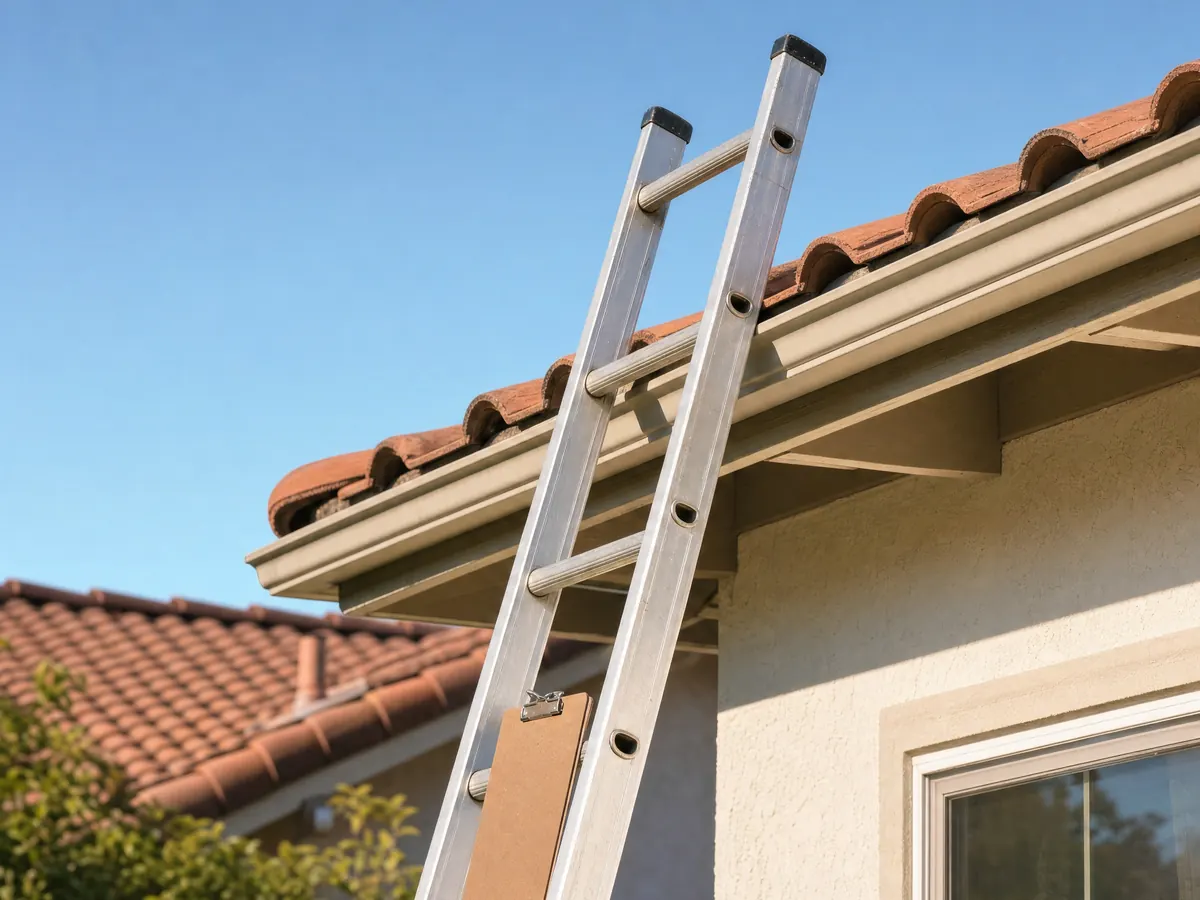
Brea's roofs sit on top of an oil town's history. Basque sheep ranchers worked this land in the 1870s, drilling in the Brea-Olinda field began in 1896, a major strike followed in 1898, and voters approved incorporation on February 15, 1917, by 245 votes to 45. Citrus orchards gave way to tract houses from the 1950s, and the SR-57 freeway and Brea Mall brought whole new neighborhoods in the 1970s. The Census Bureau's ACS 2024 five-year estimates count 17,373 housing units here, with a median year built of 1978, so many of the roofs over them have been replaced at least once.
On a roofing job, MDG Builders (CSLB #1040337) writes the scope, takes the code questions to the City and keeps the schedule, and a licensed C-39 roofing subcontractor does the tear-off and installation. Our roofing page has the sourced prices, the Brea overview lists every trade we manage here, and the guides for Fullerton, Yorba Linda and Anaheim show how the neighbors treat the same roof. Brea has its own fire department, so the fire rules below come from the City's code, not from a county agency.
What Brea's building amendments and fire code say about roofs
Where roofing permits come from in Brea: City of Brea Community and Economic Development Department, Building and Safety Division.
- The City's Building Permits 101 handout lists installing a new roof and changing the roofline of a house among the projects that need a building permit.
- The City's re-roof submittal guidelines require the building permit application with all pages completed, a Construction and Demolition waste management plan through the Green Halo tracking system (Brea.WasteTracking.com), an ICC-ES evaluation report for the roofing product, complete roofing material specifications, square footage, project valuation, occupancy use, and the number of existing roof layers. Only two layers are allowed (one existing plus one new) and the new material must be Class A.
- Brea's local amendments to the 2025 California Building Code (Section 1505.1.2) and Residential Code (Section R902.1.2) require the entire roof covering to be at least Class A when more than 33 percent of the total roof area is replaced within any two-year period, and require any roof covering applied in an alteration, repair or replacement of an existing roof to be Class A, for every address in the city and not only in fire zones. Source is the GoCodebook copy of the Brea Municipal Code.
- Brea's Wildland-Urban Interface Code amendment (Section 507.1) says an existing roof covering that is replaced, or has 33.34 percent or more replaced in a 24 month period, must be replaced with the covering required for new construction, and every portion of a roof covering applied during an addition, alteration or repair must be at least Class A. Gable-end and dormer vents must be at least 10 feet from lot lines and adjacent buildings.
- The Residential Code amendment in Brea (Section R902.1) also requires Class A roofing where the edge of the roof is less than 3 feet from a lot line, and treats clay or concrete tile, slate, and metal sheets and shingles on noncombustible decks as Class A assemblies.
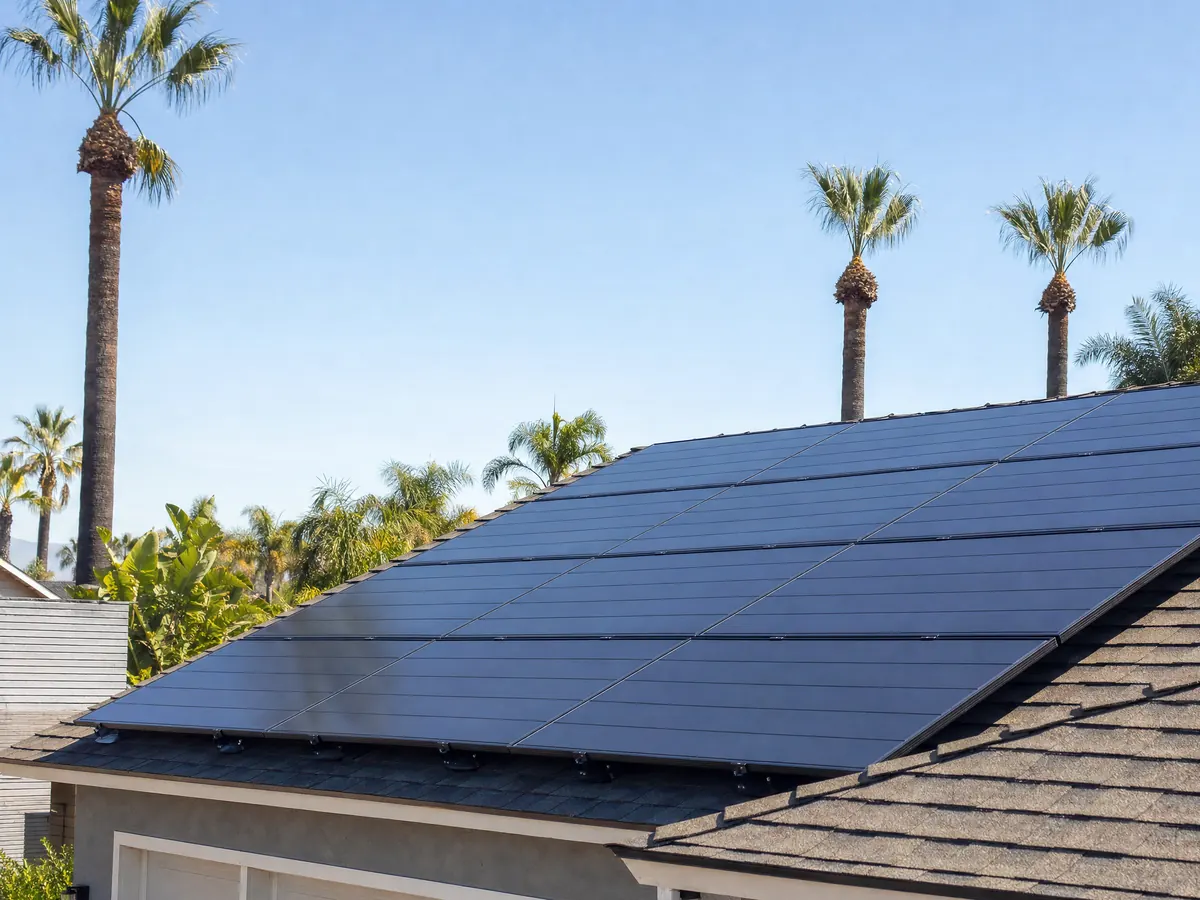
- The City's Solar PV Re-roofing Policy (March 2026) requires a separate re-roof permit and, where the solar system is removed and reinstalled, a separate Solar PV permit if the system is modified. The re-roof permit can go only to a licensed C-39 roofing contractor, a B contractor or an owner-builder, while removing and reinstalling the panels must be done by a C-46 solar, C-10 electrical, A general engineering or B building contractor (not a C-39 roofer or the homeowner). A signed Homeowner Re-roofing Clearance Form is required, and inspectors check the roof deck before new roofing goes on, then the final, then confirm the panels return to the layout shown on the placard at the electrical panel.
- CSLB defines the C-39 Roofing classification as installing products and repairing surfaces that seal, waterproof and weatherproof structures, using materials that include shakes, shingles, roof tile, slate and metal roofing systems.
Sources for these rules

Does my Brea roof have to be Class A, even outside the hills?
Yes, in most re-roofs. Brea amended the 2025 California Building Code (Section 1505.1.2) and Residential Code (Section R902.1.2) so that the entire roof covering must be at least Class A once more than 33 percent of the total roof area is replaced within any two-year period. Any covering applied in an alteration, repair or replacement of an existing roof must be Class A too. The amendment applies to every address in the city, flat or hillside, and the text we read comes from the GoCodebook copy of the Municipal Code, so ask the City to confirm it before you sign.
The two-year clock is what catches homeowners. Patch a slope this winter and another next fall, and you may have crossed the line without a single large job. Ask the roofer to total the replaced area against the whole roof and to write the Class A rating of the new covering into the proposal.
- Class A applies to the whole roof once more than 33 percent changes in two years
- Brea's Residential Code also requires Class A where the roof edge sits less than 3 feet from a lot line
- Clay or concrete tile, slate, and metal on noncombustible decks count as Class A assemblies
Keep a dated record of every roof repair, because the two-year total is yours to prove.
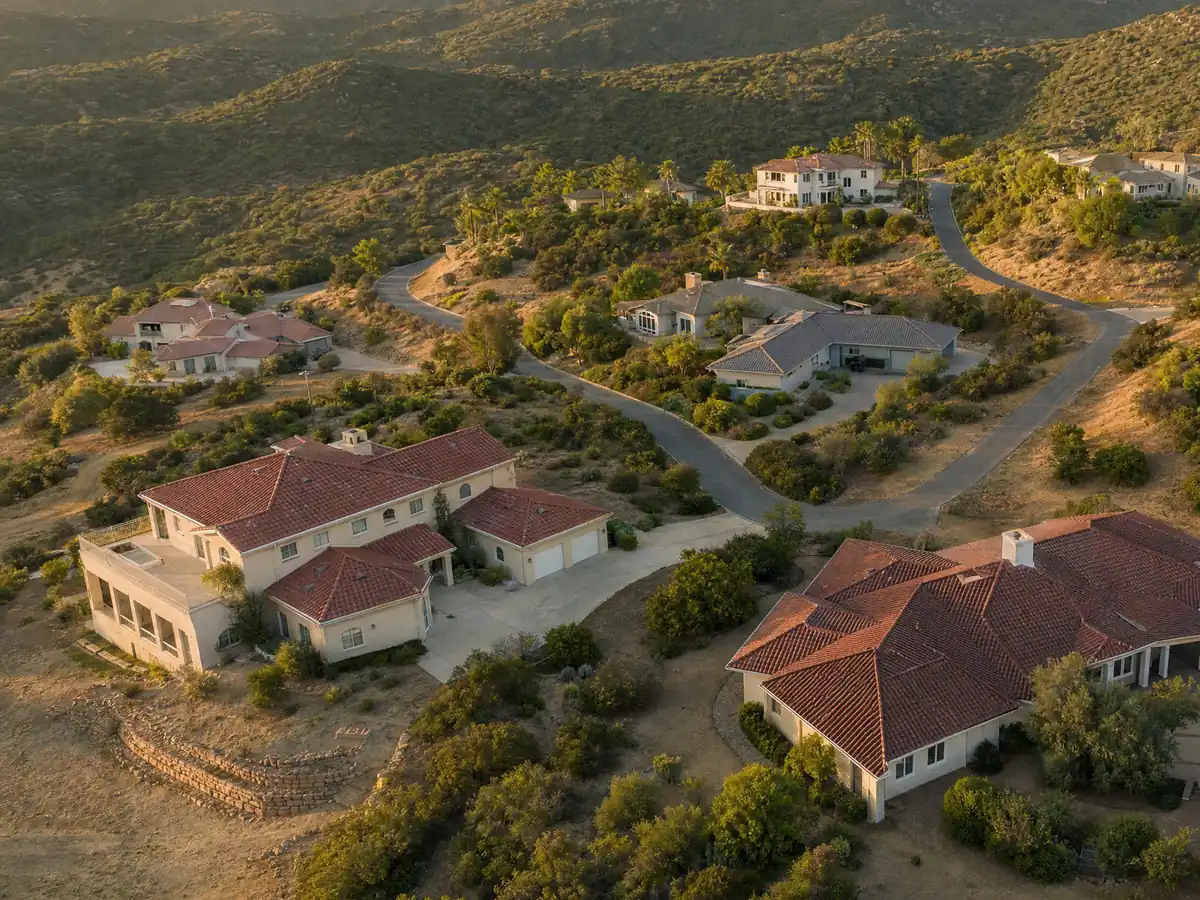
Is Brea in a Very High Fire Hazard Severity Zone, and what does that change for a roof?
The City's own annual Wildfire Safety Notice says Brea is within a Very High Fire Hazard Severity Zone, and its hazard map, created in November 2010, shows Very High, High, Moderate and non-wildland fuel classes. We could not confirm whether Brea adopted the State Fire Marshal's 2025 map, so the parcel's current tier is a question for the Brea Fire Department, not for a roofer's guess. Fire Prevention takes calls at 714-990-7655.
The Wildland-Urban Interface amendment (Section 507.1) adds two roof details. A roof covering that is replaced, or 33.34 percent or more of it replaced in 24 months, must meet the covering required for new construction. Gable-end and dormer vents must be at least 10 feet from lot lines and adjacent buildings. The same amendment sets 200 feet of defensible space from a structure in High and Very High zones, and the City runs an annual brush clearance program, so a new roof on a hillside lot is one piece of a larger fire-safety picture.
Ask for your parcel's zone in writing from the Fire Department and put it on the proposal.
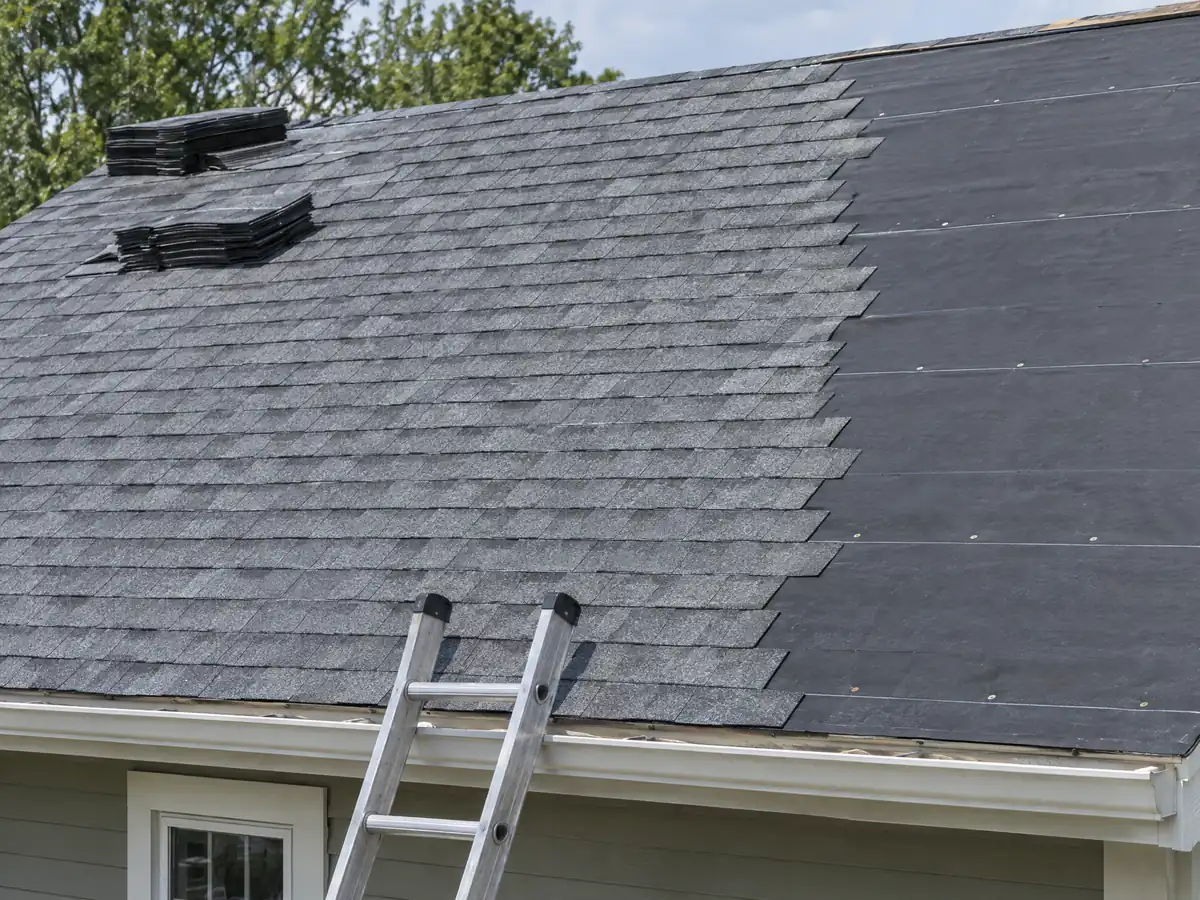
What does a Brea re-roof permit require, from Green Halo to the two-layer limit?
A new roof or a changed roofline needs a building permit; the City's Building Permits 101 handout lists both. The re-roof submittal guidelines ask for the completed permit application, a Construction and Demolition waste management plan filed through the Green Halo system at Brea.WasteTracking.com, an ICC-ES evaluation report for the roofing product, full material specifications, the roof's square footage, the project valuation, the occupancy and the number of existing roof layers.
Only two layers may be on the roof, one existing and one new, and the new material must be Class A. That means a second tear-off layer is sometimes cheaper than it looks, because a third layer is not an option. The same handout gives a typical plan check of 10 to 14 working days. Applications go through the City's Online Permit Center, and after uploading you also email building@cityofbrea.gov to start review. The Building and Safety Division page has the portal link, and counter hours run Monday to Thursday plus alternate Fridays.
Ask the roofer who files the Green Halo plan and who holds the ICC-ES report.
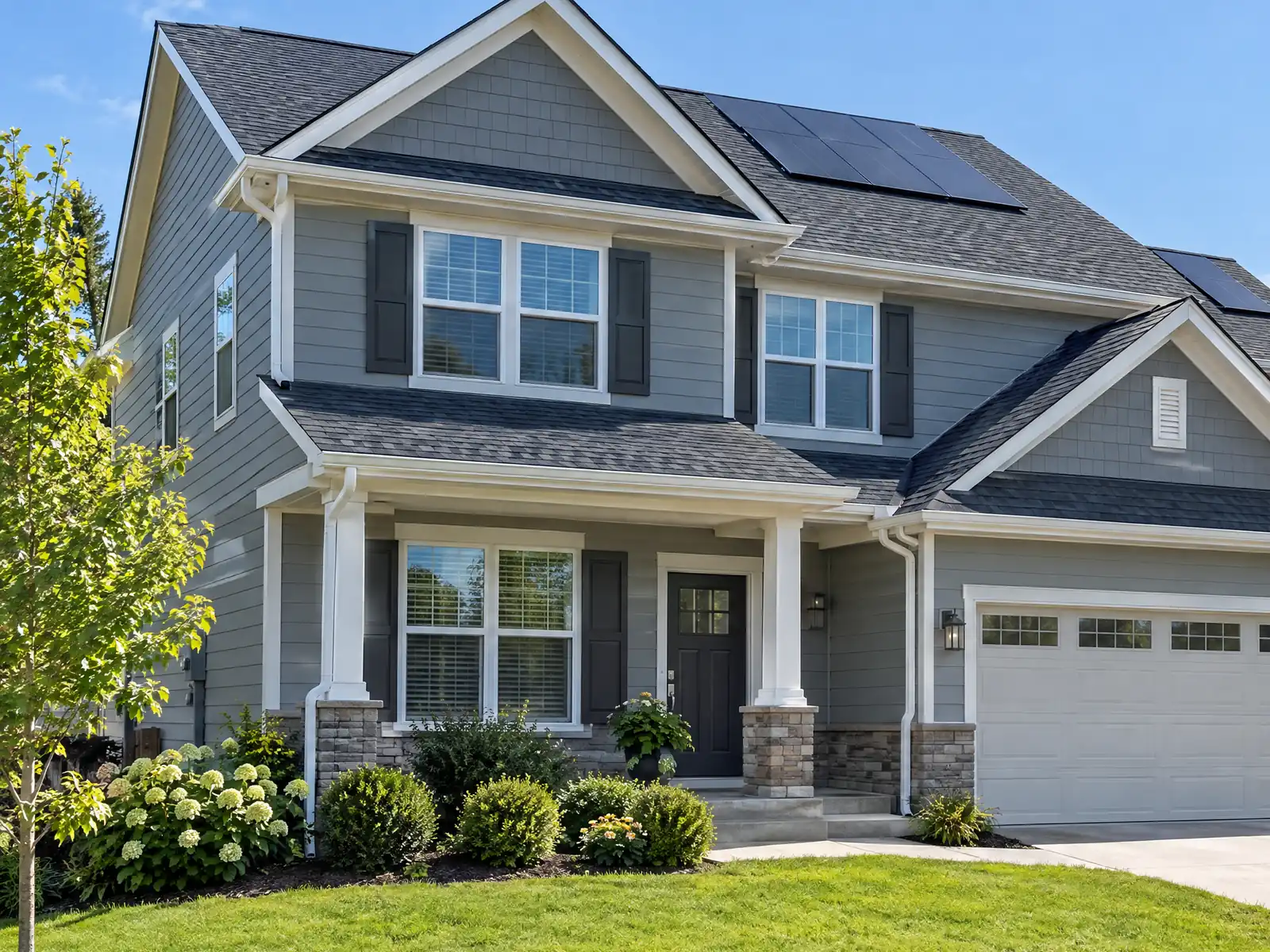
Can I re-roof a Brea house that has solar panels?
Yes, but the City splits the job in two. Its Solar PV Re-roofing Policy of March 2026 requires a separate re-roof permit and, where the system is removed and reinstalled and modified, a separate solar permit. The re-roof permit can go only to a licensed C-39 roofer, a B contractor or an owner-builder. Taking the panels off and putting them back must be done by a C-46 solar, C-10 electrical, A general engineering or B building contractor, not by a C-39 roofer or the homeowner.
You also sign a Homeowner Re-roofing Clearance Form. Inspectors check the roof deck before new roofing goes on, then the final, then confirm the panels returned to the layout on the placard at the electrical panel. Angi's Los Angeles page puts panel removal and reinstallation at $500 to $1,000, and that sits on top of the roof price. On our jobs the general contractor schedules both licensed trades so the panels are off for the fewest days.
Should I repair or replace the roof on a 1970s Brea house or an older cottage?
Age sorts Brea's roofs into two groups. About 54.5 percent of units, 9,469 homes, date from before 1980, and 4,740 of those were built in the 1970s alone. A 1970s house is on its second or third roof. At the other end, 2,697 units, about 15.5 percent, were built in 2010 or later, so their original roofs are still young. We found no Brea survey of roof life and print no number of years. Condition decides: repair local damage over a sound deck, replace when whole slopes fail or the deck flexes.
Brea also has a few streets of old Union Oil tract houses. The Historic Resource Register lists 58 sites, mostly houses built from 1911 to 1938 on Madrona, Redwood and Walnut Avenues, and exterior alterations of a designated home go through plan review under Zoning Section 20.60.060. Whether a like-for-like re-roof counts as an alteration is not spelled out in the pages we read, so ask Planning first. The City says plan checks for historic homes can take longer.
- Stains or damp insulation under the deck
- Granules in the gutters or bare patches on a slope
- Lifted ridge caps or cracked flashing at vents and walls
- Sagging, daylight or soft spots in the deck
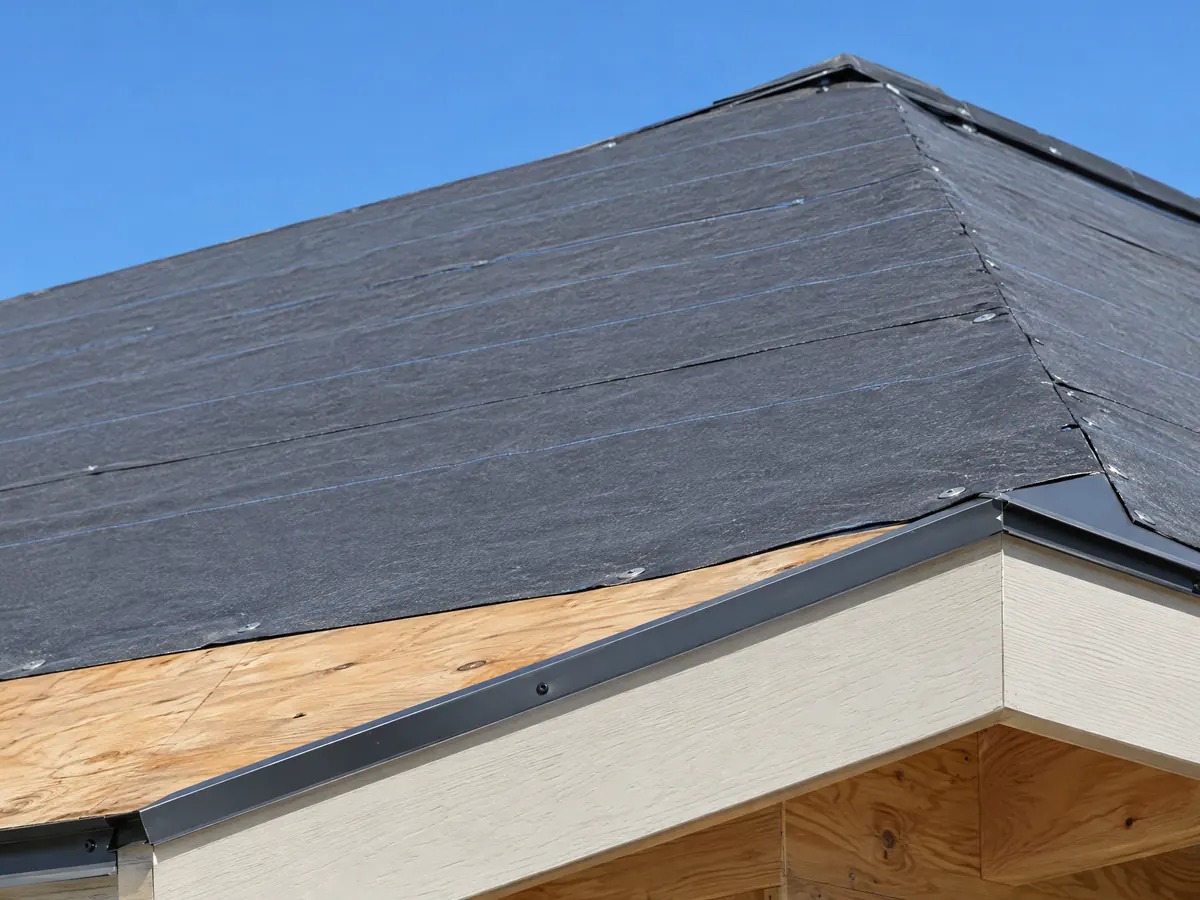
When is the best time to replace a roof in Brea's dry summers and wet winters?
NOAA's 1991 to 2020 normals for the Anaheim station, about 4.4 miles south-southeast of Brea's center point in our data file, show 13.52 inches of rain a year, 10.40 inches of it from December through March, and 0.11 and 0.01 inch in July and August. Average highs run from 71.0 F in January to 88.8 F in August, with 47.3 days a year at or above 90 F and 5.0 at or above 100 F. The Fullerton airport station, about 7.5 miles west-southwest, is a bit cooler at 86.7 F in August, so inland hillside roofs can run hotter than that number.
Summer is dry, which suits an open deck, but a roof surface in 90 degree heat gets soft and scuffs underfoot. Ask the crew to start at dawn and to say what protects the deck each night. Brea's noise ordinance allows construction noise on weekdays and Saturday until 7 p.m. and not at all on Sundays or federal holidays, so a tear-off day ends at 7.
How much does roof replacement cost in Brea, and how do I hire a roofer?
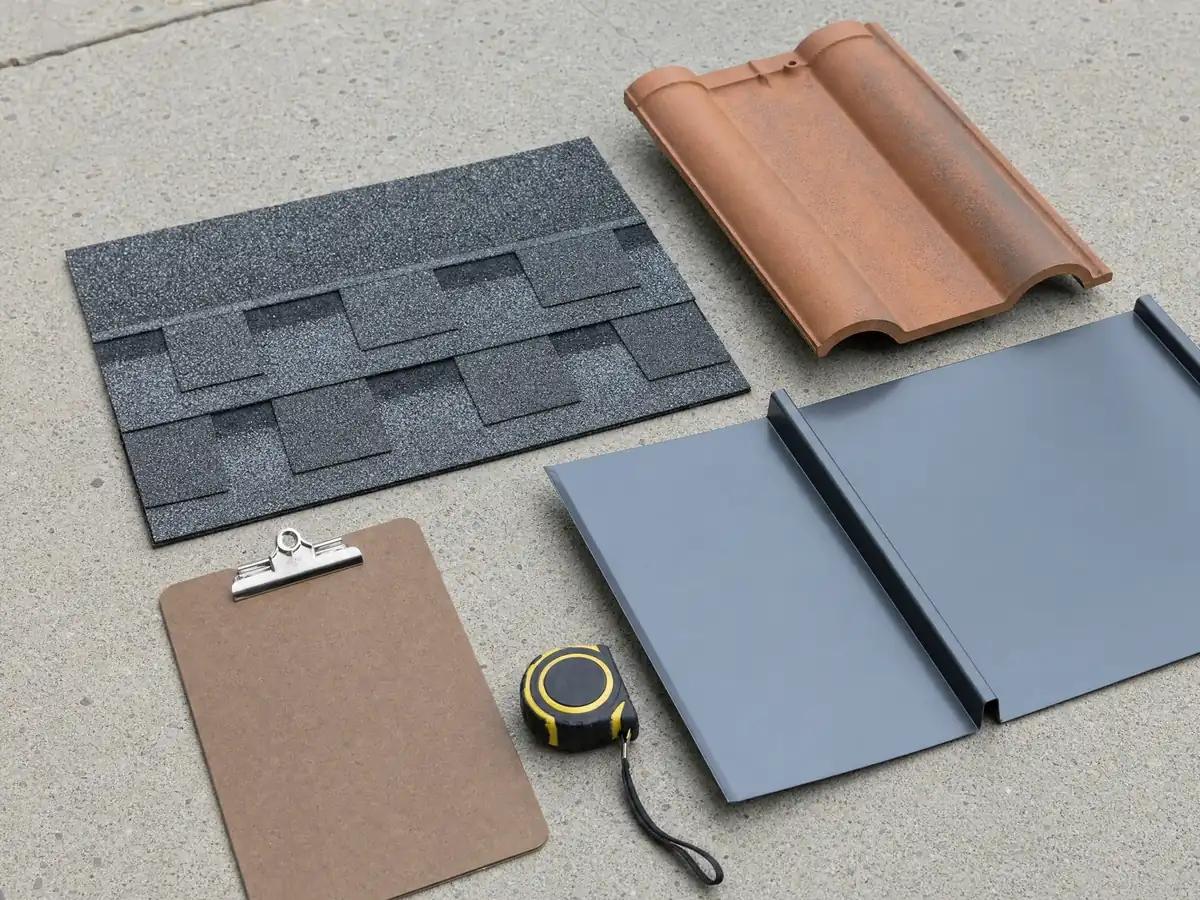
No Brea price survey turned up, so these are Los Angeles area figures and a Brea proposal will differ. Angi's page for Los Angeles, updated July 31, 2026, lists asphalt at $4 to $12 a square foot, tile at $7 to $15 and metal at $7 to $16, with tear-off adding $1,000 to $3,000 and an average job of $17,271. Remodeling magazine's Cost vs. Value 2025 report, published September 18, 2025, prices a reference asphalt roof at $36,417 and a metal one at $62,069 without printing the roof's size. Median home value here is $922,300, per the same ACS table, which is a reason to measure the roof instead of guessing from the house.
Roofing is CSLB class C-39. California Business and Professions Code 7159 requires a written, signed contract, caps a down payment at $1,000 or 10 percent of the price, whichever is less, and includes a box saying whether subcontractors will be used. The City's Permits and Forms Center adds a business license tax for contractors who live outside Brea, and the permit application asks for a Brea Business License number, so ask any bidder about it. Our contractor license guide shows the CSLB lookup.
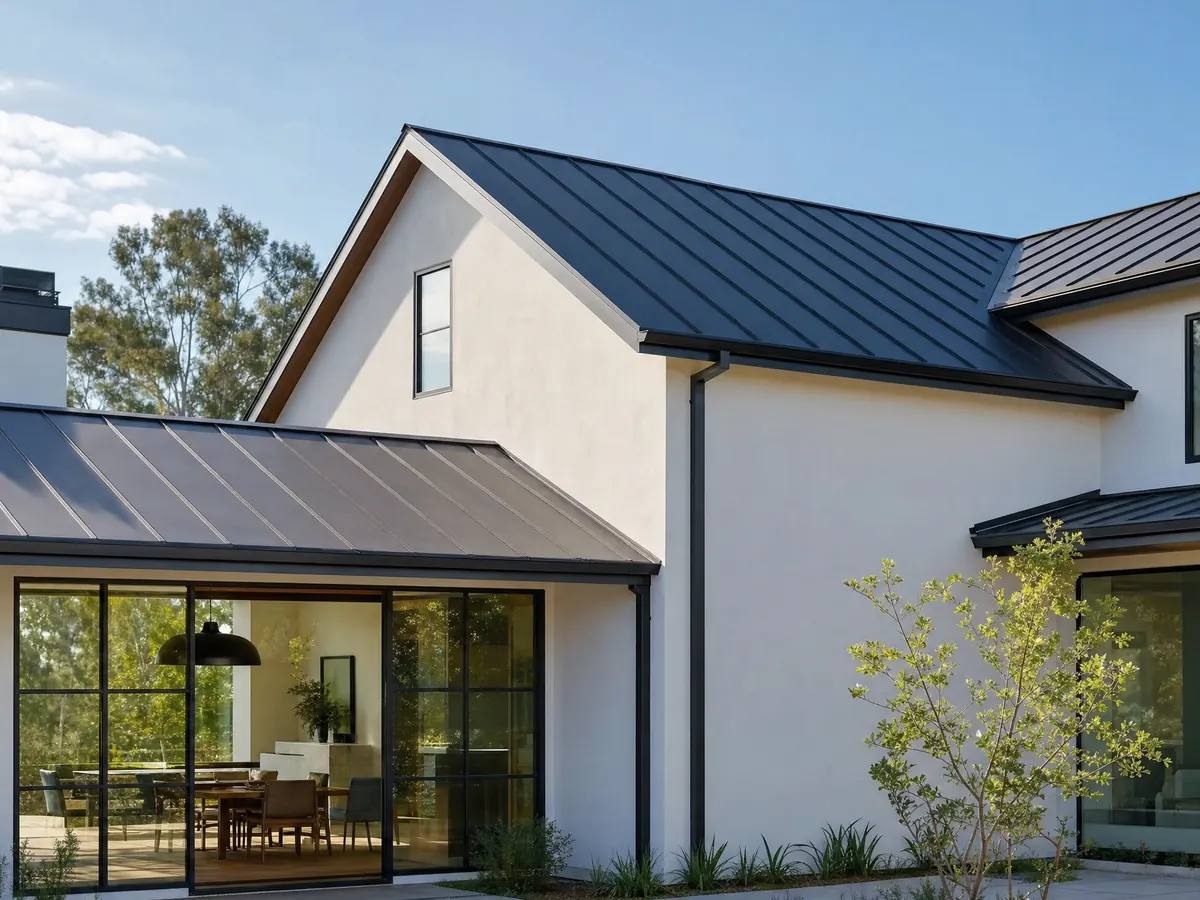
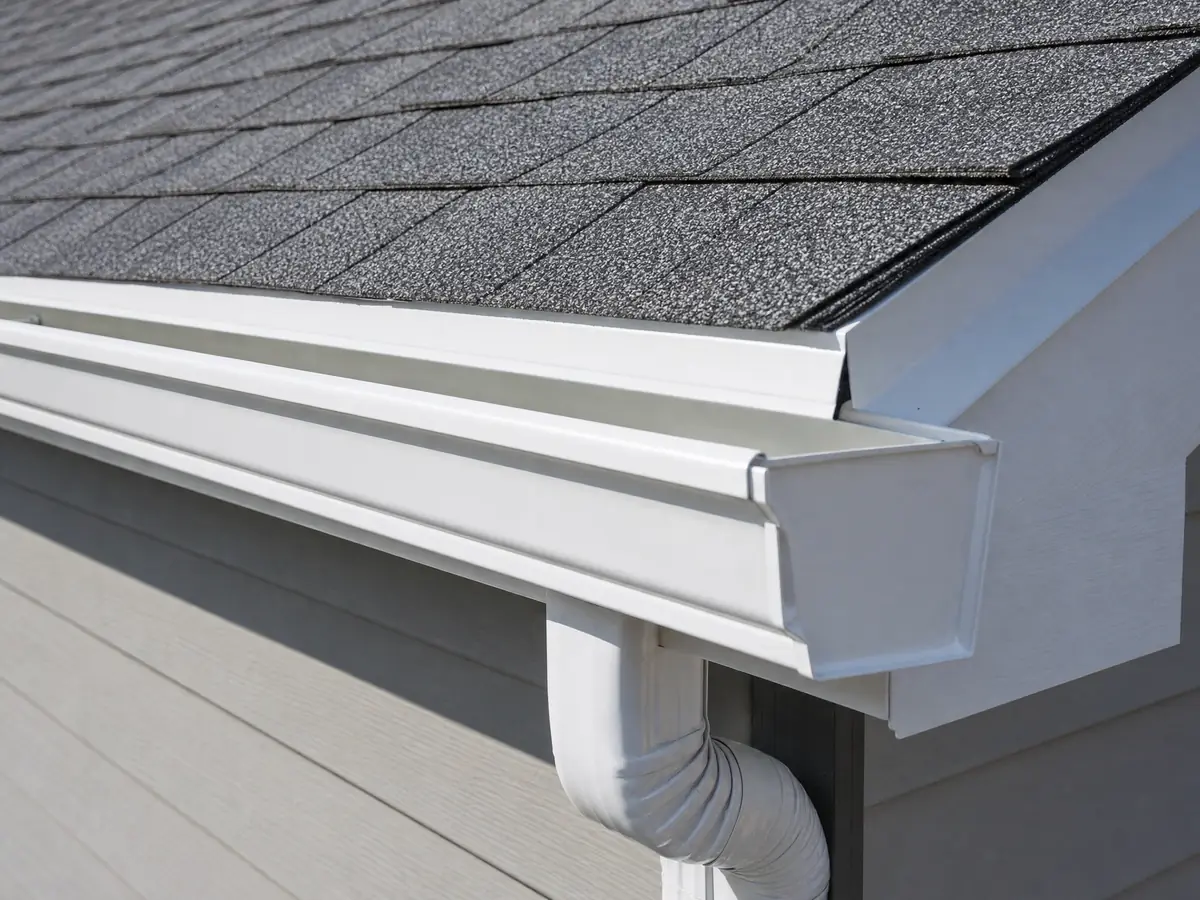
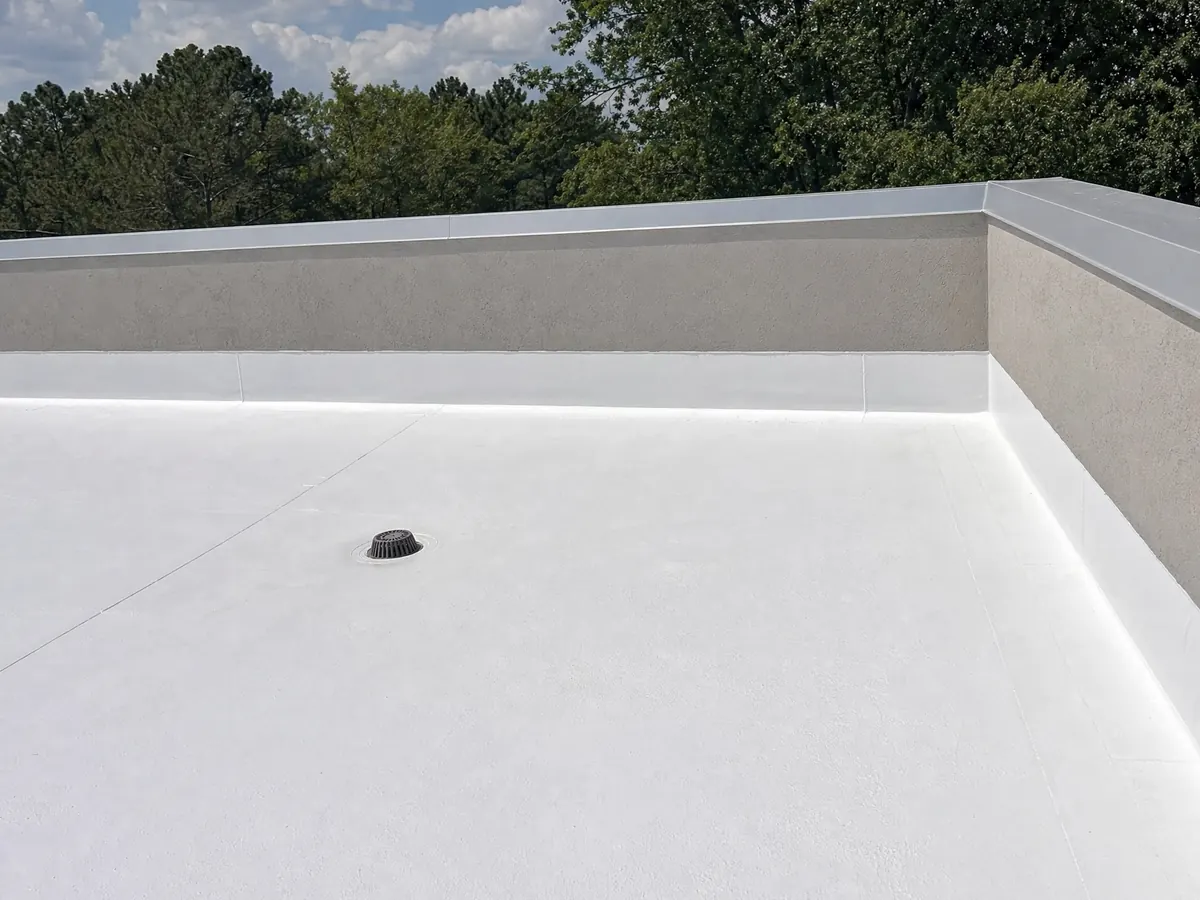
Roofing photos from Brea and nearby communities
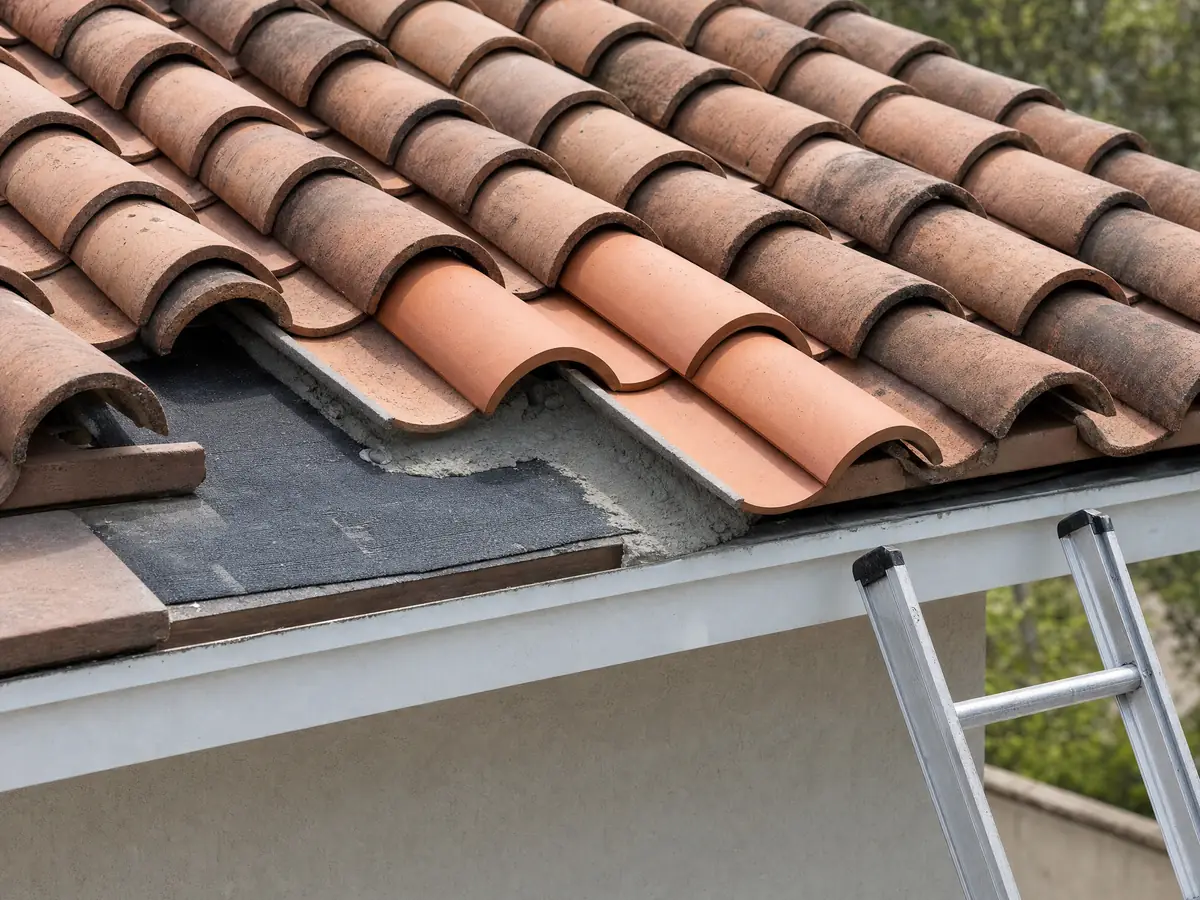
Roofing scenes tied to Brea's hills and older streets and to nearby places such as Fullerton, La Habra and Yorba Linda, from tear-offs and tile flashing to hillside roofs under the foothill sun.
Where these Brea roof figures come from
Each roofing price and its source sits in the table on our roofing price page, and the California roof replacement cost guide explains why the two surveys disagree by so much. A new roof often arrives with other work, and the Brea rules for it are on the fencing page, the painting page and the kitchen remodeling page. For a city with a different fire map, compare the roofing guides for Glendale and Irvine.
| What it covers | Typical range |
|---|---|
| Asphalt shingle, typical single-family roof | $10,000 to $25,000 |
| Concrete or clay tile | $7 to $15 per sq ft |
| Metal | $7 to $16 per sq ft |
| Remodeling Cost vs. Value 2025, Los Angeles | Asphalt $36,417. metal $62,069. |
| Extras | Tear-off $1,000 to $3,000. solar detach and reset $500 to $1,000. |
Brea roofing questions, answered
Do I need a permit to replace my roof in Brea?
Yes. The City's Building Permits 101 handout lists installing a new roof among the projects that need a building permit. The submittal asks for a Green Halo waste plan, an ICC-ES report for the roofing product, material specifications, the roof area and the number of existing layers. Only two layers are allowed, and the new covering must be Class A.
What is a Class A roof, and does Brea require one?
Class A is the highest fire-test rating, and Brea requires it. Under the City's amendments, the entire roof must be Class A once more than 33 percent of the roof area is replaced in any two years, and any covering applied in a repair or replacement must be Class A. This applies citywide, not only in fire zones.
What is the 25 percent rule for roof repairs?
We found no Brea or state code section with that name, and sites that quote it rarely cite one. Brea's real threshold is the 33 percent line in its Class A amendment, measured over two years. Ask Building and Safety how the percentage is counted on your roof before you split a job into phases.
Is my Brea home in a fire hazard severity zone?
Probably, if it is near the hills. The City's annual notice says Brea is within a Very High Fire Hazard Severity Zone, and its own map dates from 2010. We could not confirm adoption of the State Fire Marshal's 2025 map, so ask the Brea Fire Department at 714-990-7655 for your parcel's tier.
How much does it cost to reroof a house in Brea?
Price it by roof area, not house size. Angi's Los Angeles page shows asphalt at $4 to $12 a square foot, tile at $7 to $15 and metal at $7 to $16, while Cost vs. Value 2025 puts a reference asphalt roof at $36,417. No Brea survey turned up, so only a measured written proposal gives the real price.
Should I repair or replace my roof?
Repair if the damage is confined and the deck below is sound. Replace if the covering is failing across whole slopes or the boards feel soft. Brea adds a wrinkle: replacing more than 33 percent of the roof in two years triggers Class A for the entire roof, so have the roofer total the area first.
Can I re-roof a house with solar panels in Brea?
Yes, with two permits and two kinds of licensed contractor. A roofer holding C-39 or a B contractor takes the re-roof permit, while a C-46, C-10, A or B contractor removes and reinstalls the panels. You sign a Homeowner Re-roofing Clearance Form, and inspectors check the deck, the final and the panel layout.
Can you stay in your house during roof replacement?
Usually yes, since the work happens on the roof, though it is loud and the crew is around the house all day. Brea's noise ordinance stops construction noise at 7 p.m. on weekdays and Saturday and bars it on Sundays and federal holidays. Ask the roofer for a daily schedule.
What is the best time of year to replace your roof?
Summer is the driest choice. At the Anaheim station, 10.40 of the year's 13.52 inches of rain fall from December through March, and July and August average close to none. Heat is the tradeoff, with 47.3 days a year at or above 90 F, so ask crews to start early.
Can a general contractor do roofing in California?
A general contractor can run a roofing job, but the roofing itself is CSLB class C-39 work. MDG holds the contract and brings in a licensed C-39 subcontractor, and you can ask for that license number and certificate of insurance. Whether a Class B license may take a roofing-only contract is a question for CSLB.
Ask for a roof inspection in Brea
Send the street or neighborhood, the year of the house and any stains or granules you have spotted. We work out the Class A total, the fire zone question and the permit steps before we phone.