
Concrete Companyin Huntington Park, CA
A concrete company in Huntington Park should start at the permit counter, because the City's pages list no exemption for slabs, patios or walls. Driveways can widen only to 28 feet or half the lot, a footing is inspected before concrete goes in, and most of the city sits on soil that can liquefy.
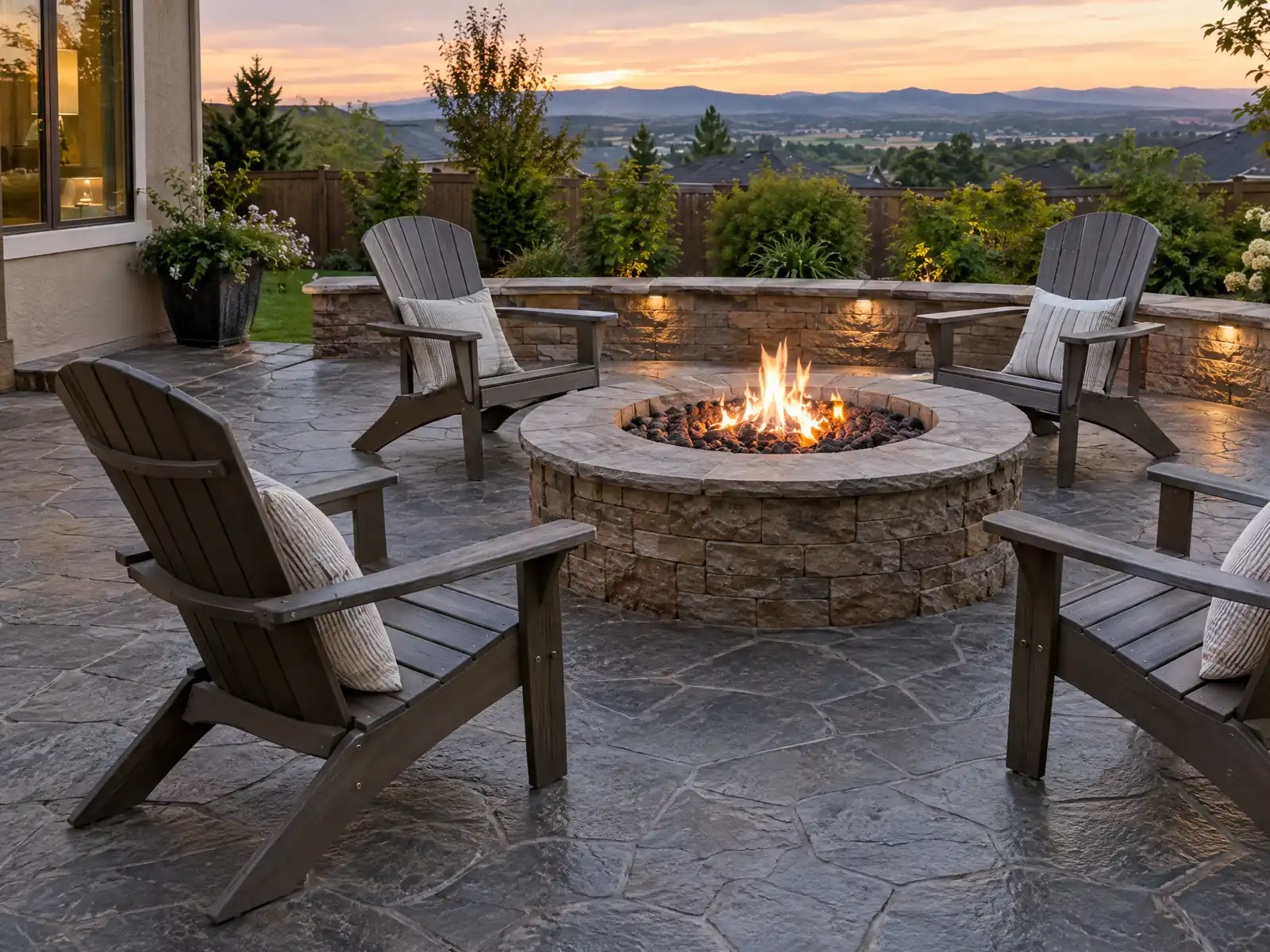
Few places in California pack so many people onto so little ground. Huntington Park covers about 3 square miles, counted 54,883 residents in 2020 after a peak of 61,348 in 2000, and its 2023 Safety Element calls it one of the densest cities in the United States. Most of it filled in between 1920 and 1930, when the census count went from 4,513 to 24,591, so the usual concrete job here is a replaced walk, a narrow driveway or a back patio on a small lot.
MDG Builders, CSLB #1040337, is a general contractor in Tarzana. We scope the slab, ask Huntington Park Building & Safety what applies and manage the schedule, and a licensed concrete or masonry subcontractor does the pour; you can ask that firm for its license number and certificate of insurance first. Our concrete page has the regional sources, and the Huntington Park overview lists the other trades we manage here, among them flooring and decks.
What Huntington Park's code says about concrete and paving
Where concrete permits come from in Huntington Park: City of Huntington Park Community Development Department, Building & Safety Division.
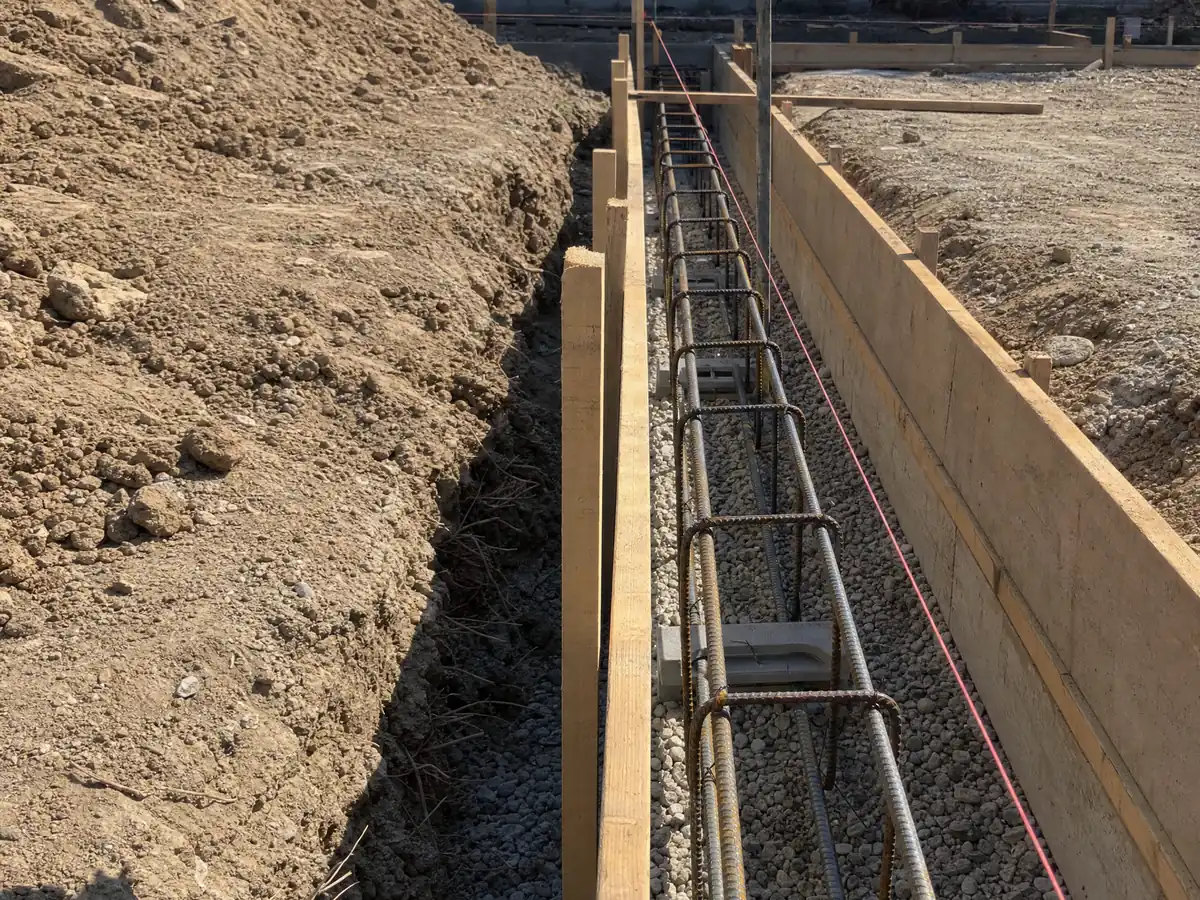
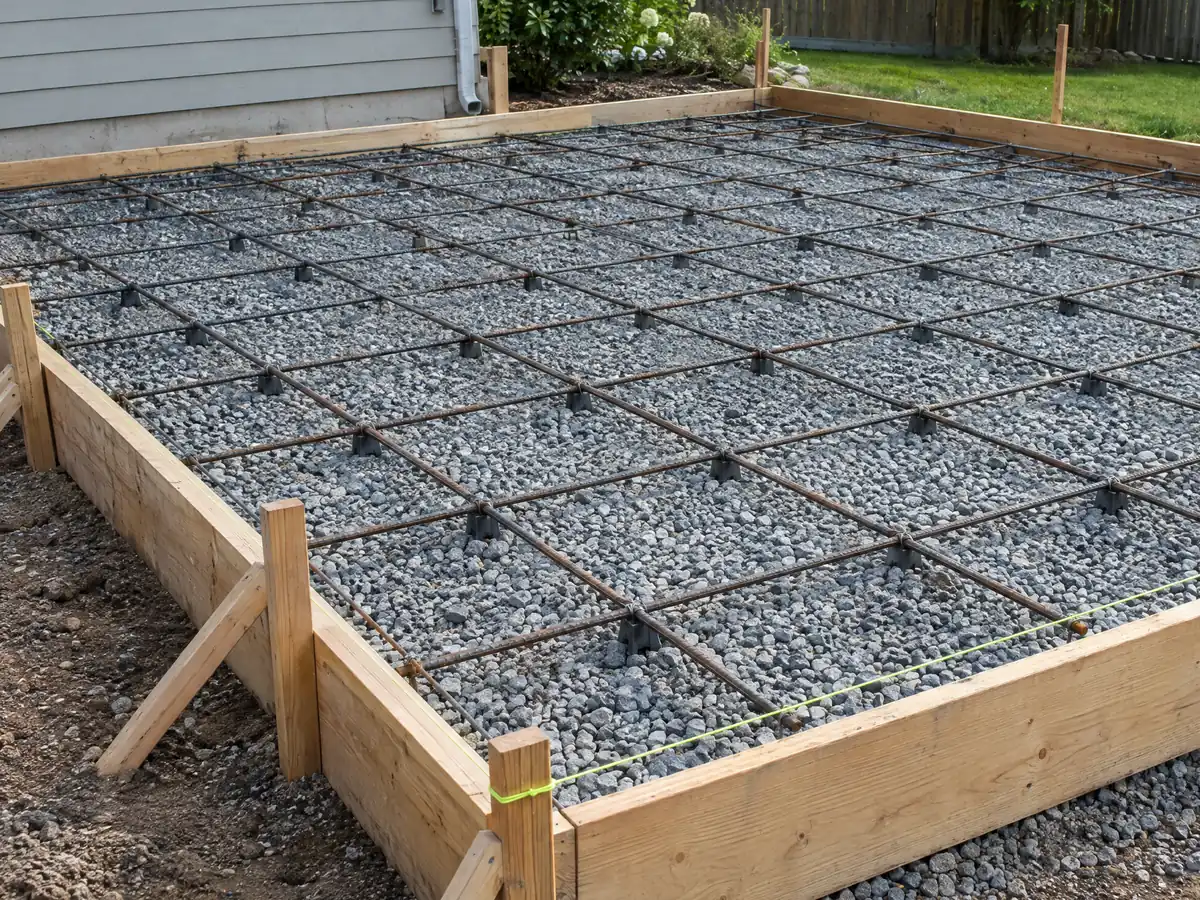
- For new slabs the plan-check page lists footings at least 12 inches deep from natural grade and 12 inches wide, and slabs at least 4 inches thick, reinforced with welded wire mesh, over a minimum 6-mil moisture barrier and at least 4 inches of sand. It also says groundwork must be inspected before concrete is poured.
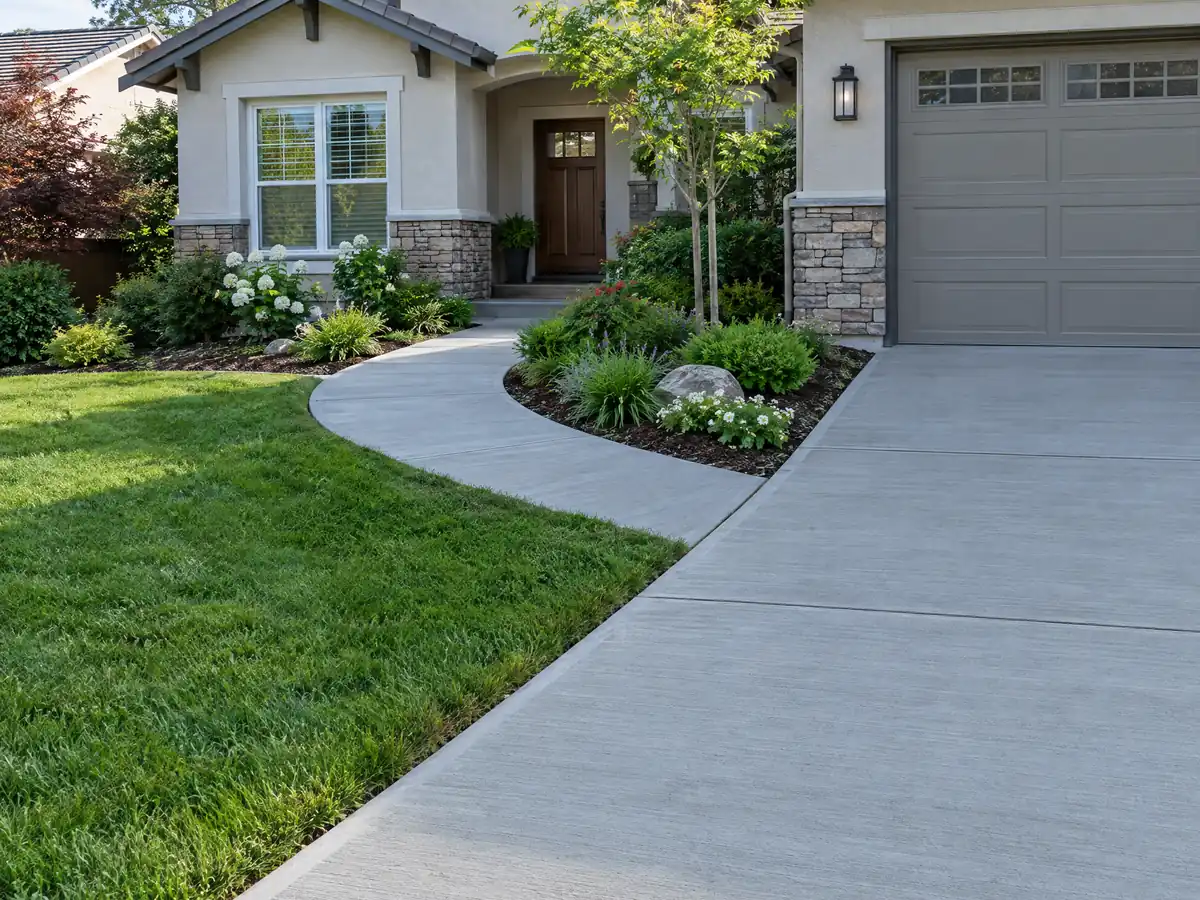
- A residential driveway must provide a paved way over the shortest distance between the garage, carport or approved parking area and the street access (9-3.810). Paved areas next to the required driveway can be used for parking operable cars only with a Minor Conditional Use Permit, the total expanded driveway may be no wider than 28 feet or 50 percent of the lot width, whichever is less, and all unpaved front yard area must be landscaped.
- New curb cuts and expansions of existing curb cuts are discouraged to keep curb space for on-street parking, and vehicles may not be parked in the front 50 percent of the lot or between the street and the front of the house except on a legal driveway that leads to required or approved surplus parking (9-3.810).
- When a garage is converted to an ADU, the driveway approach must be removed and the curb and gutter replaced (9-3.2650, standard 8). Replacement parking is not required for the primary home when a garage, carport or parking space is demolished or converted for an ADU.
- Grading permit fees and plan review follow the fee table in the building code (added Section J103.5), the building official may refuse a grading permit if the grading or land use does not comply with the Planning and Zoning code, and engineered grading needs completion reports from the field engineer, soils engineer and engineering geologist (Sections J103.6 and J105.12).
- The Safety Element says a majority of the City is subject to liquefaction (shallow groundwater within 30 feet or less of the surface), with the area north of Gage Avenue, west of Pacific Boulevard and east of Wilmington Avenue not at risk. A geotechnical report is the only way to know a particular lot's slab and footing conditions.
- In the County's State Seismic Hazard Zone layer for liquefaction (South Gate quadrangle, released March 25, 1999), 66 of 80 evenly spaced sample points inside Huntington Park (82.5 percent) fall in a mapped zone.
- The Safety Element says the entire city is in FEMA Flood Zone X, an area of minimal flood hazard outside the 500-year flood plain, that flooding is currently infrequent, and that localized stormwater flooding can occur where pavement and drains are overloaded in heavy rain, which is the drainage issue behind slab and paving slopes.
How wide can a Huntington Park driveway be, and what can you pave in the front yard?
Zoning answers this, and the numbers are tight. Section 9-3.810 says a residential driveway must run the shortest way between the garage or approved parking area and the street access. Adding paved strips beside it is allowed only up to 28 feet in total or 50 percent of the lot width, whichever is less, and parking an operable car on the added paving takes a Minor Conditional Use Permit.
Any unpaved front yard that remains must be landscaped, and nobody may park in the front 50 percent of the lot or between the street and the house except on a legal driveway leading to approved parking. New curb cuts and widened ones are discouraged because the City wants the curb for on-street spaces, and a single-family garage door must sit at least 20 feet back from the front property line.
Planning comes before Building on most jobs, and its counter takes walk-ins Monday through Thursday from 7:00 a.m. to noon and appointments from 2:00 to 5:30 p.m. at (323) 584-6210. The curb, apron and sidewalk lie in the public right-of-way, and we did not read the City's Public Works chapter, so ask who permits any cut there before a saw touches it.
Does pouring a patio, slab or footing in Huntington Park need a permit, and what does the inspector see?
The City's published pages exempt no slab, so ask before you order a truck. Its Building & Safety page says plans and permits are generally required for most construction on private property, lists new structures and patio enclosures among its permits and tells owners to call (323) 584-6271 when unsure. We found no square-foot or height line below which flatwork needs none, which makes the counter the safe first stop.
Where a permit applies, the plan-check page describes the build: footings at least 12 inches deep and 12 inches wide, then a slab at least 4 inches thick with welded wire mesh over a 6-mil moisture barrier and 4 inches of sand. Groundwork must be inspected before concrete is poured, so forms, steel and base all wait for the inspector, and the truck waits for the inspection.
Fees follow the Master Fee Schedule effective January 1, 2026, which prints a $100 permit issuance fee; its other lines extract unreliably, so we print no more. Hours matter on pour day too. Zoning Code 9-3.506 exempts construction noise only from 7 a.m. to 7 p.m. on weekdays and Saturdays and never on Sundays or federal holidays, which rules out a pump truck at dawn.
Does Huntington Park's liquefaction map, flood zone or weather change a concrete pour?
Footings and tall walls feel it more than a garden walk does. The 2023 Safety Element says most of the city lies where groundwater is within 30 feet of the surface, and 66 of 80 evenly spaced points we sampled in the County's State Seismic Hazard layer fell inside a mapped zone. The stated exception is the area north of Gage Avenue, west of Pacific Boulevard and east of Wilmington Avenue. Ask Building & Safety whether a soils report will be requested for a new foundation or wall.
Flooding here is a drainage problem, not a river one. The Safety Element puts the whole city in FEMA Zone X, minimal flood hazard, yet warns that heavy rain can overload drains and flood pavement locally. Slope a slab away from the house, ask where runoff will go, and ask whether the City's low impact development covenant instructions, a form we know only by its title, reach your paving.
NOAA's 1991 to 2020 normals for the downtown USC station show 14.25 inches of rain a year, 81.7 percent of it from December through March, and about 26 days a year at or above 90 degrees. A pour is booked for a dry spell, and in a hot week the crew starts at 7 a.m. and keeps the surface damp while it cures. Ask how fresh concrete is covered if rain arrives.
How tall can a block wall or retaining wall be in Huntington Park, and what permits apply?
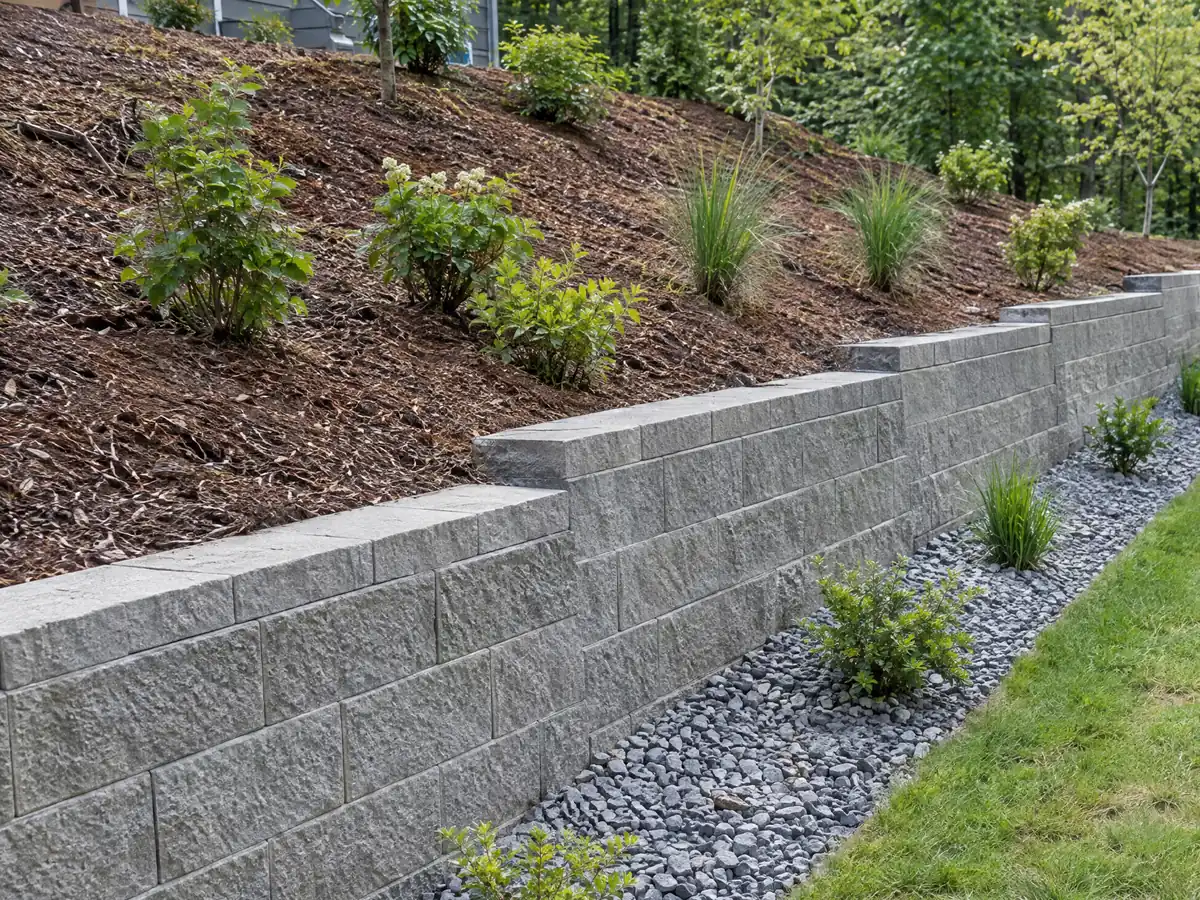
The code gives two heights for a perimeter wall, so follow the specific one. The general standards in Section 9-3.103 say perimeter fences and walls shall not exceed 6 feet, while Article 17 allows up to 8 feet above grade in the R-L, R-M and R-H zones, and the fence article governs a residential wall. In the front setback a wall is limited to 60 inches, and only the first 30 inches may be solid.
Every wall needs its own permit under Section 9-2.1702, and the Planning fence application carries a $64 fee. A block wall means slump block, split-face brick or similar decorative masonry, the Community Development Director approves it, and chain link is barred on residential property. Where two lots sit at different levels, height is measured from the higher lot's finished grade.
Retaining walls are the gap in the pages we read. None states a height below which a retaining wall needs no permit, and the 2022 California Building Code lists walls of 4 feet or less from footing bottom to top as exempt unless they hold back a surcharge. We cannot confirm Huntington Park keeps that line, so ask. CSLB's C-29 masonry class lists concrete block walls, and our subcontractor explainer shows what to request from each bidder.
What do old slabs, garage conversions and the pre-sale inspection mean for concrete work in Huntington Park?
Concrete here is often original. With 41.7 percent of homes built before 1950, walks and slabs from the 1920s boom are common, and the Safety Element estimates that about 12,395 units need some rehabilitation or replacement. Ask a bidder whether the sewer line gets a camera check before the first saw cut, because a crushed pipe costs more than the look.
Resale changes the stakes. Under Municipal Code chapter 8-17, the pre-sale report on a one-to-four-unit home reviews permit records and inspects the exterior and accessory structures, so a patio slab, block wall or garage floor poured without a permit can surface as a violation. Major violations must be corrected within 60 days and may need permits, and a seller who skips the report commits a misdemeanor.
Garage conversions bring concrete work of their own. When a garage becomes an accessory dwelling unit, Section 9-3.2650 requires the driveway approach to be removed and the curb and gutter replaced, and that approach lies in the public right-of-way. Our garage conversion guide was written for Los Angeles, so treat its steps as a checklist of questions for Huntington Park's counter.
What does concrete work cost in Huntington Park for a patio, walk or driveway, and what does a stamped finish add?
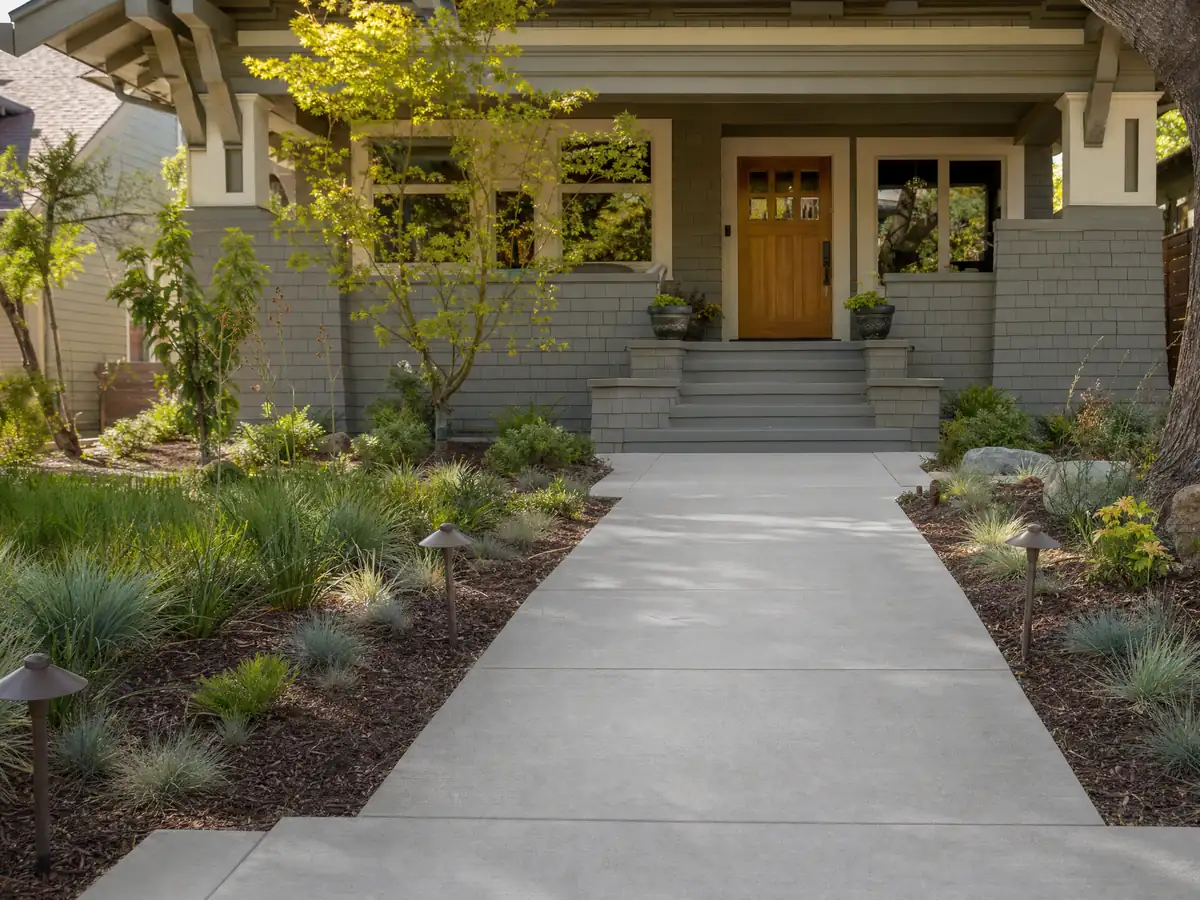
We found no Huntington Park price study with a stated method, so these are Los Angeles figures. For a flat, easy-access site, a slab of 300 square feet or more and a broom finish, our working band is $8 to $14 per square foot, resting on Angi's Los Angeles patio page and HomeGuide, whose ranges overlap at $4 to $13. A 20 by 20 patio covers 400 square feet, so that band gives $3,200 to $5,600, and small jobs often price higher because of minimum charges.
Decorative surfaces cost more. Colored, stamped and exposed aggregate work runs about $15 to $30 per square foot in our sources, so a 20 by 20 stamped patio lands near $6,000 to $12,000, while a driveway replacement including demolition of the old slab runs about $9 to $20 and a 400 square foot one about $3,600 to $8,000. Confidence in the decorative and driveway ranges is medium to low.
We print no retaining wall price per foot, since the sources we found spread too widely and engineered walls are priced by height and drainage. The federal wage survey for the Los Angeles-Long Beach-Anaheim metro puts mean pay for cement masons at $33.67 an hour in May 2025, which is what a mason earns and not what a company bills. Demolition, base repair, rebar, drainage and permit lines are separate on a proposal, and our license check guide shows how to confirm a C-8 number.
Concrete photos from Huntington Park and nearby communities
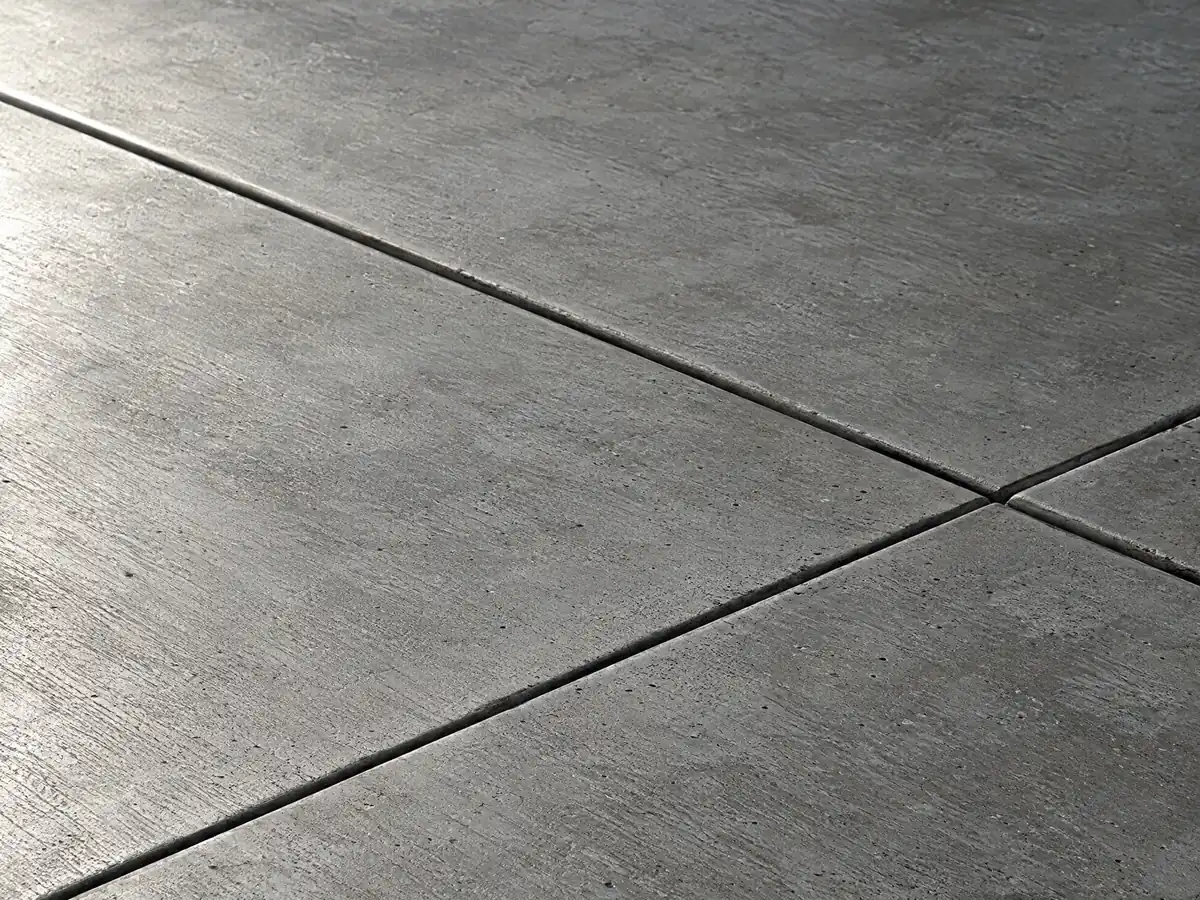
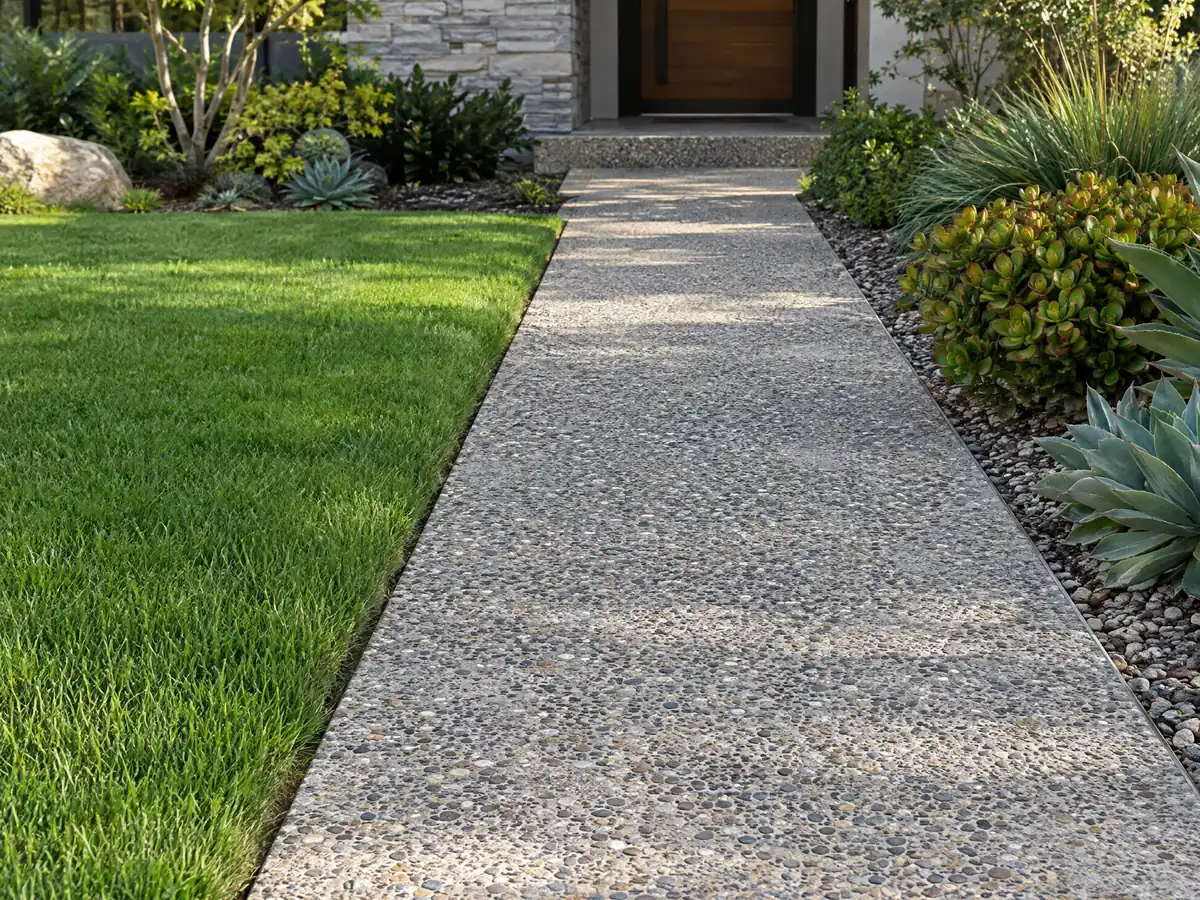
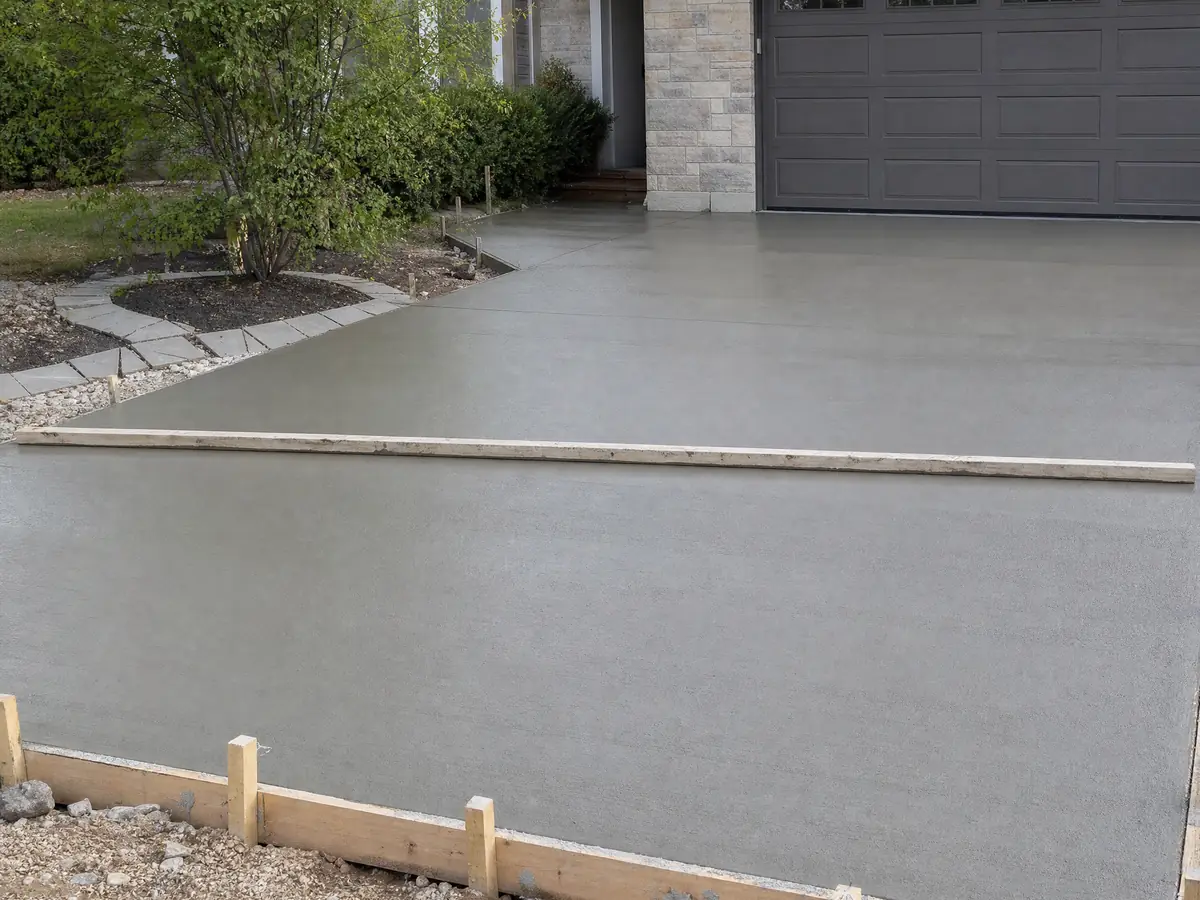
Six photos of concrete work around Huntington Park and the neighboring cities, from footings and forms to walks, walls and finished patios. Tap any photo to enlarge it.
What concrete costs around Huntington Park
The ranges above are Los Angeles figures from the sources behind our concrete page, not a Huntington Park quote, and permit and right-of-way lines are priced apart from the pour. Nearby pages: concrete work in Los Angeles, concrete work in South Gate, concrete work in Lynwood, concrete work in Compton, concrete work in Downey, flooring in Huntington Park and decks in Huntington Park. Bell, Maywood, Cudahy and Bell Gardens have no concrete page yet.
| What it covers | Typical range |
|---|---|
| Patio, walkway or slab, broom finish, 300 sq ft or more | $8 to $14 per square foot |
| Decorative: stained, stamped or exposed aggregate | $15 to $30 per square foot |
| Driveway replacement, with demolition of the old slab | $9 to $20 per square foot |
| 20 by 20 foot plain patio (400 sq ft) | About $3,200 to $5,600 |
| 20 by 20 foot decorative patio (400 sq ft) | About $6,000 to $12,000 |
| Small jobs under 300 sq ft | Usually above the per-foot range |
| Retaining walls | Set by the written proposal |
Other work we manage in Huntington Park
Huntington Park concrete questions, answered
Can I pour a concrete patio without a permit in Huntington Park?
The City does not say you can. Its Building & Safety page requires permits for most construction on private property and lists new structures and patio enclosures, and we found no exemption for flat slabs. Call (323) 584-6271, Monday through Thursday, before pouring. A patio without a permit can also be flagged at the pre-sale inspection.
Can I expand my driveway without a permit in Huntington Park?
Not freely. Zoning Section 9-3.810 caps an expanded driveway at 28 feet or 50 percent of the lot width, whichever is less, and parking a car on the added paving needs a Minor Conditional Use Permit. New curb cuts are discouraged. Call Planning at (323) 584-6210 with a sketch before you hire anyone.
Are you allowed to pour your own driveway in Huntington Park?
An owner may apply as an owner-builder, but the City posts a declaration form and says the owner needs workers' compensation for helpers, with an exception for the owner and family who live there. The driveway itself must follow Section 9-3.810, and the apron lies in the public right-of-way, so ask who permits it.
What is the maximum height of a retaining wall without a permit in Huntington Park?
The City pages we read give no figure. The 2022 California Building Code exempts retaining walls of 4 feet or less, measured from the bottom of the footing to the top of the wall, unless they support a surcharge. We cannot confirm Huntington Park uses that line, so ask Building & Safety, and expect an engineer for anything taller.
How tall can a block wall be on a Huntington Park property line?
Up to 8 feet above grade in the R-L, R-M and R-H zones under Article 17, although Section 9-3.103 still says 6 feet in general and the specific fence article governs. The front setback limit is 60 inches with only 30 inches solid. Each wall needs a permit, and the Planning application costs $64.
How much should a 20x20 concrete patio cost in Huntington Park?
About $3,200 to $5,600 for a plain broom-finish slab, found by multiplying our $8 to $14 per square foot Los Angeles band by 400 square feet. Small jobs often price higher because of minimum charges. We found no Huntington Park study, and demolition, base repair and permits sit outside the figure.
How much does a 20x20 stamped concrete patio cost in Huntington Park?
Near $6,000 to $12,000, from $15 to $30 per square foot over 400 square feet, which is a medium to low confidence band from Los Angeles sources. Color, pattern, sealer and any demolition move the price. Stamped work also needs a crew that does it daily, so ask for a finished local patio to look at.
Is 4 inches of concrete thick enough for a driveway in Huntington Park?
The City's plan-check page describes 4 inches as the least thickness for new slabs, with welded wire mesh over a 6-mil barrier and 4 inches of sand. We found no code line for driveway thickness, so a driveway that carries trucks is a question for the engineer or the bidder. Groundwork is inspected before the pour.
Will liquefaction risk affect a new slab or footing in Huntington Park?
It can, for footings and walls more than for a garden walk. The Safety Element says most of the city lies where groundwater is within 30 feet of the surface, and 66 of 80 County sample points fall in a mapped zone. Ask Building & Safety whether a soils report will be requested for your lot.
What license does a concrete company need for concrete work in Huntington Park?
Poured flatwork falls under CSLB's C-8 class and block walls under C-29, apart from small jobs of $1,000 or less in labor and materials that need no permit. The City's applications also ask for the contractor's City business license number, so request both numbers and check them with CSLB before signing.
Show us the lot, the slab and the finish you want
Tell us what concrete is there now, how large the new area should be and whether it reaches the sidewalk or alley. We check the driveway width limits and the inspection steps before we call back.