
Deck Builderin Huntington Park, CA
A deck builder in Huntington Park should treat every deck as permit work, because the City publishes no deck exemption and lists new structures and patio enclosures among its permits. Attached covers and gazebos sit 3 feet from side and rear lines, and the pre-sale report checks permit records on every one-to-four-unit home sale.
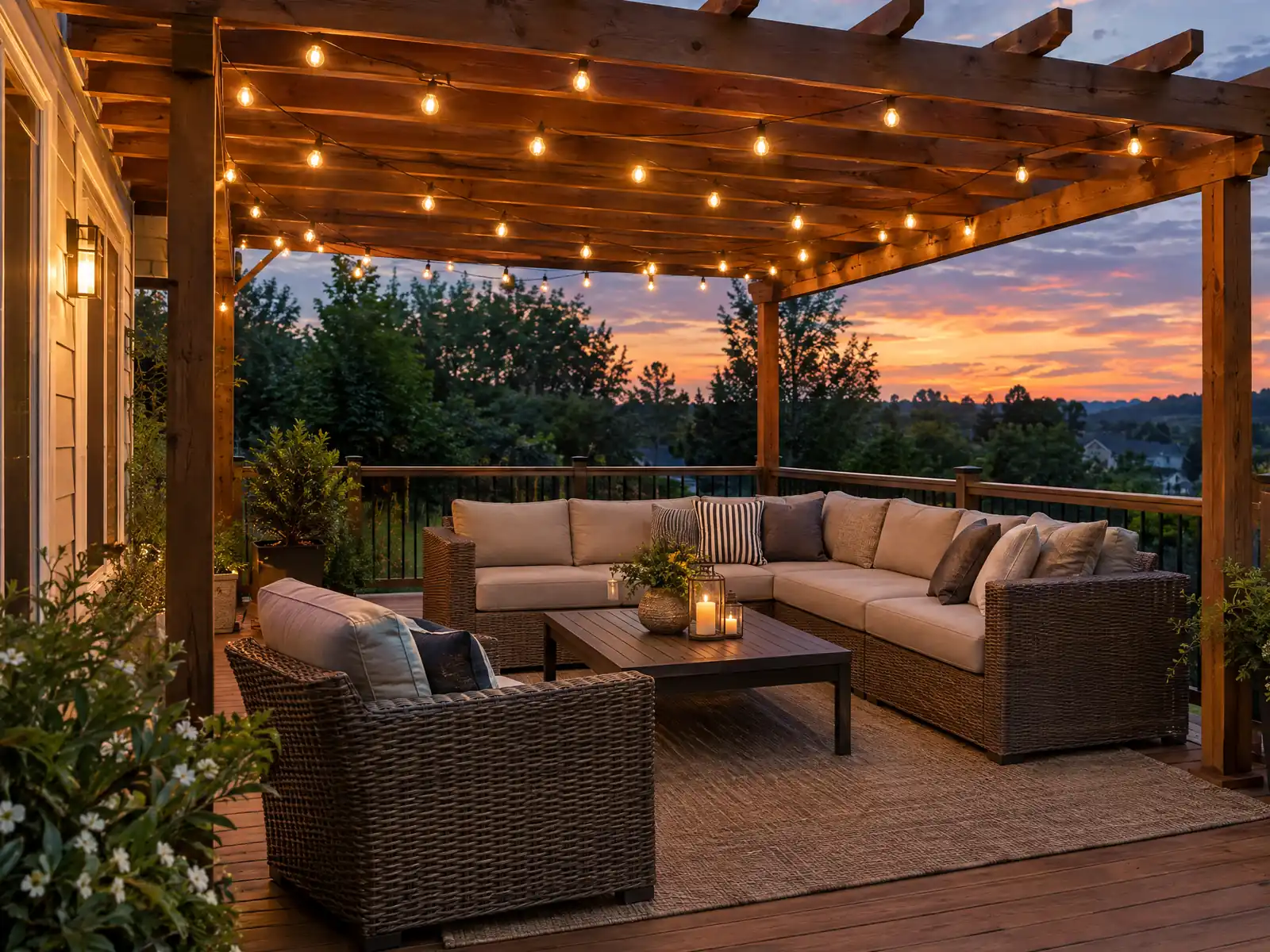
Huntington Park was a streetcar suburb before it was a city. Henry Huntington's Pacific Electric line reached Randolph Street in 1902, George Garlow built a large townhouse at 6610 Malabar in 1903, and residents voted 77 to 17 in 1906 to incorporate. The city covers about 3 square miles, 48.1 percent of its homes are single-family and 75.8 percent are rented, so a deck job is as likely to be a landlord's stair and landing repair as a new backyard platform.
MDG Builders, CSLB #1040337, is a general contractor in Tarzana that draws the scope, checks the rules with Huntington Park Building & Safety and coordinates the build, with licensed framing or carpentry subcontractors doing the field work; ask each firm for its license number and certificate of insurance. Prices and materials are on our decks page, and the Huntington Park overview lists the other trades we manage here, including concrete work and flooring.
What Huntington Park's permit pages and the residential code say about decks
Where decks permits come from in Huntington Park: City of Huntington Park Community Development Department, Building & Safety Division.
- A patio, with or without a cover, and a gazebo are permitted accessory uses in all three residential zones (Table IV-1 of the Zoning Code).
- Counter plan check at City Hall is available for patio covers, carports and swimming pools or spas, and the Building forms page lists an LADBS Attached Patio Cover Standard Detail (title only read). The Building page's permit list includes patio enclosures.
- On a single-family lot a stationary barbecue, fire pit, attached patio cover, attached carport or gazebo is set back 3 feet from the side and rear lines, an unenclosed detached patio cover in the rear third of the parcel is set back 1 foot, and a balcony or exterior stairs in excess of 30 inches must meet the main building setback (Tables IV-3 and IV-4).
- Accessory structures are limited to 20 feet or one story, whichever is less, and the zone's building footprint cap is 45 percent of the lot in R-L, 55 percent in R-M and 65 percent in R-H (Table IV-2). The pages read do not say whether a patio cover or deck counts toward that footprint.
- The pages read do not publish a deck permit exemption or a height threshold, and the Building page lists new structures and patio enclosures among the permits needed, so any deck should be confirmed with the Building Division before work.
Does a deck need a permit in Huntington Park, and what happens to an unpermitted deck when the house is sold?
Plan on yes. The City's Building & Safety page says plans and permits are generally required for most construction on private property, lists new structures and patio enclosures among its permit types, and publishes no deck exemption or height threshold. Some model codes excuse small, low, detached decks, but we found no Huntington Park statement adopting that line, so confirm any deck at (323) 584-6271 before work starts.
Municipal Code chapter 8-17 is the reason to get it right. Before a one-to-four-unit home goes into a sales agreement, the seller must obtain a Building Division report that checks every building permit record and inspects the exterior and accessory structures. We do not know how an inspector scores a deck, but a rear deck or patio cover with no permit on file is the kind of item that could be written up. Major violations must be corrected within 60 days, may need permits and call for a follow-up inspection and Clearance Certification.
Selling without the report is a misdemeanor, punishable by a fine of up to $1,000, up to six months in County jail, or both. The Master Fee Schedule effective January 1, 2026 shows a $100 permit issuance fee, and the plan check table we could not read cleanly. City Hall is closed Fridays, and the building counter is open Monday through Thursday.
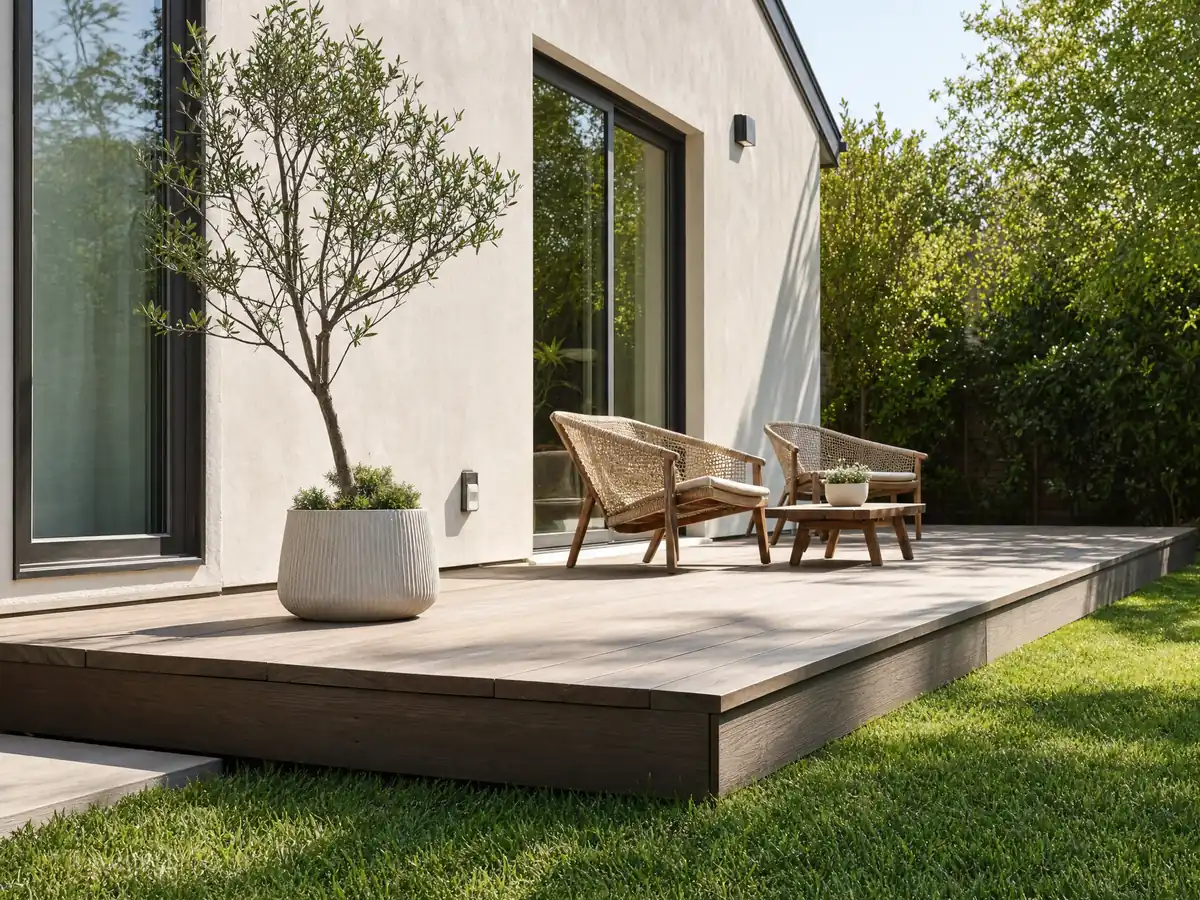
How close to the lot line can a Huntington Park deck, patio cover or gazebo go?
Closer than many cities allow, but only for certain structures. Table IV-3 of the Zoning Code sets 3 feet from the side and rear lines for an attached patio cover, gazebo, stationary barbecue or fire pit on a single-family lot, and 1 foot for an unenclosed detached patio cover in the rear third of the lot. A balcony or exterior stairs more than 30 inches above grade must meet the main building's setback instead.
The zone sets the frame. Lot coverage is 45 percent in R-L, 55 percent in R-M and 65 percent in R-H, and accessory structures may not exceed 20 feet or one story, whichever is less. The pages we read do not say whether an open deck or patio cover counts toward coverage, so that answer comes from Planning at (323) 584-6210, not from us.
A patio, covered or not, and a gazebo are permitted accessory uses in all three residential zones, and they may be built only on a parcel that already has a main dwelling, in materials that suit it. Counter plan check at City Hall is offered for patio covers, carports and pools, so a simple cover can move faster than a deck with stairs.
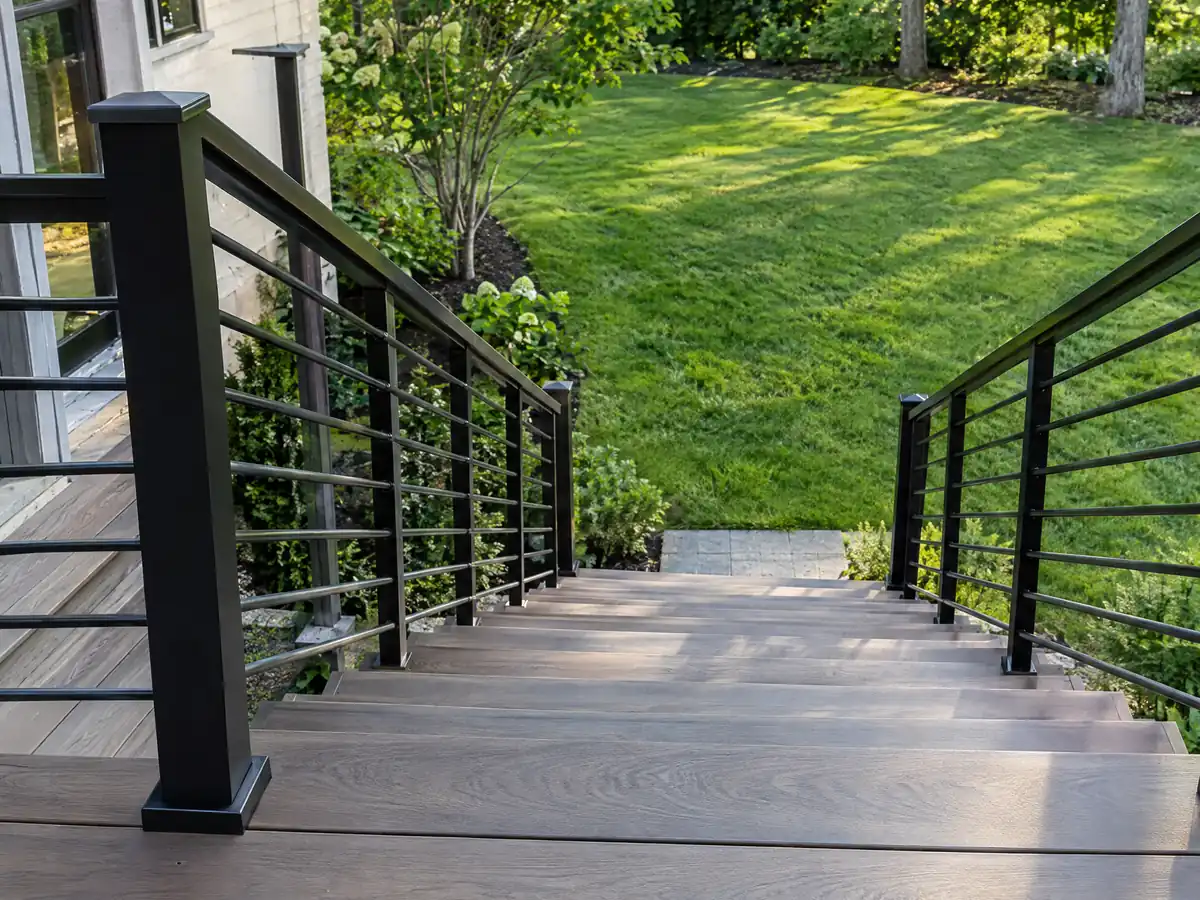
How is a deck tied to a 1920s Huntington Park house, and what do footings need on liquefiable soil?
Start with the wall where the deck meets the house. In the 2022 California Residential Code, R507.9.1.1 calls for a pressure-treated ledger of at least 2 by 8 that carries no load from beams or girders and never bolts to stone or masonry veneer. R507.9.1.3 wants hot-dip galvanized or stainless fasteners with flashing, and R507.9.2 requires lateral hold-downs, either two 1,500-pound devices within 24 inches of each end or four of 750 pounds.
Homes from the 1920s growth wave are often stucco over old framing, and the City's permit list names exterior stucco, so a bidder should open the wall and see what lies behind it before anything is bolted on. The City enforces the 2025 California Building Standards Code for submittals from January 1, 2026, and we quote the 2022 residential code we could read, so ask the plan checker to confirm each number.
A freestanding deck avoids the ledger but not the footings. Most of the city lies in a liquefaction zone, with 66 of 80 sample points in the County's State Seismic Hazard layer inside one, so ask Building & Safety whether a soils report is expected for new footings. Fire is not part of that picture, since the Safety Element finds no open grass areas around the city that create a wildfire hazard.
Does a 3-foot deck need a railing in Huntington Park, and what about privacy screens and apartment balconies?
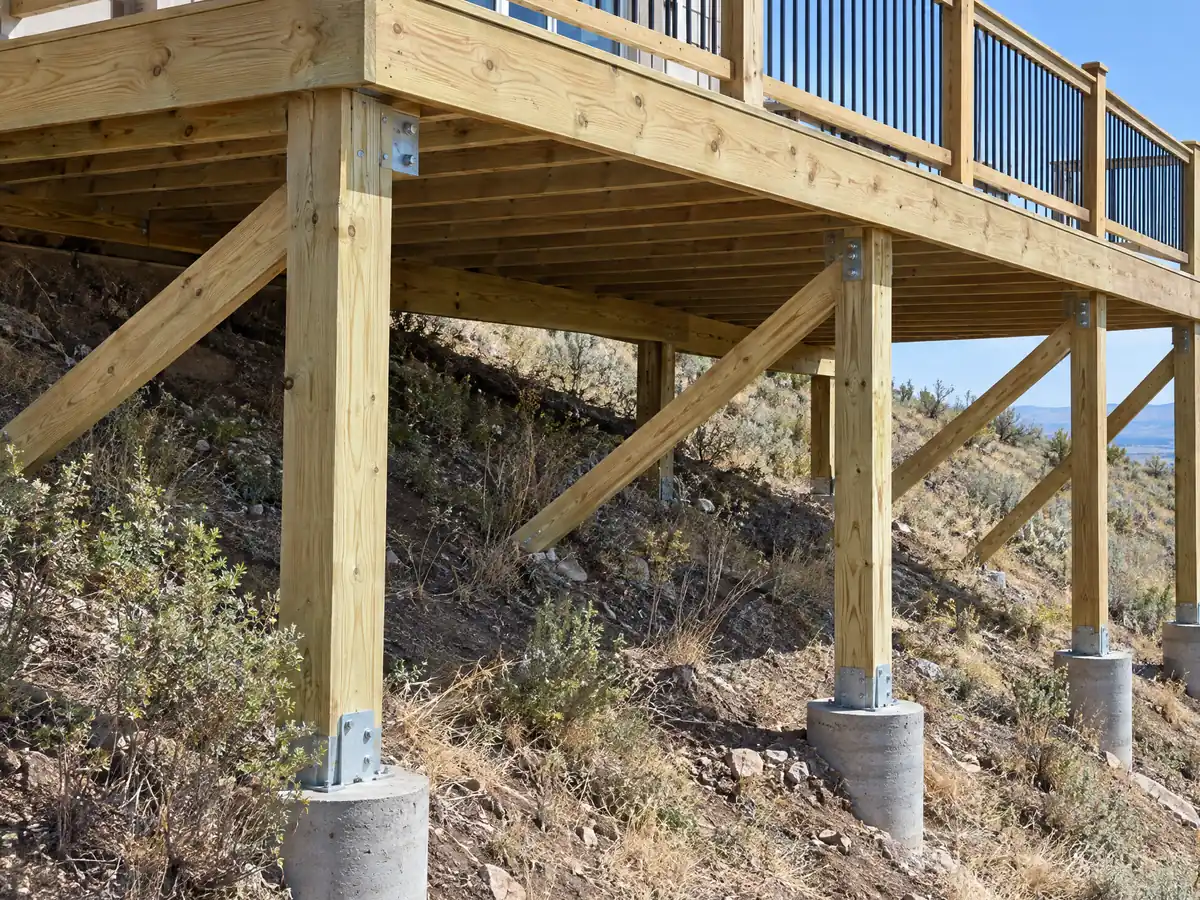
Yes. A guard is required once the walking surface is more than 30 inches above grade within 36 inches of the edge, so a 3-foot platform needs one. The 2022 California Residential Code sets guard height at 42 inches in R312.1.2 and requires openings that stop a 4-inch sphere in R312.1.3, which settles the 36 or 42 question. A platform at or below 30 inches needs no guard.
A privacy wall along the property line is a fence question, and the code is of two minds. Section 9-3.103 caps perimeter fences and walls at 6 feet, while Article 17 permits 8 feet in the residential zones, and the fence article is the specific one. Each fence needs its own permit under Section 9-2.1702 with a $64 Planning approval, so ask Planning whether a screen attached to a deck counts.
Rented buildings carry a state rule too. California's SB 721 for apartments and SB 326 for condominiums call for a licensed inspection of elevated wood-framed balconies, decks, stairs and landings in buildings of three or more units, and 32.7 percent of Huntington Park's homes are in buildings of five or more. The deadlines were extended by AB 2579 and sources differ for condos, so ask the property manager what applies.
Which decking boards suit Huntington Park's heat and termites, and does the missing fire zone matter?
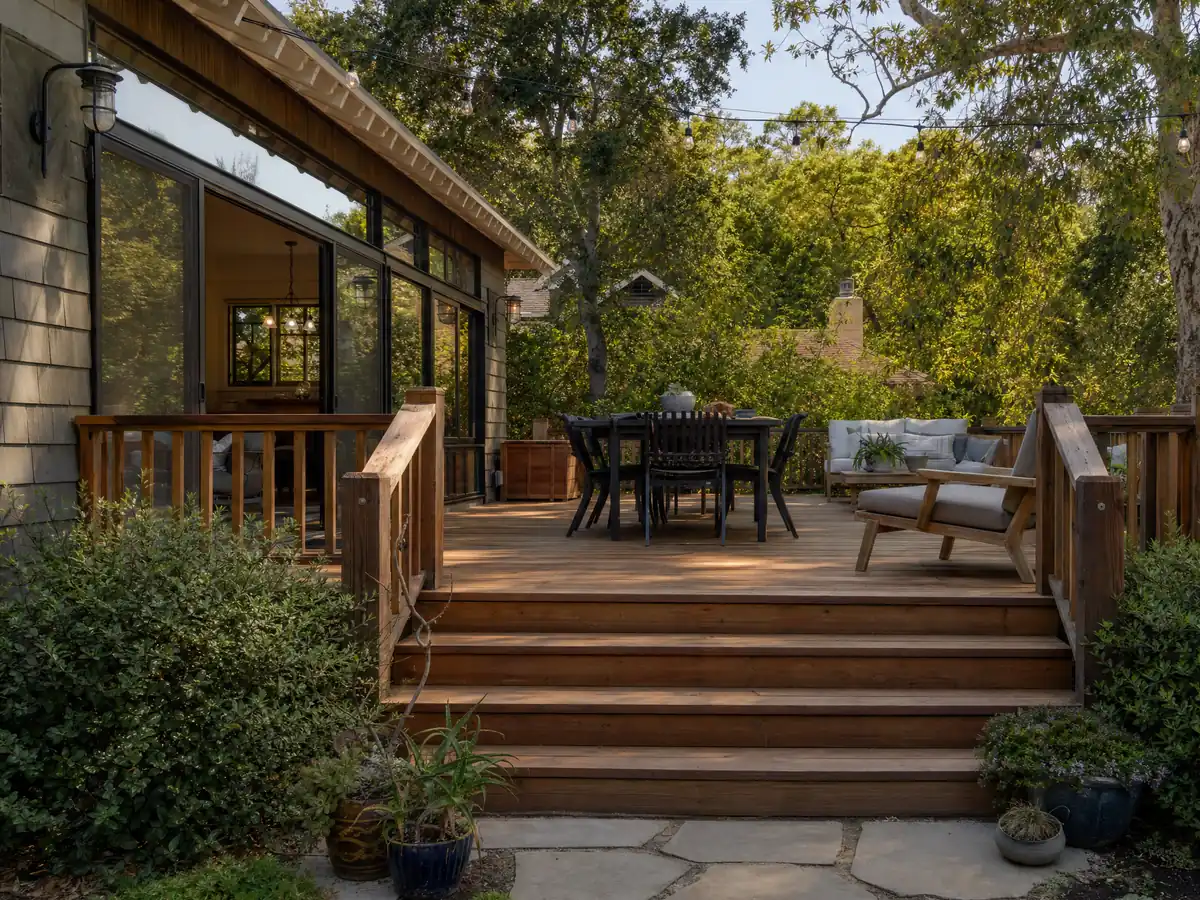
Heat steers the choice more than fire does. NOAA's 1991 to 2020 normals for the downtown USC station show about 123 days a year at or above 80 degrees and 26 at or above 90, and the Safety Element counts two extreme heat days a year above 96.1 degrees, with 10 to 21 projected by the end of the century. Dark boards run hot underfoot, and we found no sourced temperature figure for any brand, so ask the supplier.
Fire is the quiet part. The County's CAL FIRE Local Responsibility Area layer returned NonWildland at all 80 sample points, and the Safety Element names structural fires in older buildings as the main fire risk, so the ember-resistant decking rules in Section R337.9.3 for wildland areas do not look like a constraint. We did not open the CAL FIRE viewer, so have Building & Safety confirm your address.
Termites are the steadier threat. The UC Integrated Pest Management program reports that drywood termites are most common in southern California and attack decks and fences, and it advises correcting moisture problems and sealing exterior wood. Ask how existing wood will be inspected before new framing ties into it.
What does a deck builder charge in Huntington Park, and does deck repair need a permit?
Repair is where the City says least. Nothing we read sets a repair threshold, so swapping a few boards looks routine, while posts, beams, a ledger or stair stringers are structural and worth a call to Building & Safety first, especially above 30 inches or when the deck is attached. Tenants who notice a loose rail should tell the landlord in writing.
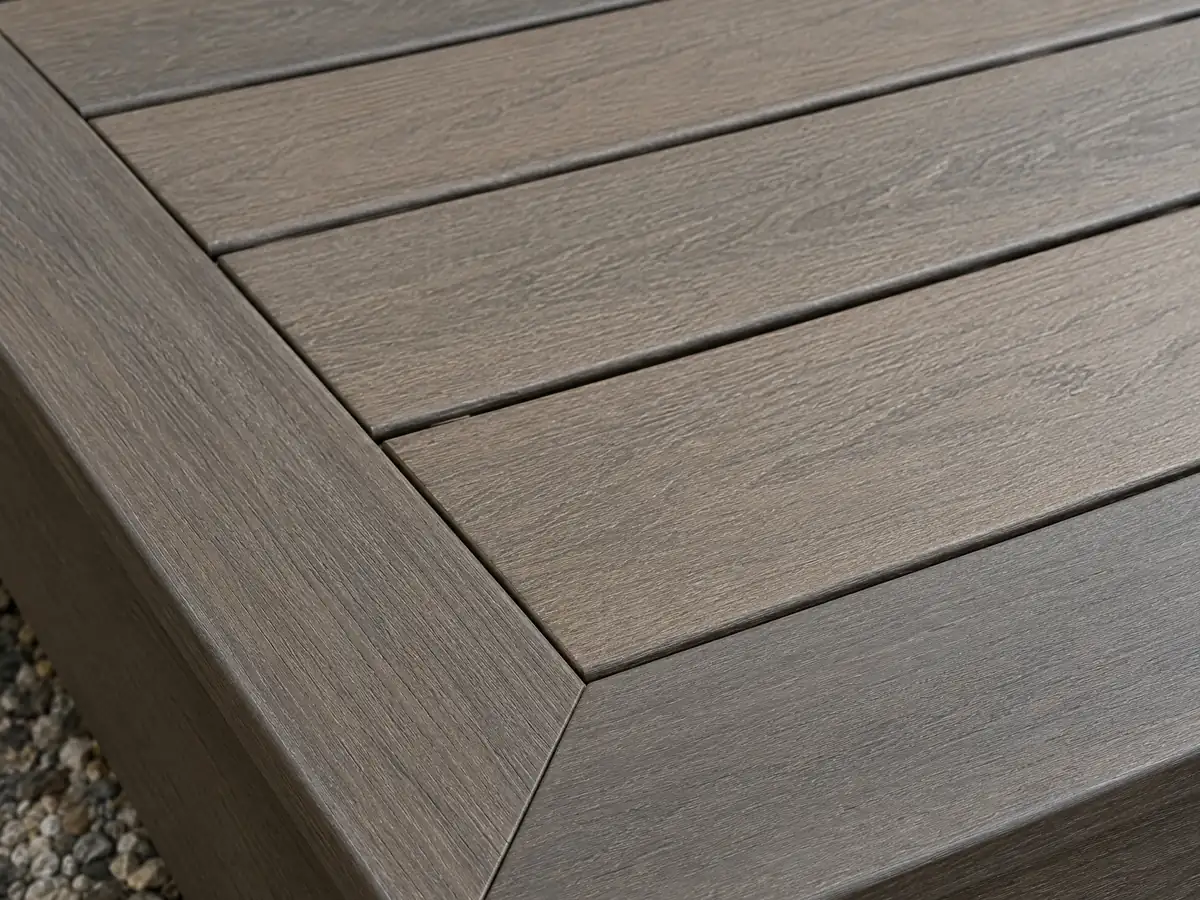
We found no Huntington Park price study, so these are Los Angeles figures. The 2025 Cost vs. Value report from JLC and Zonda prices a defined 16 by 20 deck at $18,419 in treated wood and $26,872 in composite, with resale recovering 99.6 and 73.9 percent. Angi's Los Angeles page says $45 to $90 per square foot, and our working bands are $45 to $75 for treated wood and $65 to $110 for composite, so a 20 by 20 deck of 400 square feet lands near $18,000 to $30,000 in wood and $26,000 to $44,000 in composite.
Permits, engineering and railings sit outside those ranges, and $10,000 buys about 133 to 222 square feet at the wood band. CSLB's C-5 class covers framing and rough carpentry, and Business and Professions Code section 7057(b) lets a general building contractor take a framed deck as a prime contract. We found no CSLB statement on composite surfacing, so ask every bidder what the subcontractor holds, using our license check guide.
Deck photos from Huntington Park and nearby communities
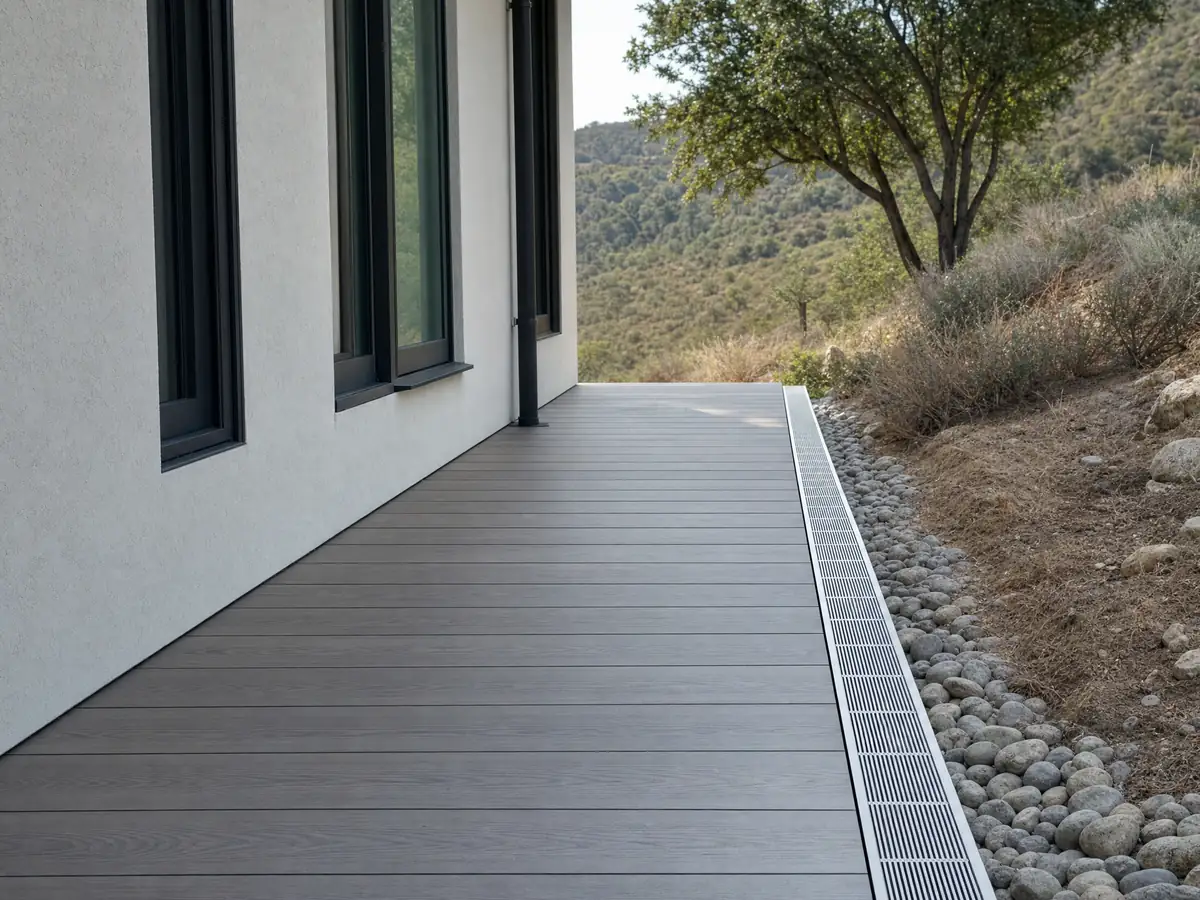
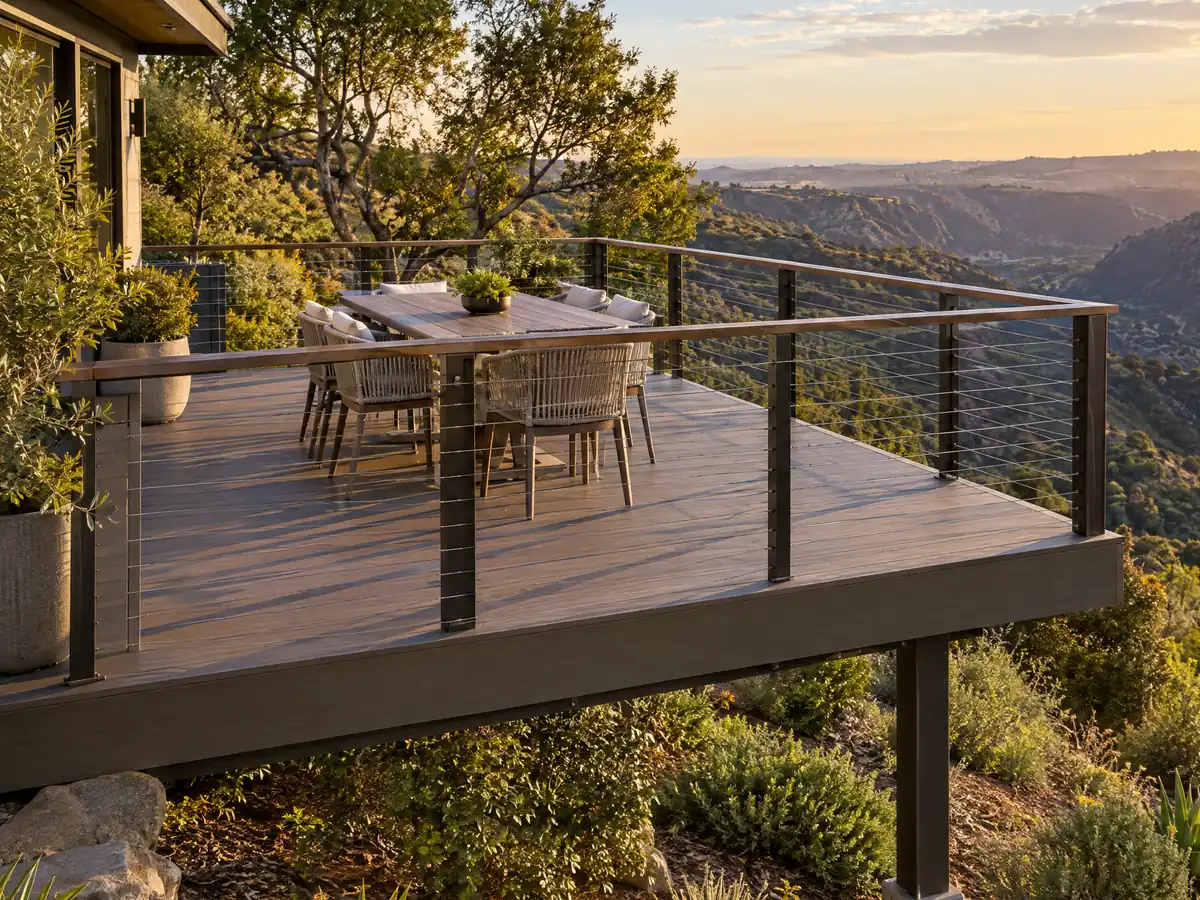
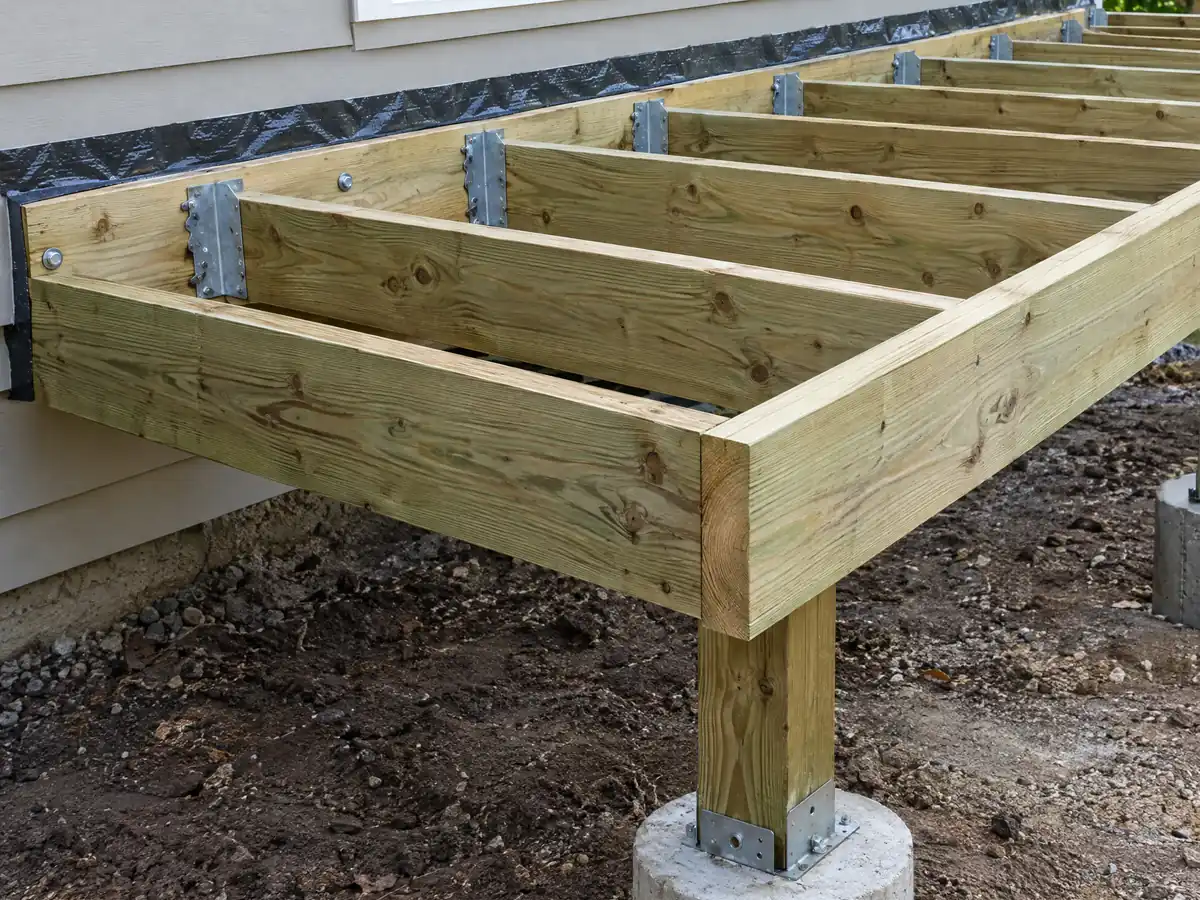
Six photos of decks around Huntington Park and the neighboring cities, from low platforms and footings to railings, covers and composite boards. Tap any photo to enlarge it.
What decks costs around Huntington Park
The ranges above are Los Angeles figures from the sources behind our decks page, not a Huntington Park quote, and the subcontractor guide explains which trade does which part. Nearby pages: decks in Los Angeles, decks in South Gate, decks in Lynwood, decks in Compton, deck building in Downey, decks in Pasadena, concrete work in Huntington Park and flooring in Huntington Park. Bell, Maywood, Cudahy and Bell Gardens have no deck page yet.
| What it covers | Typical range |
|---|---|
| Pressure-treated wood deck | $45 to $75 per square foot |
| Composite deck | $65 to $110 per square foot |
| 16 by 20 foot wood deck (320 sq ft) | About $14,500 to $24,000 |
| 16 by 20 foot composite deck | About $21,000 to $35,000 |
| Hillside, second-story, rooftop and ipe decks | Priced by site visit |
| Permits and engineering | Quoted as separate lines |
Other work we manage in Huntington Park
Huntington Park deck questions, answered
Can I build a deck without a permit in Huntington Park?
The City does not say you can. Its Building & Safety page requires permits for most construction on private property and lists new structures and patio enclosures, and we found no deck exemption or height threshold. Call (323) 584-6271, Monday through Thursday, before work starts. City Hall is closed Fridays.
What is the largest deck you can build without a permit in Huntington Park?
The City publishes no figure. Model codes in some places excuse a small, low, detached deck, but we found no sign Huntington Park adopted that rule, so plan on a permit for any deck. Ask Building & Safety for the answer for your lot in writing, since a pre-sale inspection later checks permit records.
What happens if a deck is built without a permit in Huntington Park?
It can surface when the house is sold. Chapter 8-17 requires a Building Division report that checks permit records, and major violations must be corrected within 60 days, may need permits and need a follow-up inspection. Selling without the report is a misdemeanor with a fine of up to $1,000.
Can I get a permit after the deck is built in Huntington Park?
Possibly, but ask first. The pre-sale rules say major violations may need permits and a follow-up inspection, so a permit after the fact is plausible, though the inspector may want framing exposed. We found no City page on after-the-fact permits, so call Building & Safety before you hire anyone to cover it up.
How much would a 20x20 deck cost in Huntington Park?
Roughly $18,000 to $30,000 in pressure-treated wood and $26,000 to $44,000 in composite, found by multiplying our Los Angeles bands of $45 to $75 and $65 to $110 per square foot by 400 square feet. We found no Huntington Park study. Permits, engineering and railings sit outside those figures.
Can you build a deck for $10,000 in Huntington Park?
Only a small one. At our $45 to $75 per square foot band for treated wood, $10,000 covers about 133 to 222 square feet before permits and engineering, and composite at $65 to $110 covers 91 to 154. A ground-level platform without railings costs less than a raised deck with stairs.
Is it cheaper to build a wood deck or composite deck in Huntington Park?
Wood costs less up front. The 2025 Los Angeles Cost vs. Value report prices a defined 16 by 20 deck at $18,419 in treated wood and $26,872 in composite, and resale recovered 99.6 percent for wood and 73.9 percent for composite. Termite upkeep and board heat are the trade-offs to weigh.
Is railing height 36 or 42 inches for decks in Huntington Park?
It is 42 inches under R312.1.2 of the 2022 California Residential Code, with openings that stop a 4-inch sphere. A guard is required once the walking surface is more than 30 inches above grade, so a 3-foot deck needs one. The City enforces the 2025 code from January 2026, so ask the plan checker to confirm.
Do freestanding decks need footings in Huntington Park?
Yes. A freestanding deck skips the ledger but every post still needs a footing sized for its load. With most of the city in a liquefaction zone, ask Building & Safety whether a soils report is expected, and expect the City to inspect footings before they are covered.
Does deck repair need a permit in Huntington Park?
The pages we read set no repair threshold. Replacing a few boards looks routine, but posts, beams, the ledger or stair stringers are structural, so call Building & Safety first, especially for a deck above 30 inches or attached to the house. Ask a deck builder to price repair and replacement separately.
Tell us the yard, the door height and the size you have in mind
Tell us how high the back door sits above the ground, roughly how big the deck should be and whether it is attached. We check the permit question and the setbacks before we draw anything.