
Fence Companyin Bellflower, CA
A fence company in Bellflower must get Planning approval for every fence, even when no building permit is needed. Side and rear fences can reach 6 feet, a required front yard allows 42 inches, or 48 if the upper part is half open, and chain link is barred there. Shared fences need a form signed by both owners.
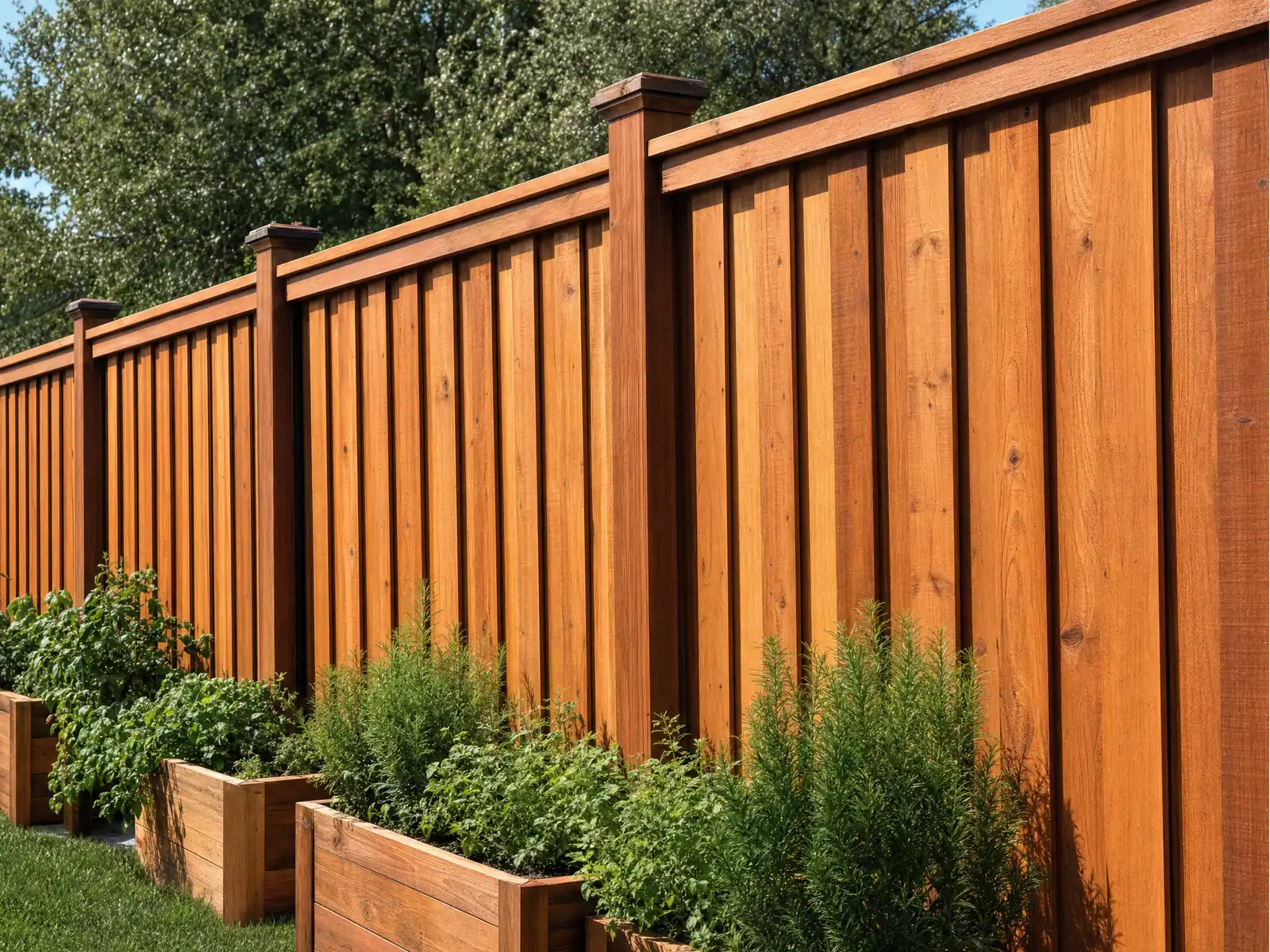
Bellflower is a small-lot city, and that shapes every fence job. The City's 2021 to 2029 Housing Element says about 88 percent of parcels are under half an acre and the median parcel is 0.16 acre, so a property line is never far from a back door. The Census Bureau's 2024 five-year estimates add that 47.7 percent of units are detached houses, 32.0 percent sit in buildings of five or more units, 4.9 percent are mobile homes and 60.7 percent of households rent. A fence is often the one project that touches a neighbor's land and a landlord's budget at once.
On a fence job, MDG Builders (CSLB #1040337) prepares the site plan for Planning, handles the neighbor paperwork and sequences the work, while a licensed fence subcontractor builds it. Masonry is a separate license class, so a block wall goes to a masonry subcontractor. Our fencing page has the sourced price table, and the neighboring counters differ, as the guides for Downey and Norwalk show.
What Bellflower's Planning Division and Building & Safety say about fences
Where fencing permits come from in Bellflower: City of Bellflower Planning Department, Building & Safety Division.
- Permit exemptions in BMC 15.04.040 (Section 105.2): chain-link, wrought-iron, wood and similar fences not over 6 feet high; concrete or masonry block walls not over 5 feet 11 inches high and not required as part of the development process; and retaining walls not over 4 feet measured from the bottom of the footing to the top of the wall. Handout 01 words the fence line as fences 'less than 6 feet' exempt and fences 'over 6 feet' needing a permit, so a fence at exactly 6 feet is unclear and a writer should say to confirm.
- Every fence or wall needs Planning approval for location and height even when no building permit is needed: submit a site plan showing property lines, existing structures and the proposed fence (elevations may be required for a 4-foot fence in the front or street-side yard setback), with a minor plot plan approval fee of $120. The City's guide covers the A-E, SF and R-1 zones and includes corner-lot and reverse-corner-lot diagrams (images, not read).
- Heights in the yards (BMC 17.72.060): a fence, wall or hedge up to 6 feet is allowed in side and rear yards but may not extend into the required front yard; in a required front yard it may not exceed 42 inches, or 48 inches if the material above 24 inches is at least 50 percent transparent.
- Chain-link fence is prohibited within front yard and street side yard setbacks in the SF and R-1 zones (BMC 17.16.150, 17.24.150 and 17.72.060(K)), and permitted fence materials include wood, plastic, vinyl, metal, aluminum, brick and stone. Any permanent fence is subject to City approval under 17.72.060.
- Shared fences: if the fence is on a shared property line, both owners must sign the City's Common Line Agreement, which says footings may sit partly or entirely on the neighbor's property and that the contractor or adjacent owner must repair displaced soil and landscaping.
- Fee sheet: Basic Building Permits for block walls, stucco and siding are listed at $309 for the permit, with plan check at an hourly rate (minimum half hour $109, plus $82 for each additional half hour). Handout 01 lists fences over 6 feet and retaining walls over 4 feet as needing permits.
- Line of sight: development on lots adjacent to a public right-of-way must keep adequate line of sight for vehicles and may be subject to visibility requirements set by the City Engineer (BMC 17.72.060(J)).
- Residential outdoor storage over 60 cubic feet that is visible from a street or neighbor must be enclosed by a view-obscuring fence or wall at least 6 feet high with gates of the same height, and storage is not allowed in front or street-side yards (BMC 17.72.070(A) and (D)).
Sources for these rules
How tall can a fence be in my Bellflower front yard, side yard or backyard?
Six feet to the sides and rear, far less in front. Under BMC 17.72.060 a fence, wall or hedge up to 6 feet is allowed in side and rear yards but may not extend into the required front yard. Inside a required front yard the limit is 42 inches, or 48 inches when the material above 24 inches is at least 50 percent transparent. A hedge counts the same as a wall.
Chain link is prohibited within front yard and street side yard setbacks in the SF and R-1 zones (BMC 17.16.150 and 17.24.150), and the permitted materials include wood, plastic, vinyl, metal, aluminum, brick and stone. The City's standards for additions list a 20 foot front yard in those zones, but zoning is set parcel by parcel, so check yours on the City's GIS page or with Planning.
Corner lots add a visibility rule. Lots next to a public right-of-way must keep adequate line of sight for vehicles, with requirements the City Engineer can set (17.72.060(J)).
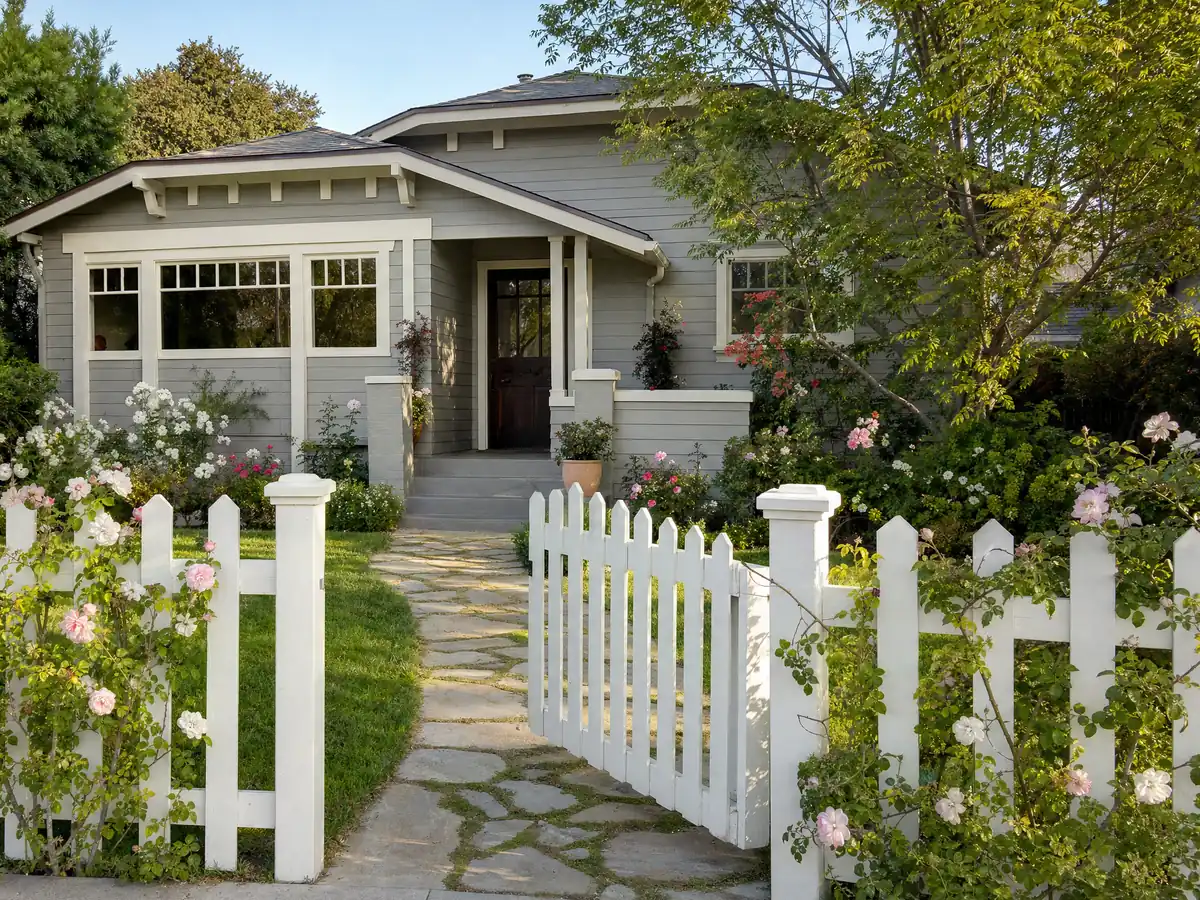
Does fence installation in Bellflower need a building permit or only Planning approval?
Every fence needs Planning's approval of its location and height, even when no building permit applies. The City's fence guide asks for a site plan showing property lines, existing structures and the proposed fence, with elevations possible for a 4 foot fence in a front or street side setback, and it carries a minor plot plan review fee that Planning can quote. The guide's corner lot diagrams are images we could not read.
A building permit is the second question. The City's amended code exempts chain link, wrought iron, wood and similar fences not over 6 feet high, block walls not over 5 feet 11 inches and retaining walls not over 4 feet measured from the footing bottom (section 105.2). Handout 01 words the fence line as fences under 6 feet exempt and fences over 6 feet needing a permit, so a fence at exactly 6 feet is unclear. Treat 6 feet as a question for the counter.
Work without a required permit is a misdemeanor under the code, with an investigation fee equal to the permit fee added, so settle both questions before posts go in.
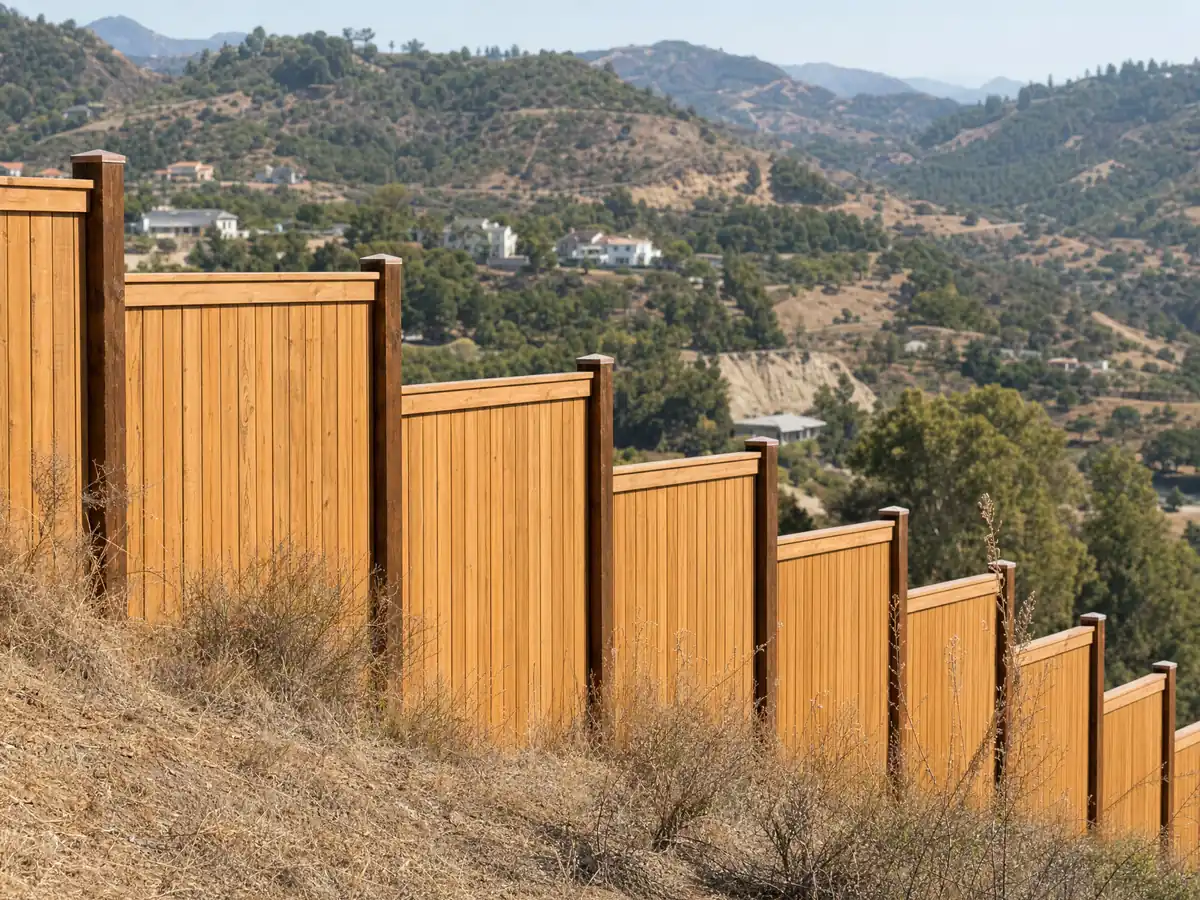
Who pays for a shared fence in Bellflower, and what is the Common Line Agreement?
Bellflower asks both owners of a shared line to sign its Common Line Agreement. The form says footings may sit partly or entirely on the neighbor's property and that the contractor or adjacent owner must repair any displaced soil and landscaping. On lots this narrow, a footing that straddles the line is something to plan for, not a surprise.
Cost is a separate question, answered by state law rather than the City. Civil Code 841 presumes that neighbors who benefit from a boundary fence share its cost equally, asks for 30 days' written notice before one owner incurs costs, and lets the presumption be rebutted. The City's form does not settle who pays, so the written notice and a signed agreement do.
Renters and park residents need one more step. A tenant cannot commit a landlord's fence line, and mobile home parks, 4.9 percent of the city's units, run on park rules we did not research. Get the owner's written approval before anyone orders materials.
What does a Bellflower pool fence have to look like?
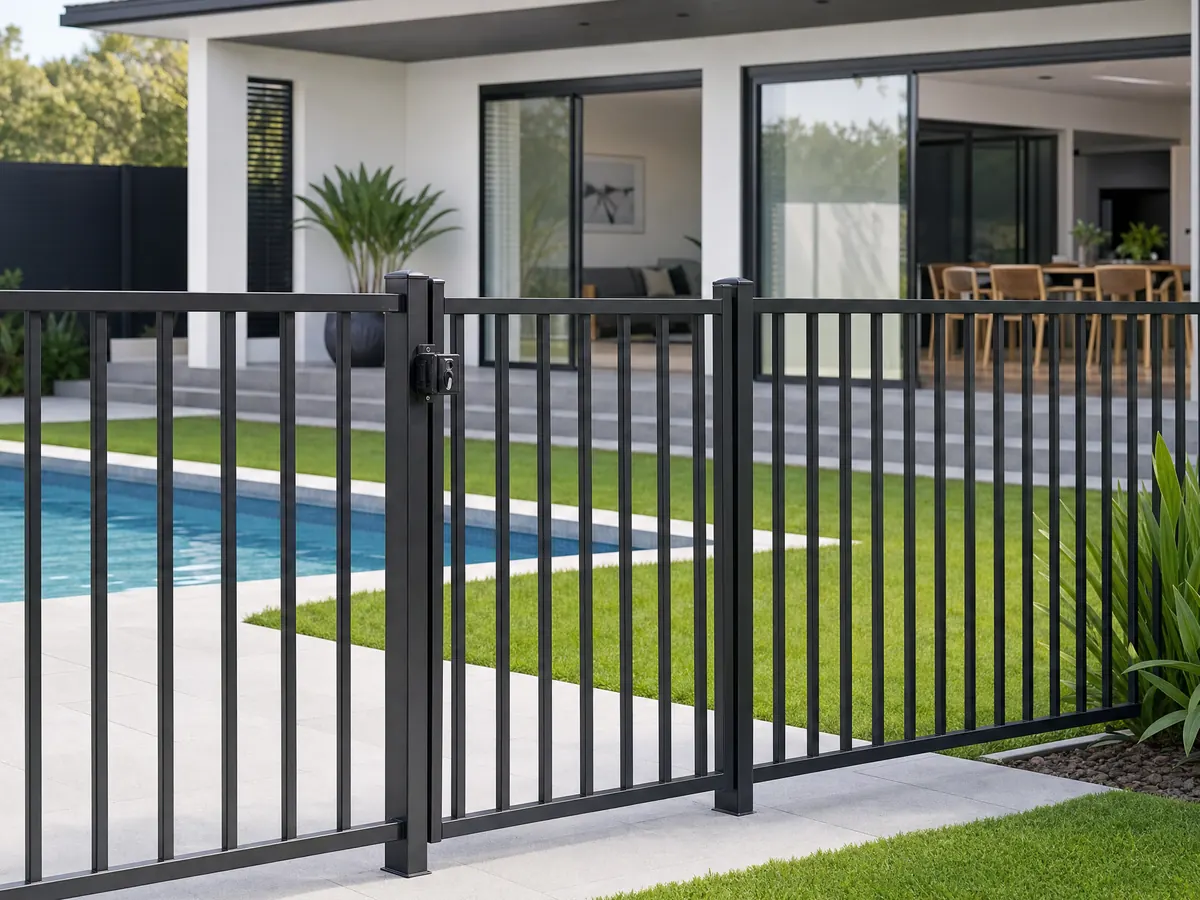
A permanent barrier at least 5 feet high must surround any pool or body of water over 18 inches deep, under BMC Chapter 15.20 and the City's pool fencing handout. It must be non-climbable with no opening over 4 inches, and the gates must be self-closing and self-latching, with the latch at least 54 inches up, opening away from the pool. Driveway and garage vehicle doors and double gates cannot form part of the enclosure.
BMC 15.20.010 spells out materials: wood posts at least 3 by 3 inches, no more than 10 feet apart and 18 inches in the ground, 11 gauge wire mesh on 1-1/4 inch pipe posts set 12 inches into concrete, or masonry on a footing at least 12 inches below grade. A fence or wall six feet high or more must also meet the Building Ordinance, and the barrier is inspected before the pool is plastered and filled.
California Health and Safety Code 115922 asks for two of seven drowning prevention features on a new or remodeled pool permit, with the enclosure meeting section 115923. We did not read 115923, so this page prints only the City's own 5 foot figure.
Block walls, retaining walls and outdoor storage on a small Bellflower lot
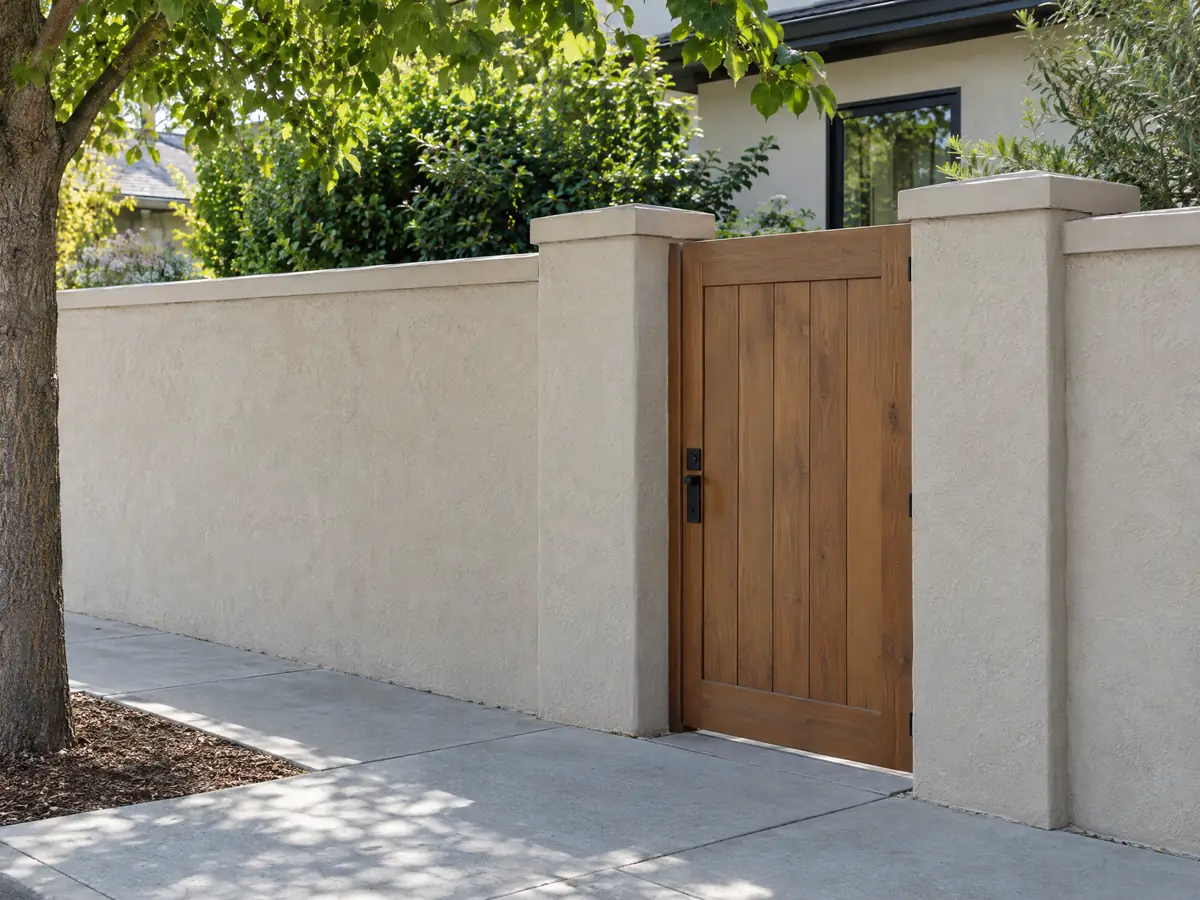
A block wall under 5 feet 11 inches skips the building permit but still needs Planning approval, and it is masonry work. CSLB class C-13 fencing excludes masonry walls, which belong to class C-29. A retaining wall over 4 feet measured from the bottom of the footing needs a permit, and Handout 01 lists retaining walls over 4 feet and fences over 6 feet among the permit items.
Storage can force a fence you did not plan. Residential outdoor storage over 60 cubic feet that can be seen from a street or a neighbor must be enclosed by a view-obscuring fence or wall at least 6 feet high with gates of the same height, and storage is not allowed in front or street side yards (BMC 17.72.070). A boat, trailer or stack of materials behind a side gate is the usual case.
How do Bellflower's soil, termites and the parkway affect fence posts?
The whole city sits on alluvial fan and floodplain deposits of the San Gabriel River, and the Safety Element says old river channels were filled when the river was straightened, with the location and quality of that fill unknown. A post hole can meet soft or mixed ground, so ask the crew what they do when an auger hits debris or loose fill.
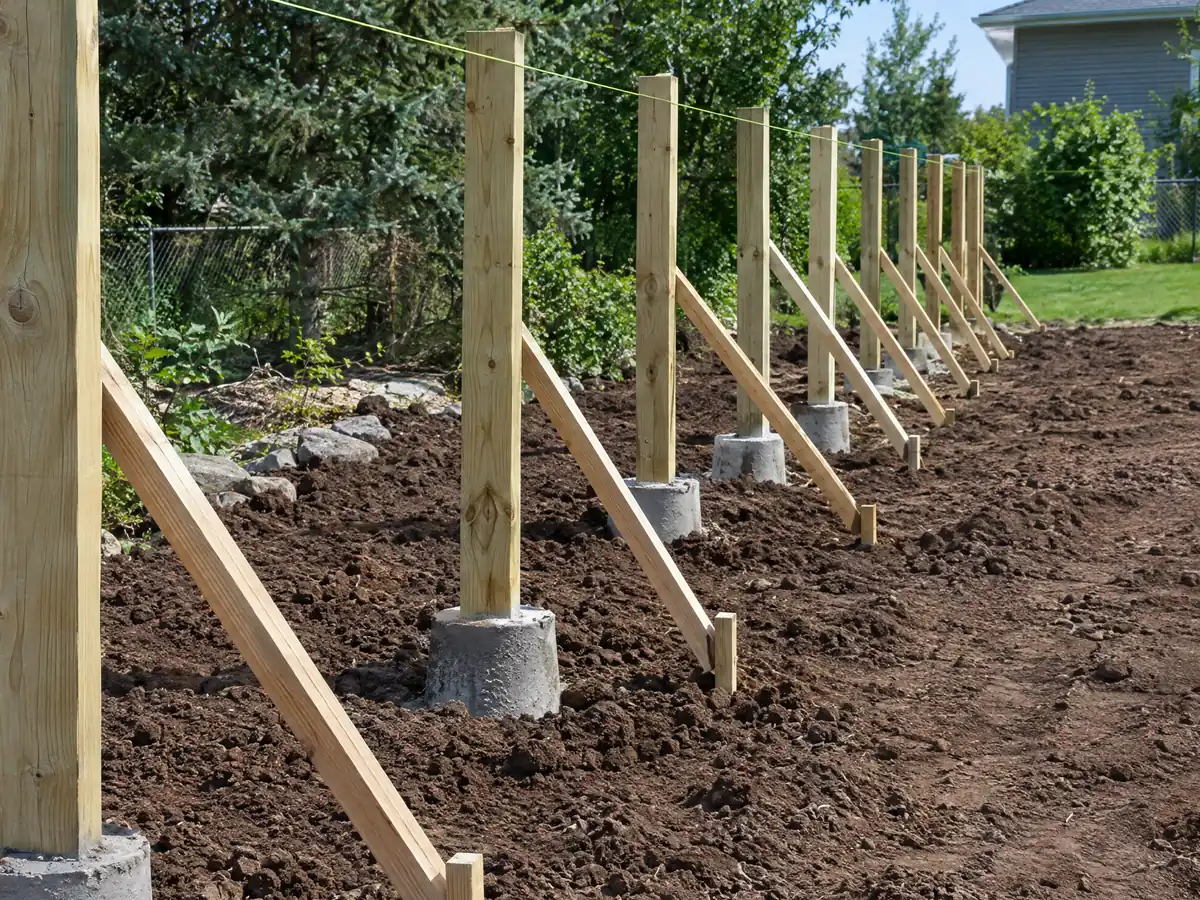
The City's design table lists termite damage as Very Heavy, a frost line of 12 to 24 inches and a 95 mph design wind speed. Those are building figures, not a fence rule, but they argue for termite-resistant posts or concrete bases and for a post depth written into the proposal. Whether a solid panel needs deeper posts is an engineering question we did not research.
Keep the fence on the property line. The strip between curb and sidewalk is public right-of-way that the adjacent owner maintains, and work in it needs a Public Works encroachment permit.
How much does fence installation cost in Bellflower, and how do I hire a fence company?
A published Bellflower fence price survey was not available to us, so no Bellflower price appears here. For Los Angeles, Angi's August 2026 page reports an average of $29 per linear foot inside a $15 to $60 range. Our planning ranges, drawn from Angi, HomeGuide, Thumbtack and Fixr, are $25 to $55 per foot for a wood or vinyl privacy fence, $12 to $30 for chain link and $35 to $85 for aluminum or ornamental iron, so a 100 foot backyard run lands near $2,500 to $5,500. The Bureau of Labor Statistics put the mean wage of fence erectors in the Los Angeles area at $28.00 an hour in May 2025, a check on the labor share.
Fencing is CSLB class C-13. Look up each license with our guide to checking a contractor's license, and read how general contractors use subcontractors to see who answers for what. Ask for the fence subcontractor's license number and certificate of insurance before you sign.
Write the post depth, the footing size, the gate hardware and the Planning approval into the proposal, and tie payments to finished work. The City's contractor warnings cap a down payment at 10 percent or $1,000, whichever is less.
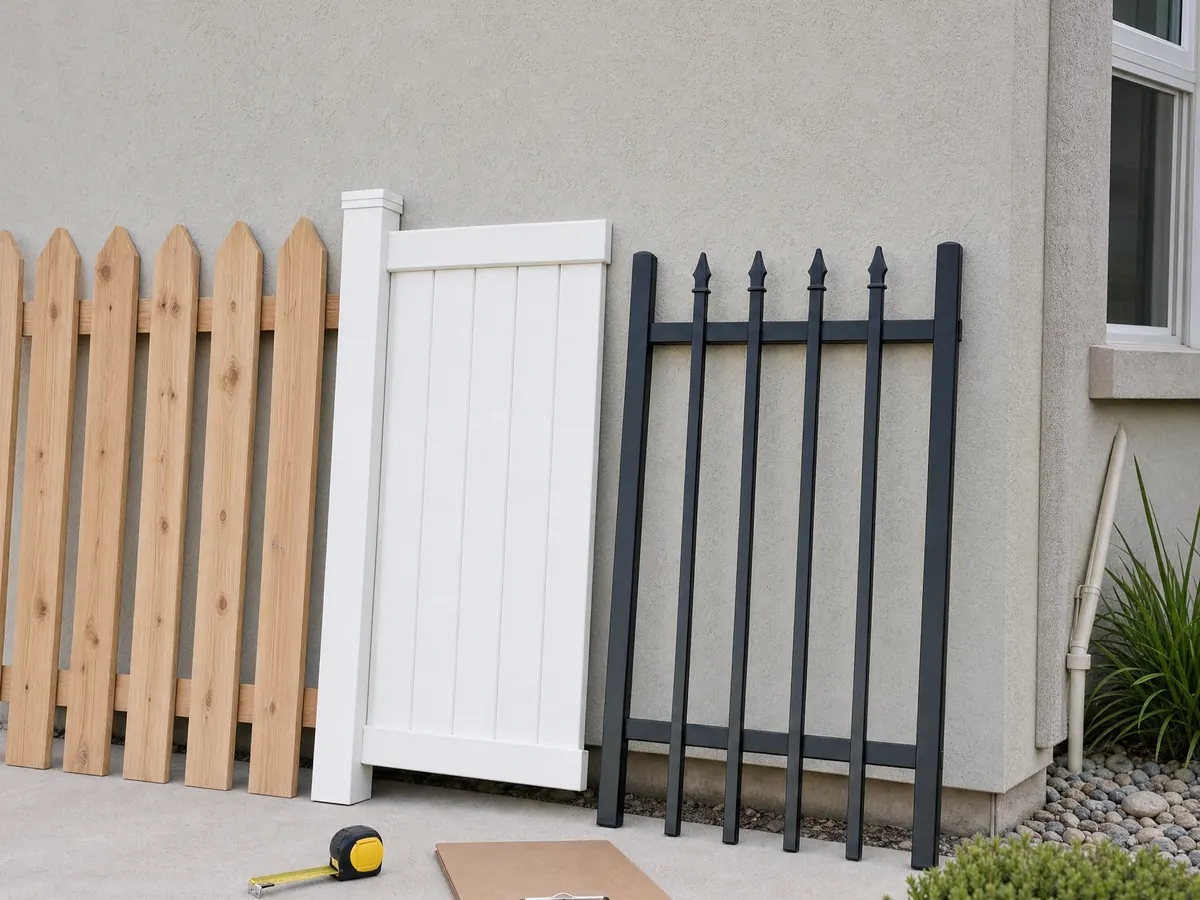
Fence photos from Bellflower and nearby communities
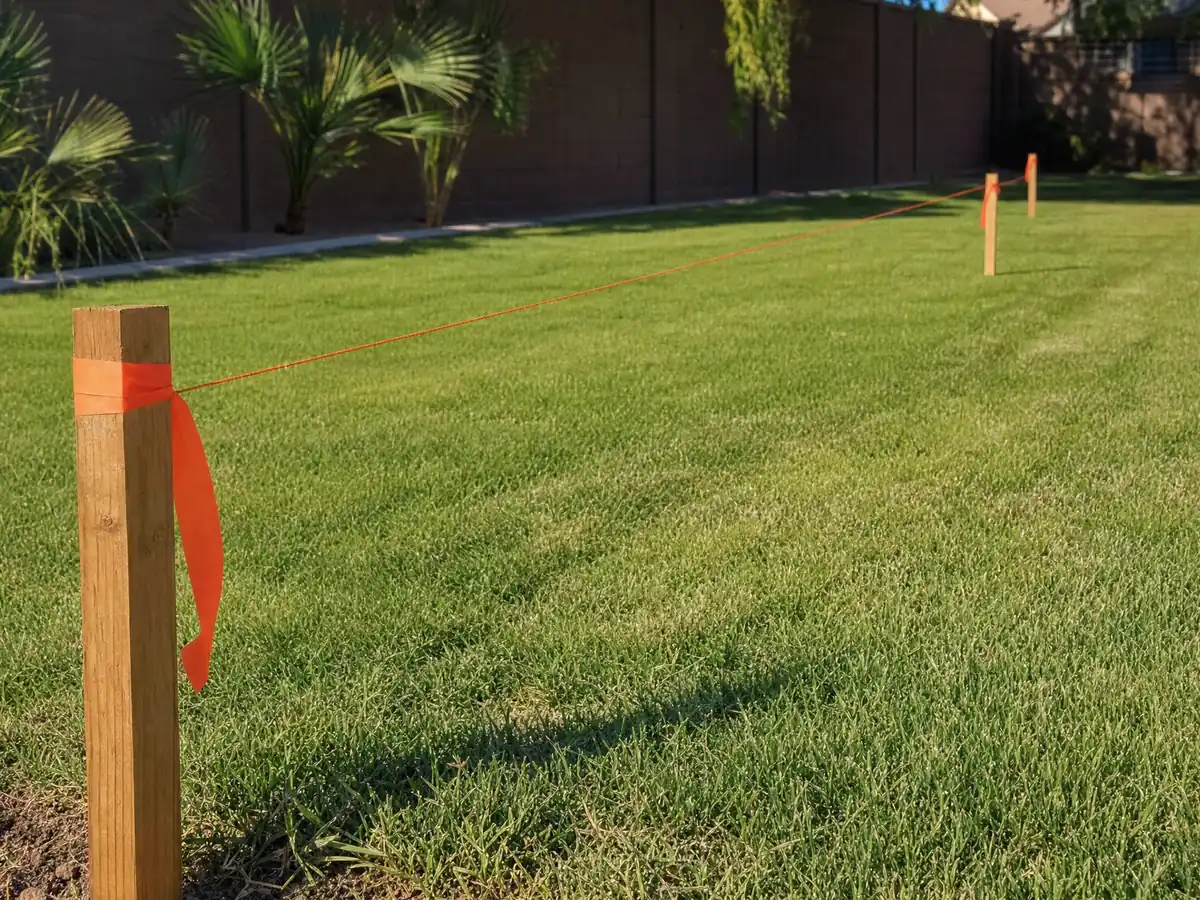
Six fencing scenes tied to Bellflower's narrow residential lots and to nearby communities such as Lakewood, Paramount and Cerritos, from posts and footings to finished wood, vinyl and pool fences.
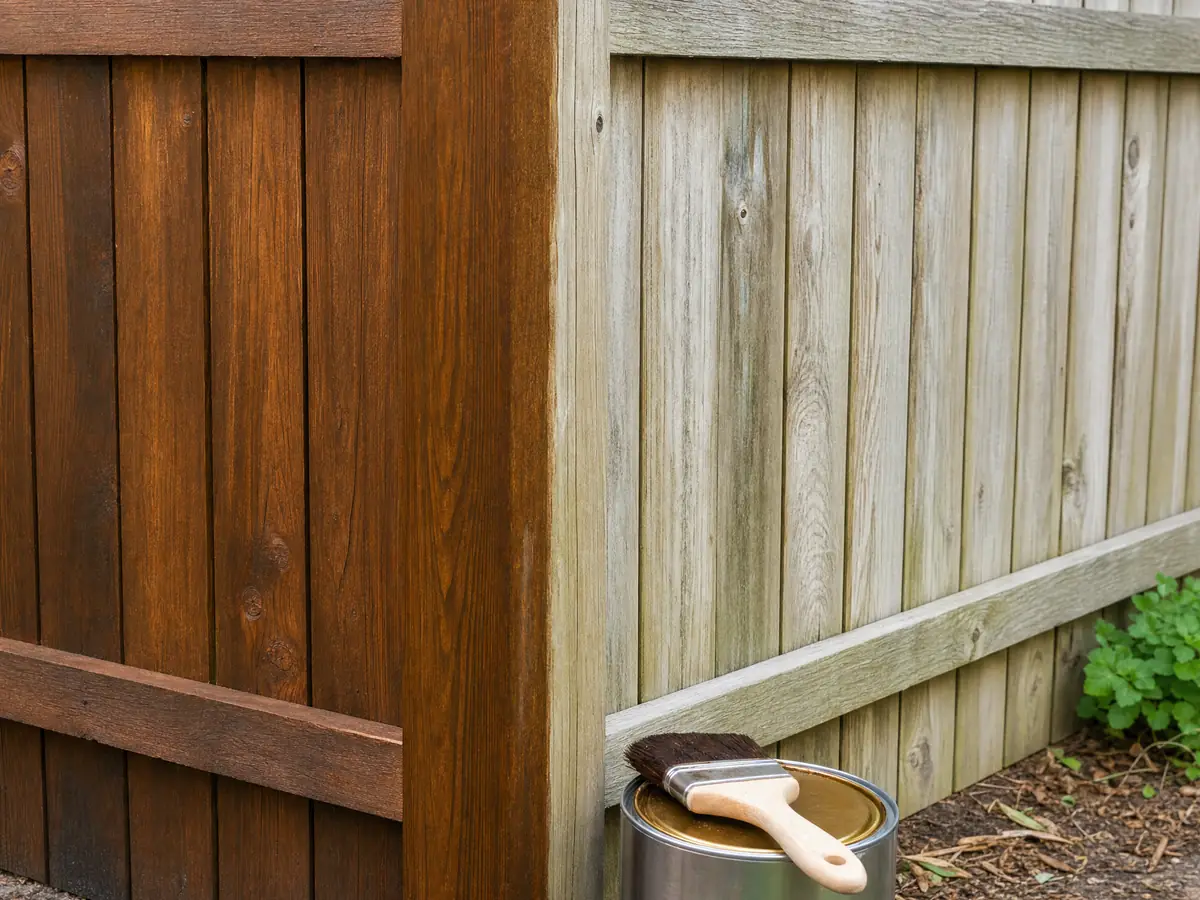
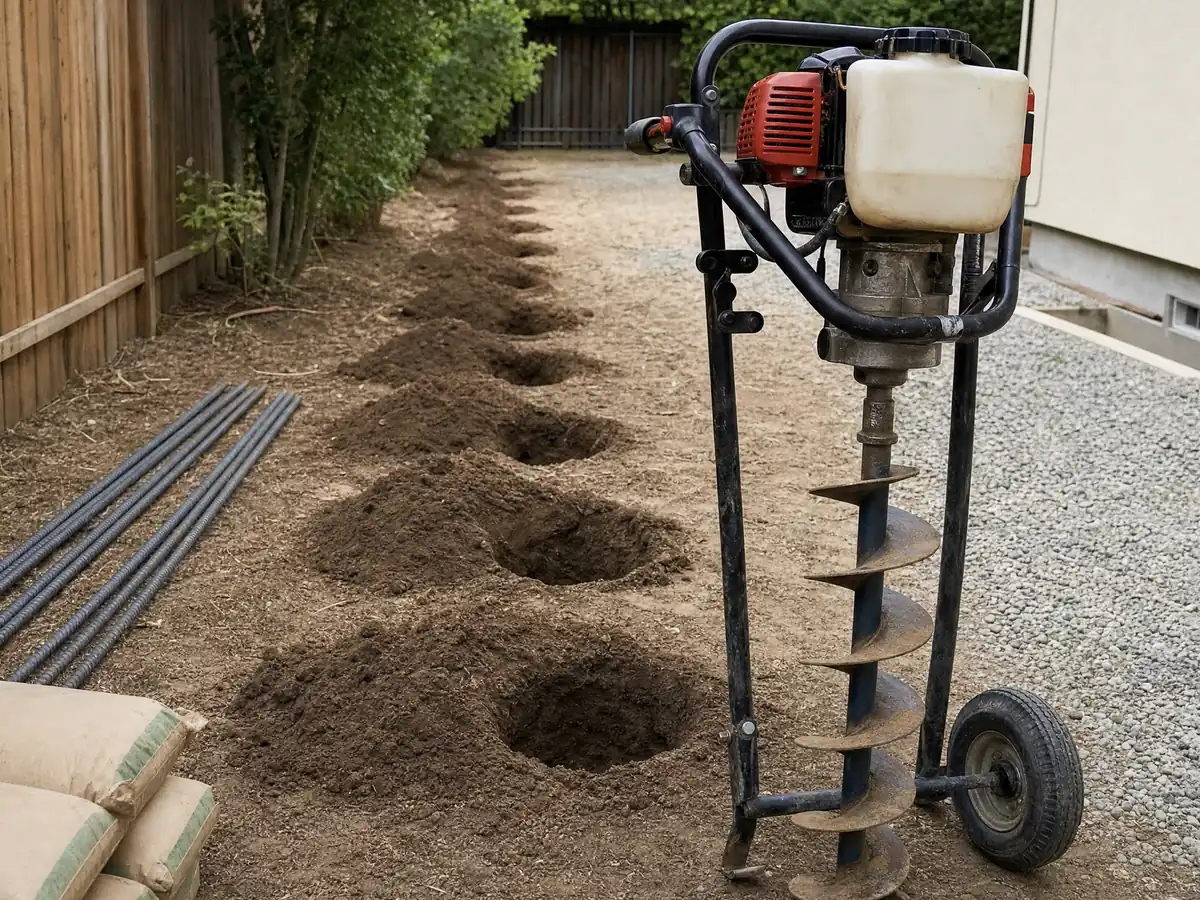
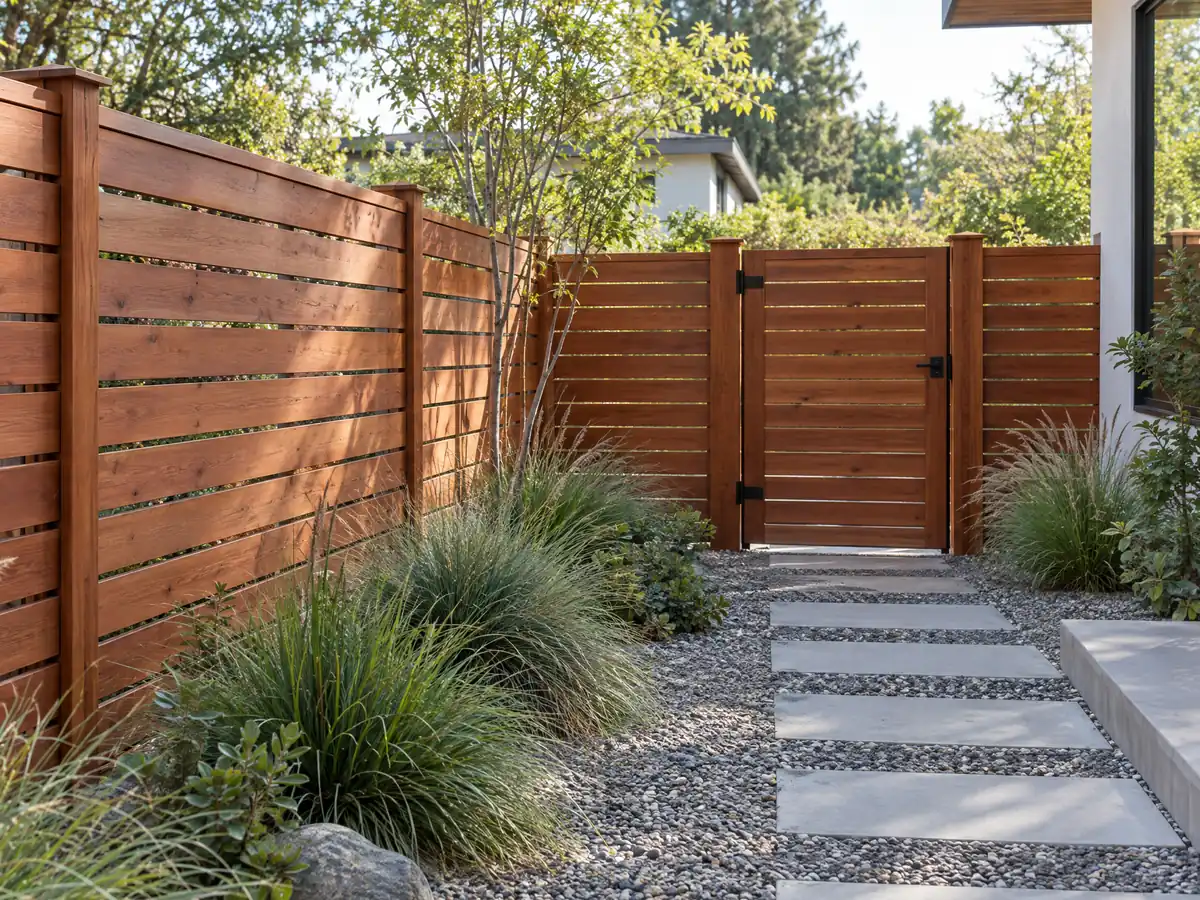
Where the fence numbers come from
The ranges above blend Los Angeles and national sources, and the table on our fencing price page names each one with its date. Roof and paint work often follow a fence, and the Bellflower rules for those are on the roofing page and the painting page. The Bellflower overview links every trade we cover in the city.
| What it covers | Typical range |
|---|---|
| Wood or vinyl privacy fence, 6 feet | $25 to $55 per linear foot |
| Chain-link | $12 to $30 per linear foot |
| Aluminum or ornamental iron | $35 to $85 per linear foot |
| Typical 100-foot backyard run | $2,500 to $5,500 total |
| Block walls, horizontal slat fences, gates and openers, hillside lots | Set by the written proposal |
Other work we manage in Bellflower
Bellflower fence questions, answered
Do I need a permit to build a fence in Bellflower?
Always Planning approval, sometimes a building permit. Every fence needs Planning to approve its location and height. The code exempts wood and chain link fences not over 6 feet from a building permit, but the handout wording at exactly 6 feet is unclear, so confirm with the counter at (562) 804-1424.
How tall can a fence be in the front yard?
In a required front yard the limit is 42 inches, or 48 inches if the material above 24 inches is at least 50 percent transparent. Chain link is barred within front and street side setbacks in the SF and R-1 zones. Your required front yard depth depends on your parcel's zone.
Can I put up a 7 foot fence in Bellflower?
Probably not at the property line. The code lets a fence, wall or hedge reach 6 feet in side and rear yards, and we found no exception for 7 feet. A taller structure would need Planning's written answer, and a fence over 6 feet also raises the building permit question.
How much does it cost to have 100 feet of fence installed?
Our Los Angeles planning range is roughly $2,500 to $5,500 for 100 feet of wood or vinyl privacy fence, from $25 to $55 per linear foot. Angi's August 2026 page averages $29 per foot. Bellflower has no published survey, so a written measured proposal is the real price.
Does your neighbor have to pay for half the fence in California?
Usually the law presumes they share the cost. Civil Code 841 presumes neighbors who benefit from a boundary fence share its cost equally, with 30 days' written notice before one owner incurs costs. The presumption can be rebutted, and in Bellflower both owners also sign the City's Common Line Agreement.
Is it cheaper to install a wood or vinyl fence?
Wood is usually cheaper up front. Angi's Los Angeles page shows a 100 foot wood run at $1,600 to $2,500 and vinyl at $1,850 to $3,400, and HomeGuide lists wood at $20 to $50 per foot against $30 to $60 for vinyl. Thumbtack's national figures overlap, so compare written bids.
What are the new fence rules in California in 2026?
We found no new Bellflower fence rule for 2026 beyond the City's current fence height guide, which carries a 2026 date. State rules we can cite are Civil Code 841 on shared costs and the pool barrier provisions. We could not confirm any statewide ember rule for fences, so we do not cite one.
What happens if I don't have a permit for a fence?
Under Bellflower's code, work without a required permit is a misdemeanor and a public nuisance, and an investigation fee equal to the permit fee is added. A fence also needs Planning approval even when no building permit applies, so the safer step is to ask first.
Can I install my own backyard fence?
Yes on your own property, but the same approvals apply. Planning must approve the location and height, a shared line needs the Common Line Agreement, and a fence that needs a building permit requires the owner-builder declarations, with notarized signatures. Construction stops on Sundays and City holidays.
Plan your Bellflower fence with us
Tell us where the fence runs, whether it is a shared line, a pool barrier or a block wall, and who owns the property. We map the approvals before the site visit.