
Fence Companyin Paramount, CA
A fence company in Paramount works to 42 inches in the required front yard and 6 feet behind it, although one Code section allows 8 feet, so confirm the height with Planning first. A building permit is required for fences over 6 feet, and block walls follow the City's published footing table.
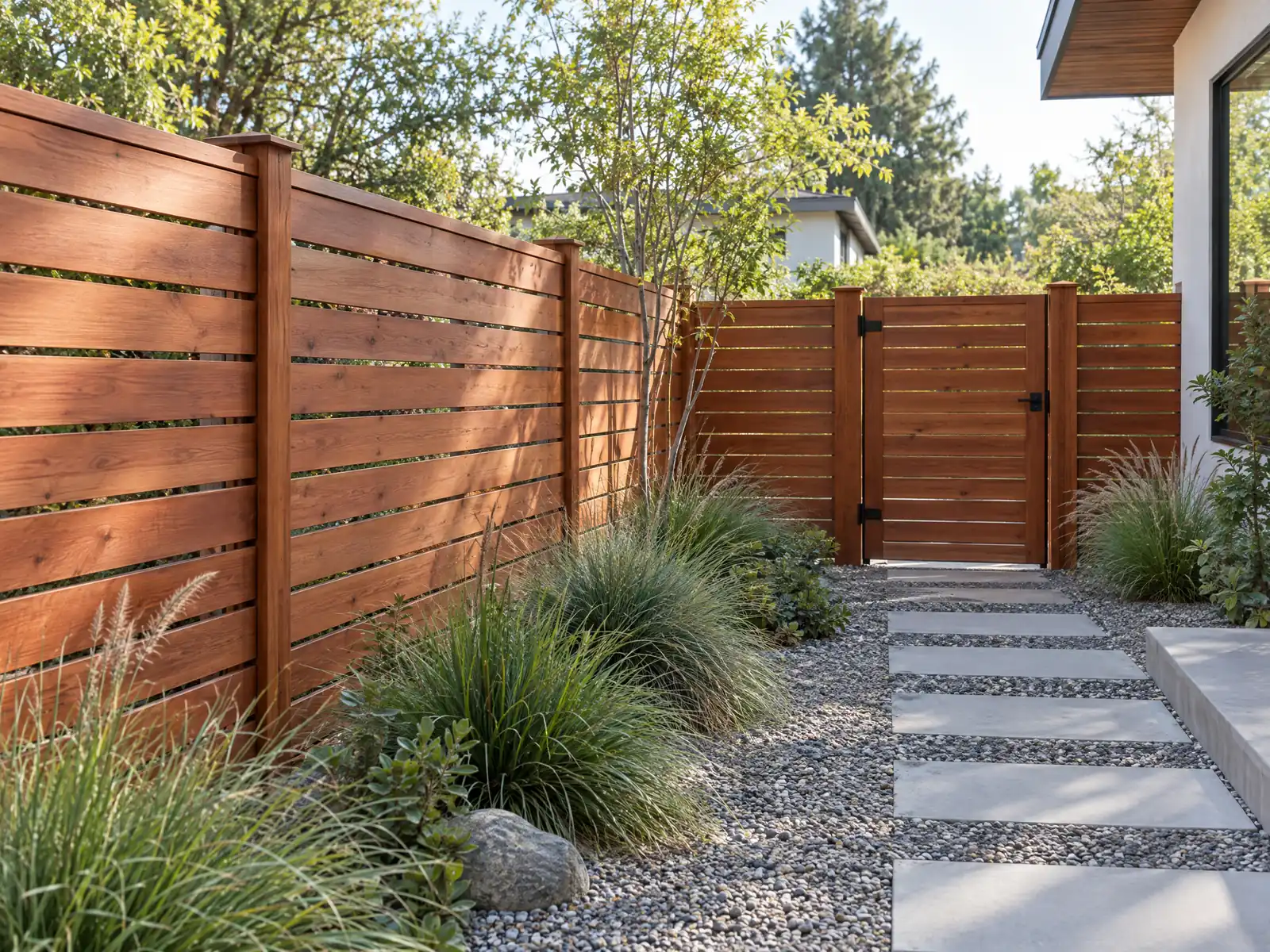
Fences in Paramount mostly divide small tract lots. The R-1 zone sets a 5,000 square foot minimum lot with 20 foot front, 5 foot side and 15 foot rear setbacks, and the Census Bureau's 2024 estimates count 6,245 detached single-family homes among 14,773 housing units, so much of the fence work borders a neighbor's yard. With 57 percent of occupied homes rented, the person ordering the fence is often a landlord, and the Code's ground rules are the same either way.
On a fence job MDG Builders (CSLB #1040337) is the general contractor: we price the run, handle the City paperwork and schedule the work, and a licensed fencing subcontractor, or a masonry subcontractor for block, builds it. Start with the City's Building and Safety Division, see the sourced prices on our fencing page and browse every Paramount trade in the Paramount overview.
What Paramount's Municipal Code says about fences, walls and gates
Where fencing permits come from in Paramount: City of Paramount Planning and Building Department, Building and Safety Division.
- Walls, fences and hedges in R zones (17.44.340): up to 42 inches in the required front yard; up to 8 feet behind the rear line of the required front yard, with a gate where a lot rears on an alley and vision clearance beside side-street driveways on corner lots; no barbed, concertina or razor wire, cut glass or sharp points.
- The R-1 chapter (17.08.080.F) limits a wall, fence or hedge behind the front yard to 6 feet, subject to Planning Director approval, while 17.44.340 allows 8 feet, and the two sections also define an 'open work fence' on a retaining wall differently (50 percent or less solid versus more than 50 percent), so writers should use 6 feet as the cautious figure and say to confirm height with Planning at (562) 220-2036.
- Where a retaining wall holds back fill, its height counts toward the permitted fence height and a protective fence of no more than 42 inches may sit on top, with anything above 6 feet of combined height required to be open work; a retaining wall protecting a cut on a lot line may be topped by a fence of the height otherwise allowed (17.08.080.F and 17.44.340).
- Block wall detail (6-foot maximum): the handout's footing table (three footing types) runs from 12 to 16 inch minimums at 3 feet of wall up to 24 to 36 inch minimums at 6 feet; CMU is staggered, reinforcing steel is at least grade 40, all cells with steel are fully grouted, grout is vibrated, and depth is measured into undisturbed natural soil.
- Municipal Code 15.28.110(D)(1) says a building permit is needed to build a new swimming pool or a fence over 6 feet high, and that no permit or inspection is needed for the fence around an existing pool unless it exceeds 6 feet or retains more than 3 feet of earth; the Building and Safety pages read do not otherwise list a fence permit threshold.
- Pool fences under 15.28.110: 5 feet 10 inches minimum height at all places, openings no larger than 50 square inches or 4 inches wide, wood posts at least 3 by 3 inches set 18 inches deep and no more than 10 feet apart, masonry on a footing at least 12 inches wide and 6 inches thick, and a self-closing, self-latching gate with the latch at least 4 feet above the ground.
- New or remodeled single-family pools must also meet the Residential Code Appendix CI amendments: an isolating enclosure plus at least one more drowning-prevention feature, mesh fence set back at least 20 inches from the water, and for a fence to count as non-climbable, horizontal members at least 45 inches apart, chain-link openings no larger than 1 1/4 inch and a 36 inch clear zone from pumps, filters and heaters (15.04.012.B).
- Corner lots: no tree, fence, shrub or obstruction taller than 42 inches may sit in the 15-foot vision triangle at a corner, and the same height limit applies beside a side-street driveway (17.44.290 and 17.08.060.E).
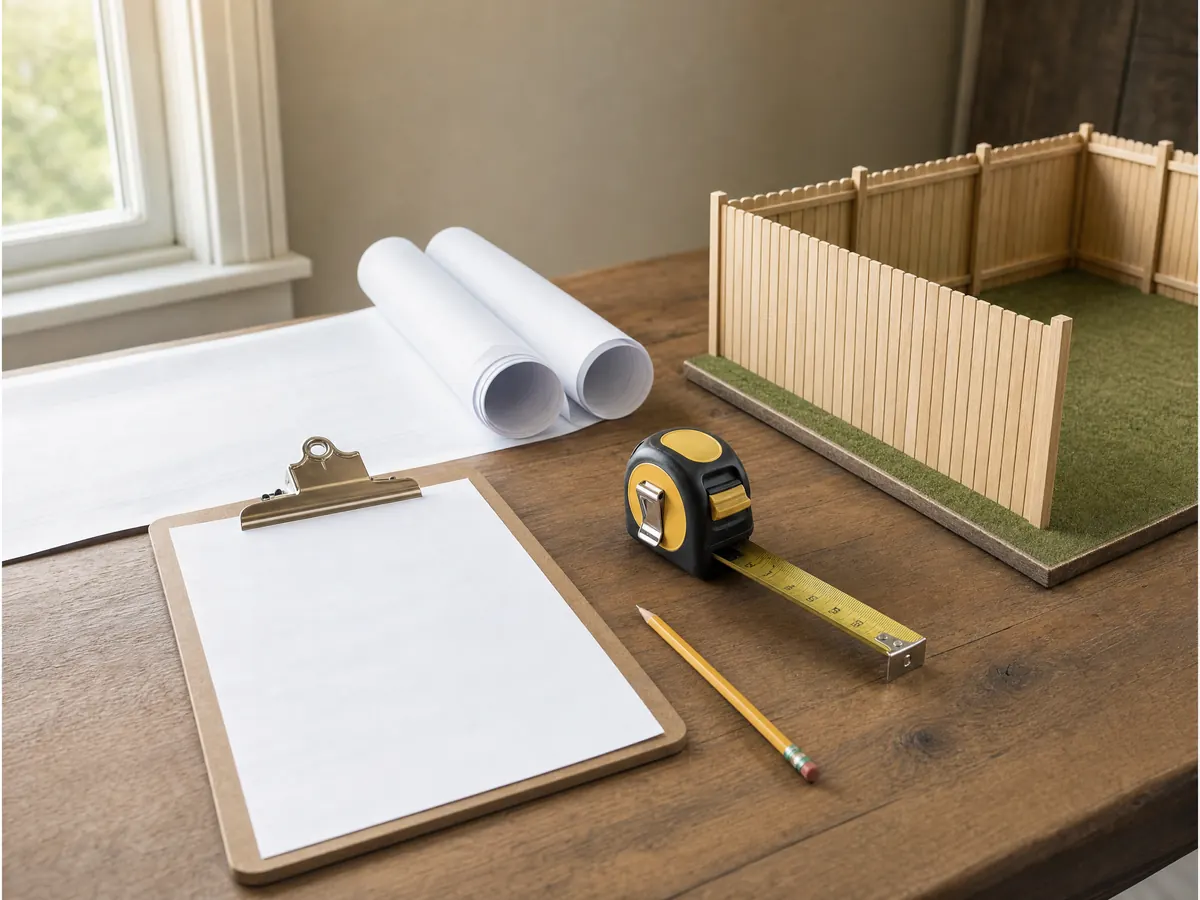
How tall can a fence be in Paramount: 6 feet or 8 feet?
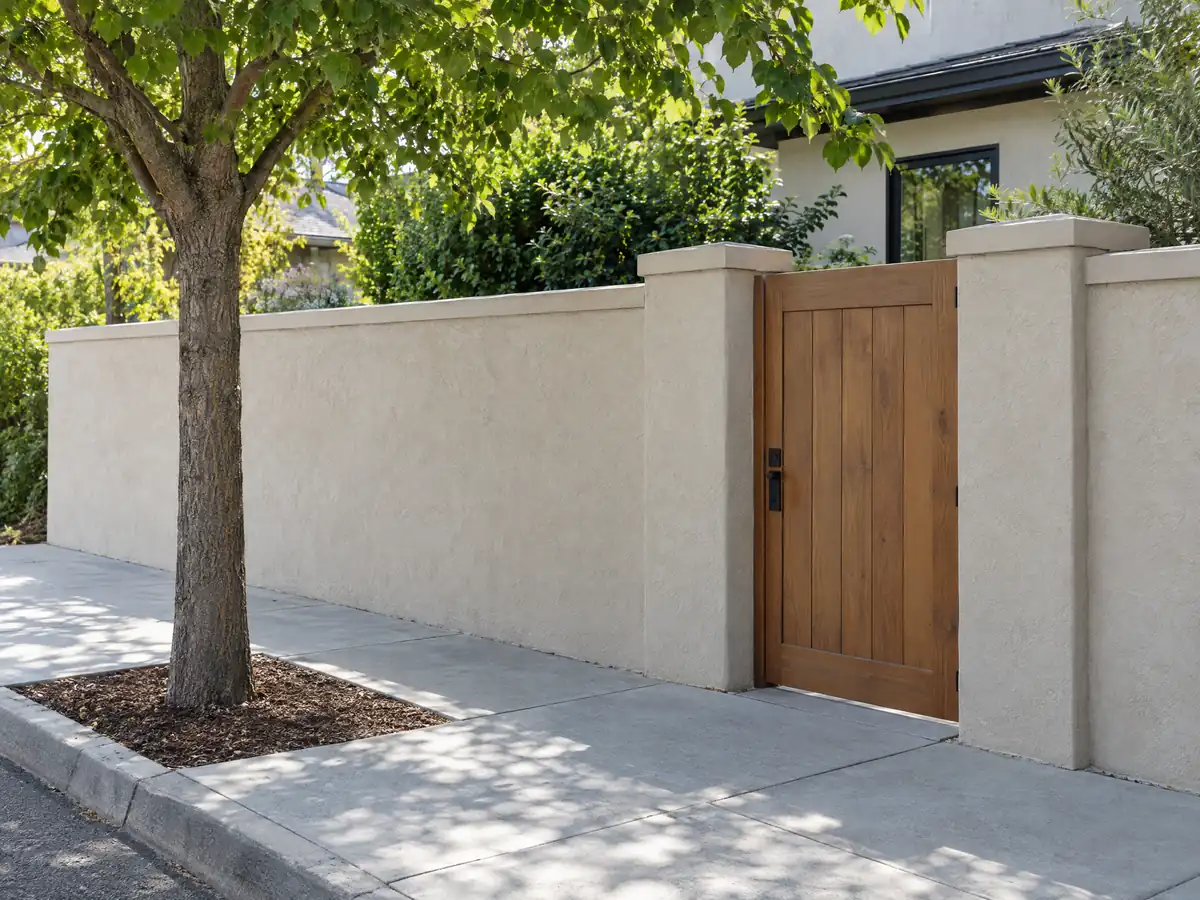
The front yard is the easy part. Section 17.44.340 limits a wall, fence or hedge in the required front yard of a residential zone to 42 inches, and in those zones it bars barbed wire, concertina wire, razor wire, cut glass and sharp points.
Behind the front yard the Code contradicts itself. Section 17.44.340 allows 8 feet, but the R-1 chapter, 17.08.080.F, limits a fence behind the front yard to 6 feet, subject to Planning Director approval. The two sections also define an open work fence on a retaining wall in opposite ways, one at 50 percent or less solid and the other at more than 50 percent. We use 6 feet as the cautious number, and you should confirm it with Planning at (562) 220-2036 before a crew orders 8 foot panels.
Ask Planning for the height it will accept on your parcel and keep that email with your contract.
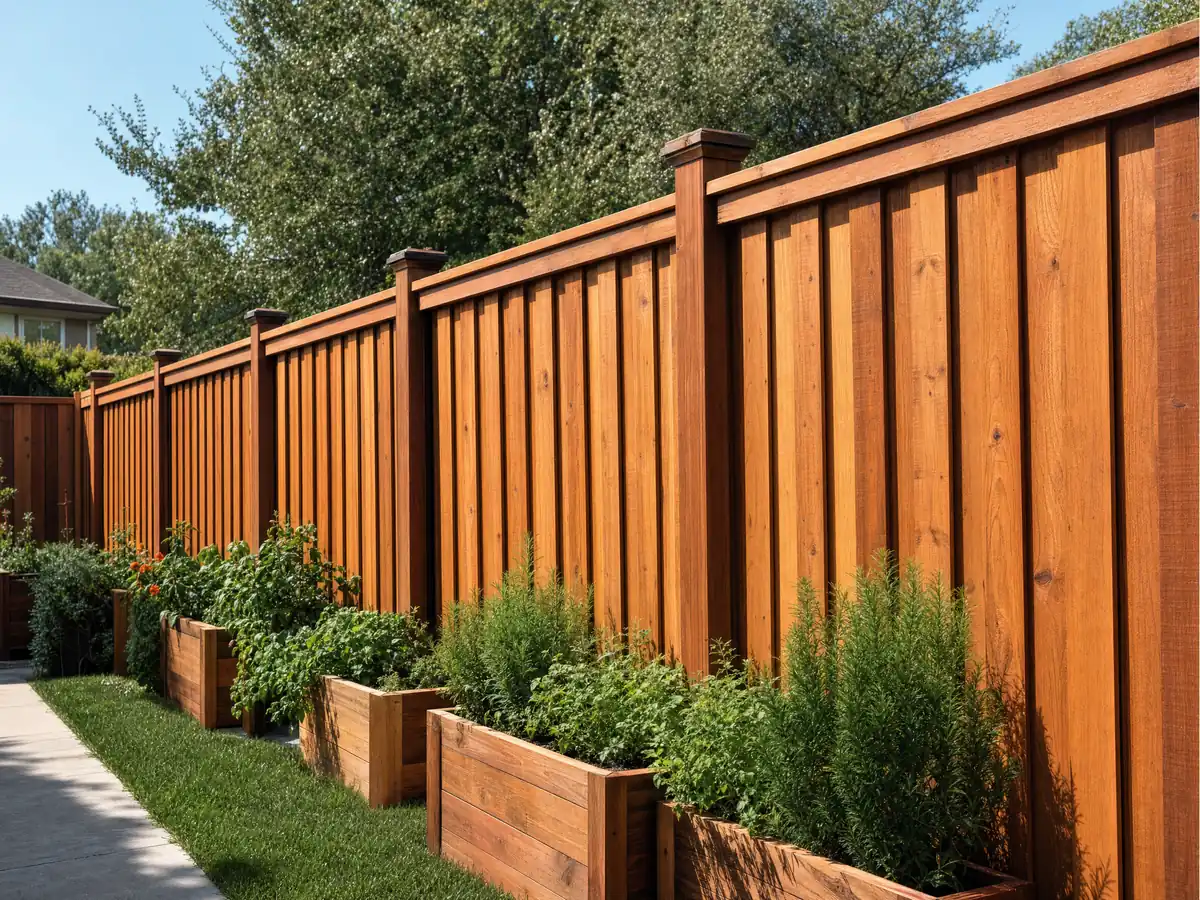
Do I need a permit for a fence in Paramount?
Municipal Code 15.28.110(D)(1) says a building permit is needed to build a new swimming pool or a fence over 6 feet high. It adds that no permit or inspection is needed for the fence around an existing pool unless it exceeds 6 feet or retains more than 3 feet of earth. The Building and Safety pages we read list no other fence threshold, so a 6 foot wood fence is neither clearly permitted nor clearly exempt. Ask before the posts go in.
Where a building permit does apply in an R-1, R-2 or R-M zone, the Residential Review Board reviews it first. The Board is the Director of Planning, the Chief Building Official and the City Engineer, holds no noticed hearing, and can be appealed to the Planning Commission within 10 days. Applications go through the City's iWorQ portal, and first plan check typically takes about 10 business days, with resubmittals about 5 to 7.
Between the fence and the permit sits one more practical question: who removes the old fence. Angi's national page lists old-fence removal at $3 to $5 per foot, so ask each bidder to show removal, hauling and new work as separate lines, and confirm whether the post holes are dug by hand near the neighbor's footing or the water line.
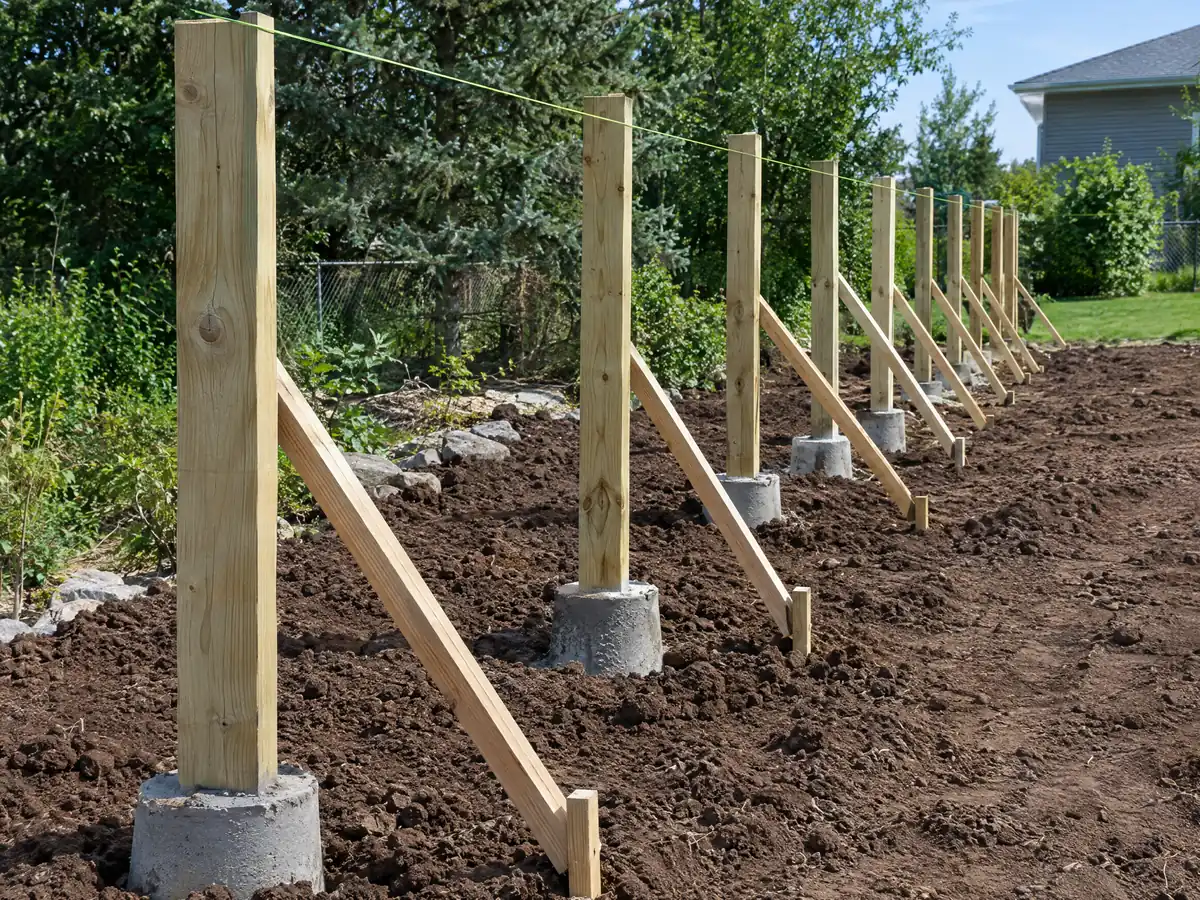
What do Paramount block walls and retaining walls have to meet?
The City publishes a Block Wall Detail for walls up to 6 feet. Its footing table lists three footing types, running from 12 to 16 inch minimums for a 3 foot wall up to 24 to 36 inch minimums at 6 feet, with depth measured into undisturbed natural soil. Block is staggered, reinforcing steel is at least grade 40, every cell holding steel is fully grouted and the grout is vibrated. A County sample of 137 points inside the city put every one in a mapped liquefaction zone. It is a sample, not a parcel map, but it is a reason to build to the detail.
Masonry is also a different license. CSLB's fencing class C-13 excludes masonry walls, and block work is C-29, so a fence company that also builds block should show both numbers.
Where a retaining wall holds back fill, its height counts toward the permitted fence height. A protective fence of up to 42 inches may sit on top, and combined height above 6 feet has to be open work. A wall that protects a cut along a lot line may carry a fence of the height otherwise allowed.
What does a Paramount pool fence have to meet?
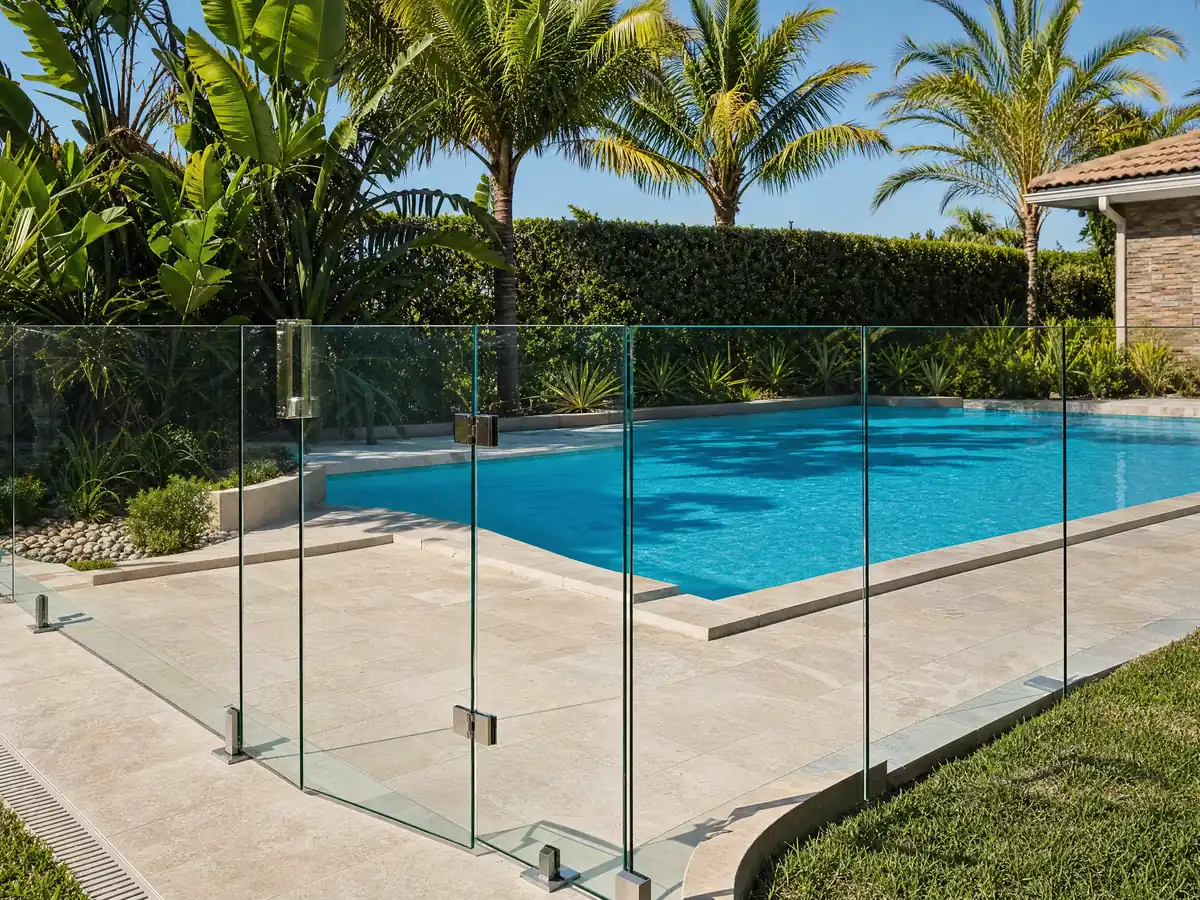
Pool fences follow their own section. Under 15.28.110 the barrier is at least 5 feet 10 inches high at all places, openings can be no larger than 50 square inches or 4 inches wide, wood posts are at least 3 by 3 inches set 18 inches deep and no more than 10 feet apart, and masonry sits on a footing at least 12 inches wide and 6 inches thick. The gate must be self-closing and self-latching, with the latch at least 4 feet above the ground.
New or remodeled single-family pools must also meet the Residential Code Appendix CI amendments, which add an isolating enclosure plus at least one more drowning-prevention feature. A mesh fence must sit 20 inches or more from the water, and a fence counts as non-climbable only with horizontal members at least 45 inches apart, chain-link openings no larger than 1 1/4 inch and a 36 inch clear zone around pumps, filters and heaters. The fence and gate inspection is also where smoke and carbon monoxide alarms get verified on a permitted pool job.
How do the front yard and driveway rules shape a Paramount fence?
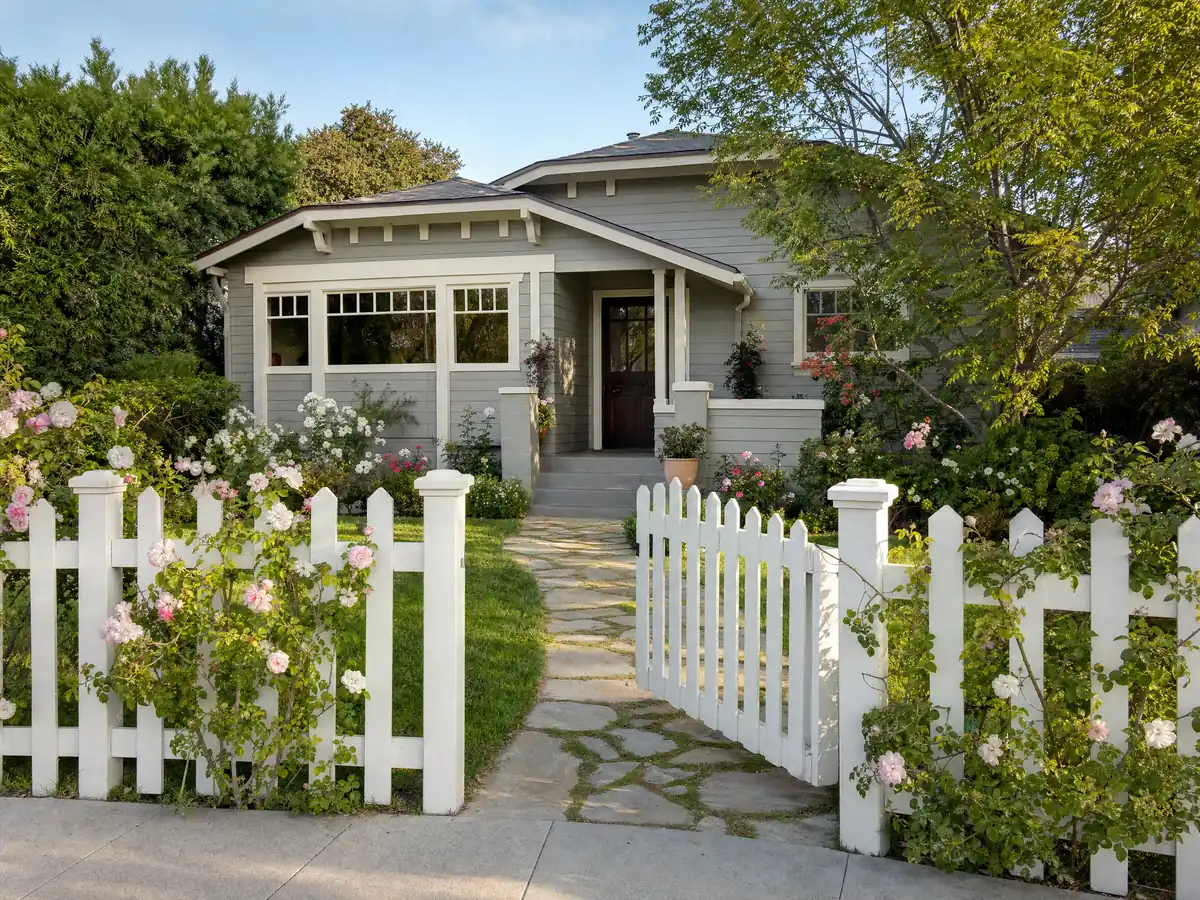
A front fence has to share the lot with other rules. R-1 front yards must be at least 65 percent planted, and landscape changes there need Planning review before planting, so a fenced courtyard has to fit inside the planted share. On a corner lot, nothing taller than 42 inches, fence or shrub, may stand in the 15 foot vision triangle at the corner or beside a side-street driveway.
The City's Driveway Expansion Program reimburses up to $3,000 toward widening a driveway, and neighbors in it may not share a connecting driveway: a planter, a 42 inch front fence or another clear separator goes between the lots, at the Director's discretion. History adds a footnote. In the mid-1990s the White Picket Fence Program paid 75 percent of replacing chain link with picket fences, and 325 projects were finished between 1990 and 2007. Whether it still runs was not confirmed, so do not assume a subsidy exists.
Who pays for a shared fence in Paramount?
California's Civil Code 841 presumes that adjoining owners share the cost of a boundary fence equally, and it asks for 30 days of written notice before you incur costs you expect the neighbor to share. The presumption can be rebutted, so a fence that serves one lot far more than the other can be argued. People search for it as the Good Neighbor Fence Act of 2013, but section 841 is the text.
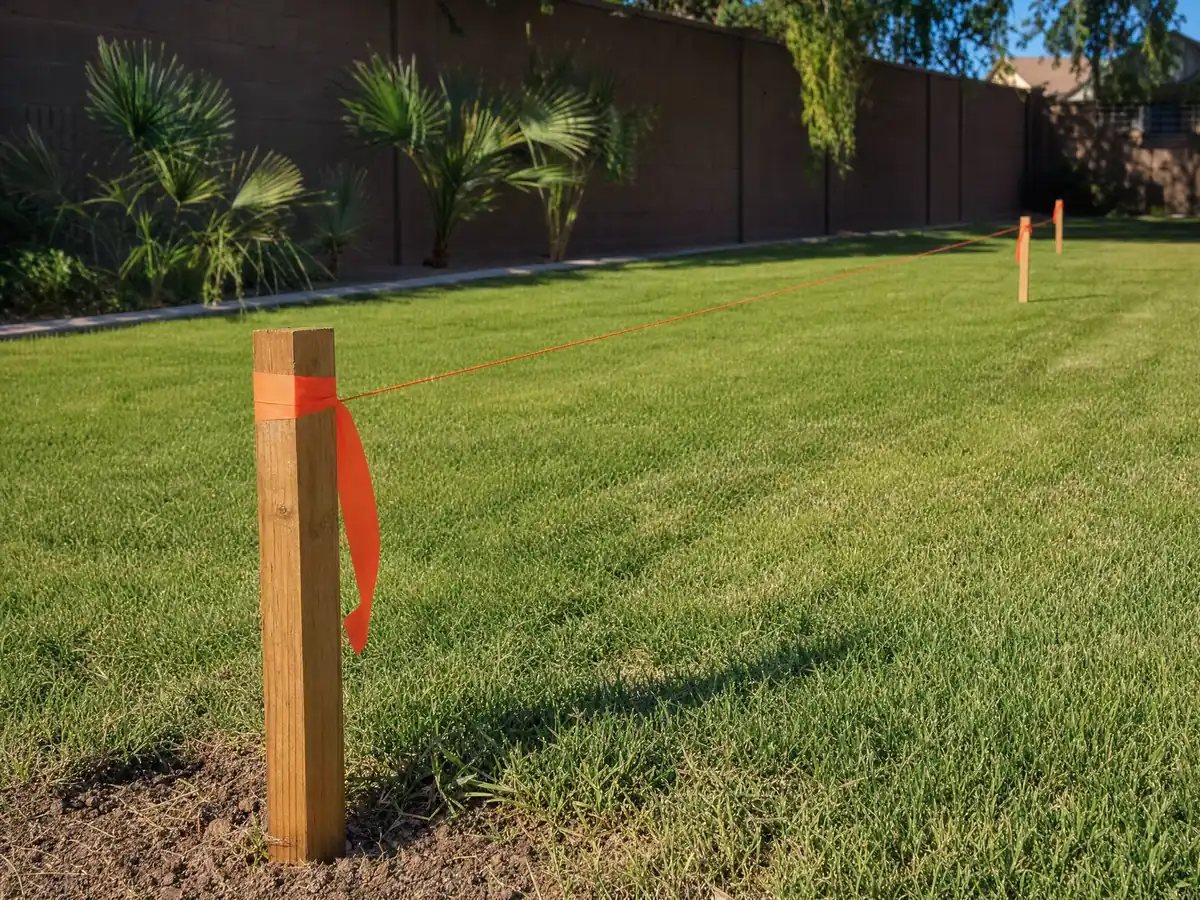
Because 57 percent of Paramount's occupied homes are rented, the other side of your boundary may belong to a landlord, so address the notice to whoever holds title. A survey or recorded map settles where the line runs. Ask for stakes before the posts go in, since a fence set on the wrong side is expensive to move.
How much does fence installation cost in Paramount, and how do you hire a fence company?
Nobody has published a Paramount fence survey, and the City's building fee tables could not be read, so we print no local price and no permit fee. For Los Angeles, Angi's August 2026 data gives an average project of $3,051 within a $1,734 to $4,422 range and $15 to $60 per linear foot, though its own 100 foot row implies $21 to $24 a foot. After weighing Angi, HomeGuide, Thumbtack and Fixr, our planning range is $25 to $55 per foot for wood or vinyl privacy fence, $12 to $30 for chain link and $35 to $85 for aluminum or ornamental iron, roughly $2,500 to $5,500 for a 100 foot backyard run. The Bureau of Labor Statistics puts fence erectors in the metro area at a mean $28.00 an hour for May 2025, a labor check and not a billing rate.
Fencing is CSLB class C-13. Business and Professions Code 7159 asks for a written contract before work, with a down payment capped at $1,000 or 10 percent, whichever is less. Ask for height, footing depth and who pulls the permit on separate lines, and read our guide to checking a contractor's license and how general contractors use subcontractors first.
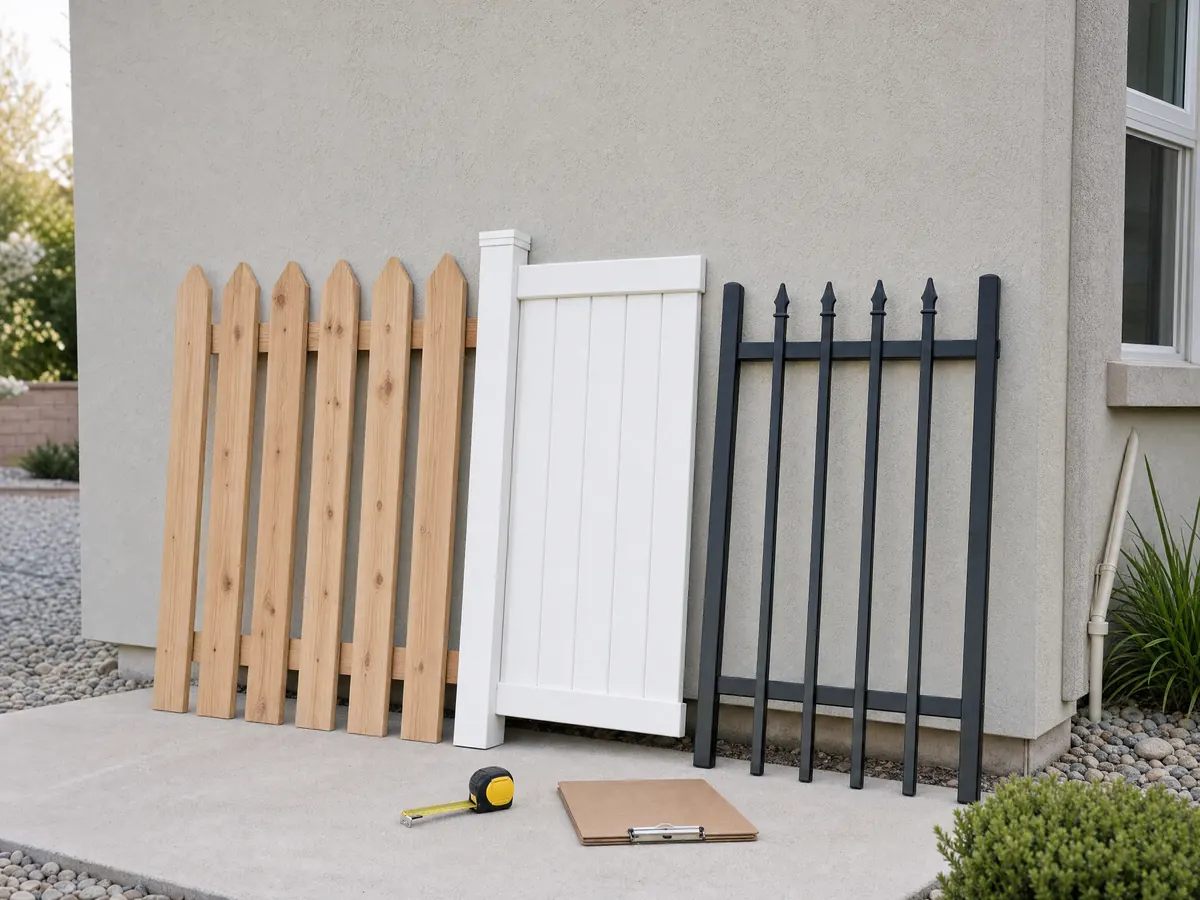
Fence photos from Paramount and nearby communities
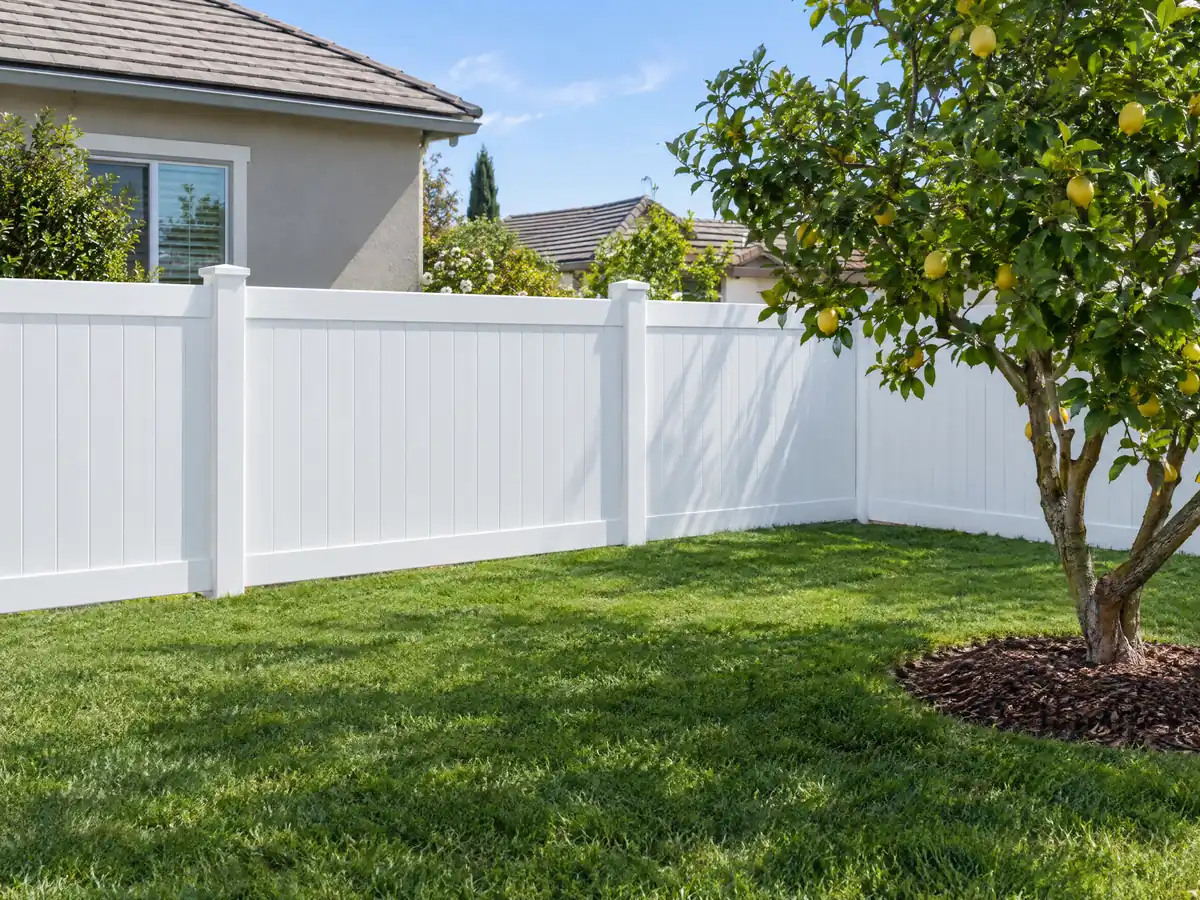
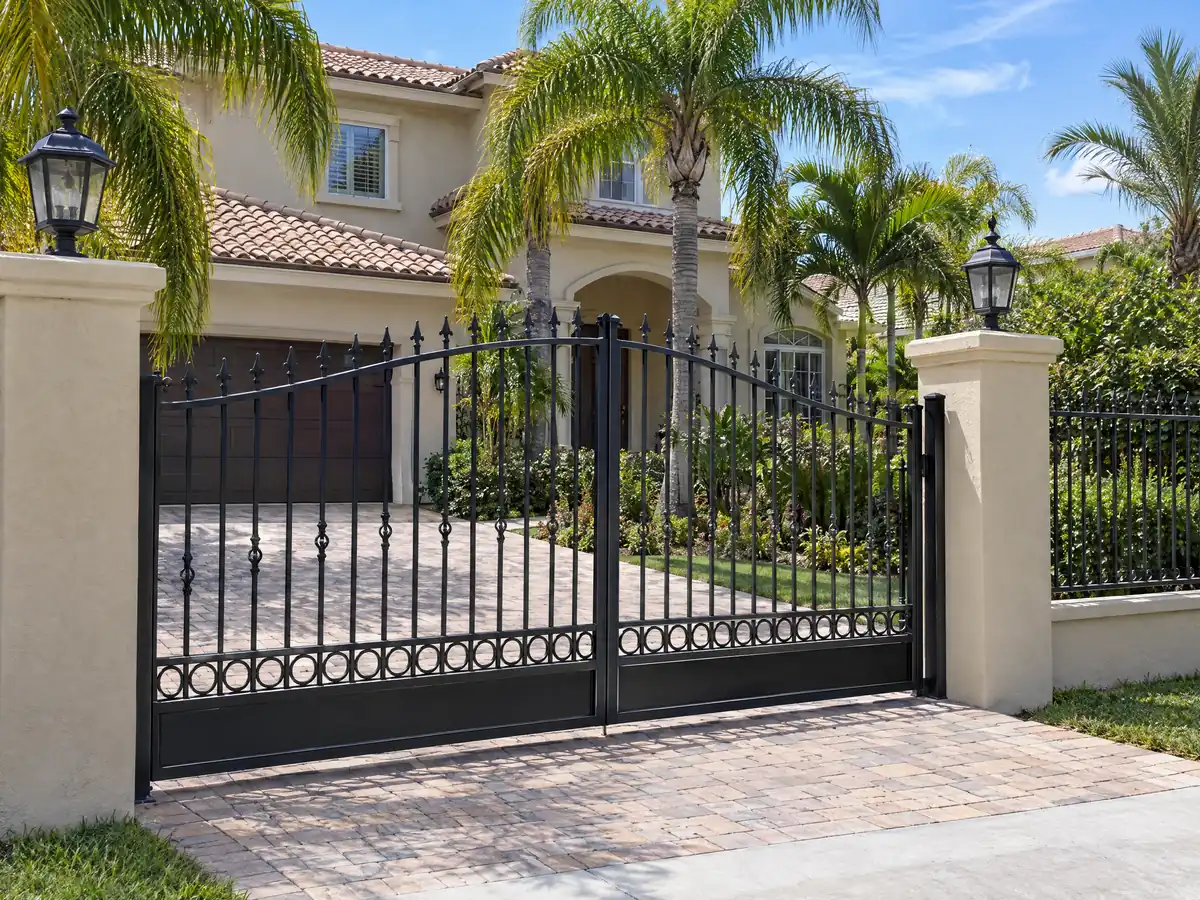
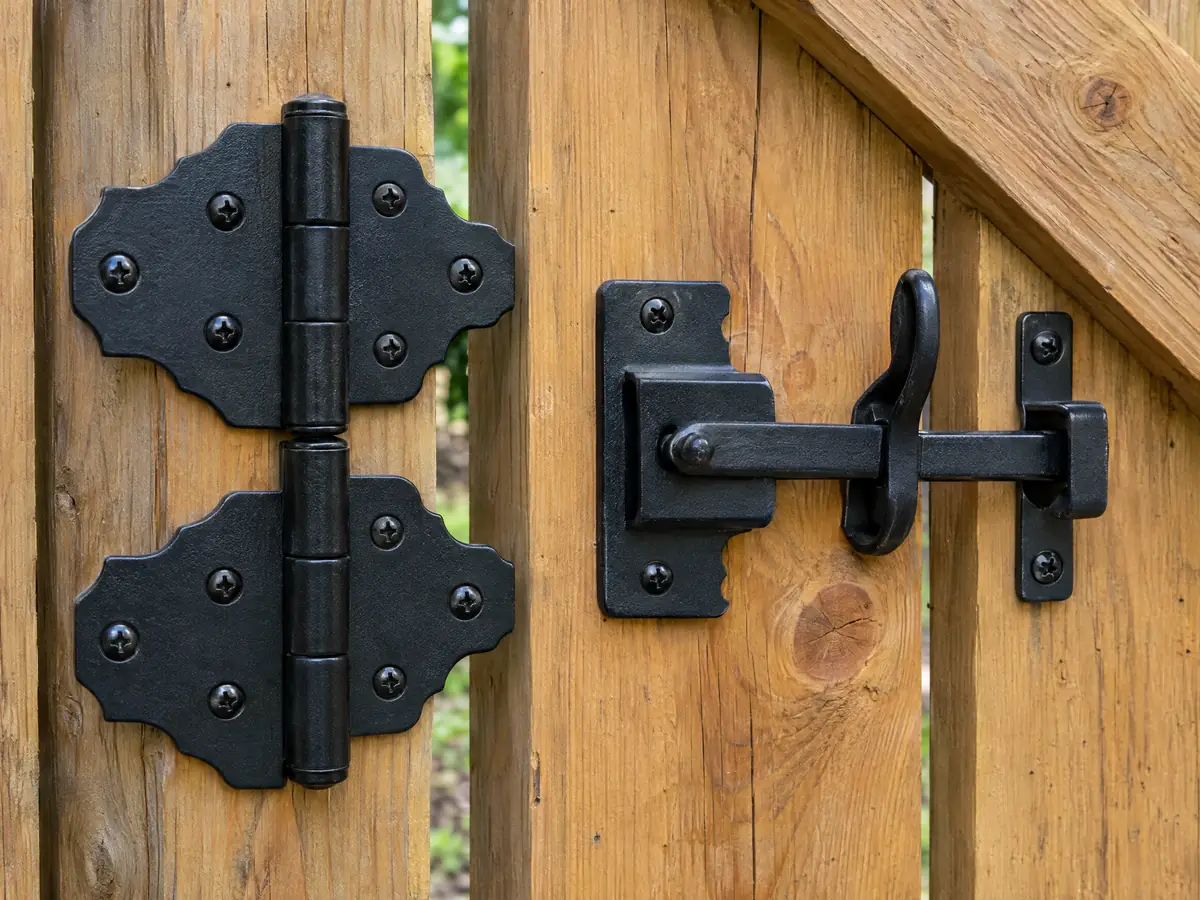
Six fencing scenes tied to Paramount places such as Progress Park, Spane Park and the Happy Homes tract, and to nearby Lynwood, Downey and Compton, showing wood, block, iron and pool fence work.
Where the Paramount fence numbers come from
All dollar figures are Los Angeles or regional numbers whose sources are listed in the table on our fencing price page, because no one has published a Paramount fence survey. A fence often goes with new exterior work, so the same questions are answered for roofing, painting and kitchen remodeling in the city. Nearby counters set their own height and permit rules: compare Downey, Lynwood, South Gate and Long Beach, or the larger Los Angeles fence rules.
| What it covers | Typical range |
|---|---|
| Wood or vinyl privacy fence, 6 feet | $25 to $55 per linear foot |
| Chain-link | $12 to $30 per linear foot |
| Aluminum or ornamental iron | $35 to $85 per linear foot |
| Typical 100-foot backyard run | $2,500 to $5,500 total |
| Block walls, horizontal slat fences, gates and openers, hillside lots | Set by the written proposal |
Paramount fence company and fence installation questions, answered
Do I need a permit to build a fence in Paramount?
Yes for a fence over 6 feet, under Municipal Code 15.28.110(D)(1), which also covers new pools. The Building and Safety pages we read list no other threshold, so confirm a 6 foot fence at (562) 220-2036 before digging. Where a building permit applies in an R zone, the Residential Review Board reviews it.
How tall can a fence be in the front yard in Paramount?
Up to 42 inches in the required front yard of a residential zone, under Municipal Code 17.44.340. That section also bars barbed wire, concertina wire, razor wire, cut glass and sharp points. Corner lots add a 15 foot vision triangle where nothing over 42 inches may stand.
Can I put up a 7 foot fence in Paramount?
Plan on no unless Planning approves it in writing. The R-1 chapter limits a fence behind the front yard to 6 feet subject to the Planning Director's approval, while 17.44.340 allows 8 feet, and a permit is required over 6 feet. Ask Planning which section controls your lot.
How much does fence installation cost in Paramount?
We found no Paramount survey, so we print no local price. Angi's August 2026 Los Angeles data shows an average project of $3,051 and $15 to $60 per linear foot. Our planning range is $25 to $55 per foot for wood or vinyl privacy fence, and a measured written proposal is the real price.
Is it cheaper to install a wood or vinyl fence?
Wood is usually cheaper up front. Angi's Los Angeles page shows wood at $1,600 to $2,500 and vinyl at $1,850 to $3,400 for its sample project, and its national page lists $10 to $45 per foot for wood and $15 to $40 for vinyl. We found no sourced Paramount lifespan comparison.
Does my neighbor have to pay for half the fence in California?
Usually yes, if the fence stands on the boundary. Civil Code 841 presumes adjoining owners share the cost equally and asks for 30 days of written notice before you incur costs you expect the neighbor to share. The presumption can be rebutted, for example when a fence serves one lot far more.
Do I need a permit for a block wall in Paramount?
Treat it as permit work. We found no block wall threshold, but the City publishes a Block Wall Detail with footing minimums from 12 to 16 inches at 3 feet to 24 to 36 inches at 6 feet, and any fence over 6 feet needs a building permit. Ask Building and Safety before ordering block.
What are the rules for a pool fence in Paramount?
A pool barrier must be at least 5 feet 10 inches high, with openings no larger than 50 square inches or 4 inches wide and a self-closing, self-latching gate whose latch sits 4 feet or more above the ground. New or remodeled pools also need the Appendix CI features, such as a second drowning-prevention measure.
How do I choose a fence company in Paramount?
Check the CSLB record for a C-13 license, and a C-29 license if block is involved. Ask for the written contract Business and Professions Code 7159 requires, then compare proposals that list height, footing depth, gates and permit responsibility on separate lines. A permitted fence is never unlicensed work.
Ask for a fence estimate in Paramount
Tell us the lot's cross streets, how many feet of fence you want and whether it faces a street, a neighbor or a pool, and we check the height and permit questions before we call back.