
Fence Companyin Lynwood, CA
A fence in Lynwood needs two permits: one from the Building Official and one from the Planning Division, which asks for notarized consent from every abutting owner or an engineer's survey. Chain link is banned, materials are limited to wrought iron, wood or PVC picket and block, and the zoning code caps front yards at 48 inches.
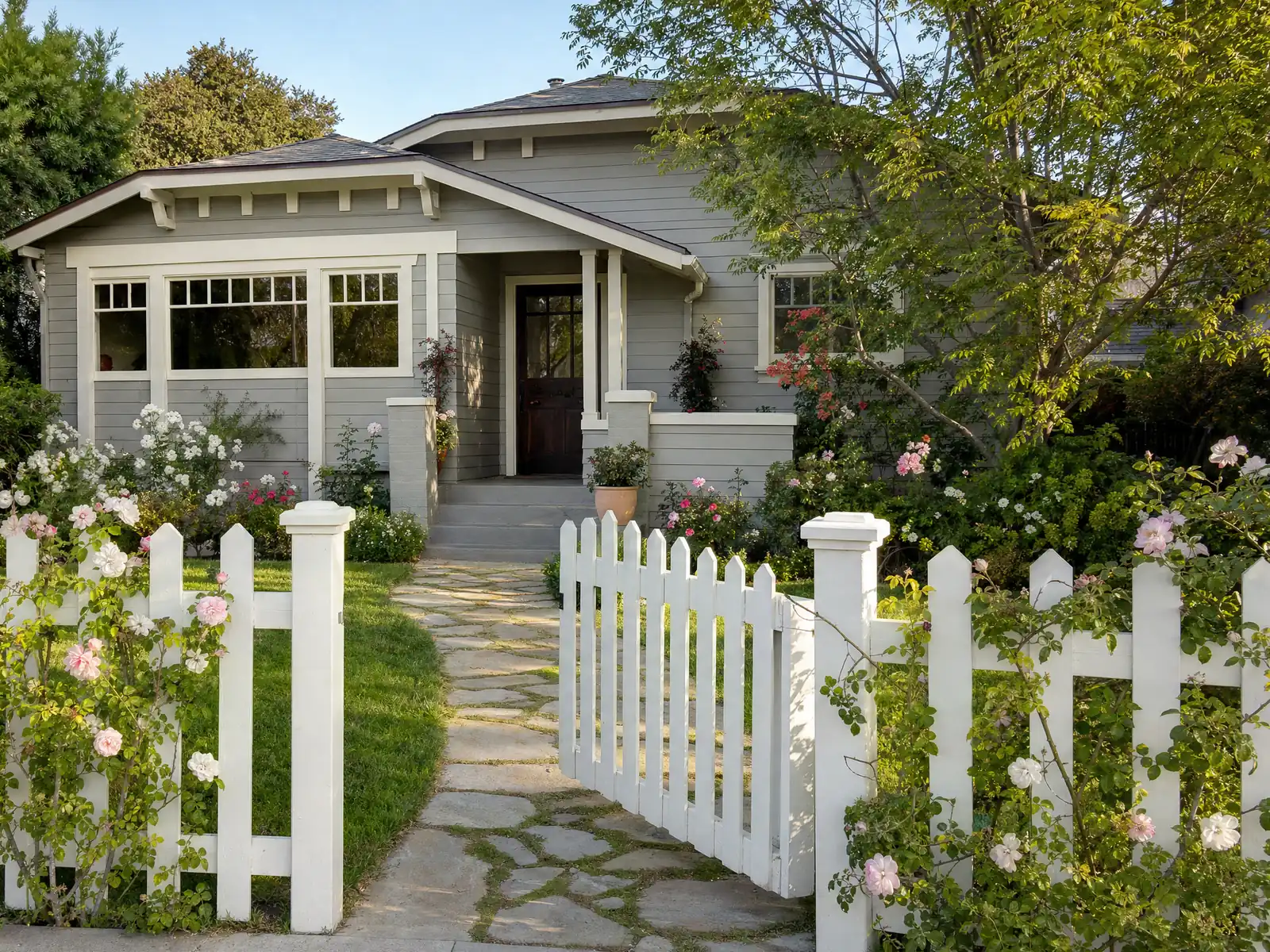
Lynwood's lot lines come from more than one era. The Lynwood Company sold 100 by 800 foot parcels in 1913, voters approved incorporation in 1921, and the 1940s and 1950s tracts filled in the city, so the American Community Survey (2024 5-year) finds a median year built of 1952. Today the zoning code asks for R-1 lots of at least 5,000 square feet, 50 feet wide and 100 feet deep. About 55.2 percent of the housing units are detached houses and 52.2 percent of households rent, which means many fences are installed by a landlord, not the person who lives behind them.
That mix produces more rules than most owners expect. On a fence job, MDG Builders (CSLB #1040337) draws the plot plan, collects the neighbor letters, files both permits and schedules the work, and a licensed fencing or masonry subcontractor builds it. Prices live on our fencing page, and the Lynwood overview links the other trades. A new fence often follows a new roof, so see the Lynwood roofing guide and house painting guide too.
What Lynwood's Chapter 11 and Chapter 25 say about fences and walls
Where fencing permits come from in Lynwood: City of Lynwood Community Development Department, Building & Safety Division.
- Section 11-12.2 requires a separate building permit from the Building Official for each fence or wall that is erected, constructed, enlarged, altered or repaired, and waives the fee for chain link, wooden and post-and-slab fences (all other types pay fees under the Building Code).
- Section 25-10-12(E) also requires a Planning Division permit for all new fences in all zoning districts, including block walls: a written application, a plot plan locating the fence, an elevation plan describing materials and all dimensions, and either a notarized letter from every abutting landowner consenting to the location or a survey by a licensed engineer showing the property lines. The Planning fee for a fence permit is $100, and a denial can be appealed to the Planning Commission, which weighs attractiveness, compatibility, continuity with nearby conforming fences and public safety.
- Zoning heights (Section 25-10-12): in residential districts fences, walls and hedges behind the front yard setback are limited to 6 feet (8 feet in commercial and manufacturing districts); inside the front yard setback fences and walls are limited to 48 inches and hedges to 36 inches; decorative columns with caps in the front yard are limited to 48 inches; solid decorative wall supports in the front yard may be no more than 24 inches wide and no closer than 8 feet apart; retaining walls in the front yard may be 30 inches, with 48 inches the maximum for any wall including its retaining portion.
- Fence material is restricted: a fence may consist only of wrought iron (black or white only), wood picket or PVC picket, or block; open fence material may not be wider than 2 inches nor spaced closer than 4 inches; solid block is not allowed in the front yard setback except the supports; and chain link, barbed wire, chicken wire, razor wire, fiberglass, corrugated plastic and gypsum board are prohibited in whole or in part.
- The older fence section (Section 11-12.3) sets a 6-foot maximum in residential districts, a 4-foot 6-inch maximum within 3 feet of a dwelling, and 42 inches in a front yard or the street-side yard of a corner lot, with exceptions that allow 6 feet along part of a corner lot's street side; it also bans barbed wire, sharp pointed and electrically charged fences. It conflicts with the newer 48-inch front-yard limit and the chain link ban in Section 25-10-12, so confirm with Planning which governs.
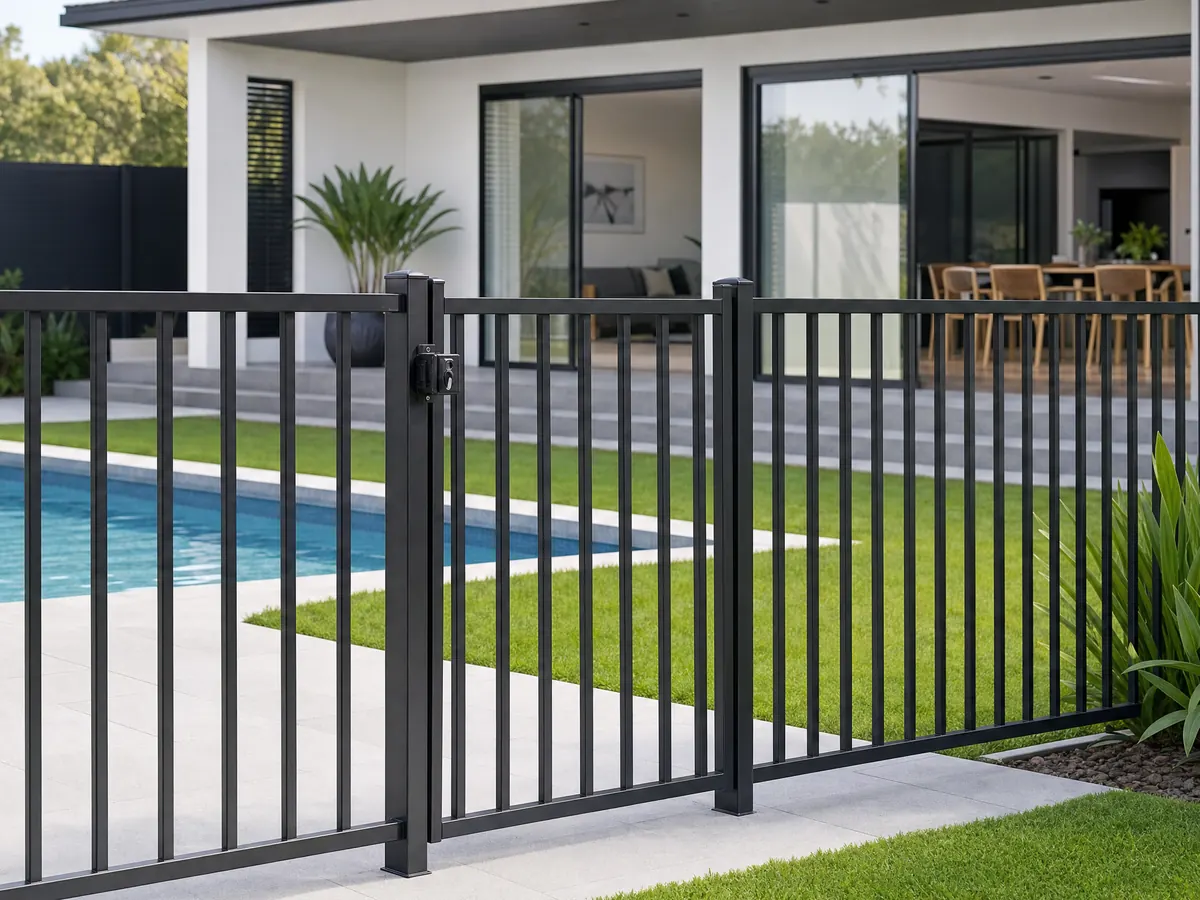
- Swimming pool enclosures (Section 11-12.5) must have no opening wider than 5 inches, be 6 feet high (a building wall may serve as part of the enclosure), and have a self-closing, self-latching gate whose release cannot be reached from below 4 feet 6 inches; hedges cannot serve as the enclosure. For a new or remodeled private pool the Swimming Pool and Spa Code amendment also requires an isolation enclosure plus at least one more drowning-prevention feature, and removable mesh fencing must be at least 20 inches from the water's edge.
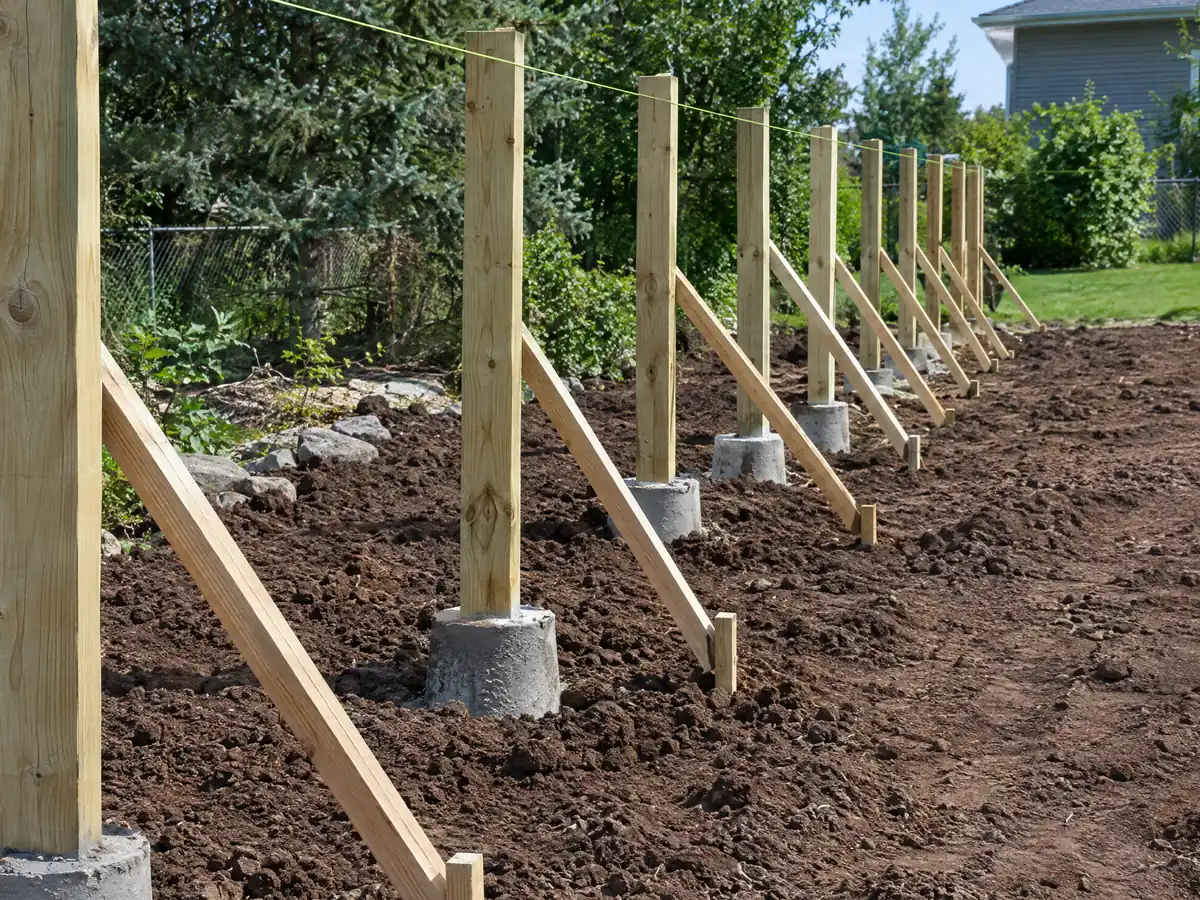
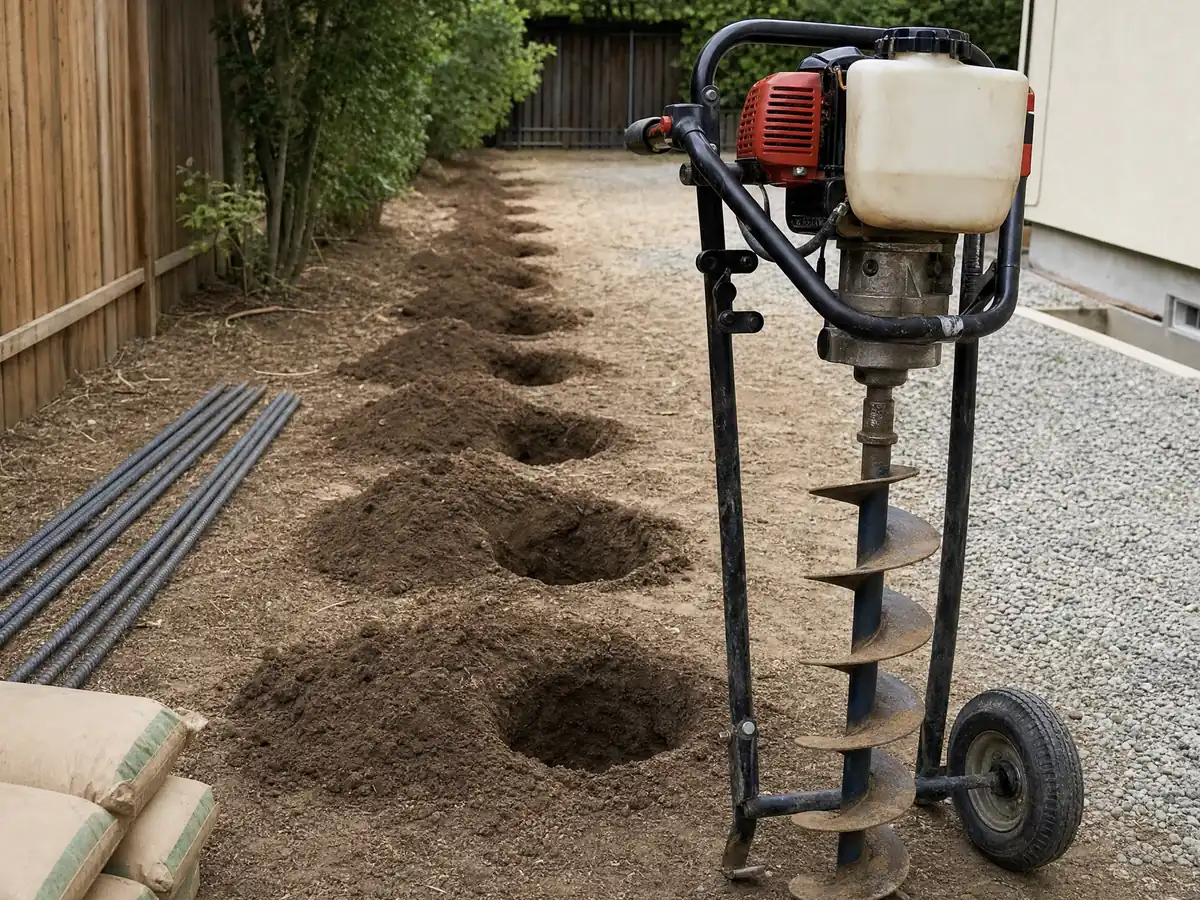
- Construction standards for fences (Section 11-12.8): posts are set 24 inches into soil in a concrete base 4 inches larger than the post on every side, with redwood or cedar for wood posts in the ground; masonry fences need a footing 12 inches wide up to 6 feet high or 14 inches wide up to 8 feet high, 12 inches deep into firm undisturbed soil; walls to 6 feet need steel at 24 inches on center with horizontal bars and solid grout.
- Corner and alley sight lines: a clear corner area is required at street intersections (10 feet for driveways, 30 feet for streets measured along the angle bisector), nothing may be placed or allowed to grow there that blocks visibility, and where an alley meets a street or another alley no fence may project into the corner cut-off formed 6 feet from the intersection point.
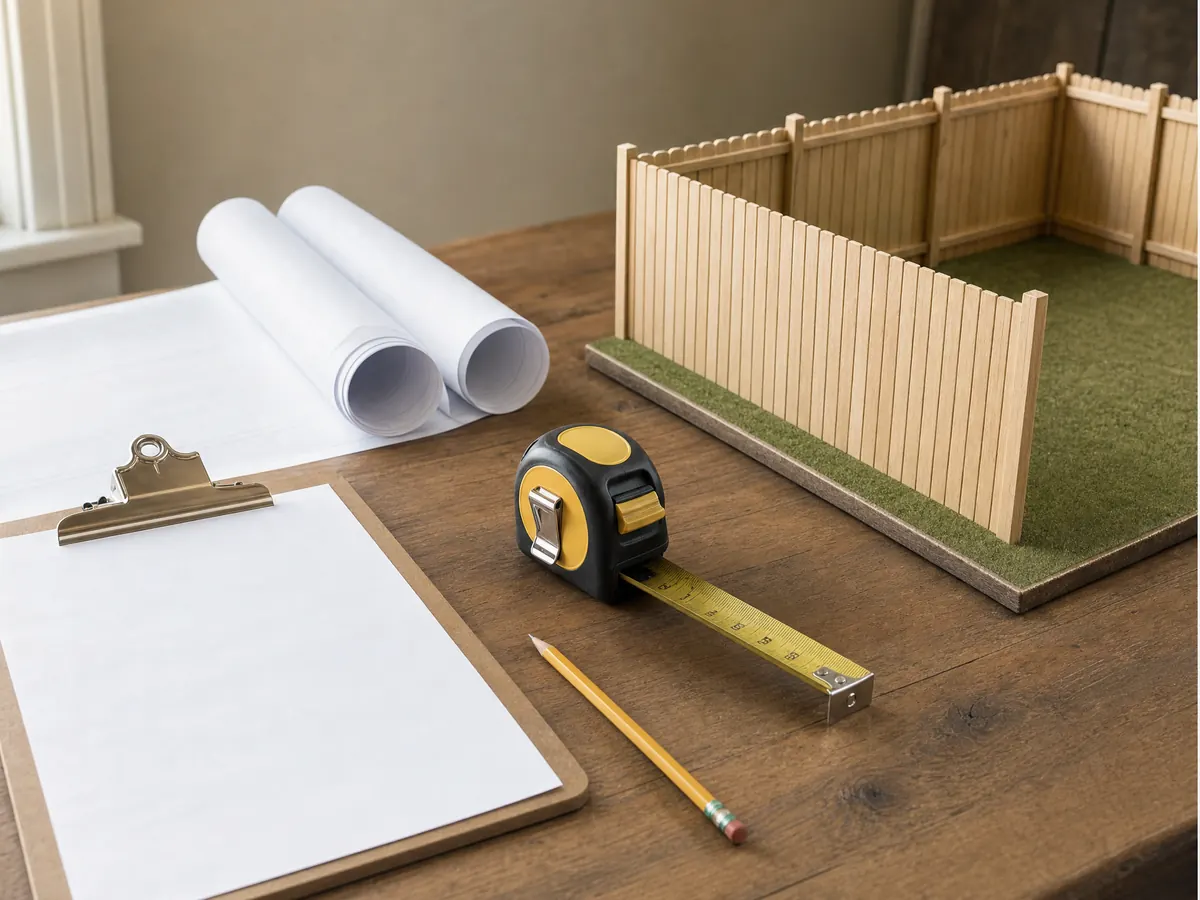
Does fence installation in Lynwood need a building permit and a Planning permit?
Yes, two, and the second is the one people miss. Section 11-12.2 requires a separate building permit from the Building Official for each fence or wall that is erected, enlarged, altered or repaired, and it waives the fee for chain link, wooden and post-and-slab fences. Section 25-10-12(E) then requires a Planning Division permit for every new fence in every zoning district, block walls included.
The Planning application takes a written request, a plot plan locating the fence, an elevation drawing with materials and dimensions, and either a notarized letter from each abutting landowner agreeing to the location or a survey by a licensed engineer showing the property lines. The Planning fee is $100. A denial can be appealed to the Planning Commission, which weighs attractiveness, compatibility, continuity with nearby conforming fences and public safety.
Order matters. Planning approval comes first, the Building Official's permit follows through the Building and Safety Division, and the City does not guarantee processing times. Start the neighbor letters before you sign a contract with a fixed install date.
The Building Official's own permit fee was not readable in the fee schedule, so ask the permit technician for it at (310) 603-0220 extension 246.
What fence materials does Lynwood allow, and why can I not use chain link?
A Lynwood fence may consist only of wrought iron in black or white, wood picket or PVC picket, or block. Open material may be no wider than 2 inches and no closer than 4 inches apart, and solid block is not allowed in the front yard setback except for the supports. Chain link, barbed wire, chicken wire, razor wire, fiberglass, corrugated plastic and gypsum board are prohibited in whole or in part.
One question stays open. The code says wood picket, not wood board, so a solid wooden privacy fence in a backyard is worth confirming with Planning before the plot plan is drawn. The same caution applies to a vinyl privacy panel, because the code names PVC picket.
Design guidance leans open toward the street. The Residential Design Guidelines encourage see-through front fencing, strongly discourage solid walls above 18 inches in the front yard, and prohibit chain link or industrial fencing in the front setback and anywhere visible from the public right-of-way.
- Allowed: black or white wrought iron, wood or PVC picket, block
- Ask Planning first: solid board privacy panels, glass or aluminum barriers
- Banned: chain link, barbed, chicken and razor wire, fiberglass, corrugated plastic
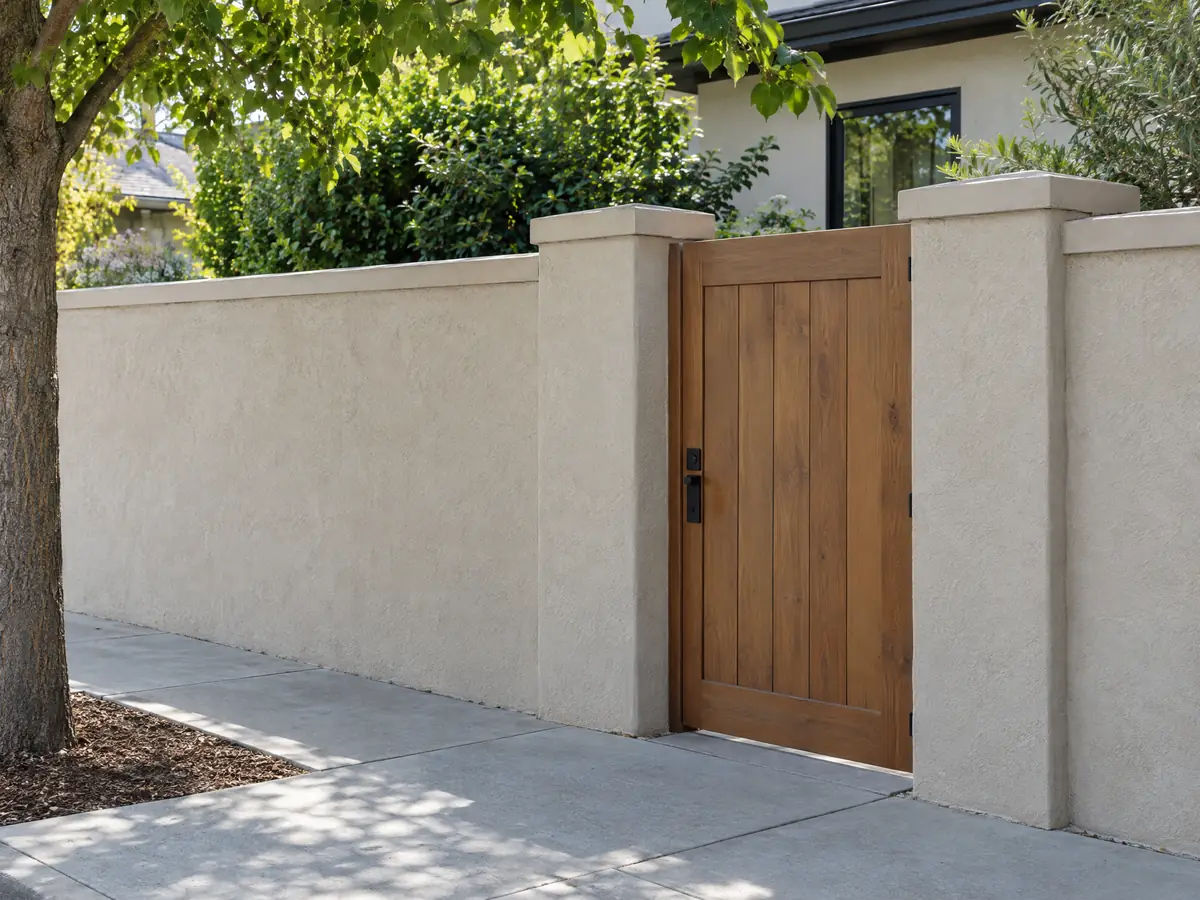
How tall can a front yard fence be in Lynwood, 42 inches or 48?
It depends on which section you read, because the City's two codes disagree. Zoning Section 25-10-12 limits fences and walls inside the front yard setback to 48 inches and hedges to 36 inches. The older Section 11-12.3 sets 42 inches in a front yard or the street side yard of a corner lot, and Chapter 11 still waives the permit fee for chain link, which Chapter 25 bans outright.
We cannot tell which section governs, so ask Planning to name the controlling number in writing before anyone draws the plan. Designing to 42 inches costs six inches of height and avoids a correction later.
Other front yard limits are clearer. Decorative columns with caps may reach 48 inches, solid decorative supports may be no more than 24 inches wide and no closer than 8 feet apart, and a front yard retaining wall may rise 30 inches, with 48 inches the cap for any wall including its retaining portion.
Hedges are measured too: 36 inches inside the front setback.
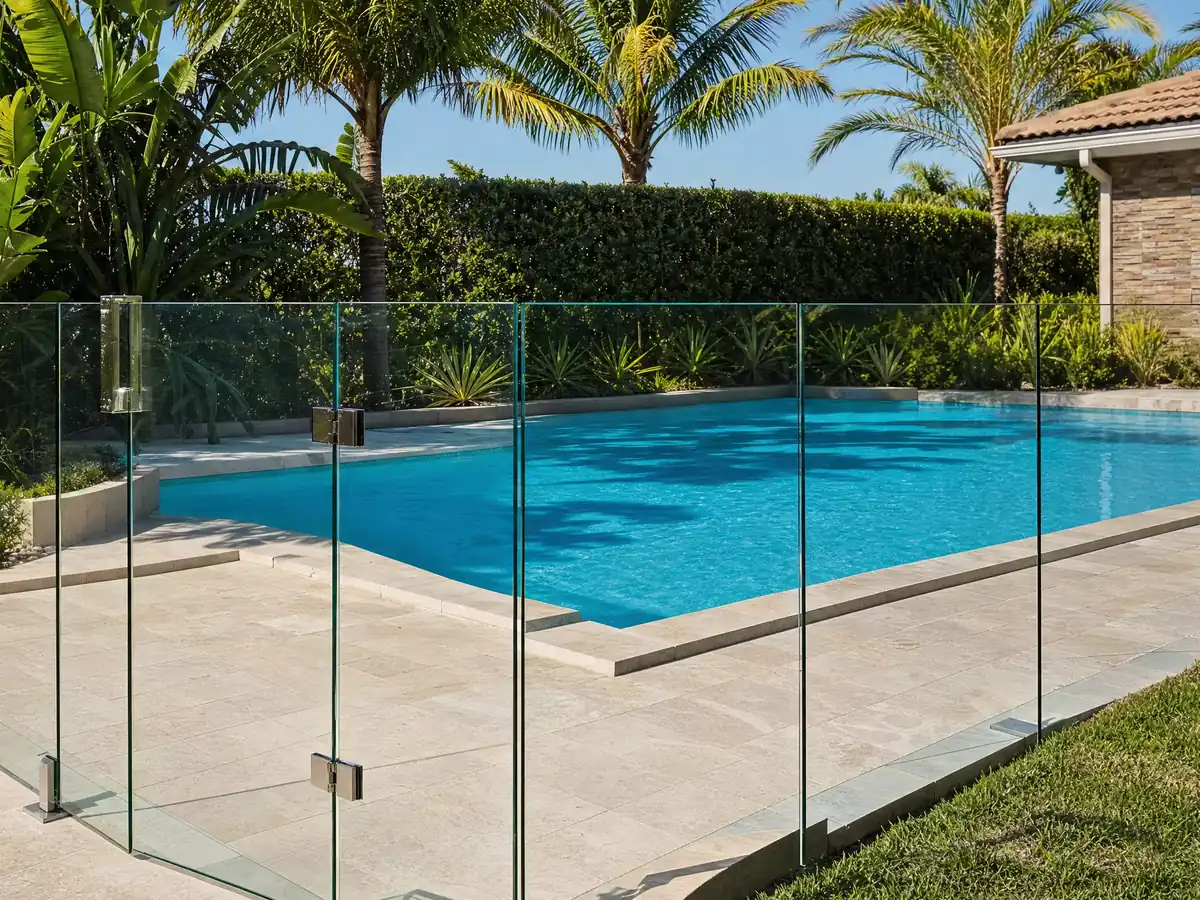
What are the Lynwood rules for backyard height, corner lots and block wall footings?
Behind the front setback a residential fence, wall or hedge may reach 6 feet, and the 8 foot limit applies only in commercial and manufacturing districts. The older chapter adds a 4 foot 6 inch limit within 3 feet of a dwelling. Corners need clear sight: nothing may block visibility in the corner area at an intersection, 10 feet for driveways and 30 feet for streets measured along the angle bisector, and no fence may project into the cut-off 6 feet from an alley intersection.
Construction standards are specific. Posts go 24 inches into the soil in a concrete base 4 inches larger than the post on every side, and wood posts set in the ground are redwood or cedar, which suits a city whose residential code table rates termite damage as very heavy. Masonry needs a footing 12 inches wide up to 6 feet high or 14 inches wide up to 8 feet, 12 inches deep into firm undisturbed soil, and walls to 6 feet need steel at 24 inches on center with horizontal bars and solid grout.
Because the State maps all of Lynwood in a liquefaction zone, ask the inspector what they need to see in the footing trench before the pour.
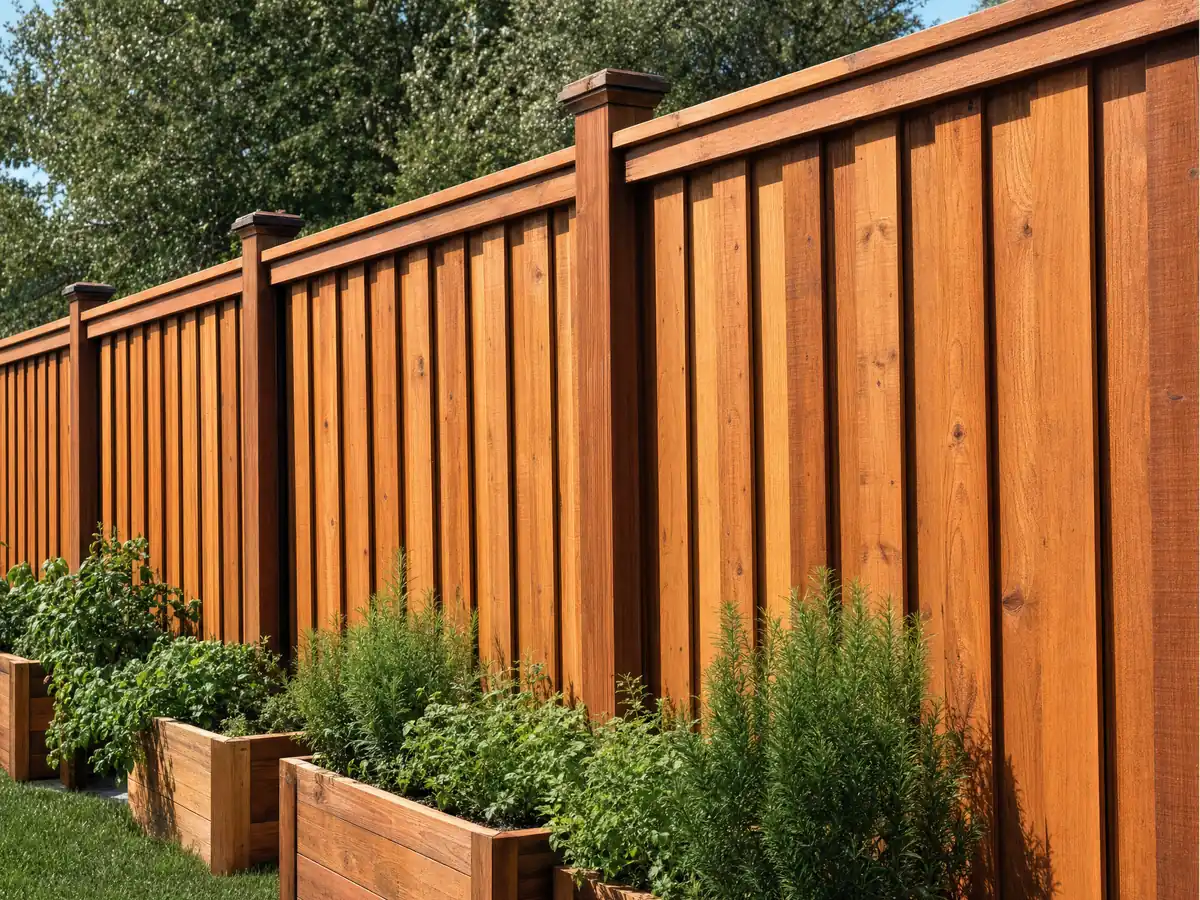
Who pays for a shared fence in Lynwood, and how do the notarized letters work?
The City's letter and the cost question are separate. The Planning permit needs a notarized letter from every abutting landowner agreeing to where the fence goes, or an engineer's survey of the lines. A neighbor can sign for the location and still refuse to pay.
On cost, California Civil Code 841 presumes adjoining owners share the cost of a boundary fence equally and asks for 30 days' written notice before one owner incurs expense. The presumption can be rebutted. Send the notice in writing and keep the receipt.
With 52.2 percent of Lynwood households renting, find out who owns the property before you knock. The letter has to come from the abutting landowner, not the tenant, and a rental owner may live outside the city. Gather those letters first, because a survey by a licensed engineer is the fallback and takes time.
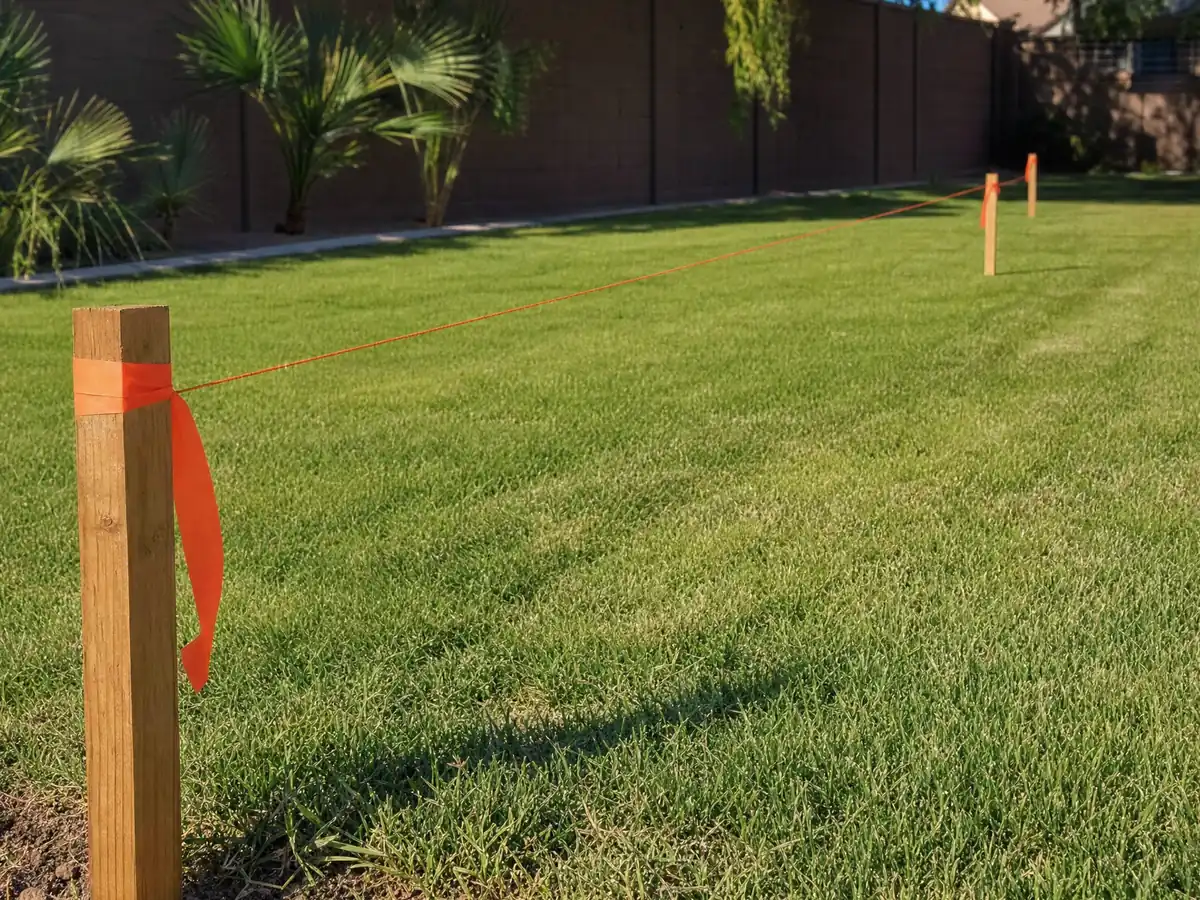
What does a pool fence need in Lynwood?
Section 11-12.5 sets the basics. A pool enclosure may have no opening wider than 5 inches and must be 6 feet high, though a building wall can serve as part of it, and the gate must be self-closing and self-latching with a release that cannot be reached from below 4 feet 6 inches. A hedge cannot serve as the enclosure.
The pool code adds more for new work. Under Section 11-26.2, every new or remodeled private single-family pool or spa needs an isolation enclosure plus at least one more drowning-prevention feature, and removable mesh fencing must stand at least 20 inches from the water's edge.
A material question follows. The pool enclosure rules describe the barrier, while the general fence rules name only wrought iron, wood or PVC picket and block, so ask Planning whether a glass or aluminum pool barrier fits the list before ordering it.
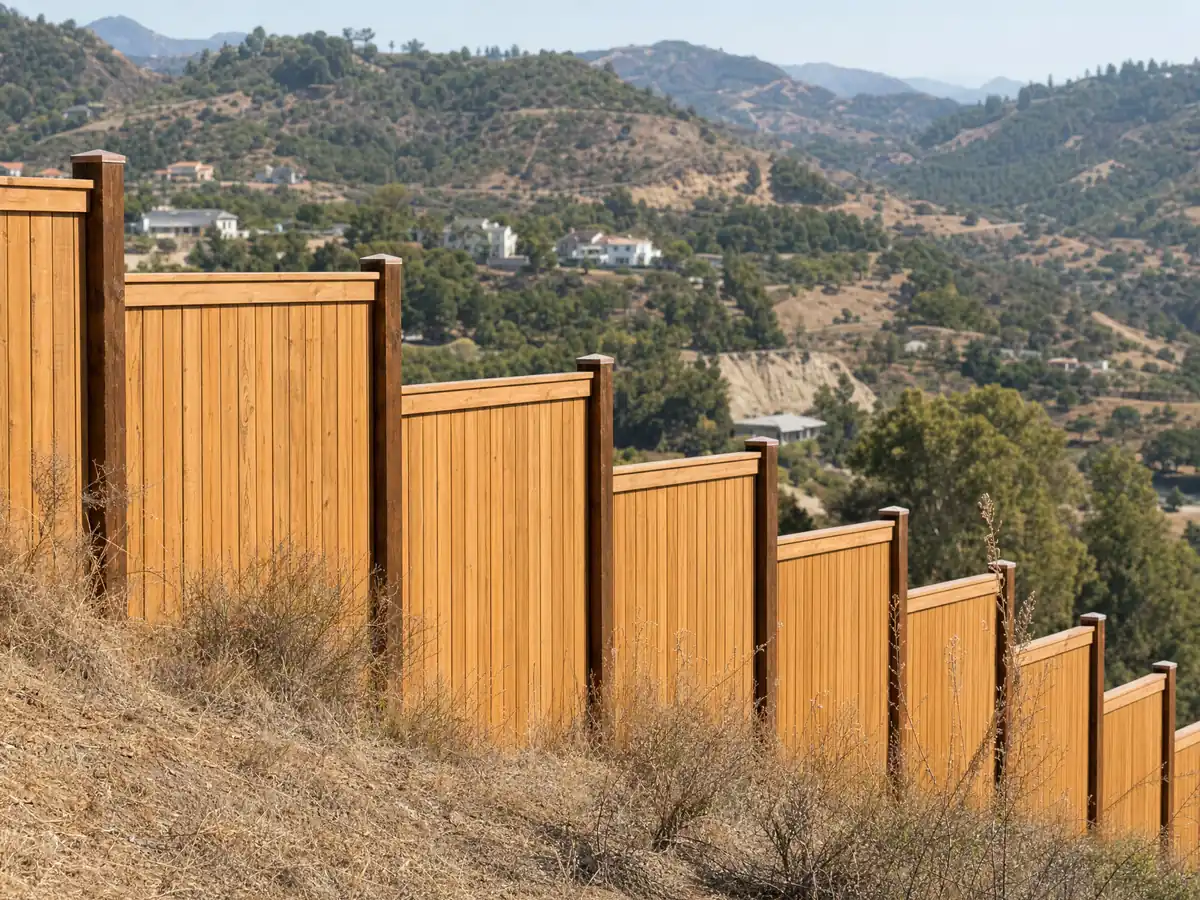
What does fence installation cost in Lynwood, and who is licensed to build it?
We found no Lynwood price survey, so these are Los Angeles figures. Angi's August 2026 Los Angeles page averages $29 per linear foot, with a $15 to $60 range. HomeGuide's February 2026 page lists wrought iron at $50 to $85 per foot. For wood or vinyl privacy runs our planning range is $25 to $55 per foot, and for ornamental iron or aluminum $35 to $85. We found no independent Los Angeles per-foot price for a reinforced block wall, so a measured bid is the only number.
Lynwood's own line items are the $100 Planning fee, the Building Official's permit fee (waived for chain link, wooden and post-and-slab fences) and the drawing for the plot plan.
Licensing splits by material. CSLB class C-13 covers fencing but excludes masonry walls, which are C-29, so a fence with block pilasters may need two licensed trades. Ask for each license number, then read our guide to checking a contractor license.
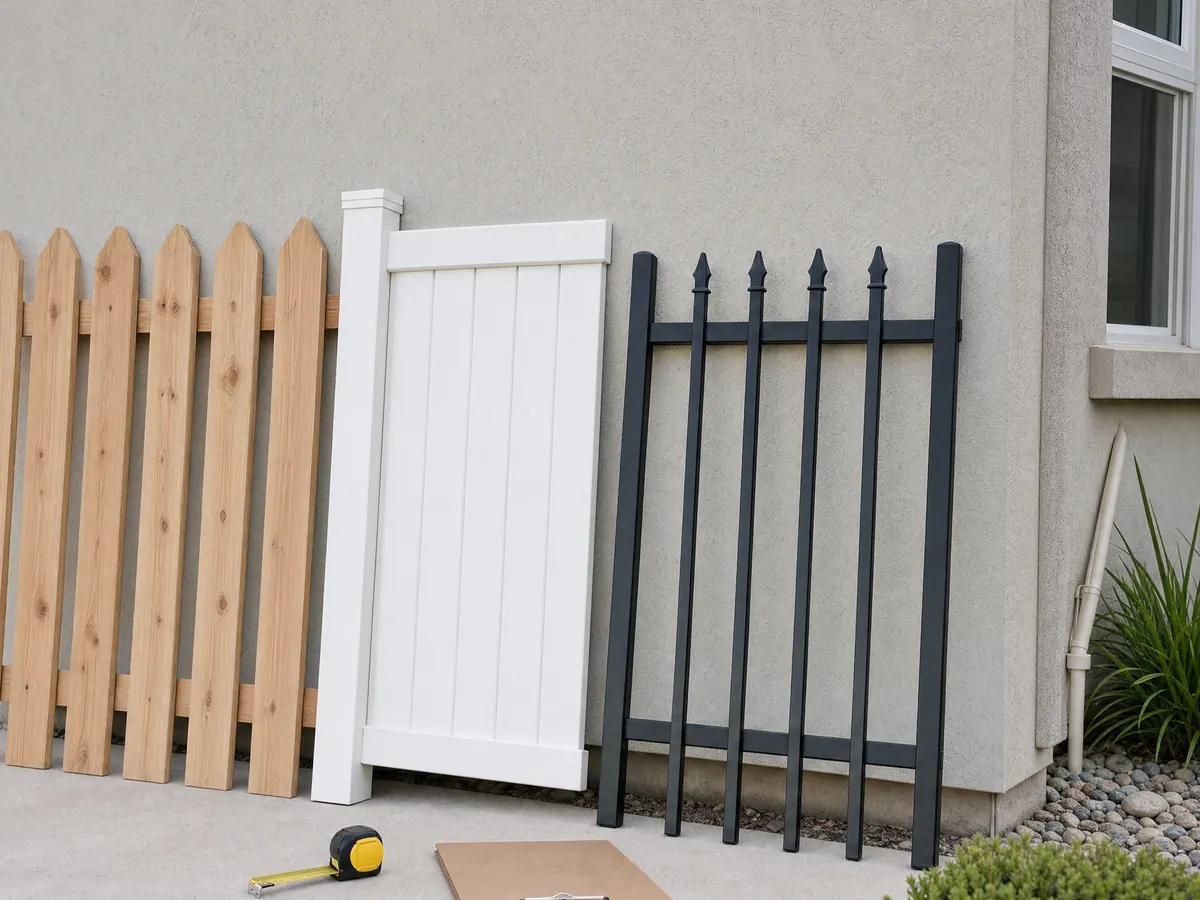
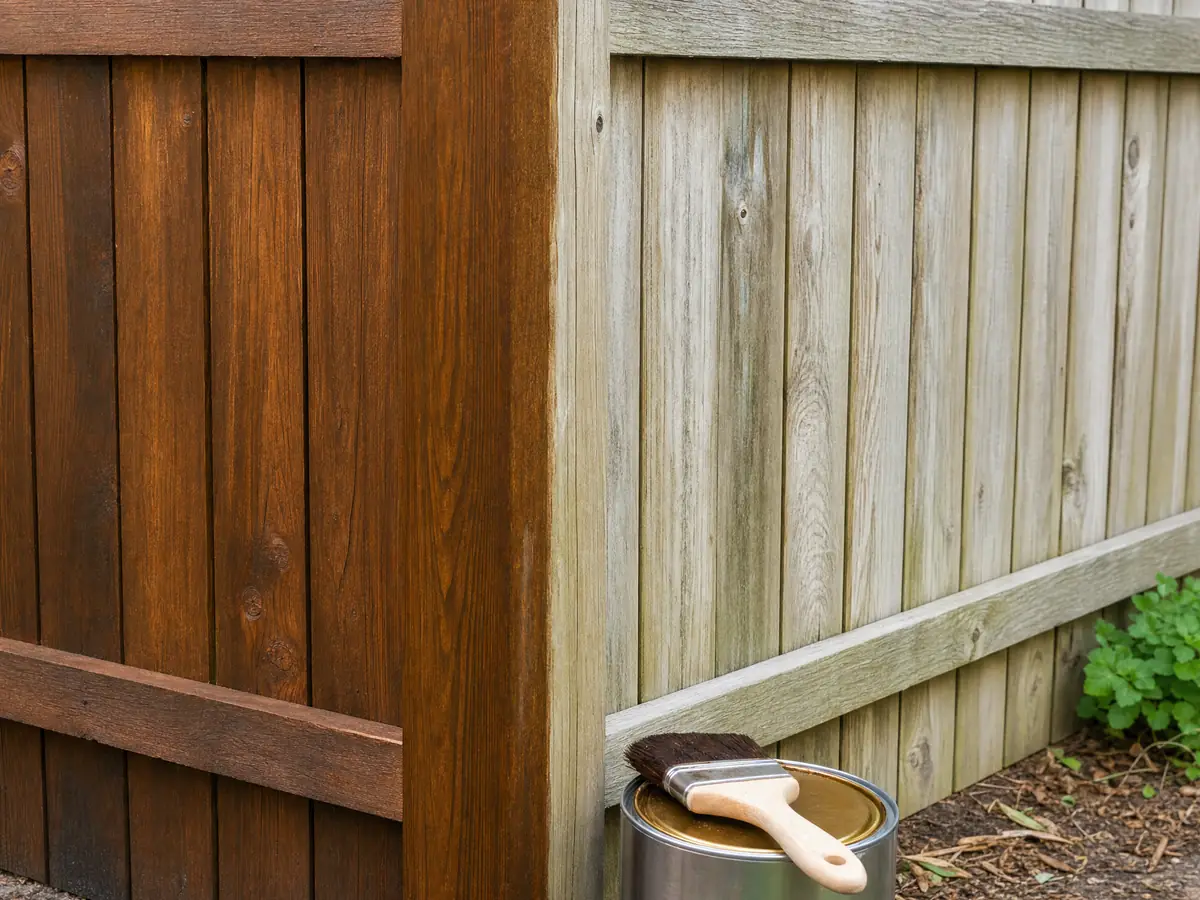
Fence photos from Lynwood and nearby communities
Six fence and wall scenes tied to Lynwood Park, Plaza Mexico and the Long Beach Boulevard corridor, and to nearby Compton and Cudahy, showing the iron, picket and block types the code permits.
Where the fence numbers come from
The sources and methods behind every per-foot figure are in the table on our fencing cost page, and how general contractors use subcontractors explains who answers for each trade on a mixed fence and wall job. Nearby cities write their own fence codes, so compare Compton, South Gate and Downey rather than reusing Lynwood's answers.
| What it covers | Typical range |
|---|---|
| Wood or vinyl privacy fence, 6 feet | $25 to $55 per linear foot |
| Chain-link | $12 to $30 per linear foot |
| Aluminum or ornamental iron | $35 to $85 per linear foot |
| Typical 100-foot backyard run | $2,500 to $5,500 total |
| Block walls, horizontal slat fences, gates and openers, hillside lots | Set by the written proposal |
Lynwood fence permit and height questions, answered
Do I need a permit to build a fence in Lynwood, California?
Yes, two. The Building Official issues a building permit for each fence or wall, and the Planning Division requires its own permit for every new fence, block walls included, with a plot plan, an elevation and notarized neighbor letters or an engineer's survey. The Planning fee is $100. Confirm the Building Official's fee with the permit technician.
How tall can a fence be in Lynwood, California?
Six feet behind the front yard setback in residential districts, and 48 inches inside the front setback under the zoning code. The older Chapter 11 says 42 inches in the front yard, so ask Planning which number governs. Hedges in the front setback are capped at 36 inches.
Can I install a chain link fence in Lynwood?
Not under the zoning code, which prohibits chain link, barbed wire, chicken wire and razor wire. Chapter 11 still waives the permit fee for chain link fences, so the codes conflict, and Planning decides. A fence may be wrought iron, wood or PVC picket, or block. Ask in writing before ordering anything.
Can I put a privacy fence up in my front yard in Lynwood?
No. Inside the front setback fences and walls are limited to 48 inches under the zoning code, solid block is not allowed except for supports, and the design guidelines strongly discourage solid walls above 18 inches in front. A privacy fence is a backyard question, up to 6 feet, and the picket wording needs confirming.
Does my neighbor have to pay for half the fence in Lynwood, California?
Usually, by presumption. California Civil Code 841 treats a boundary fence as a shared expense and asks for 30 days' written notice before one owner incurs costs, but the presumption can be rebutted. Lynwood's notarized consent letter covers location only, not payment, so settle the cost separately in writing.
How much does fence installation cost in Lynwood, California?
We found no Lynwood survey. Angi's August 2026 Los Angeles page averages $29 per linear foot with a $15 to $60 range, and our planning range for wood or vinyl privacy is $25 to $55. Add the $100 Planning fee and the Building Official's fee, and get a measured written proposal.
What happens if I build a fence without a permit in Lynwood?
We found no published penalty schedule, so ask Planning. The practical risks are known, though. A fence outside the rules can be turned down on appeal, and before any sale the City's real property report tells the buyer whether a structure appears illegal. Getting both permits before the first post is cheaper.
What does a pool fence need in Lynwood?
An enclosure with no opening wider than 5 inches, 6 feet high, with a self-closing, self-latching gate whose release sits out of reach from below 4 feet 6 inches. New or remodeled pools also need one more drowning-prevention feature. Removable mesh must stand 20 inches from the water. Hedges do not count.
How do I choose a fence company in Lynwood?
Look up the CSLB record: C-13 covers fencing, and block walls are C-29. Ask who files the Planning permit and collects the neighbor letters, and get materials, heights and the controlling code section written into a signed contract under Business and Professions Code 7159, with a down payment of $1,000 or 10 percent at most.
Plan a fence in Lynwood
Tell us the address, which side of the lot the fence runs and the material you have in mind. We check the material list and the neighbor letters before we call back.