
Flooring Installationin Blythe, CA
Flooring installation in Blythe is a slab and heat job: the valley is river sand over groundwater about 10 feet down under farmland, NOAA counts about 131 days a year at or above 100 F, and half of the homes predate 1980. The City pages we read list no flooring permit rule, so call Development Services before ordering.
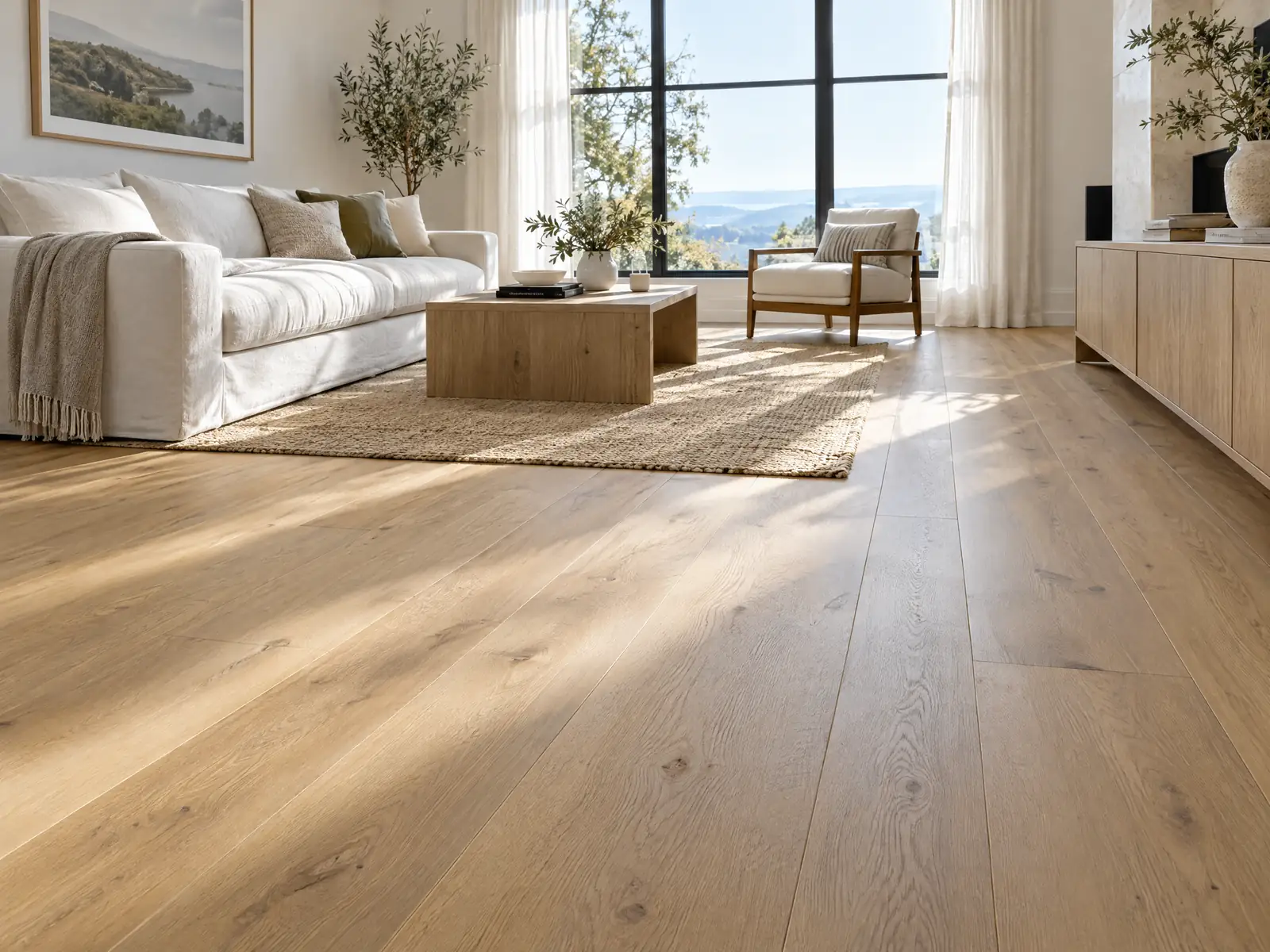
Blythe is an old farm town with a young middle. The County's Palo Verde Valley plan says the city was incorporated in 1916, and 196 of its homes still date from 1939 or earlier. The Census Bureau's 2024 estimates count 4,962 homes with a median year built of 1980, and the biggest single decade is the 1990s, when 943 were built after two state prisons were annexed. Only 5 homes have gone up since 2020.
MDG Builders (CSLB #1040337) is a general contractor in Tarzana, which means we write the scope, take the permit questions to Blythe's Development Services Department and schedule the job, while licensed flooring and tile subcontractors do the laying. The flooring page explains the materials, and the Blythe overview lists every trade we can manage here.
What Blythe's Development Services Department, the Municipal Code, Mojave Desert AQMD and state law say about flooring work
Where flooring permits come from in Blythe: City of Blythe Development Services Department, Building Division.
- The City's Garage Enclosures page says that when a garage is enclosed in Blythe, alternate covered parking must be provided, that the code outlines the required number of covered spaces and prohibits removing covered parking from residential property, and that an unpermitted garage conversion may not be covered by insurance and can block refinancing or sale. Municipal Code 17.16 requires at least two spaces per single-family home, with two spaces in a garage or carport in the R-R, R-E and R-L zones (one covered space for a dwelling under 875 square feet) and one in a garage or carport in R-M-L, R-M and R-H. (GoCodebook third-party mirror for 17.16.)
- Under Mojave Desert AQMD Rule 1113, 'floor coatings' (opaque coatings for garage floors, decks, porches and steps) carry a 100 gram per liter VOC limit, and concrete/masonry sealers carry 100 (Table 1). The rule's definition of Floor Coating names garage floors. Epoxy and polyaspartic products used in Blythe have to meet the District limit for their category.
Sources for these rules
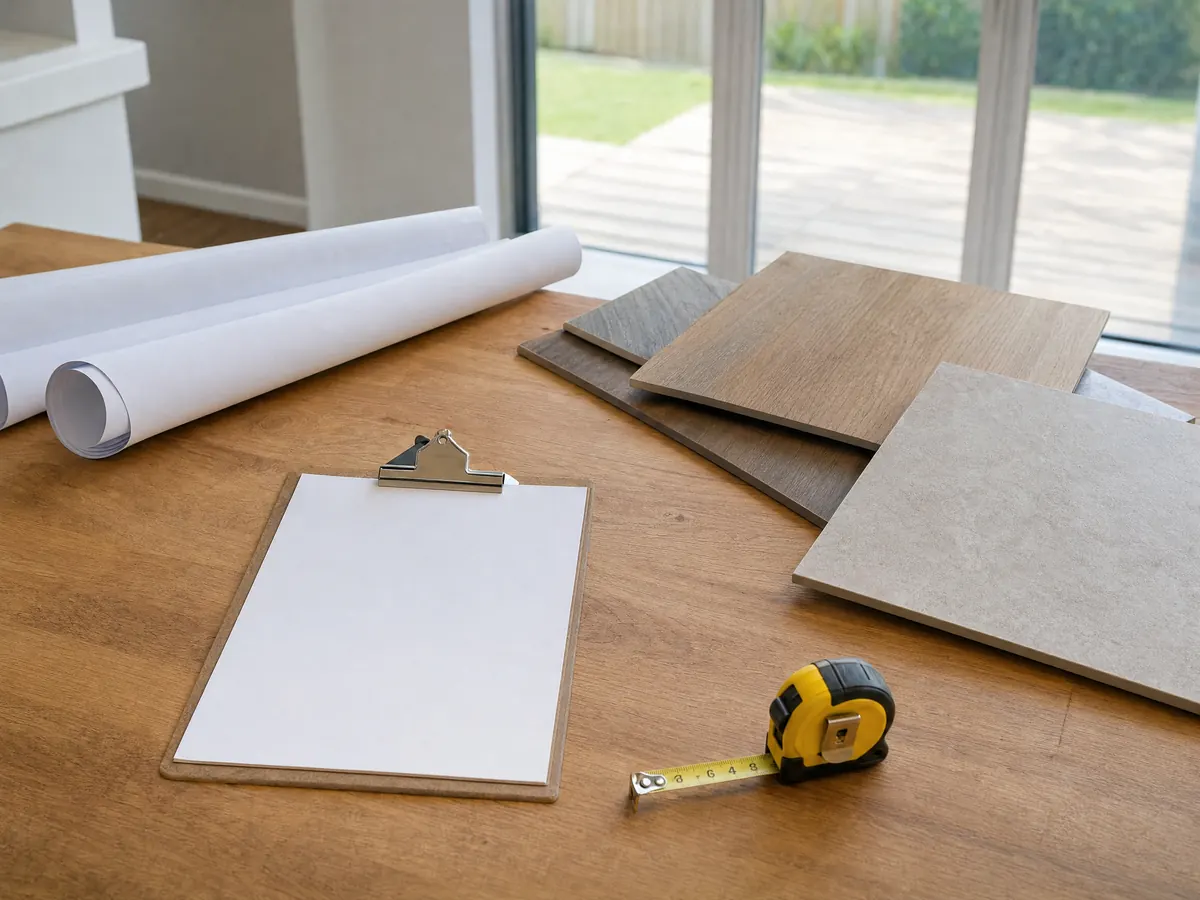
Why does moisture come up through a slab in a town that gets 3.6 inches of rain?
Because the water sits below the slab, not above it. The Palo Verde Irrigation District says the whole valley rests on permeable sand at shallow depth and that groundwater under its farmland averages about 10 feet down, measured in more than 200 observation wells. NOAA's 1991 to 2020 normals for the Blythe station give 3.61 inches of rain a year, so a dry sky says very little about the soil under a house. Those wells are on farmland, not under your living room, so only a test on your slab settles it.
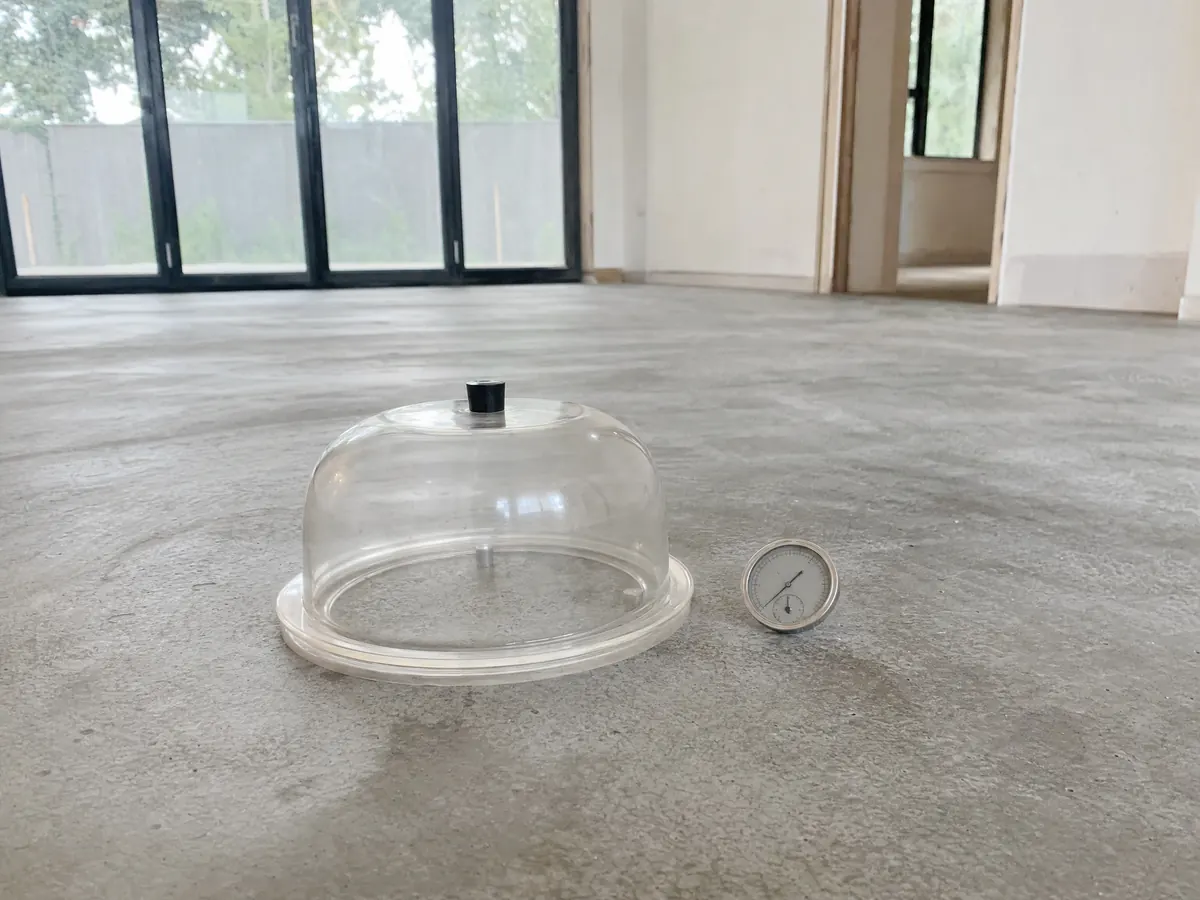
The test is standard, and the pass mark belongs to the product maker. An ASTM F2170 humidity probe or an ASTM F1869 calcium chloride dish produces a number, and the plank, vinyl or adhesive manufacturer decides what it will warrant. For a new slab, the National Wood Flooring Association strongly recommends a vapor retarder rated at 0.13 perms or less, such as 6-mil polyethylene, in its concrete subfloor guide.
Older slabs are the open question. We found no Blythe record of how local slabs from the 1950s or 1970s were built, so ask for a probe reading instead of assuming plastic sits underneath. Put the test, any patching and any leveling on separate lines of the proposal.
How do 131 days at 100 degrees and evaporative coolers change the floor you choose?
Heat is the main design condition, along with ultraviolet light and blowing sand. NOAA's normals count 130.8 days a year at or above 100 F, 187.9 at or above 90 F, July highs near 109.7 F and August lows near 78.3 F. A floor in a closed house with the cooling off lives in very different air than the same floor with it running, so ask the installer when the system must be on before, during and after the work.
Blythe cools houses more than one way. The City's permit form lists an evaporative cooler line under mechanical, and its air conditioner page says a replacement needs a permit, a CF1R form, duct testing and sampled or rater verification. We found no source on how evaporative cooling affects a wood or laminate warranty, so ask the maker before the boards are ordered.
Sun and sand do the daily damage. Direct light through west windows fades some finishes, and grit carried in on shoes scratches soft ones. Ask for the fade and wear ratings in writing, and price entry mats as part of the job.
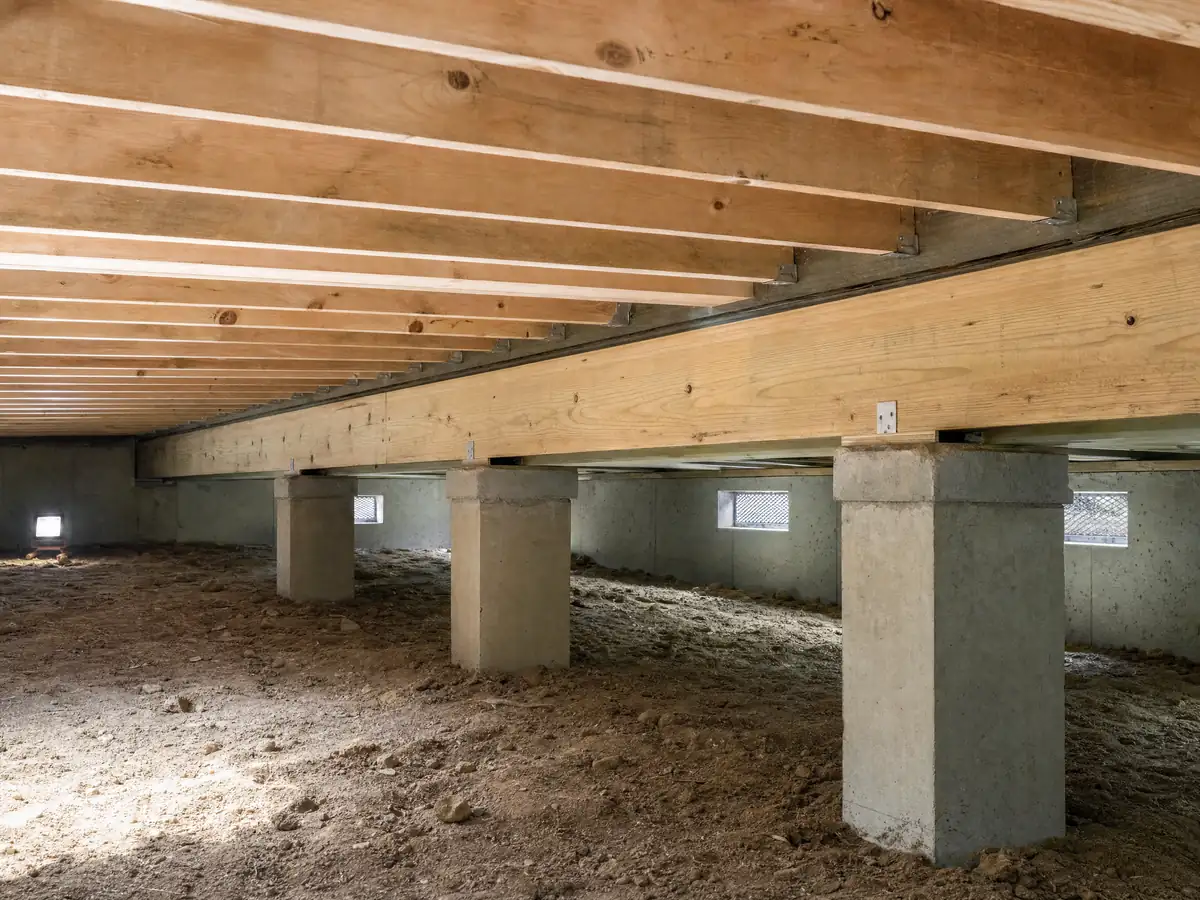
What is under the floors of Blythe's 1916 core and its 1950s to 1970s tract homes?
Half the stock is old enough to hold surprises. The Census counts 196 homes from 1939 or earlier, 115 from the 1940s, 752 from the 1950s, 612 from the 1960s and 821 from the 1970s, which adds to 2,496 homes, or 50.3 percent of the city. The City's 2014 Housing Element, using 2010 data, put homes over 30 years old at 61.5 percent. Those totals carry margins of error because the city is small.
The same element reports a 2003 windshield survey of Blythe, Ripley and Mesa Verde that rated 43.3 percent of homes sound, 16.5 percent in need of minor repair, 16.7 percent moderate repair, 9 percent substantial repair and 14.7 percent dilapidated. That survey is old, but it explains why a floor job here often turns into a subfloor job. Photograph the framing or slab before anything goes down.
Pre-1980 floors can hide old resilient tile and black mastic, and nobody can identify asbestos by eye, so a lab sample comes first. Painted baseboards in homes from before 1978 fall under EPA's lead-safe renovation rule when paid work disturbs them. The Census table cannot separate 1978 from 1979, so we cannot count those homes exactly.
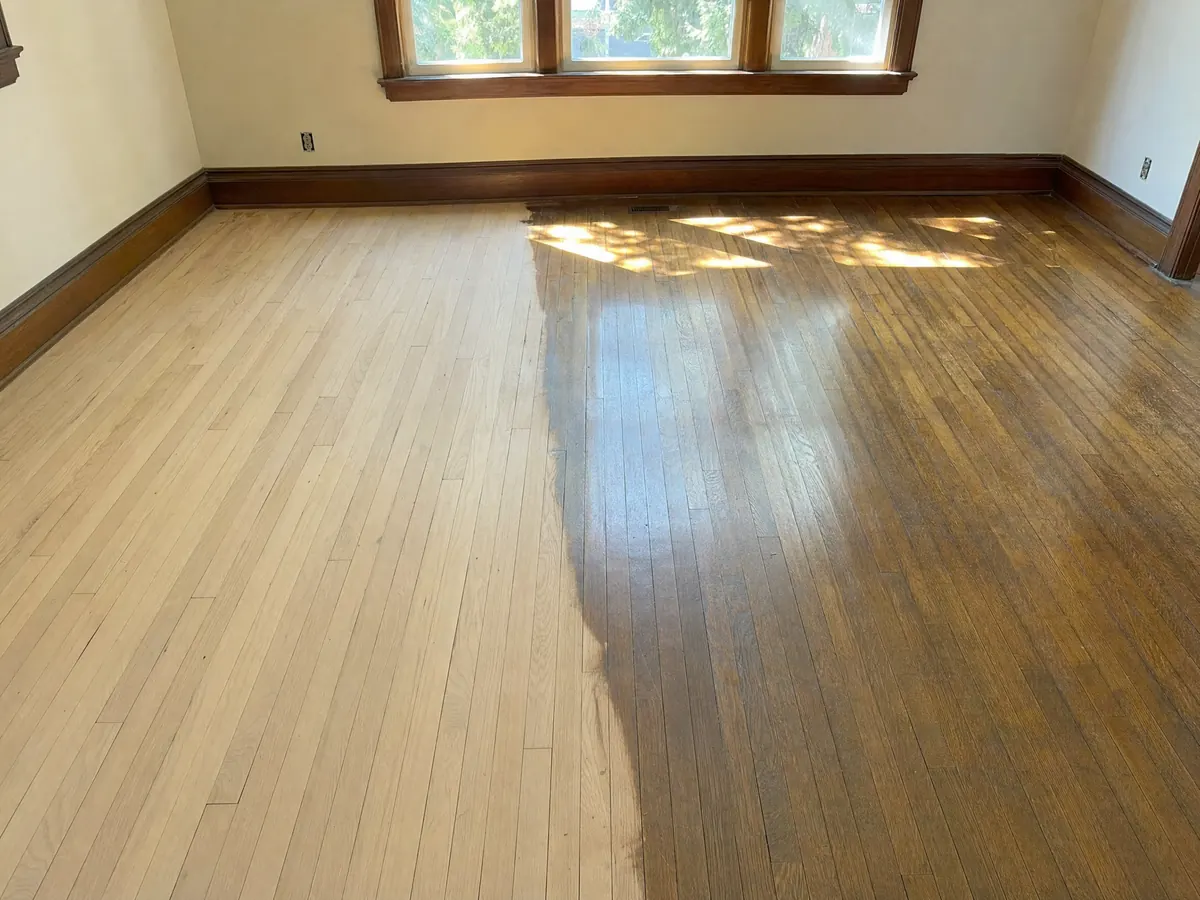
Can you coat or tile a Blythe garage floor, and which air rule covers epoxy?
You can finish the slab, but the City protects the parking. Its Garage Enclosures page says an enclosed garage needs alternate covered parking, that the code lists the required covered spaces and that an unpermitted conversion may not be insured and can block a sale or refinance. Municipal Code 17.16, read in GoCodebook's third-party copy, asks for two spaces per single-family home, with two in a garage or carport in the R-R, R-E and R-L zones.
The coating itself falls under the air district. Blythe sits in the Mojave Desert Air Quality Management District, and its Rule 1113 sets a 100 gram per liter VOC limit for floor coatings, a category whose definition names garage floors, decks, porches and steps. Concrete and masonry sealers also carry 100. The District's own site blocked our tools, so we read the rule in a Wayback copy dated May 2026.
Ask the coating subcontractor to name the product and show that it meets the District limit for its category. A garage slab is also a hot, sunlit surface in July, so ask about pot life and when the crew will start in the morning.
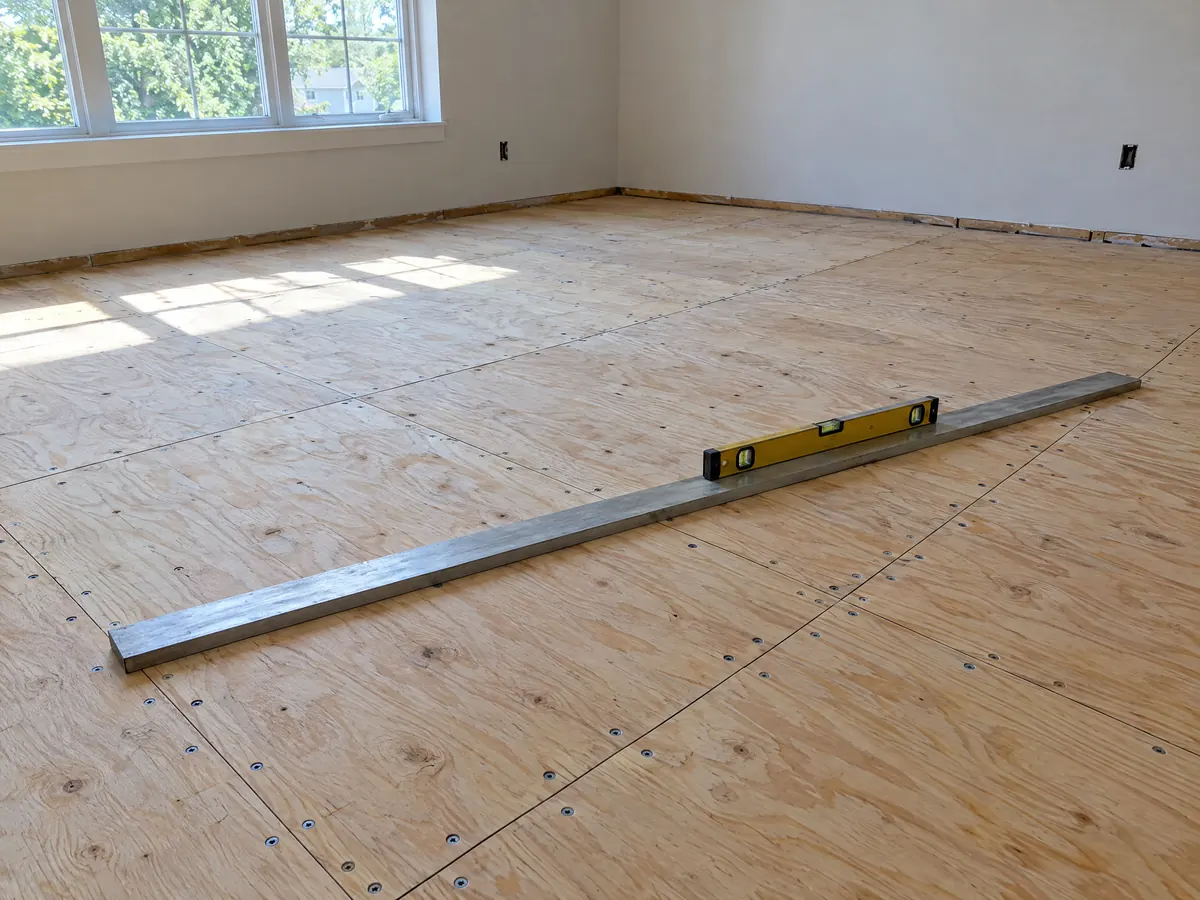
What changes when the house is a rental, a winter-visitor home or a mobile home?
A good share of the market is not owner-occupied. Of 4,137 occupied homes, 1,767 or 42.7 percent are rented, at a median gross rent of $938 with a margin of plus or minus $107. For a unit turn, ask for each room to be priced alone, so a bedroom of carpet and a kitchen of hard flooring can run on different days.
The Census also finds 825 vacant homes, 16.6 percent of the stock, and 327 of those are held for seasonal, recreational or occasional use, which fits Blythe's winter visitors and RV trade. A house left shut through the summer is the easiest time to lay a floor, and the owner can decide whether the cooling stays on. The City keeps a vacant and abandoned property registration under Ordinance 828-08, so ask whether an empty house you are renovating is on it.
Mobile homes are 472 of the city's homes, about 9.5 percent, though the margin of error is large. The City's 2014 Housing Element says it handed Mobilehome Parks Act enforcement to State HCD in September 2013, so the park office and HCD, not Development Services, answer park questions.
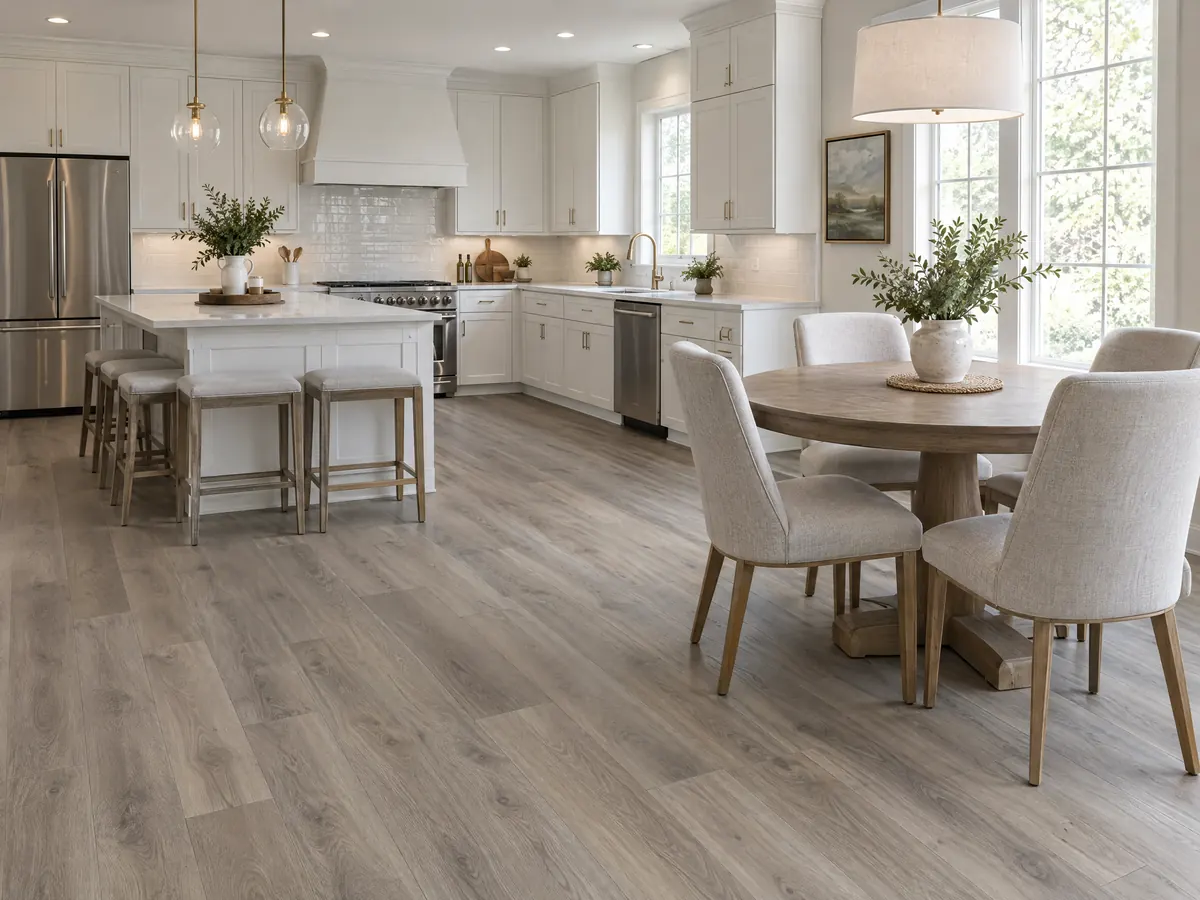
Does replacing flooring need a permit in Blythe, and how long does a permit take?
The City pages we read do not say, so ask. Its list of permit-required work names patios, decks, reroofs, drywall repairs, plumbing, electrical and HVAC but not flooring, while its FAQ says anyone modifying or altering a home needs a permit. A new subfloor, moved plumbing fixtures or added circuits are plainly permit work. The counter number is (760) 922-6130, and the City's own pages give two different sets of counter hours.
The City's FAQ puts plan check at 10 to 15 business days, an undated figure rather than a measured one, and the checklist asks for three sets of plans on most remodels, drawn to scale. Blythe's code amendment says a permit lapses if no approved inspection comes within 12 months or work stops for 180 days, and a restarted job needs a new permit, at full fees if the old one had expired. We found no fee schedule, so we quote no fees.
The City's Building Permits page warns that insurers may not cover unpermitted work and that a seller may have to remove or repair it. An owner may pull permits for a single-family home under Municipal Code 15.02.030, but must carry workers' compensation if workers are hired.
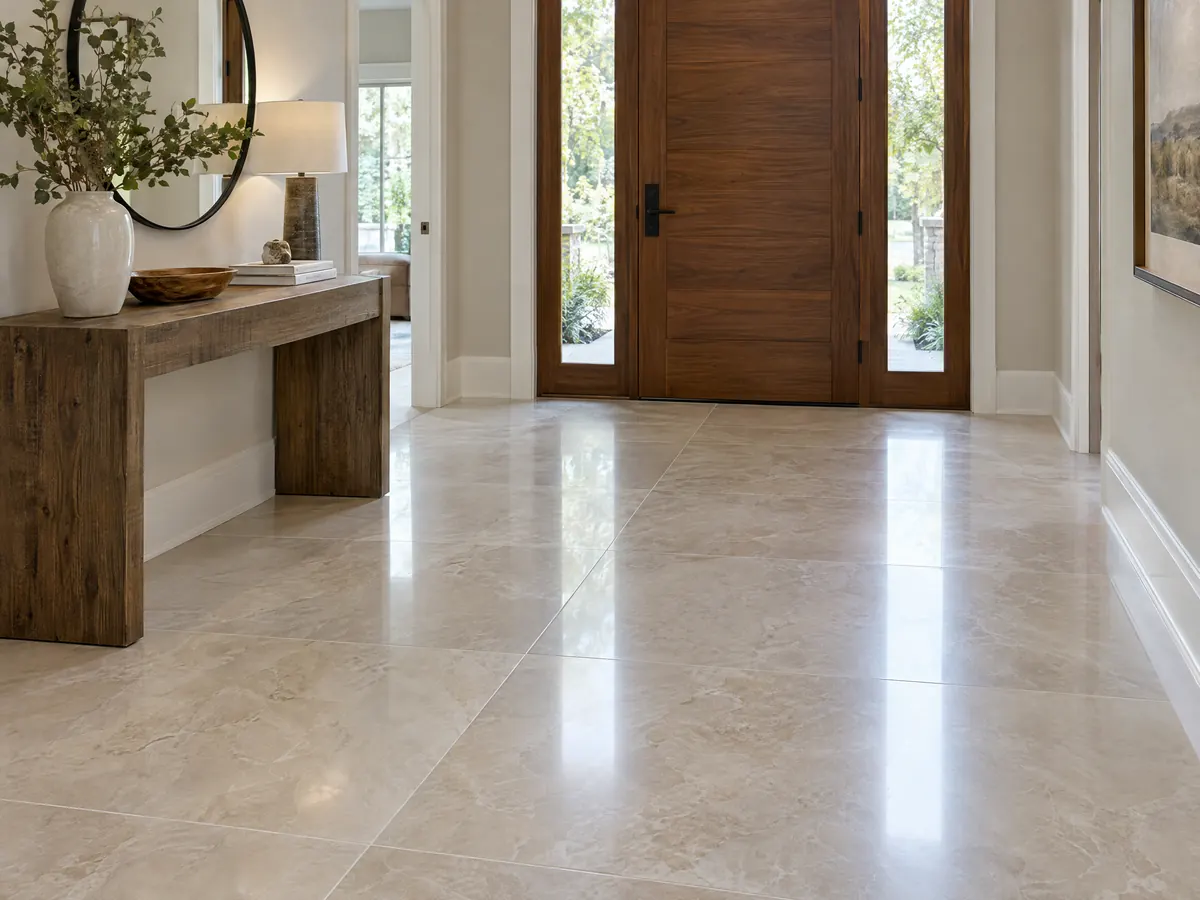
What does a flooring contractor charge in Blythe, and who holds which license?
We found no Blythe price study, so the anchor is Angi's Los Angeles pages, which we rate medium to low in confidence because one publisher writes them and shows no method. Angi's July 8, 2026 page lists installer labor at $3 to $9 a square foot, engineered hardwood at $10 to $18 installed, solid hardwood at $12 to $22 and refinishing at $4 to $8. Its September 15, 2026 laminate page prices removing an old floor at $455 to $685 for 200 square feet. A small desert market may bid differently.
Wages give a floor under the labor figure, not a quote. Federal May 2025 data for the Los Angeles area show floor layers at a mean $33.48 an hour, carpet installers at $27.54 and tile and stone setters at $30.72. Demolition, probe testing, leveling, stair treads and door transitions should each be a priced line in the proposal.
CSLB's C-15 class covers carpet, resilient flooring and wood floors, and ceramic tile is C-54. The City's own page on hiring unlicensed workers says to verify numbers with CSLB and never pay cash, and state law caps a deposit at $1,000 or 10 percent, whichever is less, under Business and Professions Code 7159.5. The license check guide shows how to read a CSLB record.
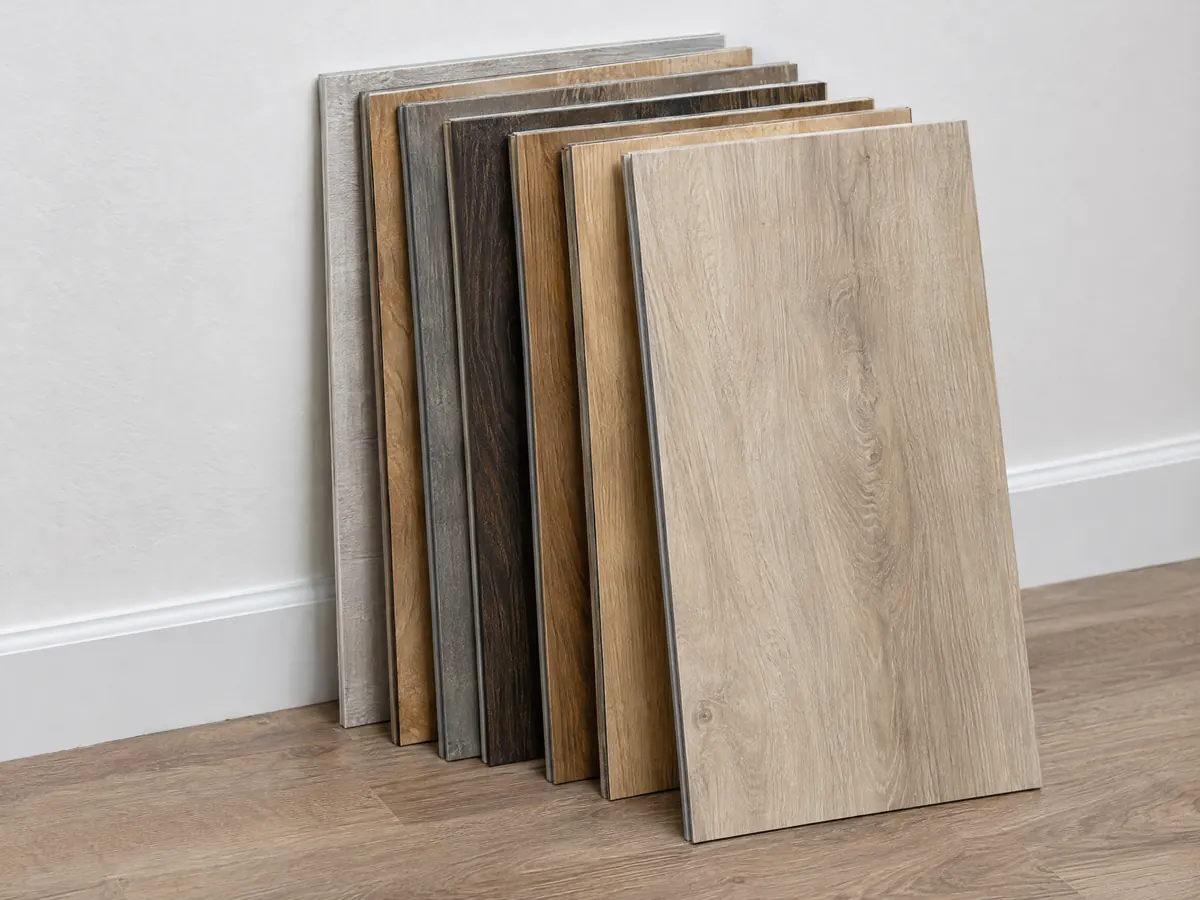
Flooring photos from Blythe and nearby communities
Plank samples, moisture tests, tile and finished rooms from Blythe and the Palo Verde Valley around it, shown at the steps where the choices get made. Tap any photo to enlarge it.
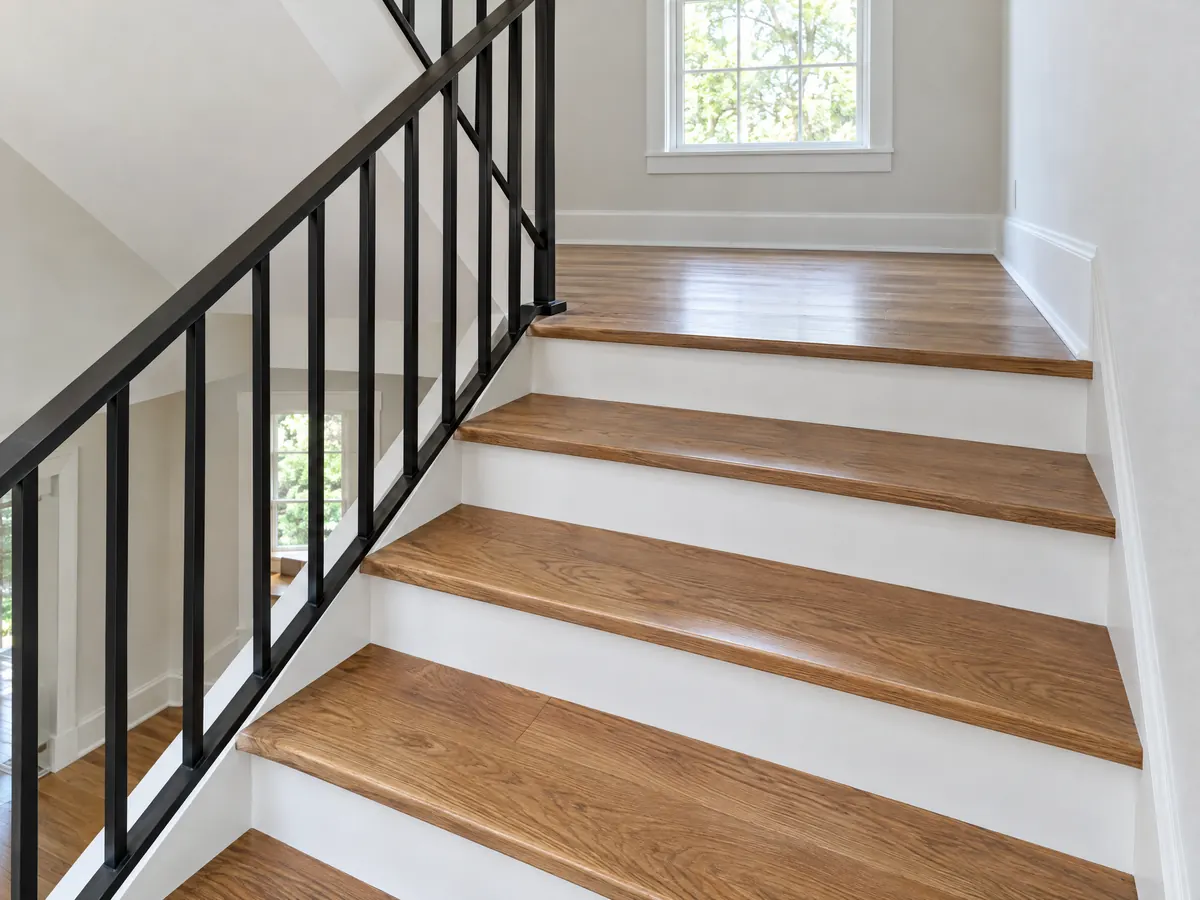
What flooring costs around Blythe
Dollar figures here are Los Angeles planning ranges, not a Blythe bid, and demolition, moisture testing, leveling and subfloor repair deserve their own lines in the written proposal. The same property may need concrete work in Blythe or decks in Blythe. The closest desert pages we have finished are flooring in Indio, about 93 miles away in a straight line, and flooring in Coachella, with flooring in Los Angeles as the big-city benchmark. The flooring cost guide sets refinishing beside replacement, and the subcontractor guide shows who lays which layer.
| What it covers | Typical range |
|---|---|
| Installation labor only | $3 to $9 per sq ft |
| Solid hardwood, installed | $12 to $22 per sq ft |
| Engineered hardwood, installed | $10 to $18 per sq ft |
| Refinishing existing hardwood | $4 to $8 per sq ft |
| Laminate, whole project | $2,000 to $5,500 |
| Hardwood, whole project | $3,153 to $8,496 |
| Removing the old floor | $455 to $685 per 200 sq ft |
| Tile | No sourced Los Angeles range |
Blythe flooring questions, answered
Do I need a permit to replace flooring in Blythe?
Possibly not, but the City pages we read do not say. Blythe's permit-required list names patios, decks, reroofs, plumbing, electrical and HVAC but not flooring, and its FAQ asks permits for anyone altering a home. A new subfloor, moved plumbing or added circuits clearly need one. Call Development Services at (760) 922-6130 with the scope first.
How much does it cost to have flooring professionally installed?
Angi's Los Angeles page, updated July 8, 2026, lists installer labor at $3 to $9 a square foot, engineered hardwood at $10 to $18 installed and solid hardwood at $12 to $22. We found no Blythe study with a stated method, so treat these as medium to low confidence. Tear-out, leveling and stairs usually appear as separate lines.
How much to refloor a 2000 sq. ft house?
Using Angi's Los Angeles rates, a 2,000 square foot house is about $6,000 to $18,000 for labor alone, $20,000 to $36,000 in installed engineered hardwood and $24,000 to $44,000 in installed solid hardwood. These are Los Angeles ranges, not a Blythe bid, and stairs, tear-out and subfloor repair move the total.
Can you put flooring over concrete?
Yes, once the slab has been tested and prepared. The moisture limit comes from the plank, vinyl or adhesive maker, so the installer should take ASTM F2170 probe readings or set an F1869 dish before any patching or leveling. In a Blythe home built before 1980, old adhesive on the slab may need a lab check before grinding.
Why does moisture come through a concrete floor?
Water vapor rises from the soil under the slab. In Blythe the valley is sand over groundwater that averages about 10 feet down under farmland, according to the irrigation district, so a dry climate is no guarantee. A probe or dish test on your own slab gives the real reading, and the product maker sets the limit.
Should I put plastic under my concrete slab?
For a new slab, the National Wood Flooring Association strongly recommends a vapor retarder rated at 0.13 perms or less, such as 6-mil polyethylene. An existing slab cannot get one after the fact, so test it. Ask your builder and the flooring maker which system the warranty expects.
Can I turn my Blythe garage into a bedroom and floor it?
Not as a casual finish job. The City's Garage Enclosures page says an enclosed garage needs alternate covered parking, and an unpermitted conversion may be uninsured and hard to sell. Chapter 17.33 of the Municipal Code covers accessory dwelling units. Confirm the plan with Development Services before choosing a floor.
Is there asbestos under old vinyl flooring in Blythe homes?
Possibly in homes built before 1980, which the Census counts at 2,496 of Blythe's 4,962. Old resilient tile, sheet vinyl and black mastic are the usual suspects and cannot be identified by eye. Send a sample to a lab before sanding or pulling a layer, and have the proposal say who pays if it tests positive.
What license does a flooring contractor need in Blythe?
A flooring contractor needs a current California license, usually C-15 for carpet, resilient flooring and wood or C-54 for ceramic tile, plus whatever the City asks of a contractor pulling a permit. Check the number on the CSLB site and ask each subcontractor for a license number and certificate of insurance.
Tell us the age of the house, the rooms and what the floor sits on
Say whether it is a house, a rental, a mobile home or a garage, which rooms you want finished and what covers the floor now. The slab test, old adhesive and permit questions come along to the first visit.