
Roof Repairin Azusa, CA
Roof repair and roof replacement in Azusa need a permit, and the roof class follows the address: the City's re-roof handout requires Class A in Very High Fire Severity Zones and at least Class B everywhere else. Our County data sample put 34 percent of the city in the Very High zone, all of it in the north.
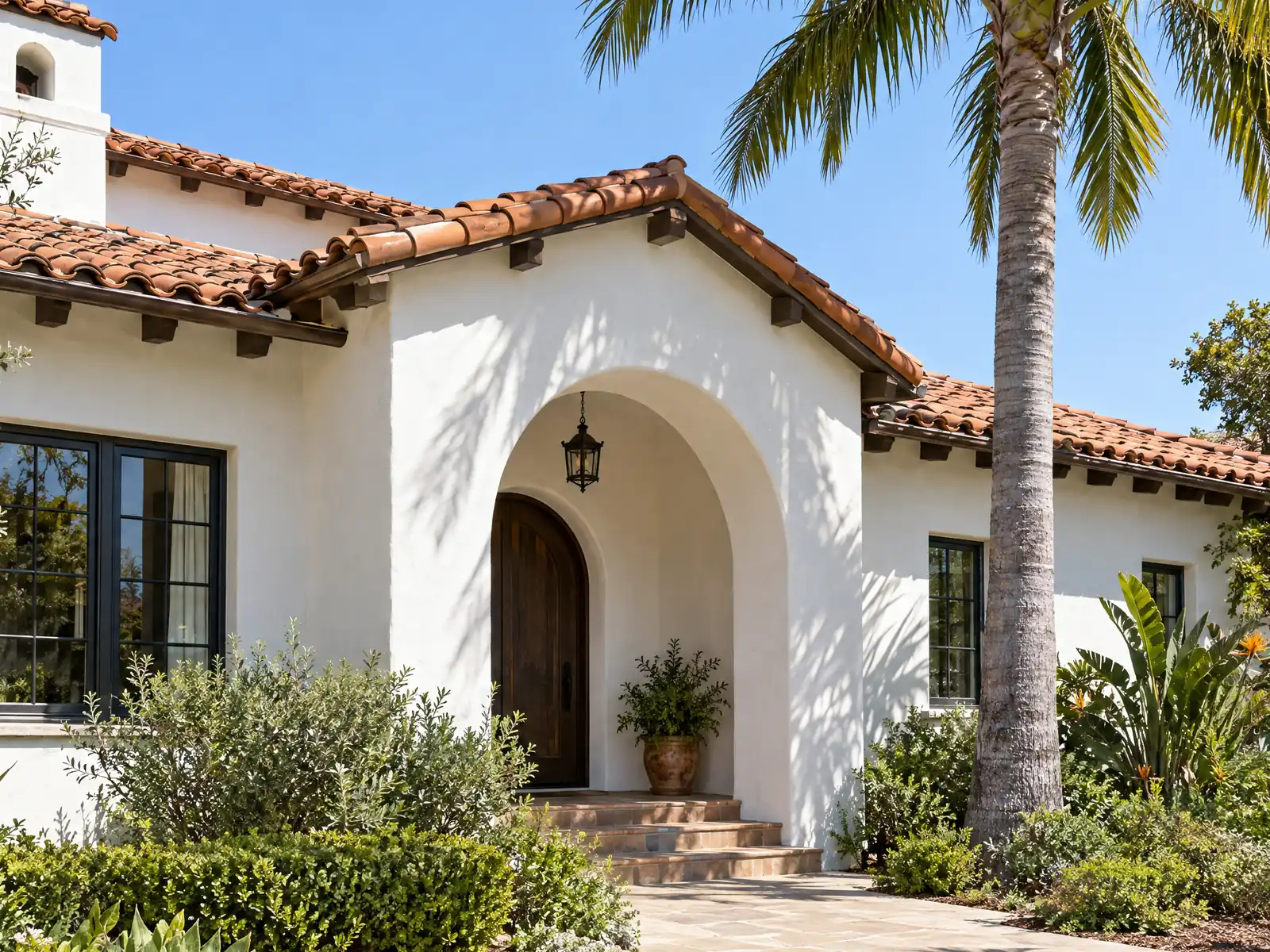
Azusa roofs get a long dry season and a short hard one. The nearest NOAA 1991 to 2020 station with a rain record, San Gabriel Canyon, about 1.2 miles from the city's reference point, shows 22.52 inches a year, with 17.55 inches (78 percent) from December through March and only 0.52 inches from June through September. That station keeps no temperatures, so highs come from Pomona/Fairplex, 9.3 miles away: 90.3 F in July, 92.4 F in August, about 70.5 days a year at or above 90 and 10.7 at or above 100. Fairplex is a regional reading, not one taken in Azusa, but it describes the load: months of heat, then a few storms.
Most of the roofs are old. The Census Bureau's 2024 five-year estimates count 15,580 housing units in Azusa, 66.7 percent of them built before 1980, 3,412 in the 1950s alone, and a median year built of 1970. For roof repair and roof replacement, MDG Builders (CSLB #1040337) writes the scope, files the permit and keeps the schedule, and a licensed C-39 roofing subcontractor does the tear-off and the install. Our roofing page holds the sourced prices, the Azusa overview lists every trade we handle here, and Covina to the south works under a different rulebook.
What Azusa's Building Division, its re-roof handout and the fire maps say about roofs
Where roofing permits come from in Azusa: City of Azusa Economic and Community Development Department, Building and Safety Division.
- The City's Re-Roofing Requirements handout (Building Division) says all roof assemblies in Azusa must be at least Class B, roofing in Very High Fire Severity Zones must be Class A, and composition shingles must carry at least a 25 year rating. The handout cites the 2013 California Building Code, so its code references are old.
- Under the same handout Azusa is in climate zone 9 and a new residential roof with a roofing product density above 5 pounds per square foot (generally tile) must be a Cool Roof; re-roofing with tile above 6 pounds per square foot needs engineering calculations for the added vertical and lateral loads.
- Roofs with a pitch under 2 in 12 need a hot-mopped built-up or approved modified bitumen assembly, composition shingles are not allowed under 2 in 12, patio and porch covers under 2 in 12 and 300 square feet may use approved rolled roofing, and all damaged roof vents, jacks and flashing must be replaced and painted to match the roof before final inspection.
- New plywood over existing spaced sheathing must be 3/8 inch or thicker CDX or approved wafer board spanning at least two rafters with 8d nails at 6 inches on center at edges and 12 inches in the field; the inspector must see the exposed deck after tear-off (free of termite or dry-rot damage, knot holes and gaps over 1/4 inch, and checked for ponding on flat roofs) and must approve the existing roof first before any roof-over.
- The City's Re-Roof Flowchart (2020) says the application and recycling forms are filed online or at the counter, staff decide whether plan check is needed, plans may be required when roof framing is repaired or replaced, fees are paid and the permit is picked up.
- Municipal Code section 14-203 (Ord. 2025-06) amends Residential Code R902.1 so that outside Fire Hazard Severity Zones and WUI areas the entire roof covering of an existing structure where more than 20 percent of the roof area is replaced in any one year, and any roof covering applied in the alteration, repair or replacement of the roof of an existing structure, must be a fire-retardant covering of at least Class B, with an exception allowing Class C on patios with less than 300 square feet of roof. (Source for this roofing rule is the third-party GoCodebook mirror of the Azusa Municipal Code, text as of 2026-10-04, not the official Municode text, which returned HTTP 403.)
- Municipal Code sections 14-53 and 14-54 set the same Class B rule for the California Building Code: Table 1505.1 is amended so every construction type needs at least Class B, and the entire covering of an existing structure must be Class B where more than 20 percent of the roof area is replaced within one year, outside Fire Hazard Severity Zones and WUI areas. (Source for this roofing rule is the third-party GoCodebook mirror of the Azusa Municipal Code, text as of 2026-10-04, not the official Municode text, which returned HTTP 403.)
- CSLB defines C-39 Roofing as installing products and repairing surfaces that seal, waterproof and weatherproof structures, using materials such as asphaltum, pitch, tar, felt, glass fabric, urethane foam, metal roofing systems, shakes, shingles, roof tile and slate.

Which part of Azusa sits in the Very High fire zone?
A large part, and it is the north. The City's Building Design Requirements page says areas of Azusa lie in Very High Fire Severity Zones. The draft 2026 Local Hazard Mitigation Plan, out for public comment from November 4 to 18, 2026 and subject to change, says the mapped zones run along the northern edge against the San Gabriel Mountains and Angeles National Forest and step down to High and Moderate at Sierra Madre Avenue.
We tested that against the County's copy of the CAL FIRE Local Responsibility Area layer, revised August 21, 2025. Of 162 evenly spaced points inside the city boundary, 55 (34.0 percent) came back Very High, 2 (1.2 percent) High, 5 (3.1 percent) Moderate and 95 (58.6 percent) Non-Wildland, and 5 returned no zone, perhaps federal land. Every Very High point sat north of about latitude 34.145, so Downtown Azusa and the valley floor mostly fall outside it. A sample is not a map overlay, and the draft plan's wording reaches further south than our points do.
Fire is close. The draft plan describes the Bobcat Fire of September 2020 (115,796 acres) burning just north of the city and the Bridge Fire of September 2024 (56,030 acres, 81 structures destroyed) in the forest beside it.
Check the address on CAL FIRE's map before any bid names a roof class, because the City's handout keys on the zone, not the neighborhood.
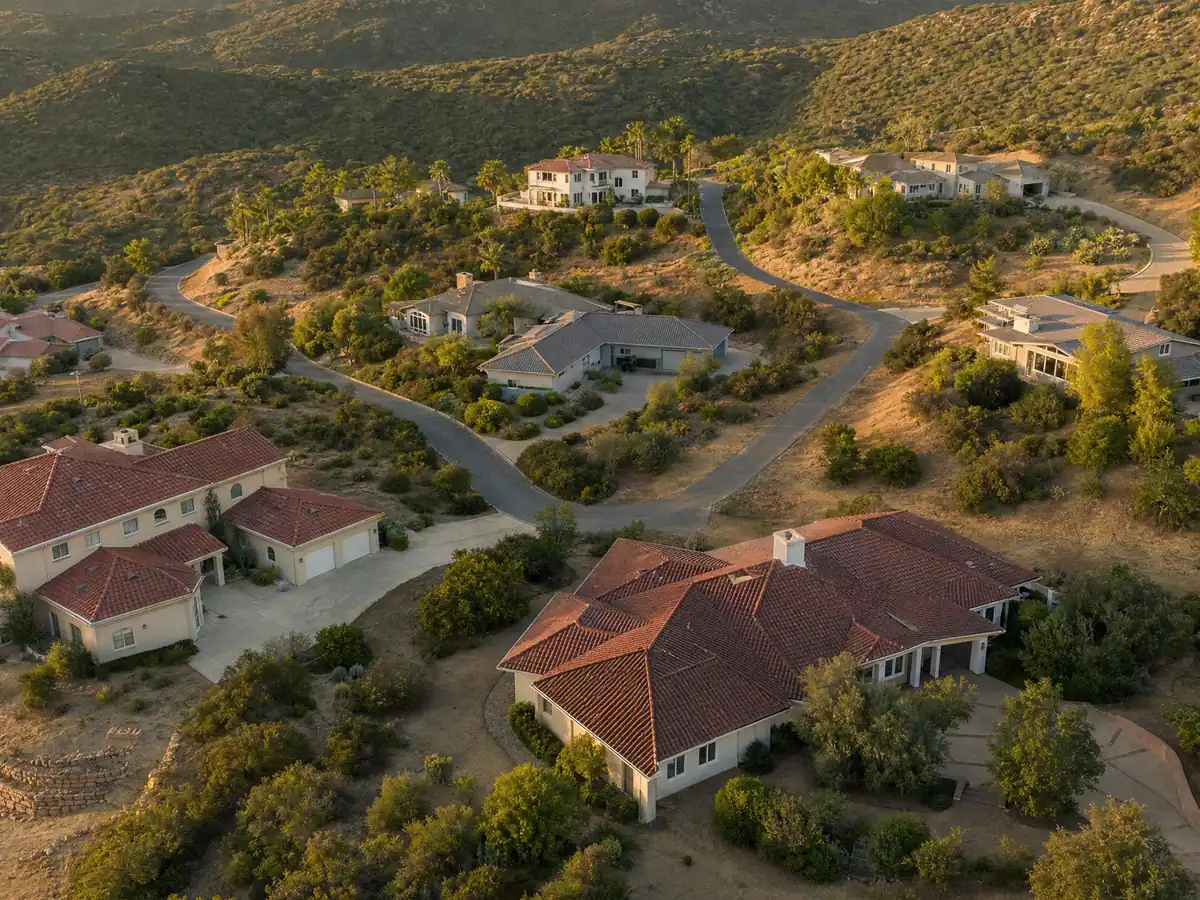
Does an Azusa re-roof need Class A or Class B?
The Building Division's Re-Roofing Requirements handout says every roof assembly in Azusa must be at least Class B, roofing in Very High Fire Severity Zones must be Class A, and composition shingles must carry at least a 25 year rating. Class A is the top result in the ASTM E108 and UL 790 fire tests. The handout is the City's own paper, though it cites the 2013 California Building Code, so its code references are dated.
The municipal code adds a trigger. Sections 14-53, 14-54 and 14-203 amend the State codes so that outside fire zones the whole covering must be at least Class B once more than 20 percent of the roof area is replaced in a year, with Class C allowed on patio roofs under 300 square feet. We read those sections on the third-party GoCodebook mirror, not the official Municode text, which returned an access error to our tools, so confirm the 20 percent line with the City.
The editions disagree as well. The mirror says Ordinance 2025-06 adopted the 2025 California codes on November 3, 2025, while the City's design page still lists 2019 codes and the 2017 County Fire Code. Ask the counter which set it applies to a roof-only job.
What does an Azusa inspector want to see after the old roof comes off?
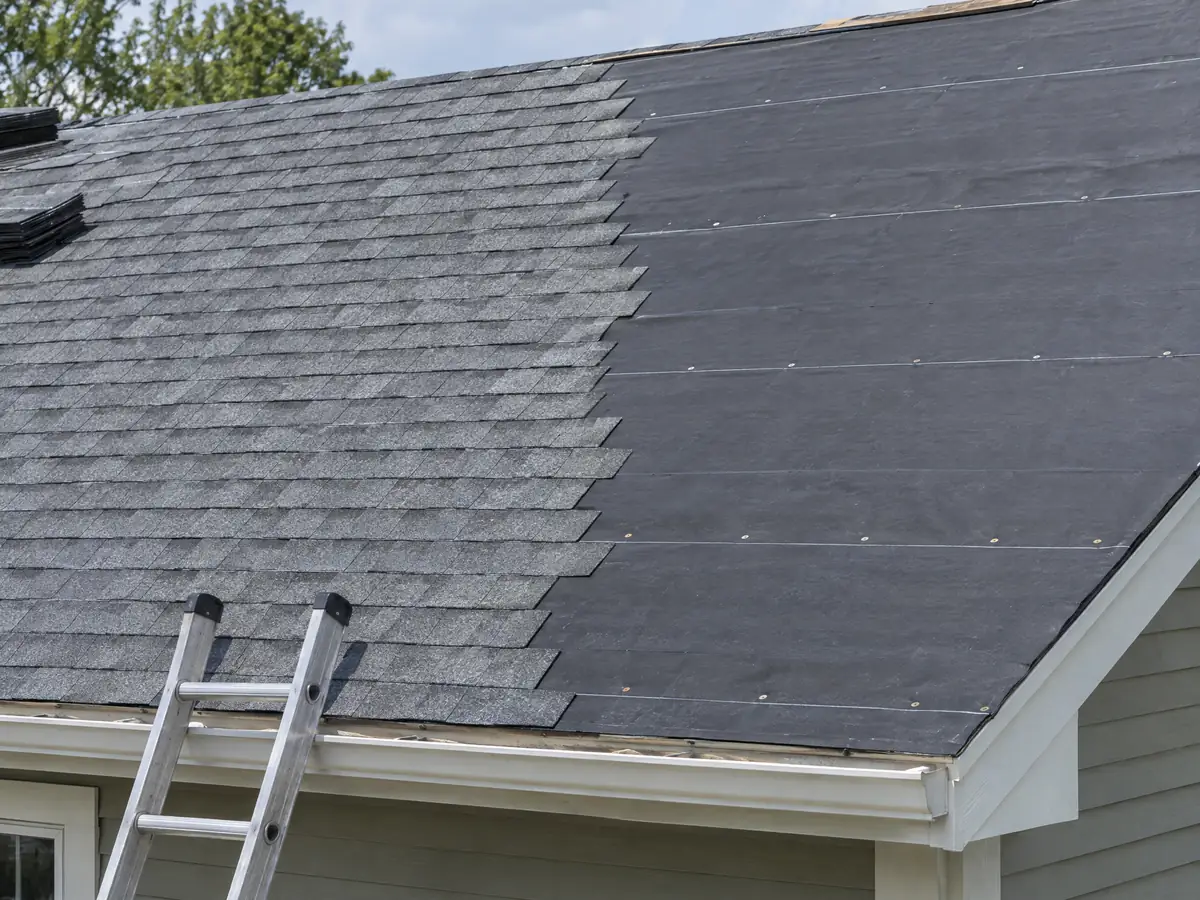
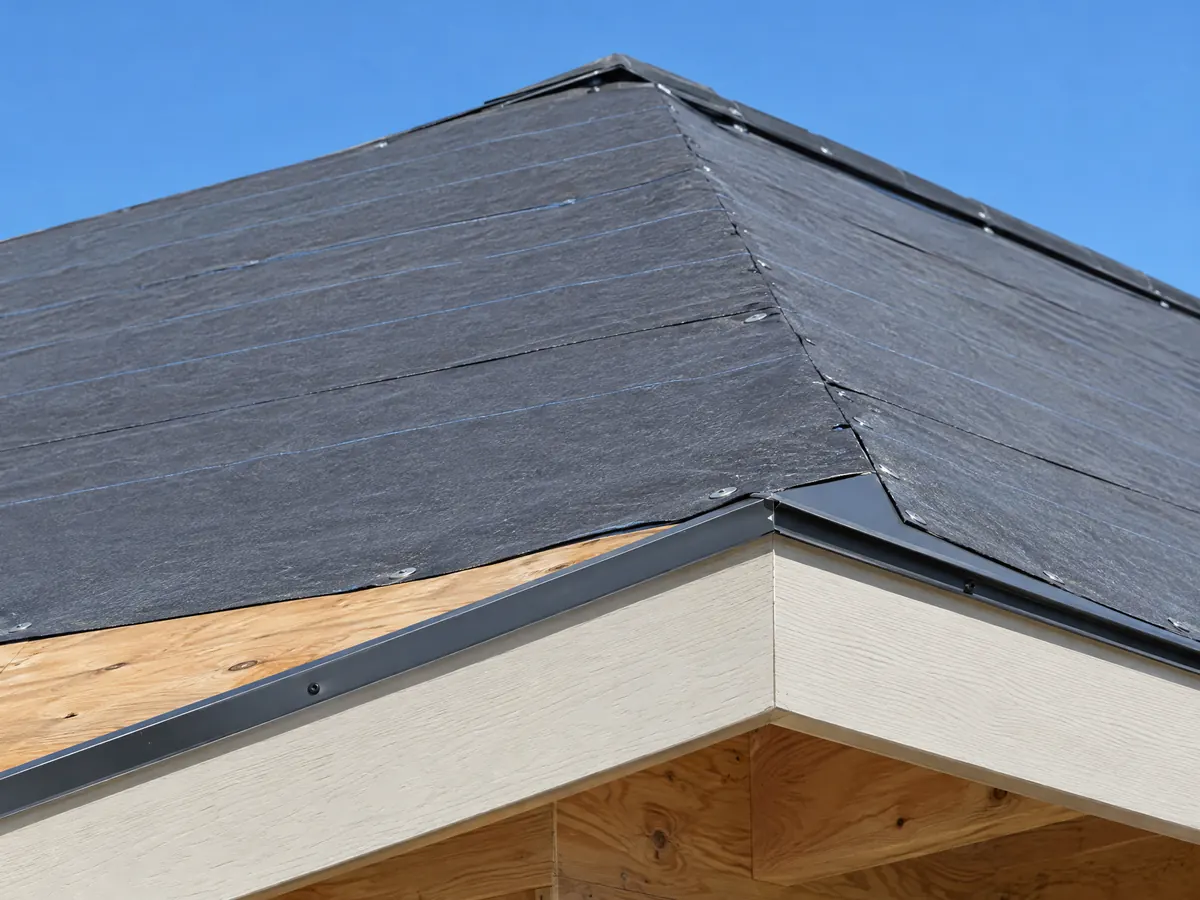
The handout is specific. The inspector must see the exposed deck after tear-off, free of termite or dry-rot damage, knot holes and gaps wider than 1/4 inch, and a flat roof is checked for ponding. New plywood laid over old spaced sheathing must be 3/8 inch or thicker CDX or approved wafer board spanning at least two rafters, nailed with 8d nails at 6 inches on center at the edges and 12 inches in the field. A roof-over needs the inspector's approval of the existing roof first.
Slope matters too. Roofs under 2 in 12 need a hot-mopped built-up or approved modified bitumen assembly, composition shingles are not allowed there, and patio covers under 2 in 12 and 300 square feet may use approved rolled roofing. A written proposal should say:
- Whether decking repair is an allowance per sheet or a fixed amount
- The nailing schedule for any new plywood
- How many layers are on the house and who hauls them away
- Which flashings, vents and jacks are replaced rather than reused
Does an old tile roof in Azusa need engineering before a re-roof?
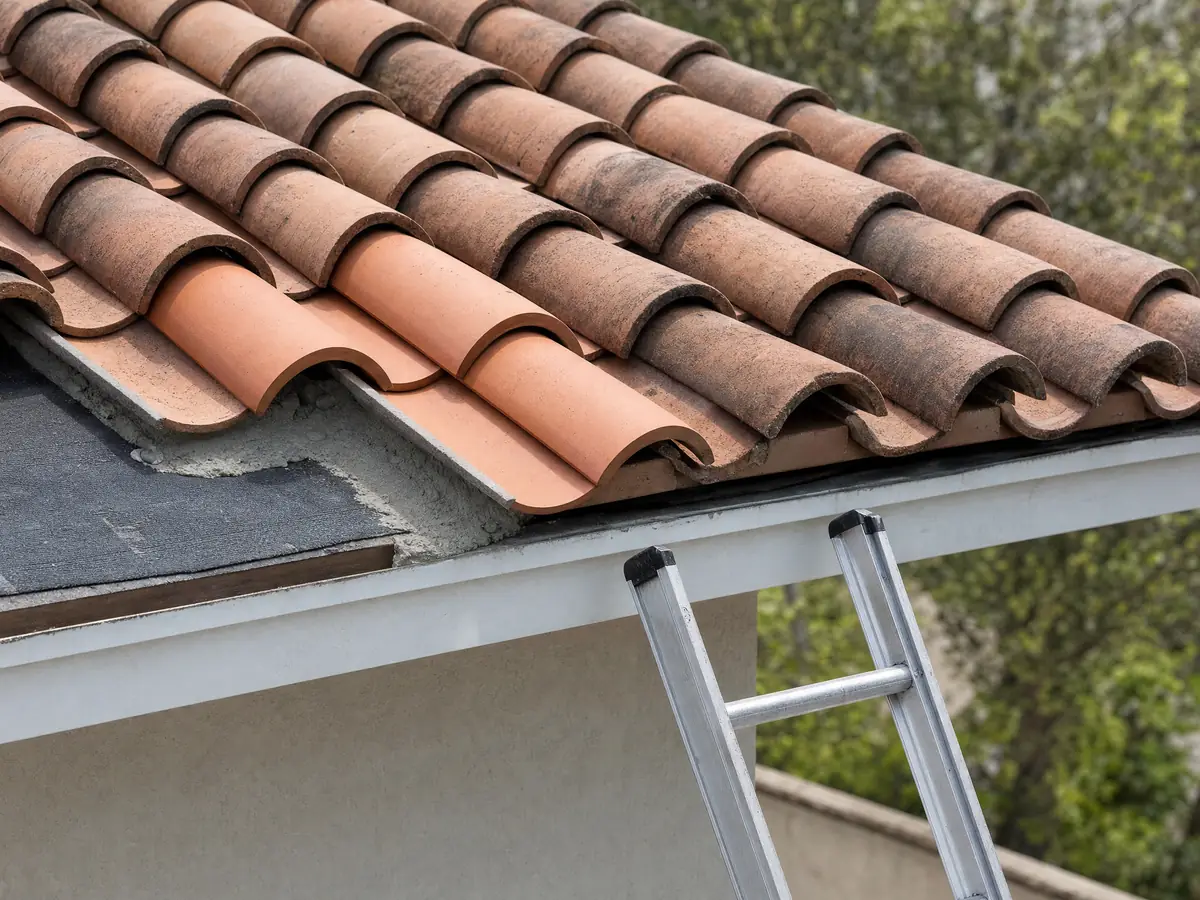
Sometimes. The handout says re-roofing with tile heavier than 6 pounds per square foot needs engineering calculations for the added vertical and lateral loads, and a new residential roof with a product density above 5 pounds per square foot, generally tile, must be a Cool Roof because Azusa is in Energy Climate Zone 9. The City's design page lists seismic design category E or F, which is why extra weight draws questions.
We found no count of tile roofs in Azusa and will not guess at a share. Resetting existing tile on new underlayment is a different job from a full tear-off, and the City's 2020 flowchart says staff decide whether plan check is needed and that plans may be required when roof framing is repaired or replaced. Ask the counter which category your job falls into before pallets of tile reach the driveway.
Does roof replacement in Azusa need a permit, and which number do I call?
Plan on one. The City's Building Permits page says a permit is required whenever a structure is altered, repaired or improved, and its exempt list names painting and finish work, not roofing. The flowchart has applicants file the application and recycling forms online or at the counter, staff decide on plan check, fees are paid and the permit is picked up. On the mirror, code section 14-44 treats reroofing as a supplemental permit that lives as long as the primary permit, while inspections that cover only the roof do not keep a primary permit alive.
City pages disagree on details. The handout says a permit expires if work does not start in 180 days, while section 14-44 on the mirror says one year. Inspection requests are (626) 812-5223 on two pages and (626) 812-5234 on another, and the Building Division page still carries 2020 COVID-19 notices. Start with the Building Division at (626) 812-5234 and confirm.
A tear-off of 1,000 square feet or more is a covered project that files a Waste Management Plan, and a re-roof with no tear-off is exempt, concrete tile and wood shake excepted. The only fee on the City's recycling sheet is $68 for residential additions and tenant improvements up to $25,000 and $100 for single-family new construction, so we cannot say what a roof permit costs.
Do roof vents have to match the roof color, and what about solar panels?
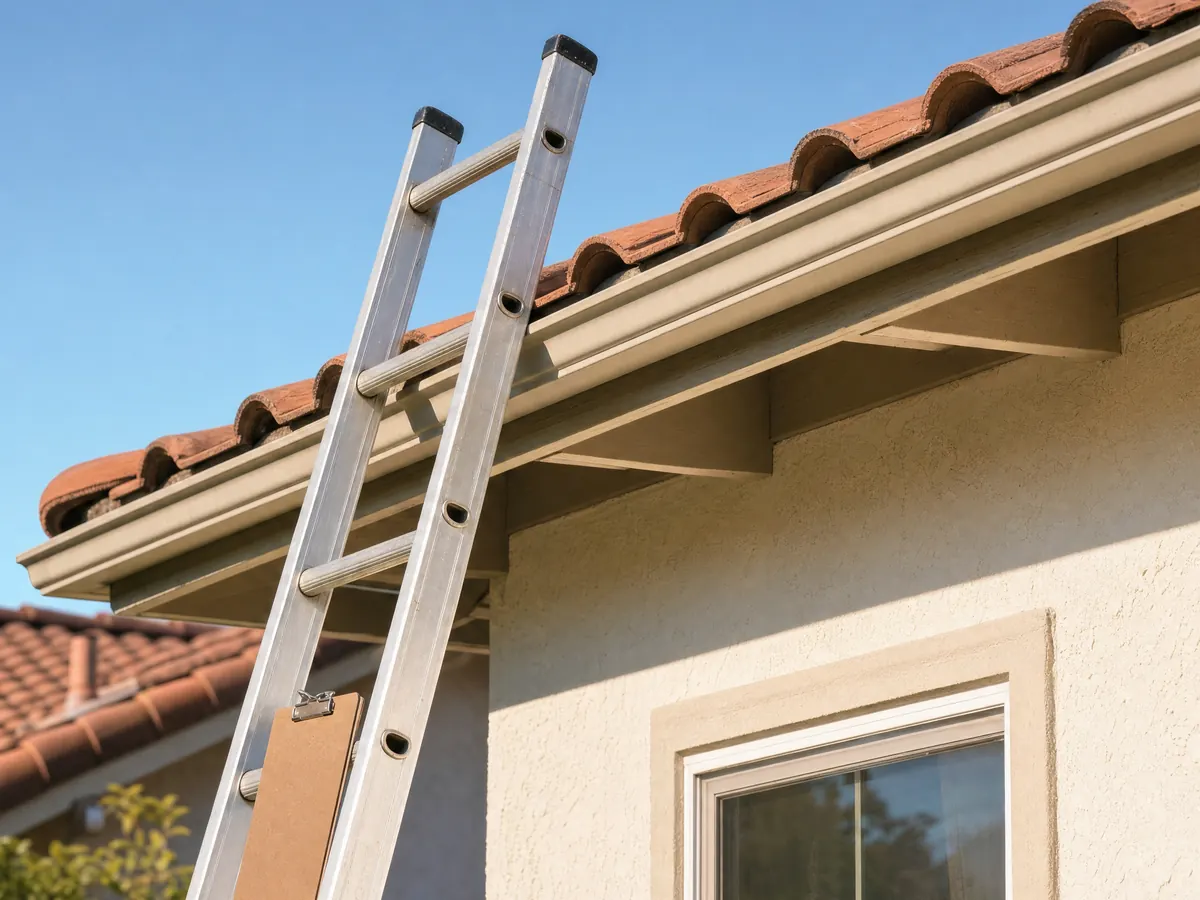
On the mirror, section 14-6 says attic vents, turbines and any vent, duct or jack visible from other property must be painted the same color as the roof or finish they penetrate, unless the building official finds it unnecessary. The same section says that when permitted work exceeds 49.9 percent of the connected structure, the whole structure must be primed and painted to match, so read the scope before a big re-roof becomes a painting job.
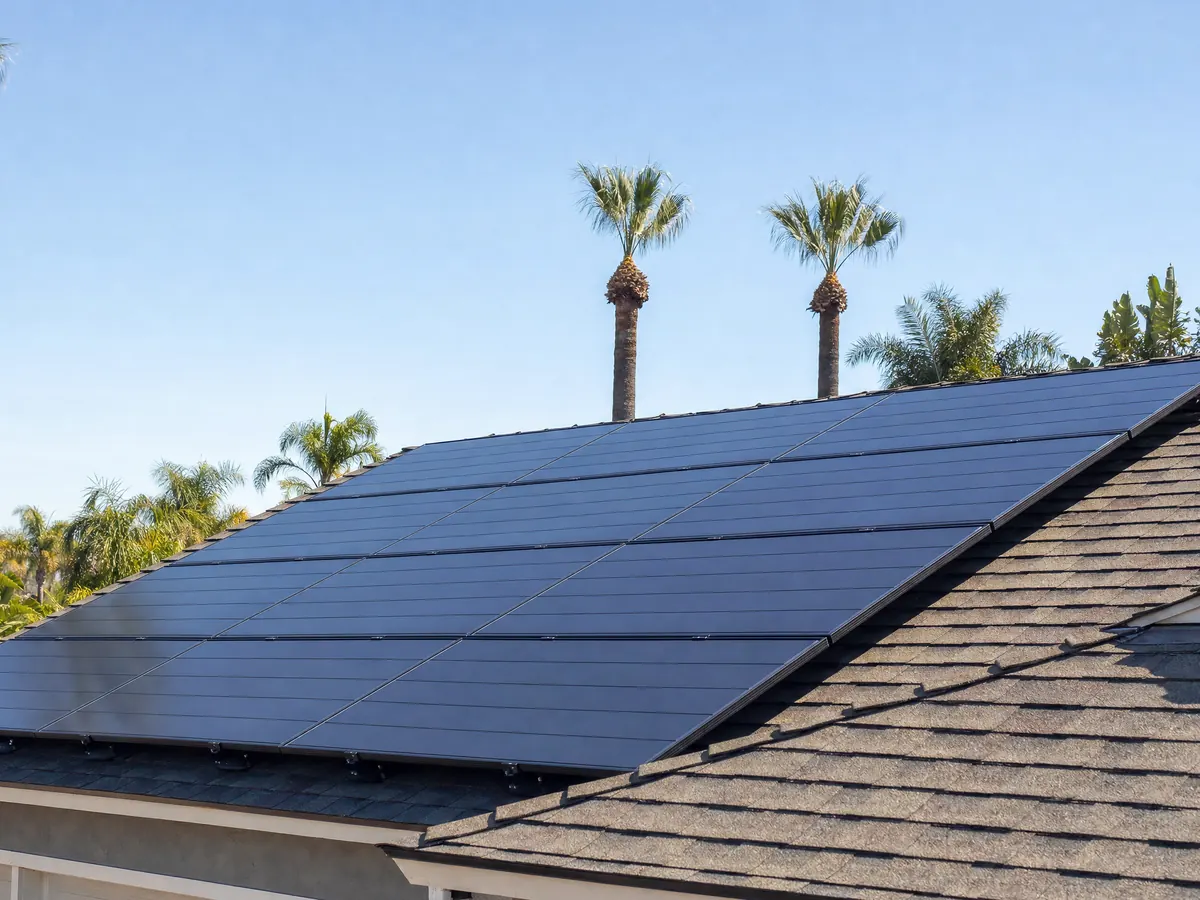
Rooftop solar of 10 kilowatts or less has a streamlined City permit under Ordinance 2015-012, filed by email to buildingpermits@azusaca.gov, and the utility connection is separate through Azusa Light and Water, which the City says has no partnership with any installer. Angi's Los Angeles page puts panel removal and reinstallation at $500 to $1,000, an extra to price before tear-off.
What does roof replacement cost in Azusa, and who decides when the landlord owns it?
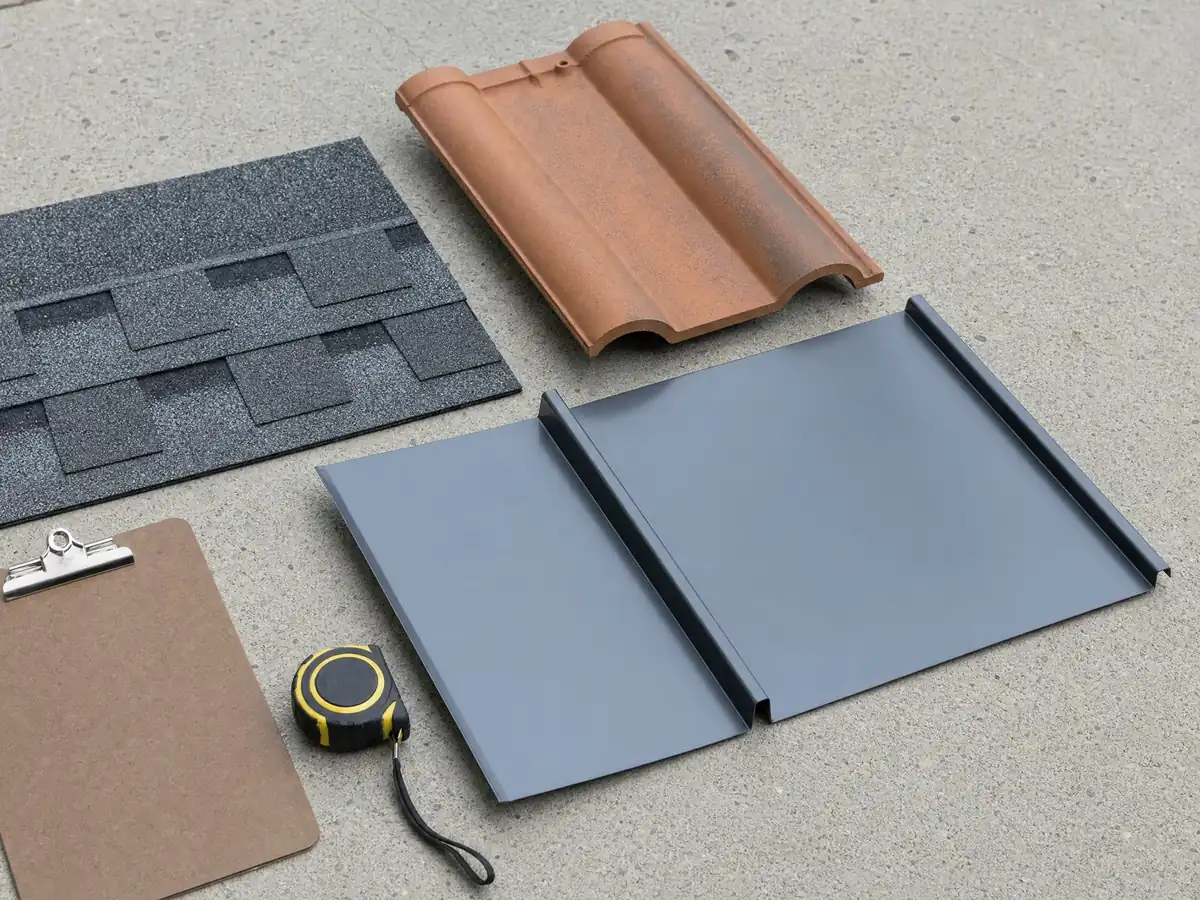
We found no Azusa price survey, so use Los Angeles data as a guide. Angi's Los Angeles roof page, updated July 31, 2026, shows asphalt at $4 to $12 per square foot, tile at $7 to $15 and metal at $7 to $16, plus $1,000 to $3,000 for tear-off. Remodeling magazine's Cost vs. Value 2025 report prices one fixed reference roof in Los Angeles at $36,417 for asphalt shingles, recouping 73.6 percent, and $62,069 for metal, recouping 48.7 percent. They differ about twofold because one prices a set roof and the other averages real jobs of every size.
Ownership shapes the decision. Renters hold 44.8 percent of Azusa's occupied homes (6,656 of 14,870), and the mirror says the City inspects every registered rental at least once a year for property maintenance, so a failing roof on a rental is a compliance question as well as a repair bill. Owners and landlords alike should ask for a measured proposal in squares, with decking and solar as separate lines.
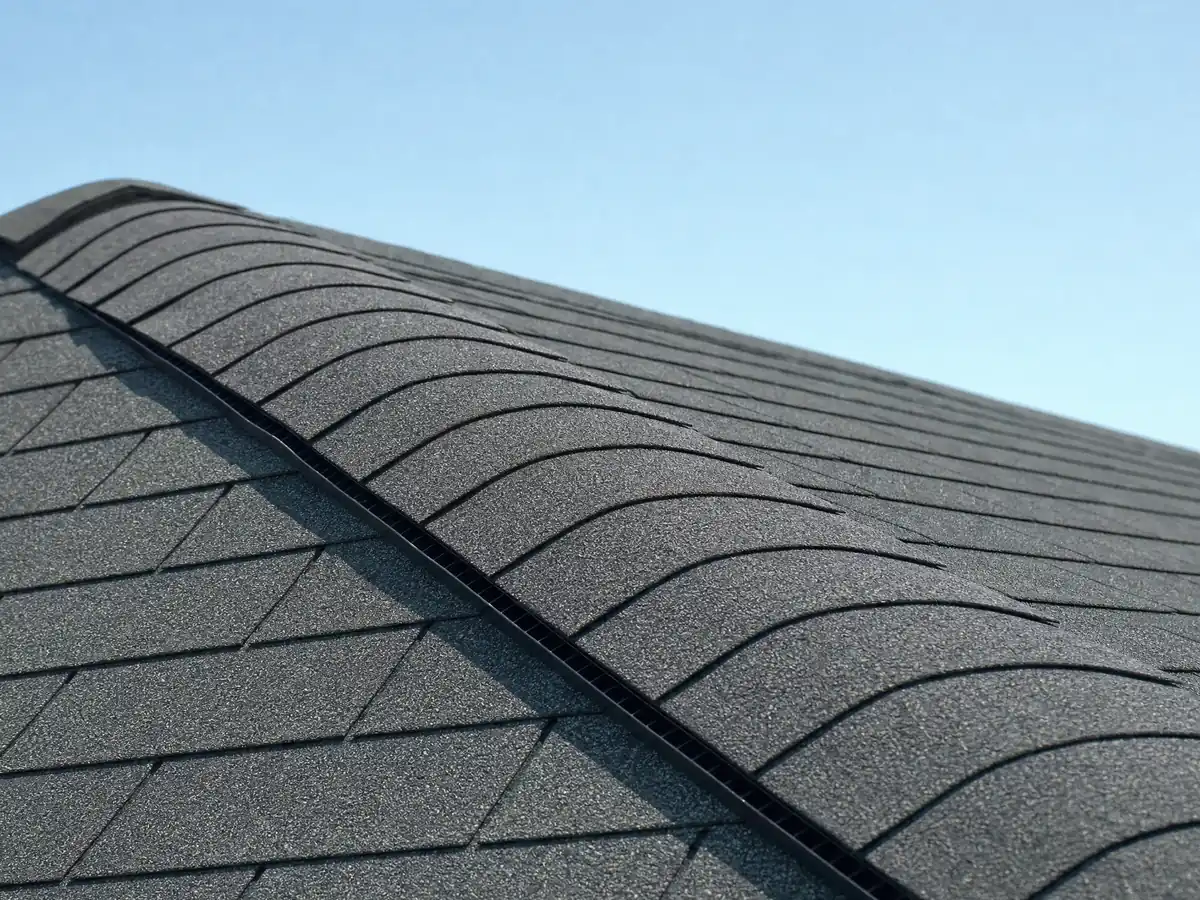
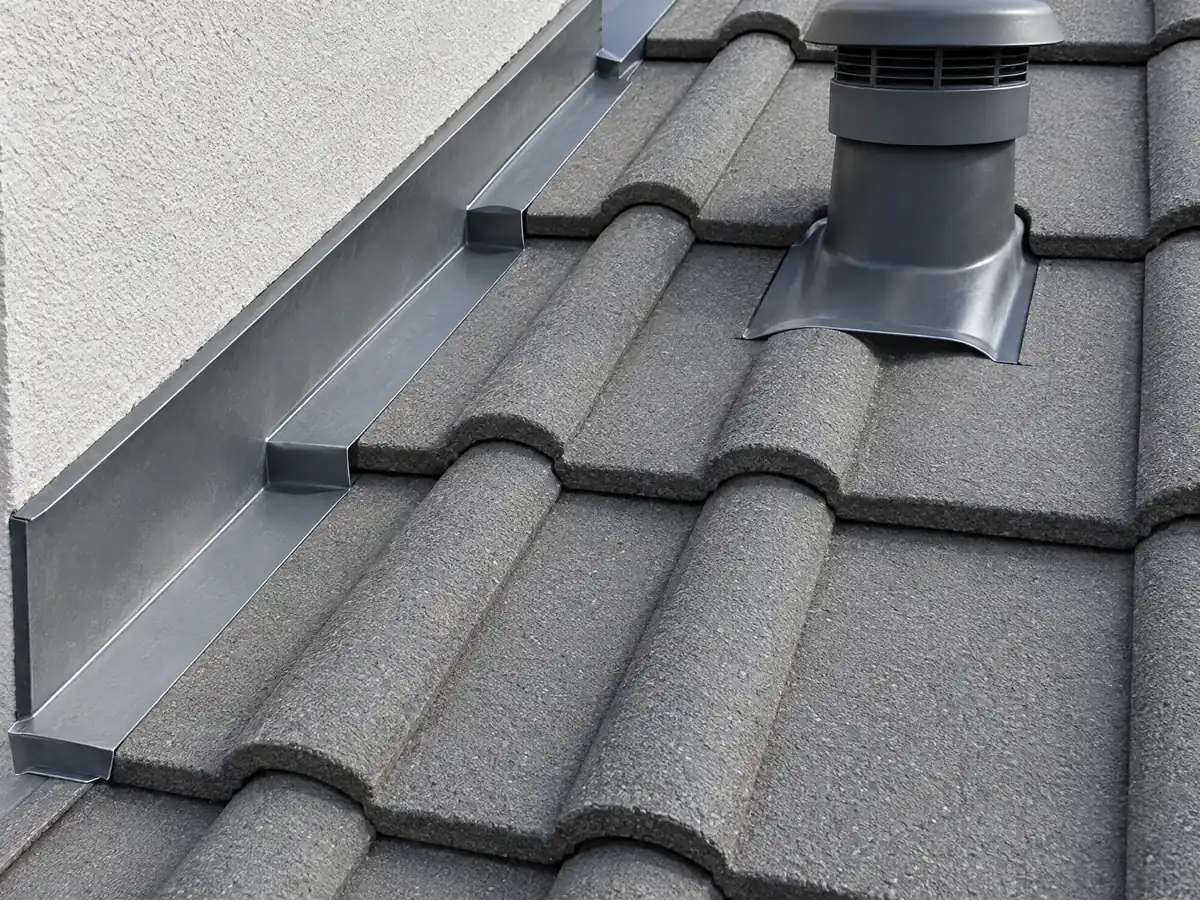
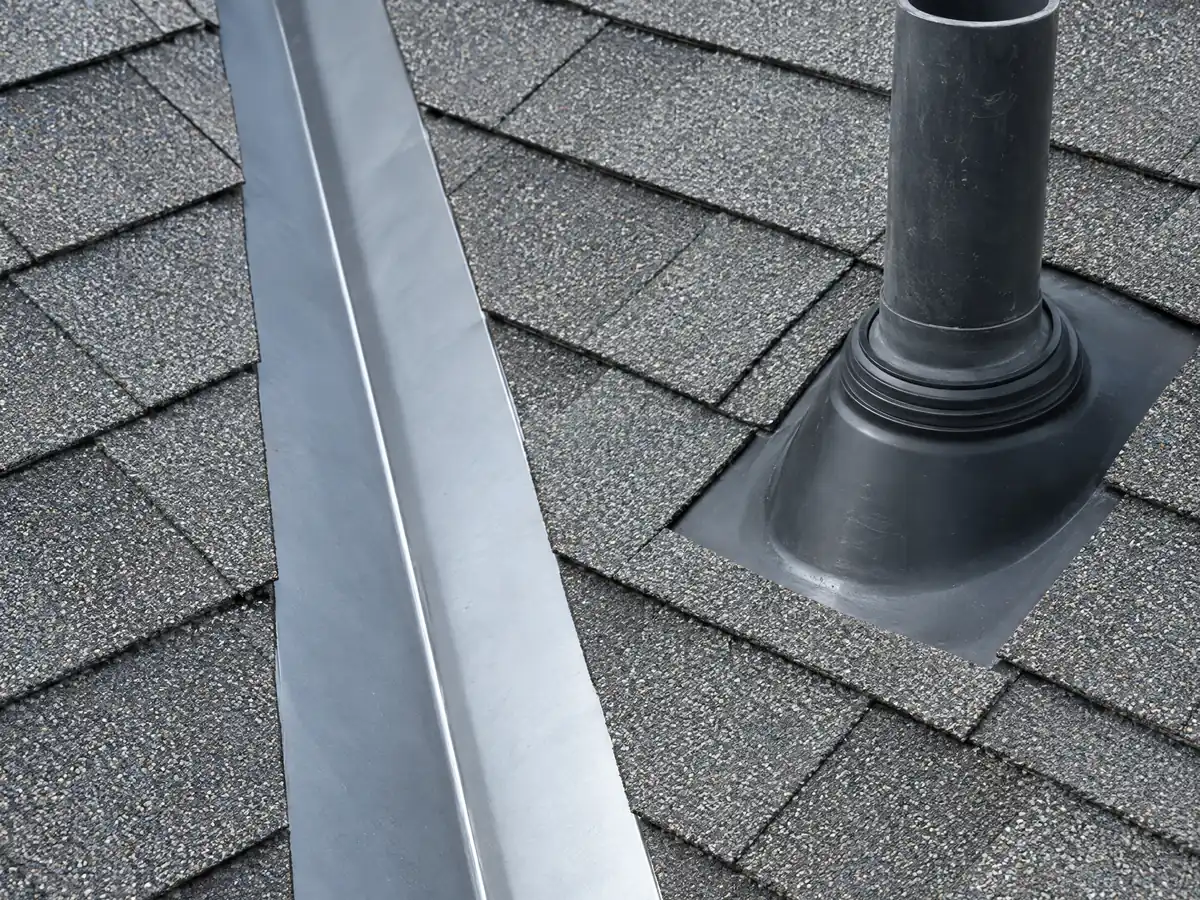
Roofing photos from Azusa and nearby communities
Roof scenes tied to Downtown Azusa, the foothill streets under the Very High zone and the valley-floor ranch blocks, plus nearby communities such as Glendora and Covina.
Where these Azusa roof figures come from
Each figure and its source is in the table on our roofing price page, and the California roof replacement cost guide explains why Angi and Cost vs. Value sit so far apart. A new roof often travels with other exterior work, and the Azusa rules for it are on the fencing page, the painting page and the kitchen remodeling page. To compare nearby rulebooks, read the roofing guides for Glendora, West Covina, Baldwin Park and Pasadena.
| What it covers | Typical range |
|---|---|
| Asphalt shingle, typical single-family roof | $10,000 to $25,000 |
| Concrete or clay tile | $7 to $15 per sq ft |
| Metal | $7 to $16 per sq ft |
| Remodeling Cost vs. Value 2025, Los Angeles | Asphalt $36,417. metal $62,069. |
| Extras | Tear-off $1,000 to $3,000. solar detach and reset $500 to $1,000. |
Azusa roofing questions, answered
How much does roof replacement cost in Azusa, California?
No one has published an Azusa survey, so price by roof area and use Los Angeles data as a guide. Angi's July 2026 Los Angeles page lists $4 to $12 per square foot for asphalt, $7 to $15 for tile and $7 to $16 for metal. Decking repair, solar removal and tear-off are extras, and a measured written proposal is the real price.
Do I need a permit to replace my roof in Azusa?
Plan on yes. The City's Building Permits page requires a permit for any structure altered, repaired or improved and does not list roofing among its exemptions. Start with the Building Division at (626) 812-5234 and ask which filing route applies, because its pages describe both an online portal and an emailed application.
What is a Class A roof, and does my Azusa house need one?
Class A means the roof assembly earned the top result in fire testing under ASTM E108 and UL 790. The City's handout requires it in Very High Fire Severity Zones and Class B elsewhere in Azusa. Whether your house is in the zone comes from CAL FIRE's map, so check the address before accepting a quote.
What is the 25 percent rule for roof repairs?
We found no California or Azusa rule by that name. The figure we can cite is 20 percent in one year: on the code mirror, replacing more than that outside fire zones means the whole roof covering must be at least Class B. Treat the mirror as a pointer and confirm the line with the Building Division before staging repairs.
Should I repair or replace a 20 year old roof in Azusa?
Condition matters more than age, so have a roofer photograph the flashing, underlayment and deck before you choose. A repair that stays under 20 percent of the roof avoids the Class B trigger the mirror describes, but we found no sourced roof lifespan for Azusa. Ask how many layers are on the house, because 1950s and 1960s roofs have often been redone once.
Is a cool roof required for roof replacement in Azusa?
For tile, yes in the City's handout: a new residential roof with a product density above 5 pounds per square foot must be a Cool Roof in climate zone 9. We did not read the State Energy Code, so we cannot say how its cool roof rules apply to shingle re-roofs. Ask the Building Division for the current requirement.
Can a general contractor do roofing in California?
A general contractor can run a roofing job, while the roofing itself is done by a roofer holding CSLB class C-39. MDG Builders (CSLB #1040337) works that way: we write the scope, pull the permit and schedule a licensed roofing subcontractor. Before signing you can ask for the subcontractor's license number and certificate of insurance.
What is the best time of year to replace a roof in Azusa?
The dry months, roughly late spring through early fall. NOAA's normals for the San Gabriel Canyon station show 17.55 of 22.52 inches of rain falling from December through March and only 0.52 inches from June through September. Heat is the trade-off, since Pomona/Fairplex averages about 70.5 days a year at 90 degrees or more.
How do I check a roofing contractor's license in California?
Enter the license number on the CSLB website, where the record shows the classification, status, bond and workers' compensation. Roofing is class C-39. Our license check guide walks through the lookup, and Azusa also asks contractors for a City business license when they file a permit.
Do solar panels change a roof replacement in Azusa?
Yes, because panels usually come off before tear-off and go back afterward, which Angi's Los Angeles page prices at $500 to $1,000. Azusa offers a streamlined permit for residential solar of 10 kilowatts or less, and the utility interconnection is a separate step through Azusa Light and Water.
Ask for a roof inspection in Azusa
Send the street, when the roof was last replaced and whether the house sits near the foothills. We check the fire map and the permit route before we call back. Our subcontractor guide explains who does what on site.