
Roof Repairin Covina, CA
Roof repair in Covina needs a building permit once the work passes 200 square feet, and a change of roofing material or color also needs Planning approval. A roof replacement must use at least a Class B covering, with one asphalt overlay allowed at most. Part of the southeast corner is a Very High fire zone.
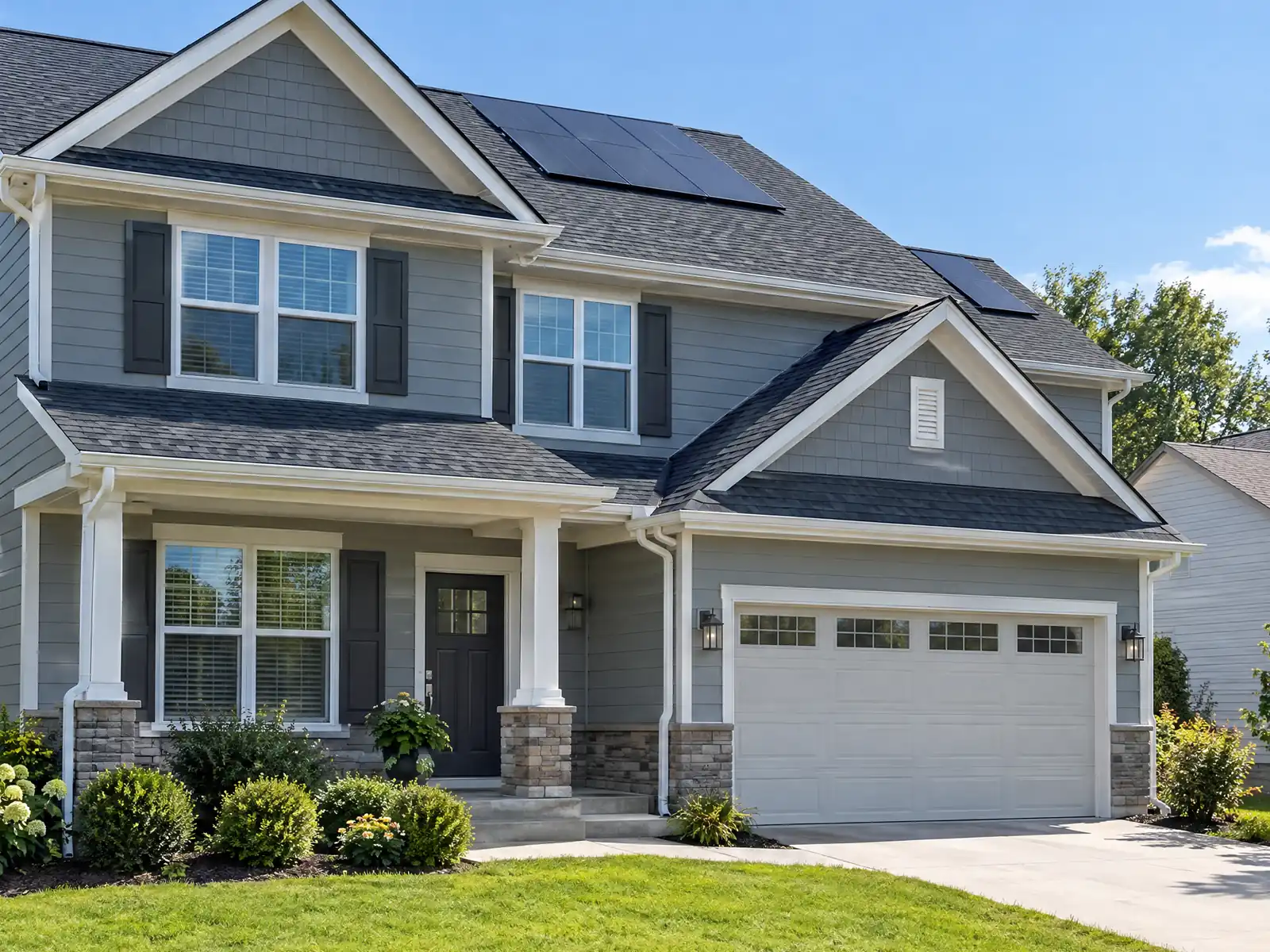
Covina began as a citrus town. Wikipedia dates its founding to 1884 and its incorporation to August 14, 1901, and its census table shows the population climbing from 20,124 in 1960 to 30,395 in 1970 as the last groves became subdivisions. The Census Bureau's 2024 five-year estimates count 16,978 housing units, with about 33 percent built in the 1950s and 24 percent in the 1960s, so roughly 76 percent of homes predate 1980. Most Covina roofs are a second or third covering on a house that is 55 to 75 years old.
Sun does most of the aging. NOAA's 1991 to 2020 normals for Pomona/Fairplex, about 6.7 miles east and the nearest station with temperature data, list 70.5 days a year at or above 90 degrees F and 10.7 at or above 100, while the Covina City Yard gauge records 16.74 inches of rain, 13.47 of it from December through March. On a Covina job, MDG Builders (CSLB #1040337) writes the scope, coordinates the City paperwork and runs the schedule, and a licensed C-39 roofing subcontractor does the tear-off and the new covering. Our roofing page holds the sourced price table, and the Covina overview lists every trade we handle here.
What Covina's Building and Safety Division and Planning say about roofs
Where roofing permits come from in Covina: City of Covina Community Development Department, Building and Safety Division.
- Covina requires a building permit to replace or repair more than 200 square feet (2 squares) of roofing, and any change in roofing material, including color, must also be approved by the Planning Division; residential re-roof permits are usually issued over the counter (Handout #05, effective 1/1/2026).
- Covina's re-roof handout requires a Class B or better (Class A) roof covering on every re-roof, allows at most one overlay of asphalt shingles over one existing asphalt layer (two layers total) and none over a water-soaked or deteriorated deck, requires at least a 2:12 slope for asphalt shingles, and calls for two layers of underlayment from 2:12 up to 4:12 and one layer above 4:12, with all materials installed to manufacturer instructions.
- Covina is in Energy Climate Zone 9; the re-roof handout recommends a radiant barrier and R-30 attic insulation and says Planning approval is required in certain areas of the City to meet design guidelines and High Fire Zone requirements.
- Who may pull a Covina re-roof permit: a licensed C-39 roofing contractor with workers' compensation proof, an owner-builder after ownership is verified (who must carry workers' compensation if hiring help), or a licensed B general contractor only when the roof is part of a multi-trade job, since a B licensee needs a C-39 classification to take out a roof-only permit.
- Covina's amended Residential Code permit-exempt list (R105.2, chapter 14.05) has no roofing item, and the Building page lists re-roofs among its express permits; roof pitch changes and roof color or material changes need Planning Approval Clearance first.
- Small residential rooftop solar gets an expedited permit in Covina: a complete application that meets the City's checklist and standard plan gets its building permit within three business days, only one inspection is required, and the Building Official aims to schedule it within two business days with a two-hour window (section 14.04.210).
- On a detached ADU built within 4:1 or steeper slopes, Covina requires planning review, Los Angeles County Fire review, a 10 foot defensible zone and wildland-urban interface construction, with roof material of tile, slate or imitation; if the main house has composition shingles the ADU may match using 40-year or better architectural shingles (section 17.69.050.N).
- CSLB defines the C-39 Roofing classification as installing and repairing coverings that seal buildings against water, including asphalt, tar, felt, metal, shingles, tile, slate and foam products.

Roof repair or roof replacement in Covina: where does the 200 square foot line fall?
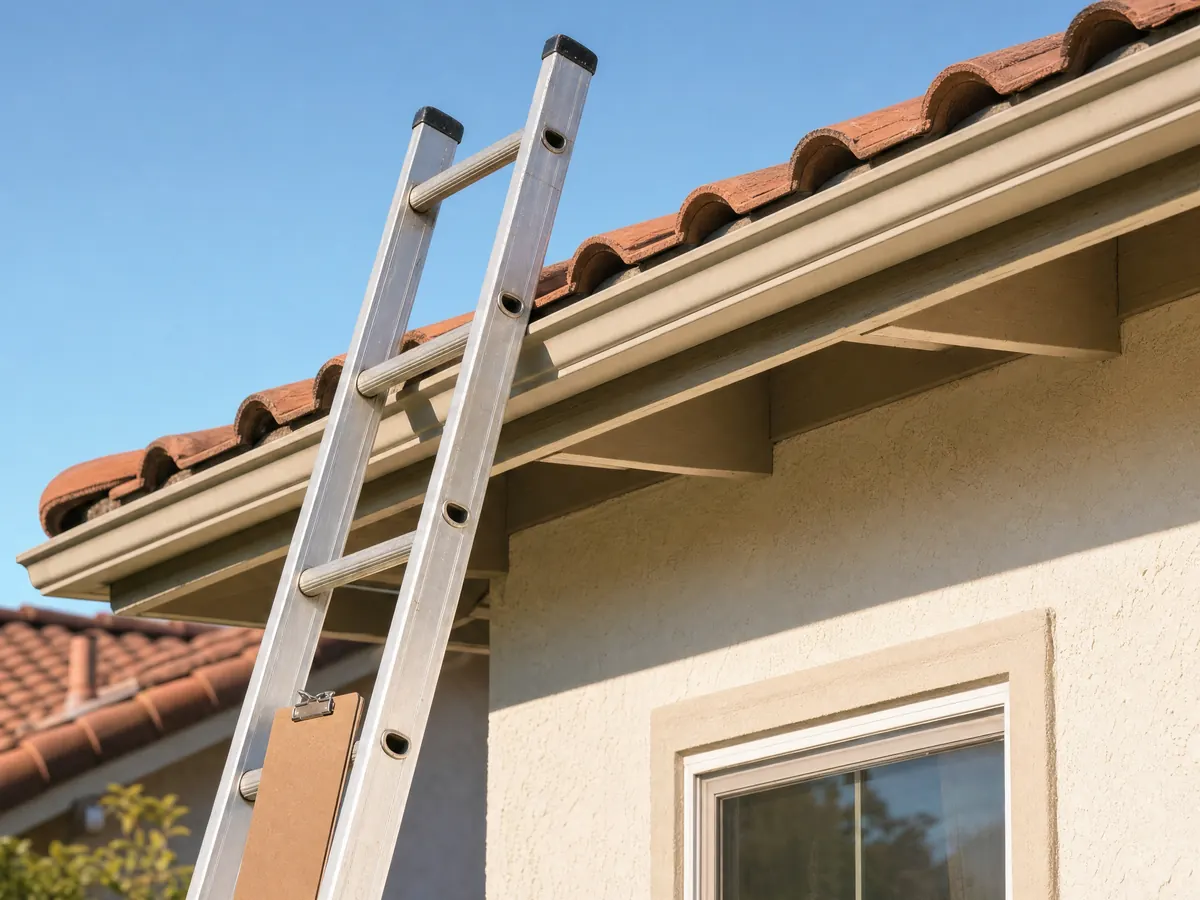
The City's re-roof handout (Handout #05, effective January 1, 2026) draws its line by area. Replacing or repairing more than 200 square feet of roofing, which is two roofing squares, takes a building permit. The Building and Safety page lists re-roofs among its express permits, so most residential re-roof permits are issued over the counter instead of after weeks of plan check. Fixing the flashing at one chimney, or swapping a handful of shingles near a vent, stays under that line on most houses.
Start with where the water shows, not with the roof's age. A brown ring under a valley, a plumbing vent or a skylight usually means flashing or a cracked boot, and a repair can solve it. Granules piling up in the gutters, shingles that cup or crack across a whole slope and daylight in the attic deck point toward replacement. Contractor sites often repeat a 25 percent rule, but we found no Covina or California code section by that name, so use the 200 square foot figure the City actually prints.
Two approvals can sit in front of the permit. Planning Approval Clearance comes first when a job changes roof pitch, roofing material or roof color, and plans submitted without it may be rejected. The same Building and Safety page also asks for a site plan with every application.
Write the square footage replaced, the covering and the color into the proposal, so the permit line and the Planning approval are numbers instead of guesses.
How many layers, what slope and which underlayment does a Covina re-roof need?
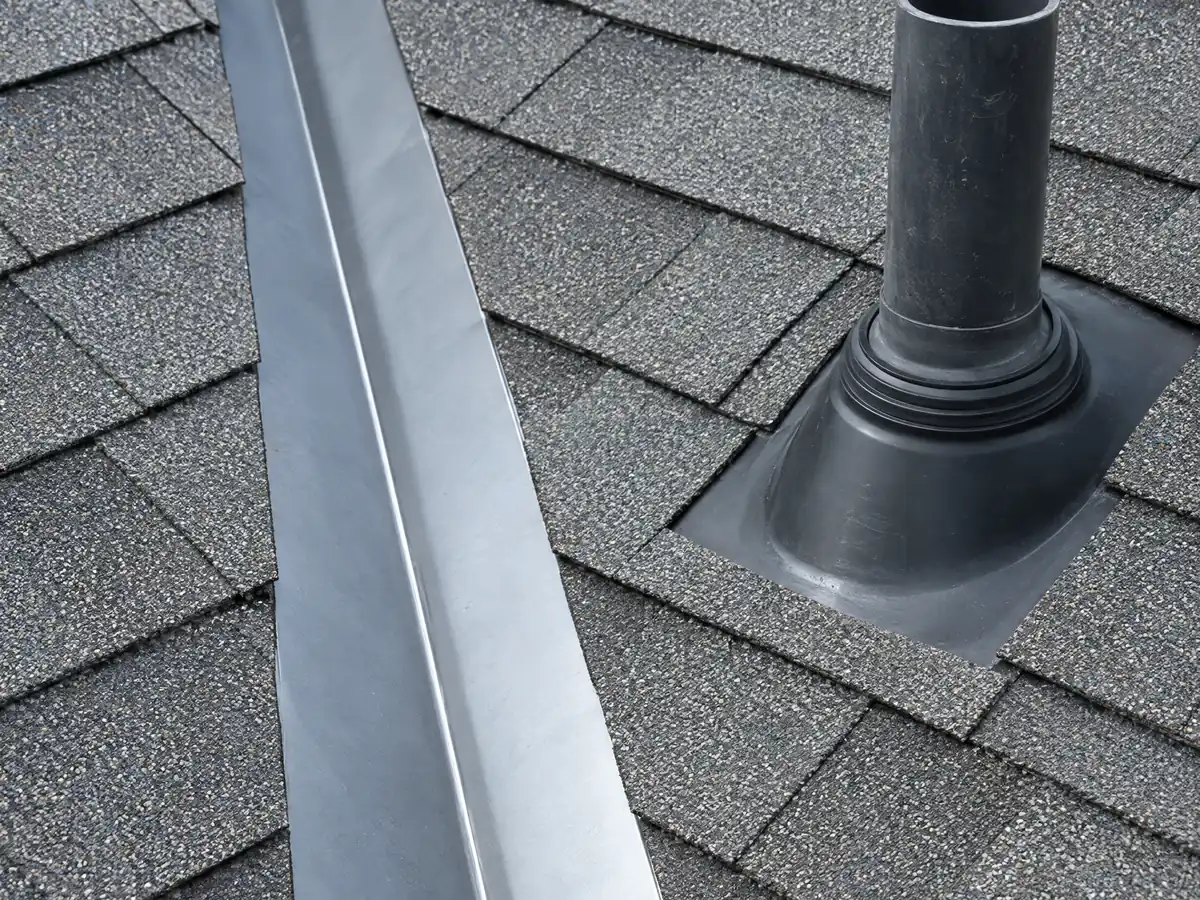
The handout sets four technical limits that every bid should state. Each re-roof needs a covering rated Class B or better. Asphalt shingles may go over one existing layer of asphalt at most, which makes two layers in total, and never over a deck that is wet or deteriorated. Shingles need a slope of at least 2:12. Underlayment is two layers from 2:12 up to 4:12 and one layer above 4:12, and every material is installed to the manufacturer's instructions.
An overlay saves the tear-off charge but hides the deck. On a roof that has already been recovered once, there is no overlay left to choose, and tear-off is the only route. Because the handout bans an overlay on deteriorated decking, a job priced as an overlay may have to change scope once the old shingles lift, so ask every bidder how that situation will be handled and priced before you sign.
A fair written scope names these items:
- Tear-off or overlay, and how many layers come off
- The fire class of the finished covering, not only the brand
- How many underlayment layers go on each slope
- A unit price for replacing rotted sheathing
What have Covina's 1950s and 1960s tract roofs been through?
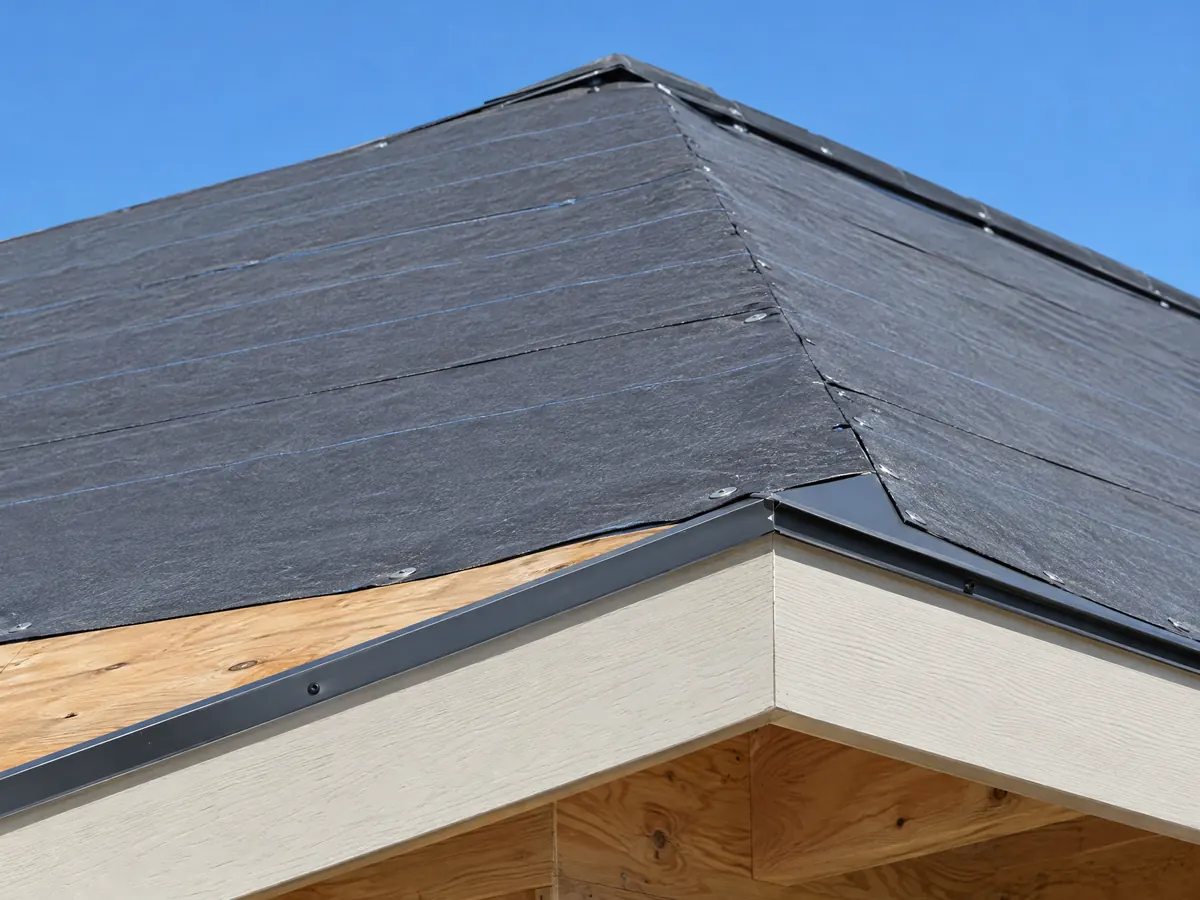
Covina's postwar tracts went up quickly. The Census counts of about 5,600 units from the 1950s and about 4,100 from the 1960s mean a roof on a typical tract street here is rarely the original and may already be the third. Each tear-off leaves a record: extra nail holes in the decking, patched valleys, a vent boot of a different brand from its neighbor. These estimates carry margins of error, so read the percentages as about, not exact.
The sun is the second factor. At the nearest temperature station there are 70.5 days a year at or above 90 degrees F, so south and west slopes dry, curl and shed granules earlier than the calendar suggests. The City places Covina in Energy Climate Zone 9, and its handout recommends a radiant barrier and R-30 attic insulation with a new roof, a practical moment to add both because the attic is already open.
Covina's Building and Safety page says construction that causes disturbance is prohibited from 8:00 p.m. to 7:00 a.m., all day Sunday and on public holidays (CMC 9.40.110). We did not open that code section, so confirm it. In practice a tear-off can begin at 7:00 a.m., must wind down well before 8:00 p.m., and cannot use a Sunday as a catch-up day.
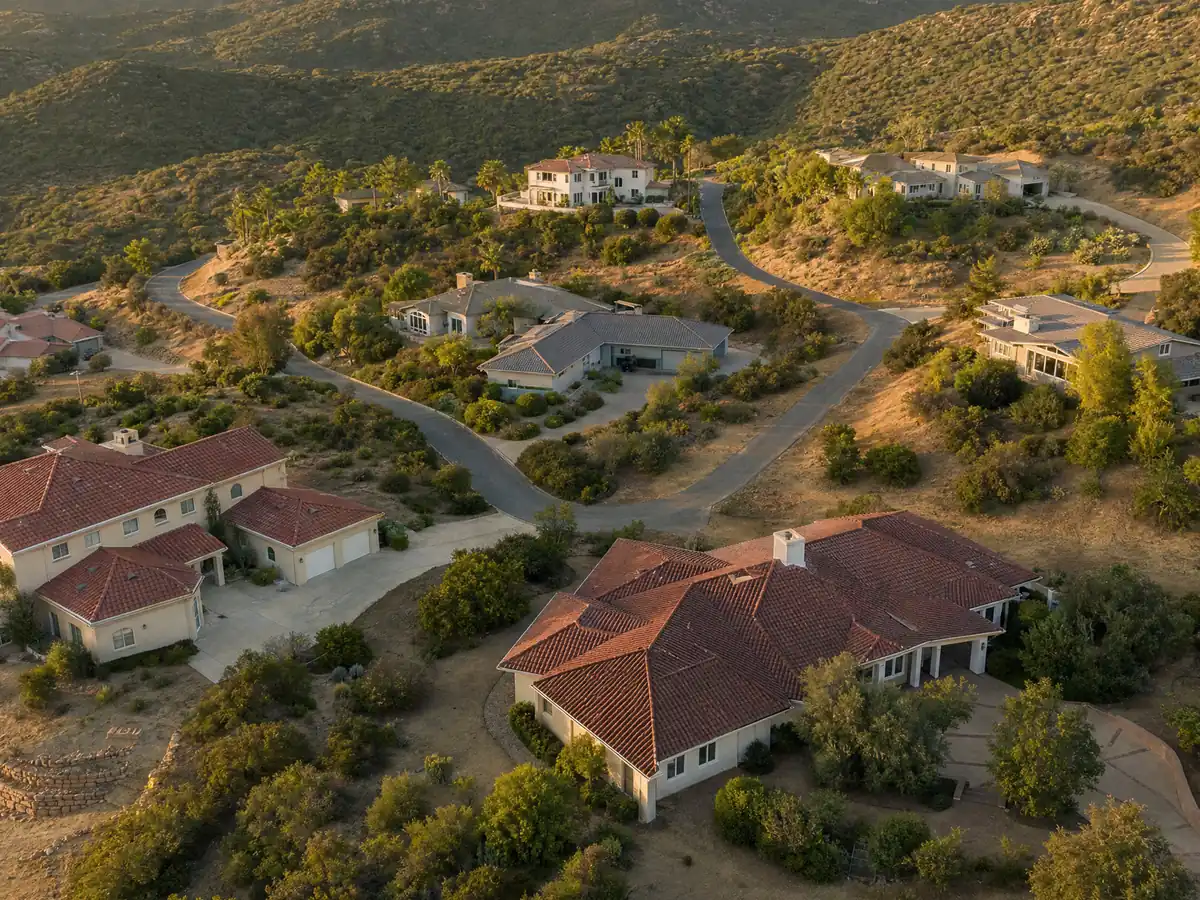
Is my Covina roof inside the Very High fire zone in the southeast corner?
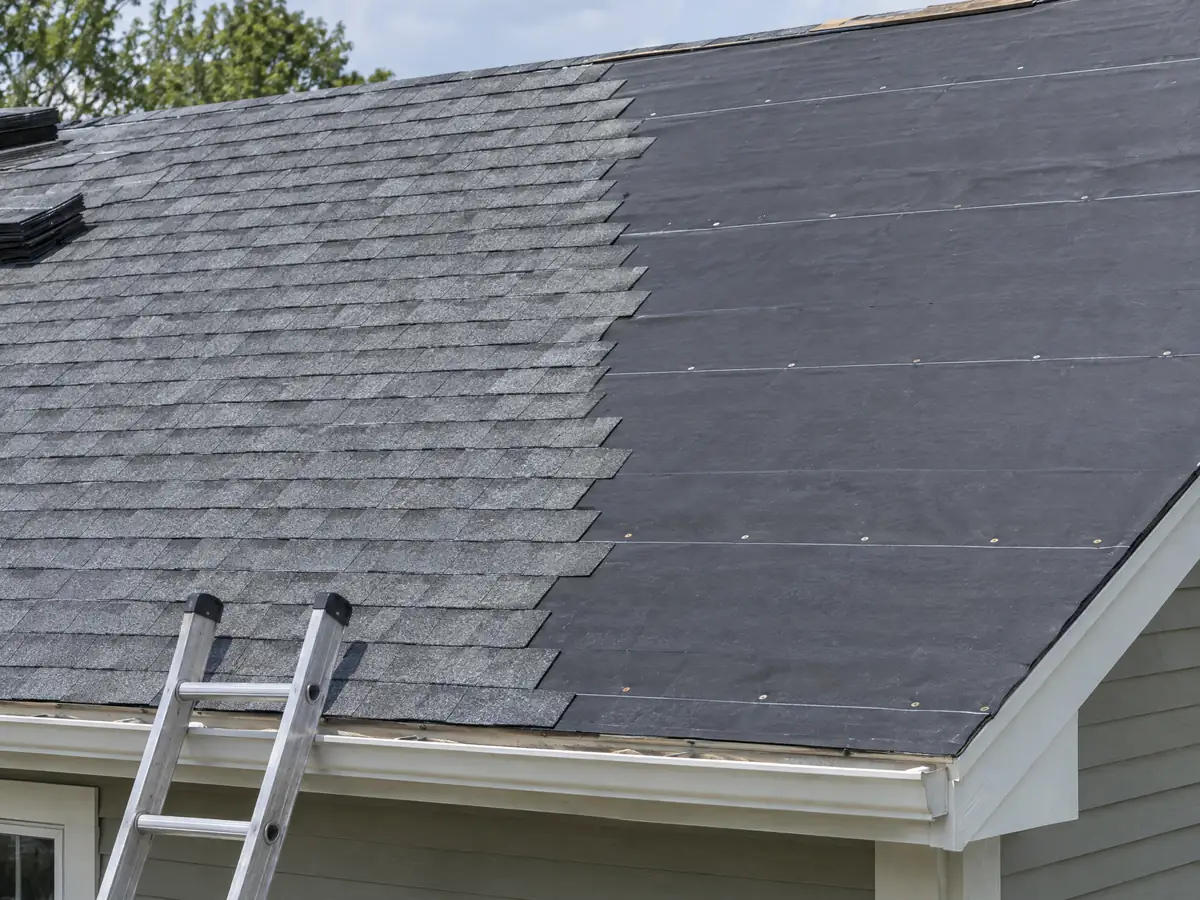
Only a small part of the city is affected, but it changes which covering a roofer should propose. The City designated a Very High Fire Hazard Severity Zone in chapter 14.13 of its Municipal Code (Ordinance 08-1959), and its building design-criteria handout says areas of Covina are in Very High zones. Our own screening of CAL FIRE's state layer against the city outline put about 3.8 percent of Covina inside a Very High polygon, all in the southeast corner. That is an older state layer, not the City's zone map, which the City Clerk keeps, so it cannot settle a single parcel.
The City also adopted the 2025 California Wildland-Urban Interface Code in chapter 14.11, and the re-roof handout says Planning approval is required in certain areas to meet design guidelines and High Fire Zone requirements. We did not find a list of extra roof requirements for a re-roof inside the zone, so we do not state one. The Building page points fire questions to Los Angeles County Fire at (626) 974-8335, and the design-criteria handout tells owners to confirm the zone with CAL FIRE or the County.
Get the answer for your own parcel in writing before a covering is chosen.
A parcel answer from the City or County Fire beats any map we can print here.
Is my address in the City of Covina, and who may pull a re-roof permit?
Check the jurisdiction first. Covina addresses numbered above 2999, and properties south of the 10 Freeway that carry a Covina mailing address, may sit in unincorporated Los Angeles County, and those jobs go to a county office instead of City Hall. The City publishes an address checker at covinaca.gov/checkjurisdiction. Everything on this page assumes the house is inside the City.
Inside the City, the handout names who may take out a re-roof permit: a licensed C-39 roofing contractor with workers' compensation proof, an owner-builder with verified ownership, or a B general contractor only when the roof is part of a multi-trade job. A roof-only permit therefore carries the roofing subcontractor's license. CSLB defines C-39 as installing and repairing coverings that seal buildings against water, including asphalt, tar, felt, metal, shingles, tile, slate and foam. The contractor also needs a current City of Covina business license, and our guide to checking a contractor license shows what the CSLB record tells you.
Permits have clocks. A Covina building permit expires if work does not start within 365 days or if 180 days pass without substantial progress, although the Building page words it as 180 days to start or 180 days without a passed inspection, so ask the counter which applies. Inspections are requested by email to bldinspections@covinaca.gov, and a request made before 3:00 p.m. is scheduled for the next business day.
How do rooftop solar and attic upgrades fit into a Covina roof replacement?
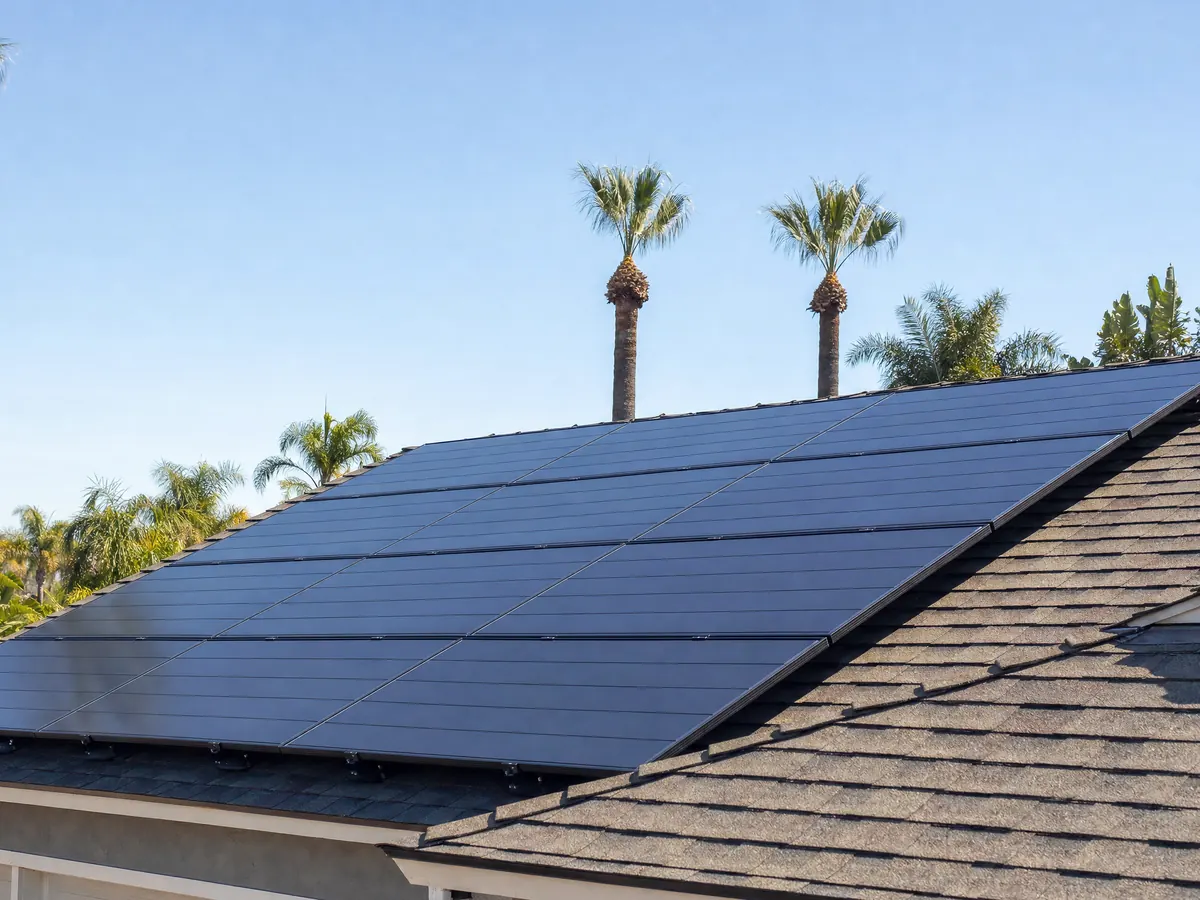
Solar is the one roof item Covina speeds up. Under section 14.04.210, a small residential rooftop system with a complete application, the City's checklist and its standard plan gets a building permit within three business days and needs only one inspection, which the Building Official aims to schedule within two business days in a two-hour window. When panels already cover the roof, the order matters: panels come off, the roof is replaced, and the panels go back. Angi's July 2026 Los Angeles page prices that detach and reset at $500 to $1,000.
Attic work sits next door. The handout recommends a radiant barrier and R-30 insulation, and the City's design criteria list Covina in Energy Climate Zone 9. Outdoor mechanical or electrical units must be shown at least 5 feet from the property line on the site plan, worth remembering if an air conditioner or inverter is being moved at the same time.
Wind is the other design number. The City's criteria handout lists an ultimate wind speed of 110 mph in a Special Wind Region, and the re-roof handout requires every material to follow the manufacturer's instructions. Ask the roofer for the product sheet and the fastener count instead of accepting a general promise.
How much does roof replacement cost in Covina, California?
We found no Covina price survey and opened no City fee schedule, so this page prints no Covina price and no permit fee. The nearest independent numbers cover Los Angeles. Angi's page, updated July 2026, reports $10,256 to $24,963 as the typical range for a re-roof, an average of $17,271, and per square foot $4 to $12 for asphalt shingles, $7 to $15 for tile and $7 to $16 for metal. Remodeling magazine's 2025 Cost vs. Value report prices one fixed reference roof for Los Angeles at $36,417 in asphalt and $62,069 in metal and does not publish the roof's size, which is why the two sources sit so far apart.
Roof area, pitch and a second layer decide most of the gap. Angi lists tear-off at $1,000 to $3,000. On a Covina house, ask each bidder to price these as separate lines:
- Tear-off versus a one-layer overlay
- Replacing rotted sheathing, by unit price
- A radiant barrier or attic insulation
- Solar panel removal and reset
- Planning clearance and permit items
Agree in writing how rotted decking will be priced before the old roof comes off.
Roofing photos from Covina and nearby communities
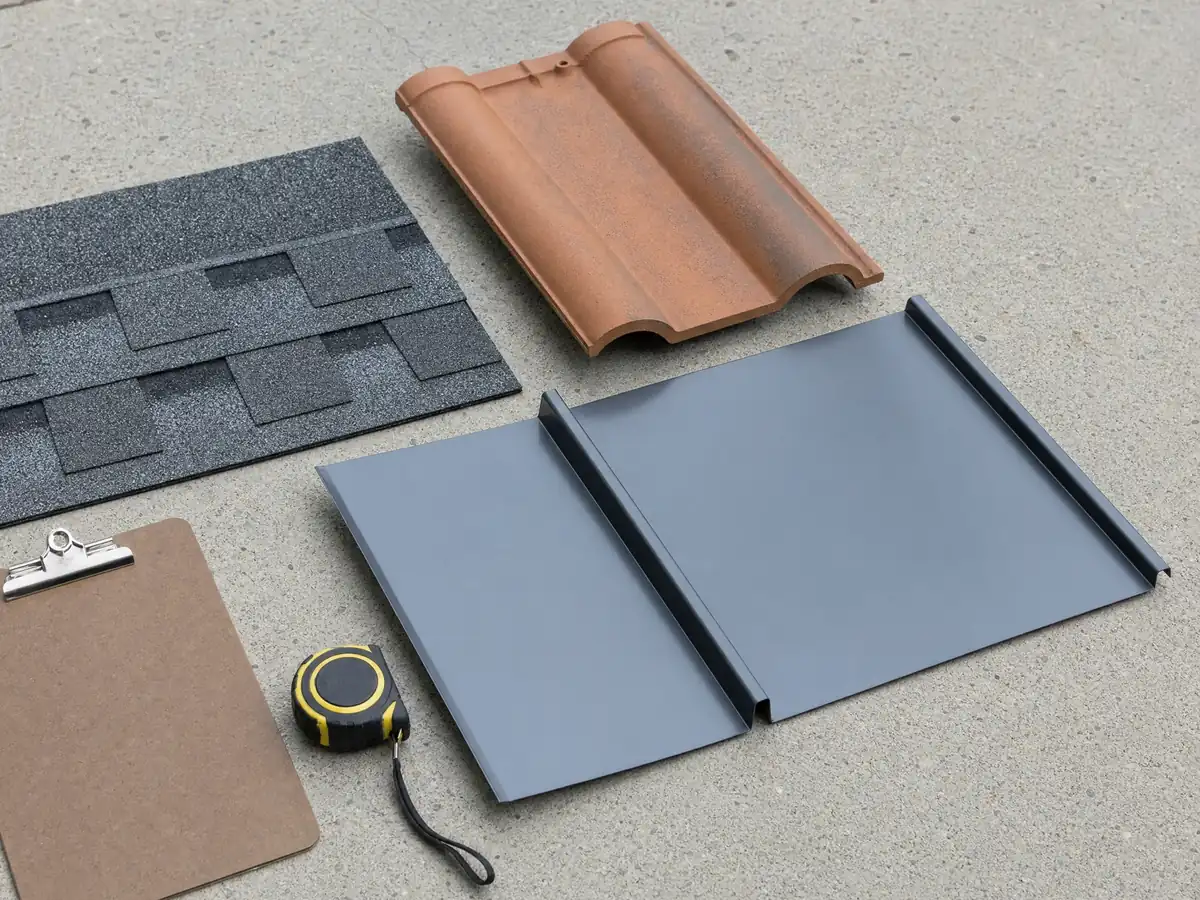
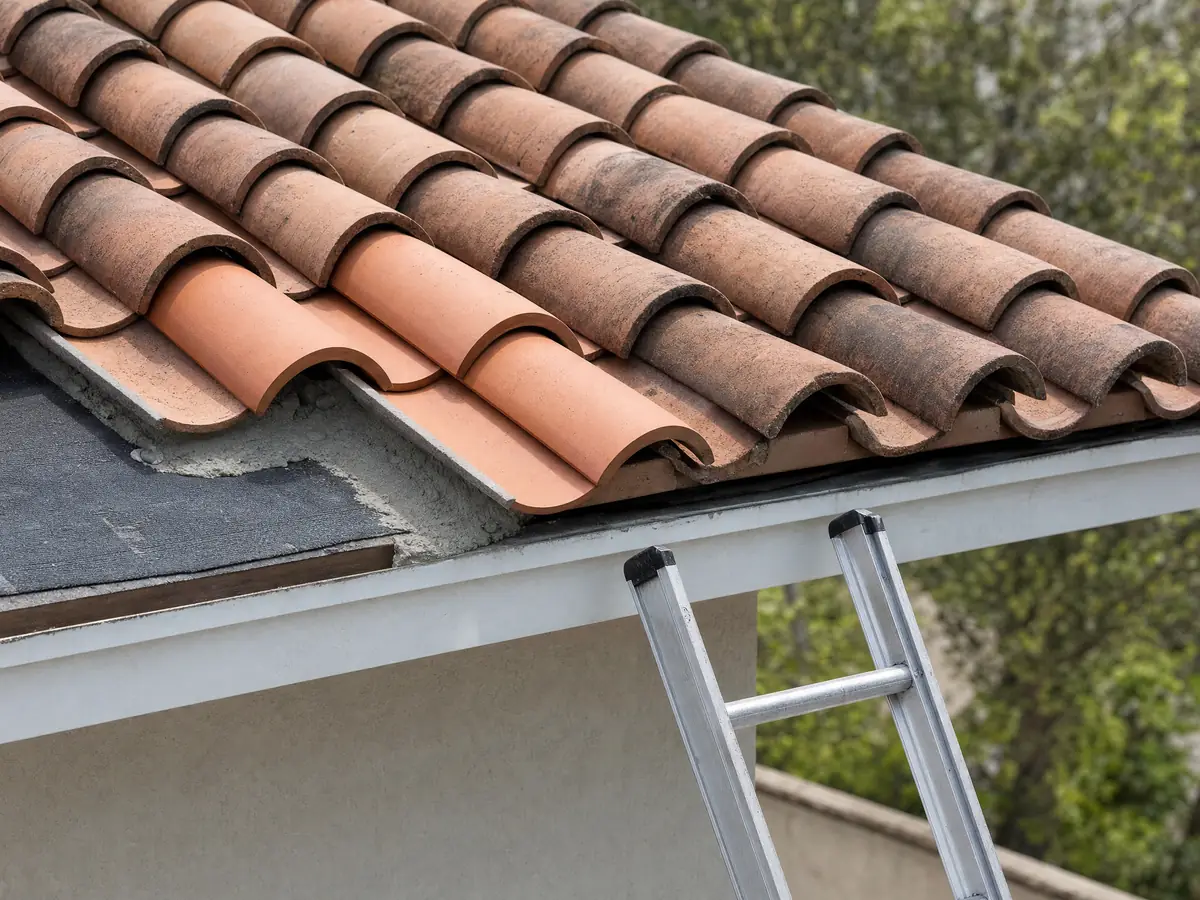
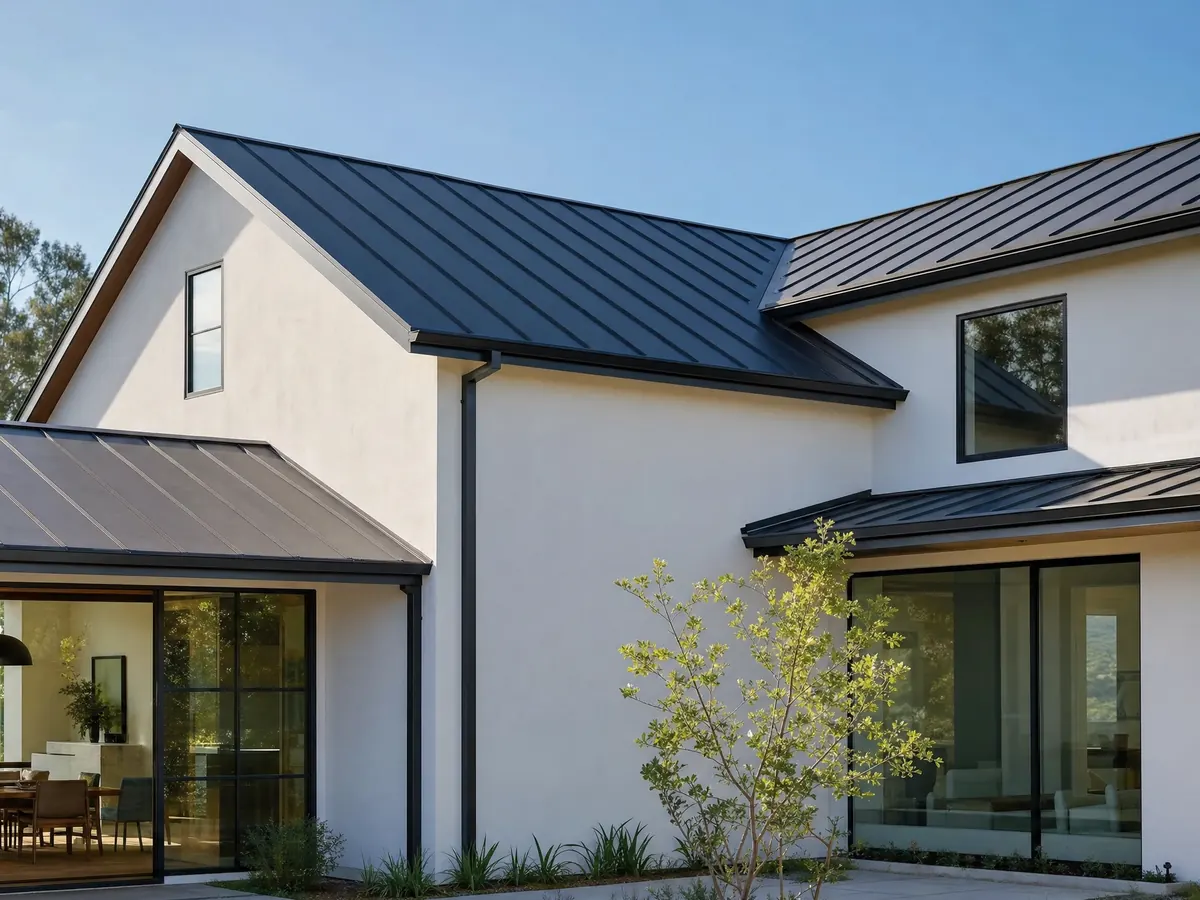
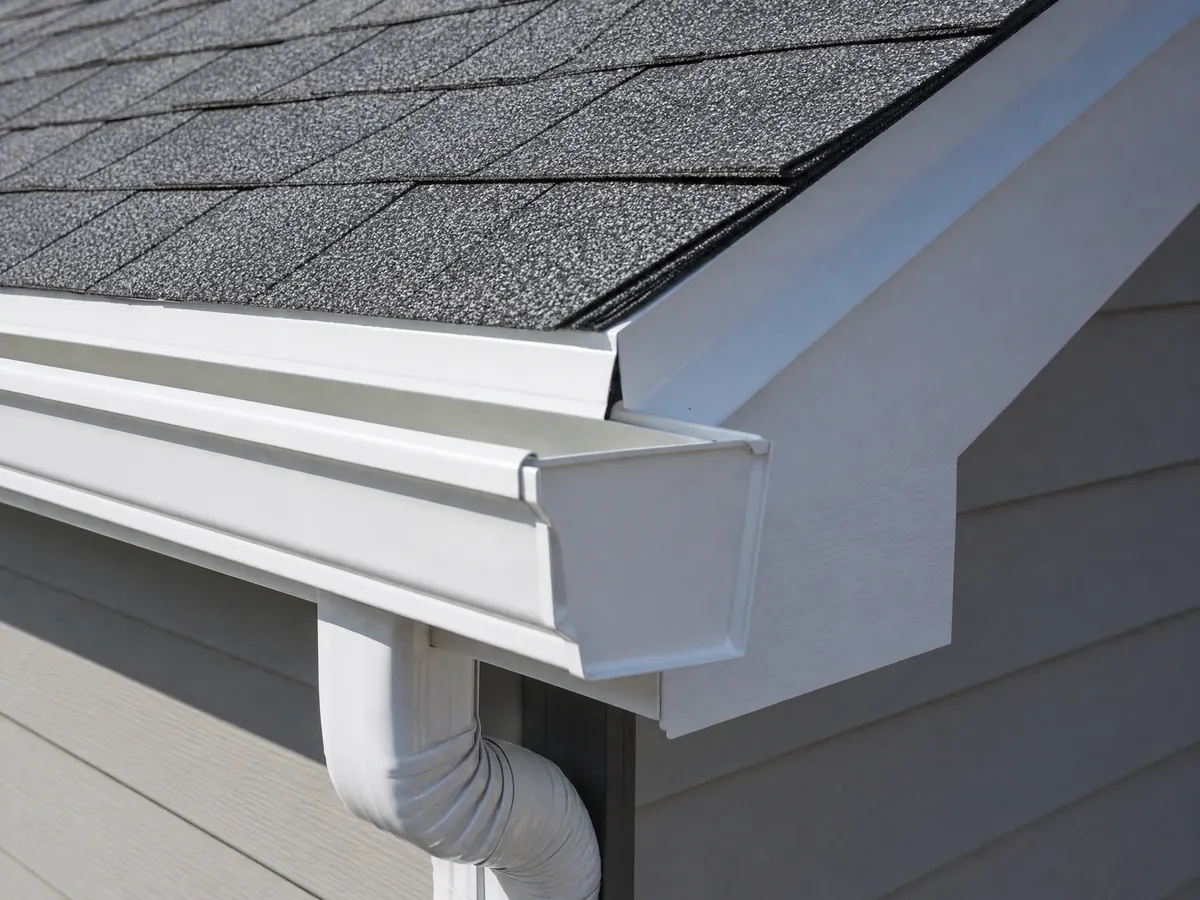
Six roofing scenes tied to Covina streets, including Old Town and the area around Hollenbeck Park, and to nearby communities such as Glendora and San Dimas, with shingle, tile and flashing work in the valley sun.
Where the roof numbers come from
Every dollar figure on this page is a Los Angeles benchmark, and the sources and dates sit in the table on our roofing price page. The roof replacement cost guide for California explains why survey averages and reference-roof studies disagree, and how general contractors use subcontractors shows who answers for what on a job. A new roof often arrives with new fencing or fresh paint, and the Covina rules for those are on the fencing page, the painting page and the kitchen remodeling page. Neighboring cities set their own rules, so compare West Covina, Baldwin Park, Pomona and Los Angeles.
| What it covers | Typical range |
|---|---|
| Asphalt shingle, typical single-family roof | $10,000 to $25,000 |
| Concrete or clay tile | $7 to $15 per sq ft |
| Metal | $7 to $16 per sq ft |
| Remodeling Cost vs. Value 2025, Los Angeles | Asphalt $36,417. metal $62,069. |
| Extras | Tear-off $1,000 to $3,000. solar detach and reset $500 to $1,000. |
Covina roofing questions, answered
Do I need a permit for roof replacement in Covina?
Yes, once the work passes 200 square feet. Covina's re-roof handout requires a building permit to replace or repair more than 2 squares of roofing, and any change of material or color also needs Planning approval. Residential re-roof permits are usually issued over the counter, and the Municipal Code's exempt list has no roofing item.
What is the 25 percent rule for roof repairs in Covina?
We found no Covina or California code section with that name, and contractor sites that quote it rarely cite one. The figure Covina prints is 200 square feet: replacing or repairing more than that takes a building permit. Ask any roofer who mentions a 25 percent rule to name the code section.
Should a 20 year old roof be repaired or replaced in Covina?
Condition matters more than age. Ask the roofer to photograph the flashing, the underlayment and the deck before recommending anything. We found no sourced roof lifespan for Covina. If the house already has two layers of asphalt, an overlay is no longer allowed, and any replacement means a full tear-off.
Can a general contractor do roofing in Covina?
Only in limited cases. The City's re-roof handout lets a B general contractor pull the permit when the roof is part of a multi-trade job, while a roof-only permit needs a C-39 classification. On MDG jobs a licensed C-39 subcontractor does the roofing, and you can ask for that license number and certificate of insurance.
How many layers of roofing are allowed in Covina?
Two at most for asphalt shingles. The handout permits one overlay over one existing asphalt layer, and none over a deck that is wet or deteriorated. A roof with two layers already needs a tear-off. Shingles also need a slope of at least 2:12.
How much does it cost to reroof a house in Covina?
We found no Covina survey, so we print no Covina price. Angi's July 2026 Los Angeles data gives $10,256 to $24,963 as the typical re-roof range, with asphalt at $4 to $12 per square foot. A measured written proposal that lists tear-off, decking and extras separately is the real price.
Is my Covina roof in a Very High fire zone, and does it need a Class A roof?
Maybe, if the house is in the southeast corner. Covina's re-roof handout requires Class B or better citywide, and we found no list of extra requirements for the zone. About 3.8 percent of the city falls in a Very High polygon on the state layer, so ask the City or County Fire about your parcel.
Can I stay home during roof replacement in Covina, and when can the crew work?
Usually yes, with noise. Covina's Building and Safety page says disturbing construction is prohibited from 8:00 p.m. to 7:00 a.m., all day Sunday and on public holidays. A crew can start at 7:00 a.m. on weekdays and Saturdays, so plan for early noise and keep pets and cars clear of the work area.
How much is a roofing permit in Covina?
We did not open a fee schedule, so we print no amount. Covina's code says permit and plan review fees are set by city council resolution, and starting work before a permit adds a fee on top. Ask the Building and Safety counter for the current figure when your scope is clear.
Ask for a roof inspection in Covina
Tell us the street, roughly how old the roof is and whether the house sits near the southeast hills. We check the jurisdiction, fire zone and Planning clearance questions before we call back.