
Concrete Companyin Covina, CA
A concrete company in Covina plans around trees and the front yard first: paving, trenching or grade changes inside the dripline of an oak 10 inches or more across need a tree preservation permit, and hardscape in a front or street-side yard needs Planning approval or a building permit. Plain walks and driveways under 30 inches high are exempt.
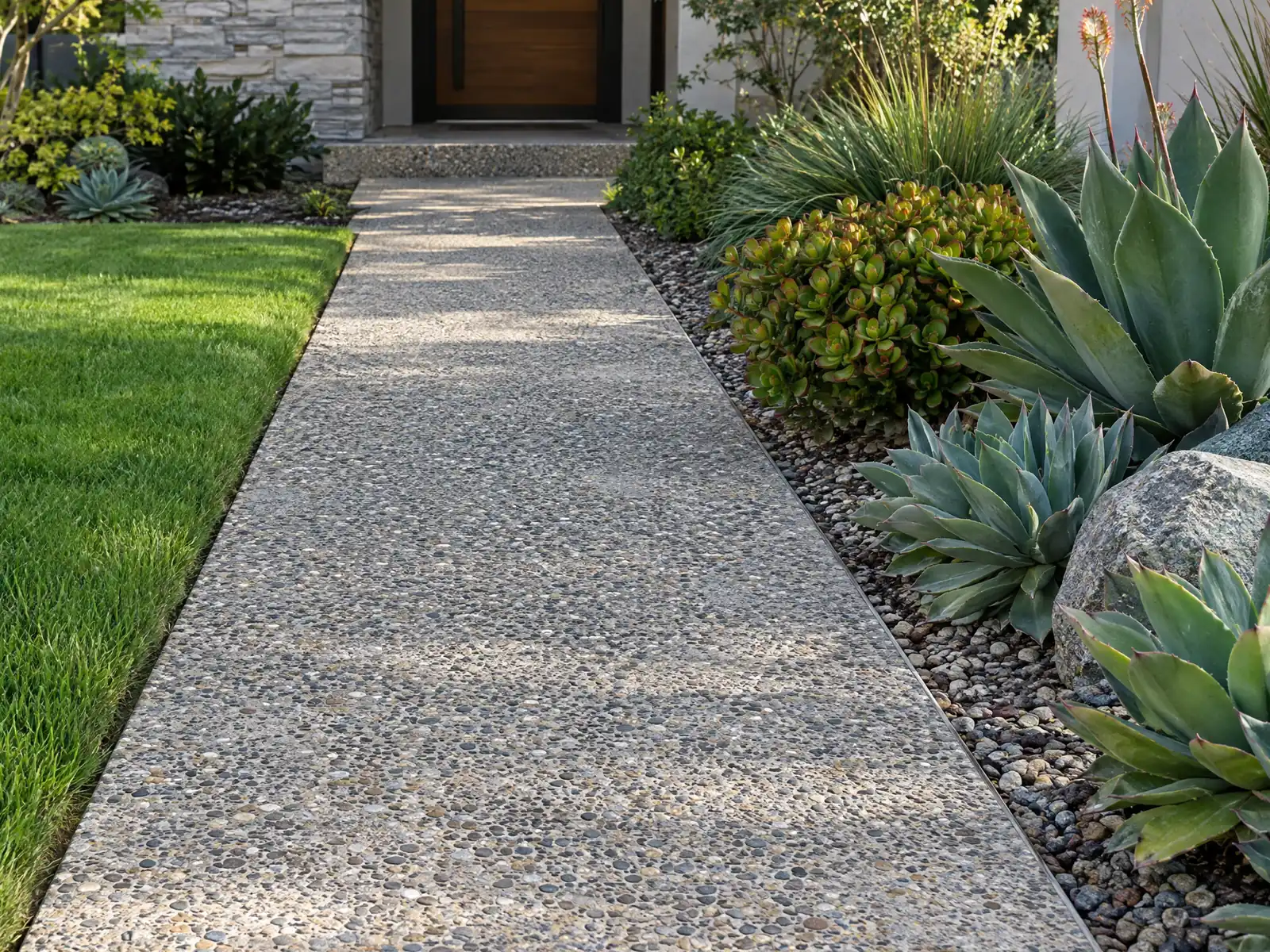
Covina's concrete mostly dates from the postwar boom. Census Bureau estimates for 2020 to 2024 put about 33.2 percent of the city's homes in the 1950s and 23.9 percent in the 1960s, and Wikipedia says the orange and lemon groves that gave Covina its start gave way to those subdivisions. The result is a great many walks, driveways and patio slabs that are close to seventy years old.
MDG Builders, CSLB #1040337, is a general contractor based in Tarzana. We scope the pour, ask the Covina Building and Safety Division and Planning the permit questions, and manage the schedule, while a licensed concrete subcontractor forms, places and finishes the work. Slab types and pricing sources are on the concrete page, and the Covina overview lists the other trades we manage here.
What Covina's Municipal Code, Planning Division and Public Works say about concrete
Where concrete permits come from in Covina: City of Covina Community Development Department, Building and Safety Division.
- Sidewalks and driveways not more than 30 inches above adjacent grade, not over a basement or story below, and not part of an accessible route are exempt from a Covina building permit, and the City's permit handout appears to list flat work and landscape among no-permit items, with a note that Planning Division approval is required; work in the public right-of-way is separate.
- Work in Covina's public right-of-way, including driveway aprons, sidewalks, curb and gutter, handicapped ramps, sewer laterals and paving, needs an encroachment permit that must be obtained by a State-licensed contractor with a City business license, a Class A license (as the handout lists), two sets of plans, and insurance naming the City as additional insured; fees are invoiced after review. Engineering is at (626) 384-5490.
- Anyone building a new building or dwelling in Covina must also build curbs, gutters, sidewalks, paving, drainage and fire protection facilities to City standards along the frontage (section 11.04.020).
- Hardscape in a front or street-side yard needs Planning approval or a building permit, and these yards must have live ground cover, so a new driveway or wider pad should be checked with Planning at (626) 384-5450 before it is poured.
- Pouring, paving, trenching or changing grade inside the dripline of a protected oak (10 inches or more across) is "damage" under Covina's tree ordinance and needs a tree preservation permit; the chief planning official can decide a permit for one heritage tree on a single-family lot, while others go to the Planning Commission.
- Grading work follows Appendix J of the Building Code with the term building official read as the building official or city engineer; unpermitted grading cannot be owned or maintained and may have to be fully restored, and legalizing it needs a grading and drainage plan and soils report reviewed by Planning, Building and the City Engineer.
- CSLB defines the C-8 Concrete classification as forming, pouring and finishing mass, paved and flat concrete and setting the forms; plaster-only and rebar-only businesses are outside it.
Sources for these rules
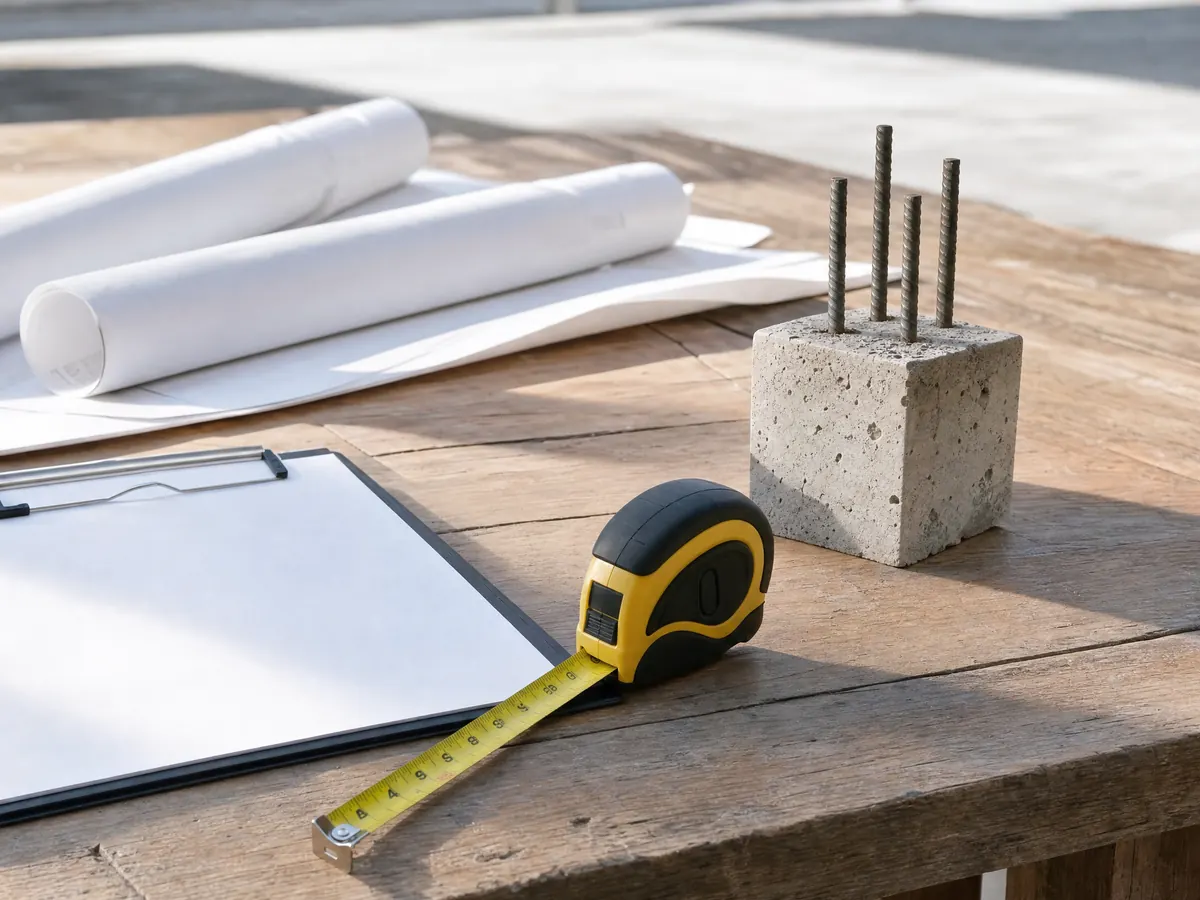
Does paving near an oak tree need a permit in Covina?
Yes, when the oak is 10 inches or more across at 4.5 feet above the ground, or 22 inches combined for a multi-trunk tree. Chapter 17.83 of the municipal code counts paving, trenching, excavating, changing grade or running equipment inside the dripline as damage to a heritage tree, and damage without a tree preservation permit is a misdemeanor counted per tree. The rule names oaks specifically, plus any tree the Council designates.
For one heritage tree on a single-family lot, the chief planning official can decide the permit; others go to the Planning Commission. A new patio, a wider driveway, a footing trench for a wall or a conduit run can each cross a dripline, so mark the oak on the site plan before anyone prices the slab. Street trees are a separate matter: trimming, removing or injuring one needs a Public Works permit and public liability insurance of at least $300,000.
- Is any oak 10 inches or more across within reach of the new concrete?
- Does the plan show the dripline and any trenching?
- Who applies for the tree permit, and when?
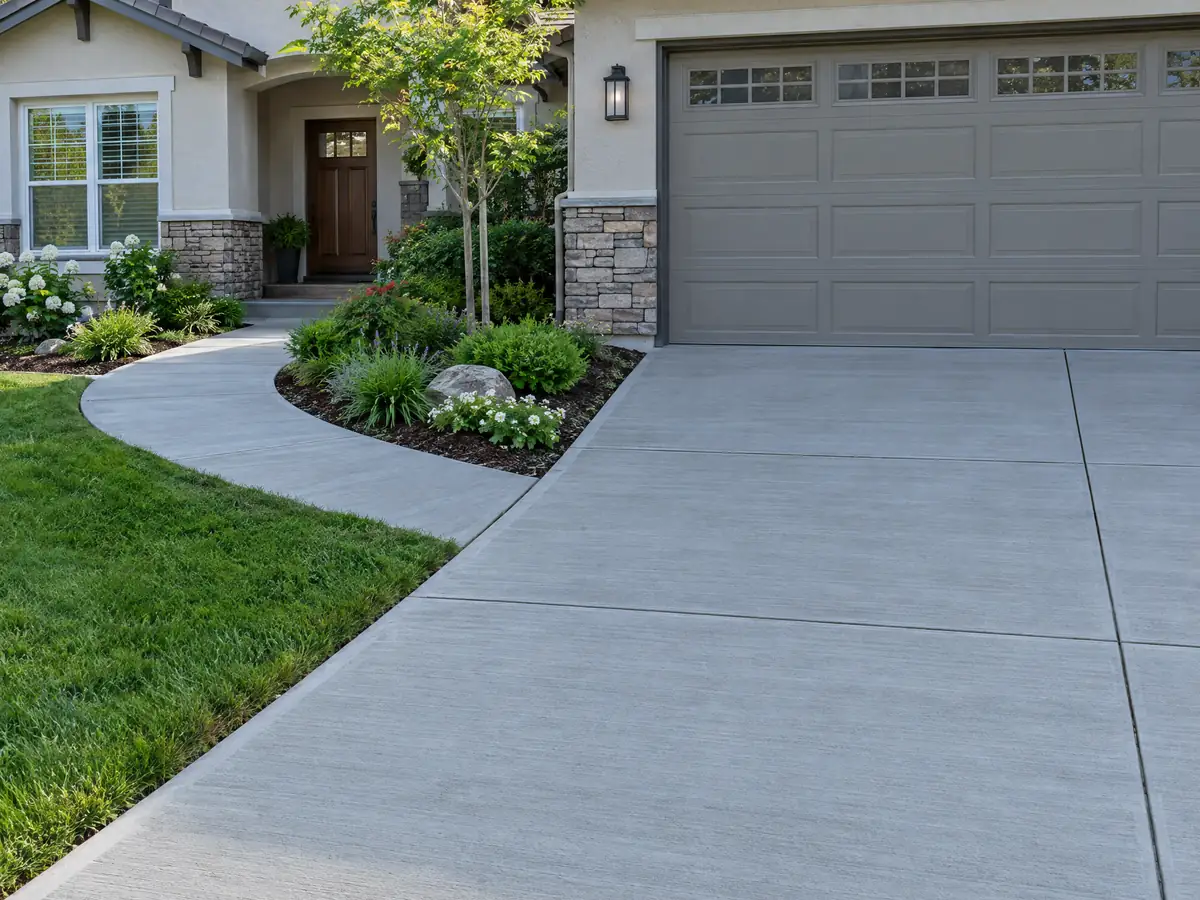
How much of a Covina front yard can be paved?
We found no width cap or percentage in the sources we read, so the City's rule is a process. Covina's Planning page says hardscape in a front or street-side yard needs Planning approval or a building permit, and that these yards must have live ground cover, with drought-tolerant plants encouraged. A new driveway, a wider pad or a fully paved front court should go to Planning at (626) 384-5450 before it is poured.
The City's own example of non-conforming property is a garage with a 1 foot rear setback that could not be remodeled in place. It concerns a building, not paving, but it shows why to ask before assuming that an old footprint can be rebuilt as it was.
Zone matters as well. Covina's single-family zones run from R-1-7500 to R-1-20,000, with estate and agricultural zones besides, and the City's GIS viewer, linked from the Planning FAQ, shows a parcel's zone. In R-1-7500, buildings may cover at most 35 percent of the lot, but we did not confirm whether paving counts toward that figure.
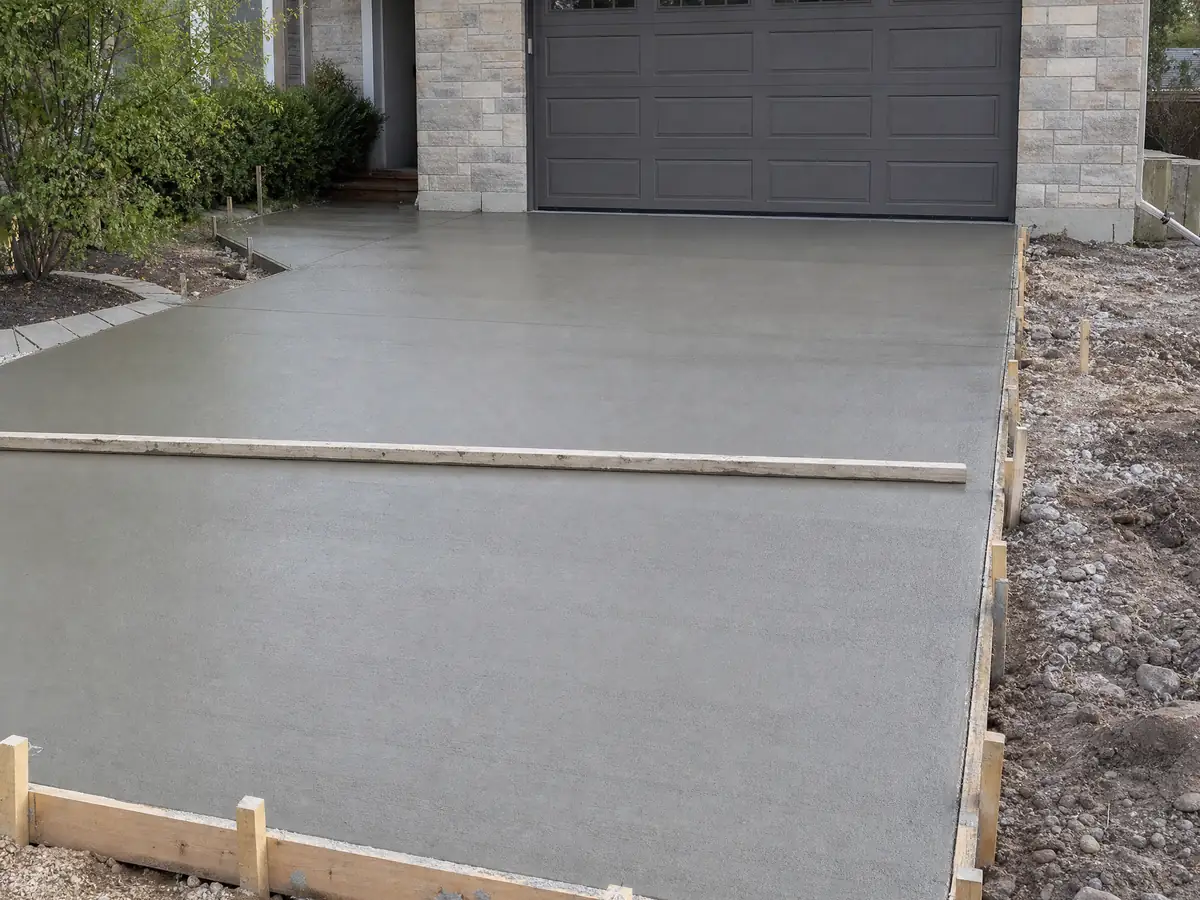
Does a patio slab or walkway need a permit in Covina?
Walks and driveways no more than 30 inches above adjacent grade, with no basement or story below and no accessible route, are exempt from a building permit under Covina's amended Residential Code (section R105.2 in chapter 14.05). A ground-level patio slab is not named on that line, and the City's handout seems to list flat work among its no-permit items with a note that Planning approval can apply, so get your slab confirmed at the counter. The code wording here is from the gocodebook.com mirror (2026-10 edition) and should be confirmed with the City.
Whatever sits on the slab changes the answer. The City lists patios and porches among projects that need Planning Approval Clearance before Building accepts plans, a site plan is required for every project, and an outdoor mechanical or electrical unit must show 5 feet or more from the property line on it. Gas or wiring for a fire pit is trade work that exempt flatwork does not cover.
Replacing a worn slab without learning why it failed repeats the failure. Roots, soil washed out by runoff and settled fill are the usual suspects, and the proposal should say which one applies and how the new base answers it.
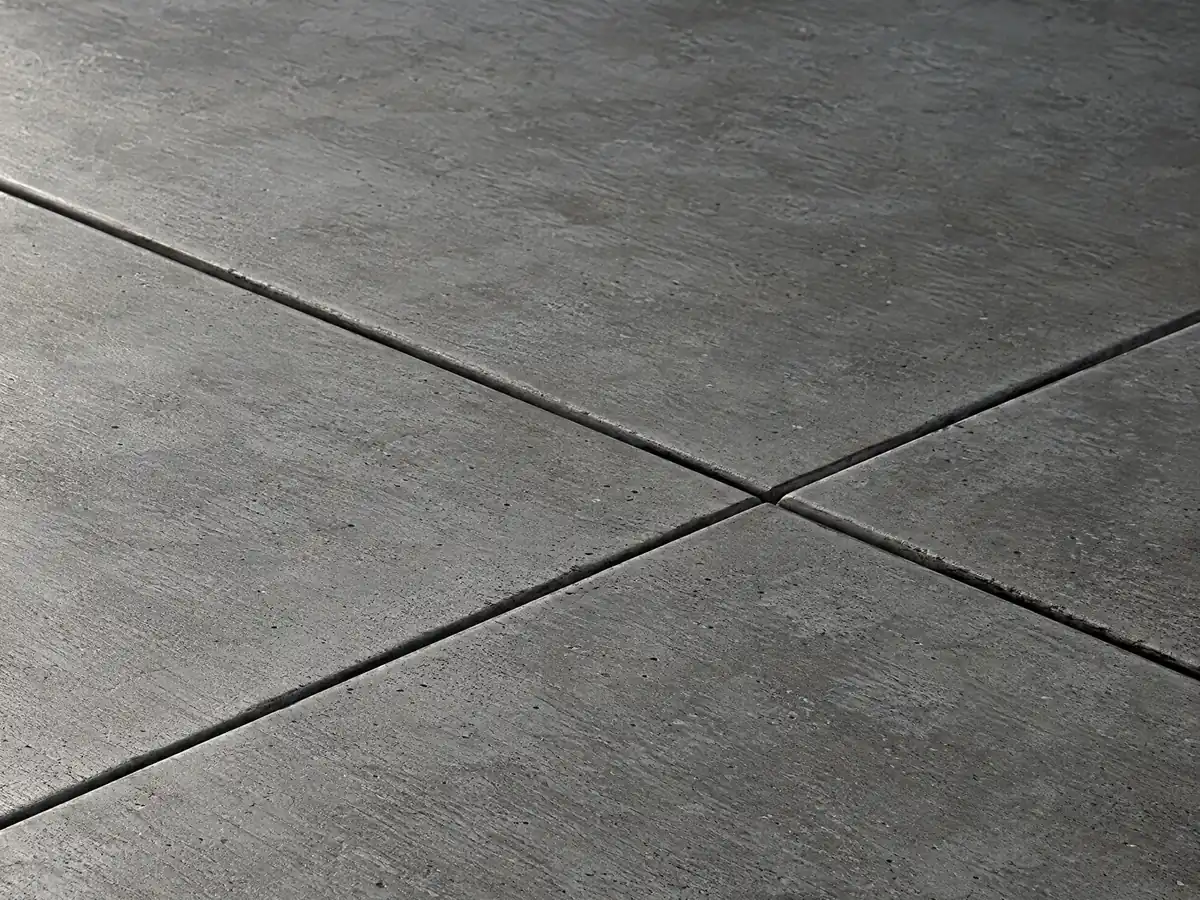
Who may pour a driveway apron or sidewalk in Covina's public right of way?
A state-licensed contractor with a City business license, under an encroachment permit that is separate from any building permit. The Public Works encroachment handout covers driveway aprons, sidewalks, curb and gutter, handicapped ramps, sewer laterals and paving, lists a Class A license, asks for two sets of plans and requires insurance naming the City as additional insured. Fees are invoiced after review, and we opened no fee schedule, so we print none. Engineering answers at (626) 384-5490.
Ask which license number goes on the application, because the handout's Class A listing is not the same thing as a C-8 concrete classification and the firm doing the pour may differ from the firm holding the permit.
A new building or dwelling must also build curbs, gutters, sidewalks, paving, drainage and fire protection facilities to City standards along its frontage (section 11.04.020). For a rebuilt or new house, the approach and sidewalk can become part of the scope.
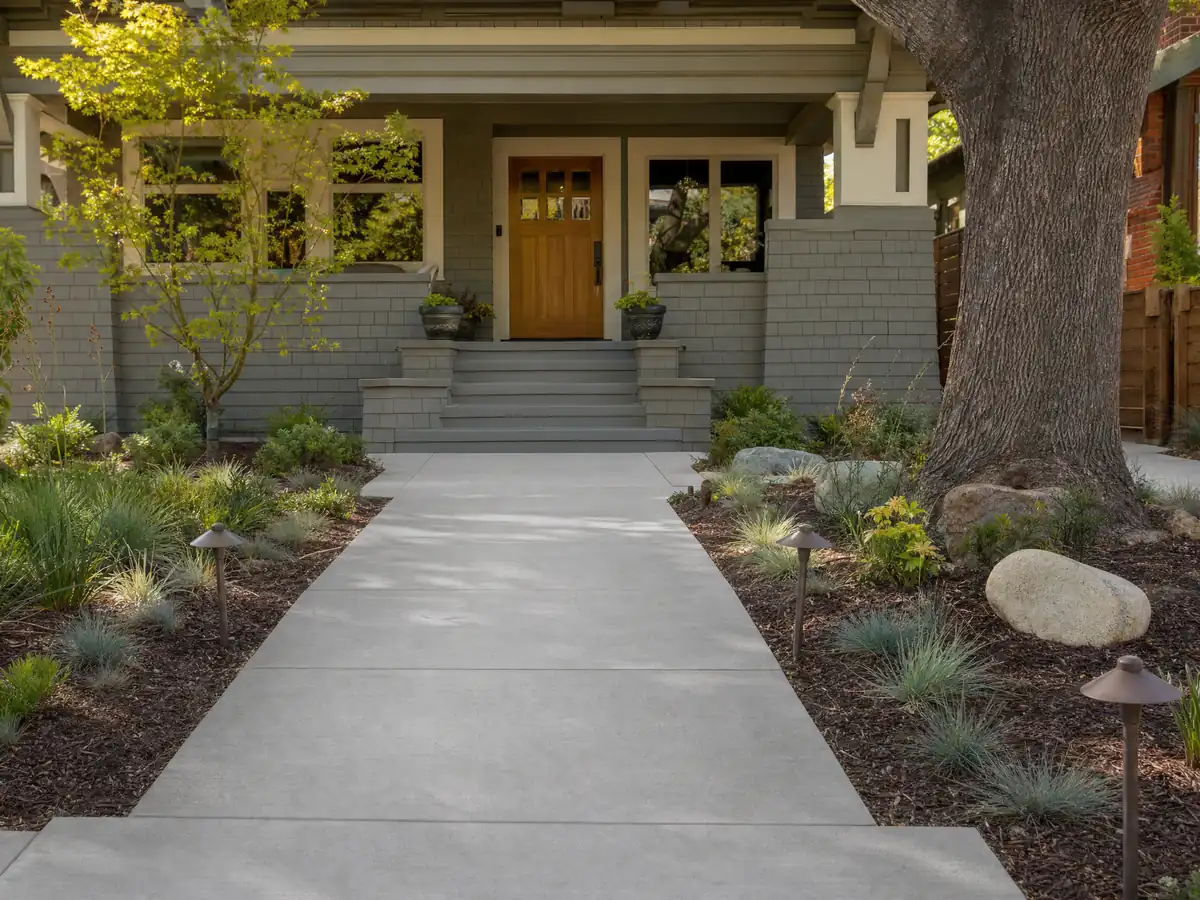
Retaining walls and block walls: where do Covina's permit lines fall?
Planning comes first, since every wall and fence in Covina needs a Planning wall and fence permit before the building permit question is answered. For retaining walls the City's own figures disagree: the amended Residential Code exempts walls up to 3 feet from footing to top unless they carry a surcharge, the Building Code used for non-residential work allows 4 feet, and the permit handout lists walls over 3 feet. Above 3 feet, or with anything loading the soil, assume a permit, and note that Planning's FAQ asks for structural plans on a retaining wall.
Block walls carry a longer list. The City's block wall handout asks for Planning and Engineering review, a survey by a licensed land surveyor or civil engineer proving the wall stands wholly on the owner's lot, and a shared-wall consent form signed by all parties. It lists 3,000 psi concrete, grade N block at least 6 inches thick and a bond beam in the second course from the top, and street-facing walls need decorative block or stucco matching the house.
CSLB's C-8 concrete class covers forming, pouring and finishing concrete, while C-29 masonry covers block walls, so a retaining wall's design and construction may involve two firms.
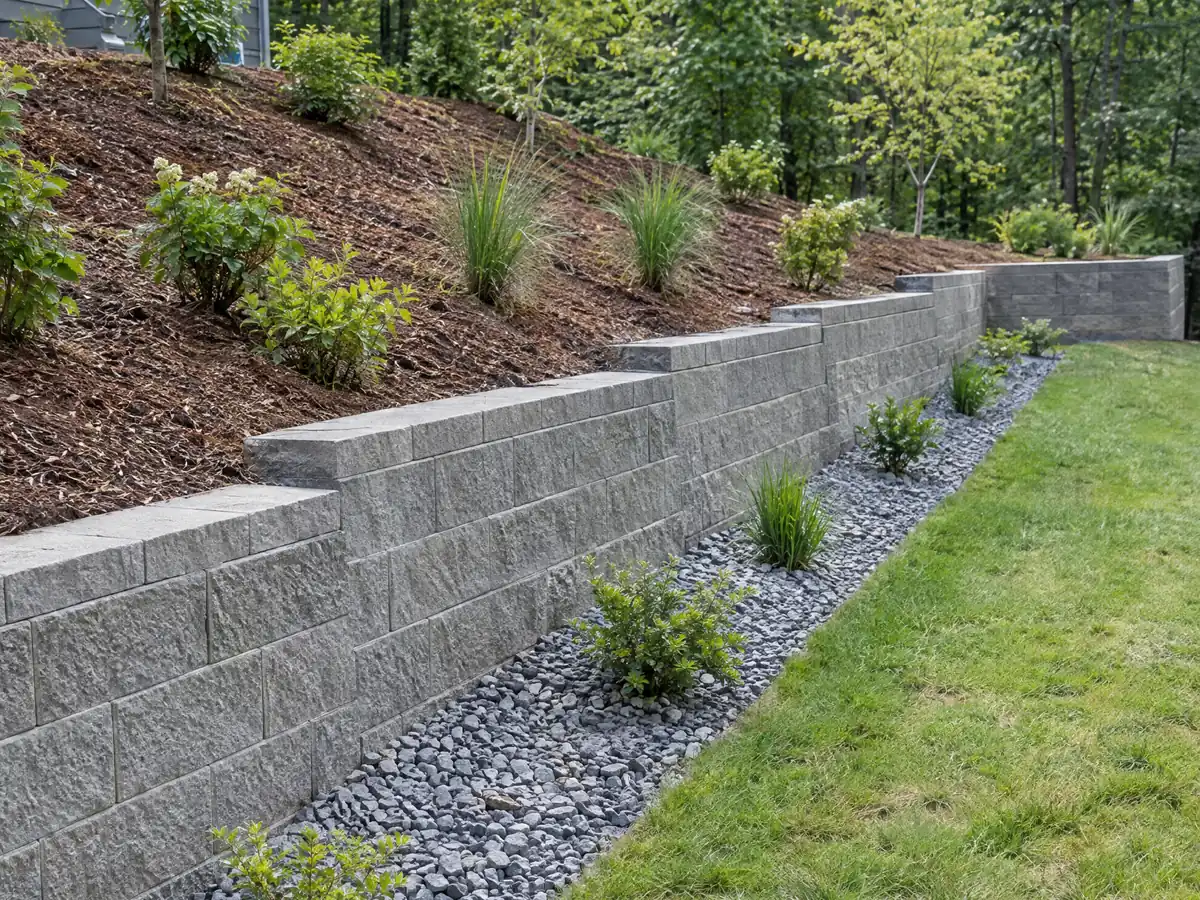
What do Covina's soils, grading rules and hot summers mean for a pour?
The City's design criteria handout requires a foundation and soils investigation under CBC 1803.1 and tells designers to assume 1,500 psf allowable bearing and 100 psf lateral bearing unless a soils report supports more. That governs footings and structural slabs more than a patio, so ask whether a wall footing or a heavy pad falls under it. Grading follows Appendix J of the Building Code, and unpermitted grading cannot be maintained and may have to be fully restored.
Flood status needs a lookup. Chapter 14.44 regulates land in an area of special flood hazard, but the code text does not map those areas, so check the parcel with the City or FEMA. We could not read Covina's General Plan Safety Element, because the City's page returned a 404, and we make no claim about liquefaction, faults or flood maps.
Heat sets the schedule. Covina is in Energy Climate Zone 9, and the nearest temperature record, at Pomona/Fairplex, shows 70.5 days a year at or above 90 F and 10.7 at or above 100 F, while the Covina City Yard station gets 13.47 of its 16.74 inches of rain from December through March. Ask how a slab will be shaded, cured and covered if a storm arrives.
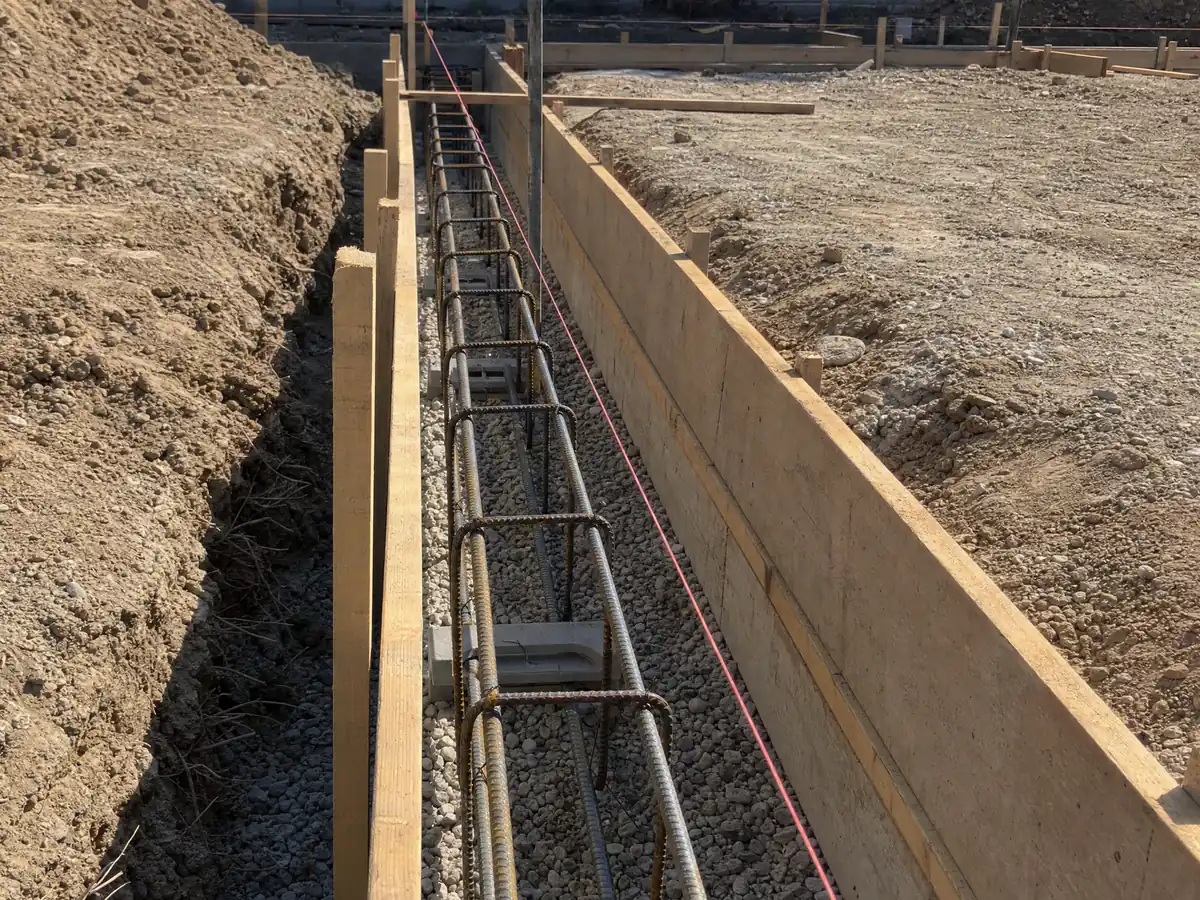
What does concrete work cost in Covina, and what license should a concrete company hold?
No search result we read showed a Covina concrete price with a stated method, so these are Los Angeles figures. Angi's 2026 Los Angeles pages list $4 to $13 per square foot for a patio (a typical one at $5,248), $15 to $30 for stamped work and $8 to $20 for a driveway, and HomeGuide's plain-concrete range of $4 to $12 overlaps. We plan on $8 to $14 for plain flatwork of 300 square feet or more and $9 to $20 for a driveway replaced with the old slab removed, rated medium and low in confidence.
Stamped, colored or exposed aggregate surfaces land between $15 and $30 per square foot on the same evidence. A 20 by 20 foot pad is 400 square feet, so plain finish multiplies out to $3,200 to $5,600 and a decorative one to $6,000 to $12,000. That is arithmetic, not a quote, and minimum charges lift small jobs above the per-foot averages. We print no retaining wall rate; Angi's Los Angeles average is $7,140, in a spread from $2,674 to $11,842.
In May 2025 the federal wage survey had cement masons in the Los Angeles-Long Beach-Anaheim area averaging $33.67 an hour. Poured work belongs to a C-8 firm, which at permit issuance also shows Covina a business license and proof of workers' compensation. Ask for demolition, base, rebar, apron and haul-off as separate lines, with the thickness written in.
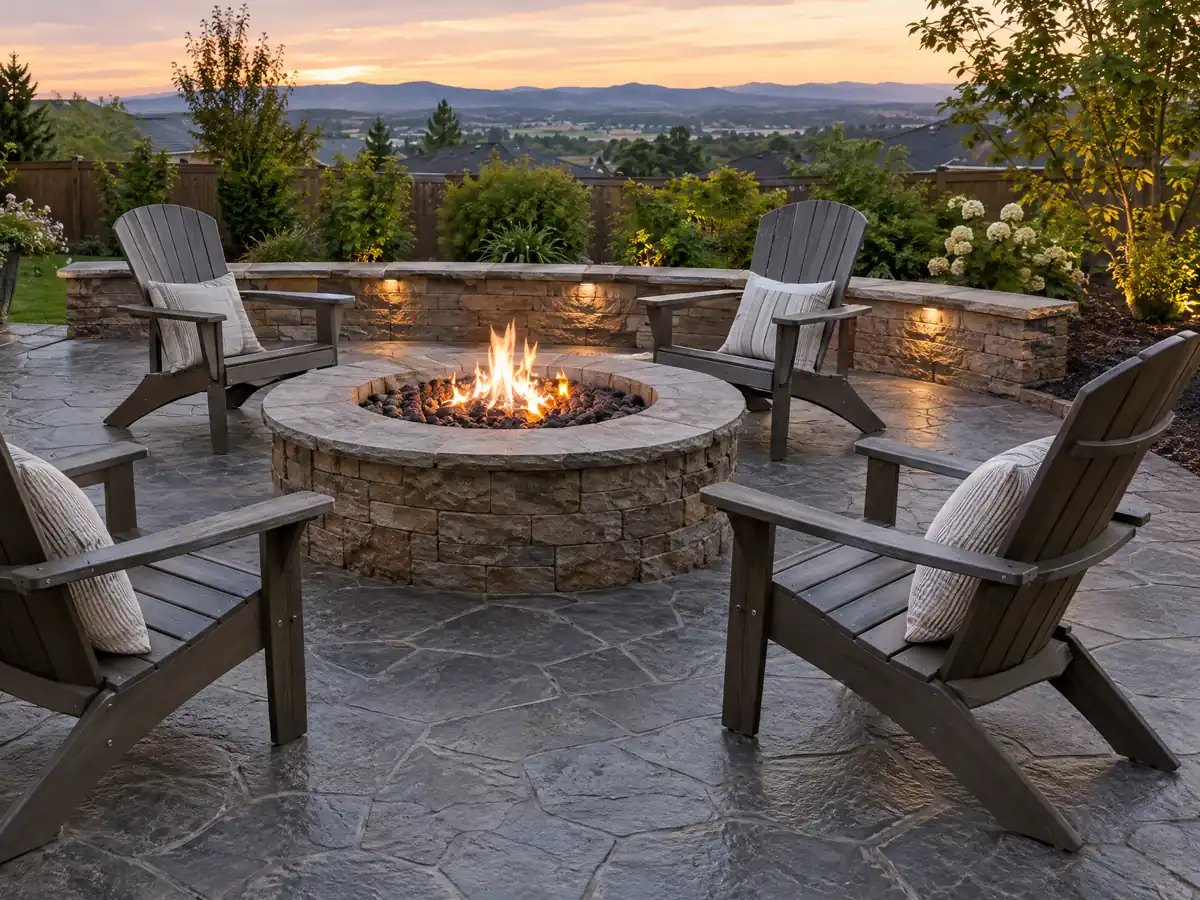
Concrete photos from Covina and nearby communities
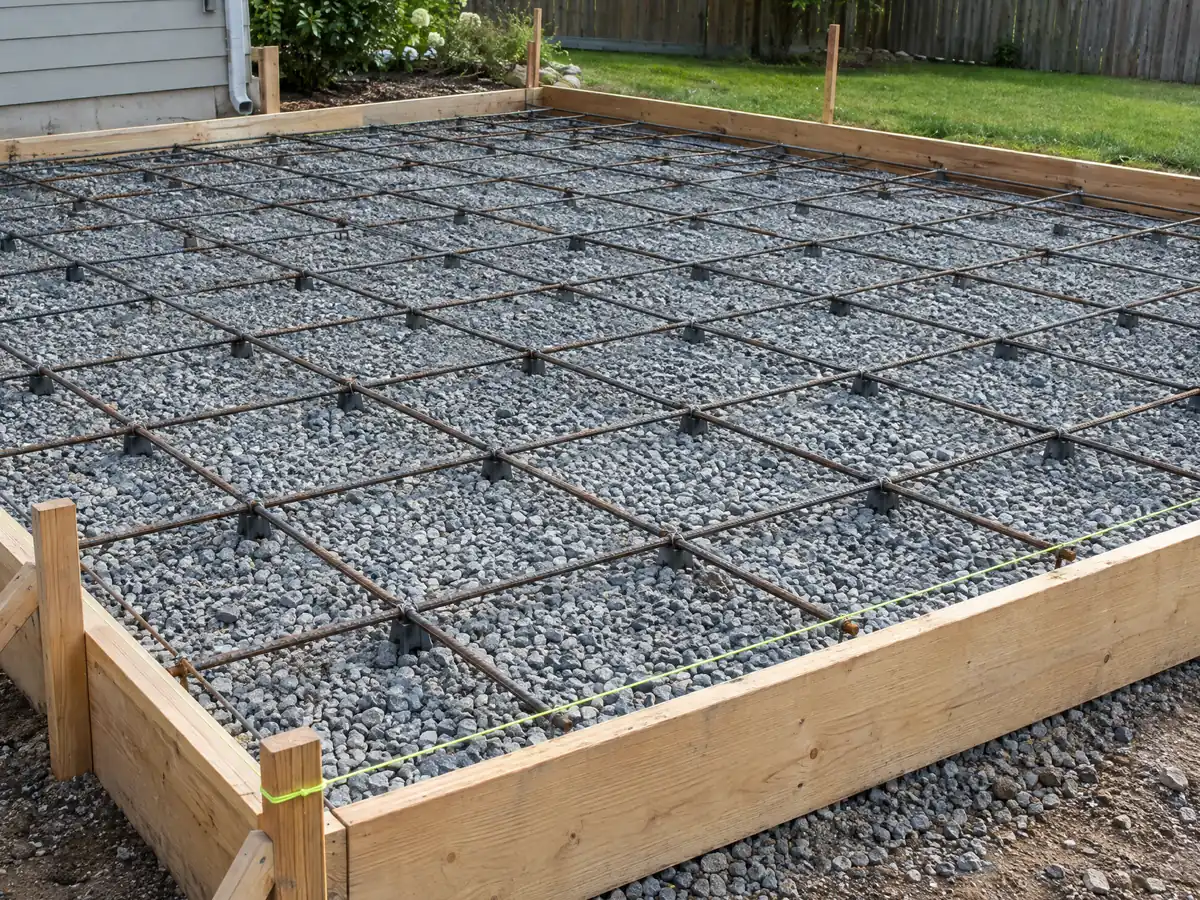
Pours, forms and finished flatwork from Covina and nearby towns, including walks, driveways, rebar and block walls. Tap any photo to enlarge it.
What concrete costs around Covina
These are Los Angeles planning ranges from the concrete page, not a Covina bid, and the subcontractor guide explains how the trade work is divided. Ask that demolition, rebar, apron charges and permits each get their own proposal line. Comparison pages: concrete work in Los Angeles, concrete in West Covina, concrete in Baldwin Park, concrete in Pomona, flooring in Covina and decks in Covina.
| What it covers | Typical range |
|---|---|
| Patio, walkway or slab, broom finish, 300 sq ft or more | $8 to $14 per square foot |
| Decorative: stained, stamped or exposed aggregate | $15 to $30 per square foot |
| Driveway replacement, with demolition of the old slab | $9 to $20 per square foot |
| 20 by 20 foot plain patio (400 sq ft) | About $3,200 to $5,600 |
| 20 by 20 foot decorative patio (400 sq ft) | About $6,000 to $12,000 |
| Small jobs under 300 sq ft | Usually above the per-foot range |
| Retaining walls | Set by the written proposal |
Covina concrete questions, answered
Can I pour a concrete patio without a permit in Covina?
Possibly. Covina exempts walks and driveways no more than 30 inches above grade, but a ground-level patio slab is not named, and the City says patios and porches need Planning Approval Clearance first. Anything near an oak, in a front yard or carrying gas or wiring adds rules. Ask the counter about your exact slab.
Can I expand my driveway without a permit in Covina?
Not safely. Covina's Planning page says hardscape in a front or street-side yard needs Planning approval or a building permit, and those yards must keep live ground cover. A new approach across the sidewalk also needs a Public Works encroachment permit. Take the sketch to Planning at (626) 384-5450 before ordering concrete.
Does paving near an oak tree need a permit in Covina?
Yes, if the oak is 10 inches or more across at 4.5 feet above the ground. The City's tree chapter counts paving, trenching, excavating or changing grade inside the dripline as damage, and damage without a tree preservation permit is a misdemeanor. Show the oak and its dripline on the site plan.
What is the maximum height of a retaining wall without a permit in Covina?
Three feet in the amended Residential Code, measured from the bottom of the footing, and only when the wall carries no surcharge. The non-residential Building Code allows 4 feet and the City's handout lists walls over 3 feet, so assume a permit above 3 feet. Planning approval is separate and applies to every wall.
How much should a 20x20 concrete patio cost in Covina?
About $3,200 to $5,600 for a plain broom finish, found by multiplying 400 square feet by our Los Angeles planning range of $8 to $14. The range comes from Angi and HomeGuide pages, no Covina study turned up, and small jobs often carry minimum charges, so a written proposal sets the real figure.
How much would a 20x20 stamped concrete patio cost in Covina?
Roughly $6,000 to $12,000, from 400 square feet at Angi's Los Angeles range of $15 to $30 per square foot for stamped work. Colored and exposed aggregate finishes fall in the same band. Pattern, color, sealer and access change the number, and we rate the evidence medium to low.
How much should I expect to pay for a concrete driveway in Covina?
Budget $9 to $20 per square foot with the old slab removed, a low-confidence Los Angeles range built from Angi's 2026 pages; no Covina study turned up. Slope, access, base depth and the apron across the sidewalk move the figure. A 500 square foot drive would multiply out to $4,500 to $10,000.
Who is allowed to do concrete work in the public right of way in Covina?
A state-licensed contractor holding a City business license and an encroachment permit from Public Works. The handout lists driveway aprons, sidewalks and curb and gutter, asks for two sets of plans and requires insurance naming the City as additional insured. Engineering is at (626) 384-5490 for questions.
Is 4 inches of concrete thick enough for a driveway in Covina?
Four inches is common for patios and walks, but we found no Covina rule or code citation that fixes it, so treat it as practice. Driveways carry vehicle loads, and an apron in the public right of way follows the City's standards. Ask the subcontractor to write thickness, base and rebar into the proposal.
Do concrete contractors need to be licensed in Covina?
Yes, for nearly every job. C-8 covers poured concrete and C-29 covers block walls. The one exception is a job totaling $1,000 or less with materials, needing no permit and no hired workers. At permit issuance the City also asks for a Covina business license and workers' compensation proof. Check the number on the CSLB site.
Show us the yard before the pour
Tell us what is there now, whether an oak or a street tree stands near the work, and if the slab, wall or driveway is new or a repair. We check the tree, yard and right of way rules before we call back.