
Roof Repairin Pomona, CA
Roof repair in Pomona starts with a permit question: the state's exempt list has no roofing item, and we found no Pomona exemption that adds one. Roof replacement on a house in one of the six historic districts, or on a parcel in a Very High fire zone, adds a review step before any quote is final.
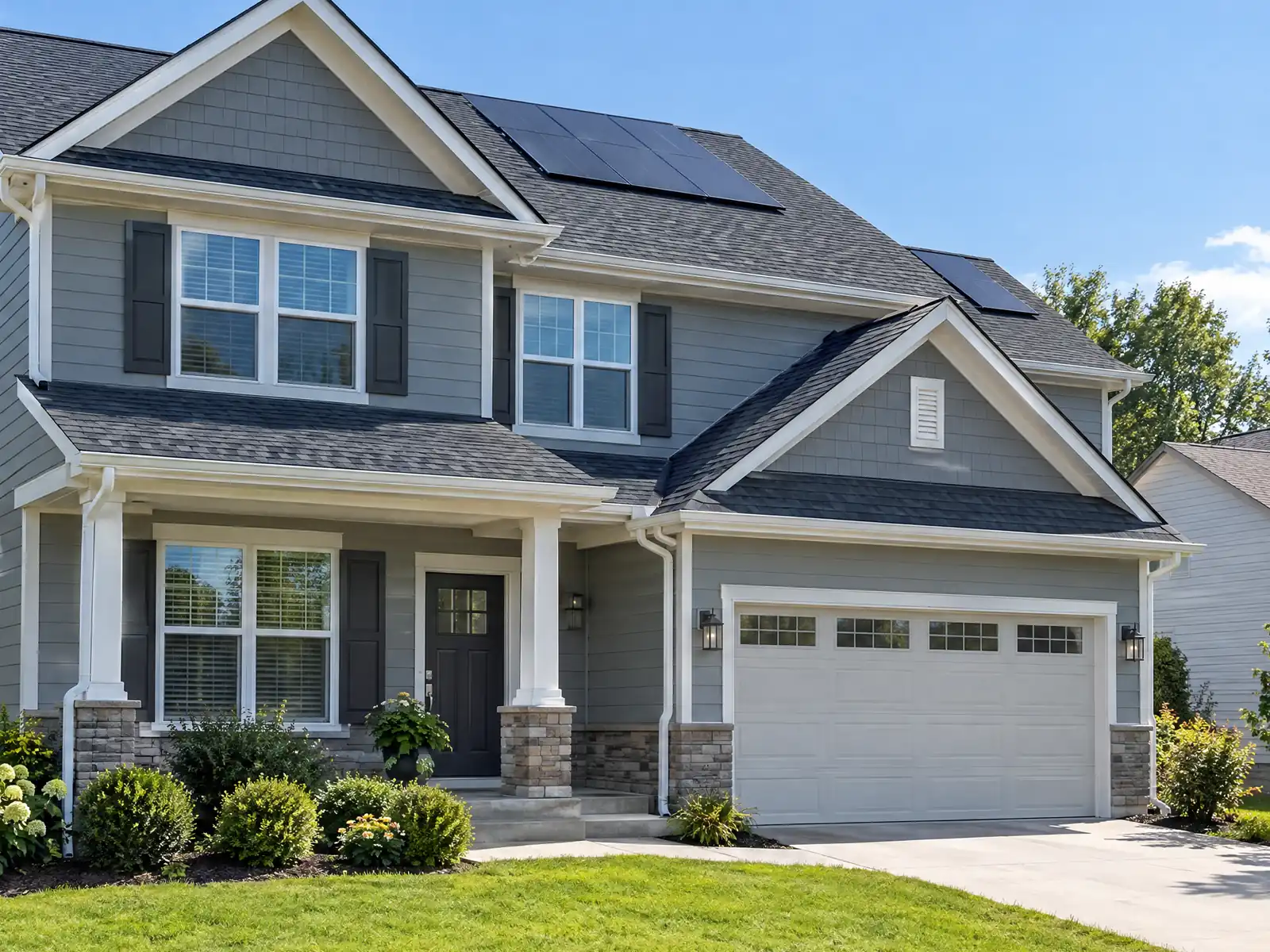
Pomona was incorporated in 1888 as a citrus-belt railroad town, and the roofs over its streets span more than a century of building. The Census Bureau's 2024 estimates put about 11.8 percent of the city's 44,805 housing units at 1939 or earlier, about 39.8 percent before 1960 and about 65.7 percent before 1980, all with wide margins of error. Roughly 58.5 percent of units are detached houses and 47.9 percent of occupied homes are rented, so the person signing for a roof is often a landlord. A house of that age is likely on its second or third roof, which makes the layers and the deck underneath the real subject of a quote.
Weather adds the second constraint. NOAA's 1991 to 2020 normals for the Pomona/Fairplex station count 70.5 days a year at or above 90 degrees F and 10.7 at or above 100, with 14.47 inches of rain, almost all of it from December through March. On a roofing job MDG Builders (CSLB #1040337) acts as the general contractor: we write the scope, check the permit path and keep the calendar, and a licensed C-39 roofing subcontractor does the tear-off and installation. Our roofing page holds the sourced price table, the Pomona overview lists every trade we manage here, and nearby cities have guides for Glendale and Pasadena.
What Pomona's codes and fire maps say about roofs
Where roofing permits come from in Pomona: City of Pomona Development Services Department, Building and Safety Division.
- Pomona section 74-32 adopts CAL FIRE's Very High Fire Hazard Severity Zone maps by reference (Exhibit A to Ordinance No. 4104, kept with Building and Safety and the City Clerk) and says that since July 1, 2008 new construction or building expansion inside a Very High zone must comply with all of Chapter 7A of the California Building Code. The section does not say what a re-roof alone must meet, so ask Building and Safety about the parcel.
- CAL FIRE's Local Responsibility Area fire hazard layer, as served by the state GIS service, maps Very High polygons that overlap Pomona's city outline (taken from Census TIGERweb) in small pockets. By a 0.001 degree grid check, 52 of 5,809 grid points inside the city (about 0.9 percent) fall in a Very High polygon, 44 of them around Elephant Hill next to the Phillips Mansion in Spadra, 7 at the western edge near the Cal Poly Pomona campus and 1 in the north. This is the older layer on that service, not the 2025 recommended map, so a specific house needs a parcel lookup.
- Re-roofing is not on the state permit-exempt list (R105.2), and Pomona's Article II adds no roofing amendment or roof class rule of its own, so a re-roof is governed by the 2025 Building and Residential Codes as adopted in section 74-31. Pomona's code text does not itself state the re-roof permit rule, so confirm the counter requirement with Building and Safety.
- Roofing materials (wood shingles, asphalt, stone and slate-based roofing) are listed as designated recyclable and reusable materials in the division 7 waste rule, so a tear-off counts toward the 50 percent diversion requirement on a permitted job.
- Small residential rooftop solar in Pomona gets an expedited non-discretionary permit: a checklist-complete application gets its permit within three business days (section 74-300), only one inspection is required and it must be scheduled within two business days of the request, and the city may not condition approval on an HOA's approval.
- On a Pomona historic landmark or in a historic district, the Director may deem a like-for-like re-roof Minor Work that needs no Certificate of Appropriateness from the Historic Preservation Commission before the building permit, provided no change in appearance occurs; staff's minor-work decision cannot be appealed. A change of roof material or form is an alteration that needs a Minor or Major Certificate of Appropriateness.
- CSLB defines the C-39 Roofing classification as installing products and repairing surfaces that seal, waterproof and weatherproof structures.
Sources for these rules

Should a Pomona house get roof repair or a full roof replacement?
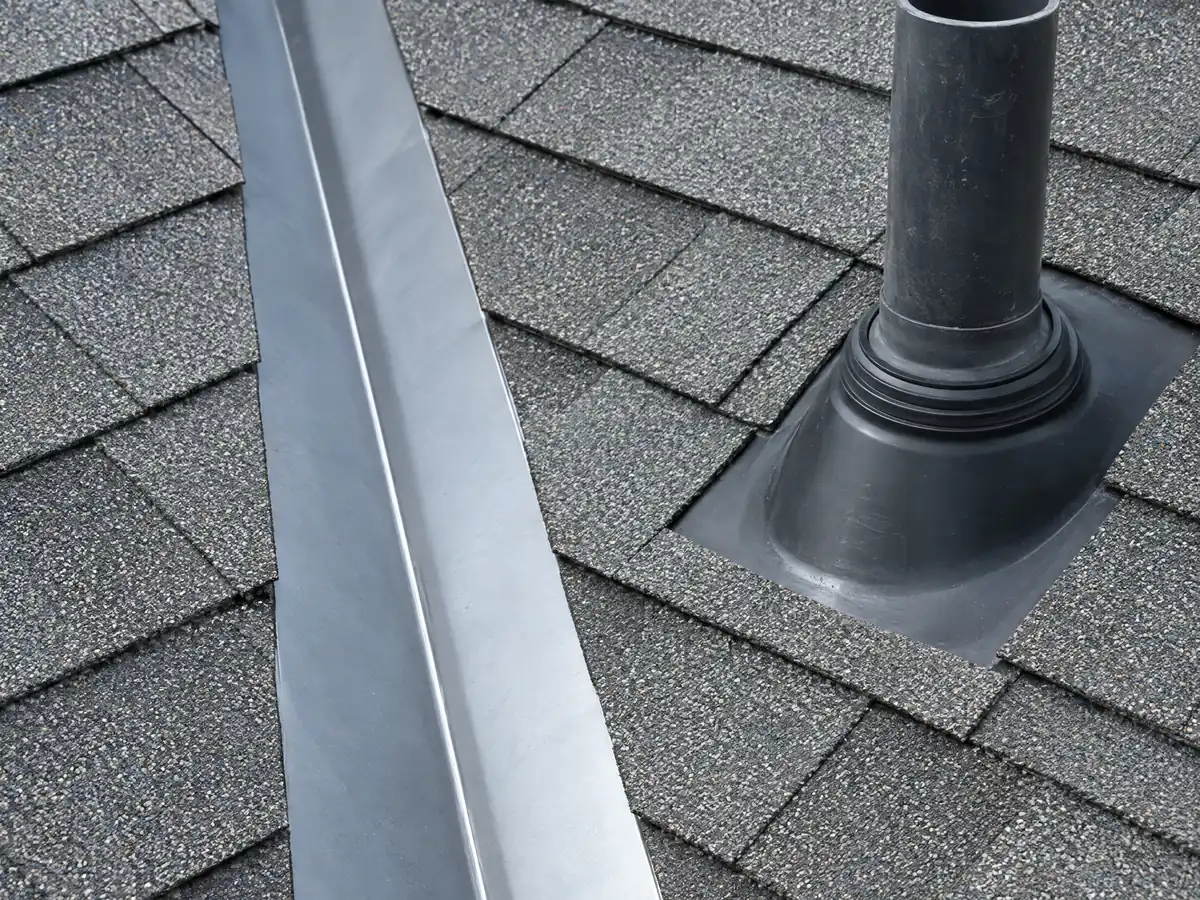
Repair when the trouble sits in one place and the covering around it is sound, and replace when leaks keep reappearing in new places. A cracked plumbing vent boot, a failed valley or a short run of lifted covering is a repair. A roof that needs patching every winter, or shows stained sheathing from the attic side across several areas, is telling you the system is finished.
Condition matters more than age, and we found no sourced lifespan figure for Pomona roofs, so we print none. What the housing mix does tell you is what a tear-off may uncover. The 1950s alone built about 21.9 percent of Pomona's units, roughly 9,802 homes, and about 17.9 percent date from before 1950. Houses from those eras can sit on spaced boards rather than plywood, and a deck like that may need sheathing work before any new covering goes on. The Census figures are one-year estimates with wide margins, so read them as rough.
- The exact spot of each repair, marked on a photo of the roof
- Whether the old covering can be matched, and what replaces it if not
- What happens, and what it costs per sheet, if the deck is found soft or stained
Ask the roofer to show you the attic side of the deck. Water stains up there tell you more than the surface does.
What is the best time of year to replace a roof in Pomona?
Our reading of the weather data is a dry stretch with moderate heat, which in Pomona points to spring or fall, though we found no sourced price pattern by month. NOAA's normals for the Pomona/Fairplex station show 11.47 of the year's 14.47 inches of rain arriving from December through March and about 0.1 inch from June through September. A roof opened in January is a roof racing the next storm.
Summer is dry but hot. Average highs reach 92.4 F in August and the station logs 10.7 days a year at or above 100, which slows crews and leaves covering too hot to handle comfortably at midday. Ask any bidder how the roof is dried in at the end of each day and what happens to an open deck if rain is forecast mid-job.
A permitted tear-off also carries a paperwork duty. Pomona's construction and demolition waste rules require at least 50 percent of the waste from a remodeling or construction project to be diverted by recycling or reuse, and they list asphalt and wood roofing among the designated recyclable materials. When waste goes to a landfill the city can require a cash deposit of $1,000 to $15,000, returned in proportion to the proven diversion. That text dates from 2003, so ask what applies today. The rule is in Pomona's waste diversion division.
Does roof replacement in Pomona need a permit, and what about roof repair?
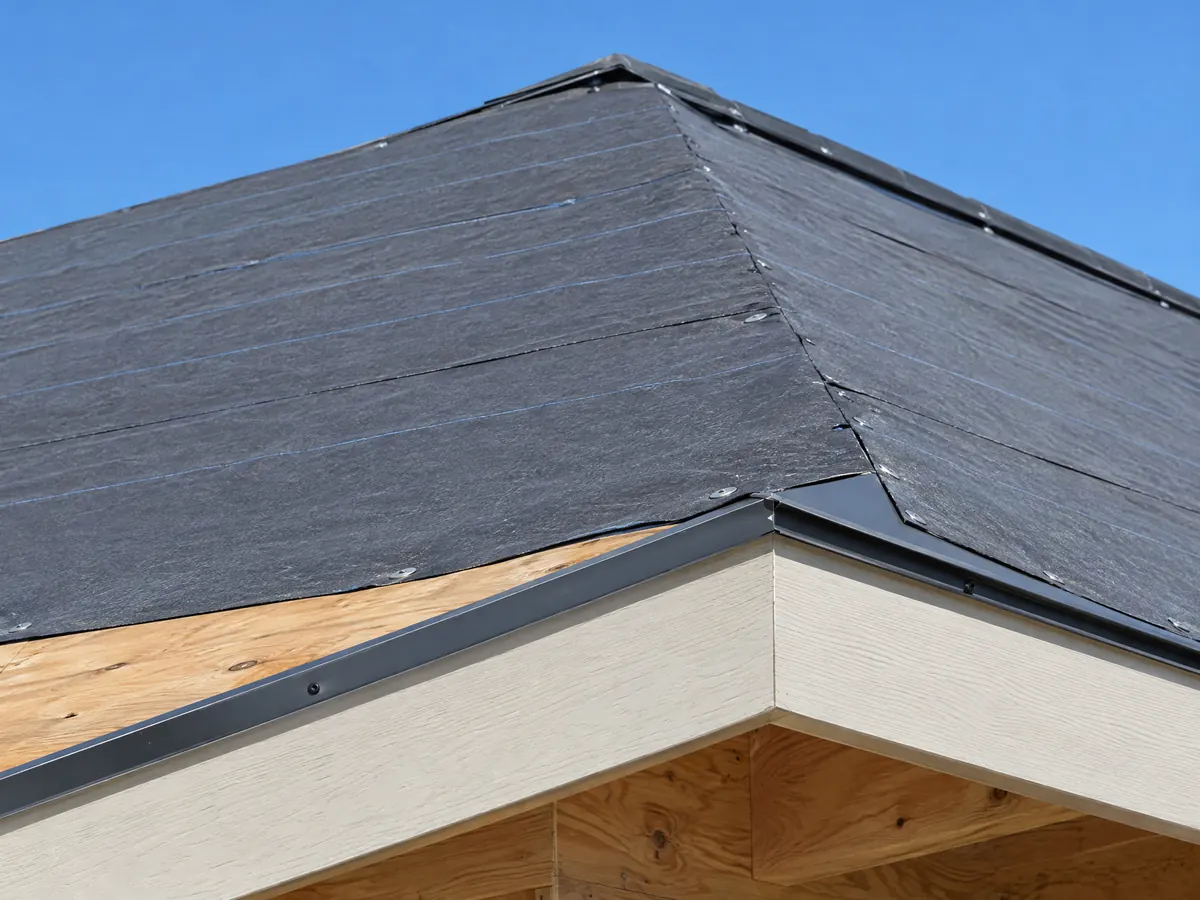
Plan on a permit for a replacement and ask about repairs. The state's list of permit-exempt work has no roofing item, and Pomona's Municipal Code section 74-31, which adopts the 2025 California codes, lists no local change to that exempt list. The code text does not state the re-roof rule itself, and the City's website refused our requests, so we cannot print the counter requirements, fees or turnaround times. The Building and Safety Division is where to confirm them.
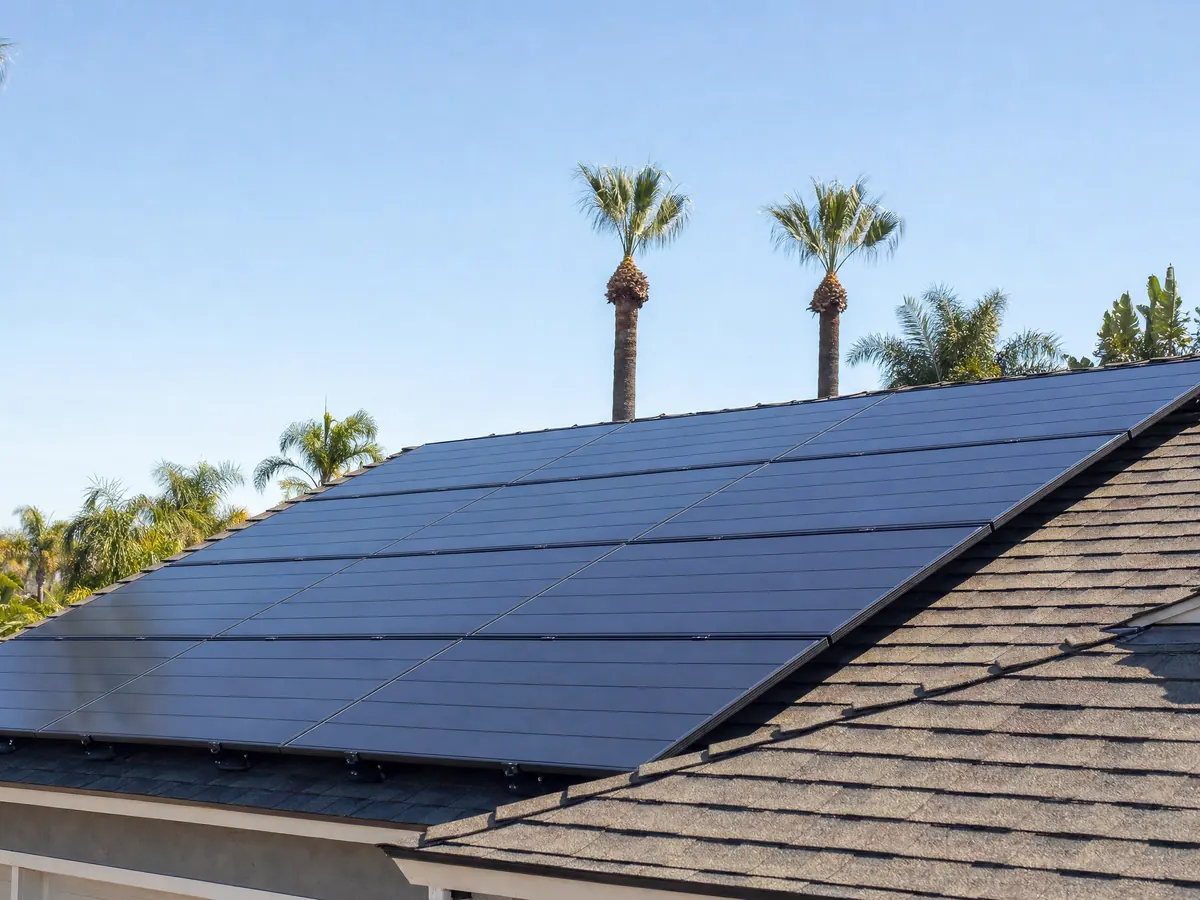
Rooftop solar has its own fast lane. Under section 74-300, a complete application for a small residential solar system gets its permit within three business days, only one inspection is required, and it must be scheduled within two business days of the request. The City may not make approval depend on an HOA. Panels usually have to come off and go back on during a re-roof, which Angi's Los Angeles page prices at $500 to $1,000.
Ask whether a like-for-like repair on your roof is permitted on its own or only as part of a full replacement.
Can you re-roof a house in Lincoln Park or another Pomona historic district?
Yes, but the roof is reviewed before the permit. Pomona's zoning code names six historic districts: Hacienda Park, Lincoln Park, Wilton Heights, Edison, Civic Center and Landmark Quarter, each marked with an -H overlay on the zoning map. For a historic resource, no building or demolition permit issues until the required Certificate of Appropriateness is approved. Lincoln Park alone has 821 structures, mostly from the 1890s to the 1940s, and joined the National Register on April 9, 2004.
The code treats a like-for-like re-roof differently from a change. The Director may deem a matching re-roof Minor Work that needs no Certificate of Appropriateness from the Historic Preservation Commission, as long as nothing about the appearance changes, and a staff decision on minor work cannot be appealed. A new roof material or roof form is an alteration that needs a Minor or Major Certificate. Switching a 1920s bungalow from composition shingle to metal is the case to raise with Planning before you collect bids.
Matching an original material can raise the price, which is where the Mills Act comes in. Pomona's program lets landmarks and contributing structures in historic districts apply for property tax contracts under Government Code sections 50280 to 50289. We could not read the district design standards, so we cannot say which materials a given house must keep.
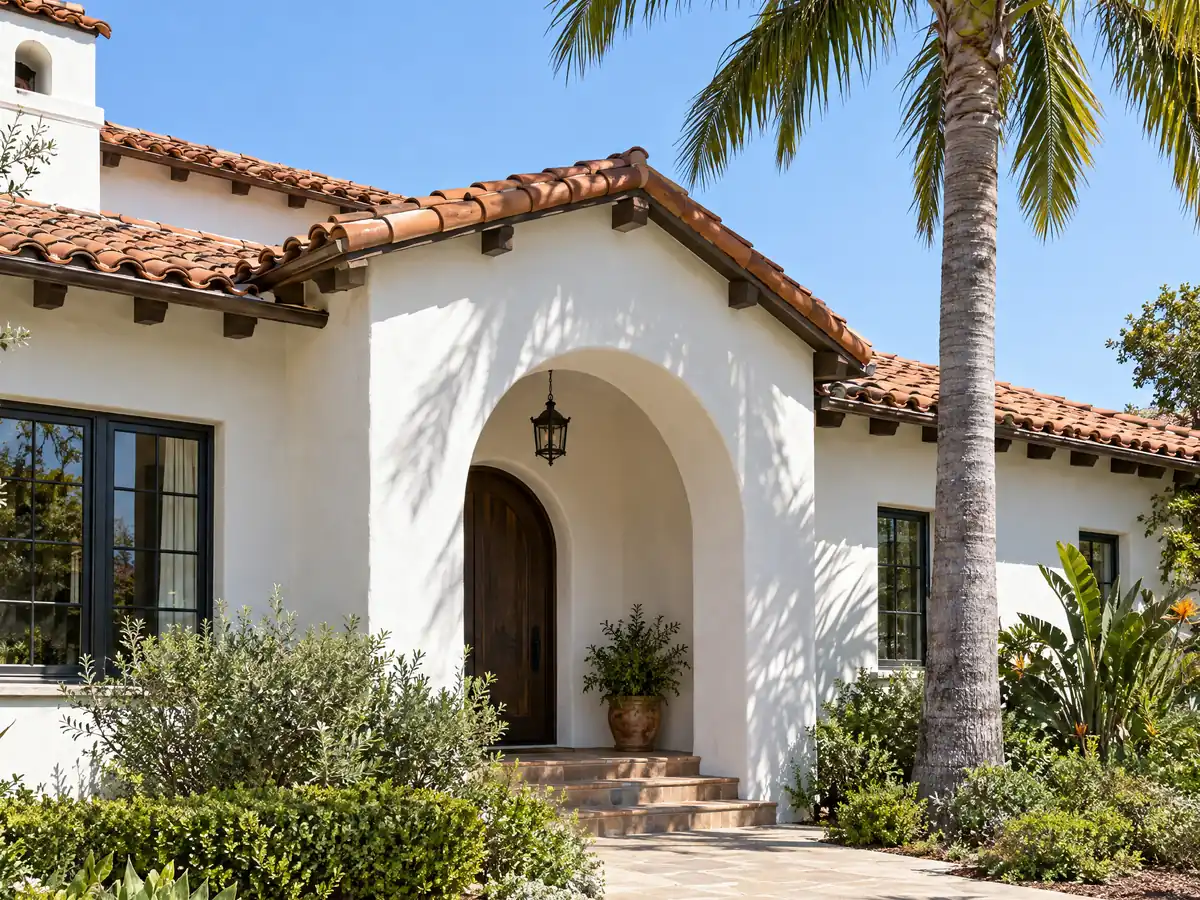
Is my Pomona house in a Very High Fire Hazard Severity Zone?
Probably not, but a few pockets are. We intersected CAL FIRE's Local Responsibility Area fire hazard layer with the city outline on a rough grid, and about 0.9 percent of the sample points, 52 of 5,809, landed in a Very High polygon. Forty-four of those were around Elephant Hill beside the Phillips Mansion in Spadra, seven were at the western edge near the Cal Poly Pomona campus and one was in the north. That layer is the older state map, not the 2025 recommendation, so it is a screening result and not a parcel determination.
The legal hook is Municipal Code section 74-32. It adopts CAL FIRE's Very High maps by reference (Ordinance 4104, kept with Building and Safety and the City Clerk) and says that since July 1, 2008, new construction or building expansion inside a zone must meet all of Chapter 7A of the Building Code. The section does not say what a re-roof alone must meet. A search result from the City's Local Responsibility Area page says the City received the 2025 maps on March 24, 2025, but we could not open that page or find an ordinance adopting them. Put these three questions to the department:
- Is my parcel in a Very High zone under the maps the City enforces today?
- Does a re-roof alone trigger Chapter 7A items, or only an addition or new build?
- What covering and edge details will the plan reviewer expect at my address?
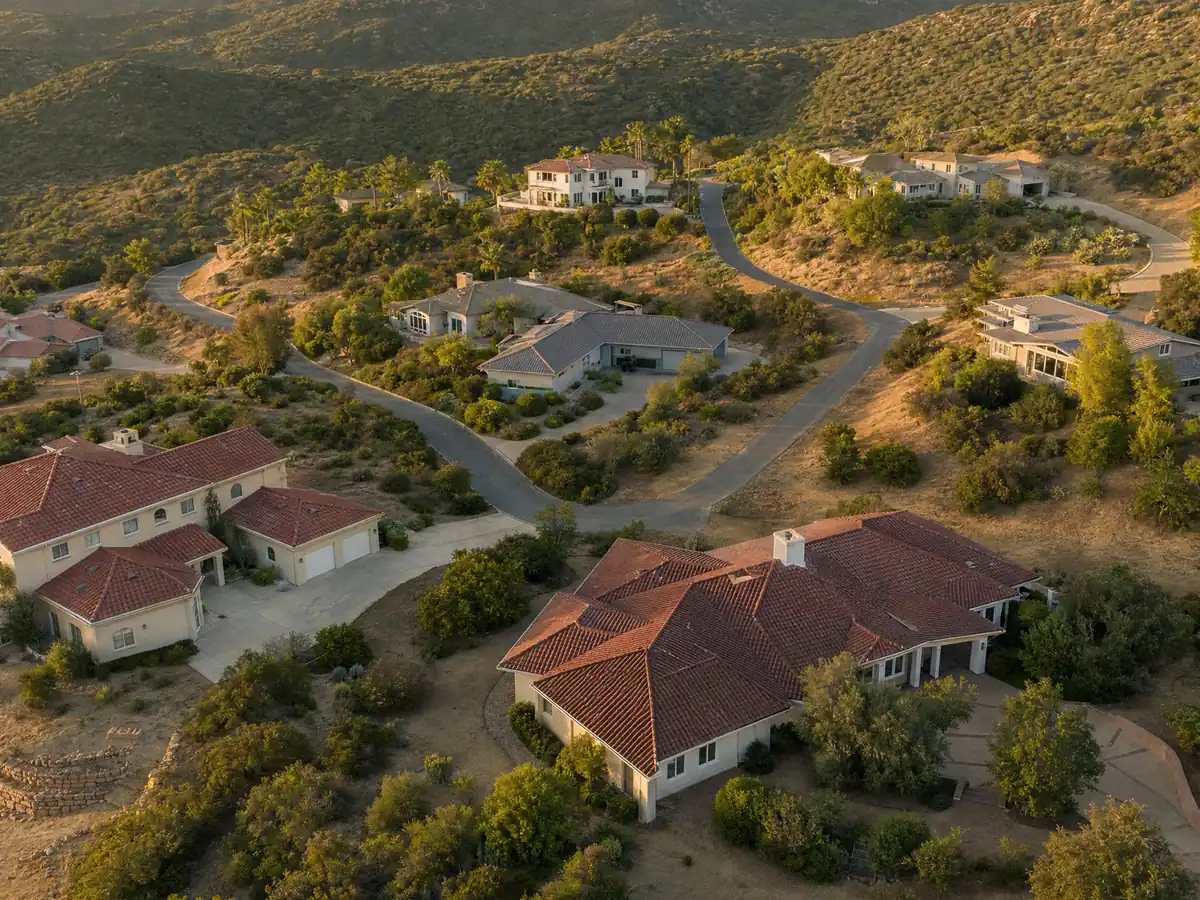
How much does roof replacement cost in Pomona?
We found no Pomona price survey, so this page prints no Pomona price. The nearest sourced figures are for Los Angeles. Angi's July 2026 Los Angeles page, built from what its customers paid, gives $4 to $12 per square foot for asphalt shingle, $7 to $15 for tile and $7 to $16 for metal, with tear-off at $1,000 to $3,000 as a separate line. Remodeling magazine's 2025 Cost vs. Value report prices one fixed reference roof for Los Angeles at $36,417 in asphalt and $62,069 in metal.
The two sources sit far apart because they measure different things. Angi averages real jobs of every size, while Cost vs. Value prices a single large roof and also reports resale value, recouping 73.6 percent of the asphalt cost in Los Angeles. That recoup figure is a Los Angeles number, and Pomona's median owner-occupied home value of $636,700 (Census 2024) is its own, so treat the percentage as a sense of scale. Ask each bidder to price these on separate lines:
- Roof area in squares, with the measurement shown
- Tear-off and hauling, including the recycling paperwork
- Decking replaced, priced per sheet
- Solar panel removal and reset, if panels are present
- Any historic district or fire zone extras that apply to the address
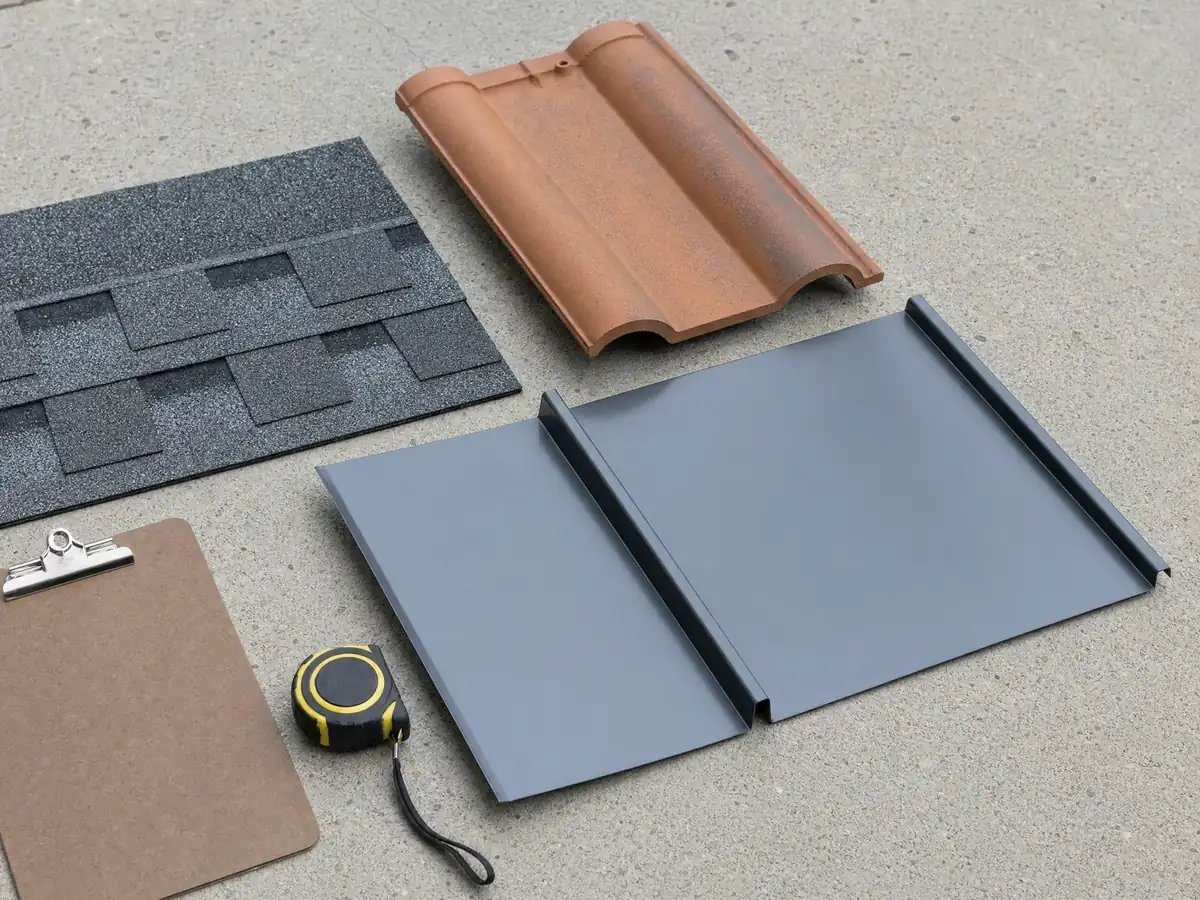
How do you choose a roofing company in Pomona?
Start with the license, not the ad. Roofing is CSLB class C-39, defined as installing products and repairing surfaces that seal, waterproof and weatherproof structures. Our guide to checking a contractor's license shows what the CSLB record tells you. Many search results for Pomona roofing are pages on free hosting domains that read like templates and show no license number, so a name that appears only there needs extra checking.
Unlicensed work is capped at $1,000 for labor, materials and everything else since January 1, 2025 (AB 2622), and the cap does not apply when a permit is needed or the person hires any worker. Business and Professions Code 7159, as amended effective January 1, 2026, requires a signed written contract, limits the down payment to $1,000 or 10 percent, whichever is less, and gives three business days to cancel, five for seniors.
MDG is not a roofer, and we say so plainly. We hold the contract and manage the job, and the C-39 subcontractor installs the roof. Before you sign you can ask for that company's license number and certificate of insurance, and our piece on how general contractors use subcontractors explains who answers for what.
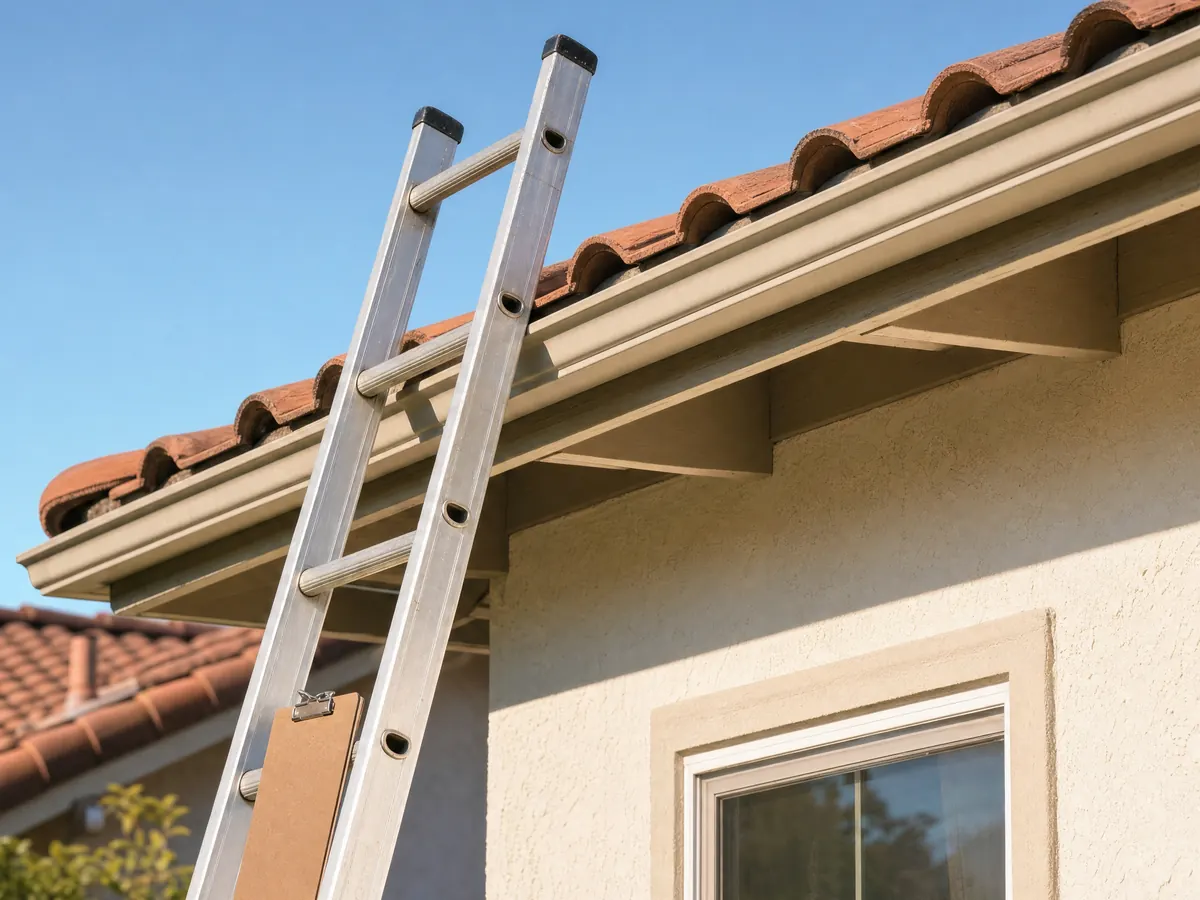
Roofing photos from Pomona and nearby communities
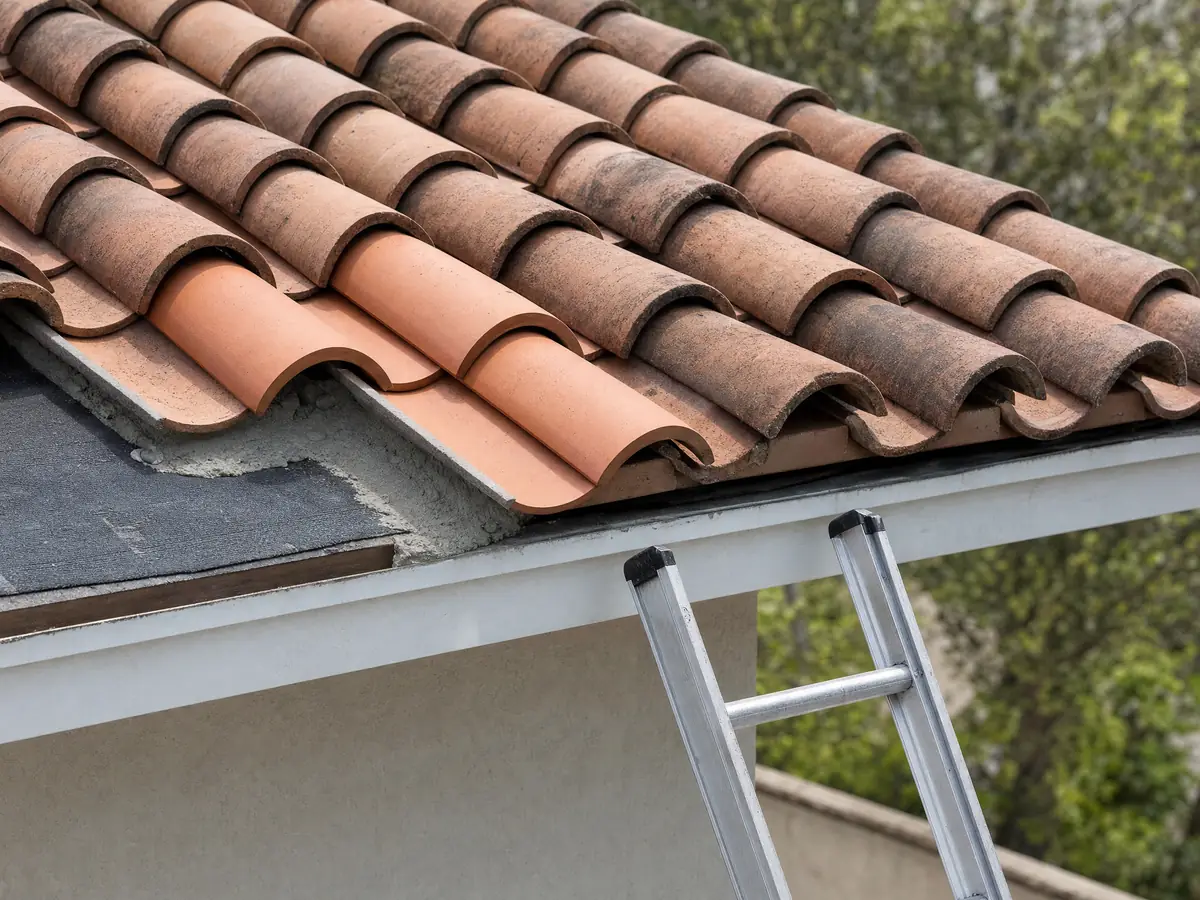
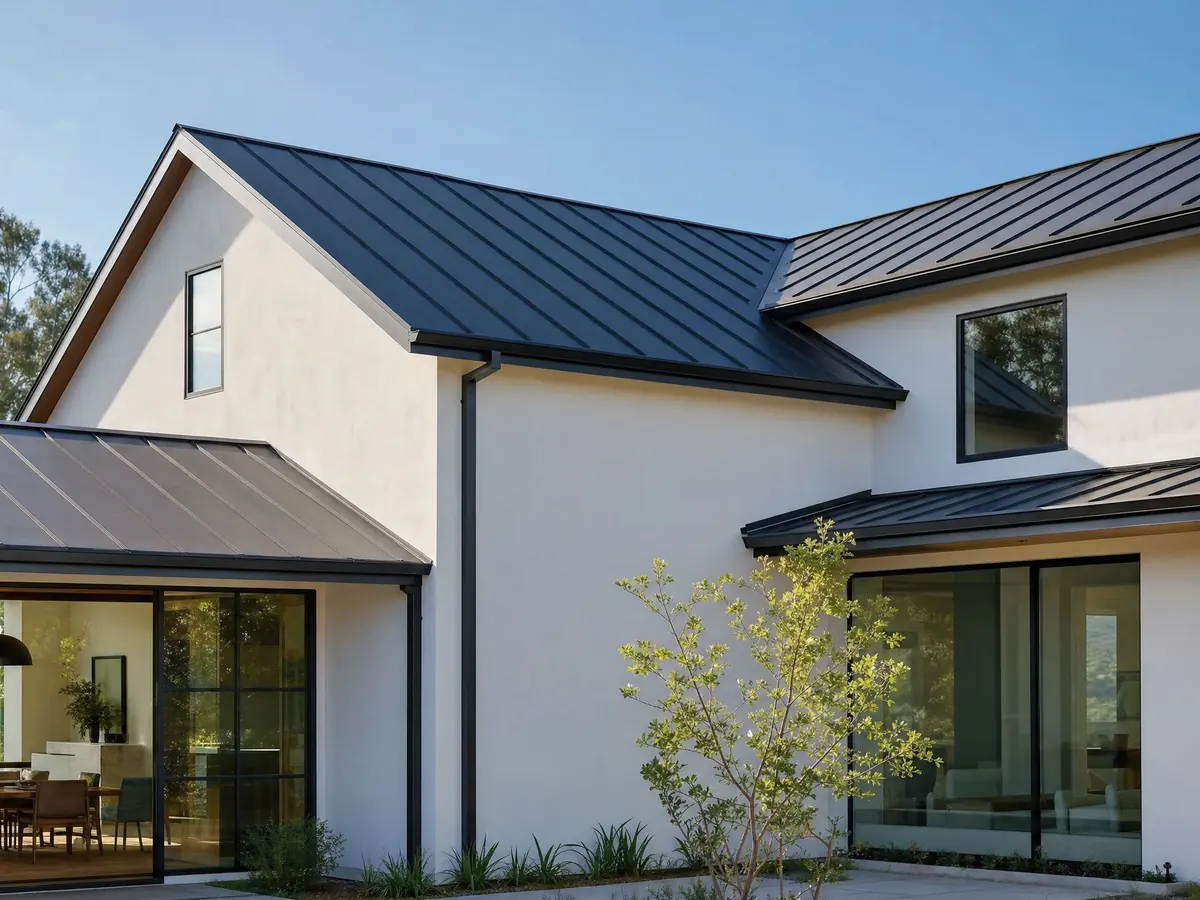
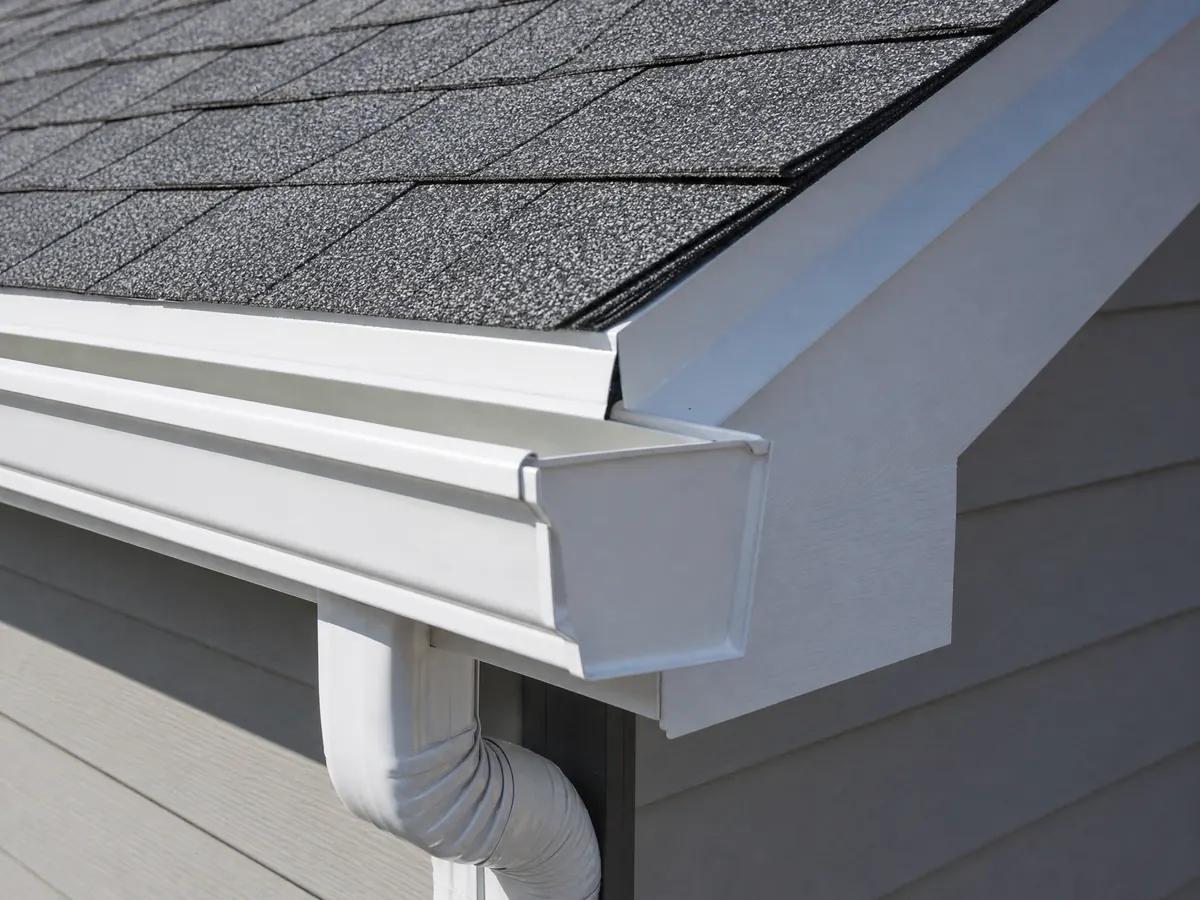
Six roofing scenes tied to Pomona neighborhoods such as Lincoln Park, Phillips Ranch and Spadra, and to nearby communities like Claremont and La Verne, with shingle, tile and flashing work in strong sun.
Where the roof numbers come from
Every Los Angeles figure above, with its source, sits in the table on our roofing price page, and the California roof replacement cost guide explains the gap between Angi and Cost vs. Value. A new roof often comes with fence and paint work, and the Pomona rules for those are on our fencing page and painting page. Claremont, La Verne, San Dimas, Diamond Bar, Walnut and Montclair answer to their own building departments, so none of this permit detail carries over to them; for another city's rules, compare roofing in Los Angeles.
| What it covers | Typical range |
|---|---|
| Asphalt shingle, typical single-family roof | $10,000 to $25,000 |
| Concrete or clay tile | $7 to $15 per sq ft |
| Metal | $7 to $16 per sq ft |
| Remodeling Cost vs. Value 2025, Los Angeles | Asphalt $36,417. metal $62,069. |
| Extras | Tear-off $1,000 to $3,000. solar detach and reset $500 to $1,000. |
Pomona roofing questions, answered
How much does it cost to replace a roof in Pomona?
We found no Pomona price survey. Angi's July 2026 Los Angeles page lists asphalt shingle at $4 to $12 per square foot, tile at $7 to $15 and metal at $7 to $16, plus tear-off at $1,000 to $3,000. Cost vs. Value prices a Los Angeles asphalt roof at $36,417. A measured written proposal is the real price.
Do I need a permit for roof replacement or roof repair in Pomona?
Plan on a permit for roof replacement. The state's exempt list has no roofing item and we found no Pomona exemption adding one, but the City's site refused our requests, so confirm with Building and Safety whether a small repair stands alone. Rooftop solar gets a permit within three business days of a complete application.
How long does a roof last in Southern California?
It depends on the material and its condition, and we found no sourced lifespan figure for Pomona, so we will not quote one. The Pomona/Fairplex station logs 70.5 days a year at or above 90 degrees F, which is hard on any covering. An inspection with photos of the flashing and deck tells you more than a calendar does.
Should I repair or replace my roof?
Repair when the damage is confined to one spot and the covering around it is sound, and replace when leaks return in new places. Ask the roofer for photos from the attic side of the deck. In a Pomona historic district, a matching repair may skip design review, while a change of material does not.
What is a Class A roof in California, and does Pomona require one?
Class A is the top fire rating for a roof assembly under the ASTM E108 and UL 790 tests. Pomona requires Chapter 7A of the Building Code for new construction or expansion inside a Very High zone, and roughly 1 percent of the city overlaps one. The City's code text does not say what a re-roof alone must meet.
Can a general contractor do roofing in California?
A general building contractor can take the job and subcontract the roofing to an appropriately licensed contractor, which is how MDG Builders works under CSLB #1040337. We manage the contract, permit and schedule, and a C-39 roofer installs. The statutory contract has a box stating whether subcontractors will be used.
How much should you pay a roofing contractor up front?
No more than $1,000 or 10 percent of the contract price, whichever is less, under Business and Professions Code 7159. Later payments should follow work completed, and the statute calls it against the law to collect payment for work not yet done. A request for half the price on day one is a reason to walk away.
Can you stay in your home during a roof replacement?
Usually yes, but expect noise and debris. We found no sourced duration for a Pomona tear-off, so the schedule belongs in your written proposal. Ask where the dumpster will sit, how the attic and landscaping are protected and what happens to the open deck if rain is forecast.
How do I check a roofing contractor's license in Pomona?
Look up the license number on the CSLB website. The record shows whether the license is active, the classification (roofing is C-39), the bond and the workers' compensation status. The number should also appear in your contract. If a general contractor manages the job, ask for the roofing subcontractor's number too.
Can you re-roof a house in a Pomona historic district?
Yes, with review. A matching like-for-like re-roof can be treated as Minor Work needing no Certificate of Appropriateness, but a new material or roof form is an alteration that needs a Minor or Major Certificate first. Six districts carry the -H overlay, so check the zoning map for your address.
Ask for a roof inspection in Pomona
Send the street, the age of the house and any stains you have seen on the ceiling. We check the historic district and fire hazard question for the address before we call back.