
Roof Repairin Walnut, CA
Roof repair in Walnut follows a stricter rule than most cities: the City's code asks for a Class A covering on every new building, on any re-roof of more than half the roof within a year and on any covering applied in a repair or replacement. Expect a permit, check fire zone status by address and protect nearby oaks.
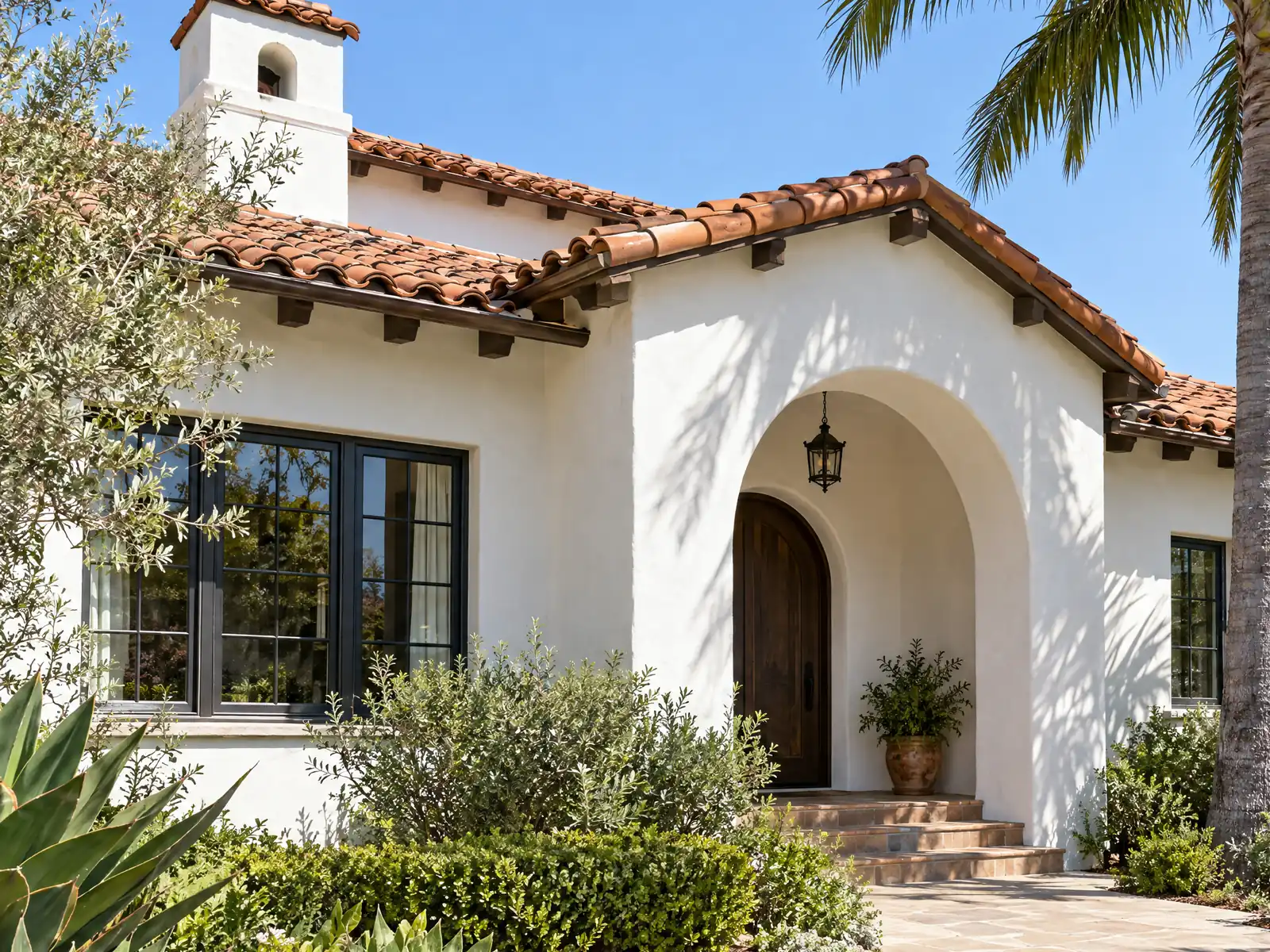
Walnut was incorporated on January 19, 1959 by local farmers who wanted to keep a rural lifestyle, and it counted 934 residents that year. By 1978 it had 8,561 people and 76 percent of its land was still undeveloped, until a plan that year cut the allowed population from about 90,000 to about 30,000. The city reached 30,008 residents in 1989. Most roofs followed in between: the Census Bureau's 2024 five-year estimates count 4,419 of Walnut's 9,230 homes as 1980s builds, and 94.7 percent are detached houses.
On a roofing job, MDG Builders (CSLB #1040337) acts as the general contractor: we write the scope, ask the City its permit and fire zone questions, line up the schedule and walk the finished roof, while a licensed C-39 roofing subcontractor does the tear-off and installation. Our roofing page holds the sourced prices, the Walnut overview lists every trade we manage here, and the next city over writes different rules, as the guides for Diamond Bar and West Covina show.
What Walnut's codes and fire maps say about roofs
Where roofing permits come from in Walnut: City of Walnut Community Development Department, Building & Safety Division.
- Walnut's amended Building Code (Municipal Code 2.04.030(H), Table 1505.1) requires Class A roof coverings for every listed construction type. Class A is required for every new structure, for any existing structure where more than 50 percent of the total roof area is replaced within one year, and for any roof covering applied during the alteration, repair or replacement of an existing roof. That makes Walnut stricter than a Class B citywide rule.
- Walnut's Roofing handout (a Building and Safety Division handout whose file name suggests August 2015, so treat it as undated) says that if you replace or overlay a roof you need a permit. The permit submittal is a Building Permit Application and fees, the Energy Code certificate CF1R-ALT-01E for a residential roofing alteration, and roof plans and photos. Closeout needs the roof product certifications, City inspections and the CF2R-ENV-04-E installation certificate, and inspections may include pre-inspection, framing or sheathing, and final.
- The same Walnut roofing handout says single-family cool roofs were not required by the Energy Code when it was written and suggests minimum values (flat roofs SRI 64 and thermal emittance 75, sloped roofs SRI 16 and emittance 75) when altering more than 50 percent of the roof or more than 2,000 square feet. The handout predates current Energy Code editions, so confirm the cool roof rule for the current edition with the Building and Safety Division.
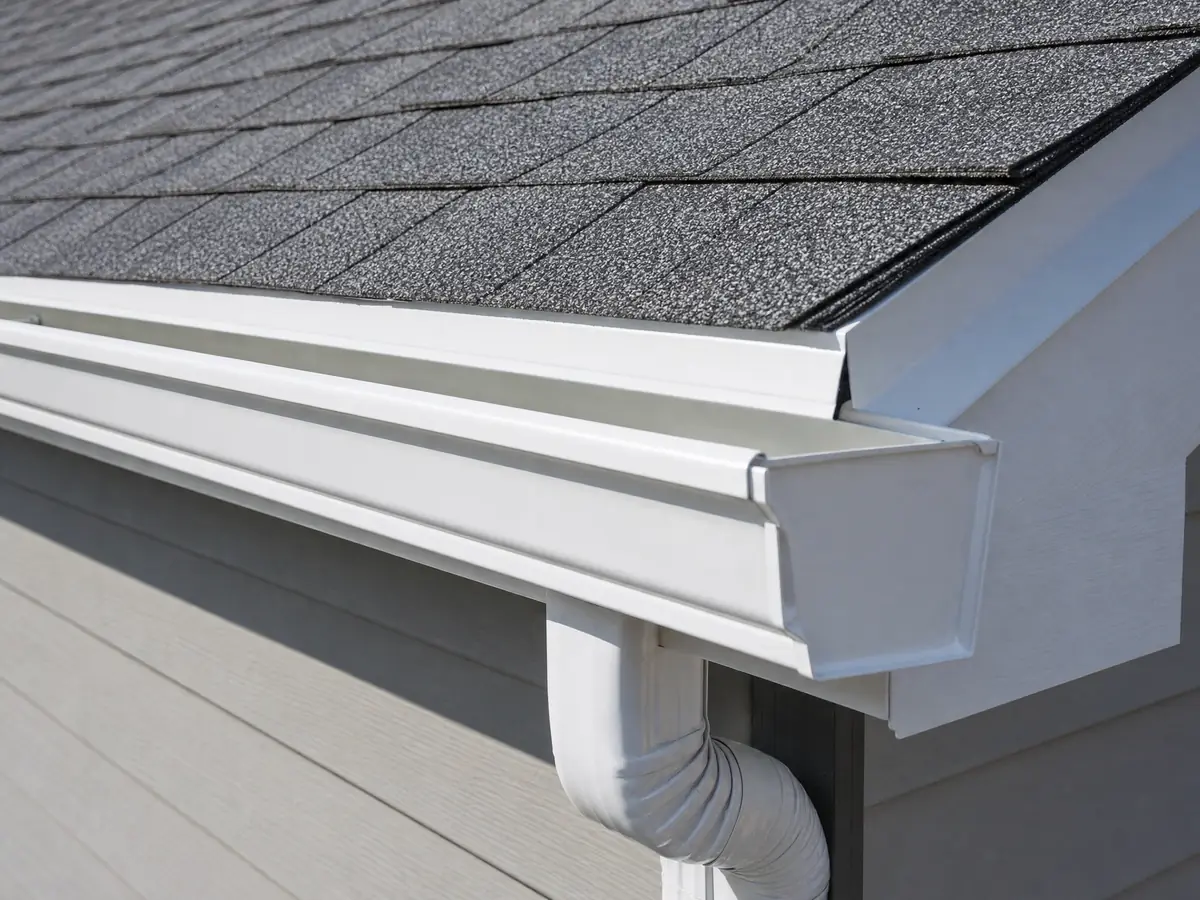
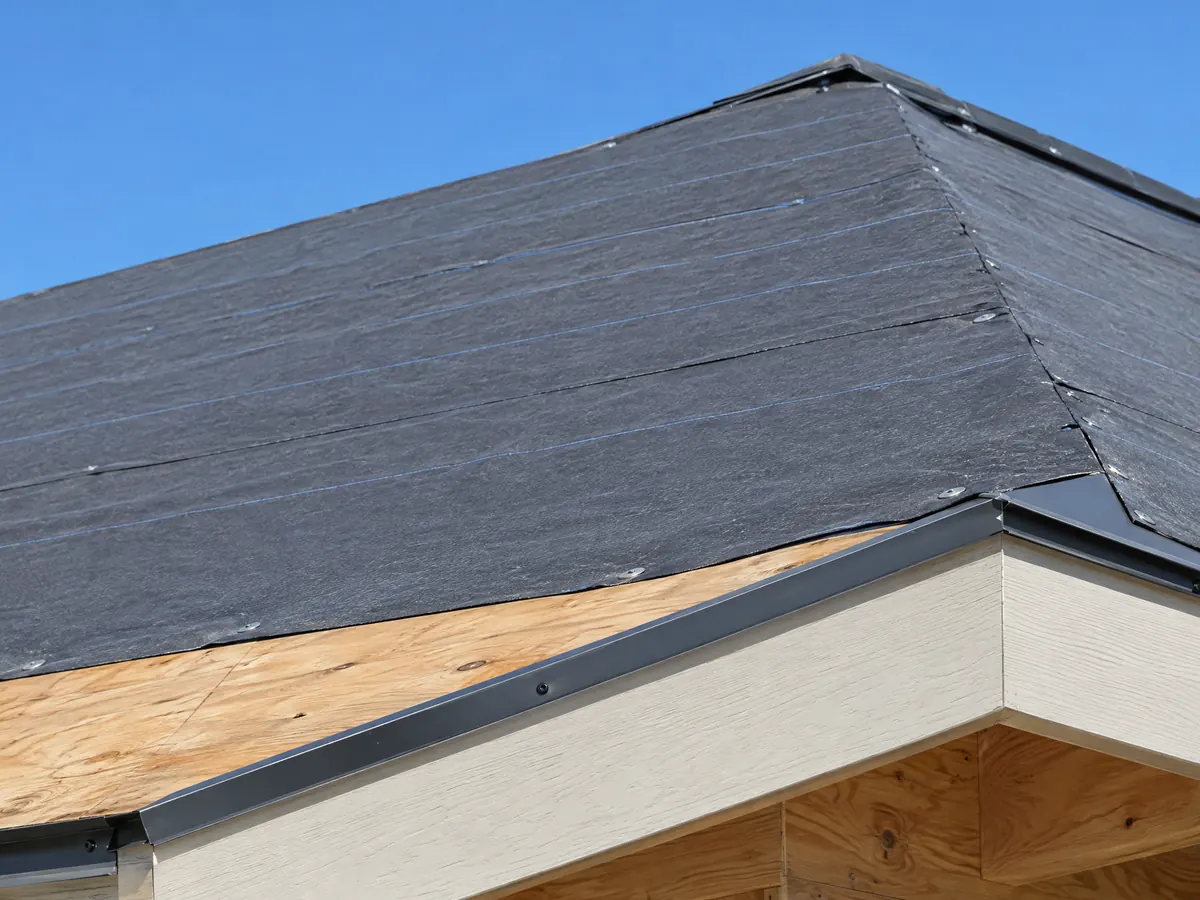
- Roofs in a Walnut fire zone fall under the 2025 California Wildland-Urban Interface Code that the City adopted. The Los Angeles County Public Works fire hazard plan review list for that code requires Class A roof covering tested to ASTM E108 or UL 790, bans wood shingles and shakes, requires bird stops at eaves, mudded hip and ridge caps, valley flashing of at least 0.019 inch corrosion-resistant metal over a 36 inch wide 72 pound cap sheet, noncombustible gutters with a leaf guard, and vents that are listed to ASTM E2886 or covered with 1/16 to 1/8 inch noncombustible mesh. This is a County form that quotes state code, so confirm Walnut's parcel status and checklist with Walnut Building and Safety.
- Roofing sits next to the City's tree rules: protected oaks and California Black Walnuts have a protected zone that runs from 5 feet outside the dripline to the trunk (at least 15 feet from the trunk), and removing live tissue over 6 inches needs a permit, so a re-roof under or beside an overhanging oak needs a Planning check before any pruning.
- Walnut's Chapter 2.36 gives small residential rooftop solar (10 kW AC or 30 kW thermal or less, on a single-family or duplex dwelling) an administrative, nondiscretionary review with electronic submittal, a standard plan and checklist, and only one inspection (a separate fire inspection may be added if the building official deems it necessary). The chapter says approval cannot be conditioned on an association's approval, and grid connection needs separate utility approval.
- The Walnut handouts on roofing, additions and kitchens all tell owners to check for HOA approval and for historic limits before a roof is changed, and the roofing handout warns that new material can add weight so the combined weight of old and new roofing may require a structural retrofit or removal of the existing roof.
- CSLB defines the C-39 Roofing classification as a contractor who installs products and repairs surfaces that seal, waterproof and weatherproof structures, using materials such as asphalt, felt, foam, metal roofing systems, shakes, shingles, tile and slate.
Sources for these rules

Does every roof in Walnut have to be Class A, even outside a fire zone?
Yes, going by the Municipal Code text we read. Walnut's amended Building Code, Section 2.04.030(H), lists Class A as the required roof covering class for every construction type in its table. Class A applies to every new structure, to an existing building when more than 50 percent of the roof area is replaced within one year, and to any roof covering applied while altering, repairing or replacing an existing roof. A city that asks for Class A only inside a mapped fire zone is easier to comply with, and Walnut is not that city.
The practical result is that a patch and a tear-off start from the same question. The text lists repair and replacement together, and we could not tell where a patch ends and a re-covering begins, so ask Building and Safety how much repair triggers the class. We read the code on the GoCodebook mirror because the City's official code site would not load for us, so confirm it with the City.
- The product name and its Class A test listing
- The roof area in squares and what is being torn off
- The underlayment and any cap sheet under the covering
Have the Class A product and its listing written on the proposal, not only a brand name.
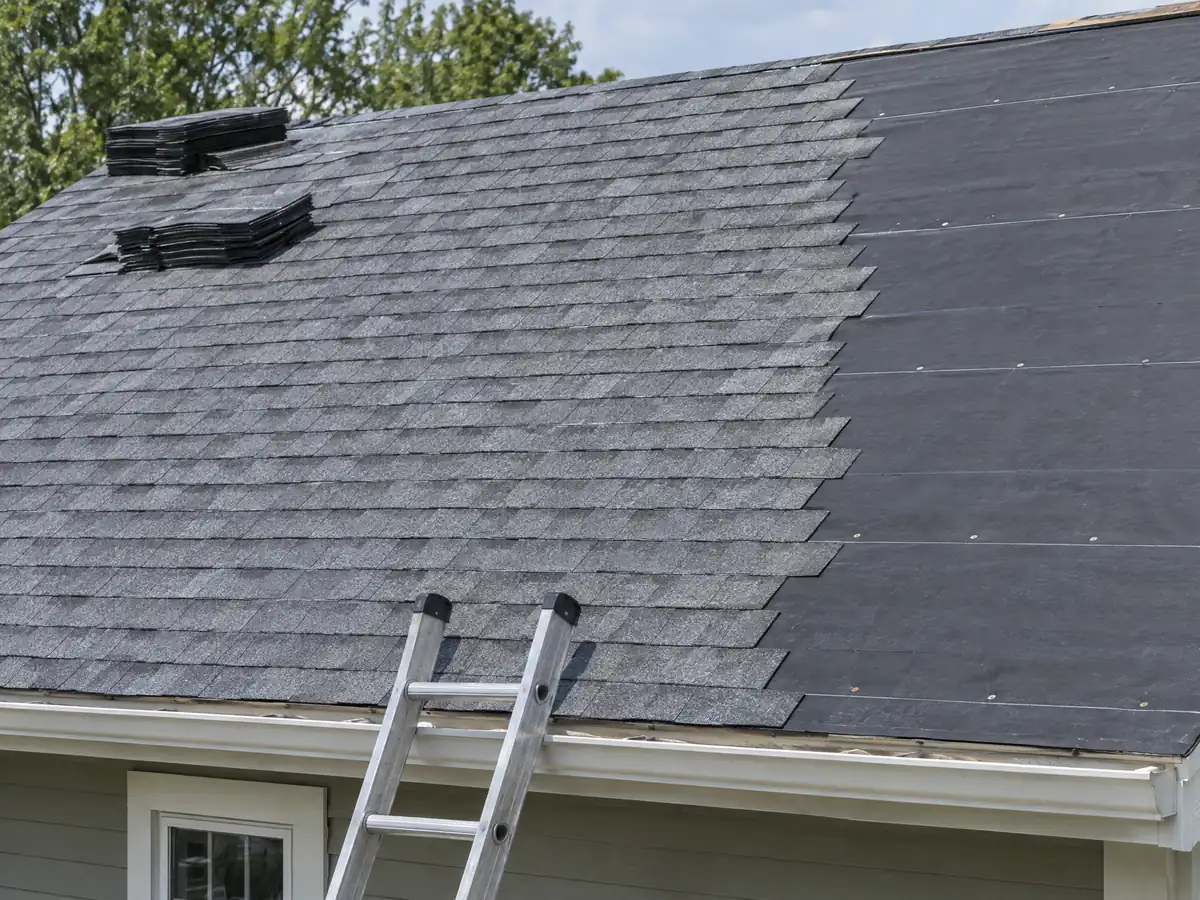
Is my Walnut home in a fire hazard zone, and what changes on the roof?
The City's General Plan says the northern part of Walnut lies in a Very High Fire Hazard Severity Zone, with wildfire an ever-present concern in the San Jose Hills, especially north of La Puente Road. Municipal Code Chapter 2.22 defines the zone by a Cal Fire map for Walnut dated March 24, 2025 and adopts the 2025 California Wildland-Urban Interface Code, and June 2025 Council minutes list an ordinance designating Moderate, High and Very High zones. We could not find which parcels fall in which zone or how the Council voted, so have the Building Official confirm your address before a quote is final.
Inside a zone, the Los Angeles County plan review list for that code asks for more than Class A. It bars wood shingles and shakes, wants bird stops at the eaves and mudded hip and ridge caps, and calls for valley flashing of at least 0.019 inch corrosion-resistant metal over a 36 inch wide, 72 pound cap sheet. Gutters must be noncombustible with a leaf guard, and vents must carry an ASTM E2886 listing or sit behind 1/16 to 1/8 inch noncombustible mesh. That is a County form quoting state code, so Walnut's own checklist for your parcel is the one to follow.
Put your fire zone status on its own line of the proposal, so nobody learns it at inspection.
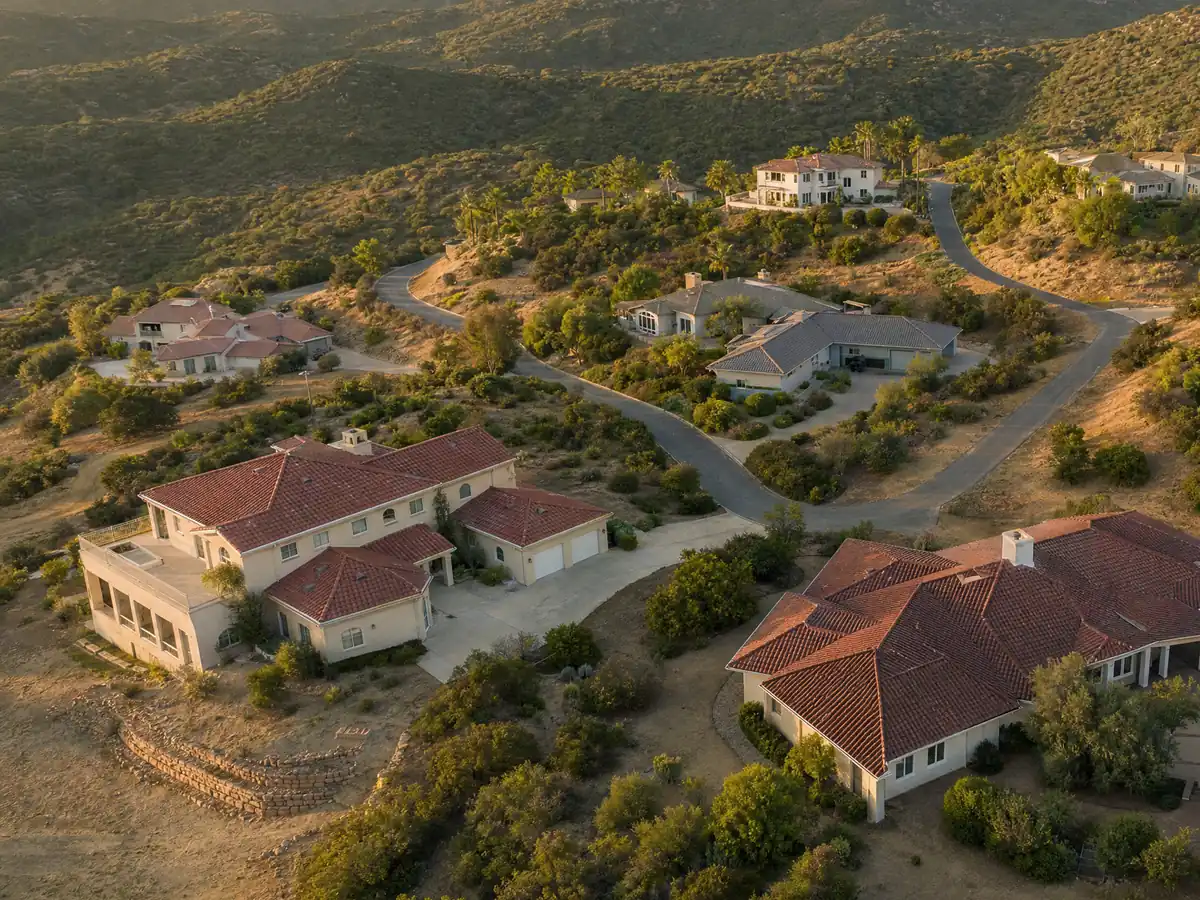
Do I need a permit to repair or replace a roof in Walnut?
Plan on it. The City's roofing handout says that replacing or overlaying a roof needs a permit, though its file name carries what looks like a 2015 date, so treat it as undated. The package it lists is a building permit application with fees, an Energy Code certificate (CF1R-ALT-01E for a residential roofing alteration), and roof plans and photos. Closeout adds the roof product certifications, City inspections and the CF2R-ENV-04-E installation certificate, and inspections can include a pre-inspection, a sheathing or framing check and a final.
Fees are set at twice the Los Angeles County amount under Municipal Code 2.04.060, and we found no Walnut fee table to quote. The Building and Safety page lists no online permit submittal, only a Service Requests link. City Hall is open Monday through Thursday from 7 a.m. to 6 p.m. and closed Fridays, and inspections are booked by voicemail at (909) 598-5241 with the address, your contact details and the inspection type.
Two cautions come from the same handout. It says single-family cool roofs were optional when it was written, and it predates current Energy Code editions, so the cool roof rule today is unconfirmed. It also warns that new roofing adds weight, and old and new layers together may call for a structural retrofit or a tear-off.
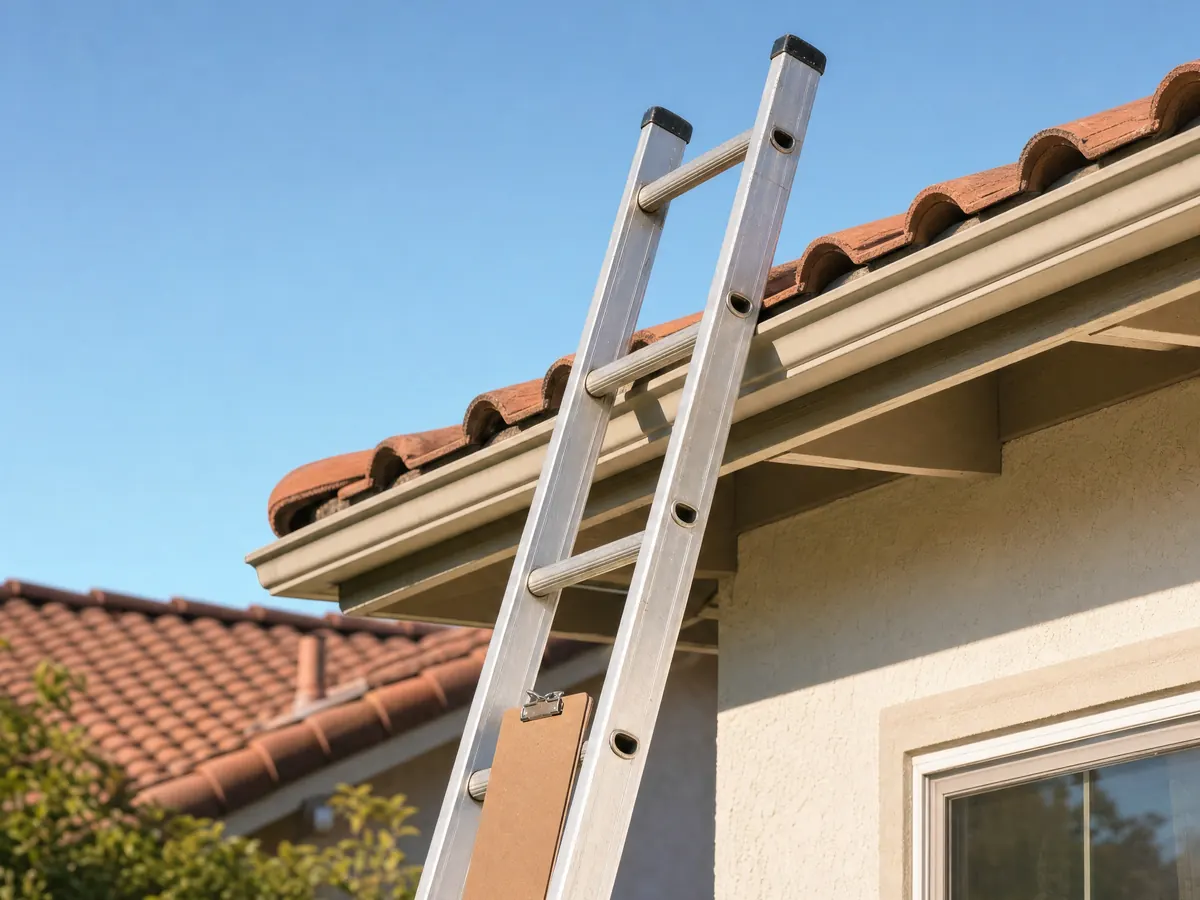
Can a roofer trim or stage materials under the oak or black walnut over my Walnut roof?
Not before a check. Walnut protects native oaks and California Black Walnuts with a trunk circumference of 6 inches or more at 4.5 feet. The protected zone runs from 5 feet outside the dripline to the trunk and is never less than 15 feet from it, a tree permit is needed to cut, prune, remove or encroach, and the code allows one tree permit per site in any 12 months. The City's note on roofing says removing live tissue over 6 inches needs a permit, so a re-roof under an overhanging oak needs a Planning check before any pruning.
Staging counts too. The tree article lists grading, dumping, storing materials and building structures inside the zone as encroachment, which puts a dumpster or a pallet of shingles under the canopy in question. It exempts emergency hazard work and small trees of 6 inches circumference or less that are not heritage trees, and a heritage tree is 40 inches or more around. Tell the roofer where the dumpster and pallet will sit, and keep both outside the zone.
Do solar panels have to come off for a roof replacement in Walnut?
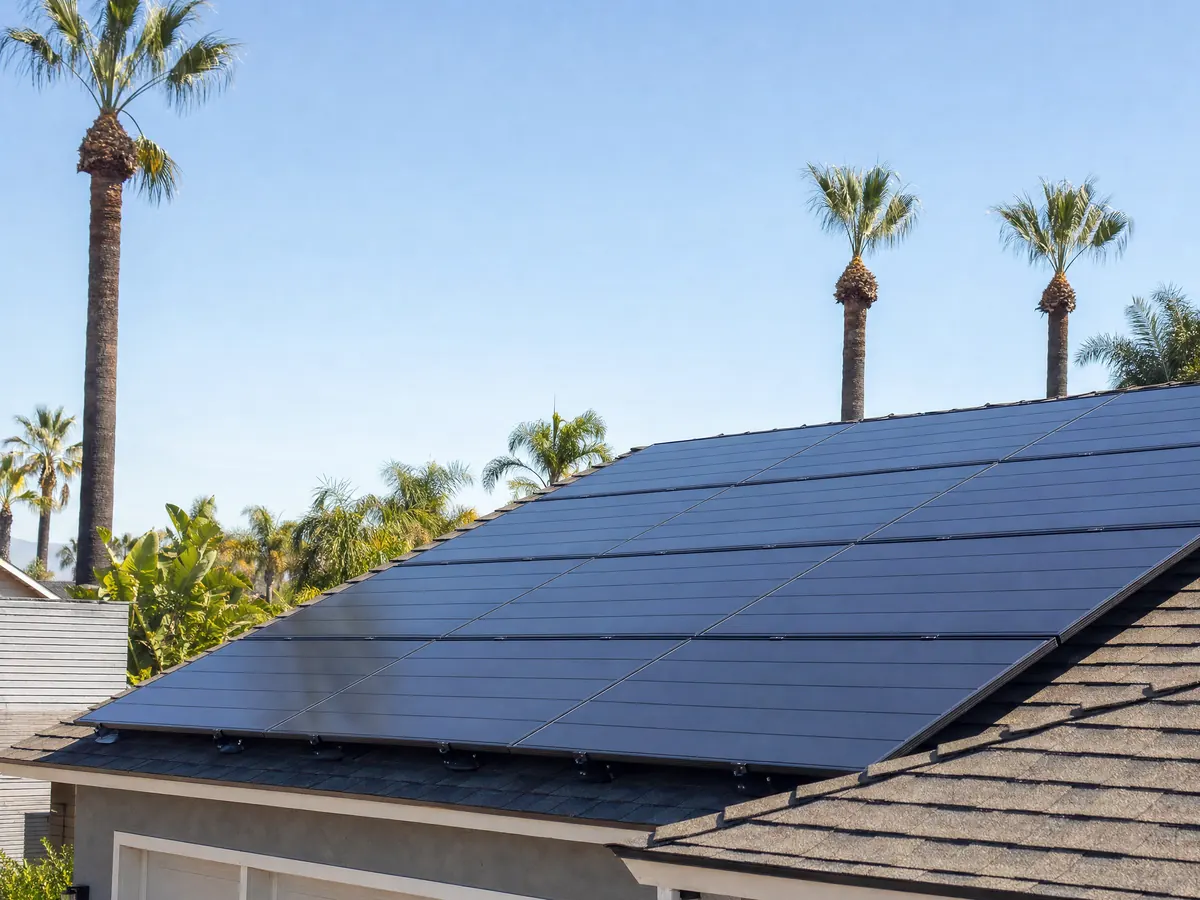
Usually they do. Angi's Los Angeles roofing page, updated July 31, 2026, puts removing and reinstalling panels at $500 to $1,000 and notes they often must come off for the work. That is a separate trade from the roofing sub, so the proposal should say who removes them, who resets them and who answers if a panel is damaged.
Walnut's solar chapter, 2.36, gives small rooftop systems on single-family and duplex homes (10 kW AC or 30 kW thermal or less) a nondiscretionary review with electronic submittal, a standard plan and checklist and one inspection, plus a possible separate fire inspection. It bars conditioning approval on an association's sign-off, and the utility approves the grid connection separately. We did not read whether a removal and reset counts as a new system under that chapter, so ask before the panels come down.
Roof repair or roof replacement on a 1980s Walnut house?
Start with the year the house went up. Extensive grading in the 1980s made the hillsides buildable, and 47.9 percent of Walnut's homes were built in that decade. A roof from the original build is now between 37 and 46 years old, so many are on a second covering, and we found no Walnut survey of roof condition. Another 3,546 homes, 38.4 percent, predate 1980 and only 328 predate 1960. The first suburban streets of the 1950s sit on the southwest hillsides around Gartel Drive and Fuerte Drive, while Collegewood and Walnut Heights grew along Grand Avenue.
Condition matters more than the date. Repair fits local damage over a sound deck, and replacement fits a covering that is failing across the slopes or a deck that has gone soft. Ask the roofer to photograph the deck, flashing and attic underside on the day, so the choice rests on pictures.
- Stained or damp insulation on the attic side of the deck
- Bare patches or granules collecting in the gutters
- Lifted flashing around chimneys, vents and walls
- Sagging, daylight or soft spots in the deck
How much does roof replacement cost in Walnut, and how do I hire a roofer?
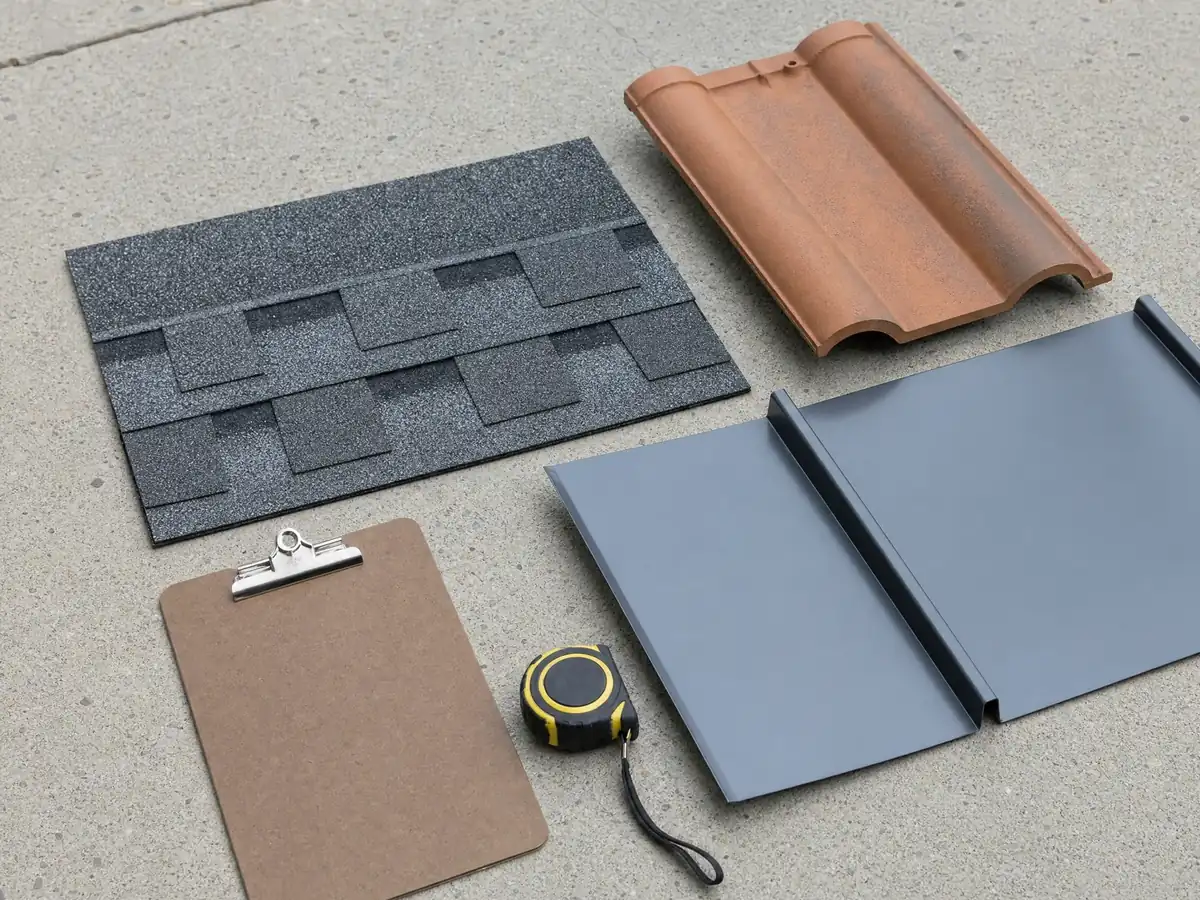
No Walnut price survey turned up, so these are Los Angeles figures. Angi's July 31, 2026 page prices asphalt at $4 to $12 per square foot, tile at $7 to $15 and metal at $7 to $16, with $1,000 to $3,000 more for tear-off. Remodeling magazine's Cost vs. Value 2025 study put a reference Los Angeles roof at $36,417 in asphalt shingle and $62,069 in metal without publishing the roof's size. Because Walnut asks for Class A on every re-roof, make each bidder price the Class A product they name, so the bids compare. The median Walnut home is worth $1,014,000, which is part of why a mismatched roof is worth avoiding.
CSLB class C-39 is the roofing license, and our guide to checking a contractor license shows how to look it up. California Business and Professions Code 7159 asks for a signed written contract before work, a down payment of no more than $1,000 or 10 percent, whichever is less, and payments that follow finished work. You can request the roofing subcontractor's license number and certificate of insurance, and how general contractors use subcontractors explains who answers for what.
Roofing photos from Walnut and nearby communities
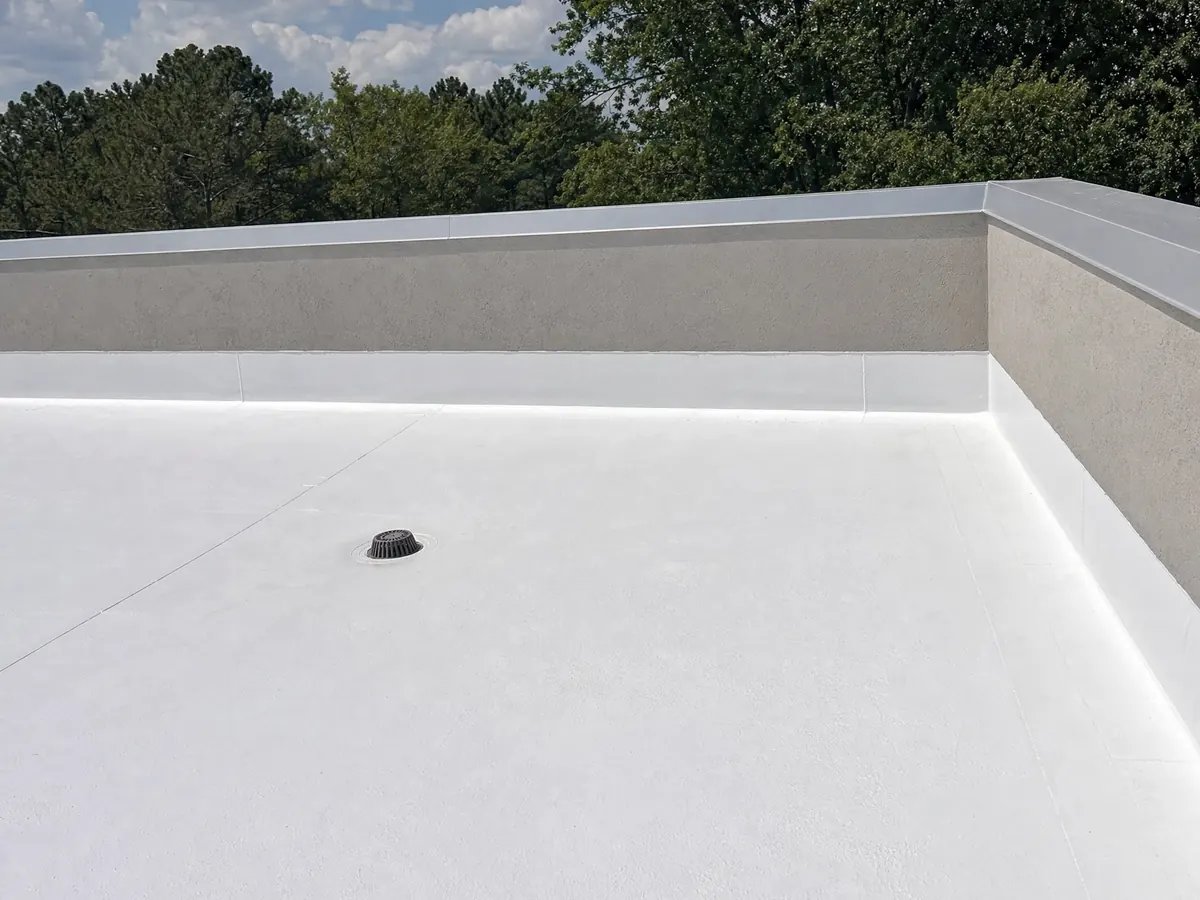
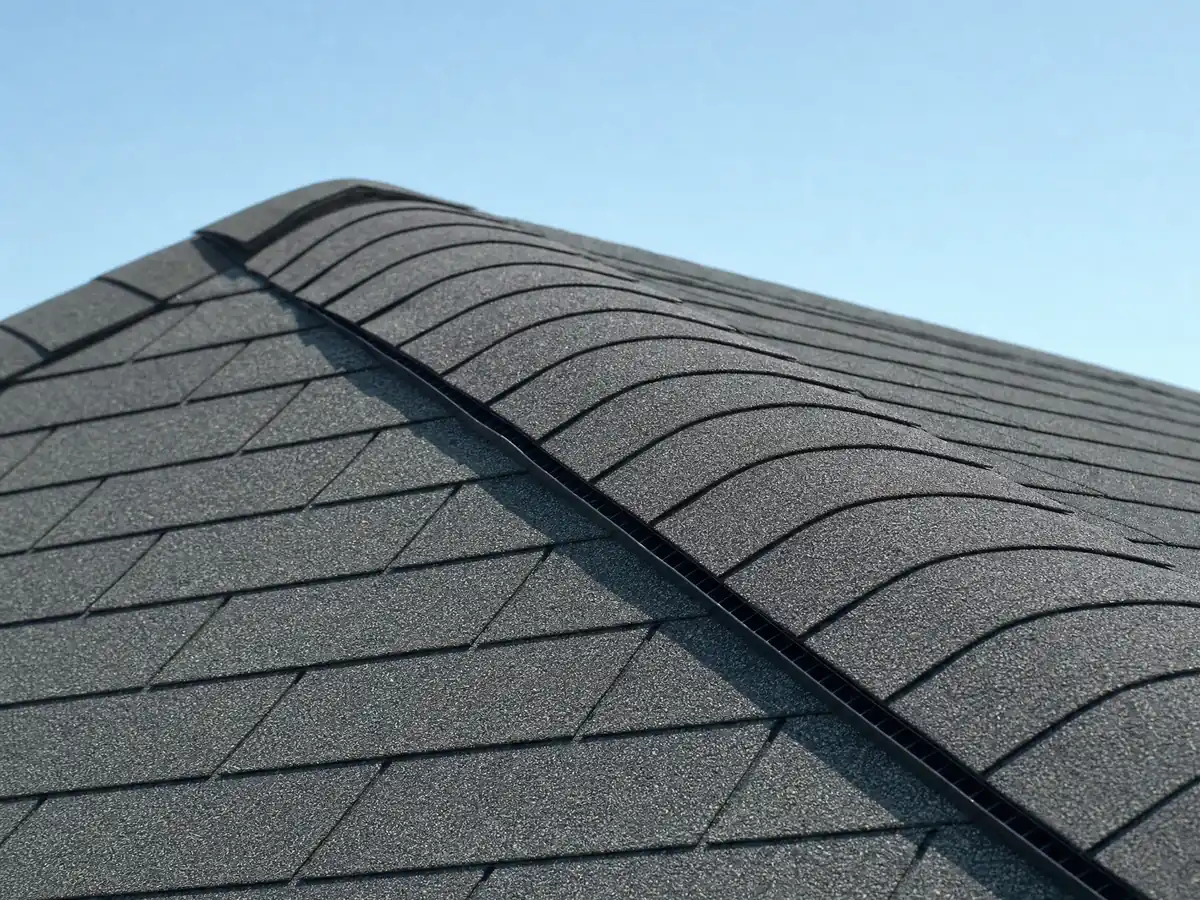
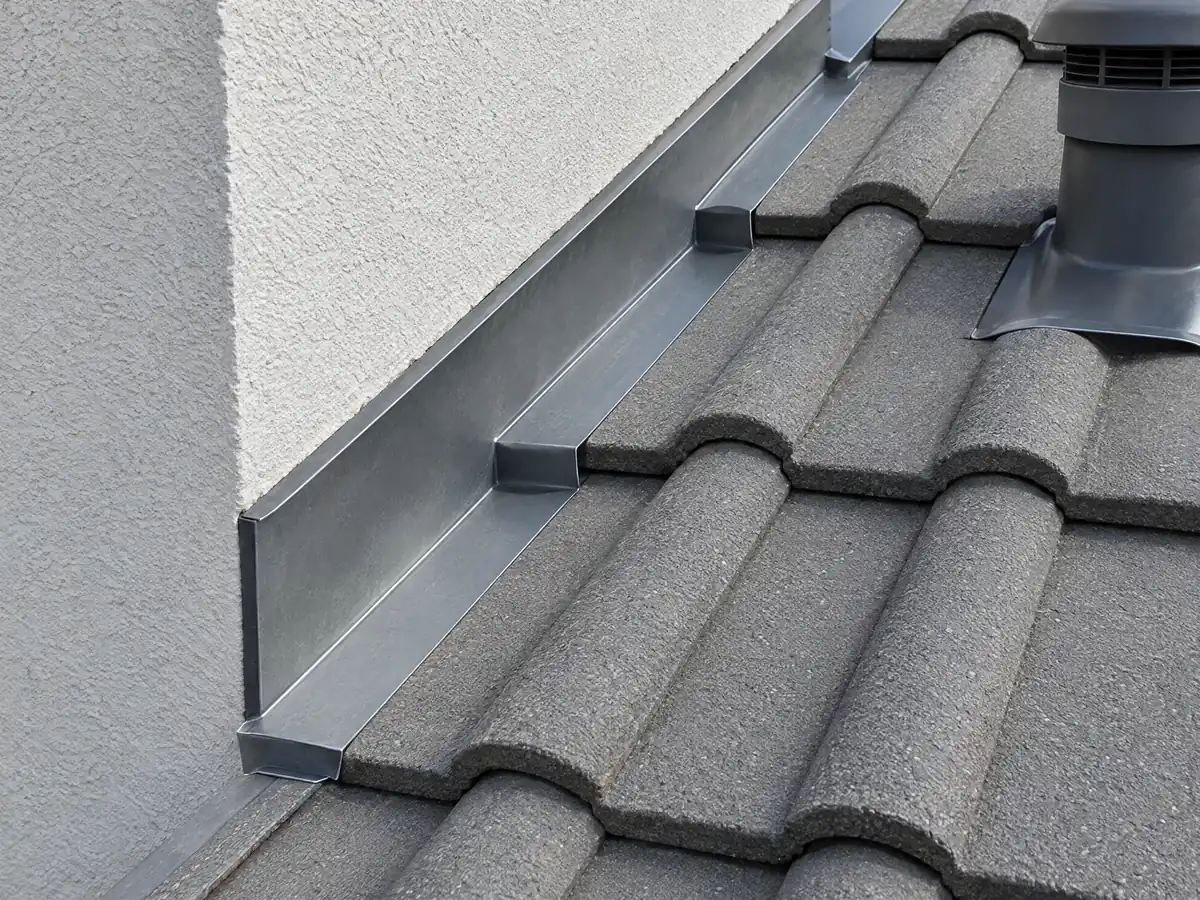
Seven roofing scenes tied to Walnut streets and to nearby places such as Diamond Bar, Rowland Heights and Covina, from tear-offs and flashing to finished Class A roofs.
Where these Walnut roof figures come from
Every roofing price we use, with its source and date, is in the table on our roofing cost page, and the California roof cost guide explains why the surveys sit so far apart. Roof work often leads into other jobs, and the Walnut rules for them are on the fencing page, the painting page and the kitchen remodeling page. To compare a hillside city with a flatter one, read the roofing guides for Pasadena and Covina.
| What it covers | Typical range |
|---|---|
| Asphalt shingle, typical single-family roof | $10,000 to $25,000 |
| Concrete or clay tile | $7 to $15 per sq ft |
| Metal | $7 to $16 per sq ft |
| Remodeling Cost vs. Value 2025, Los Angeles | Asphalt $36,417. metal $62,069. |
| Extras | Tear-off $1,000 to $3,000. solar detach and reset $500 to $1,000. |
Walnut roofing questions, answered
How much should a 2000 sq ft roof cost in Walnut?
Price it by roof area rather than floor area, because a 2,000 square foot house can carry a much larger or smaller roof. At Angi's Los Angeles rates that is $4 to $12 a square foot in asphalt, $7 to $15 in tile and $7 to $16 in metal, before tear-off. No Walnut survey turned up, so a measured written proposal sets the real price.
What is the 25% rule for roofing?
We found no state or Walnut rule by that name. The percentage that matters here is 50: Walnut's code asks for a Class A covering whenever more than half the roof area is replaced within one year, and for any covering applied in a repair or replacement. Ask Building and Safety how it counts partial work.
Do I need a permit for roof repair or roof replacement in Walnut?
Yes for replacement, and ask about repair. The City's roofing handout says replacing or overlaying a roof needs a permit, with an Energy Code certificate, plans and photos at submittal. It is an undated handout, so confirm with Building and Safety whether a small repair needs one and get that answer in writing.
Does a roof in Walnut have to be Class A?
Yes, citywide. Walnut's amended Building Code requires Class A roof coverings for new buildings, for re-roofs of more than 50 percent of the roof within a year and for any covering applied in an alteration, repair or replacement. We read that text on the GoCodebook mirror, so confirm it with the City.
Should a 20 year old roof be repaired or replaced?
Judge it by condition, not age. A sound deck with local damage can be repaired, while widespread failure, repeated leaks or a soft deck points to replacement. We found no sourced roof lifespan for Walnut, so ask for dated photos of the flashing, underlayment and deck instead of relying on a number.
What is the cheapest month to replace a roof in Walnut?
We found no sourced price pattern by month, so we name none. Timing follows the weather: the Pomona Fairplex normals show 11.47 of the year's 14.47 inches of rain from December through March and 0.06 inch or less in each of June through September. A dry month makes it easier to keep the open deck covered.
Can I trim the oak over my roof before the roofers arrive?
Not without checking with the City first. Native oaks and California Black Walnuts of 6 inches circumference or more are protected, and cutting, pruning or encroaching in the protected zone needs a tree permit. Emergency hazard work is exempt. Ask Planning before any pruning, and keep the dumpster out of the zone.
Can you stay in your house during roof replacement?
Usually yes, because the work happens on the roof, though it is loud and the attic can drop debris into closets below. We found no Walnut construction-hours rule to quote. Ask the roofer for the daily start time, how the open deck is covered overnight and where your pets and cars should be.
What can I do if I can't afford a new roof?
Start with the City and with a smaller repair. Walnut's website links a Housing Rehabilitation Program that we did not read, so ask whether it covers roofs and what it pays now. A flashing or vent repair can buy time while you gather written proposals, but anything touching more than half the roof triggers the Class A rule.
Ask for a roof inspection in Walnut
Give us the street, the year the house was built and anything you have seen in the attic or gutters. We check the Class A rule and your fire zone status with the City before we call back.