
Roof Repairin Diamond Bar, CA
Roof repair in Diamond Bar now runs through a fire map: the City Council designated Very High Fire Hazard Severity Zones on November 18, 2025, and inside them any new roof covering must be Class A. Everywhere else the minimum is Class C. Roof replacement also brings a Zoning Clearance and a building permit, so ask the City first.
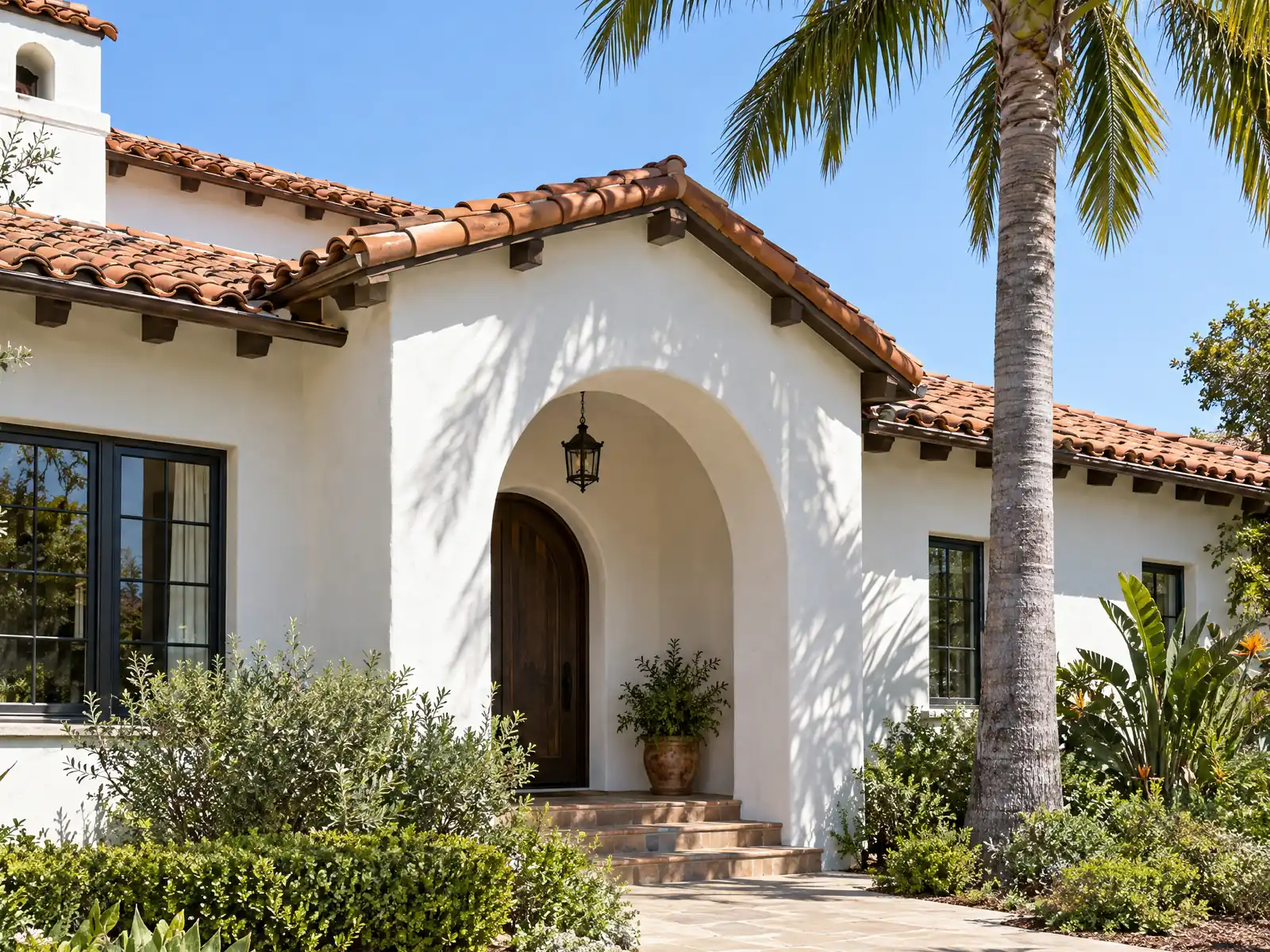
Diamond Bar is a young city with old roofs by Southern California standards. The Census Bureau's ACS 2024 five-year tables count 18,969 homes, and 70.2 percent were built between 1970 and 1989, with 41.7 percent in the 1980s alone. That means a roof original to a typical house has been through about four decades of valley heat. The story begins with Rancho Los Nogales in 1840, a ranch reassembled in 1918, and the 1956 purchase by Christiana Oil and Capital Oil that turned grazing land into one of the first master-planned communities in the county. Population went from 10,576 in 1970 to 53,672 in 1990, and the city incorporated in 1989.
Rain is concentrated and heat is long. NOAA's 1991 to 2020 normals at the Pomona/Fairplex station, about 6.3 miles northeast and higher than most of the city, show 14.47 inches a year with 79 percent of it from December through March, plus 70.5 days at or above 90 degrees F. On a roof job, MDG Builders (CSLB #1040337) reads the fire map and the code for your parcel, writes the scope, files with the City's Building and Safety Division and schedules a licensed C-39 roofing subcontractor to do the tear-off and installation. Prices sit on our roofing page, and the Diamond Bar overview lists our other trades here.
What Diamond Bar's building code and hillside chapter say about roofs
Where roofing permits come from in Diamond Bar: City of Diamond Bar Community Development Department, Building and Safety Division.
- In a Very High Fire Hazard Severity Zone, the City's Building Code requires at least a Class A roof covering on new buildings and on existing buildings where 25 percent or more of the roof area is replaced in any one year, and on any roof covering applied in alteration, repair or replacement; the installer must certify the roof classification to the owner and, on request, to the inspector (Section 1505.1.1 as amended).
- Outside the Very High zone, the City requires at least a Class C roof covering for new structures, for any roof where more than 25 percent of the area is replaced in one year, and for any roof covering applied in repair or replacement (Section 1505.1.2 as amended).
- The City Council designated Very High Fire Hazard Severity Zones using the CAL FIRE (FRAP) map titled Very High Fire Hazard Severity Zones in Local Responsibility Area for Diamond Bar dated March 24, 2025, kept on file with the building official (Municipal Code 15.00.3280, Ordinance 03(2025), November 18, 2025), and adopted the 2025 California Wildland-Urban Interface Code.
- Municode 22.34.030(c) requires that when re-roofing a structure the entire roof be completed, with all re-roofing uniform in material and color or matching the existing roof unless the director approves otherwise in an emergency.
- The Planning Fee Schedule puts re-roofs in Zoning Clearance Tier 1 at $115.00, and the building valuation table lists re-roofs of comp or asphalt shingle at $4.00 per square foot ($400.00 per roof square) and Class A tile at $7.00 per square foot ($700.00 per roof square), under a heading that reads re-roofs allowed only if less than 25 percent of the roof is done.
- In hillside areas, roofs must be covered with noncombustible materials as defined in the building code, open eave ends must be stopped to keep out nests and flames, exterior walls must be noncombustible or fire resistant, and balconies, patio roofs, eaves and overhangs must be noncombustible or protected (Municode 22.22.140).
- Hillside architecture guidelines call for building materials and colors in earth tones that blend with the natural landscape and chaparral (Municode 22.22.120(b)(5)).
- The City's Home Improvement Program (HUD CDBG-funded) lists roof repair and replacement among eligible repairs for owner-occupied single-family homes of low or moderate income households; the page does not state loan terms or maximum amounts.
Is my Diamond Bar house in a Very High Fire Hazard Severity Zone?
Ask before you choose a covering, because the map is new. The City Council designated Very High zones in the Local Responsibility Area on November 18, 2025, under Ordinance 03(2025), using a CAL FIRE map dated March 24, 2025. The map is kept on file with the building official and is cited in Municipal Code 15.00.3280. The same ordinance adopted the 2025 California Wildland-Urban Interface Code, so a house that was outside every zone at its last re-roof may be inside one today.
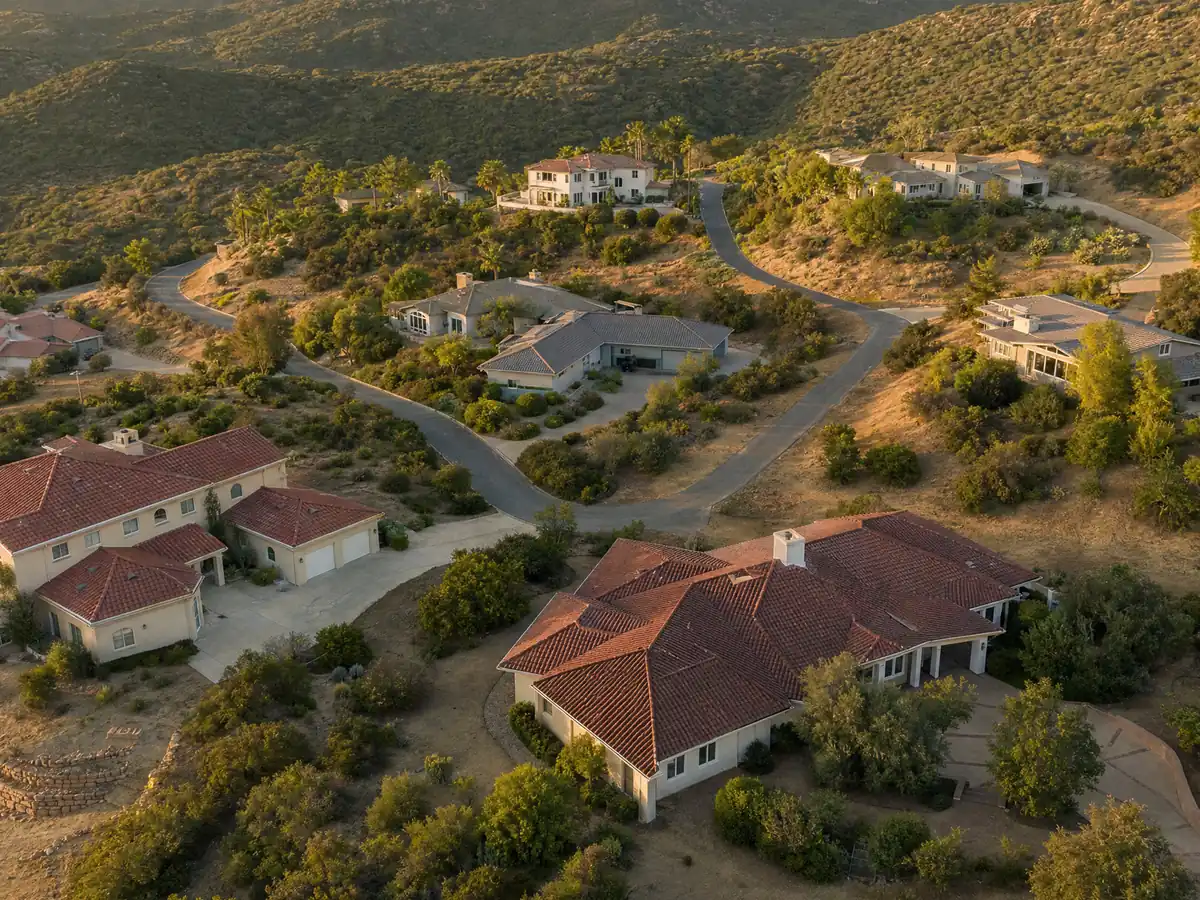
We cannot tell you which streets are in or out, and a county sample does not settle it either. In the Los Angeles County copy of the state layer, 154 of 420 evenly spaced points inside the city (36.7 percent) fell in a Very High zone, 85 in High, 32 in Moderate and 148 in Non-Wildland. That is a grid of points, not a parcel map, and the City's ordinance designates only the Very High zones. The General Plan says the greatest fire threat is in the southern part of the city, around the Country Estates subdivision and the open space near Sycamore Canyon and the Summitridge Trails.
Call Building and Safety at 909-839-7020 with your address, and put the answer in the proposal.
A roof quote that does not name the fire zone status of your parcel is a quote for a different house.
What is the 25 percent rule for roof repair and replacement in Diamond Bar?
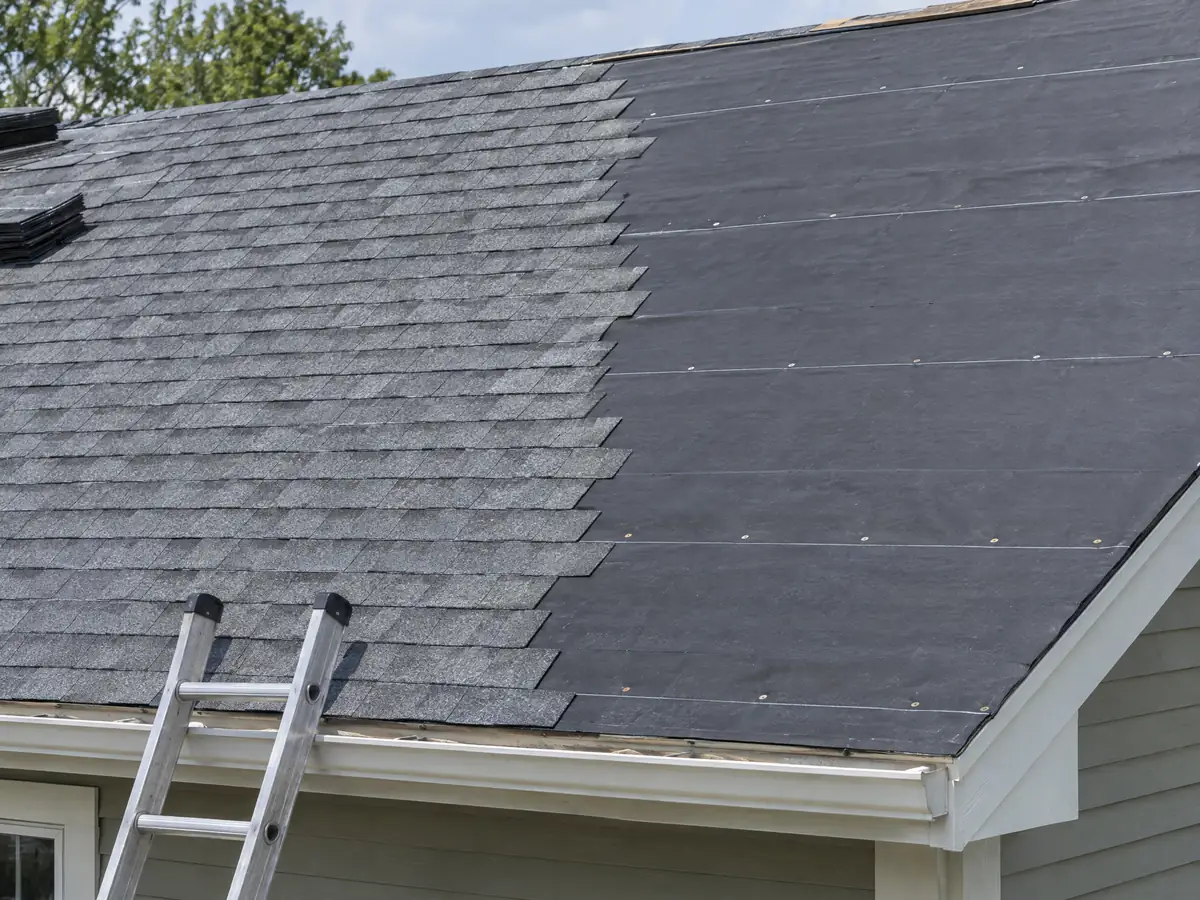
Diamond Bar's amended Building Code sets two fire-class floors with a 25 percent trigger. In a Very High zone, Section 1505.1.1 asks for at least a Class A covering on new buildings, on existing buildings where 25 percent or more of the roof area is replaced in any one year, and on any covering applied in alteration, repair or replacement. Outside the zone, Section 1505.1.2 asks for Class C on new structures, on any roof where more than 25 percent of the area is replaced in one year, and on any covering applied in repair or replacement. The two sections print "25 percent or more" and "more than 25 percent", and we quote them as written. In the zone the installer must certify the roof classification to the owner and, on request, to the inspector.
Two other City texts muddy the picture. Municipal Code 22.34.030(c) says that when a structure is re-roofed the entire roof must be completed, uniform in material and color or matching the existing roof, except where the director approves otherwise in an emergency. And the City's valuation table lists re-roofs under a heading saying they are allowed only if less than 25 percent of the roof is done. We could not reconcile the three, so a partial repair, a patch or a second slope next year is a question to ask Building and Safety before work starts.
Write the roof area replaced, the fire class of the finished assembly and the date on the proposal.
What do the hillside rules require of a roof, the eaves and the exterior walls?
Where a lot falls under the hillside management chapter, the roof is only one of several parts that must resist fire. Municipal Code 22.22.140 requires noncombustible roof coverings as the building code defines them, requires open eave ends to be stopped so nests and flames cannot get in, and requires exterior walls to be noncombustible or fire resistant. Balconies, patio roofs, eaves and overhangs must be noncombustible or protected as well.
Color and form are covered too. The hillside design guidelines in 22.22.120(b)(5) call for building materials and colors in earth tones that blend with the natural landscape and chaparral, so a bright roof color is a design review question. We did not open the City's steep slope map or its zoning map, so we name no street as hillside. Ask Planning at 909-839-7030 whether your lot is subject to chapter 22.22.
A fair proposal for a hillside roof states how materials reach the roof, where the dumpster sits and who protects the landscaping below.
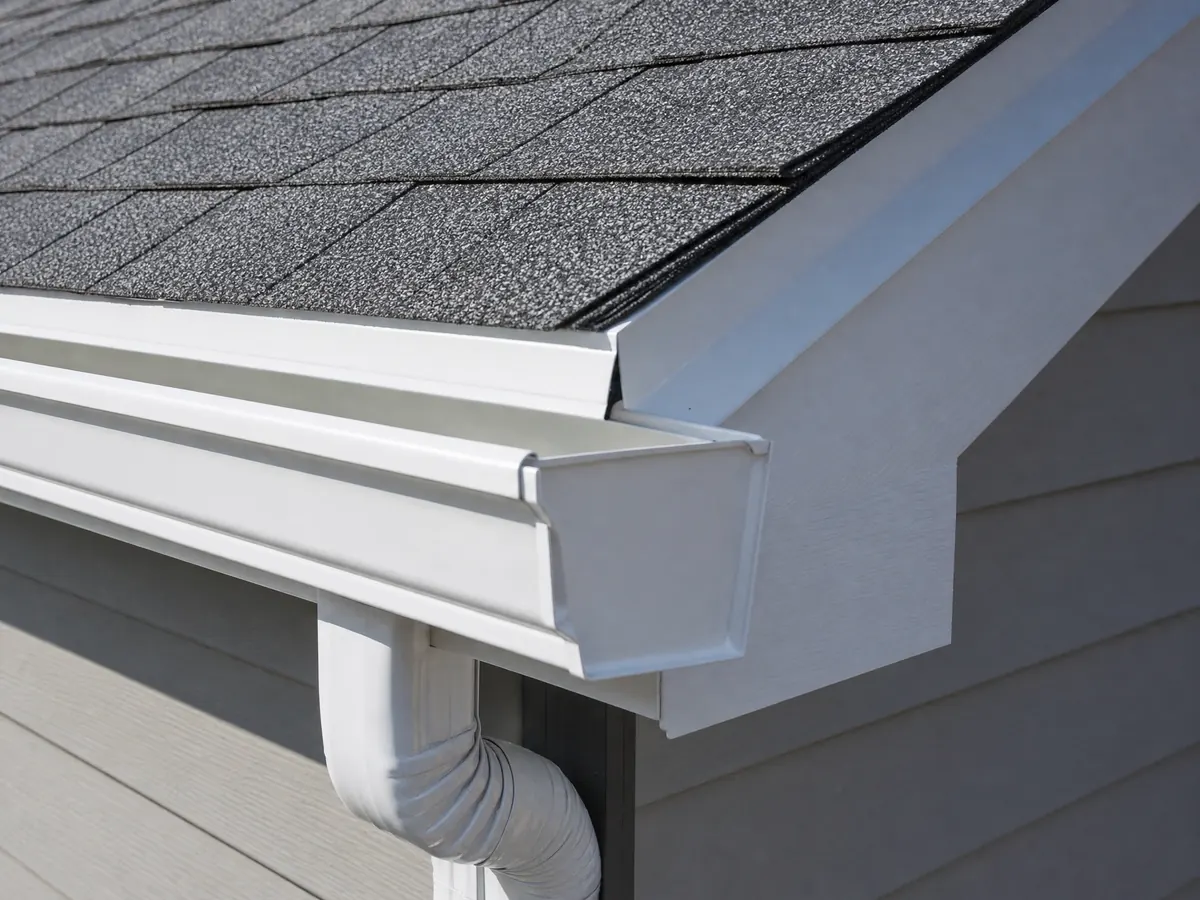
Roof repair or replacement on a 1970s or 1980s Diamond Bar tract house
Age by itself does not settle repair against replacement. We found no sourced roof lifespan for Diamond Bar, and any figure printed without a source would be a guess. What the housing numbers do tell you is that 49.7 percent of the city's homes are older than 1980, and many have been re-roofed once or twice already, so ask for the permit history and the receipts before any roofer climbs a ladder.
A good inspection looks at what the next December storm will test and photographs each finding. A stain on a ceiling can come from the roof, a vent pipe or plumbing, so a good inspector checks all three before anyone prices a new covering.
Ask the inspector to report on:
- Flashing at chimneys, walls, skylights and vent pipes
- Valleys, where most leaks start
- The underlayment and deck, including any soft spots
- Whether the existing covering is a layered re-roof
- Attic ventilation and signs of earlier leaks
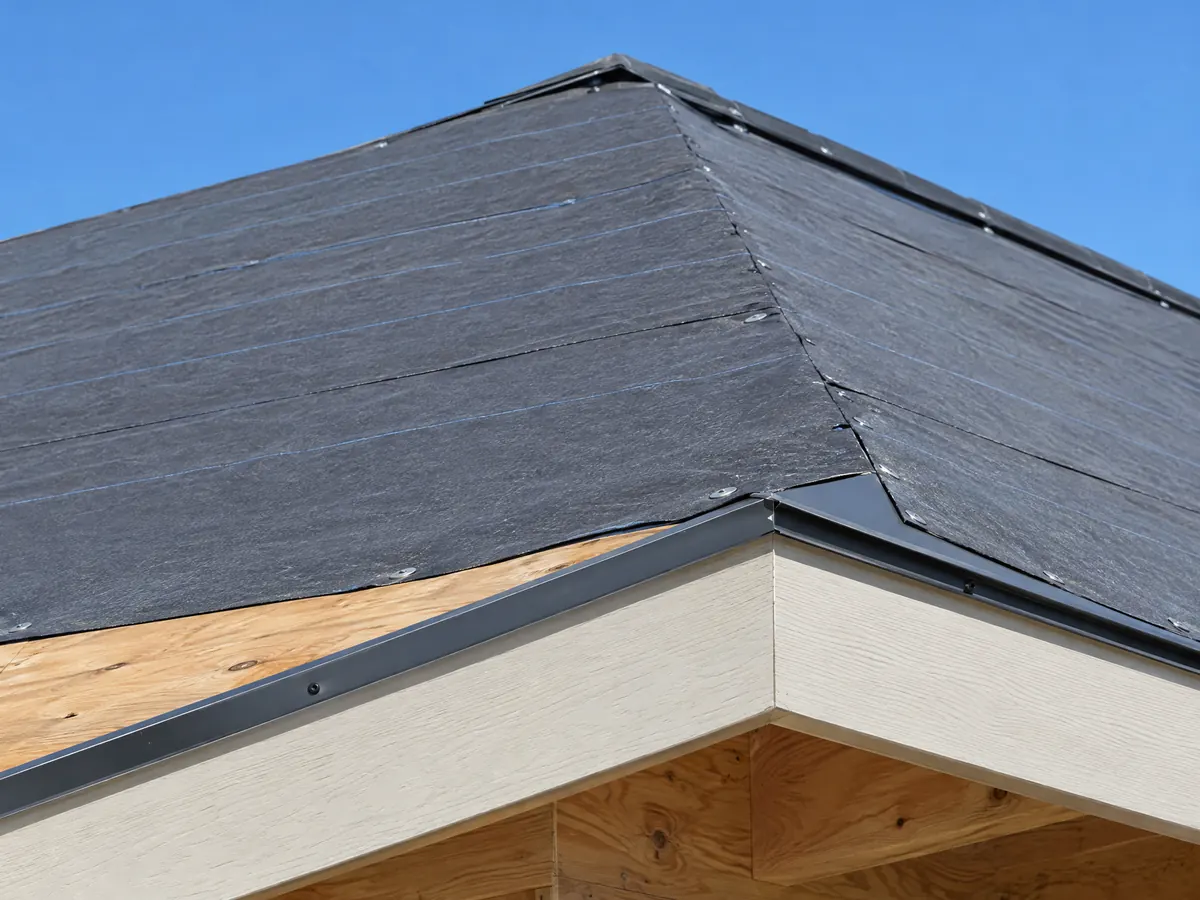
Does a Diamond Bar re-roof need a permit, a Zoning Clearance or an inspection?
Plan on both a Planning step and a building permit. The City's Building Permits page says permits are required to erect, modify, remove or repair structures and lists no exemptions. The base California Building Code list of permit-exempt work was blocked to our tools, so we never claim a roof job is exempt. The Planning Fee Schedule for 2026-27 lists re-roofs in Zoning Clearance Tier 1 at $115.00 per application, and the building valuation table prices an asphalt or composition re-roof at $4.00 per square foot ($400 per roof square) and a Class A tile re-roof at $7.00 per square foot ($700 per roof square).
Those valuations feed the permit fee. As our own arithmetic, a 2,500 square foot roof at $4.00 is a $10,000 valuation, which the fee table prices at $139.92 plus $36.15 for each additional $1,000, about $465 before plan check at 85 percent of that fee and the surcharges. Treat that as a sketch, not a quote. Permits expire if work does not start within 12 months, and inspections are booked by phone at 909-839-7027 at least the day before.
Rooftop solar has a faster door: the Instant Solar Permit through SolarAPP+ for contractors with a Diamond Bar business license, a $25 processing fee, and a Los Angeles County Fire Department inspection first when batteries are involved.
How much does roof replacement cost in Diamond Bar, California?
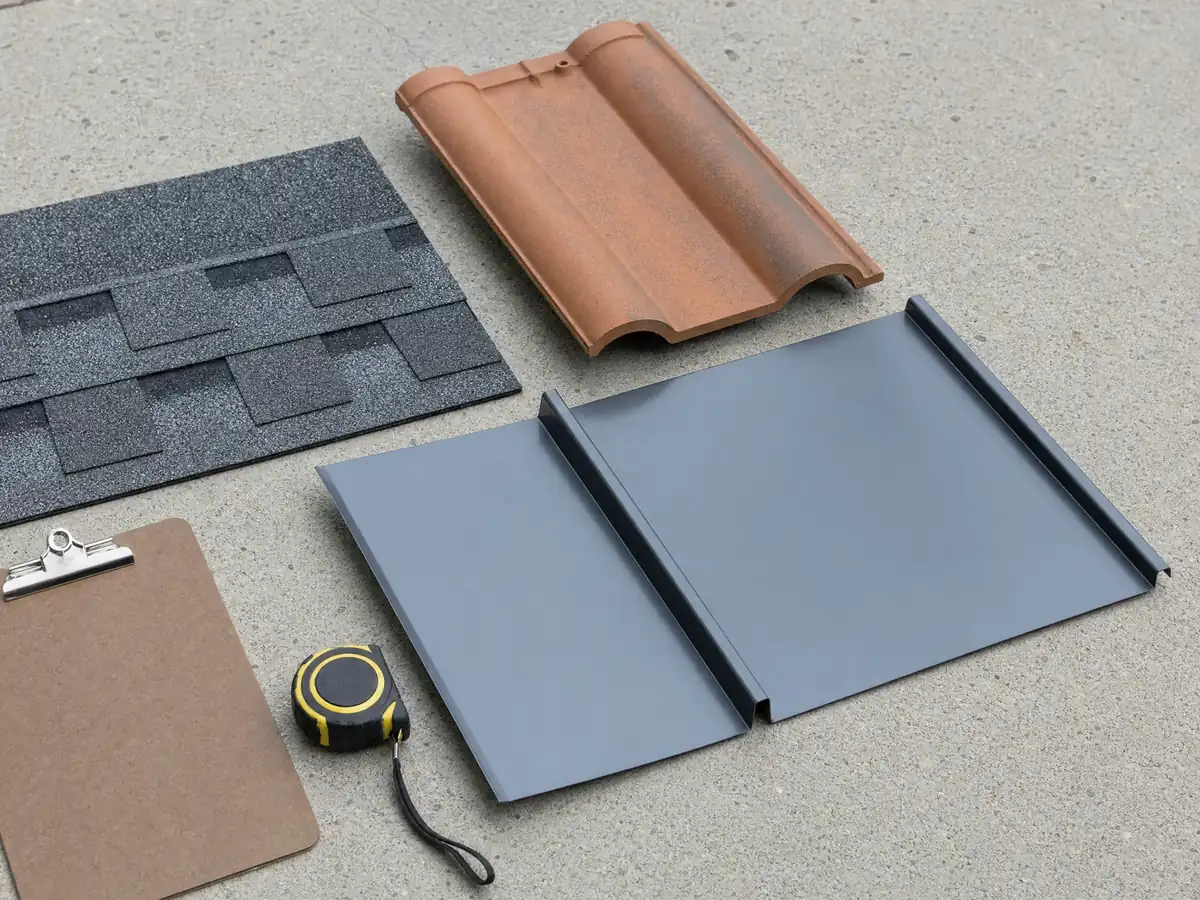
No survey prices Diamond Bar roofs, so this page prints no Diamond Bar figure. The nearest sourced numbers are for Los Angeles. Angi's page, updated July 31, 2026, shows $4 to $12 per square foot for asphalt, $7 to $15 for tile and $7 to $16 for metal, with an average job near $17,271 and a typical span of $10,256 to $24,963. Remodeling magazine's 2025 Cost vs. Value report prices one fixed reference roof for Los Angeles at $36,417 in asphalt and $62,069 in metal, and does not publish its size.
Our planning ranges are about $10,000 to $25,000 for a typical asphalt roof, $15,000 to $37,000 for tile and from about $20,000 for metal. Extras come on top: Angi lists tear-off at $1,000 to $3,000 and solar panel removal and reset at $500 to $1,000, and Diamond Bar adds the $115.00 Zoning Clearance and a permit fee. A Class A tile re-roof carries a higher City valuation than shingle.
Ask every bidder to price the deck repair as a unit price in writing, so a soft board found at tear-off is a known cost.
How do I choose a roofing contractor in Diamond Bar, and can the City help pay?
Roofing is CSLB class C-39, and the number on a proposal should check out in the CSLB record before you talk price; our contractor license guide shows what to read. Business and Professions Code 7159 requires a signed written contract, caps the down payment at $1,000 or 10 percent, whichever is less, and ties progress payments to finished work. The roofing subcontractor on an MDG job is a separate firm, so request its license number and certificate of insurance before signing; the article on how general contractors use subcontractors explains who answers for what.
Cost help exists for some owners. The City's Home Improvement Program, funded with federal CDBG money, lists roof repair and replacement among eligible repairs for owner-occupied single-family homes of low or moderate income households. The page gives no loan terms or maximum amounts, so call before you count on it.
Construction noise rules in Municipal Code 22.28.120 bar tools that cause a noise disturbance across a property line from 7:00 p.m. to 7:00 a.m. on weekdays and at any time on Sundays and holidays, so ask when the crew starts.
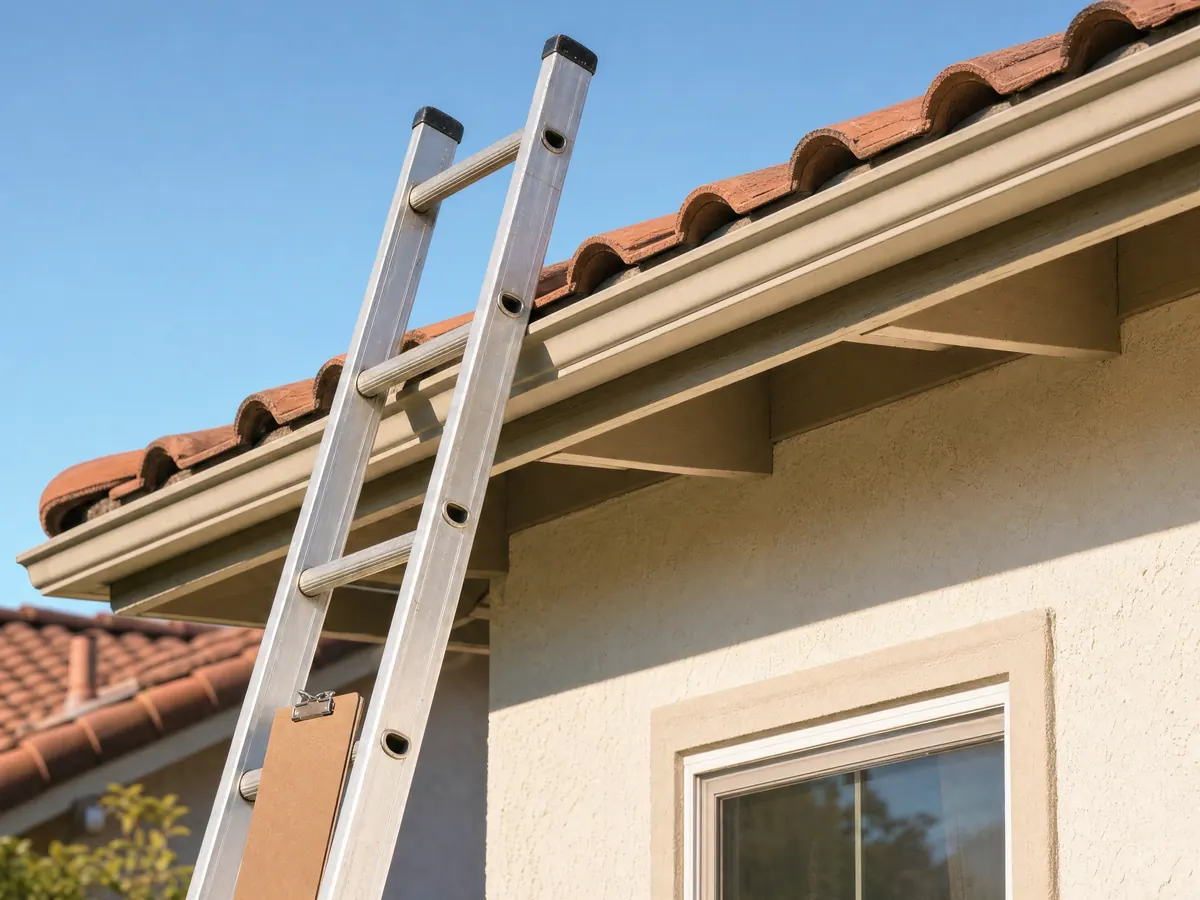
Roofing photos from Diamond Bar and nearby communities
Six roofing scenes tied to Diamond Bar neighborhoods and to nearby communities such as Walnut and Rowland Heights, showing tile, shingle and flashing work under the valley sun.
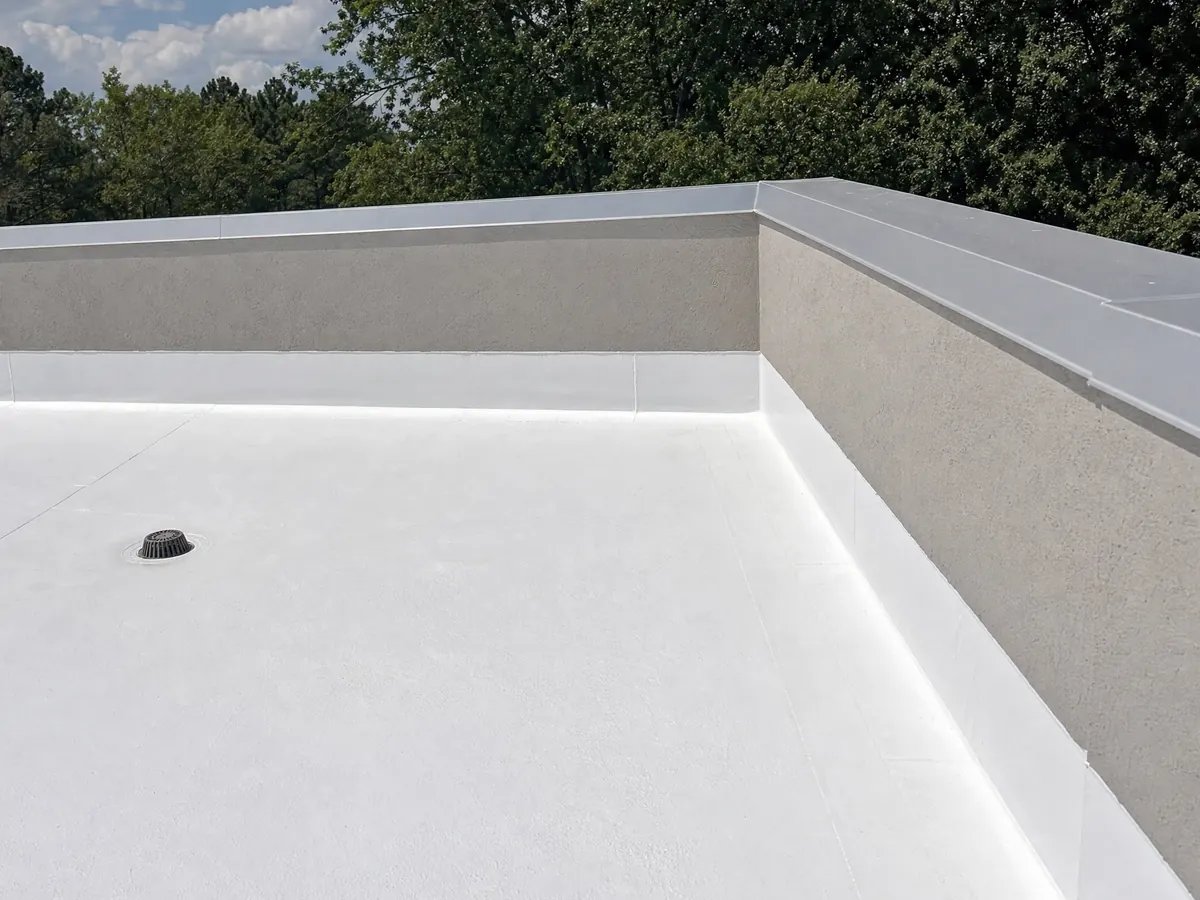
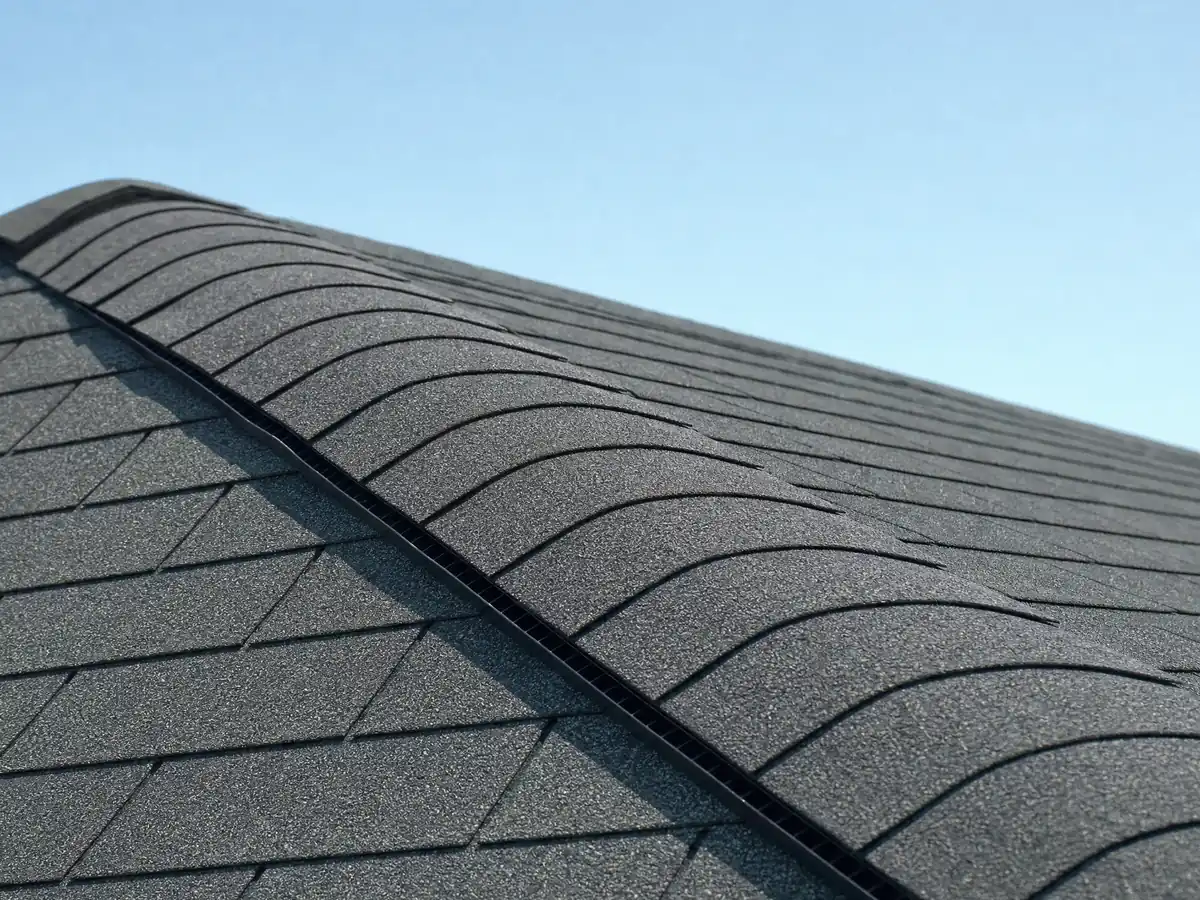
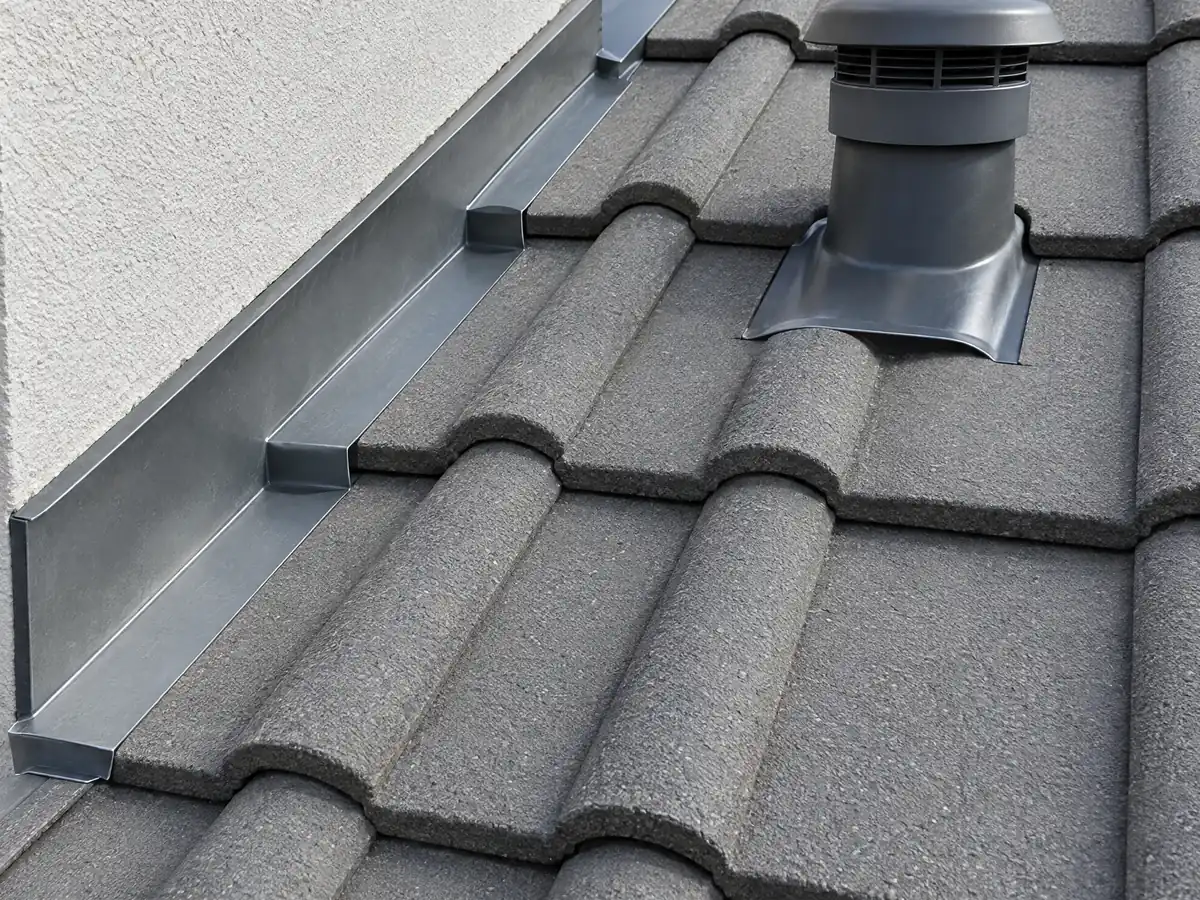
Where the roof numbers come from
The closest independent data for Diamond Bar is Los Angeles pricing, and each figure with its source sits in the table on our roofing price page. Why the two big surveys land so far apart is laid out in the roof cost guide for California. Neighboring cities set their own fire classes, so compare Pomona roofing, West Covina roofing and Los Angeles roofing. New roofs are often followed by the fencing guide, the painting guide and the kitchen remodeling guide for the same city.
| What it covers | Typical range |
|---|---|
| Asphalt shingle, typical single-family roof | $10,000 to $25,000 |
| Concrete or clay tile | $7 to $15 per sq ft |
| Metal | $7 to $16 per sq ft |
| Remodeling Cost vs. Value 2025, Los Angeles | Asphalt $36,417. metal $62,069. |
| Extras | Tear-off $1,000 to $3,000. solar detach and reset $500 to $1,000. |
Other work we manage in Diamond Bar
Diamond Bar roofing questions, answered
What is the 25 percent rule for roofing in Diamond Bar?
It is a fire-class trigger in the City's Building Code. Replace 25 percent or more of the roof in a year inside a Very High zone and the covering must be Class A; outside it, more than 25 percent brings Class C. Other City texts require a whole-roof re-roof, so ask Building and Safety before a partial repair.
Do I need a permit for roof repair or roof replacement in Diamond Bar?
Plan on yes. The City says permits are required to repair or modify structures and lists no exemptions, and the planning schedule puts re-roofs in a $115.00 Zoning Clearance. We could not read the base code's list of exempt work, so we never call a roof job exempt. Call 909-839-7020 for a small patch.
Does my Diamond Bar roof have to be Class A?
Only if the parcel is inside a designated Very High zone. Elsewhere the minimum is Class C, and hillside lots must also use noncombustible coverings. The Council adopted the zones on November 18, 2025 from a CAL FIRE map dated March 24, 2025. Ask the building official which side of the line your address falls on.
How much does roof replacement cost in Diamond Bar?
We found no Diamond Bar survey, so we use Los Angeles benchmarks: about $10,000 to $25,000 for asphalt and $15,000 to $37,000 for tile, from Angi's 2026 page, plus tear-off and solar reset extras. A measured written proposal is the real price, and the City's $115.00 Zoning Clearance and permit fee are separate lines.
How much should a 2,000 sq ft roof cost in Diamond Bar?
Price roof area rather than house size. A roof of 20 squares is 2,000 square feet of roof, and Angi's Los Angeles range of $4 to $12 per square foot for asphalt gives roughly $8,000 to $24,000 before extras. Pitch, layers, deck repair and tile weight move the number, so insist on measurements.
Should I choose roof repair or full roof replacement?
Choose by condition, not age. A repair suits a leak at one flashing or a few damaged pieces; replacement suits failing underlayment, soft deck or widespread wear. In Diamond Bar the 25 percent triggers and the whole-roof re-roof text can turn a large repair into a full job, so ask for photos and a written scope.
What is the best time of year to replace a roof in Diamond Bar?
Late spring through early fall gives the most dry days. NOAA's Pomona/Fairplex normals show 79 percent of the 14.47 inches of yearly rain falling December through March, while summer afternoons often pass 90 degrees F. We found no sourced price difference by month, so we name no cheapest month.
Can I get help paying for a roof in Diamond Bar?
Possibly, if you own and occupy a single-family home and your household income is low or moderate. The City's Home Improvement Program, funded by HUD CDBG money, lists roof repair and replacement as eligible. The page states no loan terms or limits, so call the City before relying on it.
What do solar panels change on a Diamond Bar roof?
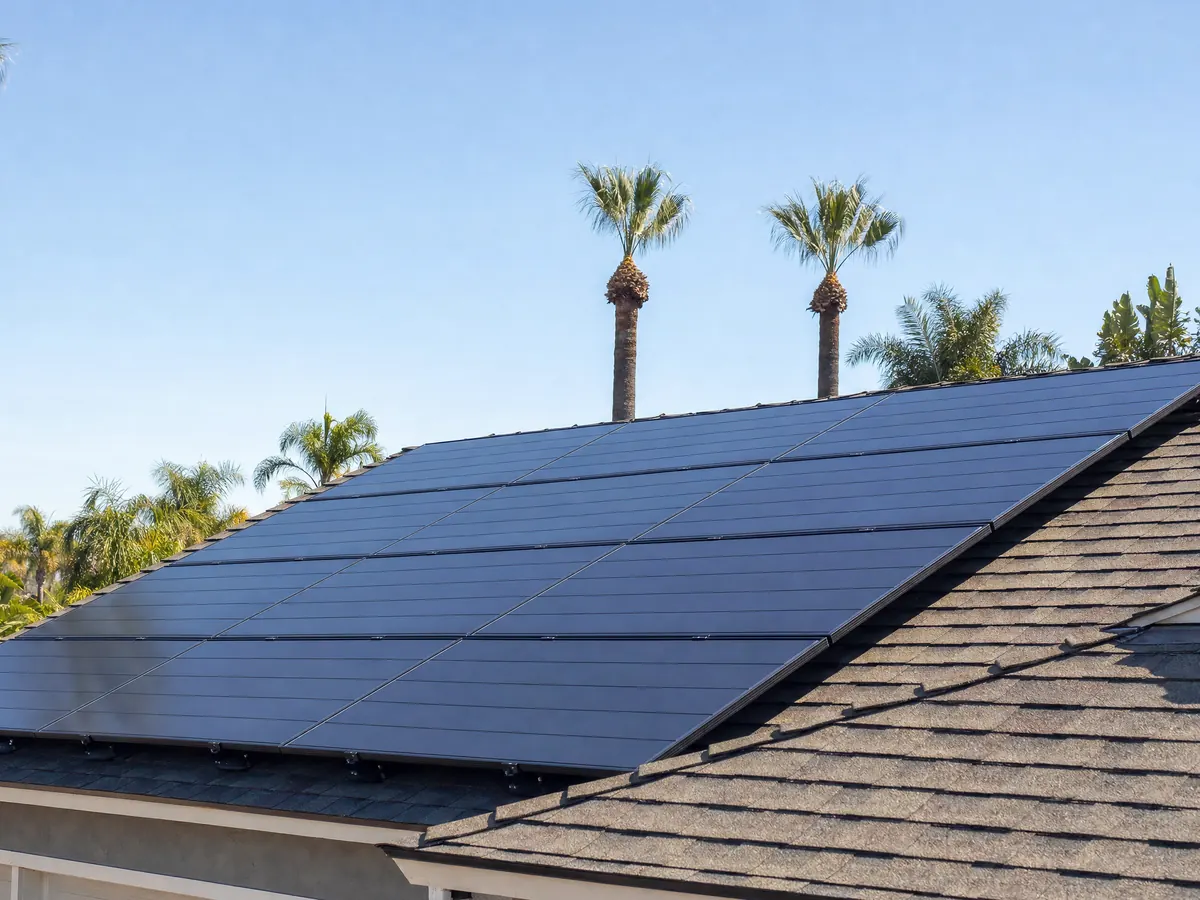
Expect the array to be lifted off and set back down, a step Angi's Los Angeles page puts at $500 to $1,000. Rooftop solar can use the City's Instant Solar Permit through SolarAPP+ for contractors with a Diamond Bar business license, with a $25 fee, and batteries need a County Fire inspection before the City's.
How do I choose a roofing contractor in Diamond Bar?
Start with the CSLB license check: roofing is class C-39. Then ask for a written contract that follows Business and Professions Code 7159, proof of insurance, and the fire class, roof area and deck plan stated in writing. A permitted re-roof is never covered by the $1,000 unlicensed-work limit.
Ask for a roof inspection in Diamond Bar
Send the address and what you have seen on the ceiling or at the gutter. We look up the fire zone and hillside questions for the parcel before we call you back.