
Concrete Companyin Diamond Bar, CA
A concrete company in Diamond Bar works inside three local layers: driveway rules that cap an extension at 12 feet wide and front yard paving at half the yard, hillside grading rules that start at 51 cubic yards, and a code that presumes expansive soil under every foundation. Retaining walls over 3 feet leave the City's restated permit exemption.
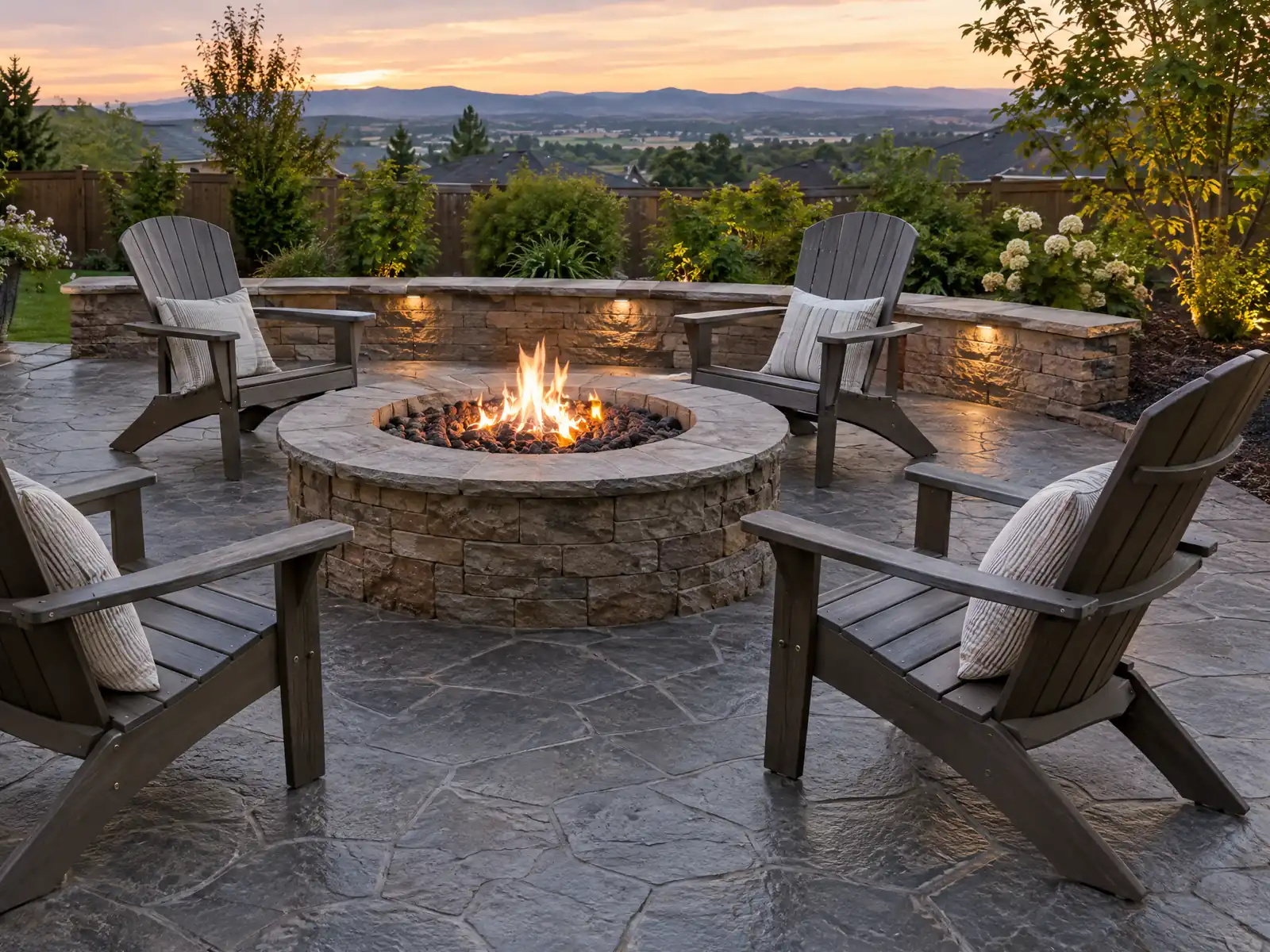
Diamond Bar's concrete tells the story of a hillside suburb that grew fast. After the 1956 ranch purchase, the population rose from 10,576 in 1970 to 28,045 in 1980 and 53,672 in 1990, and the city incorporated in 1989. Census estimates say 70.2 percent of today's homes went up between 1970 and 1989, so most driveways, walks and patio slabs here are 35 to 55 years old, poured on clay and cut into slopes.
MDG Builders, CSLB #1040337, is a Tarzana general contractor. We draw up the scope, take the grading, driveway and wall questions to the Building and Safety Division and Public Works, and book the schedule, while a licensed concrete subcontractor forms and finishes the slab; ask us for that firm's license number and its certificate of insurance. Slab types and price sources are on the concrete page, and the Diamond Bar overview lists the rest of our trades here.
What Diamond Bar's Development Code, Public Works and Building and Safety say about concrete
Where concrete permits come from in Diamond Bar: City of Diamond Bar Community Development Department, Building and Safety Division.
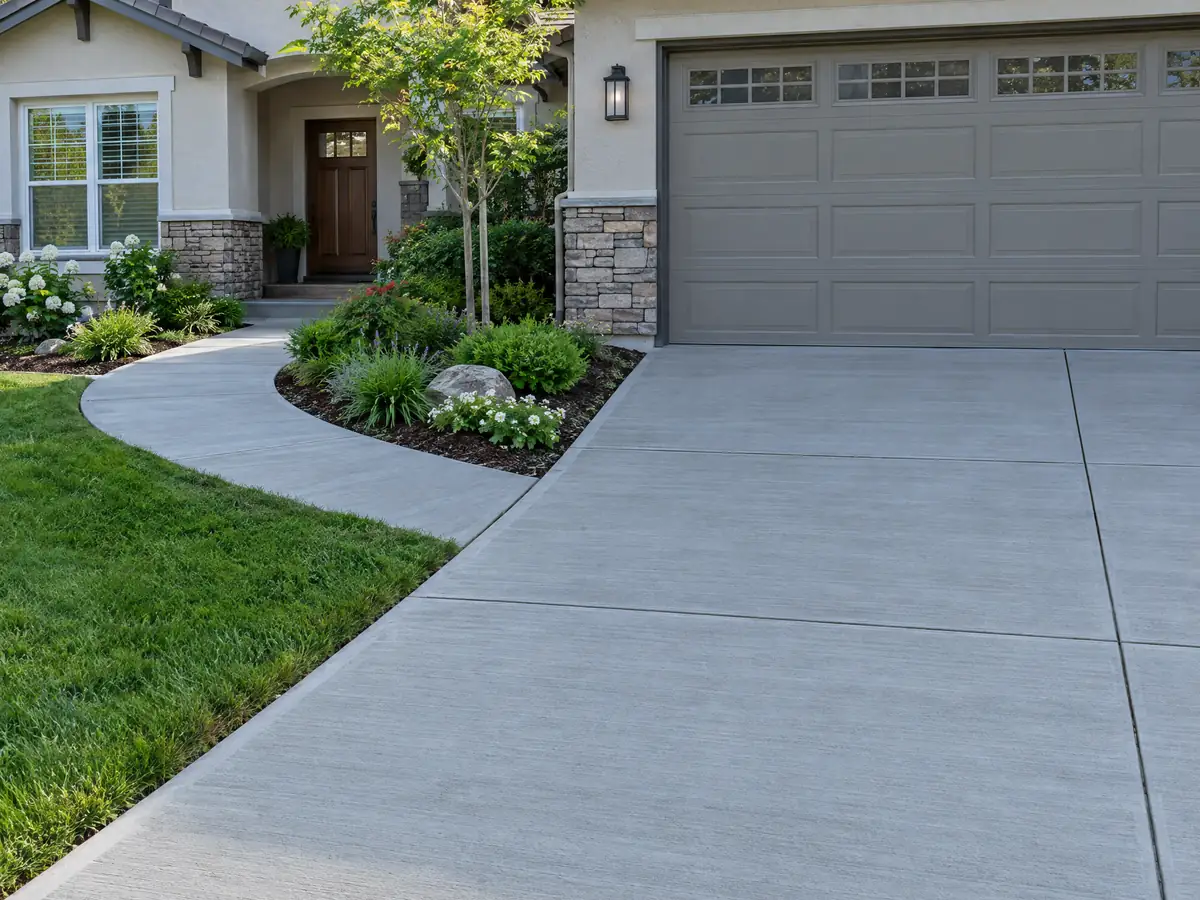
- Single-family driveways are for access to garage parking only, no other paving except walkways is allowed in the front yard, and an extension of the primary driveway toward the nearest side line is capped at 12 feet wide with total front yard hardscape not over 50 percent of the front yard (Municode 22.30.080(5)(a)).
- A driveway to a garage set back more than 24 feet from the street line must be 10 to 14 feet wide at the property line; one to a garage set back less than 24 feet may not exceed the garage door opening plus 2 feet; a garage perpendicular to the driveway needs a 24-foot deep backout area; wider driveways need a minor conditional use permit.
- Residential driveways may not exceed a 20 percent grade, single-family and duplex lots get one driveway (circular allowed with 70 feet or more of frontage), driveways must be at least 6 feet apart, and the curb cut edge must be at least 3 feet from a property line or fire hydrant with street trees at least 10 feet away (22.30.080).
- Public Works charges driveway approach plan check and inspection at $2,692.00 per permit to replace an existing approach and $3,060.00 for a new, relocated or widened one (FY 2026-27 Public Works schedule).
- Zoning Clearance Tier 1 at $115.00 includes driveway extensions, and the Building Valuation Table lists concrete retaining walls at $22.00 per square foot and masonry at $15.00.
- Grading of 51 cubic yards or more (cut plus fill) needs a grading permit with Public Works deposits of $3,500 for plan check and $3,500 for inspection, and a $2,500 deposit applies to geotechnical reports for grading and for construction in a Restricted Use Area.
- The General Plan says expansive soil conditions are pervasive in the city and well documented in geotechnical reports, and that subdivisions primarily in The Country have recorded Restricted Use Areas (usually back slopes) that were not evaluated for constructability.
- The Residential Code amendment treats foundations in Diamond Bar as being on expansive soil unless a registered geotechnical engineer specifies otherwise (R403.1.4.1).
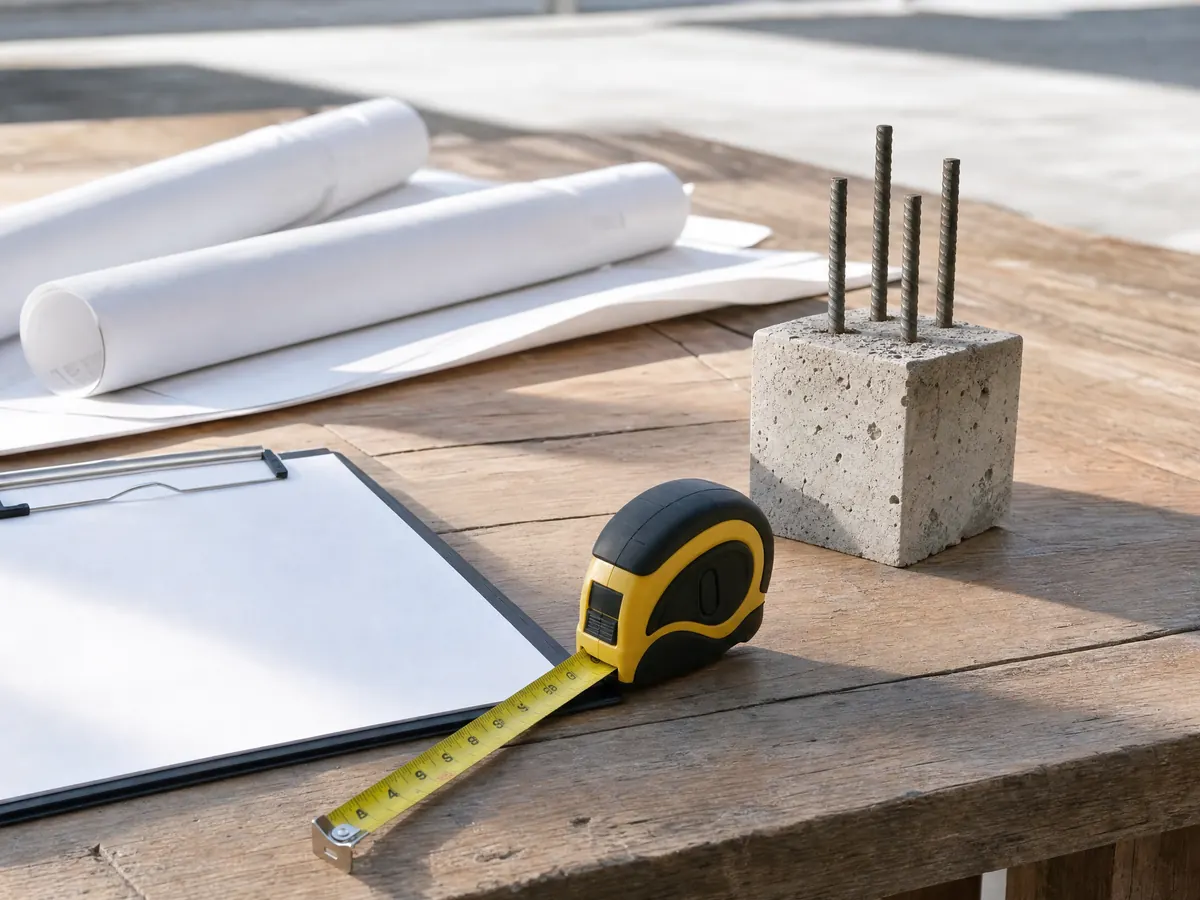
Why does concrete crack in Diamond Bar, and what does expansive soil change?
Because the ground moves. The General Plan calls expansive soil pervasive and well documented in geotechnical reports, and the City's Residential Code amendment (R403.1.4.1) assumes foundations here sit on it unless a registered geotechnical engineer says otherwise. Clay swells when wet and shrinks when dry, so a thin slab laid straight on it lifts, settles and cracks at its weakest joint, and a 40-year-old driveway has usually done all three.
Ask three things before a price is accepted: whether a soils opinion supports any footing, wall or slab that touches a foundation, how water will leave the slab edges, and where the control joints will fall so cracks follow a planned line. Thickness, mesh and joint spacing are trade practice rather than City rules we could cite, so each belongs in writing in the proposal.
In subdivisions mostly in The Country, the General Plan also records Restricted Use Areas, usually back slopes, that were never evaluated for building. If your back slope carries such a note, a slab, wall or patio near it needs geotechnical review before any price means much, and the Public Works schedule lists a $2,500 deposit for that report.
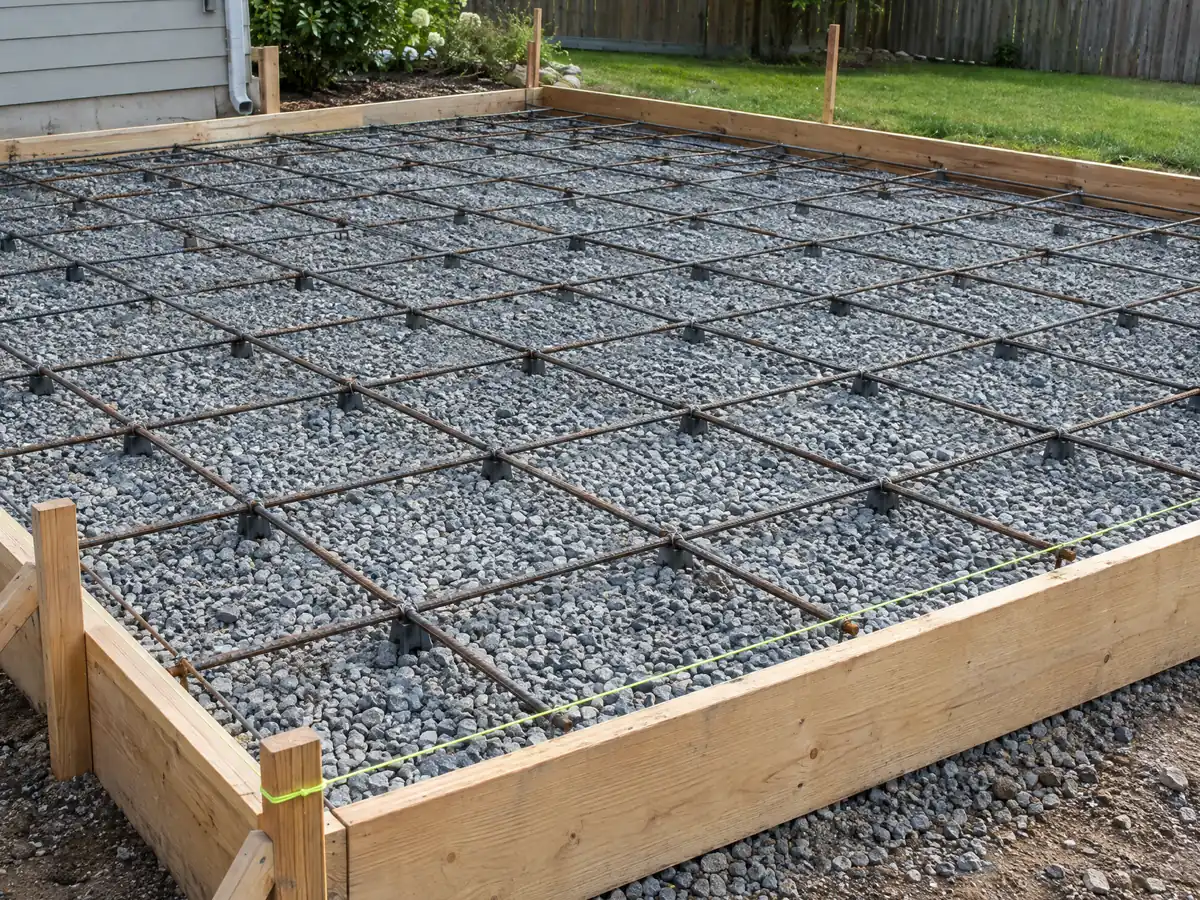
Do you need a permit to pour a patio slab or walkway in Diamond Bar?
The City publishes no patio slab rule we could read, and its Building Permits page lists no exemptions, so we treat the permit question as open until Building and Safety answers in writing. The base California Building Code exemption list was blocked to our tools, so we do not call any slab exempt. What the Development Code does say is that walkways, patio slabs and driveways inside a required setback may sit no more than 1 foot above finished grade.
Planning's Zoning Clearance Tier 1, listed at $115 in the 2026-27 fee schedule, covers driveway extensions and similar work, so a flat patio or walk may need that form even when no building permit applies. Ask both counters, Planning at 909-839-7030 and Building at 909-839-7020, and keep the answers. Covered patios are different: the City's FAQ says every patio cover needs a Zoning Clearance and a building permit, which our deck builder page for Diamond Bar covers.
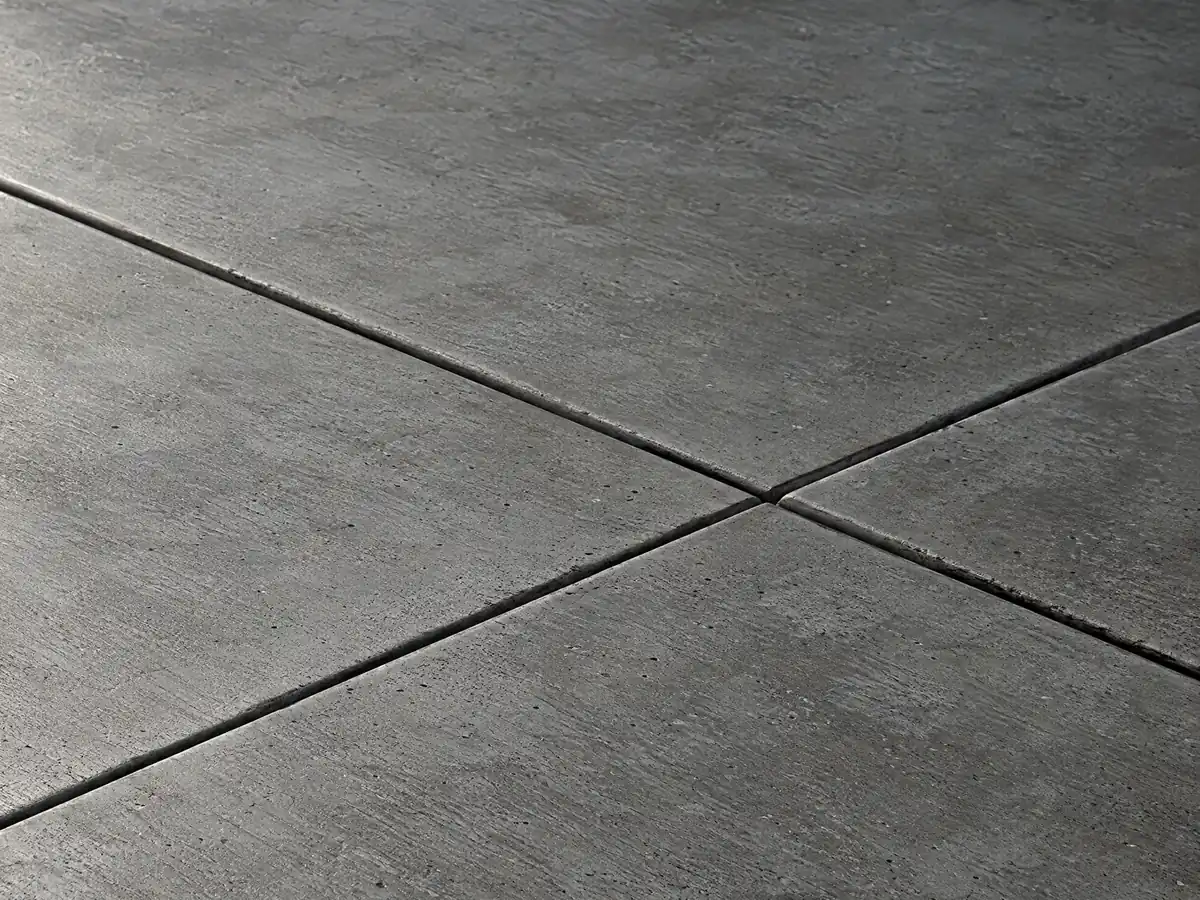
How wide can a Diamond Bar driveway be, and who approves a new approach?
Municipal Code 22.30.080 sets the limits. A garage set back more than 24 feet gets a driveway 10 to 14 feet wide at the property line, a garage closer than that gets no more than the door opening plus 2 feet, and a garage turned sideways to the drive needs a 24-foot backout area. Wider paving needs a minor conditional use permit, a lot gets one driveway (circular only with 70 feet or more of frontage), and no residential driveway may exceed a 20 percent grade.
Widening toward a side line is capped at 12 feet of added width, with all front yard hardscape held to half of the front yard, and the front yard may hold no paving other than walkways. The curb cut itself is Public Works territory: the 2026-27 schedule lists plan check and inspection at $2,692 to replace an existing approach and $3,060 for a new, relocated or widened one.
On a steep street, measure the grade before anyone draws a plan. A driveway beyond 20 percent fails no matter how well it is poured, and the same slope often decides where a bin or a pump truck can stand.
Hillside lots: when do grading and retaining walls need City approval?
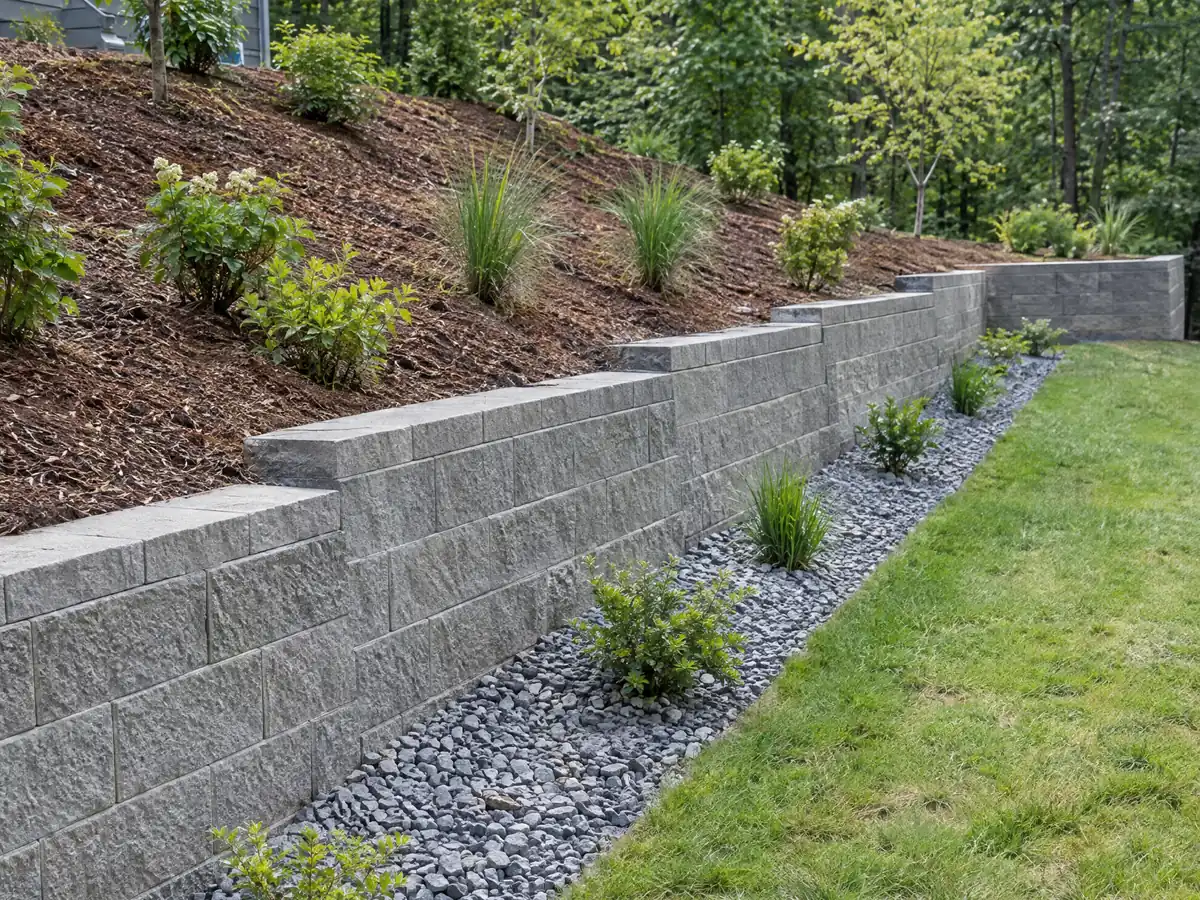
Grading of 51 cubic yards or more, cut plus fill, needs a Public Works grading permit, with deposits of $3,500 for plan check and $3,500 for inspection in the 50 to 10,000 yard range. Hillside development under chapter 22.22 also needs development review and a conditional use permit, backed by slope, drainage and geologic reports. We did not open the steep slope map, so we cannot say which streets count as hillside; ask the City about your parcel.
Finished slopes may not be steeper than 50 percent (2:1) except next to a structure, where the limit is 67 percent. New slopes must be revegetated within three months, and the code asks that grading avoid October 15 to April 15 unless the city engineer approves an erosion control plan, which Public Works lists at $1,427 for review.
For walls, the City's amended building code restates a permit exemption for retaining walls no more than 3 feet from the bottom of the footing to the top, unless they carry a surcharge. The Development Code caps walls at 6 feet from finished grade at the base, with one more foot if the director allows it for topography. The City's FAQ adds that even walls under the exemption line may need Building and Safety or Public Works approval, depending on height and site.
Can you pour concrete near a protected oak or walnut tree in Diamond Bar?
Not freely. Native oak, walnut, sycamore and willow trees 8 inches or more across at breast height are protected under Municipal Code chapter 22.38, and no one may remove, relocate or prune them, or develop inside the protection zone, without a tree permit. Whether a given footing trench or new walk counts as development in that zone is a Planning question, so show the tree on the plan.
Pruning is limited to 20 percent of the tree, 10 percent for oaks, and a cut through a branch over 4 inches across needs a pruning permit. The 2026-27 schedule lists a tree permit at $1,388 plus a $2,500 deposit. Native oak, walnut, sycamore, willow or pepper trees on lots of one-half acre or less are exempt, so lot size is the first thing to check.
What else can slow a Diamond Bar pour: flood hazard areas, bins and work hours?
Flood hazard is narrow but real. The General Plan places the only FEMA 100-year flood zone inside city limits near Brea Canyon Road and Lycoming Street along the Reed Canyon Channel, and City Building Code section 1612.5 bars structures, walls and fences included, in areas the City Engineer finds subject to flood hazard unless an engineered solution shows no rise in the base flood level.
Broken concrete is heavy. A roll-off bin placed on the street or the apron needs a seven-day encroachment permit, listed at $218, before the hauler will deliver, and private property needs none, though a bin cannot go on a sloped driveway. A large tear-out also raises the C&D question: projects of 1,000 square feet or more must divert 75 percent of their waste.
Mixers, saws and breakers fall under the noise code too, which bars construction tools on weekdays after 7:00 p.m. or before 7:00 a.m., and all day on Sundays and holidays, when the sound crosses a lot line. Heat is the other clock: NOAA's Pomona/Fairplex normals show about 70 days a year at or above 90 F, so ask how the crew will protect and cure an afternoon pour.
What does concrete work in Diamond Bar cost, and which license should the company hold?
No Diamond Bar price study turned up, so we lean on Angi's 2026 Los Angeles pages, rated medium for plain flatwork and lower for the rest. Angi's patio page gives $4 to $13 per square foot, averaging $5,248, and its driveway page $8 to $20, averaging $7,270, with about $2,500 for 200 square feet. Our concrete page plans plain flatwork of 300 square feet or more at $8 to $14, a range that leaves room for demolition, access and small-job minimums.
At that range, 400 square feet of patio lands near $3,200 to $5,600 on a flat, open lot. Grading, a wall or hand-carried material push the figure up. Stamped work is priced apart: Angi's Los Angeles stamped patio page gives $15 to $30 per square foot, which makes a 400 square foot stamped patio about $6,000 to $12,000 by multiplication, not by quote.
CSLB's C-8 concrete classification covers forming, pouring and finishing flat and mass concrete, while C-29 masonry covers concrete block walls. BLS data for May 2025 put Los Angeles-area cement masons at a mean $33.67 an hour, which is pay, not a quote. A deposit may not exceed $1,000 or 10 percent of the price, whichever is smaller.
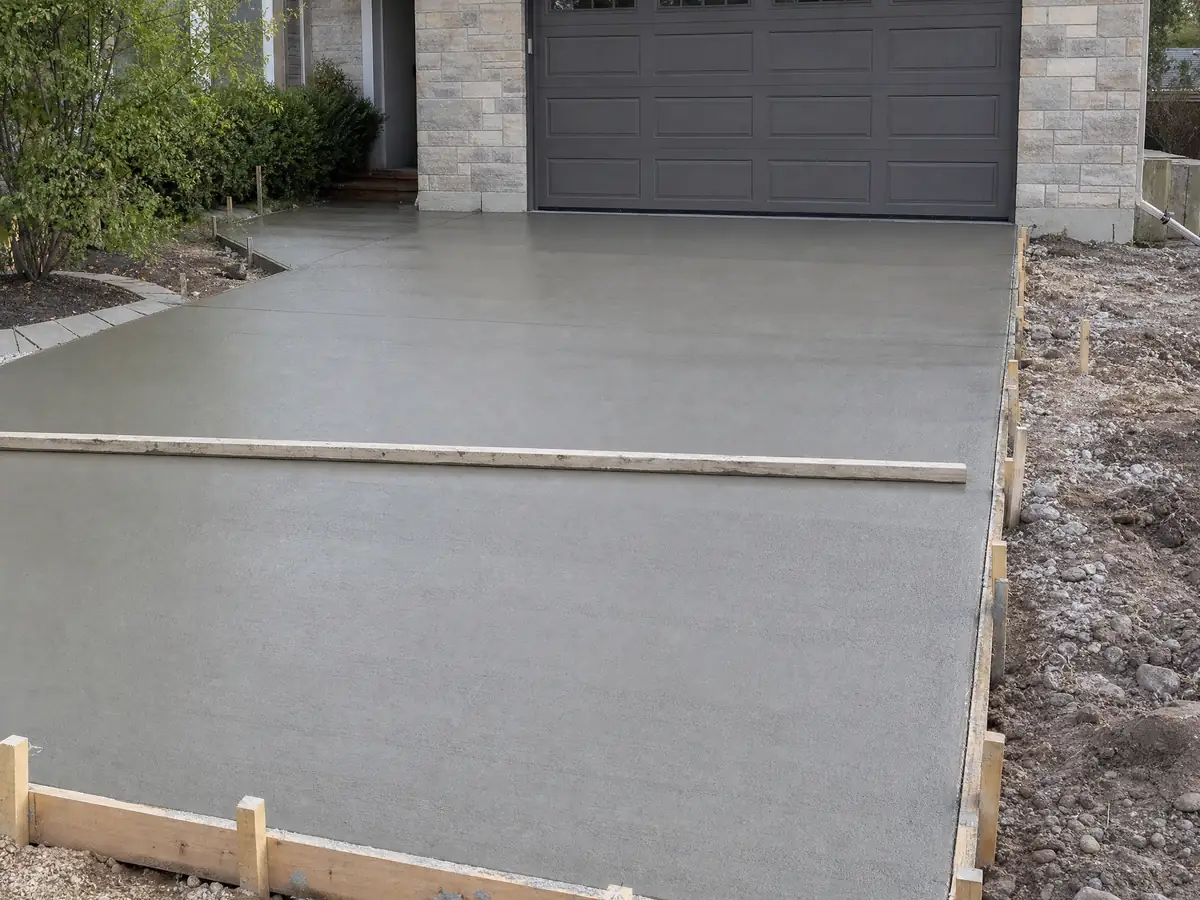
Concrete photos from Diamond Bar and nearby communities
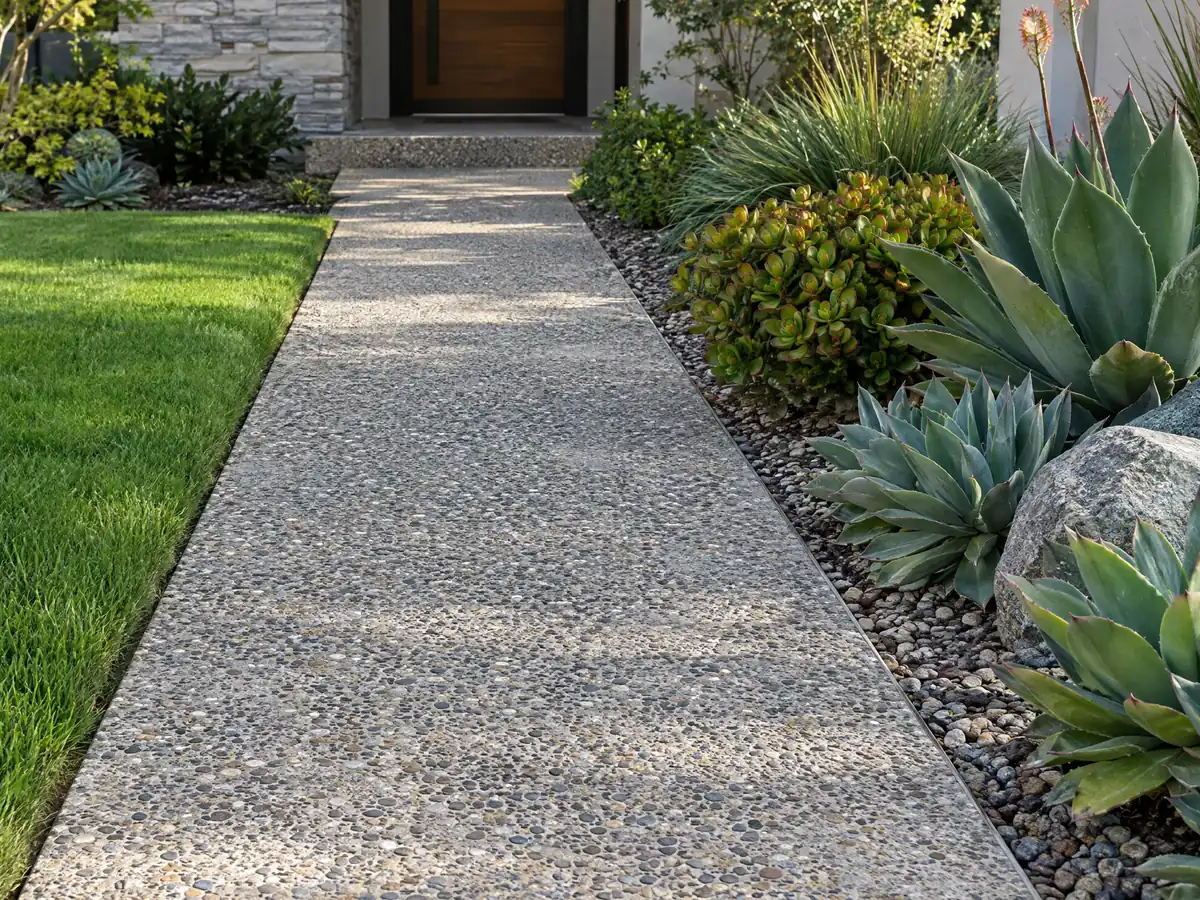
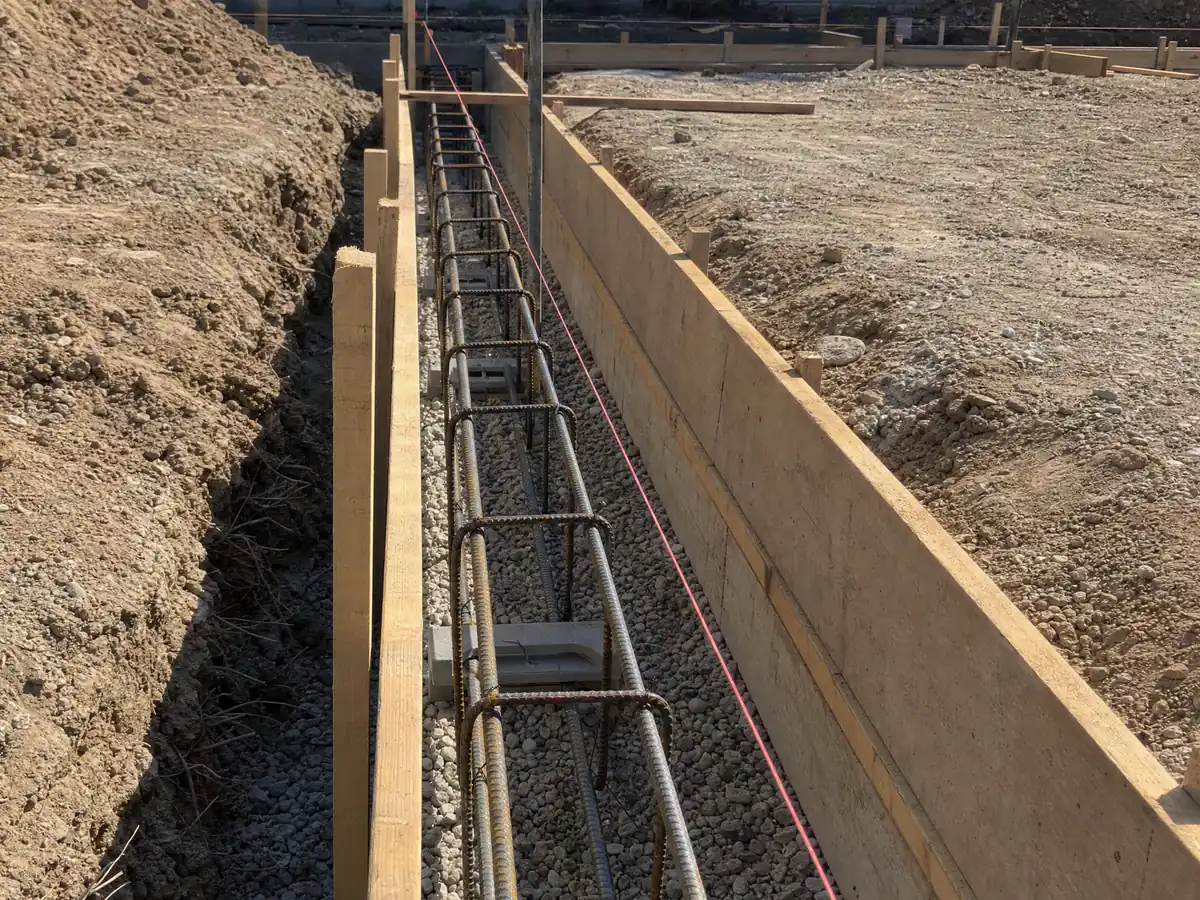
Forms, rebar and finished flatwork from Diamond Bar and nearby towns, including driveways, walks, aggregate and block walls. Tap any photo to enlarge it.
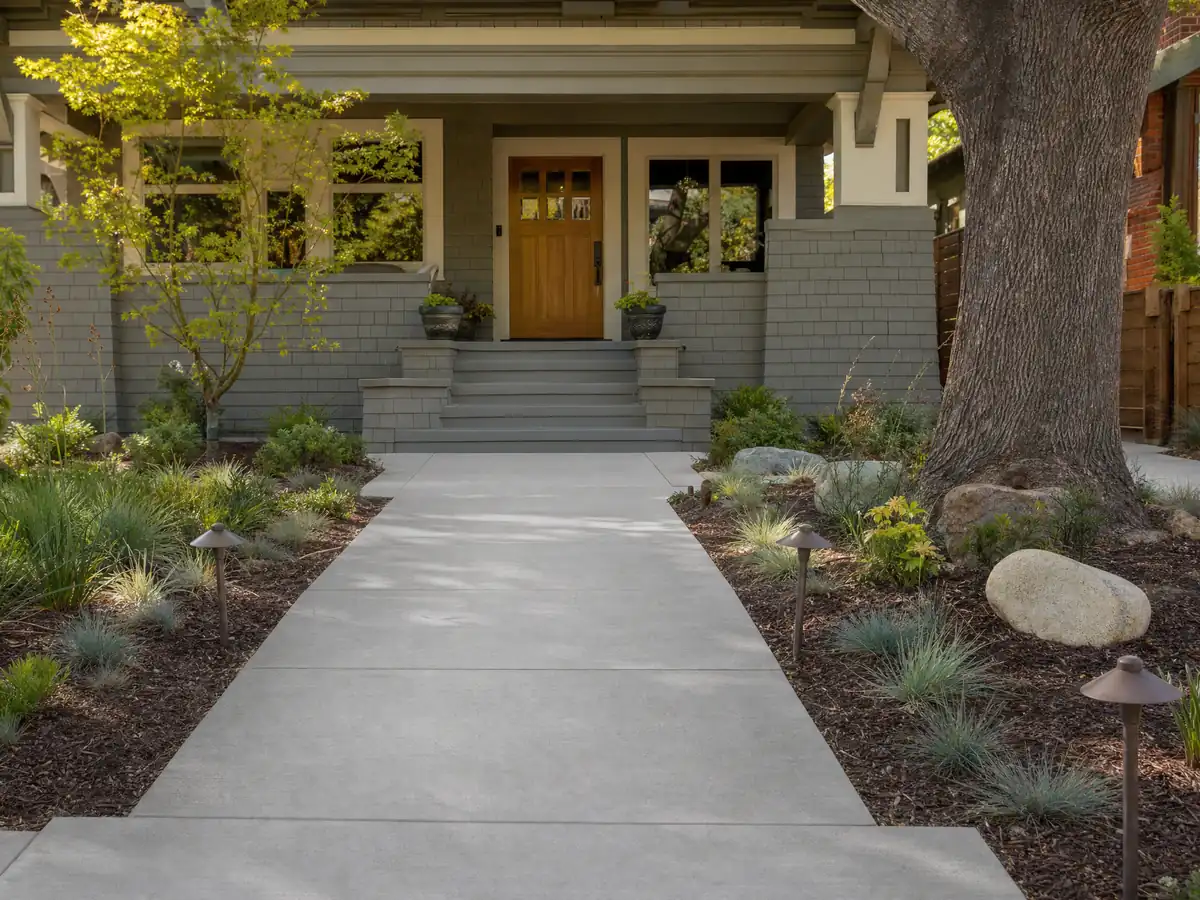
What concrete costs around Diamond Bar
These are Los Angeles planning ranges, not a Diamond Bar bid, and the subcontractor guide explains how trade work is divided on one of our jobs. Demolition, rebar, approach fees and permits should each be a separate proposal line, and the license check guide shows how to verify a bidder. Compare concrete work in Los Angeles, concrete in Glendale, concrete in Pasadena, concrete in Pomona and concrete in West Covina, or flooring in Diamond Bar.
| What it covers | Typical range |
|---|---|
| Patio, walkway or slab, broom finish, 300 sq ft or more | $8 to $14 per square foot |
| Decorative: stained, stamped or exposed aggregate | $15 to $30 per square foot |
| Driveway replacement, with demolition of the old slab | $9 to $20 per square foot |
| 20 by 20 foot plain patio (400 sq ft) | About $3,200 to $5,600 |
| 20 by 20 foot decorative patio (400 sq ft) | About $6,000 to $12,000 |
| Small jobs under 300 sq ft | Usually above the per-foot range |
| Retaining walls | Set by the written proposal |
Other work we manage in Diamond Bar
Diamond Bar concrete questions, answered
Can I pour a concrete patio without a permit in Diamond Bar?
We cannot tell you yes from a source. No patio exemption appears on the City's permit page, and the statewide exemption list could not be opened by us. A patio slab in a setback may sit no more than 1 foot above grade, and Planning's Zoning Clearance may apply. Ask Building and Safety at 909-839-7020 and Planning at 909-839-7030 with your plan.
Can I expand my driveway without a permit in Diamond Bar?
Not as of right. An extension toward a side line is capped at 12 feet wide, and front yard hardscape cannot exceed half the front yard. Planning's Zoning Clearance Tier 1, listed at $115, covers driveway extensions, and Public Works charges $3,060 for plan check and inspection of a new or widened approach. Wider paving needs a minor conditional use permit.
How wide can a concrete driveway be in Diamond Bar?
For a garage set back more than 24 feet, 10 to 14 feet wide at the property line; for a garage closer to the street, the door opening plus 2 feet. A sideways garage needs a 24-foot backout area, and no residential driveway may exceed a 20 percent grade. Wider driveways need a minor conditional use permit under Municipal Code 22.30.080.
What is the maximum height of a retaining wall without a permit in Diamond Bar?
The City's amended building code restates an exemption for retaining walls of 3 feet or less from footing bottom to top, unless they hold a surcharge. The Development Code caps walls at 6 feet from finished grade at the base, plus 1 foot if approved. The City's FAQ says walls under the line may still need approval, so ask first.
How much should a 20x20 concrete patio cost in Diamond Bar?
At our planning range of $8 to $14 per square foot, a 20 by 20 foot, 400 square foot patio comes to roughly $3,200 to $5,600 on flat ground. That multiplies a medium confidence Los Angeles range from Angi and HomeGuide, not a Diamond Bar bid. Stamped finishes run $15 to $30 per square foot, and grading, walls or demolition add to either.
How much does a concrete driveway cost in Diamond Bar?
Angi's 2026 Los Angeles page gives $8 to $20 per square foot, with 200 square feet averaging about $2,500 and the overall average at $7,270. Our concrete page plans $9 to $20 with demolition of the old slab included. Add the Public Works approach fee, $2,692 to replace one or $3,060 for a new or widened one, for any curb cut work.
Is 4 inches of concrete thick enough for a driveway in Diamond Bar?
Four inches is the thickness contractors most often quote for car traffic, which is trade practice, not a City rule we found. Expansive soil makes the sub-base, joints and any reinforcement matter as much as thickness. Ask the concrete subcontractor to state thickness, base, joint layout and reinforcement in writing, and ask whether a soils opinion supports the design.
Does a hillside lot change a concrete job in Diamond Bar?
Yes. Grading of 51 cubic yards or more needs a Public Works permit, finished slopes cannot exceed 50 percent except beside a structure, and the code asks grading to avoid October 15 to April 15 without an erosion plan. Hillside development can also need a conditional use permit and geologic reports. Ask the City whether your parcel counts as hillside.
Who is allowed to do concrete work in Diamond Bar, and what license do they need?
A contractor holding CSLB class C-8 for concrete flatwork, or C-29 for concrete block walls, or a general building license that subcontracts to one. A license is optional only for jobs of $1,000 or less including materials that need no permit. Check the number on CSLB's site, and keep any down payment to $1,000 or 10 percent, whichever is less.
Tell us what is being poured and where
Tell us whether the job is a patio, walk, driveway or wall, roughly how big it is, and whether the ground slopes. We check the City's driveway, grading and tree rules before we call you back.