
Roof Repairin Claremont, CA
Roof repair or roof replacement in Claremont is permit work, and the city has its own 25 percent rule: re-cover 25 percent or more of a roof within any 12 months and the new covering must be at least Class B, certified by the installer. The parcel's fire zone and historic status can add more.
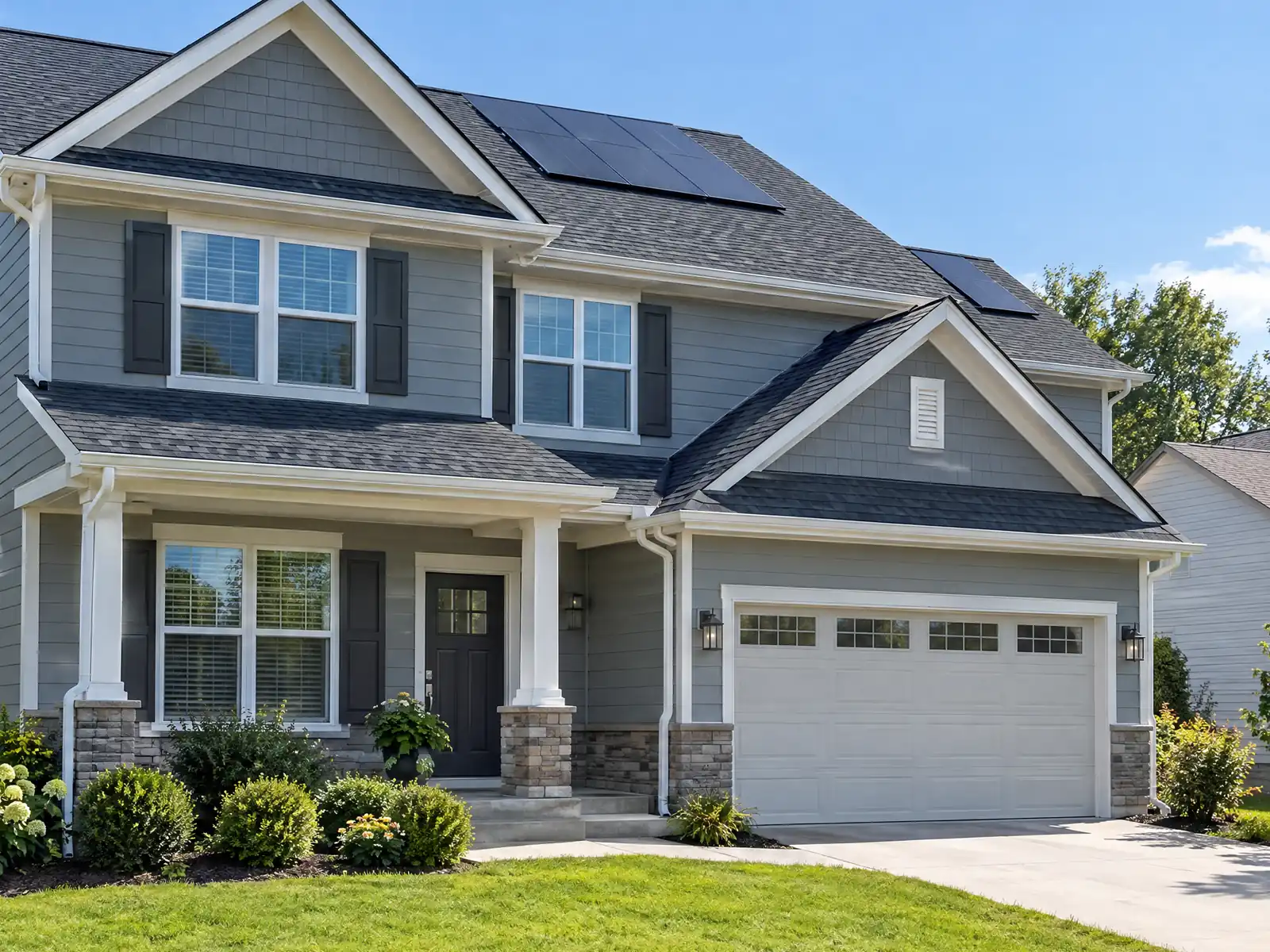
Claremont grew from citrus groves around Pomona College, which moved here in early 1890, and the city incorporated on October 3, 1907. Its population went from 6,327 in 1950 to 24,776 in 1970, so the roofs here sit on two generations of houses: Craftsman and Spanish Revival homes from the early decades and the ranches built after the war. The Census Bureau's 2024 estimates count 12,530 housing units with a median owner-occupied value of $897,000. Of those units, 77.9 percent are single-family, 8.8 percent were built in 1939 or earlier and 37.6 percent before 1960, in the same five-year estimates.
Weather tests a roof here in both directions. NOAA's 1991 to 2020 normals for the Pomona/Fairplex station, about 4.2 miles southwest of the city centroid, show 70.5 days a year at or above 90 degrees F and 10.7 at or above 100, while 11.47 of the 14.47 inches of yearly rain fall from December through March. Foothill streets north of Foothill Boulevard can differ from that valley-floor reading. On a roofing job, MDG Builders (CSLB #1040337) writes the scope, files the permit and runs the schedule as general contractor, and a licensed C-39 roofing subcontractor does the tear-off and installation. Our roofing page carries the sourced price table, the Claremont overview lists every trade we manage here, and nearby guides cover Pomona, Glendora and Pasadena.
What Claremont's code and fire maps say about roofs
Where roofing permits come from in Claremont: City of Claremont Community Development Department, Building Division.
- Claremont requires at least a Class B fire retardant roof covering for all new structures and for existing structures when 25 percent or more of the total roof area is reroofed within any 12 month period (Residential Code R902.1.2 and Building Code 1505.1.2 as amended in 15.04.045), and it replaces Table 1505.1 in its entirety. The installer must give the owner, and the inspection authority on request, certification of the roof covering classification.
- The City's permit page lists roof installation, replacement or re-cover as work that needs a permit, so a Claremont re-roof is permit work. The page gives no square foot threshold.
- Claremont's Chapter 15.07 adopts the 2025 California Wildland-Urban Interface Code, including its appendices, by reference. The chapter text read lists no local amendments, so confirm the parcel's fire zone and the roof, vent and eave details that apply with the Building Division before pricing a re-roof.
- On March 24, 2025 CAL FIRE released updated fire hazard severity zone maps for Claremont's Local Responsibility Area, with Very High, High and Moderate classes, and the City Council approved the map as presented on July 22, 2025. The City says Los Angeles County Fire provides fire protection under contract, and its page did not say whether the adopting ordinance had passed.
- The City's map PDF for Claremont, dated March 24, 2025, uses the legend Very High, High and Moderate for Local Responsibility Area zones and also shows State Responsibility Area zones effective April 1, 2024. The text layer holds only the legend, so the zone of a given parcel has to be read from the City's parcel-based map or the CAL FIRE viewer.
- In Claremont's H Hillside District, 16.010.020.E says the Fire Code and Building Code apply, buildings must be placed so required brush clearance fits within the development, and the entire foothills area is Fire Zone Four.
- For a Claremont cultural resource or historic district contributor, re-roofing or siding replacement needs only staff level review under 16.302.130(B)(3) if it does not change exterior features and matches the existing or original materials in appearance, color, profile and material. Ordinary maintenance and repair that needs no building permit is exempt (16.302.130(C)), and other changes go to the Architectural and Preservation Commission.
- Claremont adopts the California Energy Code, 2025 Edition, in 15.18.010, and the chapter text read did not show any local cool roof or window amendment. Confirm cool roof and window values with the Building Division.
Sources for these rules
- gocodebook.com: chapter 15.04 building code
- claremontca.gov: When do I need a permit
- gocodebook.com: chapter 15.07 wildland urban interface code
- claremontca.gov: LRA Fire Severity Zone Map
- claremontca.gov: fhsz city lra 11x17 claremont
- gocodebook.com: chapter 16.010 h hillside district
- gocodebook.com: chapter 16.302 cultural resources preservation
- gocodebook.com: chapter 15.18 energy code

What is the 25 percent rule for roofing in Claremont?
It is a real rule here, and it is Claremont's own. Municipal Code 15.04.045 amends Residential Code R902.1.2 and Building Code 1505.1.2 so that every new structure, and any existing structure where 25 percent or more of the roof area is reroofed within any 12 month period, needs at least a Class B fire retardant covering. Claremont also replaces Table 1505.1 in its entirety, but the mirror's text of that table was garbled, so we state only the Class B rule.
The 12 month window is the part owners miss. A repair that replaces a quarter of the roof, followed by another slope the next spring, can add up to a re-cover in the code's eyes. The installer must give the owner certification of the roof covering classification, and the inspection authority on request, so keep that certificate with your house records.
Some roofing sites quote a 25 percent rule with no source. This is the Claremont section behind the phrase. We read the code on GoCodebook, a third-party mirror, so confirm it with the City's Building Division.
Ask the proposal to state the square footage replaced in the past 12 months, counting any earlier repair, so the Class B trigger is arithmetic.
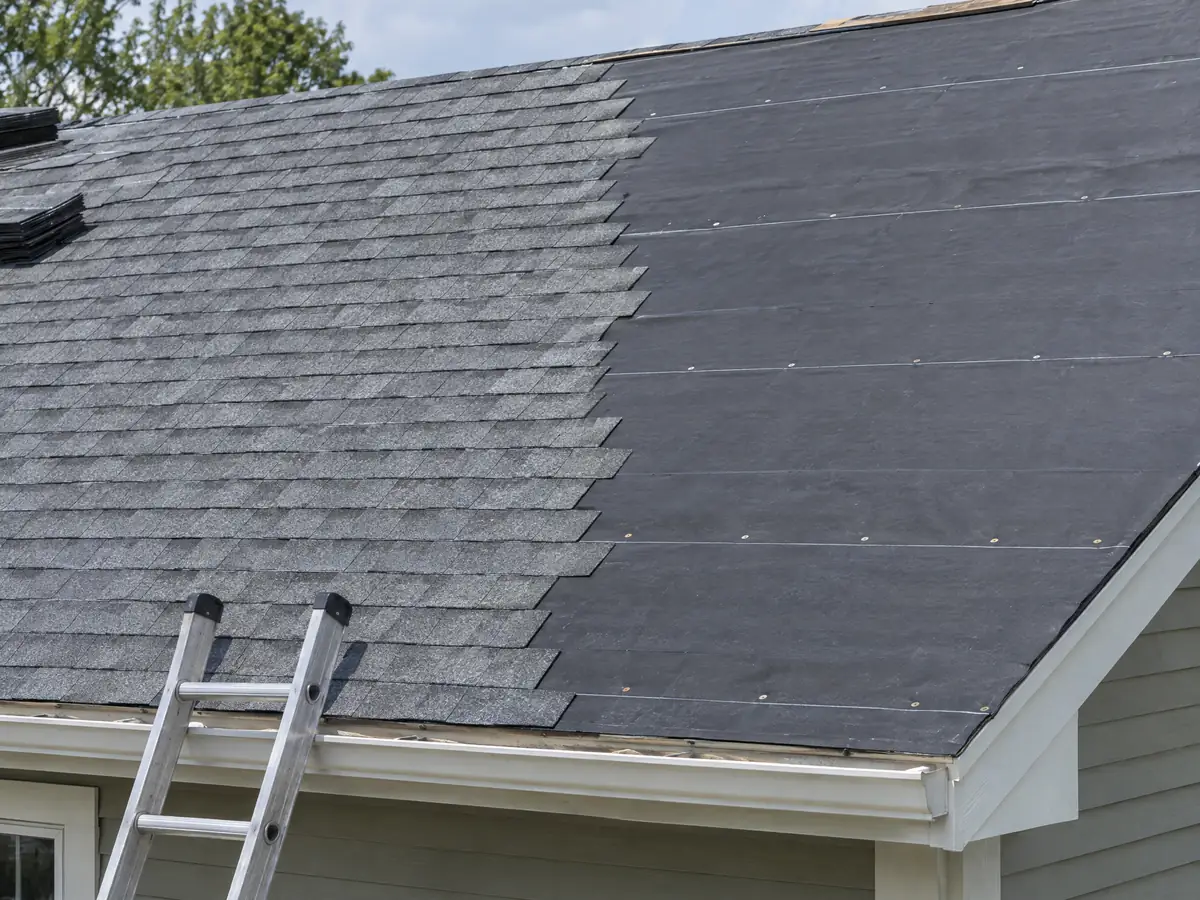
Is my Claremont house in a Very High, High or Moderate fire zone?
Check the parcel before you choose a covering. On March 24, 2025 CAL FIRE issued new Local Responsibility Area maps for Claremont that sort land into Very High, High and Moderate classes, and the City Council approved the map as presented on July 22, 2025. Los Angeles County Fire protects the city under contract. The City's fire severity zone page does not say whether the adopting ordinance has passed, and the map PDF's text holds only the legend, so we have not read the zone of any parcel.
That is why this page never says the foothills are Very High. Claremont's code calls the whole foothills area of the H Hillside District Fire Zone Four, an older term, and it does not map a parcel for us. Use the City's parcel-based map or CAL FIRE's viewer, then ask the Building Division what your zone means for roof, vent and eave details.
Chapter 15.07 adopts the 2025 California Wildland-Urban Interface Code, and the old Chapter 7A wildfire amendments were repealed effective November 25, 2025. The chapter text we read lists no local amendments, and we did not read the state code itself. Ask the Division for the checklist that applies to your lot, and bring answers to:
- Which fire zone class is this parcel in, and on which map?
- Does a Class B covering satisfy the code for this lot, or does the zone ask for more?
- Which vent and eave details apply to this roof?
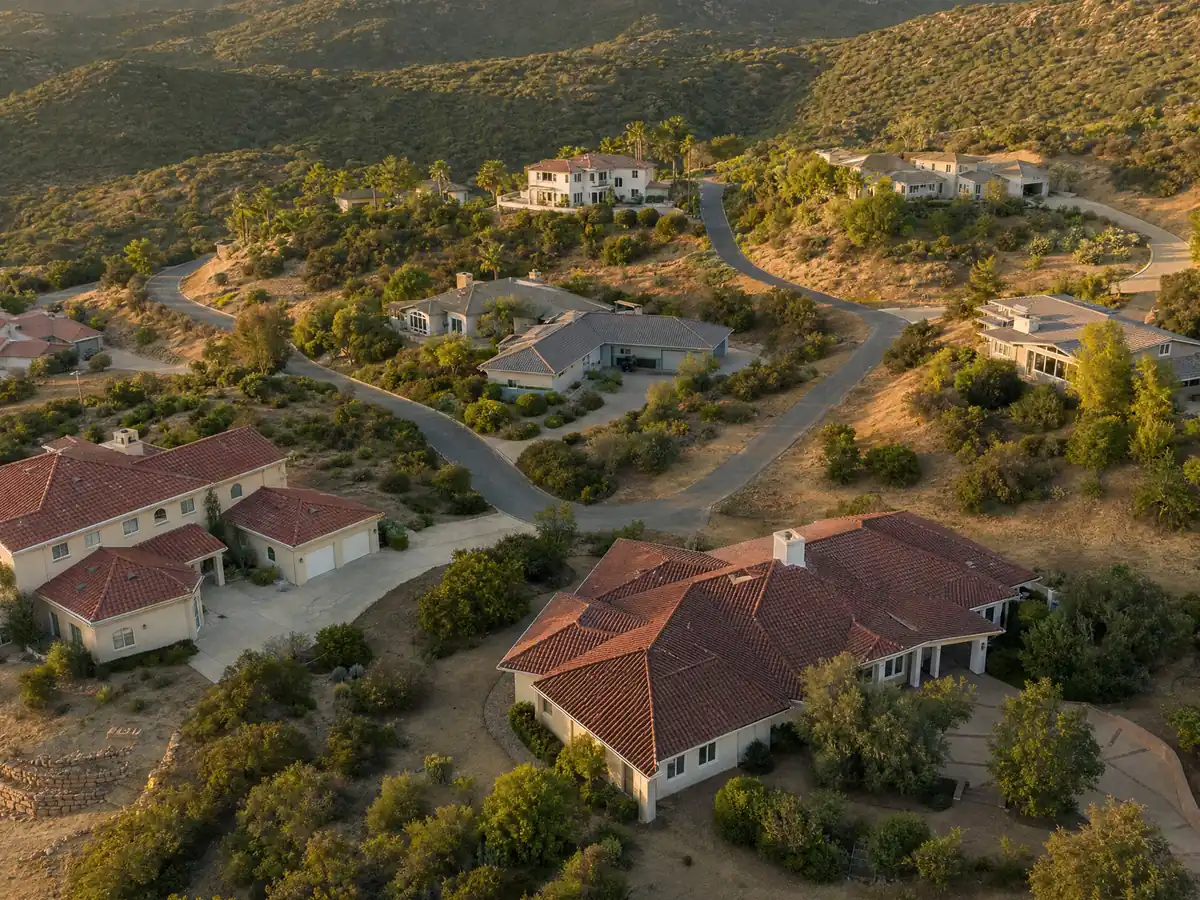
Can I re-roof a house in Historical Claremont or Arbol Verde?
Often yes, with only staff review, if the new roof matches the old one. For a cultural resource or a contributor to a historic district, section 16.302.130(B)(3) gives re-roofing or siding replacement staff level review when it does not change exterior features and matches the existing or original materials in appearance, color, profile and material. Ordinary maintenance and repair that needs no building permit is exempt, and other changes go to the Architectural and Preservation Commission.
The Historical Claremont (HC) and Arbol Verde (AV) districts require architectural review for new construction and exterior modifications, and the City says its design guidelines cover each of its 30 unique neighborhoods. A Claremont Courier history describes the older streets as mostly Craftsman houses from pattern books and merchant builders, with Spanish Revival landmarks such as the Garner House, so on these blocks the roof is part of the design.
A change of material, say composition shingle to concrete tile, changes exterior features, so raise it with Planning before you order. We did not find a district map or the Claremont Register list, so ask whether your address is on either.
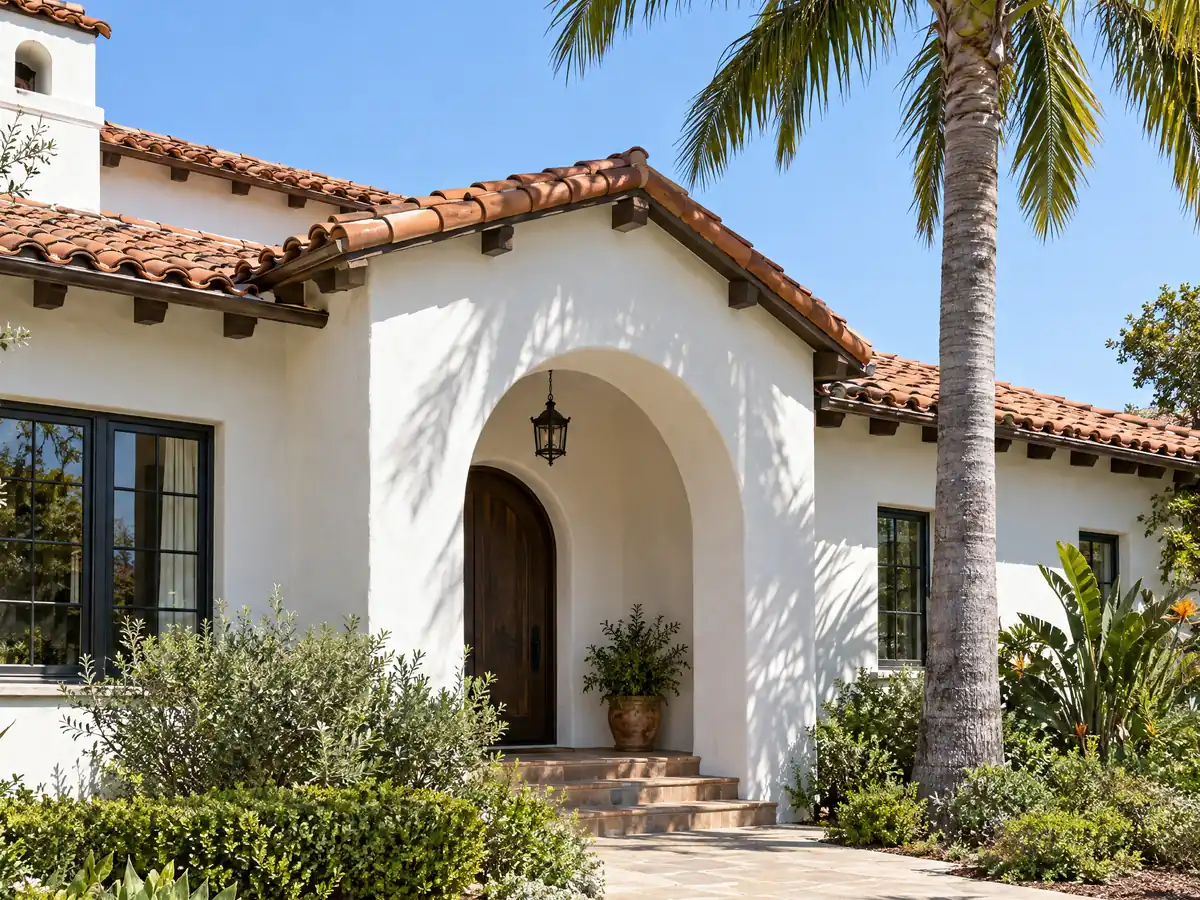
Does roof repair or a re-roof in Claremont need a building permit?
Plan on yes for a re-roof. The City's page on when a permit is needed lists roof installation, replacement or re-cover as permit work, says the list is not all-inclusive and gives no square foot threshold for small repairs. A patch is therefore a question for the Building Division, not an assumption.
Permits are issued in person at City Hall, 207 Harvard Avenue, Monday through Thursday 7:00 a.m. to 5:30 p.m., and plans can also be uploaded through an online form. The Building Division's number is (909) 399-5471. When we read the page, the City said online submittals were running about a week behind, which can change, and it lists no fee amounts, so we print none.
Skipping the permit is not cheap. Building code violations are misdemeanors or infractions at the discretion of the City Attorney or the District Attorney, a misdemeanor carries a fine of up to $1,000, and each day a violation continues is a separate offense. Claremont also adopts the 2025 California Energy Code in Chapter 15.18, and the text we read showed no local cool roof amendment, so confirm those values with the Division.
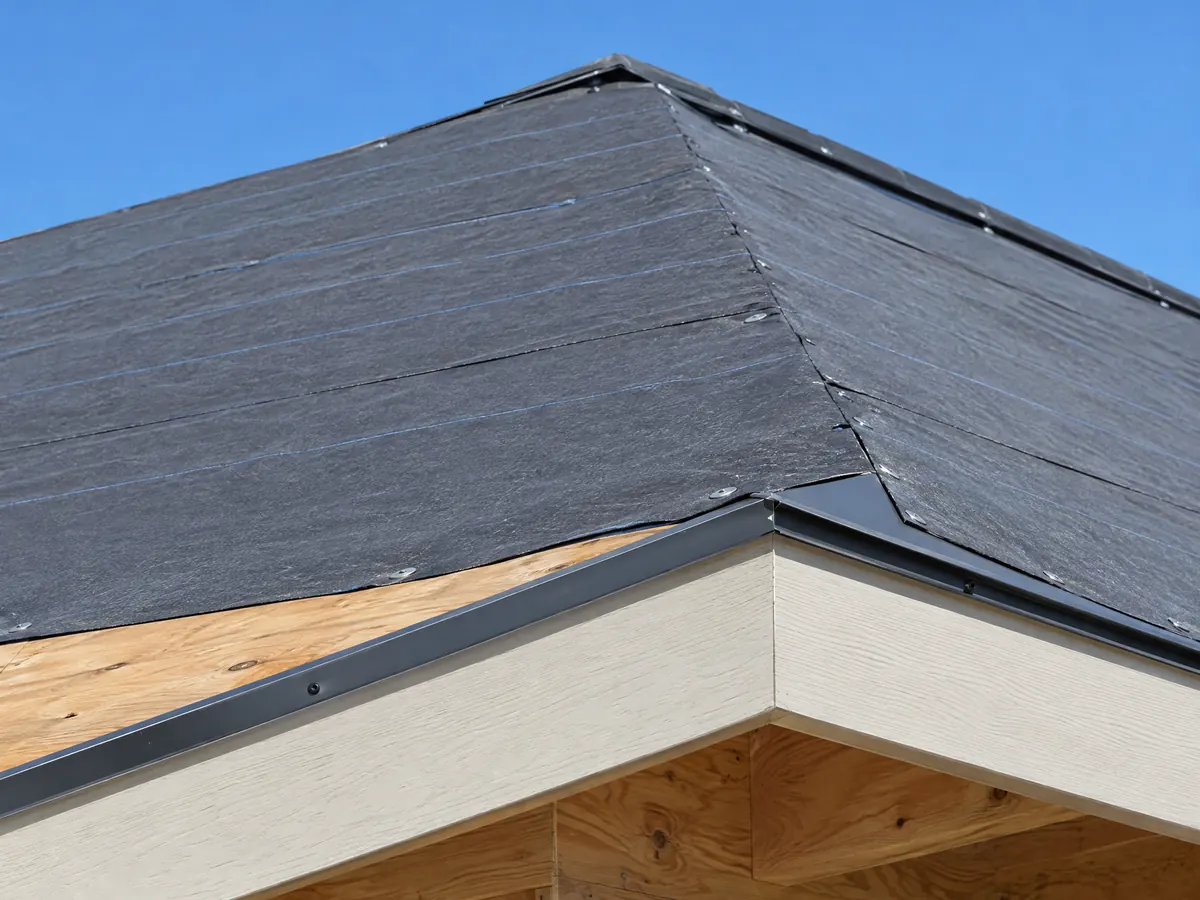
Roof repair or roof replacement: what do older Claremont roofs need?
Condition decides, and the house's era tells you where to look. About 37.6 percent of Claremont's homes predate 1960, by the Census ACS 2024 five-year estimates, so many roofs sit on old decks with flashing and valleys that were never reworked.
A fair inspection looks at what the first December storm will test: valleys, chimney and wall flashing, vent boots, underlayment and the deck. Photos of each finding let you compare a repair bid with a replacement bid for the same slope. Ask for a price per sheet for decking that proves soft after tear-off, so a surprise has a known number.
Heat matters as much as rain. With 70.5 days a year at or above 90 degrees F, the covering takes thermal cycling as well as storms. We found no sourced lifespan for Claremont roofs, so we print none. Ask each roofer to put three things in writing:
- Photos of every flashing, vent and valley problem found
- A price for the repair beside a price for replacing the same slope
- A unit price per sheet if the decking is soft
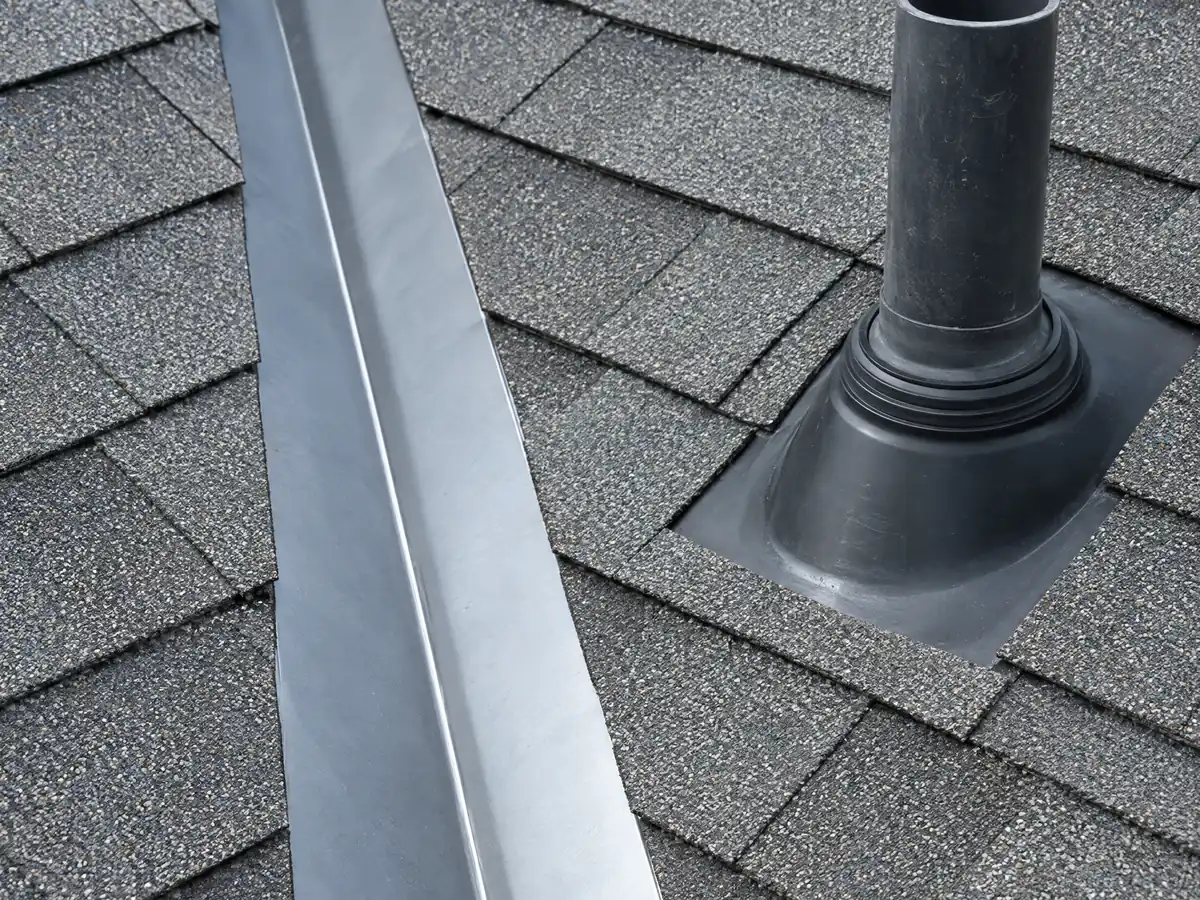
How much does roof replacement cost in Claremont, CA?
We found no Claremont price survey, so the nearest sourced numbers are for Los Angeles, from two publishers who measure different things. Angi's page updated July 31, 2026 reports $10,256 to $24,963 as the typical Los Angeles re-roof, an average of $17,271 and $8.60 per square foot, with asphalt at $4 to $12, tile at $7 to $15 and metal at $7 to $16 per square foot.
Remodeling magazine's 2025 Cost vs. Value report prices one reference roof for Los Angeles at $36,417 in asphalt and $62,069 in metal. It does not publish that roof's size, which is why it runs about double Angi's average. On Angi's page, tear-off adds $1,000 to $3,000, and detaching solar panels and resetting them adds $500 to $1,000.
In Claremont, ask each bidder to price three items on their own lines: the Class B certification paperwork, any fire zone vent or eave work your parcel triggers, and extra decking. Our roofing cost guide explains the gap between Angi and Cost vs. Value.
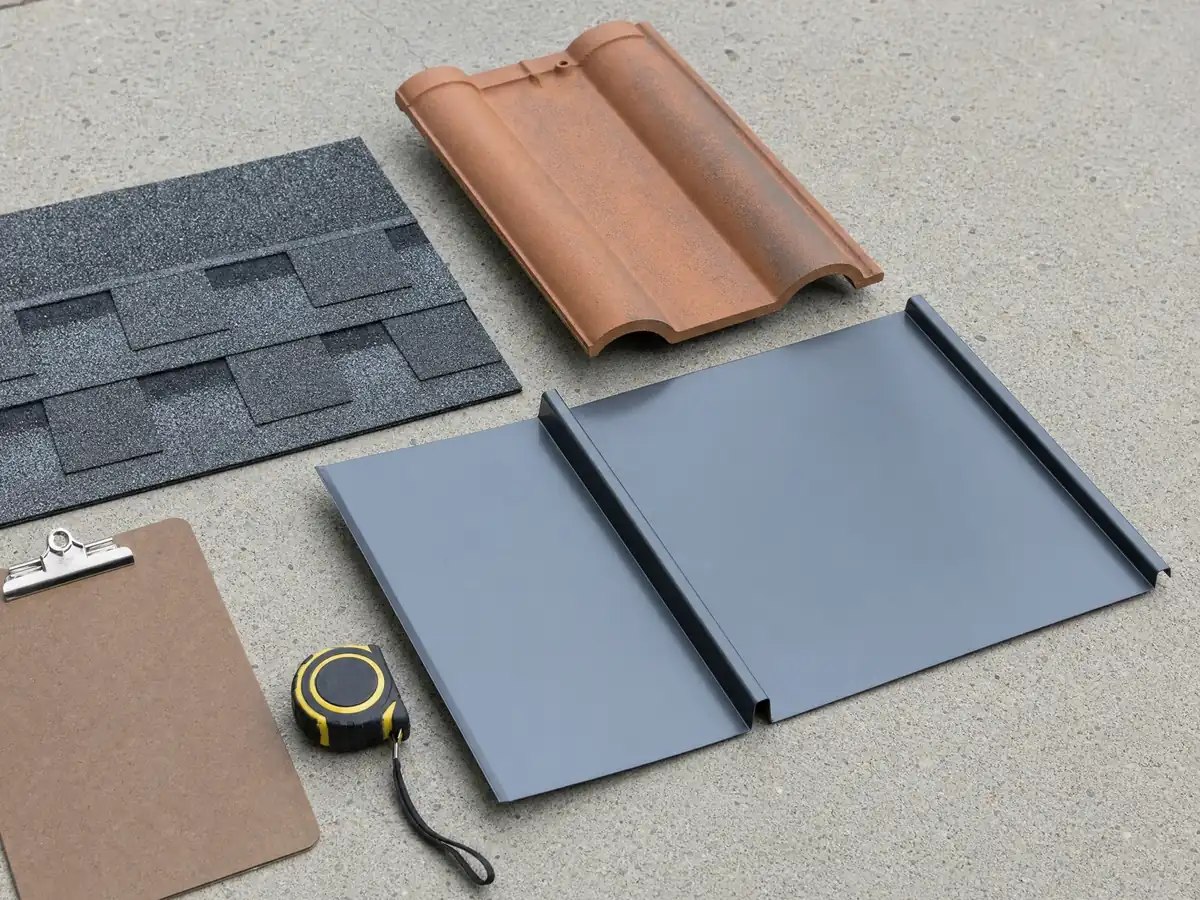
How do I choose a roofing company in Claremont?
Start with the license class. CSLB defines C-39 Roofing as installing products and repairing surfaces that seal, waterproof and weatherproof structures, and its public lookup shows whether a license is active. Our guide to checking a contractor's license shows what to read. Claremont's Engineering Division also asks for a contractor's license, insurance and a business license before an encroachment permit issues, which matters if the job puts work in the public right of way.
Since January 1, 2025 the state's limit on unlicensed minor work has been $1,000, up from $500, under AB 2622. CSLB bulletin 24-07 says the exception fails if the work requires a permit or the person employs anyone, so a permitted Claremont re-roof is licensed work at any price.
Business and Professions Code 7159 requires a signed written contract, caps a down payment at $1,000 or 10 percent, whichever is less, and ties progress payments to finished work. You can ask for the roofing subcontractor's license number and certificate of insurance before you sign, and our article on how general contractors use subcontractors explains who answers for what.
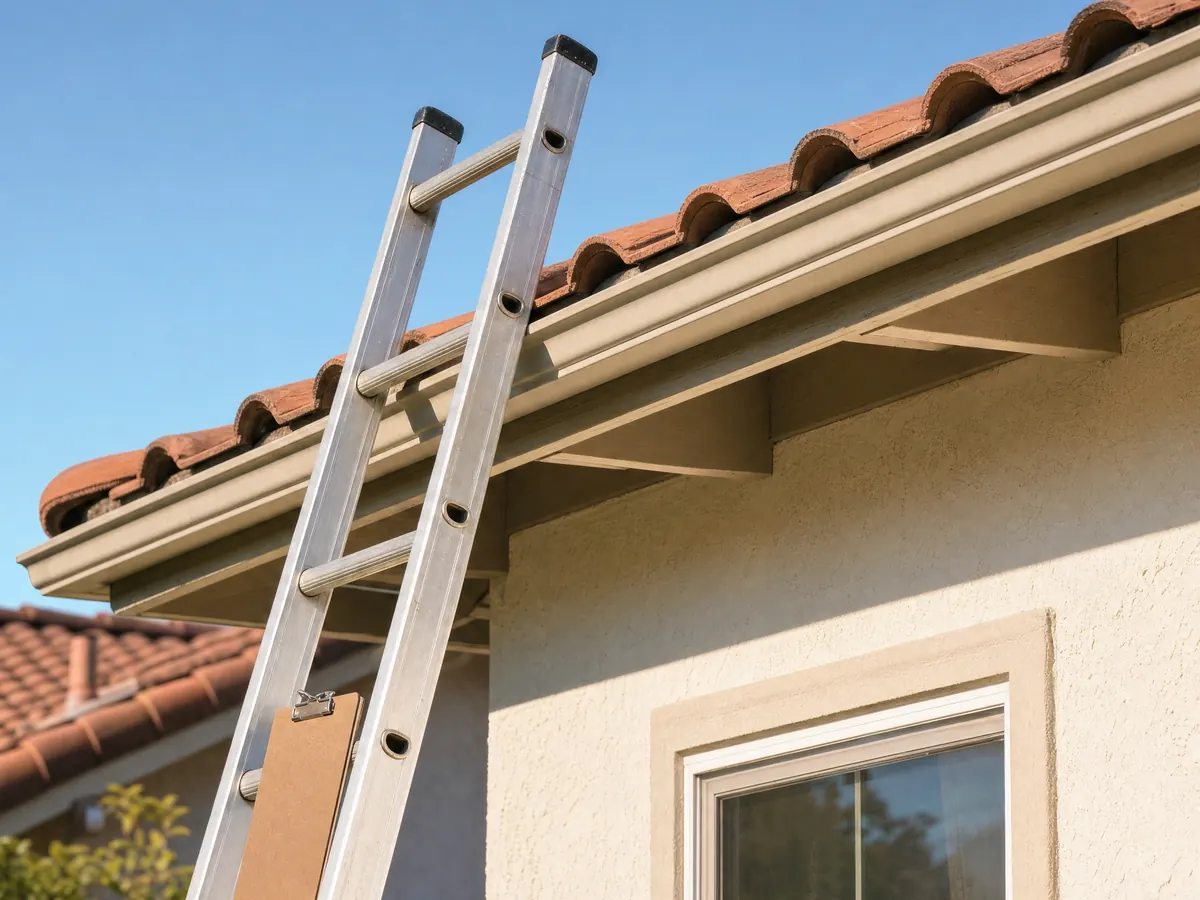
Roofing photos from Claremont and nearby communities
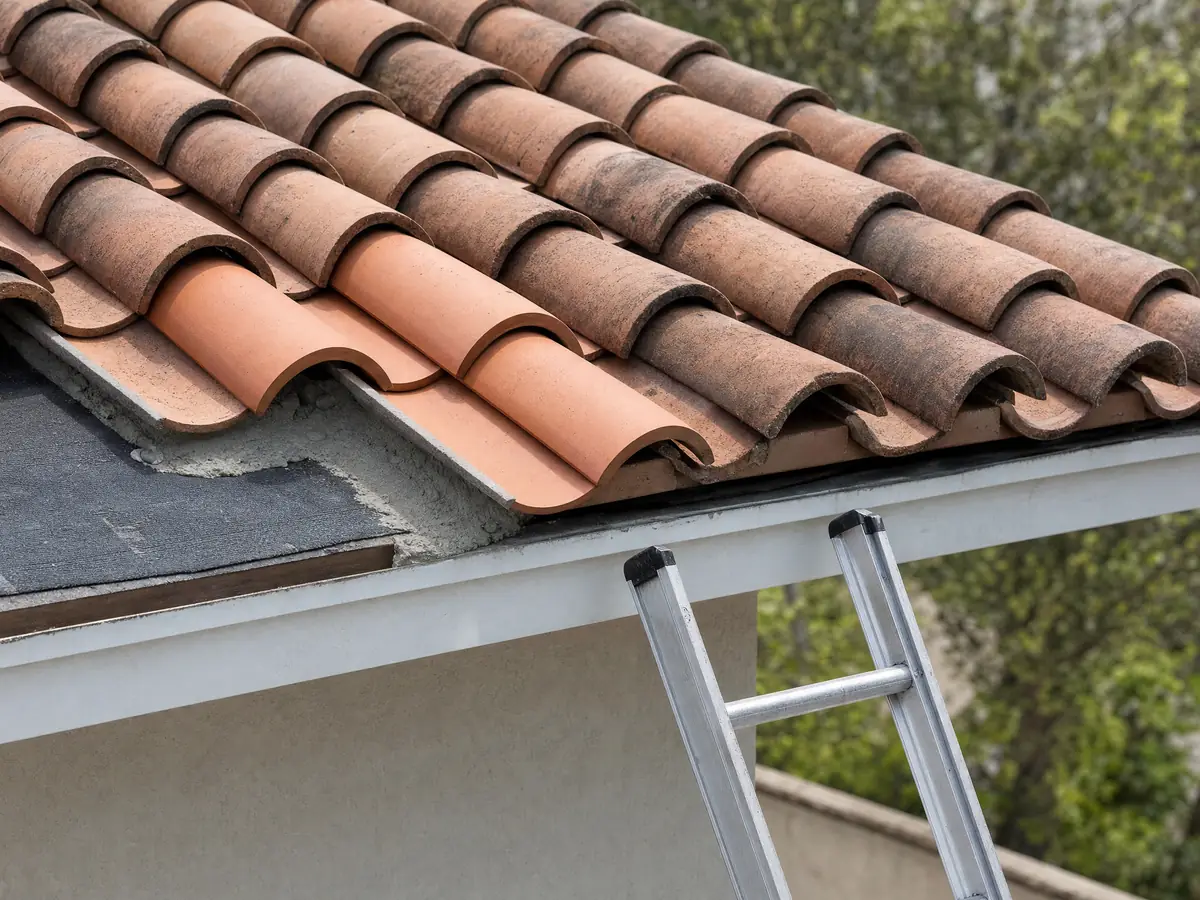
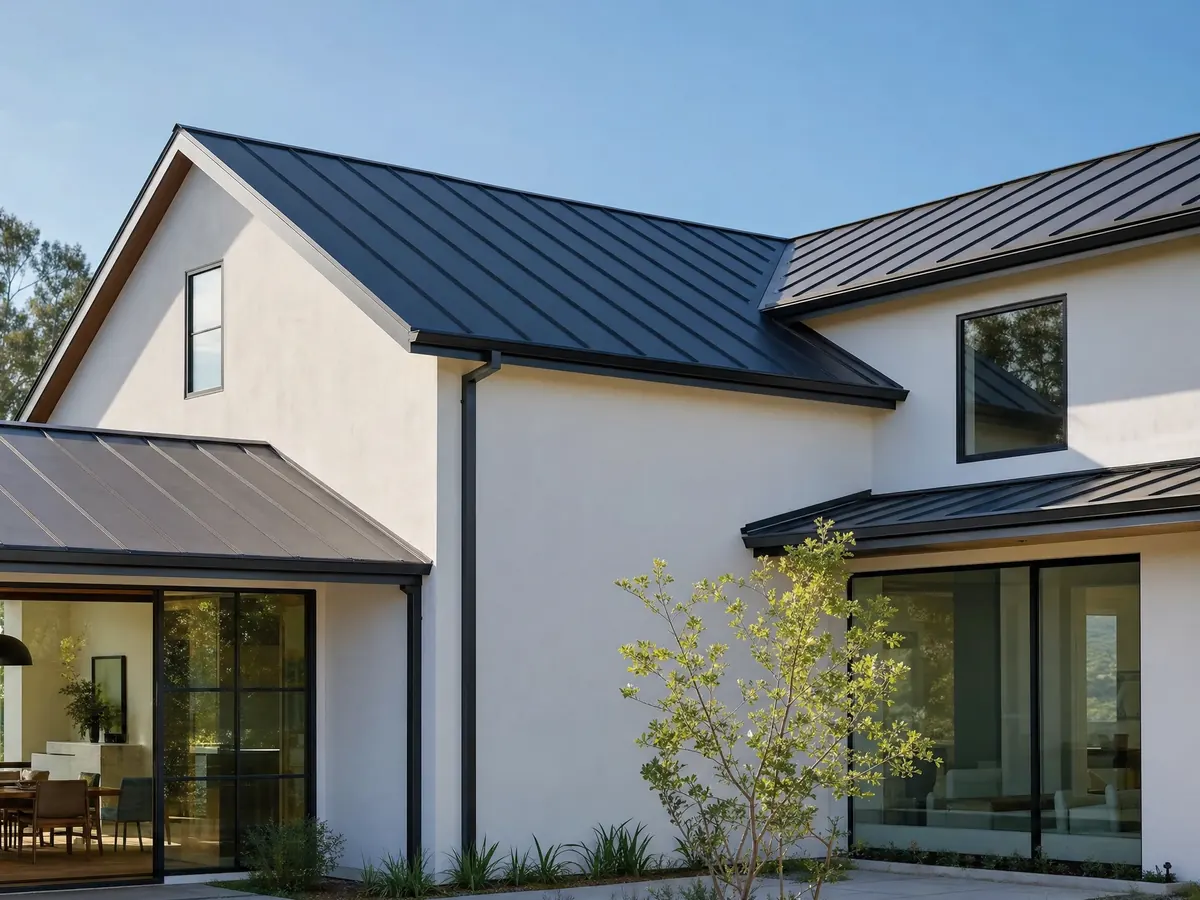
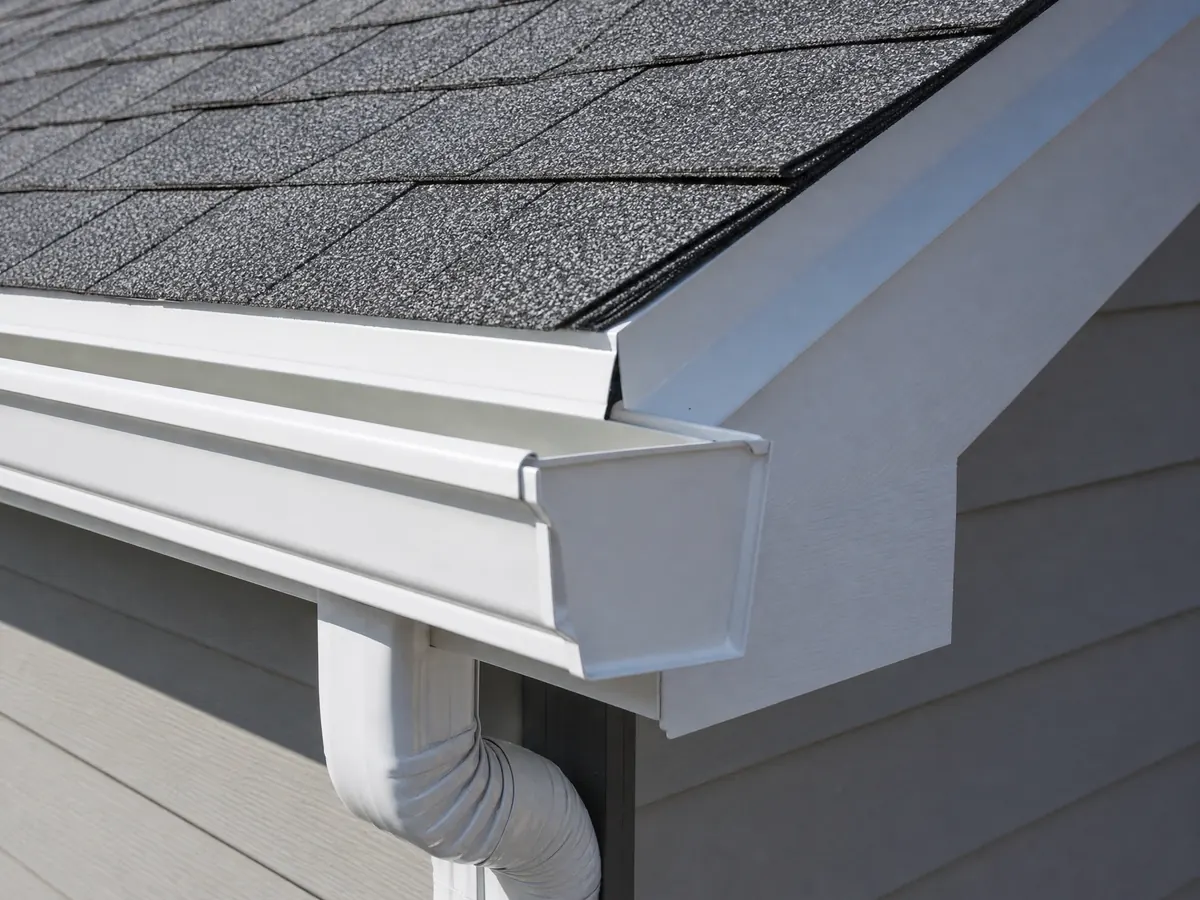
Six roofing scenes tied to Claremont neighborhoods such as Claremont Village and Indian Hill and to nearby communities like La Verne, Montclair and Upland, with tile, shingle and flashing work in strong foothill sun.
Where the roof numbers come from
The only independent figures we found are for Los Angeles, and every number with its source and date is in the table on our roofing price page. A written proposal that lists roof area, tear-off, decking and the Class B certificate is the real price. Fence and paint work often follow a new roof, and the Claremont rules for those are on the fencing page and the painting page. For a comparison with the big city, read roofing in Los Angeles.
| What it covers | Typical range |
|---|---|
| Asphalt shingle, typical single-family roof | $10,000 to $25,000 |
| Concrete or clay tile | $7 to $15 per sq ft |
| Metal | $7 to $16 per sq ft |
| Remodeling Cost vs. Value 2025, Los Angeles | Asphalt $36,417. metal $62,069. |
| Extras | Tear-off $1,000 to $3,000. solar detach and reset $500 to $1,000. |
Claremont roofing questions, answered
What is the 25% rule for roofing?
In Claremont it is a written fire rule, not an insurance rule. Reroof 25 percent or more of the roof area within any 12 month period and the new covering must be at least Class B, with the installer certifying the class. Municipal Code 15.04.045 amends the state code to say so. We read it on a mirror, so confirm it with the City.
Do I need a permit for roof repair in Claremont?
Plan on yes for a re-roof, and ask about repairs. The City lists roof installation, replacement or re-cover as permit work and gives no square foot threshold for small patches. Call the Building Division at (909) 399-5471 before a repair starts, and remember the City's page says its list is not all-inclusive.
How much should a 2,000 sq ft roof cost in Claremont?
Price it by roof area, because a 2,000 square foot house does not have a 2,000 square foot roof. Angi's Los Angeles data gives $4 to $12 per square foot for asphalt, $7 to $15 for tile and $7 to $16 for metal, before tear-off. Claremont has no published survey, so a measured proposal is the real price.
Does a Claremont roof have to be Class A?
Not under the citywide rule, which asks for at least Class B once a re-roof passes the 25 percent line. A parcel in a fire zone may carry more under the 2025 Wildland-Urban Interface Code, which Claremont adopted as Chapter 15.07. We could not read zones by parcel, so check the City's map or CAL FIRE's viewer.
Should a 20-year-old roof get roof repair or a full roof replacement?
It depends on condition, not age. Ask the roofer for photos of the flashing, valleys, underlayment and deck, plus a bid for both a repair and a roof replacement. A repair that covers 25 percent or more of the roof within 12 months triggers the Class B rule, so count earlier work too.
What is the cheapest month to replace a roof in Claremont?
We found no sourced price pattern by month, so we name none. The weather data supports scheduling: NOAA's normals for the Pomona/Fairplex station show 11.47 of the 14.47 yearly inches of rain from December through March and 0.00 to 0.03 inch in each of July, August and September. A dry tear-off is easier to protect.
Can I re-roof a historic house in Claremont?
Yes, usually with staff review when the new roof matches the old in appearance, color, profile and material. Section 16.302.130(B)(3) says so for cultural resources and historic district contributors. A different material goes to the Architectural and Preservation Commission, so ask Planning before you order.
How do I choose a roofing contractor in Claremont?
Check CSLB class C-39 on the state lookup, then ask for a written contract under Business and Professions Code 7159, proof of insurance and the Class B certification the City requires. Compare two bids that list roof area, tear-off, decking and extras on separate lines. A permitted roof is never unlicensed work.
What is the most expensive part of replacing a roof?
Usually the covering you pick. In the 2025 Cost vs. Value report, a Los Angeles asphalt re-roof comes to $36,417 and a metal one to $62,069. After that come tear-off at $1,000 to $3,000, decking found rotted after tear-off and any fire zone vent or eave work your parcel requires.
Do I need a permit to replace my roof myself in California?
The City lists a re-roof as permit work whoever holds the hammer, and we did not research owner-builder paperwork, so ask the Building Division. The $1,000 unlicensed-work limit does not apply once a permit is required, and hiring anyone to help ends that exception, so most owners hire a licensed roofer.
Ask for a roof inspection in Claremont
Tell us the street, the year the house was built and whether it sits near the foothills or in a historic district. We check the fire map and review questions before we call back.