
Fence Companyin Claremont, CA
A fence company in Claremont builds to a 3 foot limit in front and street side yards and 6 feet along side and rear lines, with 6 to 8 feet only by special permit. Fences and walls up to 36 inches are the only ones exempt from a building permit, so a taller fence is permit work.
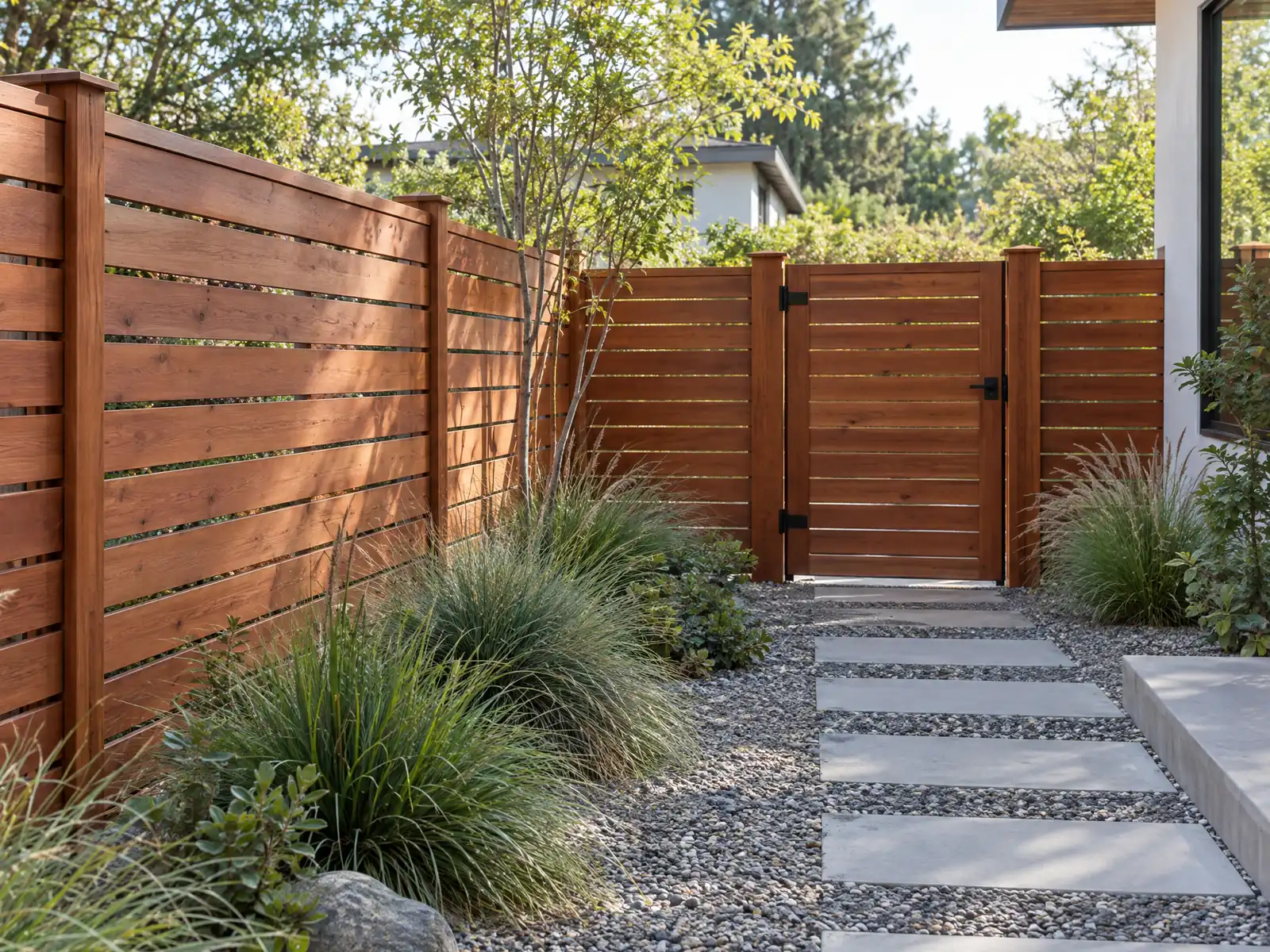
A fence in Claremont is a zoning question before it is a carpentry one. The older neighborhoods are mostly Craftsman houses from pattern books and merchant builders, according to a Claremont Courier history, while the northern citrus groves were later replaced by large-home developments. Census ACS 2024 five-year estimates put 77.9 percent of units as single-family, 67.5 percent of all units as detached houses, and about 37.6 percent of all units as built before 1960.
Claremont's limits are tighter than the state's, so a quote that ignores them can cost you a rebuild. On a fence job MDG Builders (CSLB #1040337) runs the zoning check, the permit question and the neighbor notice as general contractor, and a licensed fencing subcontractor builds the fence. Our fencing page holds the sourced price table, the Claremont overview lists every trade here, and Claremont roofing and Claremont painting cover the rest of the exterior. Nearby fence guides exist for Pomona, Pasadena, Glendale and Los Angeles.
What Claremont's zoning and building codes say about fences
Where fencing permits come from in Claremont: City of Claremont Community Development Department, Building Division.
- In Claremont front and street side yards, 16.133.020.B.2 limits fences and landscape features to 3 feet and gates to 3 feet, and any gate over a driveway must sit at least 20 feet from the front or street side line or sidewalk, whichever is closer. Posts, lamps and fountains taller than 3 feet must be at least 8 feet from the street line, no taller than 8 feet, and go through architectural review.
- Claremont allows fences up to 6 feet in required interior side and rear setbacks and along rear and interior side lines behind the front or street side setback line (16.133.020.B.1). A fence of 6 to 8 feet there needs a special use and development permit if the Director finds the extra height necessary for privacy or safety, and no fence may exceed 10 feet from the lower side grade without a conditional use permit or Architectural Commission approval.
- Claremont measures fence height from the average existing grade within 5 feet of the fence, or from the higher side for a shared fence, and allows up to 6 inches of grade variation as long as the average height does not exceed the maximum (16.133.020.A). Barbed wire is allowed only with a special use and development permit (16.133.020.B.7).
- Where a Claremont single-family district abuts a multifamily, commercial or industrial district, 16.133.020.C.1 requires a solid masonry wall of 6 to 8 feet along the interior property line, built when the abutting property is developed, and that wall is limited to 3 feet in a front or street side setback.
- Claremont's Chapter 15.04 exempts fences or walls not over 36 inches high from a building permit (15.04.020), which is lower than the state's general fence exemption. A taller fence or block wall is therefore permit work, and the zoning height rules apply either way.
- In Claremont, 16.300.030(C)(3) sends changes to grading, fencing, walls, pools and hardscape on single-family property to staff for architectural review, not including plant material changes, and 16.300.010(C) says no building permit may issue until plans are approved under that chapter.
- Claremont's Engineering Division requires an encroachment permit for private work in the public right of way, including garden walls or fences of any height, so a wall or fence placed in the right of way needs an Engineering permit as well as any building permit.
- On Claremont corner lots, 16.130.050 bars anything over 3 feet high in the triangle formed by points 20 feet along each property line from the corner, so a corner fence has to respect that sight triangle.
Sources for these rules
How tall can a fence be in a Claremont front yard?
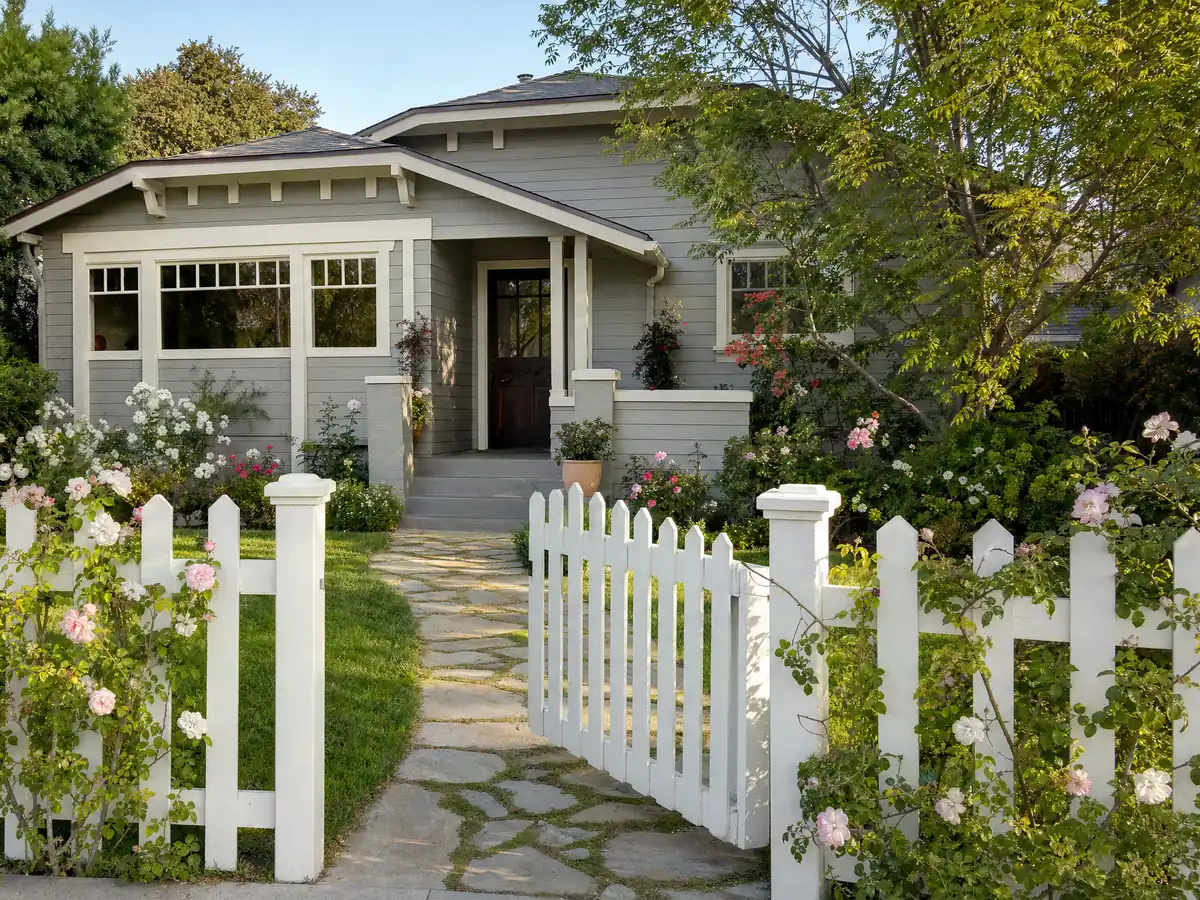
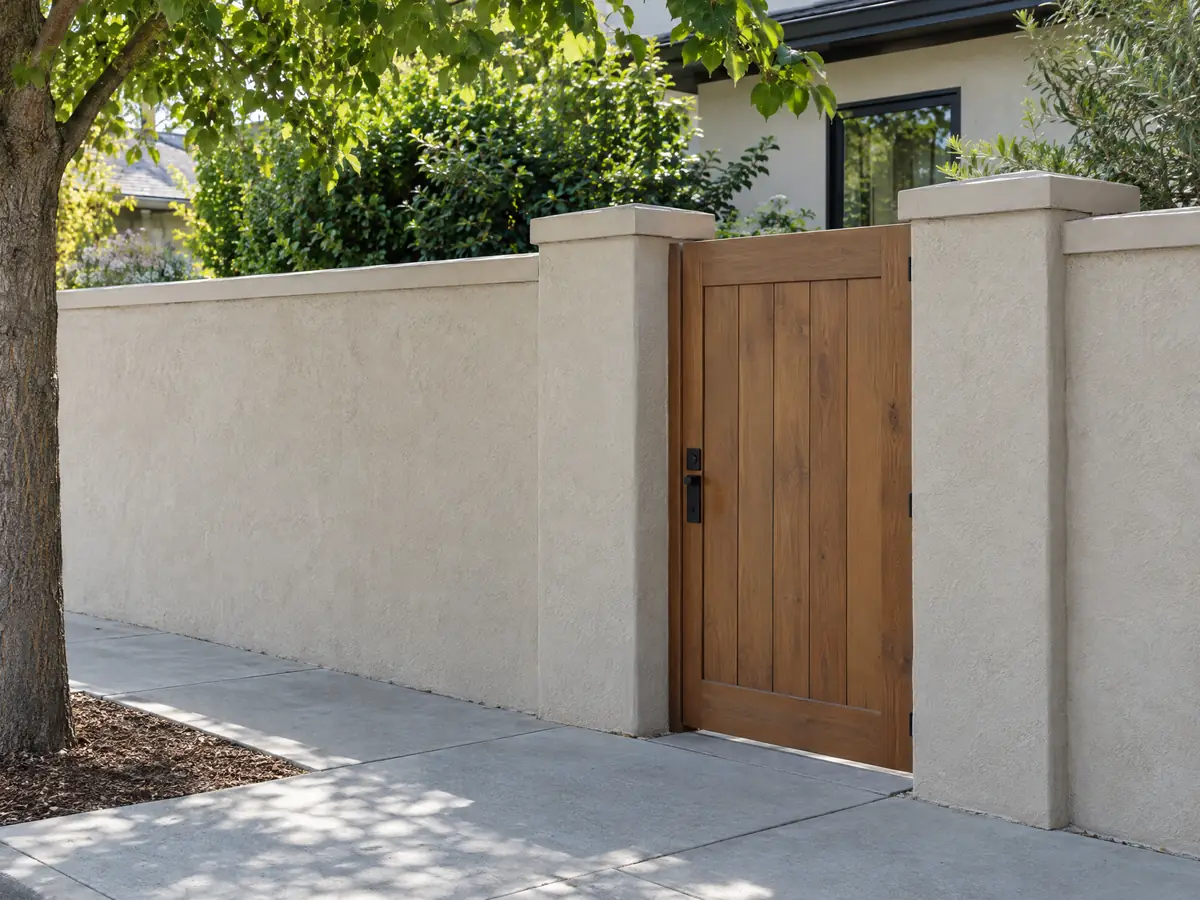
Three feet. Section 16.133.020.B.2 limits fences and landscape features in front and street side yards to 3 feet, and gates to 3 feet as well. A solid privacy fence at the sidewalk is out, so front yard designs here are low pickets, short walls and planting.
Posts, lamps and fountains taller than 3 feet follow their own rule: at least 8 feet from the street line, no taller than 8 feet, and architectural review. A gate across a driveway must sit at least 20 feet back from the front or street side line or the sidewalk, whichever is closer, which pushes a driveway gate far up the drive.
We read the code on GoCodebook, a third-party mirror of the Municipal Code, so confirm the section numbers with the City's Planning Division before a drawing is final.
Can I build a 6 foot or 8 foot fence in Claremont?
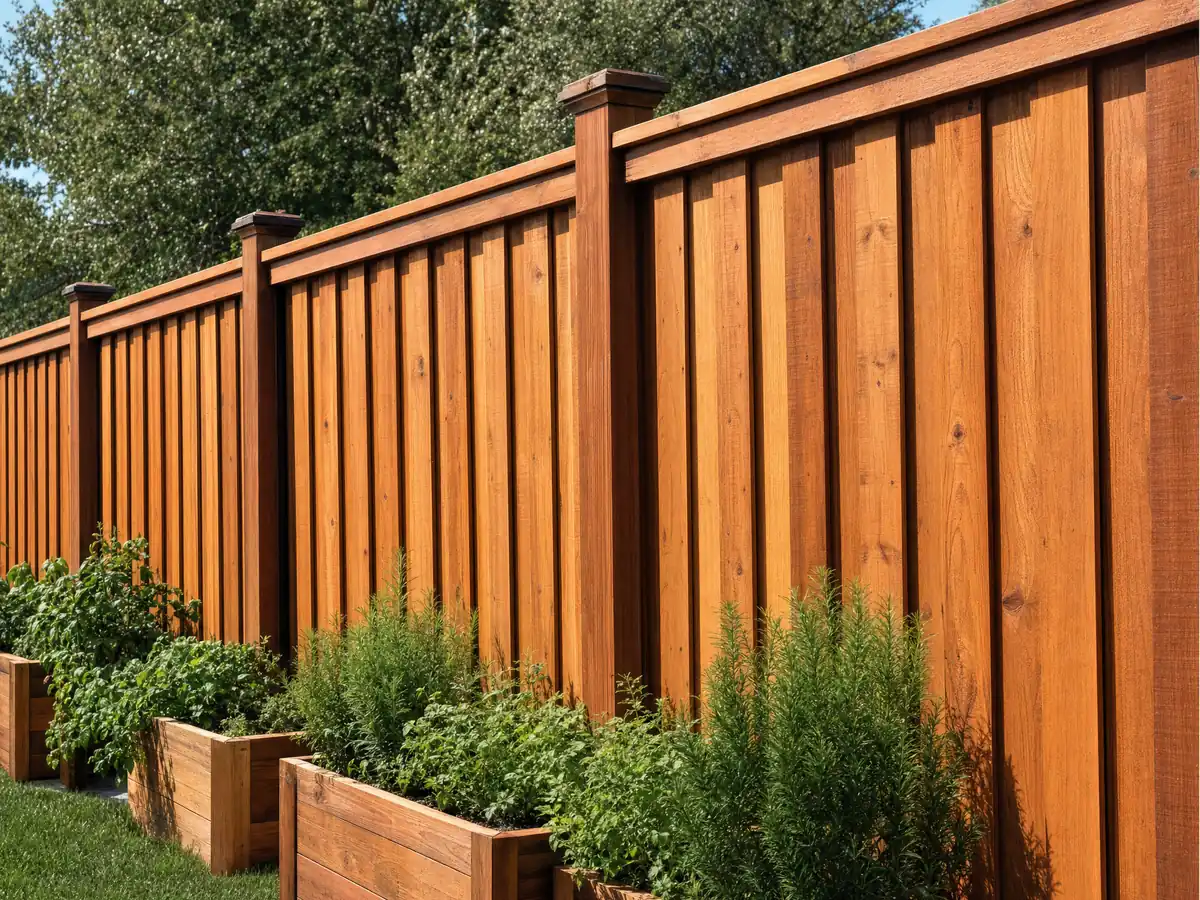
Six feet is the standard limit. Claremont allows fences up to 6 feet in the required interior side and rear setbacks and along rear and interior side lines behind the front or street side setback line (16.133.020.B.1). A fence of 6 to 8 feet there needs a special use and development permit, and the Director must find the extra height necessary for privacy or safety. No fence may pass 10 feet from the lower side grade without a conditional use permit or Architectural Commission approval.
Measurement has its own rules. Height is taken from the average existing grade within 5 feet of the fence, or from the higher side for a shared fence, and up to 6 inches of grade variation is allowed as long as the average height stays within the maximum. Barbed wire is allowed only with a special use and development permit.
On a corner lot, section 16.130.050 bars anything over 3 feet high in the triangle formed by points 20 feet along each property line from the corner. A corner fence has to respect that sight triangle however tall the rest of it is.
Does a fence in Claremont need a building permit?
Above 36 inches, plan on yes. Claremont's amendment to Chapter 15.04 (15.04.020) exempts only fences or walls not over 36 inches high from a building permit, which is lower than the state's general fence exemption, and the zoning height rules apply either way. The City's own page on when a permit is needed does not mention fences, so this comes from the code text, and the City's fence and wall handouts are scanned images we could not read.
Zoning review comes first. Section 16.300.030(C)(3) sends changes to fencing, walls, pools and hardscape on single-family property to staff for architectural review, not counting plant changes, and 16.300.010(C) says no building permit issues until plans are approved under that chapter. In the Historical Claremont and Arbol Verde districts, site changes need architectural review as well.
A fence or wall of any height in the public right of way needs an encroachment permit from the Engineering Division, with a contractor's license, insurance and a business license on file. Building permit intake runs through the Building Division at (909) 399-5471, and the City lists no fees, so ask for the permit fee as its own line in the proposal.
Block walls and retaining walls in Claremont: what are the rules?
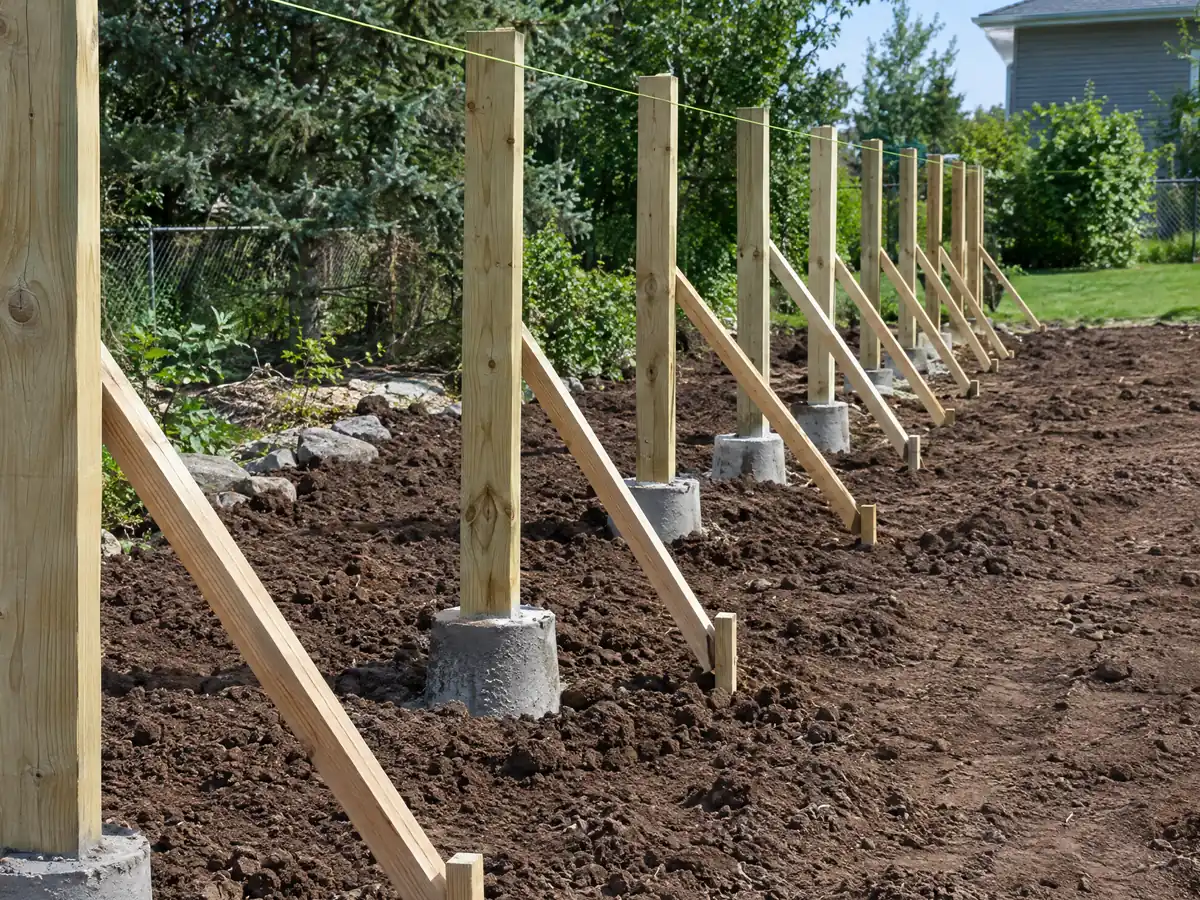
Where a single-family district meets multifamily, commercial or industrial land, section 16.133.020.C.1 requires a solid masonry wall of 6 to 8 feet along the shared line, built when the neighboring property is developed. That wall is limited to 3 feet inside a front or street side setback. We found no separate masonry height rule elsewhere, so ask Planning whether a block wall is held to the same caps as a fence.
The structure is a separate question from the zoning. Claremont's Standards and Requirements page lists City handouts for fences and walls, retaining walls, freestanding walls, masonry pilaster fences, a block wall atop a 2 foot retaining wall and an agreement for a common property line wall. Those PDFs are scans with no text layer and we did not read them, so we print no retaining wall height or footing rule.
Block is also a different trade license. CSLB writes the C-13 Fencing class to exclude masonry walls, which puts a block wall under C-29 Masonry, and we bring in a masonry subcontractor for it just as we do a fence builder.
Pool fences and horse corrals: what does Claremont require?
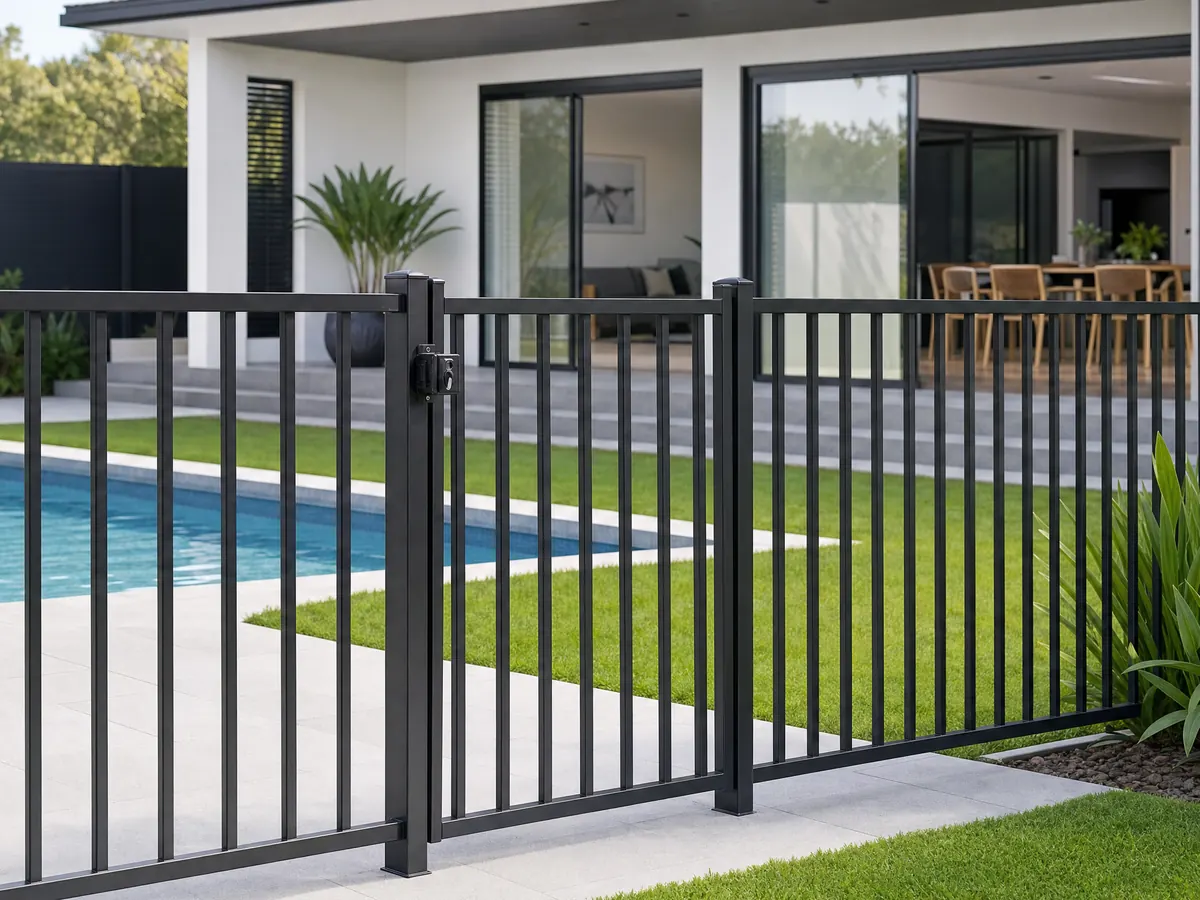
A Claremont pool barrier must be at least 5 feet tall, measured from outside grade 12 inches horizontally from the base of the fence, with openings no larger than 3 1/2 inches. Gates open to the outside and must self-close and self-latch, with the latch mounted at least 4 feet 6 inches above the ground (16.133.020.C.3). The code text says conditions that predate July 12, 1972 need correction only if the City Council finds a public safety hazard.
North of Base Line Road, the EQ Equestrian Overlay changes the rules for horse property. A corral or stable needs at least 625 square feet per horse, a corral fence of metal pipe or other Director approved material, and a spot 6 feet from interior or rear property lines. A building permit is needed for an overhead cover and for small structures such as a tack room.
Pools also bring state rules. Health and Safety Code 115922 requires two of seven drowning-prevention features when a permit issues for a new or remodeled pool. We did not read section 115923, so the City's 5 foot figure above is the only barrier height we print.
Who pays for a shared fence in Claremont?
Under California Civil Code 841, neighbors who share a boundary fence are presumed to split the reasonable cost of building, maintaining or replacing it equally. The owner who plans to spend money must give each affected neighbor at least 30 days' written notice with the problem, the proposed fix, the estimated cost, the cost split and the timeline.
Claremont also lists an Agreement for Common Property Line Wall or Fencing among its handouts, which suggests the City expects shared walls to be put on paper. We did not read the form, so ask the Building Division what it records and whether your lot needs it.
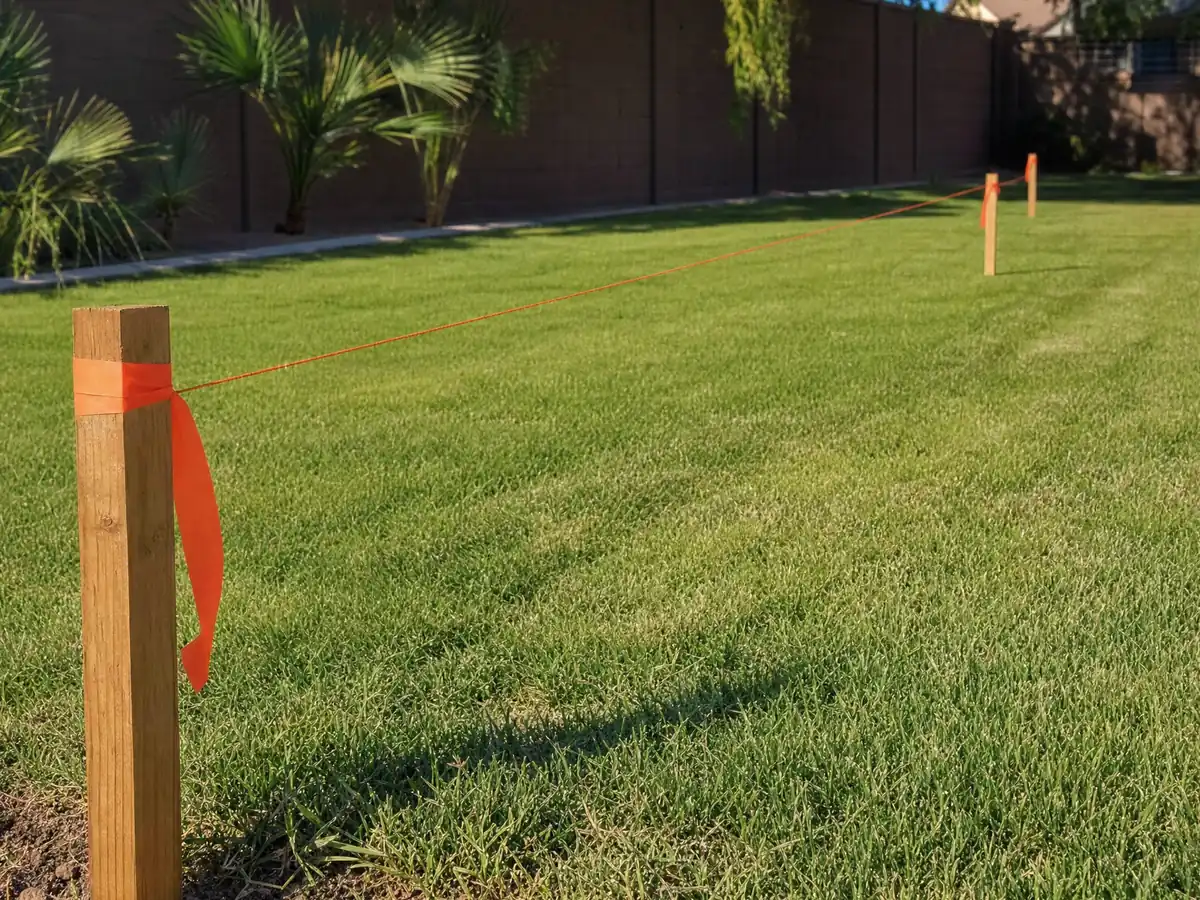
A fence is only as legal as its line. Ask for the lot's boundary survey, and if the line is in doubt, have the proposal say who pays for a surveyor before the first post hole is dug.
How much does fence installation cost in Claremont, and how do I hire a fence company?
No Claremont fence price survey turned up. The Los Angeles planning ranges we use are $25 to $55 per linear foot installed for a 6 foot wood or vinyl privacy fence, $12 to $30 for chain-link and $35 to $85 for aluminum or ornamental iron, so a 100 foot backyard run is about $2,500 to $5,500. They come from the overlap of Angi, HomeGuide, Thumbtack and Fixr, listed with dates on our fencing page. Permit fees are not included.
Nothing independent prices a block wall, a slat fence, a gate with an opener or a sloped lot, so the proposal has to carry those numbers. Fencing is CSLB class C-13, and our guide to checking a contractor's license shows how to read the record.
The deposit is capped at $1,000 or 10 percent, whichever is less, under Business and Professions Code 7159, and a permitted fence is never an unlicensed job, because the $1,000 minor-work exception ends when a permit is required. Ask the proposal to name the height, the setback from the street line, the footing depth and who files the permit. Our article on how general contractors use subcontractors explains the split with MDG.
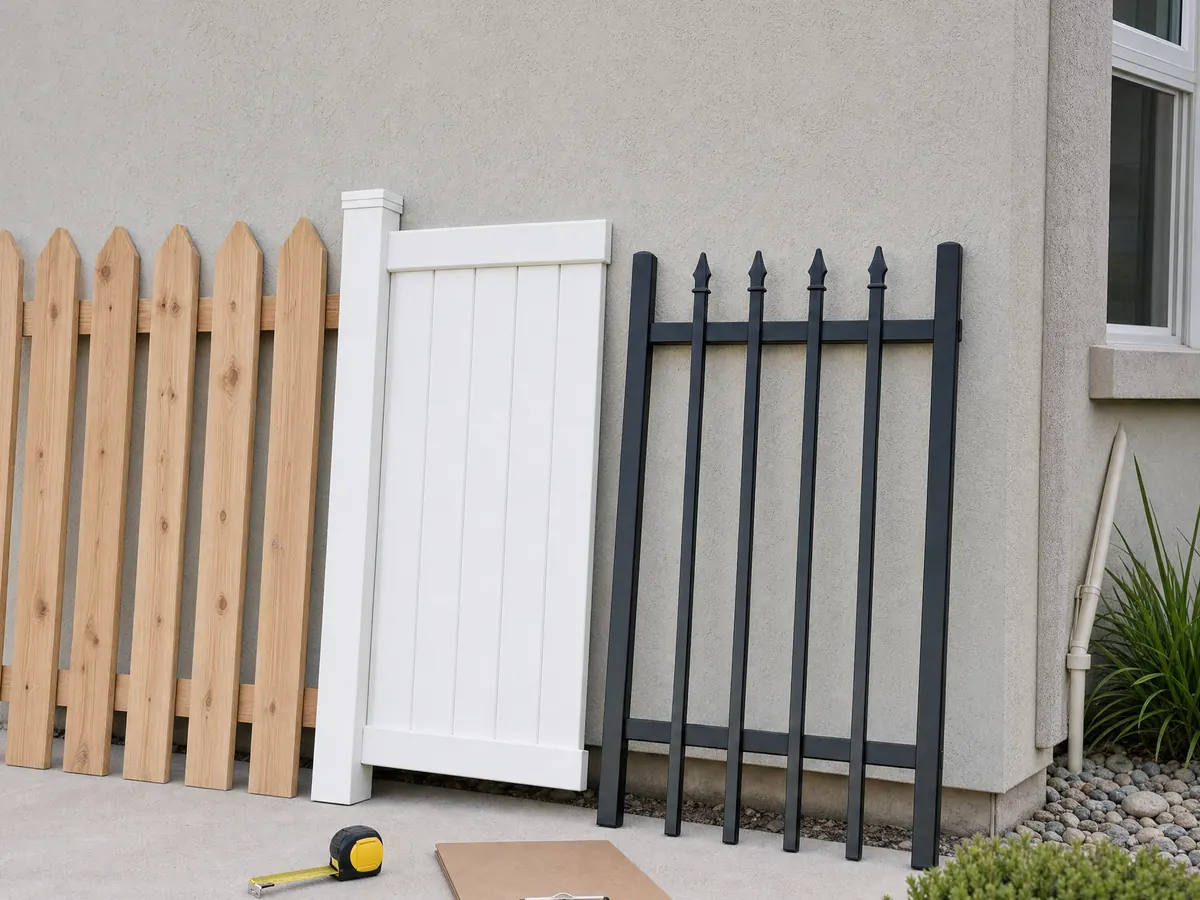
Fence and gate photos from Claremont and nearby communities
Six fence scenes tied to Claremont streets near the Village and to nearby communities like La Verne, Montclair and San Dimas, from low front pickets to block walls and pool gates.
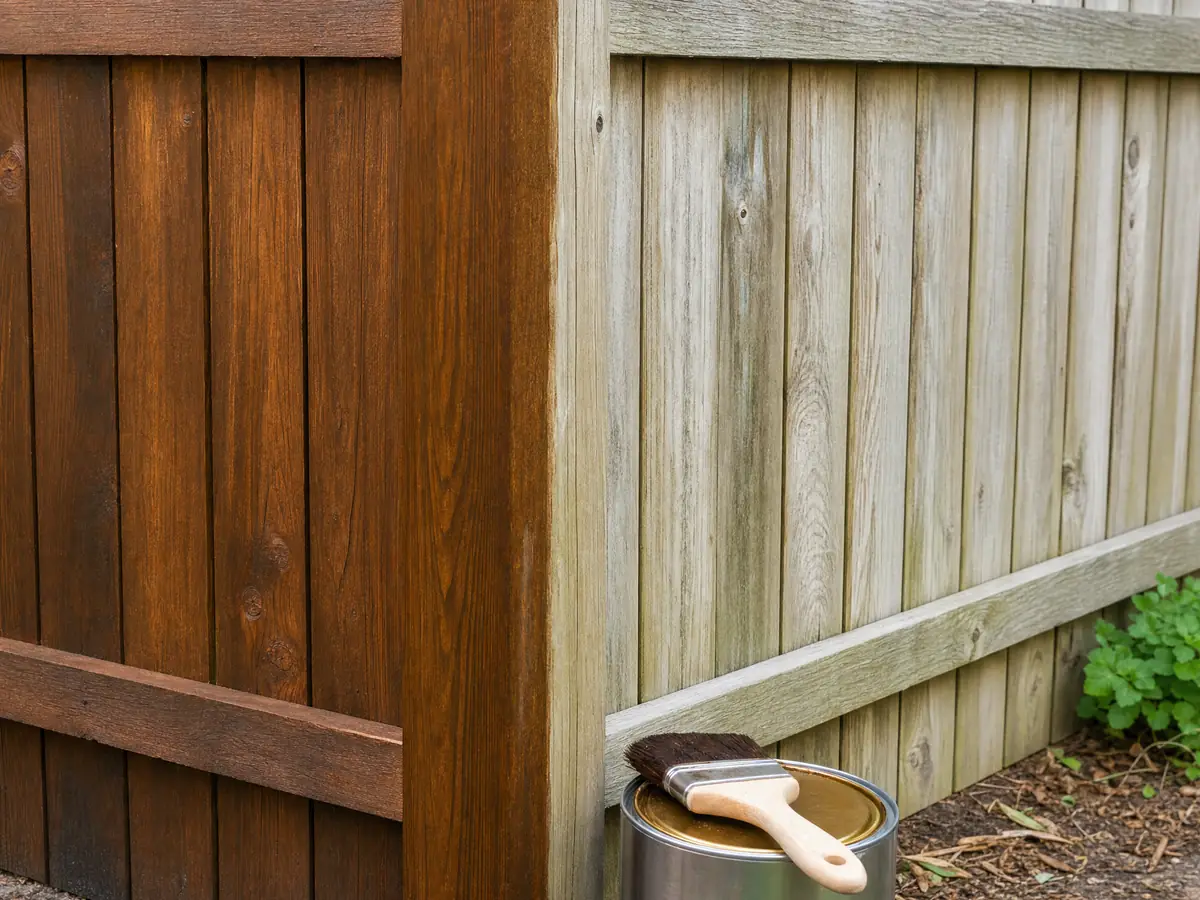
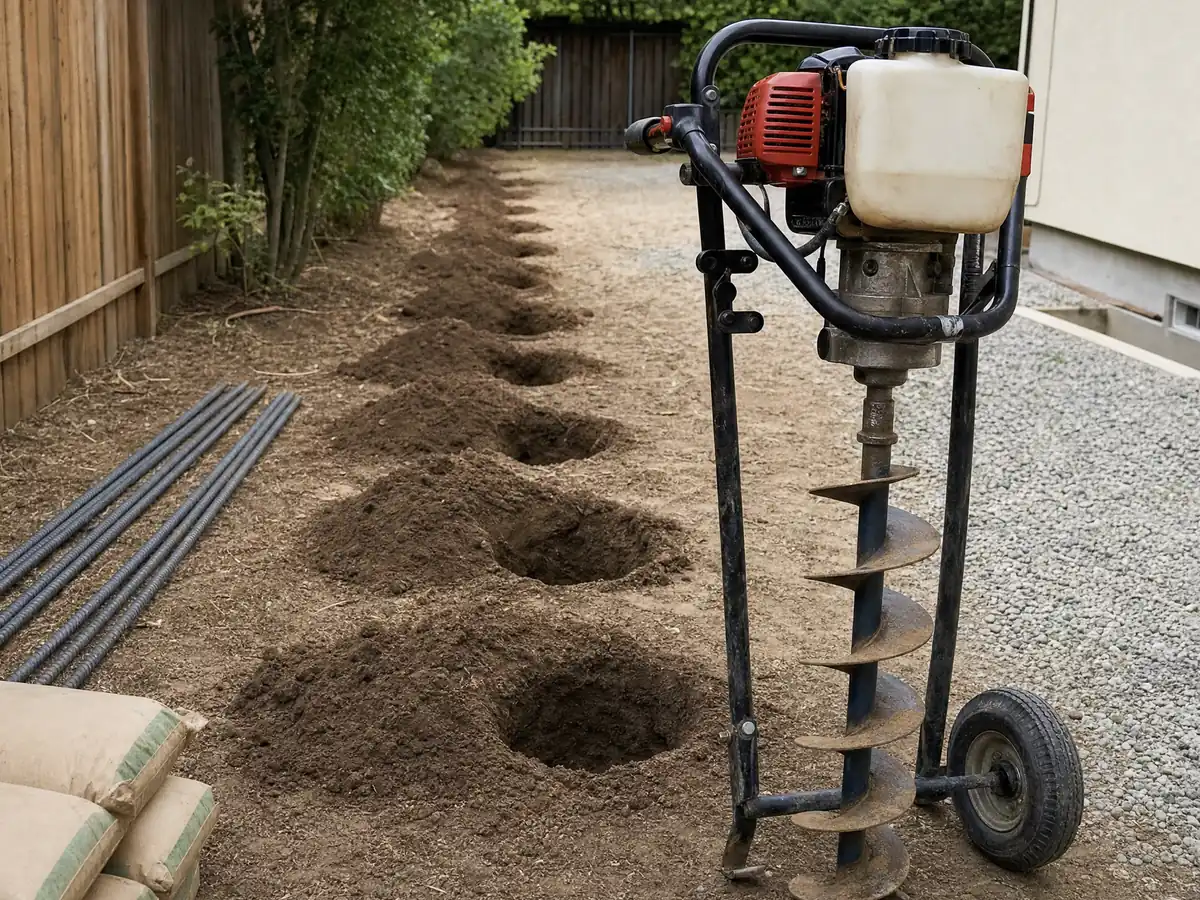
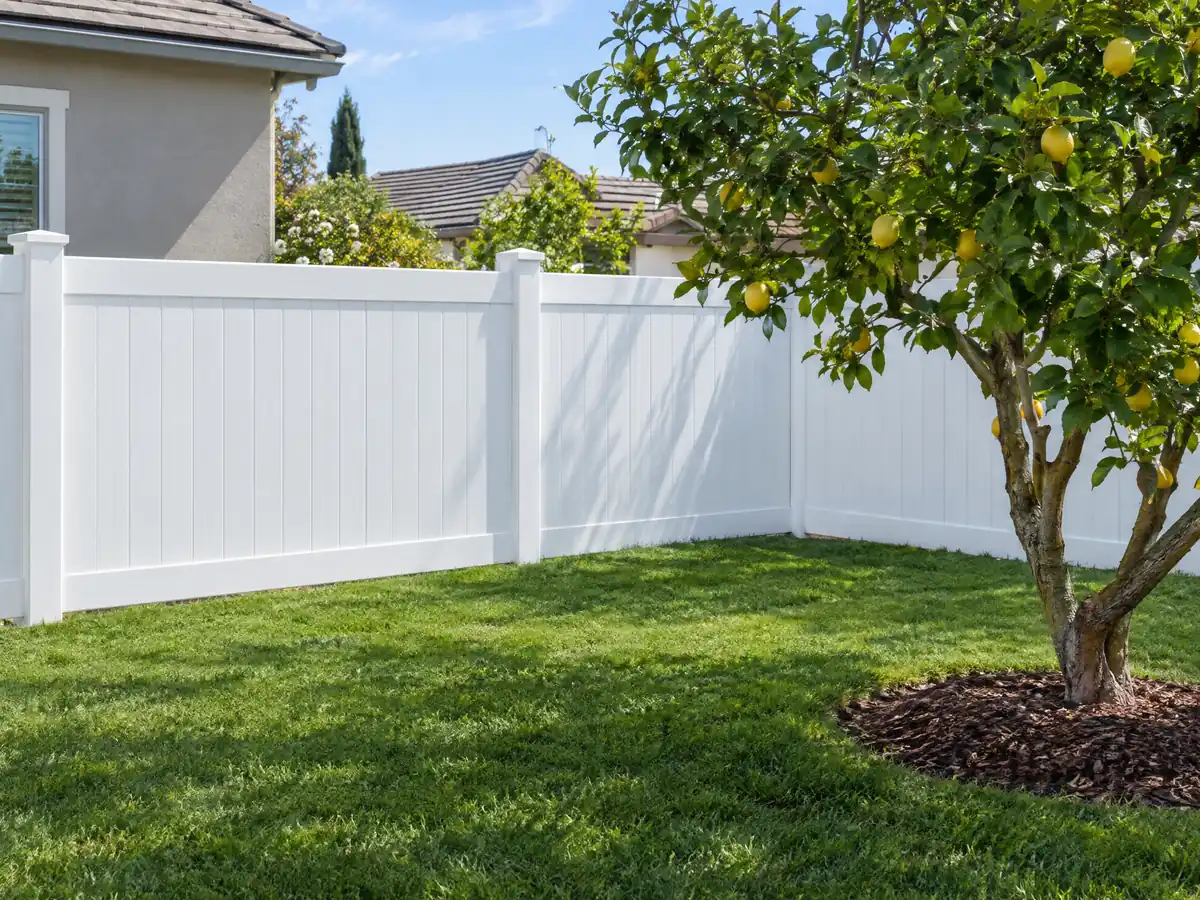
Where the fence numbers come from
Every per-foot figure here is a Los Angeles planning range, and the table with each source and date sits on the fencing cost page. Because the sources disagree at the low end, ask for a measured proposal that prices old fence removal, gates and any permit on separate lines.
| What it covers | Typical range |
|---|---|
| Wood or vinyl privacy fence, 6 feet | $25 to $55 per linear foot |
| Chain-link | $12 to $30 per linear foot |
| Aluminum or ornamental iron | $35 to $85 per linear foot |
| Typical 100-foot backyard run | $2,500 to $5,500 total |
| Block walls, horizontal slat fences, gates and openers, hillside lots | Set by the written proposal |
Claremont fence questions, answered
How tall can a fence be in the front yard in Claremont?
Three feet, in both front and street side yards, and gates are limited to 3 feet too. Posts, lamps and fountains taller than 3 feet must sit at least 8 feet from the street line, stay under 8 feet and go through architectural review. Historic districts add review, so confirm your lot with Planning.
Do I need a permit to build a fence in Claremont?
For anything over 36 inches, plan on yes. Claremont's code exempts only fences or walls not over 36 inches high from a building permit, and zoning review applies on top. A fence in the public right of way also needs an Engineering encroachment permit. We read the code on a mirror, so confirm with the Building Division.
Can I put up a 7 foot fence in Claremont?
Not by right. The standard limit is 6 feet in side and rear setbacks, and 6 to 8 feet needs a special use and development permit after the Director finds the extra height necessary for privacy or safety. A fence over 36 inches needs a building permit as well. Ask Planning before ordering panels.
How much does a new fence cost in Claremont?
We found no Claremont survey. Los Angeles planning ranges are about $25 to $55 per linear foot installed for wood or vinyl privacy fencing, which puts a 100 foot run near $2,500 to $5,500. Walls, slat fences and gates have no independent source, so the written proposal sets those prices.
Does my neighbor have to pay for half the fence in California?
Presumably yes, for a fence on the line between your lots. Civil Code 841 treats the reasonable cost of building, maintaining or replacing it as split equally unless you agreed otherwise. Send each affected neighbor 30 days' written notice with the fix and the estimate before you spend money, since a neighbor may argue the split is unjust.
Is chain-link allowed in a Claremont front yard?
The code text we read does not ban chain-link by name, but the 3 foot front yard cap applies to any fence material. We found no Claremont material list, so ask Planning whether architectural review would accept chain-link facing the street. Barbed wire is allowed only by special use and development permit.
Do I need a permit for a block wall or retaining wall in Claremont?
A block wall over 36 inches is permit work under Claremont's amendment. The City's retaining wall, freestanding wall and masonry pilaster handouts are scans we could not read, so we print no retaining wall rule. A masonry wall is C-29 work, not C-13 fencing. Ask the Building Division which handout fits your wall.
What fence is required around a pool in Claremont?
At least 5 feet tall, with openings no larger than 3 1/2 inches and gates that open outward, self-close and self-latch with the latch at least 4 feet 6 inches up. The 5 feet is measured from outside grade 12 inches out from the fence base. Conditions that predate July 12, 1972 are treated differently in the code text.
Can I install my own fence in Claremont?
The code text we read does not stop an owner, but the same limits bind you: 3 feet up front, 6 feet at the side and rear and a permit above 36 inches. We did not research owner-builder paperwork, so ask the Building Division. Send the neighbor the Civil Code 841 notice before spending money if you want a cost share.
How do I choose a fence company or fence installation contractor in Claremont?
Look up the CSLB license first, class C-13 for fencing or C-29 for masonry, then line up two written proposals that state height, materials, footing depth, gates and who files the permit. The deposit may not exceed $1,000 or 10 percent, whichever is less. Ask whether the crew knows the 3 foot front yard cap before drawings start.
Plan your fence project in Claremont
Tell us the street, how much of the run faces the street and whether there is a pool, a horse corral or a neighbor on the line. We check height, review and permit questions before we call back.