
Roof Repairin El Monte, CA
Roof repair in El Monte starts at the Building Division counter: re-roof permits are not online yet, and every roof permit needs a signed affidavit that the house was built with permits. Roof replacement must also meet the 2025 cool roof rule, while the July 2026 soils report rule covers foundation work, not a plain re-roof.
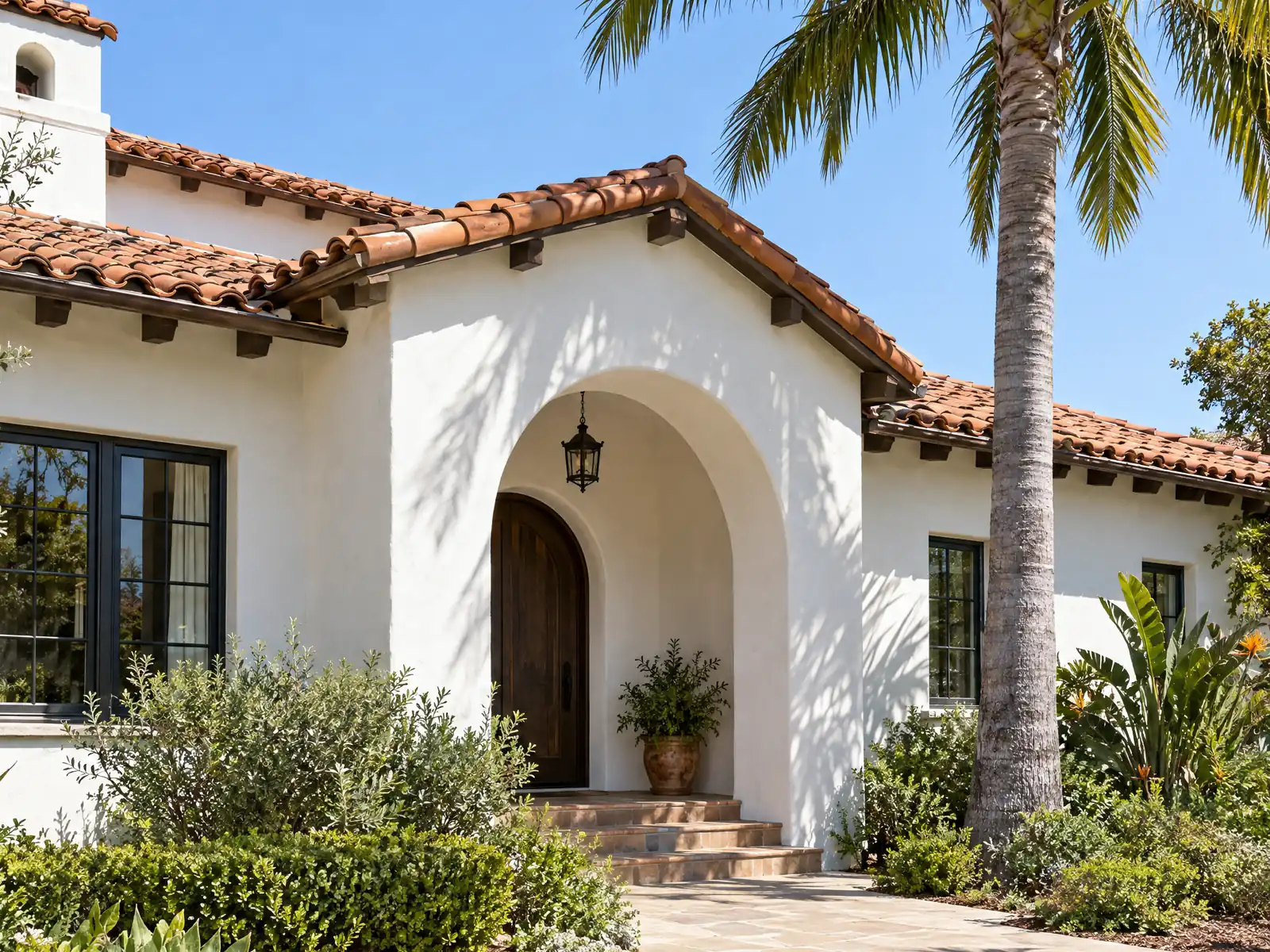
El Monte grew up between the San Gabriel and Rio Hondo rivers, incorporated in 1912 and then filled with houses after the war. The Census Bureau's 2024 estimates put 70.3 percent of its 30,610 housing units before 1980 and 38.2 percent before 1960, with the 1950s (6,874 units) and the 1960s (6,715) the two biggest decades. About 54 percent of units are detached houses, and 58.4 percent of households rent, so the person signing for the roof is often a landlord. The City's own Housing Element says homes older than 50 years frequently need new roofing, which makes this a city of second and third roofs.
Weather sets the other limits. NOAA's 1991 to 2020 normals for the San Gabriel Fire Department station, about 4 miles west of the city's center, show 15.67 inches of rain a year with about 81 percent of it from December through March, plus roughly 64 days at or above 90 degrees F. MDG Builders (CSLB #1040337) works as the general contractor on a roof: we write the scope, file the permit and keep the schedule, and a licensed C-39 roofing subcontractor does the tear-off and installation. The roofing page holds our sourced price table, the El Monte overview lists the other trades, and the same fence and paint questions are answered for fencing in El Monte and house painting in El Monte.
What El Monte's Building Division says about roofs
Where roofing permits come from in El Monte: City of El Monte Community and Economic Development Department, Building Division.
- The City requires a signed Affidavit for Roof Permits with the building permit application: the owner declares under penalty of perjury that the roof is going on a structure built with permits and acknowledges that the permit does not approve unpermitted structures, citing Los Angeles County Building Code section 106.2.
- The City's Apply for Permits page lists 'Residential Reroof' as an online permit type marked 'coming soon', so re-roof permits are currently handled at the Building Division counter.
- El Monte is in Climate Zone 9 per the Building & Safety page. Under the 2025 California Energy Code, per the Cool Roof Rating Council's December 4, 2025 chart, a single-family re-roof with a steep-slope roof in climate zones 4 and 8 to 15 must use roofing with an aged solar reflectance of at least 0.20 and thermal emittance of at least 0.75, or an SRI of at least 16; roof constructions weighing at least 25 pounds per square foot and building-integrated PV panels are exempt. The chart tells readers to confirm with the code itself.
- The City's design wind speed is 95 mph (3-second gust) with Exposure B for roof design.
- In the Los Angeles County copy of CAL FIRE's Local Responsibility Area hazard zones (revised August 2025), all 35 grid points sampled across El Monte returned Non-Wildland, so no wildfire-zone roof classification was found for the city; this is a sample, not a parcel map.
- Residential rooftop solar goes through SolarAPP+ for licensed contractors only (main dwelling, rooftop, not ballasted or ground-mounted), with an auto-issued permit in the City's online portal; a main panel upgrade needed for the solar needs a separate electrical permit pulled in person.

Does roof repair or roof replacement need a permit in El Monte?
Plan on a counter visit. The City's Apply for Permits page lists Residential Reroof as an online permit type marked coming soon, so a re-roof is filed in person at City Hall West. The counter takes walk-ins Monday to Thursday from 8:00 a.m. to 4:00 p.m., stops signing people in at 3:00 p.m. and is closed Fridays, which means a roofer who promises to file on Friday has misread the calendar. Inspections need 24 hours notice, per the Building and Safety page.
We found no City page that exempts a small repair or says where a patch ends and a re-roof begins. A few replaced shingles around a vent is a different job from redoing a whole slope, so ask the counter about your scope before the ladder goes up.
The City's Simple Process handout adds two rules that matter to an owner: a properly licensed contractor pulls the permit, and owner-builder permits exist only for residential projects. Fees follow project valuation, and we did not find a roof-specific fee, so get the figure at the counter.
Ask for the permit number and the inspection dates in writing, because the Building Division works four days a week.
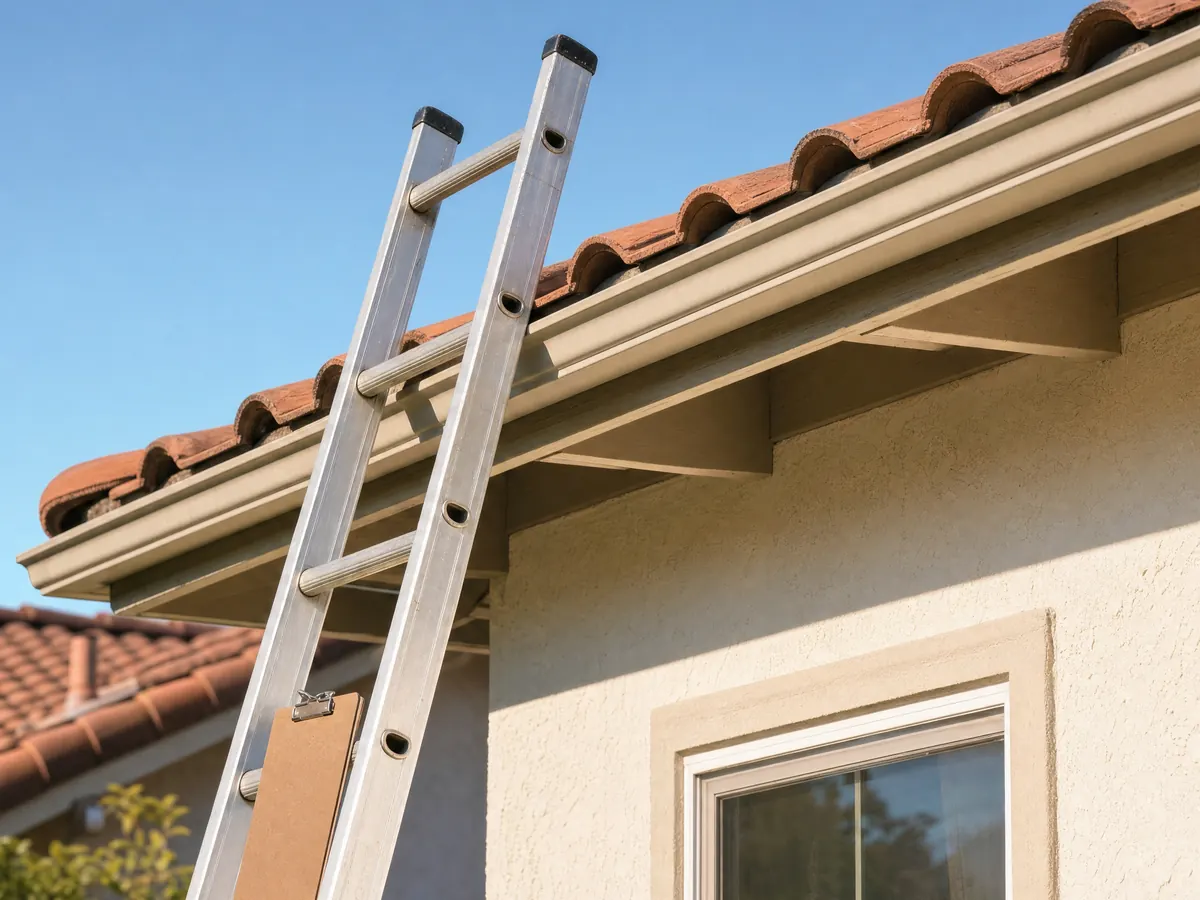
What is under the shingles of a 1950s or 1960s El Monte house?
A house from those two decades is usually on its second or third covering. Arden Village, the neighborhood the General Plan describes as small uniform lots with traditional 1950s single-family homes, and the older streets of Norwood-Cherrylee are full of them. Roofs that age have been patched, overlaid or both, and the tear-off is where the history shows.
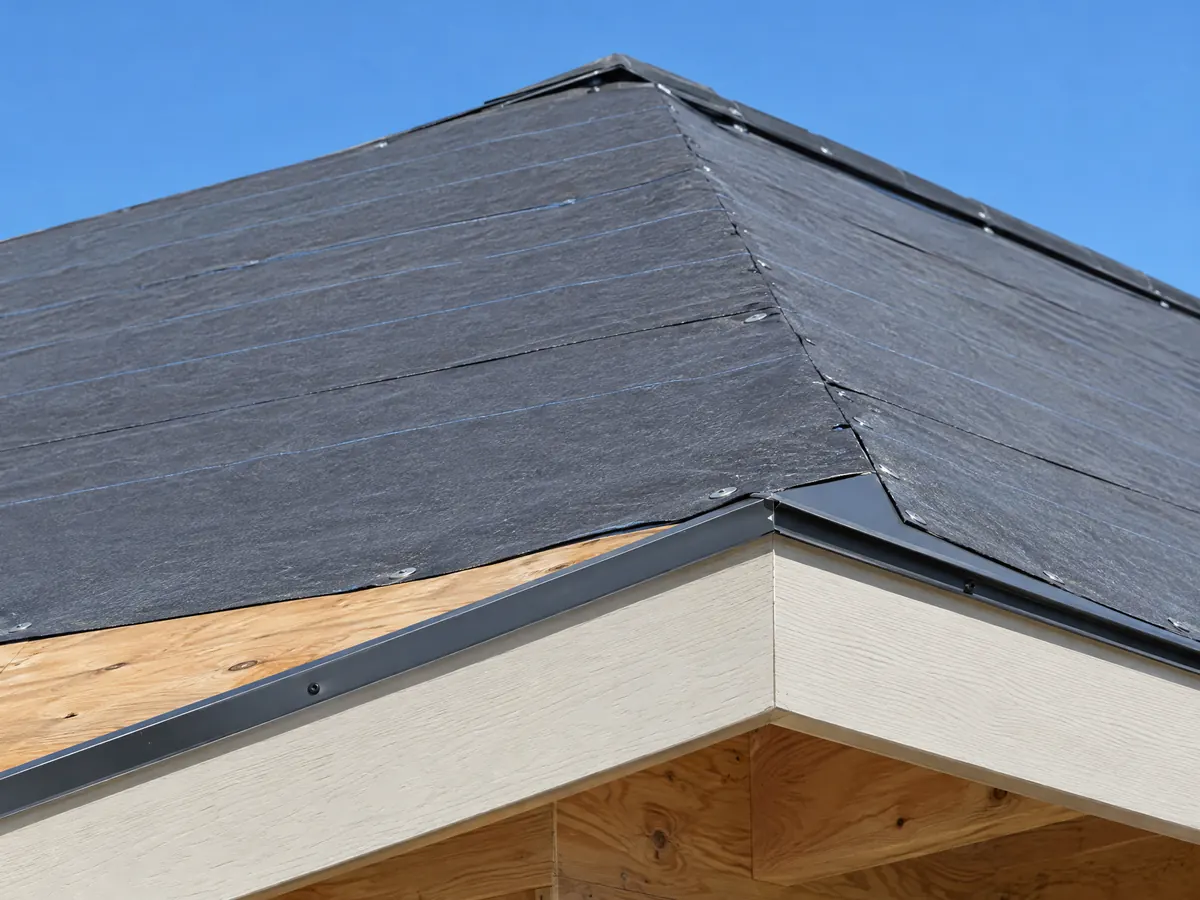
We found no El Monte source that says what decking those houses carry, so do not assume plywood. Ask the roofer to look at the deck from the attic side before the quote is final and to say how many layers are on the roof now. Rot found after tear-off is the usual surprise, and a price per sheet agreed in advance beats an open change order.
Four items belong in the written scope of a roof on an older house:
- The number of existing layers and who removes them
- The deck condition and the unit price for replacing damaged sheets
- Which vents, boots, valleys and flashings are new and which are reused
- Who rents the debris bin and how the City's bin rule is met
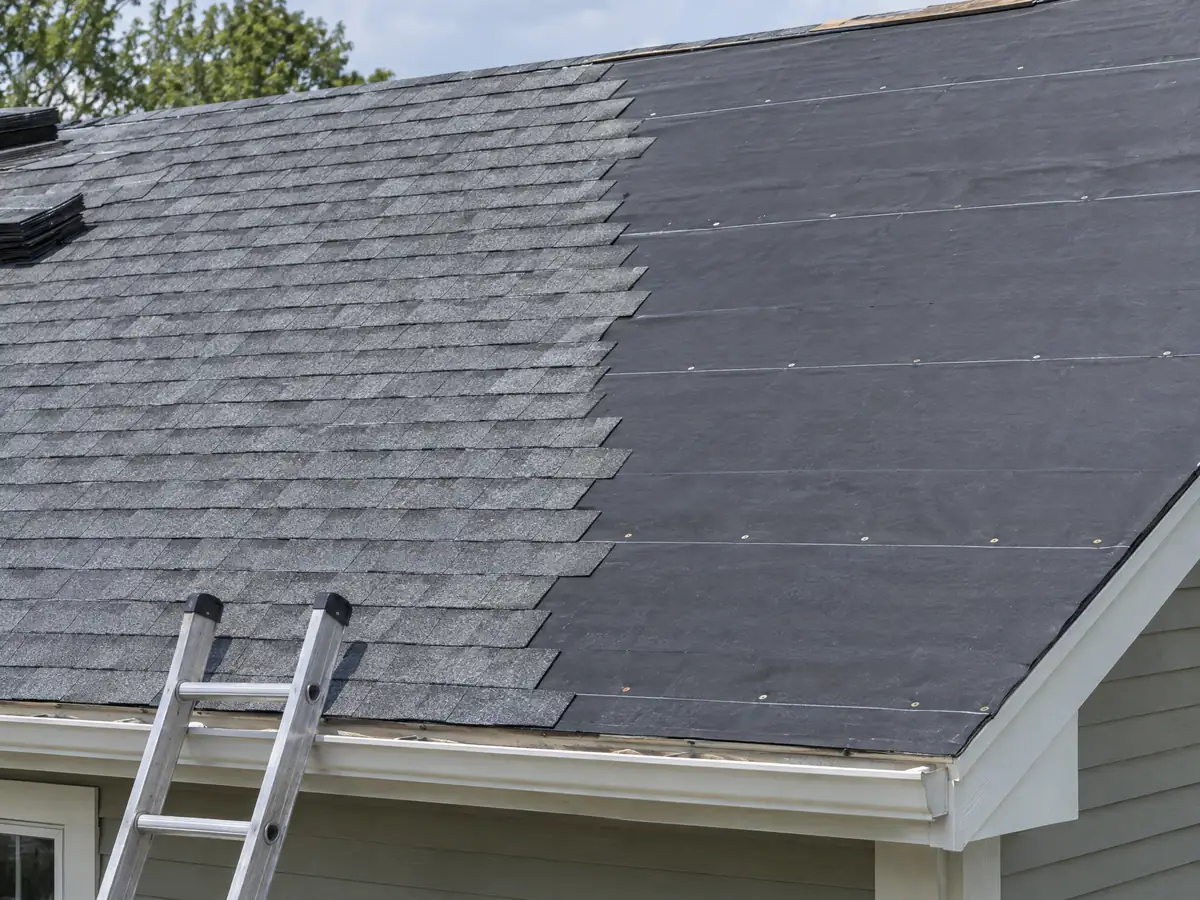
Does a roof replacement in El Monte have to be a cool roof?
Probably yes for a steep-slope single-family re-roof. The City's Building and Safety page places El Monte in Climate Zone 9. A December 2025 summary chart from the Cool Roof Rating Council of the 2025 California Energy Code says a single-family steep-slope re-roof in climate zones 4 and 8 to 15 needs roofing with an aged solar reflectance of at least 0.20 and thermal emittance of at least 0.75, or a solar reflectance index of at least 16.
Two exemptions appear on the same chart: roof constructions weighing at least 25 pounds per square foot, and building-integrated solar panels. The chart tells readers to confirm with the code itself, and we could not confirm how much of a roof must be replaced before the rule applies, so ask the counter for the threshold that applies to your job.
Heat is the reason this is worth caring about here. The same weather station logs about 64 days a year at or above 90 degrees F and 7 at or above 100, so a roof that reflects sun earns its keep on the second floor and in the attic of a small tract house.
Ask the roofer for the product's Cool Roof Rating Council label before the order goes in.
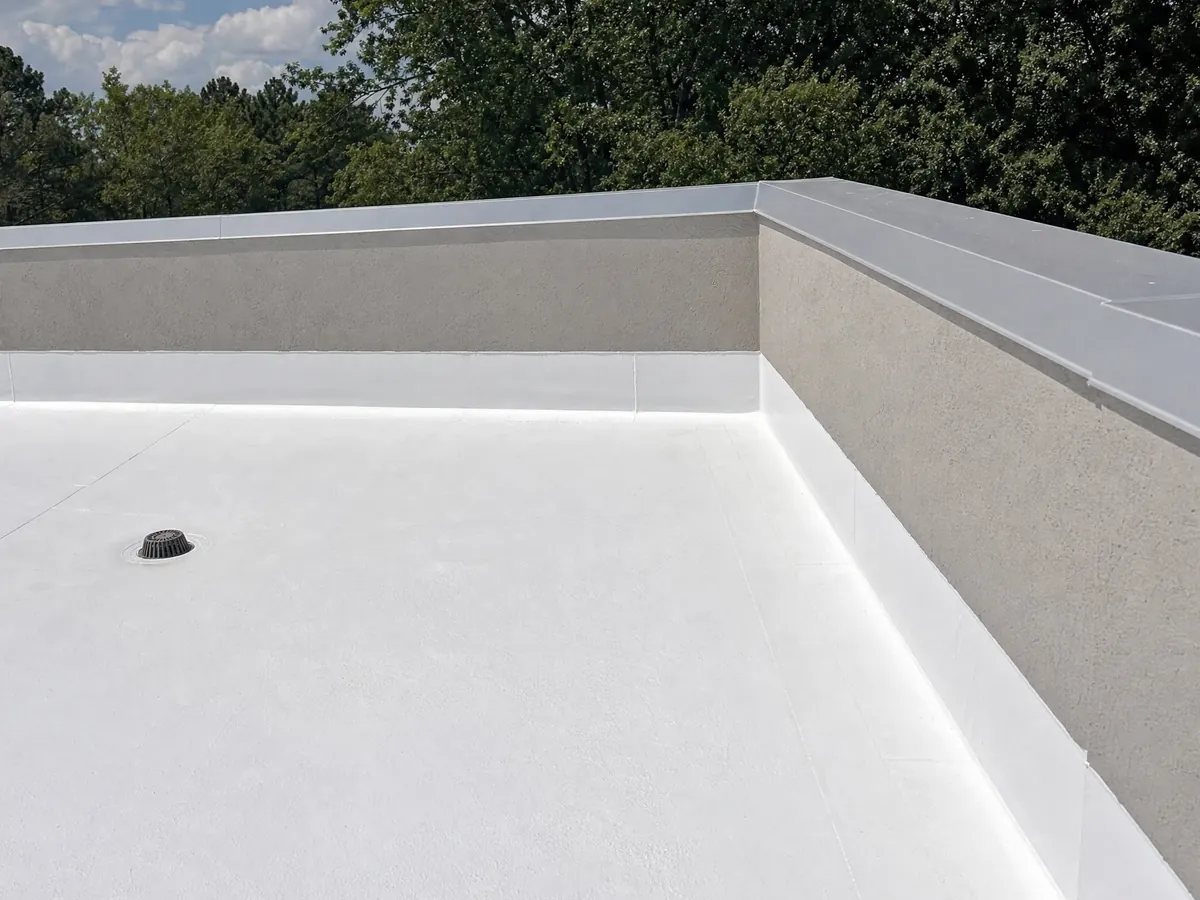
Where does an El Monte roof leak first, and when is roof repair enough?
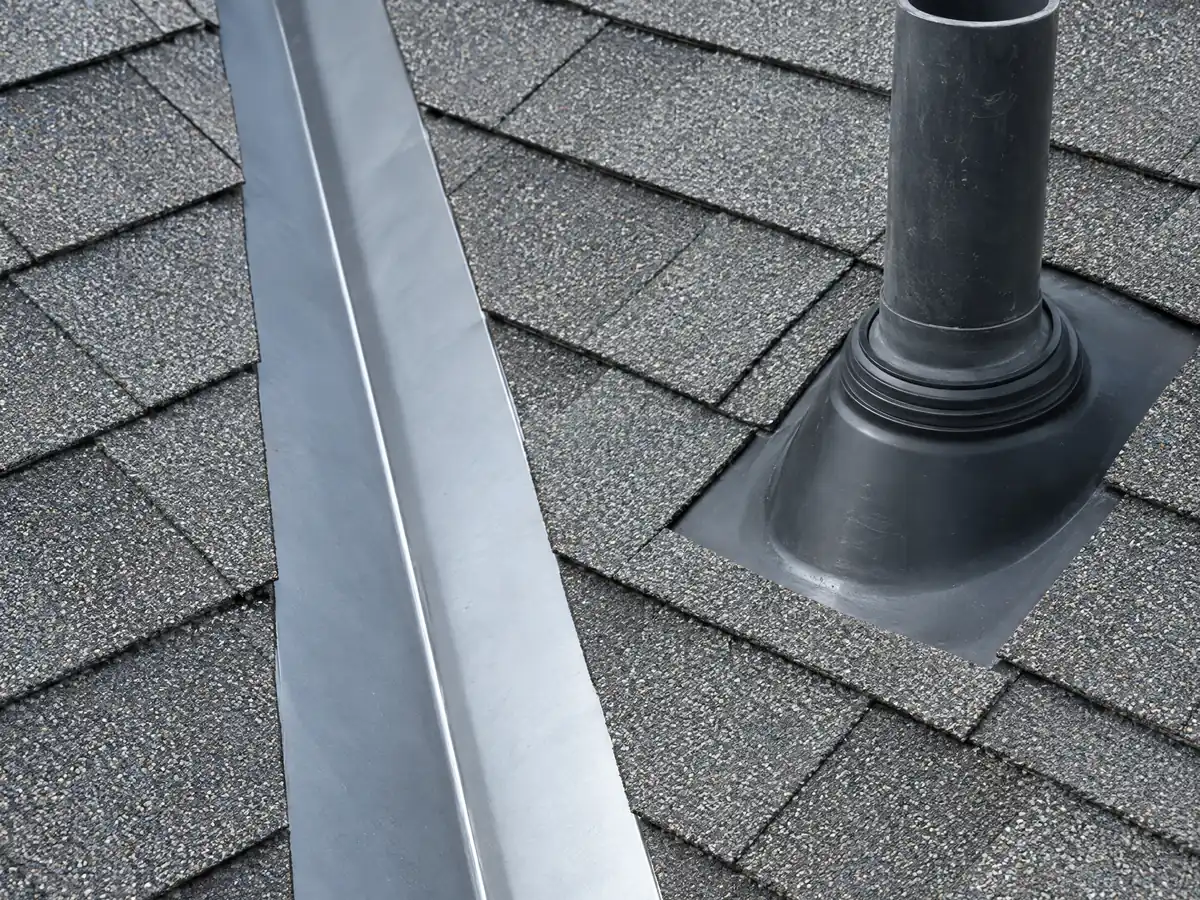
Most leaks start at an opening, not in the middle of a field of shingles. Valleys, plumbing vent boots, chimney and wall flashings, skylight curbs and the edges of the roof are where water finds a way in once the winter rains arrive, and about four fifths of the year's 15.67 inches fall between December and March. A hot, dry summer of 64 days at or above 90 degrees F bakes the sealants that hold those details together, so the first storm is the test.
Repair makes sense when the damage is local and the covering around it is sound: one cracked boot, one failed valley, a short run of lifted tabs. Replacement makes sense when leaks keep moving to new spots or the sheathing is stained across several areas. The design wind speed the City uses is 95 miles per hour at Exposure B, so loose, brittle edges are worth checking after a windy week.
Ask any roofer who finds a leak to photograph the problem from above and from the attic, mark each repair spot and say what the repair cannot fix.
Does the July 2026 soils report rule apply to a new roof in El Monte?
Not by its wording. Since July 1, 2026 the Building Division's geotechnical policy requires a soils report from a California-registered engineer for permits that create or alter foundations: new footings, additions, ADUs and alterations that affect the foundation. Re-roofs are not on that list. The reason for the rule is the ground: the General Plan says all of El Monte lies in an area with potential for liquefaction, and the policy treats questionable soils as present throughout the city.
The picture changes when a roof job grows. A new patio cover, a room built under a new roof or a second story brings footings, plans and Planning review into the same permit, and the Zoning Clearance handout lists patio covers and additions as needing clearance before any other work. A plain re-roof is not on that list. Around The Wye and the Rurban Homesteads, the overlay holds buildings to 25 feet and 1.5 stories, so a plan that raises the roofline there should start with Planning.
If your roofer also wants to add a post, a beam or a footing, ask the counter whether the work counts as altering a foundation before you sign.
Rooftop solar and a new roof in El Monte: what comes off, what is permitted?
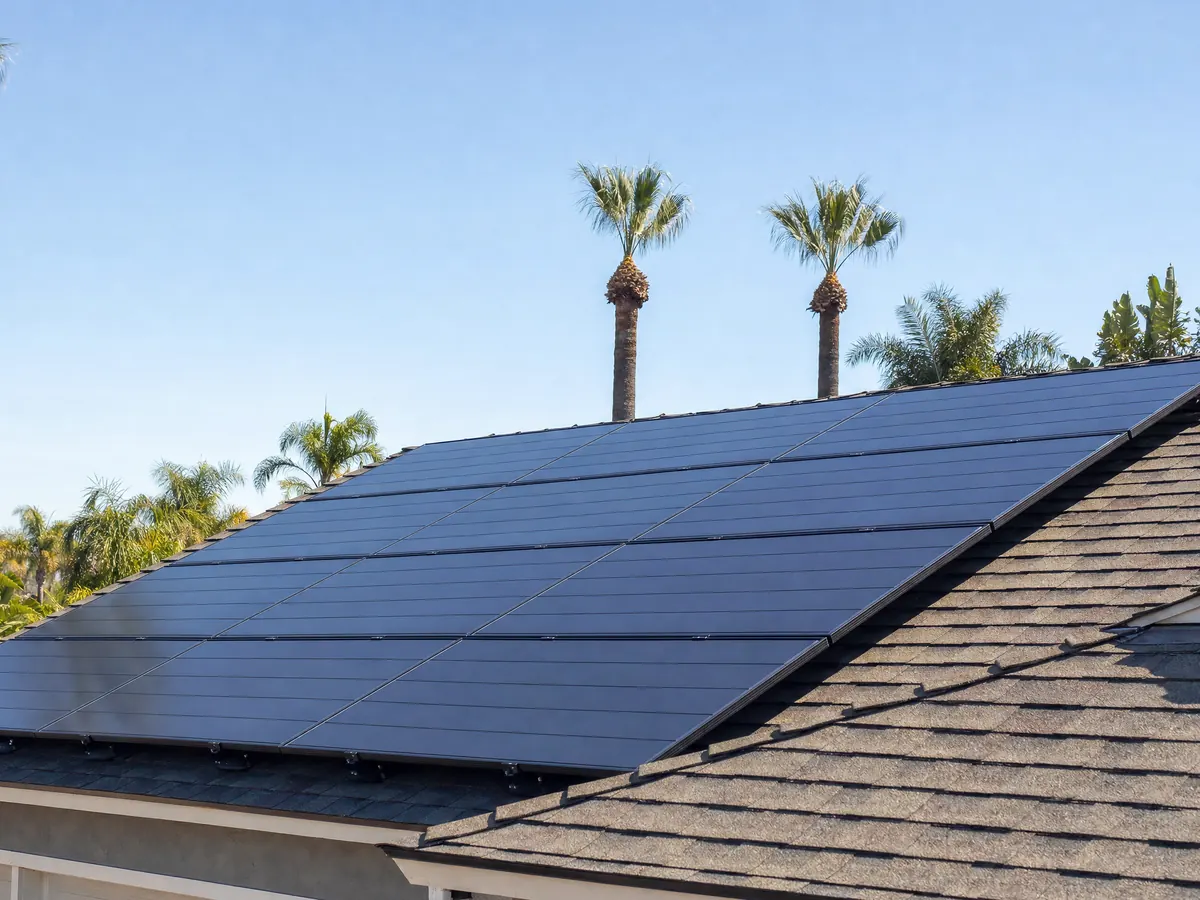
Panels usually have to come off before a tear-off and go back after the new covering is down. Angi's Los Angeles page prices that detach and reset at $500 to $1,000, and a licensed solar contractor, not the roofer, normally handles the electrical side. Plan the order on paper so the roof is dry and the panels are re-energized in one sequence.
The City's SolarAPP+ page covers rooftop systems on the main dwelling that are not ballasted or ground-mounted, filed by licensed contractors and issued automatically in the online portal. The same page says a main panel upgrade needed for the solar needs a separate electrical permit pulled in person, while the Apply for Permits page lists panel upgrades among its online permit types. Ask the counter which route your address takes.
A new solar system on a new roof also helps with the energy code: roof area under building-integrated panels is exempt from the cool roof requirement, according to the Cool Roof Rating Council chart.
How much does roof replacement cost in El Monte, and who should do it?
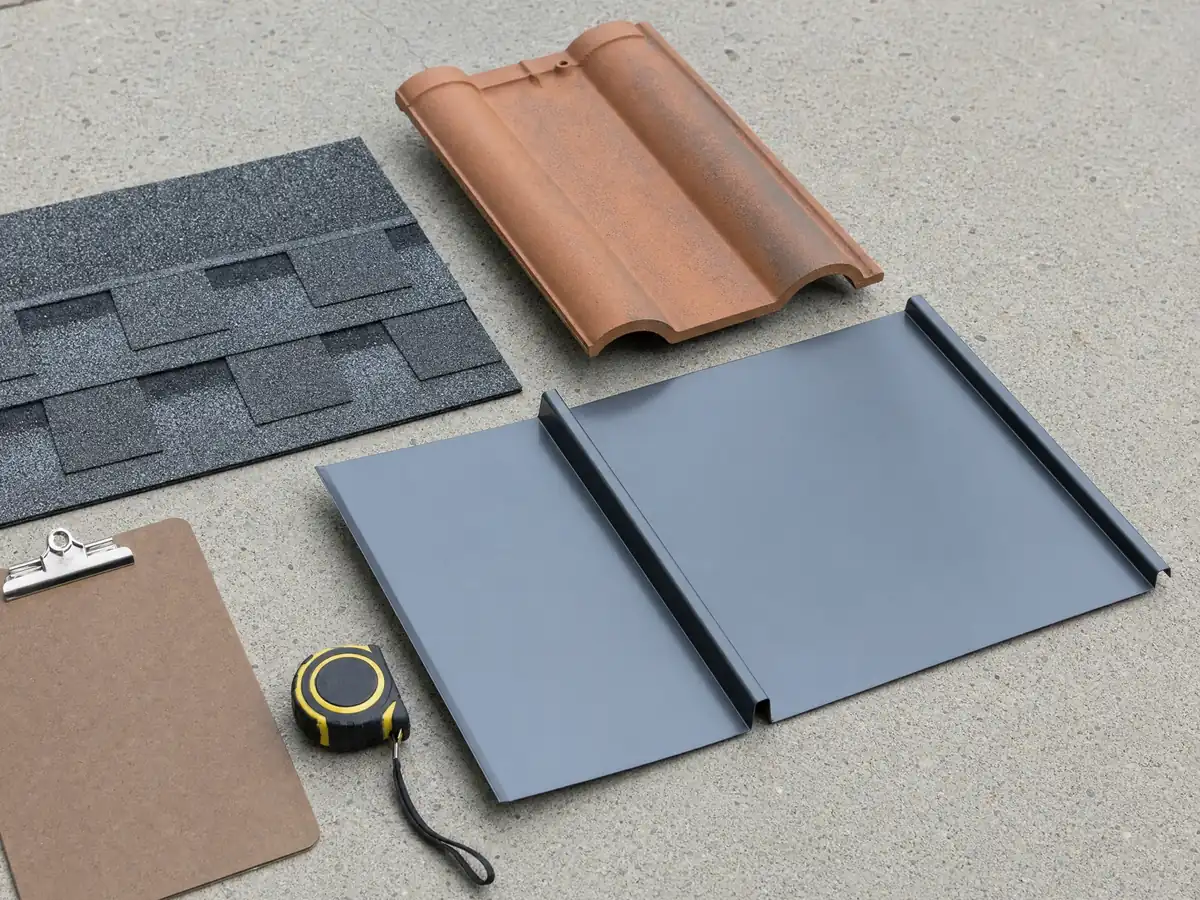
We found no El Monte price survey, so this page prints no El Monte number. The nearest sourced figures are for Los Angeles. Angi's July 2026 page gives $10,256 to $24,963 as the typical range, $4 to $12 per square foot for asphalt, $7 to $15 for tile and $7 to $16 for metal, with tear-off at $1,000 to $3,000. Remodeling magazine's 2025 Cost vs. Value report prices one reference roof at $36,417 in asphalt and $62,069 in metal, and it does not publish that roof's size.
The City's fee schedule adds a cost that surveys miss: construction and demolition work needs a bin rental through its debris partner, Valley Vista Services, with proof of service before the permit is issued. Put the bin, the permit and the deck allowance on separate lines of the proposal.
Roofing is CSLB class C-39. Check the number using our license checking guide, and on an MDG job ask for the roofing subcontractor's license and certificate of insurance, as how general contractors use subcontractors explains. Under Business and Professions Code 7159 the down payment cannot pass $1,000 or 10 percent, whichever is less.
Roofing photos from El Monte and nearby communities
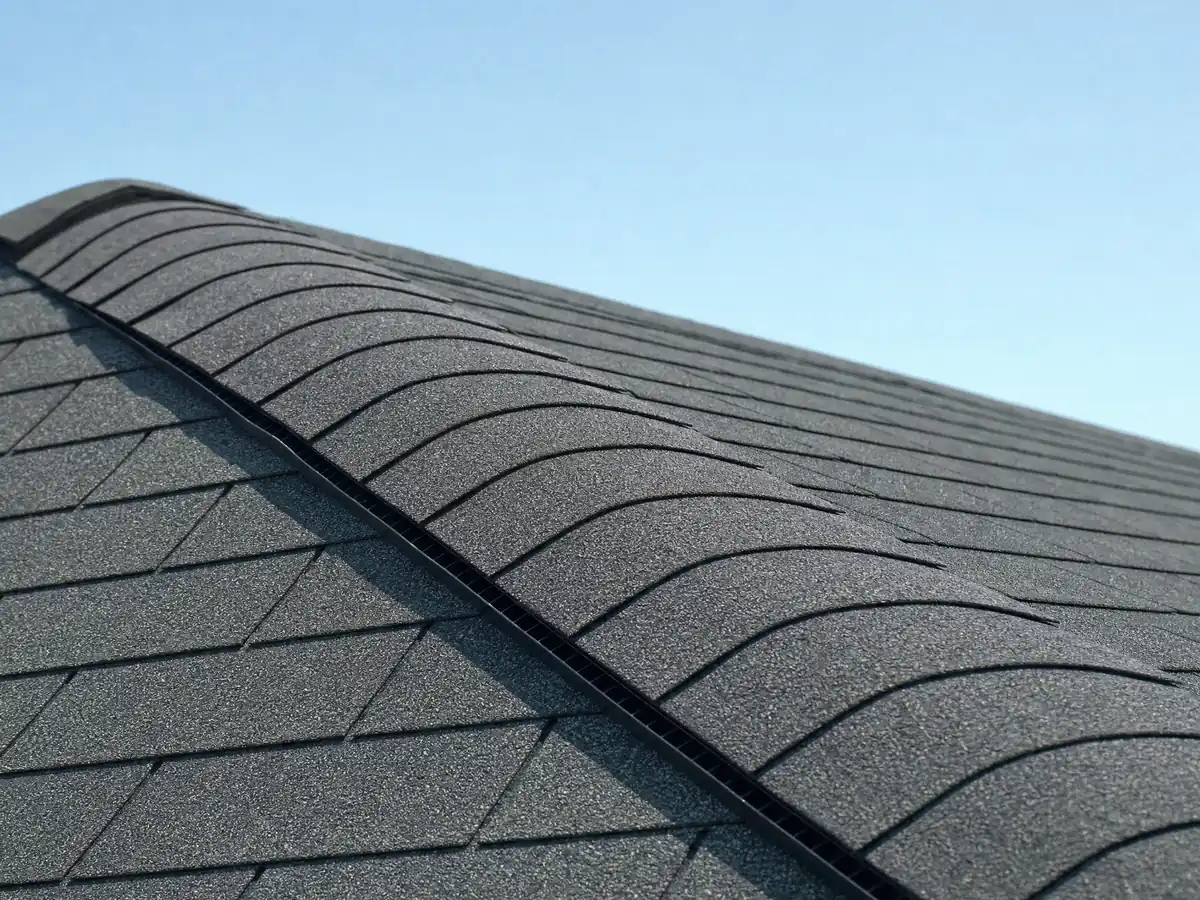
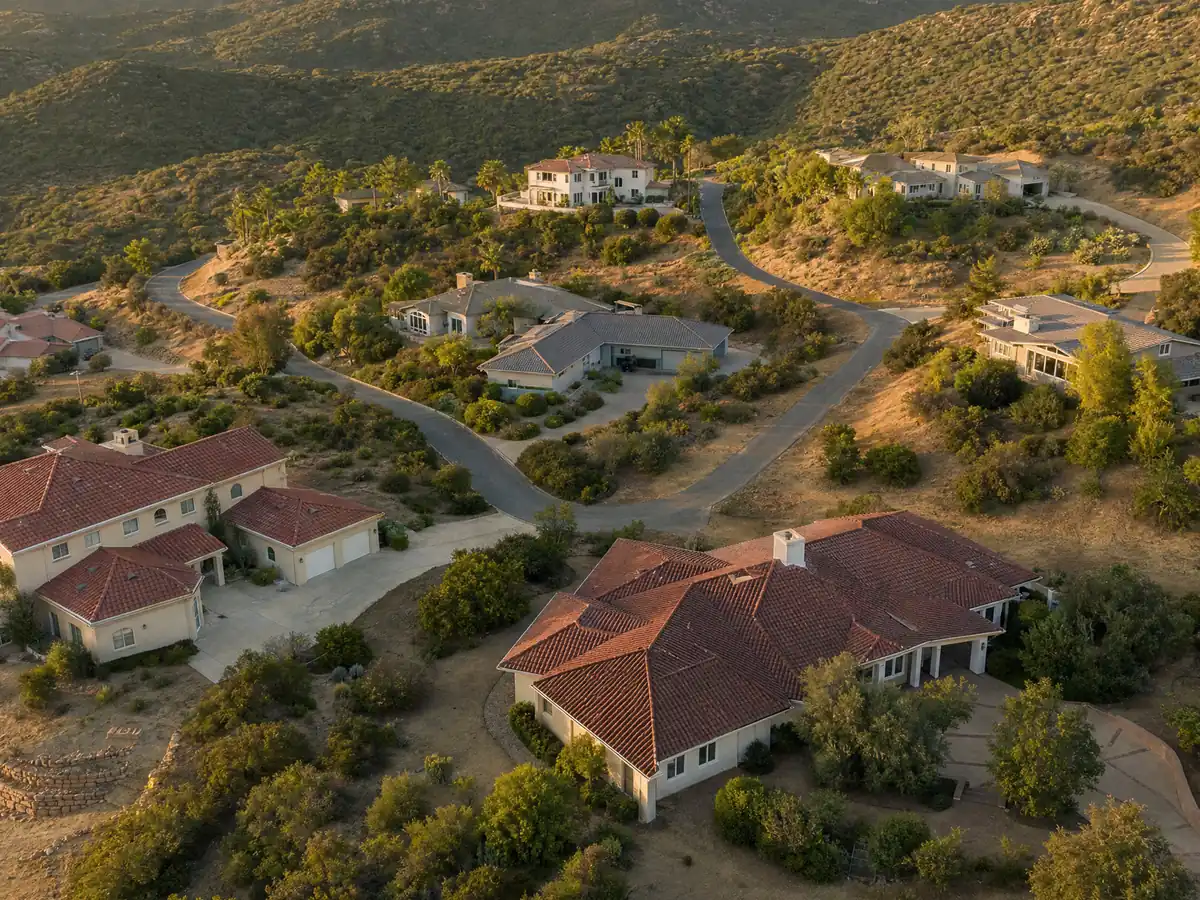
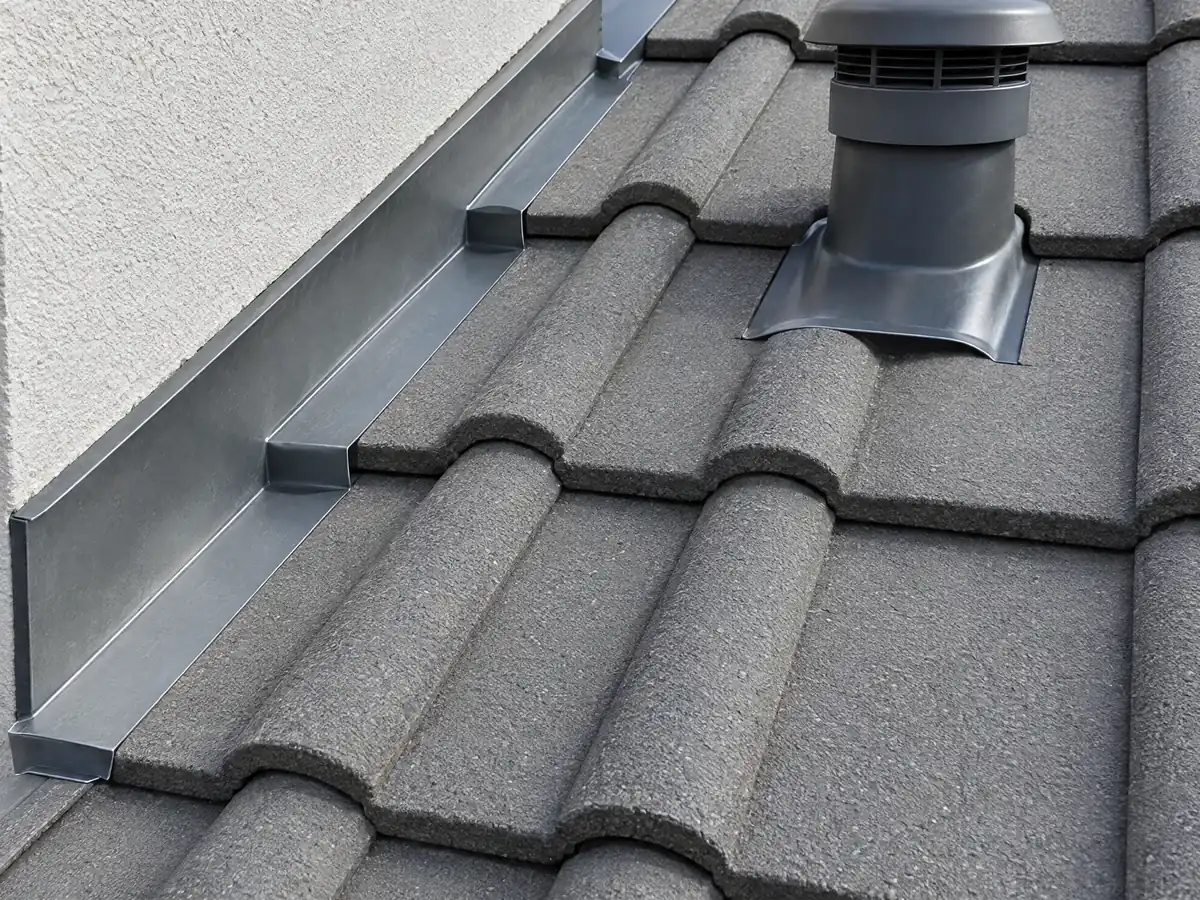
Six roofing scenes tied to El Monte neighborhoods such as Mountain View and Norwood-Cherrylee and to nearby communities like Rosemead and Temple City, with shingle, tile and flashing work under San Gabriel Valley sun.
Where the roof numbers come from
Every Los Angeles figure used here, with its publisher and date, is in the table on our roofing price page, and the California roof replacement cost guide explains why Angi and Cost vs. Value differ by about two to one. A new roof often arrives with a fence or a repaint, so see the El Monte fence rules and the El Monte painting guide, and compare the Pasadena roofing guide and the Los Angeles roofing guide if you own property in more than one city.
| What it covers | Typical range |
|---|---|
| Asphalt shingle, typical single-family roof | $10,000 to $25,000 |
| Concrete or clay tile | $7 to $15 per sq ft |
| Metal | $7 to $16 per sq ft |
| Remodeling Cost vs. Value 2025, Los Angeles | Asphalt $36,417. metal $62,069. |
| Extras | Tear-off $1,000 to $3,000. solar detach and reset $500 to $1,000. |
El Monte roofing questions, answered
How much does roof replacement cost in El Monte?
We found no El Monte survey, so the closest sourced numbers are for Los Angeles. Angi's July 2026 page shows $10,256 to $24,963 as typical, with asphalt at $4 to $12 per square foot, tile at $7 to $15 and metal at $7 to $16. Roof size, pitch, deck repair and tear-off decide where you land.
Do I need a permit to replace my roof in El Monte?
Treat it as a permitted job. The City asks for a signed Affidavit for Roof Permits with the building permit application, and its Residential Reroof online permit is marked coming soon, so the application is made at the Building Division counter. We found no City page that exempts a small repair, so describe your scope to the counter first.
What is the roof permit affidavit in El Monte?
It is a form the owner signs under penalty of perjury stating that the roof is going on a structure built with permits. The owner also acknowledges that the roof permit does not approve unpermitted structures, citing Los Angeles County Building Code section 106.2. If an old addition has no permit record, find that out before the roofer files.
What is the 25% rule for roofing?
We found no El Monte or California code section called a 25 percent rule, and the sites that repeat it rarely name a source, so we do not rely on it. The roof rule we can document locally is the cool roof requirement for a steep-slope single-family re-roof in Climate Zone 9. Ask the counter what share of the roof triggers it.
Should a 20-year-old roof get repair or replacement in El Monte?
Judge it by condition, not age. Have a roofer photograph the flashing, valleys, underlayment and deck, and mark which problems are local. One failed boot is a repair; stained sheathing across several areas points to replacement. We found no sourced lifespan for El Monte roofs, so no number is printed here.
What is the best time of year to replace a roof in El Monte?
Dry weather is easiest to protect, and NOAA's normals show about 81 percent of the 15.67 inches of annual rain falling from December through March. Summer brings roughly 64 days at or above 90 degrees F, so crews start early. We found no sourced price difference by month, so choose the date by permit timing.
Does my El Monte roof have to be a cool roof?
Most likely, for a steep-slope single-family re-roof. A December 2025 Cool Roof Rating Council chart of the 2025 Energy Code lists climate zones 4 and 8 to 15, which include El Monte's Climate Zone 9, with minimum aged reflectance of 0.20 and emittance of 0.75. Confirm the trigger with the counter.
Do solar panels change a re-roof in El Monte?
Yes, because panels normally come off and go back on. Angi prices the detach and reset at $500 to $1,000 for Los Angeles. El Monte issues rooftop solar on a main dwelling through SolarAPP+ for licensed contractors, and a main panel upgrade tied to the solar needs its own electrical permit.
Does a new roof in El Monte need a soils report?
Not under the City's wording. The July 1, 2026 policy asks for a geotechnical report when a permit creates or alters foundations, such as new footings, additions and ADUs, and re-roofs are not named. If the roof job adds posts, beams or footings, ask the counter before signing a contract.
How do I choose a roof repair contractor in El Monte?
Start with the CSLB record: roofing is class C-39, and the lookup shows license status, bond and workers' compensation. Ask for the written contract that Business and Professions Code 7159 requires, proof of insurance and a line-by-line scope. Any roof job that needs a permit falls outside the $1,000 limit for unlicensed work, so licensing is not optional here.
Ask for a roof inspection in El Monte
Send the street, the year the house was built and what you have seen on the ceiling or in the gutters. We check the permit history and the cool roof question before we call back.