
Fence Companyin El Monte, CA
A fence company in El Monte works within a 4 foot limit on solid front yard fences, 6 feet elsewhere on the lot, and no chain link at a house, according to the City's published zoning code. A property line fence or wall more than 2 feet above grade needs a Zoning Clearance from Planning before anything is built.
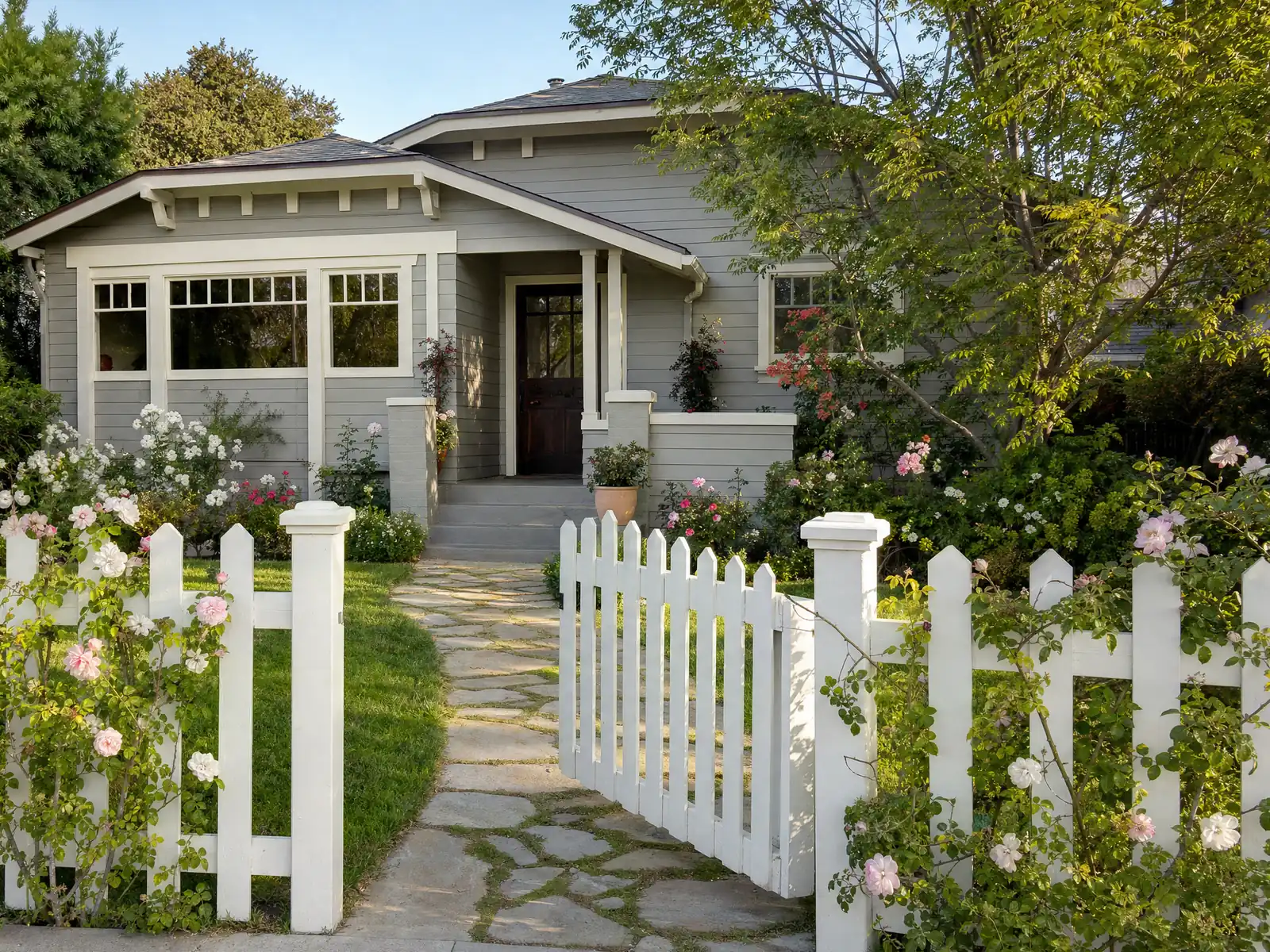
Fences in El Monte reflect how the city was laid out. About 54 percent of its 30,610 housing units are detached houses, according to the Census Bureau's 2024 estimates, and the median owner-occupied home is valued at $668,200, so a lot line is worth defending. Norwood-Cherrylee, about a third of the city, was built on deep lots with an equestrian and farming past, and many of its streets still have no sidewalks. That makes the line between your yard and the public street less obvious than it looks.
The rules come from Title 17 of the Zoning Code, which we read in the City's own PDF amended May 14, 2025; the online Municipal Code book blocked our tools, so confirm every height with City Planning. MDG Builders (CSLB #1040337) acts as the general contractor on fence work: we research the lot, write the scope, handle the clearance and schedule a licensed fencing subcontractor to build it. The fencing price page has the sourced cost table, the El Monte overview covers our other trades here, and a new fence often follows roof repair in El Monte or comes with house painting in El Monte.
What El Monte's zoning code says about fences and walls
Where fencing permits come from in El Monte: City of El Monte Community and Economic Development Department, Building Division.
- Zoning Code 17.60.120 limits solid fences, walls and hedges in a residential front yard (and within 5 feet of the street side) to 4 feet, or 5 feet if at least 50 percent open decorative wrought iron with block pilasters; limits them to 42 inches inside the corner visibility triangle (20 feet along both curb lines from the intersection); and caps fences and walls elsewhere on the lot at 6 feet.
- Barbed, pointed, spiked, razor or piercing materials may not be attached to any wall or fence, and chain link is not permitted for residential uses; a residential development of three or more dwellings must have a 6-foot masonry wall along the rear and interior side property lines.
- Where a developed lot sits lower than its neighbor, the top of a grade-separating wall may not exceed 6 feet above the neighbor's existing grade, and the wall must still meet the normal height limits.
- A Zoning Clearance is required for property-line fences and walls more than 2 feet above the adjacent grade; the application is a site plan, floor plan and elevation set submitted over the Planning counter with the owner-signed application and fee.
- The City publishes standard plans for masonry garden walls, combined garden and retaining walls, retaining walls with level backfill and pilasters; when followed precisely no engineer or architect is needed, but any change in materials, methods or dimensions requires a registered engineer or architect. The garden wall sheet says slump stone walls must be at least 8 inches thick (no 6-inch walls) and warns that zoning may limit the exposed height, so verify with Planning.
- The garden wall standard plan itself says slump stone walls must be at least 8 inches thick and that zoning requirements may limit the exposed wall height, to be verified with the Planning Division.
- Under the Plan Check sheet a soils report becomes mandatory if a proposed retaining wall exceeds 6 feet in height.
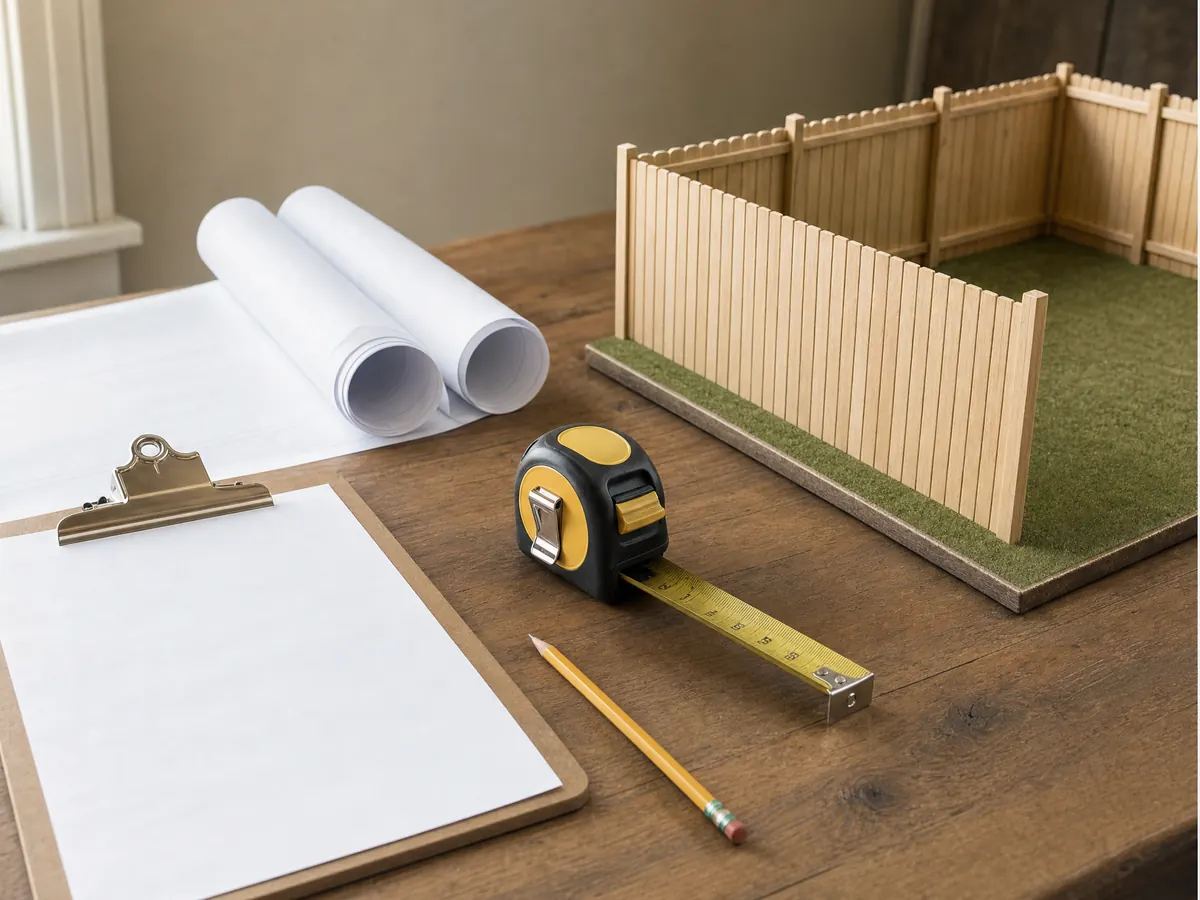
How tall can a fence be in an El Monte front yard, side yard and backyard?
Section 17.60.120 of the Zoning Code sets the numbers. A solid fence, wall or hedge in a residential front yard, and within 5 feet of the street on a corner lot's street side, tops out at 4 feet. A decorative wrought iron fence that is at least half open, with block pilasters, may reach 5 feet. Inside the corner visibility triangle, drawn 20 feet along both curb lines from the intersection, the cap drops to 42 inches. Elsewhere on the lot the limit is 6 feet.
That answers the common question about a 7 foot fence: the code we read stops at 6 feet for side and rear yards, so a taller fence needs Planning to say how it would be allowed. Where a lot sits lower than its neighbor, the top of a wall between them may not stand more than 6 feet above the neighbor's grade.
We did not read the figure that illustrates these limits, so measure with a tape and photograph the property before you order anything.
A front yard fence that is half open iron and block pilasters gets one extra foot over a solid one.
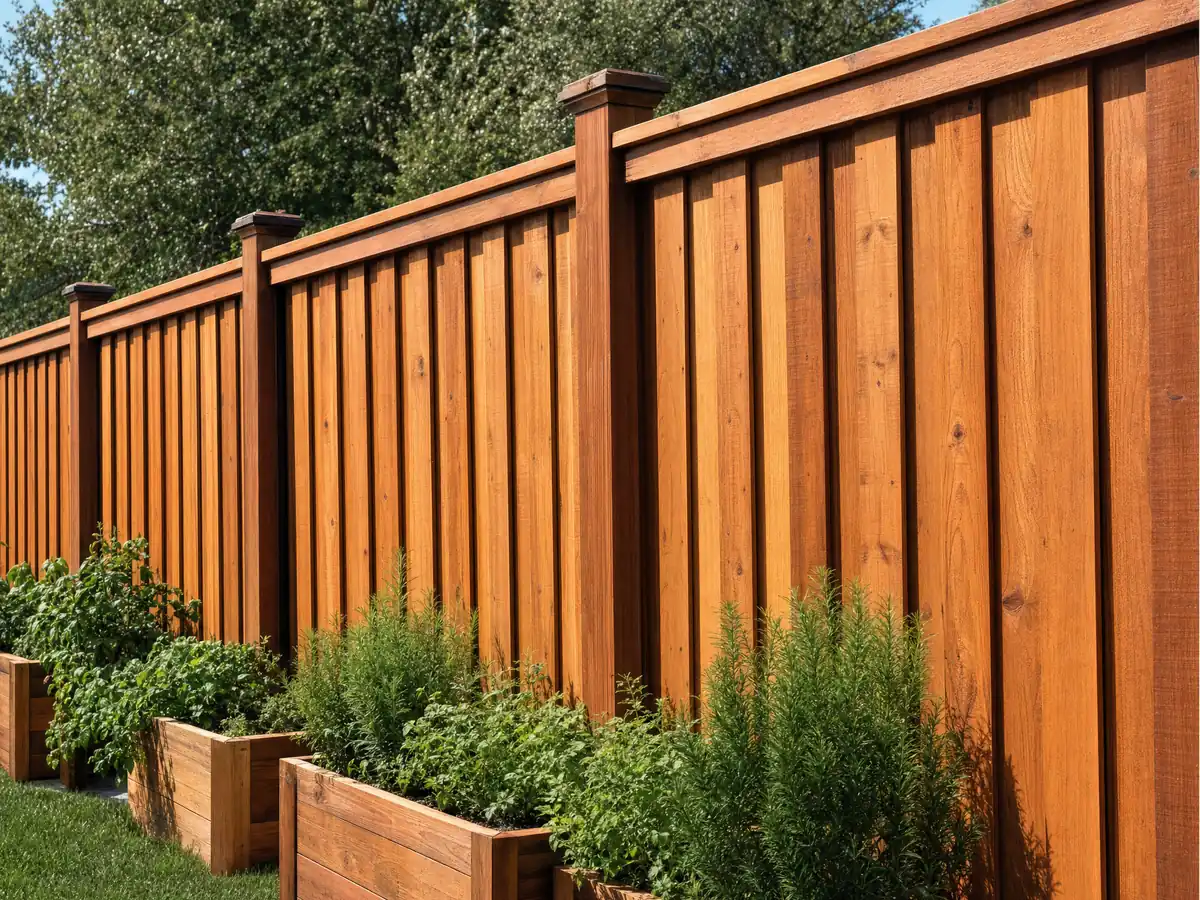
Does fence installation in El Monte need a permit or a Zoning Clearance?
Planning comes first. The City's Zoning Clearance handout says a clearance is required before any other Planning or Building work begins for property line fences and walls more than 2 feet above the adjacent grade. You apply at the Planning counter with a site plan, floor plans and elevations, plus the owner-signed form and fee. The counter runs Monday to Thursday from 8:00 a.m. to 4:00 p.m., with the waitlist closing at 3:00 p.m., and it is closed Fridays.
The Building Division's Plan Check sheet adds that plans must be approved by Planning before they go to Building, and that the plot plan must show every fence, wall, driveway and patio on the parcel, along with setbacks and the direction rainwater runs. We could not find where a building permit for a fence begins, so ask the Building Division whether your wall or fence needs one after the clearance.
The City also publishes standard plans for masonry garden walls and retaining walls. Followed exactly, they avoid a stamped engineering drawing, and any change in dimensions or materials sends you to a registered engineer.
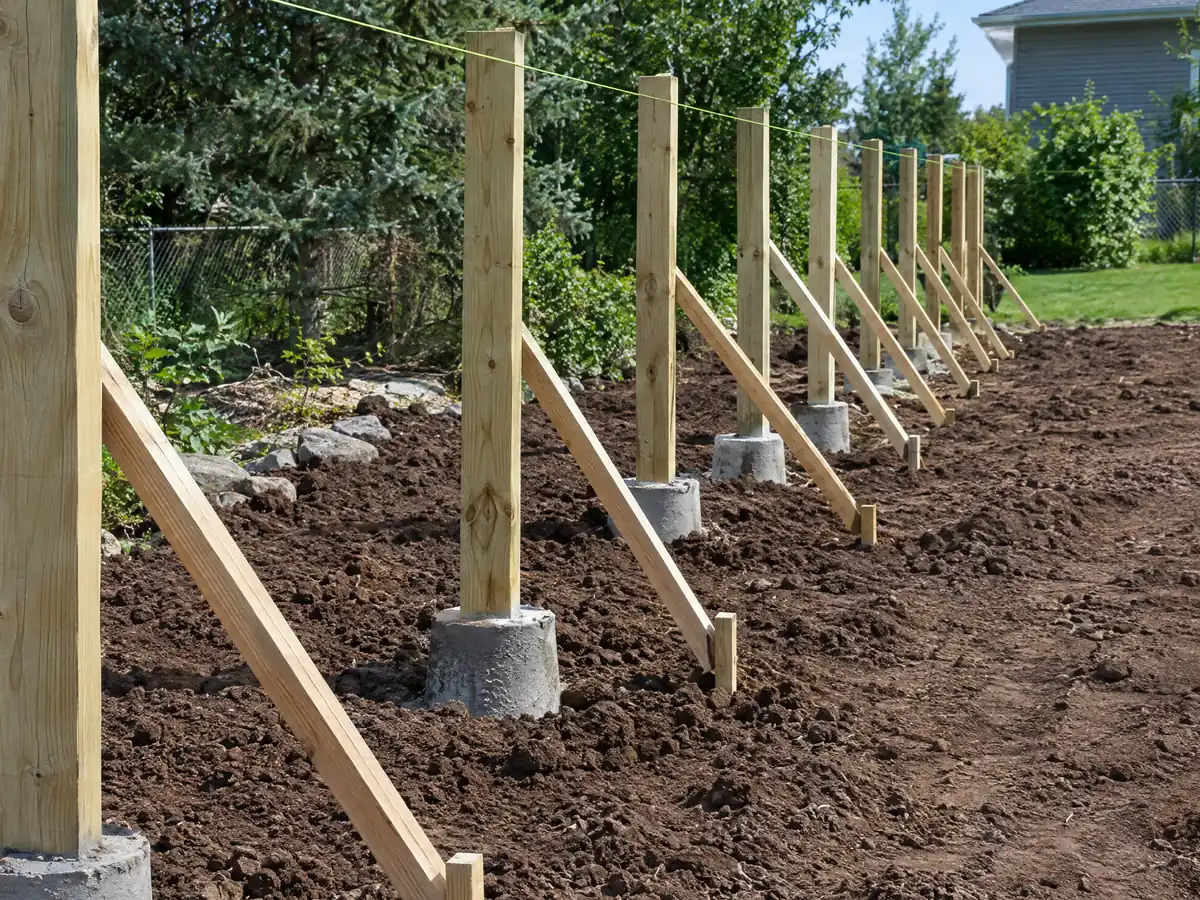
Which fence materials does El Monte allow: wood, vinyl, iron or block?
The Zoning Code is blunt about three things. Chain link is not permitted for residential uses, barbed, pointed, spiked, razor and piercing materials may not be attached to any fence or wall, and a residential development of three or more dwellings must have a 6 foot masonry wall along its rear and interior side property lines. We found no rule for or against wood, vinyl or aluminum in the sections we read, so those are decided by height and by any design review that applies to your lot.
Block walls follow their own plan sheet. The City's garden wall standard plan requires slump stone walls to be at least 8 inches thick, with no 6 inch walls, and warns that zoning may limit the exposed height, so verify with Planning. CSLB license class C-13 covers fences and gates but excludes masonry walls, which belong to class C-29, so a block wall is built by a different licensed subcontractor than a cedar fence.
A wall that also retains soil is a separate question. The Plan Check sheet says a soils report becomes mandatory when a proposed retaining wall is taller than 6 feet.
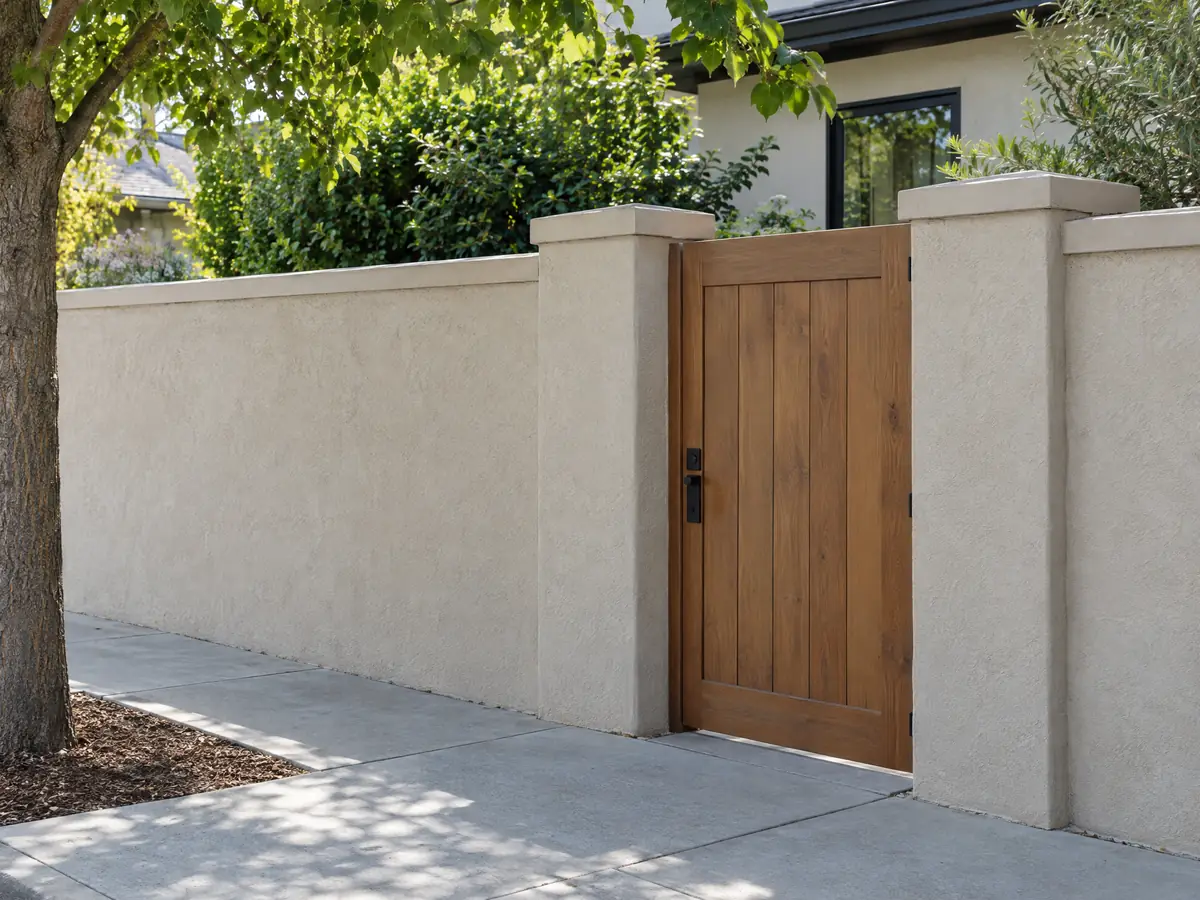
Fences on Rurban Homesteads and the deep lots of Norwood-Cherrylee
During the Depression, a federal program bought a walnut farm east of Peck Road and cut it into 100 single-acre lots, and the pattern is still visible along The Wye. The Zoning Code now carries a Rurban Homesteads Overlay District with 10,000 square foot minimum lots and rules for keeping horses and livestock. Norwood-Cherrylee, which the General Plan describes as deep lots with an equestrian and agricultural heritage, sits next to it.
We found no El Monte fence rule written for animals, so a paddock fence or a long driveway gate is a question for Planning, not a guess. Many streets there have no sidewalks, which means the corner visibility triangle is measured from the curb lines rather than a walk, and any work that touches the public right of way needs Engineering approval under the City's Simple Process handout.
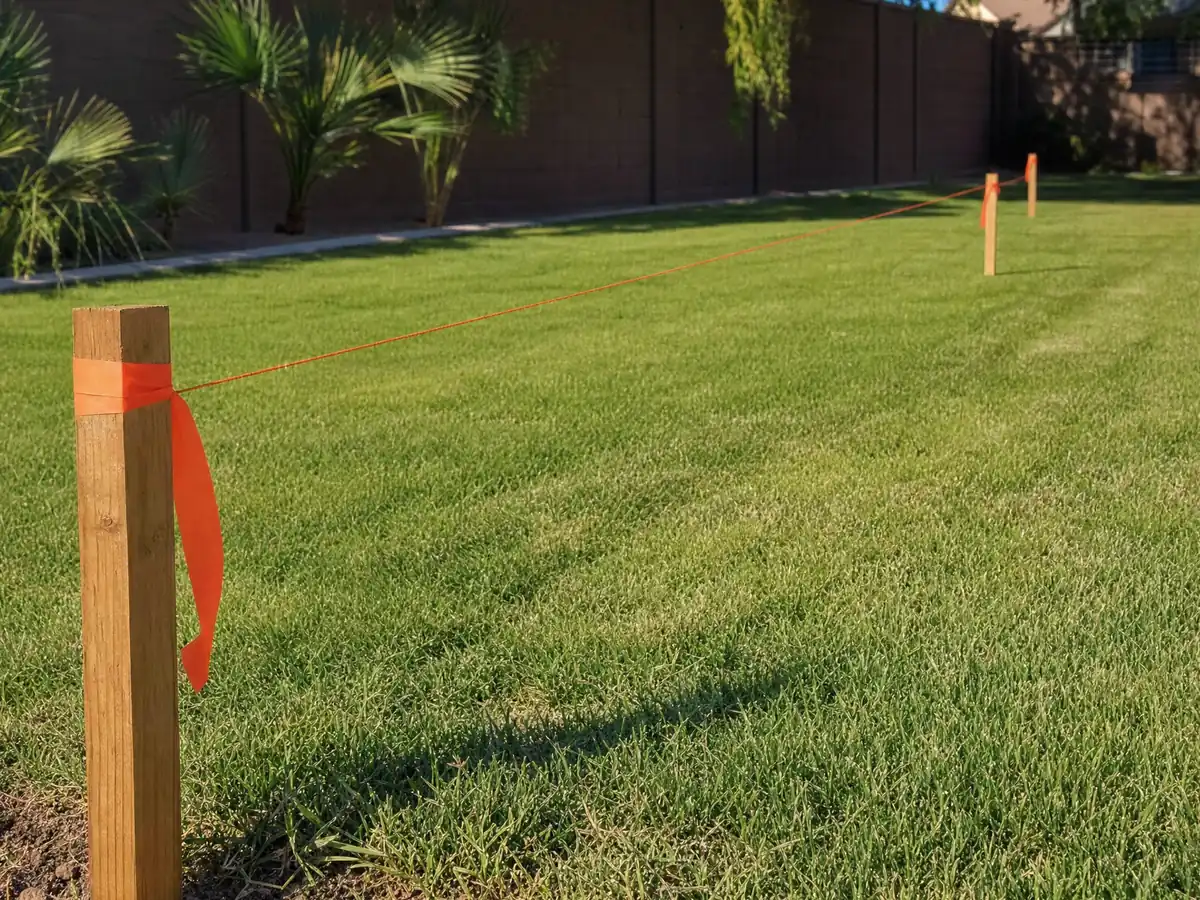
Before a crew sets posts on a deep lot, order a boundary survey and mark the line with stakes. The survey should show the line, the curb, any easement and where the old fence actually stood.
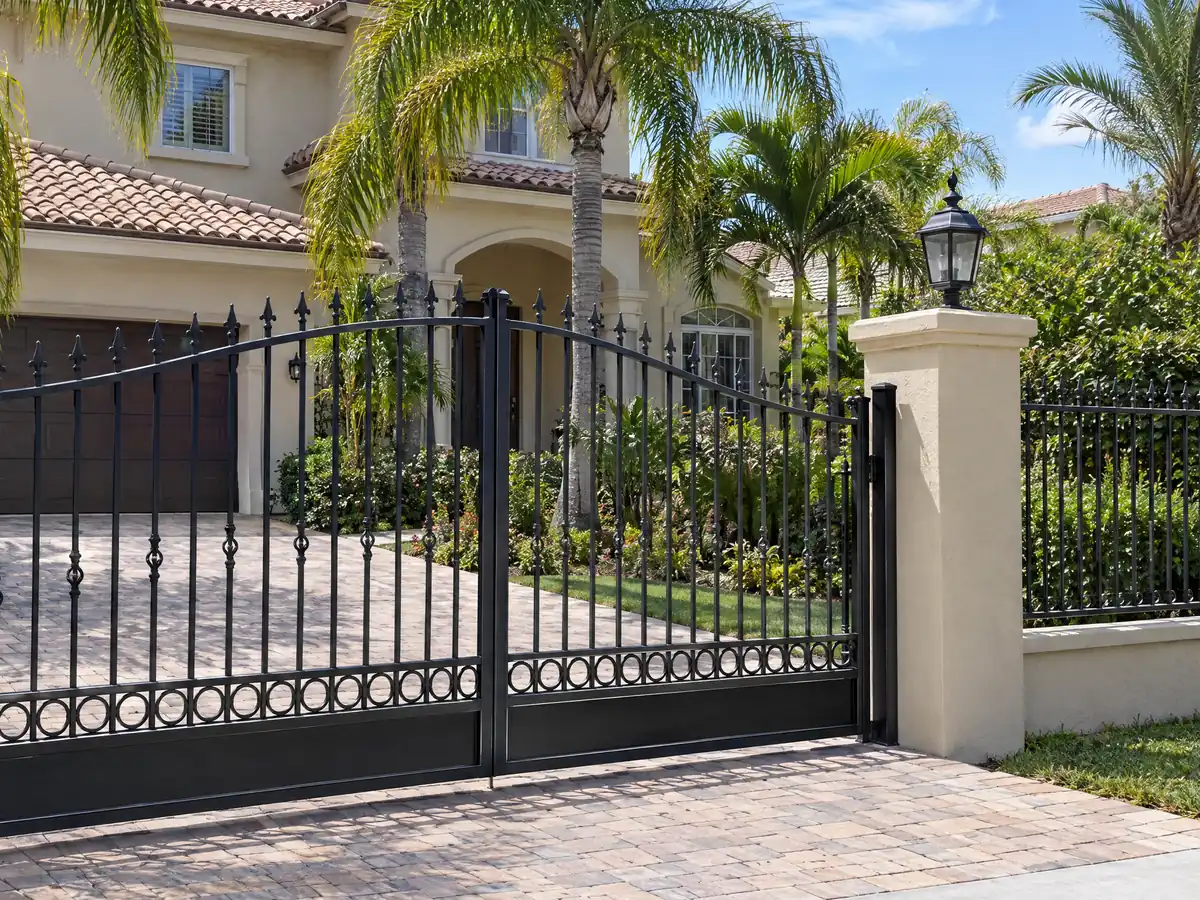
What do El Monte's soils and protected trees mean for fence footings?
The ground here is part of the design. The General Plan places the whole city in a liquefaction area with a shallow water table across most of it, and warns of compressible soils that can settle unevenly. The City's plan check sheet also says footings under bearing walls and slabs must account for expansive soils. Since July 1, 2026 the City's geotechnical policy requires a soils report for permits that create or alter foundations, and it lists new footings among them. The policy does not name fences, so ask the counter whether a block wall footing counts.
Ask the crew how deep the posts go, what the footing is made of and what they do when a hole fills with water. Wood adds another risk: the University of California's pest program says drywood termites are most prevalent in southern California and infest fences, so ask about termite-resistant wood or a concrete footer where wood meets soil.
Trees can stop a trench. Chapter 14.03 protects Heritage, native and public trees, with a protected zone never smaller than 15 feet from the trunk, and removal needs City approval.
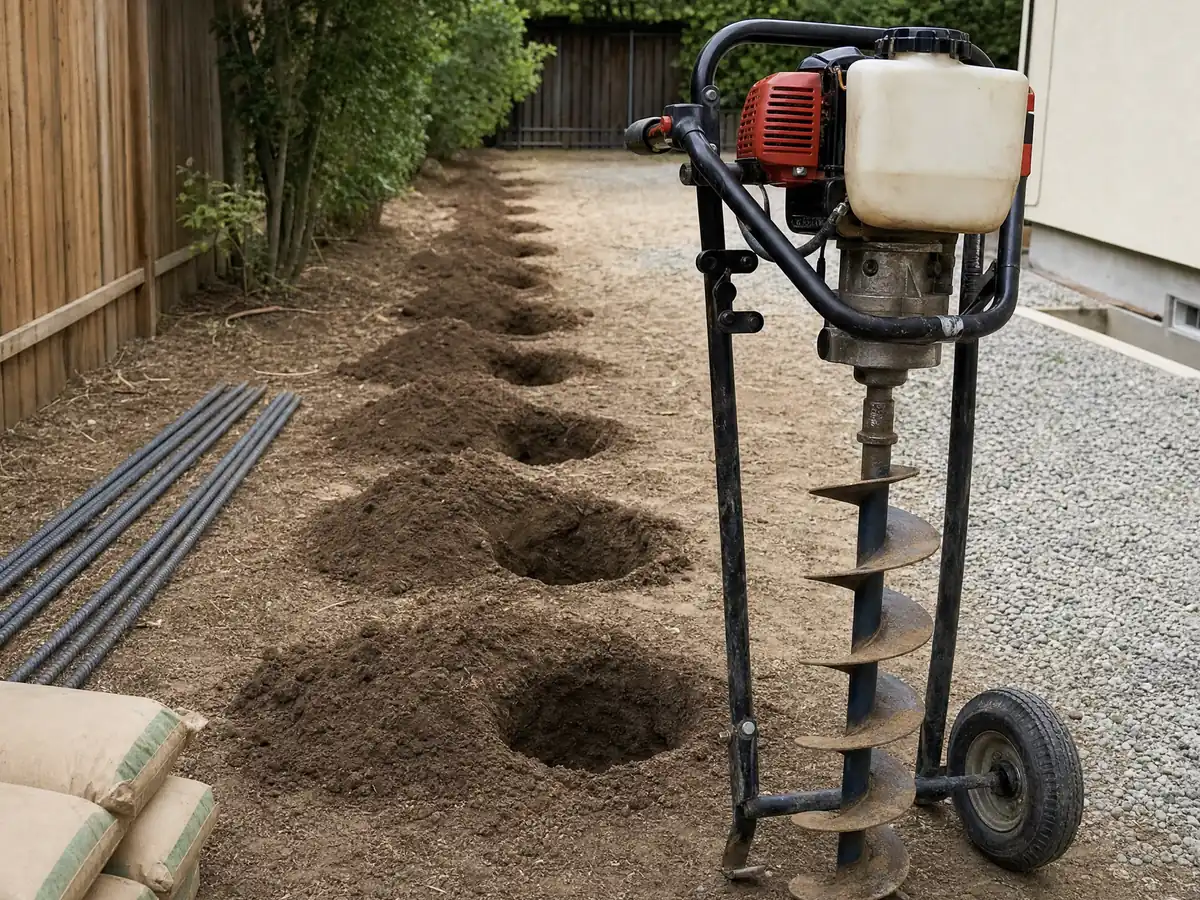
Who pays for a shared fence in El Monte, and what changes around a pool?
California Civil Code 841 presumes that neighbors share the reasonable cost of a fence on their common line equally, unless they agreed otherwise. The presumption can be rebutted, and the statute asks for 30 days' written notice before you incur costs. Send the notice before you sign a contract and keep proof of delivery, because the Zoning Clearance application needs the owner's signature and a shared line is a place where signatures get complicated.
A pool changes the fence question. Health and Safety Code 115922 says a permit for a new or remodeled pool needs at least two of seven drowning-prevention features, and the Zoning Clearance handout lists exterior pools and spas among the work that needs clearance first. We did not read the barrier height in section 115923, so ask the Building Division for the number before the fence goes in.
How much does a fence cost in El Monte, and how do you hire a fence company?
We found no El Monte fence survey and print no El Monte price. The planning ranges come from Angi, HomeGuide, Thumbtack and Fixr for Los Angeles: $25 to $55 per linear foot for a 6 foot wood or vinyl privacy fence, $35 to $85 for aluminum or ornamental iron, and about $2,500 to $5,500 for a typical 100 foot backyard run. The chain link range of $12 to $30 is irrelevant at an El Monte house, since the code does not permit it. Block walls, horizontal slats and gate openers have no independent price.
Federal wage data for May 2025 lists fence erectors in the Los Angeles area at a mean of $28.00 an hour, which is pay, not a billing rate. Angi's national page puts a gate at $150 to $2,000, so list each gate on its own line of the quote.
Check the CSLB class before you talk price, using our license checking guide, and ask which subcontractor will hold the contract; the article on how general contractors use subcontractors explains the split. On an MDG job you can ask for the fence subcontractor's license number and certificate of insurance.
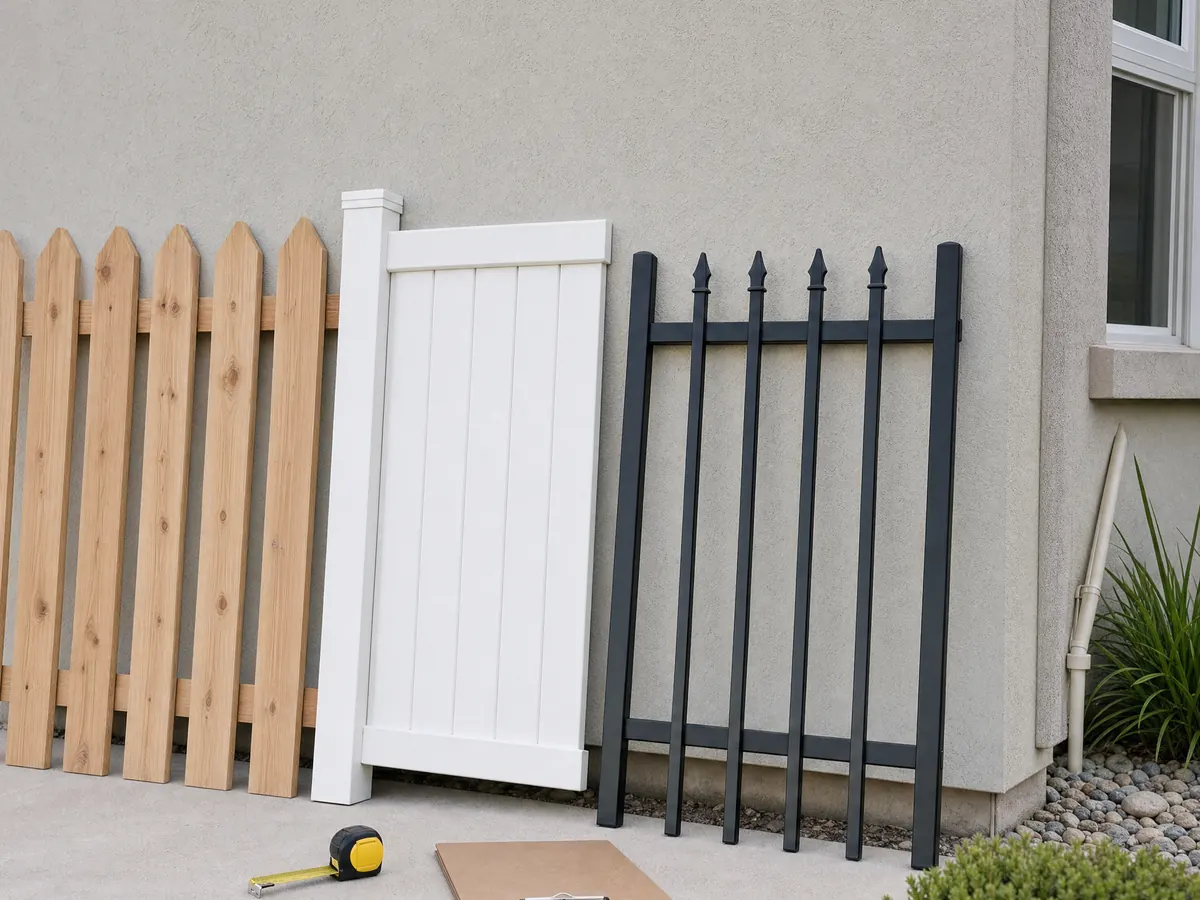
Fence and gate photos from El Monte and nearby communities
Six fence scenes tied to El Monte neighborhoods such as Arden Village and Norwood-Cherrylee and to nearby communities like South El Monte and Baldwin Park, from wood privacy runs to block walls and iron gates.
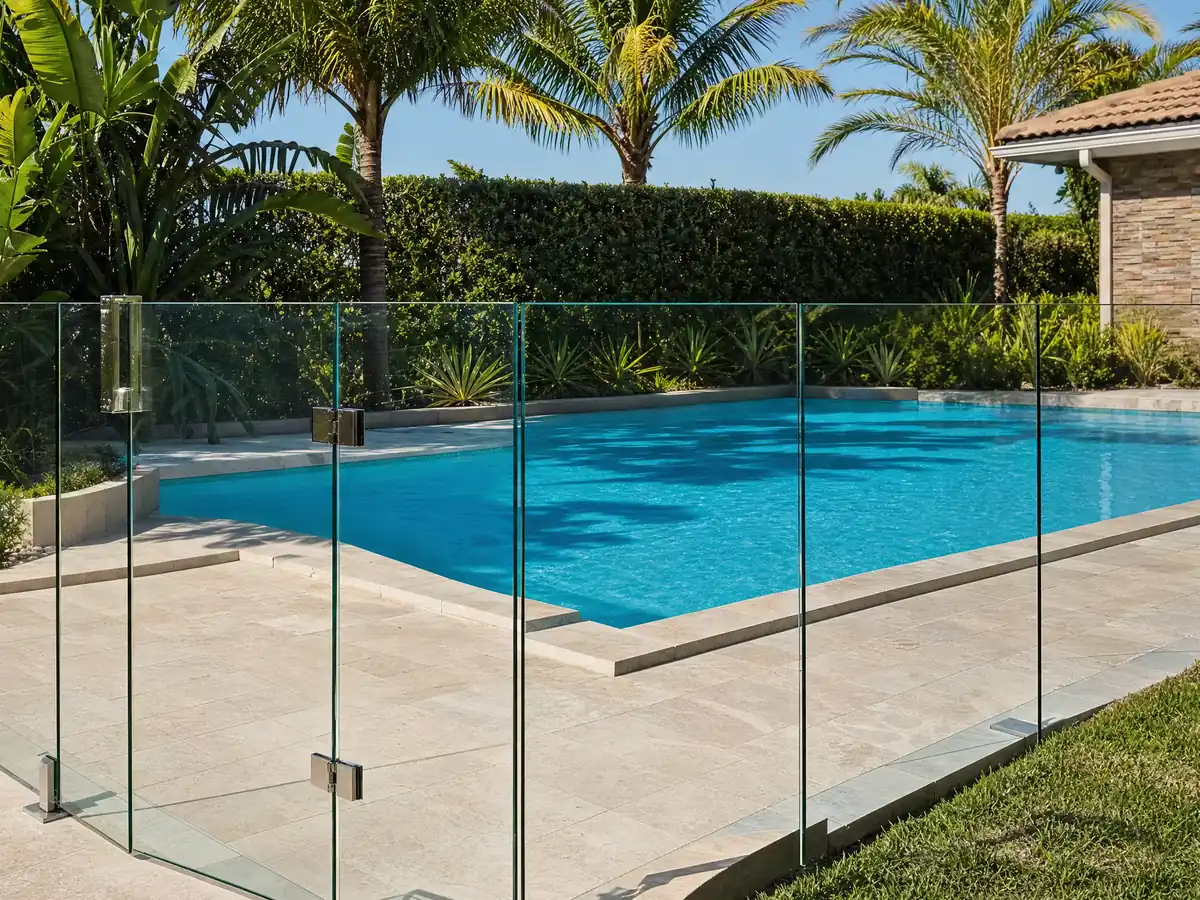
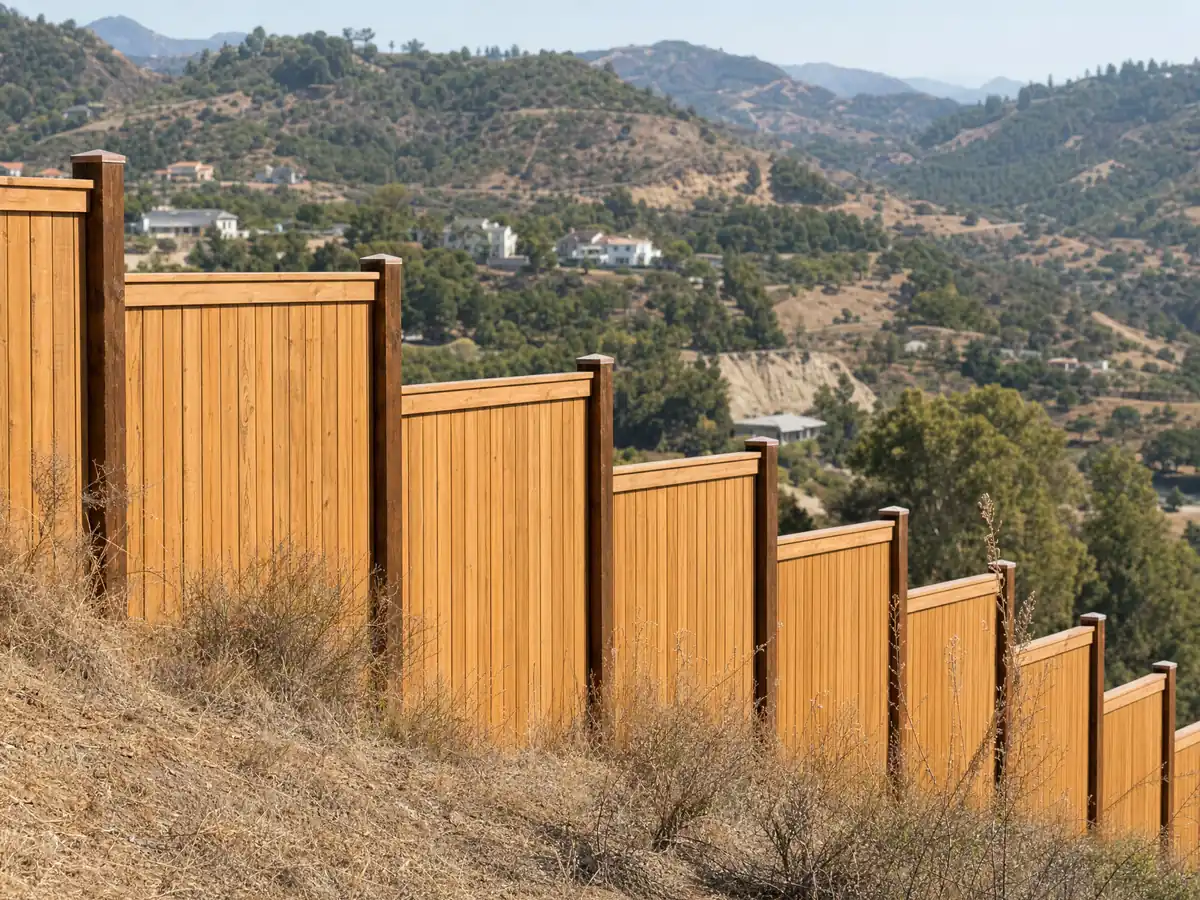
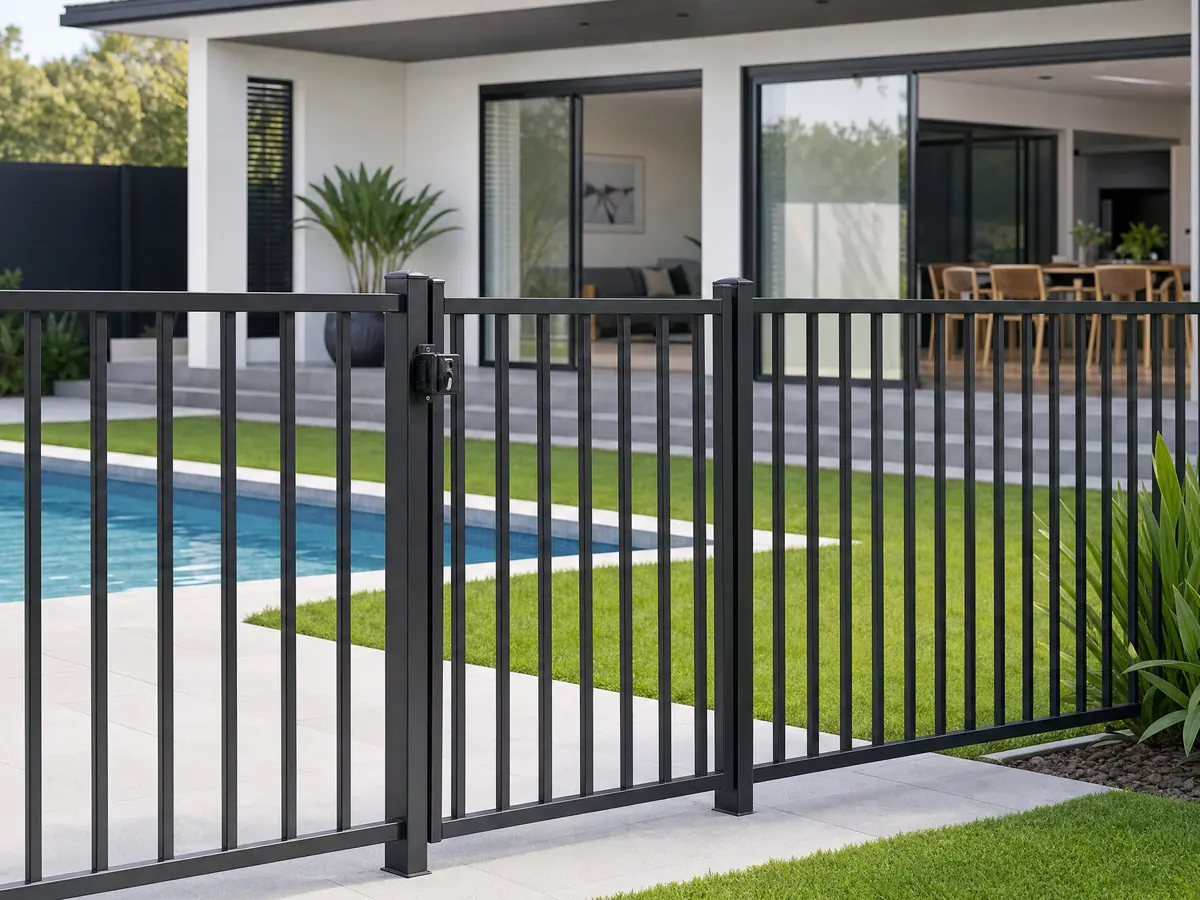
Where the fence numbers come from
Each per-foot figure is a Los Angeles planning range with its publisher named in the table on the fencing cost page, and permit and clearance fees are not inside those numbers. For a roof or a repaint that should come first, see roof replacement in El Monte and painting in El Monte, and for another city's height rules compare the Pomona fence guide, the Pasadena fence guide and the Glendale fence guide.
| What it covers | Typical range |
|---|---|
| Wood or vinyl privacy fence, 6 feet | $25 to $55 per linear foot |
| Chain-link | $12 to $30 per linear foot |
| Aluminum or ornamental iron | $35 to $85 per linear foot |
| Typical 100-foot backyard run | $2,500 to $5,500 total |
| Block walls, horizontal slat fences, gates and openers, hillside lots | Set by the written proposal |
El Monte fence questions, answered
How much does fence installation cost in El Monte?
We found no El Monte fence survey, so use Los Angeles planning ranges: $25 to $55 per linear foot for a 6 foot wood or vinyl privacy fence and $35 to $85 for aluminum or ornamental iron, from Angi, HomeGuide, Thumbtack and Fixr. Gates, removal of the old fence and permit fees come on top.
How much does 200 ft of fencing cost in El Monte?
Multiply 200 by the per-foot range for the material you choose, then add gates and removal of the old fence. Our sourced example is a typical 100 foot backyard run at $2,500 to $5,500, so 200 feet of wood or vinyl is a rough doubling. Block walls and slat designs are priced from a site visit.
How tall can a fence be in El Monte?
Per the City's zoning code PDF, a solid fence in a residential front yard is limited to 4 feet, a half-open iron fence with block pilasters may reach 5 feet, and elsewhere on the lot the cap is 6 feet. Inside the corner visibility triangle it is 42 inches. Confirm each number with Planning.
Can I put a privacy fence up in my front yard in El Monte?
Only a low one. A solid front yard fence, wall or hedge may not exceed 4 feet under the zoning code we read, and a decorative iron fence that is at least half open with block pilasters may reach 5 feet. A 6 foot cedar privacy fence belongs at the side and rear of the lot.
Do I need a permit to build a fence in El Monte?
Probably a Zoning Clearance if a property line fence or wall rises more than 2 feet above adjacent grade, and Planning approves before Building sees the plans. We could not find where a building permit for a fence begins, so describe your length, height and material at the counter before you buy anything.
What is the cheapest fence to install in El Monte?
Chain link has the lowest sourced price at $12 to $30 per linear foot, but El Monte's zoning code does not permit it for residential uses, so it is not an option at a house. Wood or vinyl privacy fencing at $25 to $55 per foot is the next lowest sourced choice.
Does my neighbor have to pay for half the fence in California?
The law presumes they do. Civil Code 841 treats the reasonable cost of a fence on the line between two properties as shared equally unless the owners agreed otherwise, and a neighbor can rebut that. You are asked to give 30 days' written notice before incurring costs, so send it before you sign.
Can I put up a 7 foot fence in El Monte?
The zoning code we read caps fences elsewhere on the lot at 6 feet, so 7 feet is not allowed as written. Ask Planning whether any exception applies to your lot. A wall between lots at different levels may not stand more than 6 feet above the neighbor's existing grade.
Do I need a soils report for a block wall or retaining wall in El Monte?
For a retaining wall taller than 6 feet, yes: the Plan Check sheet makes a soils report mandatory. Since July 1, 2026 the City also requires one for permits that create or alter foundations, and it does not name fences, so ask the counter whether your block wall footing counts.
How do I choose a fence contractor in El Monte?
Check the CSLB record first: fences and gates are class C-13, which excludes masonry walls, and block walls are class C-29. Ask for a written contract under Business and Professions Code 7159, proof of insurance and a scope that names footage, height, gates and who files the Zoning Clearance.
Plan your fence project in El Monte
Send the address, the length you want to enclose and whether any part faces the street or a corner. We check the clearance, height and material questions before we call back.