
Window Replacementin Glendora, CA
Window replacement in Glendora needs a building permit even for a same-size swap, according to the City's March 2026 handout. Inside the Very High fire zone, exterior windows must use multilayer glass with at least one tempered pane or an equal fire-rated alternative. Bedroom openings must also meet egress sizes, so measure before you order.
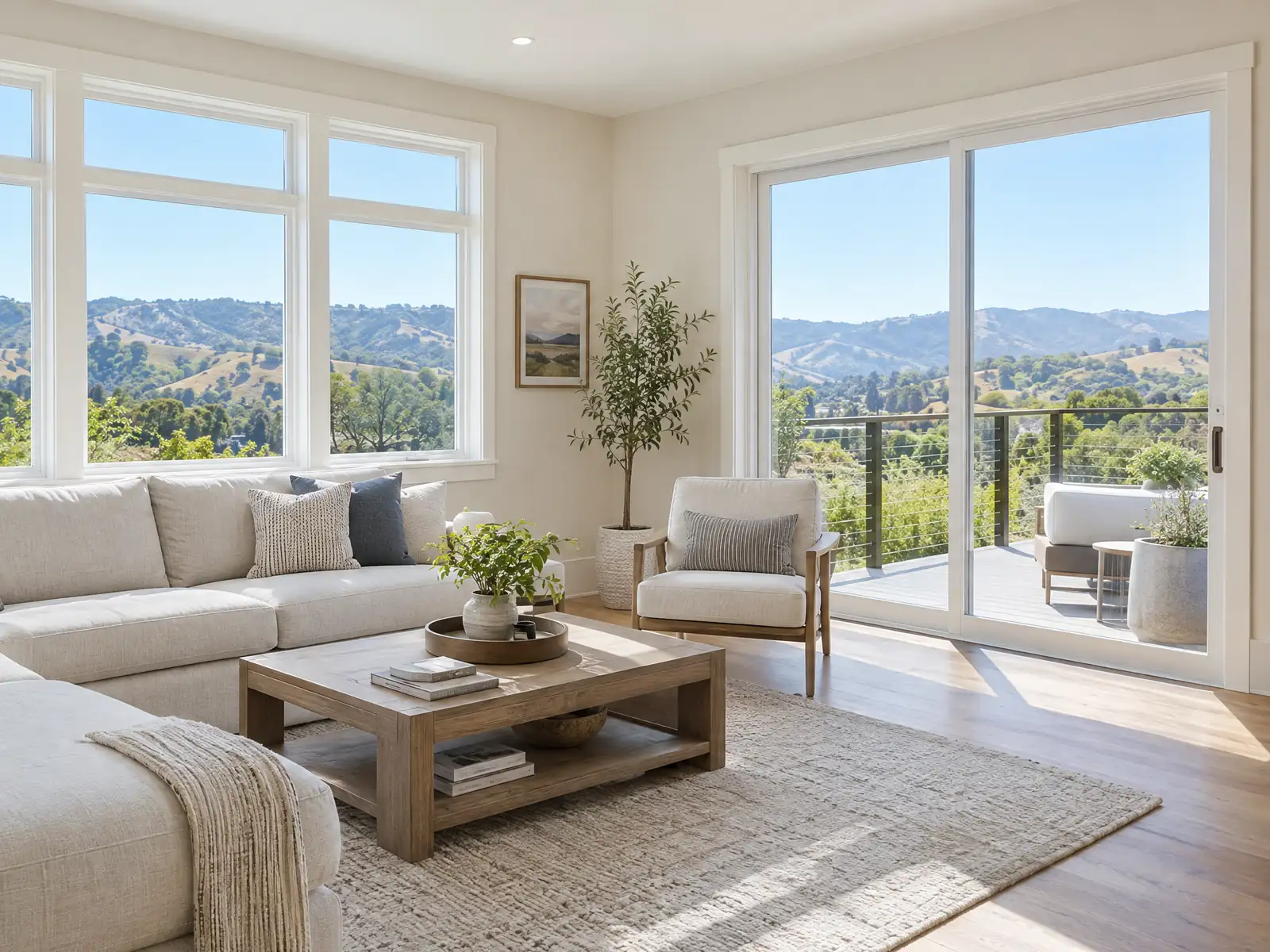
Glendora's houses mostly date from the years when groves became subdivisions. The Census Bureau's 2024 estimates count 79.9 percent of the city's 17,302 homes as built before 1980 and 56.5 percent from 1950 to 1969, while 5.0 percent go back to 1939 or earlier, around the Village that grew from the 1887 lot sale. A house from that era may still have its original frames, so the first question is repair or replace.
This page covers the fire-zone glass rule, the City's permit line for same-size swaps, color and reflectivity limits on hillside parcels, glass ratings, bedroom egress and safety glass, historic review near the Village and the heat that shapes install timing. Our windows page holds the price table and the phase timeline.
Glendora Building Division rules that apply to window work
Where windows permits come from in Glendora: City of Glendora Community Development Department, Building and Safety Division.
- The City's Residential Windows Change-Out handout (March 2026) says a permit is required when a window or door opening is altered, replaced like for like, or changed in size or when interior or exterior wall finishes are removed, and for historic buildings Planning Division approval is also required.
- Egress windows (CRC R319): bedrooms, basements and habitable attics need an emergency escape opening with at least 5.7 square feet of net clear area (5.0 at grade), at least 24 inches of clear height and 20 inches of clear width, and a sill no more than 44 inches above the floor. A replacement is exempt from meeting these only if it is the manufacturer's largest standard size that fits the existing opening, the same operating style or one with an equal or larger opening, and not part of a change of occupancy (R319.5).
- Safety glazing is required within 24 inches of a door and under 60 inches above the walking surface, in panes over 9 square feet within 18 inches of the floor, near tubs, showers, spas and pools (within 60 inches of the water's edge and under 60 inches high) and next to stairways and landings under 36 inches above the walking surface.
- Inside the City's Fire Hazard Severity Zone, exterior windows, skylights and glazed doors must use multilayer glazing with at least one tempered pane, or glass block or a 20-minute fire-resistance rating tested to NFPA 257 or UL 9, or meet SFM Standard 12-7A-2 (CWUIC 504.8, quoted in the City's handout).
- New or replaced glazing must meet the Energy Code (the City cites Table 150.1-A: maximum U-factor 0.30 and SHGC 0.23), NFRC labels stay on the windows for the inspector, operable windows over 72 inches above grade with a sill under 24 inches need a 4-inch sphere limit or an ASTM F2090 control device, and habitable rooms need glazing of 8 percent and openable area of 4 percent of floor area (R325).
- The mirror of the WUI code says operable skylights in the fire zone need a noncombustible mesh screen with openings no larger than 1/8 inch and that garage door gaps may not exceed 1/8 inch, which affects door and skylight swaps in very high zones.
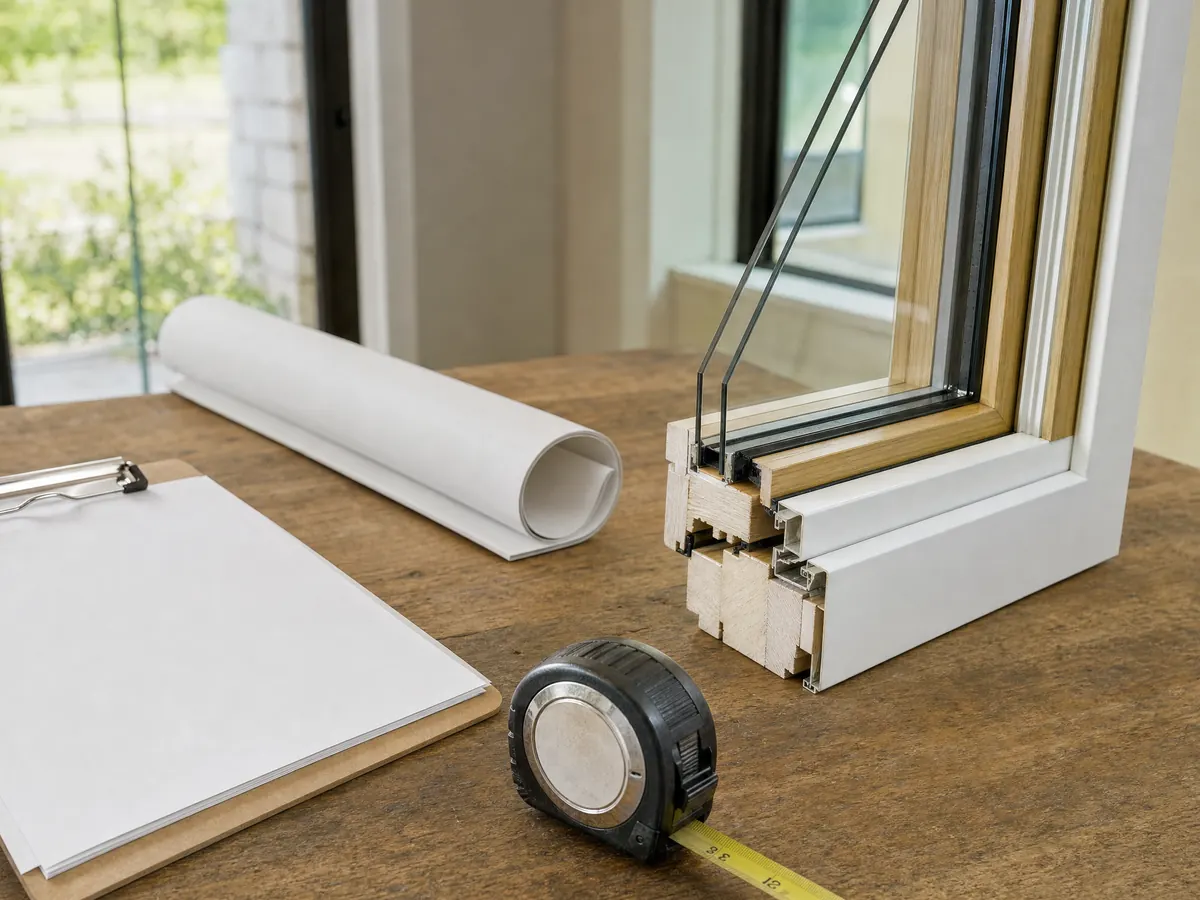
Window replacement inside Glendora's Very High fire zone: what the glass must be
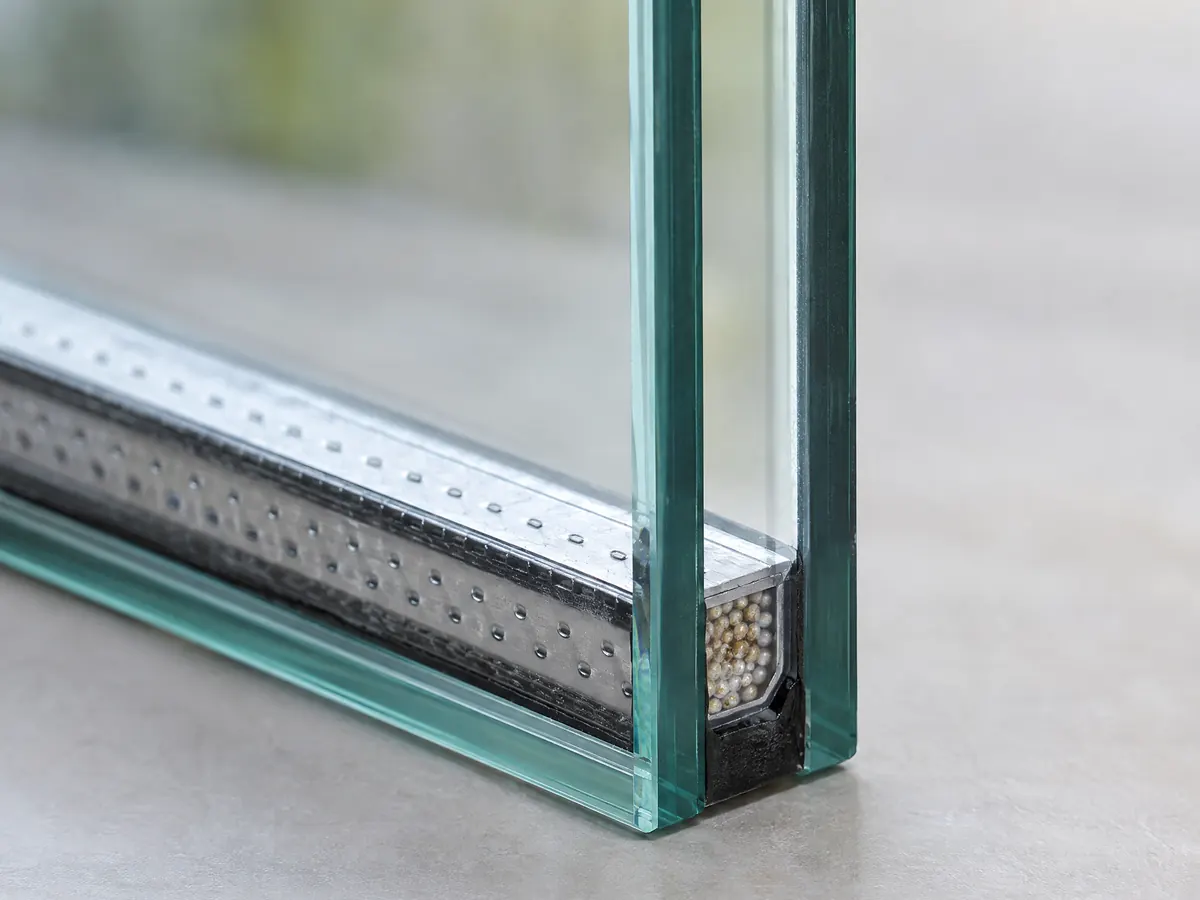
The City's Residential Windows Change-Out handout quotes the State's Wildland-Urban Interface Code, section 504.8. Inside the Fire Hazard Severity Zone, exterior windows, skylights and glazed doors must use multilayer glazing with at least one tempered pane, or glass block, or a 20-minute fire-resistance rating tested to NFPA 257 or UL 9, or meet State Fire Marshal Standard 12-7A-2. A dual-pane unit with a tempered pane is the usual way to meet the first option.
Whether your house sits inside that zone comes from the City's adopted fire hazard map, not from the neighborhood. In our sample of 302 evenly spaced points inside the city boundary on the County's copy of the State layer, about 39 percent were Very High, 6 percent High and 4 percent Moderate. A sample is a guide, so ask the Building Division to place your address.
The mirror of the State code that we read, a gocodebook.com page with AI-generated summaries and not the State's own text, adds that operable skylights in the zone need a noncombustible mesh screen with openings no larger than 1/8 inch. Confirm that with the City before ordering a skylight. Wind adds a second load: the City's design criteria sheet gives a 110 mph special wind region, Exposure C.
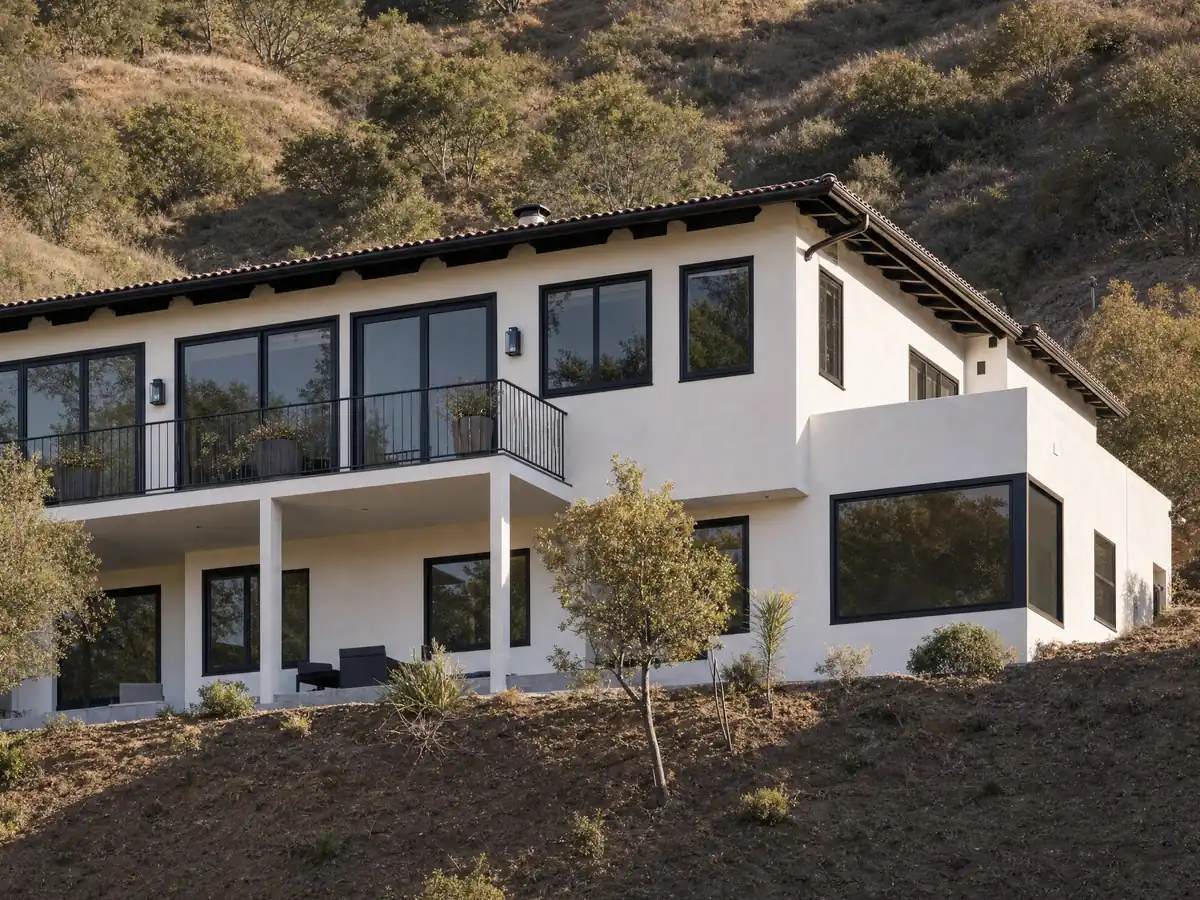
Do you need a permit to replace windows in Glendora, even the same size?
Yes, according to the City's March 2026 handout. A permit is required when a window or door opening is altered, replaced like for like or changed in size, or when interior or exterior wall finishes are removed. That covers a same-size change-out, so it is not a no-permit job here. For a historic building the handout adds that Planning Division approval is also required.
Filing is the open question. The City's Forms and Documents page says building permit applications go through the Civic Access portal and are no longer accepted by email, while the Permit Application and Plan Review page still describes an emailed worksheet. Start in Civic Access and confirm the route at (626) 914-8222. Inspections are requested by 4:00 p.m. the business day before, and the inspector checks that the NFRC labels are still on the windows, so leave them on.
A full-frame replacement exposes the wall, so stucco and trim repair belong in the same permit. A retrofit insert that leaves the old frame in place still counts as replacing the window.
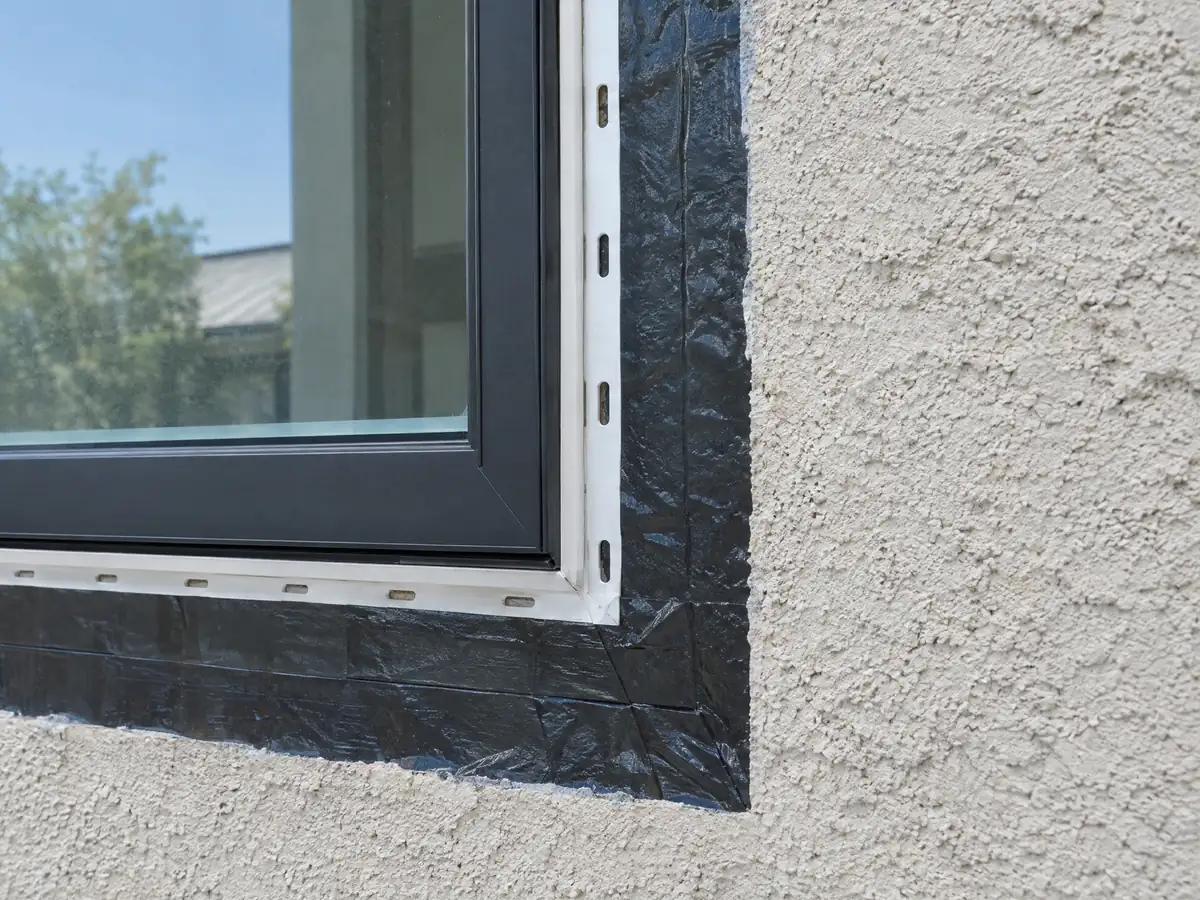
Window frame colors and reflective glass on Glendora hillside parcels
On hillside parcels, the City limits exterior colors to earth tones and says no reflective materials should be apparent when seen from 100 feet. Those rules are written for development under Municipal Code 21.04.030, which applies to parcels at 10 percent average slope or more. The window handout does not say whether a replacement-only job counts, so a bright frame color or a reflective coating on a hillside house deserves a question to Planning before the order.
The same code calls for fire retardant building materials and a fuel modification plan, and the Safety Element's policy SAF-2.8 asks for fire resistant materials in hillside and Very High zones. The window handout names a glass test and not a frame material, so the glass rule is the one with a clear standard.
Fuel modification zones reach 30 feet from the structure, then 100 and 200 feet inside the property lines, and they concern planting more than windows. A change to a building's footprint or square footage needs a new submittal, though, so a like-for-like swap does not trigger one while a bay window that extends the wall may.
Dual glazing, U-factor and SHGC for replacement windows in Glendora
New or replaced glazing has to meet the Energy Code. The City's handout cites Table 150.1-A, with a maximum U-factor of 0.30 and a solar heat gain coefficient of 0.23, and Glendora sits in Climate Zone 9 at every point the Energy Commission's service returned. Other cities' handouts quote 0.27 and 0.20, and the 2025 Energy Code took effect January 1, 2026, so ask the supplier to print the rated numbers on the quote.
U-factor measures how fast heat moves through the whole window, and SHGC measures how much sun heat passes through the glass. Both appear on the NFRC label. The Pomona Fairplex station, the nearest with temperature normals, averages about 70.5 days a year at or above 90 degrees and 10.7 at or above 100, so a low SHGC matters on the long hot stretch, while a low U-factor slows heat flow in both seasons.
Glass choices move the price. Angi's Los Angeles page, updated July 2026, lists double-pane at $500 to $2,000 per window, low-E at $300 to $1,100 and tempered at $200 to $700, which is why a fire-zone order costs more than a plain one.
Egress openings and safety glass: bedroom windows, tubs, doors and stairs
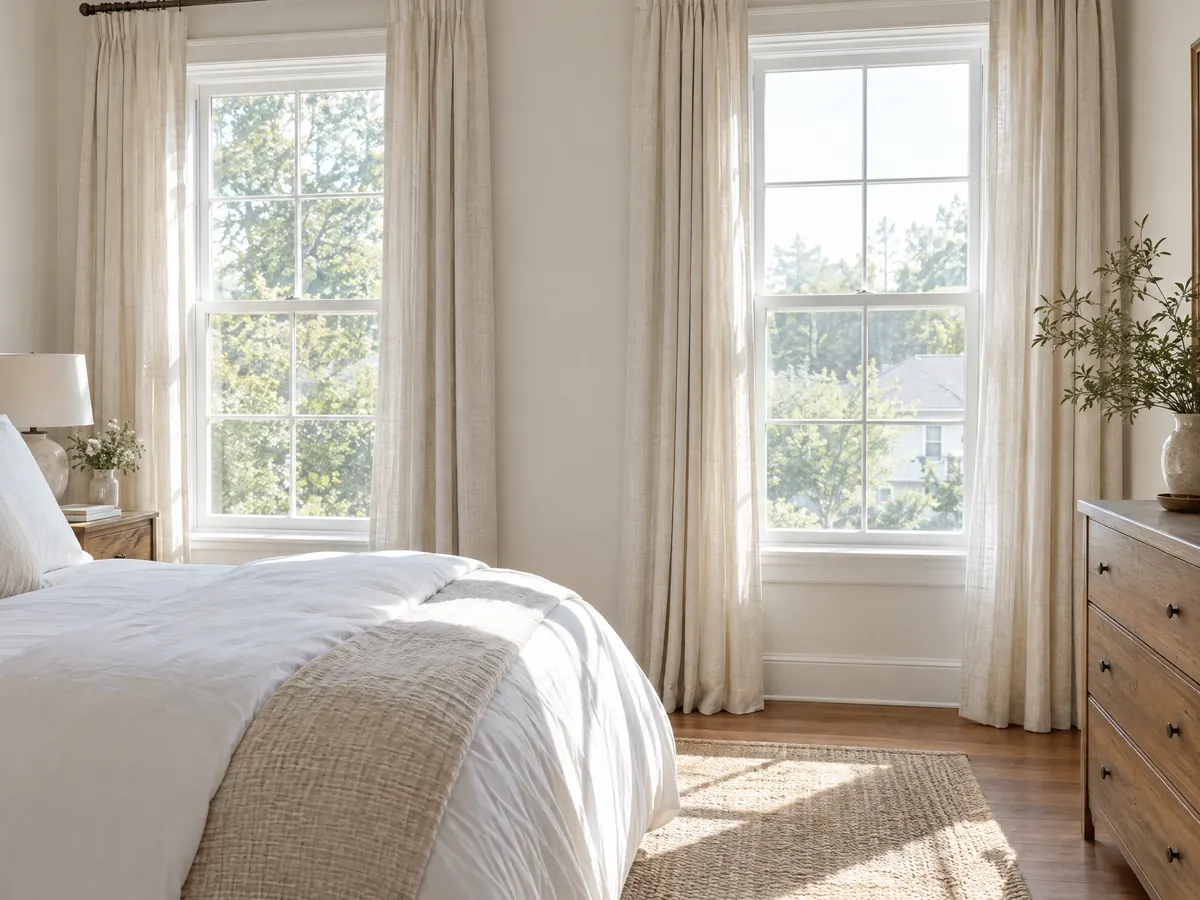
A bedroom, basement or habitable attic needs an escape opening of at least 5.7 square feet of net clear area (5.0 at grade), 24 inches of clear height, 20 inches of clear width and a sill no more than 44 inches above the floor, under Residential Code R319. A replacement is exempt only if it is the manufacturer's largest standard size that fits the existing opening, with the same operating style or one with an equal or larger opening, and not part of a change of occupancy.
Safety glazing is required within 24 inches of a door and under 60 inches above the walking surface, in panes over 9 square feet within 18 inches of the floor, within 60 inches of the water's edge at tubs, showers, spas and pools, and beside stairways and landings under 36 inches above the walking surface.
Two more items catch owners out: operable windows over 72 inches above grade with a sill under 24 inches need a 4 inch sphere limit or an ASTM F2090 control device, and habitable rooms need glazing of 8 percent and openable area of 4 percent of floor area. Cutting a new or larger opening is framing work, not a swap, and our Glendora room addition page shows how new walls are reviewed.
Replacing windows in a Glendora landmark or the Village historic district
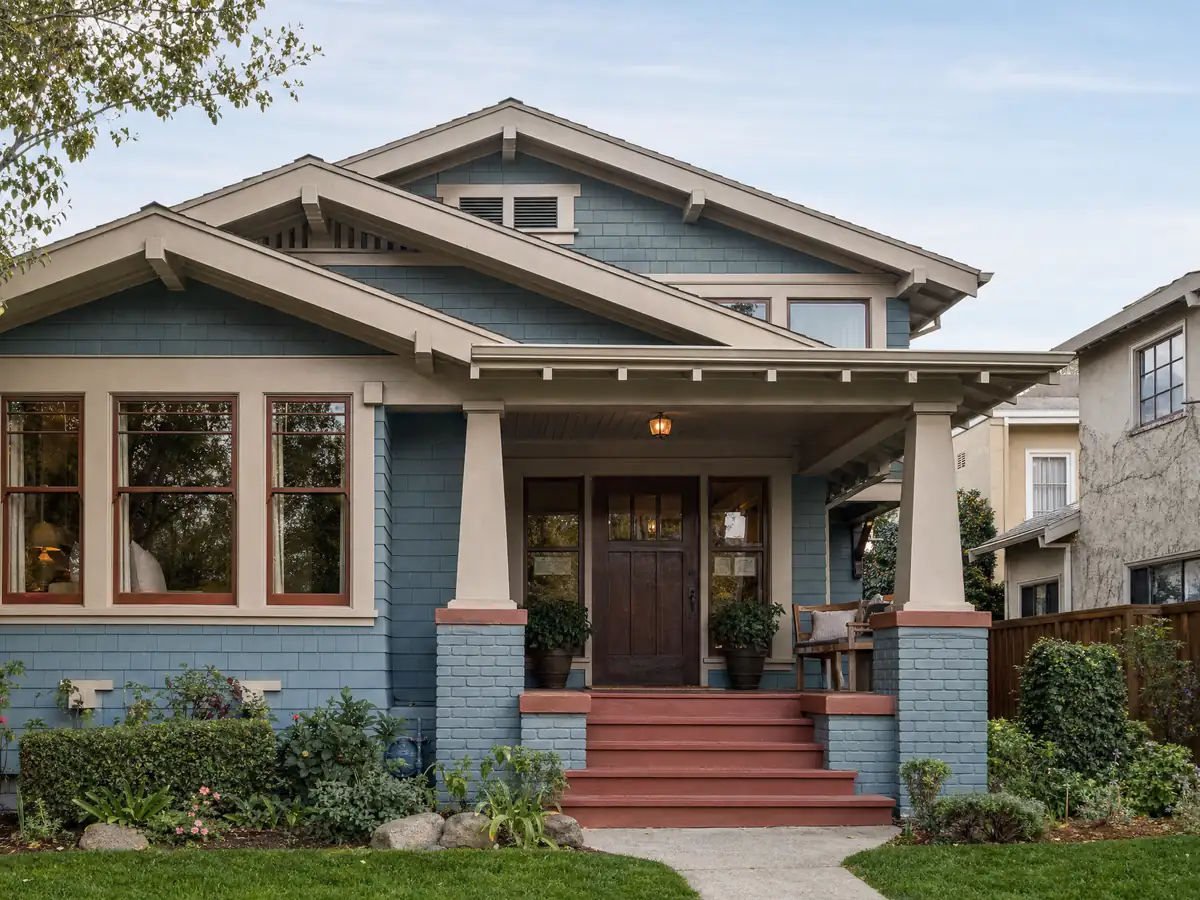
Glendora has one designated Historic District, a residential area near the Village documented in a 1995 survey, plus 38 landmarks and one other historic resource on the City's 2024 list, with addresses on streets such as Glendora Avenue, Bennett Avenue, Pasadena Avenue and Wabash Avenue. In the district, alterations are reviewed by the Planning Commission, which issues a Certificate of Appropriateness. The window handout adds that Planning Division approval is also needed for historic buildings.
Under the Historic Preservation Overlay chapter, ordinary maintenance and repair with no change in design, material or outward appearance needs no certificate, while a change to the exterior of a contributing resource does, decided within 30 days of a complete application. Swapping original wood windows for vinyl changes material and appearance, so it would not obviously count as maintenance. We could not tell whether the Historic District is an overlay zone or where its boundary runs, so ask Planning.
Repair is often the better first option for original wood sash: glazing, weatherstripping, paint and sash cords keep the look. The City offers Mills Act contracts to landmark owners, which is worth asking about. Lead-safe rules apply to paid work that disturbs paint in a pre-1978 home, and old window frames can carry that paint.
Order lead times, heat and install day for Glendora windows
Every unit is built to your measurements, which makes the factory the longest wait. Our planning ranges are 1 to 2 weeks to measure and quote, 4 to 8 weeks to manufacture and 1 to 3 days to install a 10 to 15 window house, one opening at a time so the house stays closed, followed by 1 to 3 days of stucco and trim repair. The manufacturer's quoted date goes into the written proposal.
Pick the install around weather you can predict. NOAA's normals near the city center show 79 percent of the year's 21.31 inches of rain from December through March, and the hot stretch runs June through September, when the average high at Fairplex passes 84 degrees and reaches 92.4 in August. Chapter 19.06 of the Municipal Code blames hot, high-velocity Santa Ana winds for local fire risk, and they are a poor time to have openings exposed.
MDG Builders, CSLB #1040337, measures, orders, permits and manages the job while licensed subcontractors install, and each firm's license and certificate of insurance can be requested. Glass is the specialty trade: the State's C-17 glazing class covers installing glass, though the CSLB text does not use the word windows, so the proposal names the subcontractor. See how general contractors use subcontractors.
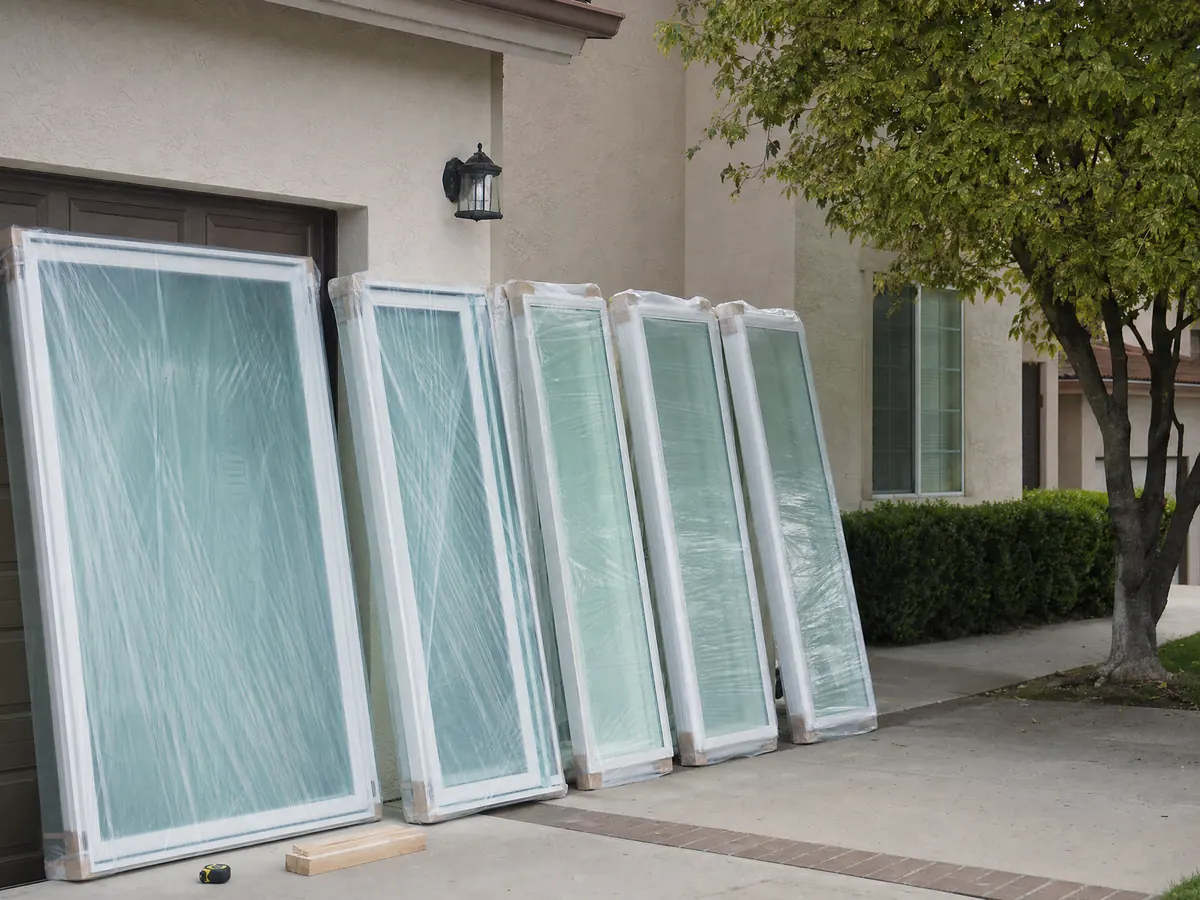
Window photos from Glendora and nearby homes
Window scenes tied to Glendora and nearby communities, from flashing and glass details to finished openings. Tap a photo to enlarge it.
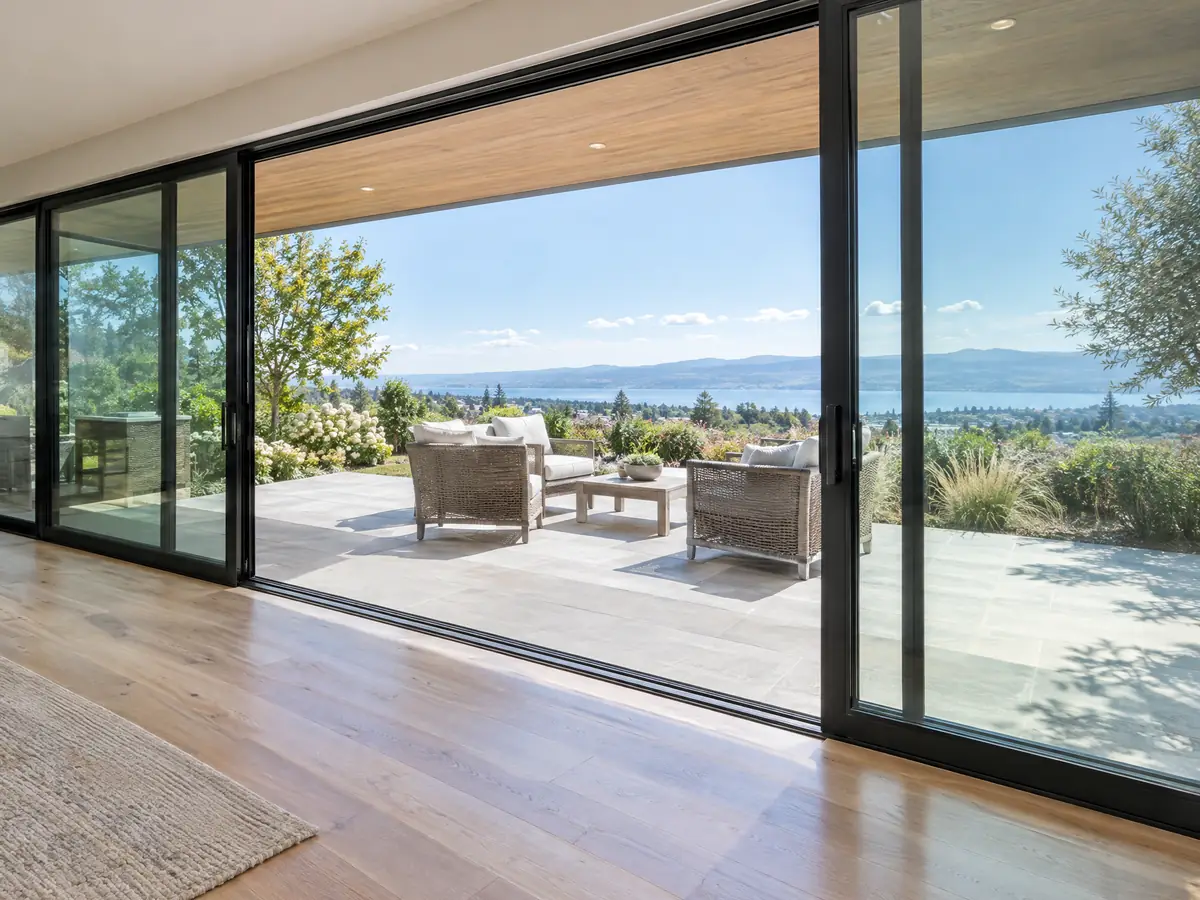
What windows costs around Glendora
Our windows page puts vinyl replacement windows at about $550 to $1,150 each installed and a whole house of 10 to 15 windows at about $14,000 to $28,000, with wood and fiberglass above that. Those figures lean on a September 2026 ConsumerAffairs page that states no method, Angi's July 2026 Los Angeles average of $19,356 and Remodeling magazine's 2025 Cost vs. Value job cost of $23,783 for vinyl in Los Angeles, which recouped about 83.2 percent at resale. None is a Glendora quote. The federal 25C home improvement credit does not cover windows placed in service after December 31, 2025, even though older pages still advertise it, and we could not open the City's fee schedule, so the permit fee is its own line in a written proposal. Rules shift at city lines, so compare window replacement in Covina, West Covina, Pomona, Baldwin Park and Los Angeles, and check any contractor with our license check guide. A bathroom window is covered on the Glendora bathroom page, and the Glendora area page lists every trade we cover in the city.
| What it covers | Typical range |
|---|---|
| Vinyl window, installed, each | $550 to $1,150 |
| Wood or fiberglass window, installed, each | $950 to $2,400 |
| Whole house, 10 to 15 windows | $14,000 to $28,000 |
| Glass options, per window | Double-pane $500 to $2,000. low-E $300 to $1,100. tempered $200 to $700. |
| Remodeling Cost vs. Value 2025, Los Angeles | Vinyl $23,783. wood $27,913. |
| New or enlarged egress opening | $3,200 to $6,500 |
Glendora window replacement questions, answered
Do I need a permit to replace windows in Glendora?
Yes. The City's March 2026 handout requires a permit when a window or door opening is altered, replaced like for like or changed in size, or when wall finishes are removed, and Planning approval also applies to historic buildings. Start in Civic Access, where the City says applications are now filed, and confirm with the Building Division at (626) 914-8222 because one page still describes an emailed worksheet.
Do I need special fire-resistant windows if I live in a hillside fire zone?
Inside the Fire Hazard Severity Zone, yes. The City's handout says exterior windows, skylights and glazed doors need multilayer glazing with at least one tempered pane, or glass block, or a 20-minute fire-rated assembly, or must meet State Fire Marshal Standard 12-7A-2. Whether your address is in the zone comes from the City's adopted map, so ask the Building Division before ordering.
How much do replacement windows usually cost?
Vinyl windows run about $550 to $1,150 each installed, and a whole house of 10 to 15 windows about $14,000 to $28,000, according to ConsumerAffairs' Los Angeles page, with Angi's Los Angeles average at $19,356. Wood and fiberglass cost more, and fire-zone glass, custom sizes and stucco patching raise the number. None is a Glendora quote, so a measured proposal sets your price.
How long does it take for new windows to be installed?
Expect about 5 to 10 weeks of waiting plus a few days of work. Our planning ranges are 1 to 2 weeks to measure and quote, 4 to 8 weeks for the factory and 1 to 3 days to install a 10 to 15 window house, with 1 to 3 more days of stucco and trim repair. The manufacturer's quoted lead time goes into your proposal.
Are double pane windows required in California?
Effectively yes. Glendora's handout holds new glazing to the Energy Code, citing a maximum U-factor of 0.30 and a solar heat gain coefficient of 0.23, and it keeps NFRC labels on windows for the inspector. Single-pane glass is unlikely to meet those numbers, so plan on dual glazing and ask the Building Division to confirm the figures for your climate zone.
What size egress window is required?
A bedroom needs an escape opening of at least 5.7 square feet of net clear area (5.0 at grade), 24 inches of clear height, 20 inches of clear width and a sill no more than 44 inches above the floor. A replacement may keep its size only if it is the manufacturer's largest standard size that fits the opening and keeps the same style or an equal or larger opening.
What do U-factor and SHGC ratings mean?
U-factor measures how fast heat moves through the whole window, and a lower number insulates better. SHGC measures how much sun heat passes through the glass, and a lower number blocks more. Both are on the NFRC label, and Glendora's handout cites 0.30 and 0.23 as the maximums. Ask your supplier to print both numbers on the written quote.
Is replacing home windows worth it?
Usually for comfort, safety and resale rather than a fast payback. Remodeling magazine's 2025 Los Angeles report shows vinyl replacement recouping about 83.2 percent of its cost at resale and wood about 81.9 percent. Fire-zone glass, noise and the age of the old windows matter too. We quote no energy savings because we found no sourced Glendora figure.
Can you match existing windows or doors for remodels or additions?
Often, within limits. Frame style, color and grid pattern can usually be matched, but the glass package cannot always follow the old windows: fire-zone openings need tempered multilayer glass, new glass must meet current energy numbers and a bedroom opening may need to meet egress rules. Historic homes also need Planning approval, so ask before ordering a match.
Tell us about your Glendora windows
Tell us the neighborhood, roughly when the house was built, how many windows and doors you want replaced and whether the street sits in the foothill fire zone, and we will plan the visit around that.