
Fence Companyin Glendora, CA
A fence company in Glendora has to build within the zoning code, not only the permit line: front yard fences stop at 3 or 4 feet, side and rear fences at 6 feet, even though the State permit exemption reaches 7. Hillside lots, parkway trees and pool barriers add their own rules.
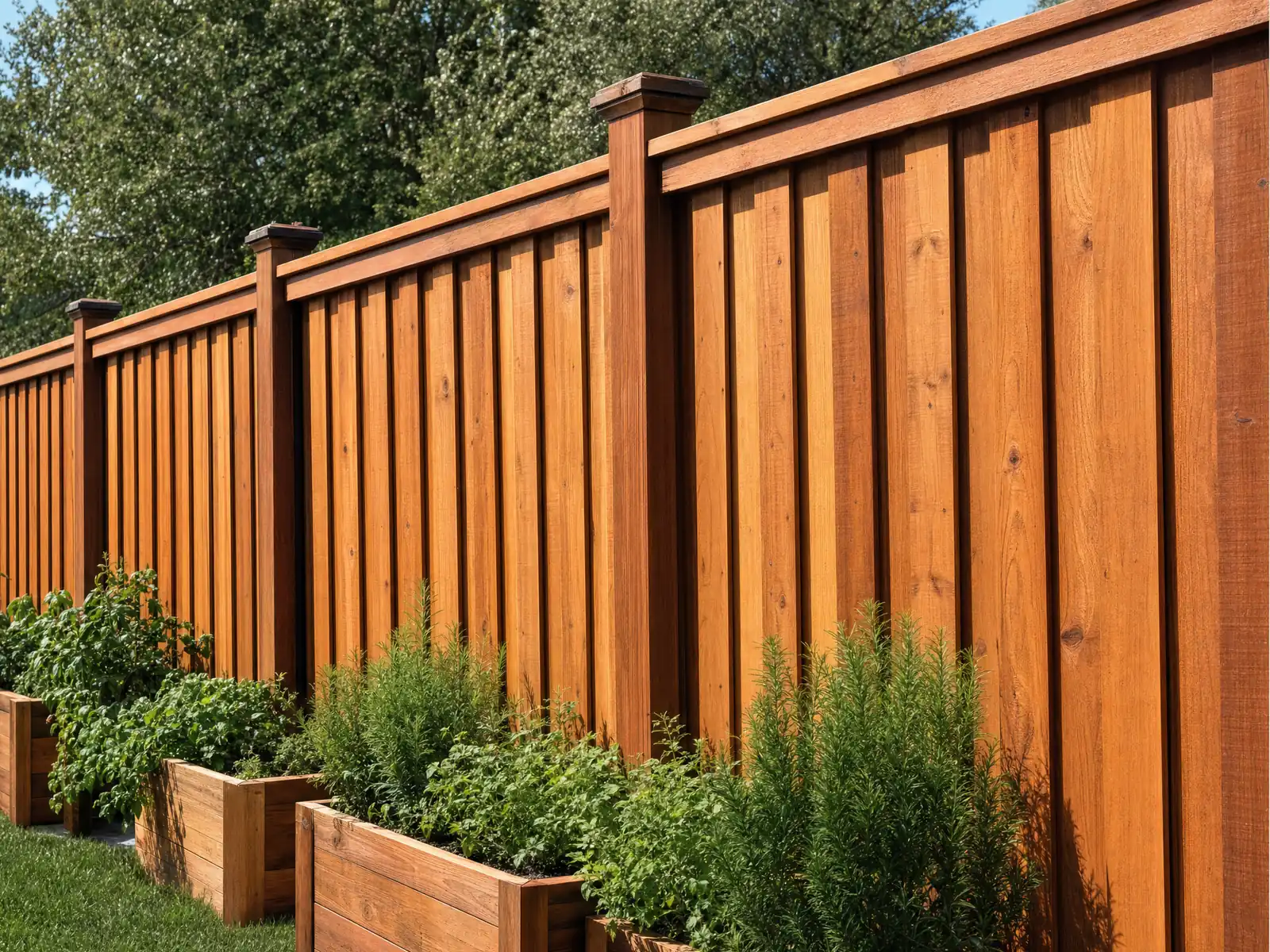
Glendora fences meet three kinds of ground. The valley floor is mostly tract lots from the 1950s and 1960s, and the Census Bureau's 2024 five-year estimates count 12,147 detached houses among the city's 17,302 housing units, about 70 percent. North of that, the foothills hold estate lots in the E and Rural Hillside Residential zones, where slope and fire rules reshape what a wall can look like. The street edge adds parkway trees that the City protects by code. The City's archive says many citrus groves became subdivisions after World War II, and the fences between those lots are now old enough to be a neighbor conversation.
On a fence job, MDG Builders (CSLB #1040337) handles the design, the height check, the permit question and the schedule, while a licensed fencing subcontractor in class C-13 builds it. C-13 excludes masonry walls, so block work goes to a C-29 masonry subcontractor. Our fencing page holds the sourced price table, the Glendora overview lists the other trades we handle here, and Covina shows how a neighboring city writes the same questions.
What Glendora's zoning code, Building Division and Public Works say about fences
Where fencing permits come from in Glendora: City of Glendora Community Development Department, Building and Safety Division.
- Municipal Code 21.03.010 F limits fences and walls in a front yard setback to 4 feet if at least 50 percent of the fence area is visually open (wrought iron, picket, tubular steel), 3 feet if solid, or a solid lower portion up to 3 feet with an open upper portion of 1 foot (4 feet total). Behind the front setback, side and rear yard fences and walls may be up to 6 feet.
- No solid fence or wall over 30 inches high may be within 10 feet of the intersection of two public streets, and fences next to railroad or state highway rights-of-way may be up to 8 feet for noise (over 8 feet needs an acoustical engineer's noise study). The City's handout adds that heights are measured from the highest abutting finish grade.
- Materials prohibited for residential fences and walls in Glendora are barbed, razor and concertina wire and electrified fencing; reflective or unfinished metal; untreated or unfinished wood including plywood; and broken glass or sharp objects. Multifamily developments of 11 or more units need perimeter walls with articulation for runs over 50 feet and a decorative cap.
- The State exemption list (CRC R105.2 as mirrored) exempts fences up to 7 feet and retaining walls up to 4 feet measured from the bottom of the footing, unless the retaining wall supports a surcharge. Glendora's zoning caps side and rear fences at 6 feet, so the building permit line (7 feet) is above the zoning limit, and the exemption does not authorize work that violates other City rules.
- The City's permit worksheet has a retaining wall line priced by linear feet and height and a free-standing wall line, so walls are listed permit items there, and the single-dwelling submittal list requires accessory structures such as fences, walls, trash enclosures and patio covers to be drawn on the site plan.
- On hillside parcels, retaining walls visible from public rights-of-way may not exceed 6 feet measured from the base, crib walls may not exceed 15 feet, and walls over 4 feet high and 25 feet long must be softened with plants. Structural plans for retaining walls require full height and detail, and hillside lots usually need a geotechnical report.
- Pools and spas: Municipal Code 9.32.020 requires a fence or solid structure at least 5 feet high with no opening larger than 6 inches square, self-closing and self-latching gates with the latch at least 4 feet 6 inches above grade, and says driveway gates do not count as part of the enclosure. All fencing must be in place and approved before water is run into the pool (9.32.030).
- The City's Pool and Spa Fencing handout (written to the 2013 California Building Code) requires a barrier at least 5 feet high measured on the outside, openings that do not pass a 4 inch sphere, no more than 2 inches clearance under the barrier (4 inches over concrete), outward-opening self-closing gates with the latch at least 60 inches up and pedestrian gates no wider than 4 feet, plus door alarms where house walls form part of the enclosure. Its 60 inch latch height differs from the code's 4 feet 6 inches, so ask the Building Division.
What are the fence and retaining wall rules on a Glendora hillside lot?
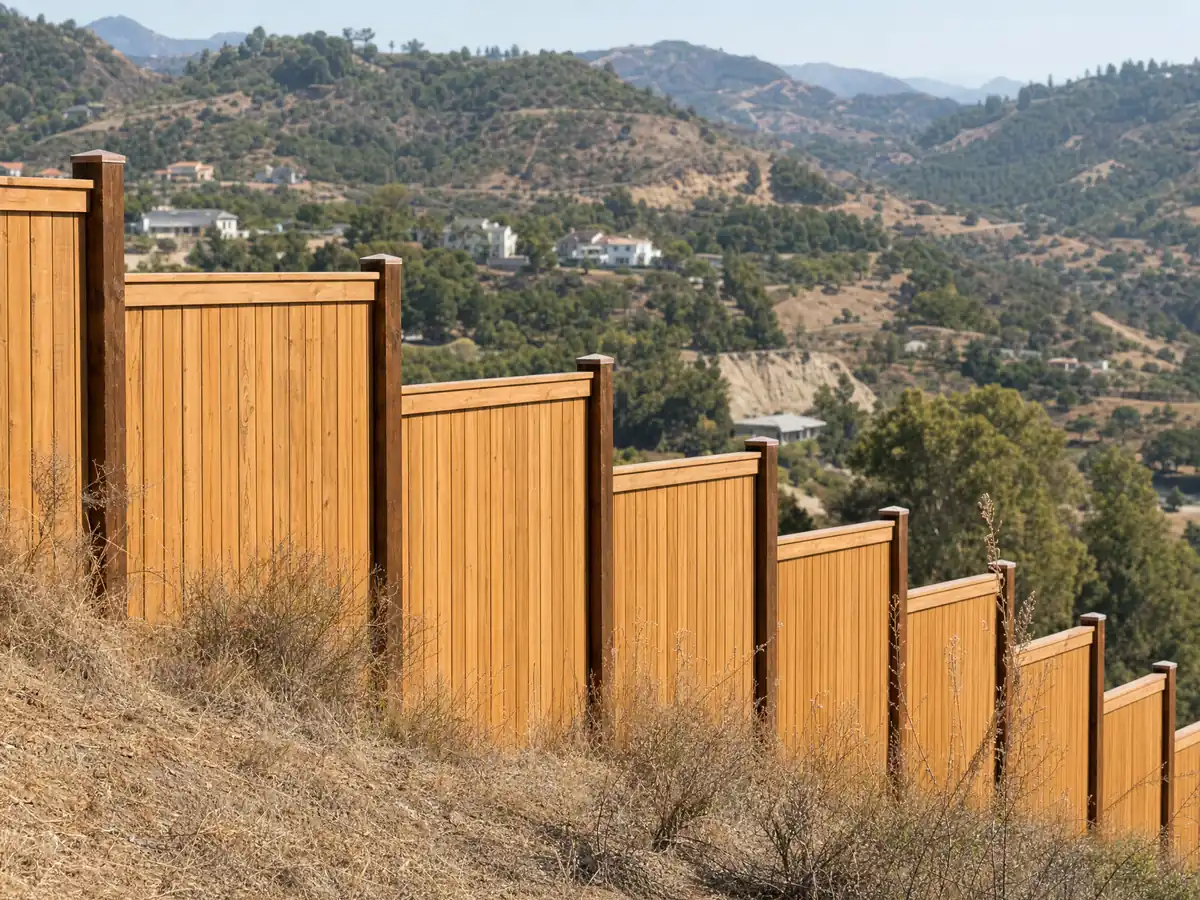
Hillside rules apply to any parcel with an average slope of 10 percent or more, measured from a topographic map under Municipal Code 21.04.030. Retaining walls visible from public rights-of-way may not exceed 6 feet measured from the base, crib walls may not exceed 15 feet, and walls over 4 feet high and 25 feet long must be softened with plants. Structural plans for a retaining wall show full height and detail, and hillside lots usually need a geotechnical report.
Grading is the hidden trigger. No grading or building permit issues on a parcel with more than 150 cubic yards of grading until a development plan is approved, grading on natural slopes over 35 percent is barred, and the grading code asks for plan check and a bond equal to 100 percent of the grading valuation once work passes 50 cubic yards. All impervious surface counts toward hillside lot coverage, which falls from 25 percent to 5 percent as the slope steepens, and retaining walls are among the listed exceptions.
A hillside fence is also a fire question. The County Fire Department's exemption sheet lists gates, fences and retaining walls among structures that skip fuel modification review, and the State wildland-urban interface code's voluntary Appendix G suggests noncombustible or ignition-resistant material for detached fences within 5 feet of a house. That is a recommendation, not a mandate.
How tall can a fence be in a Glendora front yard or backyard?
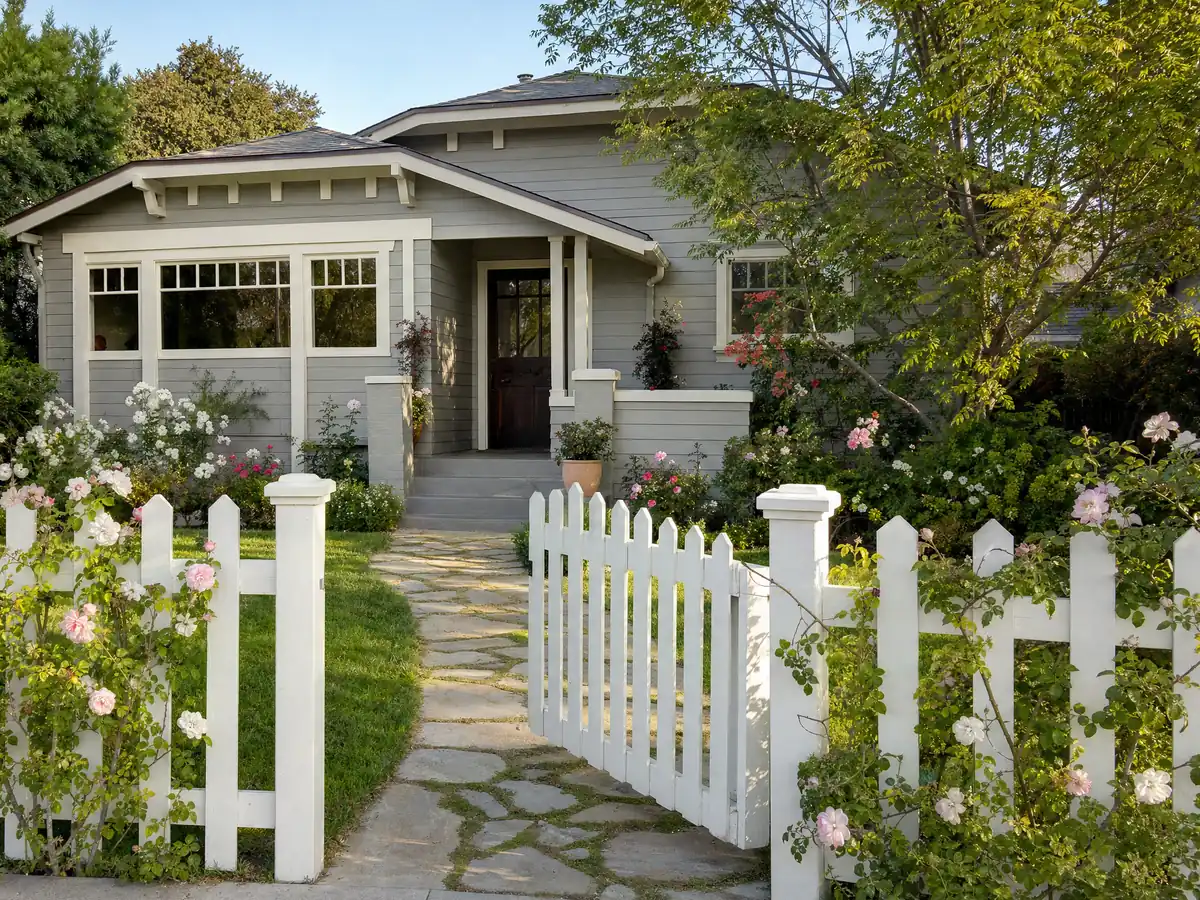
Municipal Code 21.03.010 F sets three front yard setback limits: 4 feet if at least half of the fence area is visually open, such as wrought iron, picket or tubular steel, 3 feet if it is solid, or a solid base up to 3 feet topped by 1 foot of open fence, 4 feet in all. Behind the front setback, side and rear yard fences and walls may reach 6 feet. Heights are measured from the highest abutting finish grade, which matters on a sloped lot where the neighbor's yard sits higher.
Corners and noisy edges have their own limits. No solid fence or wall over 30 inches may stand within 10 feet of the intersection of two public streets, and a fence beside a railroad or State highway right-of-way may reach 8 feet for noise, with anything taller needing an acoustical engineer's study. Planning can approve a minor modification of up to 15 percent more fence or wall height, with an application fee, public notice and required findings, so a 6 foot limit does not always end the conversation.
Does a fence in Glendora need a building permit?
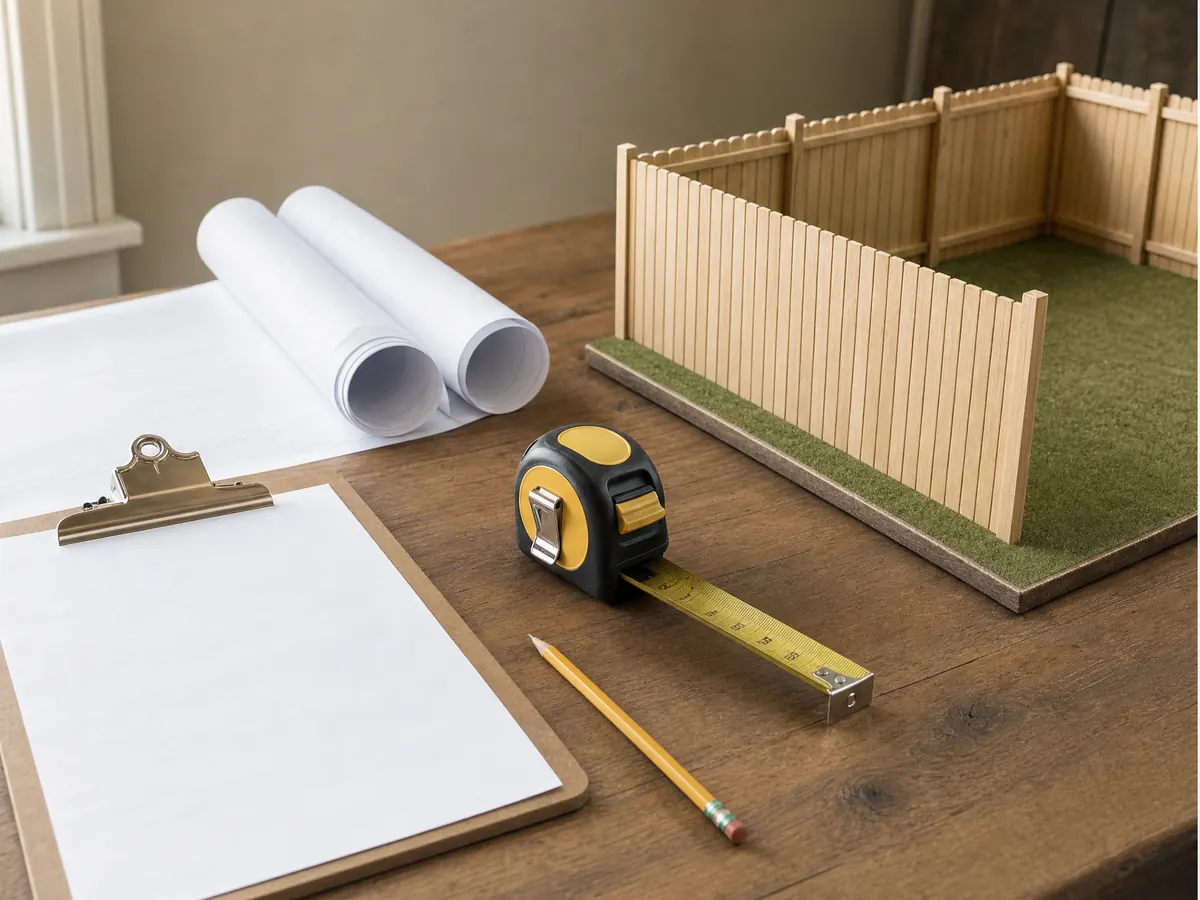
The State exemption list in the 2025 Residential Code, R105.2, exempts fences up to 7 feet and retaining walls up to 4 feet measured from the bottom of the footing, unless the wall supports a surcharge. We read that list on a gocodebook.com mirror, not the State text, and Glendora's building code chapters make no local change to it. The catch is the gap between the 7 foot permit line and the 6 foot zoning cap: an exempt fence can still break the zoning rule, because the exemption does not authorize work that violates other City rules.
Walls look different on paper. The City's permit worksheet prices a retaining wall by linear feet and height and has a free-standing wall line, and the submittal list asks that fences, walls, trash enclosures and patio covers appear on the site plan. Ask the Building Division whether filing goes through the Civic Access portal or an emailed worksheet, because two City pages describe different routes. Call 811 before the auger goes in. We found no fence permit fee, and no fee schedule was reachable, so none is printed.
What materials can a Glendora fence be made of?
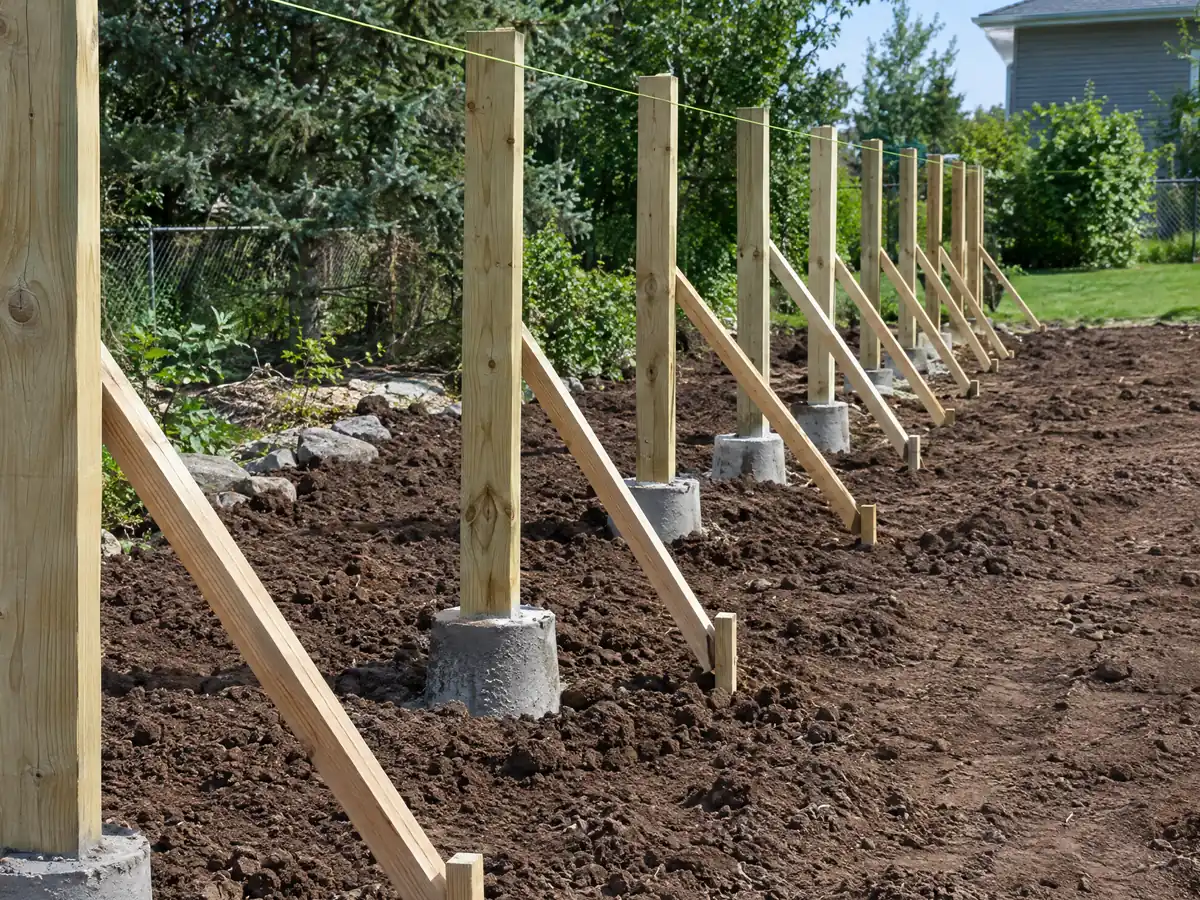
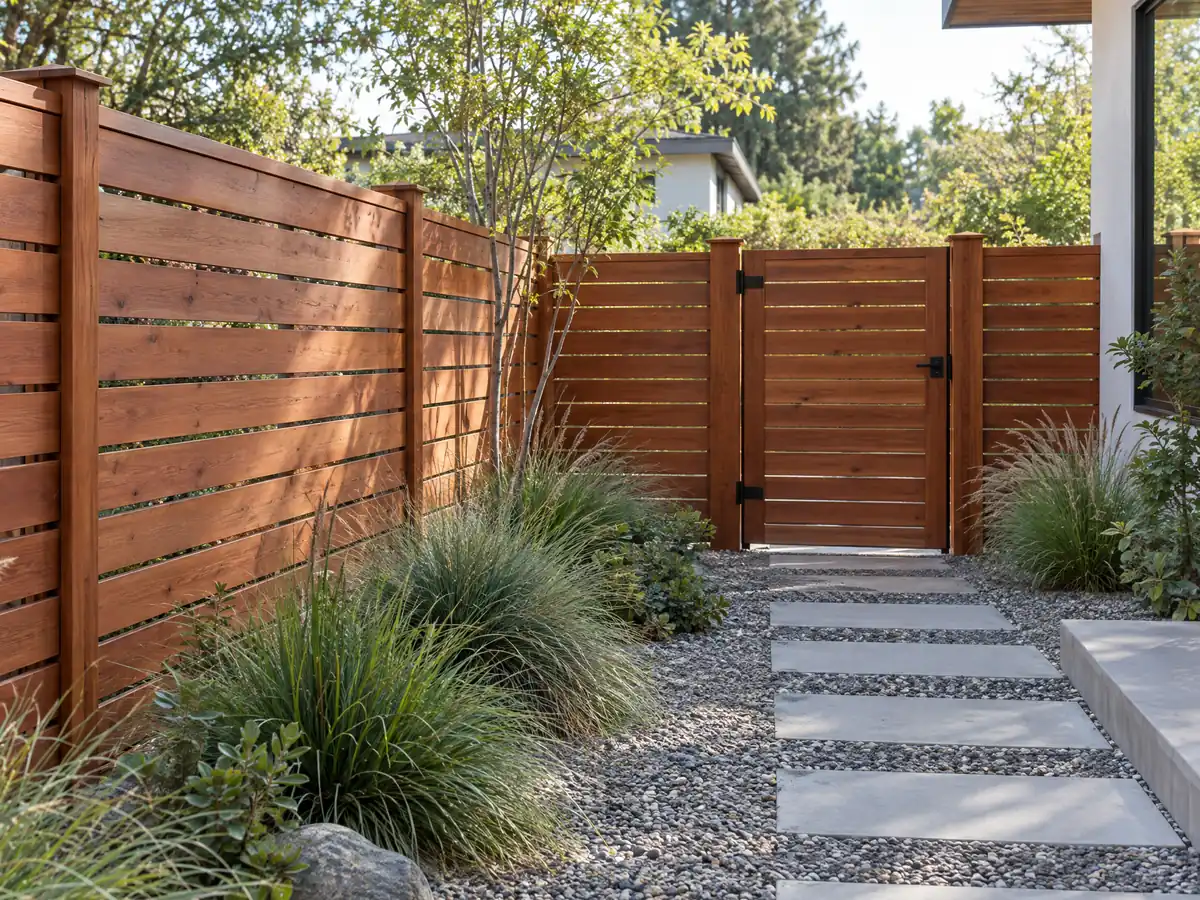
The zoning code bans some materials outright for residential fences and walls: barbed, razor and concertina wire, electrified fencing, reflective or unfinished metal, untreated or unfinished wood including plywood, and broken glass or sharp objects. That list leaves room for finished wood, vinyl, aluminum, tubular steel and block, while raw plywood and bare sheet metal are out.
Material also meets the sky and the soil. The City's own fire ordinance blames hot, high-velocity Santa Ana winds for the local hazard, and its Design Criteria sheet marks termite damage as 'Yes', so wood that touches the ground deserves a question about treatment and footings. Solid privacy panels catch wind, an engineering point we could not source for Glendora, so ask the fence company how posts are sized and set.
Block and stucco walls belong to another license class, and our subcontractor guide explains how MDG splits work between trades.
Which Glendora pool fence rule applies: the 5 foot code or the 2013 handout?
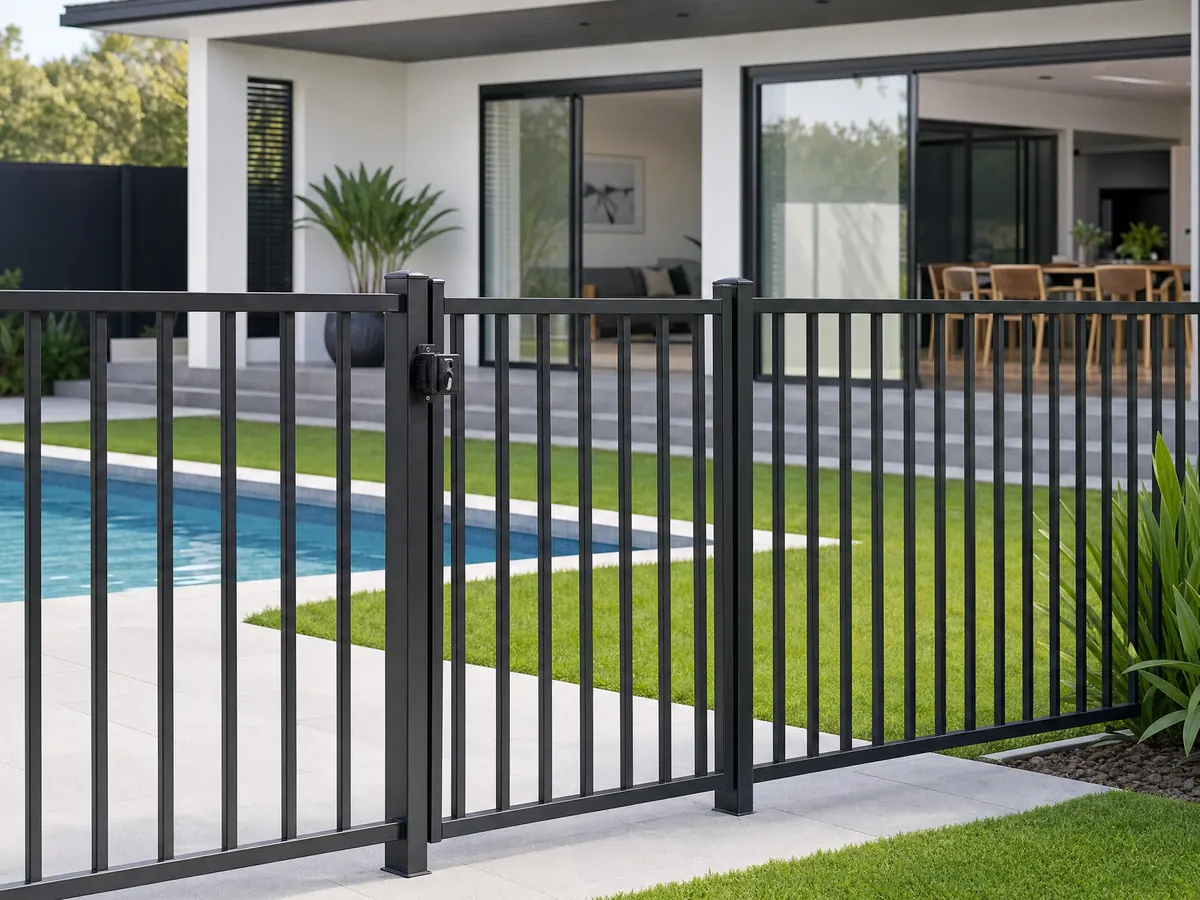
Two City documents describe a pool barrier, and they do not match. Municipal Code 9.32.020 requires a fence or solid structure at least 5 feet high with no opening larger than 6 inches square, plus self-closing, self-latching gates with the latch at least 4 feet 6 inches above grade. It says driveway gates do not count as part of the enclosure, and under 9.32.030 all fencing must be in place and approved before water goes into the pool.
The City's Pool and Spa Fencing handout is written to the 2013 California Building Code. It asks for a 5 foot barrier measured on the outside, openings that do not pass a 4 inch sphere, no more than 2 inches of clearance under the barrier (4 inches over concrete), outward-opening self-closing gates with the latch at least 60 inches up, pedestrian gates no wider than 4 feet and door alarms where house walls form part of the enclosure. Its 60 inch latch is higher than the code's 4 feet 6 inches, so design to the stricter number and ask the Building Division which reading it enforces. We did not read the State pool safety statute for this page.
Who pays for a shared Glendora fence, and what do street trees change?
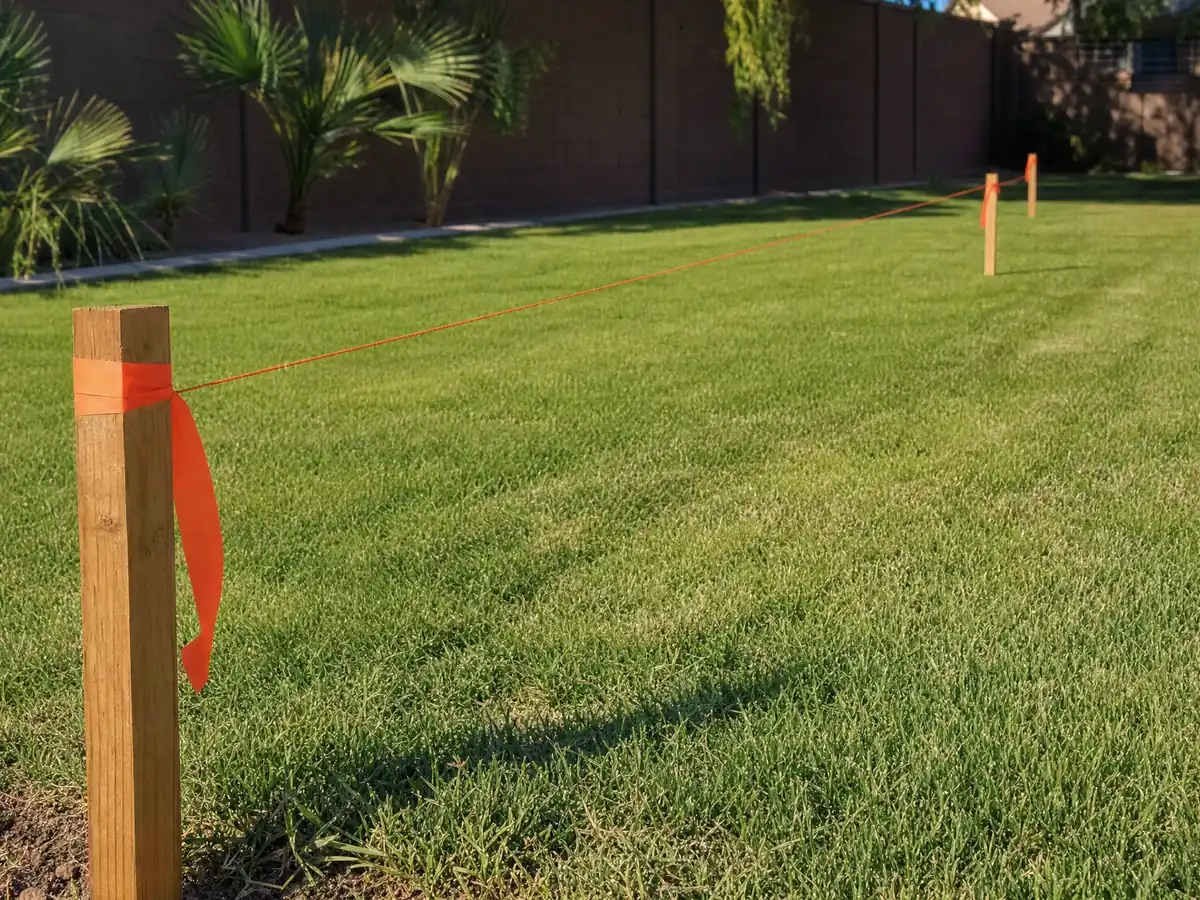
California Civil Code 841 presumes that adjoining owners share the cost of a dividing fence equally, and it requires at least 30 days' written notice to each affected neighbor that describes the problem, the proposed fix, the estimated cost, the proposed split and the timeline. FindLaw shows the text as current on January 1, 2026. A survey, not the old fence line, settles where the boundary runs.
The street edge has its own permits. A fence, post, steps or other object placed on or over the public street, sidewalk or parkway is an encroachment that needs a Public Works permit under Municipal Code 13.08.030, with a fee set by Council and a hold-harmless statement. Any barrier on the root crown of a parkway tree is prohibited without the City Forester's approval, and under 16.12.050 trenching for posts near a parkway tree must avoid its drip line.
How much does fence installation cost in Glendora, and how do I hire a fence company?
We found no Glendora survey, so we use Los Angeles-area sources. Angi, HomeGuide, Thumbtack and Fixr overlap on about $25 to $55 per linear foot installed for a 6 foot wood or vinyl privacy fence, $12 to $30 for chain-link and $35 to $85 for aluminum or ornamental iron, which puts a 100 foot backyard run at roughly $2,500 to $5,500. That range is our synthesis of the four, not a Glendora quote. Angi puts labor near half of a fence bill, and the Bureau of Labor Statistics put the mean wage of fence erectors in the Los Angeles area at $28.00 an hour in May 2025.
Ask for the footage, height, post spacing and depth, gate hardware, old fence removal and any permit work on separate lines, since Angi's national page lists removal at $3 to $5 per foot and gates at $150 to $2,000. Block walls have no per-foot source we trust, so those come from a written bid. Before you compare bids, check the license of whoever signs the contract.
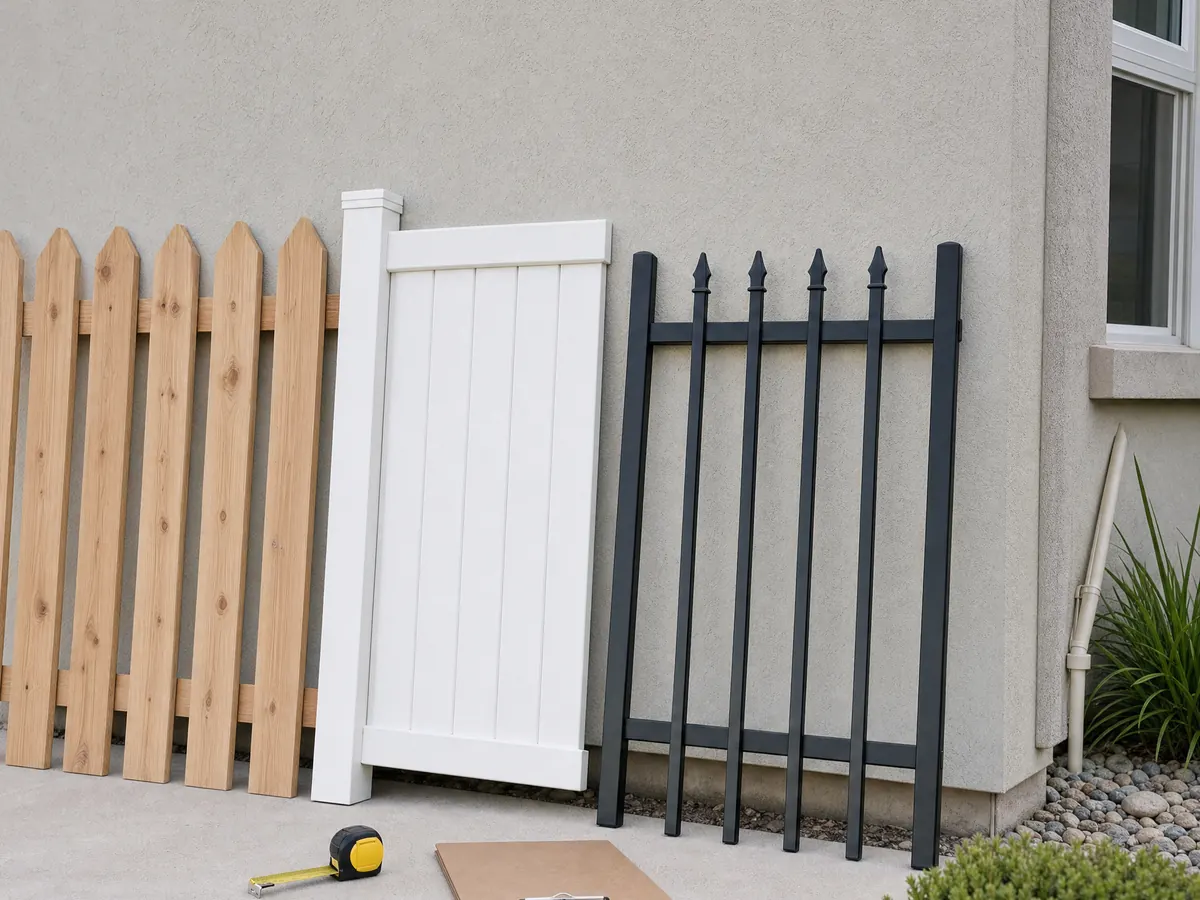
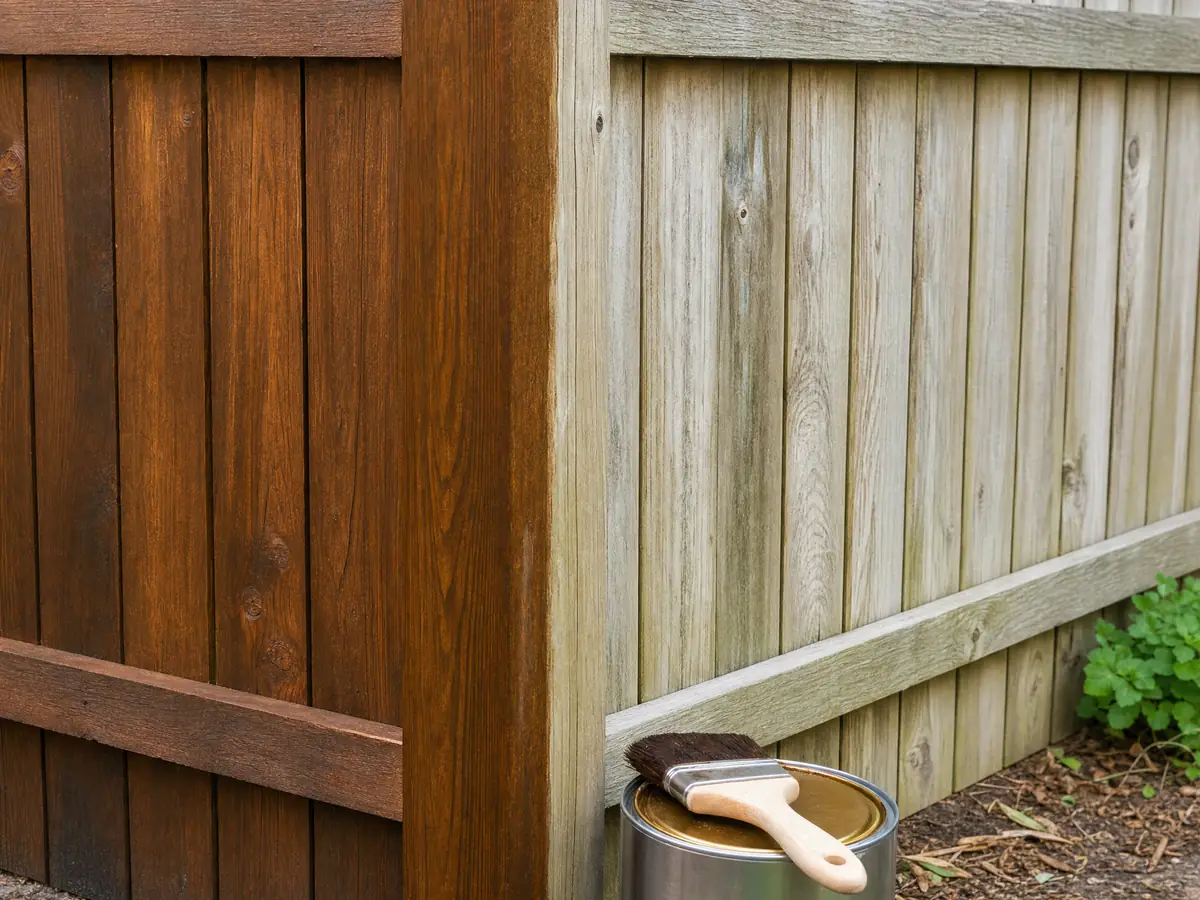
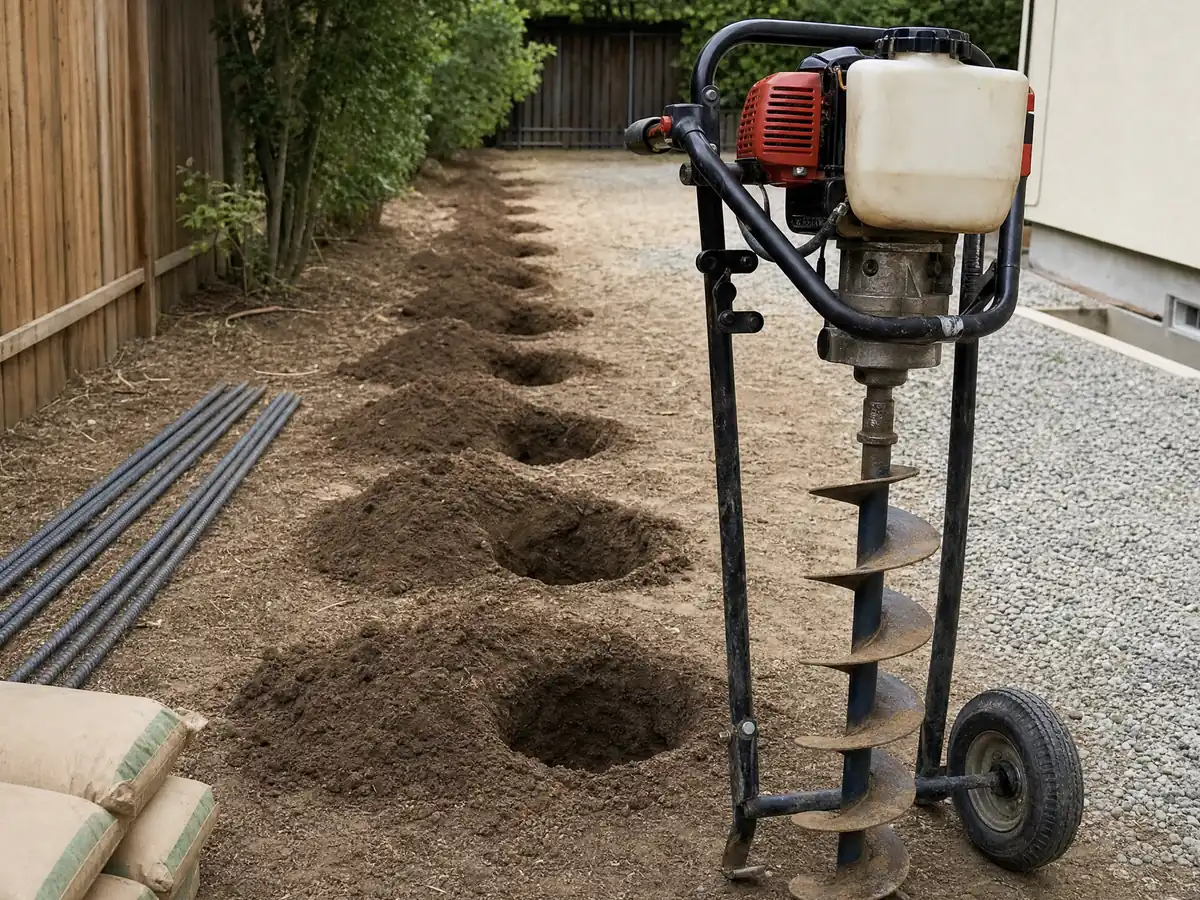
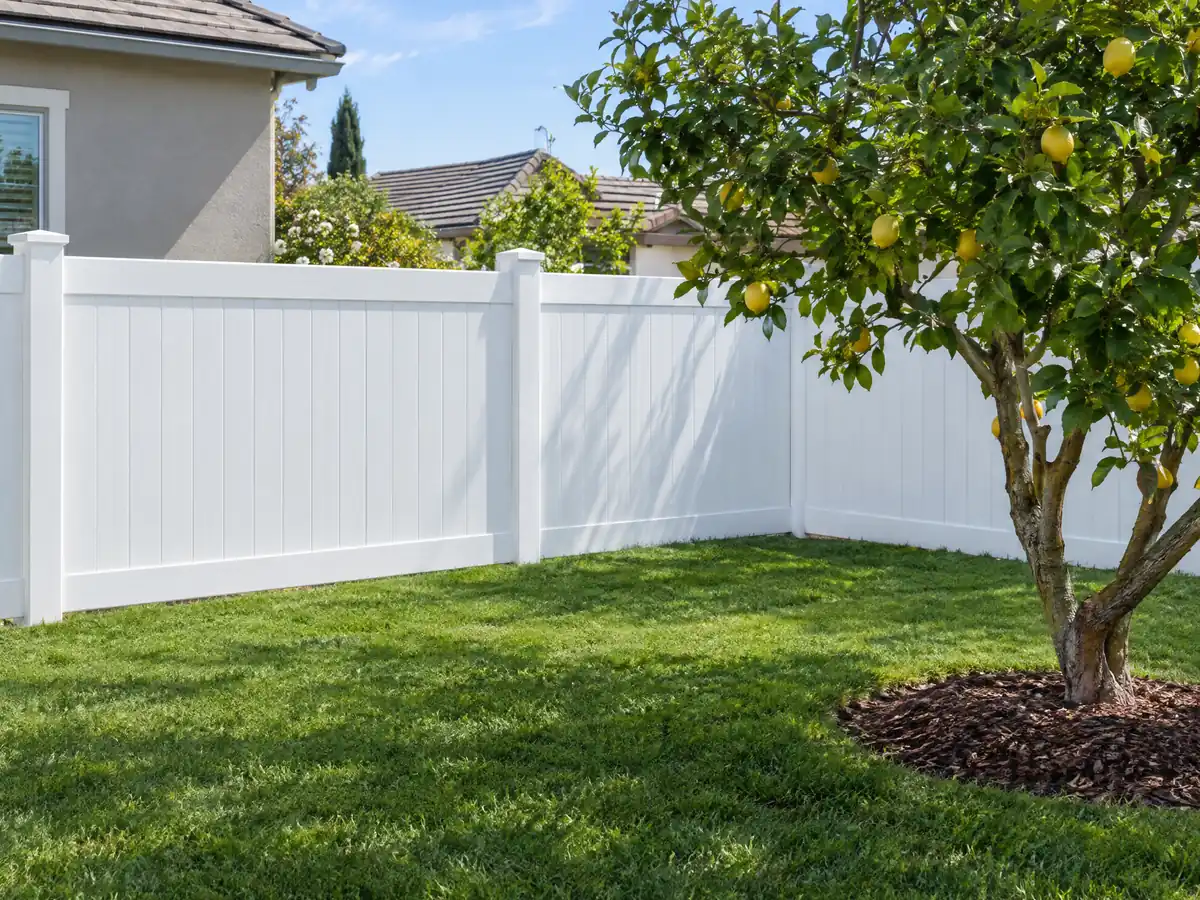
Fence and gate photos from Glendora and nearby communities
Fence and gate scenes tied to Glendora Village, Alosta and the foothill streets and to nearby communities such as Azusa and San Dimas, from picket fronts to stepped hillside runs.
Where the fence numbers come from
The full table with each source and date is on our fencing price page, and the sources disagree on the low end for wood, vinyl and chain-link, which is why we print ranges. Fences often follow other exterior work, and the Glendora rules for it are on the roofing page, the painting page and the kitchen remodeling page. Height and wall rules differ from city to city, so the fencing guides for Pomona, West Covina, Glendale and Pasadena are worth a look if you own property in more than one.
| What it covers | Typical range |
|---|---|
| Wood or vinyl privacy fence, 6 feet | $25 to $55 per linear foot |
| Chain-link | $12 to $30 per linear foot |
| Aluminum or ornamental iron | $35 to $85 per linear foot |
| Typical 100-foot backyard run | $2,500 to $5,500 total |
| Block walls, horizontal slat fences, gates and openers, hillside lots | Set by the written proposal |
Glendora fence questions, answered
How much should a 100 ft fence cost in Glendora?
Roughly $2,500 to $5,500 for a 6 foot wood or vinyl privacy fence, installed, using Los Angeles-area figures. Angi, HomeGuide, Thumbtack and Fixr overlap at about $25 to $55 per linear foot, with chain-link nearer $12 to $30. No Glendora survey exists. Hillside footings, a gate and old fence removal move the number, so get each written on its own line.
Do I need a permit for fence installation in Glendora?
Often not for the fence itself, but zoning limits still apply. The State list we read on a mirror exempts fences up to 7 feet, while Glendora caps side and rear fences at 6 feet and front yard fences at 3 or 4 feet. The City's permit worksheet lists retaining walls and free-standing walls, and a pool barrier must be approved before filling.
How tall can my front fence be in Glendora?
Four feet if at least half of the fence is open, such as picket or wrought iron, and 3 feet if it is solid. A solid base up to 3 feet with 1 foot of open fence above it also totals 4 feet. Within 10 feet of a street corner, solid fences stop at 30 inches. Heights are measured from the highest abutting finish grade.
Can I put up a 7 ft fence in my Glendora backyard?
Not by right. The State permit exemption reaches 7 feet, but Glendora's zoning code caps side and rear yard fences at 6 feet. Planning may approve a minor modification of up to 15 percent more height, which works out to 6.9 feet on a 6 foot fence, with a fee, public notice and findings. A fence beside a railroad or State highway can reach 8 feet for noise.
Does my neighbor have to pay for half the fence in California?
Usually yes, as a starting presumption. California Civil Code 841 presumes adjoining owners share the cost of a dividing fence equally, and it requires at least 30 days' written notice that describes the problem, the proposed fix, the estimated cost, the split and the timeline. The presumption can be rebutted, so keep the notice and any quotes in writing.
What is the maximum height of a retaining wall without a permit in California?
The State exemption list says 4 feet, measured from the bottom of the footing to the top of the wall, unless the wall supports a surcharge. We read that list on a code mirror. Glendora adds hillside limits: visible walls may not exceed 6 feet from the base, and walls over 4 feet high and 25 feet long must be softened with plants.
Do you need a permit to build a block wall in Glendora?
Ask before you pour. The City's permit worksheet has a separate free-standing wall line, and we found no Glendora block wall handout. The State list we read on a mirror exempts fences up to 7 feet, but whether a masonry wall counts as a fence is a question for the Building Division. Masonry is CSLB class C-29, and the fencing class C-13 excludes masonry walls.
What are the pool fence requirements in Glendora?
The municipal code asks for a barrier at least 5 feet high with no opening over 6 inches square and self-latching gates latched at 4 feet 6 inches or higher. The City's older handout asks for a 4 inch sphere limit and a 60 inch latch height. Design to the stricter numbers, because fencing must be approved before the pool holds water.
Is it cheaper to install a wood or vinyl fence?
Wood is usually a little cheaper, but the ranges overlap. Angi's national page lists wood at $10 to $45 per foot and vinyl at $15 to $40, Thumbtack lists $15 to $45 and $19 to $35, and HomeGuide lists $20 to $50 and $30 to $60. Ask each bidder how the wood is treated where it meets soil, since Glendora's design criteria flag termite damage.
What are the new fence rules in California in 2026?
For Glendora, the main change is the 2025 California Building Standards Code, in effect since January 1, 2026. Glendora's building code chapters add no local change to the permit exemptions we reviewed, and the 3, 4 and 6 foot zoning limits are in Municipal Code 21.03.010. State wildfire rules for the first feet around a house have been in flux, so ask the Fire Department before attaching a wood fence to the house.
Ask for a fence estimate in Glendora
Tell us the street, how long the run is, whether the lot slopes and whether a pool or a parkway tree is involved. We check the height limit and the permit route before we visit.