
Flooring Installationin Glendora, CA
Flooring installation in Glendora usually needs no building permit when only carpet, tile or similar finish flooring changes, because the City's code leaves the State exemption list untouched; plumbing, framing or wiring changed while the floor is open does need one. With 79.9 percent of homes built before 1980, test old vinyl and adhesive before demolition.
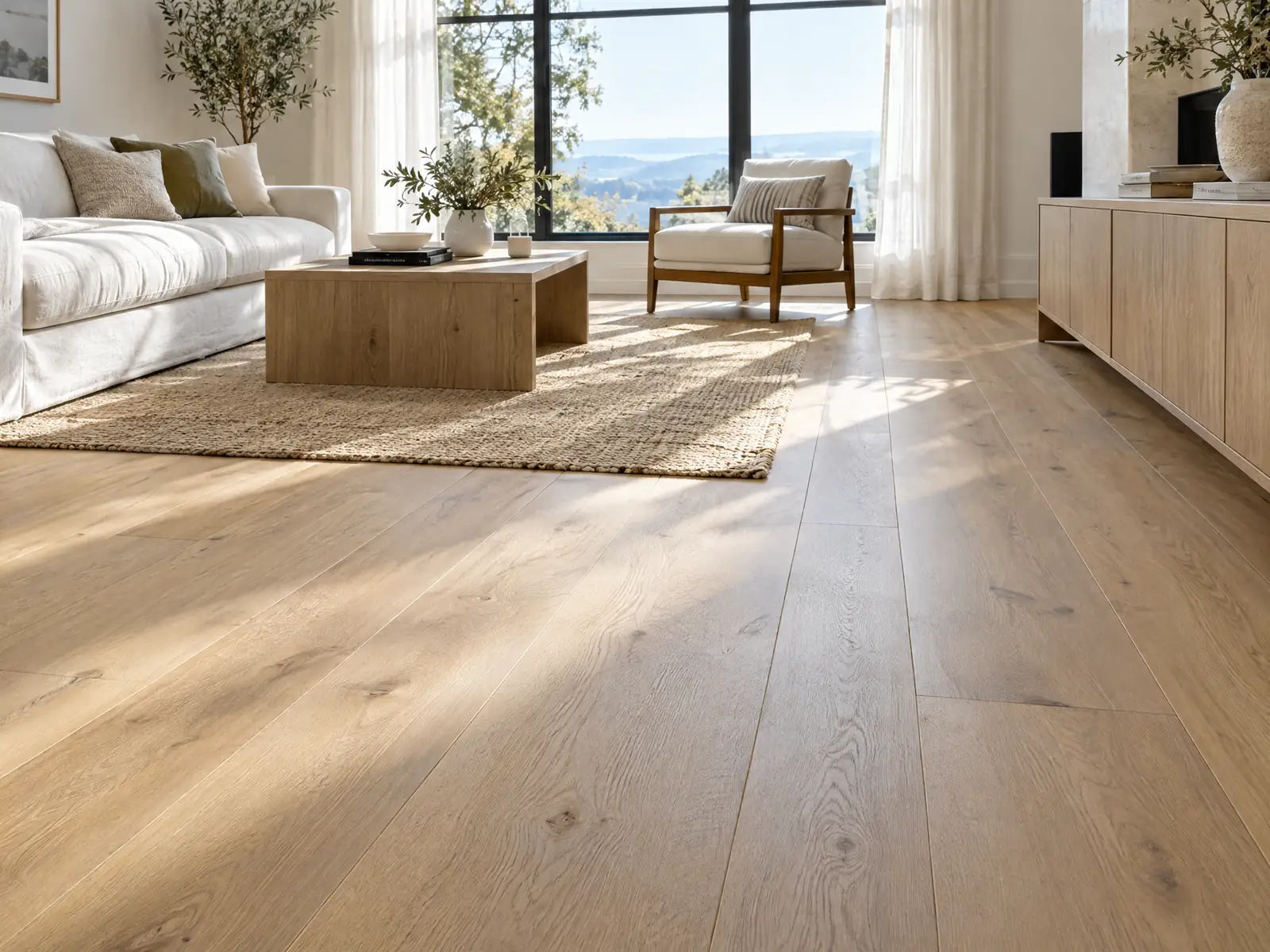
Glendora's first lot sale took place on April 1, 1887, when 291 lots changed hands in a day, and citrus carried the town for decades afterward. The floors inside most of its houses are far newer. Census Bureau estimates for 2020 to 2024 put 31.8 percent of the city's 17,302 housing units in the 1950s and 24.7 percent in the 1960s, with a median year built of 1964, so a floor job here often begins by lifting something that has been down for sixty years.
MDG Builders is a Tarzana general contractor, CSLB #1040337. We write the scope, put the permit questions to the City of Glendora Building Division and schedule the work, and a licensed flooring or tile subcontractor lays the floor itself. Materials and pricing sources are on our flooring page, and the Glendora overview lists the other trades we manage in the city.
What Glendora's Building Division and municipal code say about flooring
Where flooring permits come from in Glendora: City of Glendora Community Development Department, Building and Safety Division.
- Flooring is finish work: the State exemption list (CRC R105.2 as mirrored) names carpeting and tiling with painting, cabinets and countertops as work that needs no permit, but exemption does not authorize work that violates other laws.
- The City's Forms and Documents list (33 documents) has no flooring handout; a floor job becomes a permit job when it comes with items the kitchen and bath handouts list, such as wallboard removal, plumbing or electrical work or relocated fixtures.
- The City's kitchen handout points to CALGreen section 4.504 limits on VOC in adhesives, sealants, caulks, paints and coatings and on composite wood products such as hardwood plywood, particleboard and medium density fiberboard, which govern flooring adhesives and underlayments.
- CSLB defines the C-15 Flooring and Floor Covering classification as preparing any surface for flooring and installing carpet, resilient sheet goods and tile, and wood floors, finishing and repairing them, except ceramic tile.
- Older floors can hold asbestos: under South Coast AQMD Rule 1403 only an owner-occupant of a single-unit home who does the renovation personally is exempt, houses used as rentals, condos and townhomes do not qualify, and any asbestos-containing waste left outside the home must be handled under the rule.
- About 79.9 percent of Glendora's housing units were built before 1980 (ACS 2024 5-year, Census Reporter), so tear-out of old resilient flooring and adhesives is likely to meet asbestos or lead-era materials.
- Smoke and carbon monoxide alarms are required for permitted alterations over $1,000 in valuation, so a floor job folded into a permitted remodel carries the alarm check.
Sources for these rules
Does flooring installation in Glendora need a building permit?
Usually not for finish flooring alone. The State residential code's exemption list names carpeting, tiling and similar finish work, and Glendora's chapters 19.02 and 19.13, which adopt the building and residential codes, add no local change to that list. We read the list on a gocodebook.com mirror whose summaries are AI-generated, not on the State's own site, so ask the Building Division to confirm it before you rely on it.
The exemption ends where the job touches something else. Opening a wall to extend a floor, moving a toilet or sink to suit a new layout, or changing wiring all turn into permit work, and the City's kitchen and bath handouts list those items. Inside a permitted remodel the floor also carries the alarm rule: smoke and carbon monoxide alarms are required when work on an existing home is valued above $1,000, and the owner may self-certify them.
Even the filing route needs a phone call. The City's Forms and Documents page says permits are filed through the Civic Access portal and no longer by email, while its Permit Application and Plan Review page still describes an emailed worksheet, so confirm with the Building Division at (626) 914-8222. Inspections are requested in Civic Access by 4:00 p.m. the business day before and run Monday to Friday, 9:00 a.m. to 3:30 p.m.
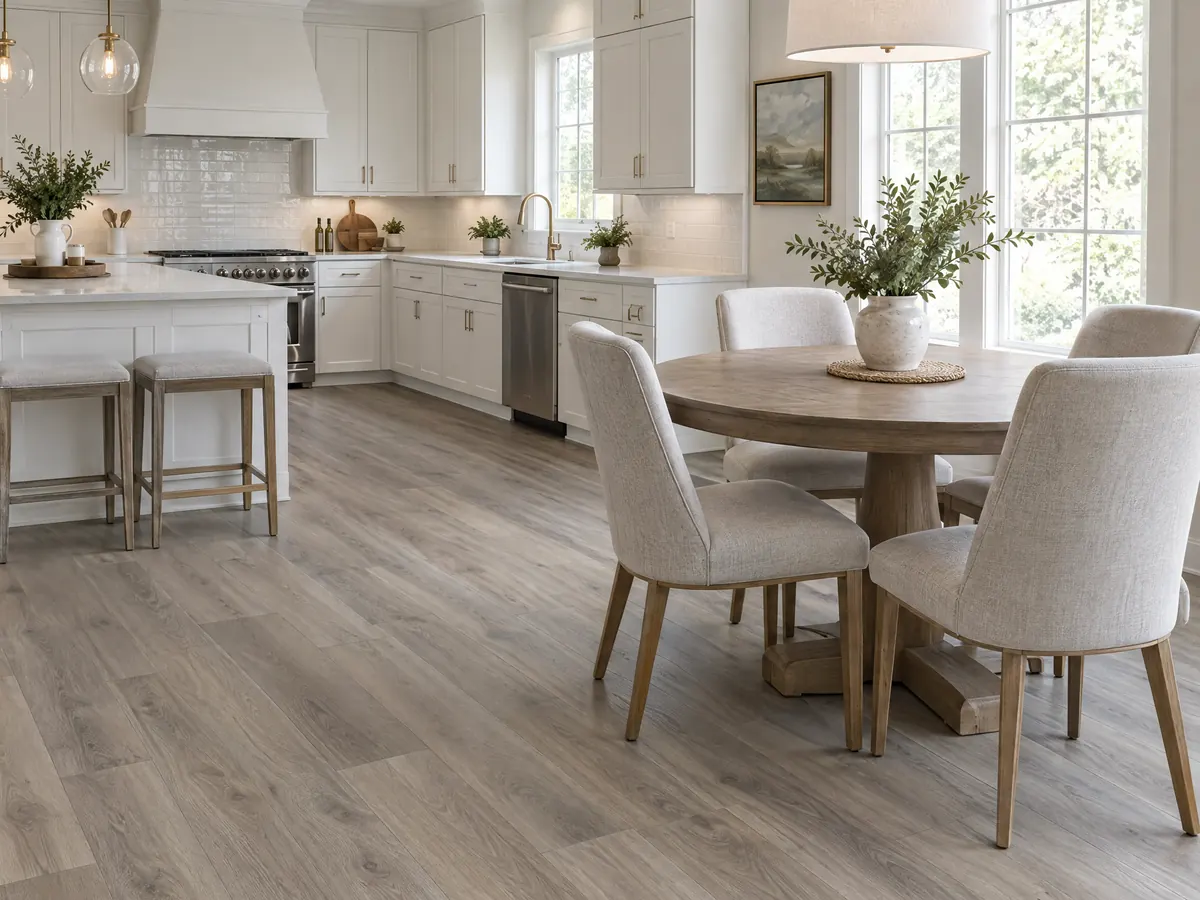
What is under the carpet in a 1950s Glendora ranch house?
Often a floor that was never expected to last this long, though no source we found says whether a given house sits on a slab or a raised floor. The Census counts 70.2 percent of Glendora's units as detached single-family houses, and 79.9 percent of all units predate 1980, including 56.5 percent built from 1950 to 1969. The Housing Element adds that in 2018 about 89 percent of the city's homes were over 30 years old and 65 percent were over 50.
The pattern follows the city's own history. Glendora's archive says many groves became subdivisions after World War II, and the Housing Element explains that growth came largely from annexing unincorporated land, especially in the 1940s through the 1960s. Houses from that stretch can hide strip oak, vinyl tile or sheet goods set in dark adhesive, over board or plywood subfloor under whatever lies on top today.
- Does the house stand on a slab, a raised floor or both?
- Was an old floor covered over instead of removed?
- Are the baseboards and door casings painted?
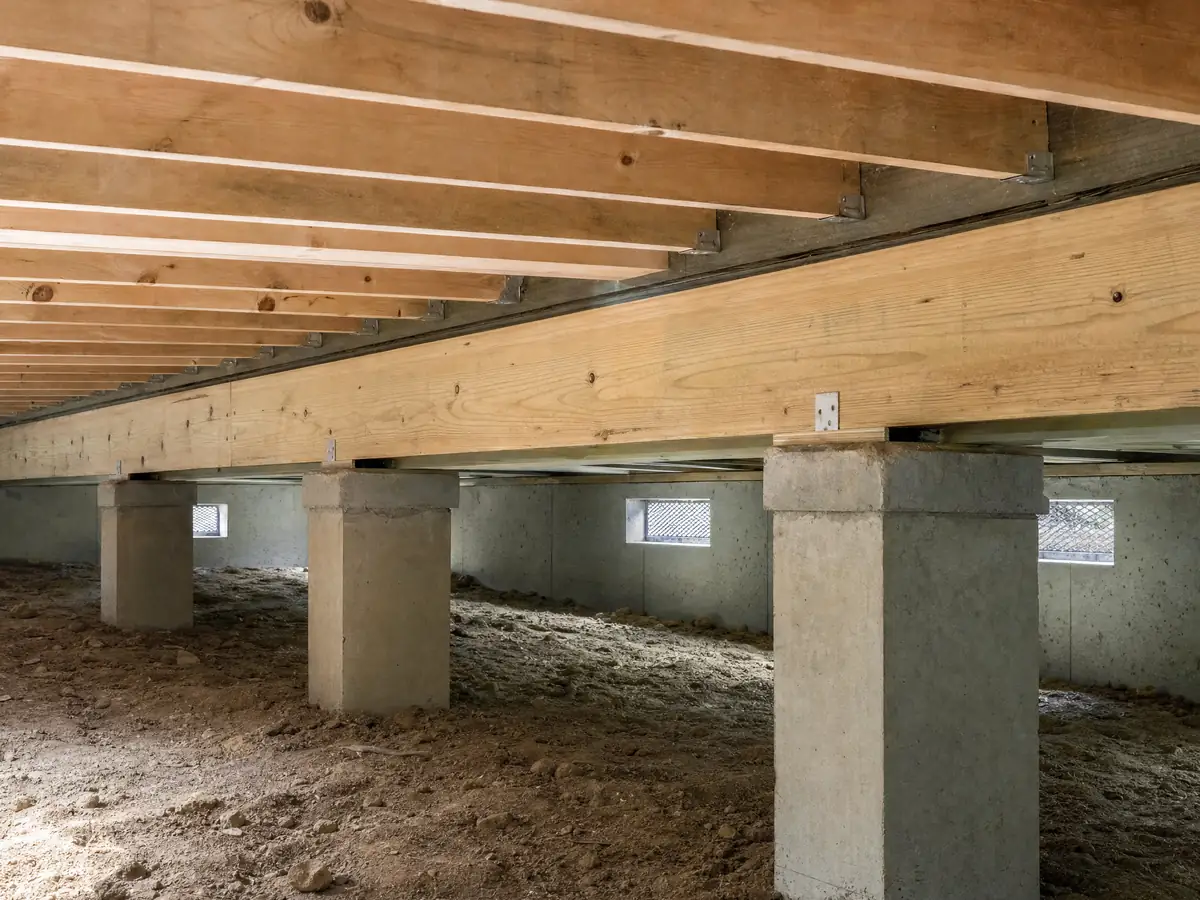
Should old flooring in a Glendora home be tested for asbestos or lead before it comes up?
Test first, because the odds favor something old. About 79.9 percent of Glendora's units were built before 1980, so tear-out of resilient flooring and its adhesive is likely to meet asbestos-era materials. South Coast AQMD's Rule 1403 owner page exempts only an owner-occupant of a single-unit home who does the renovation personally. A rental, a condo or a townhome does not qualify, and any asbestos waste that ends up outside the home still falls under the rule.
Lead is the second check. EPA's lead-safe renovation program covers anyone paid to disturb painted surfaces in housing built before 1978, and it applies to a homeowner who rents out part of the house. A floor job reaches paint when baseboards, casings or walls are touched.
Disposal is a Glendora paperwork item too. Under State law construction and demolition projects must recycle or reuse 65 percent of their debris, and covered projects file a Waste Management Plan with the application. The City's page does not define which projects are covered, so ask the Building Division or environmentalservices@cityofglendora.gov before the dumpster is ordered.
How is a Glendora slab tested for moisture before wood or vinyl goes down?
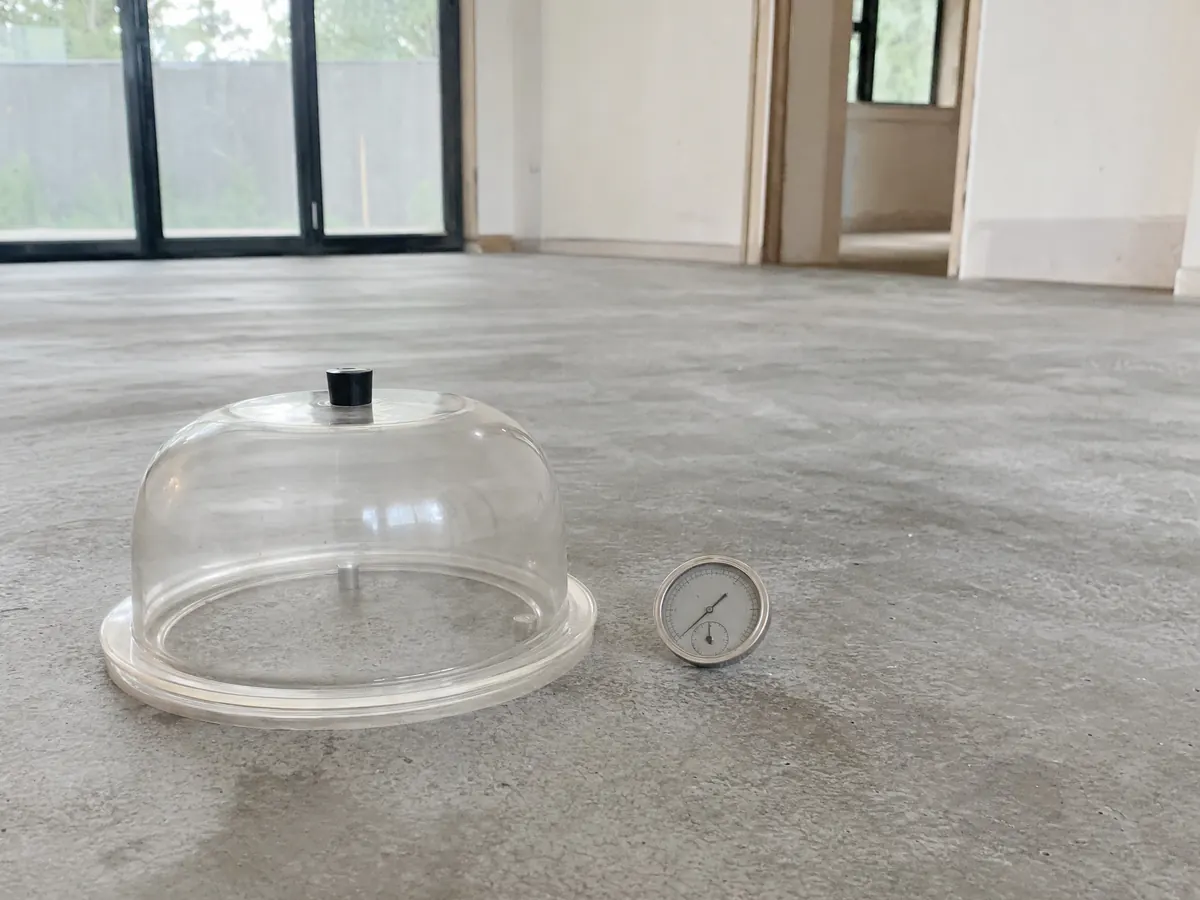
Two ASTM test methods do most of the work. F2170 reads relative humidity from probes set into the concrete, and F1869 weighs the vapor that a calcium chloride dish draws off the surface over a set period. Neither standard sets a pass mark: the flooring and adhesive makers do, so the installer should hand you every reading beside the maker's limit.
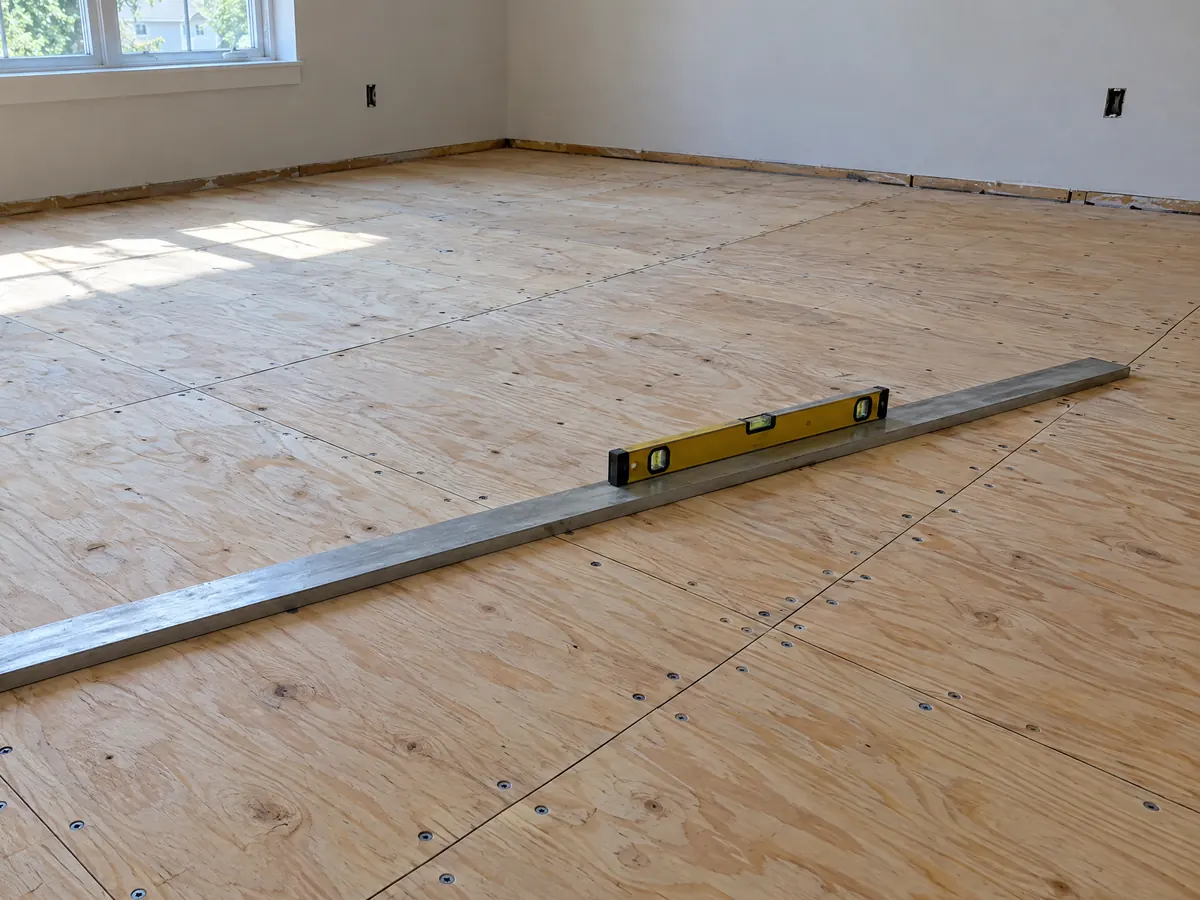
The National Wood Flooring Association's one-page concrete subfloor guide lists the physical conditions for wood over a slab: flat to 1/8 inch within a 6 foot radius, at least 3,000 psi, free of sealers, paint and other contaminants, and covered by a vapor retarding membrane rated 0.13 perms or less, such as polyethylene film, which it strongly recommends.
Rainfall explains less than the test does. NOAA's 1991 to 2020 normals for the station about 0.16 mile from the City's reference point show 21.31 inches a year, with 16.87 inches from December through March and 0.46 inch from June through September, yet vapor still climbs through a slab in a dry July. Sprinklers aimed at a wall, a downspout that empties at the footing or a leaking hose bib can wet one corner, so point them out before probes go in.
- Where will the probes go, including near exterior walls?
- Which manufacturer limit are the readings compared against?
- Is a vapor retarder part of the price?
Does a hillside or foothill location change a flooring job in Glendora?
Not the finish floor, but the structure beneath it. Municipal Code 21.04.030 applies to any parcel averaging a 10 percent slope or more and requires stepped foundations, interior fire sprinklers and fire retardant building materials for hillside development. A foothill house is therefore more likely than a valley tract house to step down its slope, with a raised floor over part of it; that is our inference, not a City statement. We found no text we read that sets a fire rating for finish flooring inside a house in the fire zone, so we claim none.
Paperwork changes when a floor job grows. The City's submittal list requires a geotechnical report for new residential buildings, additions over 500 square feet, hillside locations and other cases the Building Official names. The Safety Element places the Sierra Madre Fault Zone along the southern edge of the San Gabriel Mountains and rates the foothills high for landslide potential, so a crack that keeps reopening in a tile floor there deserves a structural opinion before new flooring covers it.
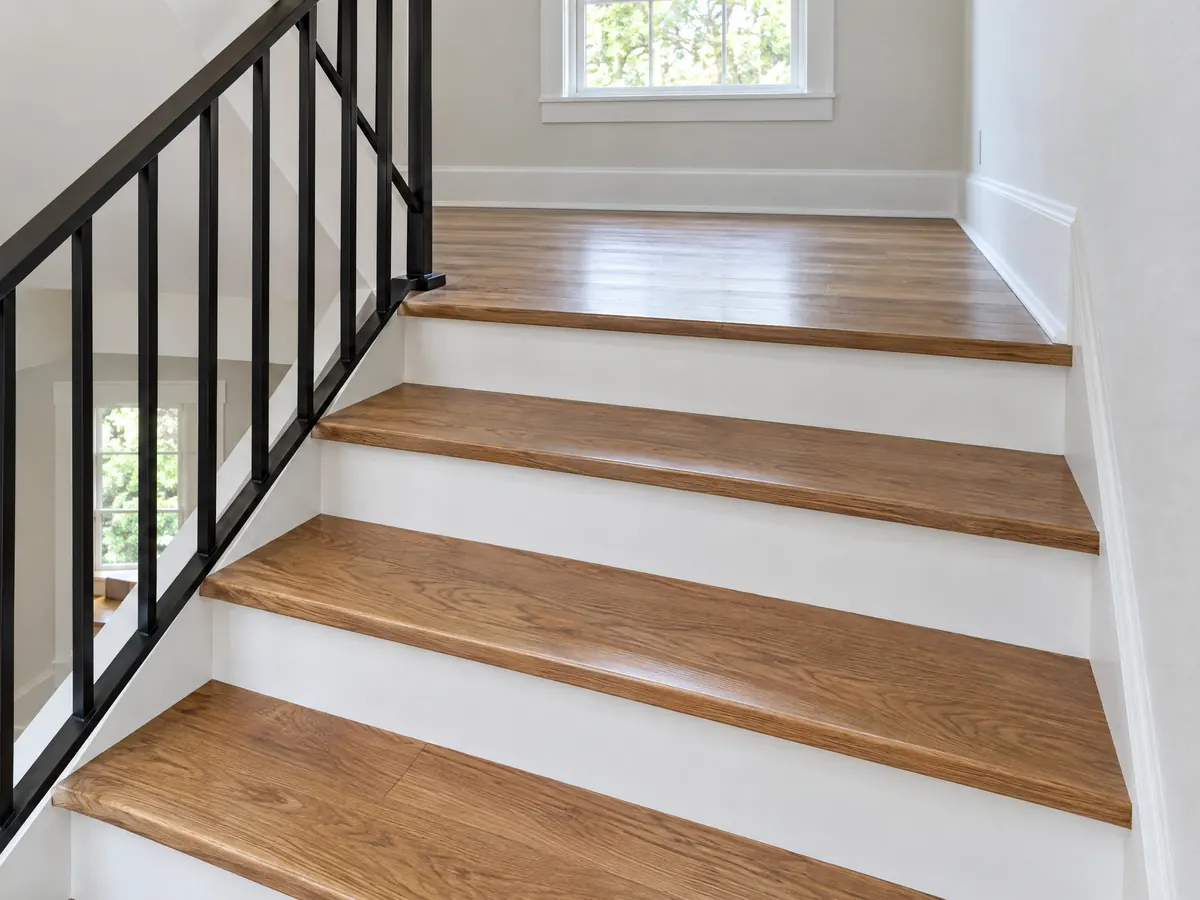
Stairs and level changes get their own line in the proposal. A thicker plank at the top of a flight changes the rise of the first and last step, so ask how each stair edge and threshold will be built.
Can the original oak floors in an older Glendora house be refinished, and does the City review it?
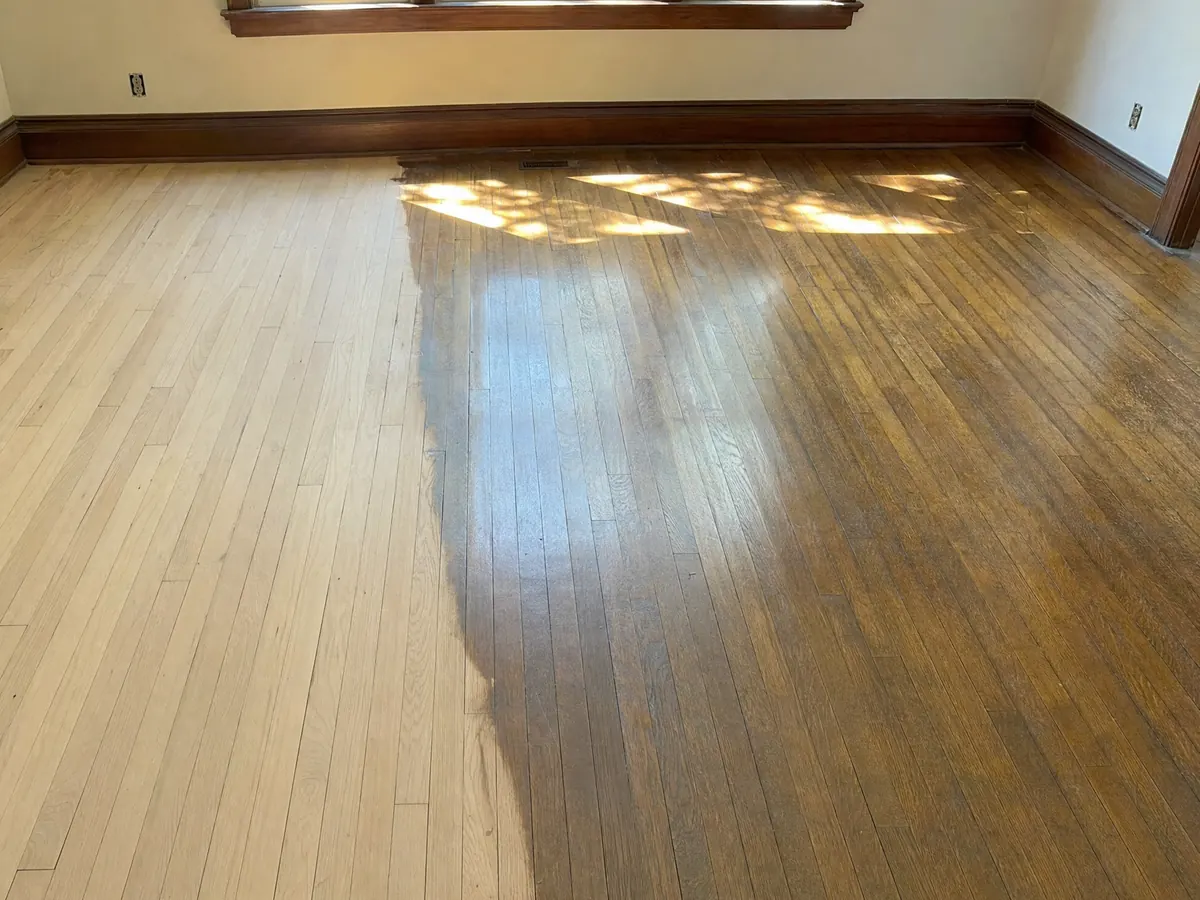
Often yes, when enough wood remains above the tongue to sand, which a floor register or an exposed edge shows. About 5.0 percent of Glendora's units, roughly 859, date from 1939 or earlier, and the oak in those and in the 1940s houses is the likeliest to be worth saving.
The City says it has one designated Historic District, a residential area near Glendora Village documented in a 1995 survey, plus 38 landmarks and one historic resource on its 2024 list. Municipal Code 21.07.060 requires a Certificate of Appropriateness before any change to the exterior appearance of a contributing resource, and says ordinary maintenance that changes no design, material or outward appearance needs none. We found no text that mentions interior floors, so ask Planning at (626) 914-8214, especially about a porch floor, entry step or front landing seen from the street.
Refinishing also costs less. On Angi's 2026 Los Angeles pages sanding and refinishing runs $4 to $8 a square foot, where new solid hardwood installs for $12 to $22, and because Angi shows no method we rate both figures medium to low in confidence. Our flooring cost guide compares the two paths.
What does a flooring contractor in Glendora charge, and which license applies?
Directory pages for Glendora list figures that differ from one another by several times, and none shows a method, so we anchor on Angi's 2026 Los Angeles pages and rate them medium to low in confidence. Installer labor runs $3 to $9 per square foot, engineered hardwood $10 to $18 installed and solid hardwood $12 to $22, and Angi puts removal of an old floor at $455 to $685 per 200 square feet. Angi's Los Angeles average for a whole flooring project is $4,011, and most land between $2,134 and $6,197.
For a 500 square foot living and dining area, labor alone multiplies out to $1,500 to $4,500, engineered hardwood to $5,000 to $9,000 and solid hardwood to $6,000 to $11,000. That is arithmetic and not a quote. Subfloor repair, asbestos testing, stairs and a moisture barrier sit outside those ranges and belong on separate proposal lines.
CSLB's C-15 class covers carpet, resilient flooring and wood floors, and tile belongs to C-54. At the permit desk a contractor supplies a copy of the state license and the Licensed Contractor's Declaration Form, and Glendora requires a business license, which Chapter 5.04 calls a receipt for tax and not City approval of the work. Our license check guide shows how to verify a bidder.
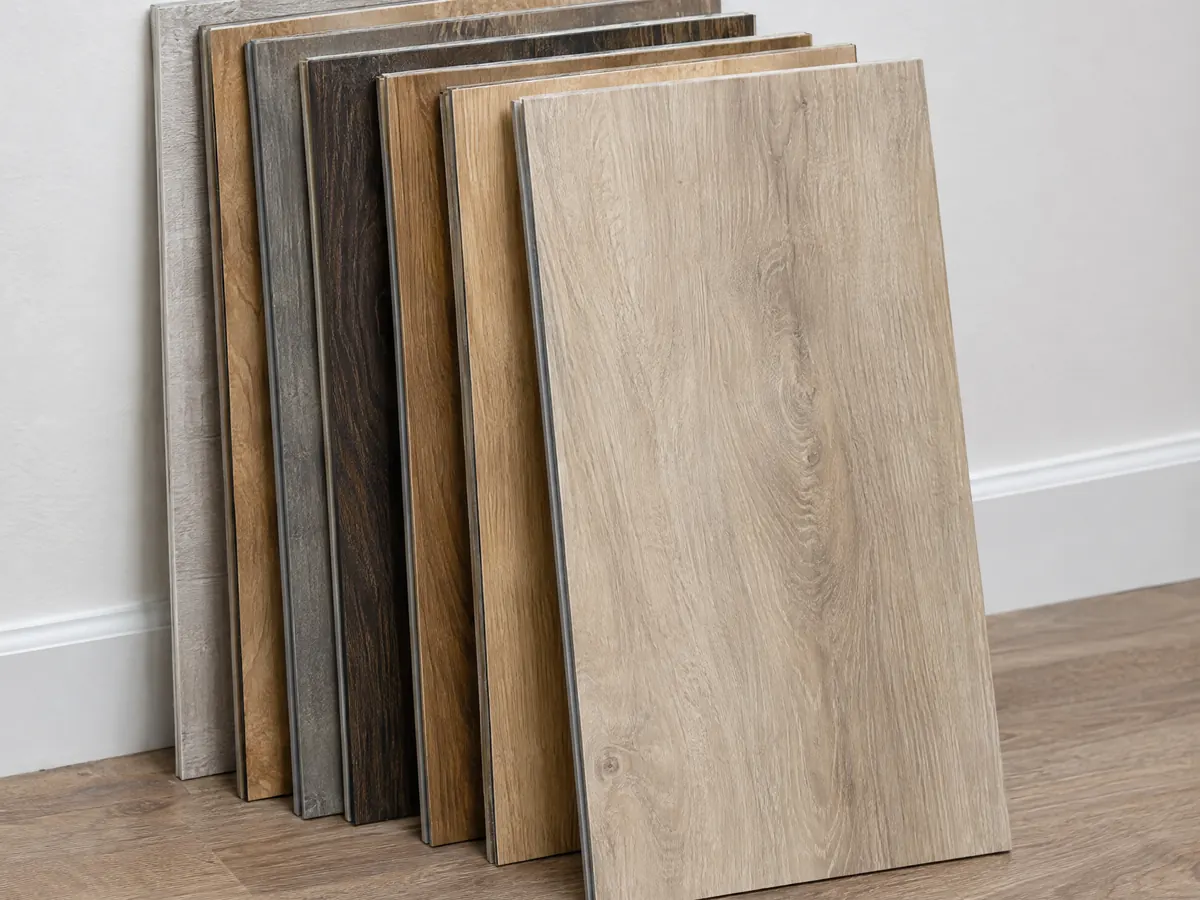
Flooring photos from Glendora and nearby communities
Subfloors, planks and tile from Glendora and nearby foothill towns, including slab testing and prep. Tap any photo to enlarge it.
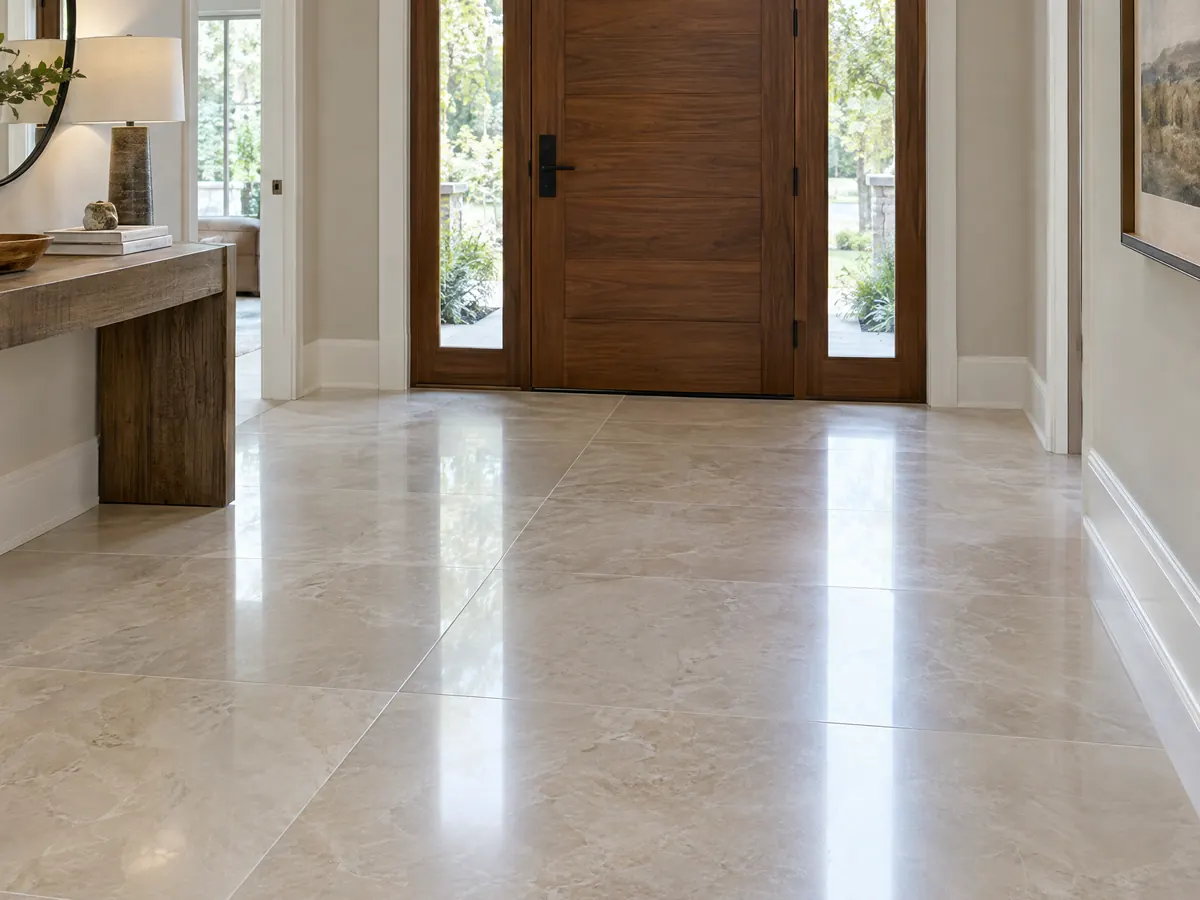
What flooring costs around Glendora
The dollar figures above are Los Angeles planning ranges from our flooring page, not a Glendora bid. Comparison pages: flooring installation in Los Angeles, flooring in Covina, flooring in Pomona and flooring in West Covina. The same house often needs concrete work in Glendora or decks in Glendora, and how general contractors use subcontractors explains who does what on a job like this.
| What it covers | Typical range |
|---|---|
| Installation labor only | $3 to $9 per sq ft |
| Solid hardwood, installed | $12 to $22 per sq ft |
| Engineered hardwood, installed | $10 to $18 per sq ft |
| Refinishing existing hardwood | $4 to $8 per sq ft |
| Laminate, whole project | $2,000 to $5,500 |
| Hardwood, whole project | $3,153 to $8,496 |
| Removing the old floor | $455 to $685 per 200 sq ft |
| Tile | No sourced Los Angeles range |
Glendora flooring questions, answered
Do you need a permit to replace flooring in Glendora?
Usually not for carpet, tile or similar finish flooring, which the State exemption list names and Glendora's code does not change, though we read that list on an online mirror and not the State's site. Moving plumbing, changing wall framing, altering wiring or repairing floor framing does need a permit. Call the Building Division at (626) 914-8222 with your exact scope.
How much does it cost to have flooring professionally installed in Glendora?
Installer labor runs $3 to $9 per square foot on Angi's 2026 Los Angeles pages, with material on top: engineered hardwood installs for $10 to $18 and solid hardwood for $12 to $22. We found no Glendora study and rate these medium to low in confidence. Tear-out, subfloor repair and testing are billed on separate lines.
Can you put flooring over concrete in a Glendora house?
Yes, once the slab has been tested and prepared. The flooring and adhesive makers set the moisture limit, so the installer should take ASTM F2170 probe readings or run an F1869 calcium chloride test, flatten high spots and fill low ones. For wood, the NWFA strongly recommends a vapor retarder rated 0.13 perms or less.
Why does moisture come through a concrete floor in a Glendora home?
Water vapor rises from the soil, and concrete is porous. Glendora averages 21.31 inches of rain a year, mostly from December through March, but the ground under a slab stays damp in summer. Leaks, planters and downspouts near a wall raise readings in spots. A probe or calcium chloride test gives the actual number.
Is there asbestos or lead under old flooring in a Glendora home built before 1980?
Possibly, and only testing can tell. About 79.9 percent of Glendora homes predate 1980. Rule 1403 exempts only an owner-occupant doing the work personally, and EPA's lead rule covers paid work that disturbs paint in pre-1978 housing, including baseboards. Send a sample to a lab before anything is sanded, scraped or ripped up.
What does a flooring contractor in Glendora need besides a state license?
A Glendora business license, which the City requires before any business starts operating, and a copy of the state license with the Licensed Contractor's Declaration Form when pulling a permit. CSLB's C-15 class covers carpet, resilient and wood flooring, and tile is C-54. Ask for the license number before the quote and look it up on the CSLB site.
Should I refinish or replace the hardwood floors in an older Glendora house?
Refinish first when the boards are thick enough to sand, which a floor register shows. Angi's 2026 Los Angeles pages list refinishing at $4 to $8 per square foot, against $12 to $22 installed for new solid hardwood, and we rate both ranges medium to low in confidence. Original oak near Glendora Village may also sit in a historic review area.
Can I install hard flooring in a Glendora condo, apartment or rental?
Only with approval from the owner or association. Census estimates show renters hold 32.1 percent of Glendora's occupied homes and 13.3 percent of units sit in buildings of five or more, so many jobs start with a landlord or board. The HOA's governing documents decide hard floors above a neighbor, and a tenant needs the owner's written consent.
Does a hillside or fire zone address change flooring rules in Glendora?
Not for the finish floor itself, as far as the City materials we read show. Hillside parcels, those averaging a 10 percent slope or more, require stepped foundations and a geotechnical report for new buildings and large additions, so the structure under a floor can differ. Check your address on the City's fire hazard map and ask the Building Division.
Tell us about the floors in your Glendora home
Tell us which rooms are changing, whether the house sits on a slab or a raised floor, and what year it went up, so the visit includes the right tests.