
General Contractor in Fillmore, CA
A general contractor in Fillmore works inside a small, old city that writes its own building rules: Class A roofs on every reroof, sprinklers when additions pass 25 percent of floor area, and footings sized by soil. MDG Builders, CSLB #1040337, manages all eleven trades here and pulls permits through the City.
Eleven trades we manage across Fillmore
Each page below takes one trade and lays out the Fillmore code sections, historic and flood overlays, housing age and Ventura County air limits that touch it, with the sources named. Pick the job closest to yours.
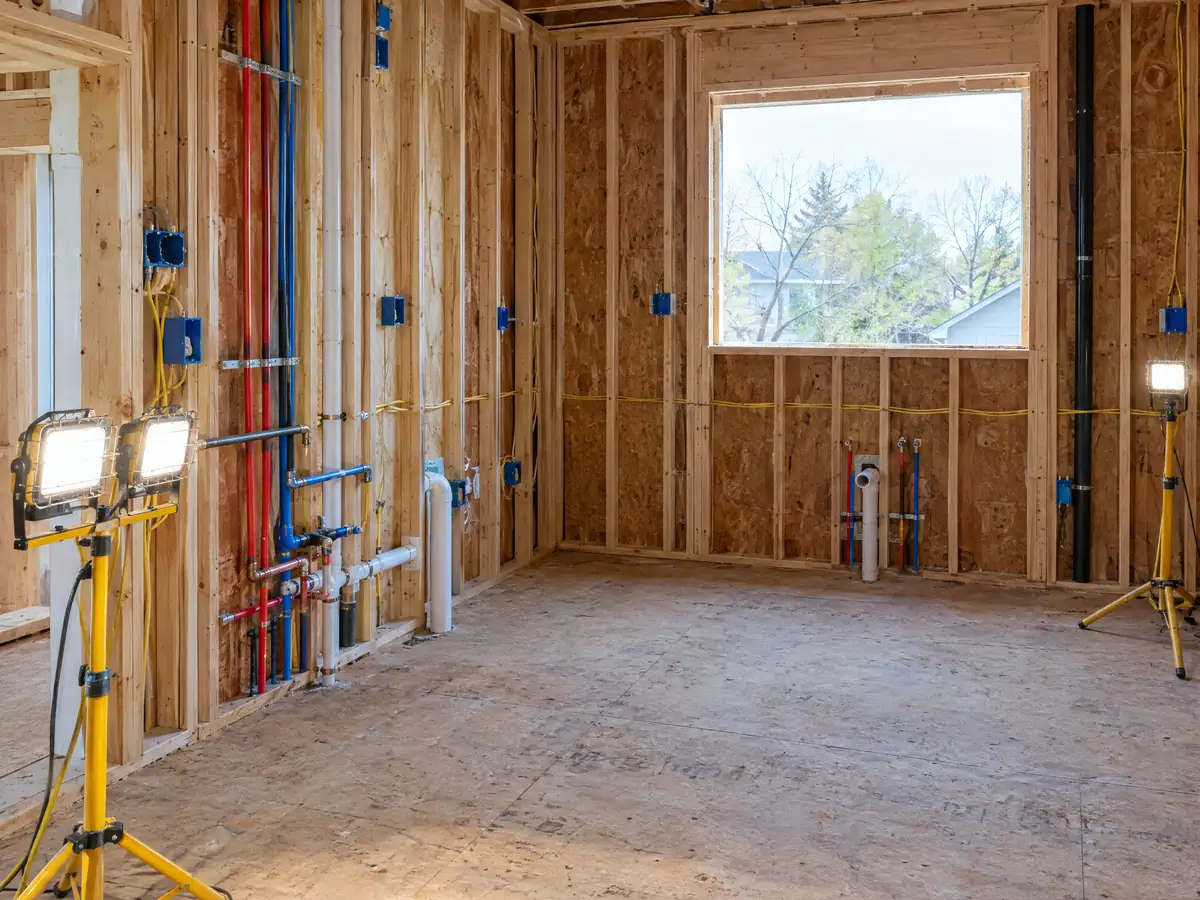
Kitchen Remodeling in Fillmore
The permit route through GovWell, ABS or PVC drains for poor soil, lead paint in older homes, pro-range hood rules and the sprinkler and flood lines in Fillmore.
See Fillmore kitchen remodeling →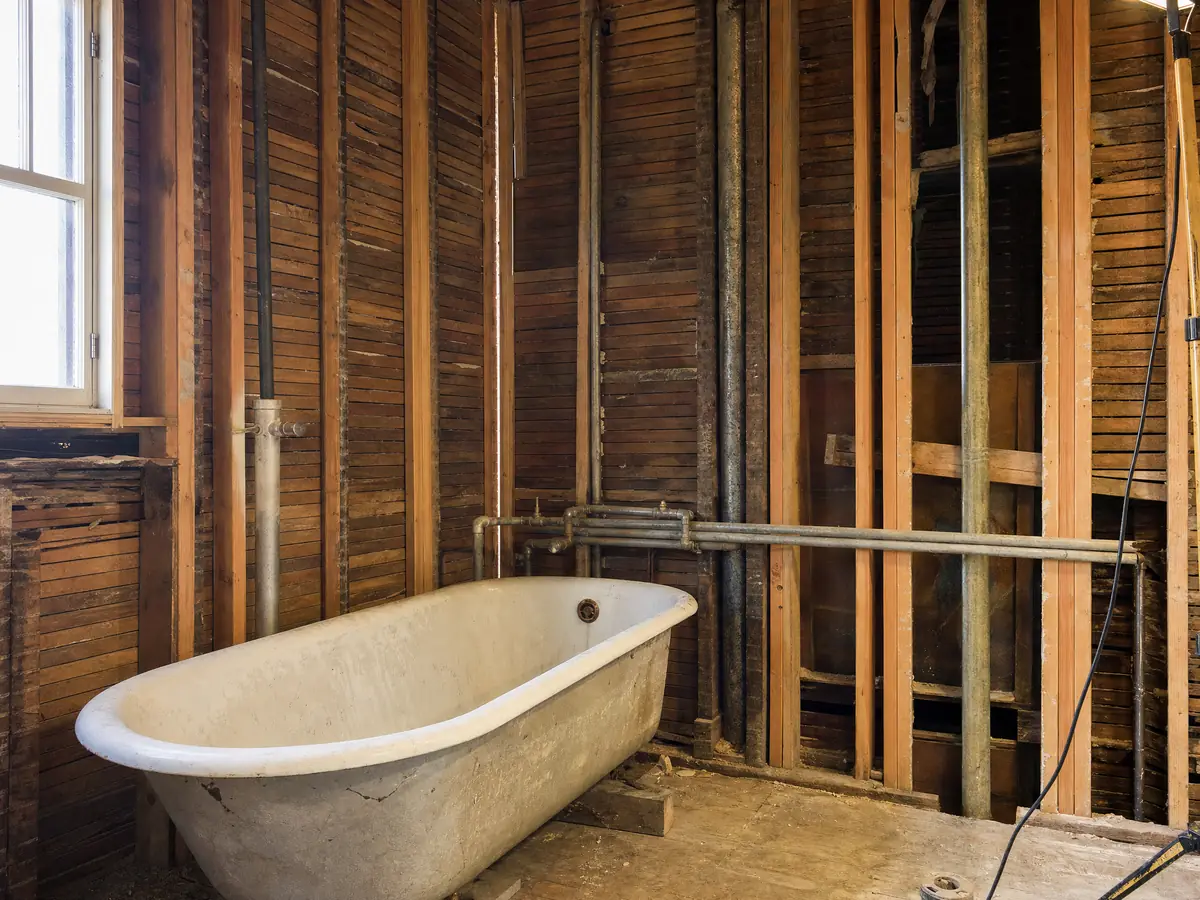
Bathroom Remodeling in Fillmore
City Building & Safety permits, ABS or PVC drains for poor soil, 1970s tract baths, lead paint, shower size handout and inspection days.
See Fillmore bathroom remodeling →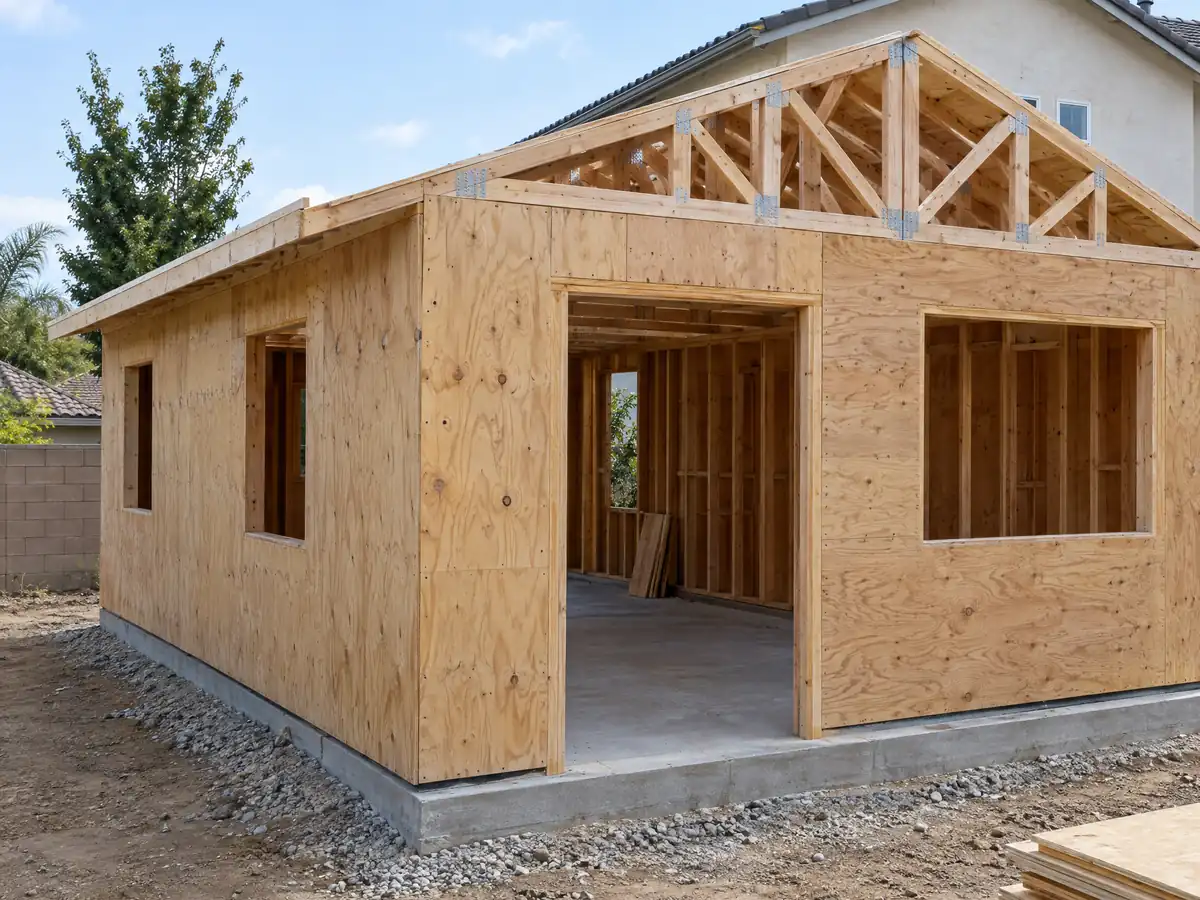
ADU Construction in Fillmore
State law first, the City's 1,200 square foot and 16 foot caps, Administrative Clearance, garage conversions, sprinklers, soil, flood and fire map checks.
See Fillmore ADU construction →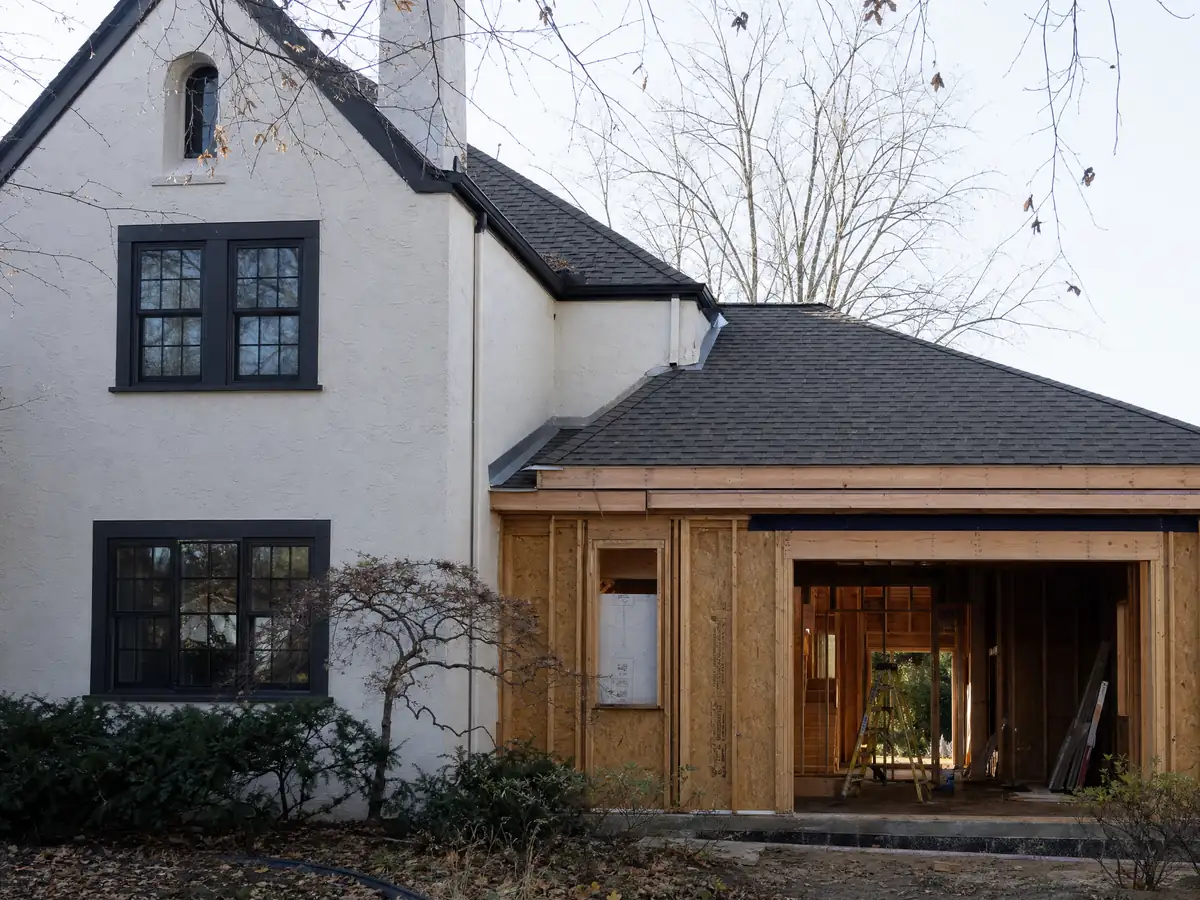
Room Additions in Fillmore
The 25 percent sprinkler trigger, expansive soil footings, easement plans, floodplain and foothill limits, Class A roofs and older downtown masonry.
See Fillmore room additions →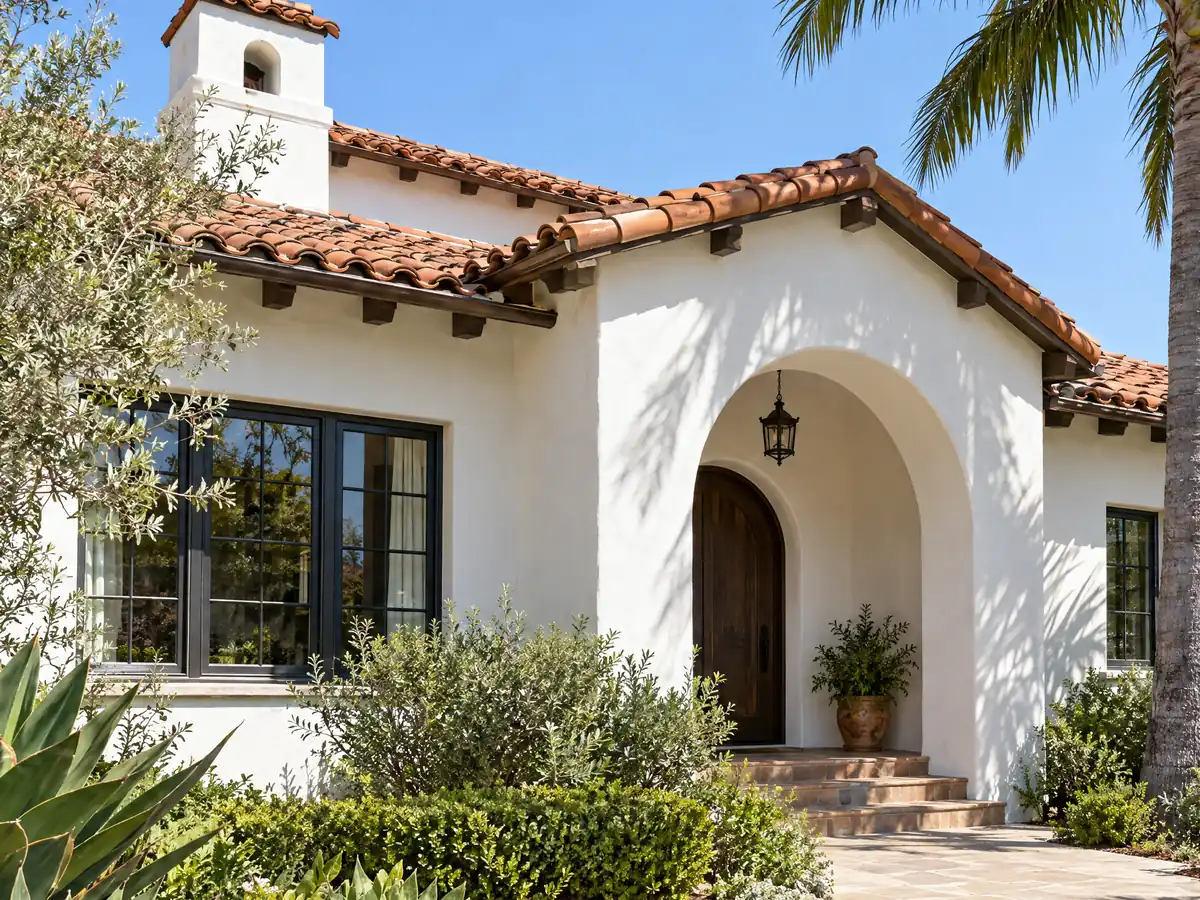
Roofing in Fillmore
Class A on every repair and replacement, the July 2025 fire map, reroof permit questions, valley heat, river-floodplain lots and aging 1970s roofs in Fillmore.
See Fillmore roofing →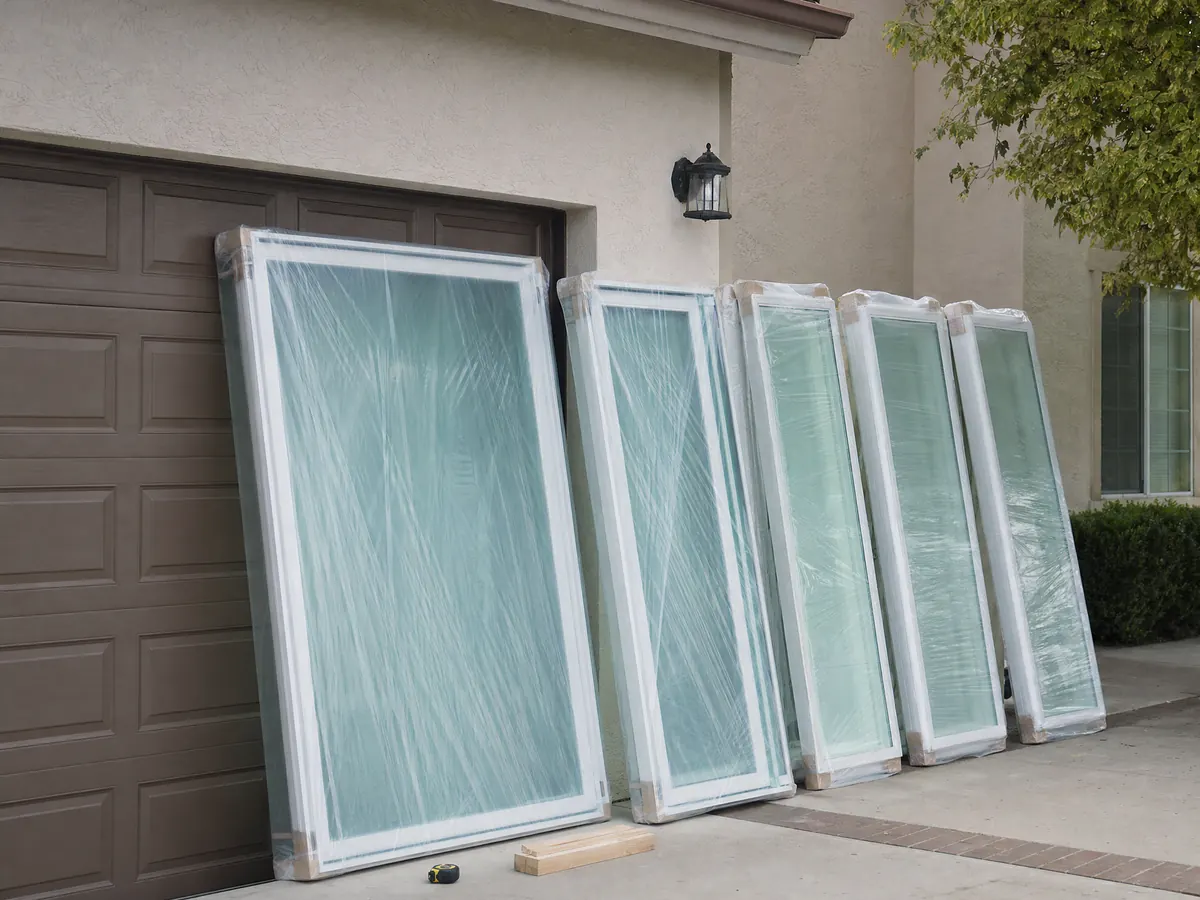
Windows in Fillmore
Permit question for Building & Safety, lead-safe rules, bedroom egress and safety glass, fire map glazing, heat ratings and downtown historic review.
See Fillmore window replacement →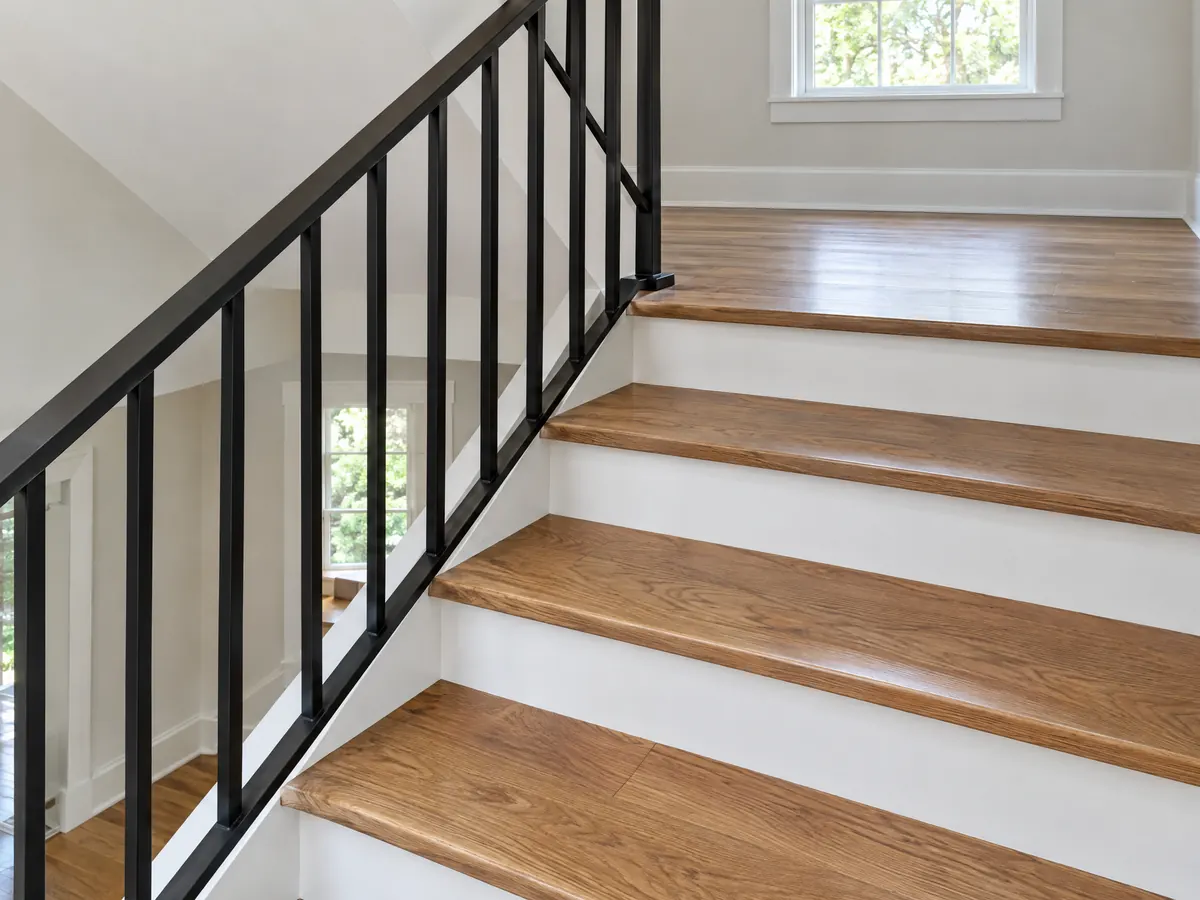
Flooring in Fillmore
Homes from the 1970s and earlier, asbestos and lead checks, slab vapor barriers, river flood rules, garage conversions and flooring costs in Fillmore.
See Fillmore flooring →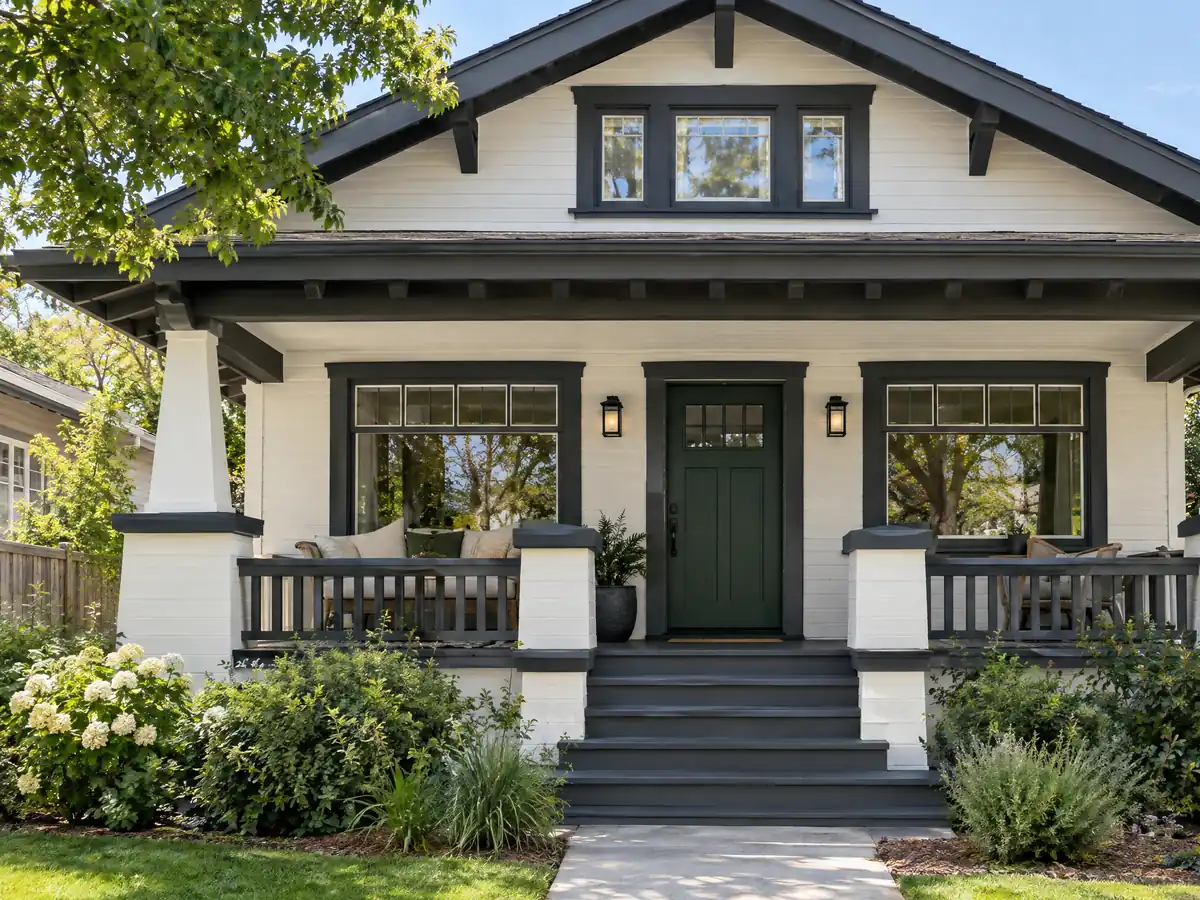
Painting in Fillmore
Advisory review on the historic blocks, EPA lead-safe rules for older houses, Ventura County Rule 74.2, the property maintenance code, stucco prep and valley heat in Fillmore.
See Fillmore painting →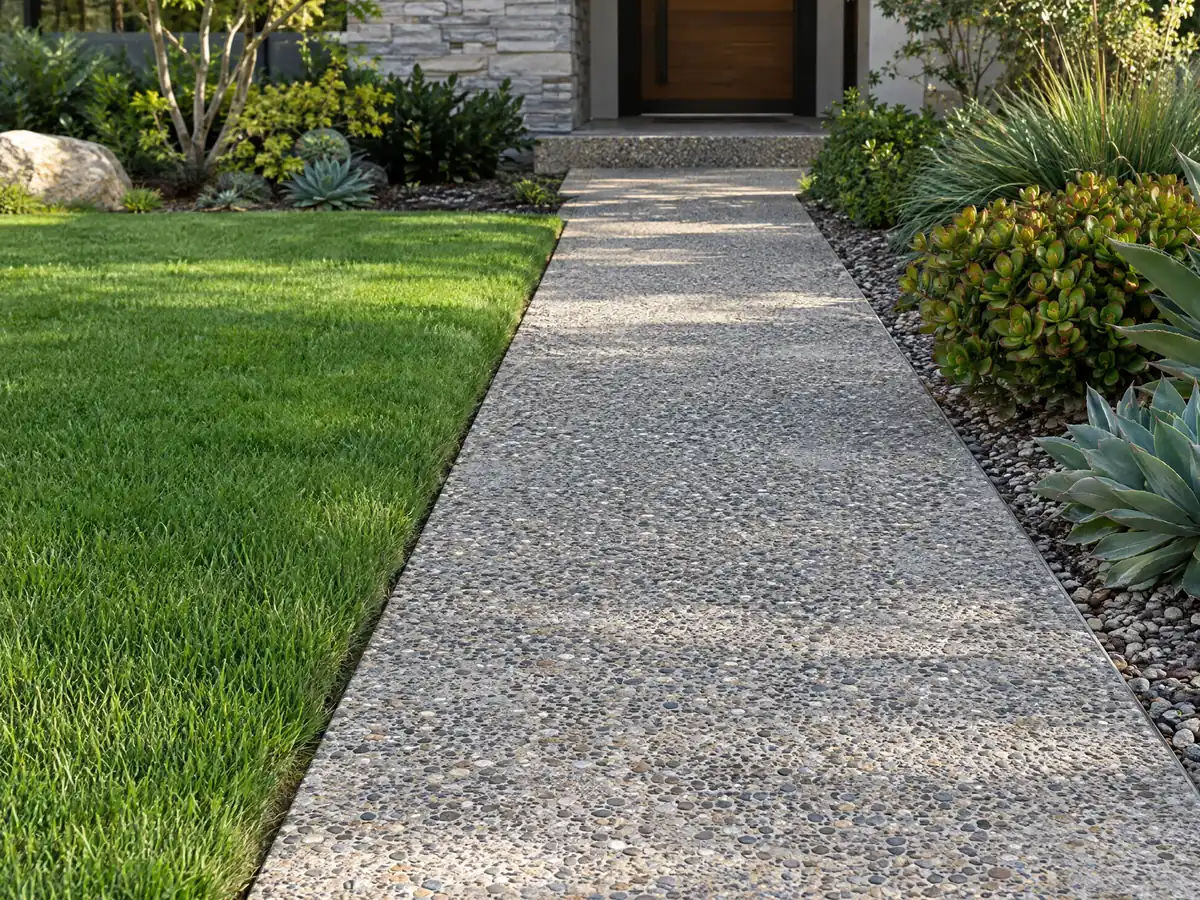
Concrete in Fillmore
Expansive soil footings, exempt flatwork, driveway width and parking rules, 3 foot walls, river floodplain, washout bans and concrete costs in Fillmore.
See Fillmore concrete work →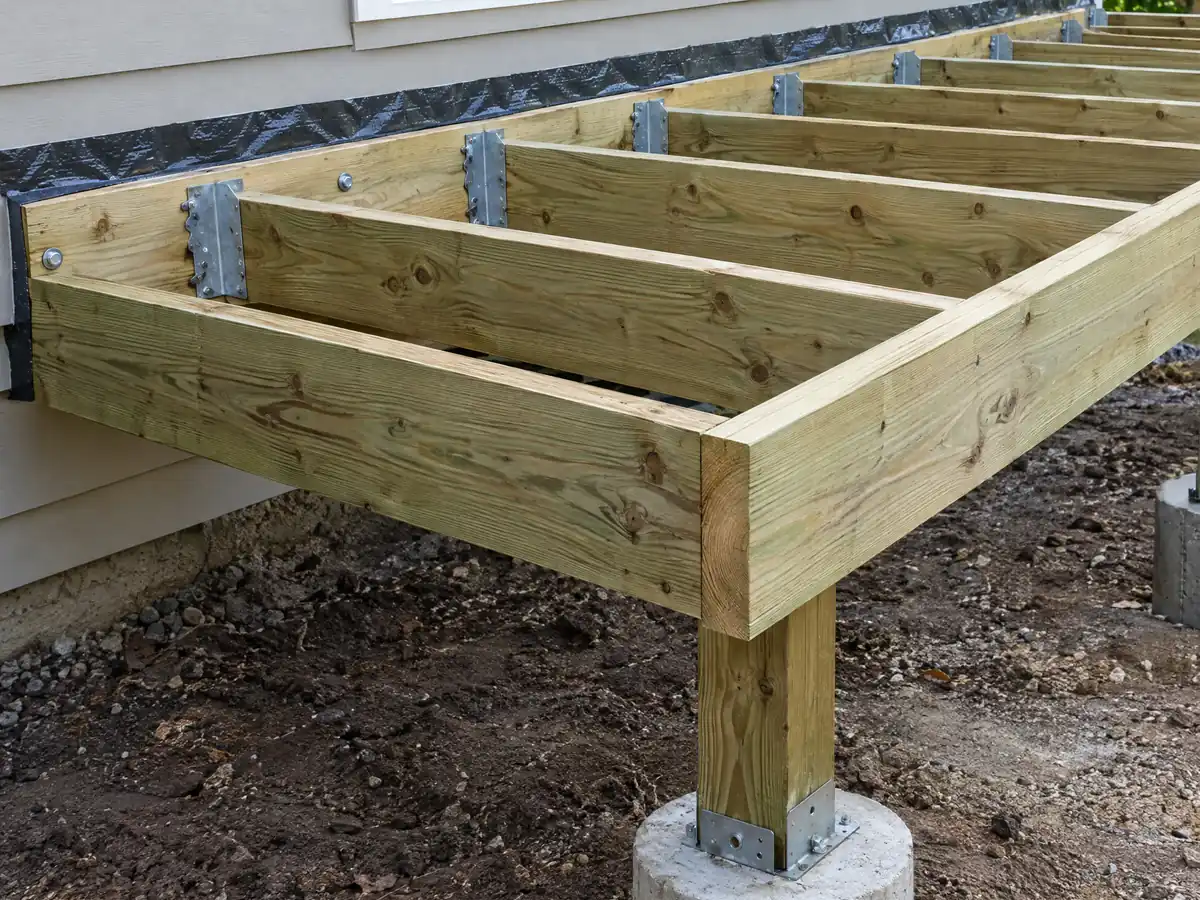
Decks in Fillmore
Citywide Class A roofs for patio covers, the July 2025 fire map, foothill lots, expansive soil footings, deck repair and deck costs in Fillmore.
See Fillmore deck building →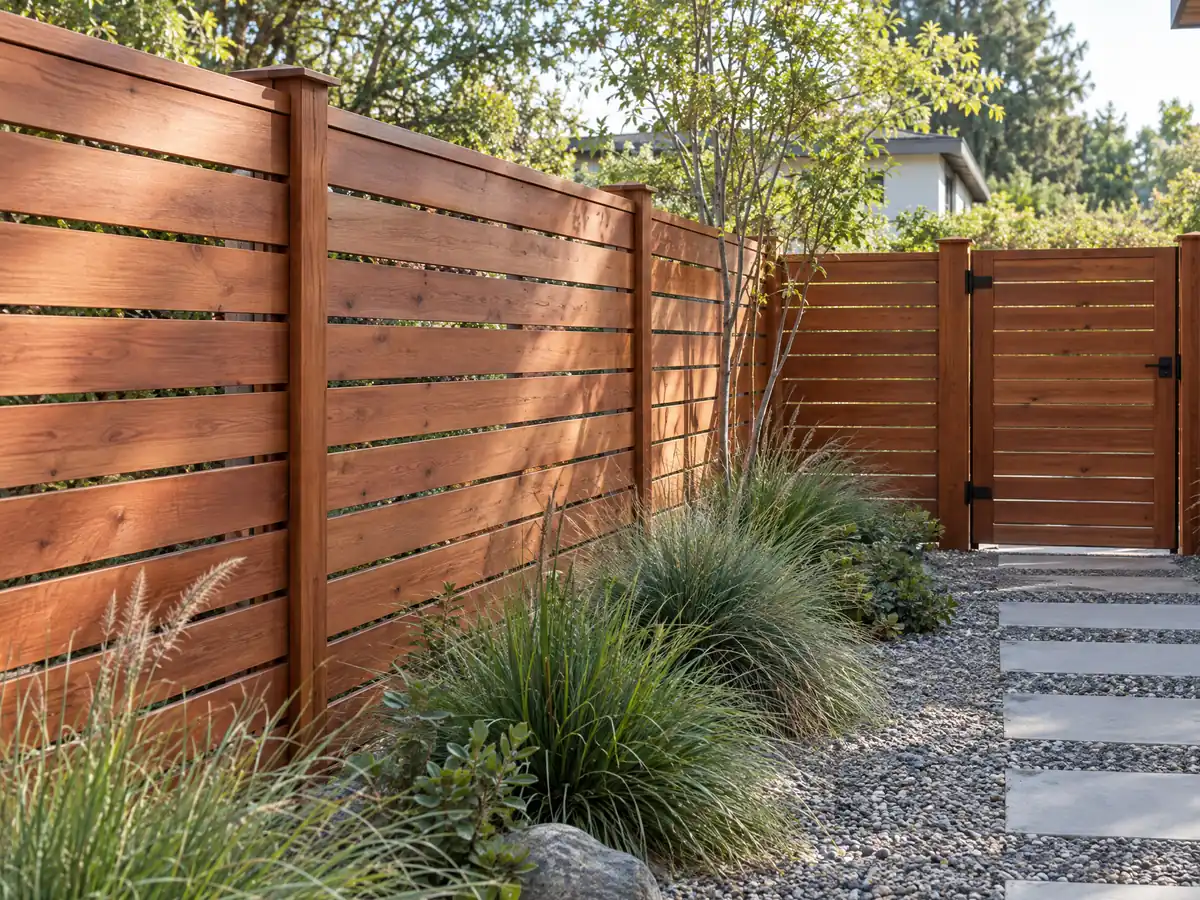
Fencing in Fillmore
The 36 inch front and street-side limit, 6 foot height, chain link only in some zones, hydrant and meter clearances, pool barriers and river-floodplain lots in Fillmore.
See Fillmore fencing →What should a Fillmore homeowner know before hiring a general contractor?
Fillmore began as a railroad stop. Wikipedia, a third-party source, says the town was founded in 1887 when the Southern Pacific line came through the Santa Clara River Valley, was named for railroad official J. A. Fillmore, and chose to incorporate in 1914. The City's own General Plan land use element, written around 2003, still calls it one of the oldest cities in Ventura County, a street grid ringed by citrus and avocado orchards. Fillmore is too small for a Census one-year file, so the figures come from the 2024 five-year estimates: 5,259 housing units, 75.1 percent single-family detached homes, 9.7 percent mobile homes, and 31.6 percent of occupied homes rented. The 1970s were the biggest building decade with 937 units. About 15.1 percent of homes predate 1950, 54.1 percent predate 1980, and the median owner-occupied home value is $602,500. Every one of those counts carries a wide margin of error, so read them as estimates. Downtown has a second layer of history. A KCLU report says the January 17, 1994 Northridge earthquake damaged or destroyed about 500 Fillmore homes and businesses and red-tagged 250 homes, which is why Central Avenue mixes early 1900s survivors with 1990s rebuilds. Houses of that vintage raise the same questions before a kitchen remodel, a bathroom remodel or new flooring: what is under the paint, how old is the wiring, and has anyone worked on this house without a permit.
Permits start at Building & Safety, part of Planning and Community Development at City Hall. City staff issue the permits, contract firm Bureau Veritas does the plan check and inspections, applications go through the GovWell online portal, and the counter is open Monday to Thursday, 8 AM to 4 PM, closed alternate Fridays. Inspections must be requested by 5 PM the business day before, with approved plans and the Inspection Record card on site. The 2025 California codes were adopted on November 12, 2025 through Ordinances 25-989 and 25-990, as read on a third-party GoCodebook mirror, yet one section still names the 2022 Fire Code, so ask which edition governs anything that touches fire items. The amended exempt-work list names sheds, fences up to 6 feet and walls up to 3 feet, and it does not name reroofing, windows or cabinets, so call before assuming a job is permit-free. Several City handouts are scans from 2002 to 2003 that we read by OCR, and the fence handout gives 4 feet for retaining walls where the current code text says 3, so we plan around 3. A permit lapses if work does not start within a year, stops for six months or runs past three years. These lists shape the roofing, window, fence and concrete pages, and the City's ADU page describes ministerial approval, which we cover under ADU construction.
Then come the overlays, and they change from one street to the next. The old residential blocks bounded by Central Avenue, Fourth Street, Mountain View Street and Main Street form a Conservation/Preservation Area, where the Planning Director can give advisory review to jobs that need no other approval, such as a repaint or new siding. If the Cultural Heritage Board recommends a landmark, the owner cannot alter or demolish it for up to 90 days while Council decides. An unreinforced masonry chapter also applies to older masonry buildings when additions or alterations pass 25 percent of floor area. Water is the second layer: the General Plan names the Santa Clara River as the main flood hazard, says a levee protects the west side along Sespe Creek and puts many parcels south of River Street in the 100-year floodplain. Chapter 6.16 wants the lowest floor one foot above base flood elevation, and work worth 50 percent or more of a structure's value counts as a substantial improvement, which matters for any room addition. Soil is the third. Footing depth follows the soil's expansion index, slabs need a 6-mil vapor barrier, underground plumbing must be ABS or PVC because of poor soils, and gutters have to be piped away from foundations when the index exceeds 50. The San Cayetano Fault, which the General Plan says follows the base of the hills along the eastern boundary, and foothill land at 15 percent slope or more, which needs a Development Permit with soils, geology and hydrology reports, complete the map for lots near the edges.
Fire and air rules finish the picture. The municipal code requires at least a Class A roof covering citywide for new roofs, reroofs and repairs, not only in mapped fire zones, and amended Section 903.2 requires sprinklers when additions or alterations exceed 25 percent of floor area, with an exception for one- and two-family houses where the added area is 50 percent or less. CAL FIRE's recommended map for Ventura County was issued March 10, 2025, and the City page says Council adopted it effective July 1, 2025, but we did not read which parcels fall in which zone, so check the City's GIS viewer for an address. Fillmore runs its own Fire Department, with Ventura County Fire used for mutual aid and the unincorporated edges. The Ventura County Air Pollution Control District, not the South Coast district, sets paint and coating limits under Rule 74.2. For weather, the nearest rain normals come from Piru 2 ESE at 17.40 inches a year, about 14.07 inches of it from December through March. No station near town reports temperature, but Camarillo's coastal airport and the inland Ojai and Newhall stations bracket it, so expect summers far hotter than the coast. MDG Builders holds CSLB #1040337 as the general contractor: we write the scope, deal with plan check, schedule licensed specialty subcontractors and walk the finished work with you, and you can ask for each subcontractor's license and certificate of insurance. Our article on how general contractors use subcontractors explains the arrangement, and we handle decks and patio covers with the same Class A and fire questions in mind. Simi Valley and Thousand Oaks have their own pages, while Moorpark, Camarillo and Santa Paula follow their own city rules.
- Fillmore's code requires a Class A roof covering on every new roof, reroof and repair, citywide.
- Amended Section 903.2 asks for sprinklers when additions or alterations pass 25 percent of floor area.
- About 54.1 percent of Fillmore homes were built before 1980, per the ACS 2024 five-year estimates.
- A Conservation/Preservation Area covers the old blocks between Central, Fourth, Mountain View and Main.
- The Northridge earthquake of January 17, 1994 red-tagged about 250 Fillmore homes, per KCLU.
- Rain normals from Piru 2 ESE average 17.40 inches a year, about 14.07 of them December through March.
Cities near Fillmore we also build in
Fillmore contractor and permit questions, answered
Where do I get a building permit in Fillmore?
Start with Building & Safety at City Hall, part of Planning and Community Development. City staff issue permits, Bureau Veritas handles plan check and inspections, and applications go through the GovWell portal. The counter is open Monday to Thursday, 8 AM to 4 PM, closed alternate Fridays, so confirm the day before you drive over.
Which projects in Fillmore need no building permit?
The amended list names sheds, fences up to 6 feet and masonry or retaining walls up to 3 feet. It does not name reroofing, windows, cabinets or countertops, and we found no page waiving them. Because older City handouts are 2002 to 2003 scans, ask Building & Safety about your exact job before starting.
Does Fillmore require a Class A roof on every reroof?
Yes. The municipal code, read on a third-party mirror, requires at least a Class A covering on new roofs, on any roof where more than 50 percent is replaced within a year, and on repairs, citywide. That rule applies whether or not your parcel sits in a mapped fire hazard zone.
Will a remodel or addition in Fillmore need fire sprinklers?
It can. Amended Section 903.2 requires sprinklers in existing buildings when additions or alterations exceed 25 percent of floor area, with an exception for one- and two-family houses when the added area is 50 percent or less. Window and roof replacement alone are exempt. Ask the Fire Department how it treats a garage conversion.
Is my Fillmore home in a flood, fire or fault zone?
Only an address check can say. The General Plan puts many parcels south of River Street in the 100-year floodplain, the San Cayetano Fault follows the eastern hills, and a CAL FIRE map took effect July 1, 2025. We did not read parcel zones, so use the City's GIS viewer and ask Planning.
Do homes in historic downtown Fillmore have extra rules?
Possibly. The Conservation/Preservation Area, bounded by Central Avenue, Fourth Street, Mountain View Street and Main Street, gets advisory review even for painting and re-siding, and the Cultural Heritage Board can hold a recommended landmark for 90 days. Call Planning before choosing colors, windows or siding on an older home there.
Which air district sets paint and floor coating limits in Fillmore?
The Ventura County Air Pollution Control District, not the South Coast AQMD. Its Rule 74.2 limits flat coatings to 50 grams per liter, and floor coatings fell from 100 to 50 as of July 1, 2021. Confirm the category limit for your product on the district's site.
Who handles fire code questions on a Fillmore job?
The City's own Fillmore Fire Department, whose chief serves as fire code official, separately from the building official. Ventura County Fire helps through mutual aid and covers unincorporated areas. Because one code section still cites the 2022 Fire Code while another lists 2025, ask which edition governs your project.
Planning work on a Fillmore lot?
Send the address and the job you have in mind. Before we call back, we check the lot against the Conservation Area, the floodplain south of River Street and the City's fire map, then explain which approvals your scope is likely to need.