
Roof Repairin Fillmore, CA
Roof repair in Fillmore must use a Class A covering, because the city code, read on a third-party mirror, requires it for any repair, alteration or replacement citywide, not only in fire zones. The exempt-permit list does not name reroofing, so call Building & Safety before assuming a repair is permit-free.
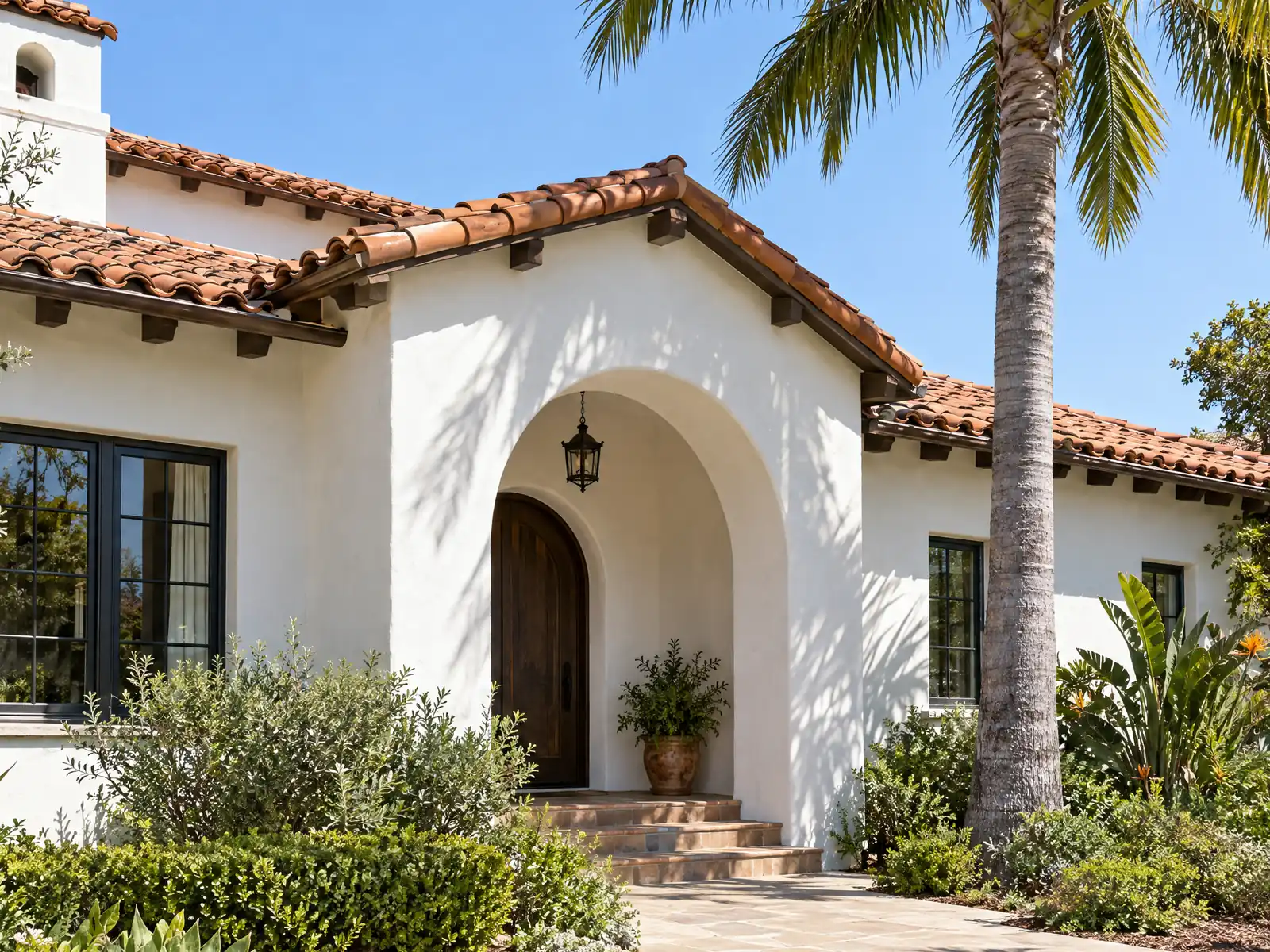
Fillmore is a small citrus town on a street grid between the Santa Clara River and the foothills, and its roofs show that history. The Census Bureau's ACS 2024 five-year estimates, which carry wide margins of error for a city this size, count 5,259 housing units, with 75.1 percent single-family detached and 54.1 percent built before 1980. The 1970s were the biggest building decade at 937 units, and about 15.1 percent of units come from before 1950. Summers are hot and winters bring rain in a few big storms: NOAA's 1991 to 2020 normals for Piru, about 9.2 miles east, give 17.40 inches of rain a year, and the Camarillo, Ojai and Newhall stations that bracket Fillmore's temperatures show anywhere from 9 to 87 days a year at 90 degrees F or above.
On a roof job, MDG Builders (CSLB #1040337) acts as the general contractor: we write the scope, deal with the City and schedule the visits, while a licensed C-39 roofing subcontractor handles the tear-off and installation. Our roofing page carries the sourced price table. Roofers in Simi Valley and Thousand Oaks follow different local rules, and Moorpark and Santa Paula, the nearest cities on either side, are not on our site yet. Every code section below was read on the third-party GoCodebook mirror (text as of October 4, 2026), not on an official City copy, so confirm each one with the City.
What Fillmore's code, fire department and inspectors say about roofs
Where roofing permits come from in Fillmore: City of Fillmore Building & Safety (Planning and Community Development), City Hall.
- Fillmore requires Class A roofing citywide. Section 1505.1.2 as amended says the entire roof covering of every new structure, of any existing structure where more than 50 percent of the roof area is replaced within one year, and any roof covering applied in the alteration, repair or replacement of an existing roof must be at least Class A; the amended residential section R902.1 also sets a minimum Class A roof listed to UL 790 or ASTM E108.
- The City's amended list of work exempt from a building permit (Section 105.2) names small sheds, fences up to 6 feet, masonry or concrete walls up to 3 feet, retaining walls up to 3 feet, awnings and flagpoles; reroofing is not on that list, so ask Building & Safety before assuming a reroof is permit-free.
- The City's inspection FAQ lists a Roof/Floor Sheathing inspection (nail size and spacing after sheathing and roof penetrations are in place) and a Framing inspection that is required after the roof covering is installed.
- Section 1804.8 as amended requires roof water from gutters, downspouts, scuppers and valleys to be diverted away from foundations, and on soil with an expansion index over 50 requires gutters and downspouts piped to a street, storm drain or other approved disposal area.
- Small residential rooftop solar systems of 10 kW AC or less on one- and two-family homes get an expedited process in Chapter 5.45: a permit is issued the same day for over-the-counter applications or within 1 to 3 business days for electronic applications once the application meets the City's standard plan and checklist, and like-kind replacement or routine maintenance needs no permit.
- CAL FIRE's fire hazard severity zone FAQ (posted by the City) says the zones are used to designate where California's defensible space standards and wildland urban interface building codes apply, so check a parcel's zone on the City GIS viewer before choosing roofing, vents and eaves.
- CSLB defines the C-39 Roofing classification as installing products and repairing surfaces that seal, waterproof and weatherproof structures.
Sources for these rules

Does a Fillmore reroof have to be Class A, even outside a fire zone?
Yes, according to the code text we read. Section 1505.1.2 as amended says the roof covering of every new structure, of any existing structure where more than 50 percent of the roof area is replaced within one year, and of any covering applied while altering, repairing or replacing a roof must be at least Class A. The amended residential section R902.1 adds a Class A minimum listed to UL 790 or ASTM E108. Nothing in that wording ties the class to the fire map, so a flat-lot house near Central Avenue is held to the same rating as a house at the foot of the hills.
That is a different shape of rule than a zone-based one. Class A is a rating for the whole assembly, covering, underlayment and deck together, so a shingle bag stamped Class A does not settle it. Ask the roofer for the manufacturer's listing for the exact build-up and keep it with the permit papers. The City's own code page refused our request, which is why the section numbers come from the mirror.
Get the Class A listing for your exact assembly in writing before the material order goes in.
Does roof repair in Fillmore need a permit, and who inspects it?
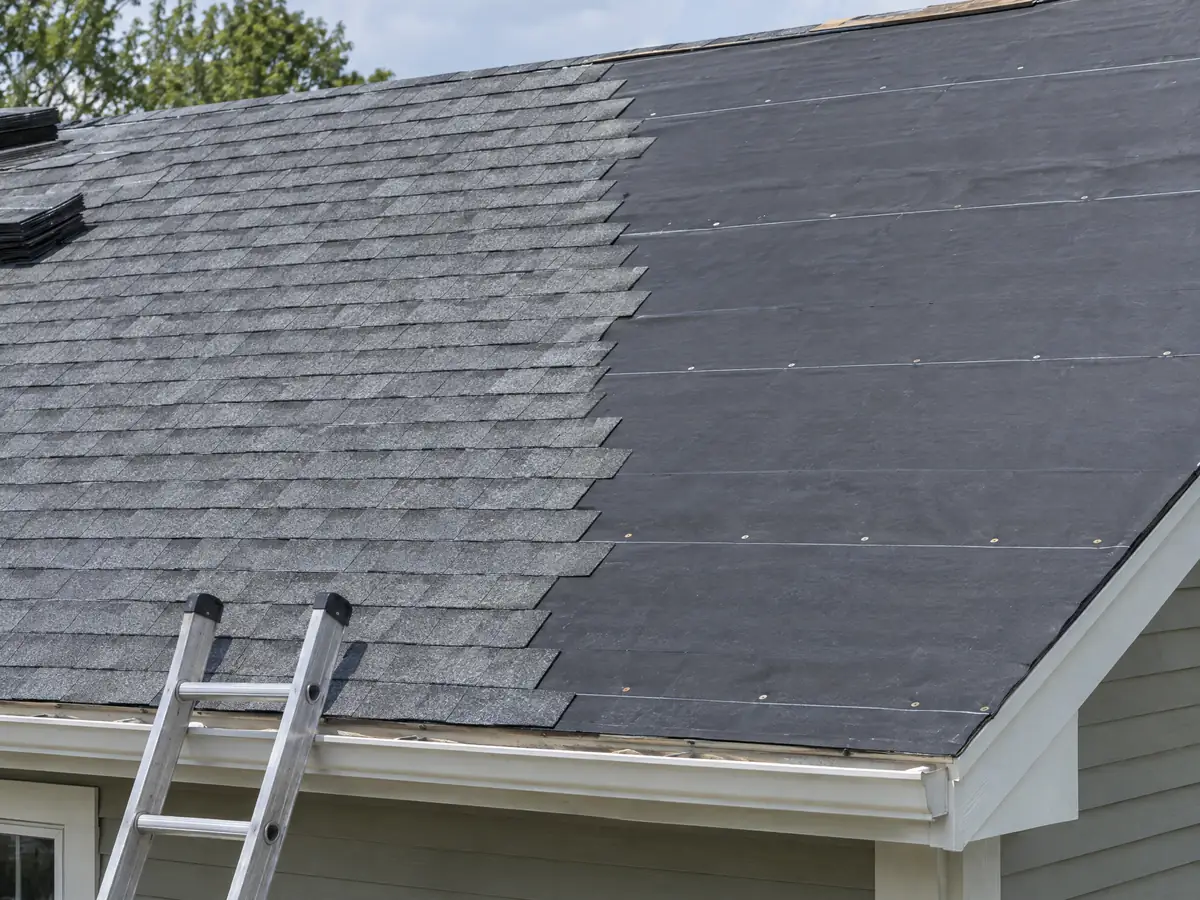
We could not confirm either answer from a City page. The amended list of work exempt from a building permit (Section 105.2) names small sheds, fences to 6 feet, low walls, awnings and flagpoles, and reroofing is not on it. We found no City page that states a reroof rule or an over-the-counter process, so treat a permit as likely and ask Building & Safety before work starts. Bureau Veritas handles plan check and inspections under contract, and applications start on the City's GovWell portal.
Once a permit exists, the inspection FAQ lists a roof and floor sheathing inspection, where nail size and spacing are checked with penetrations in place, and a framing inspection that comes after the covering is installed. Requests are due by 5 PM the business day before. An adult over 18 must be on site, a ladder must reach the roof, the Inspection Record card must be posted, and a $50 re-inspection fee may be charged if the work is not ready. The City's pages print two different phone numbers for requests, so confirm which is current.
Under Section 5.02.020 on the mirror, a permit lapses if work has not started within one year or stops for six consecutive months.
Is my Fillmore house in a fire hazard severity zone, and does it change my roof?
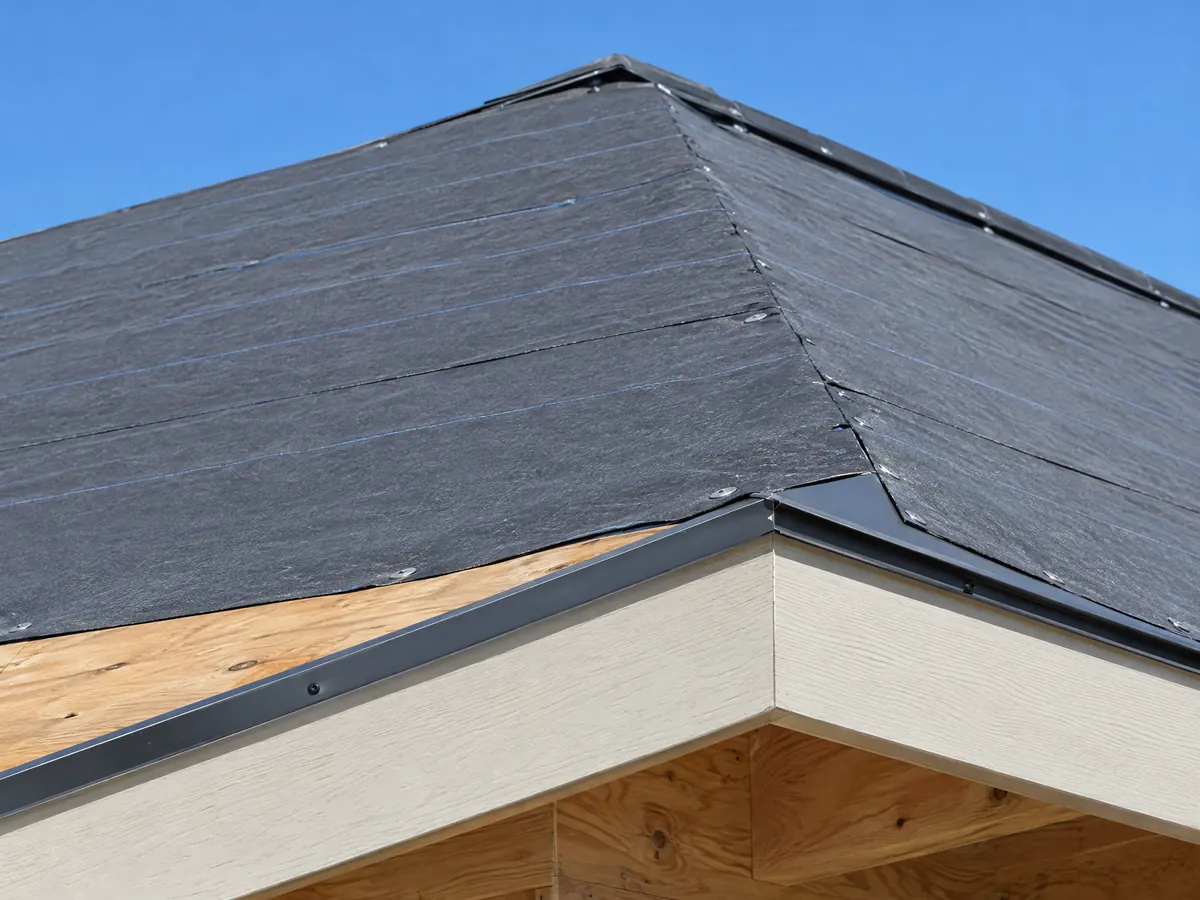
CAL FIRE's Office of the State Fire Marshal issued recommended Local Responsibility Area maps for Ventura County on March 10, 2025. The City's page says the Council adopted the map on May 13, 2025, effective July 1, 2025, and that the City asked for no additions to the state's zones. The state's FAQ, which the City posts, says the zones decide where defensible space and wildland urban interface building rules apply. Which Fillmore parcels land in Very High, High or Moderate we could not read, because the map PDF is a picture; the City's GIS viewer lists a fire hazard zone by parcel and tells users to verify it with Planning.
Two details are unsettled, and we say so instead of smoothing them over. Section 5.01.010 adopts the 2025 Fire Code and the 2025 Wildland Urban Interface Code, yet Section 5.04.060 still reads 2022 Fire Code. And the City's hazard page names the local agency as VCFPD in quoted state text, while its Fire pages describe the Fillmore Fire Department, with Ventura County Fire working alongside as mutual aid and in unincorporated areas such as Piru and Bardsdale. Because Class A already applies citywide, the map matters most for vents, eaves and skylights, so ask which edition and which office reviews them.
The Fire Department also runs a weed abatement program, now year-round, and its 2026 calendar set a June 1 deadline after letters went out April 16. Clearing dry growth is separate from the roof, but the same office checks both.
How old are Fillmore's roofs, and what did the 1994 earthquake change?
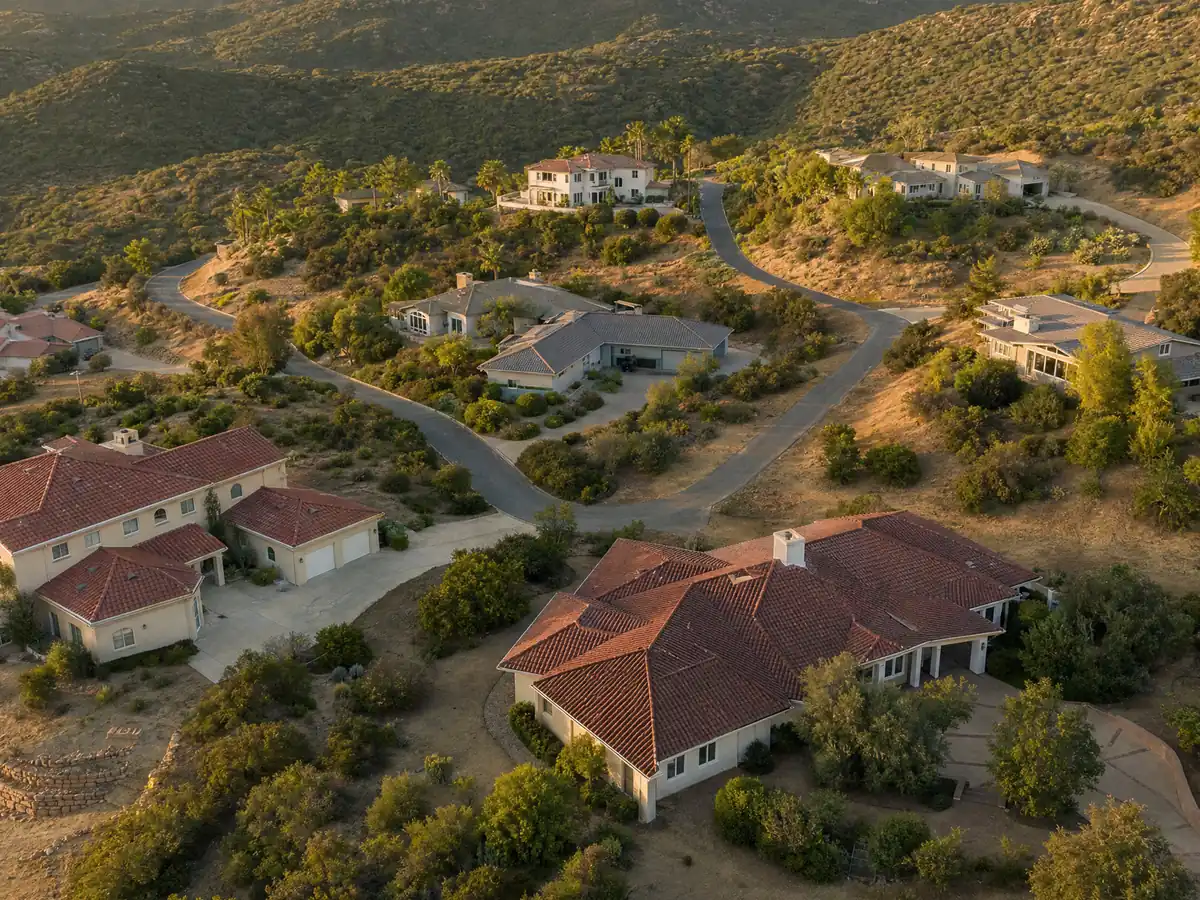
Fillmore dates to 1887, when the Southern Pacific railroad came through the Santa Clara River Valley, and voters chose to incorporate in 1914, per Wikipedia (third-party; the sources disagree on the founding year). The City's General Plan Land Use Element, circa 2003, calls it one of the oldest cities in Ventura County, with many buildings over 50 years old and many county-designated historic structures. By the ACS counts, about 795 units predate 1950 and 2,845 predate 1980, so decking and flashing, not the shingles on top, are the first things to inspect.
The January 17, 1994 Northridge earthquake rebuilt much of downtown. A KCLU report puts about 500 Fillmore homes and businesses as damaged or destroyed, with 250 homes red-tagged, and the Fillmore Historical Museum says the Masonic Temple was gutted. The City's code carries an unreinforced masonry rule that applies when additions or alterations pass 25 percent of the floor area, counting additions since January 1, 2008, with buildings of five living units or fewer excepted. A reroof adds no floor area, so we expect it not to trigger that rule, but an older brick building deserves the question. We found no sourced roof lifespan for Fillmore and print none.
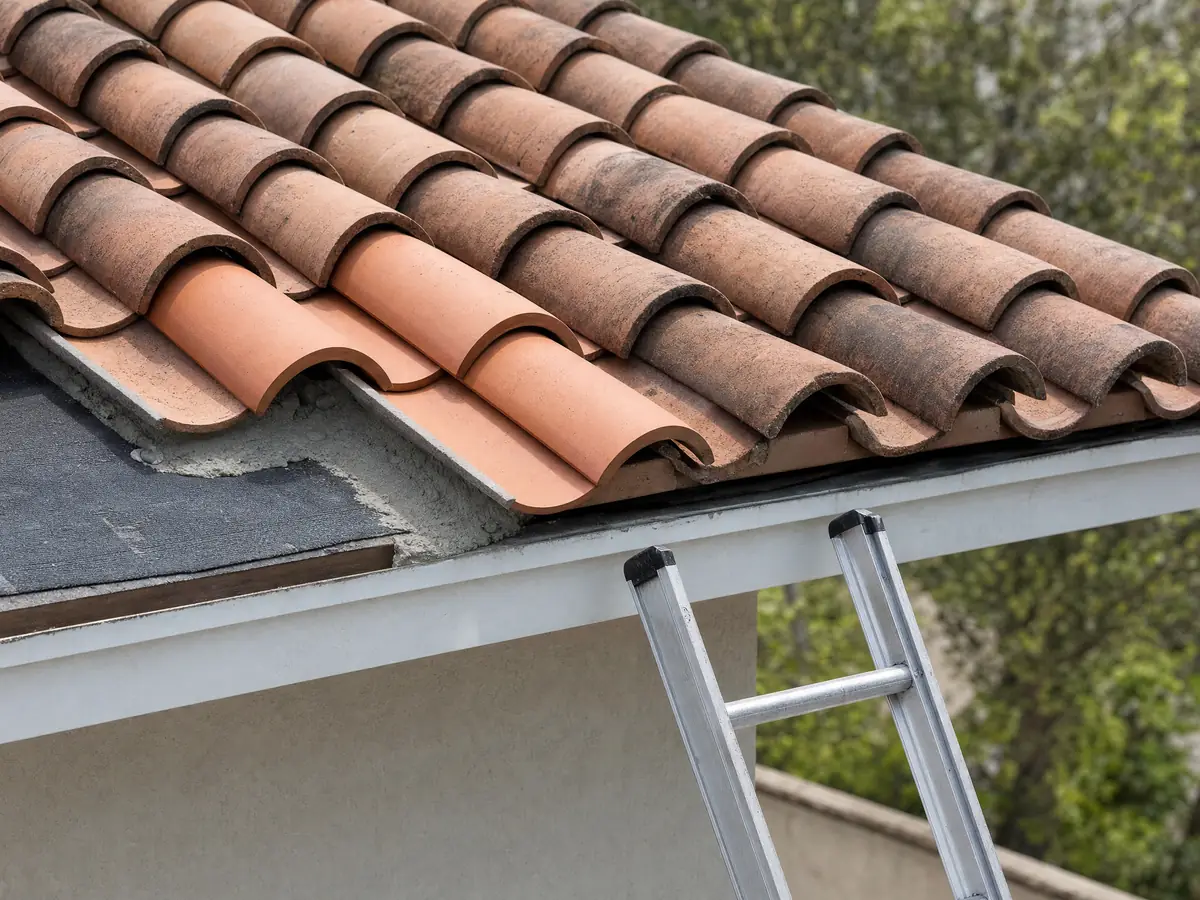
How do Fillmore's heat, winter storms and river floodplain affect a roof replacement?
Piru 2 ESE, the closest NOAA station with normals, measures rain only: 17.40 inches a year, 14.07 of them from December through March, and almost none in July (0.09 inch) or August (0.00). For temperature, Camarillo Airport averages 9.0 days a year at or above 90 F, while Ojai and Newhall average 75.4 and 86.8, with August highs of 91.2 F and 95.8 F. We expect Fillmore's valley floor to run far hotter than the coast and claim no single figure. Storms come in clusters, so budget backup days.
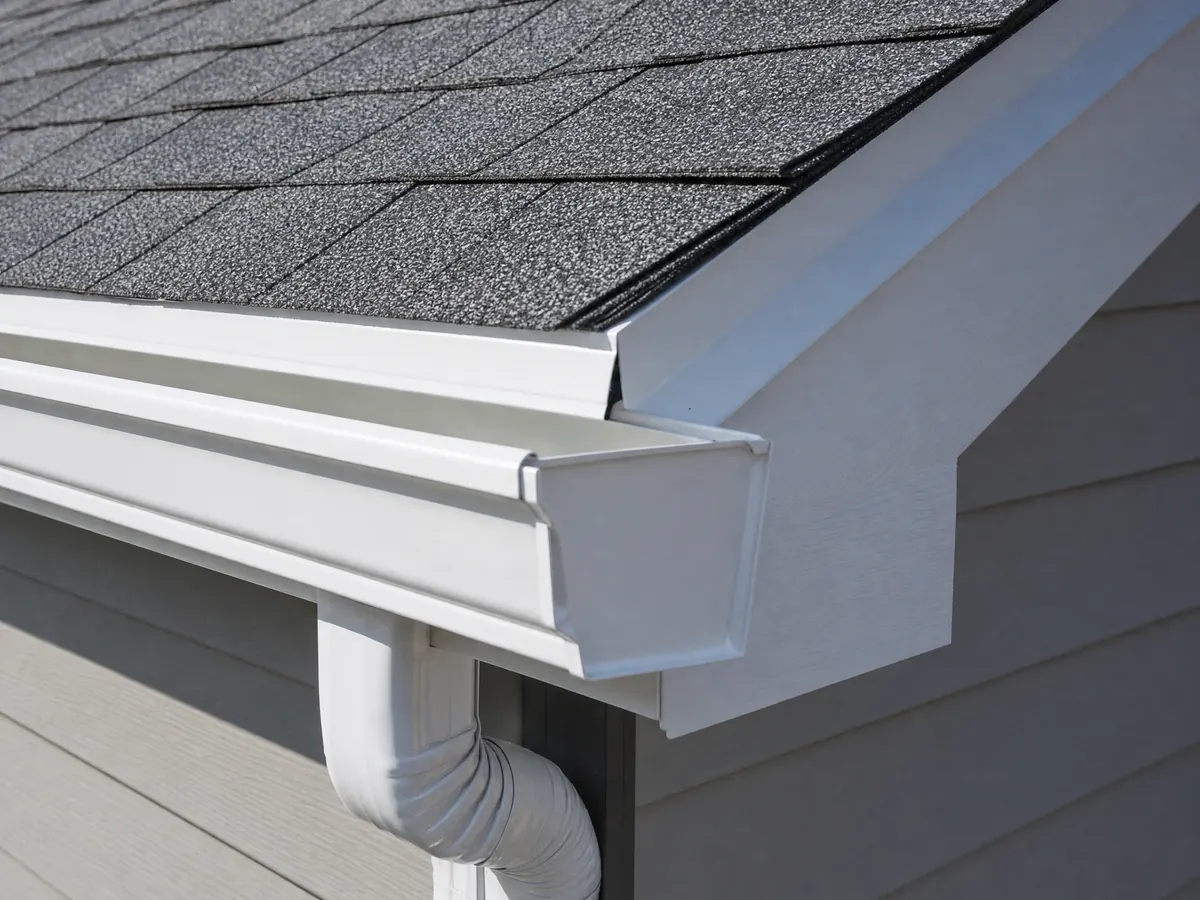
Water leaving the roof is a code item here. Section 1804.8 as amended requires roof water from gutters, downspouts, scuppers and valleys to be directed away from foundations, and on soil with an expansion index over 50 it requires downspouts piped to a street, storm drain or other approved disposal area. If gutters are replaced, ask which soil category applies. The General Plan says many properties south of River Street lie in the 100-year floodplain, and the flood chapter treats work worth 50 percent or more of a building's market value as a substantial improvement. A roof is usually a fraction of that, but a roof bundled with other work should be priced against it.
Tile adds weight, and the San Cayetano Fault runs along the eastern hills. The City's Earthquakes page tells owners to consult a professional about bolting a house to its foundation, so a shingle-to-tile switch is a job for an engineer.
How much does roof replacement cost in Fillmore?
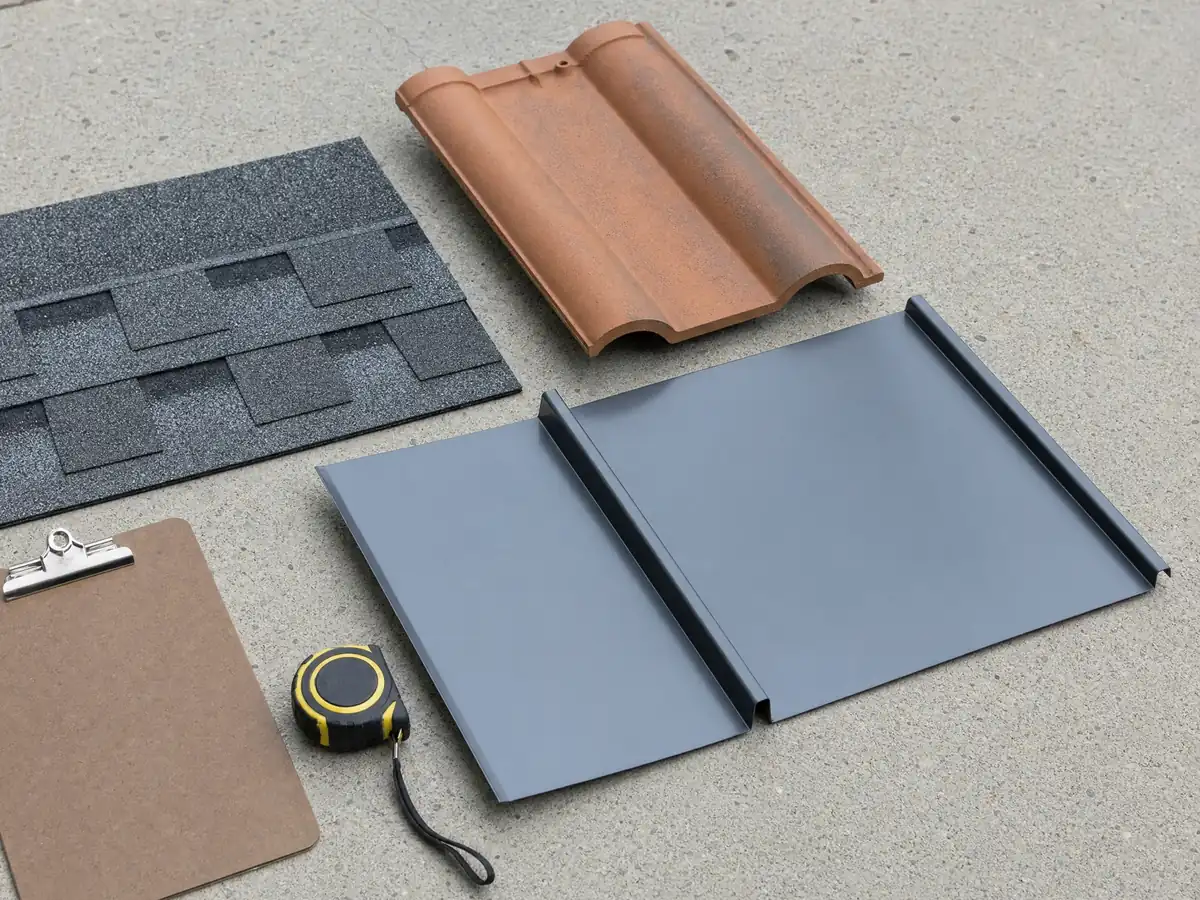
We found no independent Fillmore roof price survey, so this page prints no Fillmore price and leans on the nearest independent data, which is Los Angeles. Angi's Los Angeles page, updated July 31, 2026, shows $4 to $12 per square foot for asphalt, $7 to $15 for tile and $7 to $16 for metal, with a typical roof at $10,256 to $24,963. Remodeling magazine's 2025 Cost vs. Value report prices a Los Angeles asphalt reroof at $36,417 and a metal one at $62,069, using a reference roof whose size it does not publish.
Extras come on top. Angi puts tear-off at $1,000 to $3,000 and taking solar panels off and putting them back at $500 to $1,000. Fillmore gives small rooftop solar systems of 10 kW AC or less an expedited process under Chapter 5.45, with same-day permits for over-the-counter applications, which helps when panels must be reset. We found no sourced figure for what Class A adds and no permit fee, so ask for both as lines in the written proposal, and agree a price per sheet for rotted decking before the old roof comes off. The roof replacement cost guide explains why the two Los Angeles sources sit so far apart.
How do you choose a roofing company in Fillmore for a roof repair or roof replacement?
Roofing is CSLB class C-39, defined as installing products and repairing surfaces that seal, waterproof and weatherproof structures. Check any license number on the CSLB site; our guide to checking a contractor license shows what the record means. The City's Owner/Builder Advisement makes the point from the other side: hiring a licensed contractor makes you the customer, while acting as your own contractor makes you liable for unlicensed workers, wages and taxes. The state's unlicensed minor-work limit has been $1,000 since January 1, 2025 (AB 2622), but only for work that needs no permit.
Then read the contract against Business and Professions Code 7159: signed before work starts, with the price, the significant materials and start and completion dates. The down payment is capped at the lesser of $1,000 or 10 percent, payments follow finished work, changes are written, and you can cancel within three business days, five if you are 65 or older. The contract also carries a box saying whether subcontractors will be used. Ask any roofer, us included, for the roofing license number and certificate of insurance, and see our article on how general contractors use subcontractors for who answers for what.
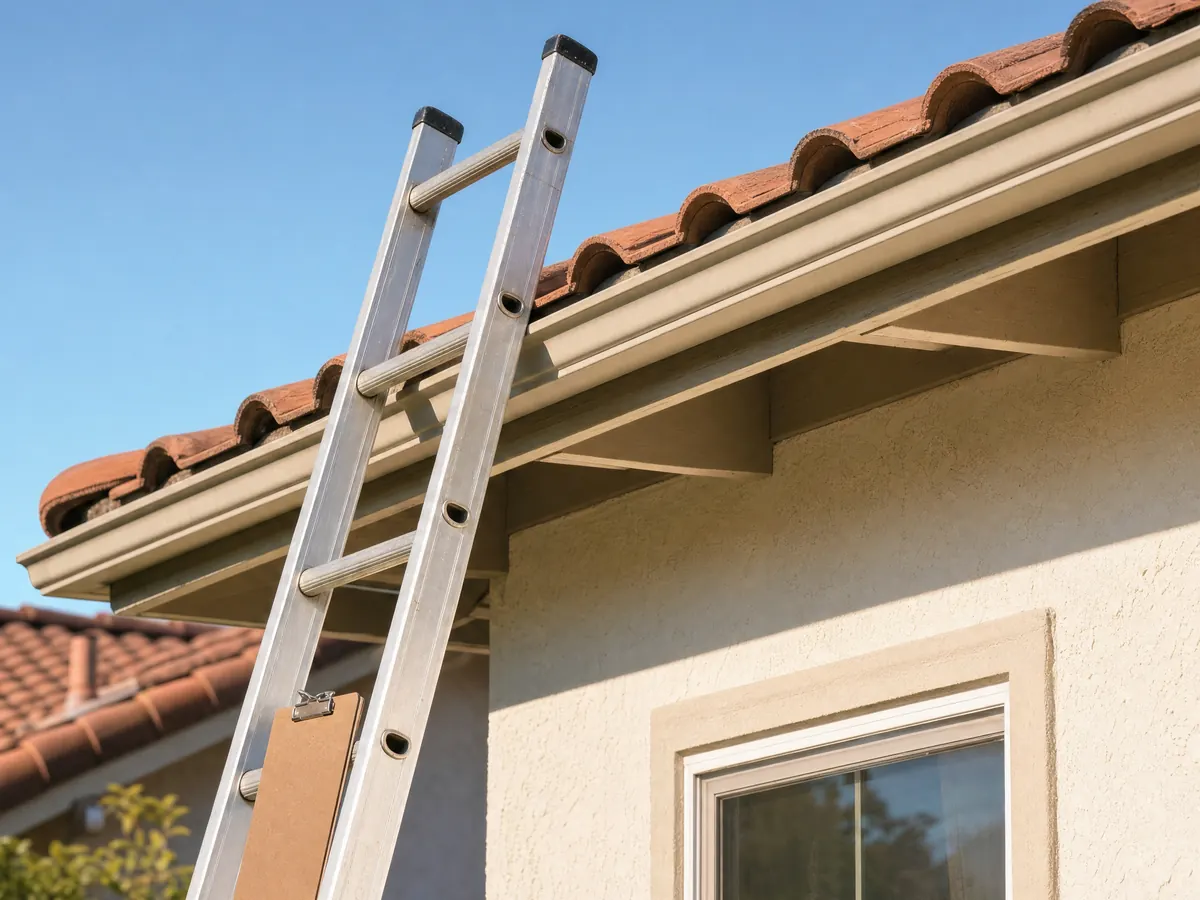
Roofing photos from Fillmore and nearby communities
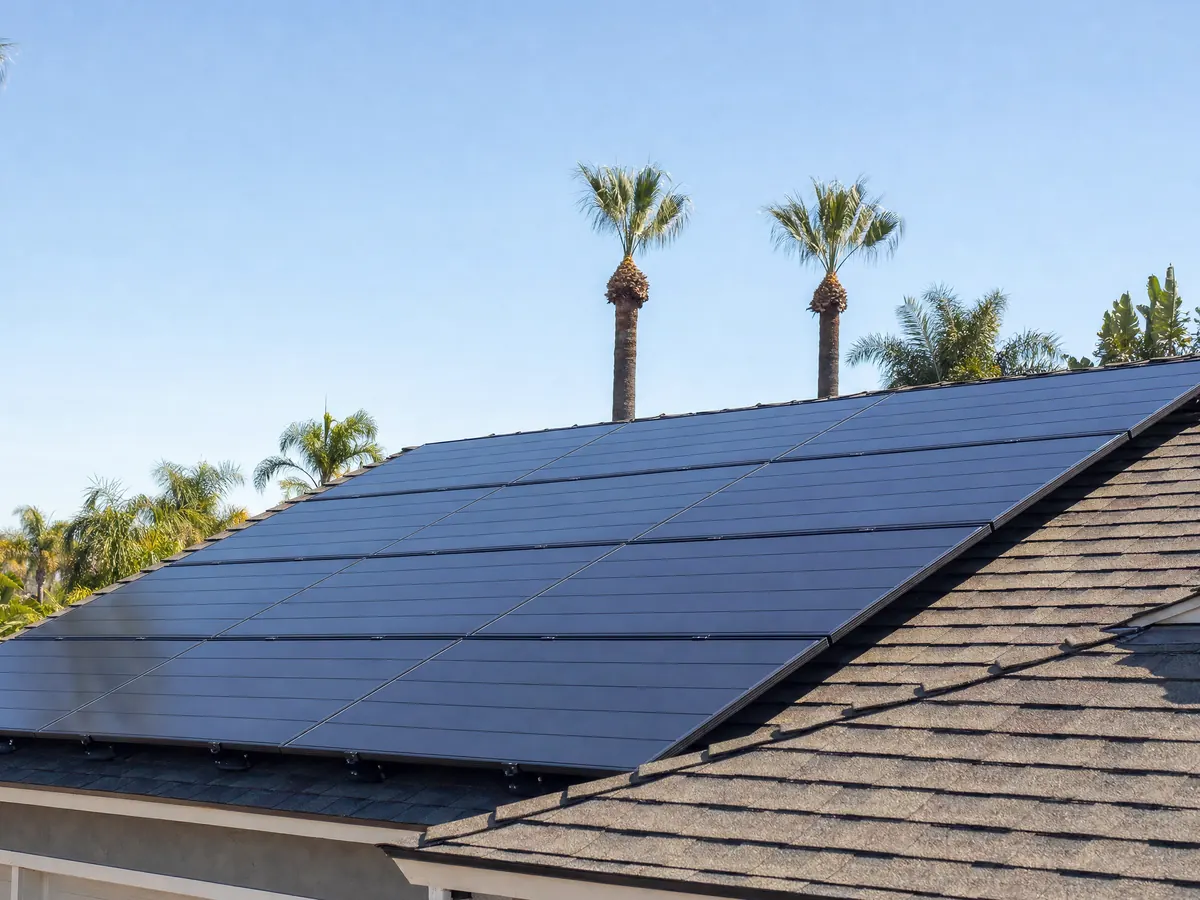
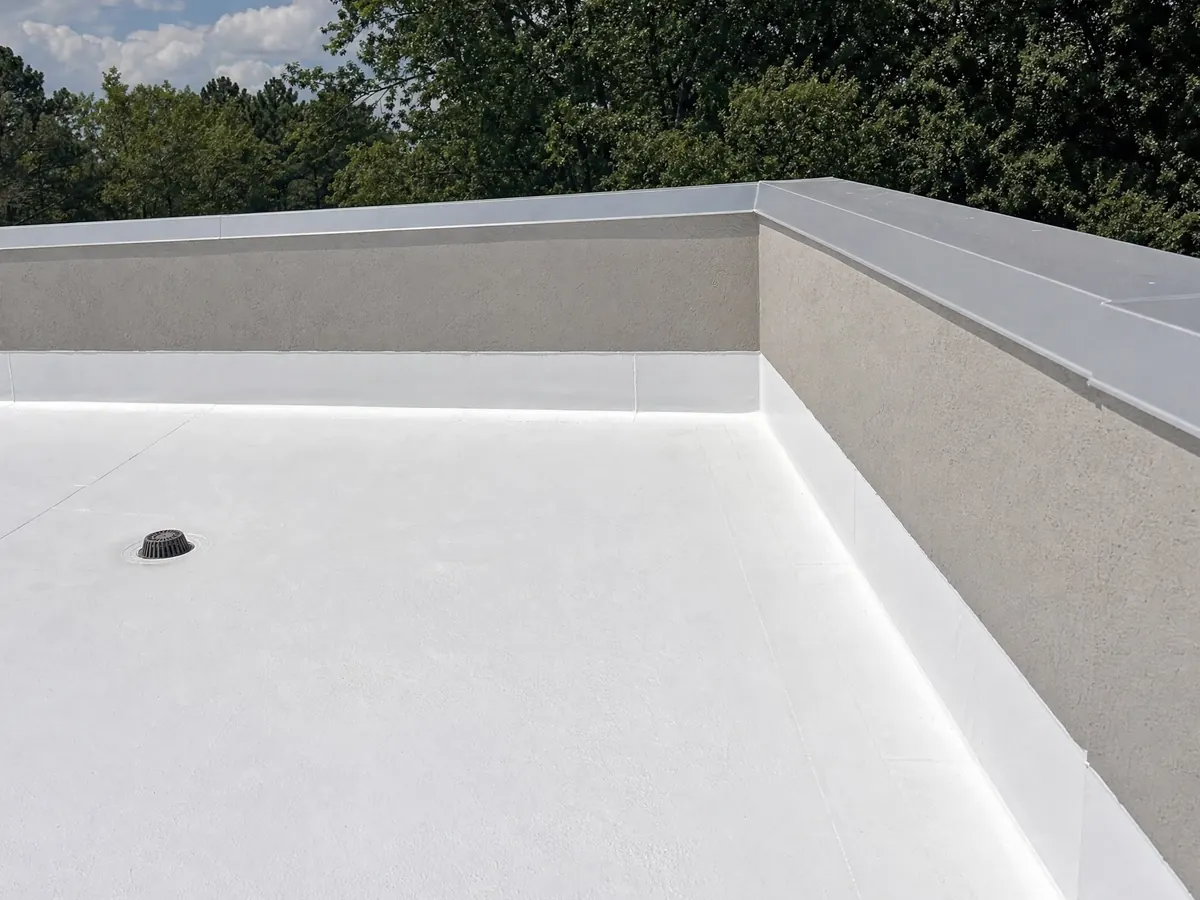
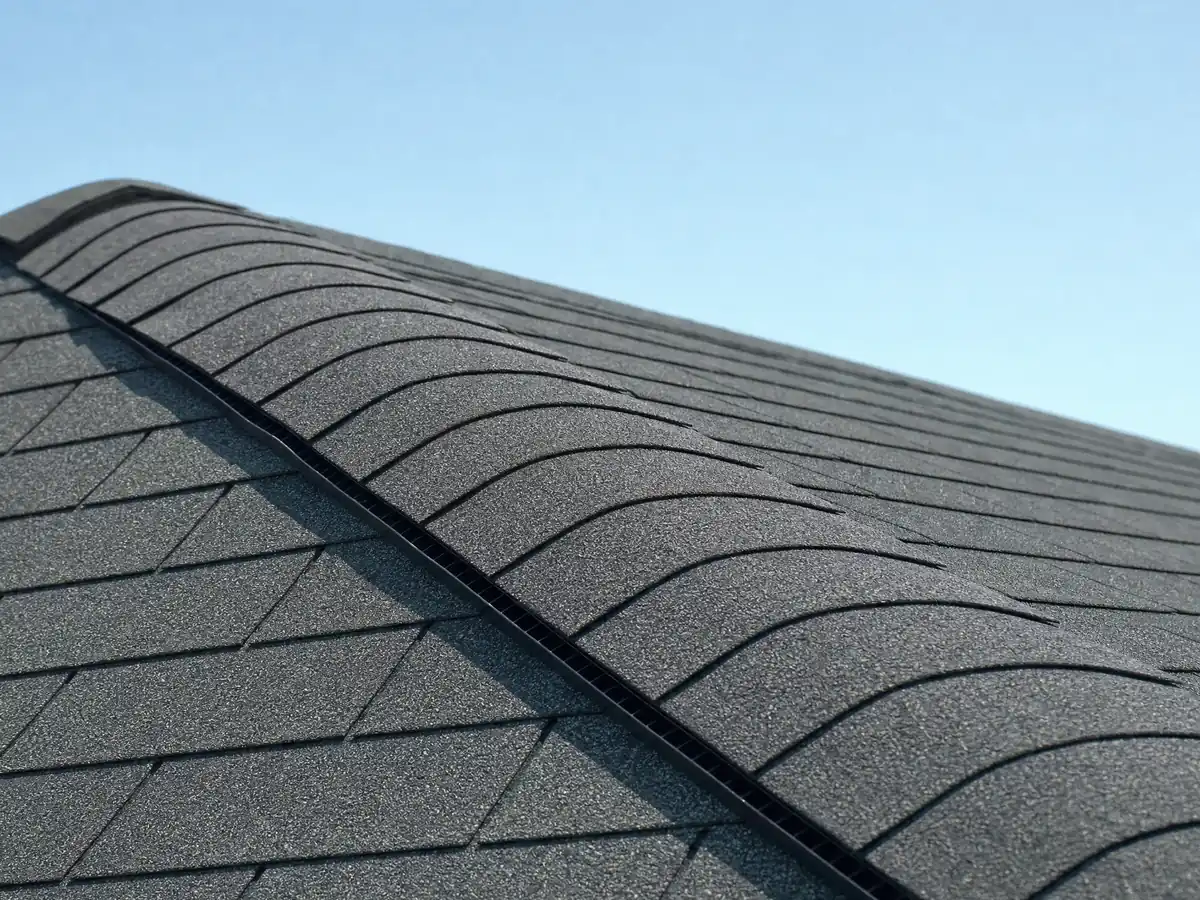
Roofing scenes tied to Fillmore places such as downtown Central Avenue, North Fillmore and Rio Vista Park and to nearby Bardsdale, Piru and the Sespe Creek corridor, with Class A shingle, tile and flashing work under valley sun.
Where the Los Angeles roof figures on this page come from
Each Los Angeles figure sits next to its source in the table on our roofing price page, and the two surveys disagree for the reasons explained in the cost guide linked above. A roof job often leads to other exterior work, so compare the Fillmore fence page and house painting page, then see kitchen remodeling here for inside work. Roofing in Los Angeles shows how a large city treats reroofs under its own express-permit list, and window replacement in Los Angeles covers a job that pairs with a new roof. Every trade we offer in town is on the Fillmore overview.
| What it covers | Typical range |
|---|---|
| Asphalt shingle, typical single-family roof | $10,000 to $25,000 |
| Concrete or clay tile | $7 to $15 per sq ft |
| Metal | $7 to $16 per sq ft |
| Remodeling Cost vs. Value 2025, Los Angeles | Asphalt $36,417. metal $62,069. |
| Extras | Tear-off $1,000 to $3,000. solar detach and reset $500 to $1,000. |
Fillmore roofing questions, answered
How much should a 2000 sq ft roof cost?
Roof area, not house area, sets the price, so 2,000 square feet is only a rough guide. Applying Angi's July 2026 Los Angeles rates, a roof that size lands near $8,000 to $24,000 in asphalt and $14,000 to $30,000 in tile before tear-off and decking repair. We found no Fillmore survey, so your written proposal is the real number.
What is the 25% rule for roofing?
No Fillmore code section we read uses that name. The thresholds we found are 50 percent of the roof area replaced within one year, which requires the whole covering to be Class A, and 25 percent of floor area for sprinklers on additions, which expressly excludes roof replacement. If someone quotes a 25 percent roofing rule, ask which document says it.
Do I need a permit to replace my roof in Fillmore?
Probably, but confirm it first. The City's exempt-work list does not name reroofing, and we found no City page stating a reroof rule or an over-the-counter process. Call Building & Safety and ask what to submit through GovWell. If a permit issues, expect a sheathing inspection and a framing inspection after the covering goes on.
What is a Class A roof in California?
Class A is the top fire rating that a roof assembly can earn under the ASTM E108 and UL 790 tests. Fillmore's code requires at least Class A for new roofs and for every repair or replacement citywide, plus the minimum in amended residential section R902.1. The rating belongs to the whole assembly, so ask for the manufacturer's listing of the underlayment and covering you choose.
Should I repair or replace my roof?
Condition decides, not age alone. A few damaged spots on sound decking and flashing point to repair, but the covering applied in any repair must still be Class A. Soft decking, repeated leaks or patch layers on an old 1970s roof point to replacement. Ask for photos of valleys, flashing and the attic side of the deck.
Can a general contractor do roofing in California?
A general contractor can manage a roof job, but the field work belongs to a C-39 roofing contractor. At MDG Builders (CSLB #1040337) a licensed C-39 subcontractor does the tear-off and installation, while we write the scope, handle the City permit and book inspections. Any roofing company you consider should show its own license, which you can check online.
How much should you pay a roofing contractor up front?
A deposit may not exceed $1,000 or 10 percent of the contract price, whichever is smaller, under Business and Professions Code 7159. Later payments should follow work actually finished, and state law says a contractor may not collect for work not yet completed. Put every change in writing, and ask for a lien release with each payment.
How long does it take to get a roofing permit in Fillmore?
We found no published turnaround for a Fillmore reroof permit, and the City's fee schedule was an unreadable image. The City says discretionary planning reviews take at least 30 days per resubmittal, but that applies to hearing-level projects, not roofs. Ask Building & Safety for a typical timeline when you call, and apply through GovWell.
Should I stay home during roof replacement?
You can usually stay, but plan for noise, vibration and falling debris. Keep children and pets away from the work zone, take pictures off walls, and cover attic storage. We found no Fillmore rule on it. Agree with the roofer on daily start times and where the nails will be swept, and ask what happens if rain stops work.
Request a roof check for your Fillmore house
Send the street, the year the house was built and any stains, lifted shingles or leaks. We look up the fire map, flood and slope questions for your parcel and ask Building & Safety about the permit before we call you back.