
Fence Companyin Fillmore, CA
Fence installation in Fillmore allows up to 6 feet almost anywhere on a lot, but only 36 inches in the required front setback, the street-side setback and traffic sight areas. Fences up to 6 feet need no building permit under the amended code, as read on a third-party mirror, though zoning still applies.
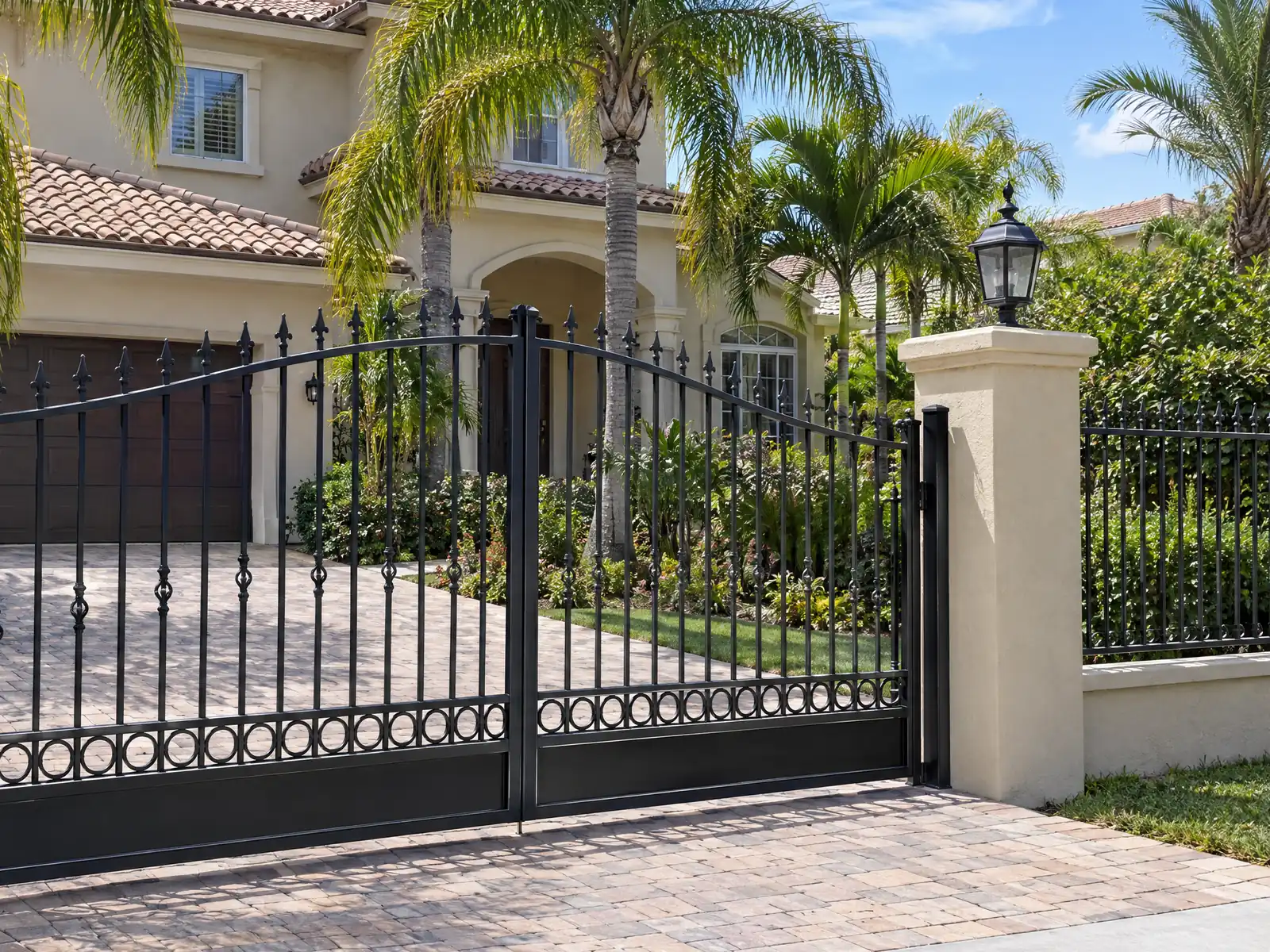
Fillmore's yards sit on a railroad-town grid that dates to 1887 and fills in around citrus and avocado orchards. The Census Bureau's ACS 2024 five-year estimates, which carry wide margins of error, count 5,259 housing units in the city, 3,950 of them single-family detached homes, with a median owner-occupied value of $602,500. The 1970s were the biggest building decade at 937 units, and about 54.1 percent of units were built before 1980, so many backyards were laid out decades ago. Fillmore's own zoning rules, not a county or state default, decide how tall and how solid a fence may be.
On a fence, MDG Builders (CSLB #1040337) is the general contractor: we confirm the setbacks and walls with the City, then bring in licensed fencing and masonry subcontractors to build. The sourced per-foot ranges are on our fencing page. Neighboring cities answer these questions under their own codes, as the Simi Valley and Thousand Oaks pages show, and Moorpark and Santa Paula are not on our site yet. The code text below comes from the third-party GoCodebook mirror (text as of October 4, 2026), and the handouts cited are 2003 scans read by OCR, so confirm both with the City.
What Fillmore's zoning and building code say about fences
Where fencing permits come from in Fillmore: City of Fillmore Building & Safety (Planning and Community Development), City Hall.
- Under the City's amended permit exemptions (Section 105.2), fences not over 6 feet high and masonry or concrete walls not over 3 feet high need no building permit, and neither do retaining walls up to 3 feet from the top of the footing to the top of the wall unless they support a surcharge.
- The City's scanned 2003 fence-height handout (read by OCR) says fence height in the front yard is limited to 3 feet and in side and rear yards to 6 feet, and says a building permit is needed when wall height from the bottom of the footing exceeds 6 feet for fences or 4 feet for retaining walls. The 4-foot retaining wall figure does not match the 2025 code text (3 feet), so confirm with Building & Safety.
- Zoning Section 6.04.18 (fences, walls and hedges; mirror text) allows a fence, wall or hedge up to 6 feet (8 feet when the Director requires it) anywhere on a parcel except in a traffic safety-sight area, the required front setback or the street-side setback, where the limit is 36 inches. On a corner parcel nothing over 36 inches may block the traffic safety-sight area.
- The same zoning section sets height from the finished grade of the higher parcel when two lots differ in level, requires perimeter walls to include a 5-foot-deep by 6-foot-long landscaped recession for every 100 feet of continuous wall, requires both sides of perimeter walls or fences to be architecturally treated, and bans barbed wire, razor wire and electric fencing outside the MPD zone.
- Chain link fencing is allowed only in the RPD, MPD and P-F zoning districts (generally along side and rear lines behind the front setback and screened), and may also be used with swimming pools and tennis courts or where required by law (Zoning Section 6.04.18).
- The City's 2003 concrete block wall handout (a scanned sheet, read by OCR) says no wall or fence may be built within 36 inches of a fire hydrant, and no wall, fence or foundation within 12 inches of a water meter, and that Planning must approve the wall plans before a permit is issued.
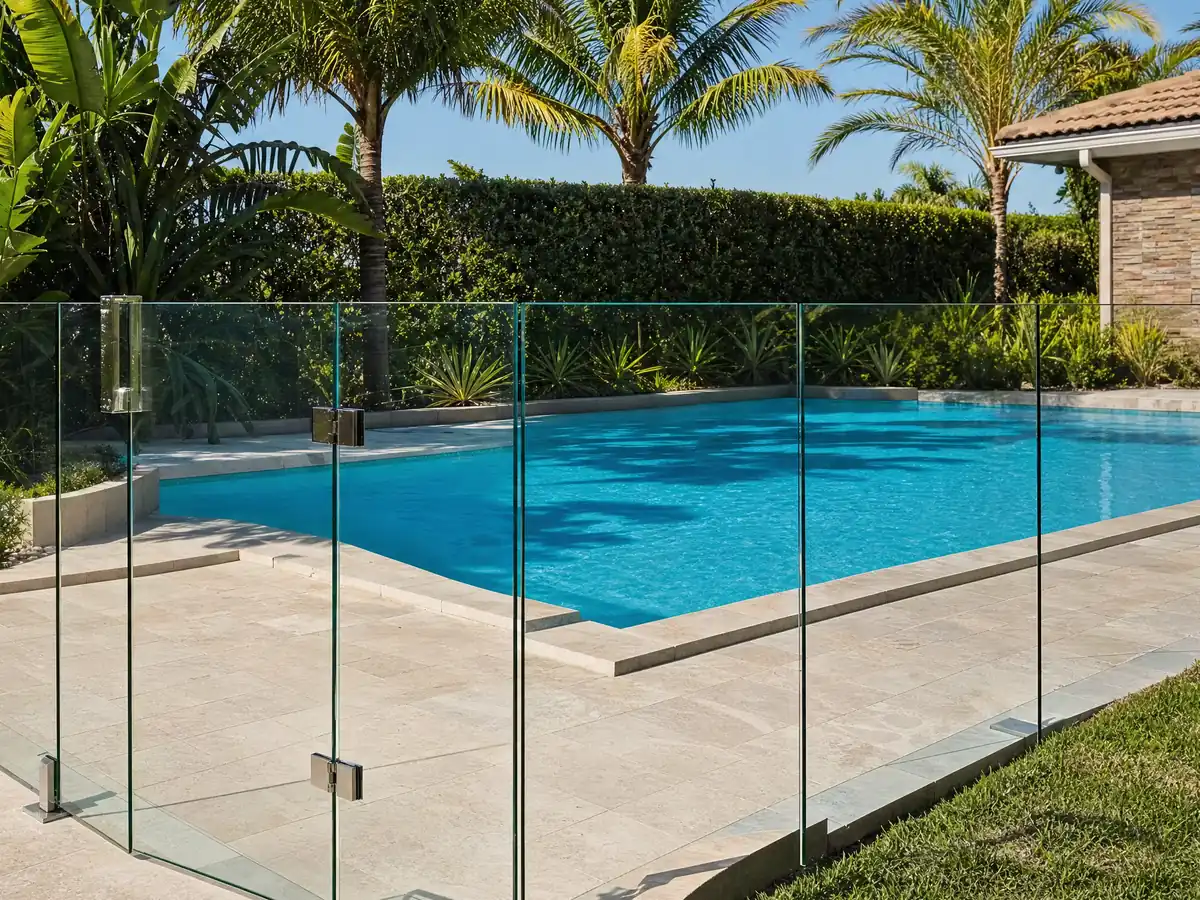
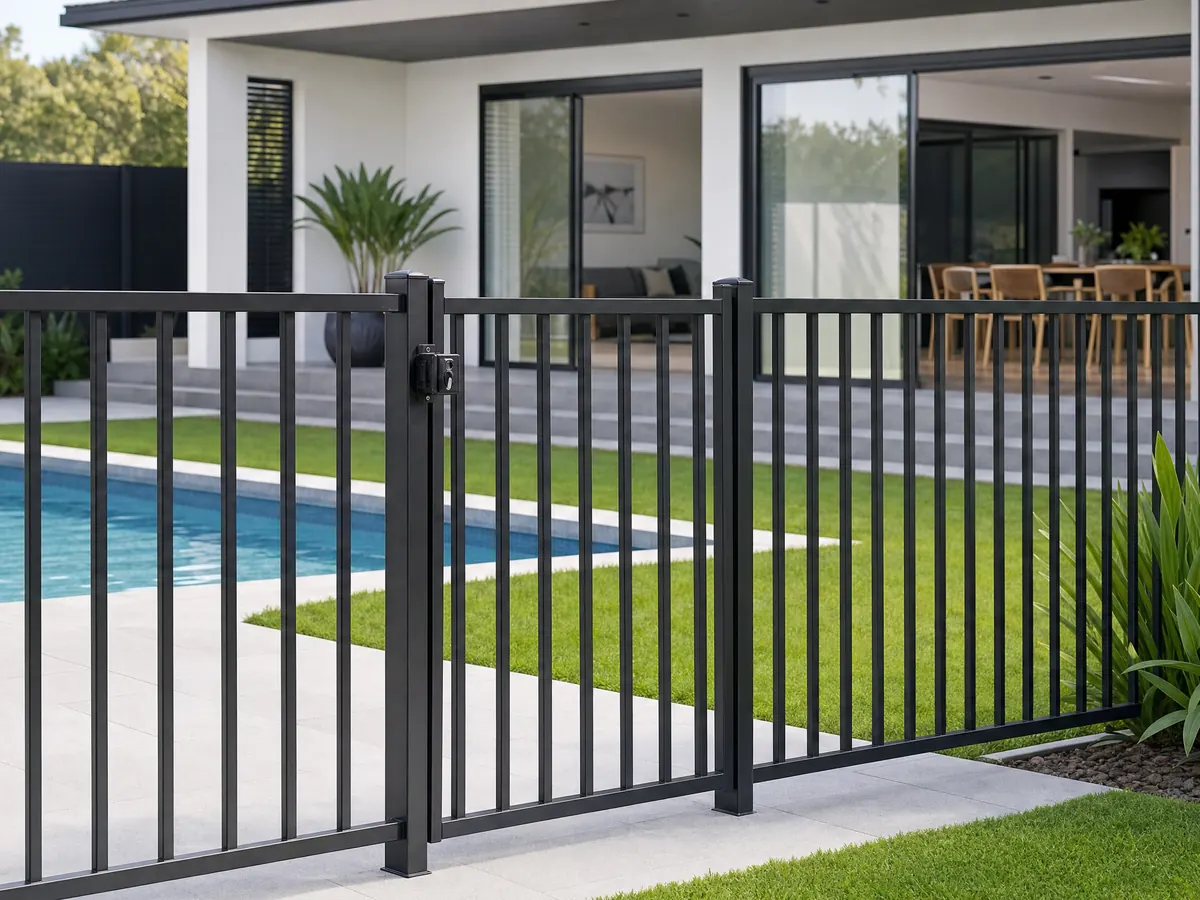
- Swimming pool barriers: the City's 2003 pool-enclosure handout (a scanned sheet, read by OCR) shows a barrier at least 60 inches high, no gaps that pass a 4-inch sphere, self-closing and self-latching gates that open away from the pool, and door alarms for house doors with direct pool access. The City has since adopted the 2025 International Swimming Pool and Spa Code, so the current code controls.
- CSLB defines the C-13 Fencing classification as constructing, erecting, altering or repairing all types of fences, corrals, runs, railings, game court enclosures, guard rails and barriers, posts, flagpoles and gates, excluding masonry walls.
How tall can a front yard fence or hedge be in Fillmore?
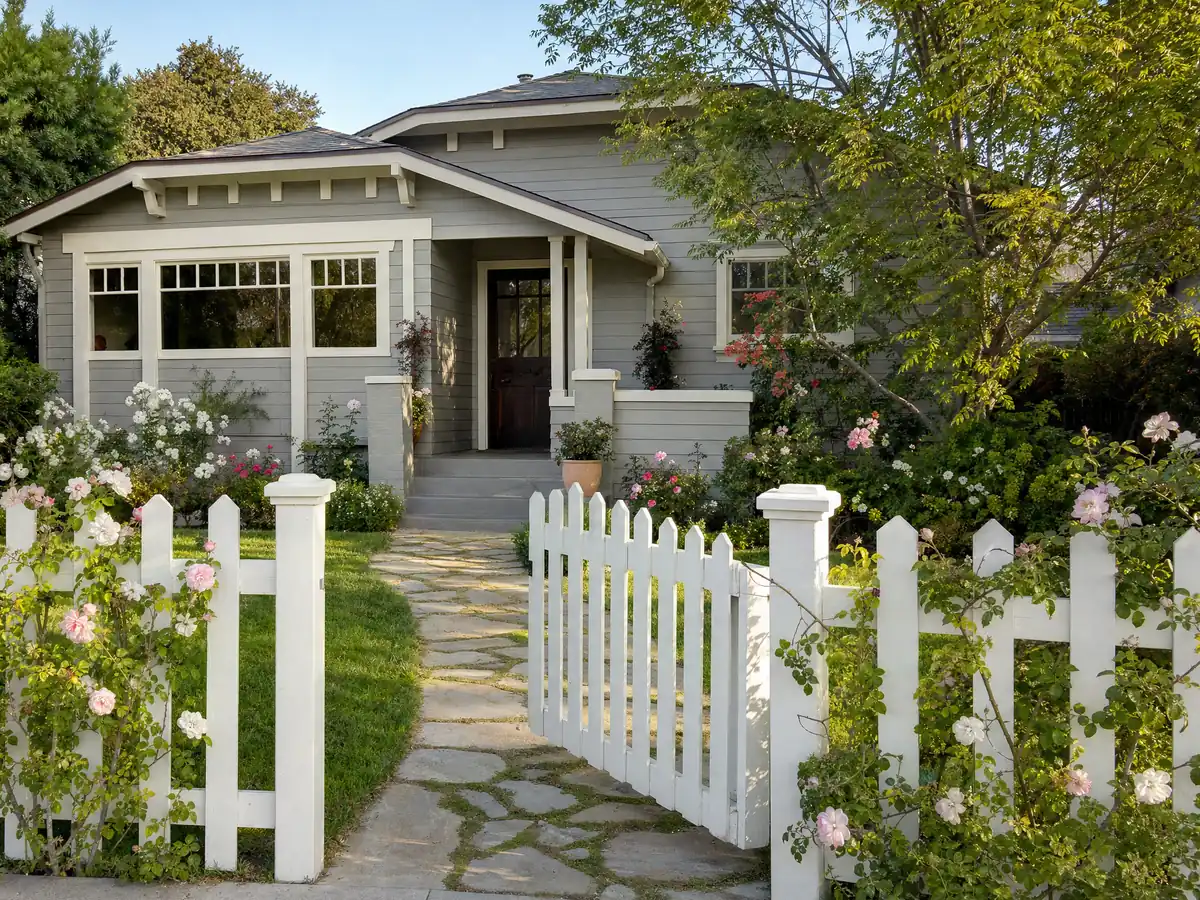
Thirty-six inches, in the places that matter most. Zoning Section 6.04.18 allows a fence, wall or hedge up to 6 feet anywhere on a parcel, or 8 feet when the Director requires it, except in a traffic safety-sight area, the required front setback or the street-side setback, where the limit is 36 inches. On a corner lot, nothing over 36 inches may block the sight area at the intersection. The City's 2003 fence-height handout, a scan read by OCR, says the same in plainer words: 3 feet in the front yard and 6 feet in side and rear yards.
Two things follow. First, the line that counts is the setback line, not the sidewalk, and we did not find the setback distances for each zone, so ask Planning for yours. Second, a hedge counts as a fence under that section, so a tall front hedge faces the same limit. Wrought iron, picket and open rail designs still stop at 36 inches inside the setback; you gain height only behind it.
Ask Planning for the front and street-side setback distances for your zone before choosing a post layout.
Can I put up a 7 foot fence in Fillmore, and when is a permit needed?
As we read it, not without special approval. The amended building permit exemptions in Section 105.2 cover fences not over 6 feet high, and the zoning cap is 6 feet, or 8 feet only when the Director requires it. A 7 foot run would therefore sit above both lines, so ask Planning before buying lumber. When two lots sit at different levels, the zoning section measures height from the finished grade of the higher parcel, which can cost a few inches if your neighbor's yard is raised.
The 2003 handout adds a second threshold: a building permit once wall height from the bottom of the footing goes over 6 feet for a fence. A permit, when needed, is filed through the City's GovWell portal and goes through Building & Safety at City Hall, whose public hours are Monday to Thursday and closed alternate Fridays. The City's Building & Safety page is the best starting point.
Is chain link allowed, and what else can a Fillmore fence be made of?
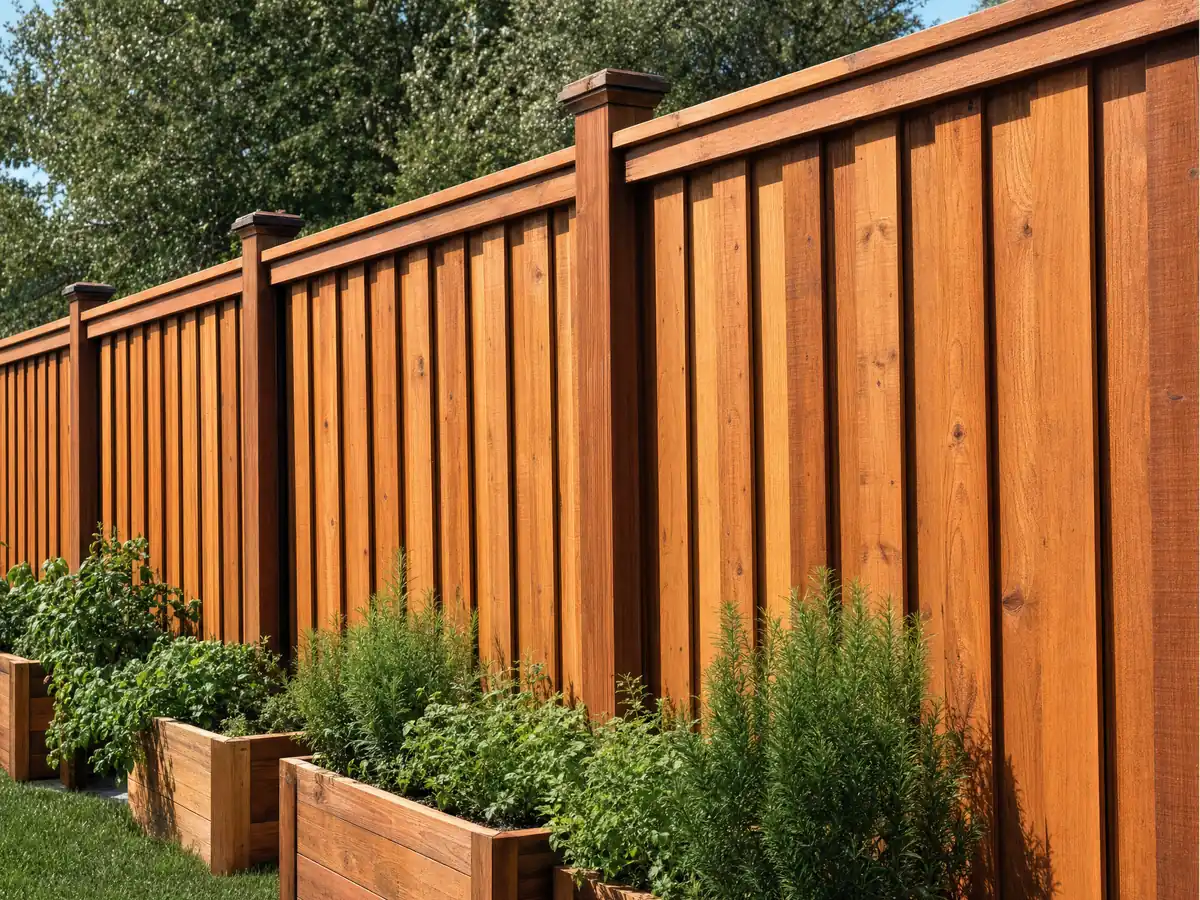
Chain link is the restricted one. Section 6.04.18 allows it only in the RPD, MPD and P-F zoning districts, generally along side and rear lines behind the front setback and screened, and it may also be used with swimming pools and tennis courts or where the law requires it. Barbed wire, razor wire and electric fencing are banned outside the MPD zone. Wood, vinyl, masonry and ornamental metal are not restricted by material in the passages we read, but the design rules below apply to all of them.
Perimeter walls and fences must be architecturally treated on both sides, so a bare back face turned toward a neighbor or street does not pass, and every 100 feet of continuous perimeter wall needs a landscaped recession 5 feet deep and 6 feet long. Wood near soil is also a termite question. The University of California's pest guidelines say drywood termites are most common in southern California and attack decks and fences, so pick resistant wood or a concrete footing where posts meet the ground. Santa Ana wind exposure matters for solid panels, but we found no Fillmore wind rule for fences.
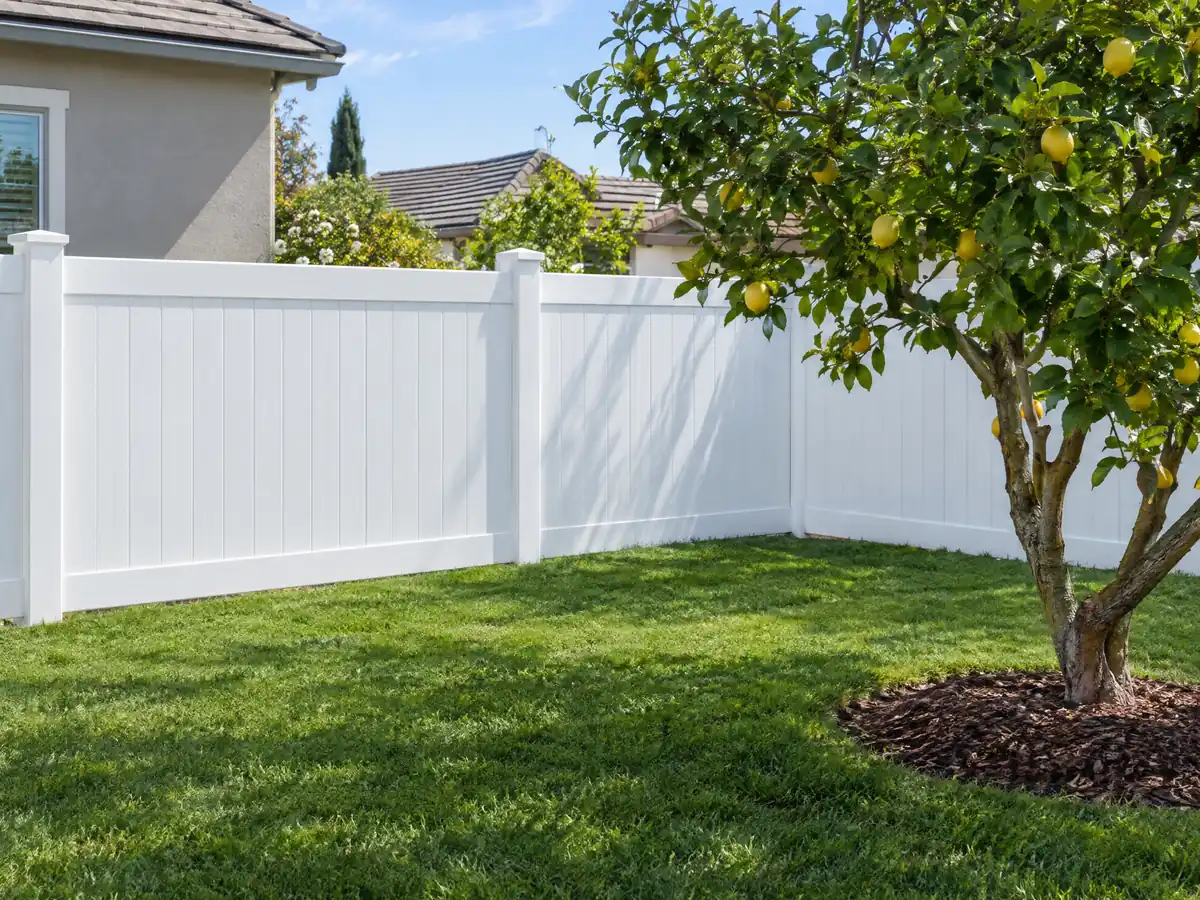
Do block walls and retaining walls in Fillmore follow different rules than fences?
Yes, they carry lower permit lines. Under Section 105.2 as amended, masonry or concrete walls not over 3 feet high are exempt, and so are retaining walls up to 3 feet from the top of the footing to the top of the wall unless they hold back a surcharge. The 2003 handout says 4 feet for retaining walls, which conflicts with the 2025 code text, and the current code controls, so use 3 feet and confirm. Its concrete block sheet adds that Planning must approve the wall plans before a permit is issued.
Footings are the other difference. The City sets building footing depth by the soil's weighted expansion index and requires an engineer's design above an index of 130. Those amendments are written for buildings, so we cannot say whether a tall wall footing triggers a soil report; ask. On license class, CSLB class C-13 covers fences and gates but excludes masonry walls, which fall to a C-29 masonry contractor. Our fencing price page explains why a block wall quote is a separate line from the wood and iron work.
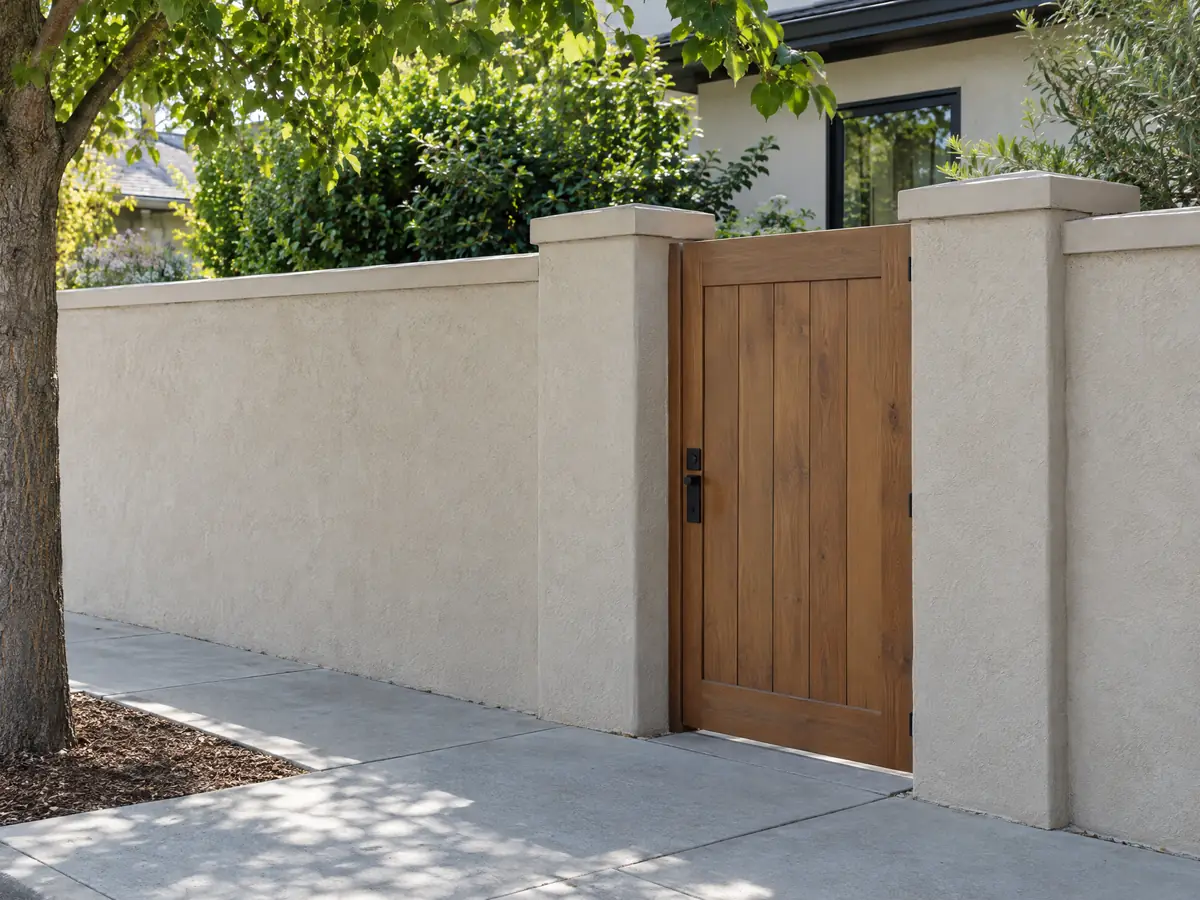
How close can a fence go to a fire hydrant, a water meter or the street, and who pays for a shared fence?
The City's 2003 concrete block handout, a scan read by OCR, says no wall or fence may stand within 36 inches of a fire hydrant, and no wall, fence or foundation within 12 inches of a water meter. A fence, pole, sign or structure placed in the street right-of-way needs an encroachment permit from Public Works under Section 11.12.020, and the City Engineer decides a complete application within 60 days. Confirm the property line before you dig.
For a shared fence, California Civil Code 841 presumes neighbors share the cost of a fence on the boundary when both use it, and a neighbor who plans to spend must give 30 days' written notice before incurring costs. That presumption can be rebutted. If a neighbor objects, the safest steps are a survey, a written estimate shared with the neighbor and a signed agreement. Our concrete page for Los Angeles shows how another city treats footings beside a lot line.
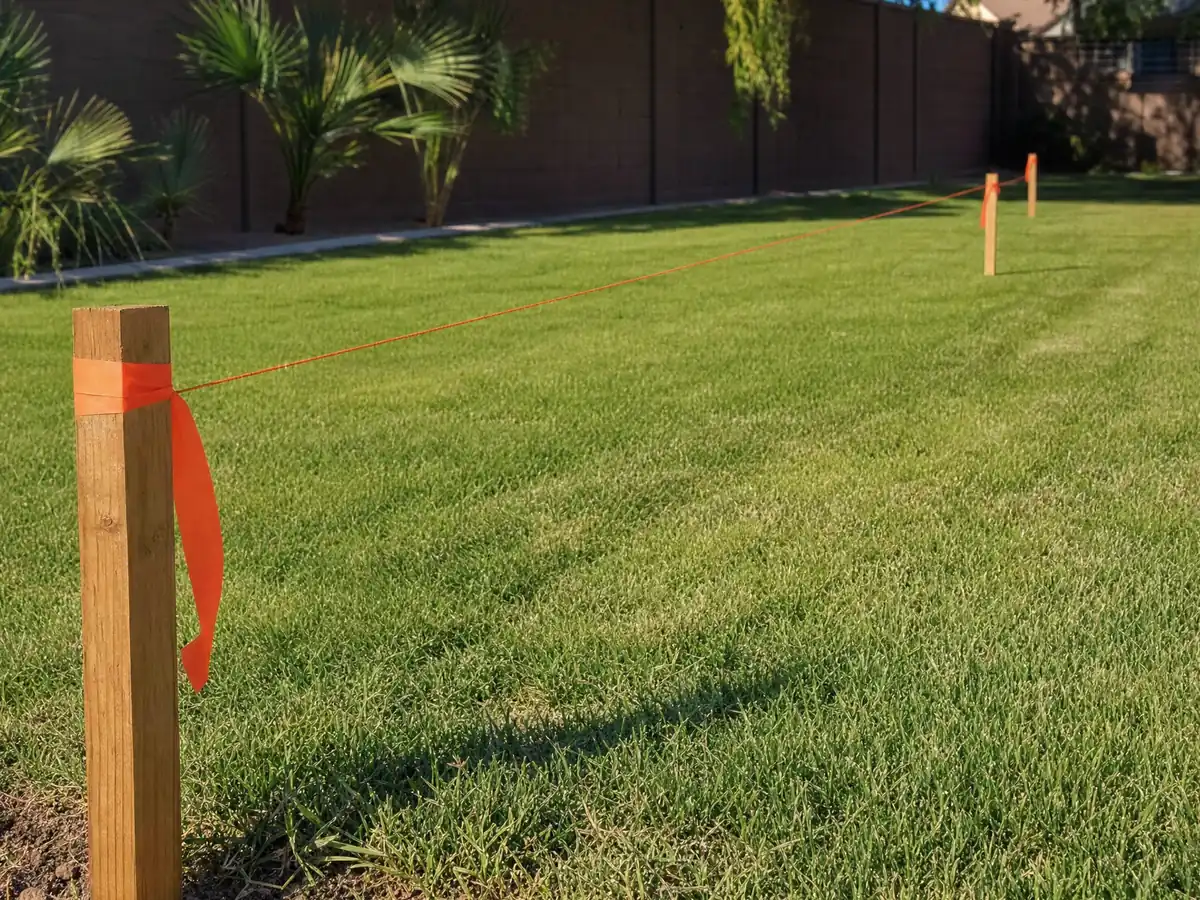
How do pool barriers, foothill slopes and the Santa Clara River floodplain change a Fillmore fence?
A pool barrier is a safety device, not a privacy fence. The City's 2003 pool-enclosure handout, read by OCR, shows a barrier at least 60 inches high, no gap that passes a 4-inch sphere, self-closing and self-latching gates that open away from the pool, and door alarms on house doors with direct pool access. The City has since adopted the 2025 International Swimming Pool and Spa Code, and the current code controls, so get the barrier checked against it before the pool plan is approved.
Foothill lots are different again. Land at 15 percent slope or more needs a Development Permit with soils, geology and hydrology reports and is capped at 35 feet or two stories. A fence alone may not count as development, but a retaining wall or grading beside it may, so ask Planning. On the valley floor, the General Plan (circa 2003) says a levee protects the western edge along Sespe Creek, many properties south of River Street are in the 100-year floodplain, and Chapter 6.16 has alluvial fan and Zone AO standards. Ask whether a solid wall in a mapped flood area needs openings.
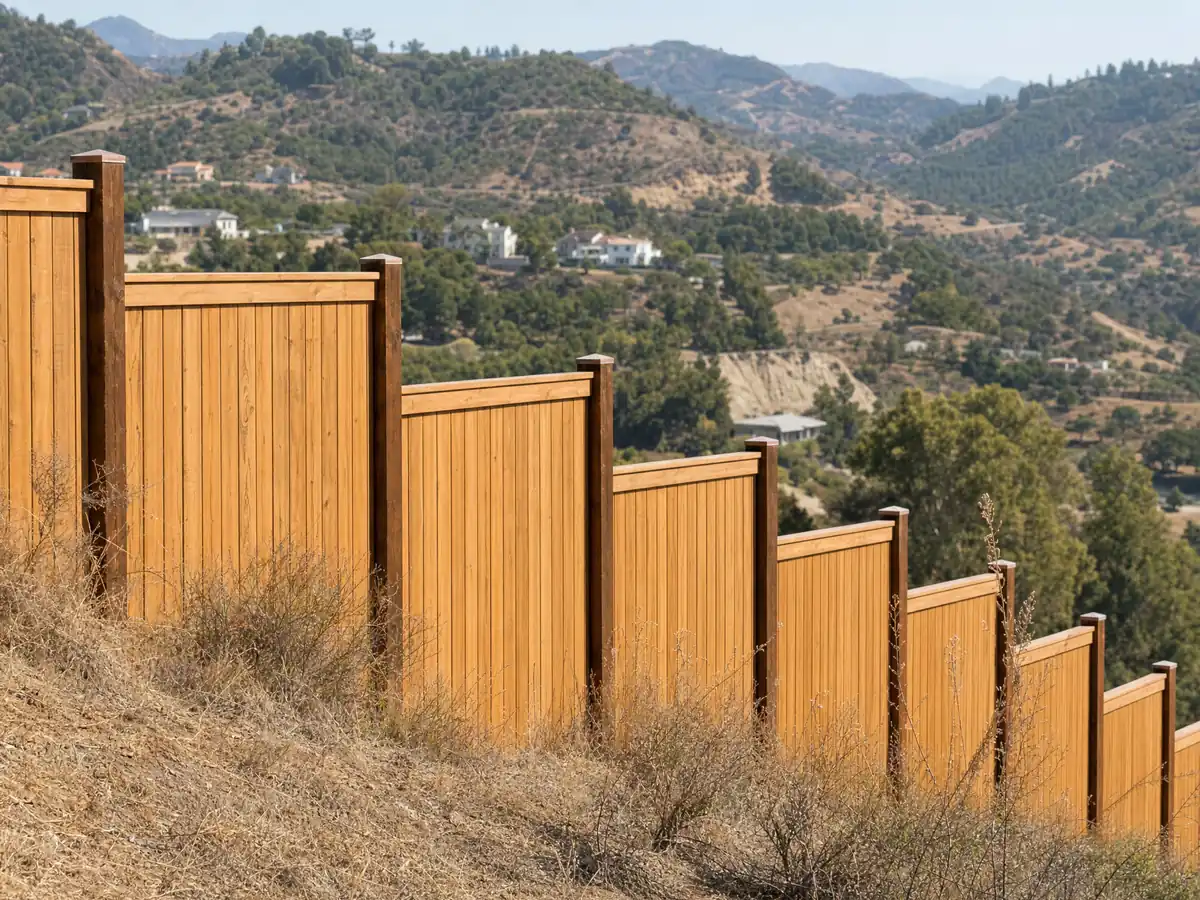
How much does fence installation cost in Fillmore, and who should build it?
We found no independent Fillmore fence price survey, so the numbers below come from Los Angeles sources. Angi's Los Angeles page, updated August 4, 2026, shows $15 to $60 per linear foot, with an average near $29. Combining Angi, HomeGuide, Thumbtack and Fixr, a 6 foot wood or vinyl privacy fence runs about $25 to $55 per foot installed, chain link $12 to $30, and aluminum or ornamental iron $35 to $85. That puts a 100 foot backyard run at roughly $2,500 to $5,500, and 200 feet at about $5,000 to $11,000. Federal data put fence erector wages in the Los Angeles area at $28.00 an hour in May 2025, a check on labor, not a price.
Gates, tear-out of an old fence and block walls cost extra, and we found no independent per-foot source for block walls. Ask for a written proposal that separates posts, panels, gates, hauling and any permit work. The contract rules are the same as on every home improvement job: a signed written contract, a deposit capped at $1,000 or 10 percent, whichever is less, and payment tied to finished work. Ask any fence company, us included, for each subcontractor's license and certificate of insurance, and read the article on how general contractors use subcontractors first.
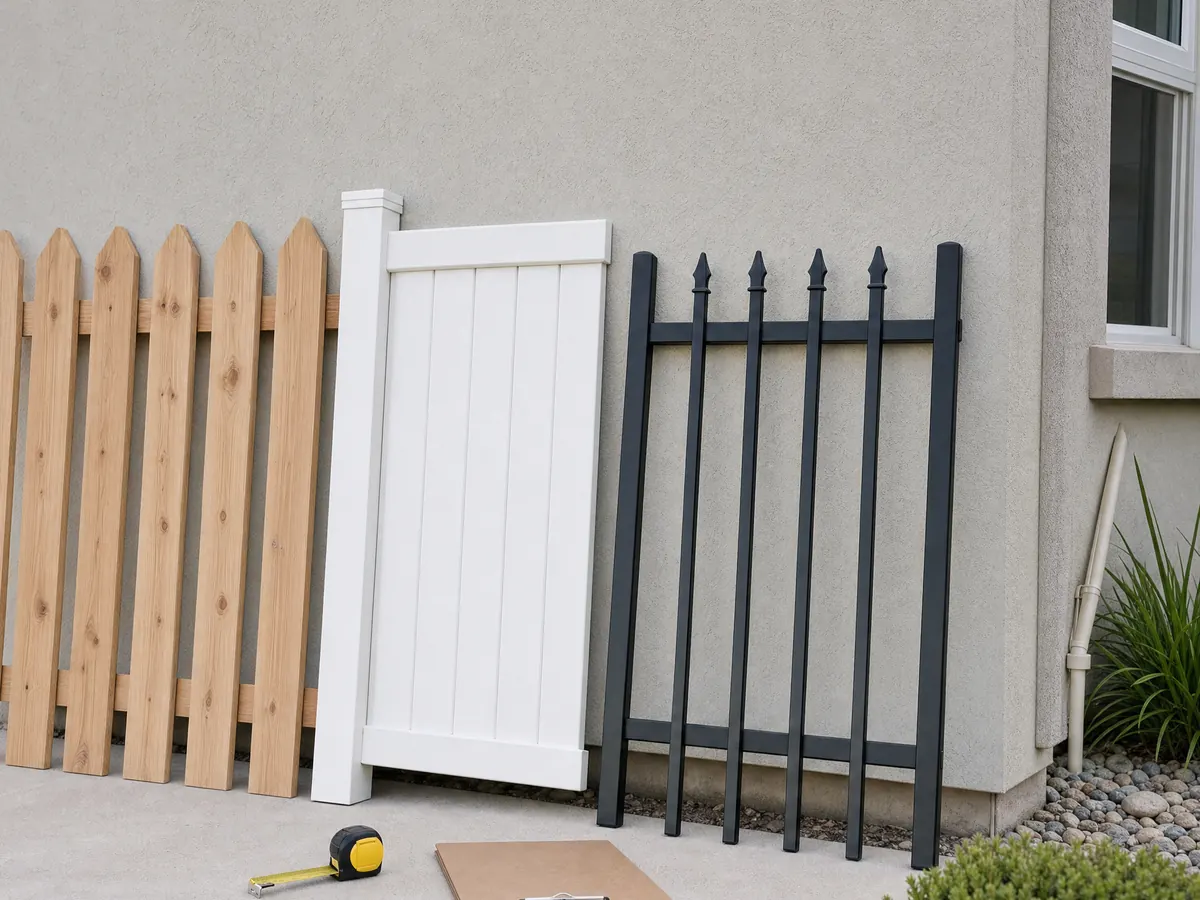
Fence and gate photos from Fillmore and nearby communities
Fence and gate scenes tied to Fillmore streets near downtown, North Fillmore and Rio Vista Park and to nearby Bardsdale, Piru and the Sespe Creek corridor, from wood privacy runs to hillside steps.
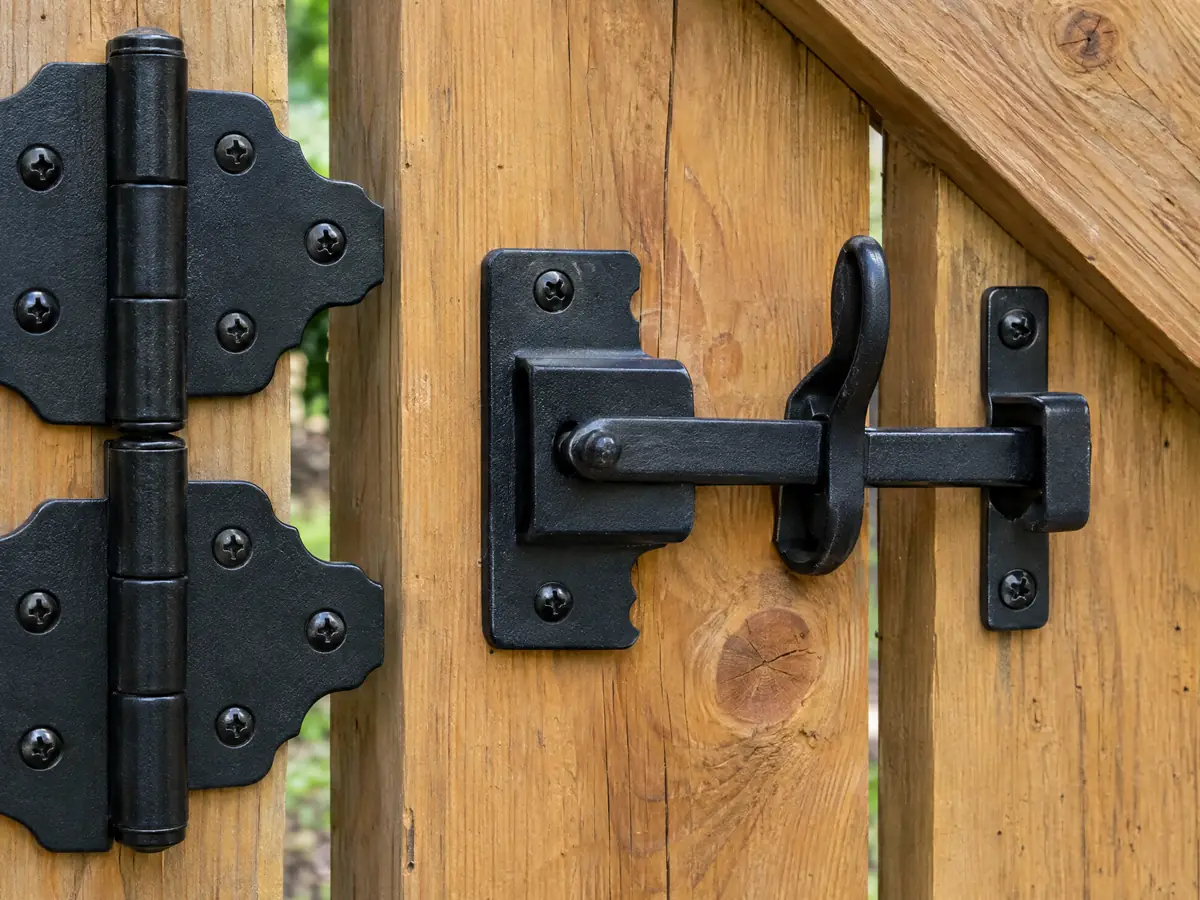
Where the Los Angeles fence numbers come from
The Los Angeles ranges come from four published sources with a federal wage check, and the full table with each one is on our fencing price page. Fences usually sit beside other yard work, so see the Fillmore roofing page and house painting page for work on the house itself. Fence installation in Los Angeles shows how a big city writes height rules, while Pasadena and Glendale each write their own, so their heights do not carry over to Fillmore. Every trade we offer in town is on the Fillmore overview.
| What it covers | Typical range |
|---|---|
| Wood or vinyl privacy fence, 6 feet | $25 to $55 per linear foot |
| Chain-link | $12 to $30 per linear foot |
| Aluminum or ornamental iron | $35 to $85 per linear foot |
| Typical 100-foot backyard run | $2,500 to $5,500 total |
| Block walls, horizontal slat fences, gates and openers, hillside lots | Set by the written proposal |
Fillmore fence questions, answered
Do I need a permit to build a fence in Fillmore?
Not up to 6 feet, as the amended code is read on a third-party mirror, though zoning limits still apply. Fences over 6 feet, masonry or concrete walls over 3 feet and retaining walls over 3 feet need permits, and a pool barrier has its own code. Confirm with Building & Safety, because the City's own code page was not available to us.
Can I put up a 7ft fence?
Probably not without special approval. Fillmore's zoning caps fences at 6 feet, or 8 feet only when the Director requires it, and the building code exempts fences only up to 6 feet. A 7 foot run is above both lines. Ask Planning before you order materials, and measure from the higher lot's finished grade.
How tall can my front fence be in Fillmore?
Thirty-six inches inside the required front setback, the street-side setback and any traffic safety-sight area. Behind those lines a fence or hedge may reach 6 feet, or 8 feet when the Director requires it. The City's 2003 handout, read by OCR, agrees on 3 feet in the front yard. Ask Planning for your zone's setback distance.
How much should a 100 ft fence cost?
Roughly $2,500 to $5,500 for a 6 foot wood or vinyl privacy fence installed, based on Los Angeles sources. Angi's Los Angeles page shows $15 to $60 per foot, and its own 100 foot row is lower than its average. Gates, tear-out and uneven ground add to it, and we found no Fillmore survey.
How much does it cost for 200 feet of fencing?
About $5,000 to $11,000 for 200 feet of 6 foot wood or vinyl privacy fence, which is double the 100 foot range from the same Los Angeles sources. HomeGuide's own 200 foot range is $4,000 to $12,000. Chain link runs lower and iron or aluminum runs higher. A written proposal that lists posts, panels and gates is the only real price.
Does your neighbor have to pay for half the fence in California?
Usually the law presumes they share the cost of a boundary fence that both of you use, under Civil Code 841, but the presumption can be rebutted. A neighbor who wants to charge you must give 30 days' written notice before spending money. Talk first, share a written estimate, and ask for a signed agreement.
What is the maximum height of a retaining wall without a permit in California?
The state model list exempts retaining walls up to 4 feet, but Fillmore's amended code text says 3 feet from the top of the footing to the top of the wall, unless a surcharge is present. The City's 2003 handout says 4 feet, which conflicts. Use 3 feet inside Fillmore and confirm with Building & Safety.
Do you need a permit to build a block wall in California?
Not always. Fillmore's amended code exempts masonry or concrete walls up to 3 feet, so a taller block wall needs a permit, and Planning must approve block wall plans first per the City's 2003 handout. Block walls belong to a C-29 masonry contractor, not a C-13 fence contractor, so ask who is licensed to pour the footing.
Can chain link fence be used in Fillmore?
Only in some places. Zoning Section 6.04.18 allows chain link in the RPD, MPD and P-F districts, generally along side and rear lines behind the front setback and screened, and with swimming pools and tennis courts. It is not listed for ordinary residential front yards. Ask Planning which zone your parcel is in before pricing it.
How do I choose a fence company in Fillmore?
Check the CSLB license, ask for the zoning and permit plan in writing, and compare line-itemed proposals. A fence contractor holds class C-13, while block walls need a C-29 holder. Read the contract for the deposit cap, written change orders and a subcontractor box, and ask any company, us included, for license numbers and insurance certificates.
Plan your fence project in Fillmore
Send the street, the length and height you have in mind, and whether the line faces a street, a pool or a slope. We check the front setback, the hydrant and meter clearances and the flood questions before the site visit.