
Roof Repairin Santa Paula, CA
Roof replacement in Santa Paula must use a Class A covering on any new building and on any reroof that recovers 50 percent or more of the roof, according to municipal code Section 150.036(C), and the City's permit form has a Class A only box. Wood shakes are banned. Re-roofs usually go through the Building & Safety counter.
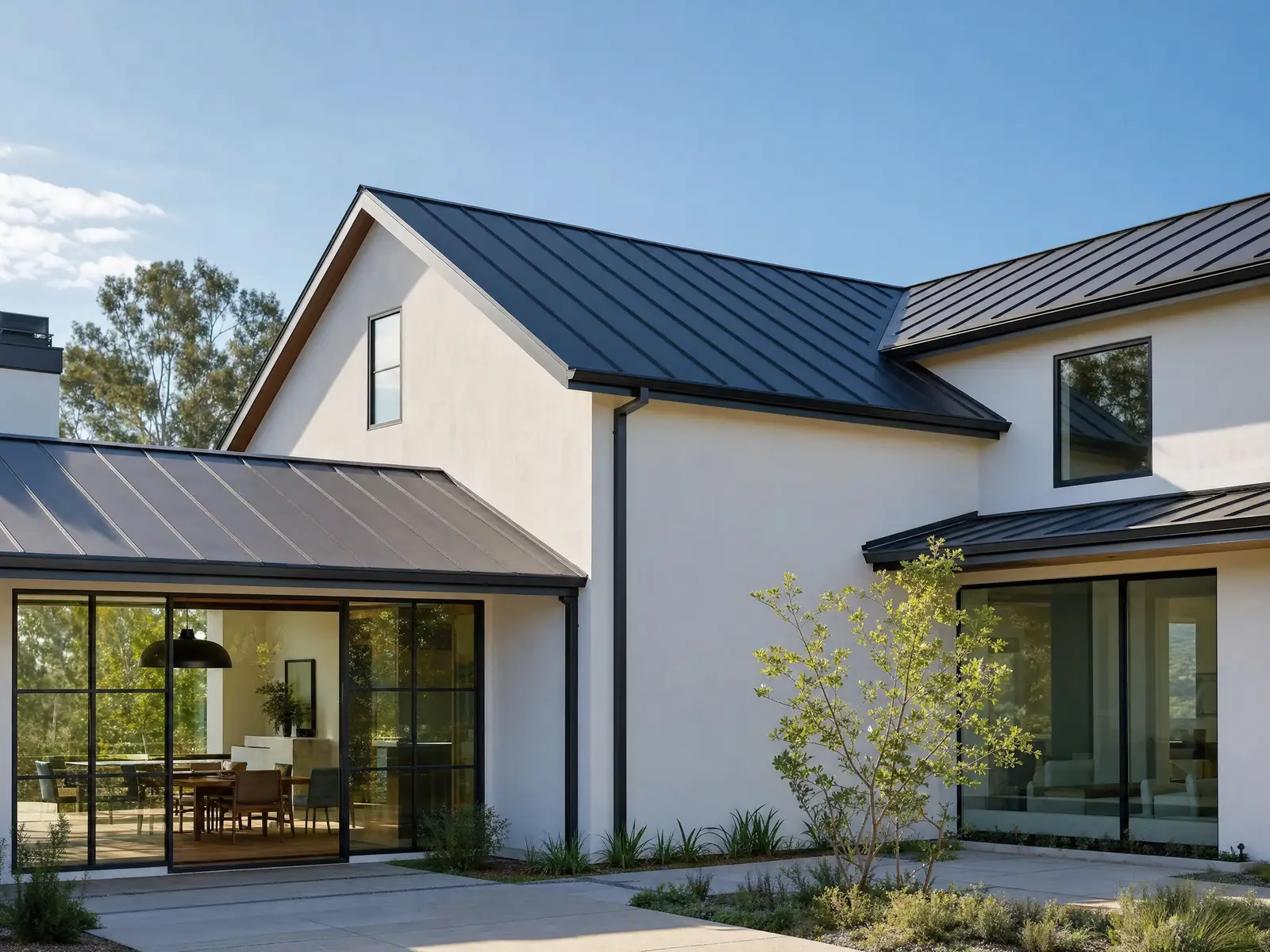
Santa Paula has no weather station of its own, so NOAA's 1991 to 2020 normals have to be read from two neighbors. Camarillo Airport, 9.6 miles away on the coastal plain, averages 12.01 inches of rain a year, and Ojai, 11.2 miles away in an inland valley, averages 20.68 inches. The city sits between them, with a wet winter, a bone-dry July and August at Camarillo and roofs that can bake in summer. A repair or a replacement here is also a fire-code question, because the municipal code asks for Class A roofing on every new building and on any reroof of 50 percent or more.
The housing stock shows why roofs matter. Census Bureau ACS 2024 five-year estimates count 10,149 housing units, 61.3 percent of them single-family detached homes, and 50.6 percent were built before 1970. MDG Builders (CSLB #1040337) takes a roof job as the general contractor: we write the scope, file the City permit and run the schedule, and a licensed C-39 roofer we hire does the tear-off and the install. Our roofing page has the sourced price table, the Santa Paula city overview lists the other trades, and the guides for Ventura, Oxnard and Moorpark show how each neighbor's rule differs.
What Santa Paula's code, permit form and fire authority say about roofs
Where roofing permits come from in Santa Paula: City of Santa Paula Community and Economic Development Department, Building & Safety Division.
- Santa Paula requires Class A roofing: Section 150.036(C) says all new buildings must have Class A roof coverings, and when 50 percent or more of an existing roof is recovered Class A must be used. If the existing structure cannot carry a Class A covering, Class B may be approved with the consent of the fire official or building official. Wood shake and wood shingle roof coverings are prohibited.
- The City's Building Permit Application has a roof permit section with a CLASS 'A' Only checkbox, boxes for lift and reset or overlay, the number of existing layers, underlayment layers and weight, pitch and squares, so a reroof is permitted on the standard application sent to buildsafe@spcity.org.
- The City's list of work that needs a permit includes new or replacement roofs and chimney repairs, and the FAQ says re-roofs can usually be permitted over the counter without plans.
- Rooftop solar has two City routes: the Solar page links an automated Symbium platform for instant plan review under SB 379, and the mirror's Section 16.40.160 says rooftop solar needs only an administrative permit with at most one inspection unless the system fails or a separate fire safety inspection is required.
- The mirror adopts the 2025 California Wildland-Urban Interface Code in Section 150.200 (Ord. 1349). The City's ADU guidebook still names the 2015 International Wildland-Urban Interface Code, and this research did not read the roofing or vent provisions of either, so ask Building and Safety what the hillside edge of town requires beyond Class A.
- Under Ordinance 816 (the City's Historic Preservation Ordinance as posted), ordinary maintenance is work that does not change design, material or external appearance. Reroofing in a different material on a designated landmark or a property in a historic district is therefore an alteration, which needs a Certificate of Appropriateness from the Historic Preservation Commission.
- A 1990 Historic Preservation Commission action approved nine minor modifications that the Planning Director or Building and Safety Director can approve without a commission hearing on landmarks and historic district properties: replacement in kind of an exterior feature, address numbers, seismic retrofit, commercial and industrial building color changes, hardware, small plaques, foundation repair, landscaping and drinking fountains.
- The City's attached patio cover handout limits a light roof to 6 pounds per square foot, assumes 10 psf dead load and 10 psf live load, and says stucco finishes or roofing over 6 psf need engineering. It shows normal-weight options such as 300-pound rock or gravel over three layers of 15 lb felt on slopes under 2:12, or manufacturer's composition shingle assemblies over 2:12.
Sources for these rules
- gocodebook.com: chapter 150 building regulations
- spcity.org: Building Permit Plan Review Application PDF
- spcity.org: Building and Safety Frequently Asked Questions PDF
- spcity.org: Solar
- spcity.org: City Council Ordinance 816 Historic Preservation PDF
- spcity.org: Process for Approving Minor Modifications to Historic Landma
- spcity.org: 2022 Patio Cover Attached

Does roof replacement in Santa Paula have to be Class A, and when does the 50 percent line start?
Yes for most jobs. Section 150.036(C) of the municipal code requires Class A roof coverings on every new building, and on an existing roof whenever 50 percent or more of it is recovered. Wood shake and wood shingle coverings are prohibited outright. The sentence we read says nothing about a smaller patch, so a roofer should measure the area first and write the percentage into the proposal.
There is one escape hatch. If the existing structure cannot carry a Class A covering, Class B may be approved with the consent of the fire official or building official. Neighboring Ventura sets its roof rule differently, as the Ventura roofing guide explains.
We read the code on GoCodebook, a third-party mirror labelled the 2026-10 edition, because the City's official code library refused our request. The mirror puts the Class A text inside a subsection that amends the 2016 California Fire Code, while the other state codes beside it are 2025 editions adopted by Ordinance 1349 on November 5, 2025. We could not confirm that the Class A sentence carried into the current edition, though the City's present permit form still has a Class A only box. Confirm with Building & Safety at 805-933-4218 before ordering material.
- The roof area in squares and the share of the roof being recovered
- The fire class of the finished assembly, written as Class A
- Whether the old covering is wood shake or shingle, which cannot go back
- Any structural reason Class A would not fit, with the official's consent in writing
Put the percentage of roof being recovered in the contract, because 50 percent is where the Class A rule begins.
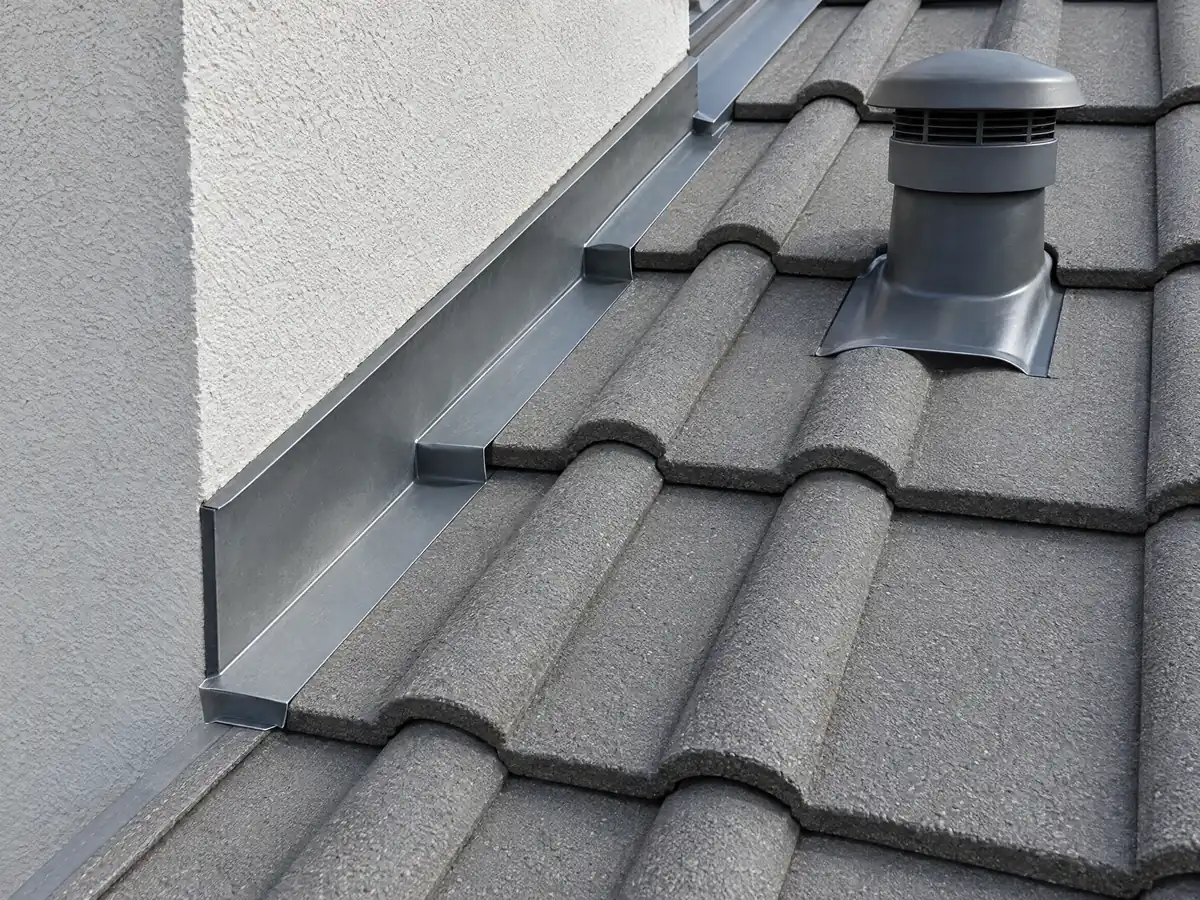
Does roof repair in Santa Paula need a permit, and what does the City's form ask for?
A roof replacement does. The City's list of work that needs a permit names new or replacement roofs and chimney repairs, and its FAQ says re-roofs can usually be permitted over the counter without plans. The Building Permit Application has a roof section with the Class A only checkbox, boxes for lift and reset or overlay, the number of existing layers, underlayment layers and weight, pitch and squares. Completed applications go by email to buildsafe@spcity.org.
Small repairs are a gray area. The permit list we read is a Word file dated November 7, 2002, and we found no square foot threshold for patches in it or in the FAQ. Ask the counter whether a leak repair that reaches the sheathing needs a permit before anyone climbs up. The Building & Safety Division page lists counter hours of 8 a.m. to noon and 1 to 4:30 p.m. Monday through Friday, says the offices close every other Friday and sets a 4:00 p.m. cutoff for next-business-day inspection requests.
Only the Master Fee Schedule adopted January 3, 2017 turned up, and it lists a flat $228 for simple scope items such as a re-roof. Treat that figure as a floor, because the schedule may have been updated since.
Ask for the roof section of the form to be filled in from the proposal, so squares, layers and Class A are already written down.
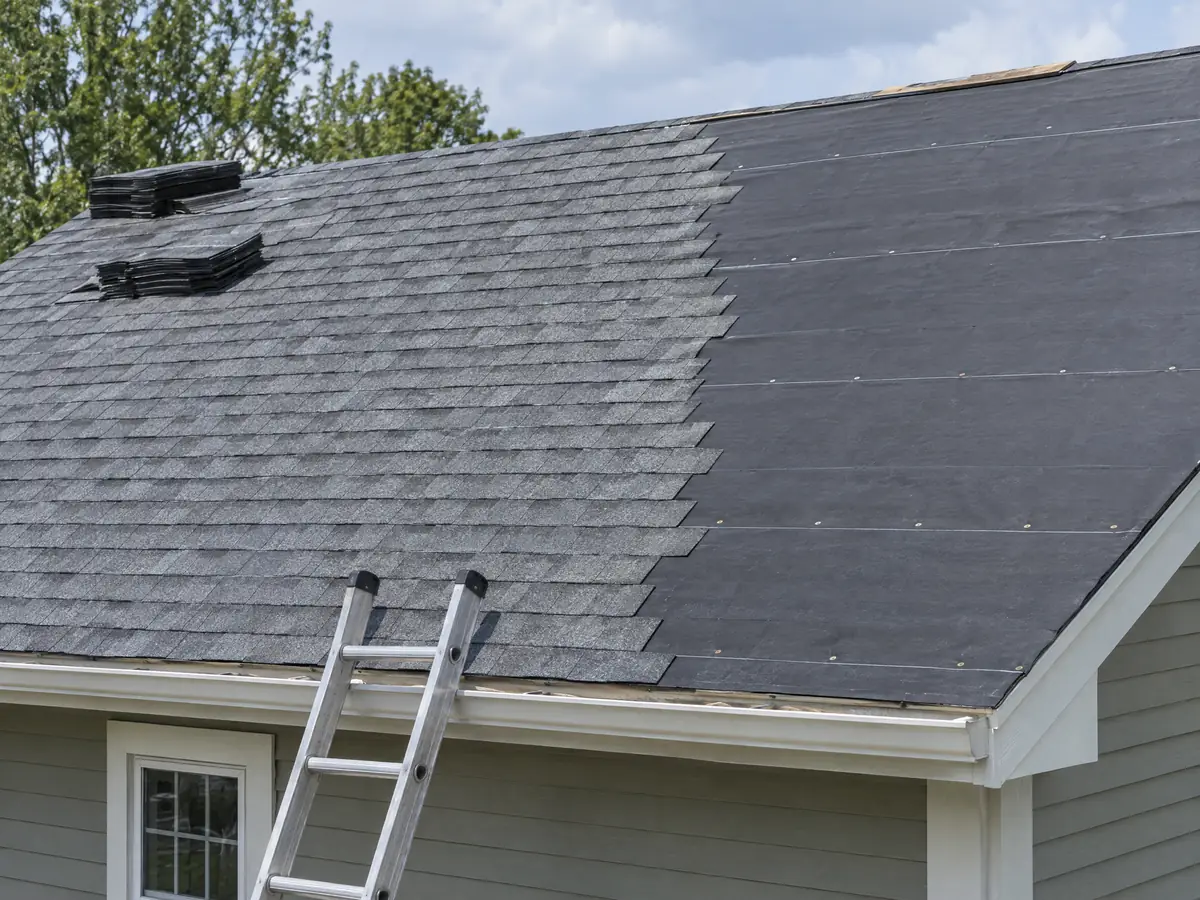
Is my Santa Paula house in a fire zone, and which fire code applies to the roof?
Ventura County Fire is the only fire authority here, because the City has no fire department of its own. The City's Fire page lists Station 26 on West Main Street and Station 29 on South 10th Street, and the ADU guidebook tells applicants to send plans separately to the county department, whose inspectors visit during construction alongside City inspectors.
The General Plan says some areas along the northern city boundary sit in the Very High Fire Hazard Severity Zone, and the 2015 County plan estimated that about 4.5 percent of residents lived in it. Those figures predate CAL FIRE's updated Ventura County maps of March 2025, released after the Mountain Fire burned nearly 20,000 acres just south of Santa Paula and Fillmore. We did not open the parcel-level map. The Thomas Fire of December 2017 began near Thomas Aquinas College, north of the city.
The mirrored code adopts the 2025 California Wildland-Urban Interface Code in Section 150.200, while the City's ADU guidebook still names the 2015 International version and Section 150.035 still lists the 2016 California Fire Code. We read none of the roof or vent provisions in those books. Ask Building & Safety what the hillside edge needs beyond Class A, and ask County Fire which fire code edition it applies.
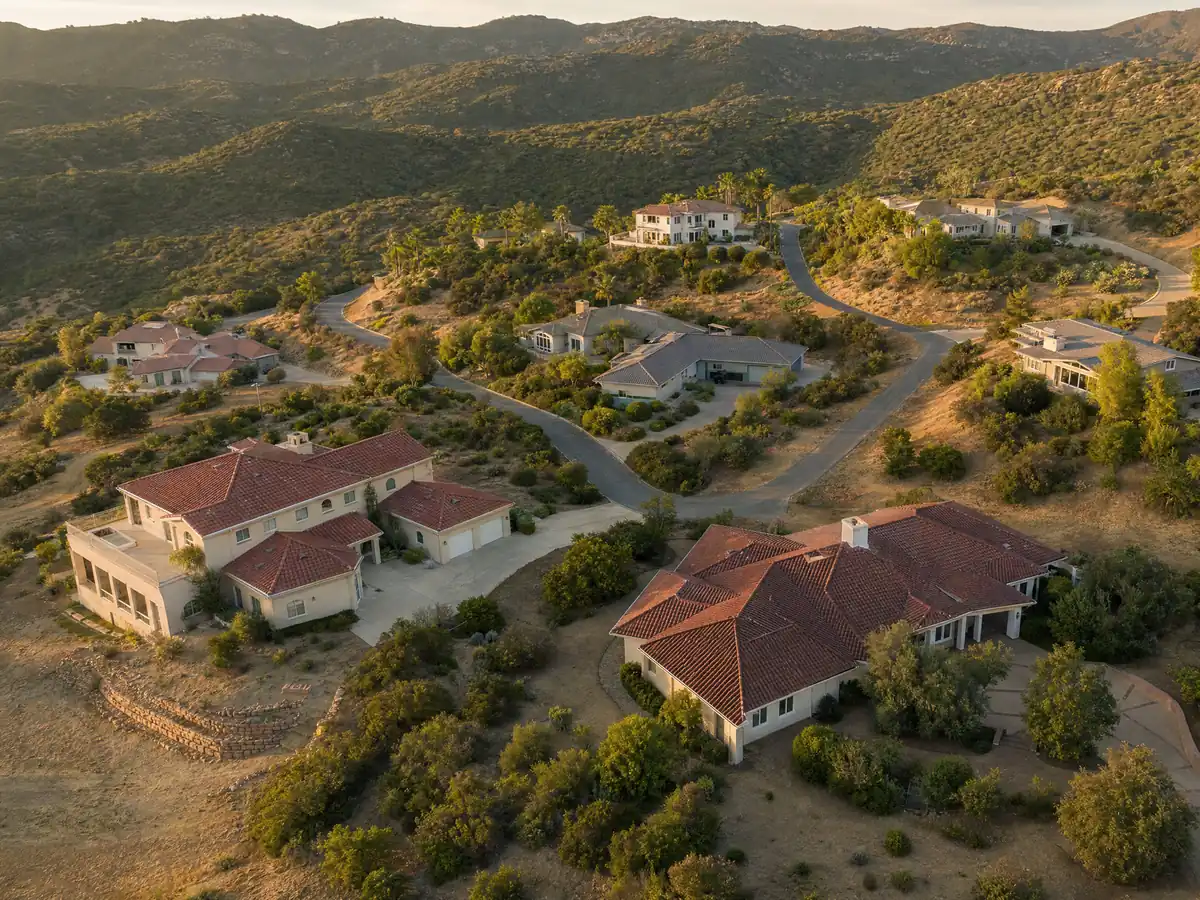
What do Santa Paula's 1920s bungalows and 1960s tract roofs mean for a re-roof, and does the Historic Overlay apply?
Santa Paula's roofs are layered like its history. The community was founded in 1872, oil turned up in 1880, Union Oil was founded here in 1890 and the city incorporated on April 22, 1902. The General Plan says the downtown and nearby areas hold buildings from 1873 to 1945 and that most buildings date from the 1920s, 1950s and 1960s. ACS 2024 five-year estimates put 15.1 percent of homes before 1950, 50.6 percent before 1970 and 72.6 percent before 1980, and the City's 2023 Housing Element says staff estimate about 40 percent of the stock needs repair or replacement.
The General Plan names the McKevett Heights tract of the 1920s, with its late California Bungalows and Period Revivals, and The Oaks of the mid-1920s as residential areas of particular historic importance. Under Ordinance 816, ordinary maintenance is work that leaves design, material and appearance unchanged, so a like-for-like reroof is generally maintenance, while a switch from shingle to tile on a designated landmark or in a historic district is an alteration that needs a Certificate of Appropriateness from the Historic Preservation Commission.
The Zoning Map is an image file we could not read, so we cannot say which streets sit inside the Historic Overlay District. Ask Planning at 805-933-4214 before signing for an older house near downtown. A 1990 commission action lets staff approve nine minor modifications without a hearing, replacement in kind among them.
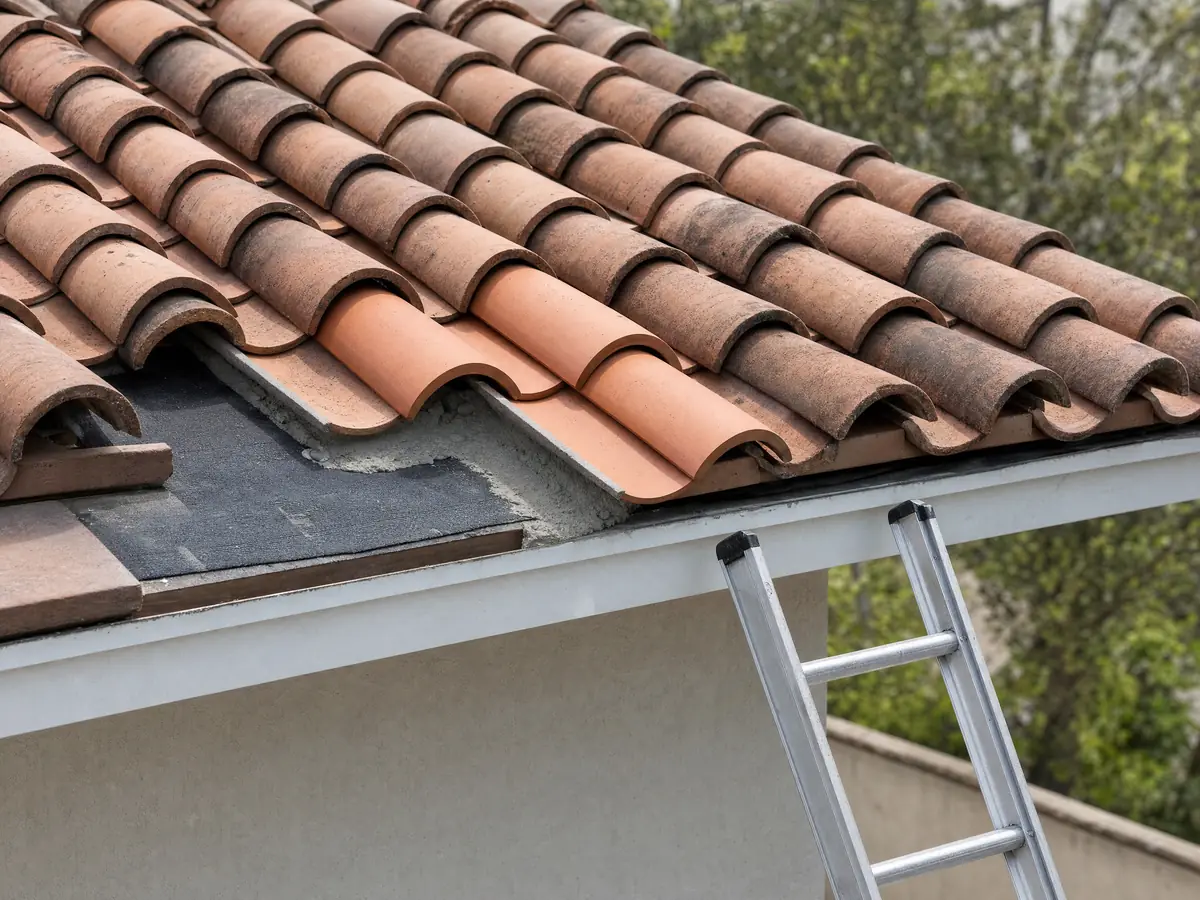
How do winter rain, the Santa Clara River floodplain and earthquakes shape a Santa Paula roof?
Rain is concentrated. Camarillo Airport shows 9.46 of its 12.01 yearly inches from December through March, and Ojai shows 16.62 of 20.68. The City's undated Fast Facts page cites 18.7 inches. Summer heat splits the two stations too: 9.0 days a year at 90 F or above at Camarillo against 75.4 at Ojai. A fair inspection looks hardest at flashing, valleys, underlayment and the deck after a wet winter.
The ground matters for bigger jobs. The General Plan puts 2,197 housing units, 31 percent, in the 100-year floodplain, and the 1928 failure of the St. Francis Dam flooded the town. Chapter 151 asks for the lowest floor to sit at least one foot above base flood elevation on a substantial improvement, meaning work costing 50 percent or more of the structure's market value. A roof alone rarely gets there, but a roof bundled with a large remodel can.
Shaking is rated violent or extreme in the General Plan, and the City's design values list seismic design category D2 or E. KCLU reports significant damage in Santa Paula in the 1994 Northridge earthquake, and a FEMA-funded program funded in December 1999 retrofitted nearly all of about 100 downtown masonry buildings by 2004. On a house the practical question is weight: ask whether a heavy covering such as tile needs anything from the framing, and keep the answer in the permit file.
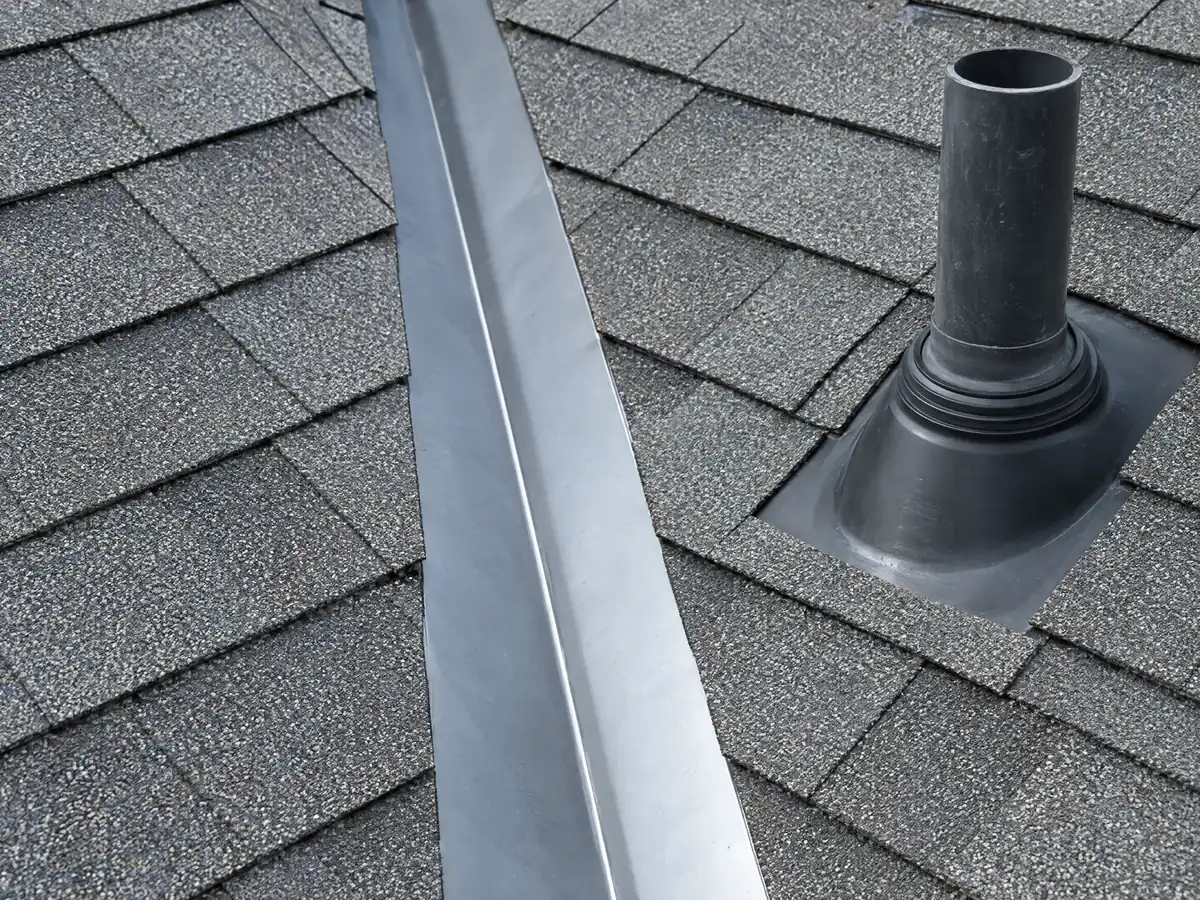
How much does roof replacement cost in Santa Paula, California?
We found no Santa Paula roof price survey, so this page prints no Santa Paula price. The nearest independent figures are for Los Angeles. Angi's July 2026 page, built from what its customers paid, gives a typical range of $10,256 to $24,963 with an average of $17,271, and $4 to $12 per square foot for asphalt, $7 to $15 for tile and $7 to $16 for metal. Remodeling magazine's 2025 Cost vs. Value report prices one fixed reference roof for Los Angeles at $36,417 in asphalt and $62,069 in metal and does not publish its size, which explains most of the distance between the two.
Price these lines apart: tear-off at $1,000 to $3,000 and removing and resetting solar panels at $500 to $1,000, both from Angi, plus any rotted deck at a unit price per sheet. Solar has its own City route, an automated Symbium review linked from the Solar page, and the code asks only for an administrative permit with at most one inspection. Class A can also change what you price, so have every bidder name the Class A assembly and not only a brand.
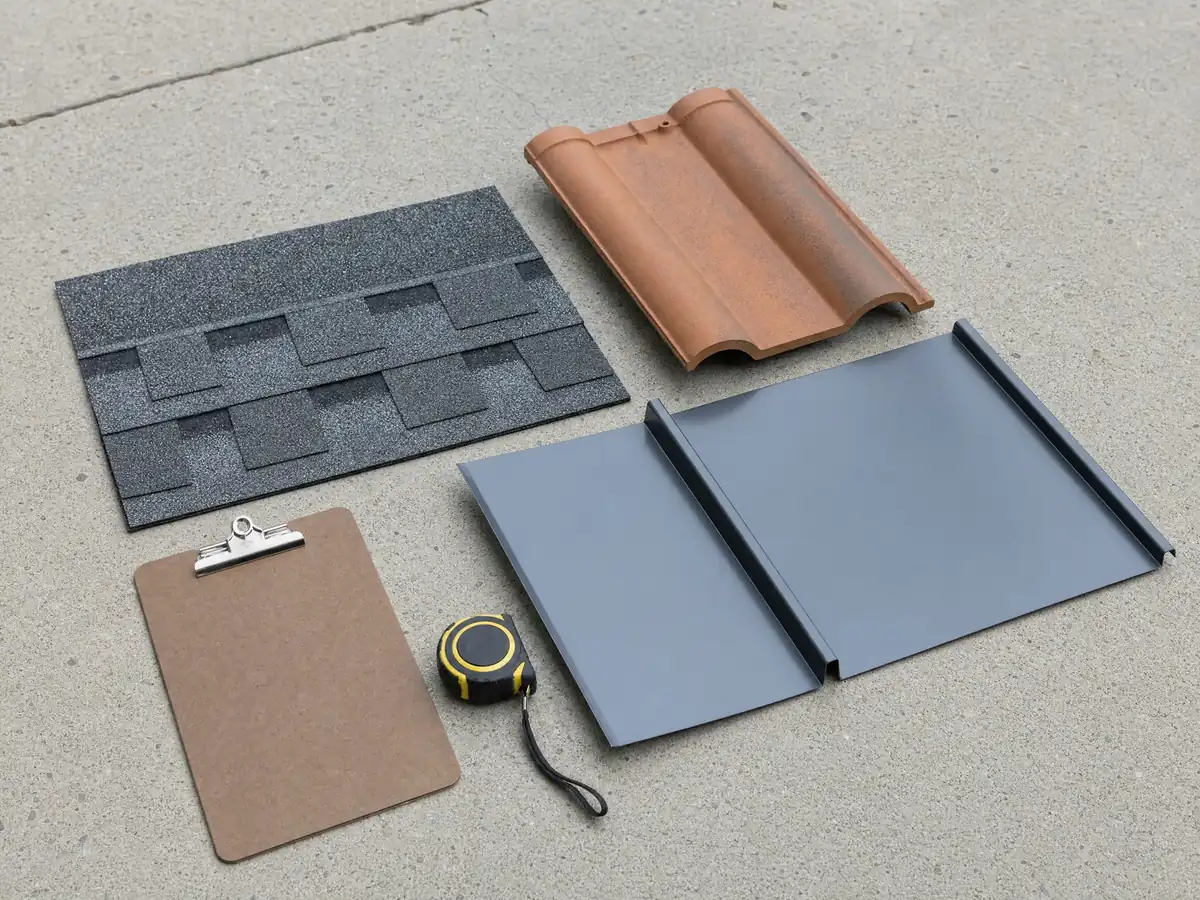
How do you choose a roofing company in Santa Paula for roof repair or roof replacement?
Roofing is CSLB class C-39. Look up the license on the CSLB site first, and our guide to checking a contractor's license explains each line of the record. Since January 1, 2025 unlicensed work is capped at $1,000, and the cap does not apply when any permit is needed, so a permitted re-roof always needs a licensed contractor. The City's permit form also asks for the state license number and tells every contractor and subcontractor to hold a City business license (805-933-4211), and the code has the Building Department confirm that before final clearance.
Business and Professions Code 7159.5 limits a down payment to $1,000 or 10 percent of the contract, whichever is less, and ties later payments to finished work. Whoever the roofer is, request the license number and a current certificate of insurance before the contract is signed, and read our note on how general contractors use subcontractors to see who answers for what.
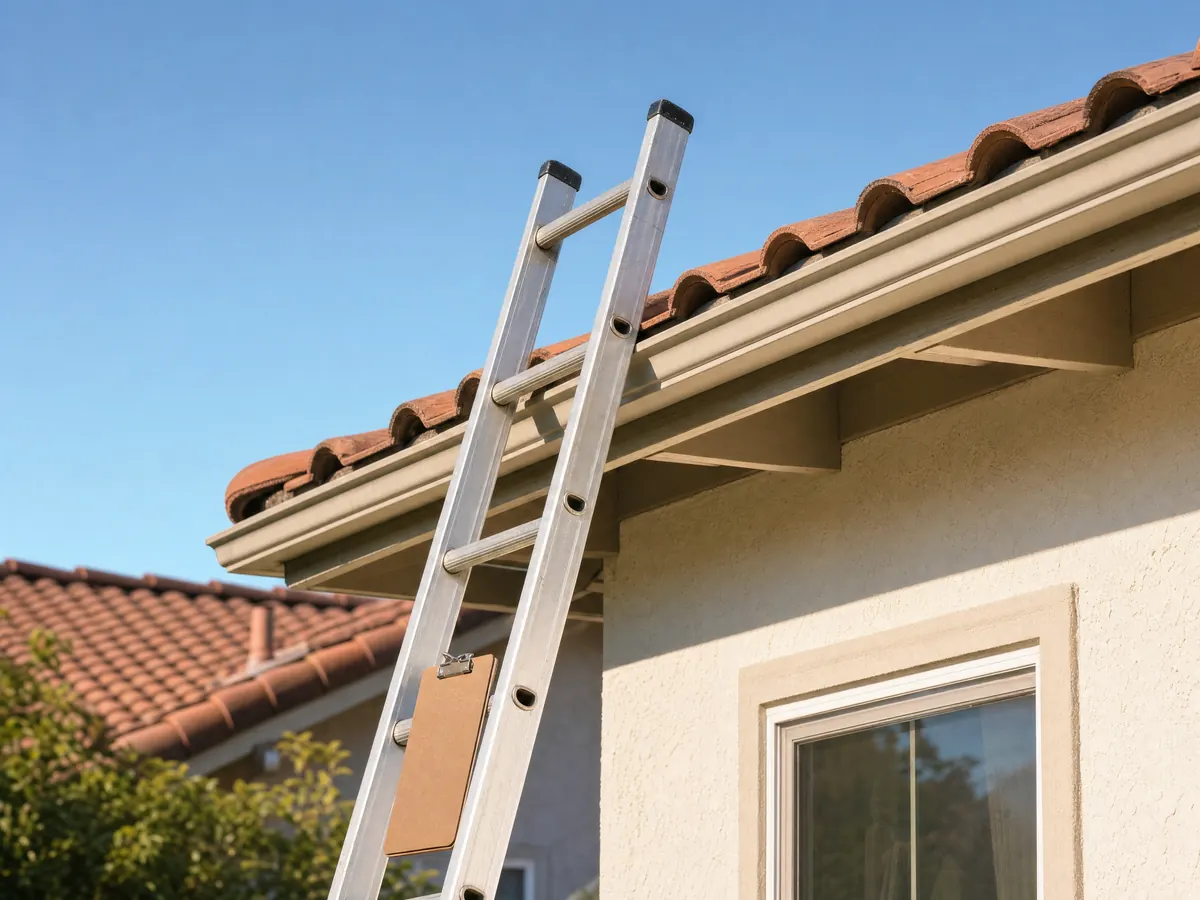
Roofing photos from Santa Paula and nearby communities
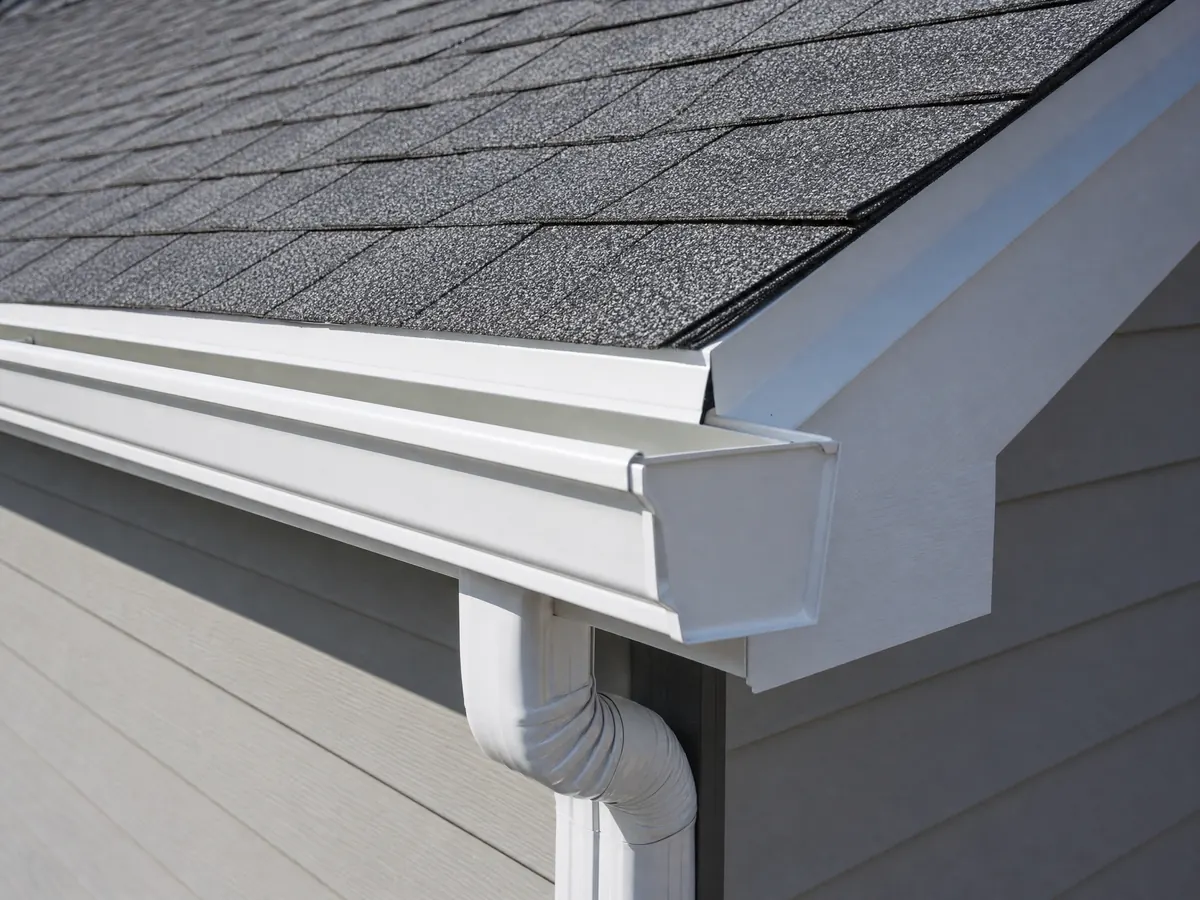
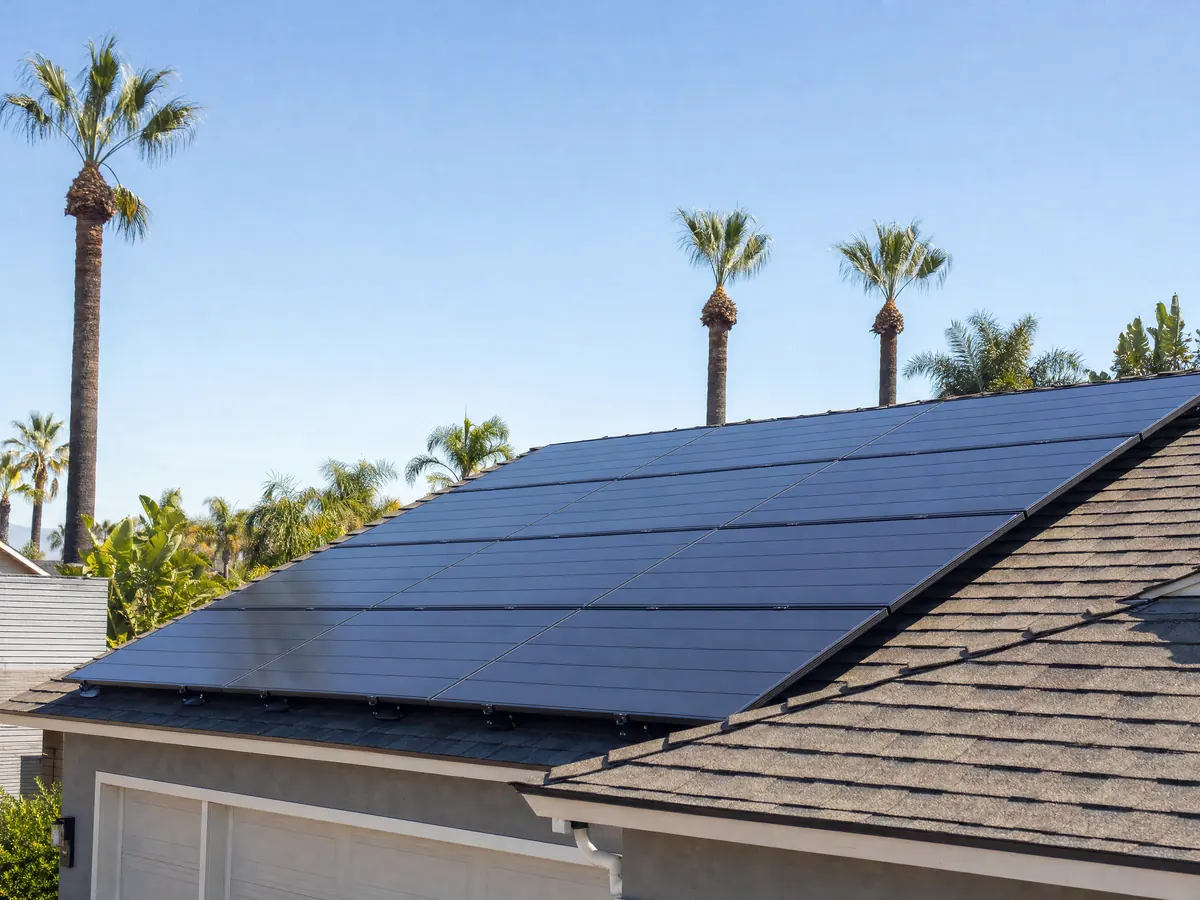
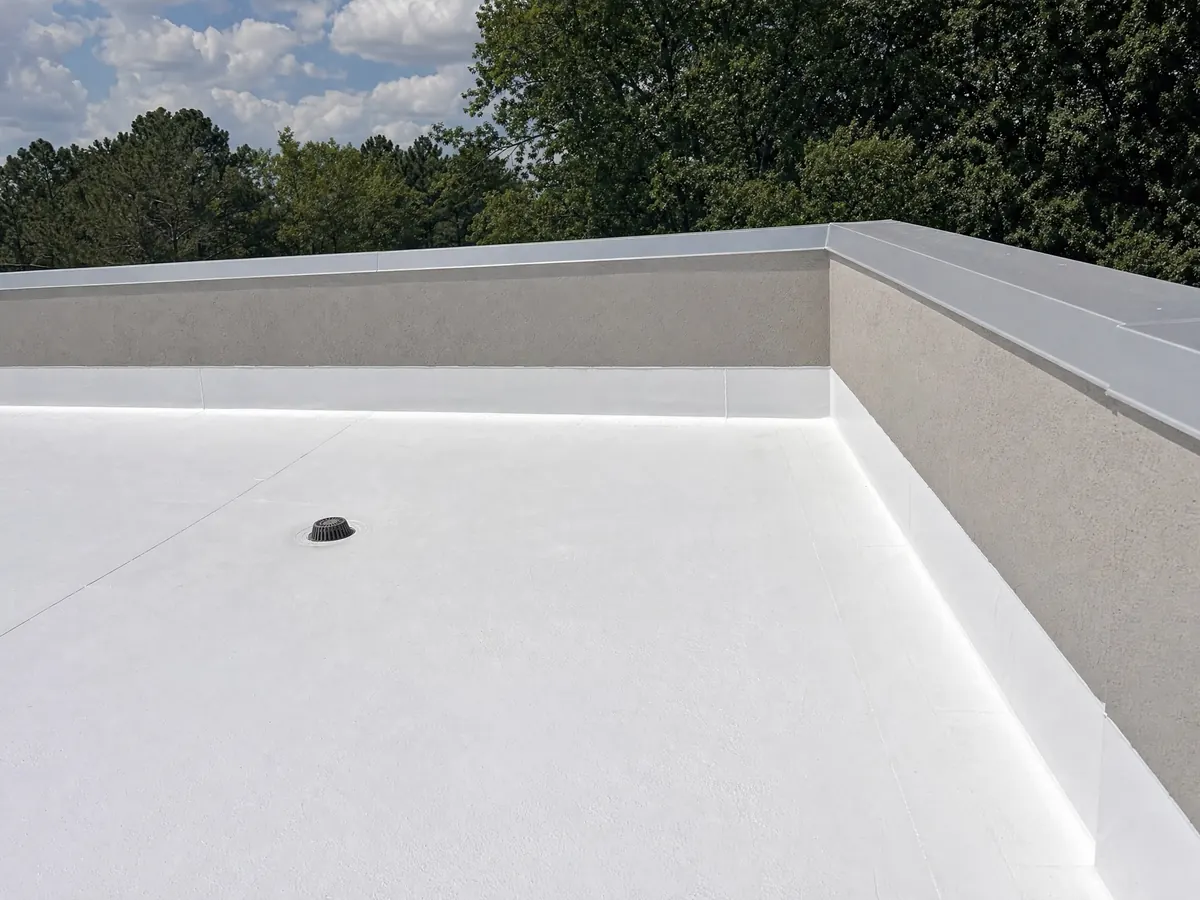
Six roofing scenes tied to Santa Paula places such as McKevett Heights, The Oaks and Mill Park, and to nearby communities such as Saticoy, Somis and Bardsdale, with tile, shingle and flashing work under the bright light of the Santa Clara River valley.
Sources behind the roof figures
Every dollar figure on this page comes from a Los Angeles source or the 2017 City fee schedule, and each is named with its date in the table on our roofing price page. The California roof cost guide explains why Angi and Cost vs. Value sit so far apart. New roofs are often paired with a fence or a repaint, and the Santa Paula rules for those are on the fencing page and the painting page.
| What it covers | Typical range |
|---|---|
| Asphalt shingle, typical single-family roof | $10,000 to $25,000 |
| Concrete or clay tile | $7 to $15 per sq ft |
| Metal | $7 to $16 per sq ft |
| Remodeling Cost vs. Value 2025, Los Angeles | Asphalt $36,417. metal $62,069. |
| Extras | Tear-off $1,000 to $3,000. solar detach and reset $500 to $1,000. |
Other work we manage in Santa Paula
Santa Paula roofing questions, answered
How much should a 2,000 sq ft roof cost in Santa Paula?
Price the roof by its area in squares, not by the size of the house. Angi's Los Angeles page, updated July 2026, lists asphalt at $4 to $12 a square foot, tile at $7 to $15 and metal at $7 to $16, with tear-off extra at $1,000 to $3,000. We found no Santa Paula survey, so a measured written proposal sets the real price.
What is the 25% rule for roofing?
We found no California or Santa Paula code section by that name, and the contractor pages that mention it rarely cite one. The local line we can point to is a different number: Section 150.036(C) requires Class A coverings once 50 percent or more of an existing roof is recovered. Ask Building & Safety how it counts that percentage.
Do I need a permit to replace my roof in Santa Paula?
Yes. The City's list of work needing a permit names new or replacement roofs, and its FAQ says re-roofs can usually be permitted over the counter without plans. The application goes by email to buildsafe@spcity.org and asks for squares, layers, pitch and the Class A box. The fee schedule we found dates from 2017, so ask for the current fee.
Does roof replacement in Santa Paula have to be Class A?
Yes for a new building and for any reroof covering 50 percent or more of the roof. Wood shakes and wood shingles are banned, and Class B is allowed only when the structure cannot carry Class A and the fire or building official consents. The rule sits in a code subsection we read on a third-party mirror, so confirm it with the City.
Can I put a wood shake roof on my Santa Paula house?
No. The municipal code prohibits wood shake and wood shingle roof coverings, and any new roof or reroof of 50 percent or more must be Class A. Ask the roofer which Class A products imitate the look of wood, and ask Planning about any historic-district limits on appearance before you choose a product.
Should I repair my roof or replace it in Santa Paula?
Condition decides, not age alone. Ask a roofer to photograph the flashing, valleys, underlayment and deck, and to state what share of the roof a repair would recover. Past 50 percent the Class A rule applies, so a very large repair can carry the same covering requirement as a replacement and may need the same permit.
Does rooftop solar need its own permit after a re-roof in Santa Paula?
Yes, solar has its own City route. The Solar page links an automated Symbium plan review, and the code asks only for an administrative permit with at most one inspection unless the system fails or a fire safety inspection is needed. Angi prices removing and resetting panels at $500 to $1,000, so budget it separately.
Can a general contractor do roofing in California?
A general contractor can manage a roofing job, but the shingles, tile or membrane go on under CSLB class C-39. The usual arrangement is a contractor who pulls the permit and hires a licensed roofer for the field work. Ask who will be on the roof, then check that roofer's license and insurance yourself on the CSLB site.
How much should you pay a roofing contractor up front?
No more than $1,000 or 10 percent of the contract, whichever is less. That cap is in Business and Professions Code 7159.5, and later payments must follow finished work under a written schedule. Ask for lien releases as you pay, and treat a request for a large deposit as a reason to compare other bids.
Can you stay in your house while the roof is being replaced?
Usually yes, since the work is outdoors, though expect noise and attic dust. Chapter 93 of the municipal code exempts construction from the sound limits only from 8 a.m. to 6 p.m. on weekdays, and it requires a notice of the limits at every site entrance. Ask where the dumpster, ladders and crew parking will go.
Ask for a roof inspection in Santa Paula
Tell us which part of town the house is in, the roof covering and any stain or leak you have seen. Before we call back we check the Class A question, the floodplain and the historic overlay for your lot.