
Concrete Companyin Arcadia, CA
A concrete company in Arcadia works around a tree ordinance that bars walls and impervious paving within at least 15 feet of a protected oak or sycamore. Walks and driveways on private property need no building permit, but zoning limits front-yard paving, and walls over 18 inches tall do need one.
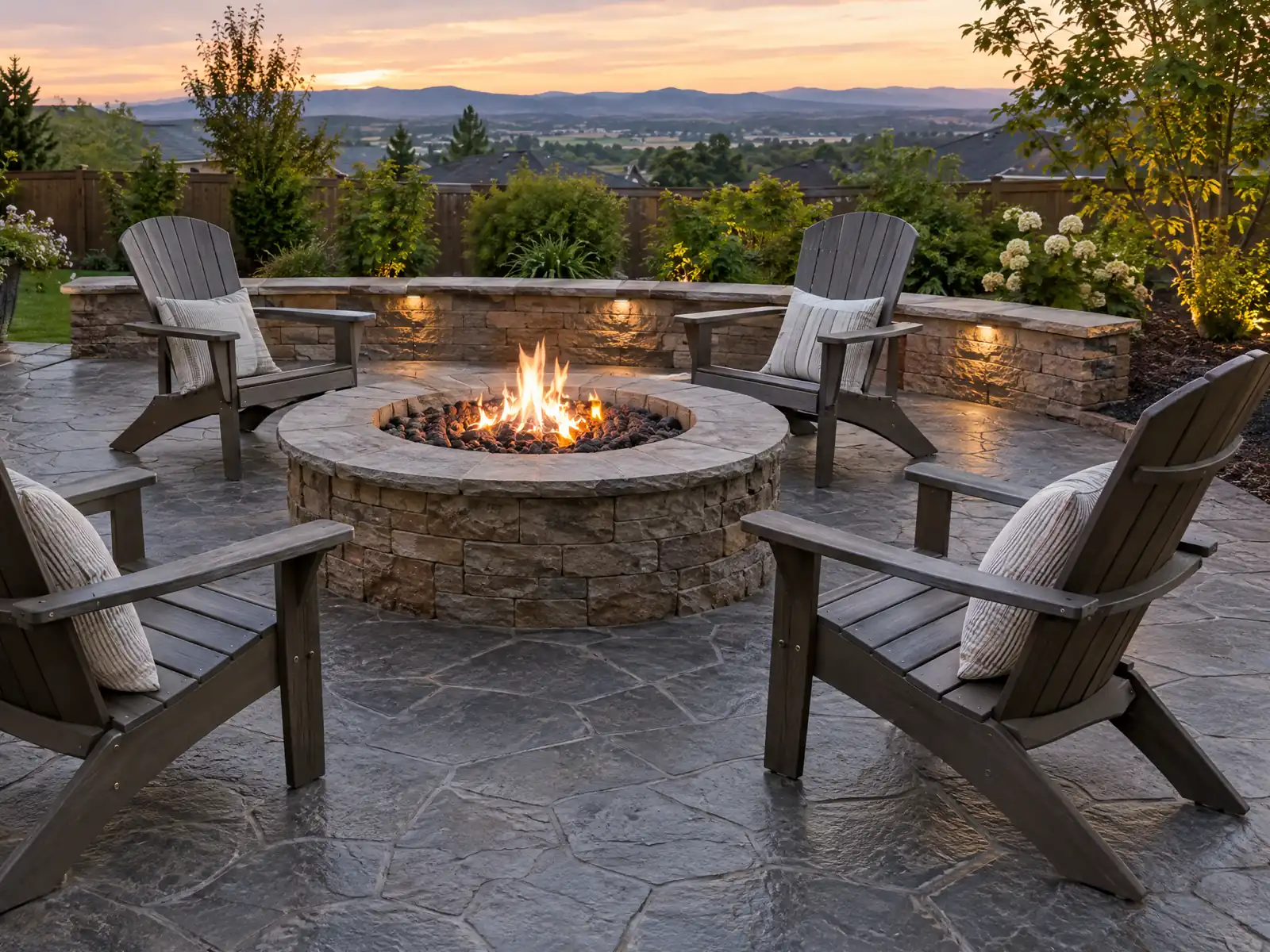
Arcadia's concrete sits on land that was ranch and farm before it was suburb. The General Plan says the city was incorporated in 1903 with Elias J. Baldwin as its first mayor, that the southern part moved from poultry and produce farms to moderately priced homes, and that over 10,000 homes were built between 1940 and 1960. The 2020 to 2024 census estimates count 69.0 percent of housing units as built before 1980 and 58.1 percent of occupied homes as owner-occupied, so postwar slabs, walks and driveways are now being replaced under tighter rules.
MDG Builders (CSLB #1040337) is a Tarzana general contractor. We write the pour scope, take the permit and zoning questions to Arcadia Building Services and Planning, and manage the schedule, while a licensed concrete subcontractor forms, places and finishes the slab. Slab types and sourced prices are on the concrete page, and the Arcadia overview lists the other trades we manage here.
What Arcadia's FAQ, parking chapter and tree ordinance say about concrete
Where concrete permits come from in Arcadia: City of Arcadia Development Services Department, Building Services Division.
- The City's FAQ lists walks and driveways on private property as work that does not need a building permit, but it says front-yard paving is restricted by zoning.
- The parking chapter requires driveways and parking areas to be paved with cement concrete; other materials, including brick, may be used only with Site Plan and Design Review approval by the Director. Single-family driveways are limited to 20 feet wide, with one driveway per lot (two for an approved circular driveway), at least nine feet wide, with a slope of 10 percent or less.
- Walkways and driveways together may occupy no more than 40 percent of the required front or street-side setback in R-M, R-0 and R-1, and the code allows no parking in front or street-side setbacks or in landscaped areas not designated as driveway or parking space.
- Driveways and drive approaches within the public right of way must be standard Portland cement concrete six inches thick with no variations in material, a driveway may not be built within three feet of a hydrant, pole, meter box or manhole, and driveway openings must be at least 14 feet 6 inches apart.
- Single-family homes under 5,000 square feet with up to four bedrooms must have two parking spaces in a garage, an enclosed two-car garage needs a 16-foot minimum opening, and lots under 100 feet wide may have no more than a two-car garage facing the street.
- Under the Tree Preservation chapter no wall or impervious paving may be placed within the protected zone of a protected tree, no grade changes or stored materials are allowed there, work inside the zone should be done with hand tools, and a six-foot chain-link fence must surround the dripline of each protected tree during construction.
- The Tree Preservation chapter treats fruit and nut trees, eucalyptus, palms and several other species as unprotected. Pruning a protected tree needs no permit but needs a written recommendation from a Certified Arborist.
- CSLB defines the C-8 Concrete classification as forming, pouring, placing, finishing and installing mass, pavement, flat and other concrete work, and placing and setting screeds for pavements or flatwork.
How close can new concrete go to a protected oak or sycamore in Arcadia?
At least 15 feet from the trunk, and farther where the protected zone is larger. The City's Tree Preservation chapter bars any building, structure, wall or impervious paving inside the protected zone of a protected tree, and sets that zone at no less than 15 feet from the trunk. Protected trees are coast live and Engelmann oaks over 4 inches in trunk diameter, other oaks over 12 inches, western sycamores over 6 inches and other mature trees over 12 inches growing in a required yard setback.
Work near one has its own rules. No grade changes or stored materials are allowed in the zone, digging there should be done with hand tools, and a 6 foot chain-link fence must ring the dripline during construction. Fruit and nut trees, eucalyptus, palms and several other species are treated as unprotected. Pruning a protected tree needs no permit but does need a written recommendation from a Certified Arborist, so a plan for roots that have lifted an old walk should start with an arborist.
We did not find a list of what may go inside the zone instead of paving, so ask Planning at (626) 574-5423 before drawing a replacement.
- Is any protected oak or sycamore within 15 feet of the pour or the footing?
- Who will hand-dig inside the zone?
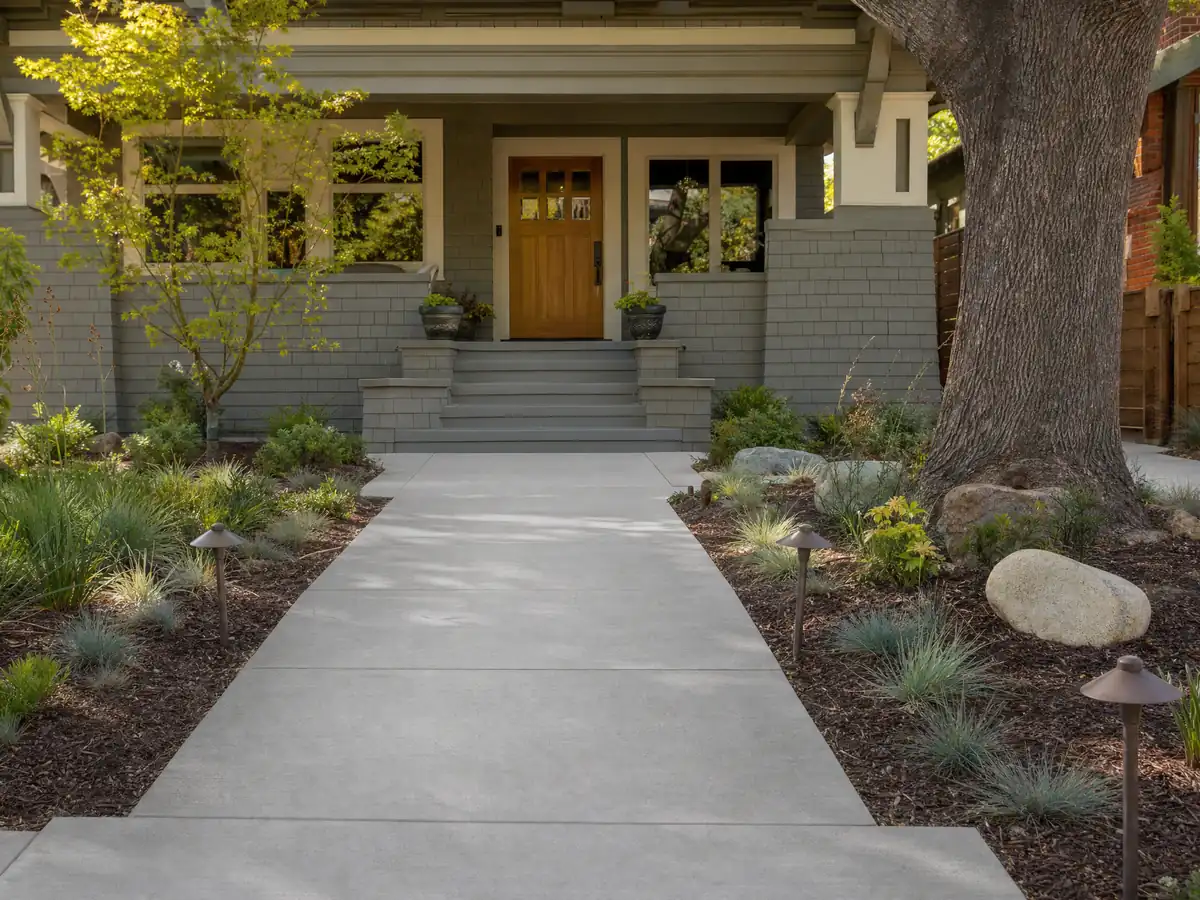
How wide, how steep and how much of the front yard can concrete cover in Arcadia?
Zoning answers all three. The parking chapter requires driveways and parking areas to be cement concrete, and allows brick or other materials only with Site Plan and Design Review approval by the Director. A single-family driveway may be up to 20 feet wide and must be at least 9 feet wide, with a slope of 10 percent or less and one driveway per lot, or two for an approved circular drive.
Walkways and driveways together may cover no more than 40 percent of the required front or street-side setback in the R-M, R-0 and R-1 zones, and the code allows no parking in those setbacks or on landscaping not designated as driveway. The City's FAQ says walks and driveways on private property need no building permit but that front-yard paving is restricted by zoning, so the permit exemption does not settle the layout.
Garage numbers shape the drive too. A house under 5,000 square feet with up to four bedrooms needs two garage spaces, an enclosed two-car garage needs a 16 foot opening, and a lot under 100 feet wide may face the street with no more than a two-car garage.
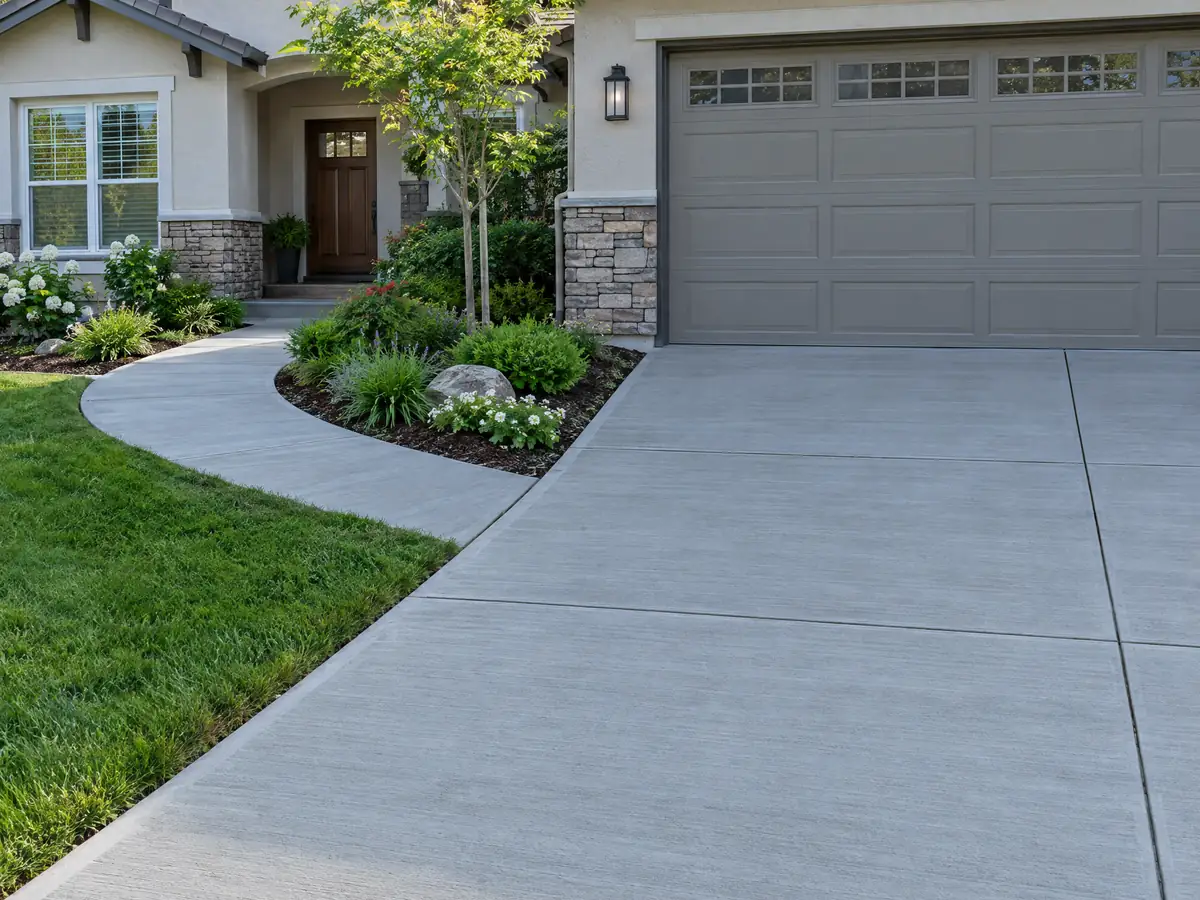
Which concrete work in Arcadia needs a permit, and how tall can a retaining wall be?
Flat work on private property usually needs none; walls are where the counter gets involved. The City's FAQ says walls over 18 inches tall need a building permit. The model state building code carries a separate exemption for retaining walls up to 4 feet, but we found no Arcadia statement adopting it, so treat any wall over 18 inches as a permit question until Building Services says otherwise.
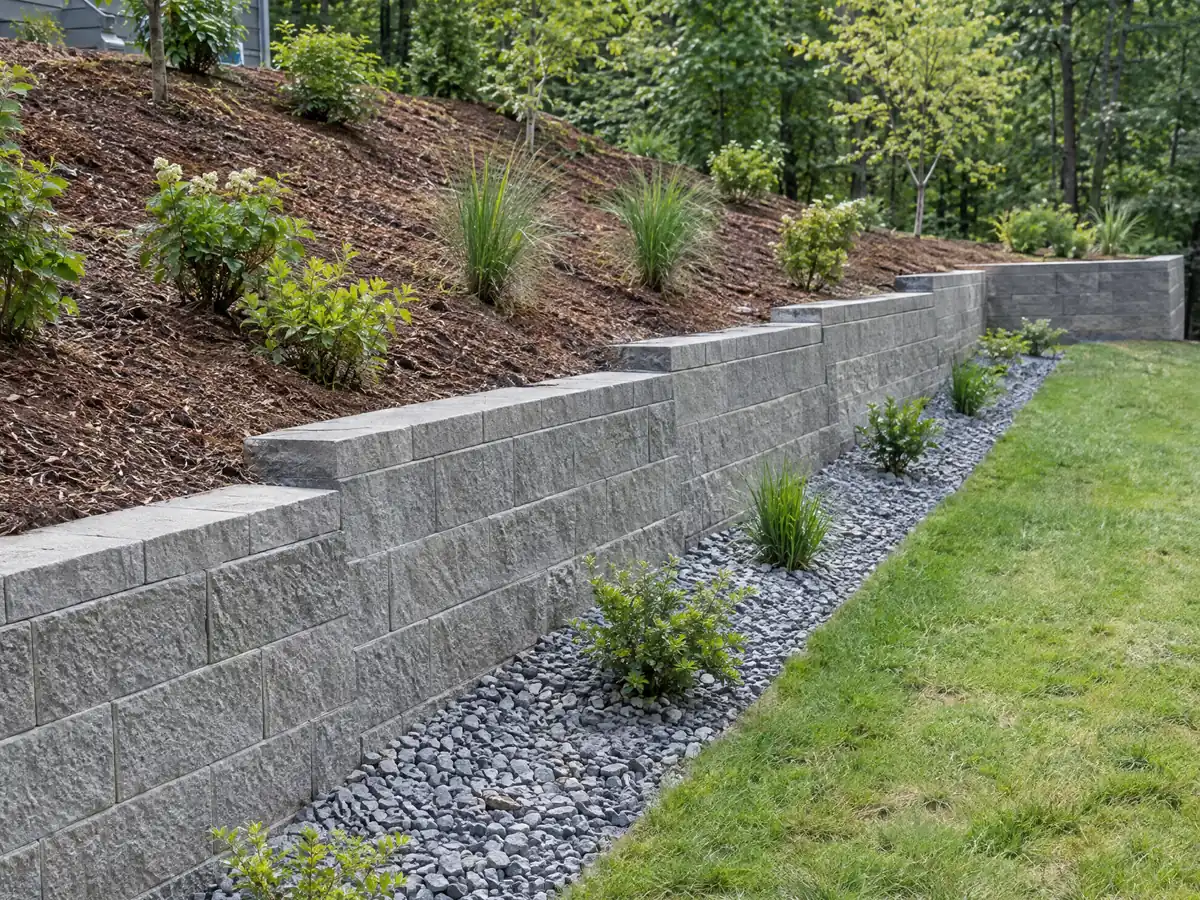
The City posts two scanned standards for masonry. The garden wall sheet covers 6 inch block walls from 2 to 6 feet high, and the retaining wall sheet lists heights from 2 feet 8 inches to 6 feet with a footing width and bar size for each and a 4 inch perforated drain pipe at the base. Both are undated scans we read from page images, so rely only on figures you can read yourself and confirm them with the counter before ordering steel. On hillsides, the Director and Building Official decide through Site Plan Review whether walls are needed and how tall.
New walls also go to Site Plan and Design Review under Section 9107.19 of the Development Code, with height measured from the lowest adjacent grade. Work in the public right of way is its own category: a driveway approach must be 6 inch Portland cement concrete with no variations in material, and may not sit within 3 feet of a hydrant, pole, meter box or manhole.
What should be checked in the ground before an Arcadia footing or slab?
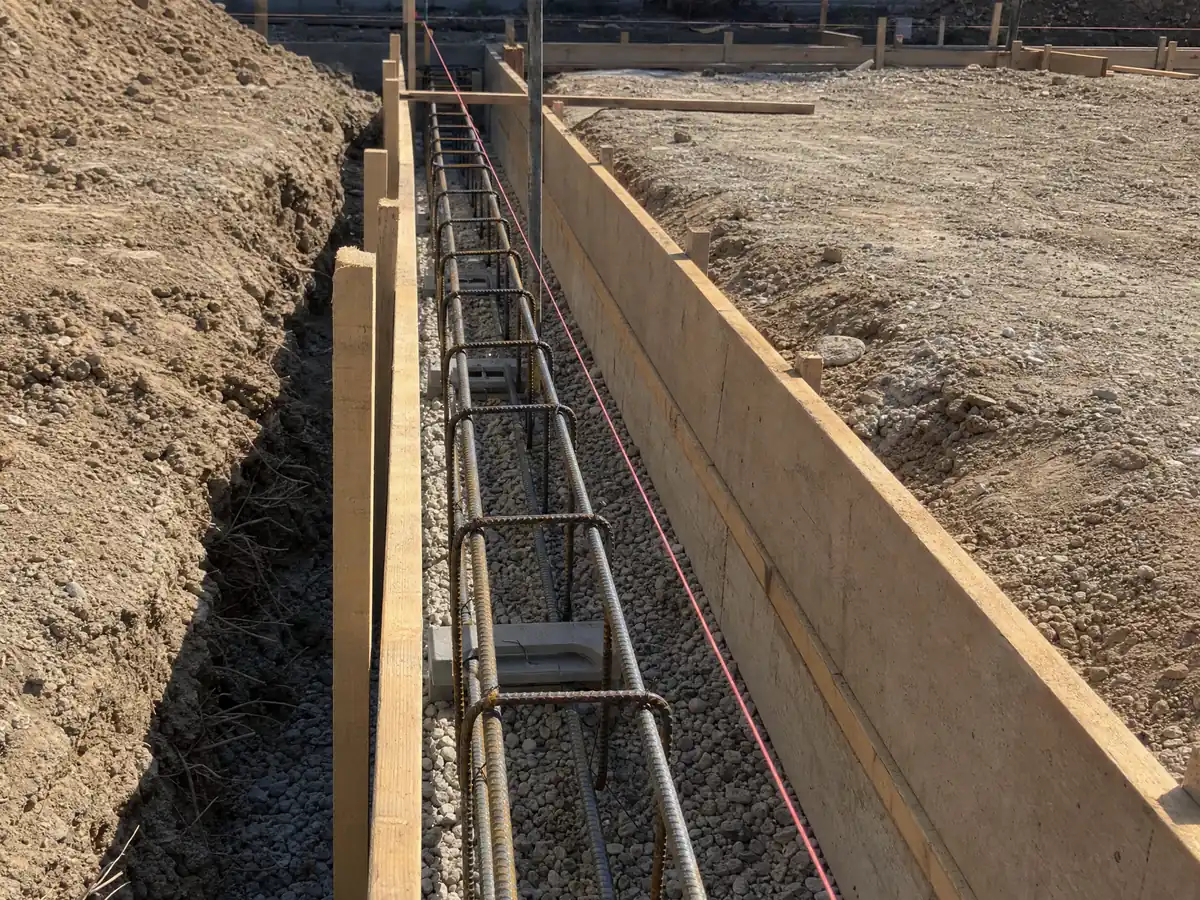
Start with the County's hazard layers, which we queried at 314 sample points inside the city. Of those, 59 fell in a State liquefaction zone, 28 in an Alquist-Priolo earthquake fault zone along the foothill edge, 6 in an earthquake-induced landslide zone and 153 in a mapped dam inundation area, mostly for Big Santa Anita Dam. The 100-year and 500-year flood layers returned no hits. These are point samples, not parcel findings, so a soils report is how a particular lot gets its answer.
Slopes add rules. The R-M zone and any lot with an average slope of 20 percent or more follow the hillside standards, which keep structures 5 feet from slope tops and toes and 30 vertical feet below ridgelines. A footing near a slope edge is a question for the Building Official before it is a question for the crew.
Rain reaches the ground first. The San Gabriel Fire Department station records 15.67 inches a year, with 12.75 of them from December through March, and Pasadena records 20.08. Ask how the subgrade and forms will be protected when a storm is forecast and where the runoff from a new slab will go.
What do plain, stamped and driveway concrete cost in Arcadia?
No Arcadia price study turned up, so these are Los Angeles planning numbers. Angi's 2026 Los Angeles pages put patios at $4 to $13 per square foot, stamped patios at $15 to $30 and driveways at $8 to $20. Our concrete page plans plain patios, walks and slabs of 300 square feet or more at $8 to $14, and driveway replacement with demolition at $9 to $20.
Multiply it out for a 400 square foot patio, which is 20 feet by 20: a plain finish lands between $3,200 and $5,600, and a stained, stamped or exposed aggregate finish between $6,000 and $12,000. Decorative surfaces cost more per square foot because pattern tools, color hardener and sealer add crew hours on top of the pour itself.
Small jobs price above these averages because crews charge minimums. For labor context, the federal wage survey lists cement masons in the Los Angeles-Long Beach-Anaheim area at a mean $33.67 an hour as of May 2025, a wage and not a billing rate. We print no per-foot price for retaining walls: Angi's Los Angeles average is $7,140 but its spread is wide, and height and drainage drive the number.
What should an Arcadia concrete proposal state, and who is licensed to pour it?
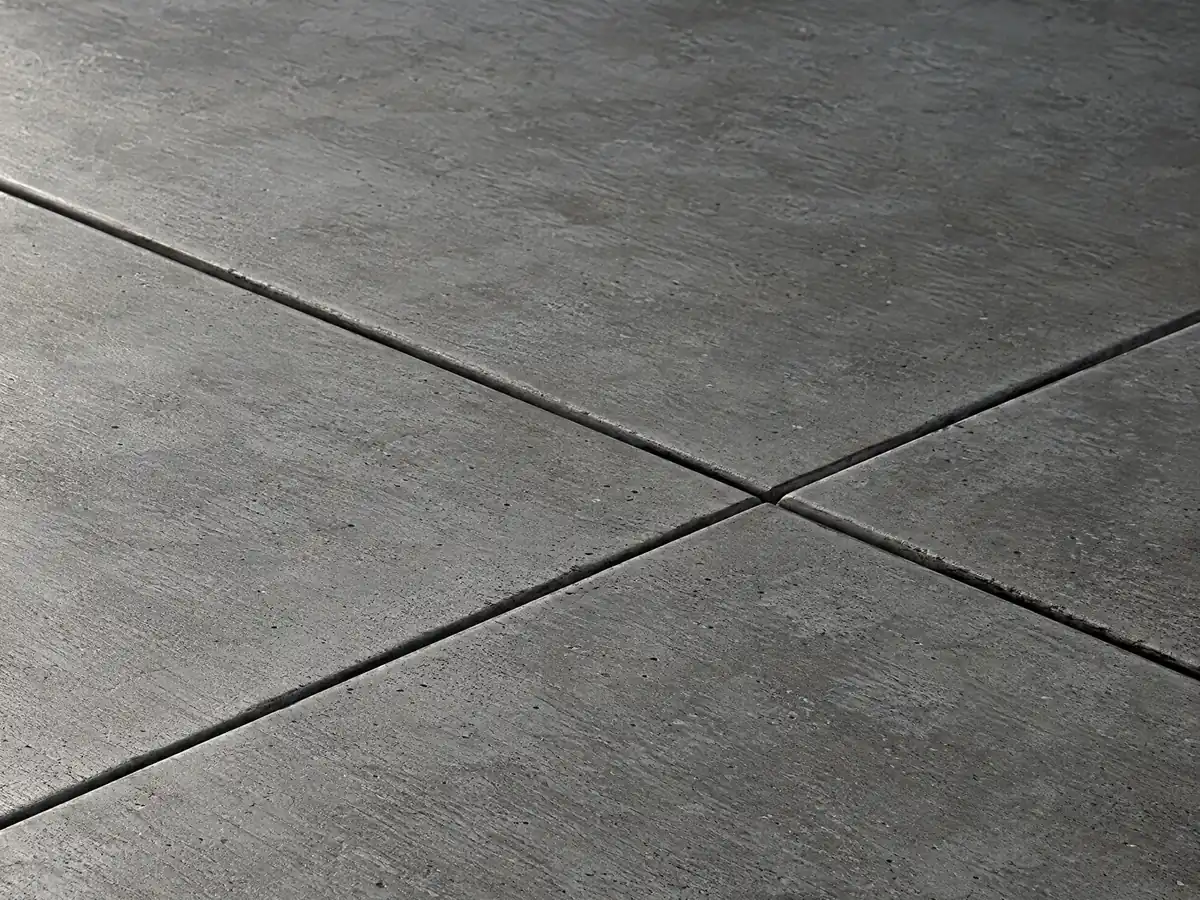
It should put thickness, base, reinforcing, joint layout, finish and curing in writing. We found no Arcadia code number for slab thickness, so 4 inches for a patio or walk is industry practice and not a City rule, and a driveway that carries vehicles may be built heavier. Ask how the control joints will be laid out, because joints decide where a slab cracks.
Heat matters at the finishing stage. The San Gabriel Fire Department station averages about 65 days a year at 90 F or above and 7 at 100 F or above, with an August average high of 87.6 F, and hot dry air shortens the time a crew has to close the surface. Ask what shade, wetting and curing the subcontractor plans for a July pour and what time the crew will start.
On licenses, CSLB's C-8 class covers forming, placing and finishing concrete, while C-29 masonry covers block walls, so a slab and a block wall can involve different subcontractors. Our license check guide shows how to verify a number.
Concrete photos from Arcadia and nearby communities
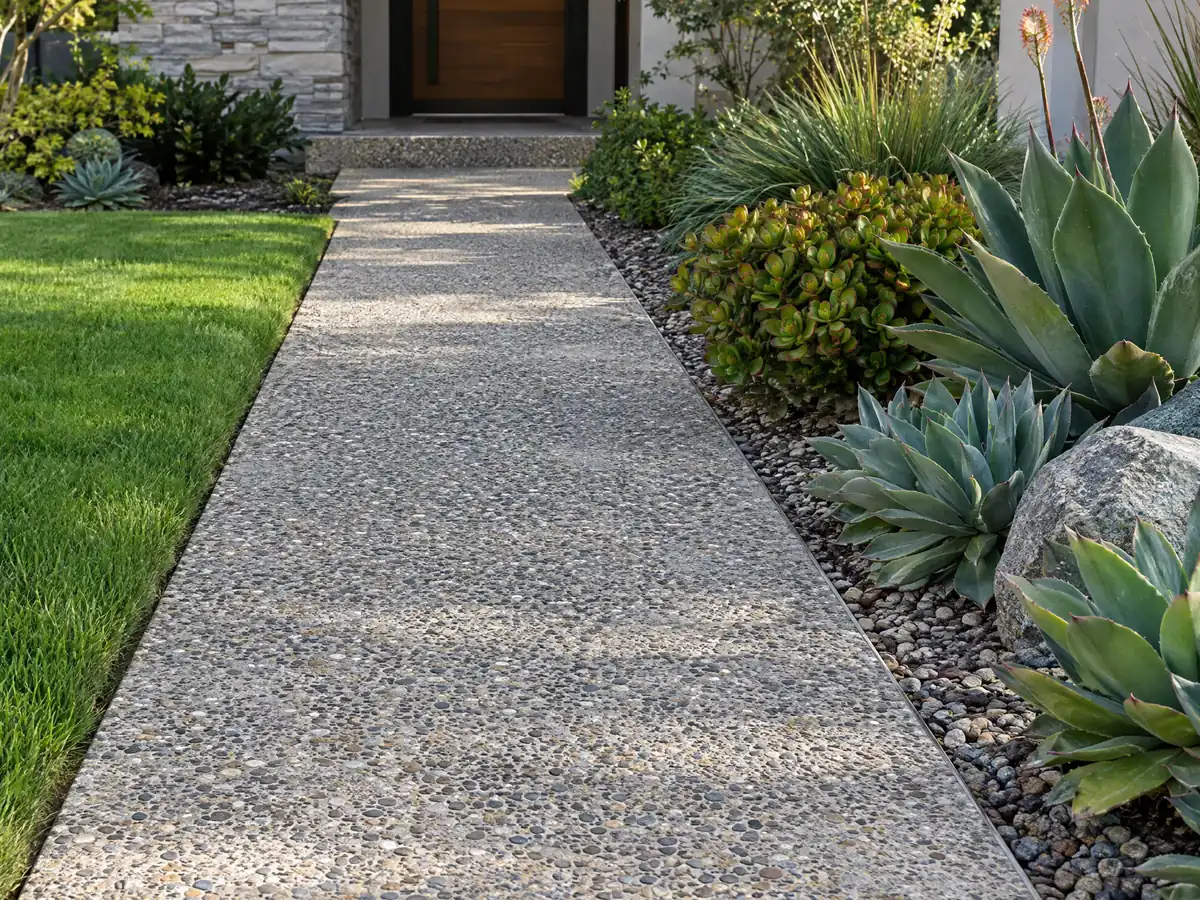
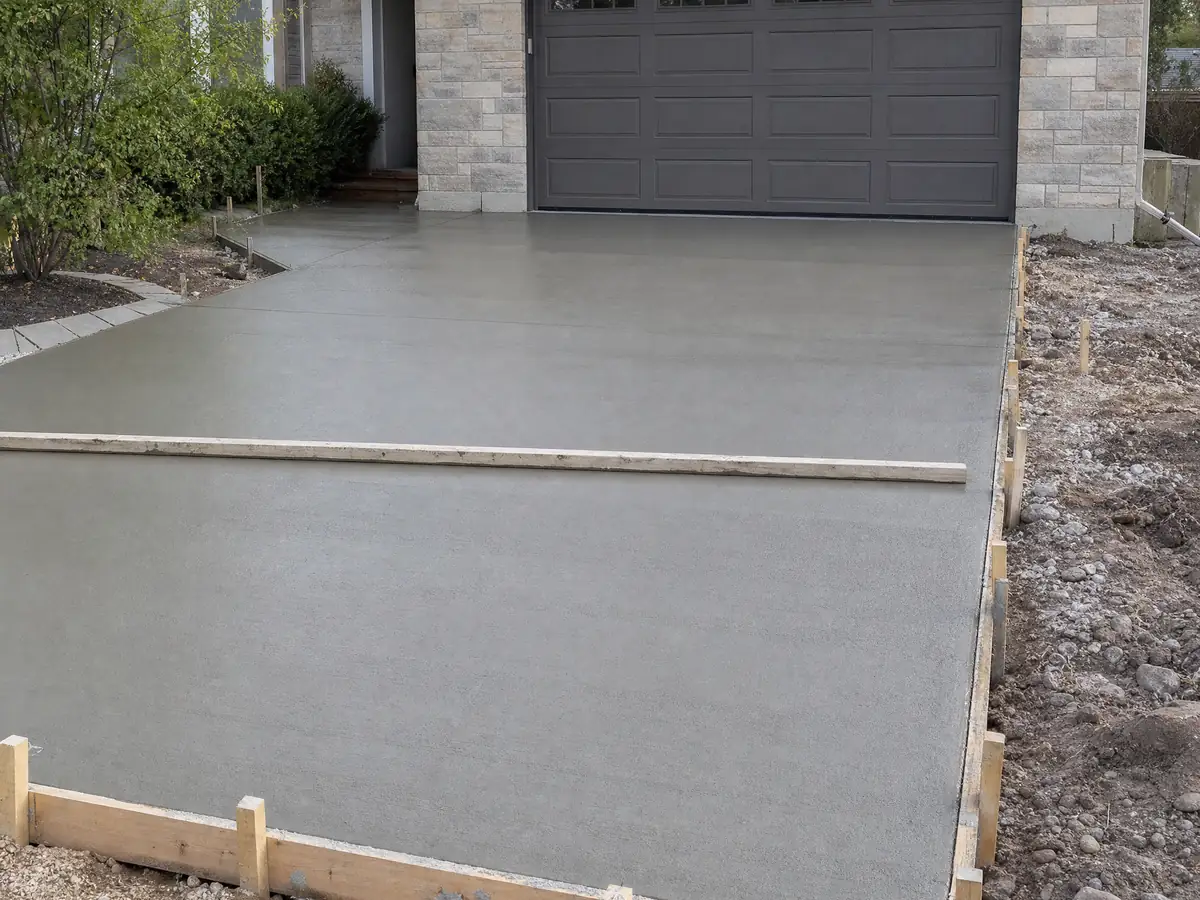
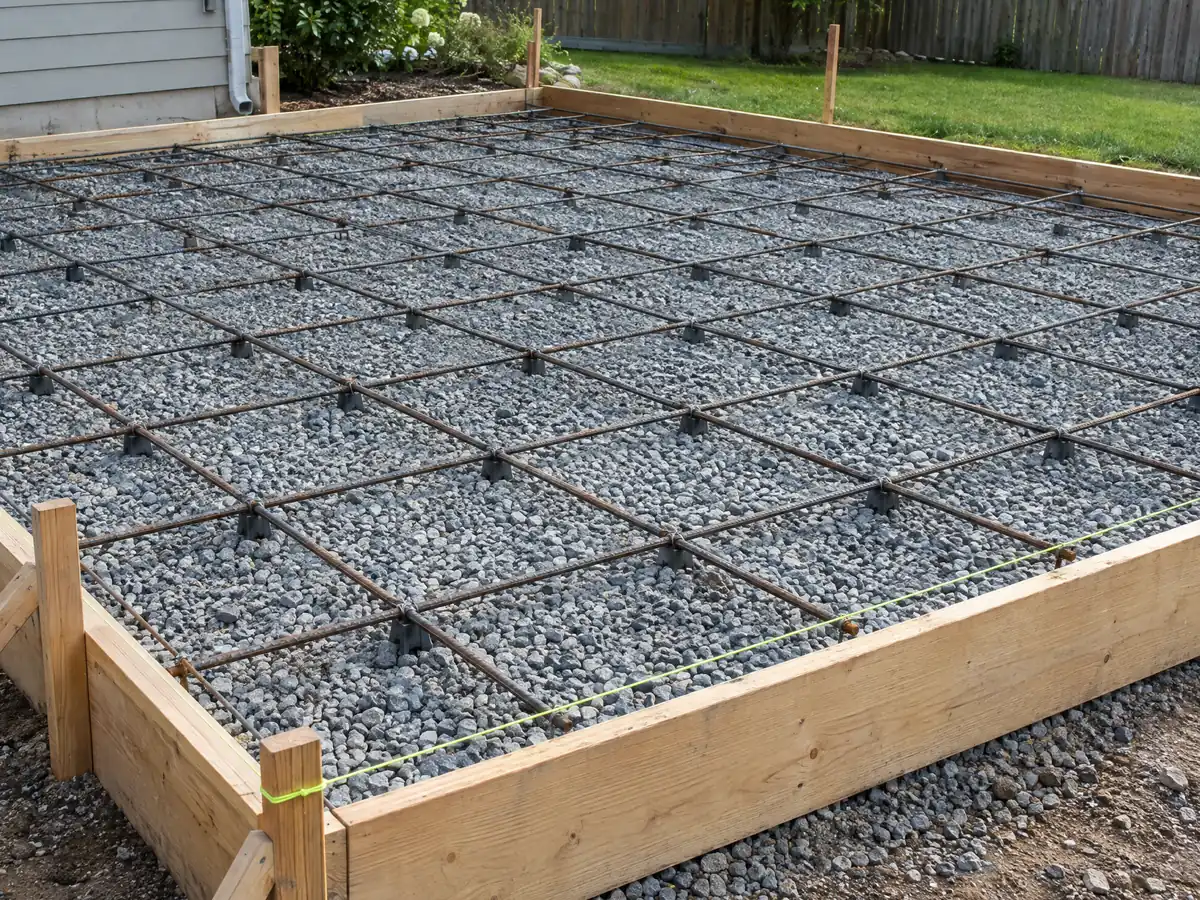
Six photos of footings, forms and finished flatwork from Arcadia and its neighbors, including walks, driveways and block walls. Tap any photo to enlarge it.
What concrete costs around Arcadia
These are Los Angeles planning ranges from the concrete page, not an Arcadia bid, and the subcontractor guide explains how trade work is divided. Demolition, rebar, tree protection, approach work and permits should each appear as their own line in a proposal. For comparison, see concrete work in Pasadena, concrete in El Monte, concrete in Glendale and concrete in Los Angeles, and for the rest of the property, flooring in Arcadia and decks in Arcadia.
| What it covers | Typical range |
|---|---|
| Patio, walkway or slab, broom finish, 300 sq ft or more | $8 to $14 per square foot |
| Decorative: stained, stamped or exposed aggregate | $15 to $30 per square foot |
| Driveway replacement, with demolition of the old slab | $9 to $20 per square foot |
| 20 by 20 foot plain patio (400 sq ft) | About $3,200 to $5,600 |
| 20 by 20 foot decorative patio (400 sq ft) | About $6,000 to $12,000 |
| Small jobs under 300 sq ft | Usually above the per-foot range |
| Retaining walls | Set by the written proposal |
Arcadia concrete questions, answered
Can I pour a concrete patio without a permit in Arcadia?
Possibly. The City's FAQ lists walks and driveways on private property among the work that needs no building permit, but a patio slab is not named, so confirm yours with Building Services at (626) 574-5416. Zoning still applies, and a protected tree within 15 feet of the slab can block it outright.
Can I expand my driveway without a permit in Arcadia?
A building permit is not required for a driveway on private property, but zoning limits what you can pave. Walkways and driveways together may cover no more than 40 percent of a required front or street-side setback, and a single-family driveway tops out at 20 feet wide. Ask Planning at (626) 574-5423 before widening.
What is the maximum height of a retaining wall without a permit in Arcadia?
We could not confirm a height. The City's FAQ says walls over 18 inches tall need a building permit, and we found no Arcadia statement adopting the 4 foot exemption in the model building code, so treat anything over 18 inches as a permit question. Walls on hillsides go through Site Plan Review.
How much should a 20x20 concrete patio cost in Arcadia?
Roughly $3,200 to $5,600 for a plain broom finish and $6,000 to $12,000 for stained, stamped or exposed aggregate work, from 400 square feet at the Los Angeles planning rates of $8 to $14 and $15 to $30 per square foot. Those rates rest on Angi and HomeGuide pages, so a written proposal sets the real price.
How much does a concrete driveway cost in Arcadia?
Plan on $9 to $20 per square foot with the old slab removed, a low-confidence Los Angeles range from Angi's 2026 pages, since no Arcadia study turned up. A two-car driveway of about 600 square feet multiplies out to $5,400 to $12,000. Slope, access and the approach across the sidewalk move the number.
Is 4 inches of concrete thick enough for a driveway in Arcadia?
Four inches is common practice for patios and walks, but we found no Arcadia code number for slab thickness. A driveway carries vehicles, and the approach in the public right of way must be 6 inch Portland cement concrete under the City's parking chapter. Have the subcontractor state thickness, base and reinforcing in the proposal.
How close can concrete go to an oak tree in Arcadia?
Stay at least 15 feet from the trunk of a protected oak or sycamore, and farther if the protected zone is larger. The City's Tree Preservation chapter bars walls and impervious paving inside that zone, and the trees it covers start at 4 inches across for coast live and Engelmann oaks, 12 inches for other oaks and 6 inches for western sycamores.
Who is allowed to do concrete work in Arcadia, and what license is needed?
Poured concrete falls under CSLB's C-8 class and block walls under C-29. California law lets unlicensed work stand only when the whole contract totals under $1,000, is casual and minor, and needs no permit, under Business and Professions Code 7048. Look up any license number on the CSLB site before you sign.
Can you pour concrete in the rain or the heat in Arcadia?
Yes, with precautions. The nearest weather station averages about 65 days a year at 90 F or above, and 12.75 of its 15.67 inches of precipitation fall from December through March. Ask how the subcontractor will shade, wet and cure a slab in summer, and how forms and subgrade will be covered if a storm is forecast.
Tell us about the yard, the trees and the slab
Tell us the street, whether any oak or sycamore stands near the work, how much of the front yard is paved now and whether the slab, wall or driveway is new or a repair. We check the tree, zoning and permit rules before we call back.