
Deck Builderin Culver City, CA
A deck builder in Culver City treats every new or replacement deck as permit work, because the City's permit list gives no exemption by height, and Planning issues a zoning clearance with it. Hillside lots, the fire zone maps and rooftop setbacks add review, so repairs that touch posts, ledgers or guards should be priced as permitted work.
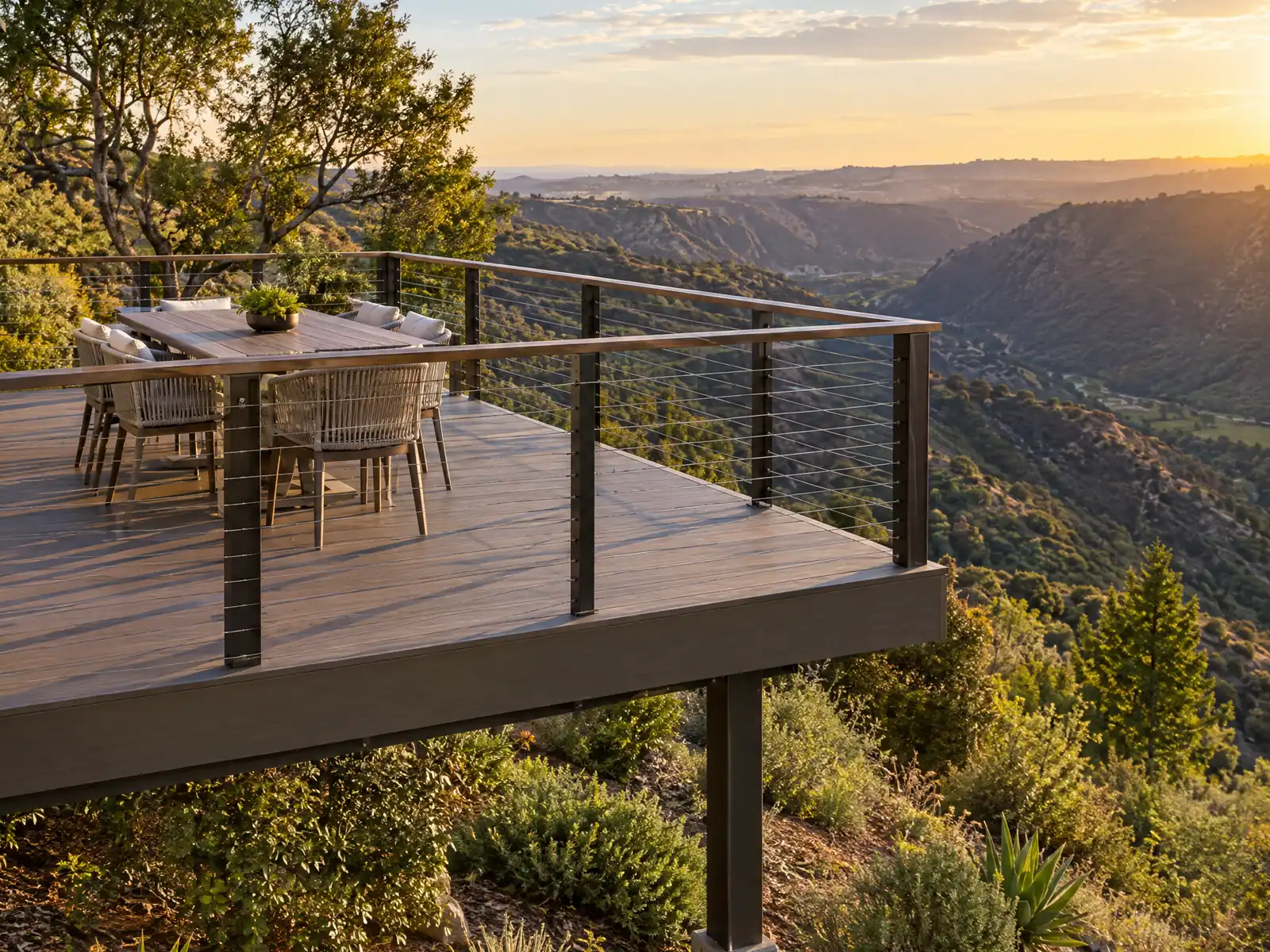
Decks here go on small flat lots, steep hillside lots and buildings never designed for outdoor living. The Census Bureau's 2024 five-year survey counts 18,803 housing units, of which only 36.4 percent are detached single-family homes, 41.3 percent sit in buildings of five or more units and 83.9 percent were built before 1980, while 45.4 percent of households rent. A deck job might be a rear platform behind a 1950s bungalow, a rooftop on a townhome or an aging balcony off a rental, and the approvals differ for each.
MDG Builders, CSLB #1040337, is a general contractor in Tarzana. We design the deck, take the permit questions to Building Safety and run the schedule, while licensed carpentry subcontractors build it, with license numbers and insurance certificates available on request. Materials and prices live on our deck page, and the Culver City overview lists the rest of our work here, including concrete and flooring.
What Culver City's permit list, zoning code and fire maps say about decks
Where decks permits come from in Culver City: City of Culver City Planning and Development Department, Building Safety Division.
- A deck above grade and a 'deck, new or replacement' need a building permit in Culver City, as do patio covers, trellises and arbors; the City's list gives no deck exemption by height.
- Rooftop decks in R1, R2 and -RH zones must be set back 5 feet from the building edge along an interior side yard (and the rear yard next to a residential lot) and include a built-in landscaped planter in the setback to screen views of the neighbors (17.210.020 and 17.260.040).
- Roofed accessory structures such as patio covers count as accessory structures: setbacks of 2 or 4 feet apply unless the structure is over 12 feet tall (then house setbacks), they may cover at most 50 percent of the required rear or side setback area, and the accessory structure floor area cap is 800 square feet with carports and other non-habitable structures not counted (17.400.100).
- Decks that do not support and are not supported from the main building on slopes steeper than 33.3 percent are exempt from the Culver City hillside seismic provisions of CBC 1613.6, while decks attached to a hillside house must comply.
- In the -RH hillside overlay, floor area includes covered porches and covered patios, so a covered deck counts toward the floor area ratio (17.260.040.C).
- Swimming pool, spa and similar outdoor water features must be fenced in compliance with the building code (17.300.030.E.1), which governs barriers around pool decks.
- Retaining walls assigned to Seismic Design Category D, E or F may not be wholly or partly constructed of wood under the Culver City CBC text (1807.2), which rules out timber crib or railroad-tie terrace walls on slopes there.
Do you need a permit to build or repair a deck in Culver City?
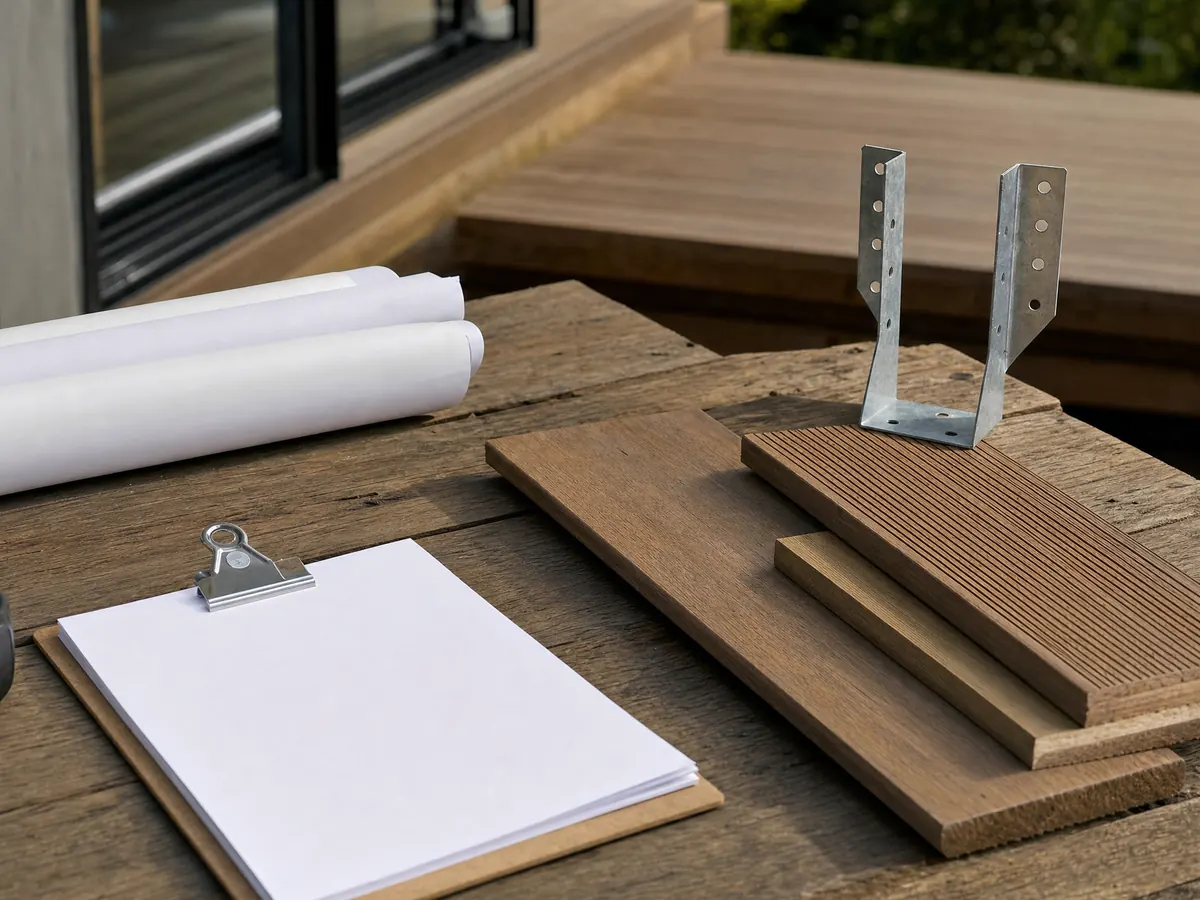
Yes for a new or replacement deck. The City's required permits page lists a deck above grade and a new or replacement deck as permit work, as it does patio covers, trellises and arbors, and it prints no exemption for low decks. Zoning rides along: a Planning zoning clearance is part of every building or grading permit (17.510.010), so footprint and setbacks are checked before plans reach Building Safety.
Repairs sit in a gray zone, since the City says its lists are partial. We price replacing posts, joists, a ledger or stairs as permit work and a handful of surface boards as the likely exception, then confirm with the Building Safety Division. The City says plan check runs about 15 to 20 business days from payment and routing, and a permit lapses if work does not begin within 12 months or stalls for 180 days.
Working first and asking later costs more, and the City publishes two amounts. The code amendment adds a fee equal to 100 percent of the normal permit fee, while the fee schedule lists an investigation fee of $274.95 or the permit fee, not over $740, whichever is greater. A condo deck also needs the association's approval, and a rental deck the owner's.
Do Culver City's fire hazard maps change which deck boards you can use?
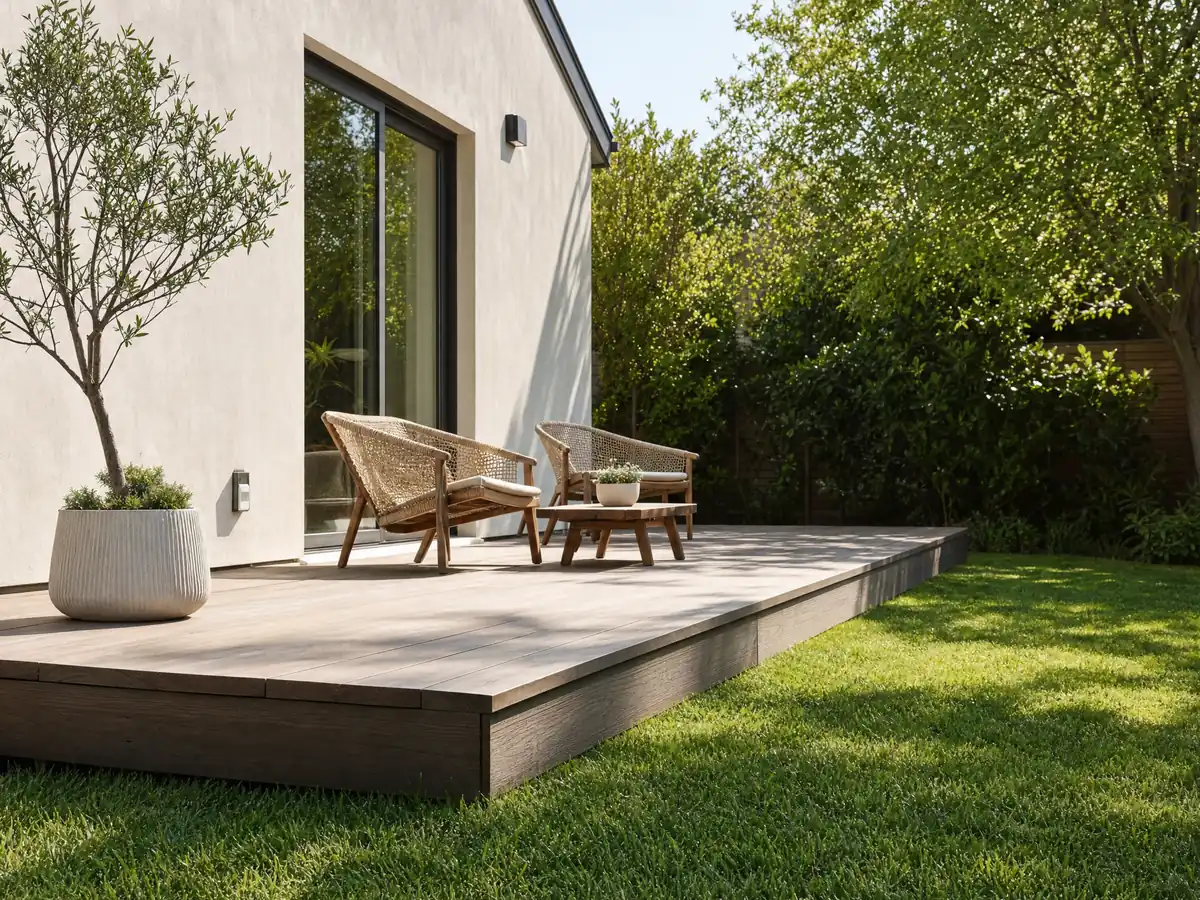
It depends on which map you read, and the two do not agree. The County's copy of the CAL FIRE local responsibility layer, revised August 21, 2025, put 23 of 1,299 sample points inside the city in Very High, 117 in High, 43 in Moderate and 1,116 in Non-Wildland. The City's Safety Element describes the Very High area as the east part of Culver Crest, Blair Hills and parts of the Inglewood Oil Field, and says the City chose to keep using the 2011 State map.
The Fire Department's update page says it recommended keeping the Very High boundaries and adding the High and Moderate zones from the State Fire Marshal's 2025 maps, released March 24, 2025, where home hardening, Wildland-Urban Interface Code compliance and disclosure at sale apply. We could not confirm that the City adopted them, and we name no boundary, because the County's Very High points and the Safety Element's neighborhood description do not line up. Ask the Fire Department about the address.
In a Very High zone a vegetation management plan goes to the Building Official and the work must be finished before final inspection (15.02.1145), and the Fire Department says owners keep 100 feet of defensible space. Where the Wildland-Urban Interface Code applies, section R337.9.3 of the residential code limits decking surfaces to tested ignition-resistant, fire-retardant-treated or noncombustible products, so check any composite brand against the State Fire Marshal listing before ordering.
How does the Hillside H designation affect a deck on a Culver City slope?
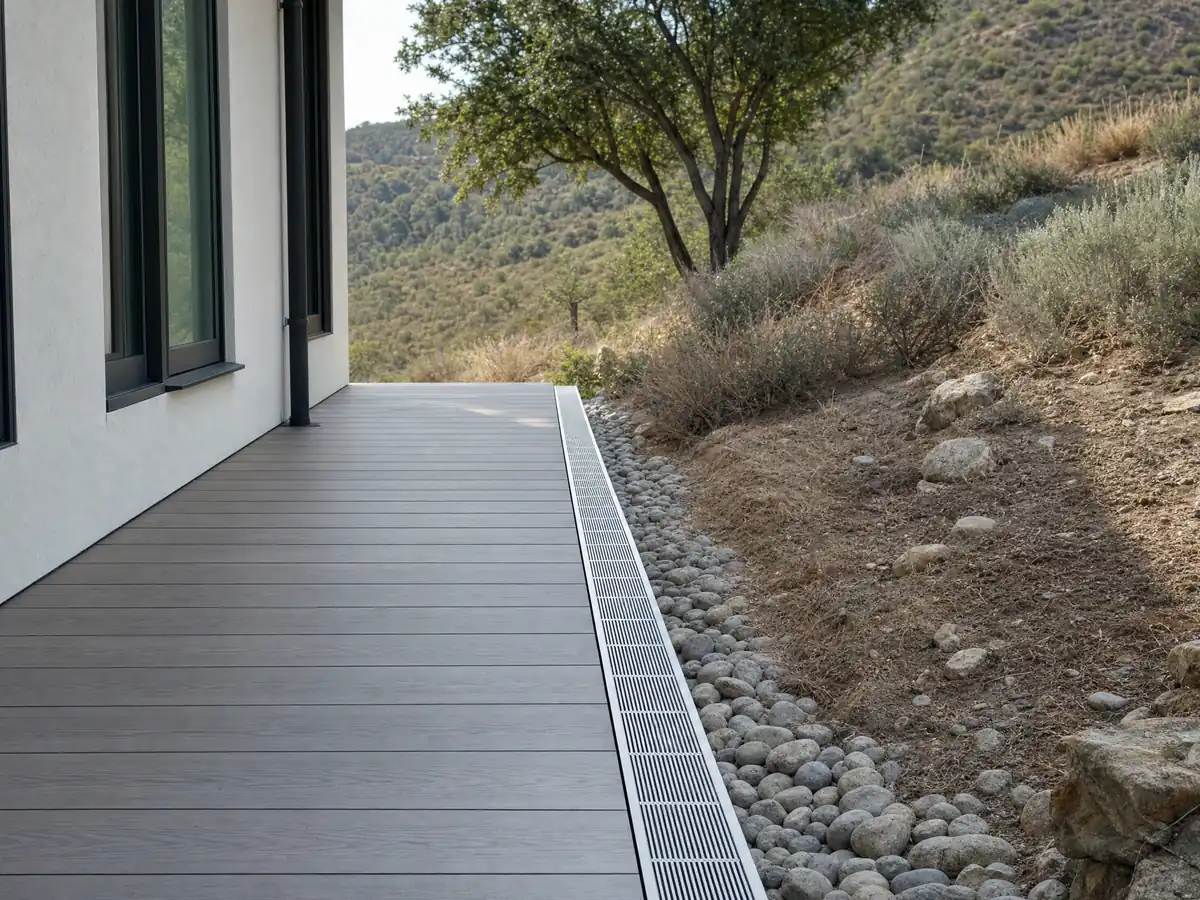
A lot with a slope of 15 percent or more anywhere on it carries the recorded Hillside 'H' designation, which brings a topographic survey, a geotechnical and geological report with any grading plan, and third-party grading review at the owner's expense. Grading is capped at 500 cubic yards plus 5 percent of the lot size, so footings, a leveled pad or a wall below the deck belong in the same conversation.
The City adds seismic design rules (CBC amendment 1613.6) for additions built on or into slopes steeper than 1 vertical in 3 horizontal. Decks that neither support nor hang from the main building are exempt, while a deck attached to a hillside house must comply. In the -RH overlay, floor area counts covered porches and covered patios, so a roofed deck eats into a ratio that falls from 0.45 to 0.25 as slopes steepen.
Terraces below a deck raise the wall question. A retaining wall under 4 feet from footing to top on flat ground is exempt from a building permit, taller or surcharged walls need engineering, and zoning caps one wall at 6 feet and a stack at 12. Under the City's amendment, walls in Seismic Design Category D, E or F may not be built wholly or partly of wood, which rules out timber crib walls. Which lots sit in the -RH overlay or carry the H designation is a question for the City's map.
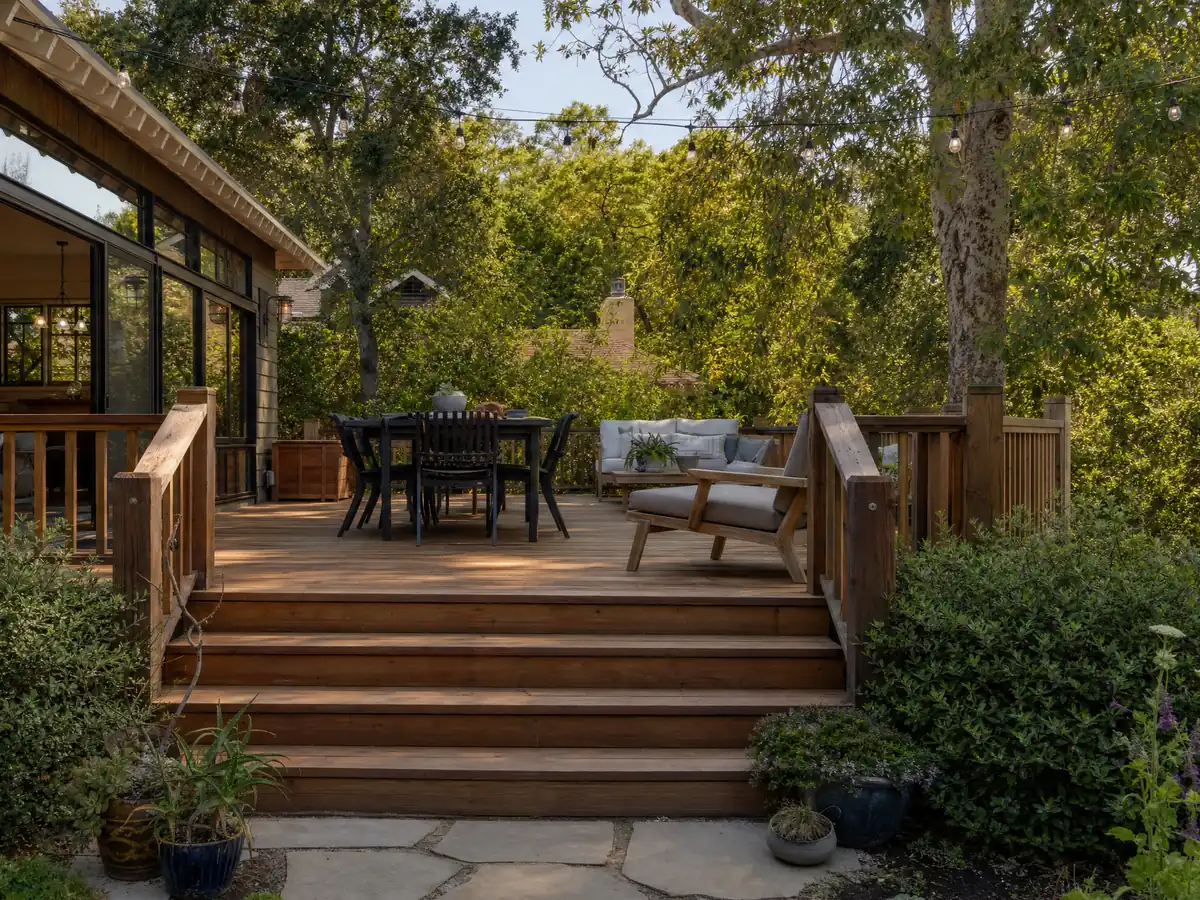
Deck repair in Culver City: when do ledgers, posts and guards need work?
Start at the house wall. The 2022 California Residential Code asks for a ledger of at least 2 by 8 pressure-treated lumber, flashed where it meets the wall, with hot-dipped galvanized or stainless fasteners, plus a pair of 1,500 pound hold-down devices within 24 inches of each end or four of 750 pounds. Culver City applies the 2025 edition with local amendments to projects submitted after January 1, 2026, so check section numbers against the edition on your permit.
Once the drop from the walking surface to the ground tops 30 inches anywhere within 3 feet of the edge, the code wants a guard at least 42 inches tall, with gaps too small for a 4 inch ball to pass. Loose rails, soft post bases and worn stair stringers are worth checking on any older deck.
Wood decay and insects deserve a probe. University of California pest guidelines say drywood termites are most common in southern California and infest decks and fences, so a repair bid should include checking posts and the ledger area. With a median year built of 1963, many decks here hang on houses with decades of paint and flashing behind the boards.
- Will the job replace only surface boards, or will posts, joists, stairs or the ledger change?
- Who probes the wood and ledger area for decay before a price is set?
- Which code edition and which permit will the repair follow?
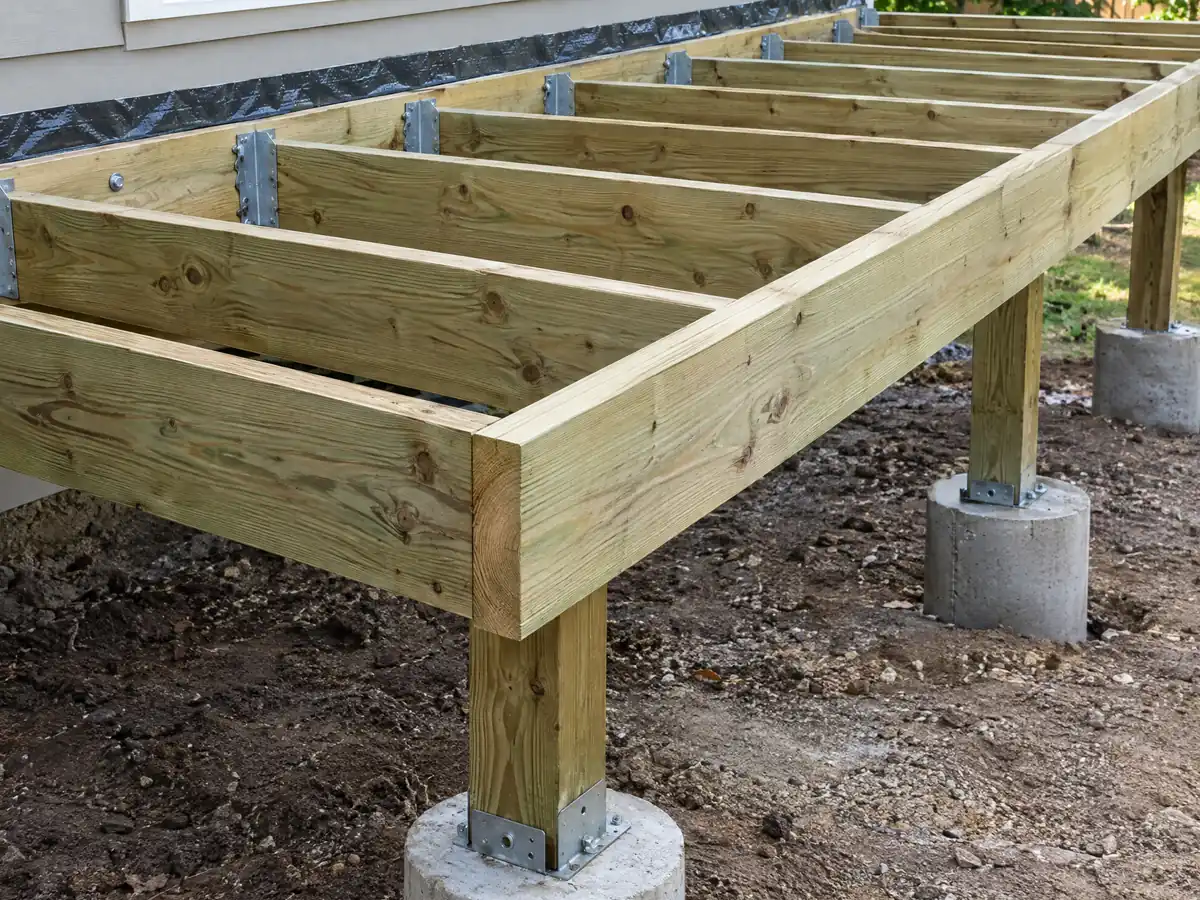
What are the limits on rooftop decks, patio covers and pool decks in Culver City?
Rooftop decks in R1, R2 and -RH zones must sit back 5 feet from the building edge along an interior side yard, and along a rear yard that abuts a residential lot, with a built-in landscaped planter in that setback to screen views of the neighbors (17.210.020 and 17.260.040). A rooftop is also the one place where the permit list's silence on height does not matter, since the deck is above grade by definition.
Roofed structures follow the accessory structure rules (17.400.100): setbacks of 2 or 4 feet unless the structure is over 12 feet tall, in which case house setbacks apply, cover of no more than 50 percent of the required rear or side setback area, and an 800 square foot cap on accessory floor area, with carports and other non-habitable structures not counted. Ask Planning whether your pergola counts as a patio cover before drawing it.
Pool decks come with barriers. Swimming pools, spas and similar features must be fenced in line with the building code (17.300.030.E.1), and the City's submittal list says block walls and pools receive separate permits. Fences may not use barbed wire, razor ribbon or electric current.
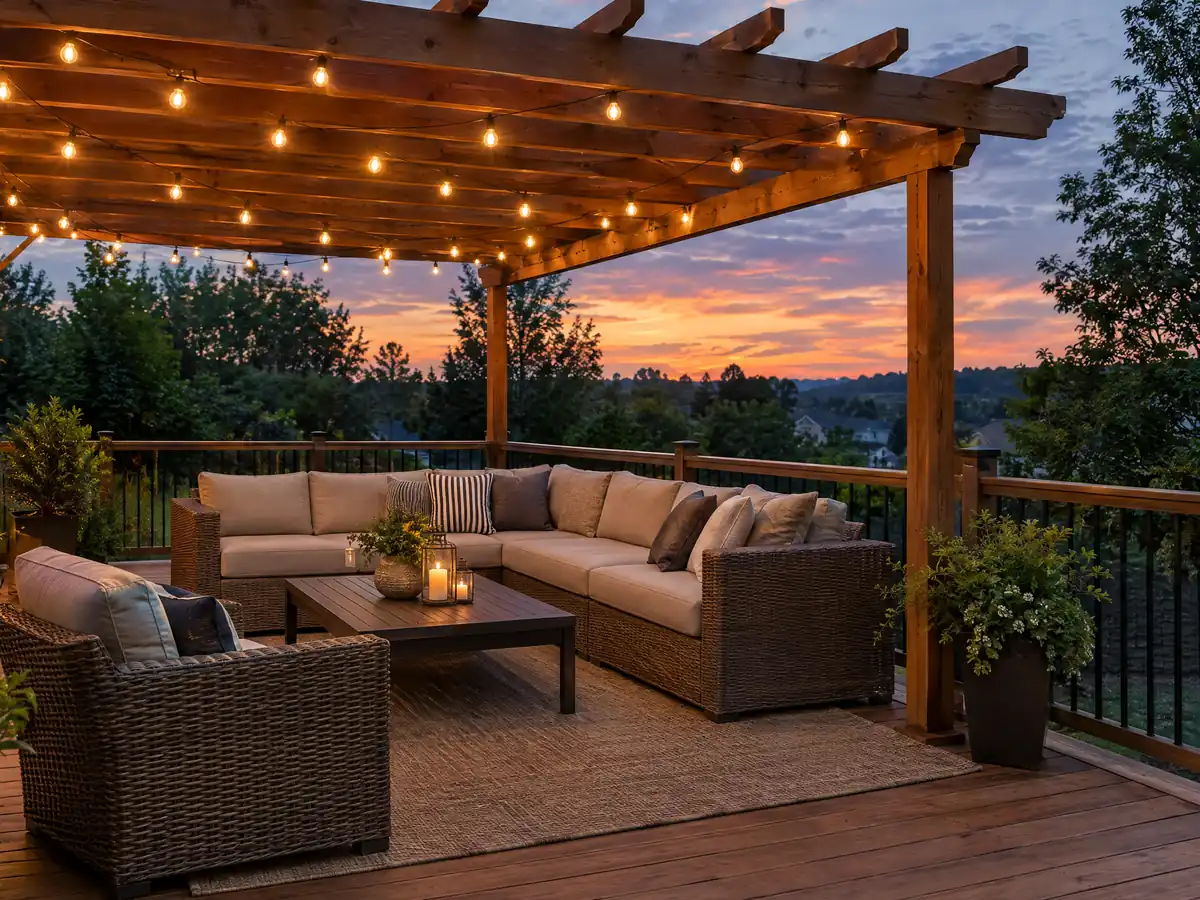
What does a deck builder charge in Culver City, and is wood or composite the better value?
No Culver City deck study turned up, so we use the Los Angeles ranges on our deck page: pressure-treated wood at $45 to $75 per square foot installed on a flat lot and composite at $65 to $110, which puts a 16 by 20 foot deck at about $14,500 to $24,000 in wood or $21,000 to $35,000 in composite. Permits and engineering are extra, and hillside, second-story and rooftop decks have no independent price, so they are quoted after a site visit.
Remodeling magazine's Cost vs. Value 2025 report follows a defined Los Angeles deck of that size with a built-in bench, planter, three steps and full railing. It puts wood at $18,419 with 99.6 percent recouped at resale and composite at $26,872 with 73.9 percent recouped. Our confidence is medium for wood and lower for composite, and a written proposal is the only real price.
Carpentry is the license that matters. CSLB class C-5 covers framing and rough carpentry, and a wood deck fits that work, though we could not confirm which class CSLB assigns to composite surfacing or waterproof decks. Our license check guide shows how to look a number up, and a permit needs the contractor to hold a current Culver City business tax certificate.
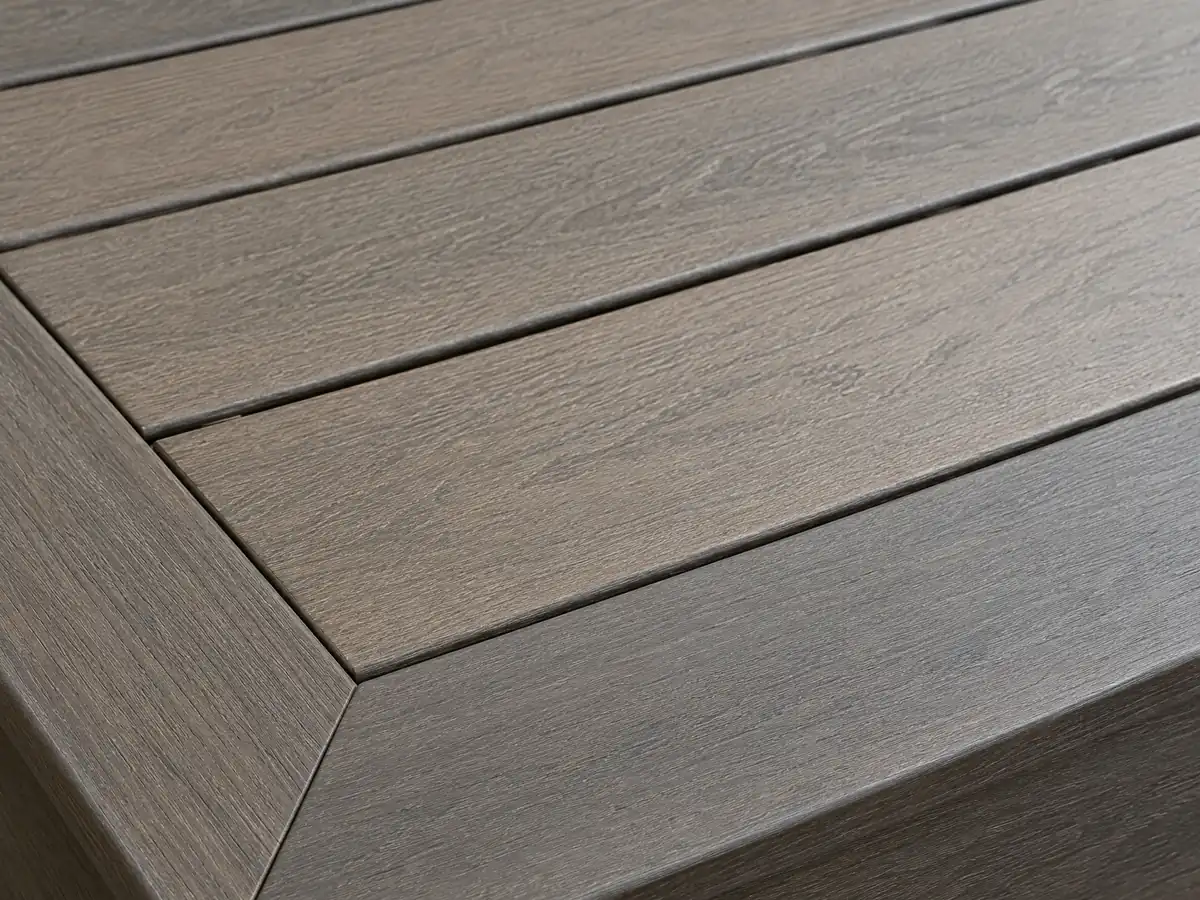
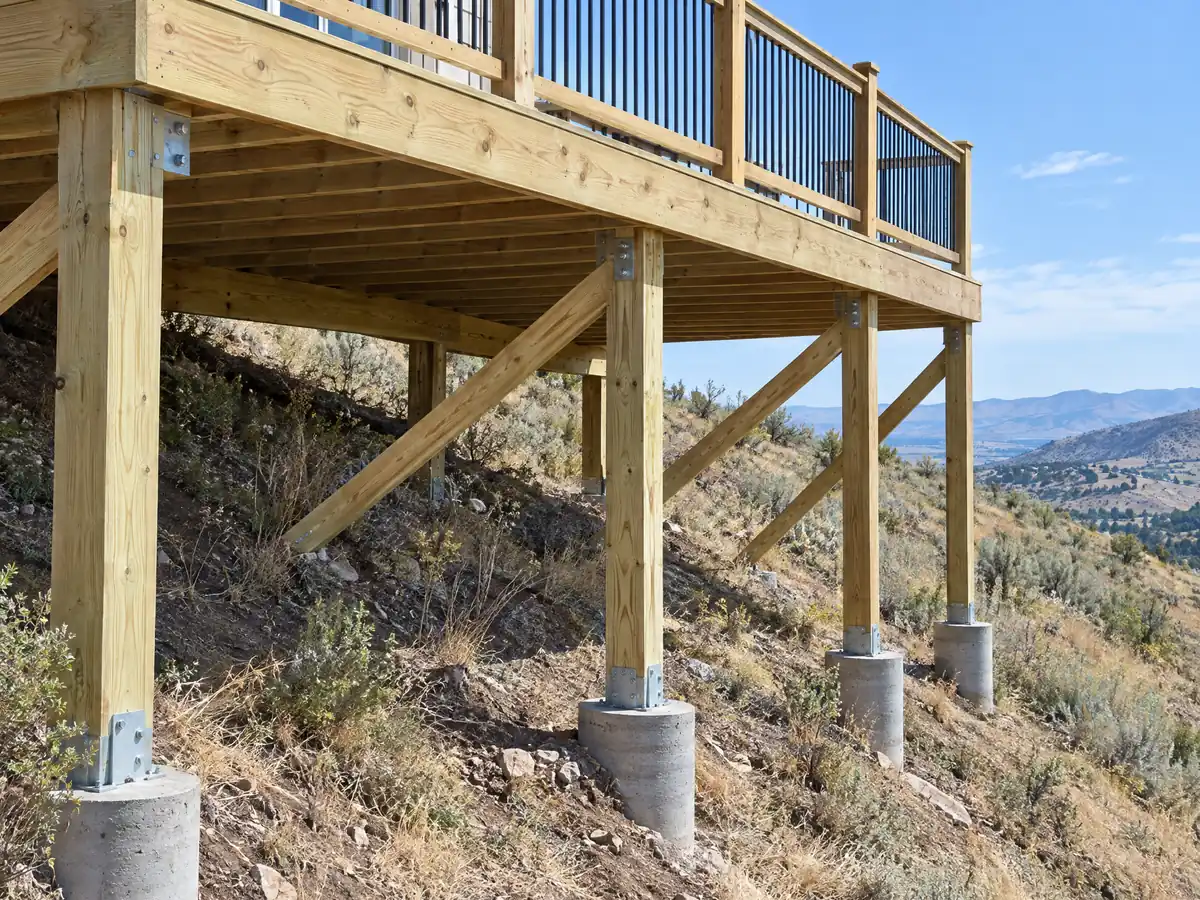
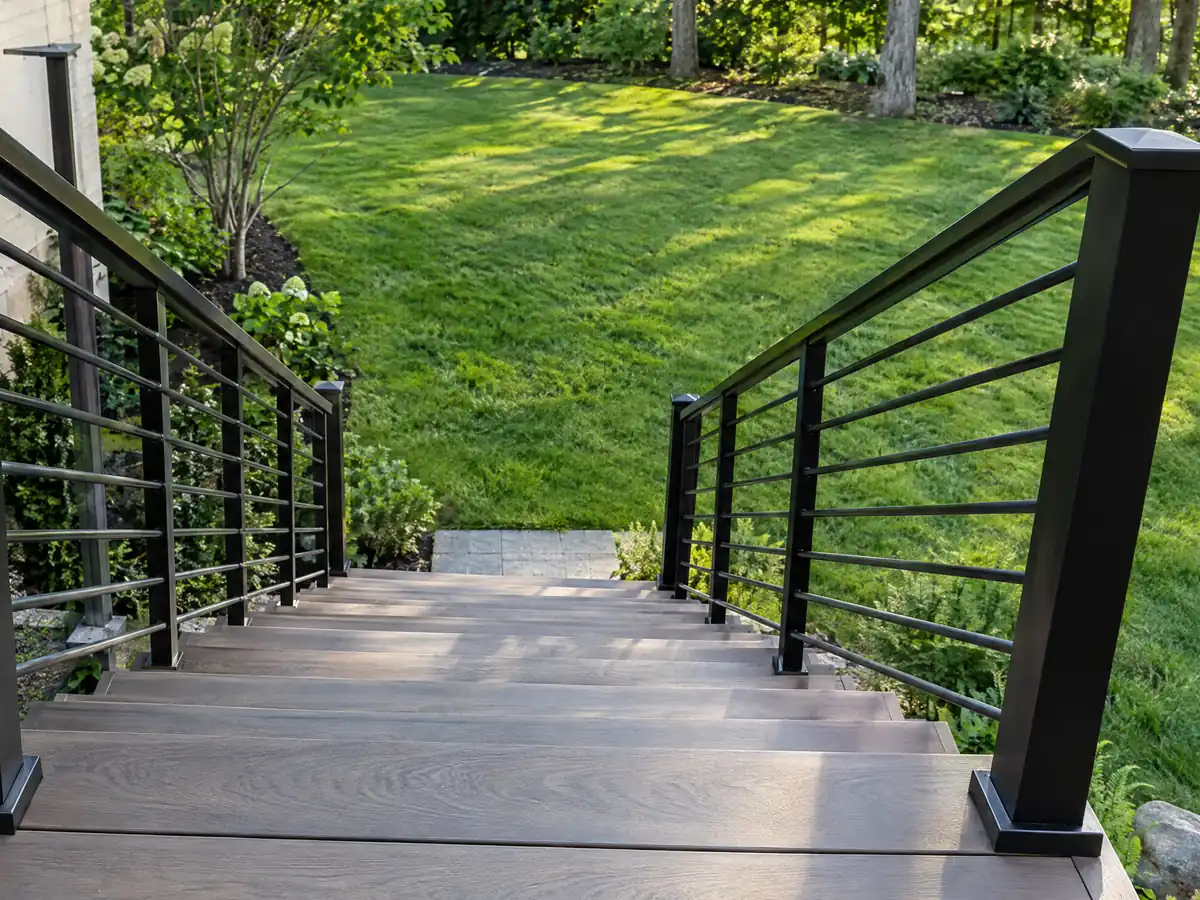
Deck photos from Culver City and nearby Westside communities
Framing, boards, railings and finished decks from around Culver City. Tap any photo to enlarge it.
What decks costs around Culver City
The ranges come from the Los Angeles figures on our deck page, where wood is rated medium in confidence and composite lower, so none of them is a Culver City quote. Engineering, fire-listed boards and grading are separate proposal lines, and the guide on how general contractors use subcontractors explains who does what. Related pages: decks in Los Angeles, decks in Inglewood, decks in Santa Monica and decks in Glendale. Beverly Hills and West Hollywood run their own rules.
| What it covers | Typical range |
|---|---|
| Pressure-treated wood deck | $45 to $75 per square foot |
| Composite deck | $65 to $110 per square foot |
| 16 by 20 foot wood deck (320 sq ft) | About $14,500 to $24,000 |
| 16 by 20 foot composite deck | About $21,000 to $35,000 |
| Hillside, second-story, rooftop and ipe decks | Priced by site visit |
| Permits and engineering | Quoted as separate lines |
Other work we manage in Culver City
Culver City deck questions: permits, hillside lots and fire zones
Do you need a permit to build a deck in Culver City?
Yes. The City's permit list names a deck above grade and a new or replacement deck as permit work and prints no exemption by height. A Planning zoning clearance comes with every building permit. Ask Building Safety about a low deck on level ground, because the City says its lists are partial.
What is the largest deck without a permit?
We found no size or height exemption for decks in Culver City, so there is no safe square footage to quote. The model code's 200 square foot and 30 inch idea does not appear on the City's list. Treat any attached deck, any deck over 30 inches and any hillside deck as permit work until Building Safety says otherwise.
Does deck repair need a permit in Culver City?
Replacing a few boards is the likeliest exception, but the City's lists are partial, so ask. Replacing posts, joists, stairs or a ledger is structural, and we price it as permit work. Plan check runs about 15 to 20 business days by the City's own statement, so start early.
How much should a 16x20 deck cost?
About $14,500 to $24,000 in pressure-treated wood and $21,000 to $35,000 in composite on our Los Angeles ranges, before permits and engineering. Cost vs. Value 2025 priced its own Los Angeles deck of that size at $18,419 in wood and $26,872 in composite. Only a written proposal sets your price.
Is it cheaper to build a wood deck or composite deck?
Wood costs less to build: $45 to $75 per square foot against $65 to $110 for composite in our Los Angeles ranges. At resale, Cost vs. Value 2025 shows wood earning back 99.6 percent of its cost and composite 73.9 percent. Composite saves upkeep, and in a fire zone the boards must be a listed product.
Is railing height 36 or 42 for decks?
Forty-two inches for a house deck. The California Residential Code requires a guard where the drop exceeds 30 inches within 36 inches of the edge, sets 42 inches as the minimum height and limits openings to under 4 inches. Culver City adds local amendments, so check the edition named on your permit.
What happens if a deck is built without a permit?
The City can charge a penalty, and its two published amounts differ. The code amendment adds 100 percent of the permit fee, while the fee schedule lists $274.95 or the permit fee, up to $740, whichever is greater. Each day of a code violation can also count as a separate misdemeanor offense under Municipal Code 15.02.005.
Can I build a composite deck in a Culver City fire zone?
Possibly, if the board is a listed product. The County map and the City's Safety Element disagree on where Very High sits, and we could not confirm that the City adopted the 2025 State maps, so we name no boundary. Where the Wildland-Urban Interface Code applies, decking must be ignition-resistant, treated or noncombustible.
Can I build a deck on a Culver City hillside lot?
Yes, with engineering. A lot with a 15 percent slope carries the Hillside H designation, which brings a survey, a geotechnical report and third-party grading review, with grading capped at 500 cubic yards plus 5 percent of the lot size. Attached decks on steep slopes must meet the hillside seismic rules, and a roofed deck counts toward floor area in the -RH overlay.
Tell us about the lot, the height and the house
Say how high the deck would sit, whether it joins the house, a roof or a condo wall, and whether the lot slopes, and we will bring the permit and fire map questions to the first visit.